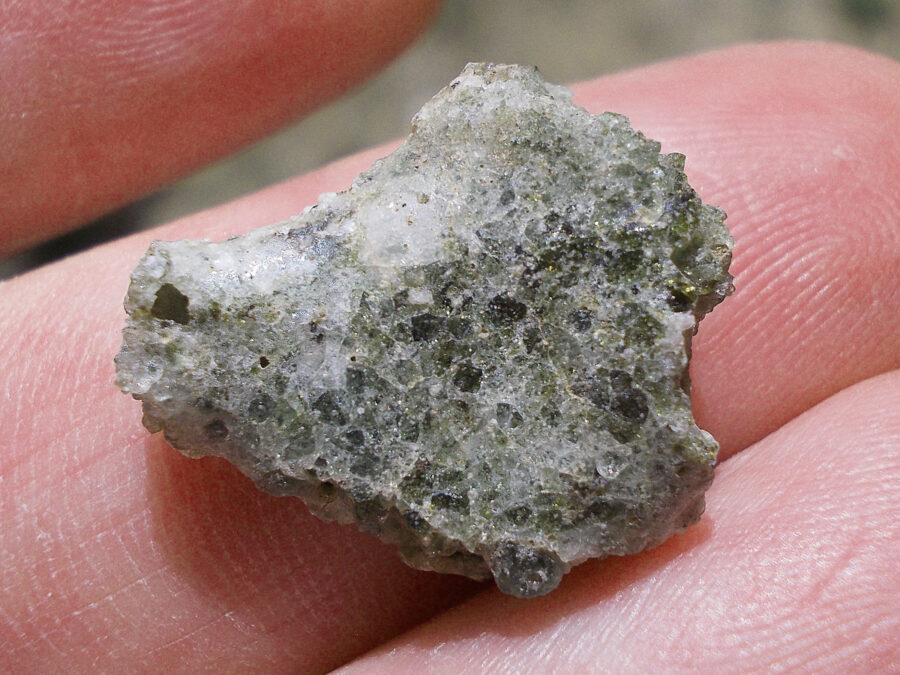
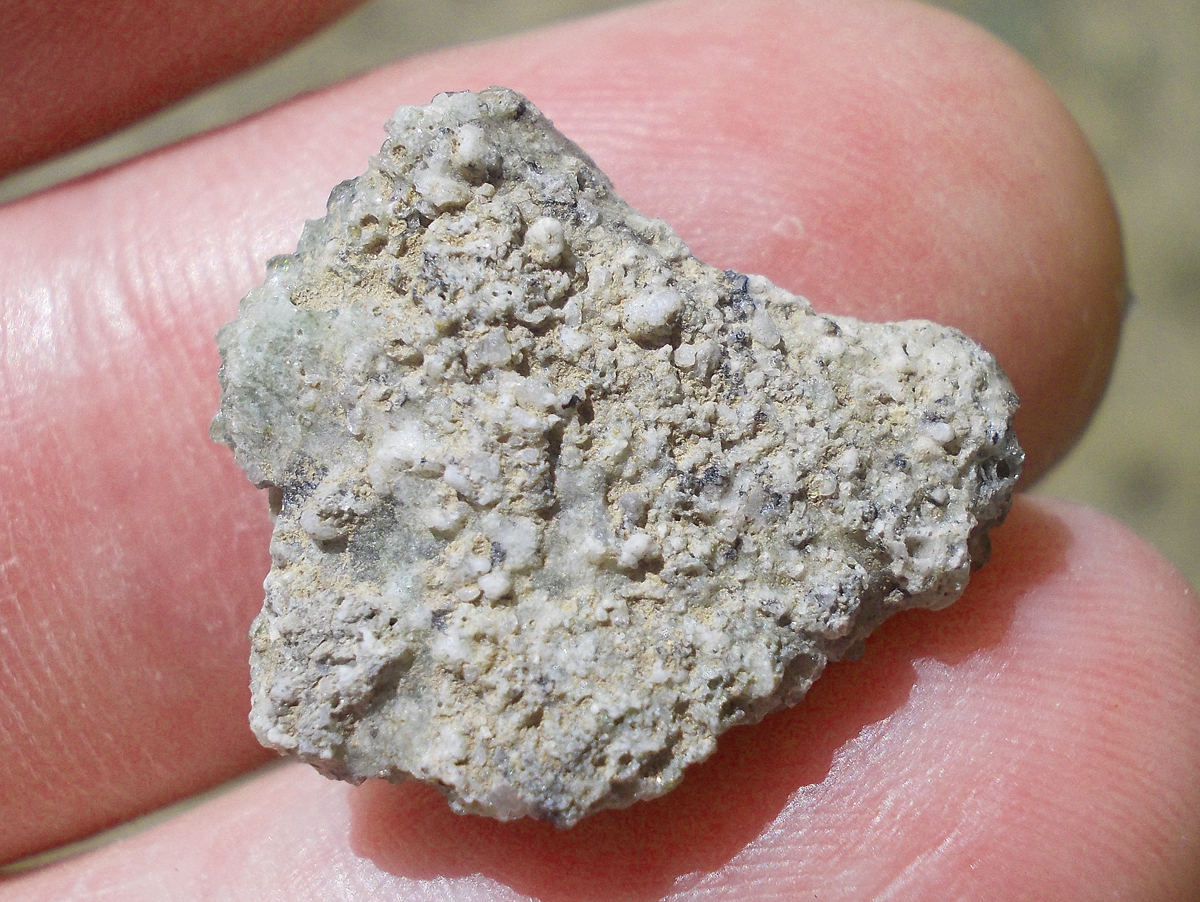
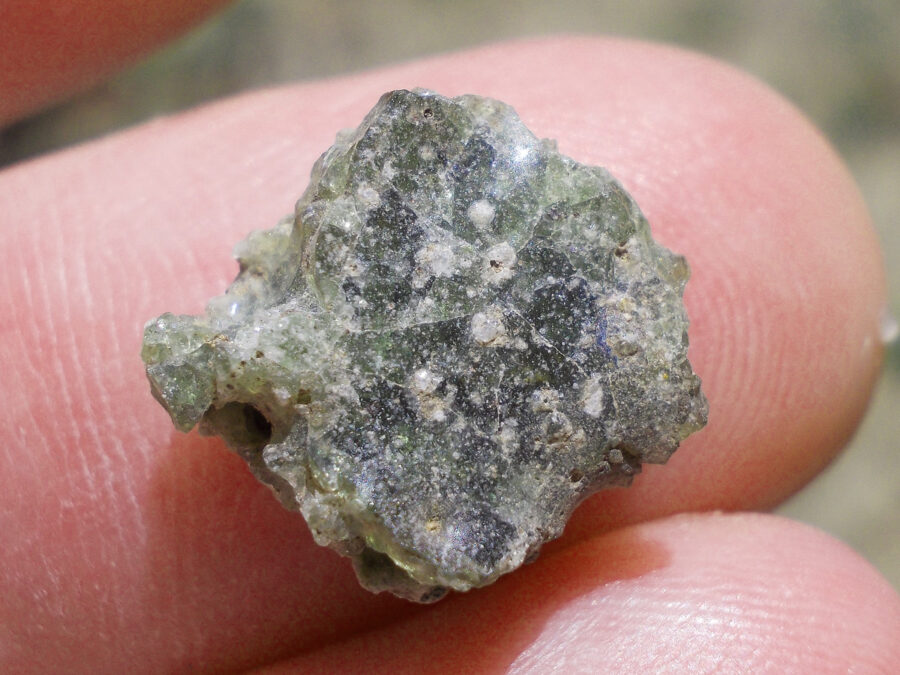
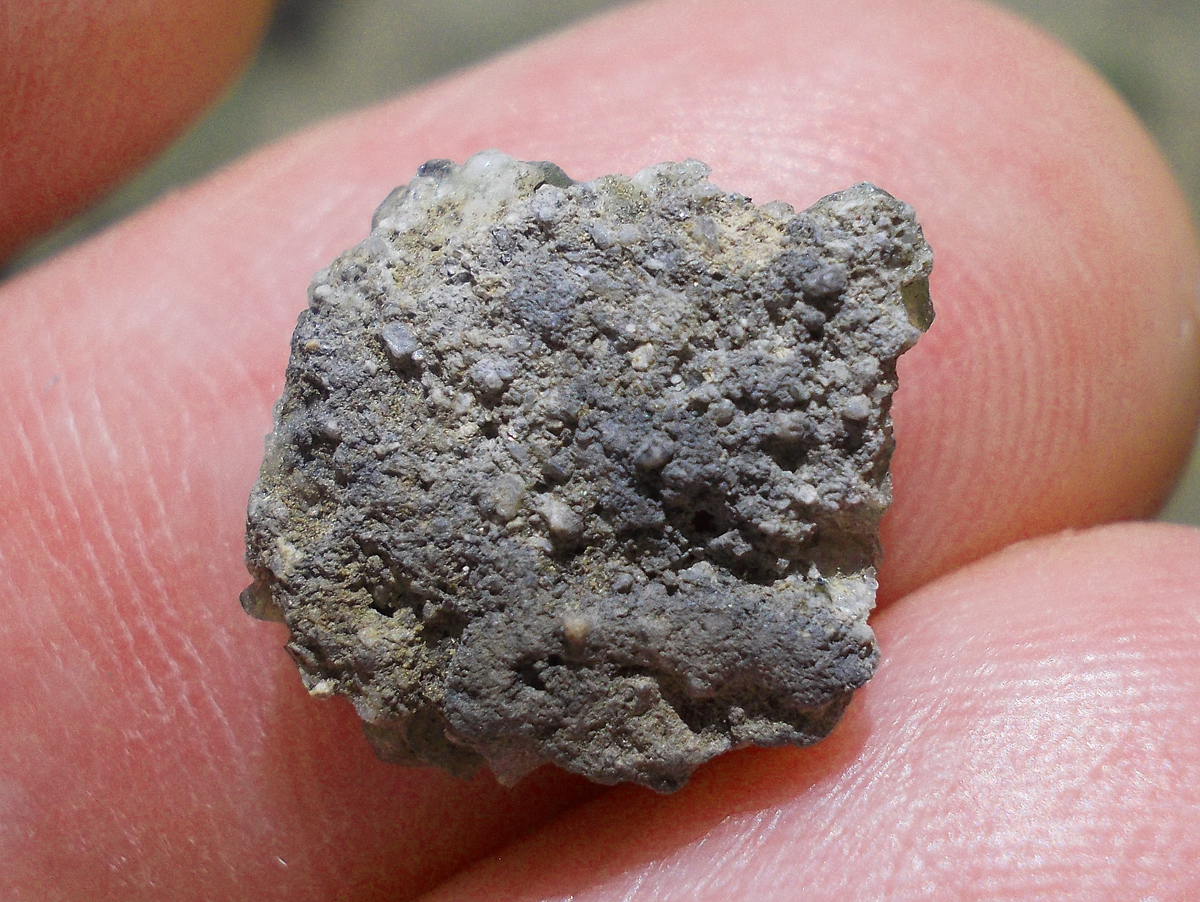
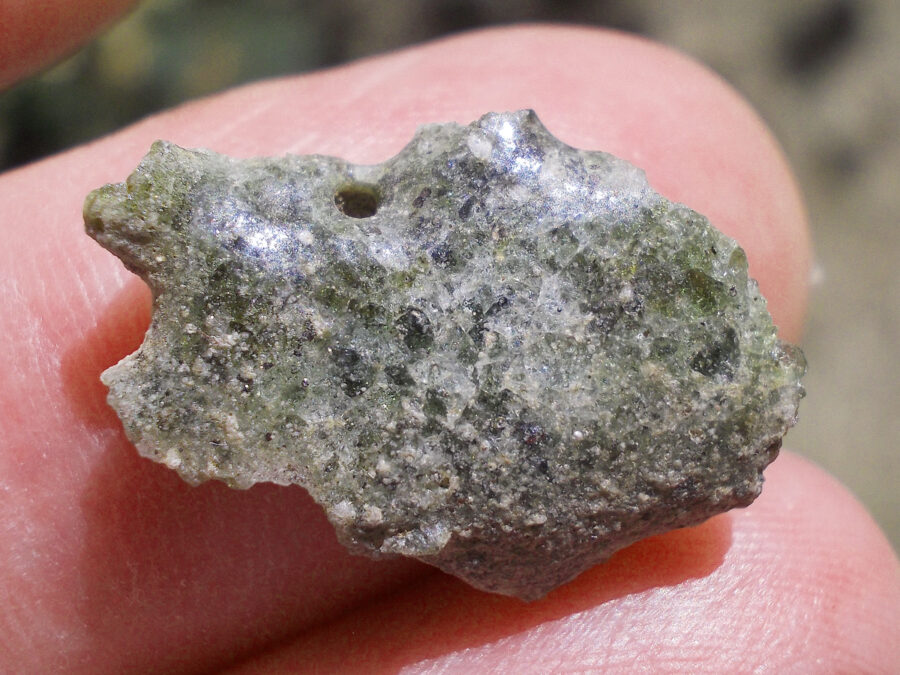
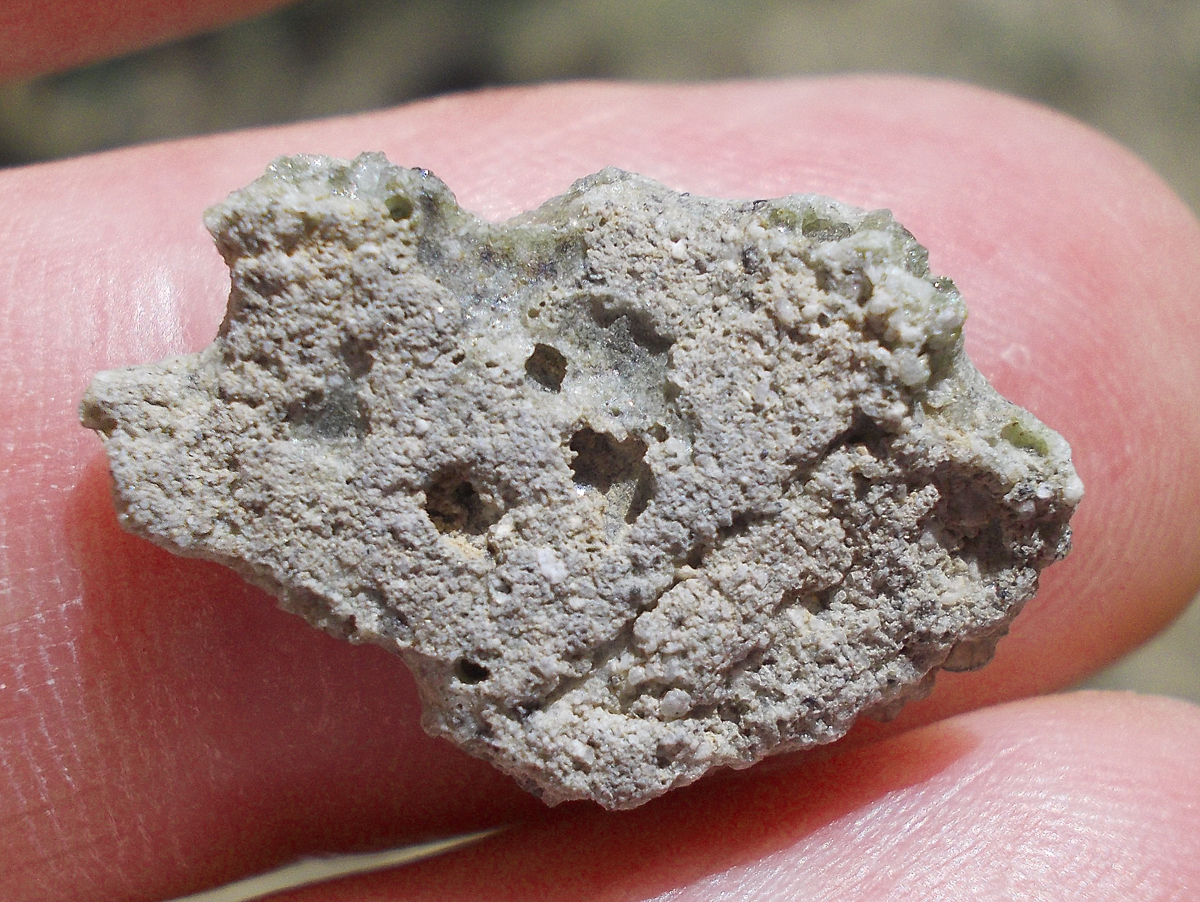
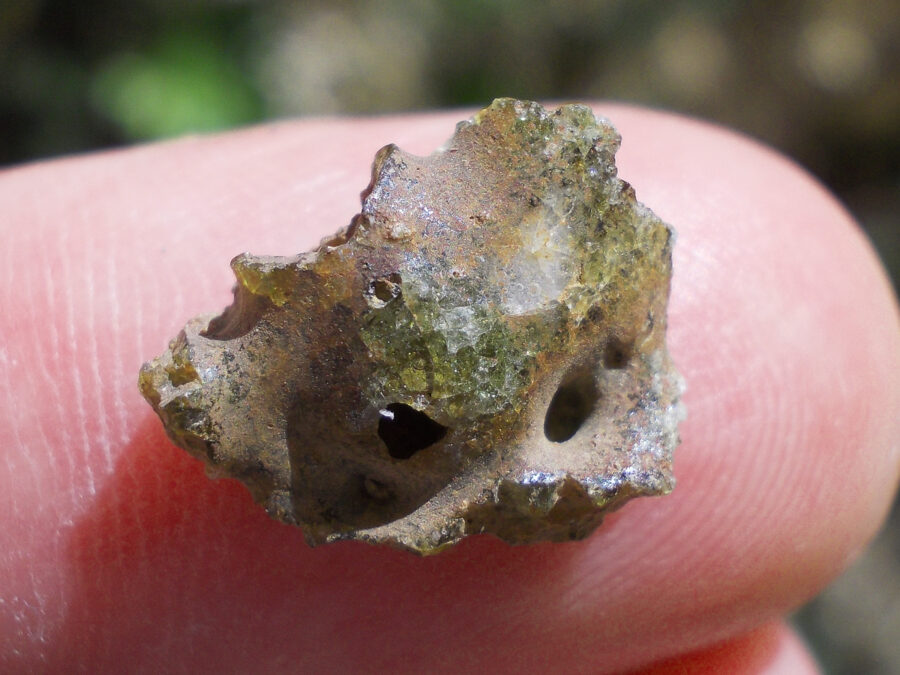
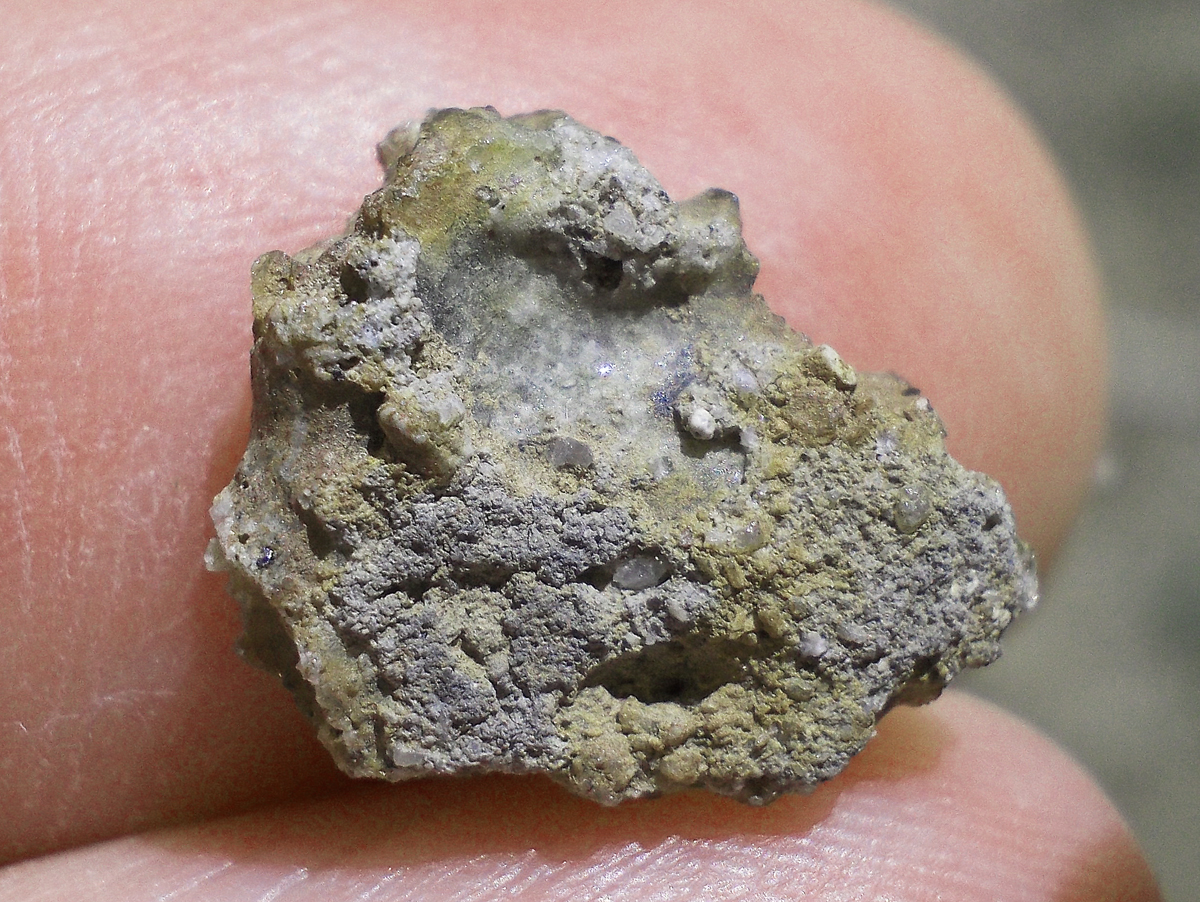
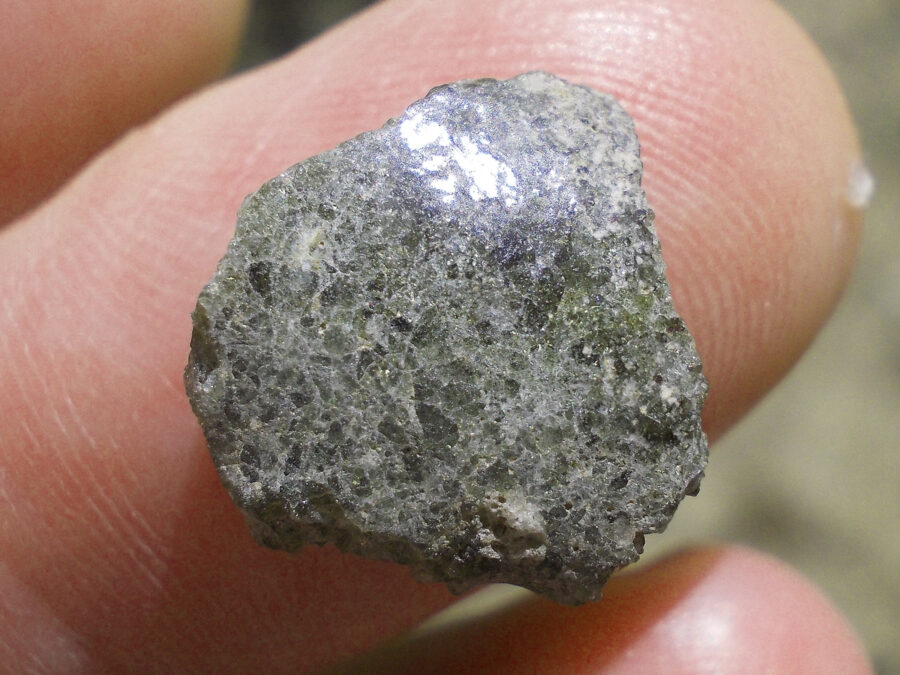
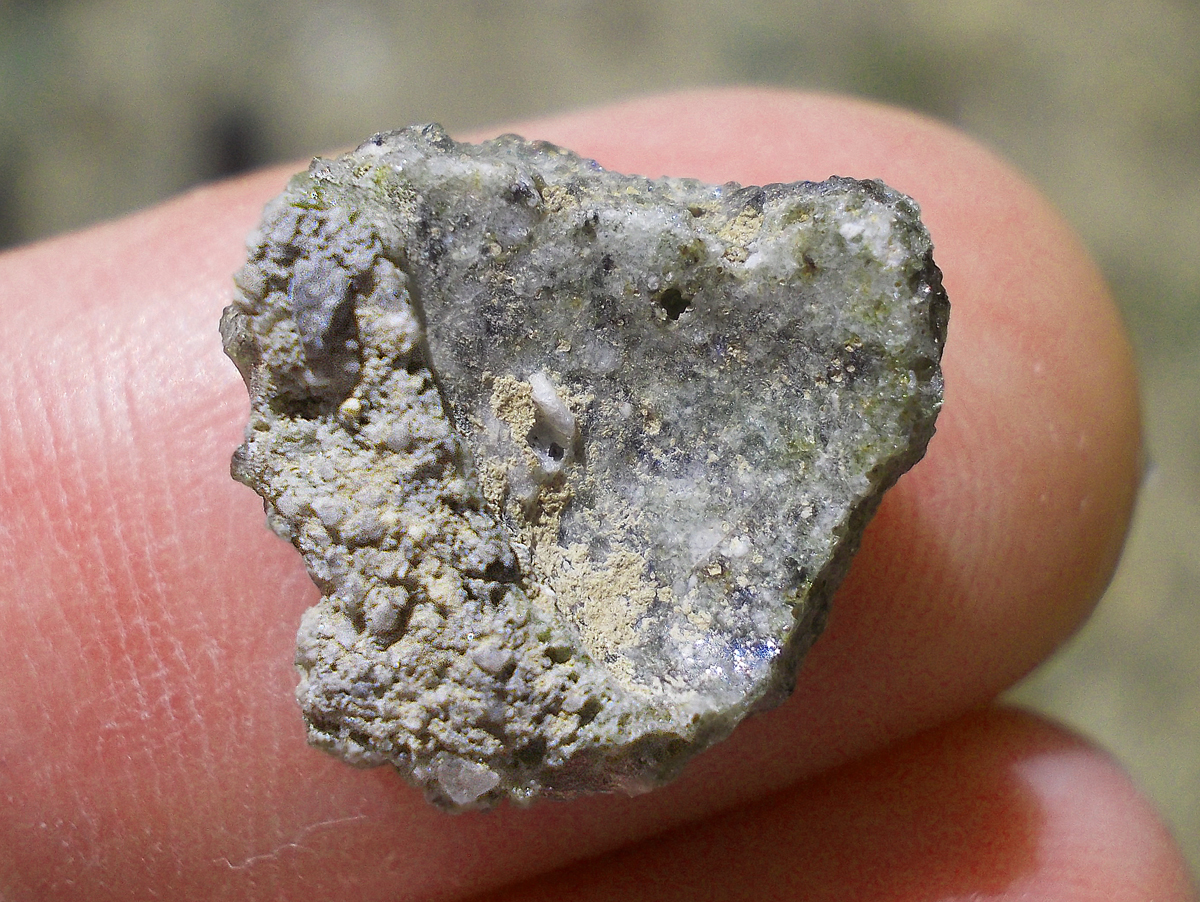
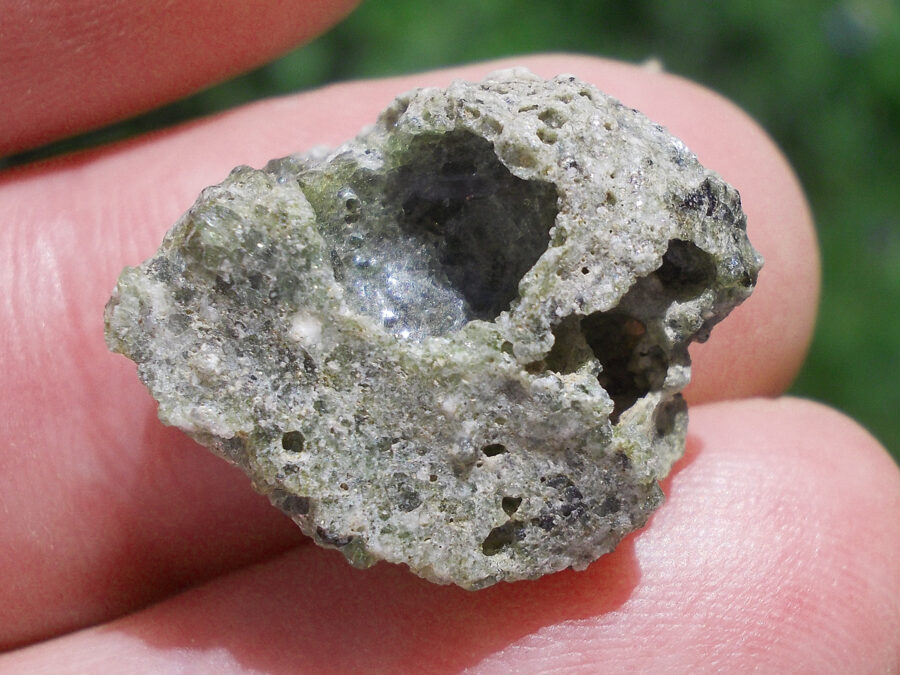
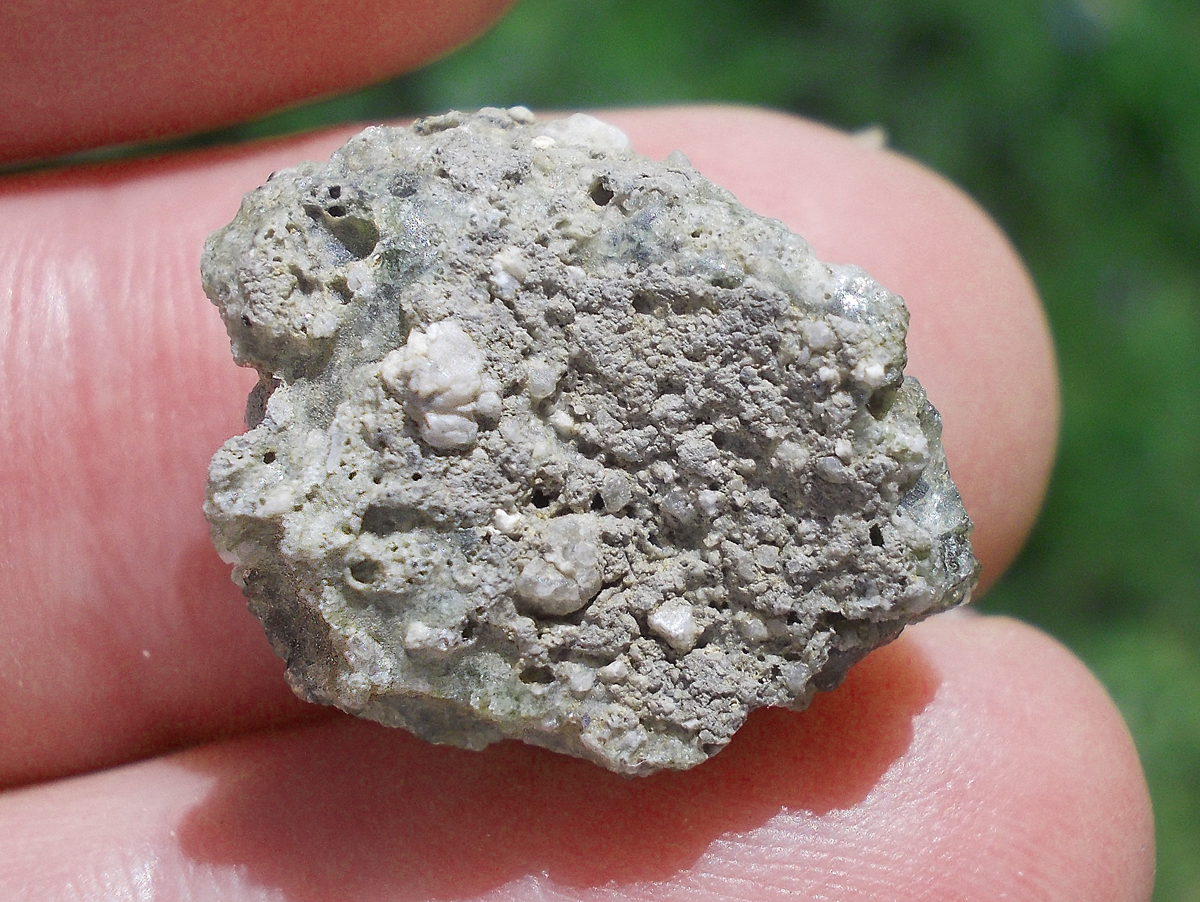
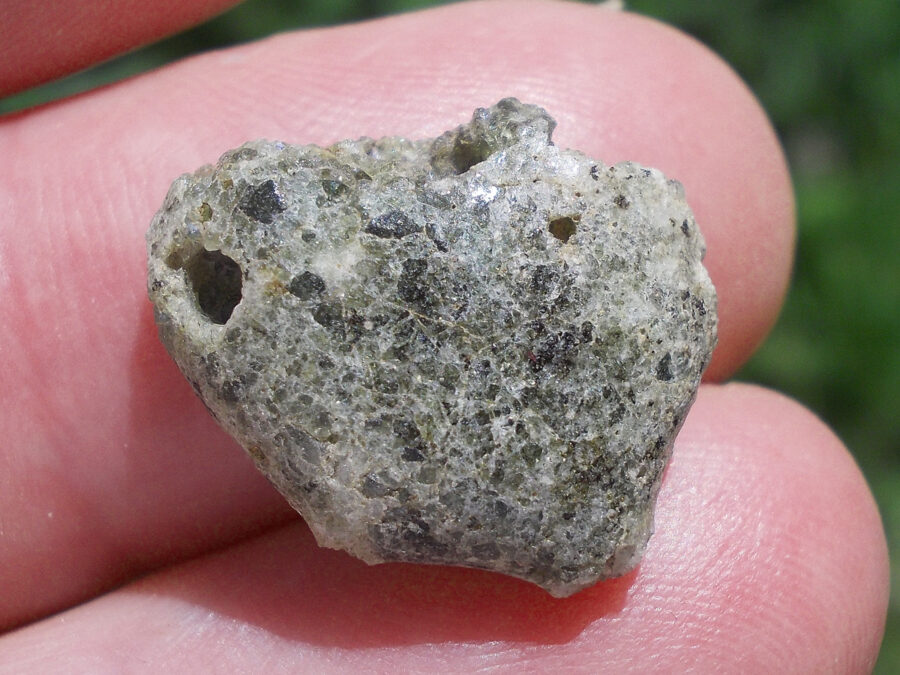
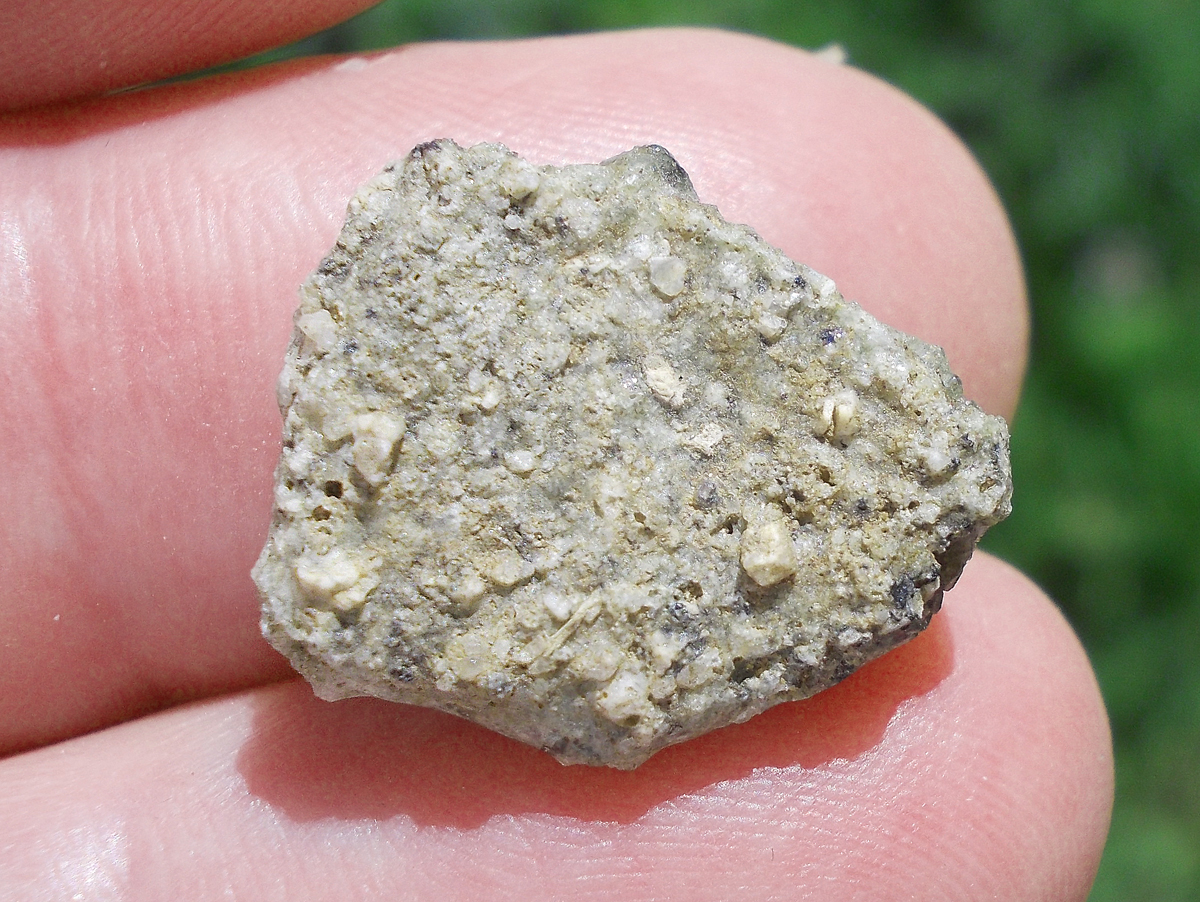
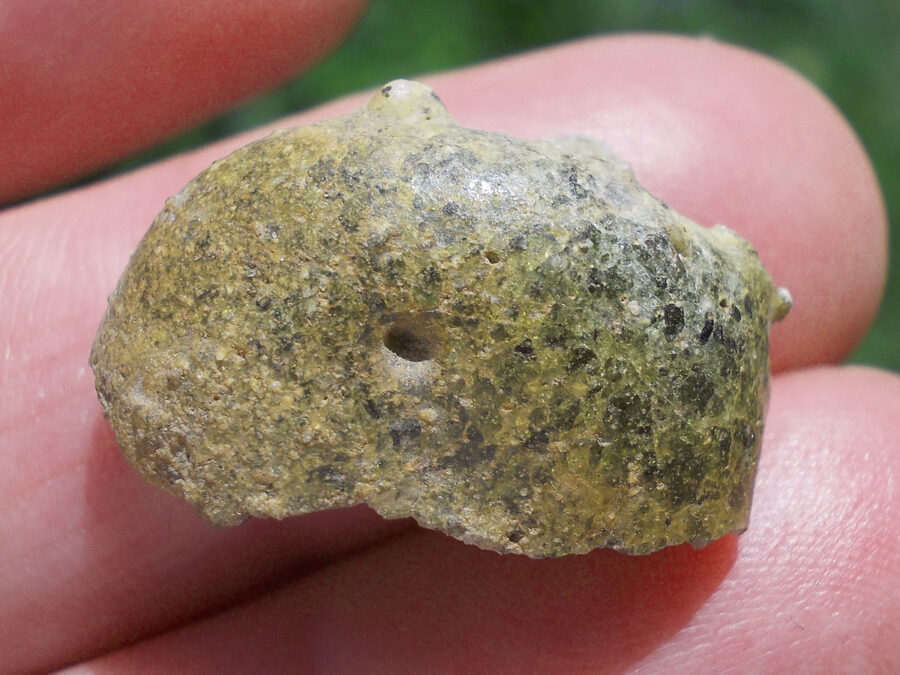
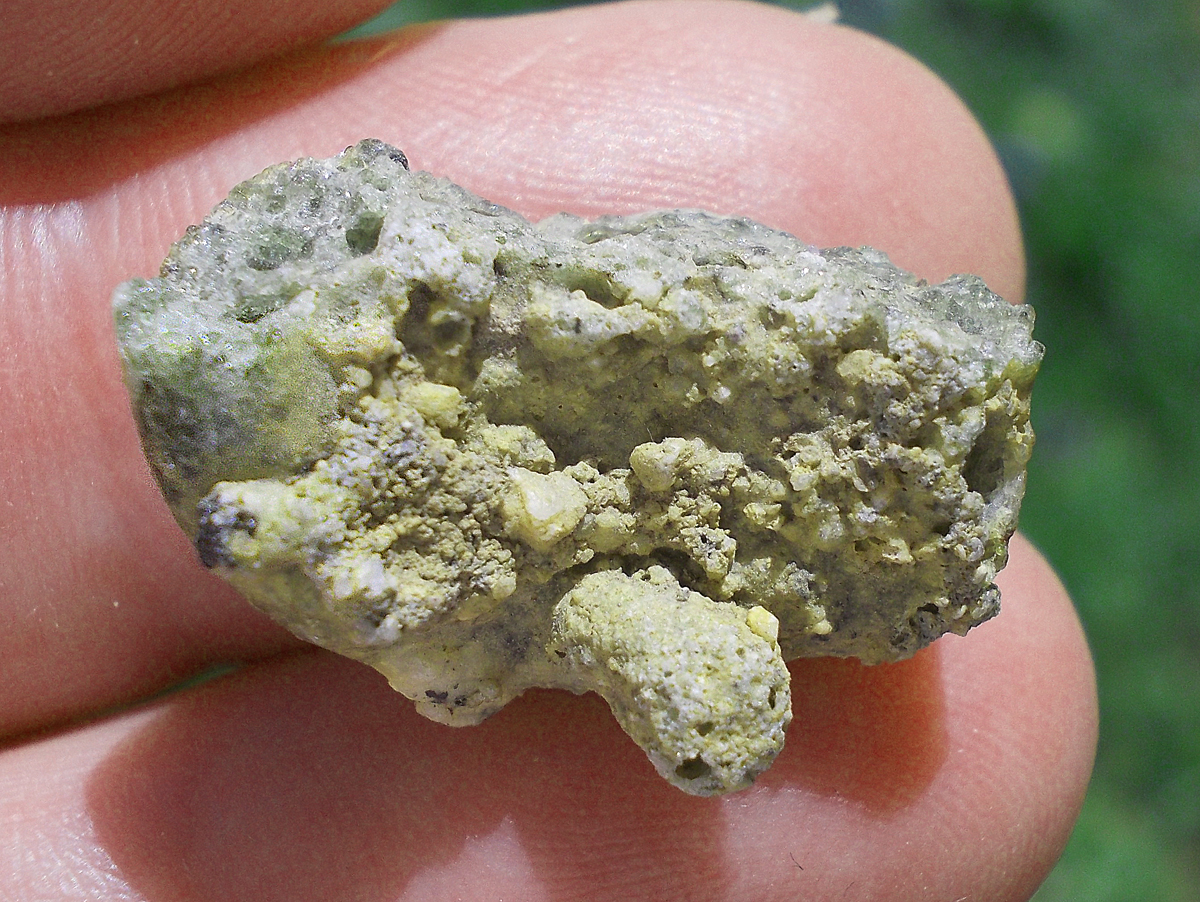
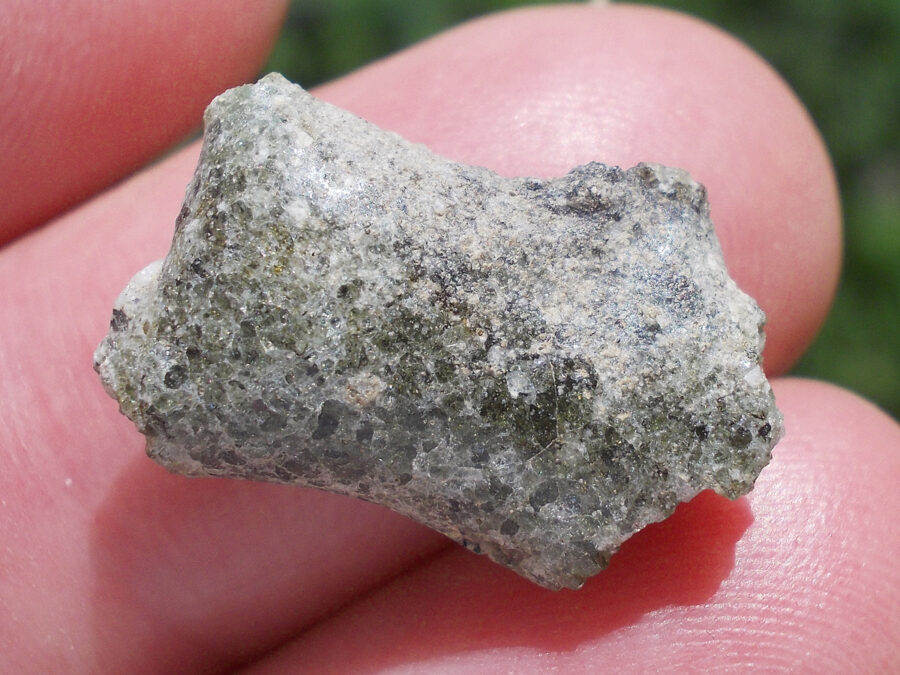
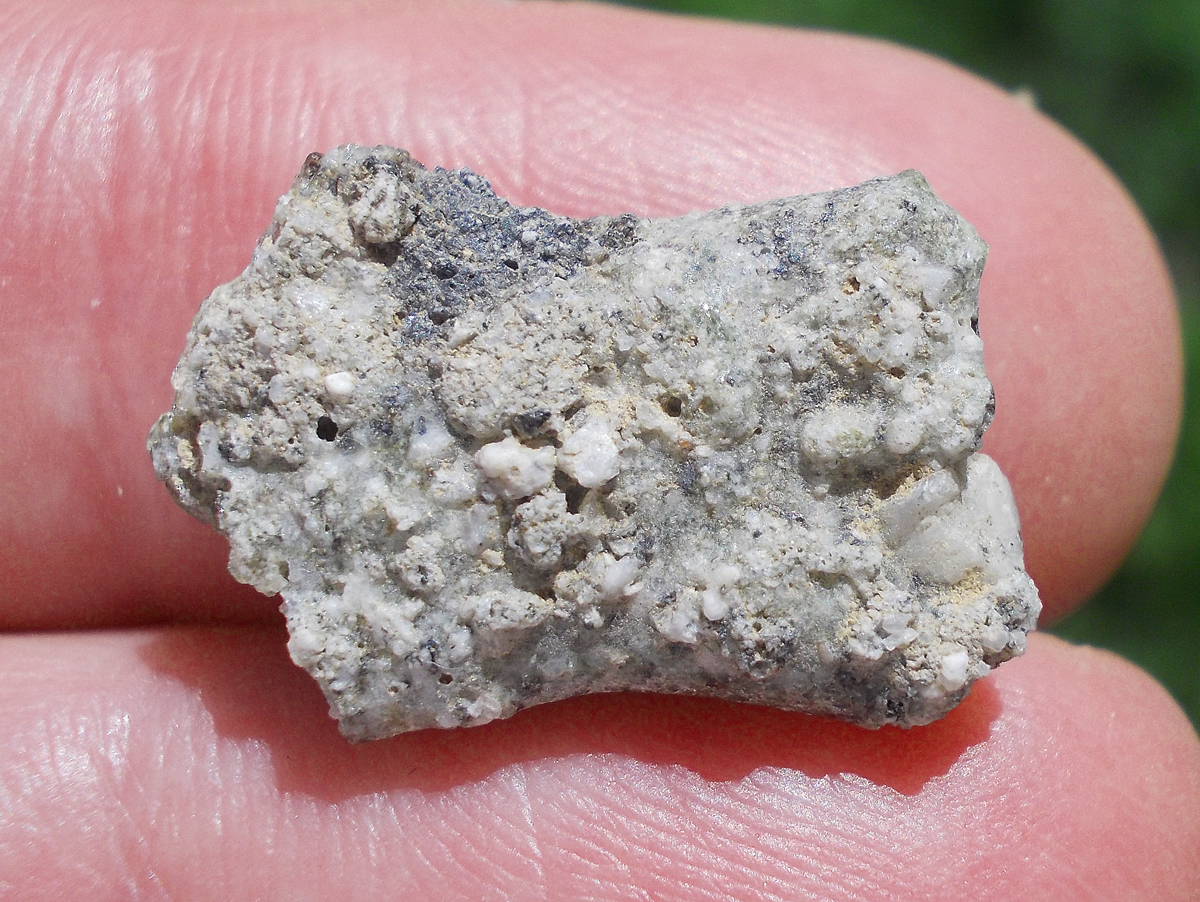
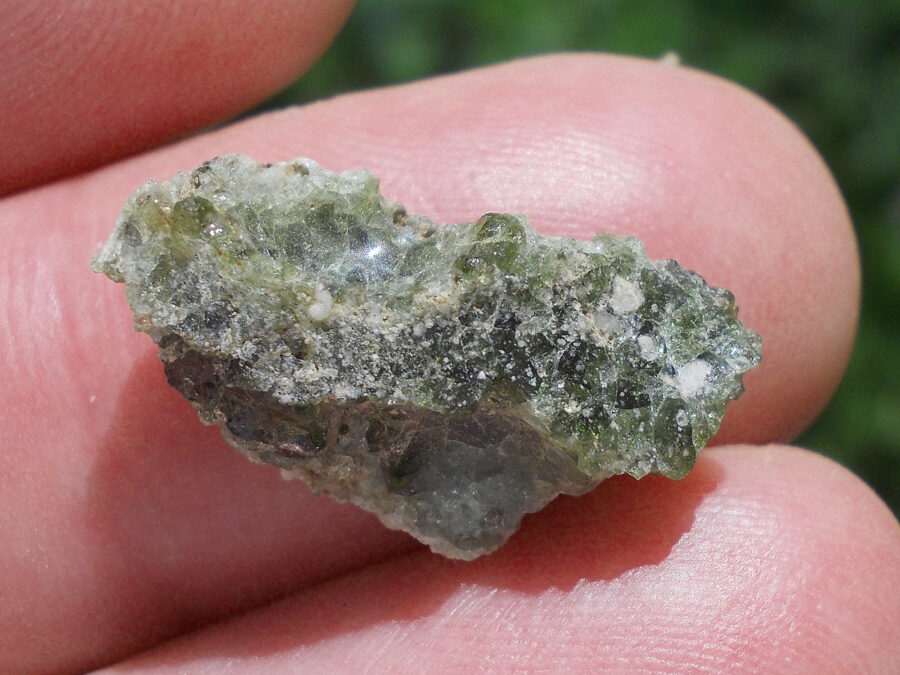
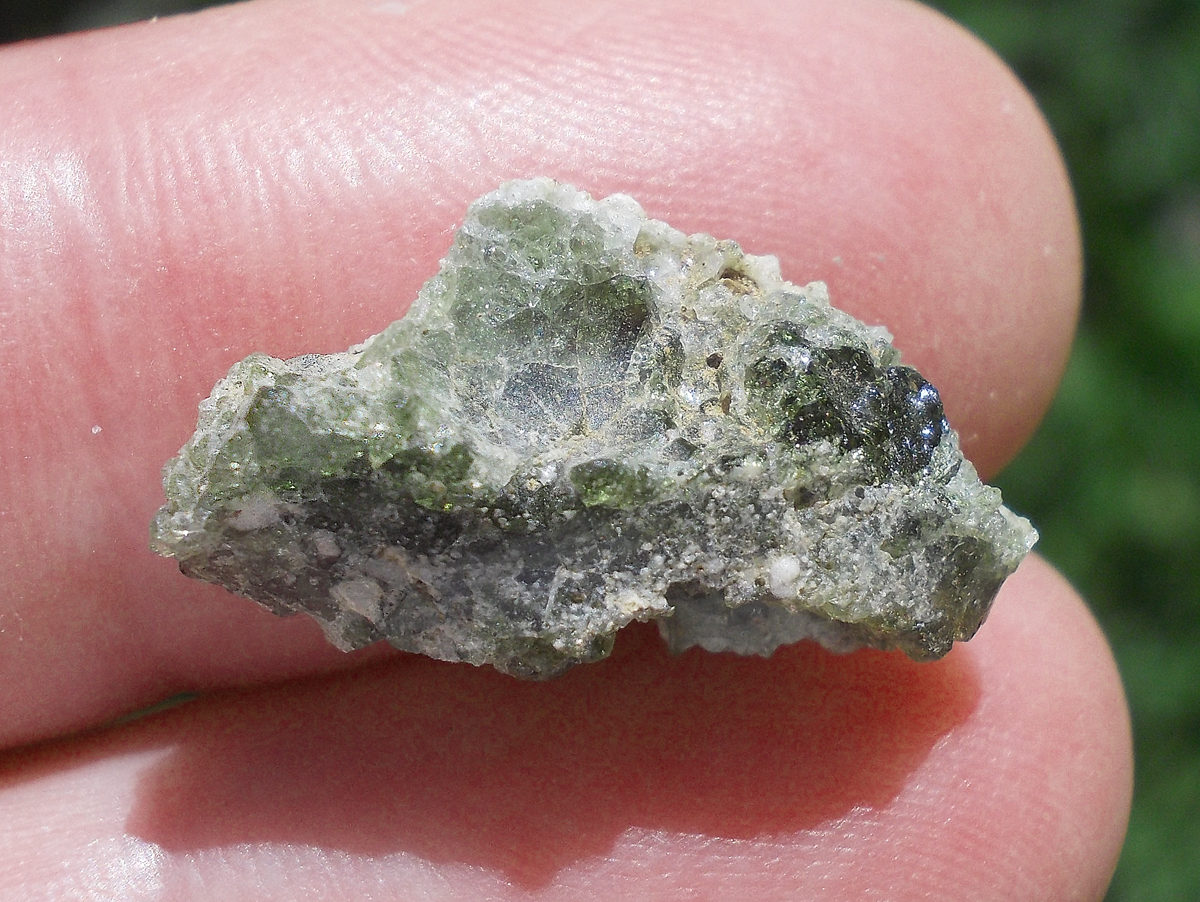
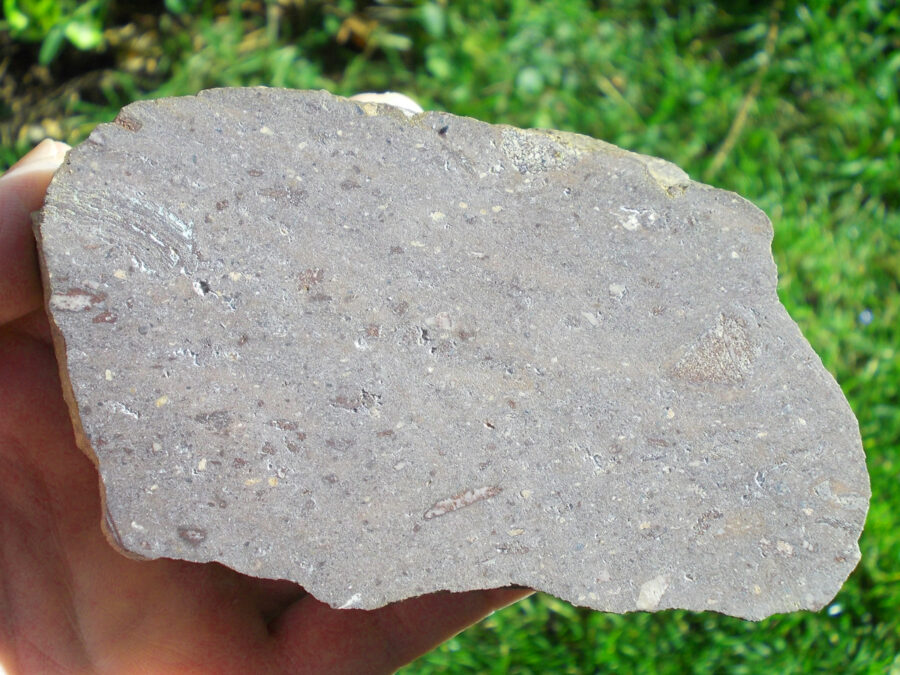
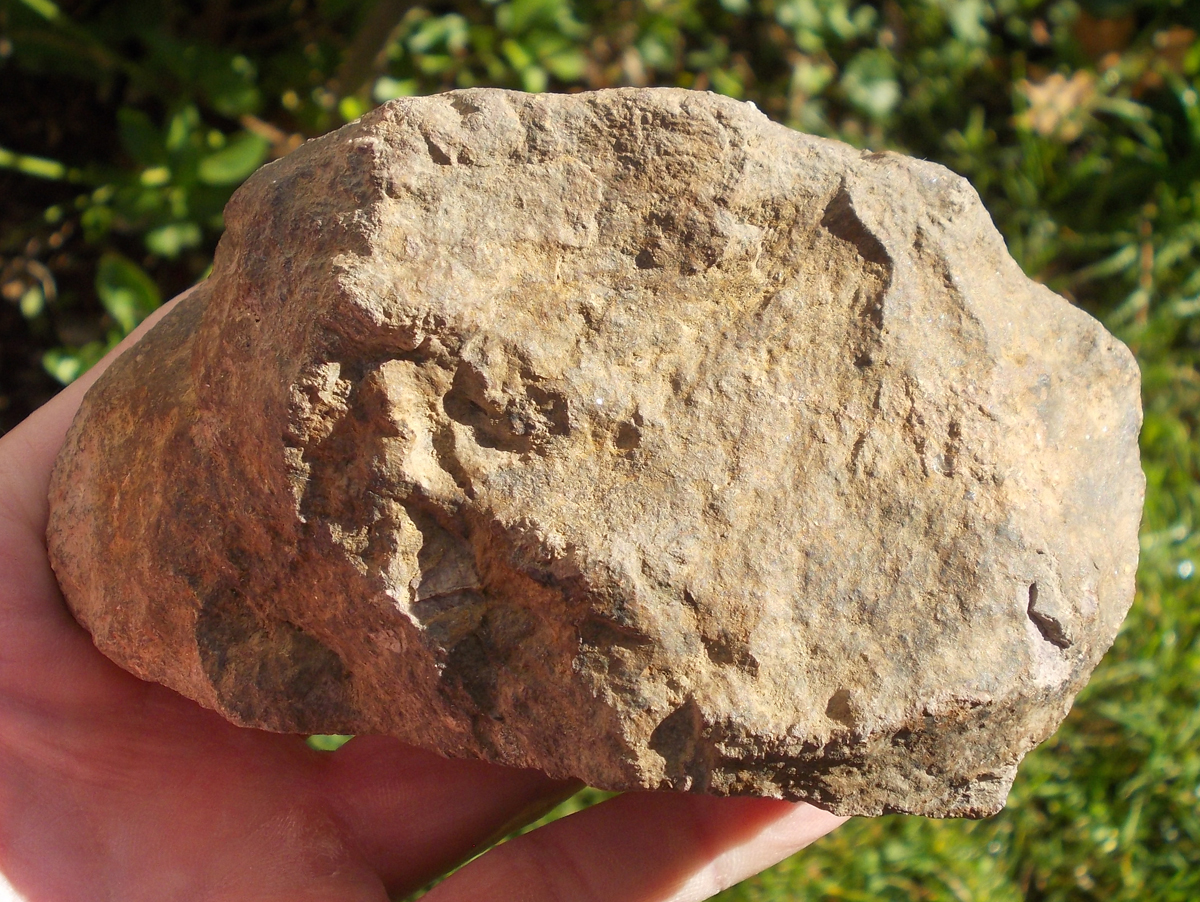
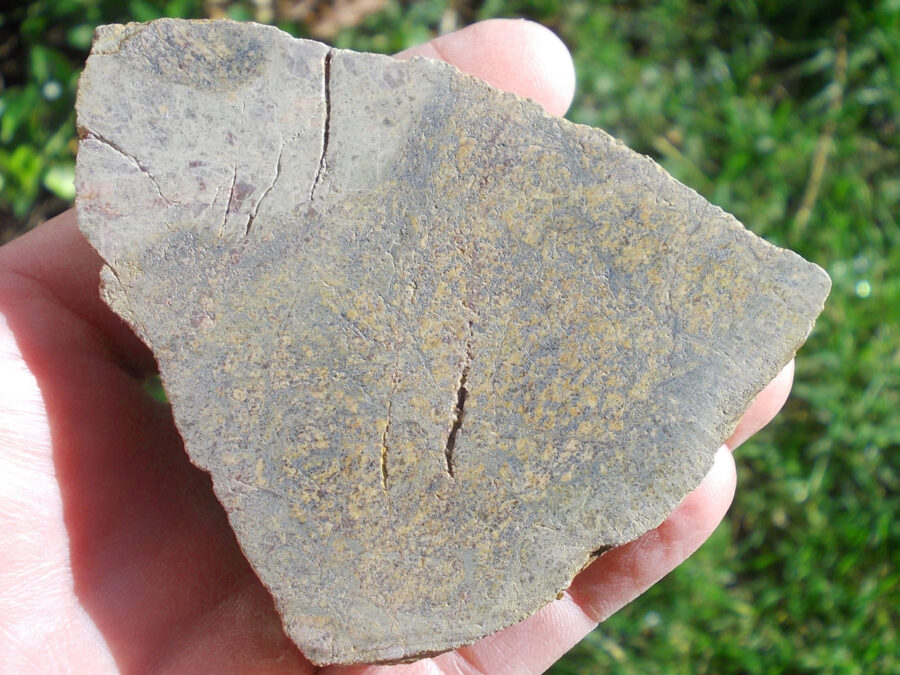
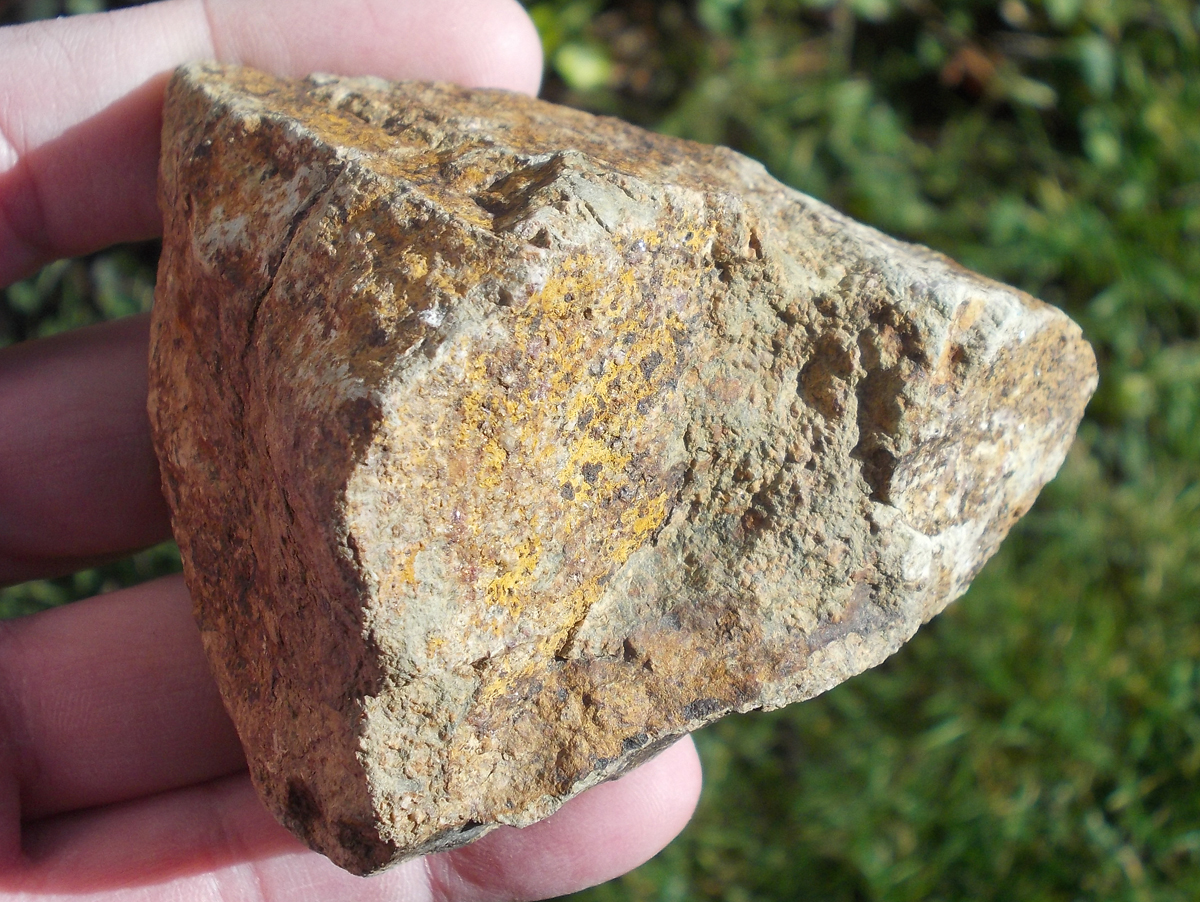
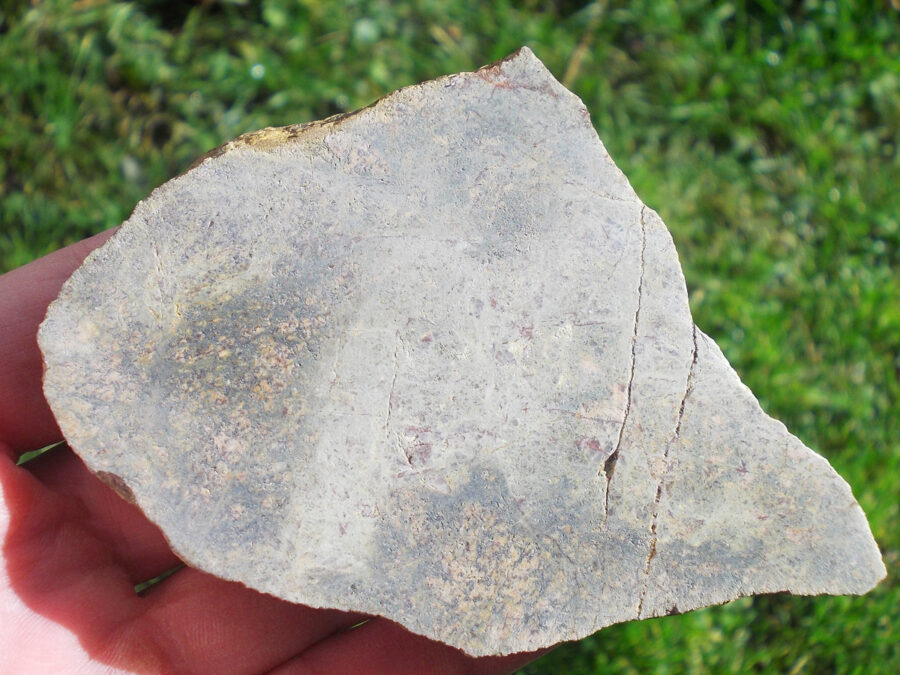
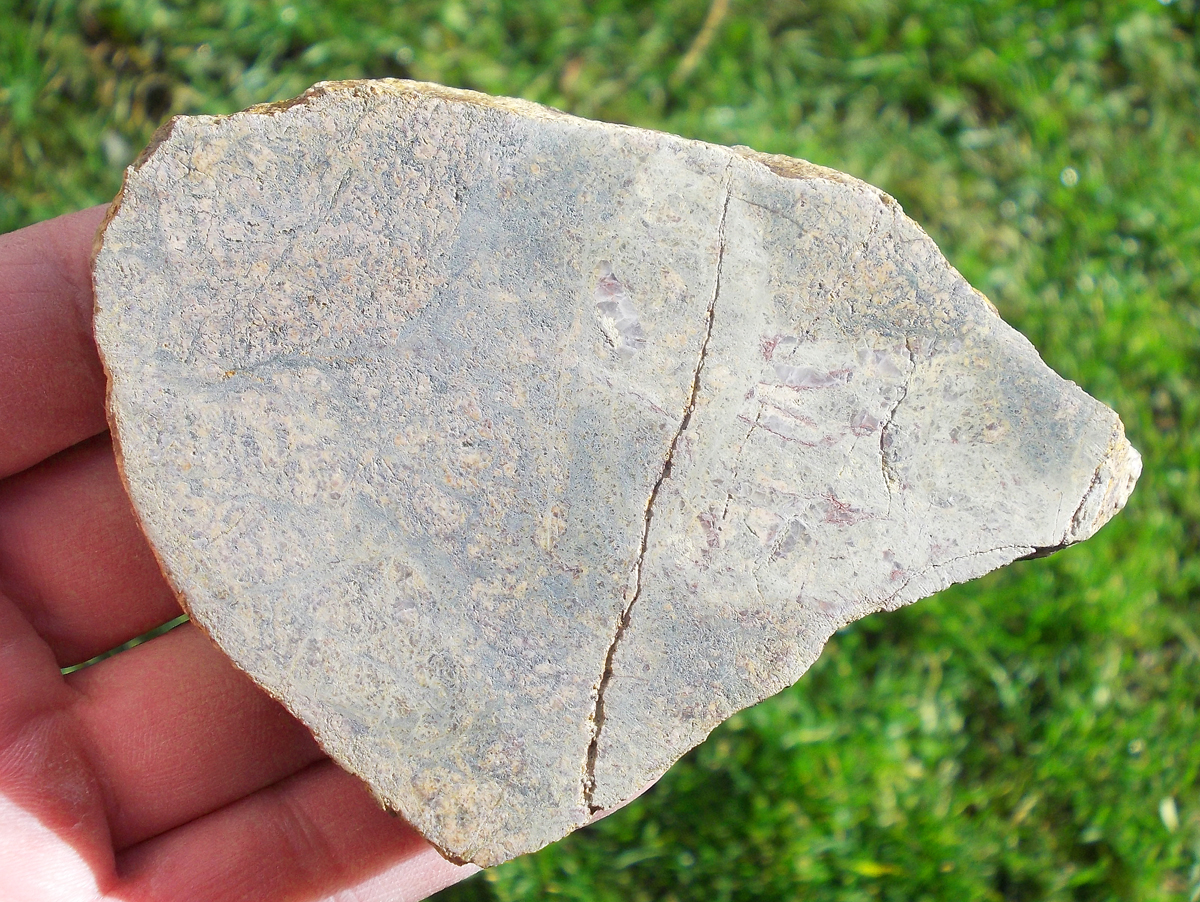
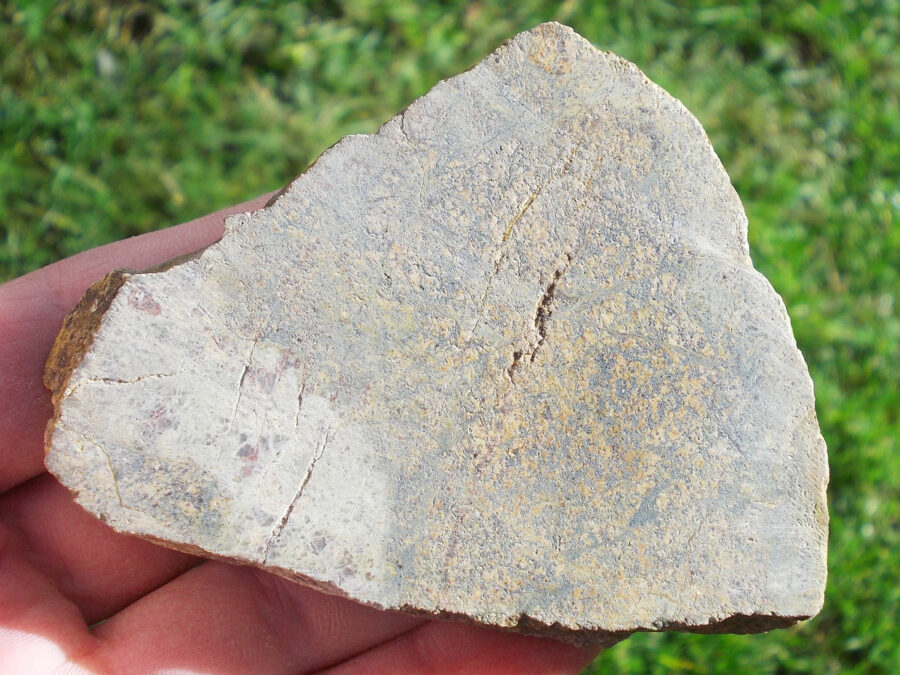
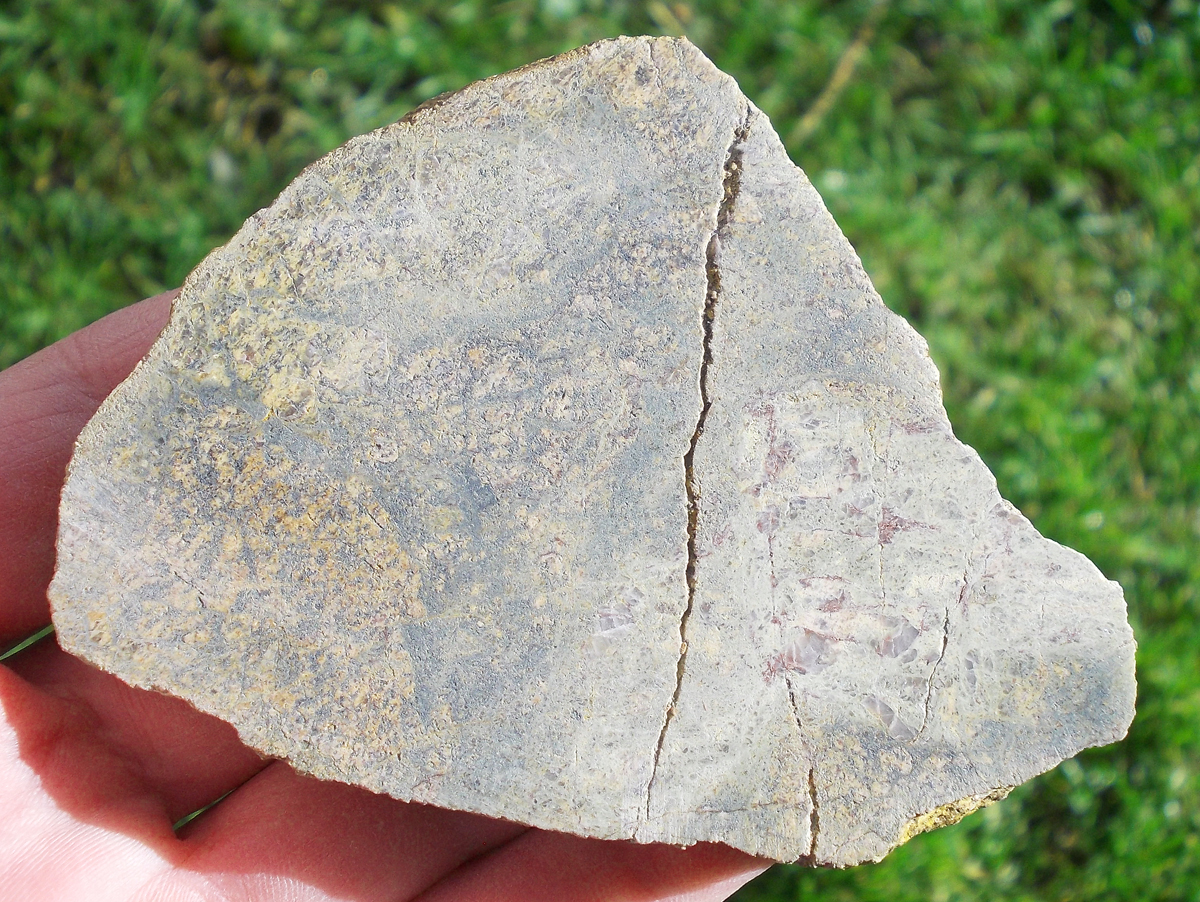
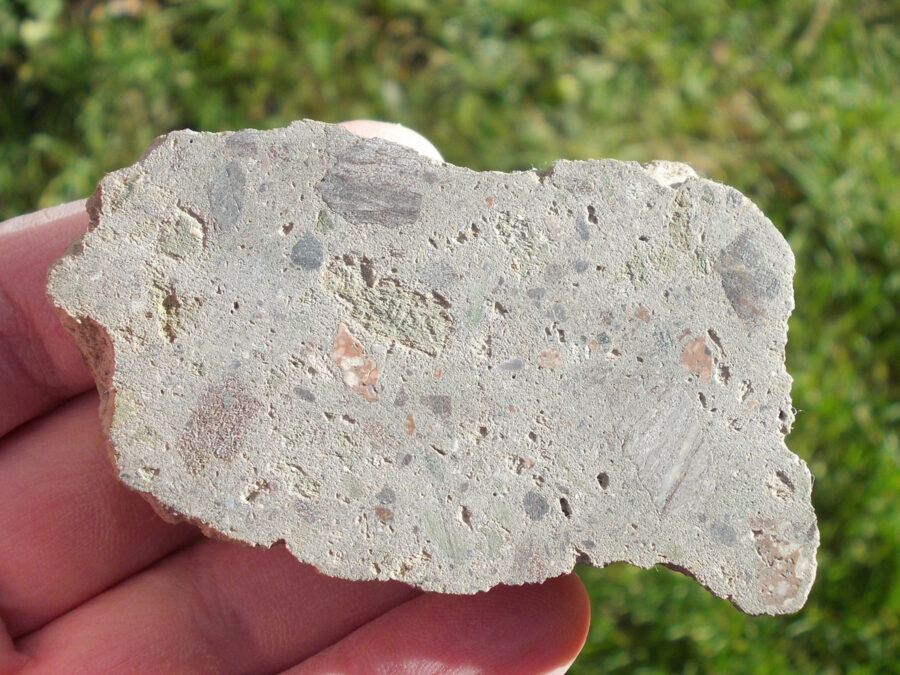
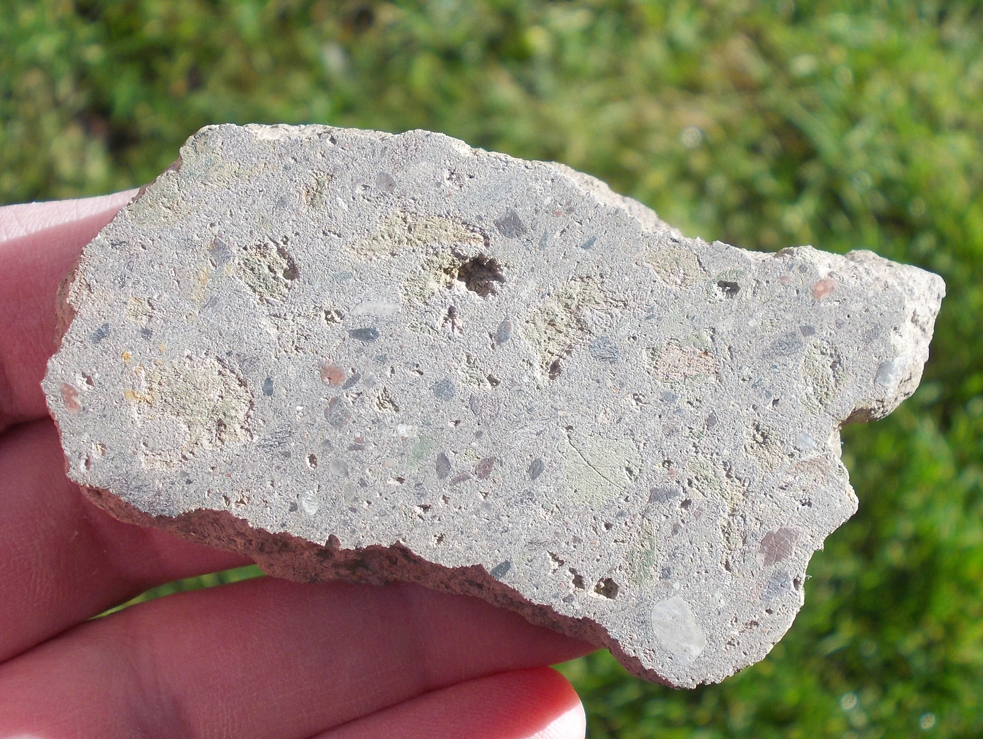
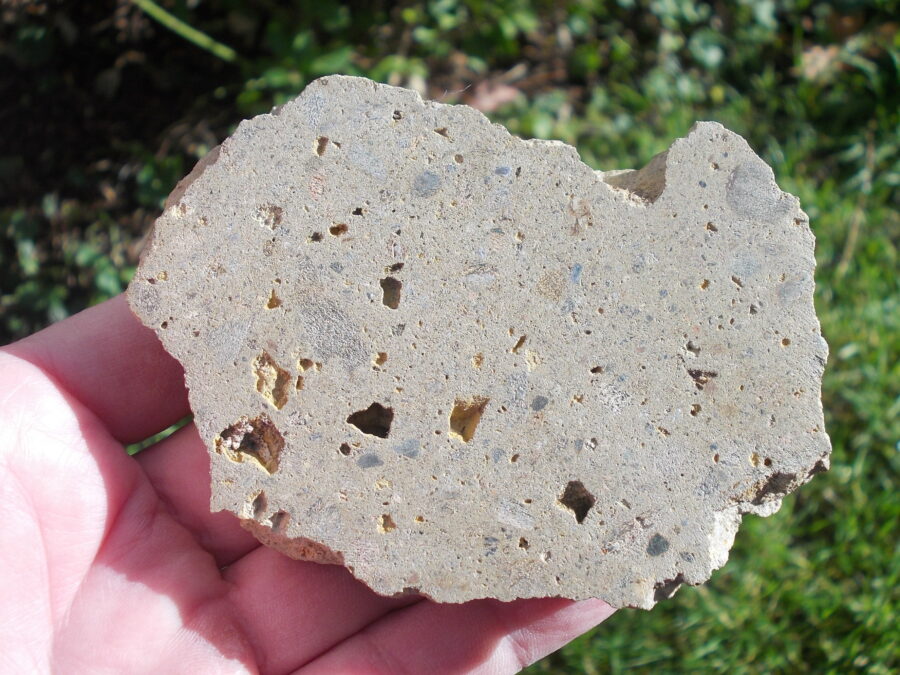
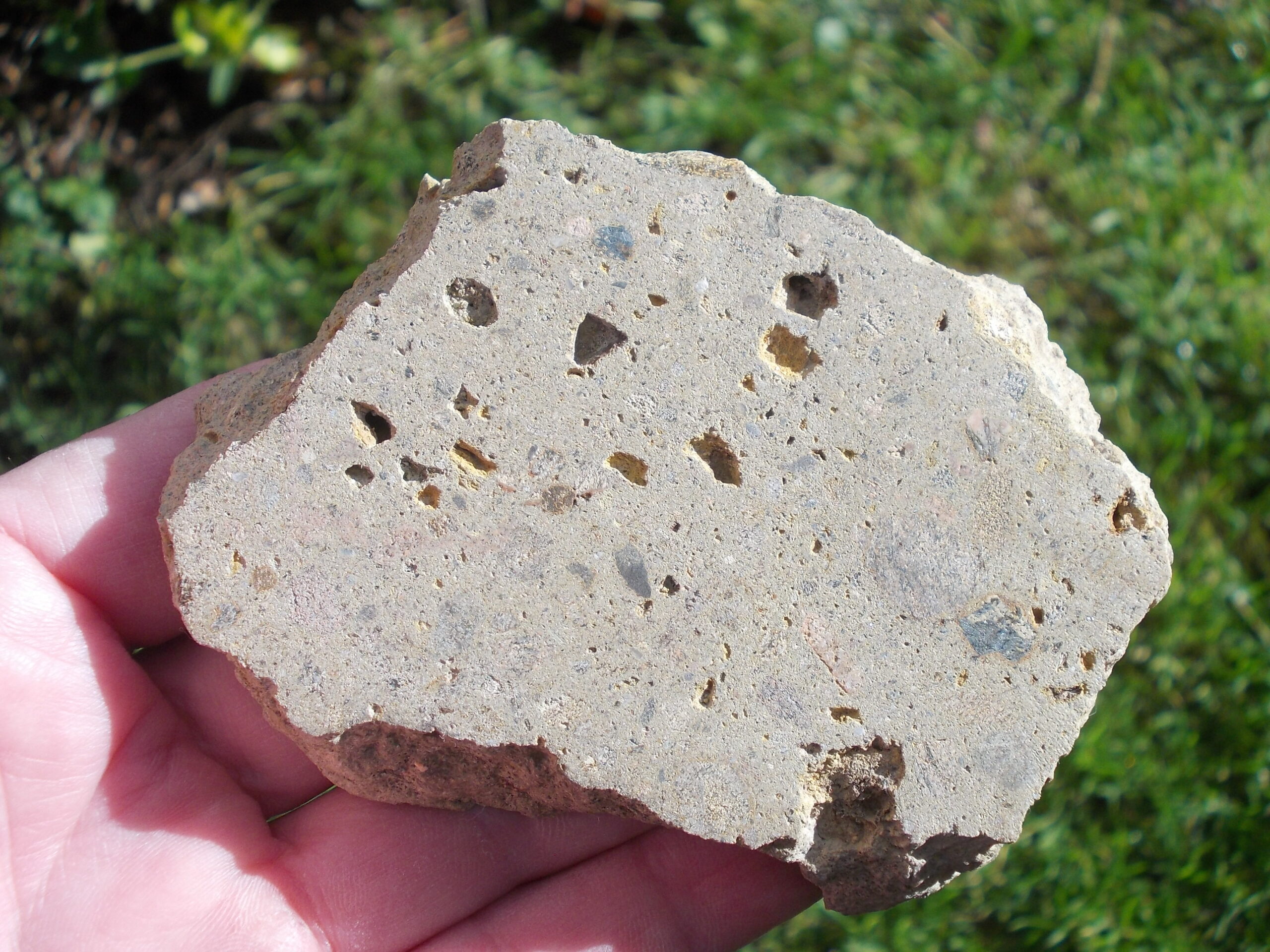
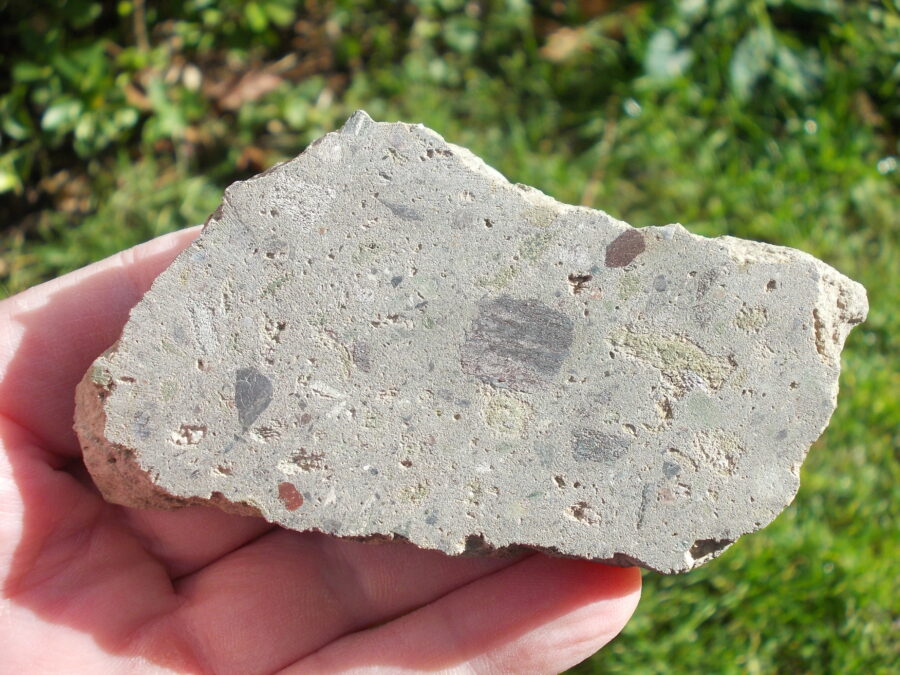
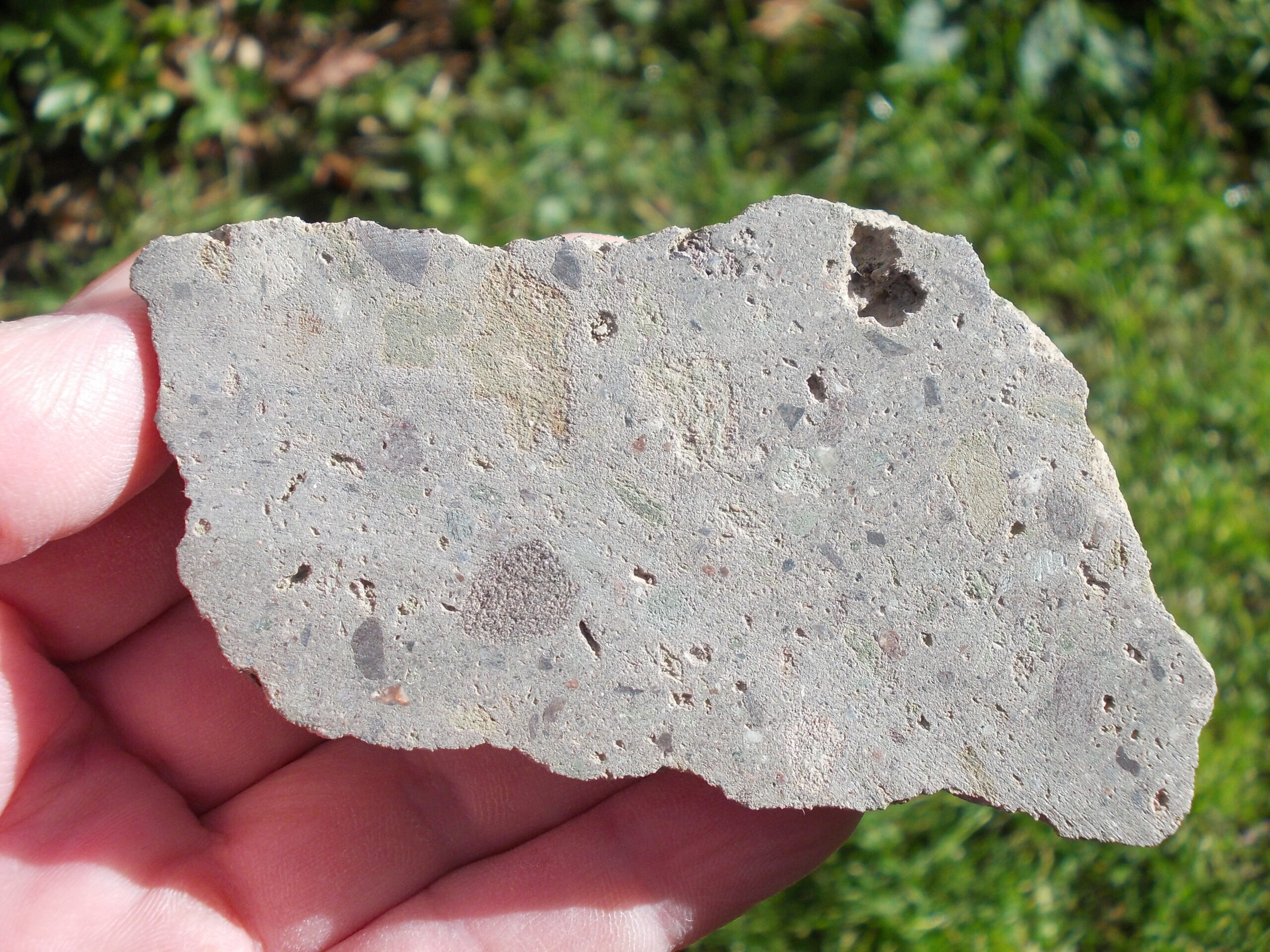
Trinitite is a type of glass formed during the first nuclear test, known as Trinity, which took place in Alamogordo, New Mexico, on July 16, 1945.
Trinitite is formed by the vitrification of desert sand mixed with various components of the structure on which the bomb rested, as well as the bomb itself. Recently, researchers discovered that a piece of red trinitite had taken the form of a quasicrystal.
First discovered in the laboratory in the 1980s, quasicrystals also occur in nature, particularly in meteorites.
It should be noted that trinitite is not harmful to health.
Trinitite is a type of glass formed during the first nuclear test, known as Trinity, which took place in Alamogordo, New Mexico, on July 16, 1945.
Trinitite is formed by the vitrification of desert sand mixed with various components of the structure on which the bomb rested, as well as the bomb itself. Recently, researchers discovered that a piece of red trinitite had taken the form of a quasicrystal.
First discovered in the laboratory in the 1980s, quasicrystals also occur in nature, particularly in meteorites.
It should be noted that trinitite is not harmful to health.
Trinitite is a type of glass formed during the first nuclear test, known as Trinity, which took place in Alamogordo, New Mexico, on July 16, 1945.
Trinitite is formed by the vitrification of desert sand mixed with various components of the structure on which the bomb rested, as well as the bomb itself. Recently, researchers discovered that a piece of red trinitite had taken the form of a quasicrystal.
First discovered in the laboratory in the 1980s, quasicrystals also occur in nature, particularly in meteorites.
It should be noted that trinitite is not harmful to health.
Trinitite is a type of glass formed during the first nuclear test, known as Trinity, which took place in Alamogordo, New Mexico, on July 16, 1945.
Trinitite is formed by the vitrification of desert sand mixed with various components of the structure on which the bomb rested, as well as the bomb itself. Recently, researchers discovered that a piece of red trinitite had taken the form of a quasicrystal.
First discovered in the laboratory in the 1980s, quasicrystals also occur in nature, particularly in meteorites.
It should be noted that trinitite is not harmful to health.
Trinitite is a type of glass formed during the first nuclear test, known as Trinity, which took place in Alamogordo, New Mexico, on July 16, 1945.
Trinitite is formed by the vitrification of desert sand mixed with various components of the structure on which the bomb rested, as well as the bomb itself. Recently, researchers discovered that a piece of red trinitite had taken the form of a quasicrystal.
First discovered in the laboratory in the 1980s, quasicrystals also occur in nature, particularly in meteorites.
It should be noted that trinitite is not harmful to health.
Trinitite is a type of glass formed during the first nuclear test, known as Trinity, which took place in Alamogordo, New Mexico, on July 16, 1945.
Trinitite is formed by the vitrification of desert sand mixed with various components of the structure on which the bomb rested, as well as the bomb itself. Recently, researchers discovered that a piece of red trinitite had taken the form of a quasicrystal.
First discovered in the laboratory in the 1980s, quasicrystals also occur in nature, particularly in meteorites.
It should be noted that trinitite is not harmful to health.
Trinitite is a type of glass formed during the first nuclear test, known as Trinity, which took place in Alamogordo, New Mexico, on July 16, 1945.
Trinitite is formed by the vitrification of desert sand mixed with various components of the structure on which the bomb rested, as well as the bomb itself. Recently, researchers discovered that a piece of red trinitite had taken the form of a quasicrystal.
First discovered in the laboratory in the 1980s, quasicrystals also occur in nature, particularly in meteorites.
It should be noted that trinitite is not harmful to health.
Trinitite is a type of glass formed during the first nuclear test, known as Trinity, which took place in Alamogordo, New Mexico, on July 16, 1945.
Trinitite is formed by the vitrification of desert sand mixed with various components of the structure on which the bomb rested, as well as the bomb itself. Recently, researchers discovered that a piece of red trinitrite had taken on the form of a quasicrystal.
First discovered in the laboratory in the 1980s, quasicrystals also occur in nature, particularly in meteorites.
It should be noted that trinitite is not harmful to health.
Trinitite is a type of glass formed during the first nuclear test, known as Trinity, which took place in Alamogordo, New Mexico, on July 16, 1945.
Trinitite is formed by the vitrification of desert sand mixed with various components of the structure on which the bomb rested, as well as the bomb itself. Recently, researchers discovered that a piece of red trinitrite had taken on the form of a quasicrystal.
First discovered in the laboratory in the 1980s, quasicrystals also occur in nature, particularly in meteorites.
It should be noted that trinitite is not harmful to health.
Trinitite is a type of glass formed during the first nuclear test, known as Trinity, which took place in Alamogordo, New Mexico, on July 16, 1945.
Trinitite is formed by the vitrification of desert sand mixed with various components of the structure on which the bomb rested, as well as the bomb itself. Recently, researchers discovered that a piece of red trinitite had taken the form of a quasicrystal.
First discovered in the laboratory in the 1980s, quasicrystals also occur in nature, particularly in meteorites.
It should be noted that trinitite is not harmful to health.
Trinitite is a type of glass formed during the first nuclear test, known as Trinity, which took place in Alamogordo, New Mexico, on July 16, 1945.
Trinitite is formed by the vitrification of desert sand mixed with various components of the structure on which the bomb rested, as well as the bomb itself. Recently, researchers discovered that a piece of red trinitite had taken the form of a quasicrystal.
First discovered in the laboratory in the 1980s, quasicrystals also occur in nature, particularly in meteorites.
It should be noted that trinitite is not harmful to health.


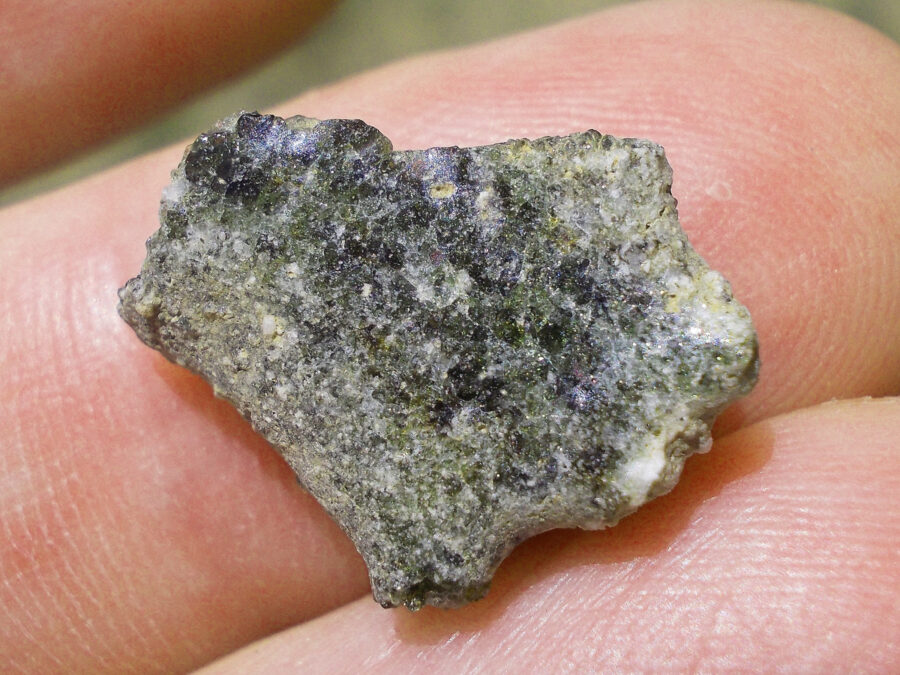
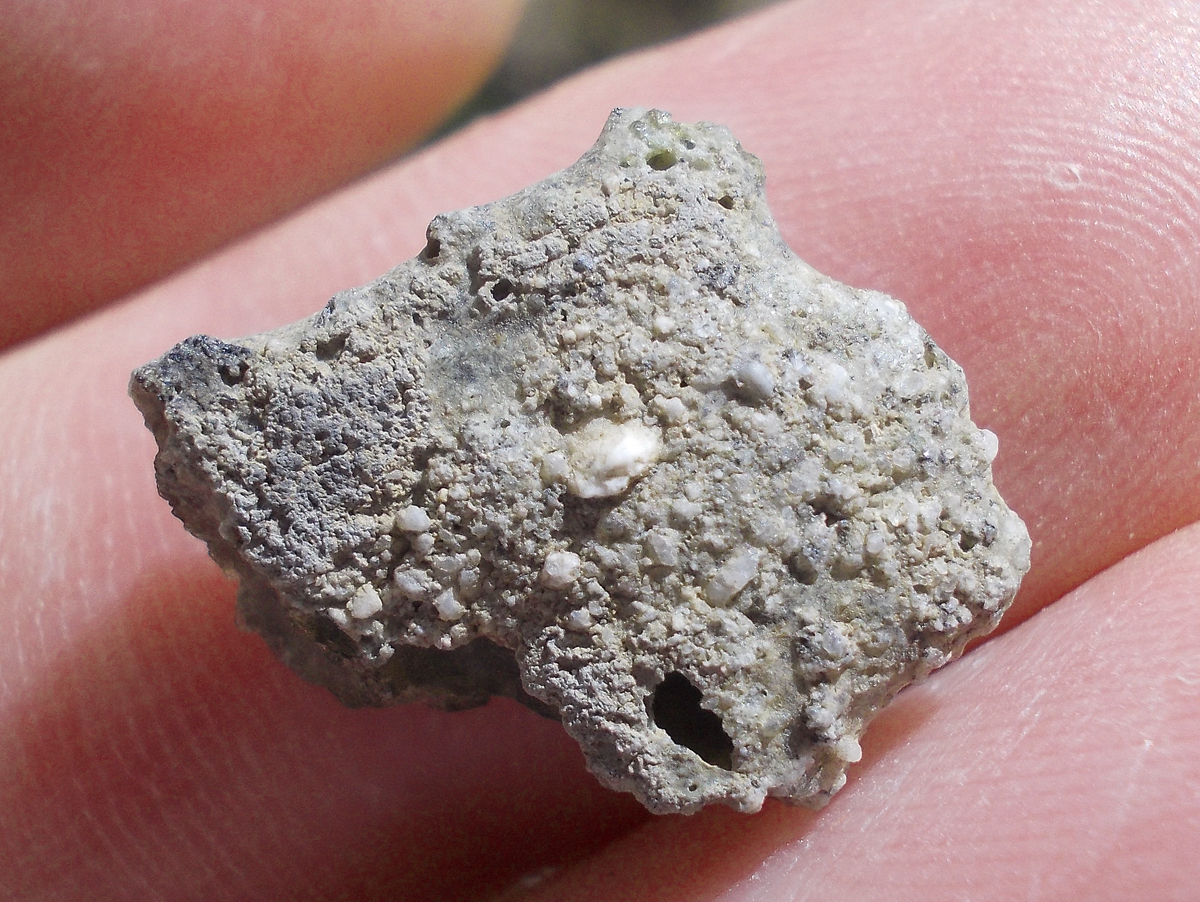 Out of stock