

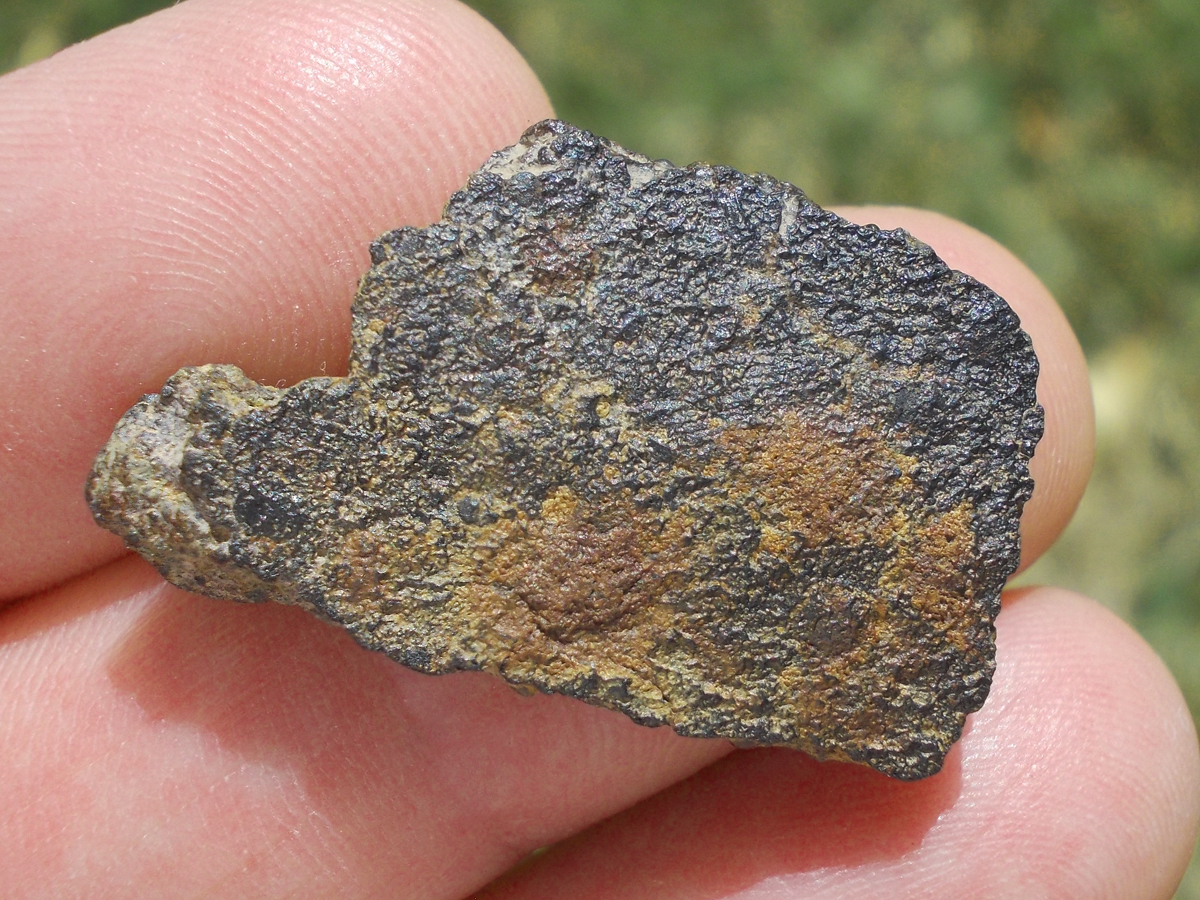
Chwichiya 002 C3.00 an exceptional meteorite !
Chwichiya 002 was discovered in Morocco in 2018 in Western Sahara near the village of Haouza in a concentration area called Chwichiya.




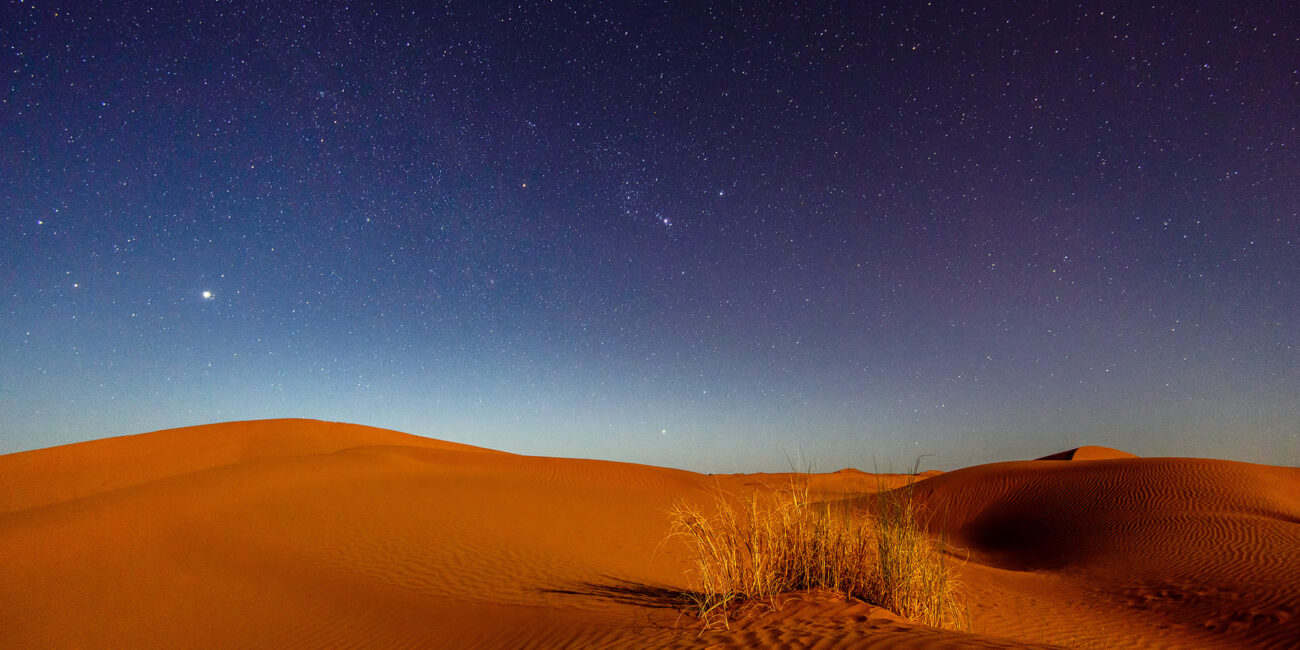
Chwichiya 002 was discovered in Morocco in 2018 in Western Sahara near the village of Haouza in a concentration area called Chwichiya.
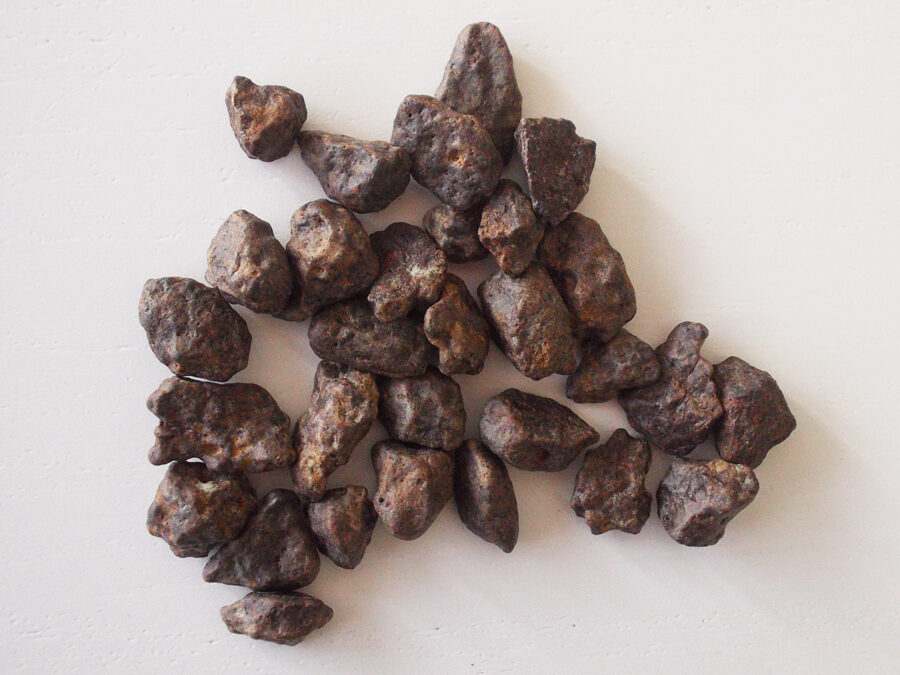
Yagan 005 is an L6-type ordinary chondrite found in China in 2026, in the Inner Mongolia Desert, near Alashan Meng.
A classified listing at a low price !
 Out of stock
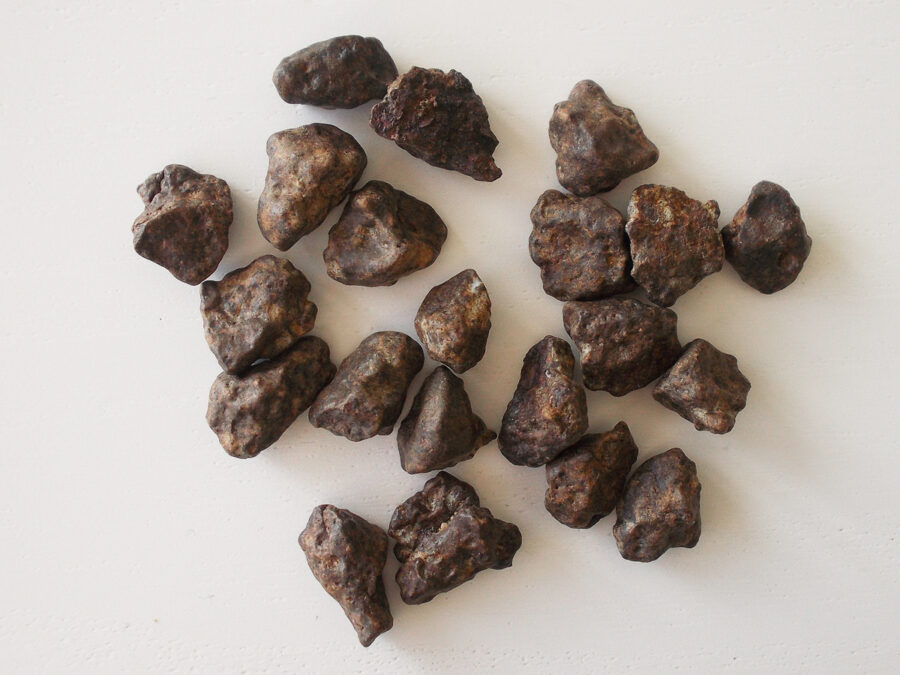
Yagan 005 is an L6-type ordinary chondrite found in China in 2026, in the Inner Mongolia Desert, near Alashan Meng.
A classified listing at a low price !
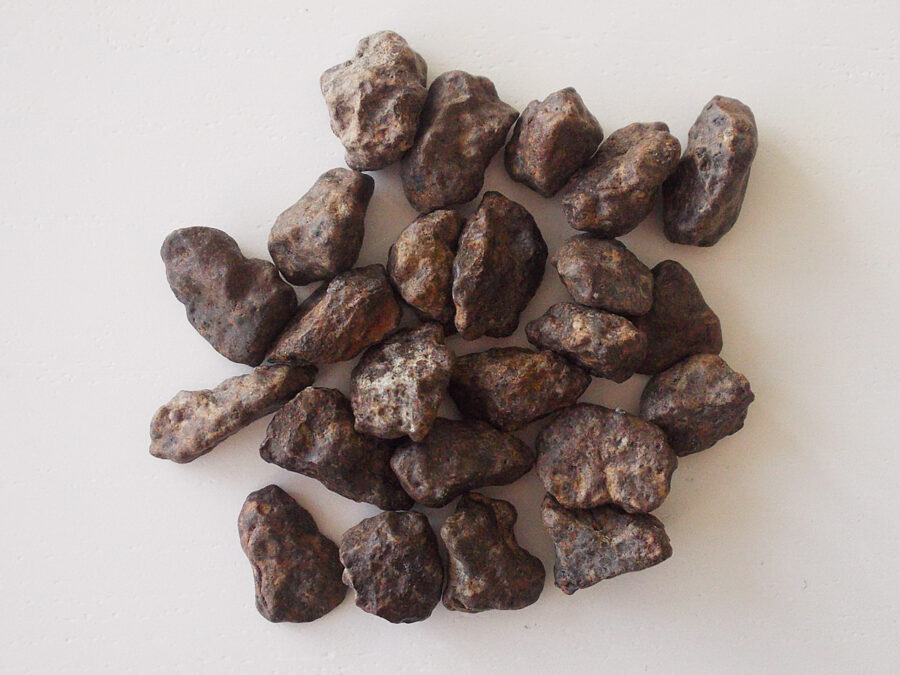
Yagan 005 is an L6-type ordinary chondrite found in China in 2026, in the Inner Mongolia Desert, near Alashan Meng.
A classified listing at a low price !
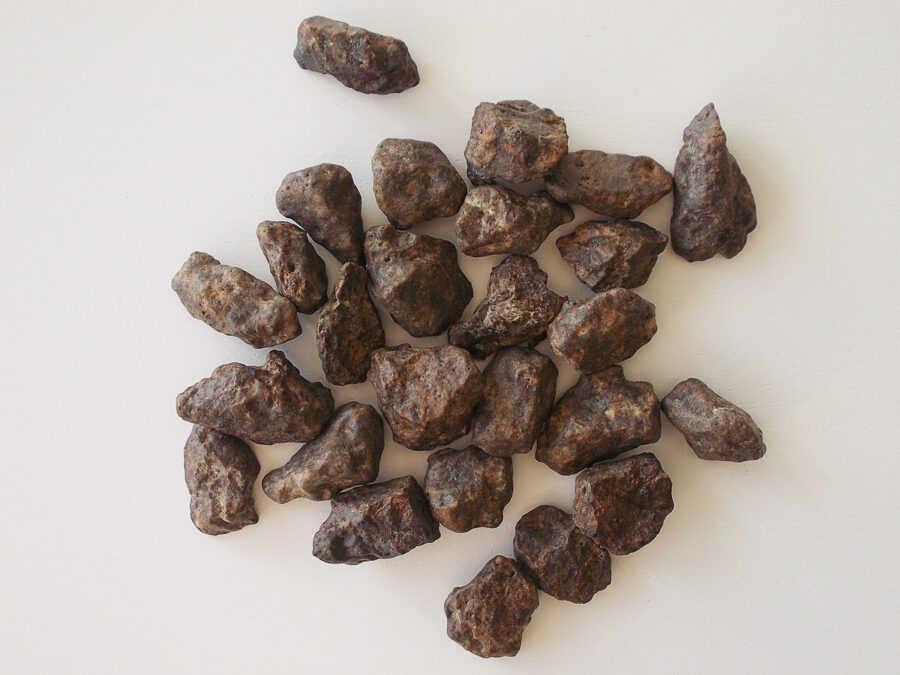
Yagan 005 is an L6-type ordinary chondrite found in China in 2026, in the Inner Mongolia Desert, near Alashan Meng.
A classified listing at a low price !
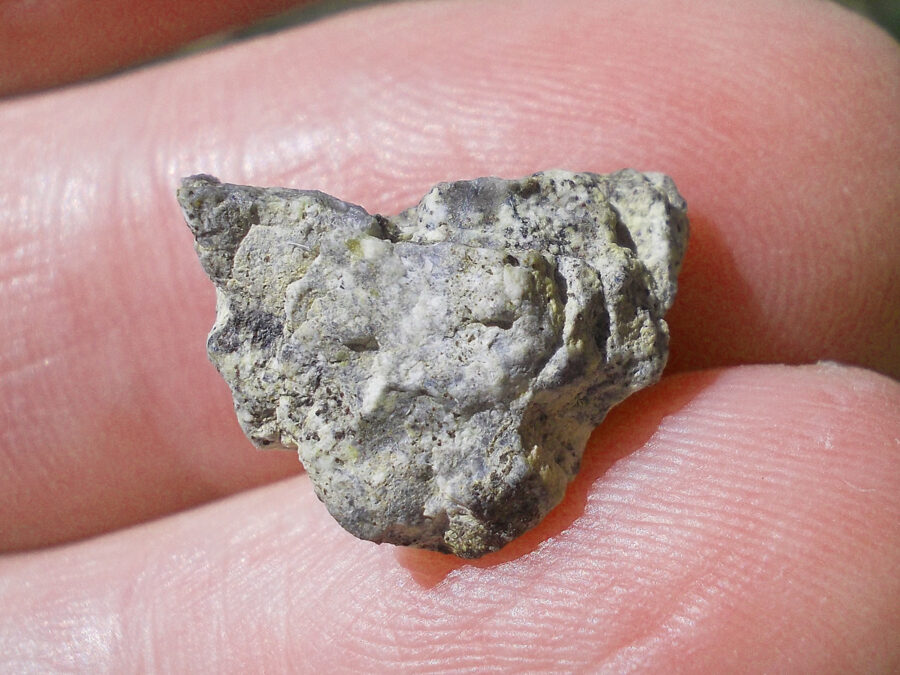
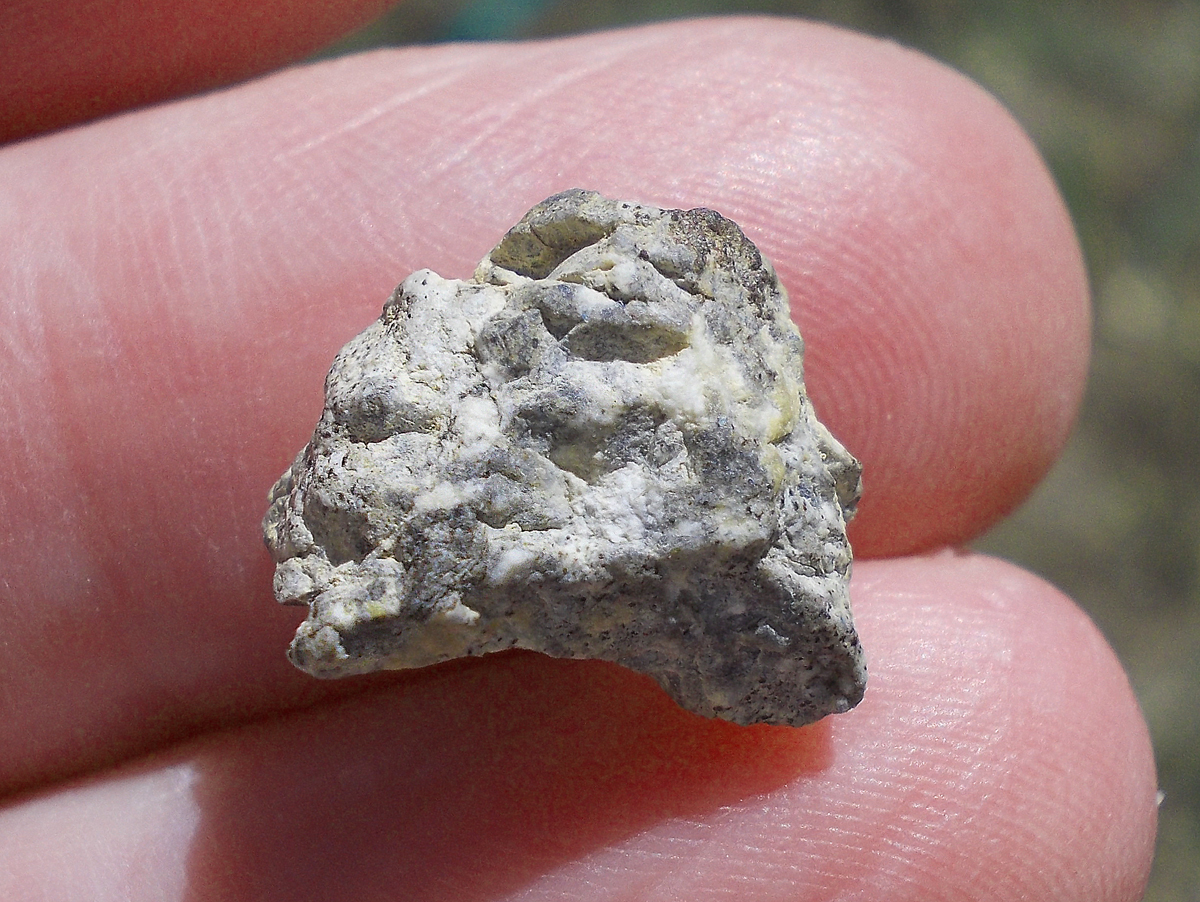
NWA 15169 is a lunar meteorite discovered in 2021 in Morocco near Dakhla in the Wad Oum Sfia area by Omar Ben Chaoud and Mouloud Oudinat.
NWA 15169 is a rare lunar meteorite (anorthosite).
It comes directly from the Moon’s ancient crust, specifically from the lunar highlands region.
This is a very nice and colorful lunar meteorite offered at a very good price.
About fifteen years ago, lunar meteorites were sold for almost 1000 euros per gram !
Writeup from MB 112:
Northwest Africa 15169 (NWA 15169)
Morocco
Purchased: 2021
Classification: Lunar meteorite (anorth)
History: Found by Omar Ben Chaoud and Mouloud Oudinat in the Dakhla, Wad Oum Sfia area. Later bought by Jean Redelsperger from Mohamed Elguirah in 2021.
Physical characteristics: Several stones: a complete 50 g crusted stone, and several gray fragments without fusion crust, the largest one being 52 g.
Petrography: (J. Gattacceca, B. Devouard, CEREGE) Brecciated igneous rock composed primarily of anorthitic plagioclase, and mm-sized poikilitic microgabbroic clasts with plagioclase chadacrysts set in olivine and pyroxene. Accessory minerals: metal, ulvöspinel, chromite. Barite, from terrestrial weathering, is present as veins.
Geochemistry: Plagioclase An93.4±2.7Ab6.3±2.5Or0.2±0.2 (n=4). Olivine (altered) Fo 43.5±5.9, FeO/MnO=143.4, analytical totals 90.9±2.2 (n=9). Orthopyroxene Fs26.0Wo9.0, Fs16.3Wo36.9, FeO/MnO = 50.8 (n=2). Chromite Cr#=0.73 (n=1).
Classification: Lunar (anorthosite). Contains microgabbroic clasts. Olivine, pigeonite and plagioclase are within the ferroan anorthositic suite (FAS) field defined by Warren (1993). Olivine has been altered on Earth, as indicated by the low analytical totals.
Specimens: Type specimen at CEREGE. Main mass with Jean Redelsperger.
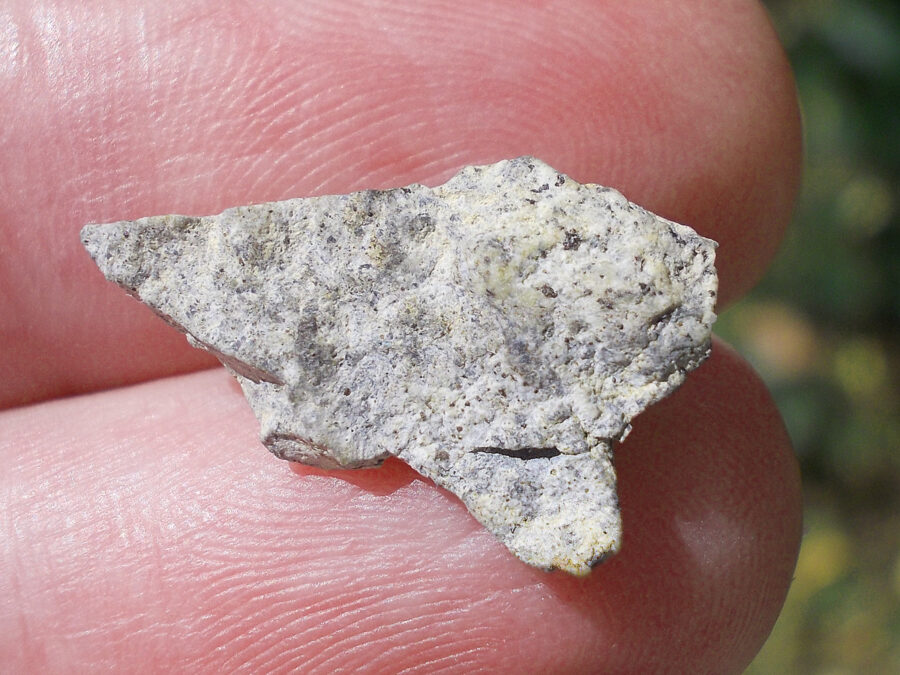
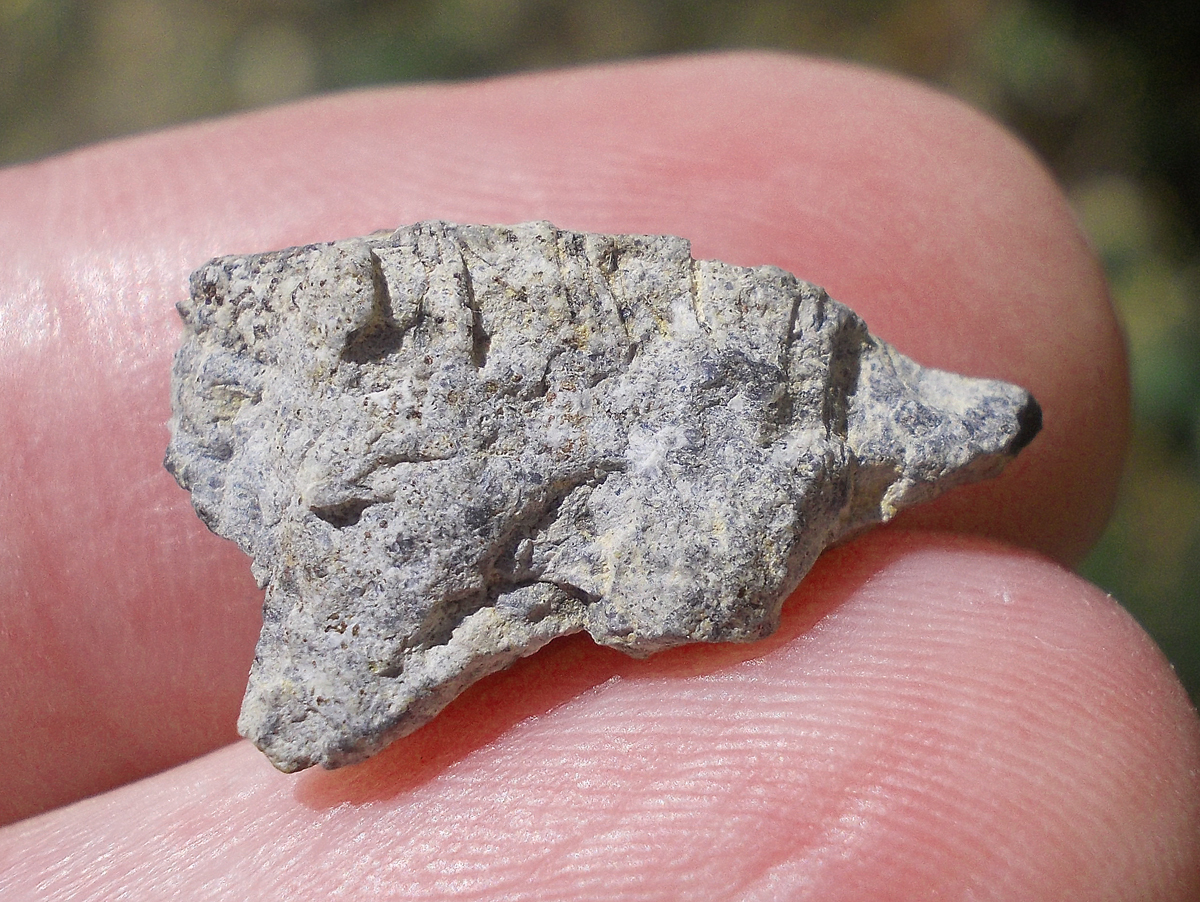
NWA 15169 is a lunar meteorite discovered in 2021 in Morocco near Dakhla in the Wad Oum Sfia area by Omar Ben Chaoud and Mouloud Oudinat.
NWA 15169 is a rare lunar meteorite (anorthosite).
It comes directly from the Moon’s ancient crust, specifically from the lunar highlands region.
This is a very nice and colorful lunar meteorite offered at a very good price.
About fifteen years ago, lunar meteorites were sold for almost 1000 euros per gram !
Writeup from MB 112:
Northwest Africa 15169 (NWA 15169)
Morocco
Purchased: 2021
Classification: Lunar meteorite (anorth)
History: Found by Omar Ben Chaoud and Mouloud Oudinat in the Dakhla, Wad Oum Sfia area. Later bought by Jean Redelsperger from Mohamed Elguirah in 2021.
Physical characteristics: Several stones: a complete 50 g crusted stone, and several gray fragments without fusion crust, the largest one being 52 g.
Petrography: (J. Gattacceca, B. Devouard, CEREGE) Brecciated igneous rock composed primarily of anorthitic plagioclase, and mm-sized poikilitic microgabbroic clasts with plagioclase chadacrysts set in olivine and pyroxene. Accessory minerals: metal, ulvöspinel, chromite. Barite, from terrestrial weathering, is present as veins.
Geochemistry: Plagioclase An93.4±2.7Ab6.3±2.5Or0.2±0.2 (n=4). Olivine (altered) Fo 43.5±5.9, FeO/MnO=143.4, analytical totals 90.9±2.2 (n=9). Orthopyroxene Fs26.0Wo9.0, Fs16.3Wo36.9, FeO/MnO = 50.8 (n=2). Chromite Cr#=0.73 (n=1).
Classification: Lunar (anorthosite). Contains microgabbroic clasts. Olivine, pigeonite and plagioclase are within the ferroan anorthositic suite (FAS) field defined by Warren (1993). Olivine has been altered on Earth, as indicated by the low analytical totals.
Specimens: Type specimen at CEREGE. Main mass with Jean Redelsperger.
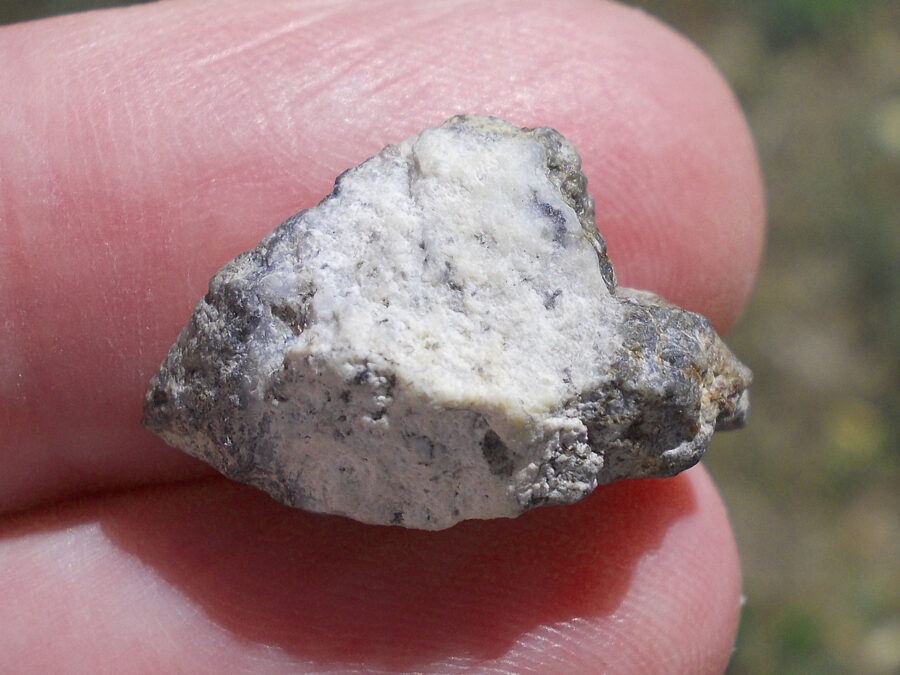
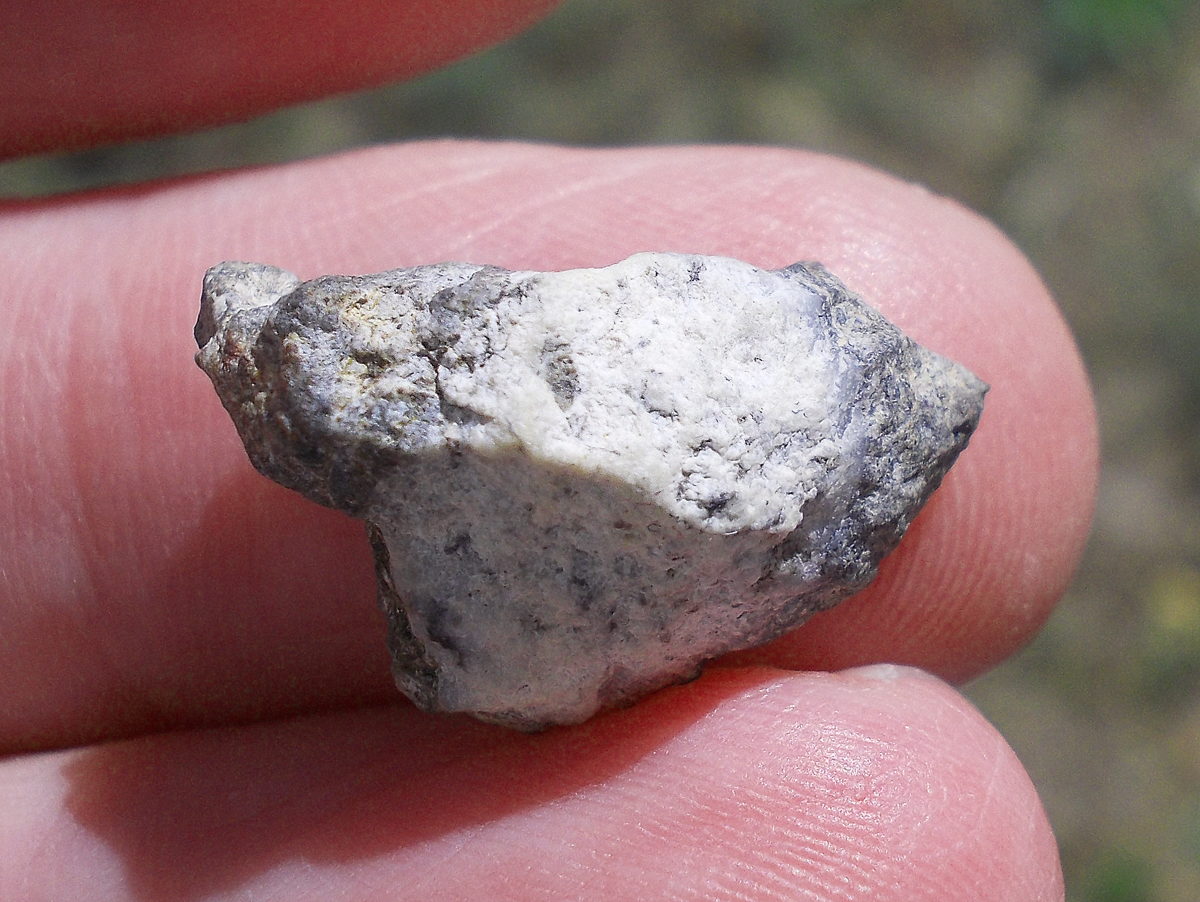
NWA 15169 is a lunar meteorite discovered in 2021 in Morocco near Dakhla in the Wad Oum Sfia area by Omar Ben Chaoud and Mouloud Oudinat.
NWA 15169 is a rare lunar meteorite (anorthosite).
It comes directly from the Moon’s ancient crust, specifically from the lunar highlands region.
This is a very nice and colorful lunar meteorite offered at a very good price.
About fifteen years ago, lunar meteorites were sold for almost 1000 euros per gram !
Writeup from MB 112:
Northwest Africa 15169 (NWA 15169)
Morocco
Purchased: 2021
Classification: Lunar meteorite (anorth)
History: Found by Omar Ben Chaoud and Mouloud Oudinat in the Dakhla, Wad Oum Sfia area. Later bought by Jean Redelsperger from Mohamed Elguirah in 2021.
Physical characteristics: Several stones: a complete 50 g crusted stone, and several gray fragments without fusion crust, the largest one being 52 g.
Petrography: (J. Gattacceca, B. Devouard, CEREGE) Brecciated igneous rock composed primarily of anorthitic plagioclase, and mm-sized poikilitic microgabbroic clasts with plagioclase chadacrysts set in olivine and pyroxene. Accessory minerals: metal, ulvöspinel, chromite. Barite, from terrestrial weathering, is present as veins.
Geochemistry: Plagioclase An93.4±2.7Ab6.3±2.5Or0.2±0.2 (n=4). Olivine (altered) Fo 43.5±5.9, FeO/MnO=143.4, analytical totals 90.9±2.2 (n=9). Orthopyroxene Fs26.0Wo9.0, Fs16.3Wo36.9, FeO/MnO = 50.8 (n=2). Chromite Cr#=0.73 (n=1).
Classification: Lunar (anorthosite). Contains microgabbroic clasts. Olivine, pigeonite and plagioclase are within the ferroan anorthositic suite (FAS) field defined by Warren (1993). Olivine has been altered on Earth, as indicated by the low analytical totals.
Specimens: Type specimen at CEREGE. Main mass with Jean Redelsperger.
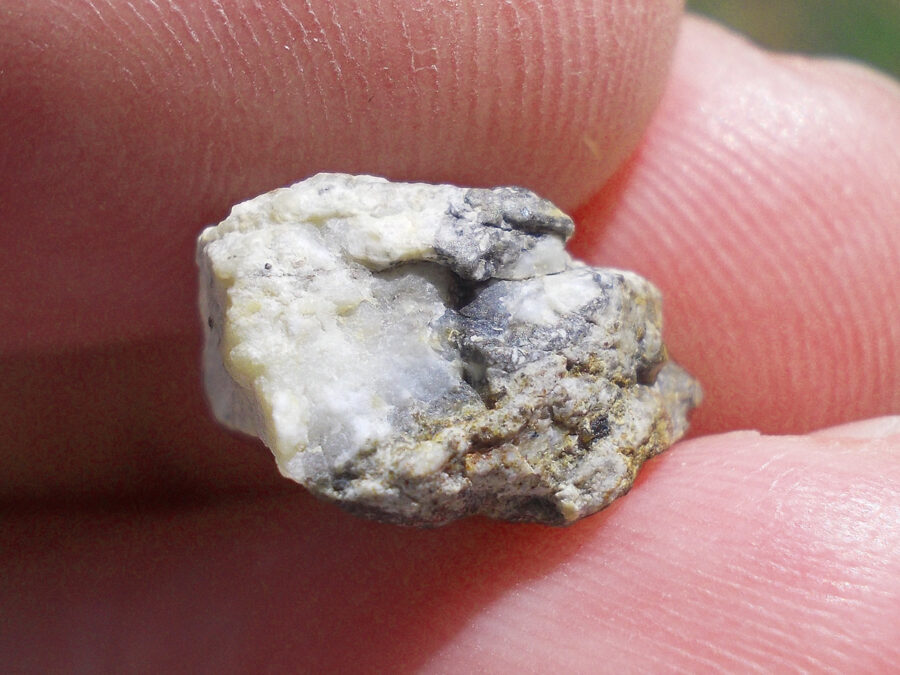
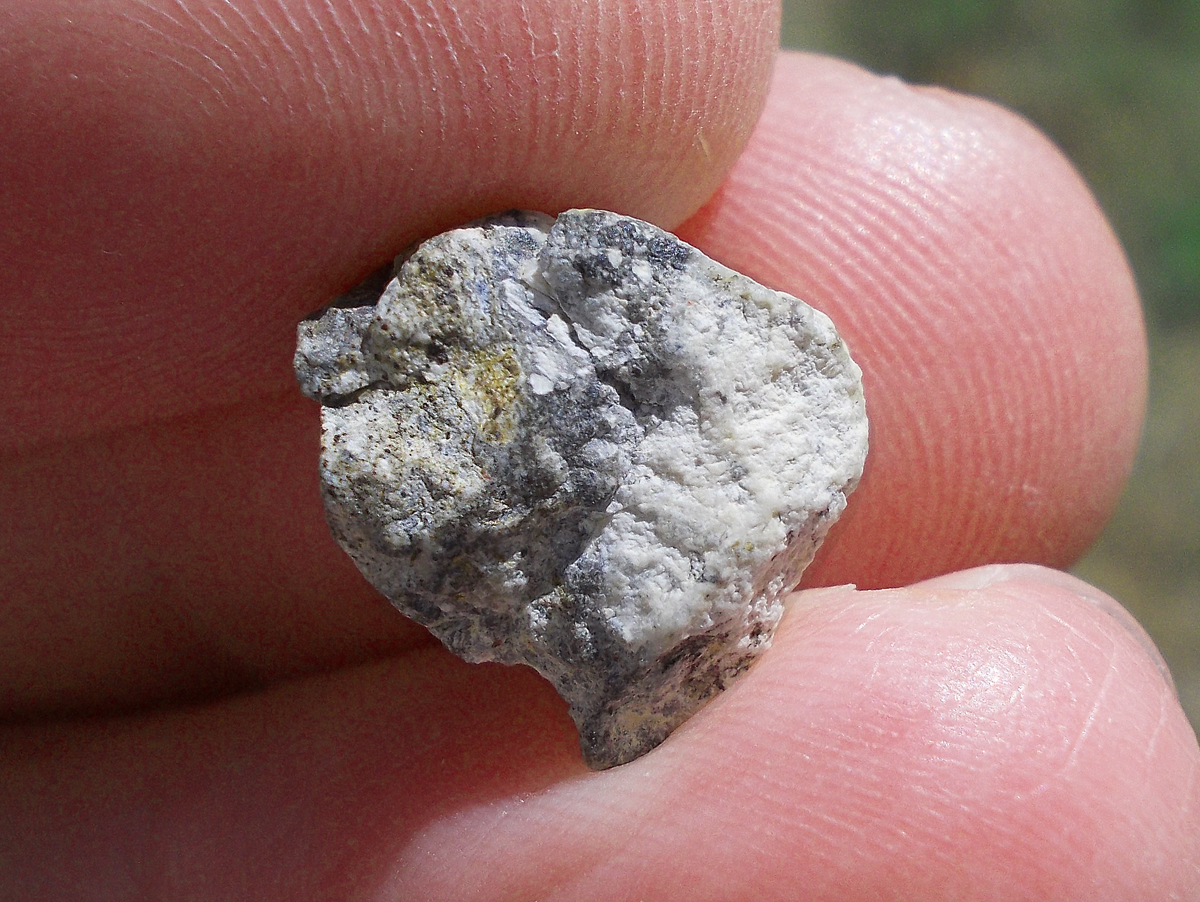
NWA 15169 is a lunar meteorite discovered in 2021 in Morocco near Dakhla in the Wad Oum Sfia area by Omar Ben Chaoud and Mouloud Oudinat.
NWA 15169 is a rare lunar meteorite (anorthosite).
It comes directly from the Moon’s ancient crust, specifically from the lunar highlands region.
This is a very nice and colorful lunar meteorite offered at a very good price.
About fifteen years ago, lunar meteorites were sold for almost 1000 euros per gram !
Writeup from MB 112:
Northwest Africa 15169 (NWA 15169)
Morocco
Purchased: 2021
Classification: Lunar meteorite (anorth)
History: Found by Omar Ben Chaoud and Mouloud Oudinat in the Dakhla, Wad Oum Sfia area. Later bought by Jean Redelsperger from Mohamed Elguirah in 2021.
Physical characteristics: Several stones: a complete 50 g crusted stone, and several gray fragments without fusion crust, the largest one being 52 g.
Petrography: (J. Gattacceca, B. Devouard, CEREGE) Brecciated igneous rock composed primarily of anorthitic plagioclase, and mm-sized poikilitic microgabbroic clasts with plagioclase chadacrysts set in olivine and pyroxene. Accessory minerals: metal, ulvöspinel, chromite. Barite, from terrestrial weathering, is present as veins.
Geochemistry: Plagioclase An93.4±2.7Ab6.3±2.5Or0.2±0.2 (n=4). Olivine (altered) Fo 43.5±5.9, FeO/MnO=143.4, analytical totals 90.9±2.2 (n=9). Orthopyroxene Fs26.0Wo9.0, Fs16.3Wo36.9, FeO/MnO = 50.8 (n=2). Chromite Cr#=0.73 (n=1).
Classification: Lunar (anorthosite). Contains microgabbroic clasts. Olivine, pigeonite and plagioclase are within the ferroan anorthositic suite (FAS) field defined by Warren (1993). Olivine has been altered on Earth, as indicated by the low analytical totals.
Specimens: Type specimen at CEREGE. Main mass with Jean Redelsperger.
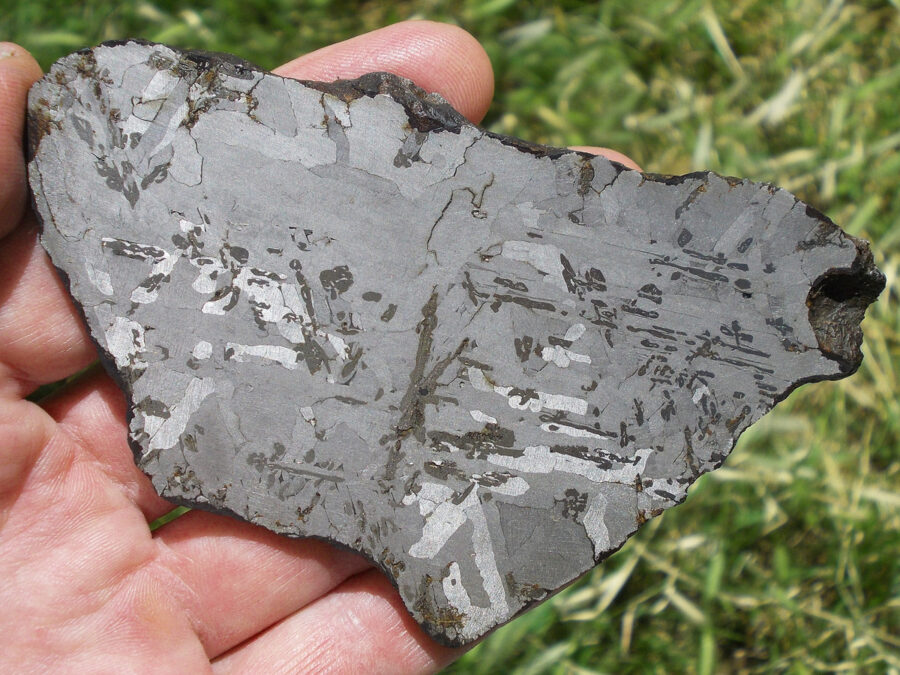
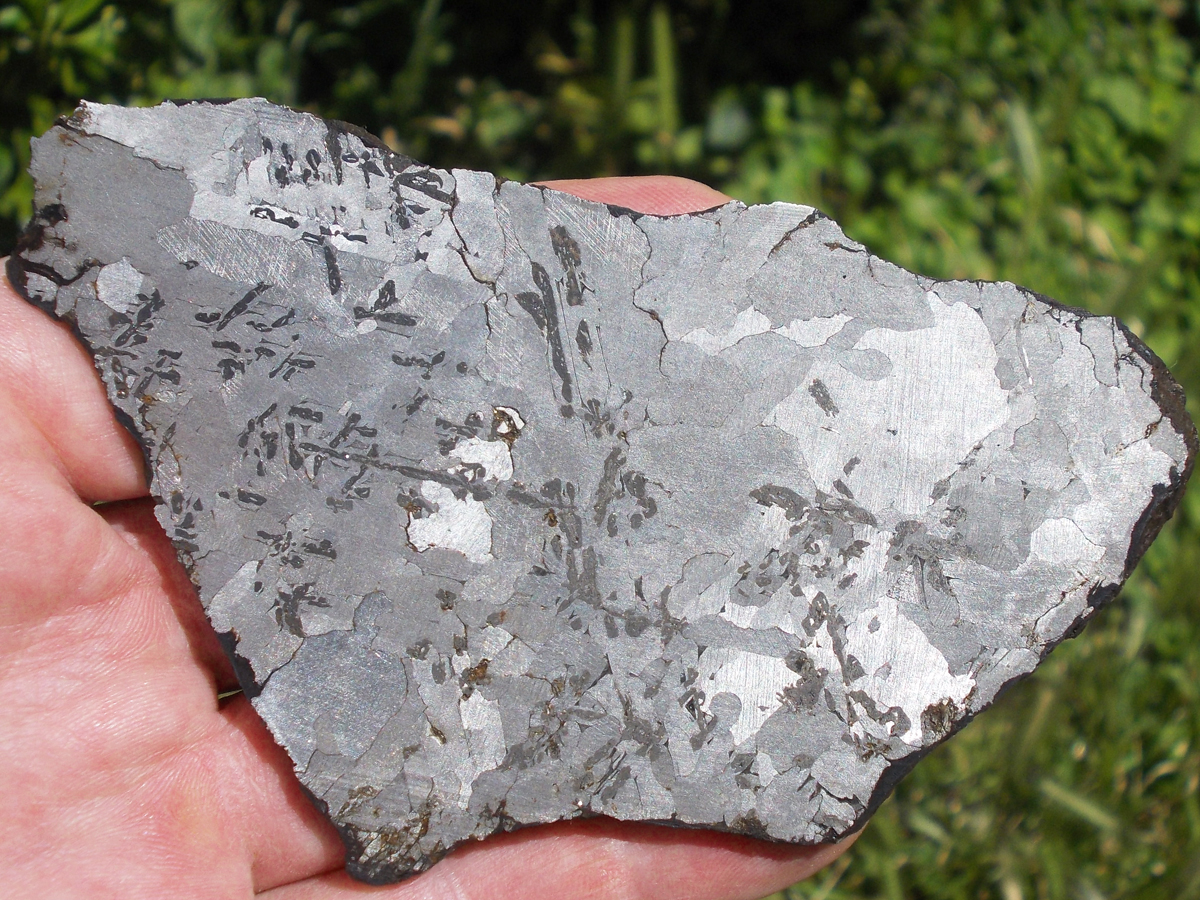 Out of stock
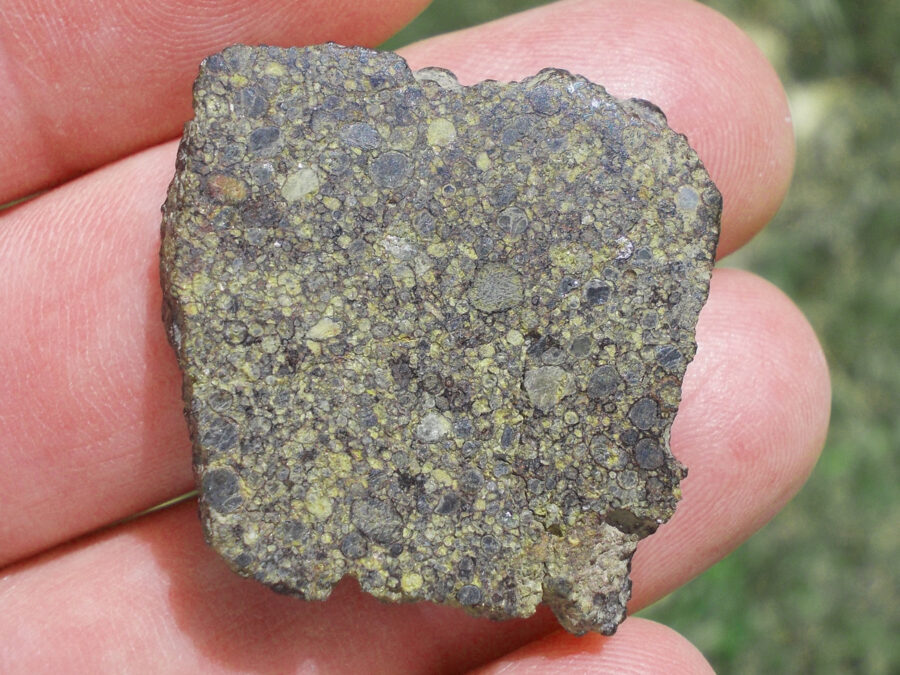
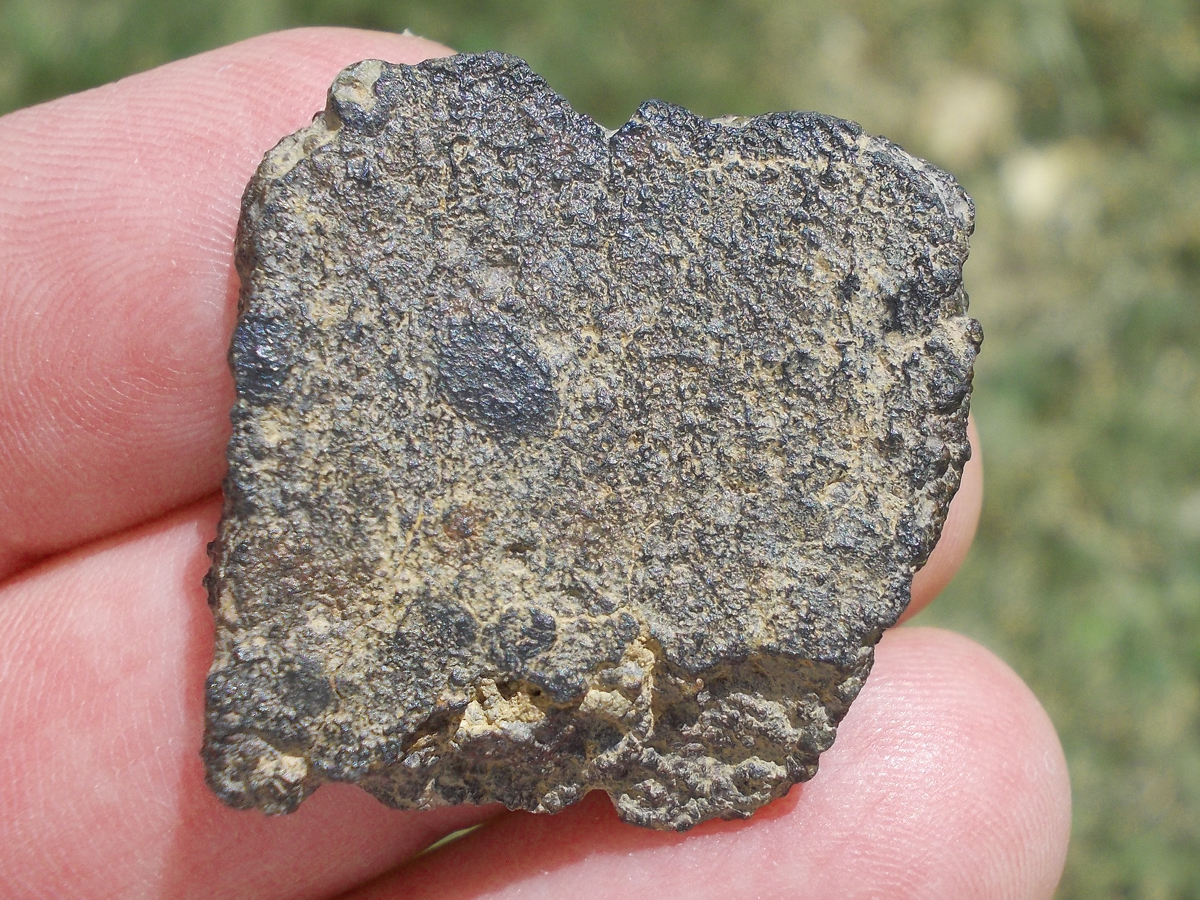
NWA 15972 is a beautiful LL3 chondrite weighing just 317 grams.
The estimated subtype is LL3.2; as of now, there are only 21 meteorites of this type in the world.
Of the more than 80,000 meteorites recorded on Earth, this tiny number confirms the extreme rarity of this type of primitive rock.
LL3.2 chondrites are considered to be true “time capsules” of our early solar system.
This meteorite was analyzed at Cerege by Jérôme Gattacceca.
Writeup from MB 112:
Northwest Africa 15972 (NWA 15972)
Morocco
Purchased: 2022
Classification: Ordinary chondrite (LL3)
History: Found in Morocco, and bought by Jean Redelsperger in Guelmim in 2022
Physical characteristics: Some fragments are partially crusted.
Petrography: (J. Gattacceca, CEREGE) Chondrite with packed chondrules ~800 µm set in a fine-grained matrix. Opaque minerals are metal and troilite.
Geochemistry: Olivine Fa14.2±8.1, range Fa0.4-29.9, Fa PMD 46% (n=18). Cr2O3 in ferroan olivine 0.157±0.089 wt% (n=17). Low-Ca pyroxene Fs8.4±3.5Wo1.8±1.4 (n=5).
Classification: Ordinary chondrite (LL3). LL group based on chondrule size and magnetic susceptibility. Sub>he Cr2O3 content of ferroan olivine. Estimated subtype 3.2 based on the olivine Fa PMD.
Specimens: Type specimen at CEREGE. Main mass with Jean Redelsperger.
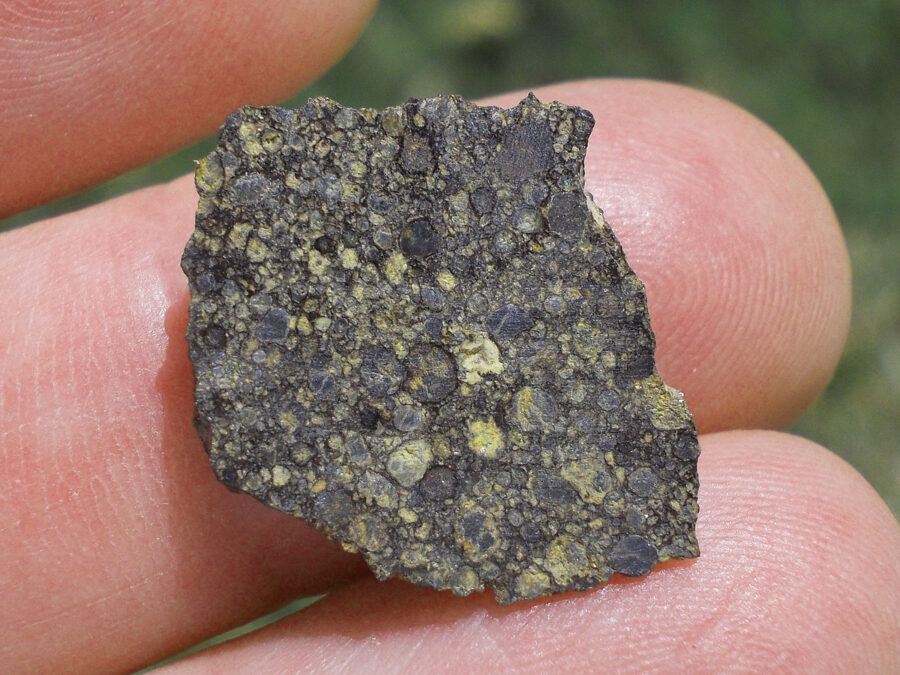
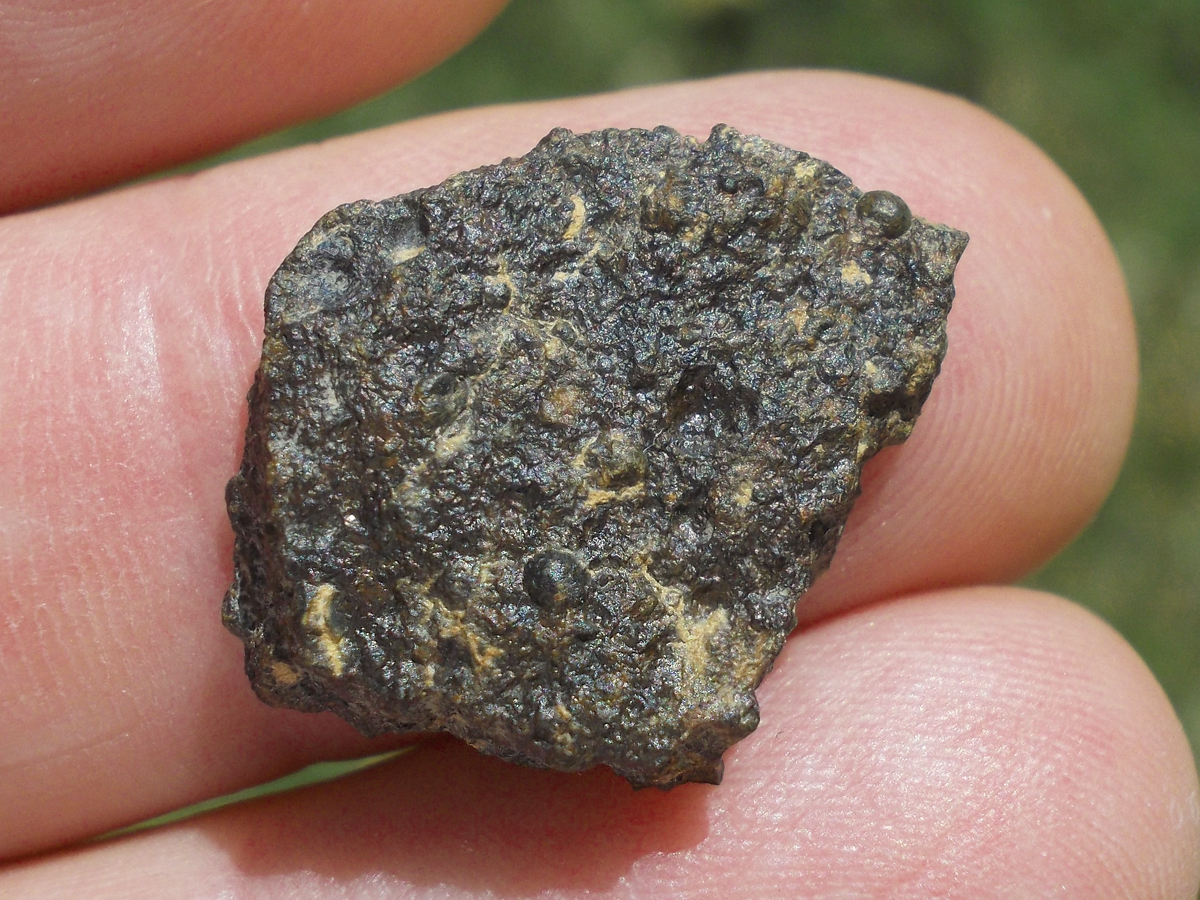
NWA 15972 is a beautiful LL3 chondrite weighing just 317 grams.
The estimated subtype is LL3.2; as of now, there are only 21 meteorites of this type in the world.
Of the more than 80,000 meteorites recorded on Earth, this tiny number confirms the extreme rarity of this type of primitive rock.
LL3.2 chondrites are considered to be true “time capsules” of our early solar system.
This meteorite was analyzed at Cerege by Jérôme Gattacceca.
Writeup from MB 112:
Northwest Africa 15972 (NWA 15972)
Morocco
Purchased: 2022
Classification: Ordinary chondrite (LL3)
History: Found in Morocco, and bought by Jean Redelsperger in Guelmim in 2022
Physical characteristics: Some fragments are partially crusted.
Petrography: (J. Gattacceca, CEREGE) Chondrite with packed chondrules ~800 µm set in a fine-grained matrix. Opaque minerals are metal and troilite.
Geochemistry: Olivine Fa14.2±8.1, range Fa0.4-29.9, Fa PMD 46% (n=18). Cr2O3 in ferroan olivine 0.157±0.089 wt% (n=17). Low-Ca pyroxene Fs8.4±3.5Wo1.8±1.4 (n=5).
Classification: Ordinary chondrite (LL3). LL group based on chondrule size and magnetic susceptibility. Sub>he Cr2O3 content of ferroan olivine. Estimated subtype 3.2 based on the olivine Fa PMD.
Specimens: Type specimen at CEREGE. Main mass with Jean Redelsperger.
 Out of stock
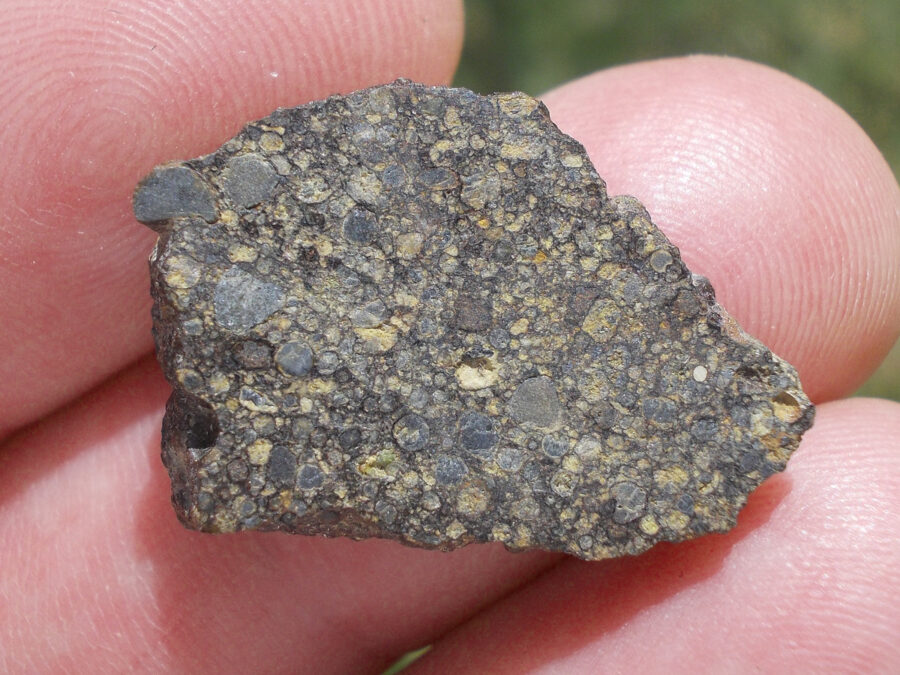
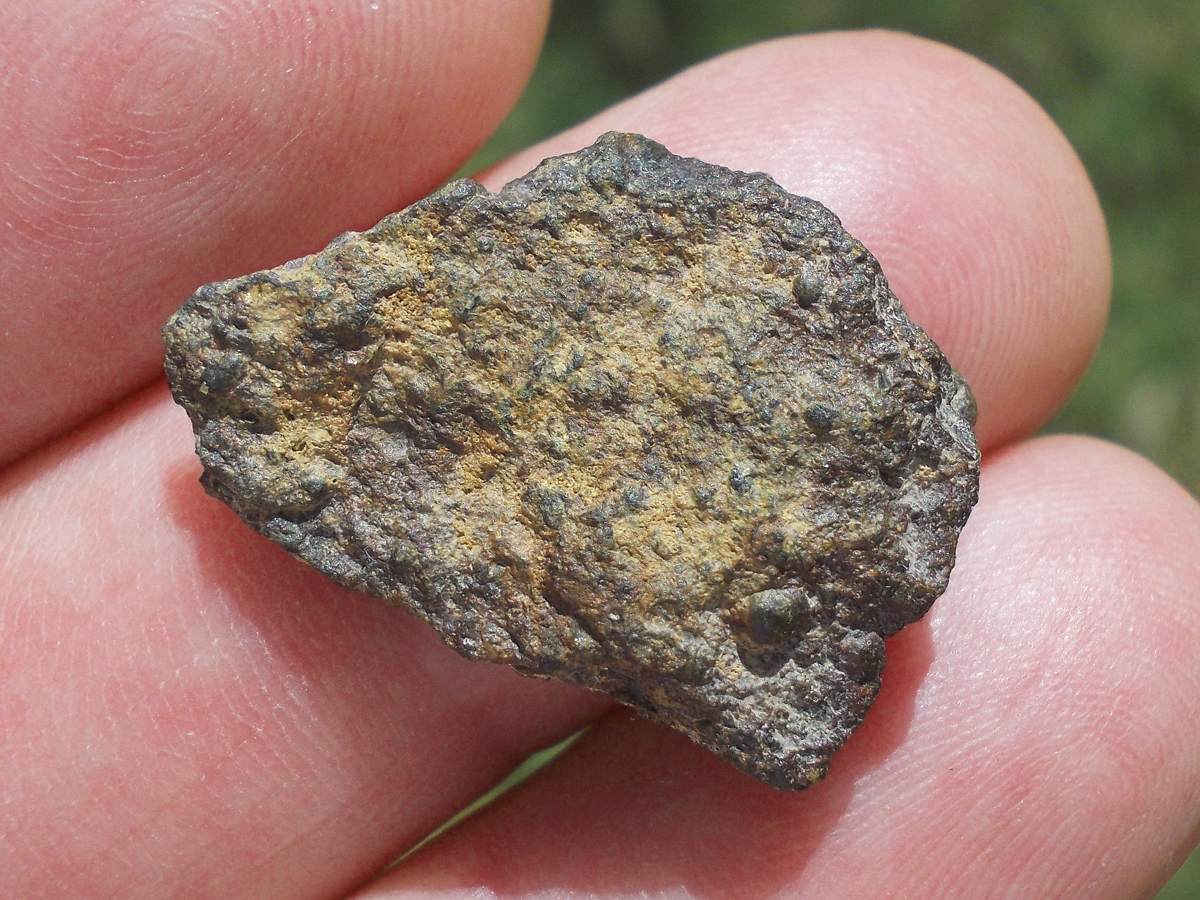
NWA 15972 is a beautiful LL3 chondrite weighing just 317 grams.
The estimated subtype is LL3.2; as of now, there are only 21 meteorites of this type in the world.
Of the more than 80,000 meteorites recorded on Earth, this tiny number confirms the extreme rarity of this type of primitive rock.
LL3.2 chondrites are considered to be true “time capsules” of our early solar system.
This meteorite was analyzed at Cerege by Jérôme Gattacceca.
Writeup from MB 112:
Northwest Africa 15972 (NWA 15972)
Morocco
Purchased: 2022
Classification: Ordinary chondrite (LL3)
History: Found in Morocco, and bought by Jean Redelsperger in Guelmim in 2022
Physical characteristics: Some fragments are partially crusted.
Petrography: (J. Gattacceca, CEREGE) Chondrite with packed chondrules ~800 µm set in a fine-grained matrix. Opaque minerals are metal and troilite.
Geochemistry: Olivine Fa14.2±8.1, range Fa0.4-29.9, Fa PMD 46% (n=18). Cr2O3 in ferroan olivine 0.157±0.089 wt% (n=17). Low-Ca pyroxene Fs8.4±3.5Wo1.8±1.4 (n=5).
Classification: Ordinary chondrite (LL3). LL group based on chondrule size and magnetic susceptibility. Sub>he Cr2O3 content of ferroan olivine. Estimated subtype 3.2 based on the olivine Fa PMD.
Specimens: Type specimen at CEREGE. Main mass with Jean Redelsperger.
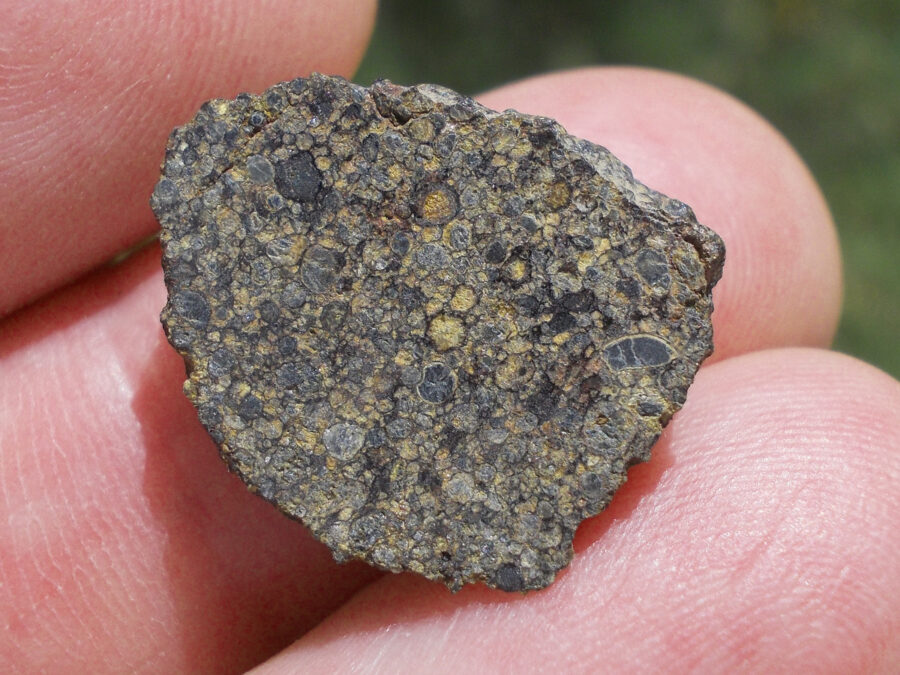
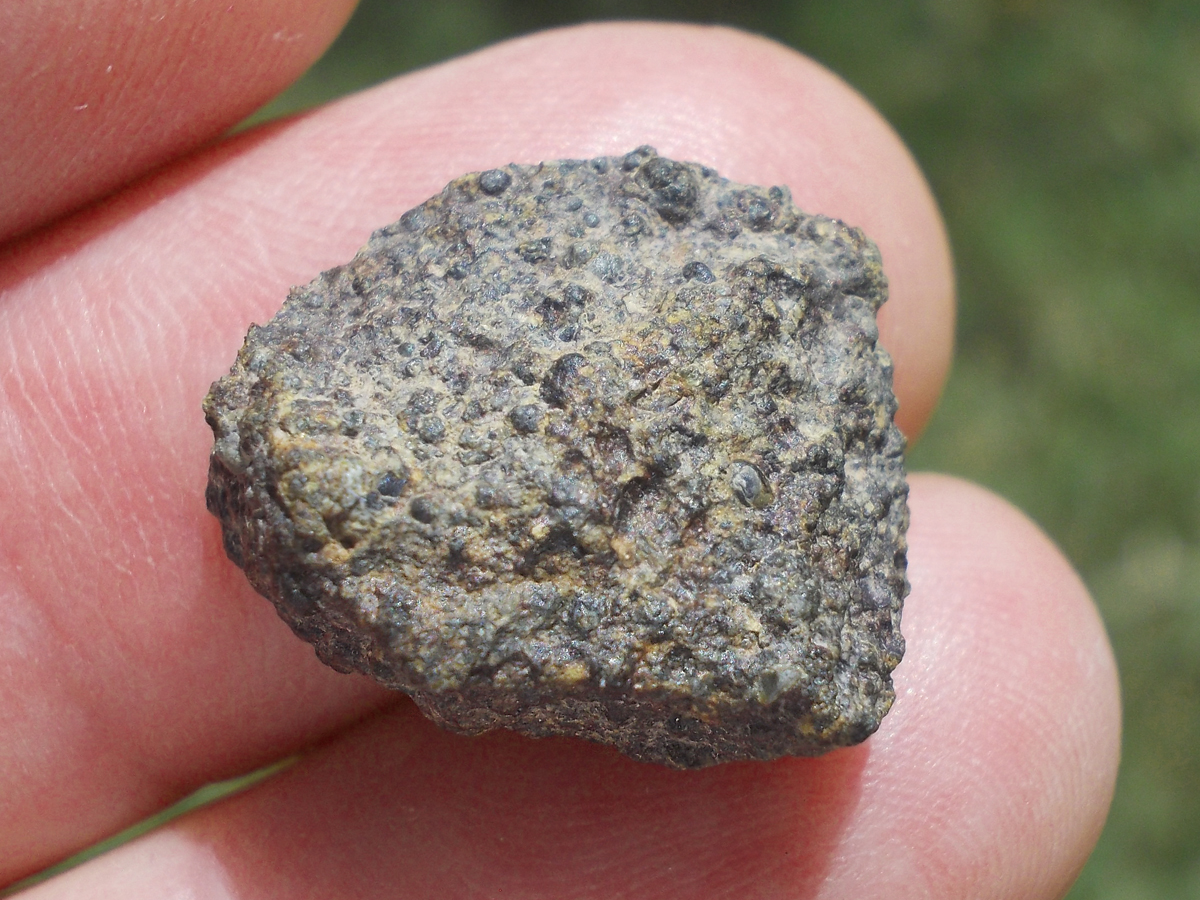
NWA 15972 is a beautiful LL3 chondrite weighing just 317 grams.
The estimated subtype is LL3.2; as of now, there are only 21 meteorites of this type in the world.
Of the more than 80,000 meteorites recorded on Earth, this tiny number confirms the extreme rarity of this type of primitive rock.
LL3.2 chondrites are considered to be true “time capsules” of our early solar system.
This meteorite was analyzed at Cerege by Jérôme Gattacceca.
Writeup from MB 112:
Northwest Africa 15972 (NWA 15972)
Morocco
Purchased: 2022
Classification: Ordinary chondrite (LL3)
History: Found in Morocco, and bought by Jean Redelsperger in Guelmim in 2022
Physical characteristics: Some fragments are partially crusted.
Petrography: (J. Gattacceca, CEREGE) Chondrite with packed chondrules ~800 µm set in a fine-grained matrix. Opaque minerals are metal and troilite.
Geochemistry: Olivine Fa14.2±8.1, range Fa0.4-29.9, Fa PMD 46% (n=18). Cr2O3 in ferroan olivine 0.157±0.089 wt% (n=17). Low-Ca pyroxene Fs8.4±3.5Wo1.8±1.4 (n=5).
Classification: Ordinary chondrite (LL3). LL group based on chondrule size and magnetic susceptibility. Sub>he Cr2O3 content of ferroan olivine. Estimated subtype 3.2 based on the olivine Fa PMD.
Specimens: Type specimen at CEREGE. Main mass with Jean Redelsperger.
 Out of stock
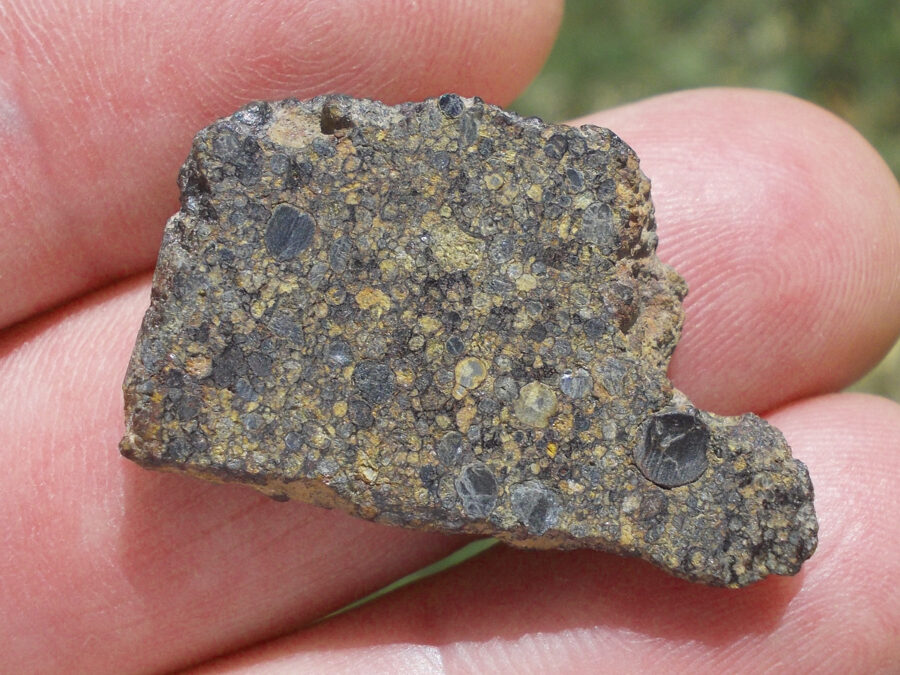
NWA 15972 is a beautiful LL3 chondrite weighing just 317 grams.
The estimated subtype is LL3.2; as of now, there are only 21 meteorites of this type in the world.
Of the more than 80,000 meteorites recorded on Earth, this tiny number confirms the extreme rarity of this type of primitive rock.
LL3.2 chondrites are considered to be true “time capsules” of our early solar system.
This meteorite was analyzed at Cerege by Jérôme Gattacceca.
Writeup from MB 112:
Northwest Africa 15972 (NWA 15972)
Morocco
Purchased: 2022
Classification: Ordinary chondrite (LL3)
History: Found in Morocco, and bought by Jean Redelsperger in Guelmim in 2022
Physical characteristics: Some fragments are partially crusted.
Petrography: (J. Gattacceca, CEREGE) Chondrite with packed chondrules ~800 µm set in a fine-grained matrix. Opaque minerals are metal and troilite.
Geochemistry: Olivine Fa14.2±8.1, range Fa0.4-29.9, Fa PMD 46% (n=18). Cr2O3 in ferroan olivine 0.157±0.089 wt% (n=17). Low-Ca pyroxene Fs8.4±3.5Wo1.8±1.4 (n=5).
Classification: Ordinary chondrite (LL3). LL group based on chondrule size and magnetic susceptibility. Sub>he Cr2O3 content of ferroan olivine. Estimated subtype 3.2 based on the olivine Fa PMD.
Specimens: Type specimen at CEREGE. Main mass with Jean Redelsperger.
 Out of stock
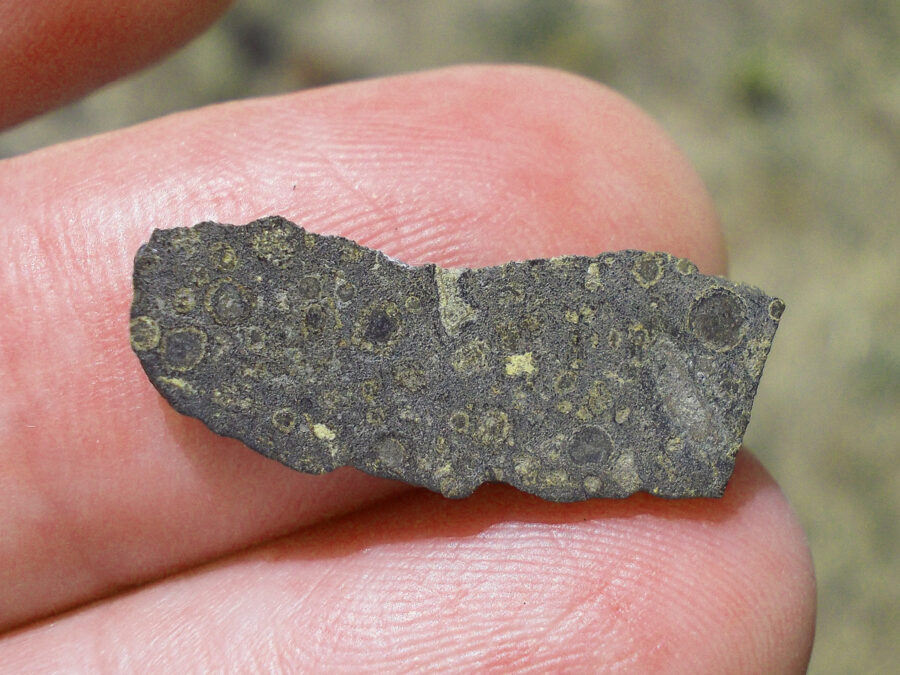
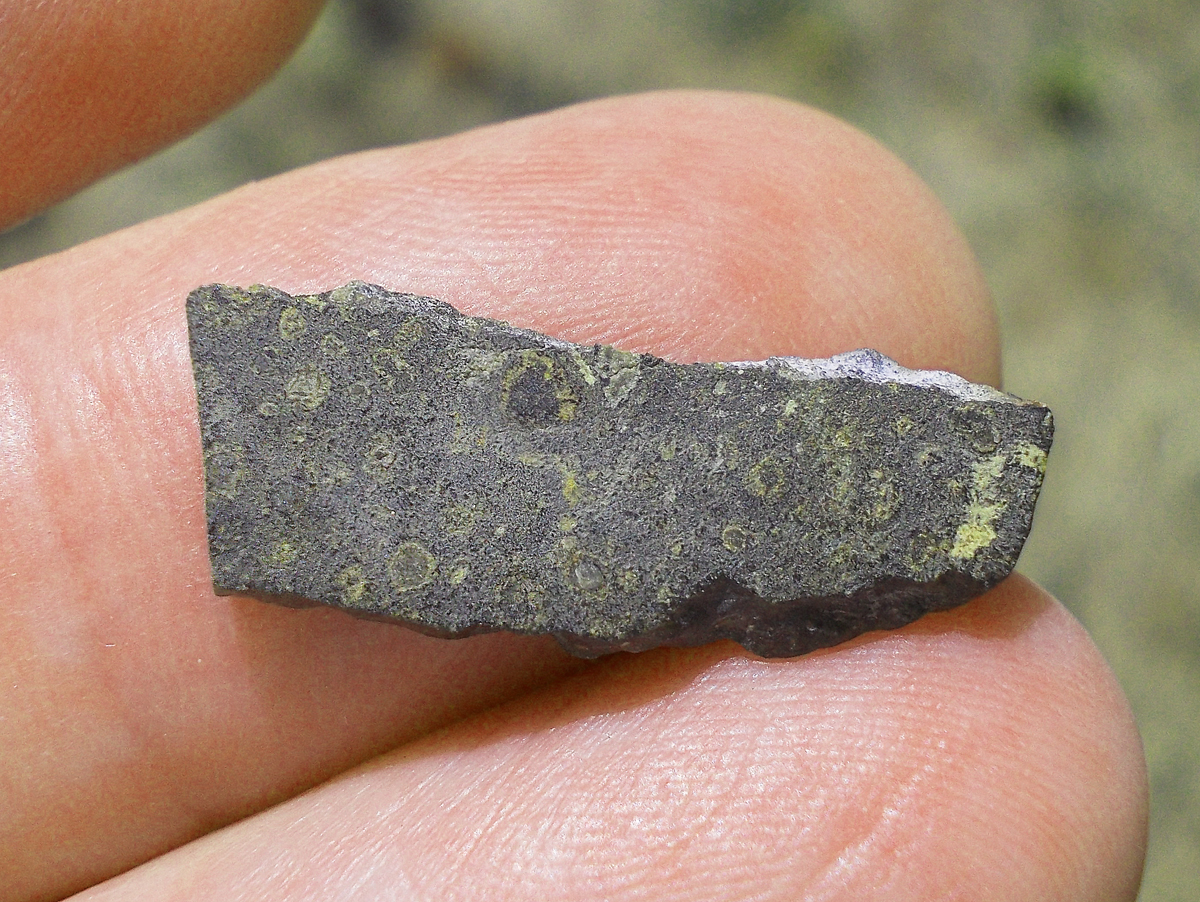
NWA 16738 is a carbonaceous meteorite of the CK3 type.
To date, only 88 of this type have been classified.
The most famous meteorite fall is the Karoonda meteorite, which fell in Australia in 1930.
CK-type meteorites contain inclusions known as CAIs (calcium- and aluminum-rich inclusions), which formed between 4,567 and 4,571 million years ago; they are the oldest materials in the Solar System.