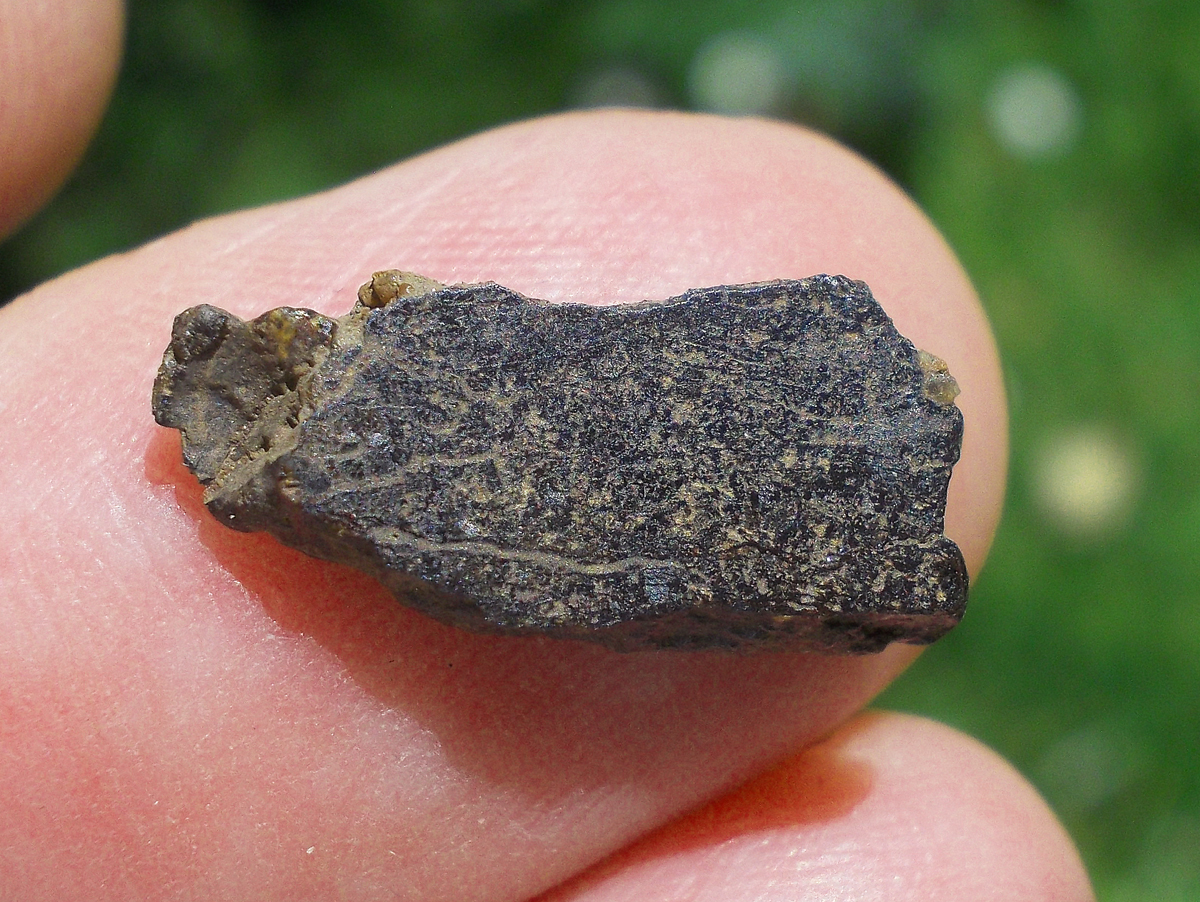
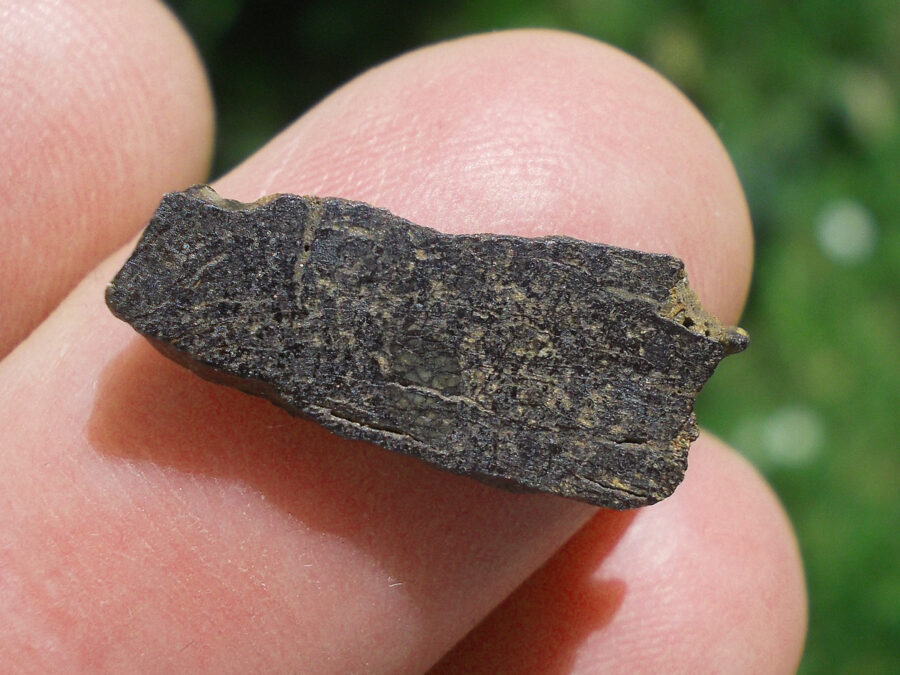
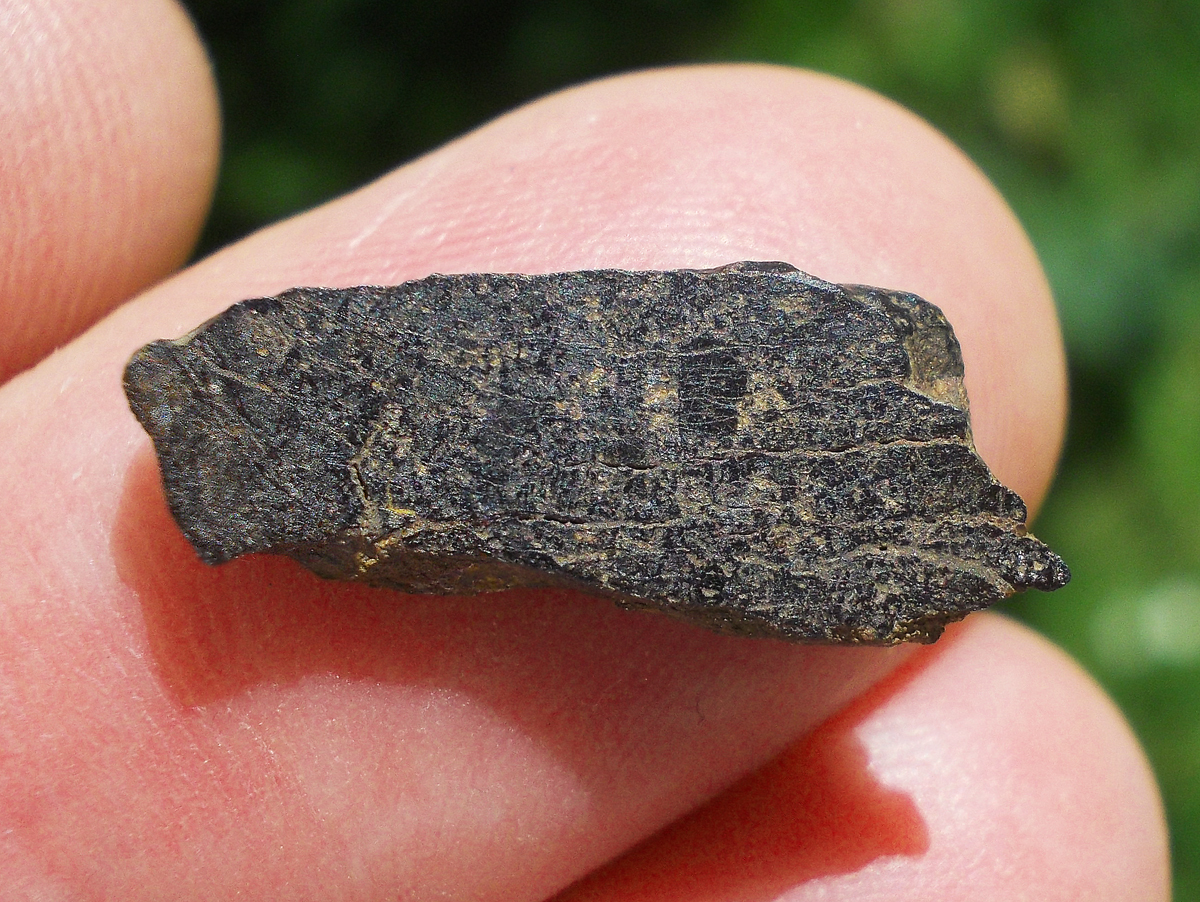
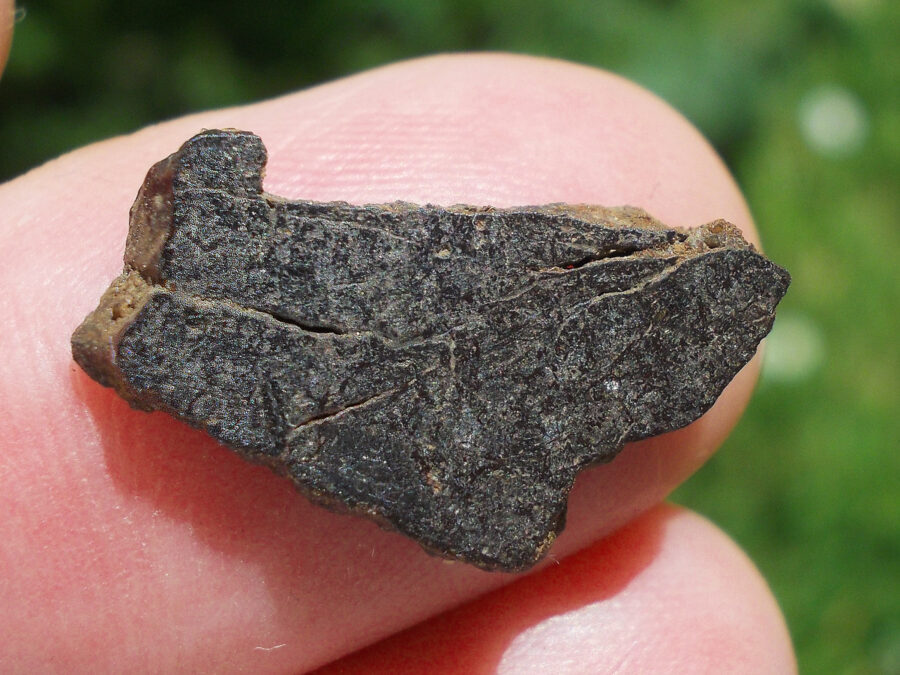
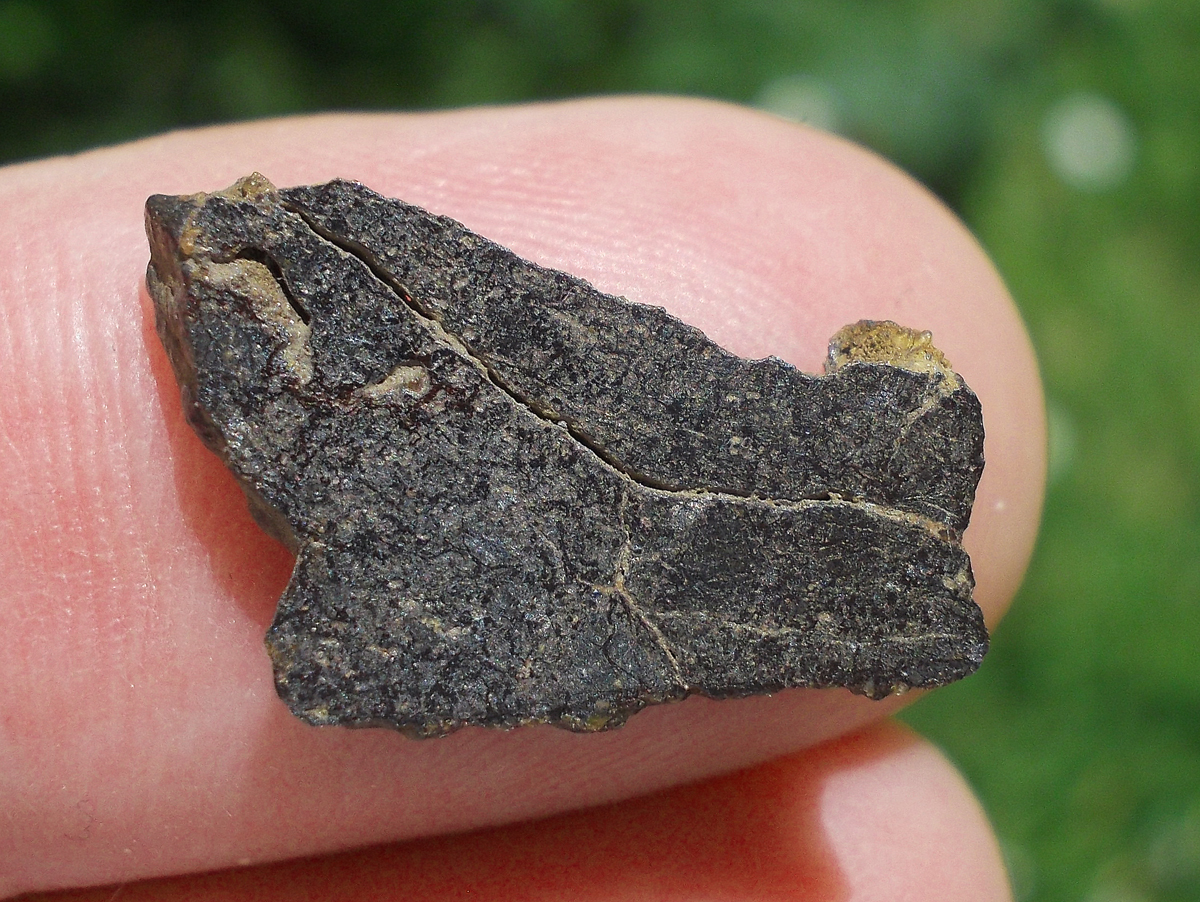
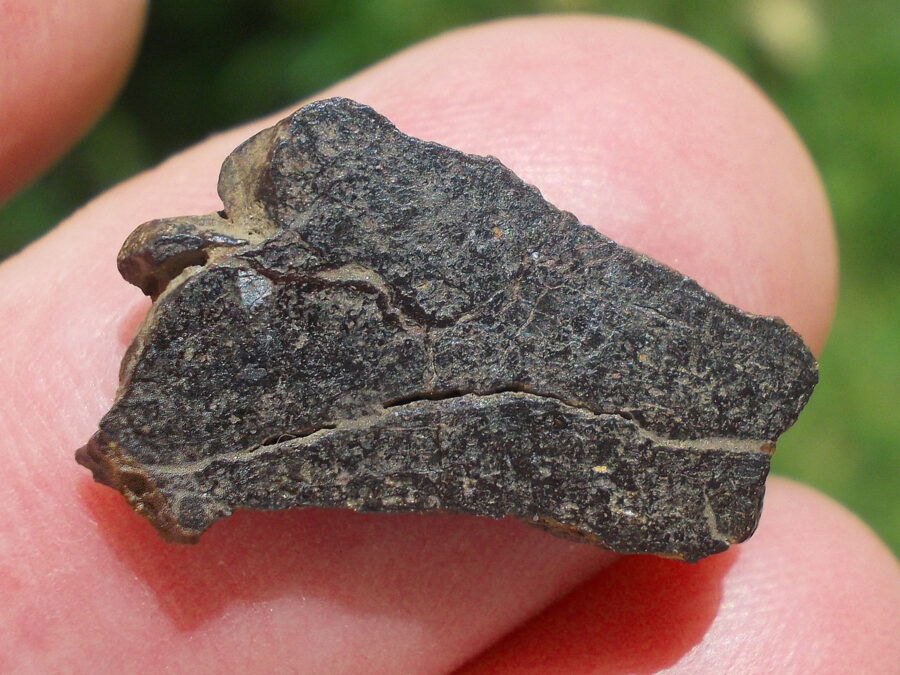
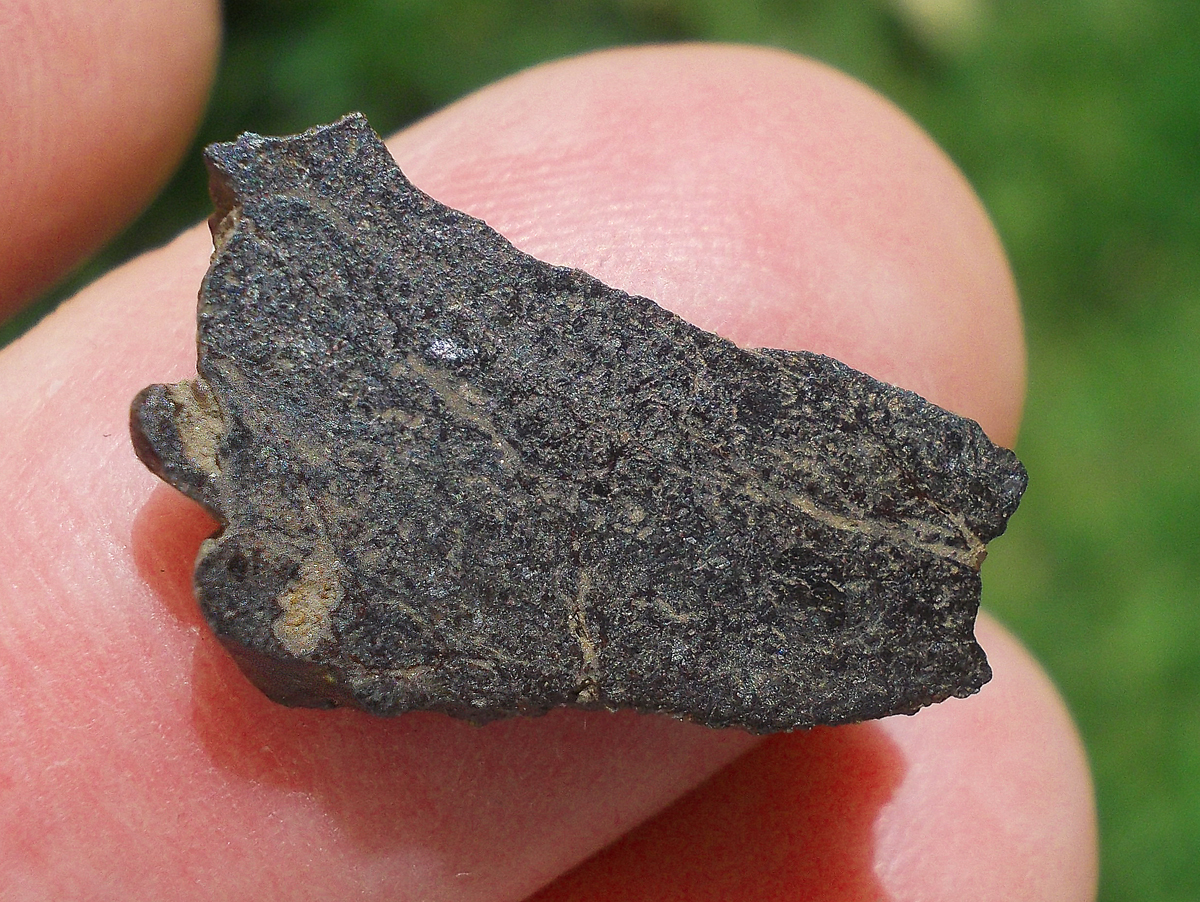
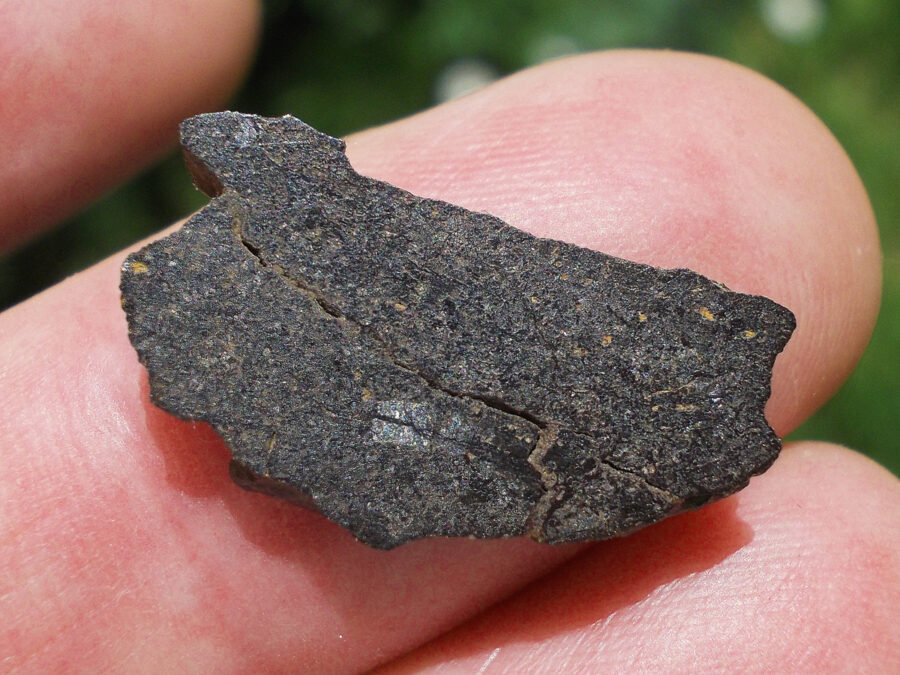
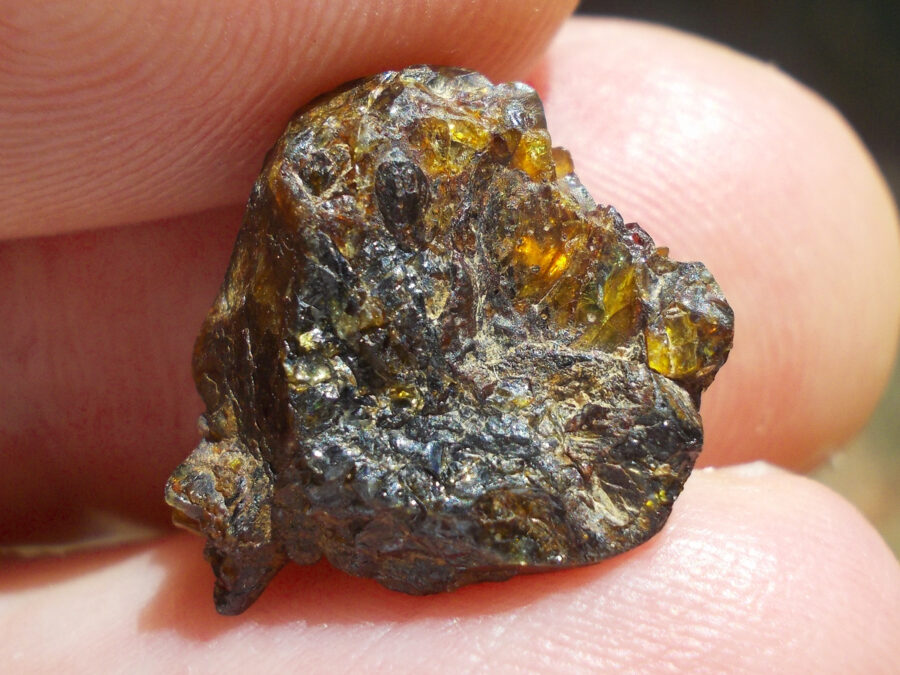
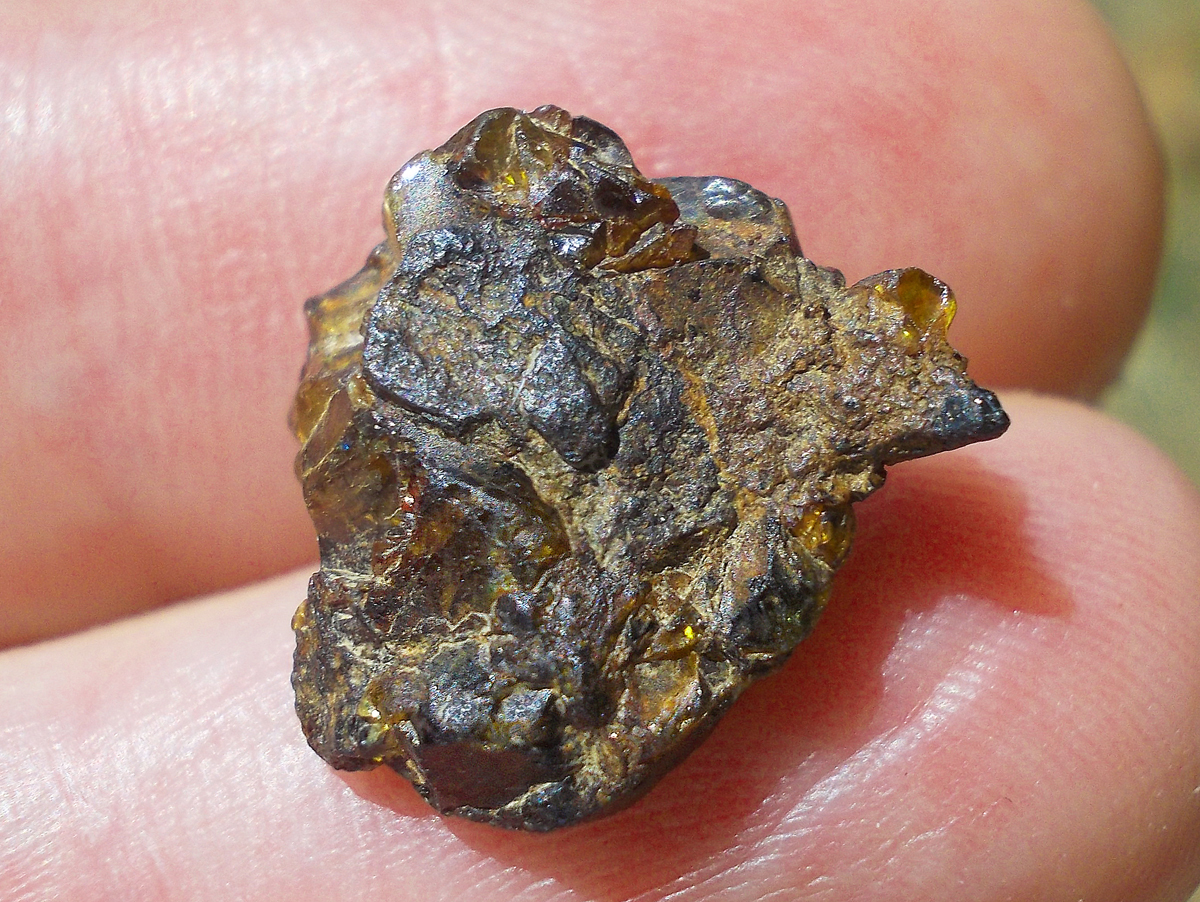
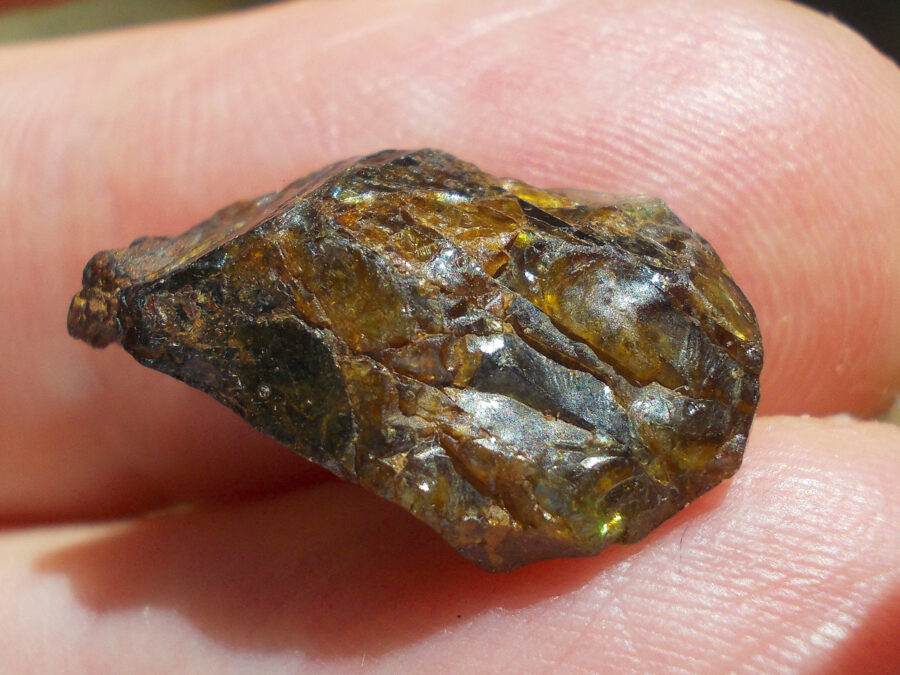
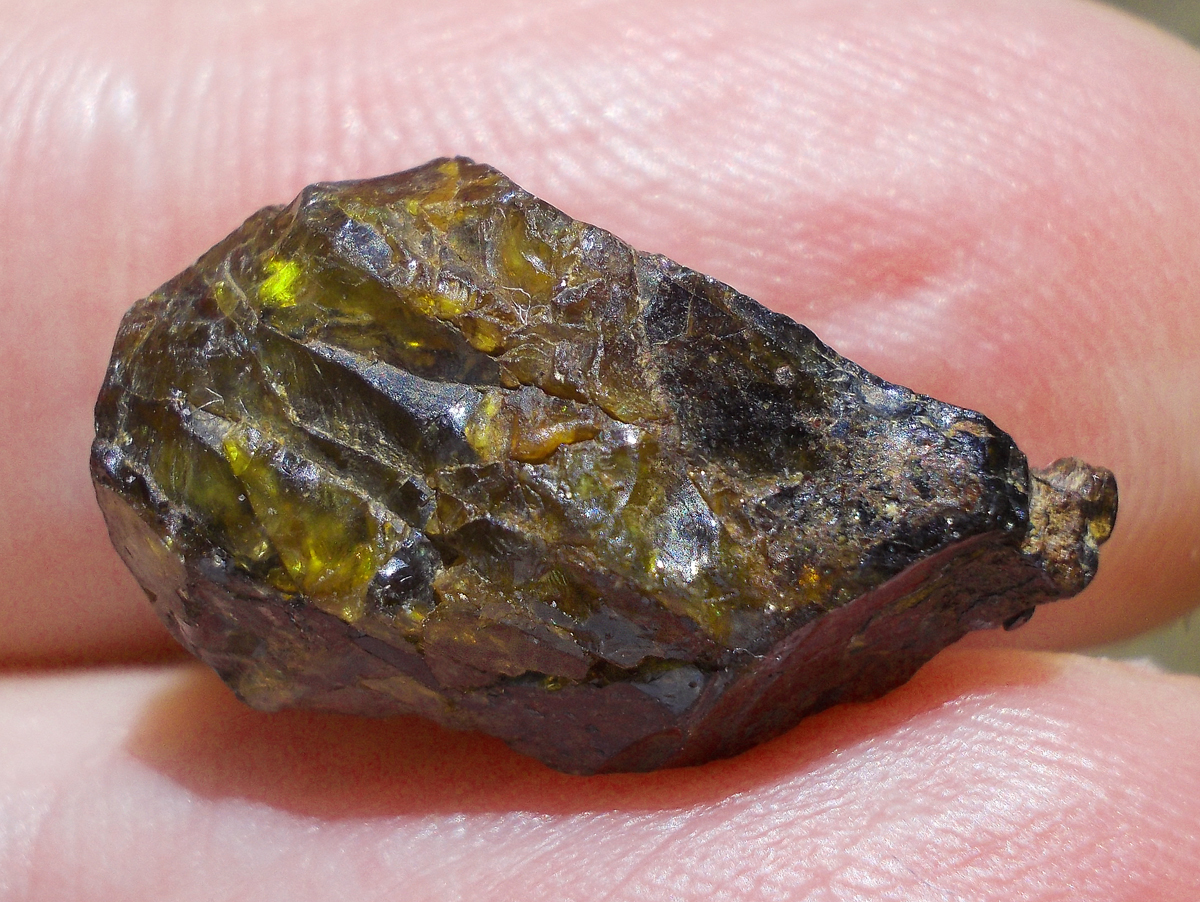
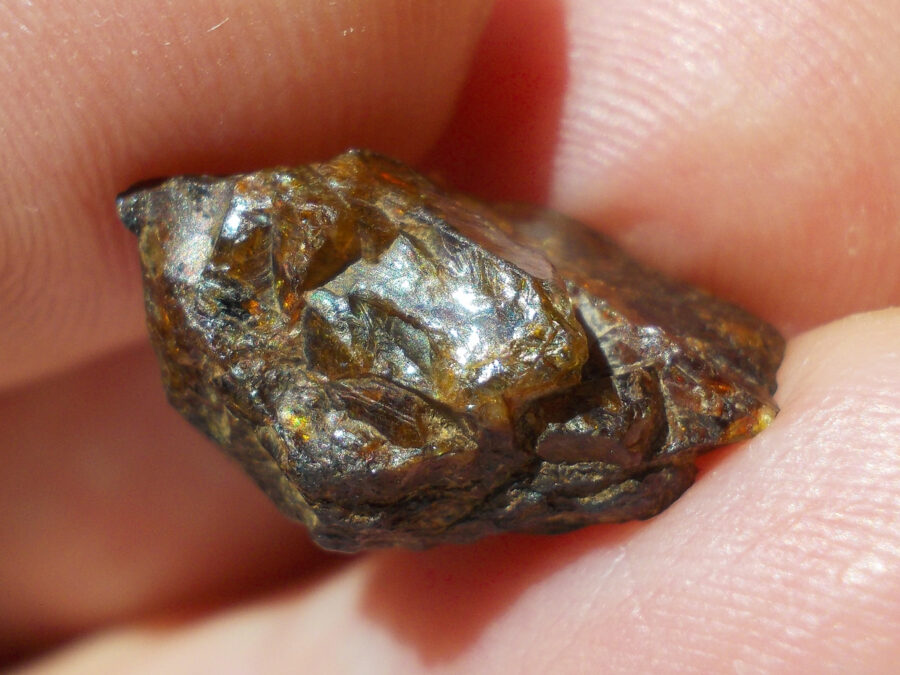
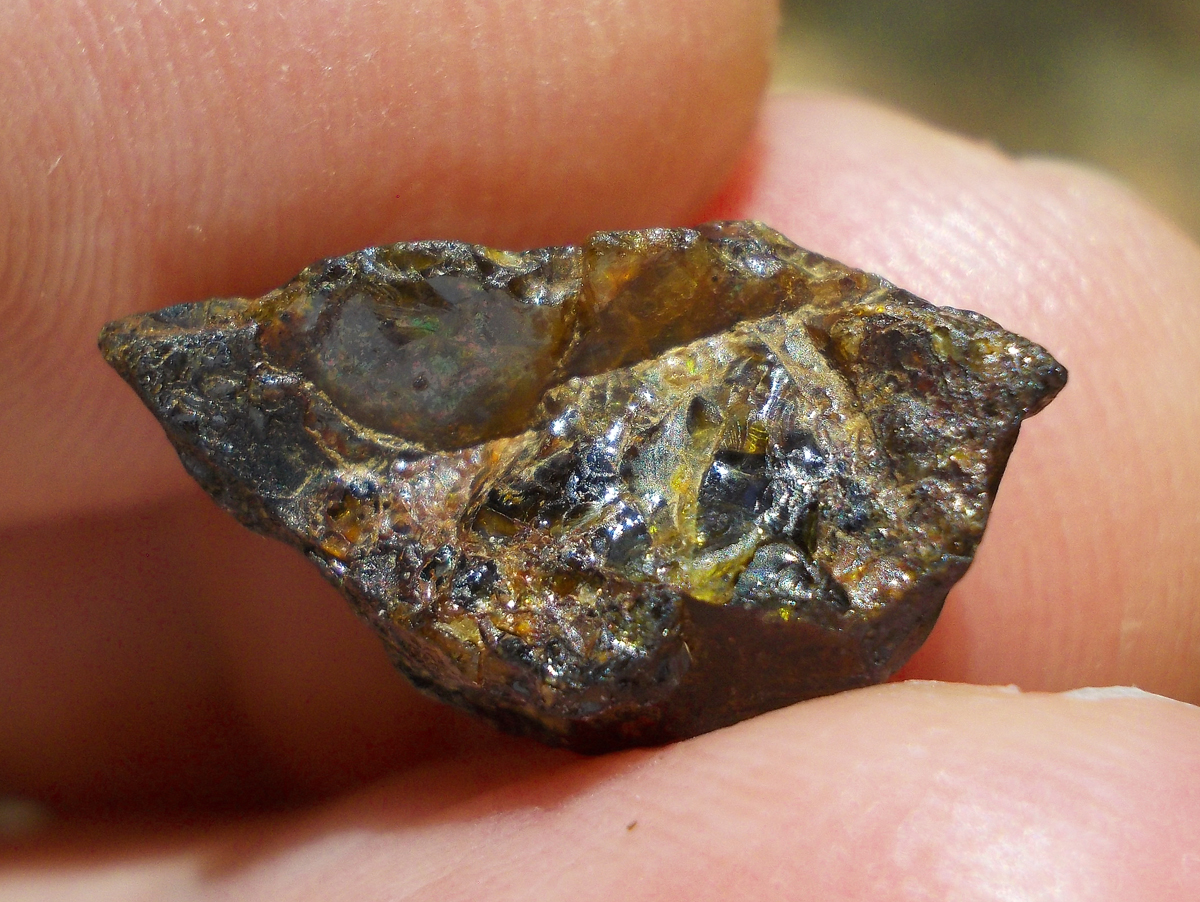
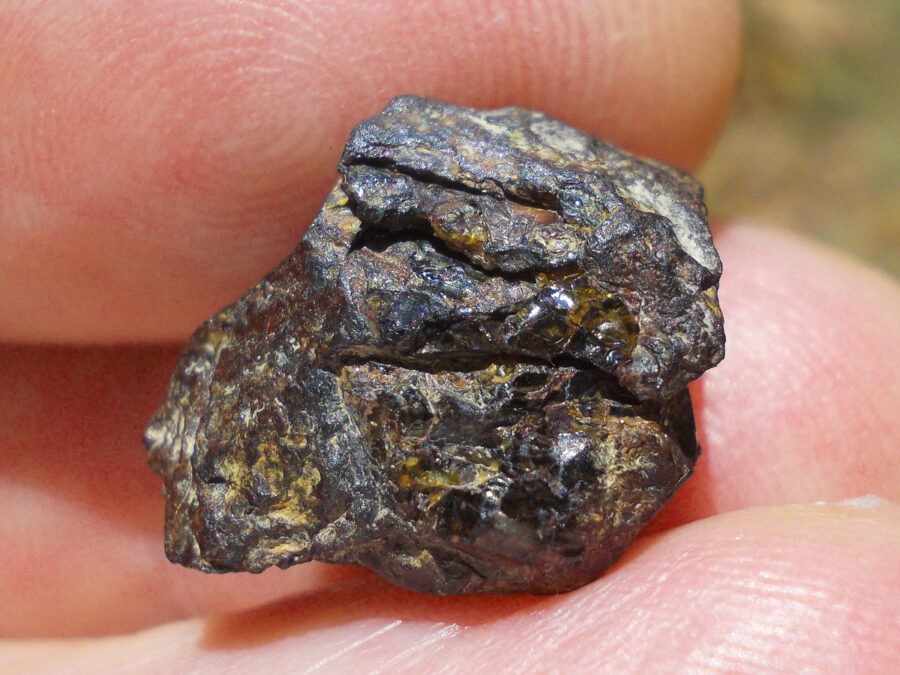
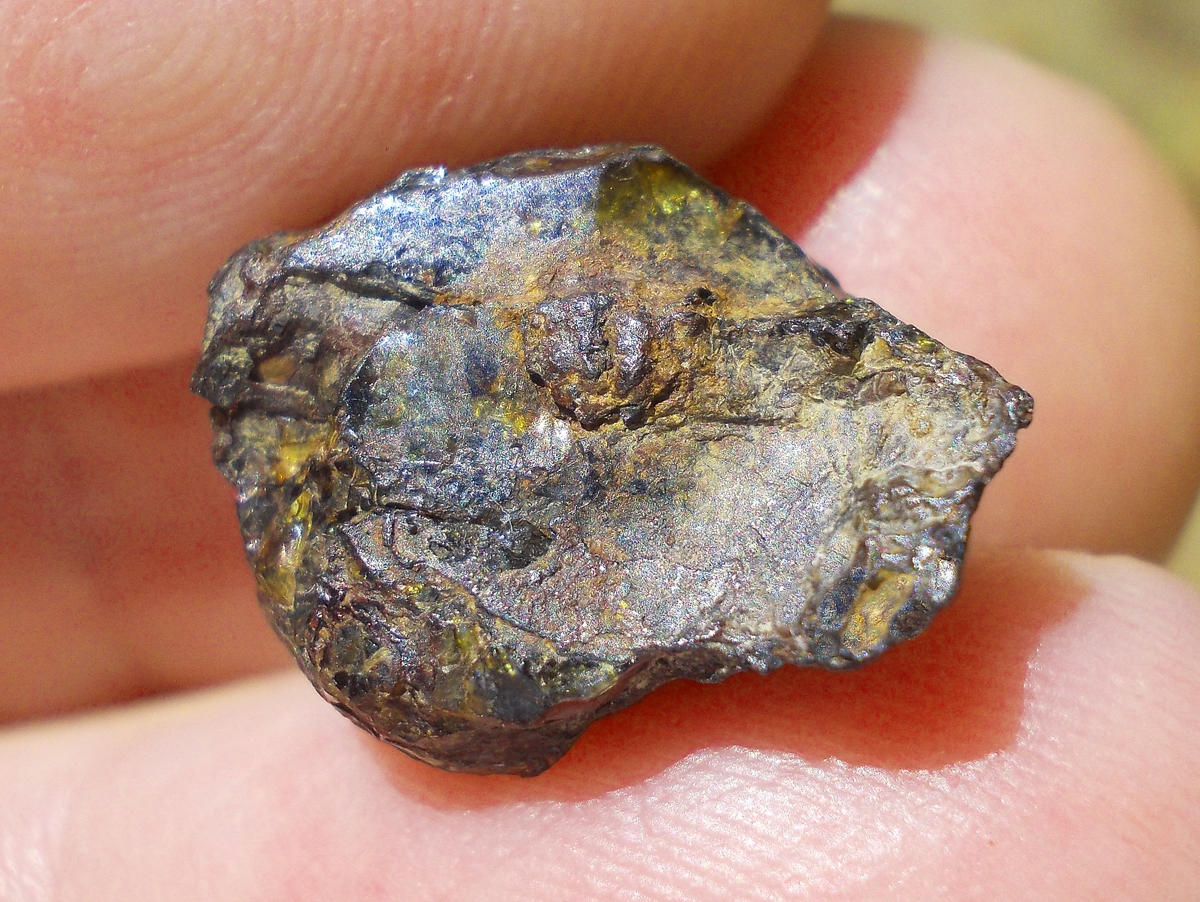
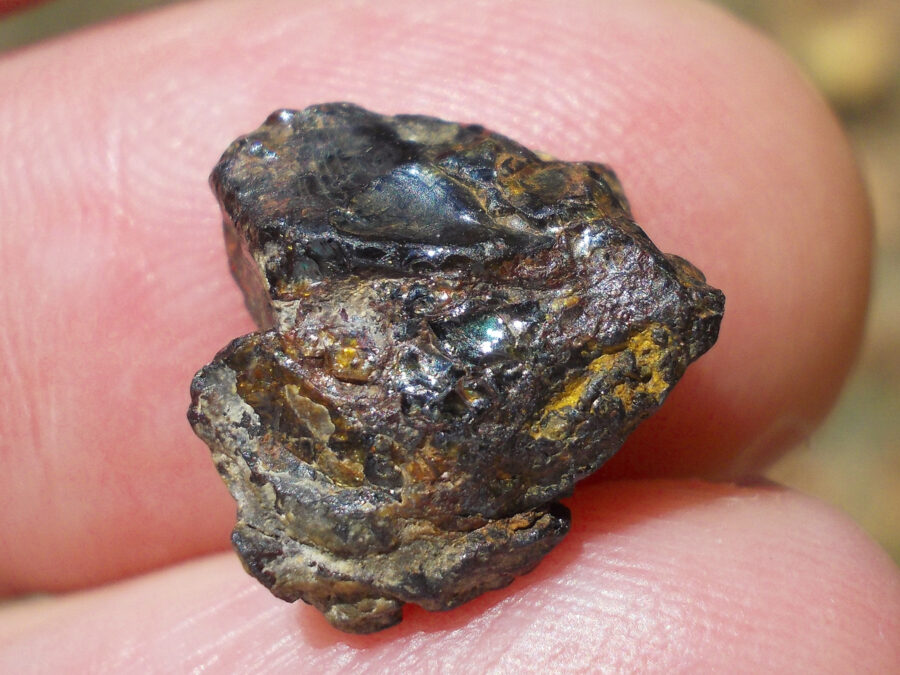
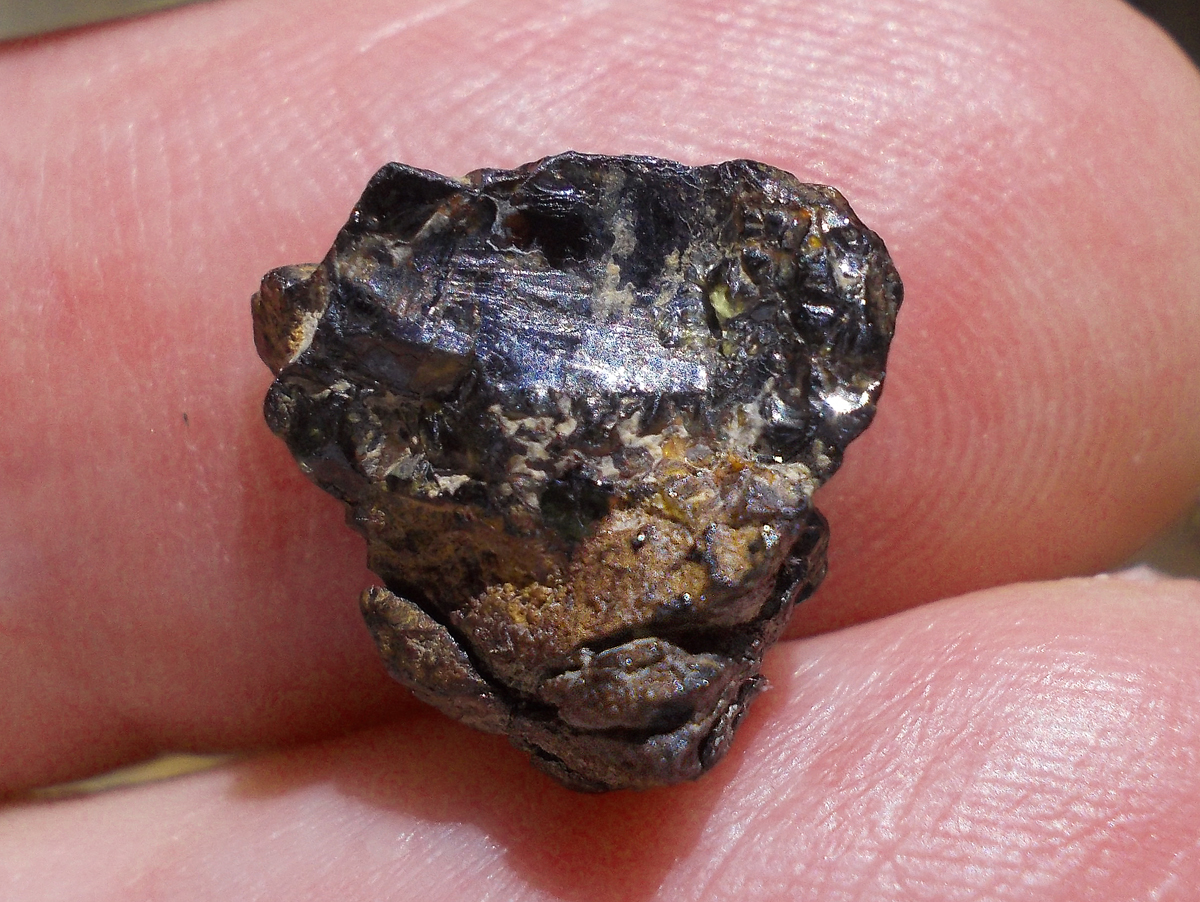
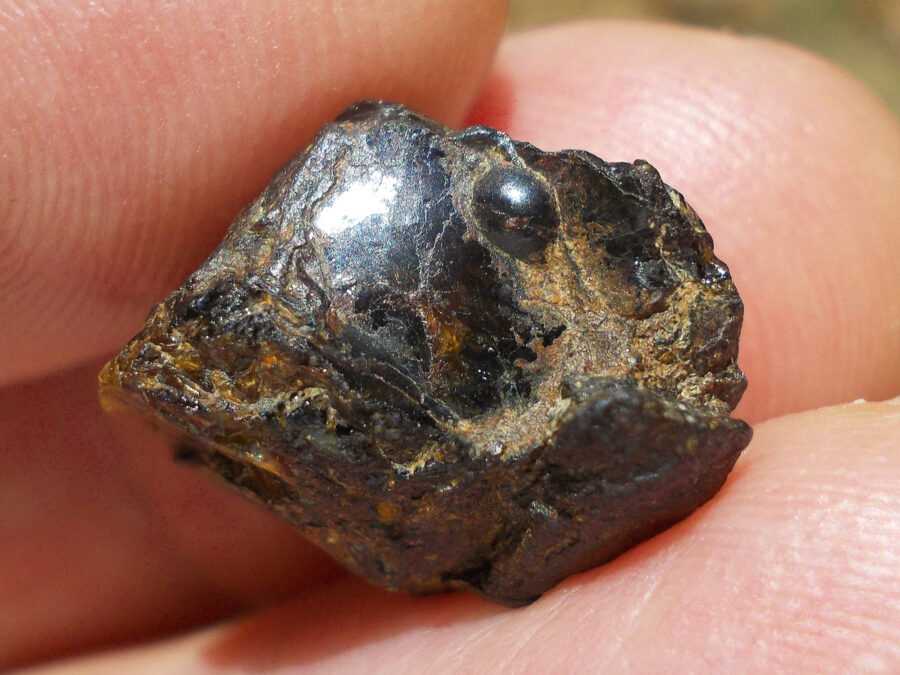
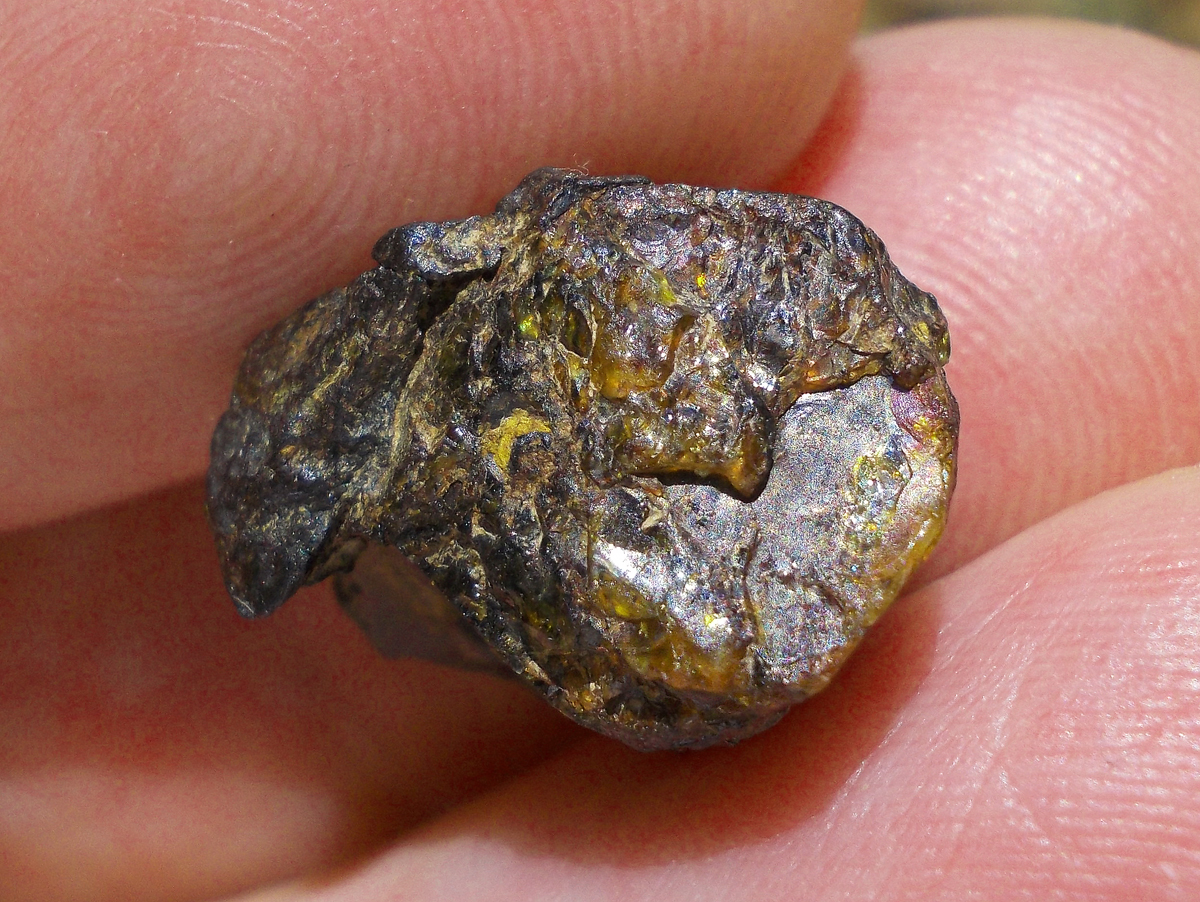
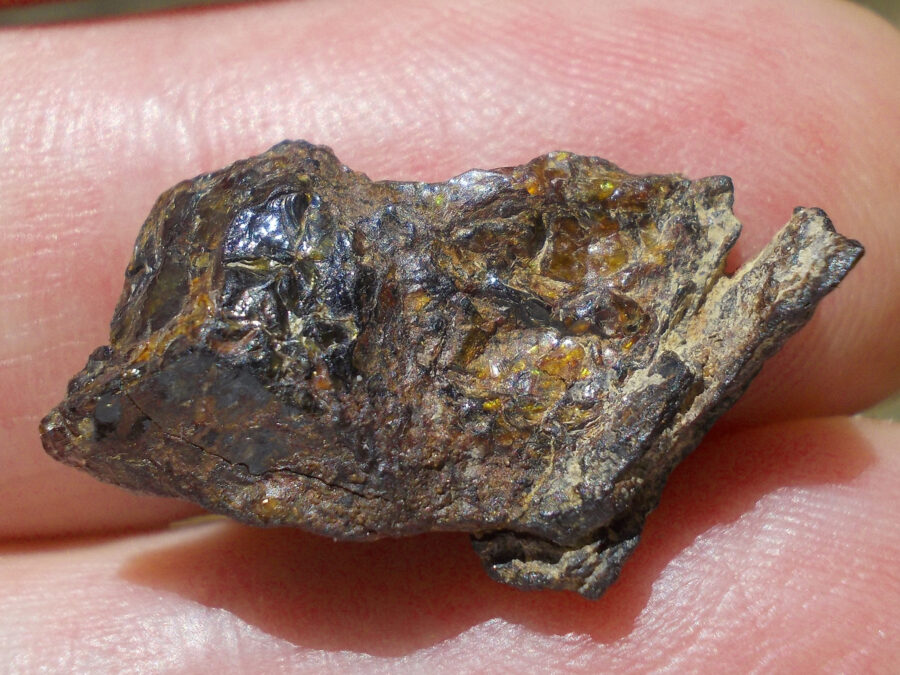
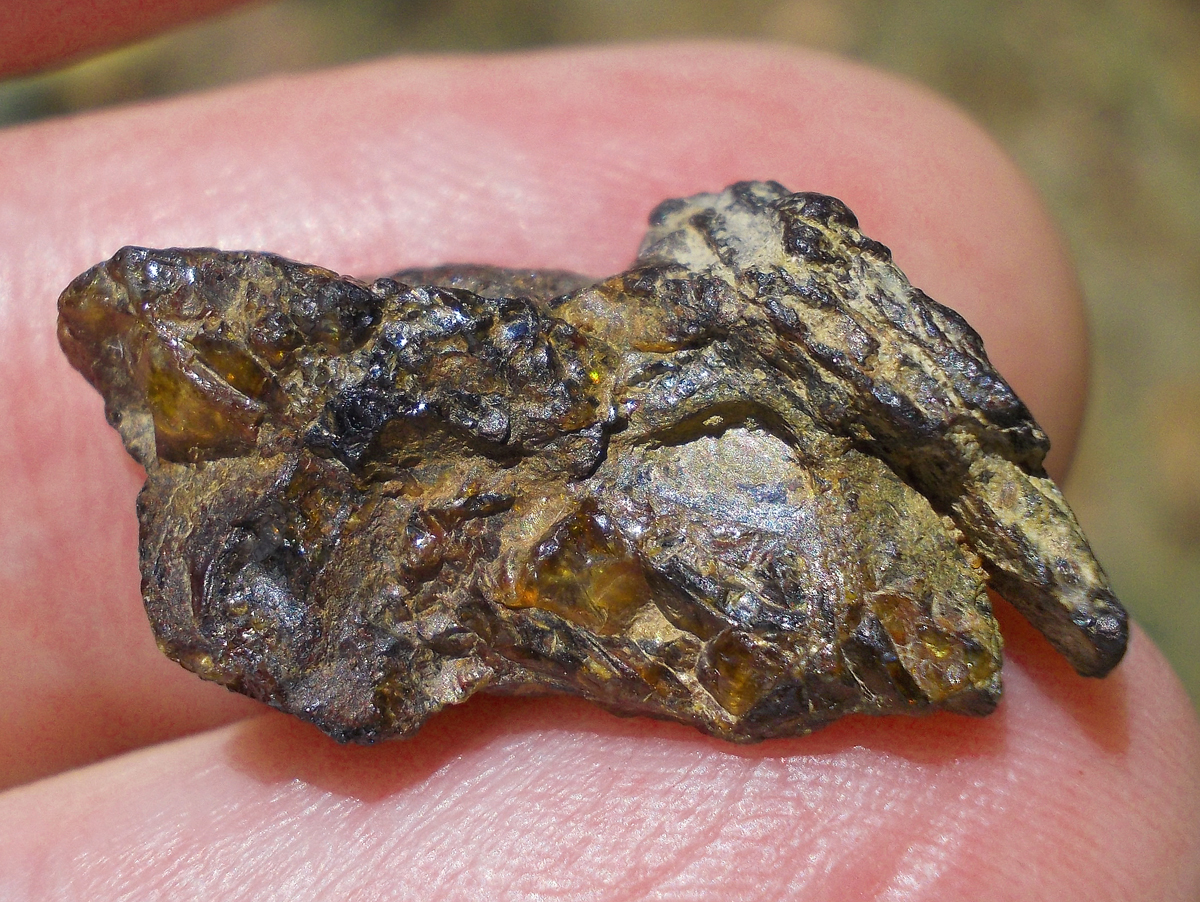
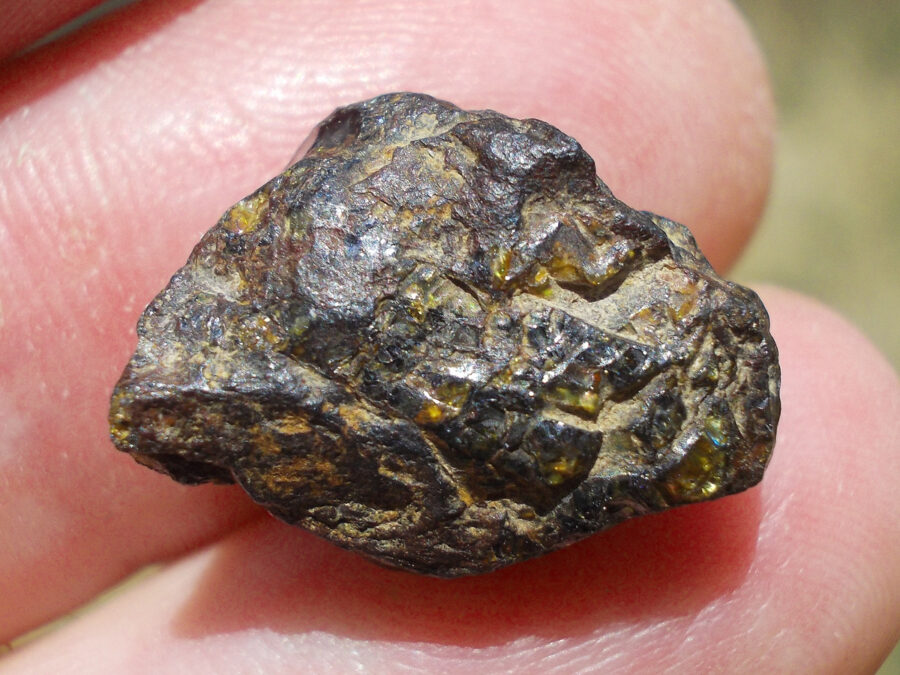
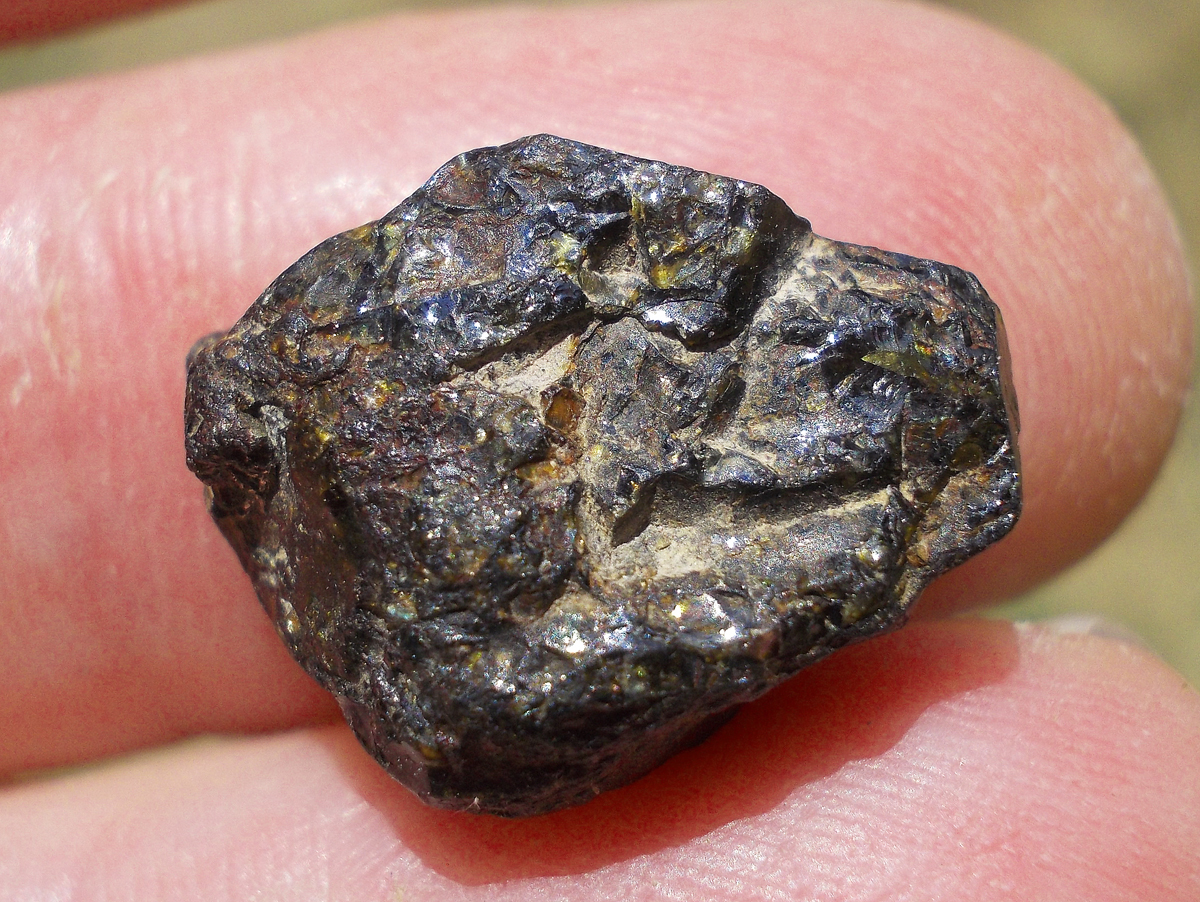
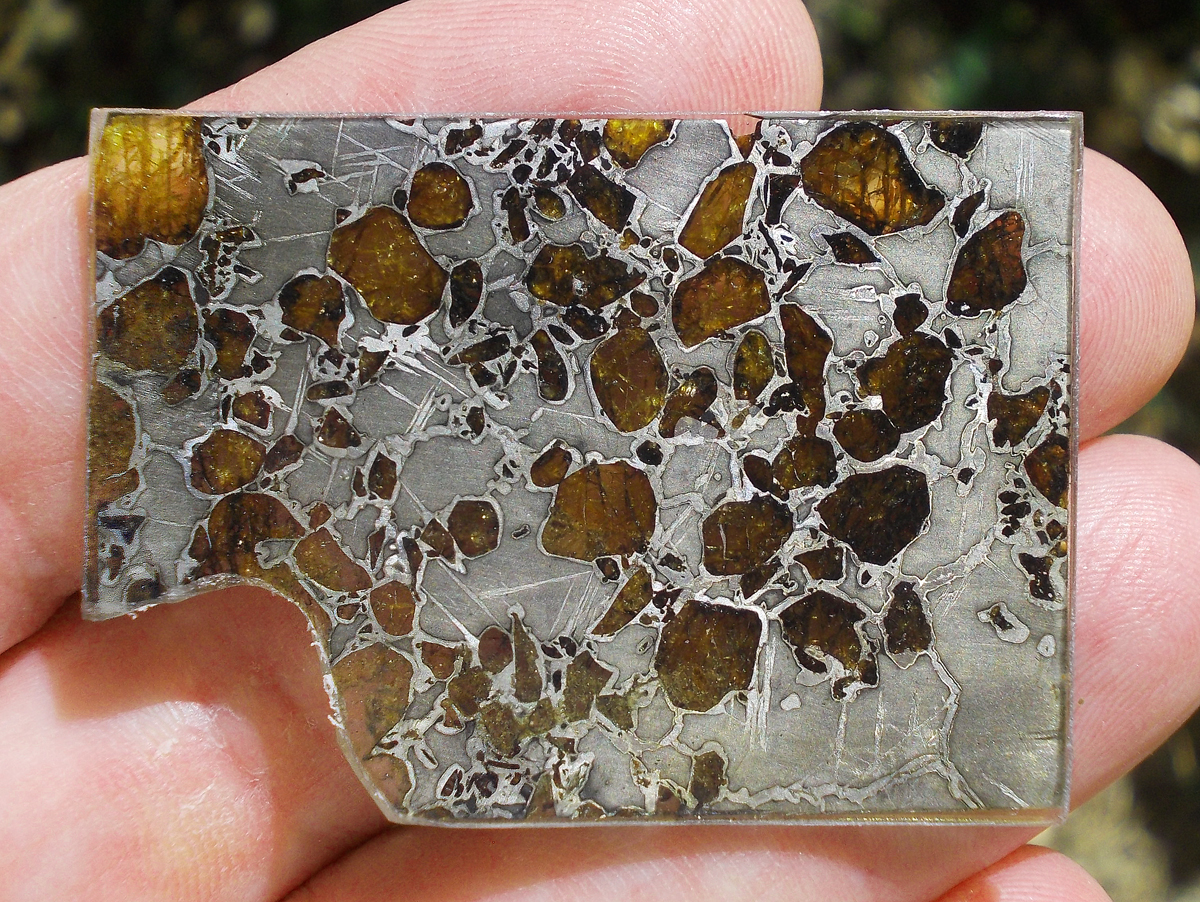
Gyarub Zangbo is a pallasite meteorite discovered in Tibet in 2020, weighing just 18 kg. Its mineral composition, the oxygen and chromium isotopes in the olivine, and the metallic phase classify this pallasite as an anomalous carbonaceous pallasite.
Gyarub Zangbo appears to be a unique pallasite collected from an asteroid not yet represented in the pallasite collection.
Pallasites are unique stony-iron meteorites composed primarily of olivine and iron-rich metal. They are believed to have formed in the boundary region between the core and the mantle of asteroids, within the asteroids themselves.
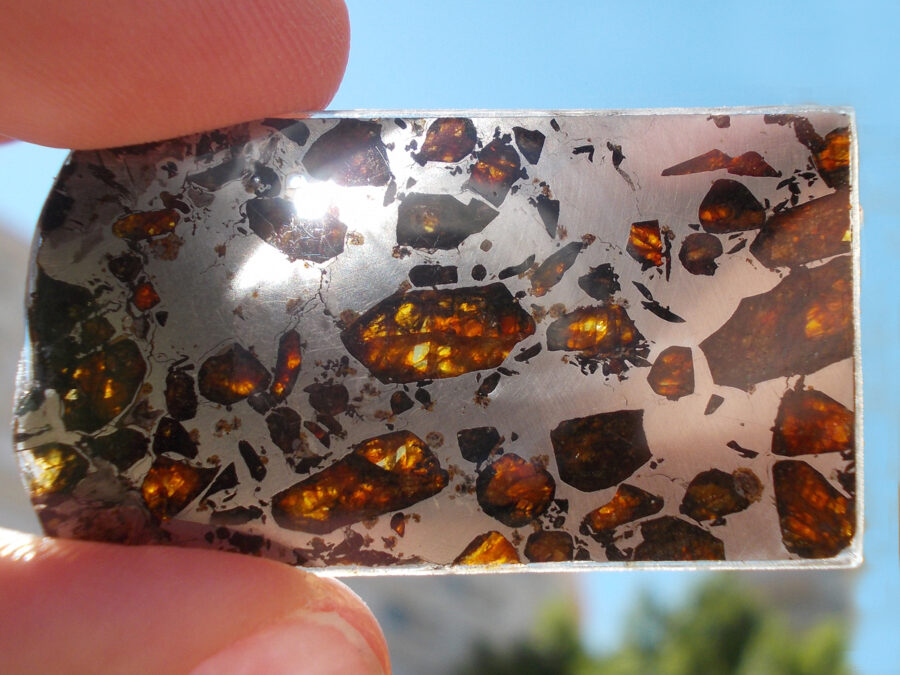
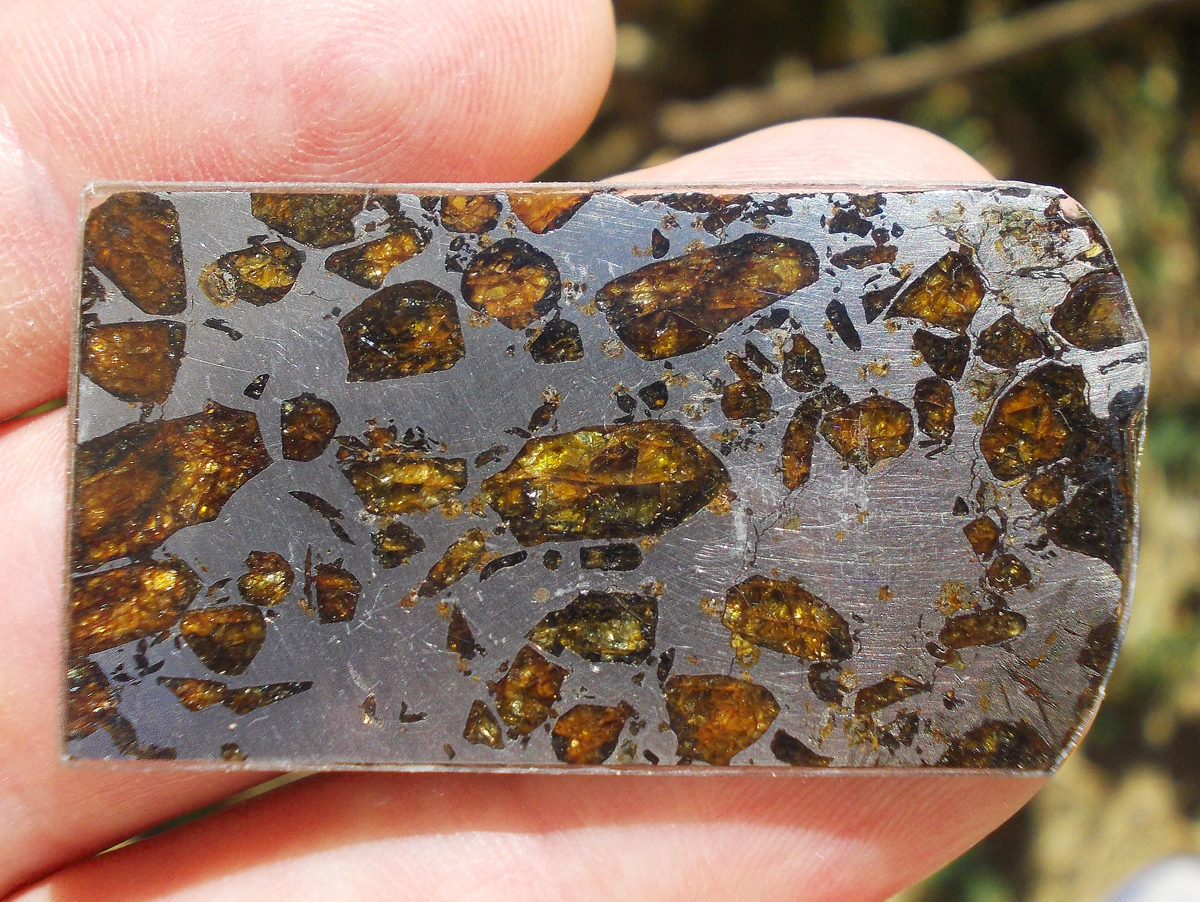
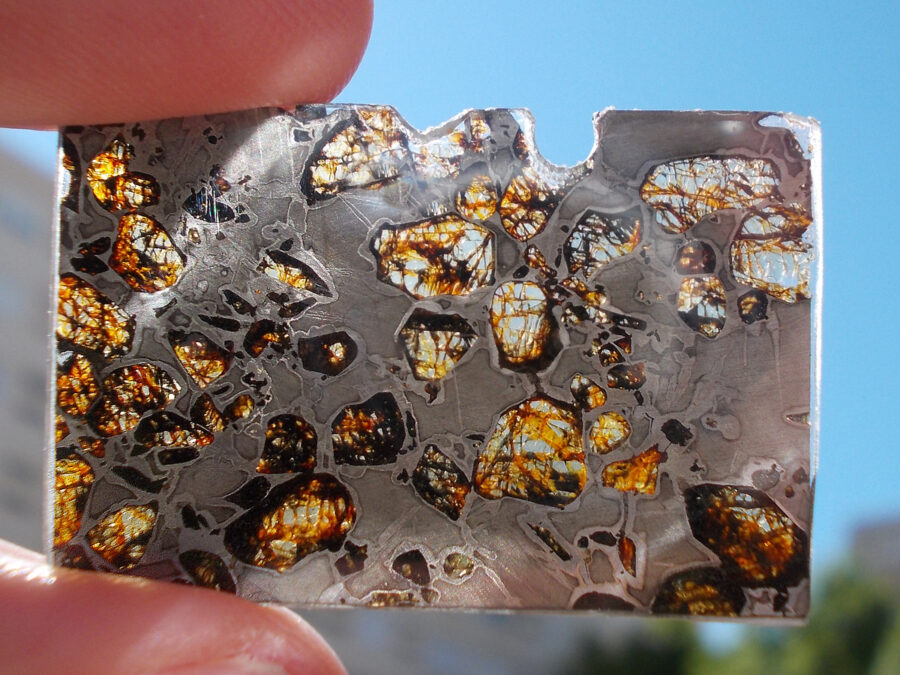
Pallasites are meteorites composed of olivine crystals embedded in an iron-nickel matrix. Pallasites are among the most aesthetically pleasing meteorites.
Exceptional quality !
A thin, translucent slice protected by a very thin layer of resin.
Gyarub Zangbo is a pallasite meteorite discovered in Tibet in 2020, weighing just 18 kg. Its mineral composition, the oxygen and chromium isotopes in the olivine, and the metallic phase classify this pallasite as an anomalous carbonaceous pallasite.
Gyarub Zangbo appears to be a unique pallasite collected from an asteroid not yet represented in the pallasite collection.
Pallasites are unique stony-iron meteorites composed primarily of olivine and iron-rich metal. They are believed to have formed in the boundary region between the core and the mantle of asteroids, within the asteroids themselves.
Pallasites are meteorites composed of olivine crystals embedded in an iron-nickel matrix. Pallasites are among the most aesthetically pleasing meteorites.
Exceptional quality !
A thin, translucent slice protected by a very thin layer of resin.
Gyarub Zangbo is a pallasite meteorite discovered in Tibet in 2020, weighing just 18 kg. Its mineral composition, the oxygen and chromium isotopes in the olivine, and the metallic phase classify this pallasite as an anomalous carbonaceous pallasite.
Gyarub Zangbo appears to be a unique pallasite collected from an asteroid not yet represented in the pallasite collection.
Pallasites are unique stony-iron meteorites composed primarily of olivine and iron-rich metal. They are believed to have formed in the boundary region between the core and the mantle of asteroids, within the asteroids themselves.
Pallasites are meteorites composed of olivine crystals embedded in an iron-nickel matrix. Pallasites are among the most aesthetically pleasing meteorites.
Exceptional quality !
A thin, translucent slice protected by a very thin layer of resin.
Gyarub Zangbo is a pallasite meteorite discovered in Tibet in 2020, weighing just 18 kg. Its mineral composition, the oxygen and chromium isotopes in the olivine, and the metallic phase classify this pallasite as an anomalous carbonaceous pallasite.
Gyarub Zangbo appears to be a unique pallasite collected from an asteroid not yet represented in the pallasite collection.
Pallasites are unique stony-iron meteorites composed primarily of olivine and iron-rich metal. They are believed to have formed in the boundary region between the core and the mantle of asteroids, within the asteroids themselves.
Pallasites are meteorites composed of olivine crystals embedded in an iron-nickel matrix. Pallasites are among the most aesthetically pleasing meteorites.
Exceptional quality !
A thin, translucent slice protected by a very thin layer of resin.
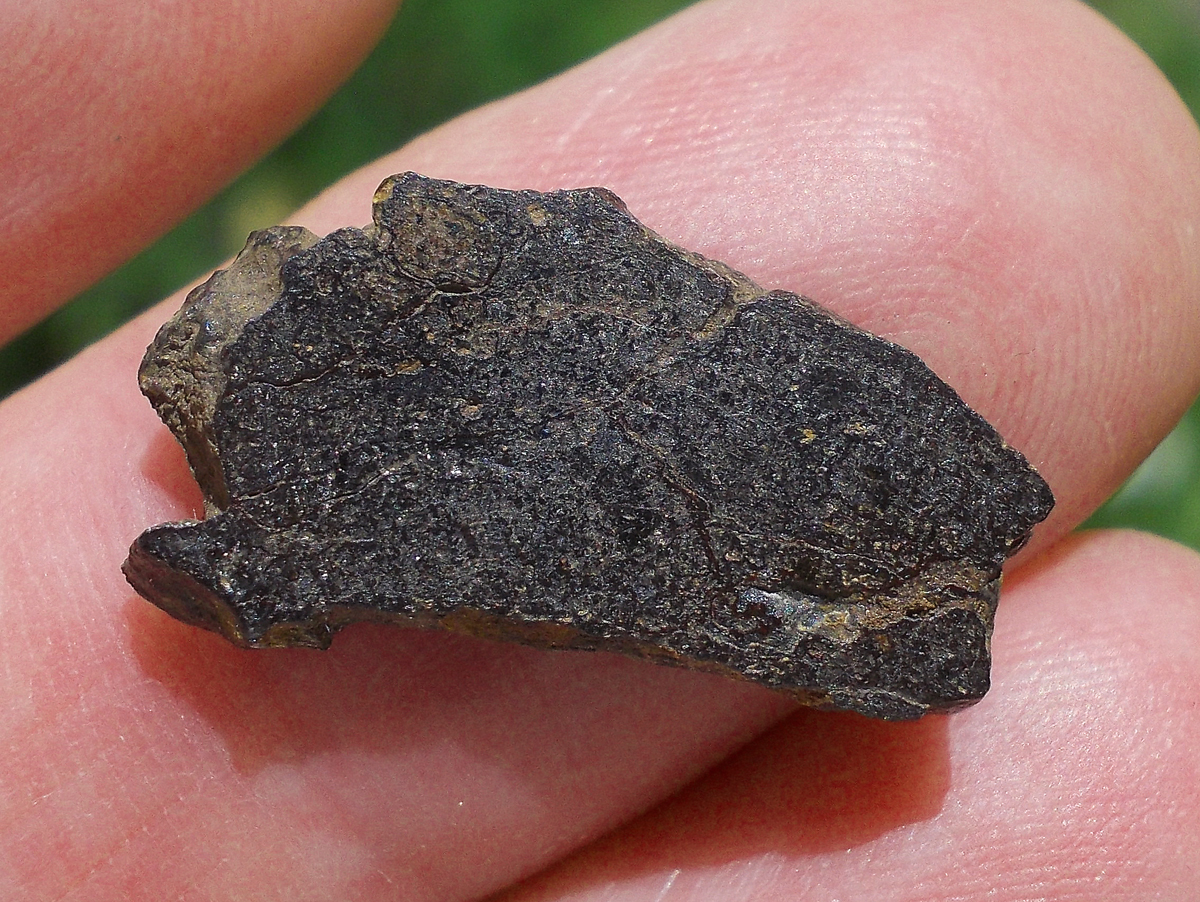
Mesosiderites are brecciated rocks containing silicate and metallic components, the silicates are mainly fragments of igneous rocks.
Writeup from MB 112:
Northwest Africa 15171 (NWA 15171)
Adrar, Algeria
Purchased: 2022
Classification: Mesosiderite
History: Bought by Jean Redelsperger from Mohamed Elguirah in 2022.
Physical characteristics: Many brown ireggular stones without fusion crust.
Petrography: (J.Gattacceca, CEREGE) The rock contains similar abundances of silicate minerals (pyroxene, and plagioclase), and metal and its weathering products. Silicate grain size is about 200 µm. Plagioclase and low-Ca pyroene dominate over Ca-pyroxene. Fe,Ni metal and troilite have been mostly replaced by terrestrial weathering products.
Mesosiderites are brecciated rocks containing silicate and metallic components, the silicates are mainly fragments of igneous rocks.
Writeup from MB 112:
Northwest Africa 15171 (NWA 15171)
Adrar, Algeria
Purchased: 2022
Classification: Mesosiderite
History: Bought by Jean Redelsperger from Mohamed Elguirah in 2022.
Physical characteristics: Many brown ireggular stones without fusion crust.
Petrography: (J. Gattacceca, CEREGE) The rock contains similar abundances of silicate minerals (pyroxene, and plagioclase), and metal and its weathering products. Silicate grain size is about 200 µm. Plagioclase and low-Ca pyroene dominate over Ca-pyroxene. Fe,Ni metal and troilite have been mostly replaced by terrestrial weathering products.
Mesosiderites are brecciated rocks containing silicate and metallic components, the silicates are mainly fragments of igneous rocks.
Writeup from MB 112:
Northwest Africa 15171 (NWA 15171)
Adrar, Algeria
Purchased: 2022
Classification: Mesosiderite
History: Bought by Jean Redelsperger from Mohamed Elguirah in 2022.
Physical characteristics: Many brown ireggular stones without fusion crust.
Petrography: (J. Gattacceca, CEREGE) The rock contains similar abundances of silicate minerals (pyroxene, and plagioclase), and metal and its weathering products. Silicate grain size is about 200 µm. Plagioclase and low-Ca pyroene dominate over Ca-pyroxene. Fe,Ni metal and troilite have been mostly replaced by terrestrial weathering products.
Mesosiderites are brecciated rocks containing silicate and metallic components, the silicates are mainly fragments of igneous rocks.
Writeup from MB 112:
Northwest Africa 15171 (NWA 15171)
Adrar, Algeria
Purchased: 2022
Classification: Mesosiderite
History: Bought by Jean Redelsperger from Mohamed Elguirah in 2022.
Physical characteristics: Many brown ireggular stones without fusion crust.
Petrography: (J. Gattacceca, CEREGE) The rock contains similar abundances of silicate minerals (pyroxene, and plagioclase), and metal and its weathering products. Silicate grain size is about 200 µm. Plagioclase and low-Ca pyroene dominate over Ca-pyroxene. Fe,Ni metal and troilite have been mostly replaced by terrestrial weathering products.
Mesosiderites are brecciated rocks containing silicate and metallic components, the silicates are mainly fragments of igneous rocks.
Writeup from MB 112:
Northwest Africa 15171 (NWA 15171)
Adrar, Algeria
Purchased: 2022
Classification: Mesosiderite
History: Bought by Jean Redelsperger from Mohamed Elguirah in 2022.
Physical characteristics: Many brown ireggular stones without fusion crust.
Petrography: (J. Gattacceca, CEREGE) The rock contains similar abundances of silicate minerals (pyroxene, and plagioclase), and metal and its weathering products. Silicate grain size is about 200 µm. Plagioclase and low-Ca pyroene dominate over Ca-pyroxene. Fe,Ni metal and troilite have been mostly replaced by terrestrial weathering products.
Mesosiderites are brecciated rocks containing silicate and metallic components, the silicates are mainly fragments of igneous rocks.
Writeup from MB 112:
Northwest Africa 15171 (NWA 15171)
Adrar, Algeria
Purchased: 2022
Classification: Mesosiderite
History: Bought by Jean Redelsperger from Mohamed Elguirah in 2022.
Physical characteristics: Many brown ireggular stones without fusion crust.
Petrography: (J. Gattacceca, CEREGE) The rock contains similar abundances of silicate minerals (pyroxene, and plagioclase), and metal and its weathering products. Silicate grain size is about 200 µm. Plagioclase and low-Ca pyroene dominate over Ca-pyroxene. Fe,Ni metal and troilite have been mostly replaced by terrestrial weathering products.
Mesosiderites are brecciated rocks containing silicate and metallic components, the silicates are mainly fragments of igneous rocks.
Writeup from MB 112:
Northwest Africa 15171 (NWA 15171)
Adrar, Algeria
Purchased: 2022
Classification: Mesosiderite
History: Bought by Jean Redelsperger from Mohamed Elguirah in 2022.
Physical characteristics: Many brown ireggular stones without fusion crust.
Petrography: (J. Gattacceca, CEREGE) The rock contains similar abundances of silicate minerals (pyroxene, and plagioclase), and metal and its weathering products. Silicate grain size is about 200 µm. Plagioclase and low-Ca pyroene dominate over Ca-pyroxene. Fe,Ni metal and troilite have been mostly replaced by terrestrial weathering products.
Mesosiderites are brecciated rocks containing silicate and metallic components, the silicates are mainly fragments of igneous rocks.
Writeup from MB 112:
Northwest Africa 15171 (NWA 15171)
Adrar, Algeria
Purchased: 2022
Classification: Mesosiderite
History: Bought by Jean Redelsperger from Mohamed Elguirah in 2022.
Physical characteristics: Many brown ireggular stones without fusion crust.
Petrography: (J. Gattacceca, CEREGE) The rock contains similar abundances of silicate minerals (pyroxene, and plagioclase), and metal and its weathering products. Silicate grain size is about 200 µm. Plagioclase and low-Ca pyroene dominate over Ca-pyroxene. Fe,Ni metal and troilite have been mostly replaced by terrestrial weathering products.
Gyarub Zangbo is a pallasite-type meteorite discovered in Tibet in 2020, weighing just 18 kg.
The mineral chemistry, the O and Cr isotopes of olivine and the metallic phase make this an anomalous carbonaceous pallasite.
Gyarub Zangbo appears to be a unique pallasite from a previously unrepresented asteroid in the pallasite collection.
Pallasites are unique stony-iron meteorites composed mainly of olivine and ferrous metal.
They are thought to have formed in the boundary region between the core and mantle of asteroids, inside asteroids.
Pallasites are meteorites composed of olivine crystals embedded in an iron-nickel matrix.
Pallasites are among the most aesthetically pleasing of meteorites.
Exceptional quality !
Thin, translucent slice protected by a very thin layer of resin.
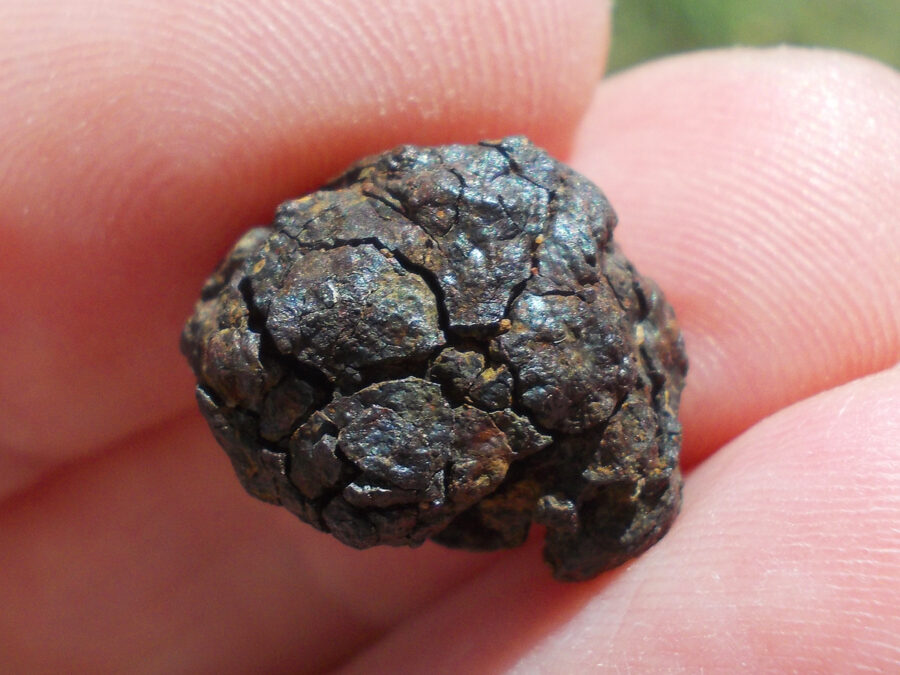
Gyarub Zangbo is a pallasite-type meteorite discovered in Tibet in 2020, weighing just 18 kg.
The mineral chemistry, the O and Cr isotopes of olivine and the metallic phase make this an anomalous carbonaceous pallasite.
Gyarub Zangbo appears to be a unique pallasite from a previously unrepresented asteroid in the pallasite collection.
Pallasites are unique stony-iron meteorites composed mainly of olivine and ferrous metal.
They are thought to have formed in the boundary region between the core and mantle of asteroids, inside asteroids.
Pallasites are meteorites composed of olivine crystals embedded in an iron-nickel matrix.
Pallasites are among the most aesthetically pleasing of meteorites.
Exceptional quality !
Thin, translucent slice protected by a very thin layer of resin.
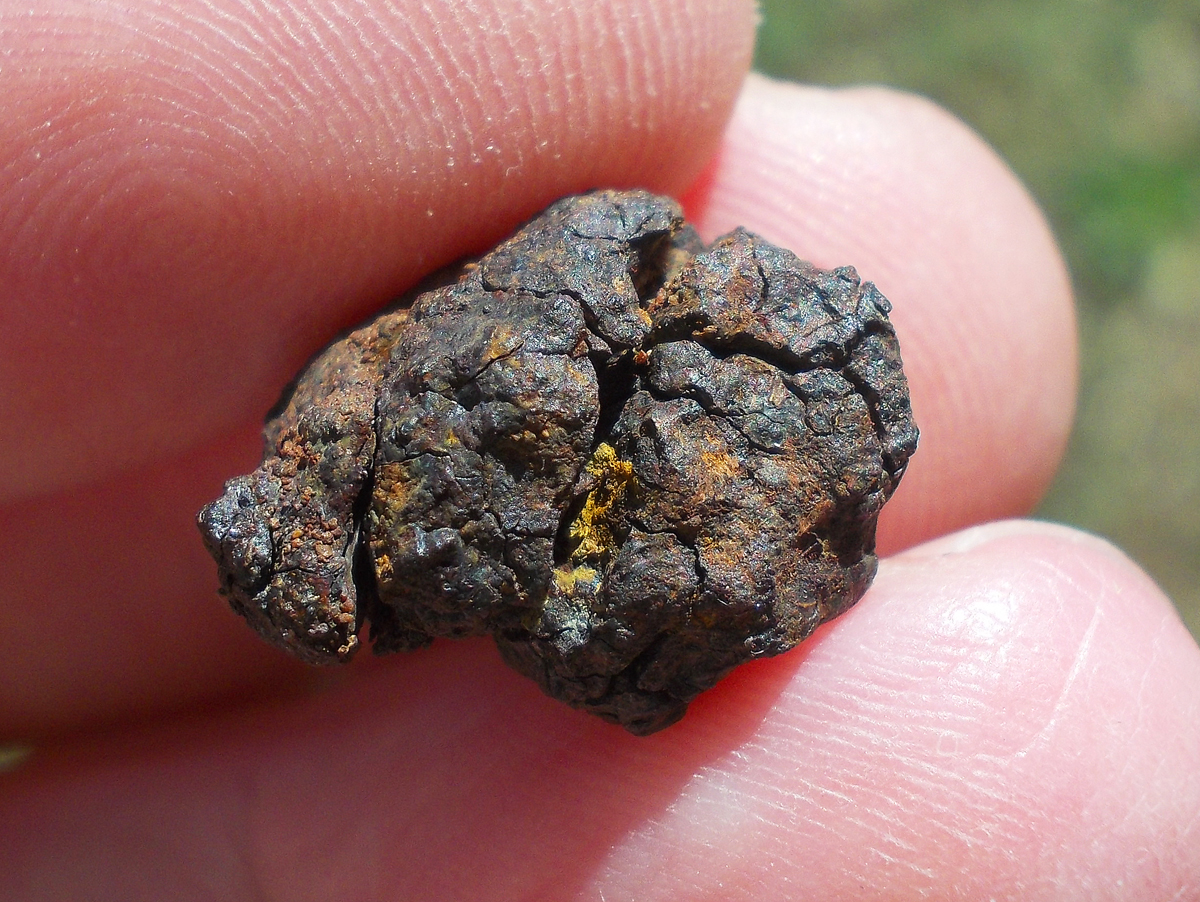
Gyarub Zangbo is a pallasite-type meteorite discovered in Tibet in 2020, weighing just 18 kg.
The mineral chemistry, the O and Cr isotopes of olivine and the metallic phase make this an anomalous carbonaceous pallasite.
Gyarub Zangbo appears to be a unique pallasite from a previously unrepresented asteroid in the pallasite collection.
Pallasites are unique stony-iron meteorites composed mainly of olivine and ferrous metal.
They are thought to have formed in the boundary region between the core and mantle of asteroids, inside asteroids.
Pallasites are meteorites composed of olivine crystals embedded in an iron-nickel matrix.
Pallasites are among the most aesthetically pleasing of meteorites.
Exceptional quality !
Thin, translucent slice protected by a very thin layer of resin.
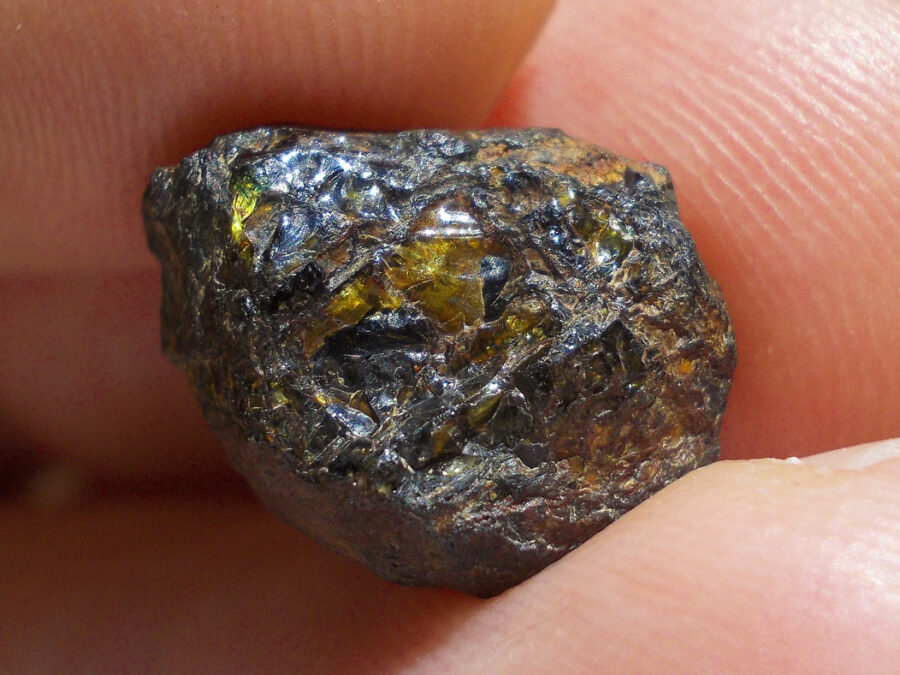
Gyarub Zangbo is a pallasite-type meteorite discovered in Tibet in 2020, weighing just 18 kg.
The mineral chemistry, the O and Cr isotopes of olivine and the metallic phase make this an anomalous carbonaceous pallasite.
Gyarub Zangbo appears to be a unique pallasite from a previously unrepresented asteroid in the pallasite collection.
Pallasites are unique stony-iron meteorites composed mainly of olivine and ferrous metal.
They are thought to have formed in the boundary region between the core and mantle of asteroids, inside asteroids.
Pallasites are meteorites composed of olivine crystals embedded in an iron-nickel matrix.
Pallasites are among the most aesthetically pleasing of meteorites.
Exceptional quality !
Thin, translucent slice protected by a very thin layer of resin.
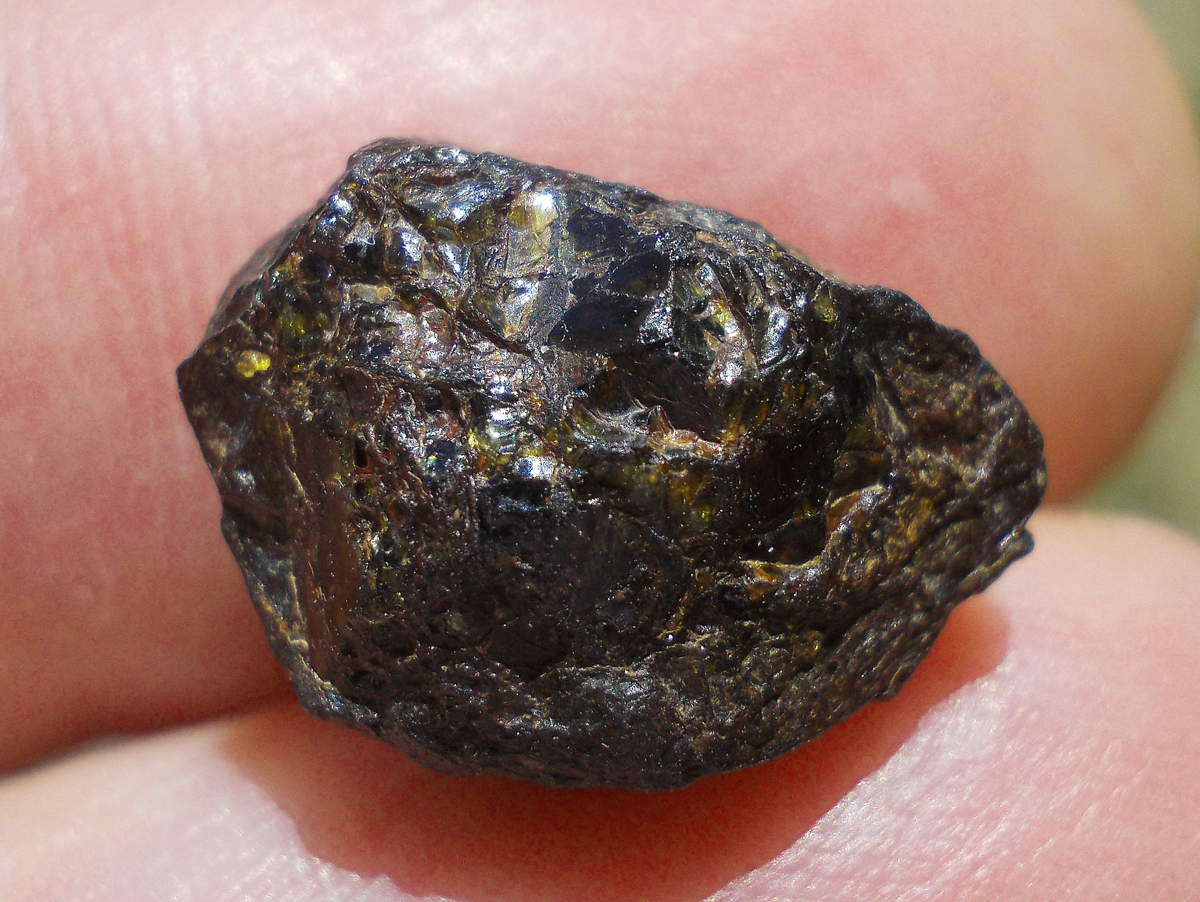
Gyarub Zangbo is a pallasite-type meteorite discovered in Tibet in 2020, weighing just 18 kg.
The mineral chemistry, the O and Cr isotopes of olivine and the metallic phase make this an anomalous carbonaceous pallasite.
Gyarub Zangbo appears to be a unique pallasite from a previously unrepresented asteroid in the pallasite collection.
Pallasites are unique stony-iron meteorites composed mainly of olivine and ferrous metal.
They are thought to have formed in the boundary region between the core and mantle of asteroids, inside asteroids.
Pallasites are meteorites composed of olivine crystals embedded in an iron-nickel matrix.
Pallasites are among the most aesthetically pleasing of meteorites.
Exceptional quality !
Thin, translucent slice protected by a very thin layer of resin.
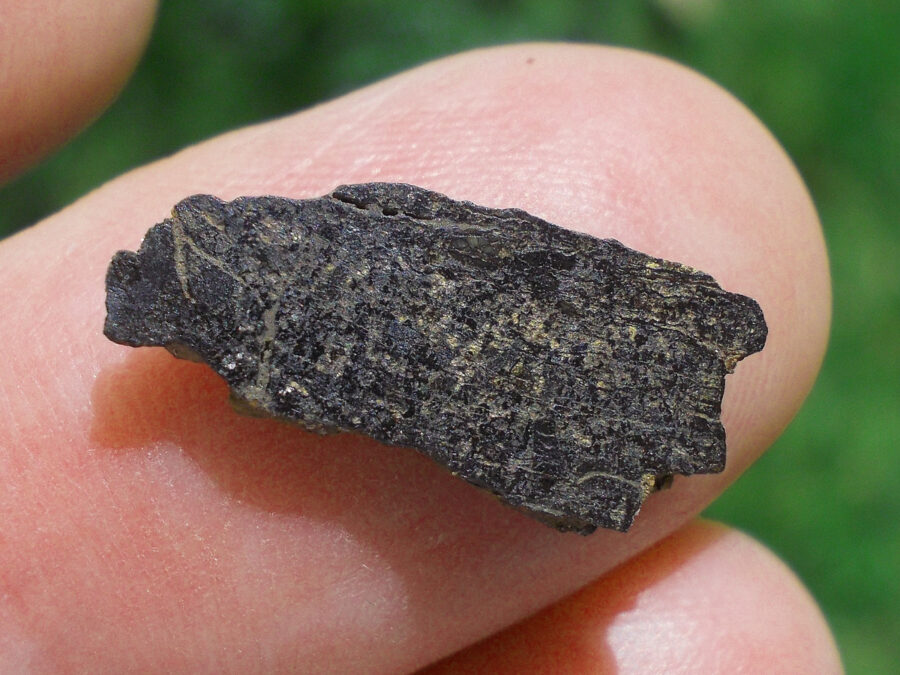
Gyarub Zangbo is a pallasite-type meteorite discovered in Tibet in 2020, weighing just 18 kg.
The mineral chemistry, the O and Cr isotopes of olivine and the metallic phase make this an anomalous carbonaceous pallasite.
Gyarub Zangbo appears to be a unique pallasite from a previously unrepresented asteroid in the pallasite collection.
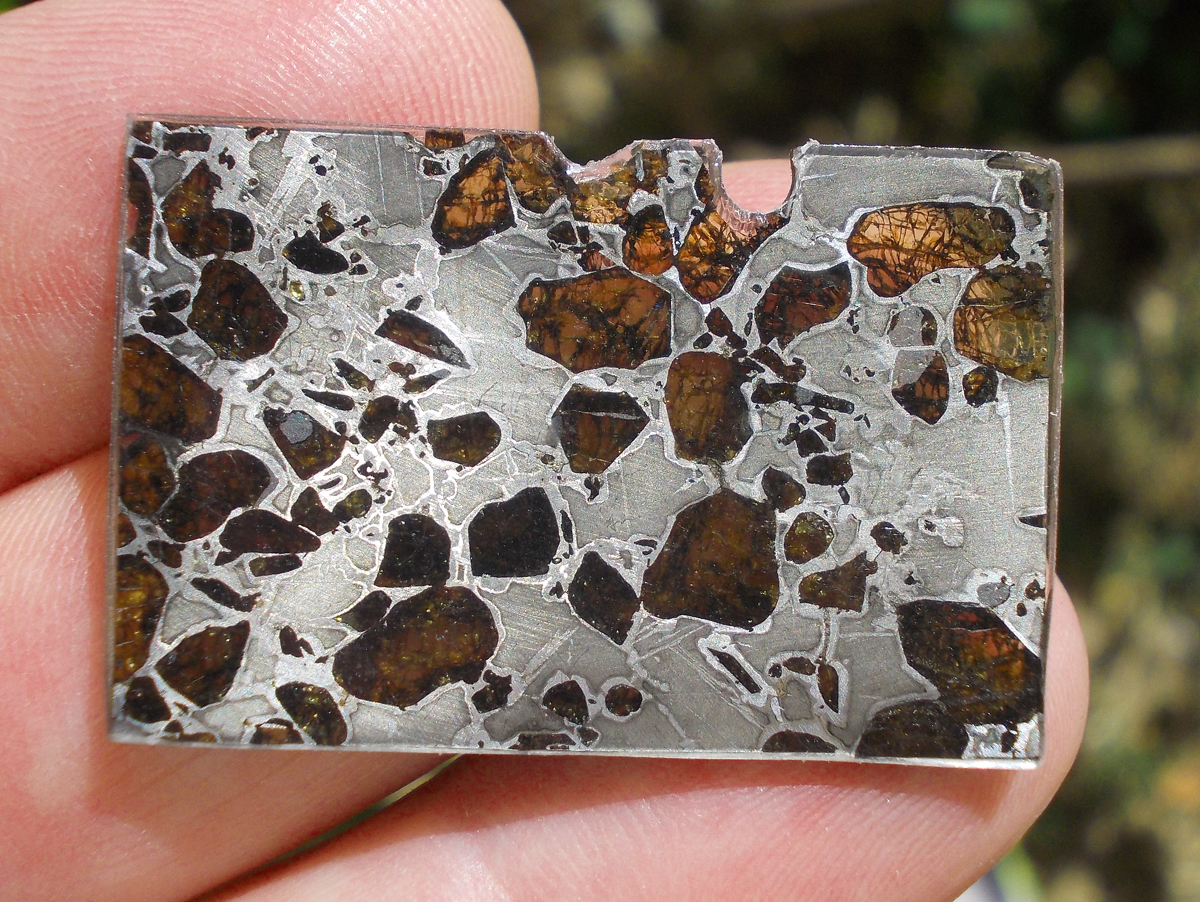
Pallasites are unique stony-iron meteorites composed mainly of olivine and ferrous metal.
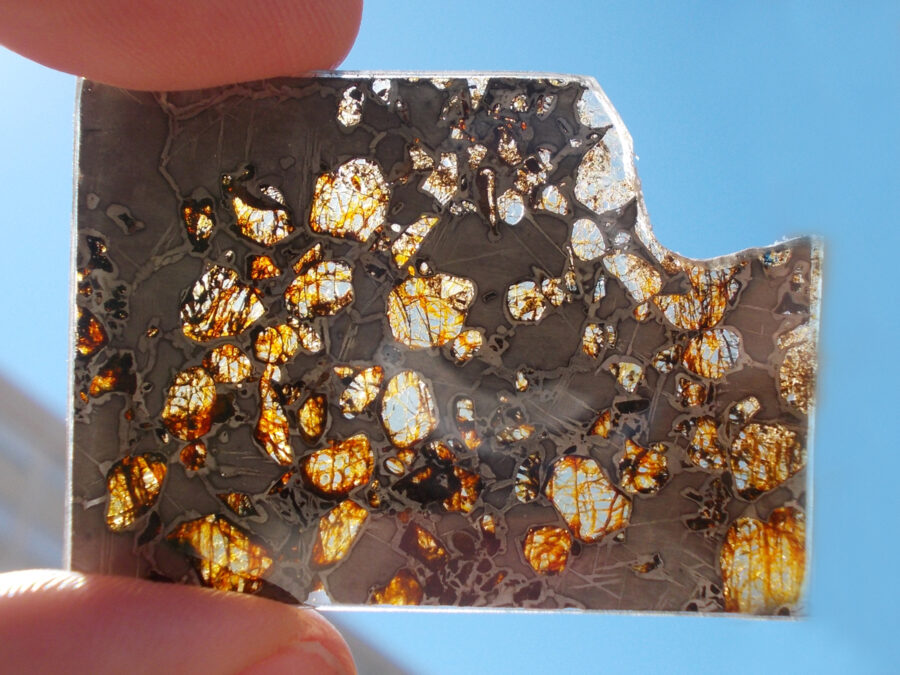
They are thought to have formed in the boundary region between the core and mantle of asteroids, inside asteroids.
Pallasites are meteorites composed of olivine crystals embedded in an iron-nickel matrix.
Pallasites are among the most aesthetically pleasing of meteorites.
Exceptional quality !
Thin, translucent slice protected by a very thin layer of resin.