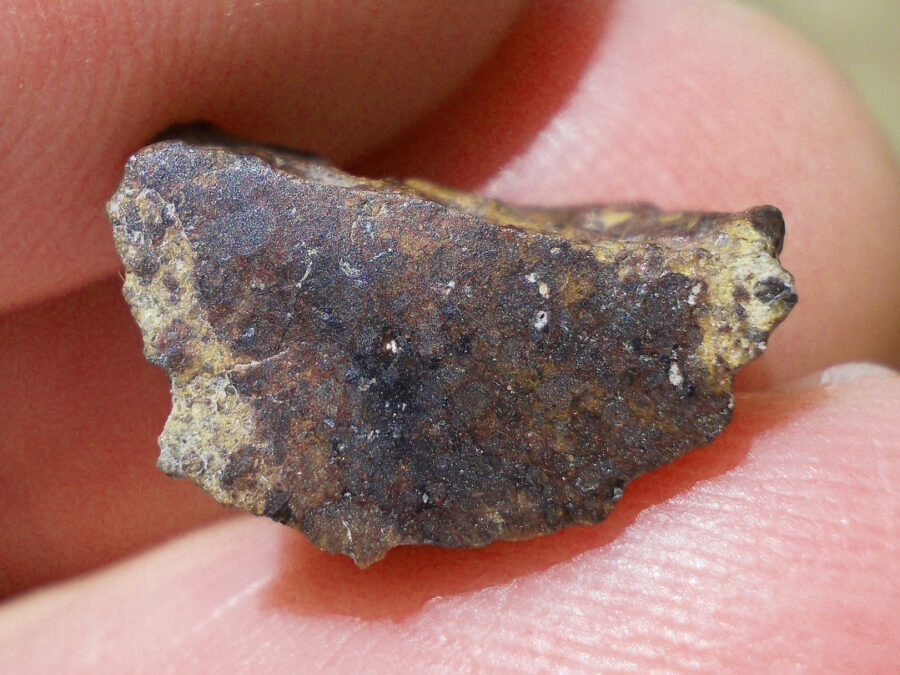
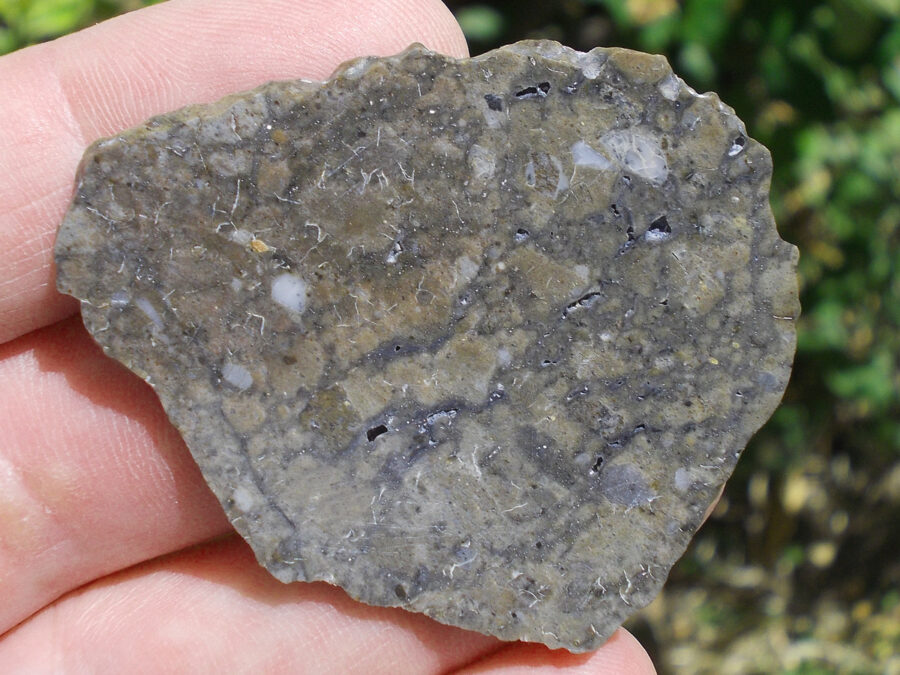
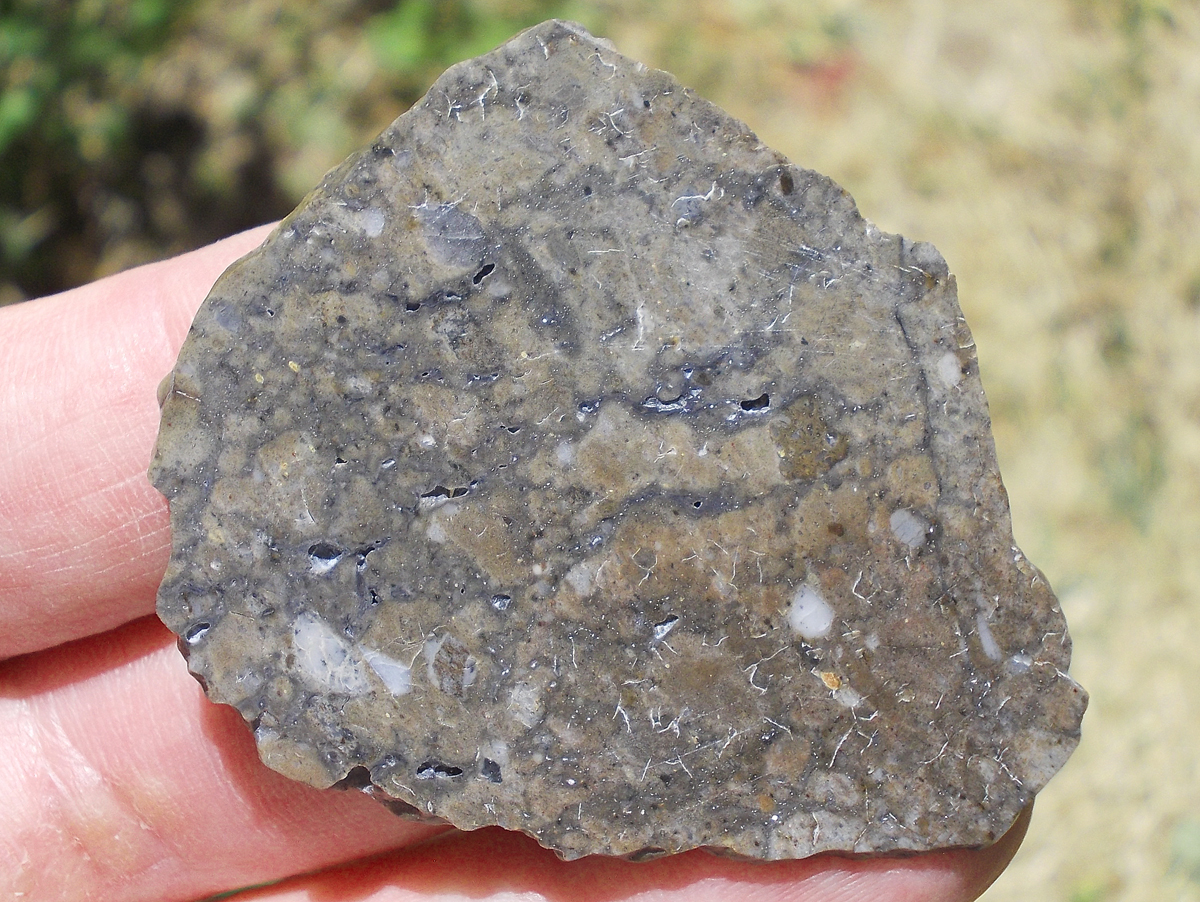
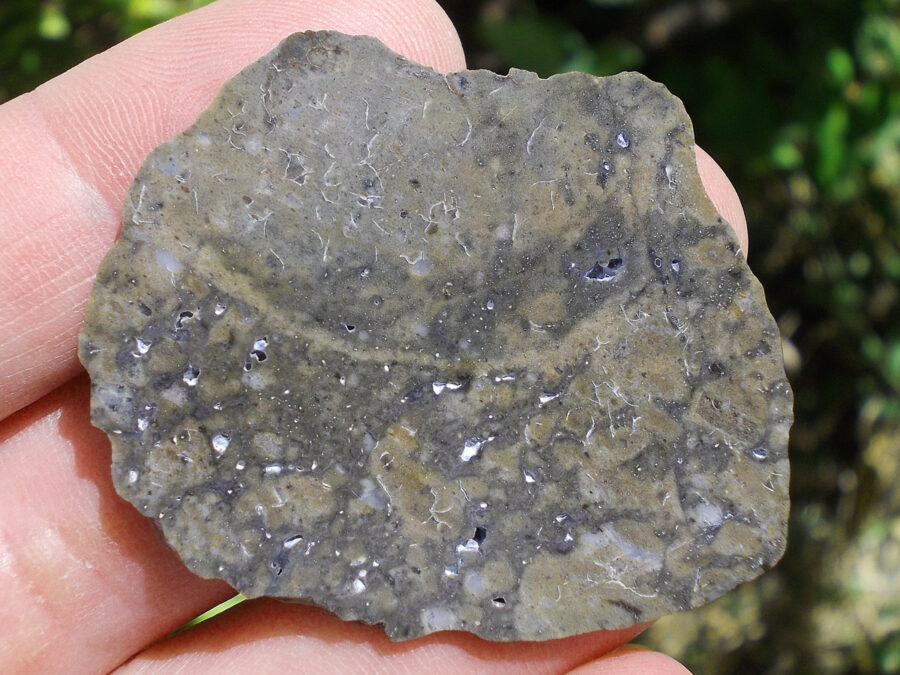
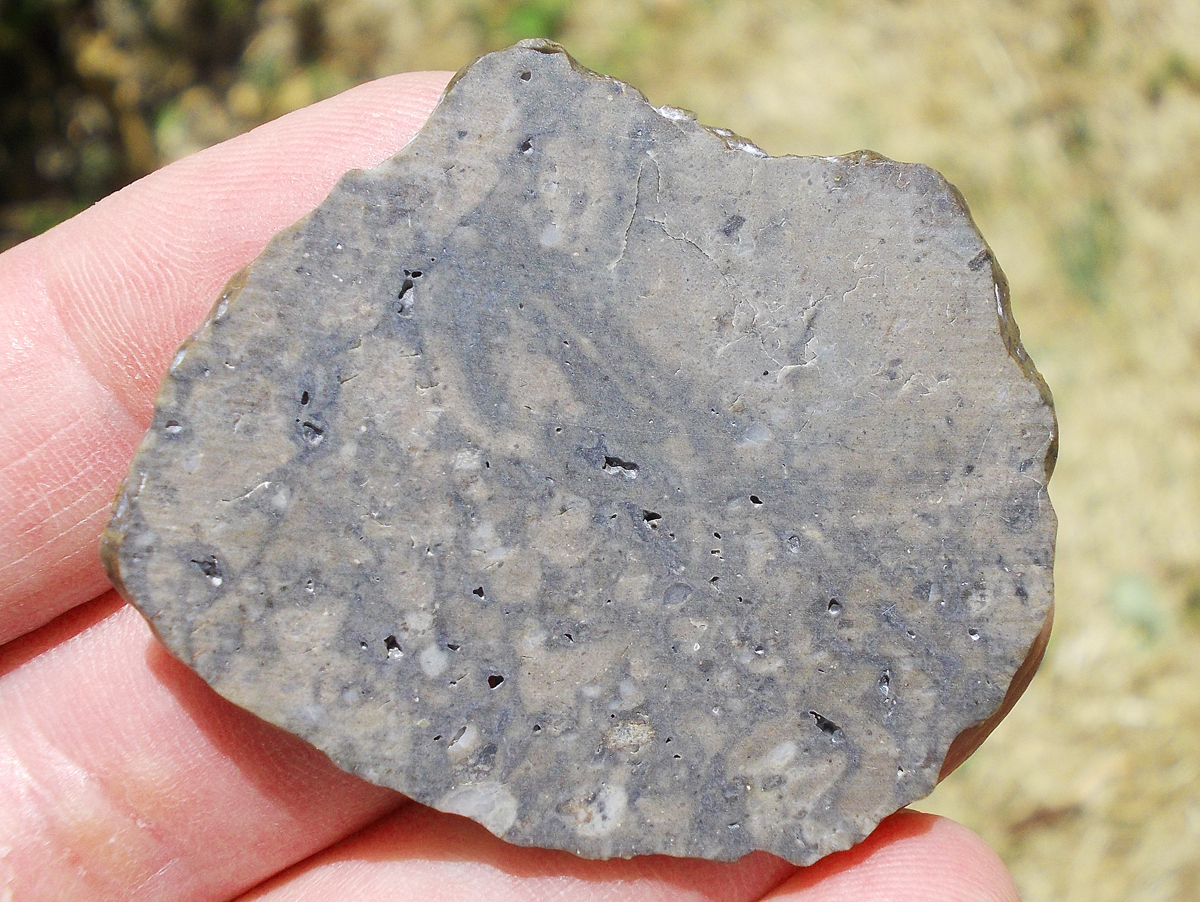
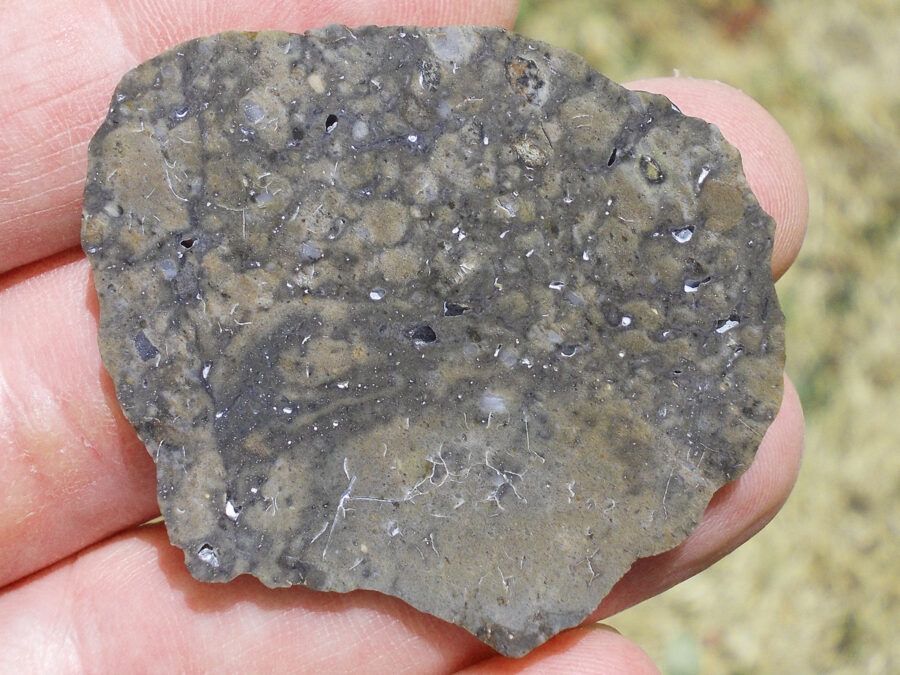
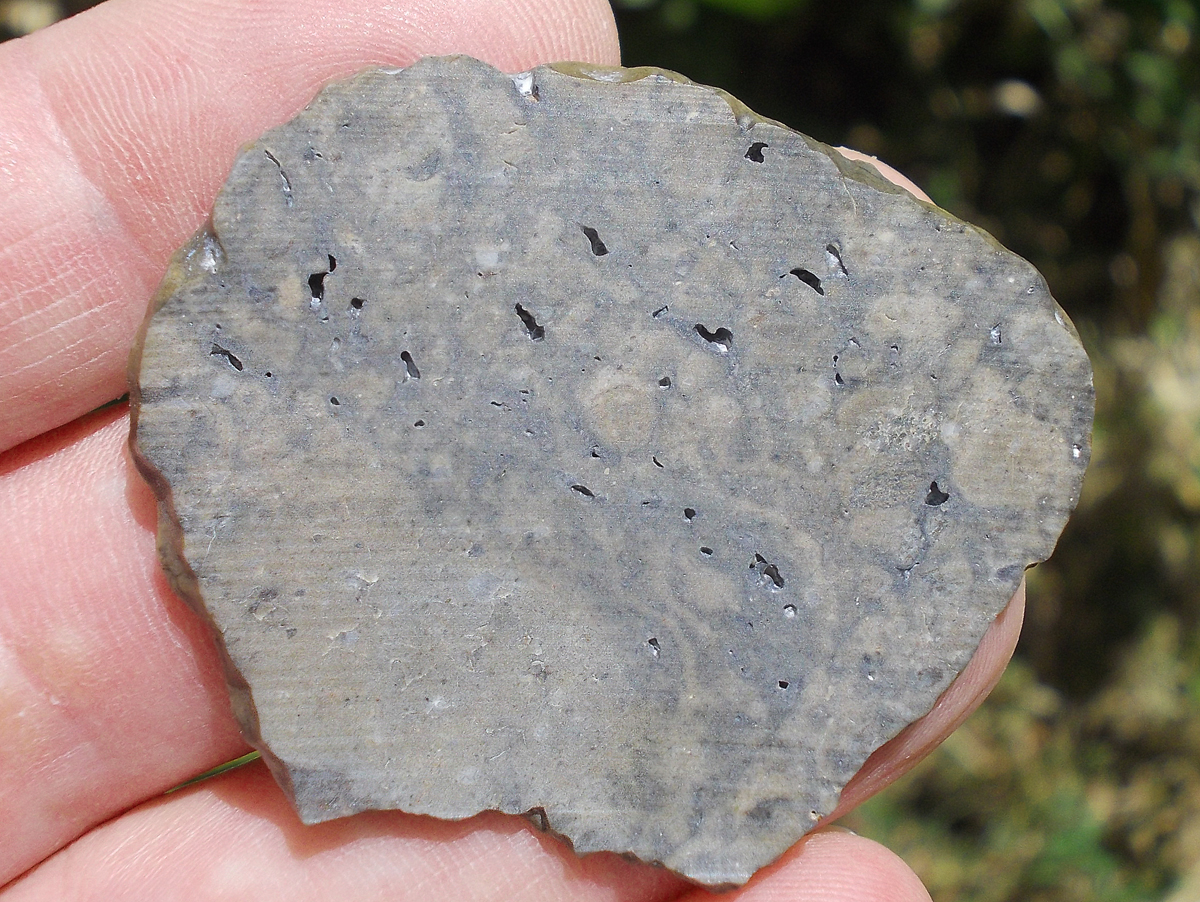
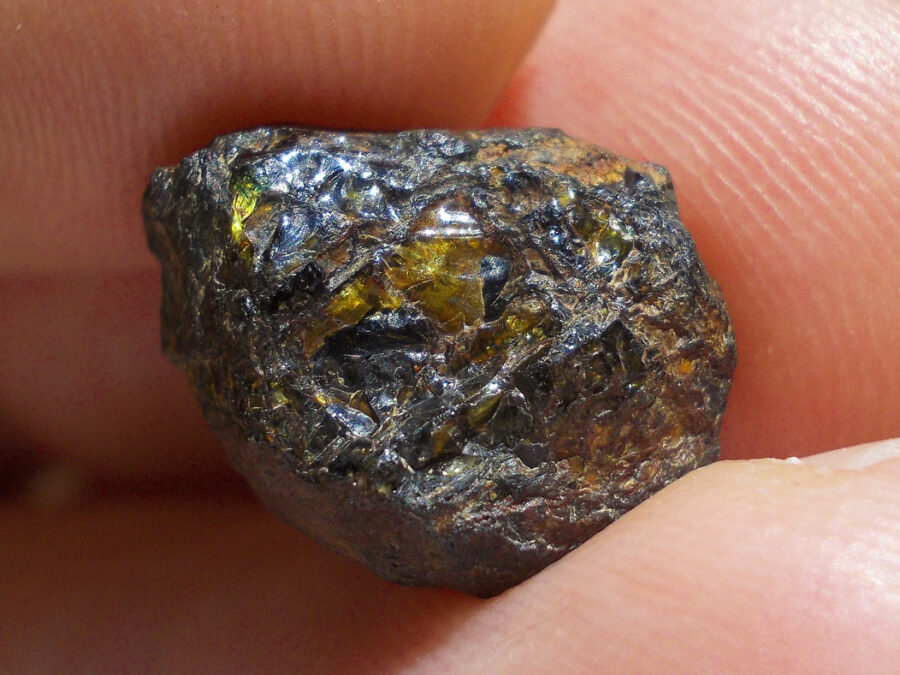
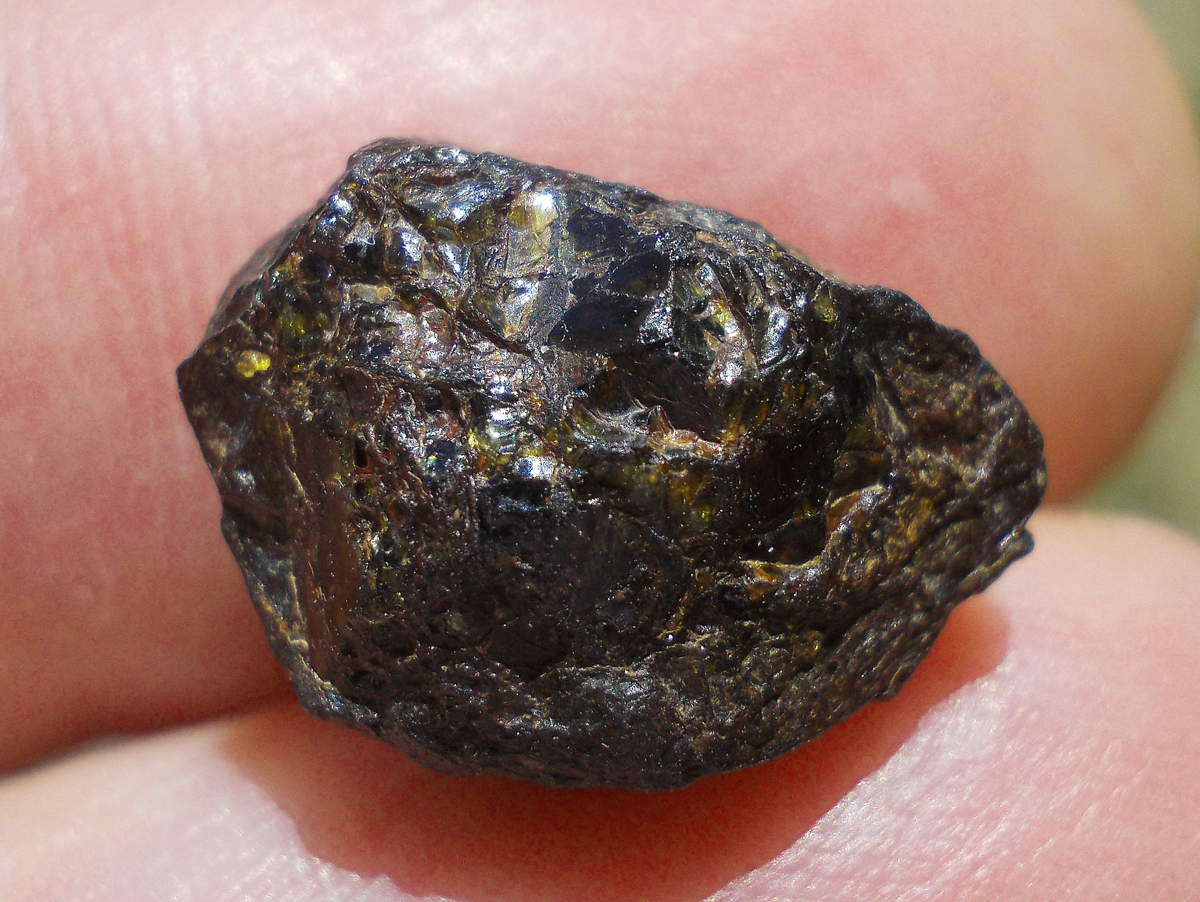
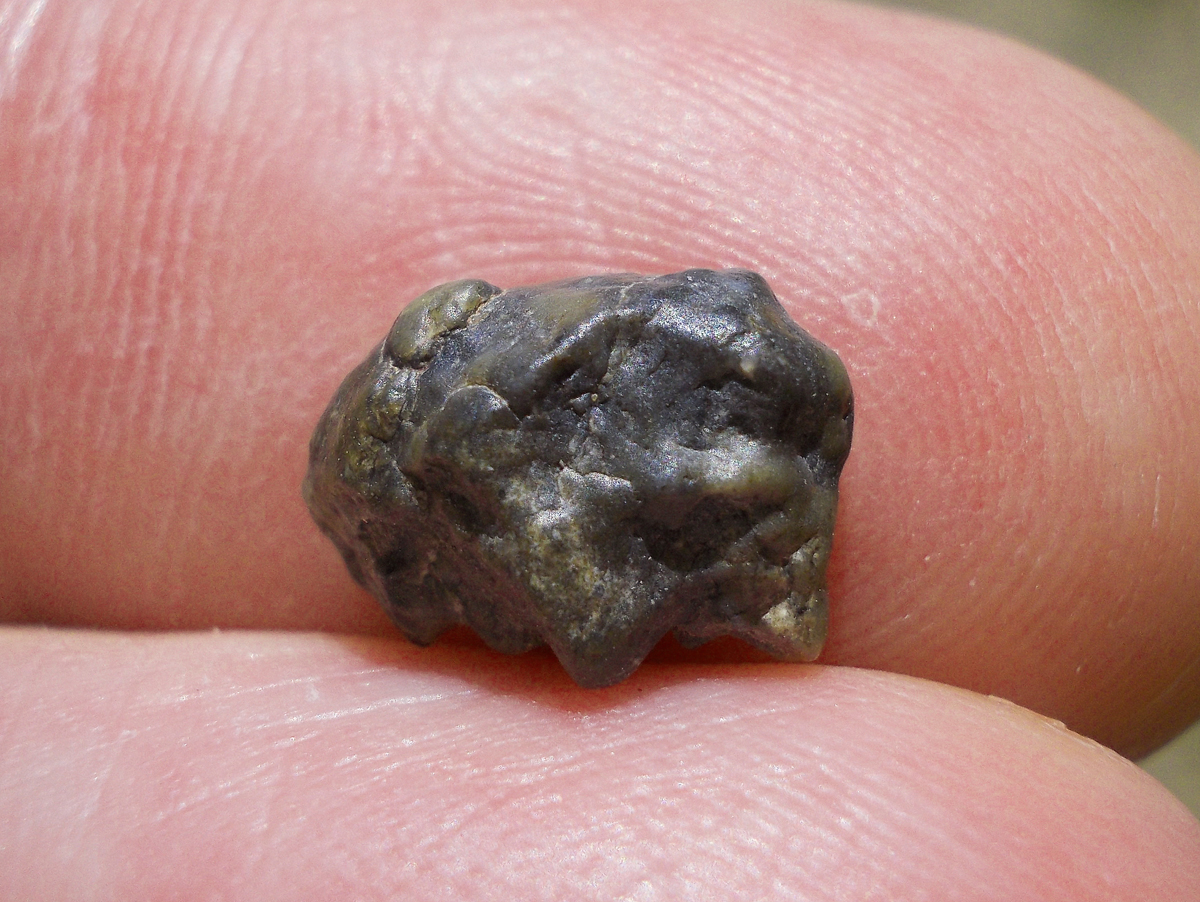
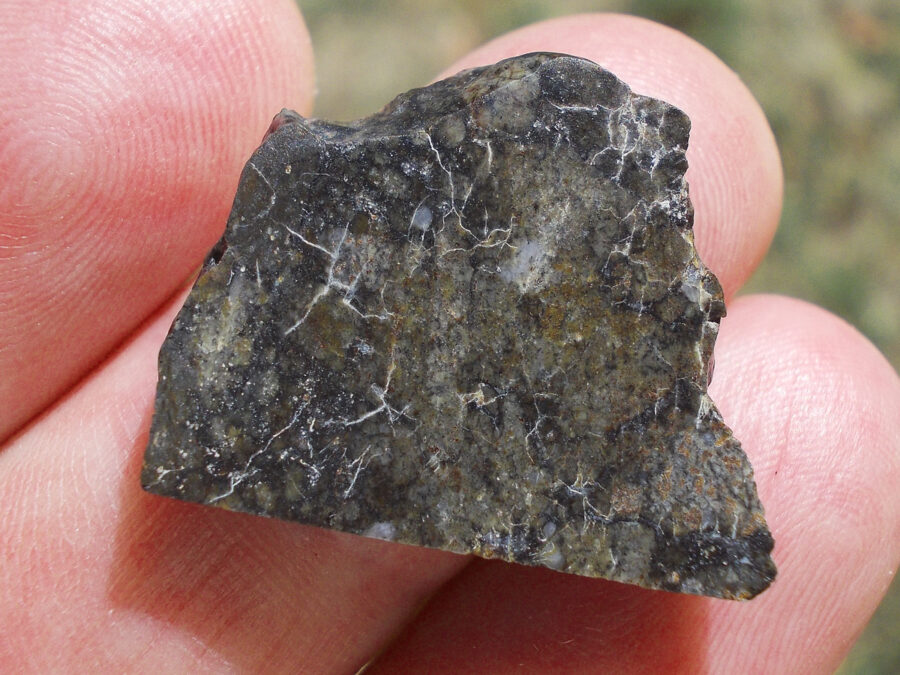
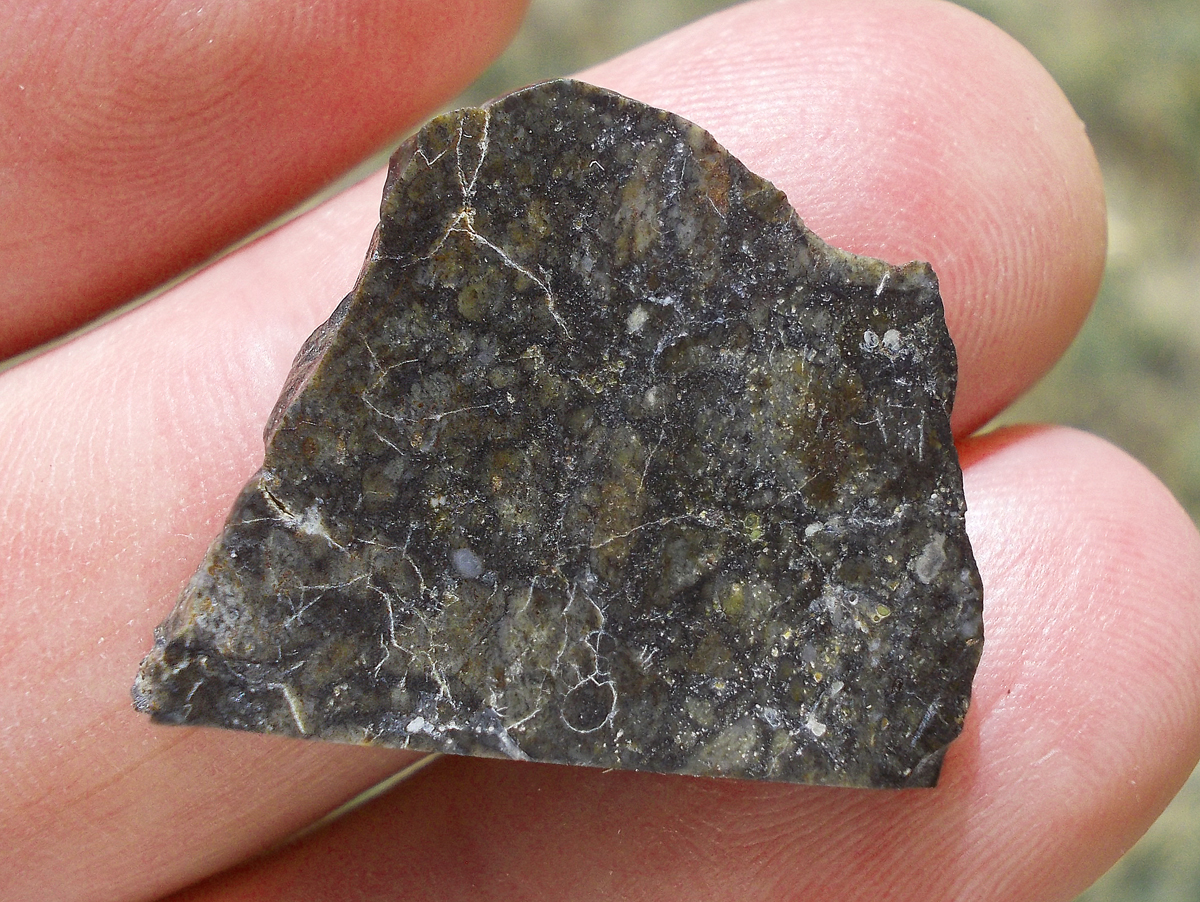
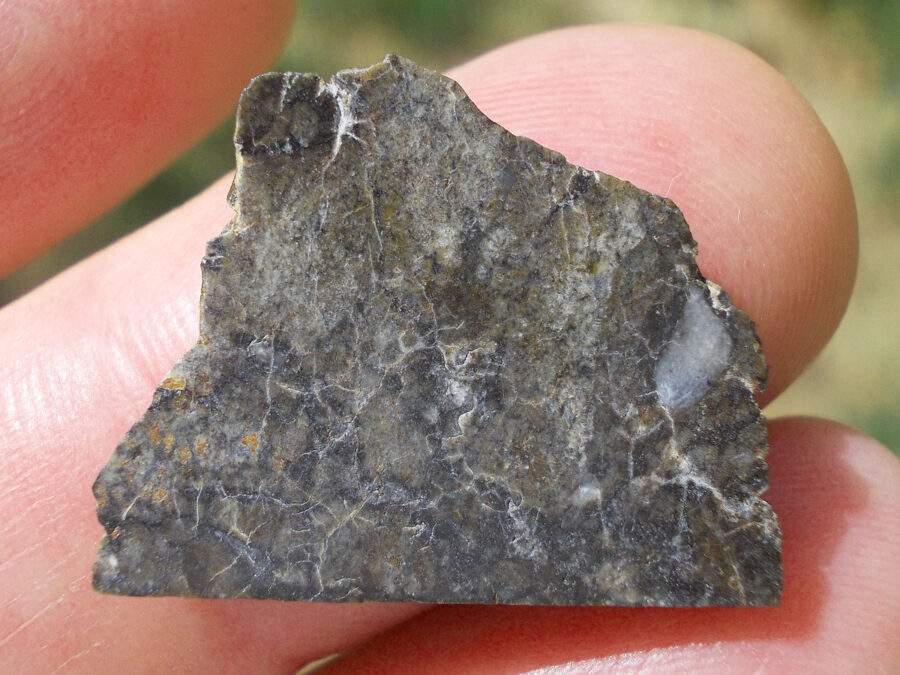
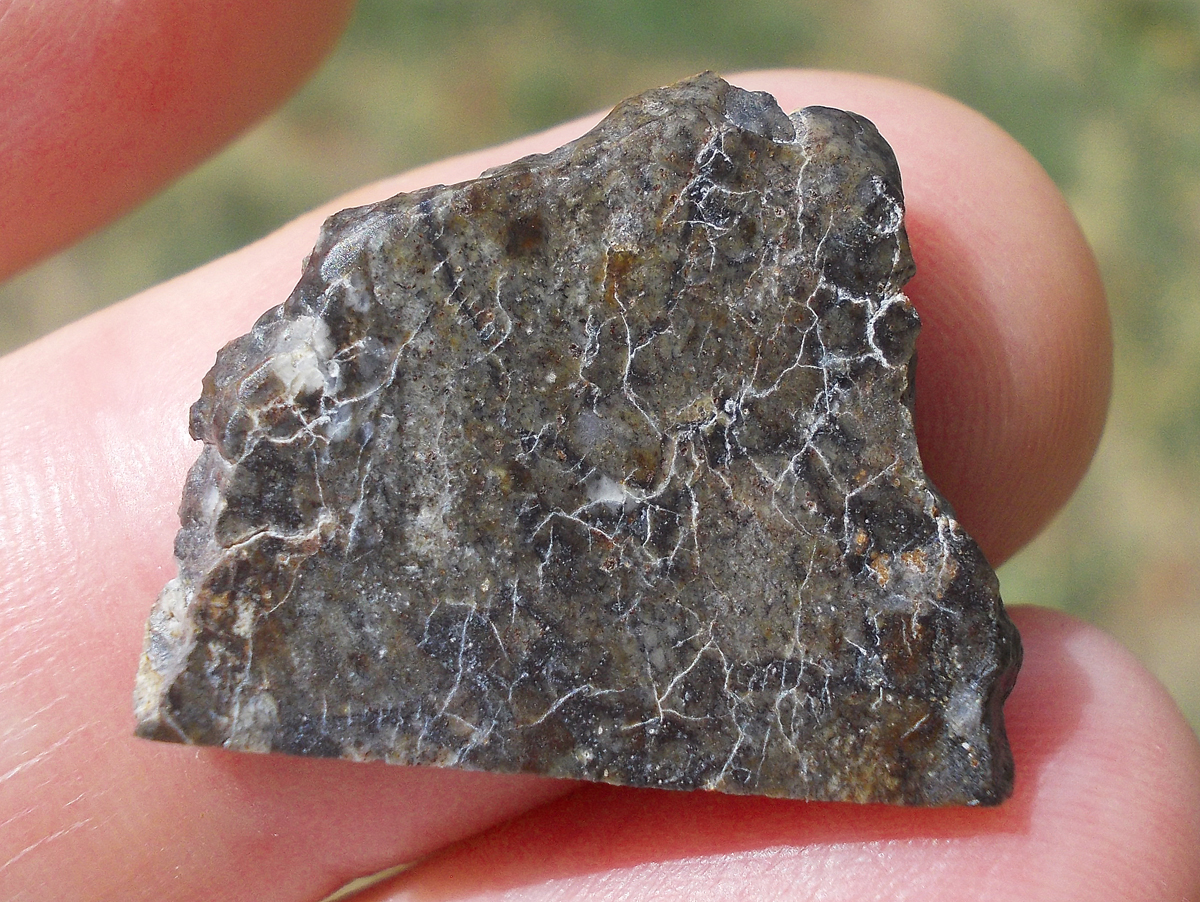
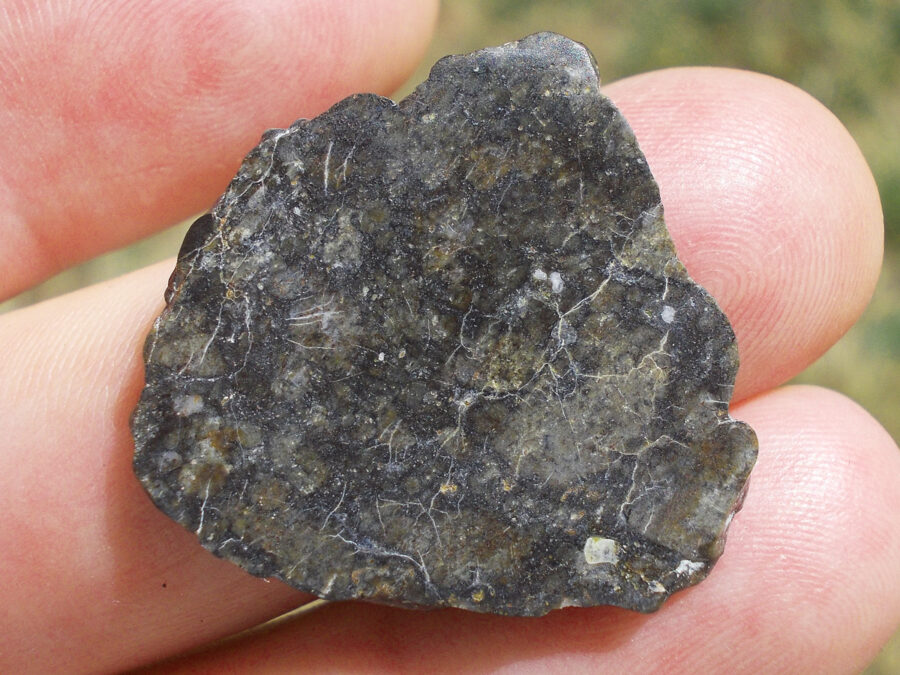
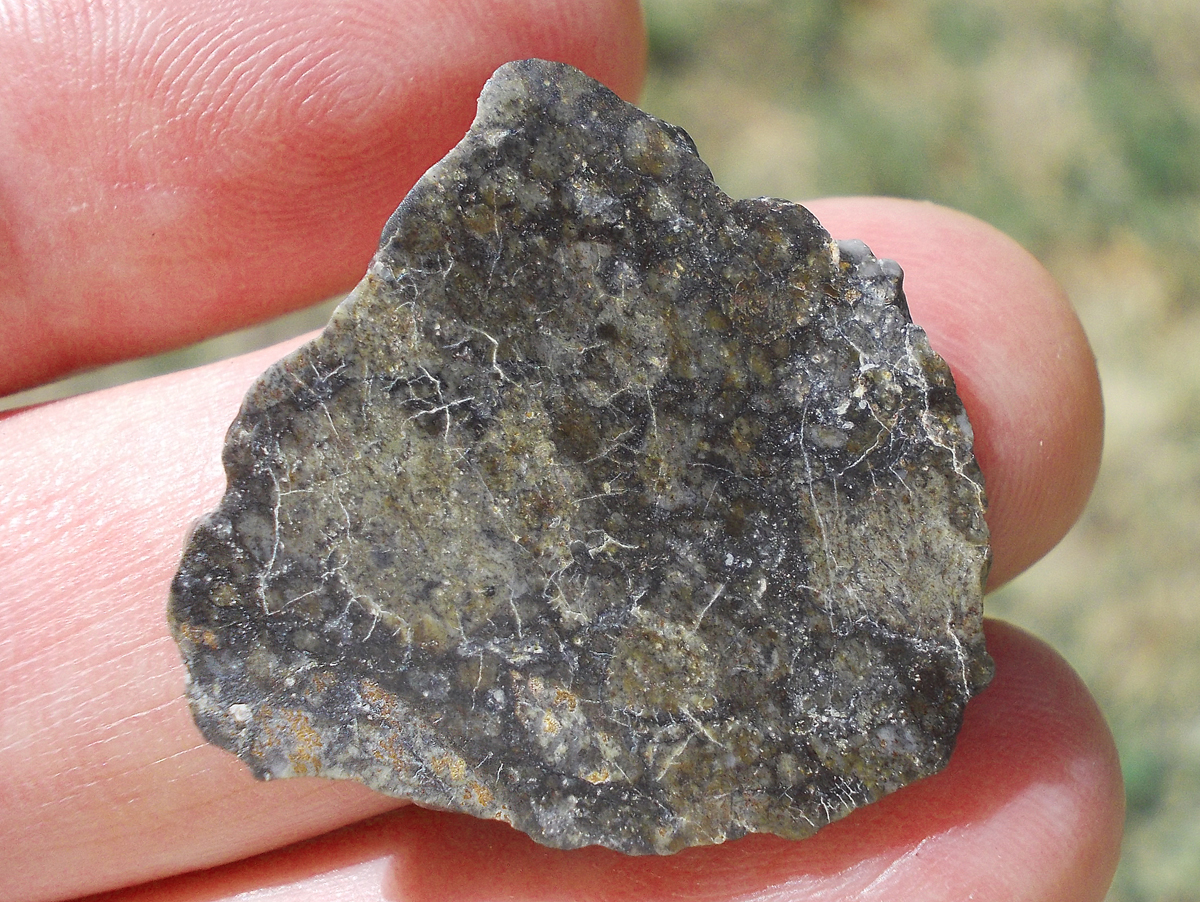
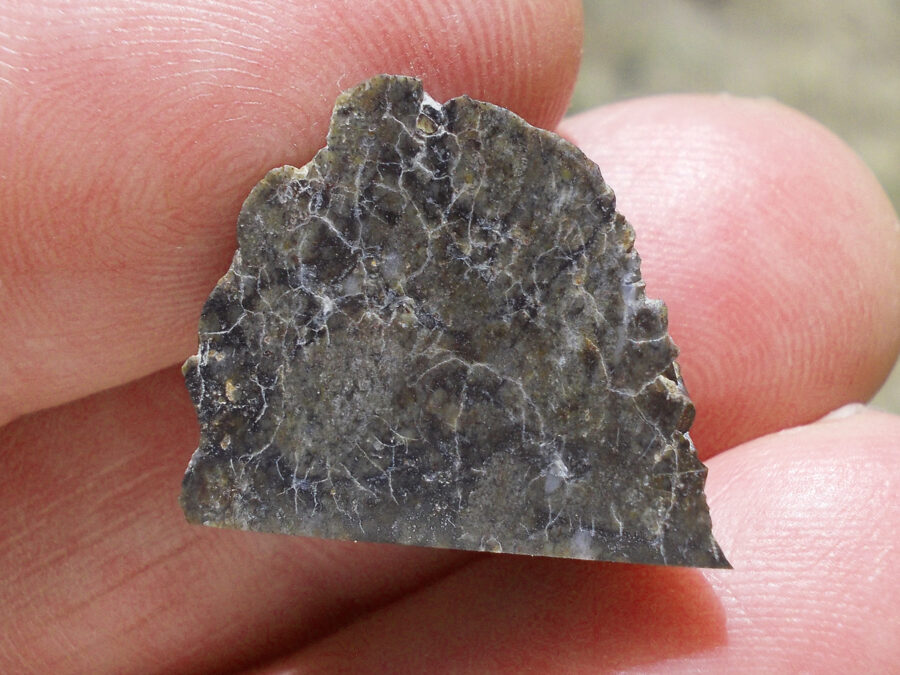
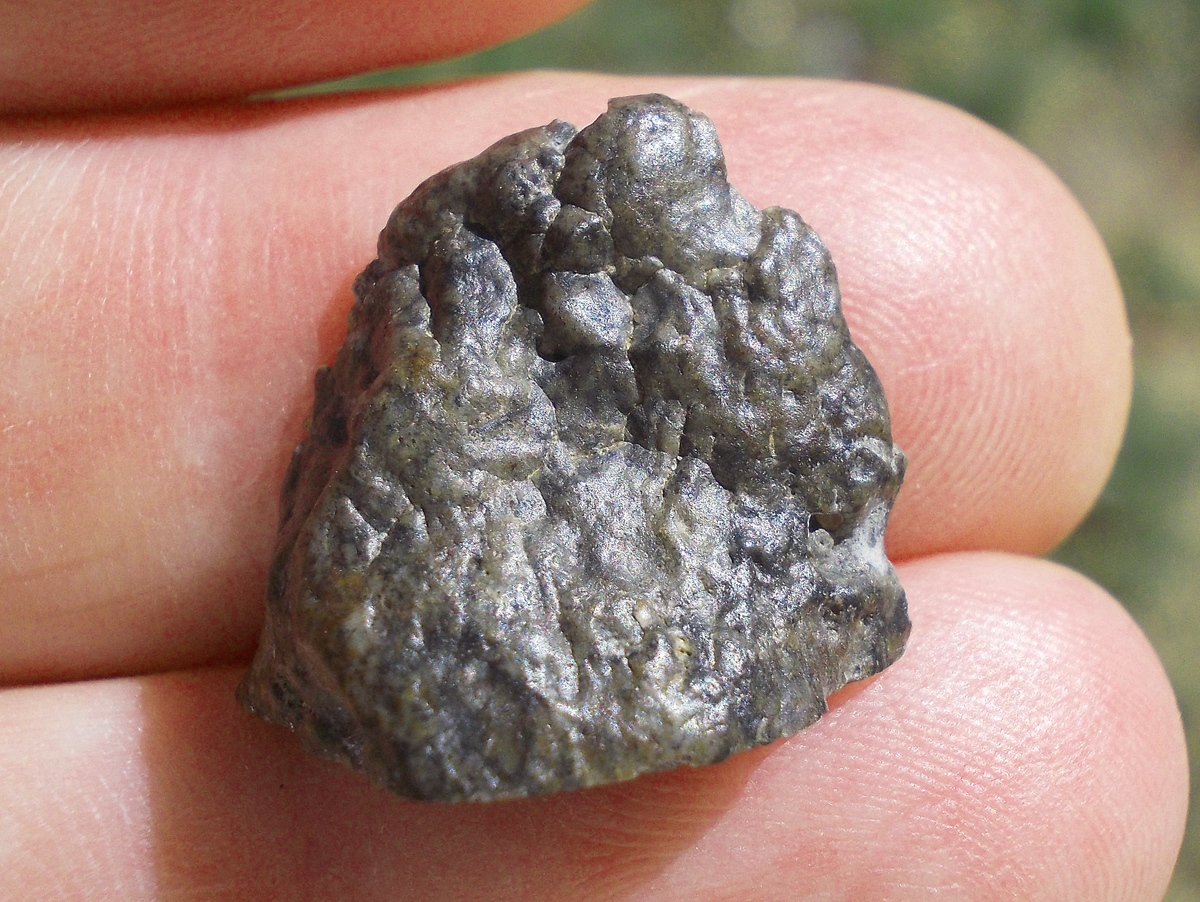
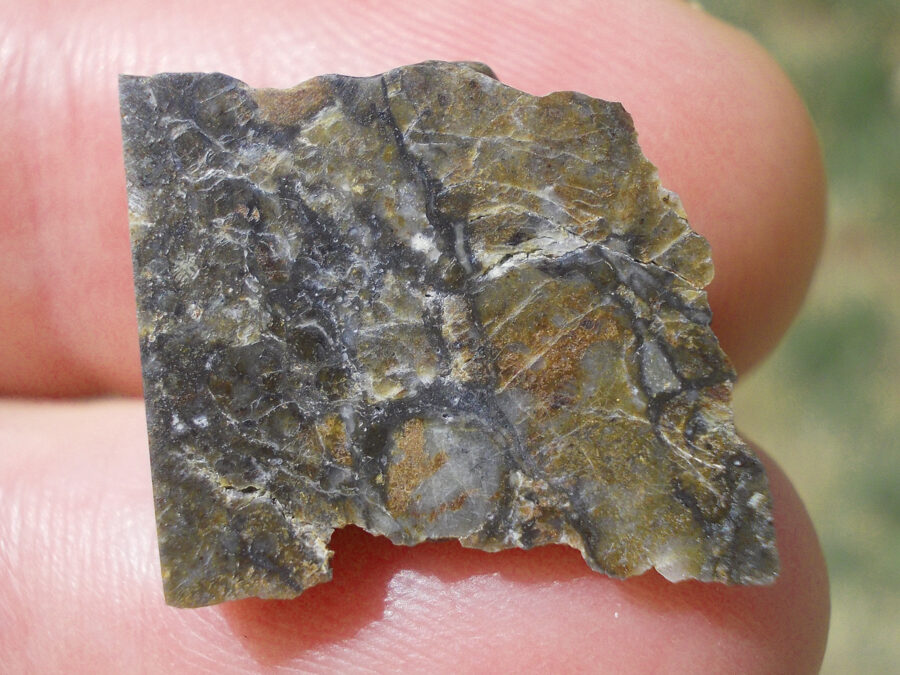
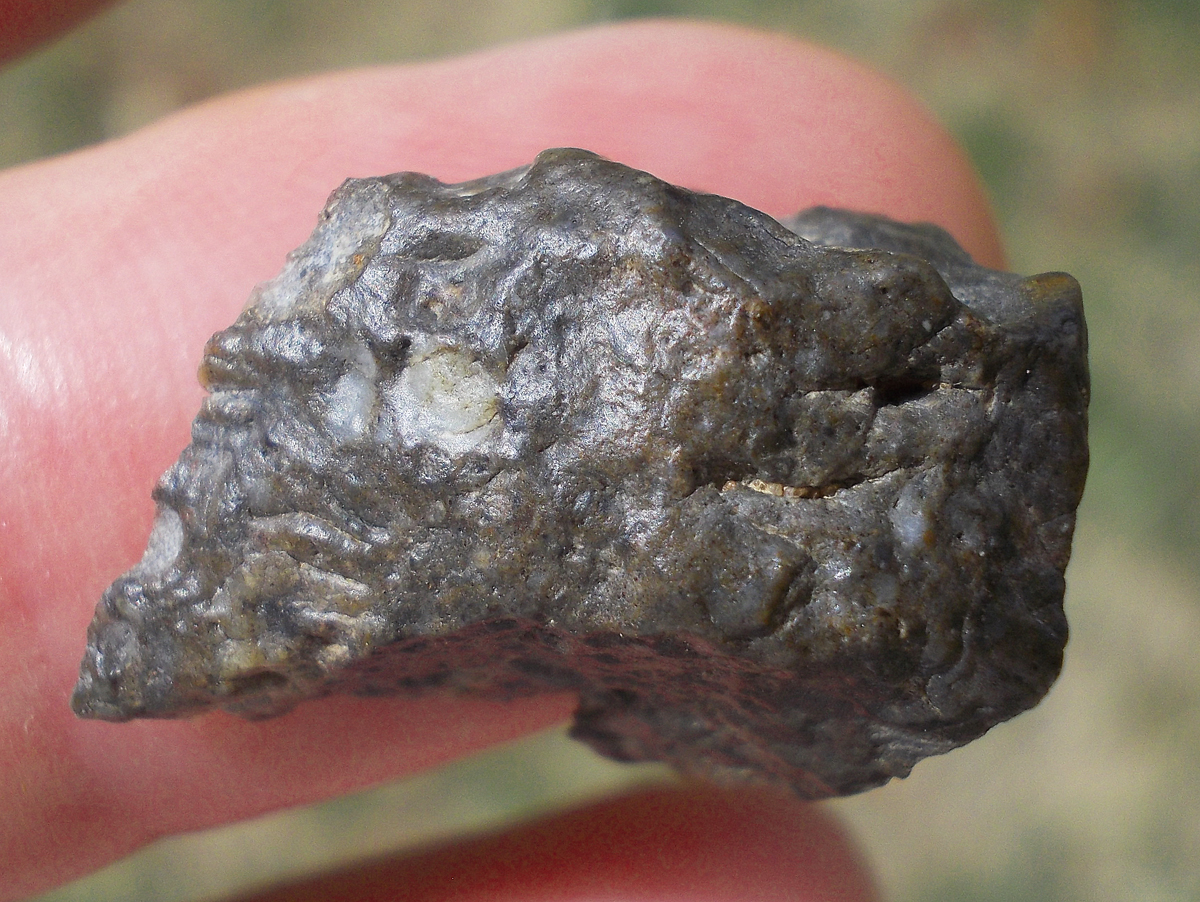
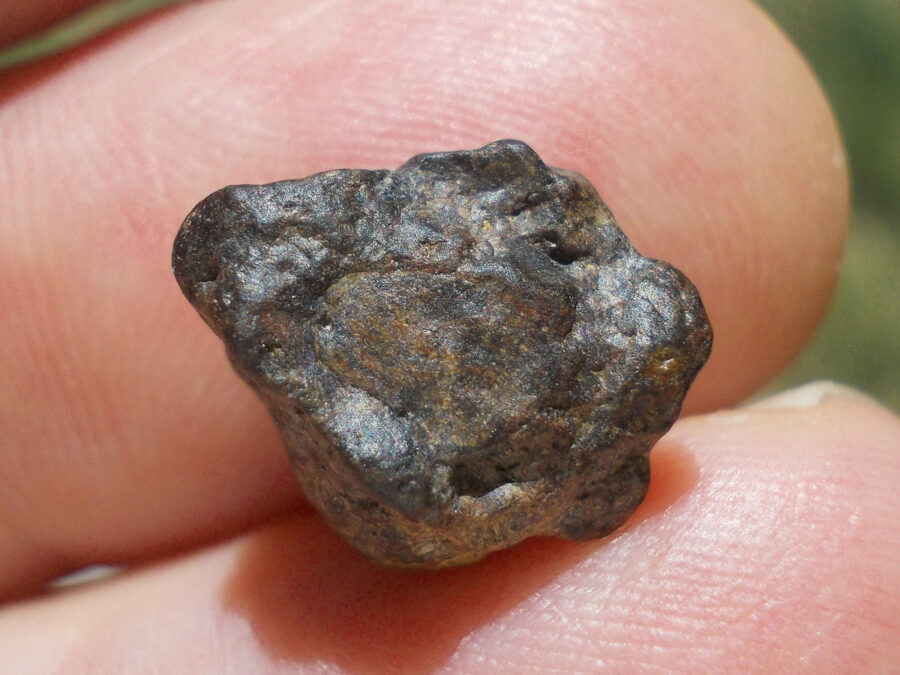
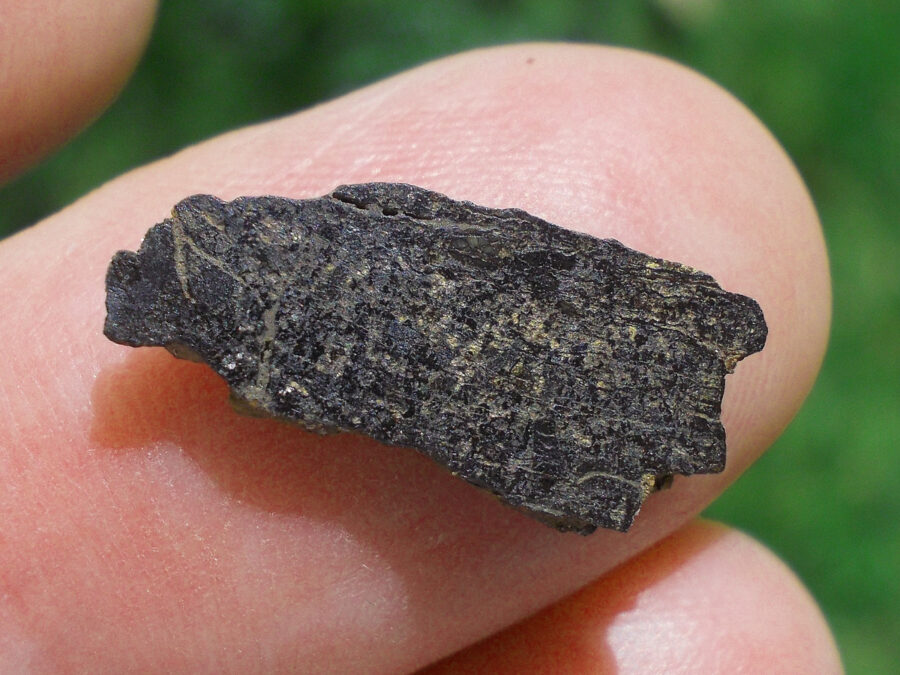
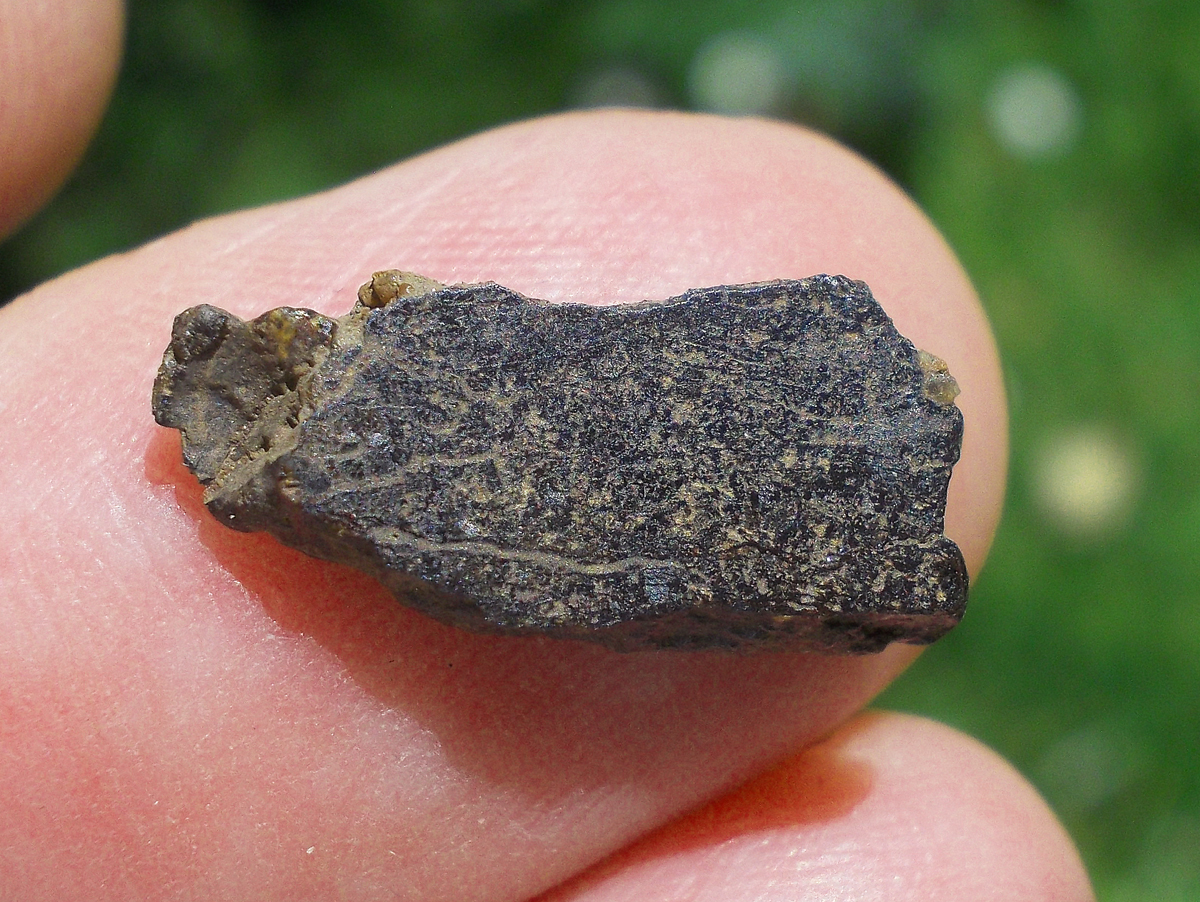
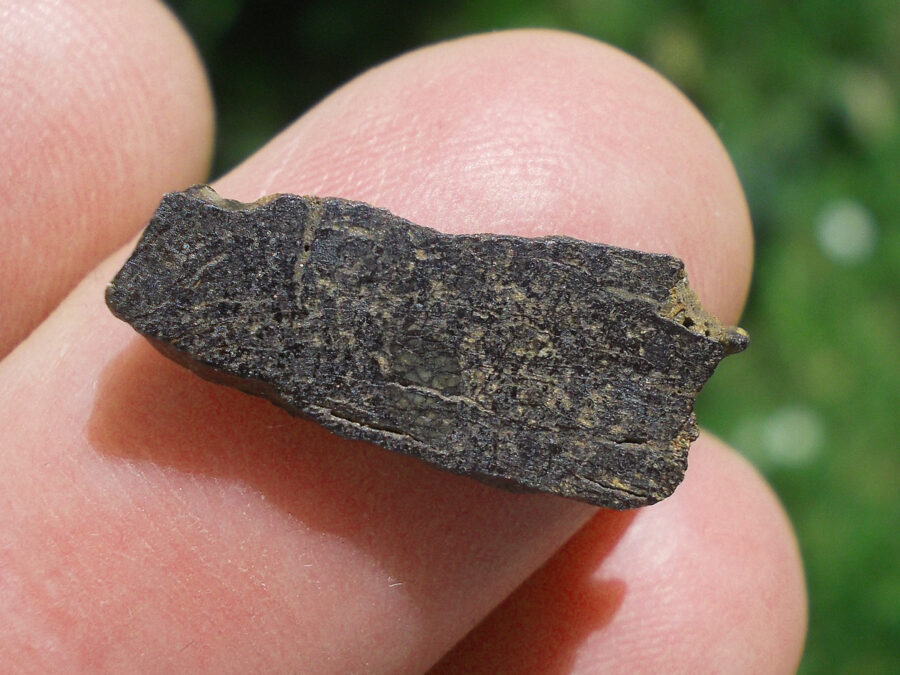
NWA 18131 L6 #1 - 190,8 g

NWA 18131 L6 #1 – 190,8 g

490,00

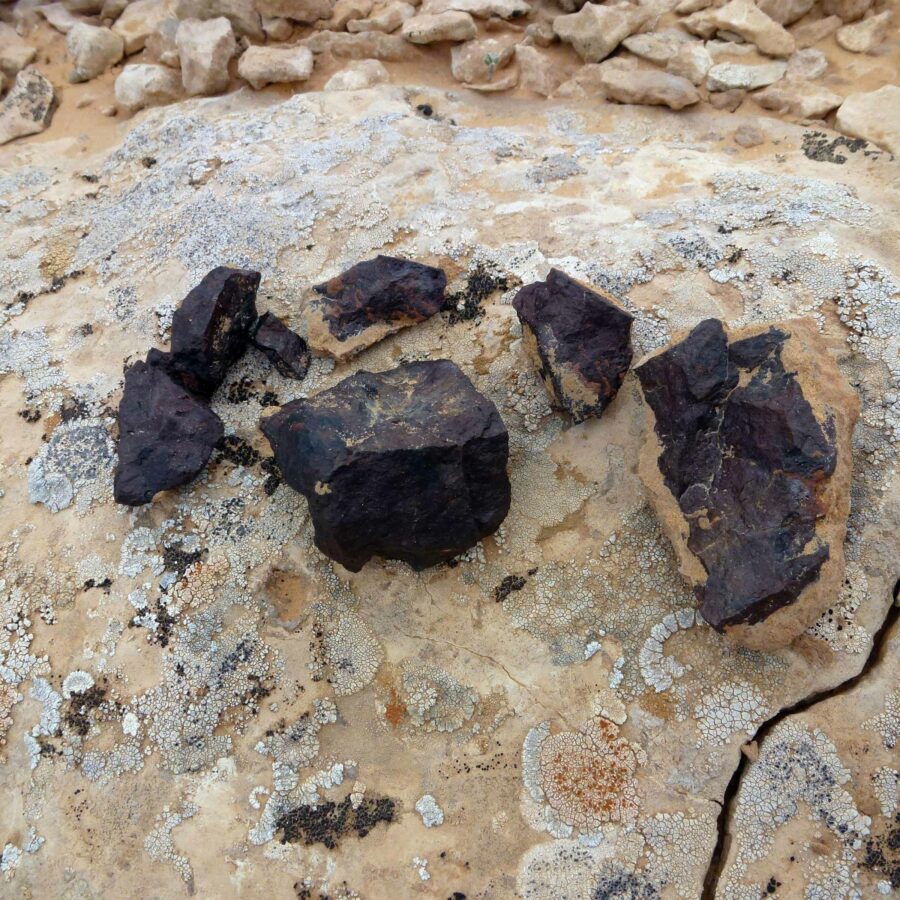
NWA 18131 is a 220-gram ordinary chondrite of the L6 type.

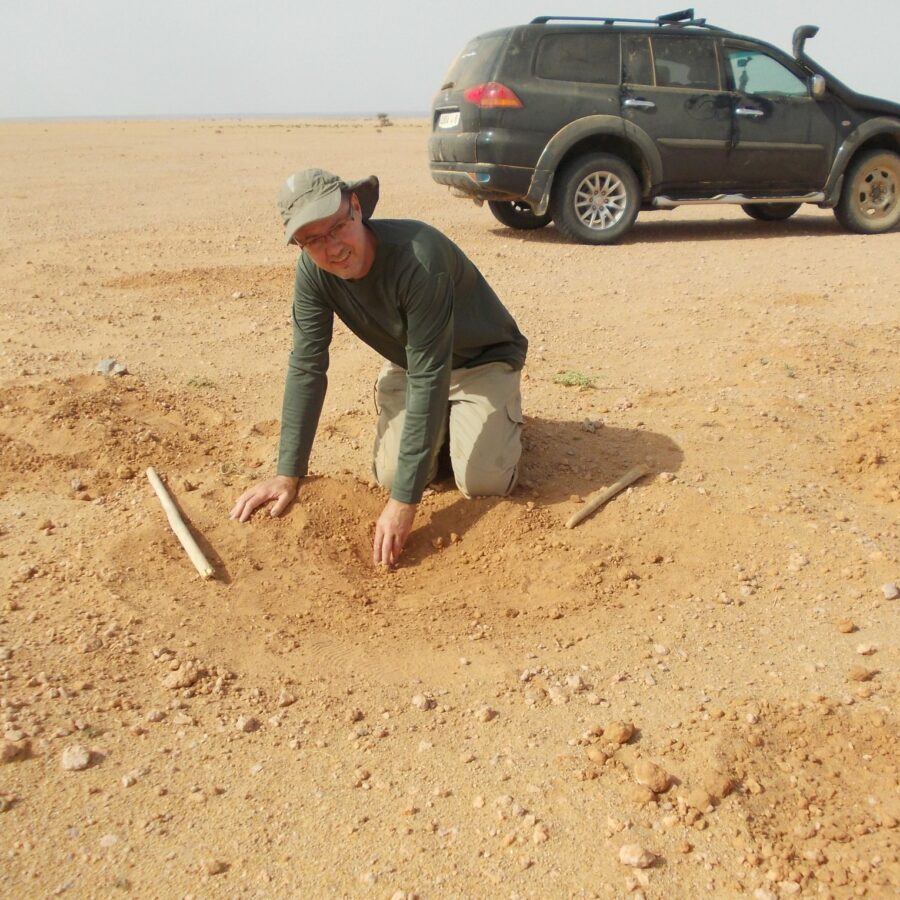
It was discovered in July 2025 in Morocco in the Chwichiya concentration zone by Elguirah El Houssine near the site where NWA 7831, a diogenite achondrite, was found.

The main mass of 190.8 grams is for sale.

A unique piece for your collection !

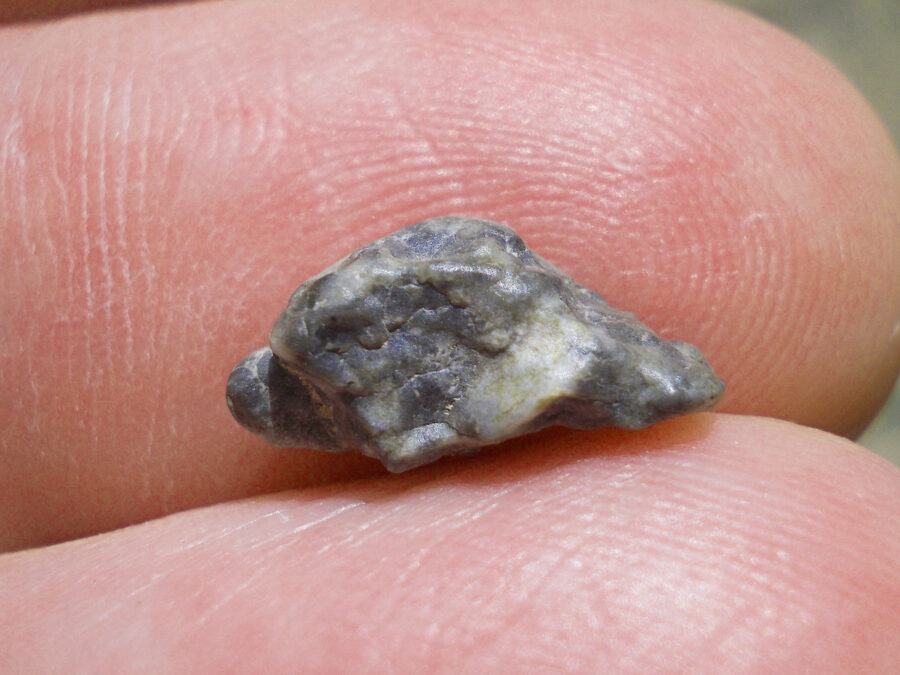
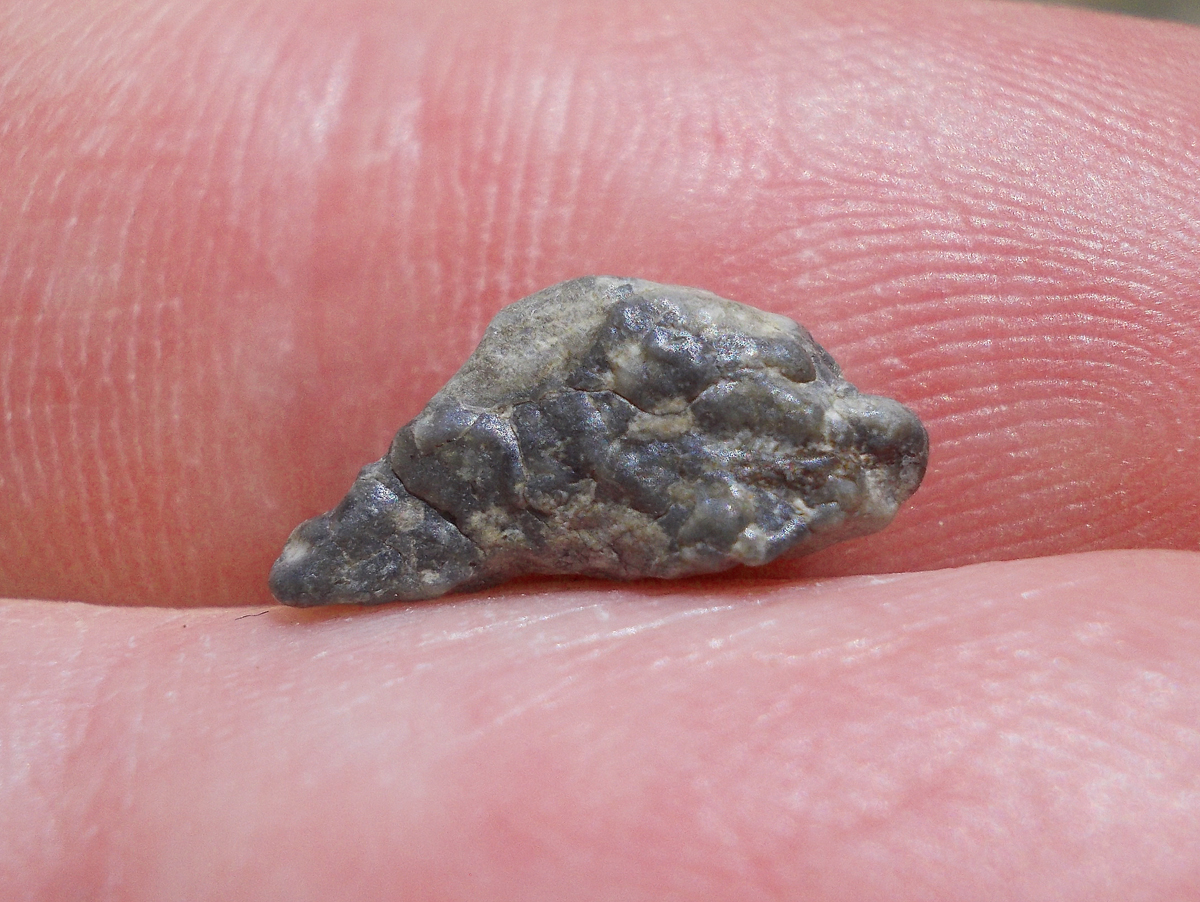
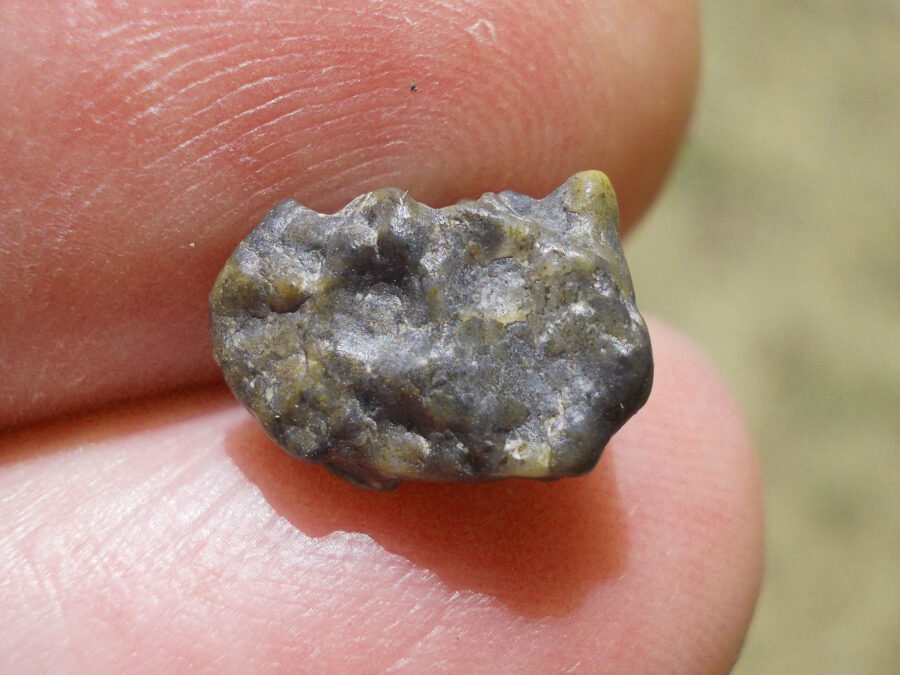
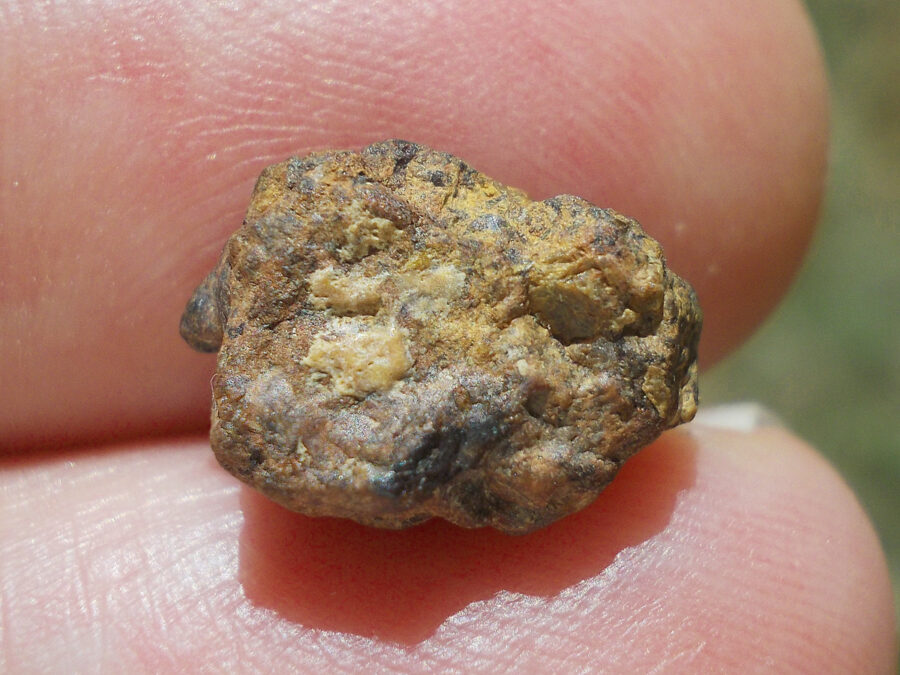
Oued Chebeika 002 CI1 fiole #16 - 0,07 g

Oued Chebeika 002 CI1 fiole #16 – 0,07 g

210,00

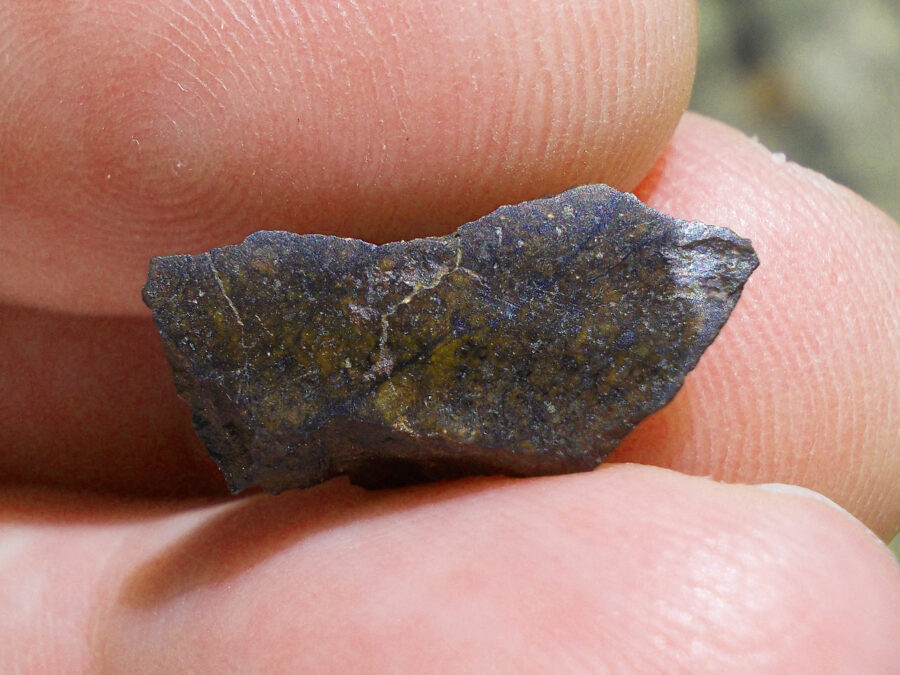
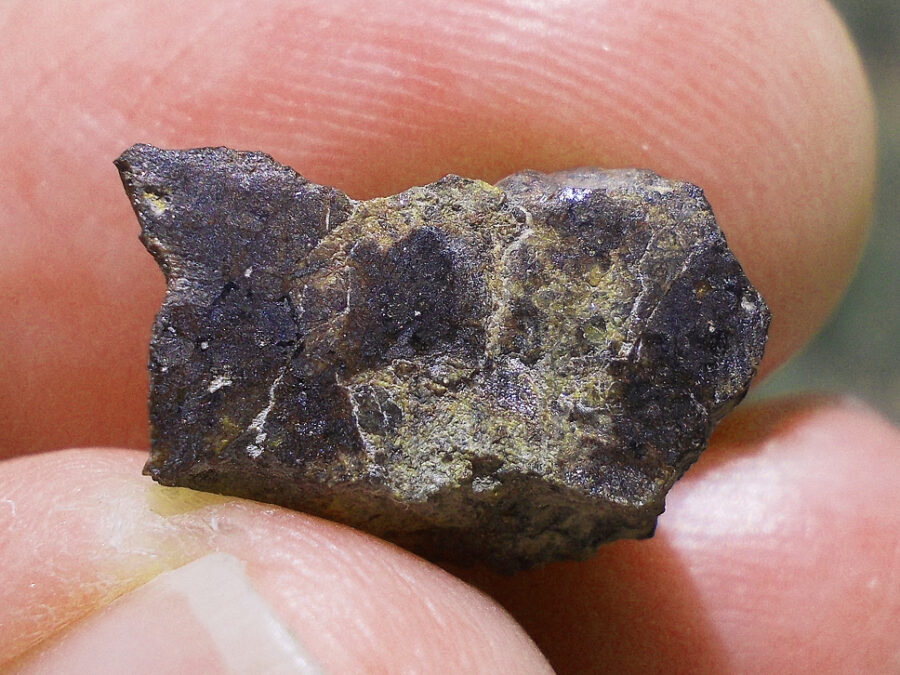
A new CI-type meteorite has just been discovered in Morocco.

It’s a very rare type, the last one to be found and marketed to collectors is called Ivuna, discovered in 1938 !

This type of meteorite degrades more rapidly than other meteorites, so it’s a godsend for scientists to have a very fresh material for their studies.

For scientists, this meteorite is truly the “Holy Grail”, as the material is the closest to the composition of the solar nebula.

Simply put, it’s the most primitive material ever discovered !

Scientists have recently found strong affinities with CI meteorites and the Ryugu and Bennu asteroids.

and even with comet Wild !

The scientific adventure is just beginning !

I guarantee the authenticity of these fragments, which come from the main mass that was analyzed to determine the CI classification.

Oued Chebeika 002 CI1 fiole #15 - 0,07 g

Oued Chebeika 002 CI1 fiole #15 – 0,07 g

210,00

A new CI-type meteorite has just been discovered in Morocco.

It’s a very rare type, the last one to be found and marketed to collectors is called Ivuna, discovered in 1938 !

This type of meteorite degrades more rapidly than other meteorites, so it’s a godsend for scientists to have a very fresh material for their studies.

For scientists, this meteorite is truly the “Holy Grail”, as the material is the closest to the composition of the solar nebula.

Simply put, it’s the most primitive material ever discovered !

Scientists have recently found strong affinities with CI meteorites and the Ryugu and Bennu asteroids.

and even with comet Wild !

The scientific adventure is just beginning !

I guarantee the authenticity of these fragments, which come from the main mass that was analyzed to determine the CI classification.

Oued Chebeika 002 CI1 fiole #14 - 0,08 g

Oued Chebeika 002 CI1 fiole #14 – 0,08 g

240,00

A new CI-type meteorite has just been discovered in Morocco.

It’s a very rare type, the last one to be found and marketed to collectors is called Ivuna, discovered in 1938 !

This type of meteorite degrades more rapidly than other meteorites, so it’s a godsend for scientists to have a very fresh material for their studies.

For scientists, this meteorite is truly the “Holy Grail”, as the material is the closest to the composition of the solar nebula.

Simply put, it’s the most primitive material ever discovered !

Scientists have recently found strong affinities with CI meteorites and the Ryugu and Bennu asteroids.

and even with comet Wild !

The scientific adventure is just beginning !

I guarantee the authenticity of these fragments, which come from the main mass that was analyzed to determine the CI classification.

Oued Chebeika 002 CI1 fiole #13 - 0,45 g

Oued Chebeika 002 CI1 fiole #13 – 0,45 g

1350,00

A new CI-type meteorite has just been discovered in Morocco.

It’s a very rare type, the last one to be found and marketed to collectors is called Ivuna, discovered in 1938 !

This type of meteorite degrades more rapidly than other meteorites, so it’s a godsend for scientists to have a very fresh material for their studies.

For scientists, this meteorite is truly the “Holy Grail”, as the material is the closest to the composition of the solar nebula.

Simply put, it’s the most primitive material ever discovered !

Scientists have recently found strong affinities with CI meteorites and the Ryugu and Bennu asteroids.

and even with comet Wild !

The scientific adventure is just beginning !

I guarantee the authenticity of these fragments, which come from the main mass that was analyzed to determine the CI classification.

Oued Chebeika 002 CI1 fiole #12 - 1,89 g

Oued Chebeika 002 CI1 fiole #12 – 1,89 g

5670,00

A new CI-type meteorite has just been discovered in Morocco.

It’s a very rare type, the last one to be found and marketed to collectors is called Ivuna, discovered in 1938 !

This type of meteorite degrades more rapidly than other meteorites, so it’s a godsend for scientists to have a very fresh material for their studies.

For scientists, this meteorite is truly the “Holy Grail”, as the material is the closest to the composition of the solar nebula.

Simply put, it’s the most primitive material ever discovered !

Scientists have recently found strong affinities with CI meteorites and the Ryugu and Bennu asteroids.

and even with comet Wild !

The scientific adventure is just beginning !

I guarantee the authenticity of these fragments, which come from the main mass that was analyzed to determine the CI classification.

NWA#7 - 6 kg SaharaOut of stock

NWA#7 – 6 kg Sahara

2400,00

A magnificent collector’s item, this unclassified chondrite was discovered in the Sahara, most likely in Morocco.

What makes this piece unique is its weight, but also the regmaglypts on its surface.

Regmaglypts are hollow indentations, often thumb-shaped, found on certain meteorites.
Entering the atmosphere slows down the trajectory of meteorites due to air friction.
This friction tears off pieces, forming regmaglypts.
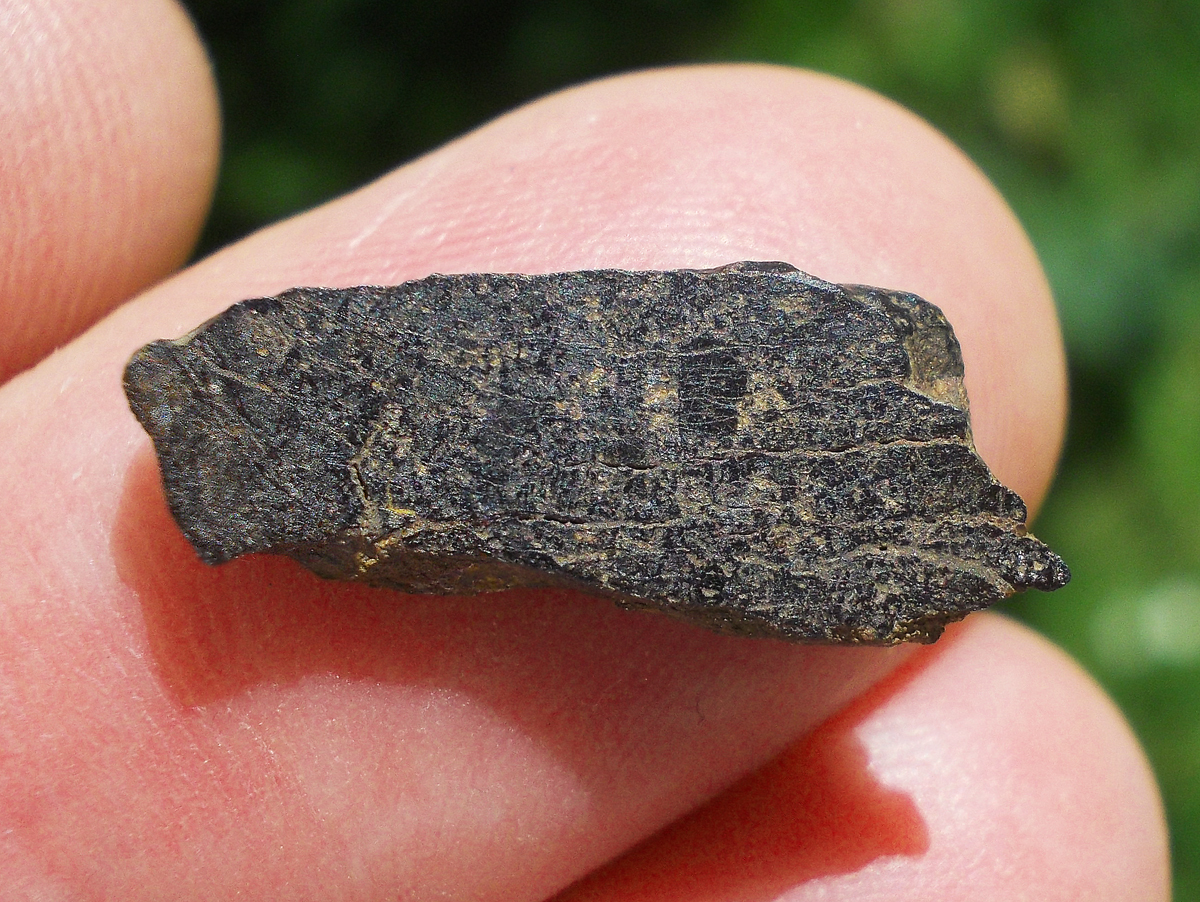
Tatahouine #2 Diogénite - 9,4 gOut of stock

Tatahouine #2 Diogénite – 9,4 g

230,00

The Tatahouine meteorite is a very beautiful achondrite diogenite meteorite, which fell on June 27, 1931 at 01:30 am, 4 kilometers northeast of the village of Foum Tataouine in Tunisia. The explosion woke up the whole population and also the French garrison. The next day French legionnaires found some fragments.

The diogenite meteorites come from the asteroid Vesta.
Beautiful endcut, very nice polish.
From Alain Carion.
Sikhote Alin #23 Fer IIAB - shrapnel 9,4 g

Sikhote Alin #23 Fer IIAB – shrapnel 9,4 g

40,00

The Sikhote-Alin meteorite is an iron meteorite that fell in Siberia in 1947. This fall is unique in the history of meteorites, given the 70 tonnes that survived the journey through the Earth’s atmospher

A fall that’s harder and harder to find.


Allende CV3 #10 - 1,5 gOut of stock

Allende CV3 #10 – 1,5 g

63,00

The Allende meteorite fell in Mexico in 1969.

It is often considered as the “Rosetta Stone” of planetologists, because it has improved our knowledge on the origins of our solar system. This meteorite was formed before our planet, in the very first moments of the solar system. It preserves in its heart the traces of the nebula which generated the Sun and its procession of planets.

Aydar 005 LL6 #14 - 1,2 gOut of stock

Aydar 005 LL6 #14 – 1,2 g

12,00

Aydar 005 is an LL6 chondrite meteorite.

This meteorite, weighing a total of 230 grams, was discovered by Esmail Elguirah in 2019.

The discovery was made in a concentration zone called Aydar (Western Sahara).

Aydar 005 LL6 #13 - 13,8 g

Aydar 005 LL6 #13 – 13,8 g

99,00

Aydar 005 is an LL6 chondrite meteorite.

This meteorite, weighing a total of 230 grams, was discovered by Esmail Elguirah in 2019.

The discovery was made in a concentration zone called Aydar (Western Sahara).

Jdiriya 004 R3 #14 - 1,7 g

Jdiriya 004 R3 #14 – 1,7 g

64,00

Jdiriya 004 is a rare and fresh rumuruti R3 chondrite weighing only 142 grams.

Magnetic susceptibility, chondrule diameters, mineral chemistry and texture suggest that it is an R3-4 breccia.

Only 10 meteorites of this type are classified to date.

The R chondrite group does not clearly belong to any of the major chondrite classes (ordinary, carbonaceous, enstatite); R chondrites have sub-solar Mg/Si and refractory/Si ratios, oxygen isotopic compositions that are above the terrestrial fractionation line and ordinary chondrites, and strongly oxidized mineralogy.

The first R chondrite, Carlisle Lakes, was found in Australia in 1977.


Jdiriya 004 R3 #13 - 1,2 g

Jdiriya 004 R3 #13 – 1,2 g

50,00

Jdiriya 004 is a rare and fresh rumuruti R3 chondrite weighing only 142 grams.

Magnetic susceptibility, chondrule diameters, mineral chemistry and texture suggest that it is an R3-4 breccia.

Only 10 meteorites of this type are classified to date.

The R chondrite group does not clearly belong to any of the major chondrite classes (ordinary, carbonaceous, enstatite); R chondrites have sub-solar Mg/Si and refractory/Si ratios, oxygen isotopic compositions that are above the terrestrial fractionation line and ordinary chondrites, and strongly oxidized mineralogy.

The first R chondrite, Carlisle Lakes, was found in Australia in 1977.


Jdiriya 004 R3 #12 - 2,4 g

Jdiriya 004 R3 #12 – 2,4 g

89,00

Jdiriya 004 is a rare and fresh rumuruti R3 chondrite weighing only 142 grams.

Magnetic susceptibility, chondrule diameters, mineral chemistry and texture suggest that it is an R3-4 breccia.

Only 10 meteorites of this type are classified to date.

The R chondrite group does not clearly belong to any of the major chondrite classes (ordinary, carbonaceous, enstatite); R chondrites have sub-solar Mg/Si and refractory/Si ratios, oxygen isotopic compositions that are above the terrestrial fractionation line and ordinary chondrites, and strongly oxidized mineralogy.

The first R chondrite, Carlisle Lakes, was found in Australia in 1977.


Jdiriya 004 R3 #11 - 2,7 gOut of stock

Jdiriya 004 R3 #11 – 2,7 g

99,00

Jdiriya 004 is a rare and fresh rumuruti R3 chondrite weighing only 142 grams.

Magnetic susceptibility, chondrule diameters, mineral chemistry and texture suggest that it is an R3-4 breccia.

Only 10 meteorites of this type are classified to date.

The R chondrite group does not clearly belong to any of the major chondrite classes (ordinary, carbonaceous, enstatite); R chondrites have sub-solar Mg/Si and refractory/Si ratios, oxygen isotopic compositions that are above the terrestrial fractionation line and ordinary chondrites, and strongly oxidized mineralogy.

The first R chondrite, Carlisle Lakes, was found in Australia in 1977.


Jdiriya 004 R3 #10 - 1,9 g

Jdiriya 004 R3 #10 – 1,9 g

69,00

Jdiriya 004 is a rare and fresh rumuruti R3 chondrite weighing only 142 grams.

Magnetic susceptibility, chondrule diameters, mineral chemistry and texture suggest that it is an R3-4 breccia.

Only 10 meteorites of this type are classified to date.

The R chondrite group does not clearly belong to any of the major chondrite classes (ordinary, carbonaceous, enstatite); R chondrites have sub-solar Mg/Si and refractory/Si ratios, oxygen isotopic compositions that are above the terrestrial fractionation line and ordinary chondrites, and strongly oxidized mineralogy.

The first R chondrite, Carlisle Lakes, was found in Australia in 1977.


Jdiriya 004 R3 #9 - 4,4 g

Jdiriya 004 R3 #9 – 4,4 g

167,00

Jdiriya 004 is a rare and fresh rumuruti R3 chondrite weighing only 142 grams.

Magnetic susceptibility, chondrule diameters, mineral chemistry and texture suggest that it is an R3-4 breccia.

Only 10 meteorites of this type are classified to date.

The R chondrite group does not clearly belong to any of the major chondrite classes (ordinary, carbonaceous, enstatite); R chondrites have sub-solar Mg/Si and refractory/Si ratios, oxygen isotopic compositions that are above the terrestrial fractionation line and ordinary chondrites, and strongly oxidized mineralogy.

The first R chondrite, Carlisle Lakes, was found in Australia in 1977.