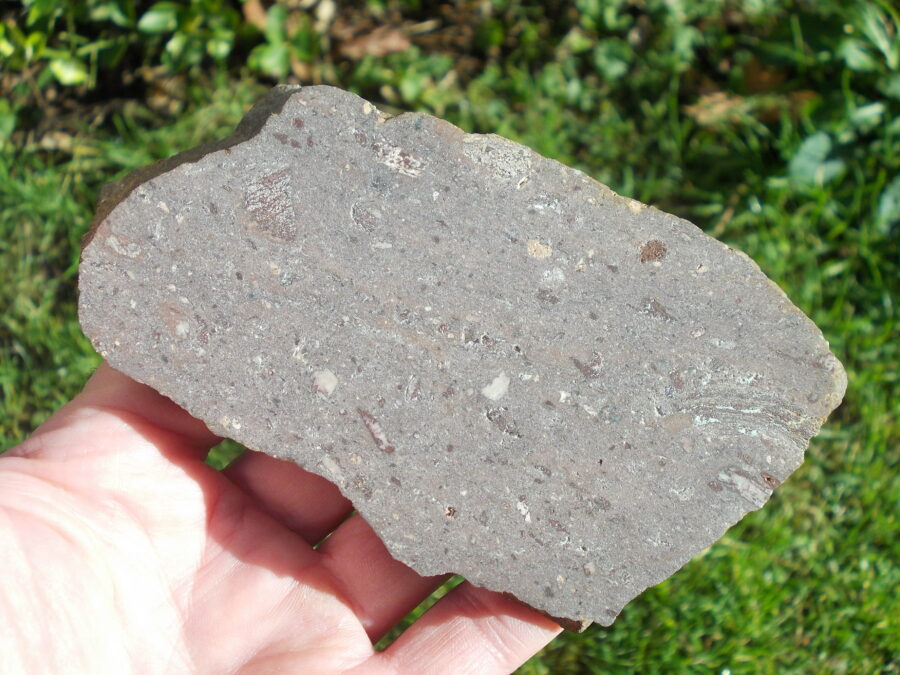
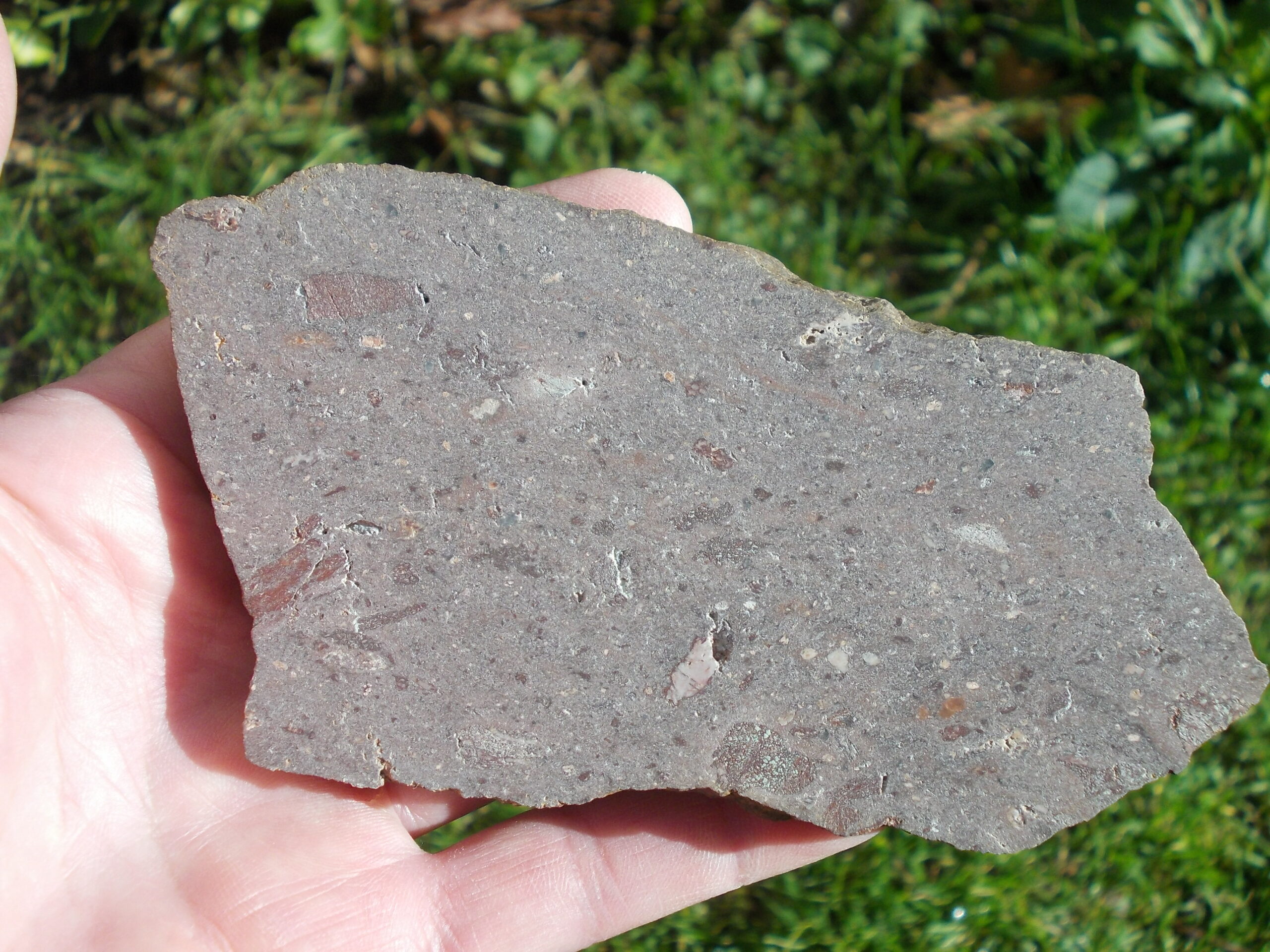
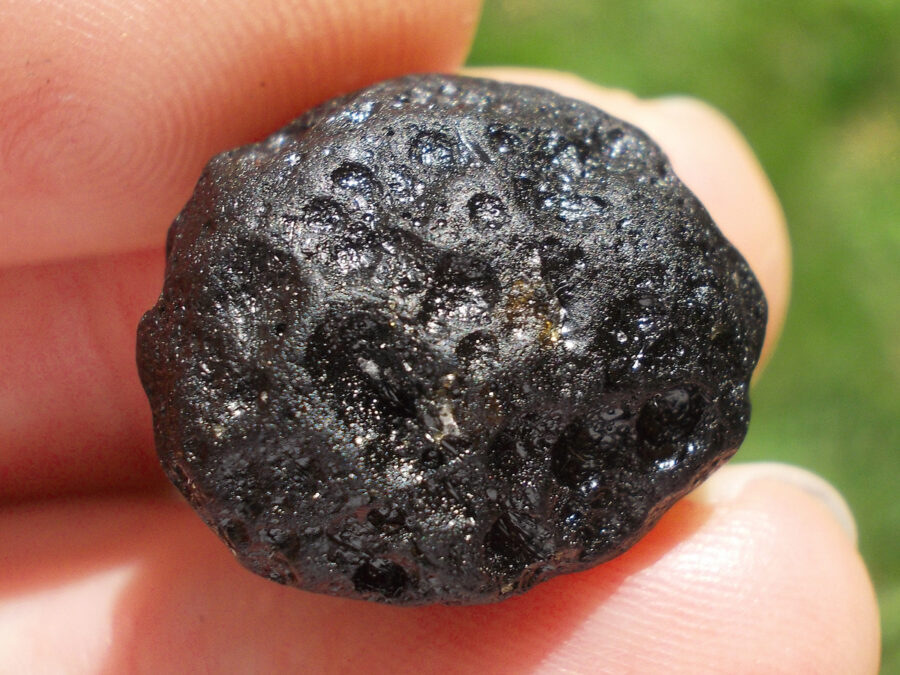
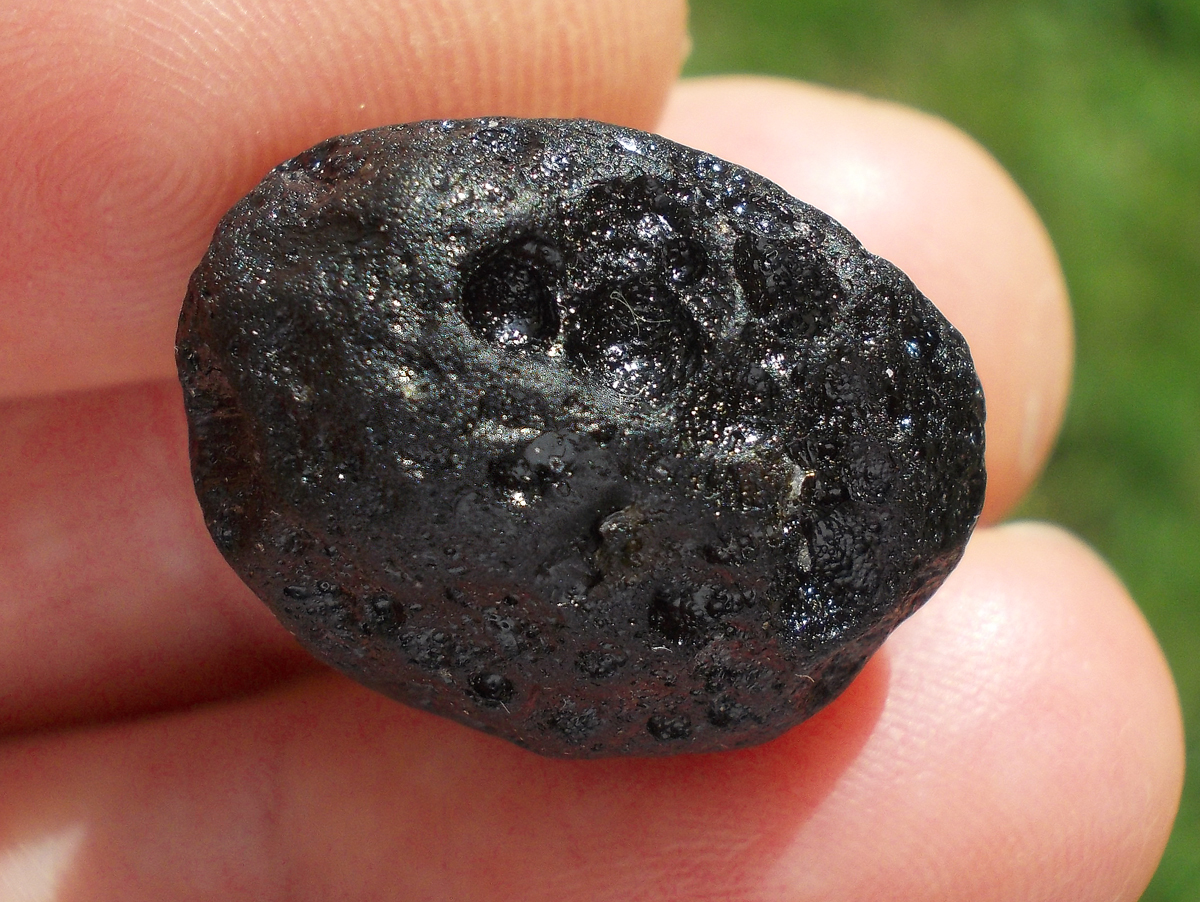
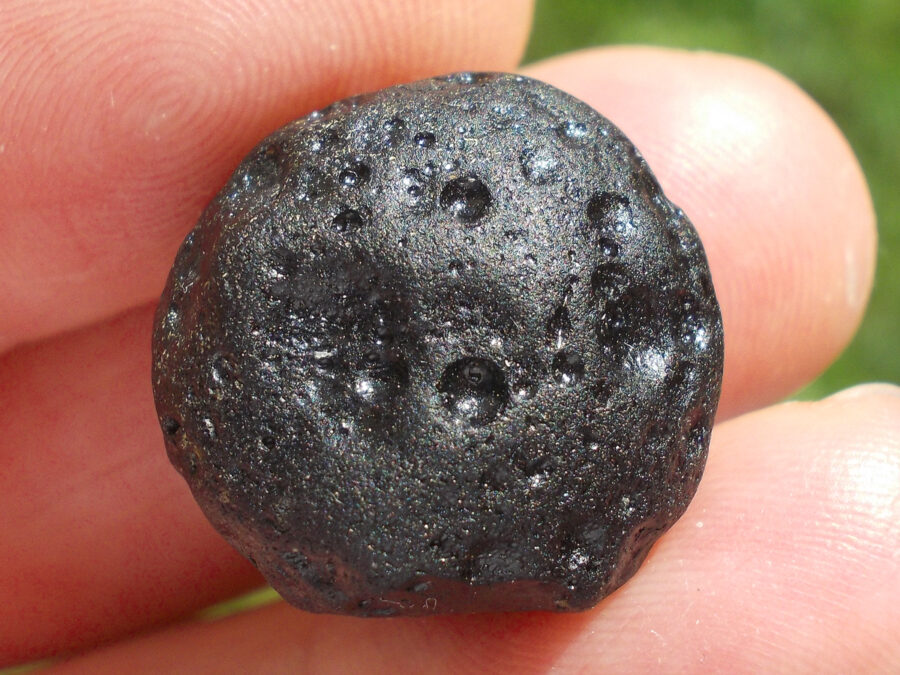
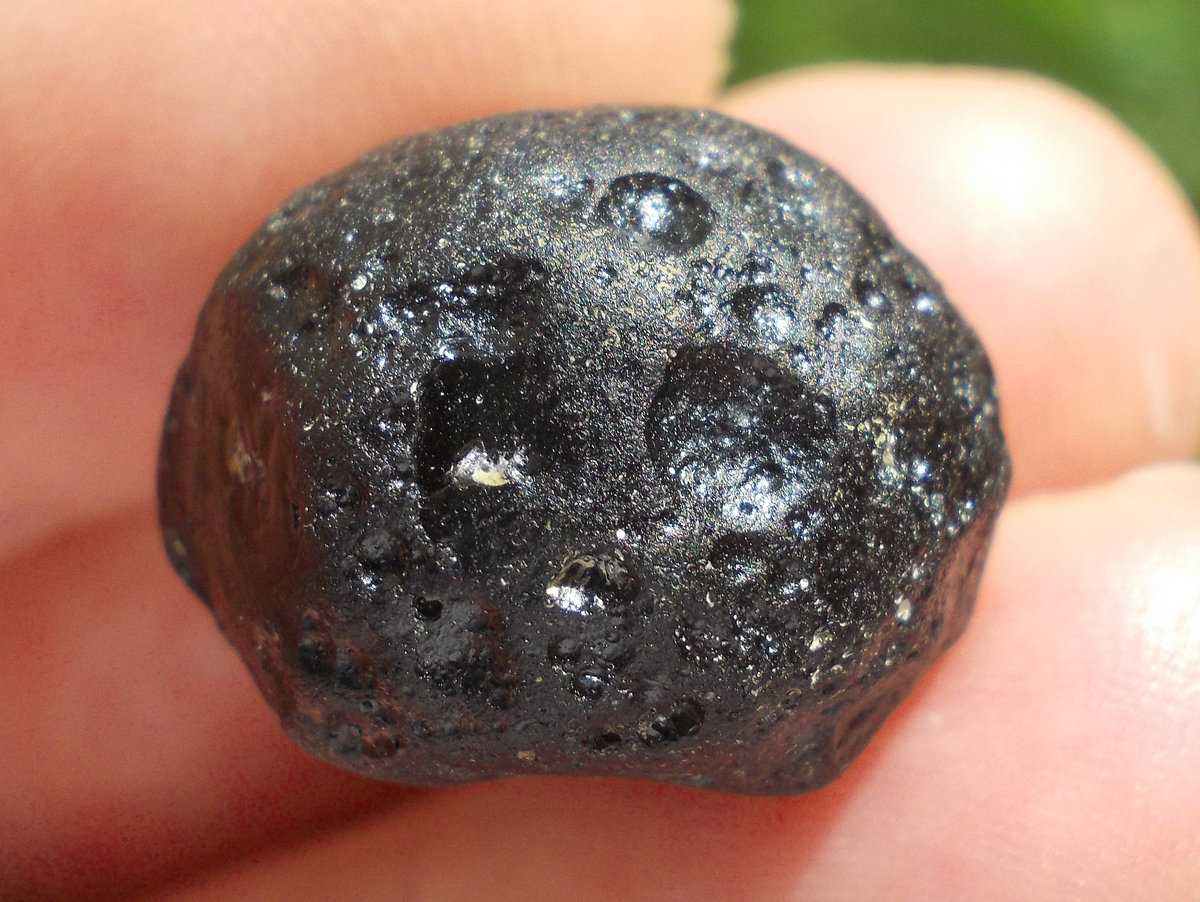
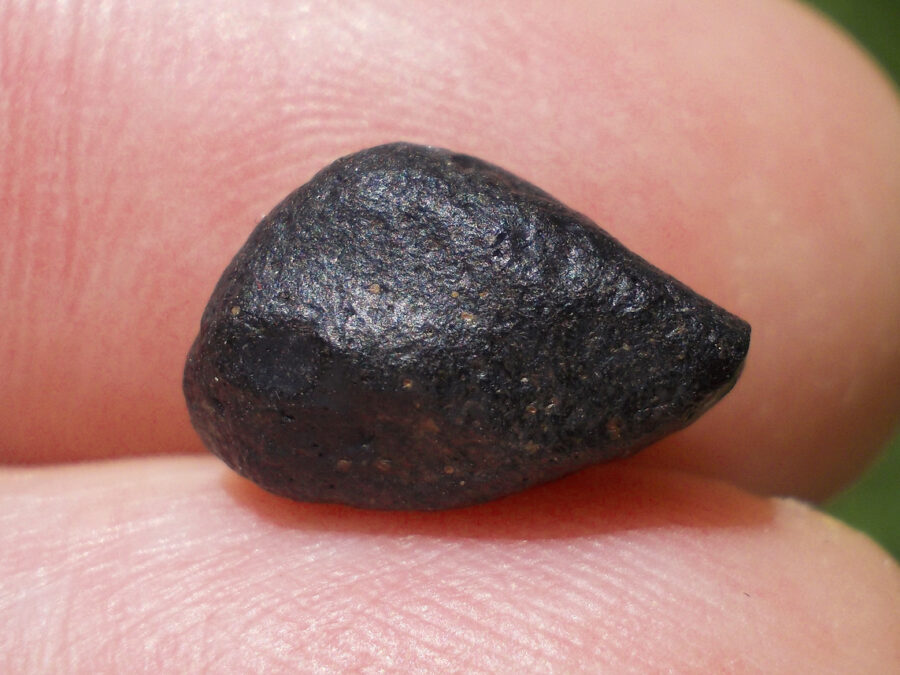
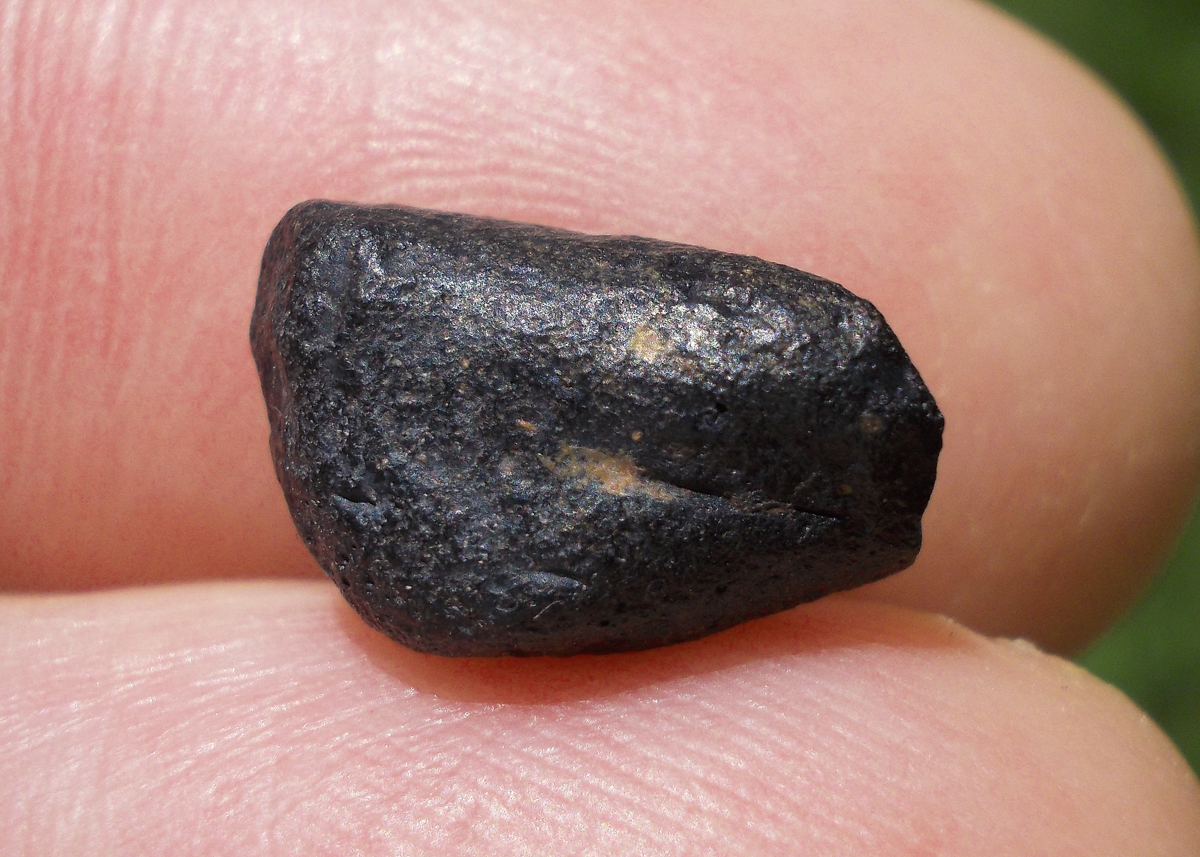
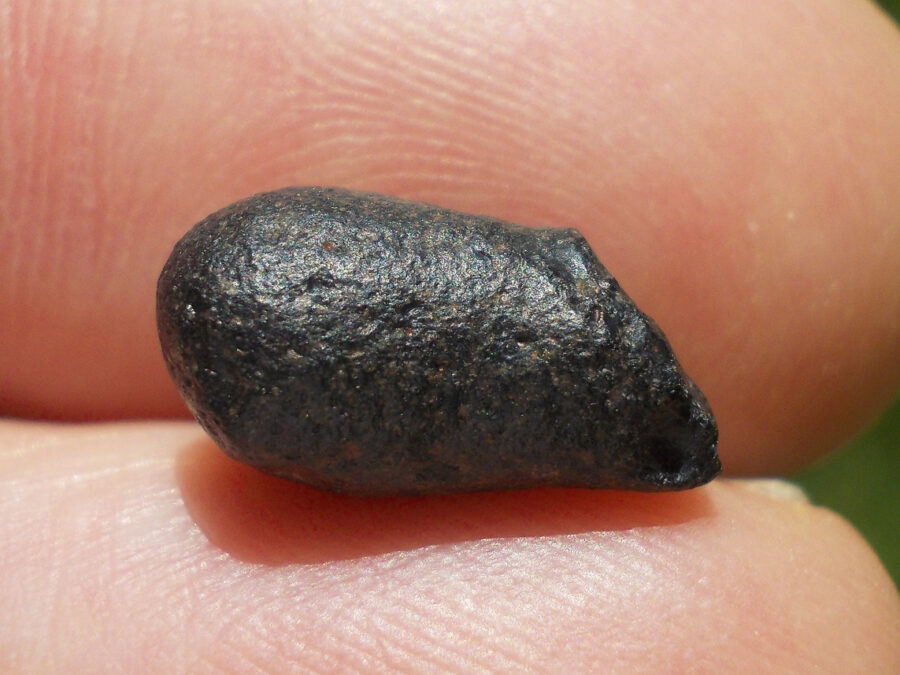
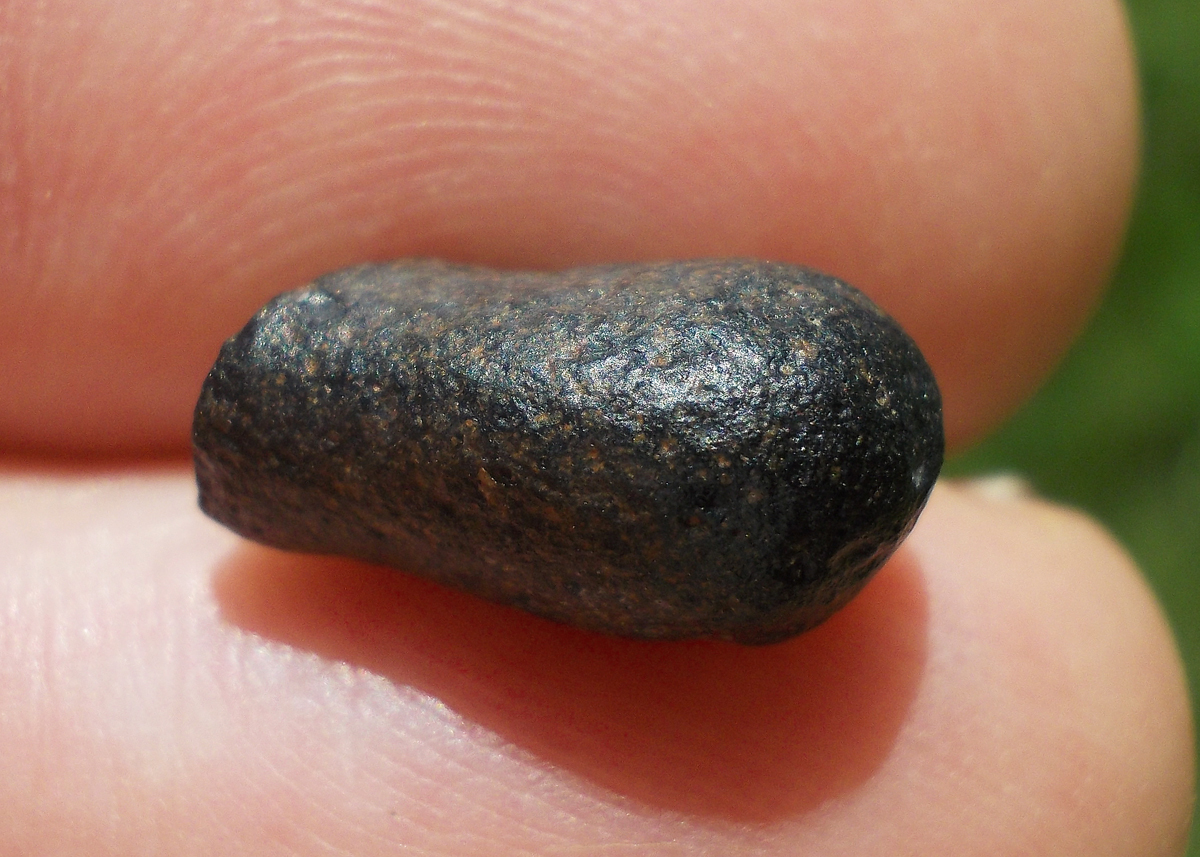
Ivory tectites are the rarest tectites in the world.
I guarantee the authenticity of these ivories, they were purchased directly from the discoverer, Jean-Christophe Flabeau.
Jean-Christophe Flabeau acquired 120 of these tektites at a flea market. They were collected on a cotton plantation in Daoukro in western Ivory Coast between 1955 and 1970.
The parent crater, 10 km in diameter, is located in Ghana.
Ivory tectites are the rarest tectites in the world.
I guarantee the authenticity of these ivories, they were purchased directly from the discoverer, Jean-Christophe Flabeau.
Jean-Christophe Flabeau acquired 120 of these tektites at a flea market. They were collected on a cotton plantation in Daoukro in western Ivory Coast between 1955 and 1970.
The parent crater, 10 km in diameter, is located in Ghana.
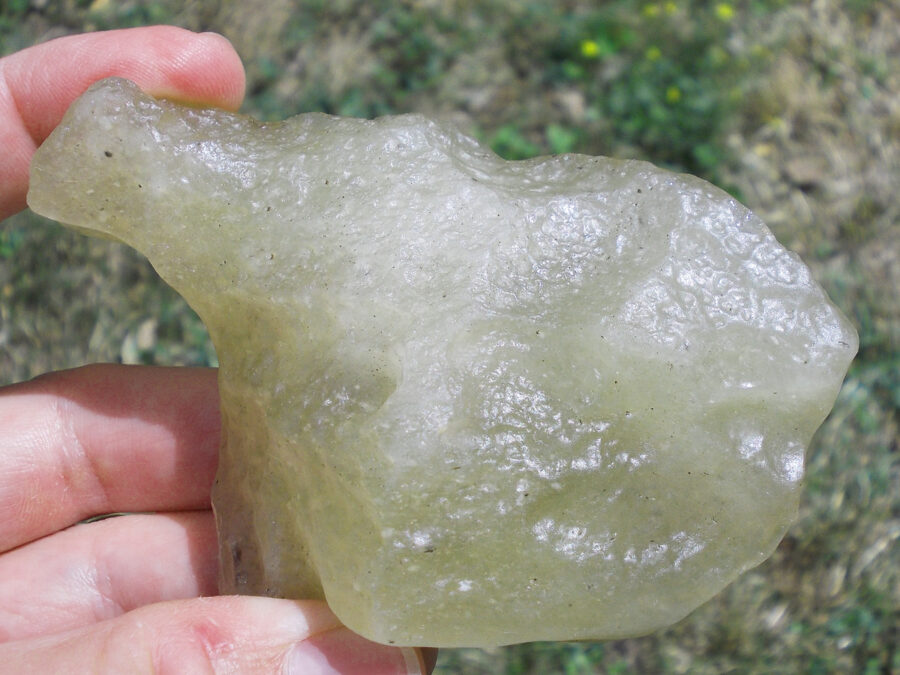
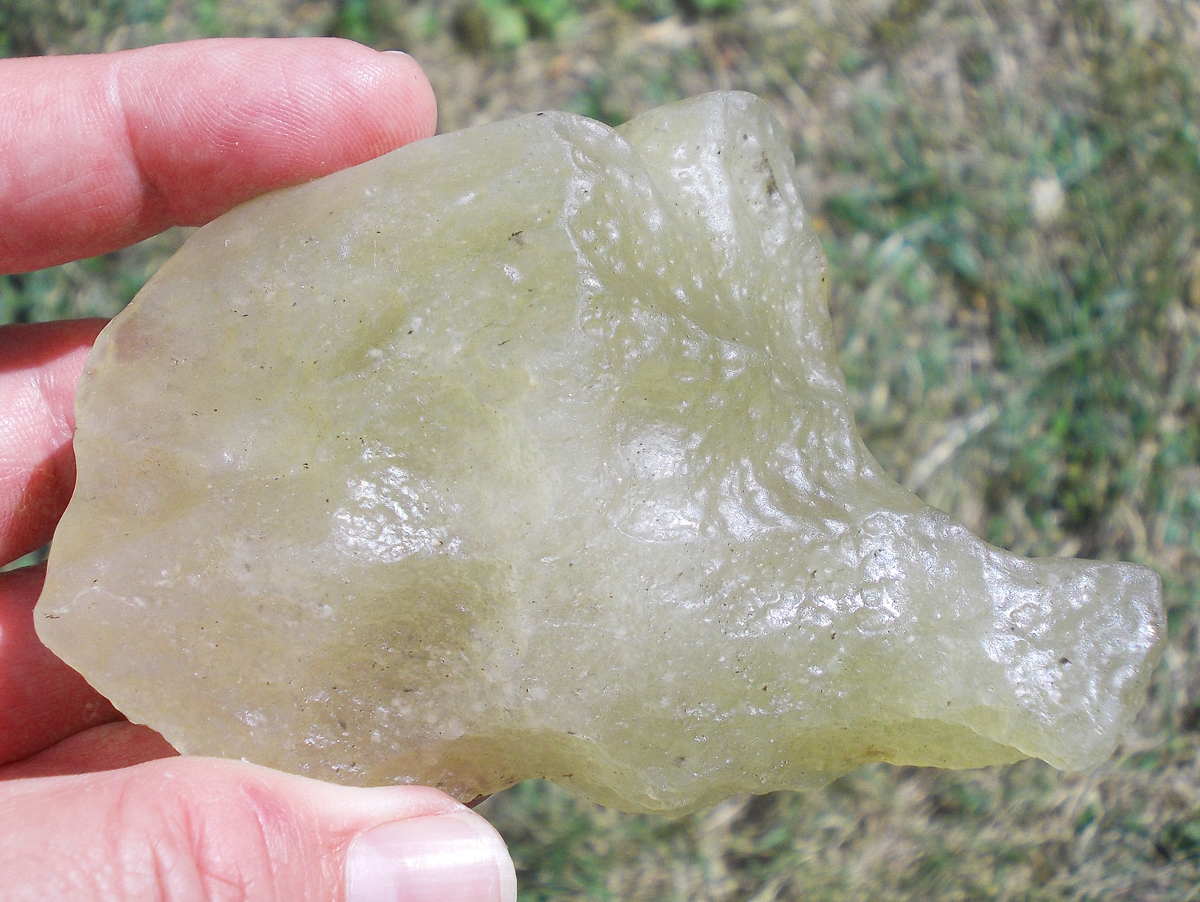
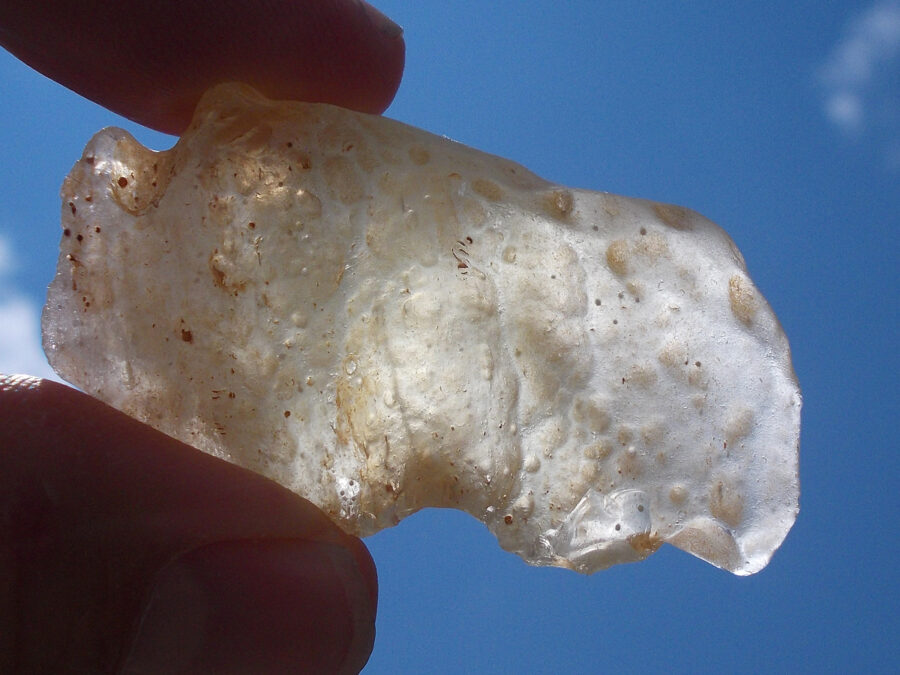
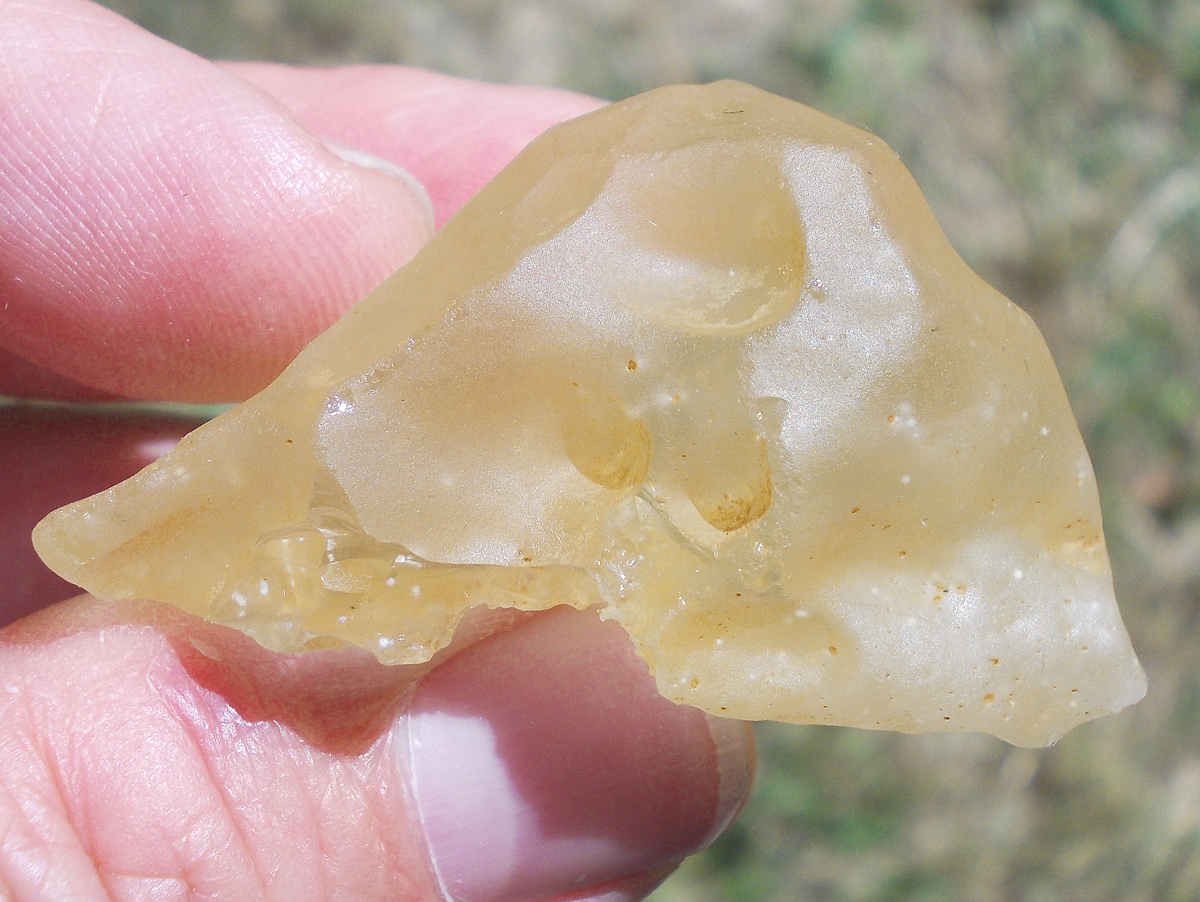
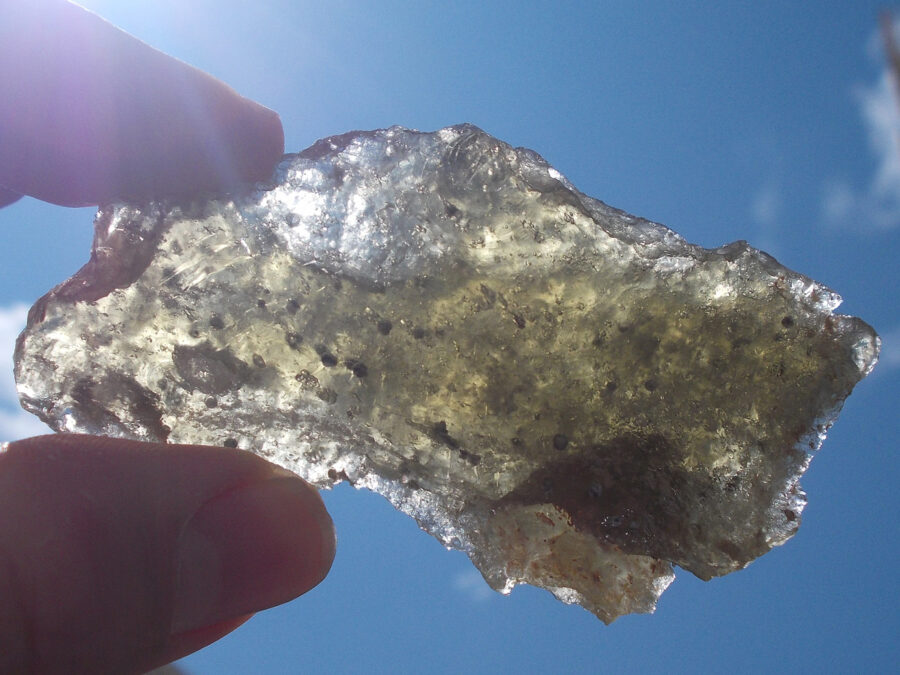
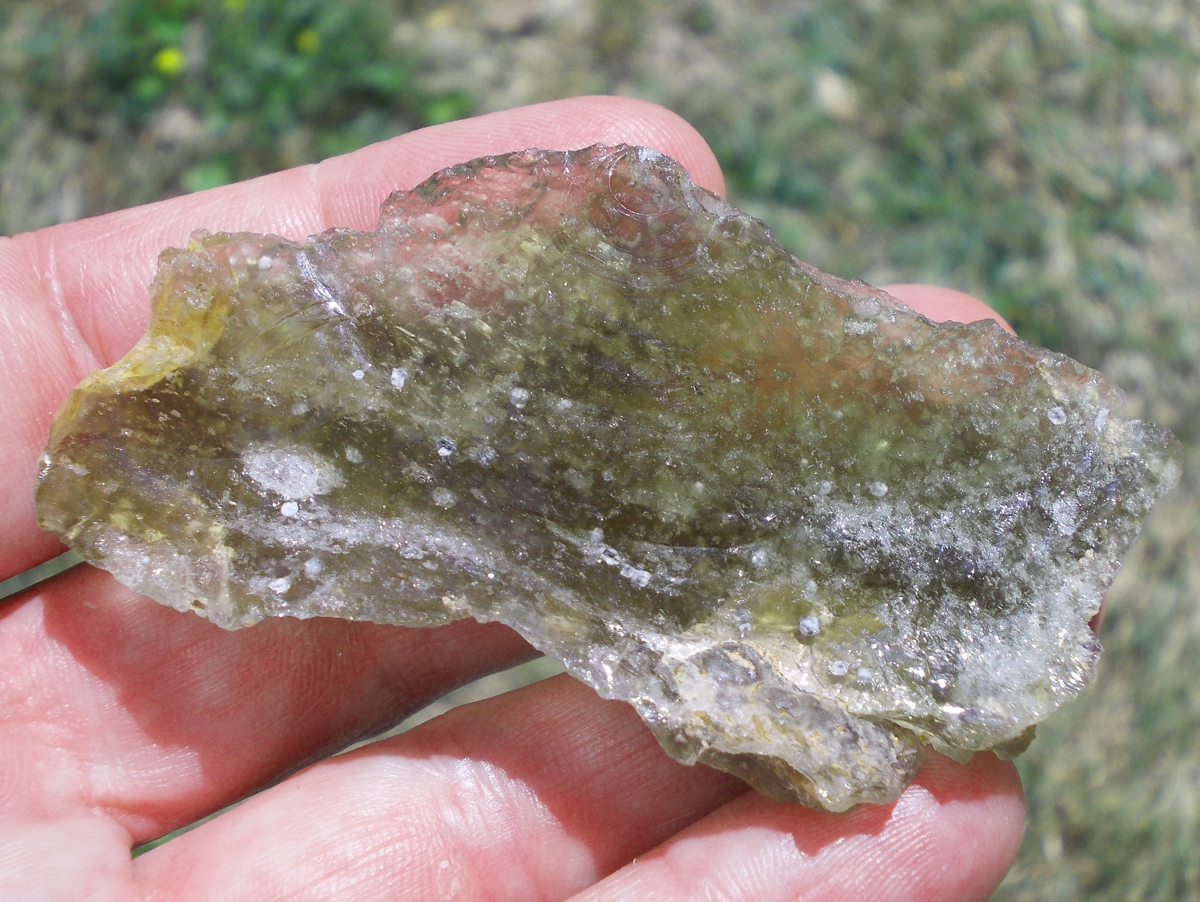
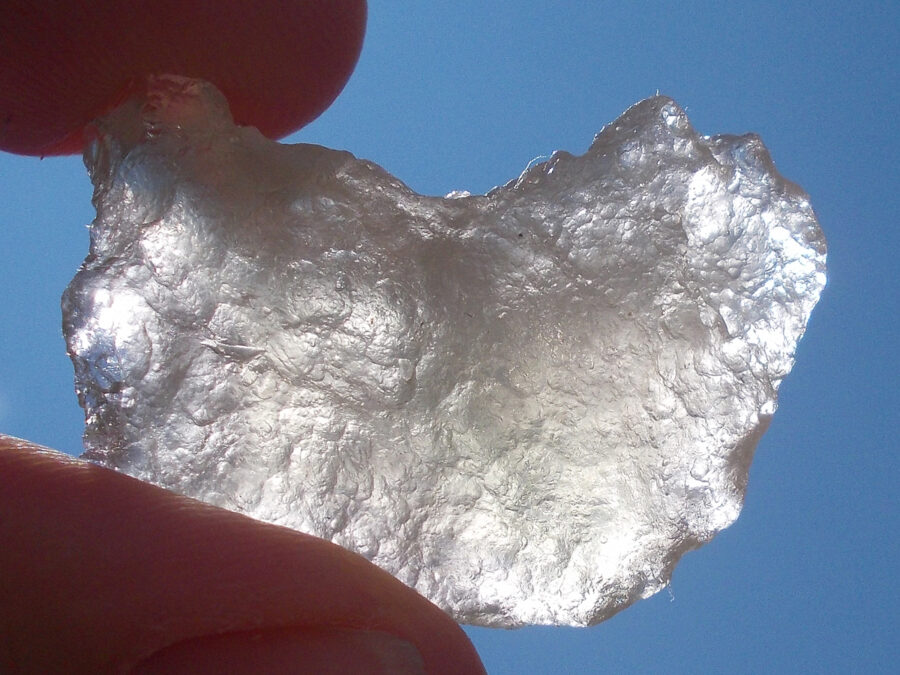
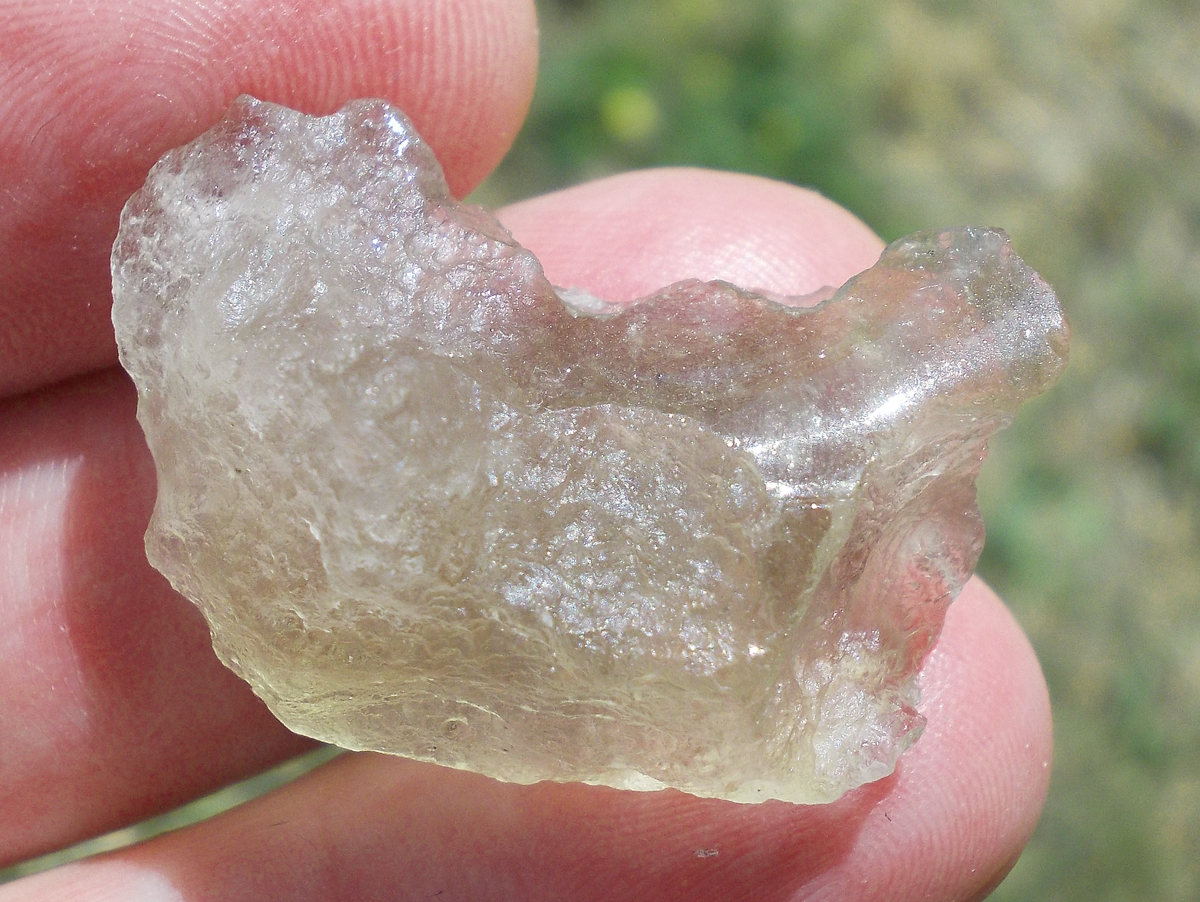
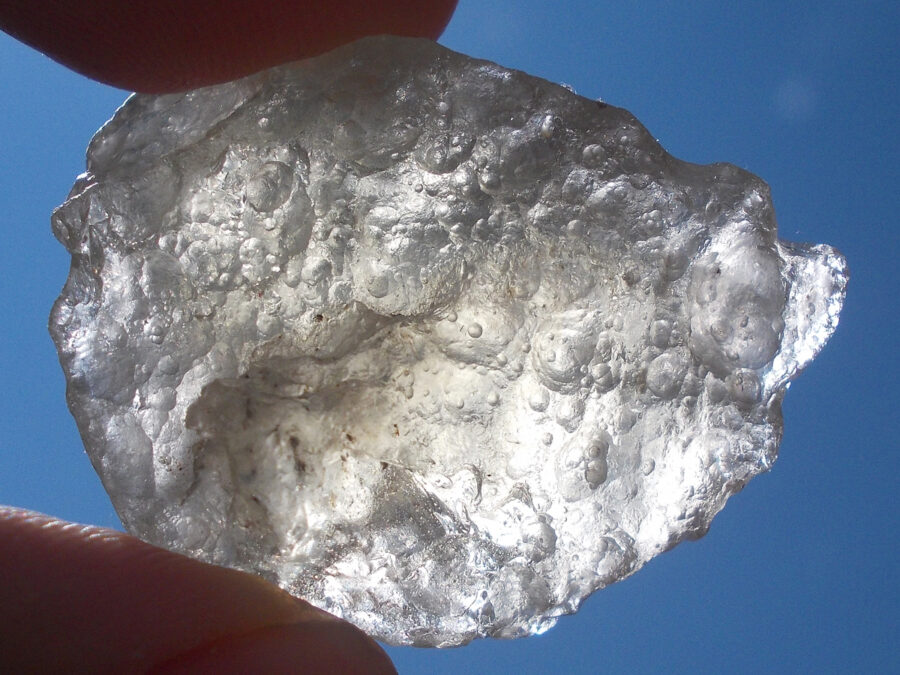
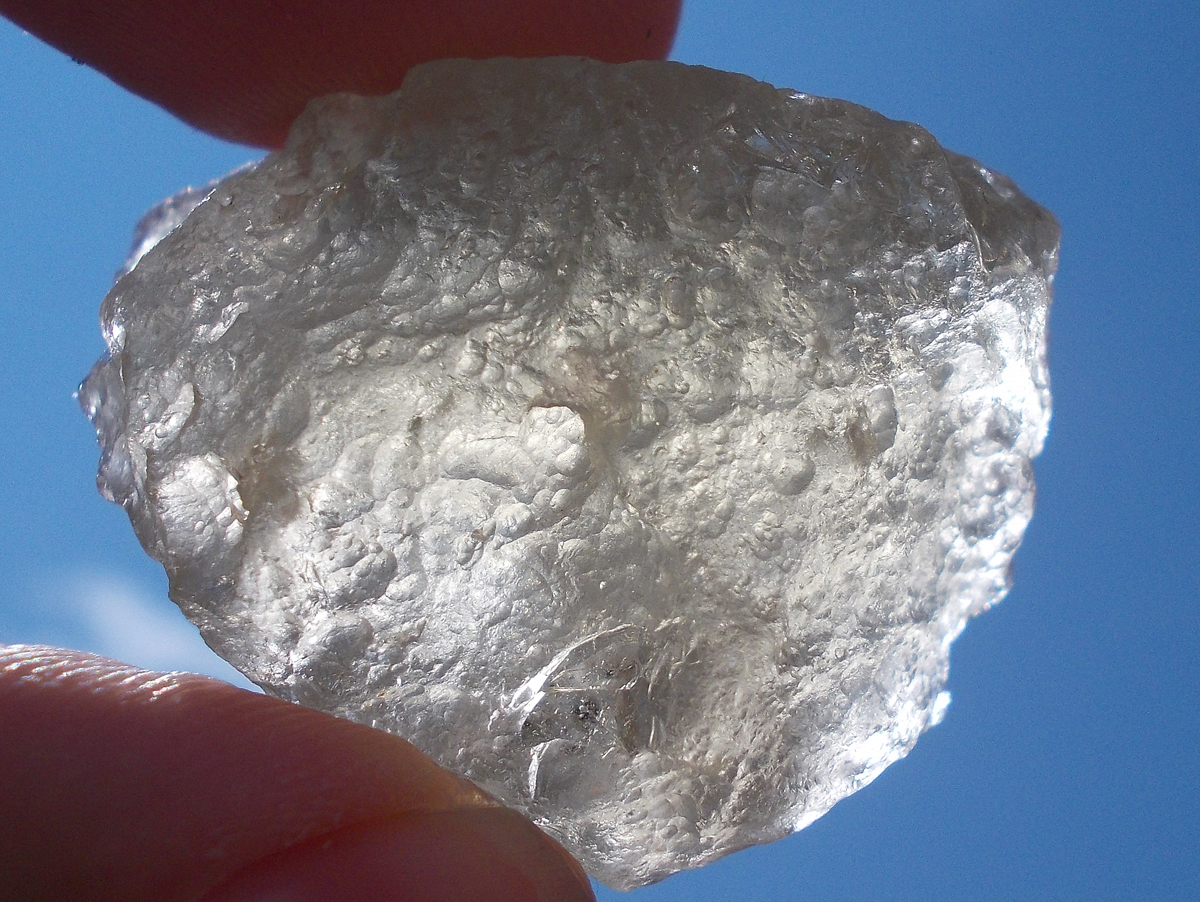
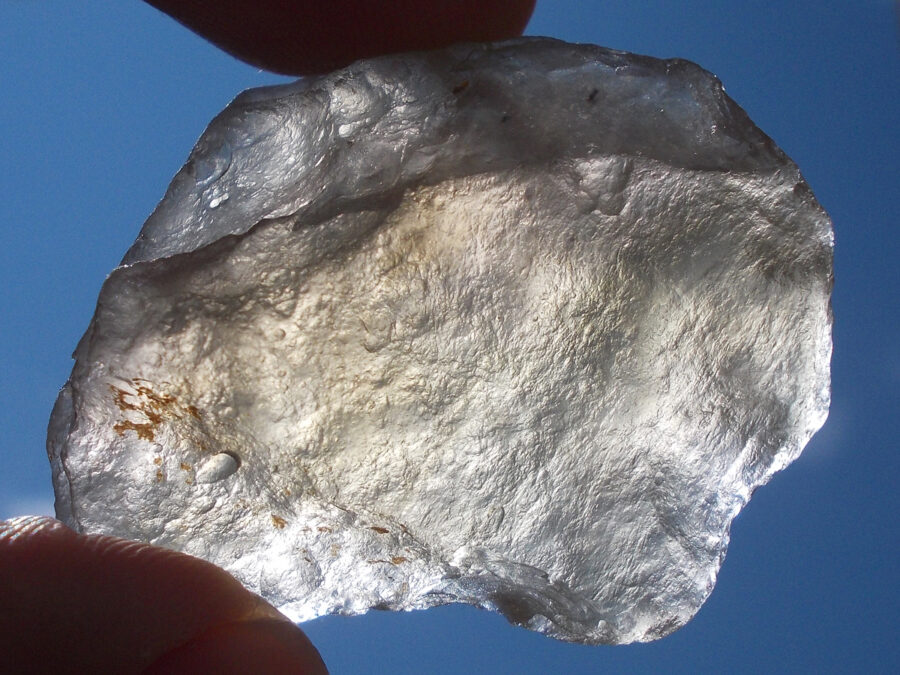
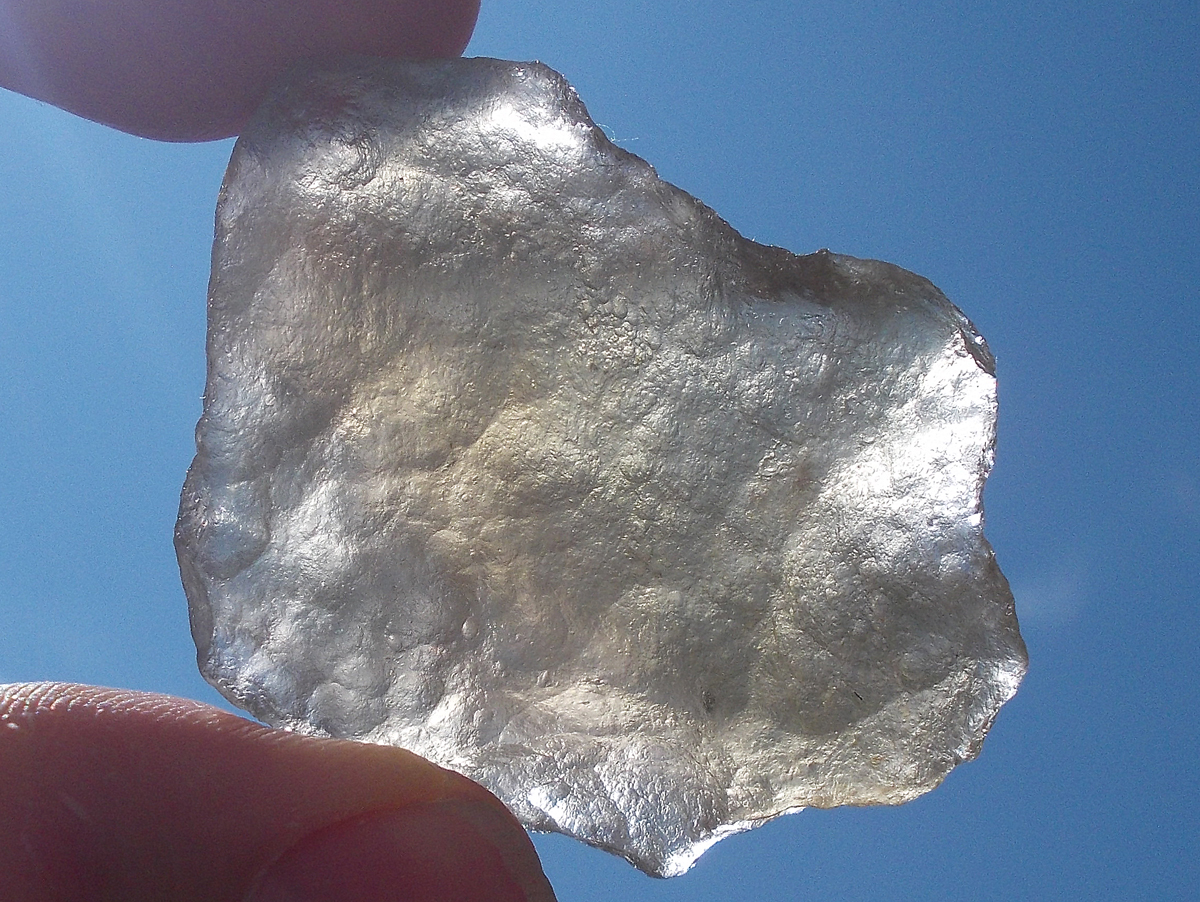
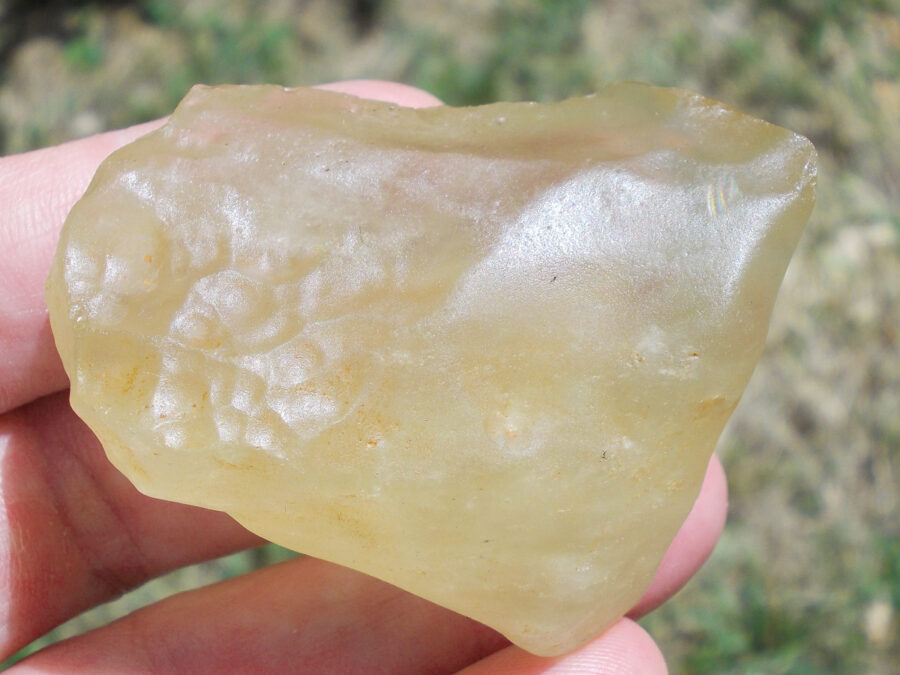
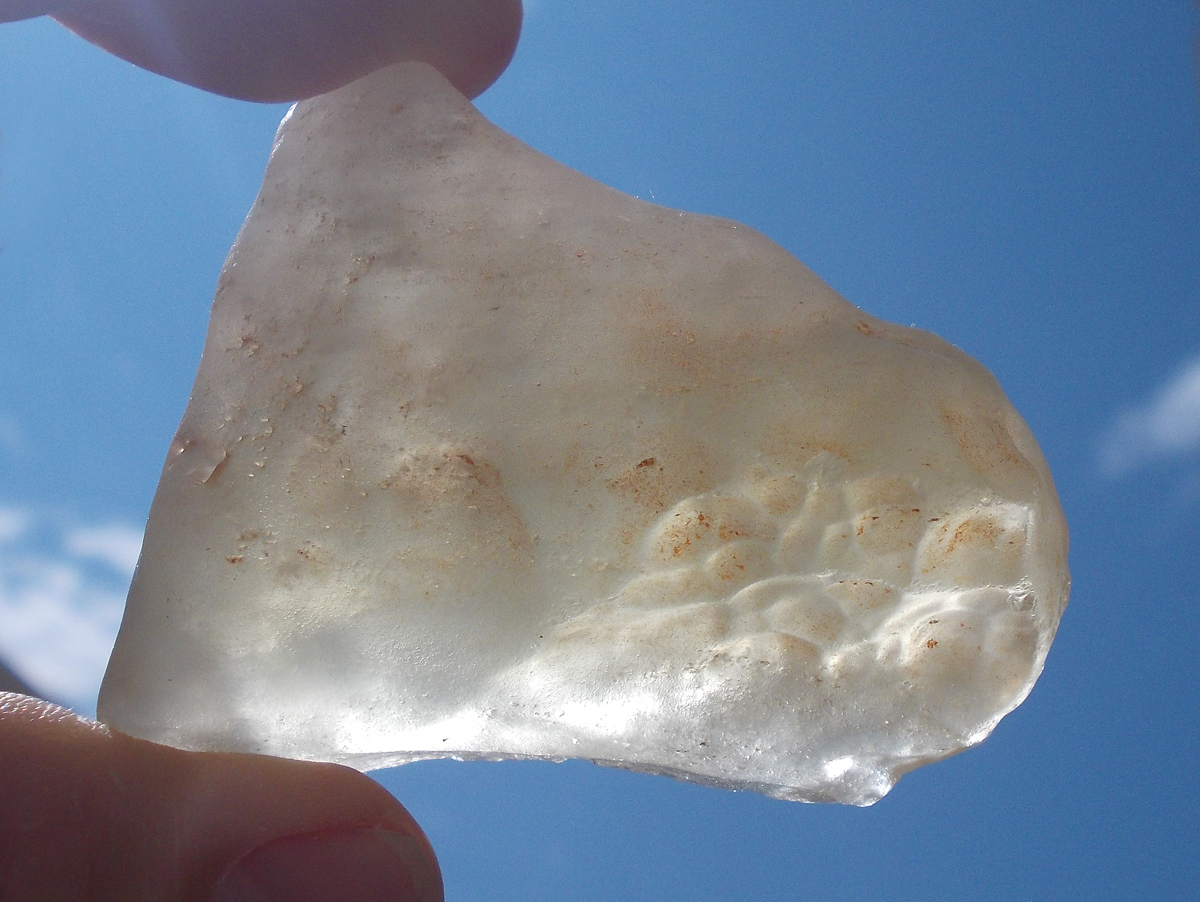
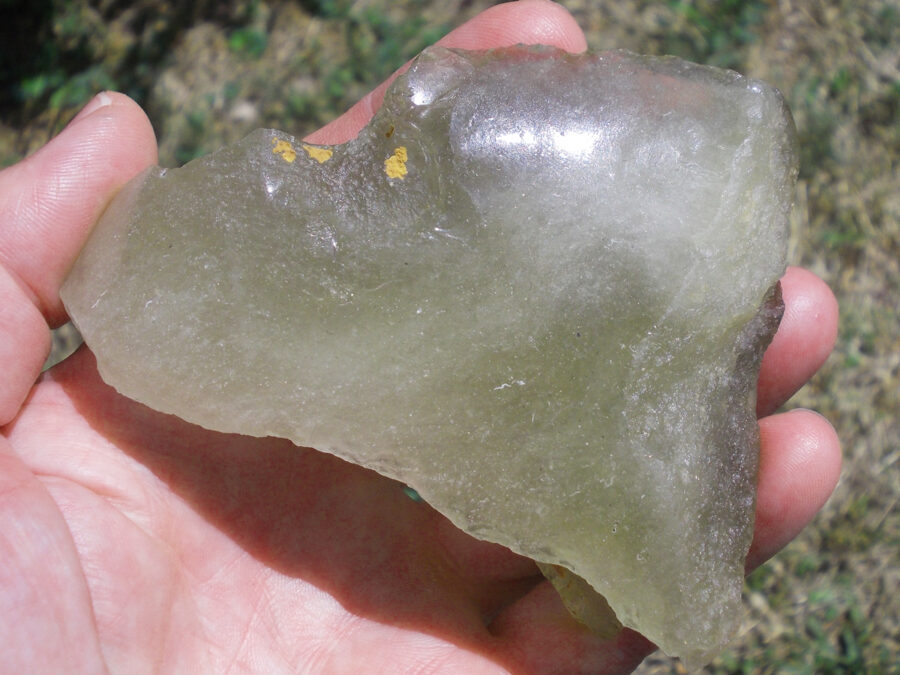
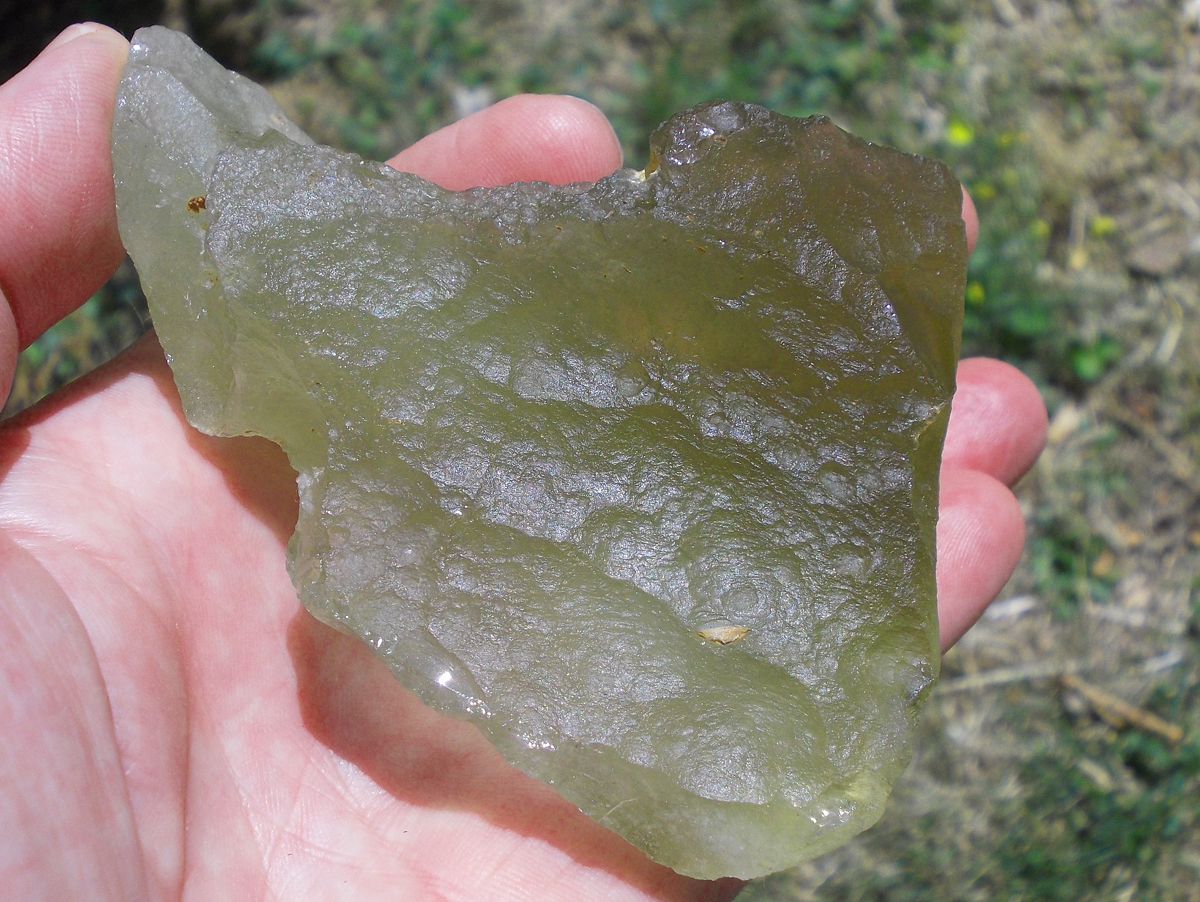
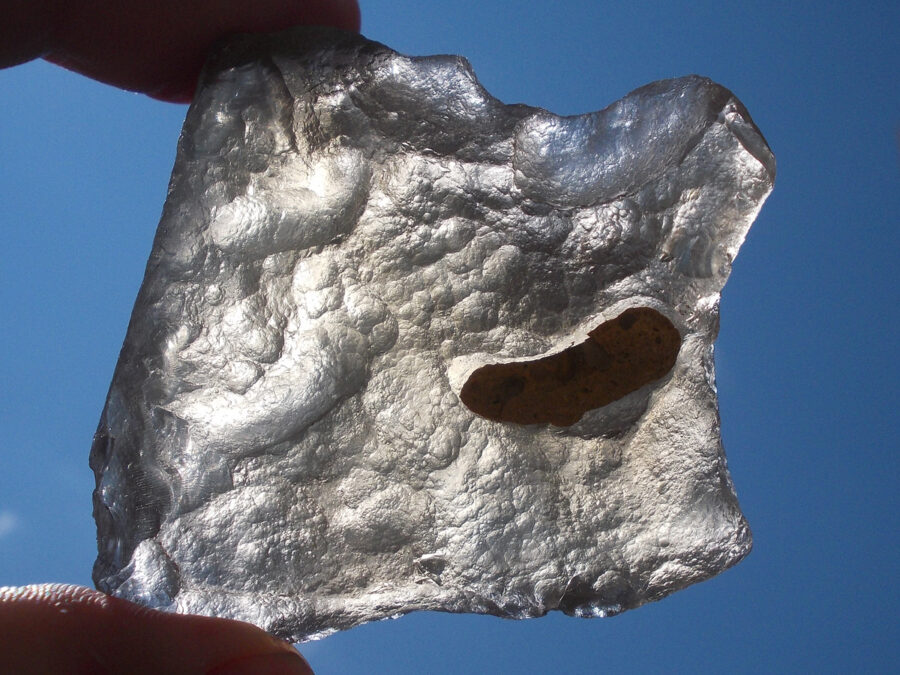
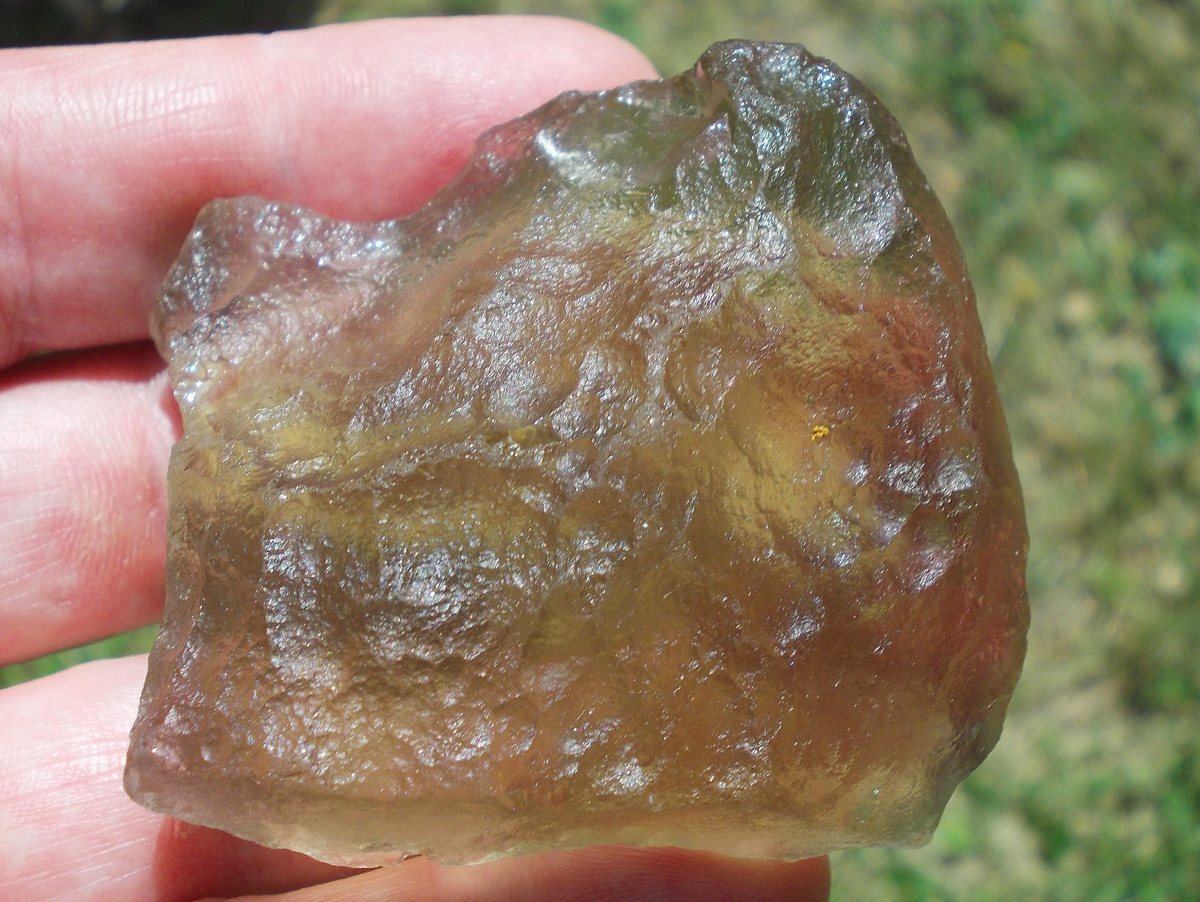
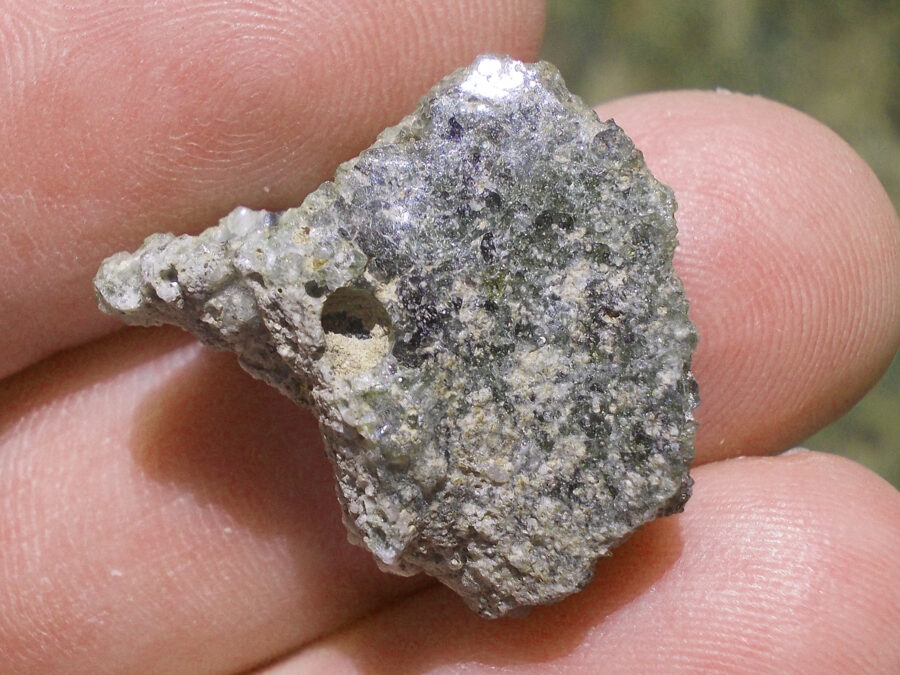
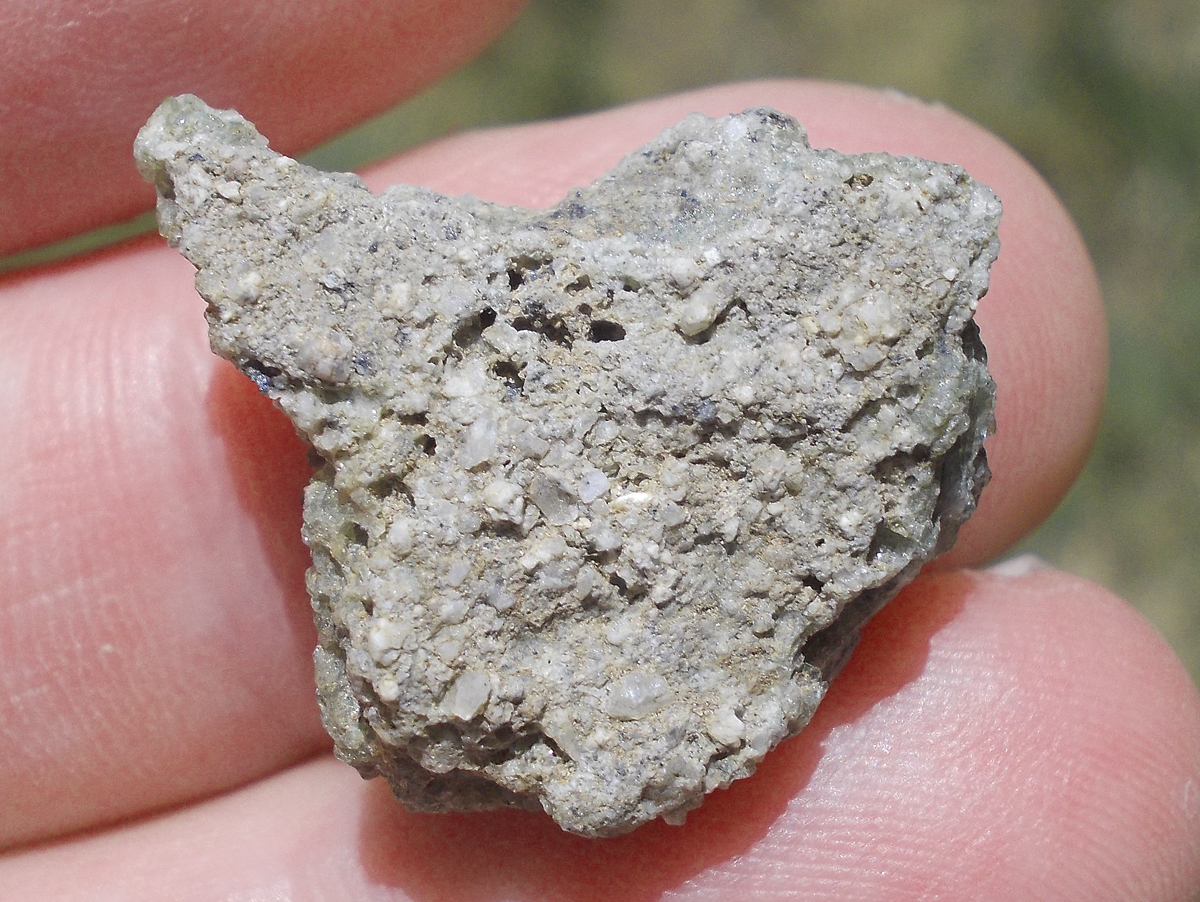
Libyan glass is a natural glass that is very rich in silica. It is believed to have been formed by the fusion of sand during an explosion or meteorite impact in the Great Sand Sea of the Libyan Desert in western Egypt. A cometary origin may also be considered. In fact, oblique impacts with closed angles can also melt a significant amount of rock.
Libyan glass is a natural glass that is very rich in silica. It is believed to have been formed by the fusion of sand during the explosion or impact of a meteorite in the Great Sand Sea of the Libyan Desert in western Egypt. A cometary origin may also be considered. Indeed, oblique impacts with closed angles can also melt a significant amount of rock.
Libyan glass is a natural glass that is very rich in silica. It is believed to have been formed by the fusion of sand during the explosion or impact of a meteorite in the Great Sand Sea of the Libyan Desert in western Egypt. A cometary origin may also be considered. Indeed, oblique impacts with closed angles can also melt a significant amount of rock.
Libyan glass is a natural glass that is very rich in silica. It is believed to have been formed by the fusion of sand during the explosion or impact of a meteorite in the Great Sand Sea of the Libyan Desert in western Egypt. A cometary origin may also be considered. Indeed, oblique impacts with closed angles can also melt a significant amount of rock.
Libyan glass is a natural glass that is very rich in silica. It is believed to have been formed by the fusion of sand during an explosion or meteorite impact in the Great Sand Sea of the Libyan Desert in western Egypt. A cometary origin may also be considered. In fact, oblique impacts with closed angles can also melt a significant amount of rock.
Libyan glass is a natural glass that is very rich in silica. It is believed to have been formed by the fusion of sand during an explosion or meteorite impact in the Great Sand Sea of the Libyan Desert in western Egypt. A cometary origin may also be considered. In fact, oblique impacts with closed angles can also melt a significant amount of rock.
Libyan glass is a natural glass that is very rich in silica. It is believed to have been formed by the fusion of sand during an explosion or meteorite impact in the Great Sand Sea of the Libyan Desert in western Egypt. A cometary origin may also be considered. In fact, oblique impacts with closed angles can also melt a significant amount of rock.
Libyan glass is a natural glass that is very rich in silica. It is believed to have been formed by the fusion of sand during an explosion or meteorite impact in the Great Sand Sea of the Libyan Desert in western Egypt. A cometary origin may also be considered. In fact, oblique impacts with closed angles can also melt a significant amount of rock.
Libyan glass is a natural glass that is very rich in silica. It is believed to have been formed by the fusion of sand during the explosion or impact of a meteorite in the Great Sand Sea of the Libyan Desert in western Egypt. A cometary origin may also be considered. Indeed, oblique impacts with closed angles can also melt a significant amount of rock.
Trinitite is a glass made during the first nuclear explosion called Trinity, in Alamogordo, New Mexico on July 16, 1945.
Trinitite is made from the vitrification of the desert sand linked to the different elements of the structure on which the bomb rested and the bomb itself. Recently, researchers discovered that a piece of red Trinitrite took the form of a quasicrystal.
First discovered in the laboratory in the 1980s, quasicrystals also occur in nature, notably in meteorites.
Trinitite is a glass made during the first nuclear explosion called Trinity, in Alamogordo, New Mexico on July 16, 1945.
Trinitite is made from the vitrification of the desert sand linked to the different elements of the structure on which the bomb rested and the bomb itself. Recently, researchers discovered that a piece of red Trinitrite took the form of a quasicrystal.
First discovered in the laboratory in the 1980s, quasicrystals also occur in nature, notably in meteorites.
Trinitite is a glass made during the first nuclear explosion called Trinity, in Alamogordo, New Mexico on July 16, 1945.
Trinitite is made from the vitrification of the desert sand linked to the different elements of the structure on which the bomb rested and the bomb itself. Recently, researchers discovered that a piece of red Trinitrite took the form of a quasicrystal.
First discovered in the laboratory in the 1980s, quasicrystals also occur in nature, notably in meteorites.
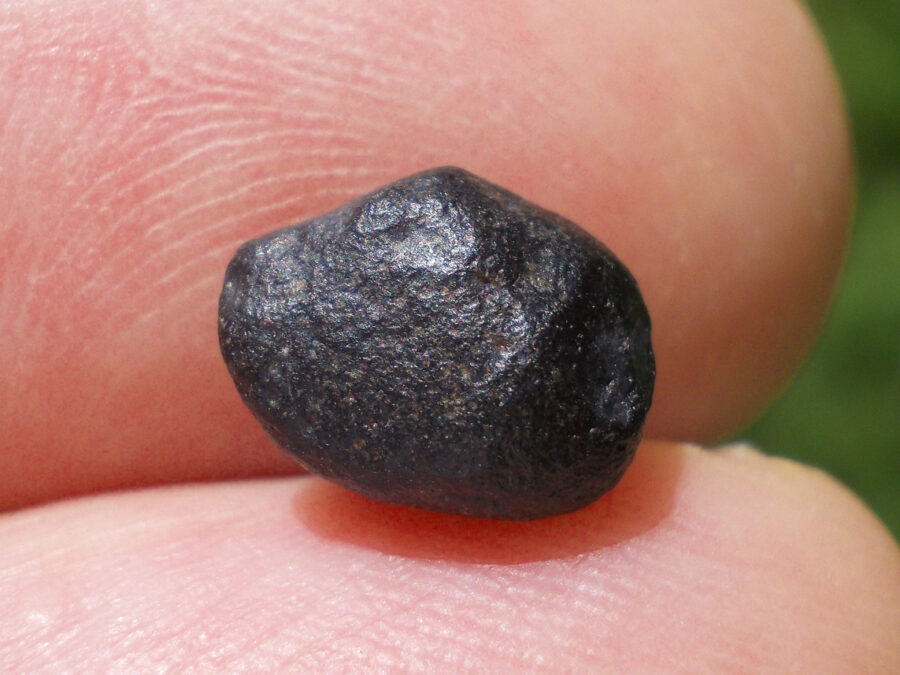
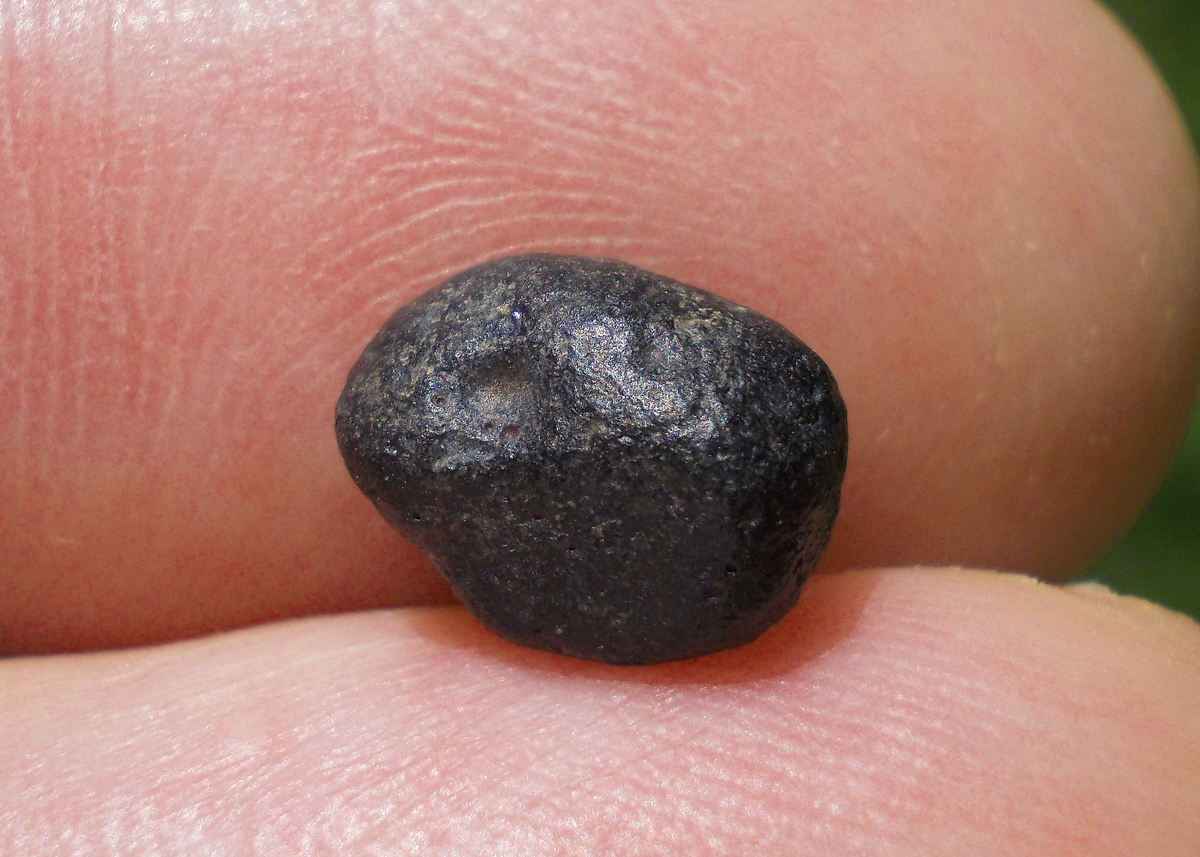
The Atacamaites were discovered in the Atacama desert in Chile.
They are black and glassy objects of about 1 cm, they were formed following an impact about 7.8 million years ago.
Their small size, heterogeneity, state of oxidation and level of contamination distinguish them from tektites, which is why a study conducted by J. Gattacceca, Bertrand Devouard, Jean-Alix J-A Barrat, Pierre Rochette, M.L. Balestrieri, G. Bigazzi, G. Ménard, F. Moustard, E. dos Santos, R. Scorzelli, proposes to name them “tektoids”.
The impactor was an iron meteorite, most probably of the IIAB group.
The Atacamaites were discovered in the Atacama desert in Chile.
They are black and glassy objects of about 1 cm, they were formed following an impact about 7.8 million years ago.
Their small size, heterogeneity, state of oxidation and level of contamination distinguish them from tektites, which is why a study conducted by J. Gattacceca, Bertrand Devouard, Jean-Alix J-A Barrat, Pierre Rochette, M.L. Balestrieri, G. Bigazzi, G. Ménard, F. Moustard, E. dos Santos, R. Scorzelli, proposes to name them “tektoids”.
The impactor was an iron meteorite, most probably of the IIAB group.
The Atacamaites were discovered in the Atacama desert in Chile.
They are black and glassy objects of about 1 cm, they were formed following an impact about 7.8 million years ago.
Their small size, heterogeneity, state of oxidation and level of contamination distinguish them from tektites, which is why a study conducted by J. Gattacceca, Bertrand Devouard, Jean-Alix J-A Barrat, Pierre Rochette, M.L. Balestrieri, G. Bigazzi, G. Ménard, F. Moustard, E. dos Santos, R. Scorzelli, proposes to name them “tektoids”.
The impactor was an iron meteorite, most probably of the IIAB group.