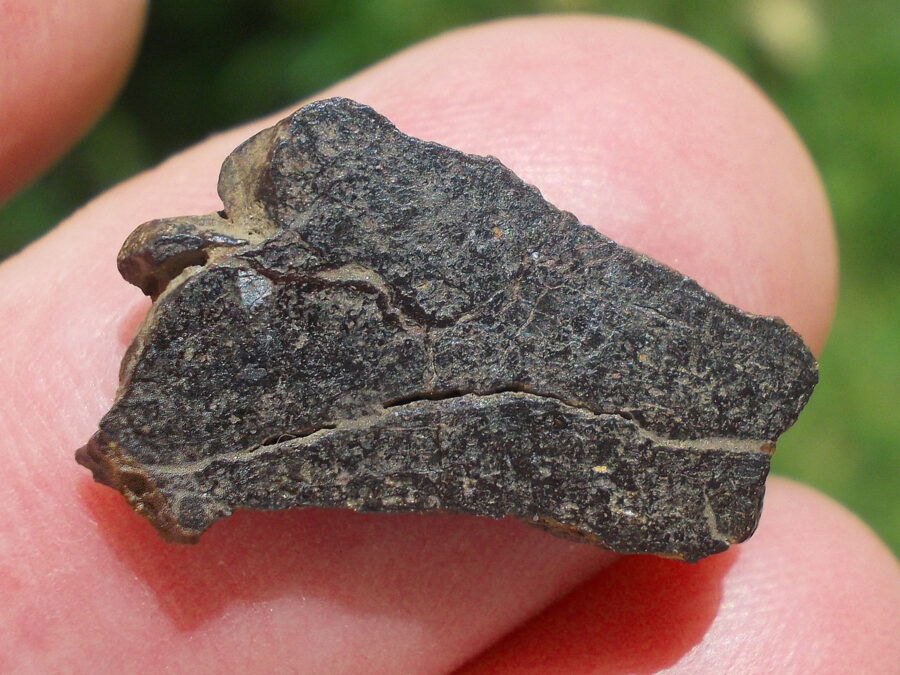
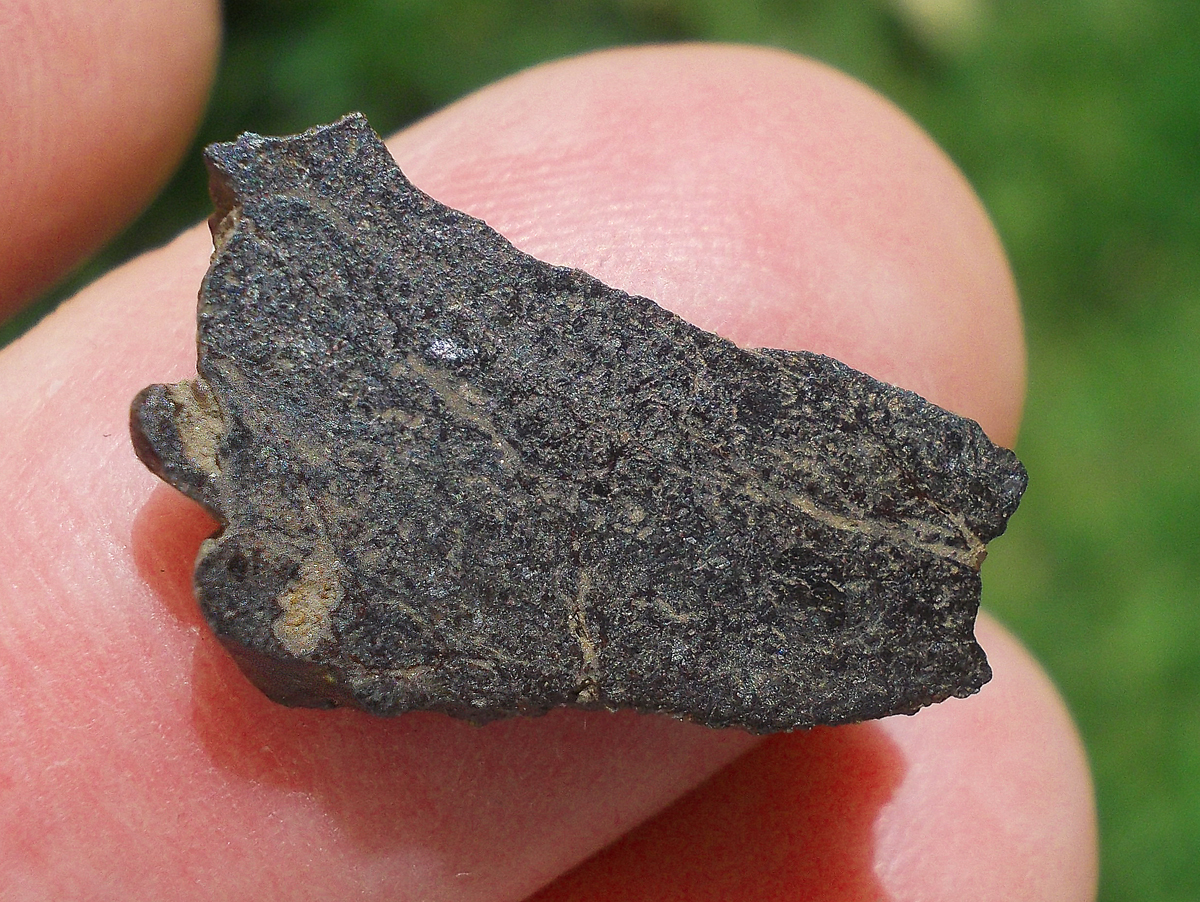
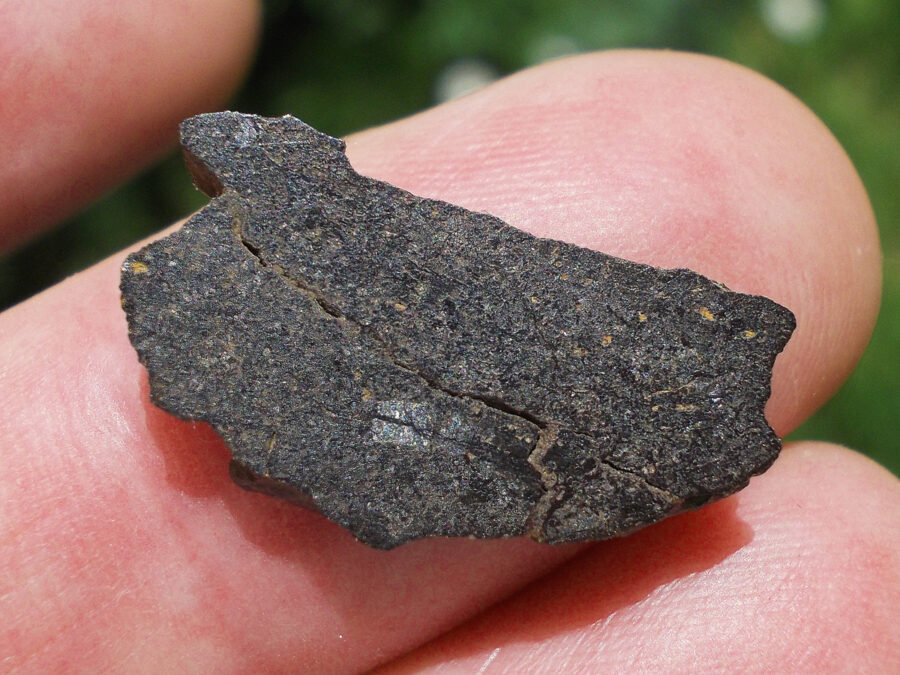
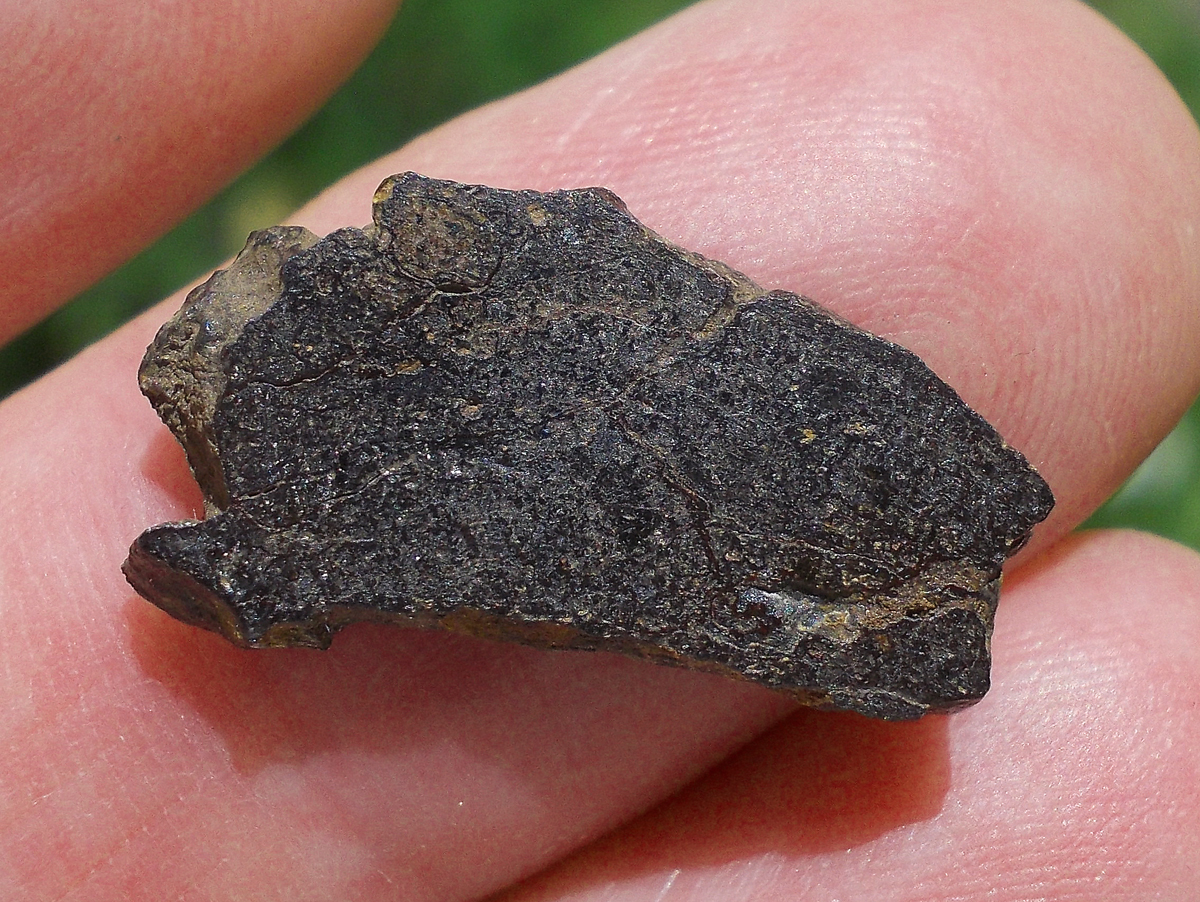
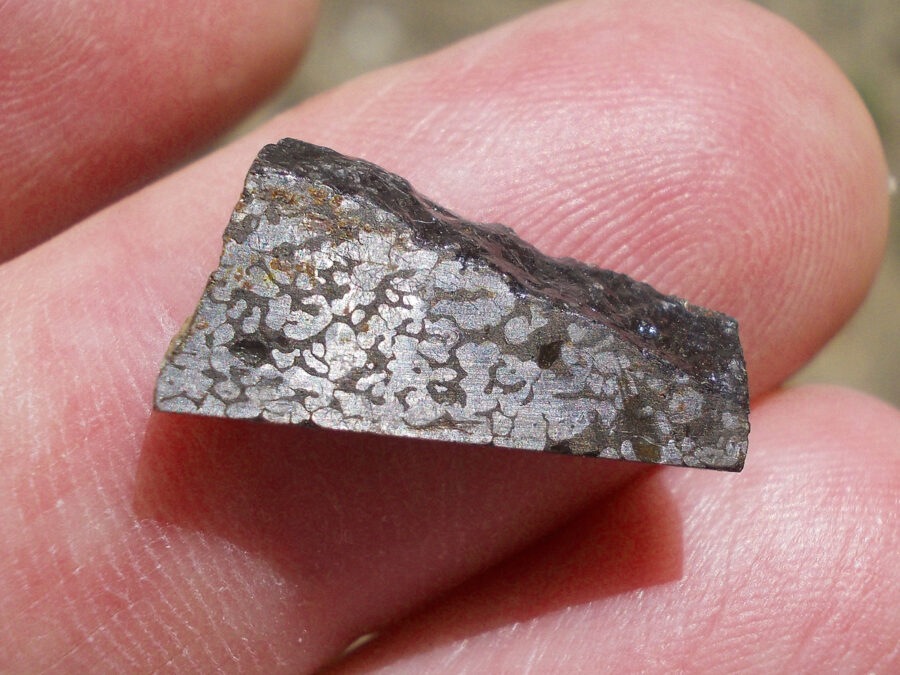
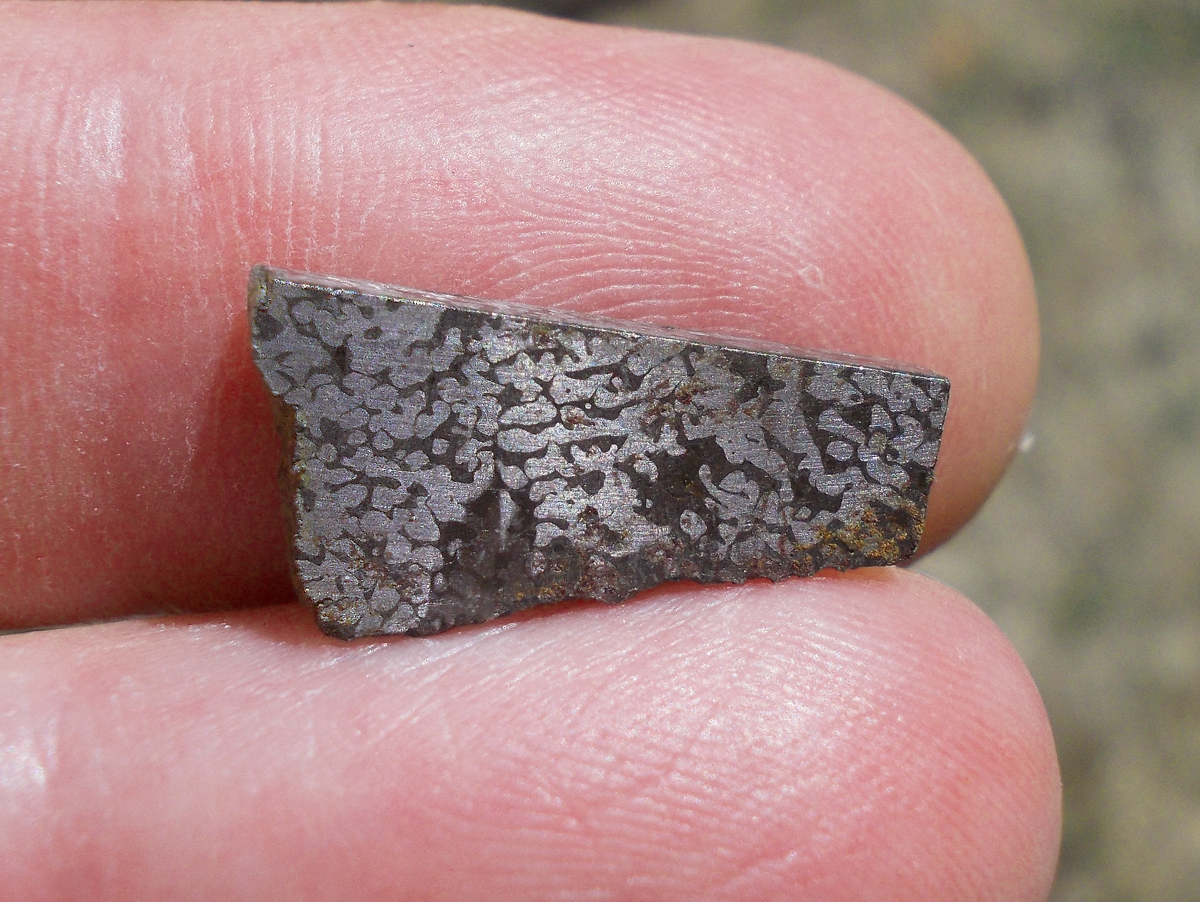
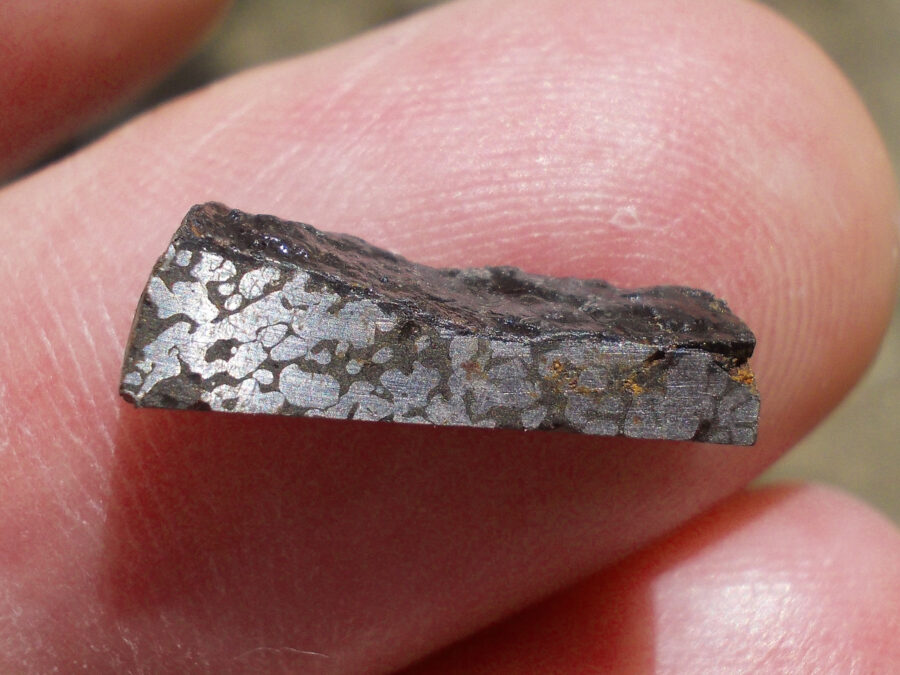
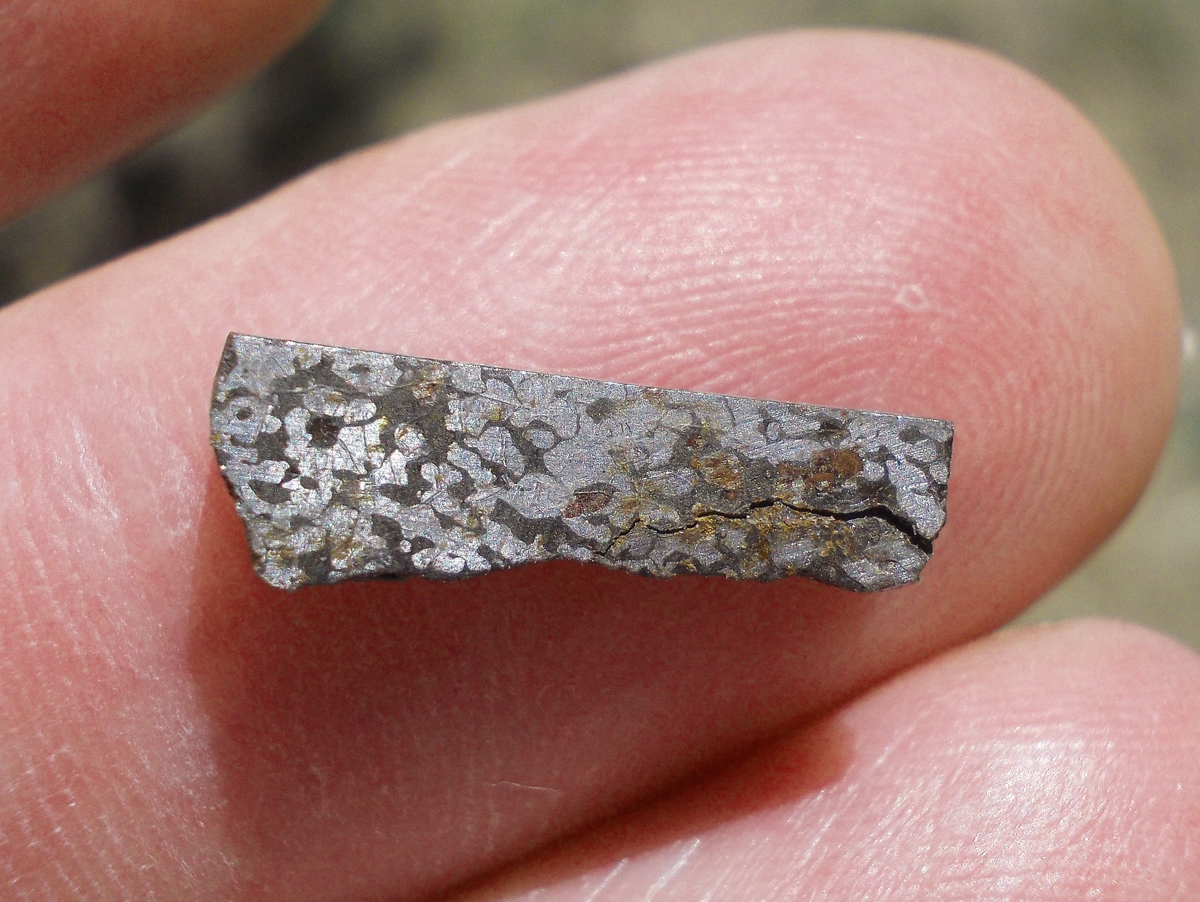
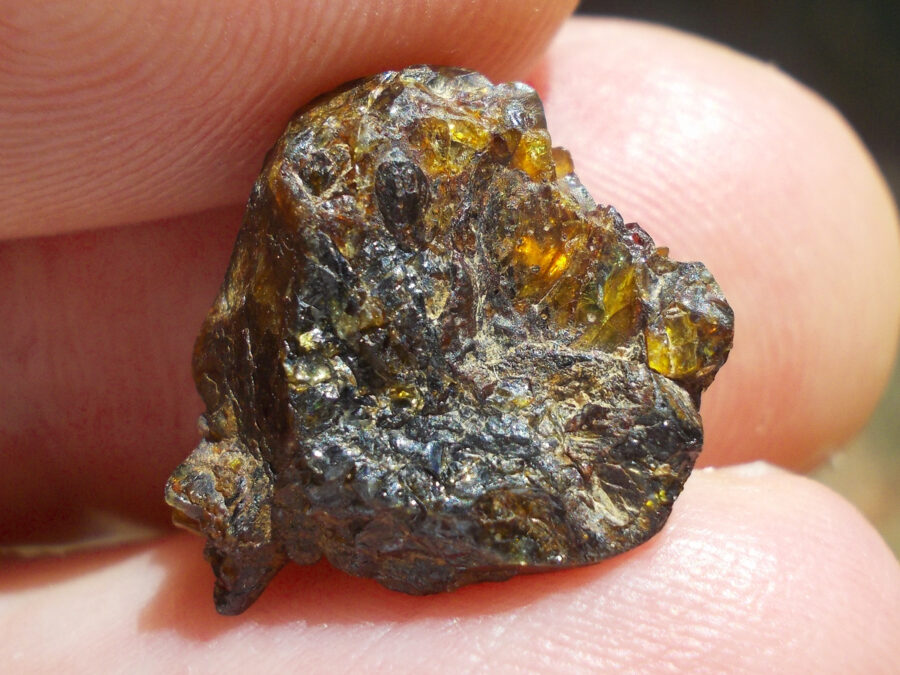
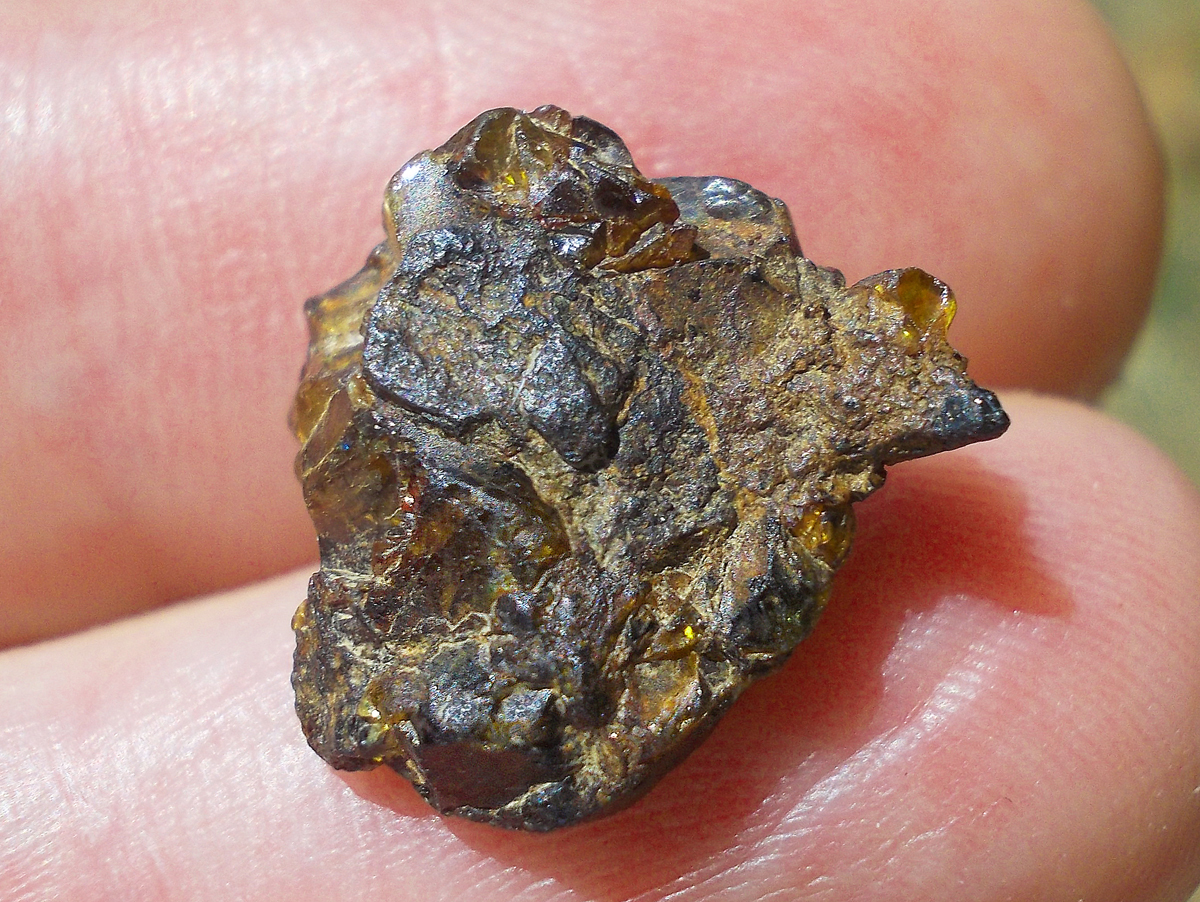
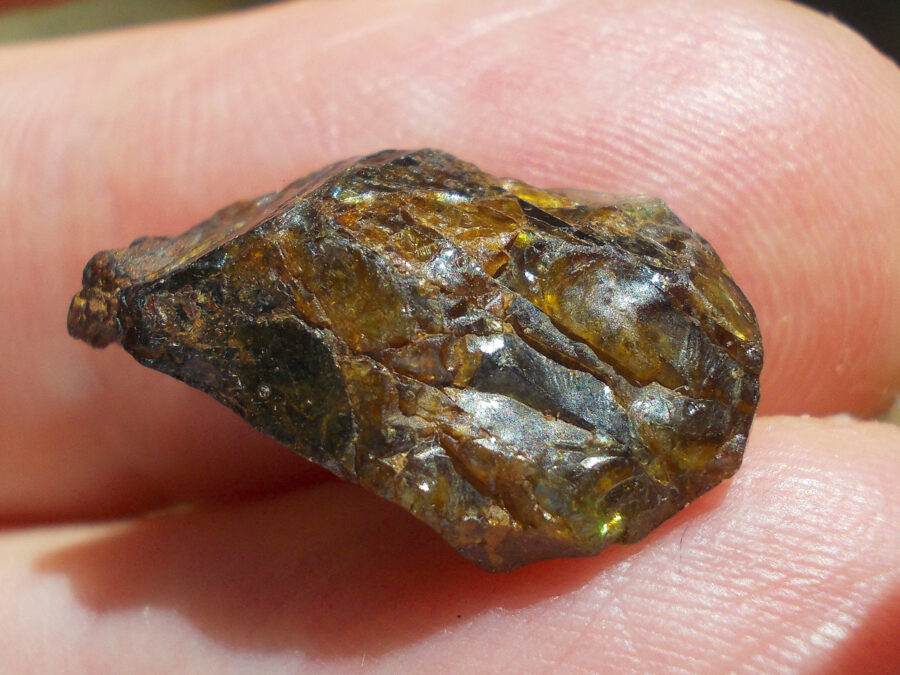
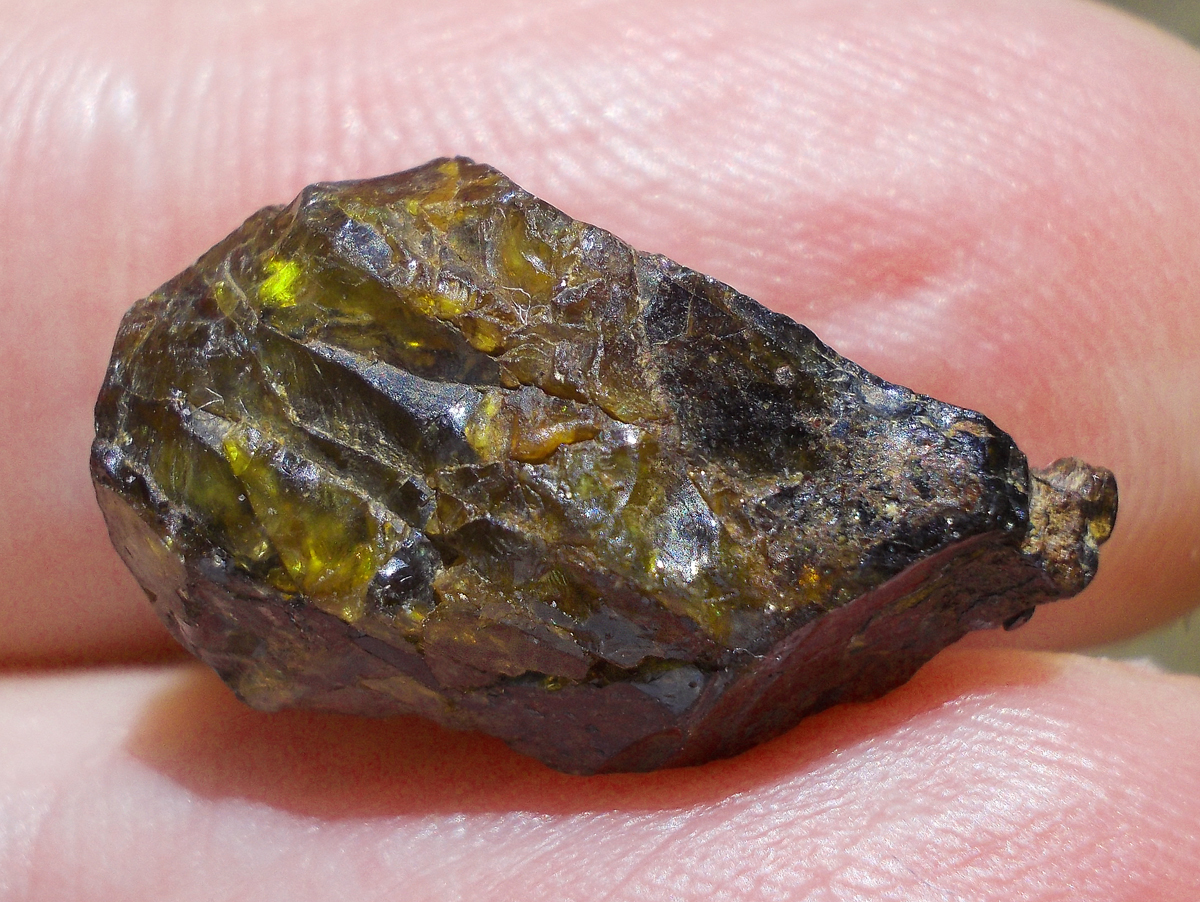
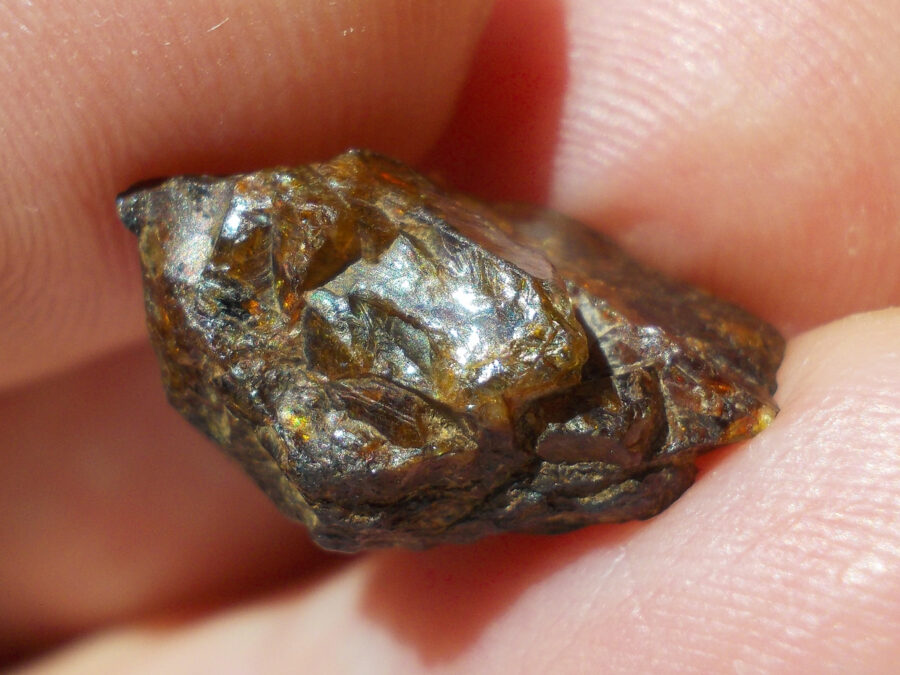
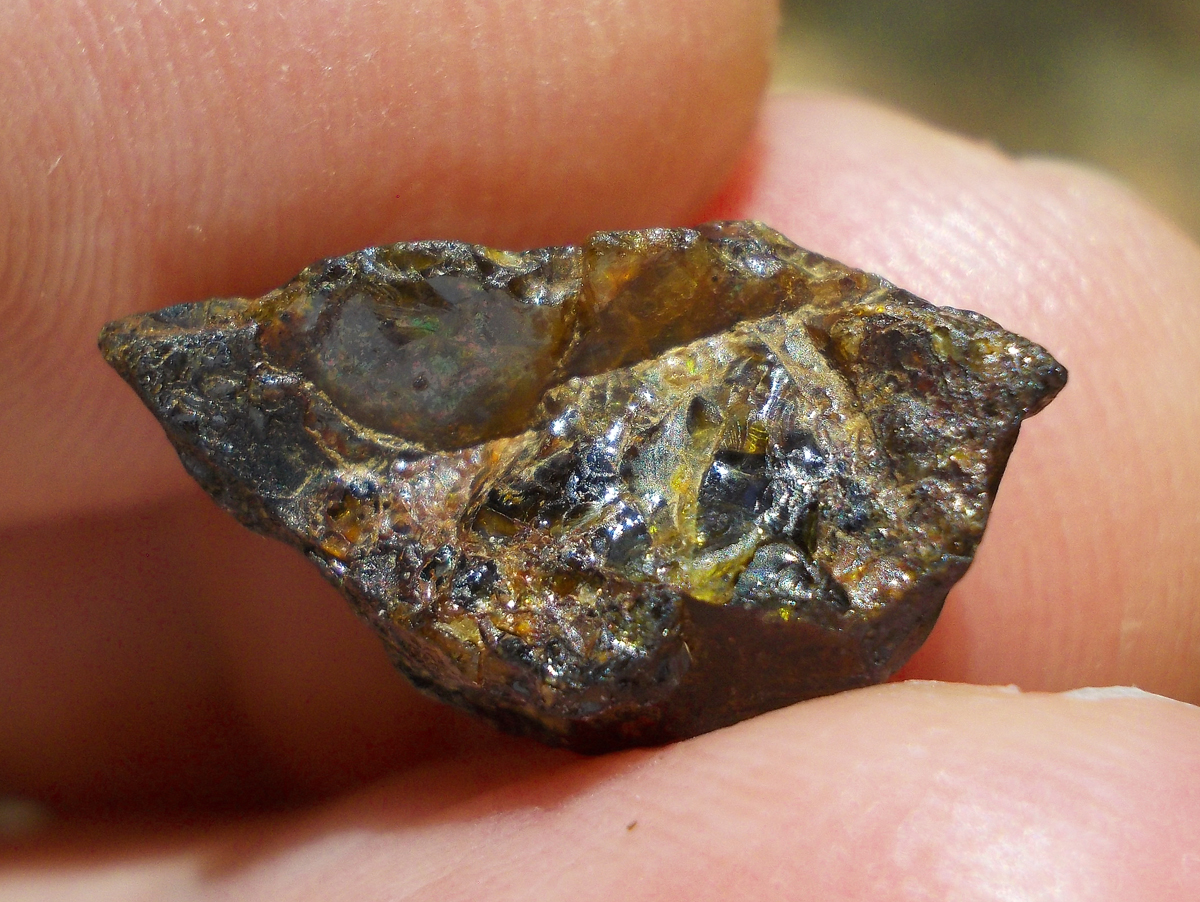
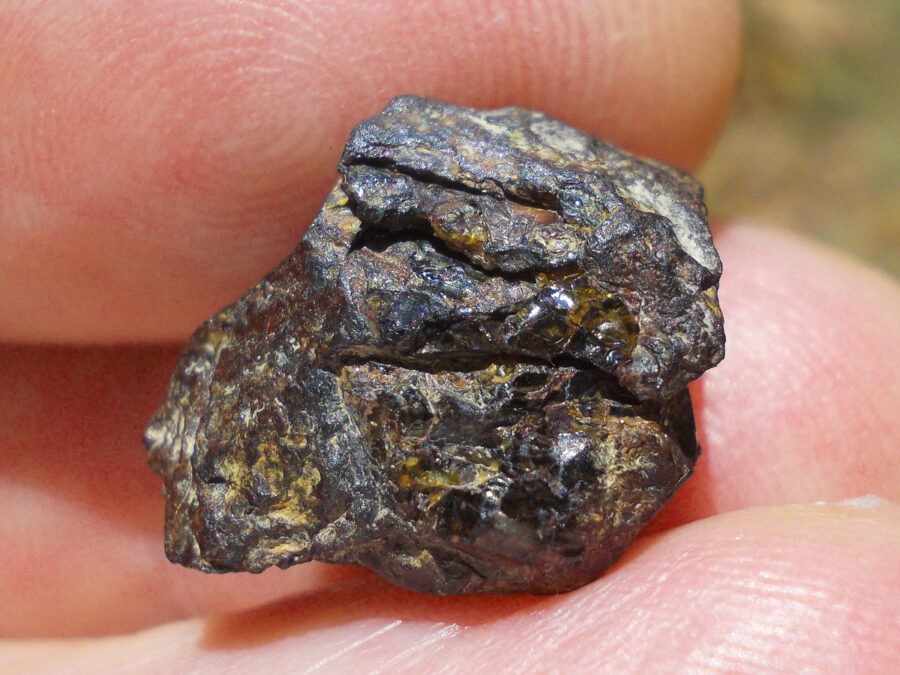
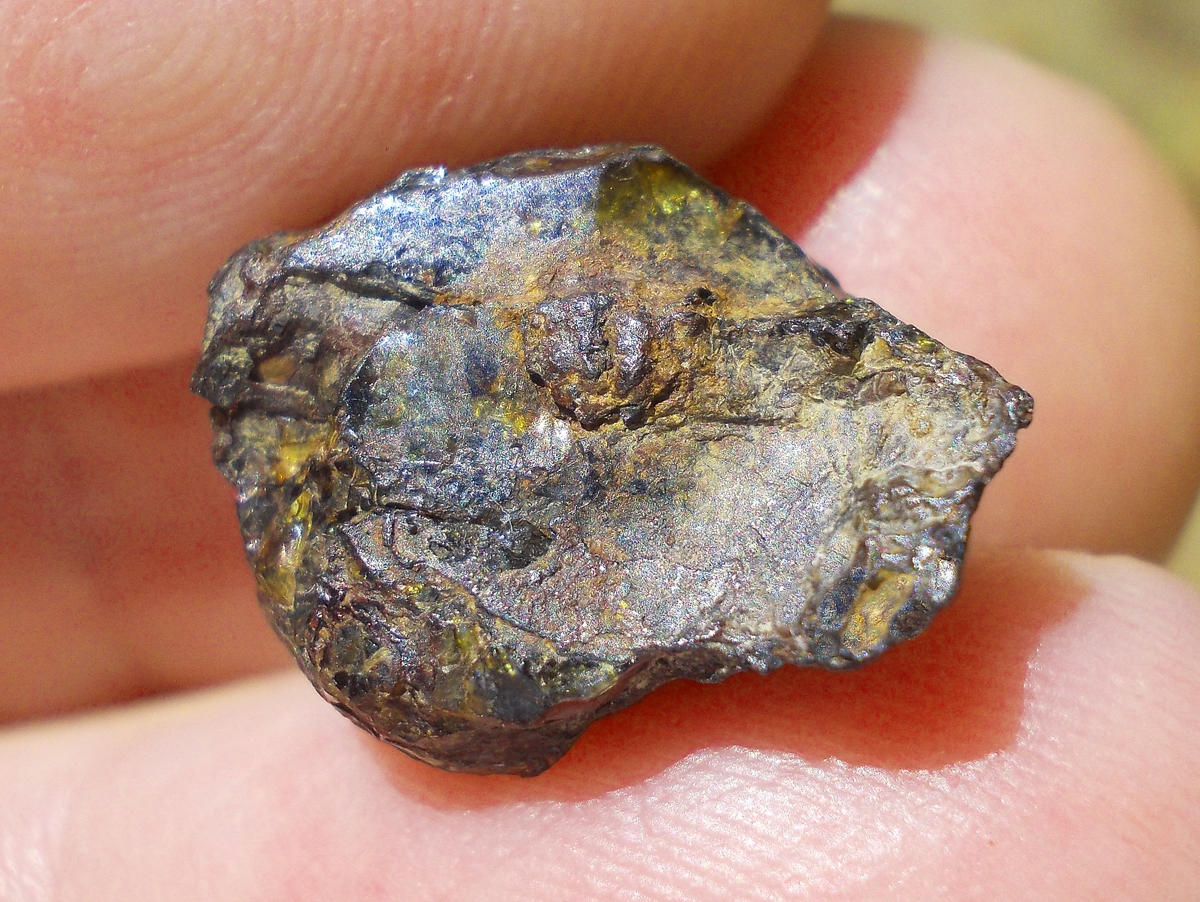
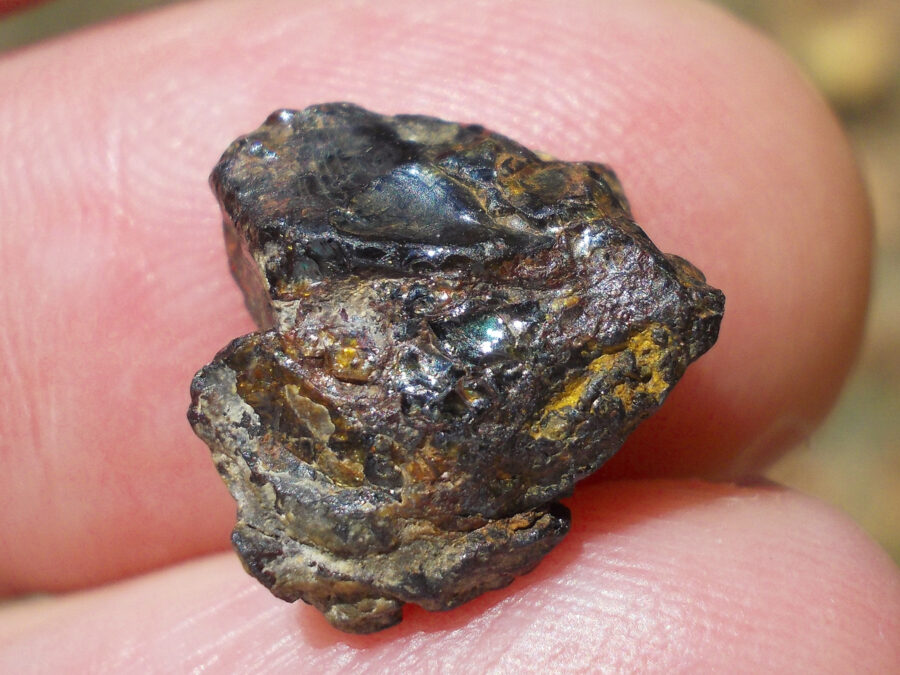
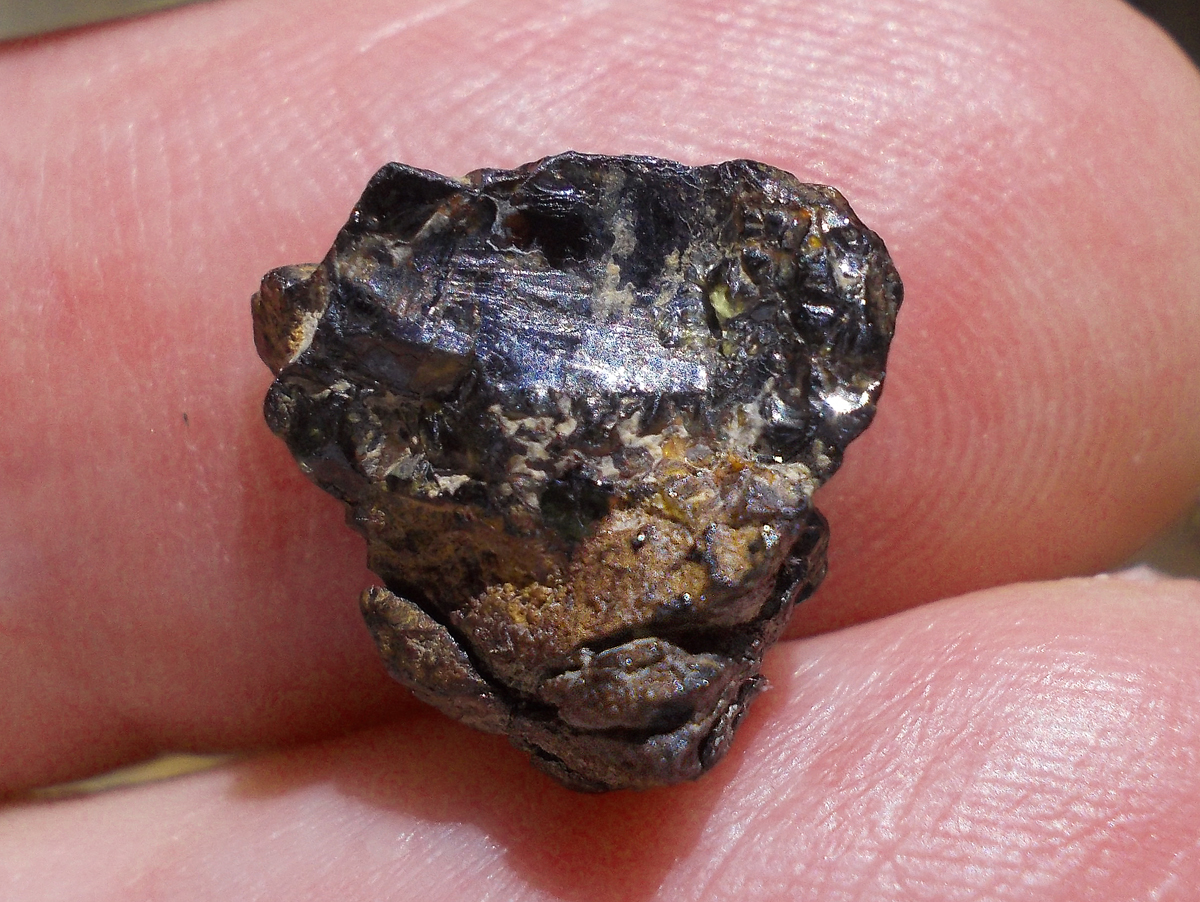
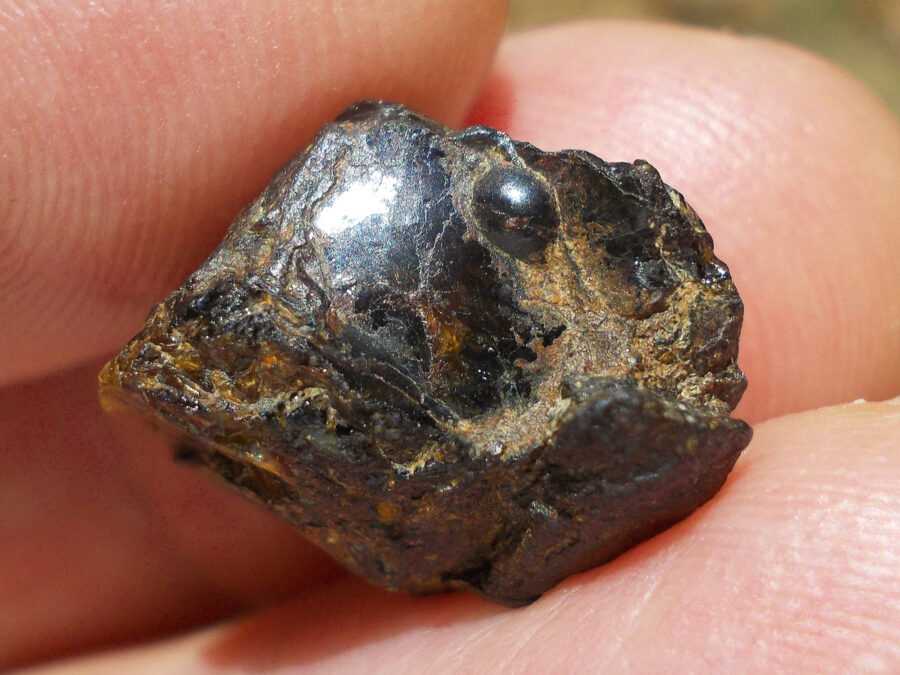
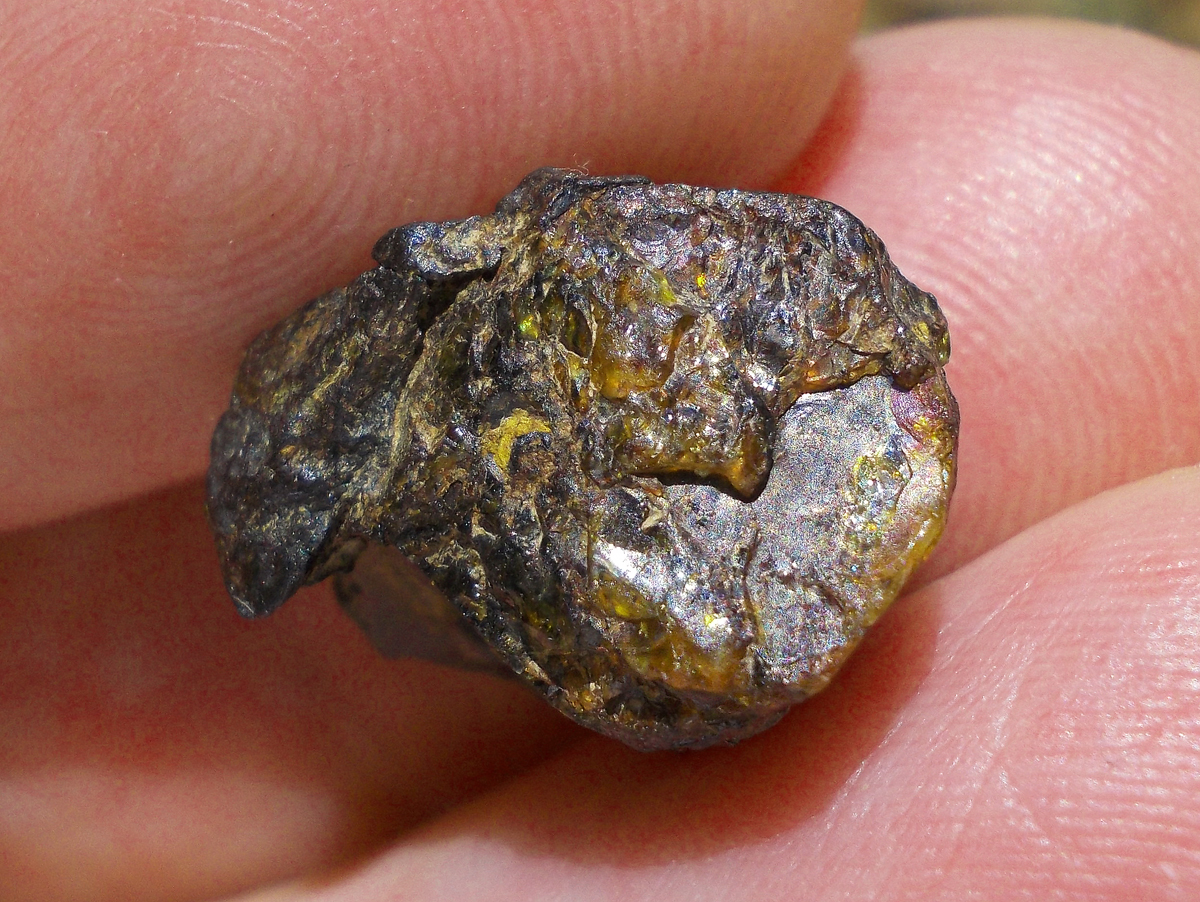
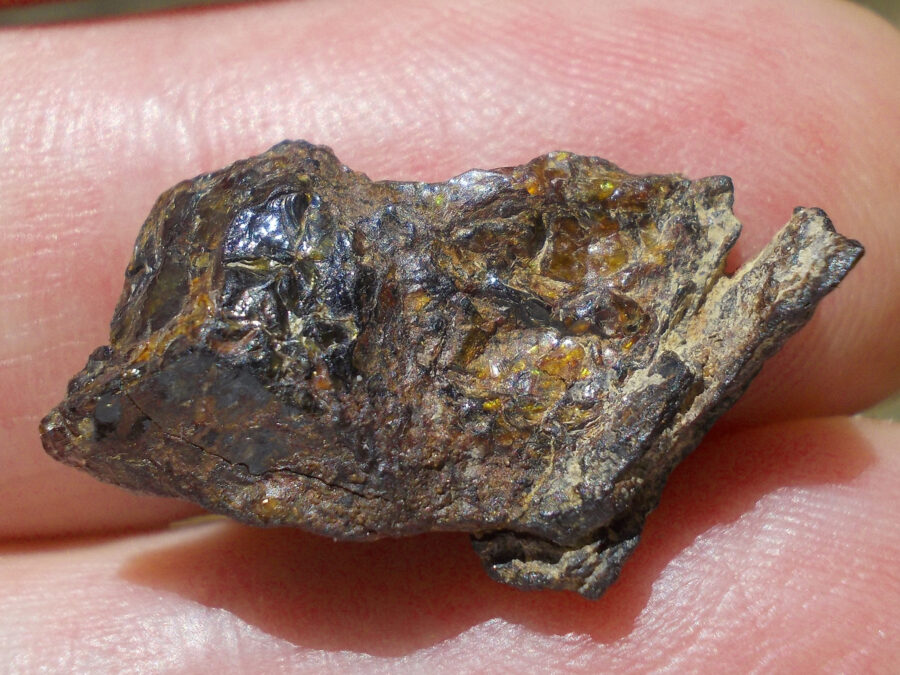
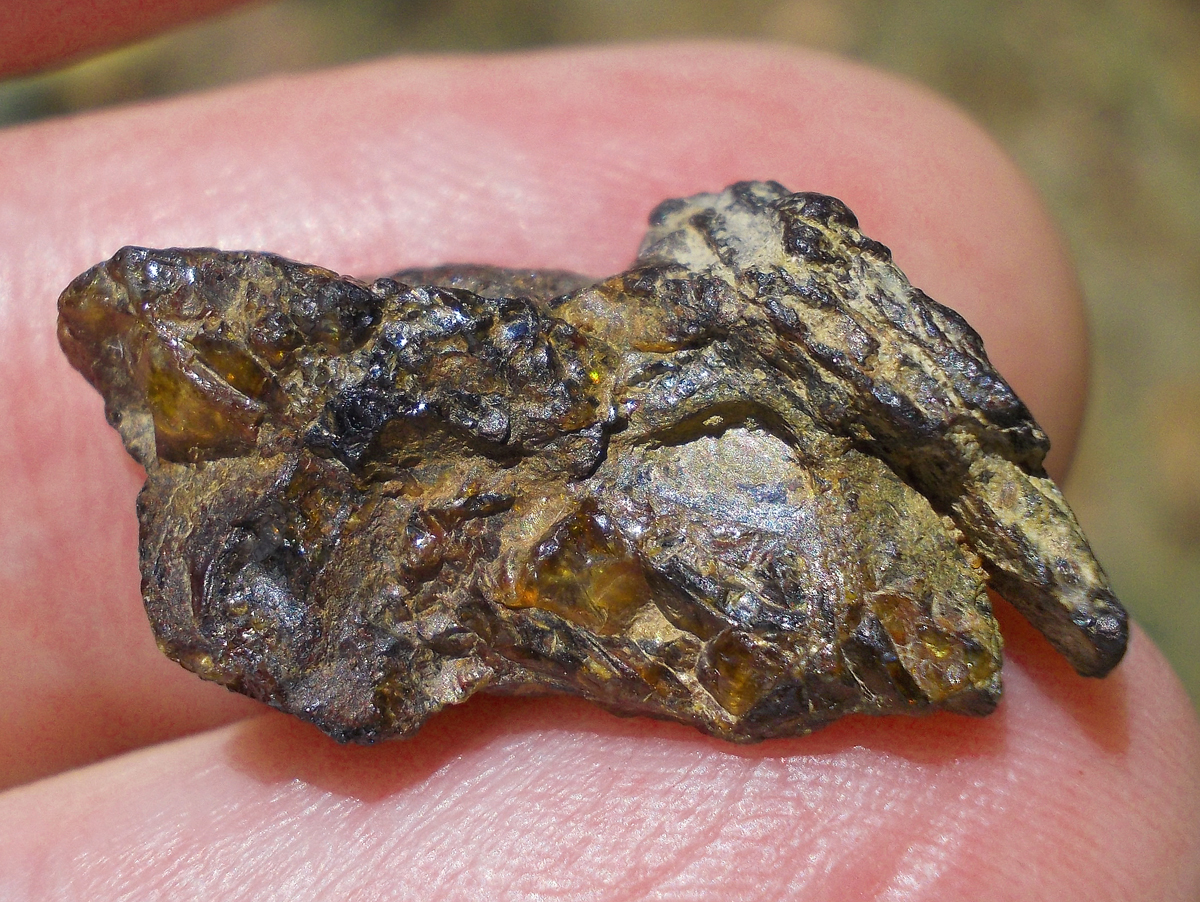
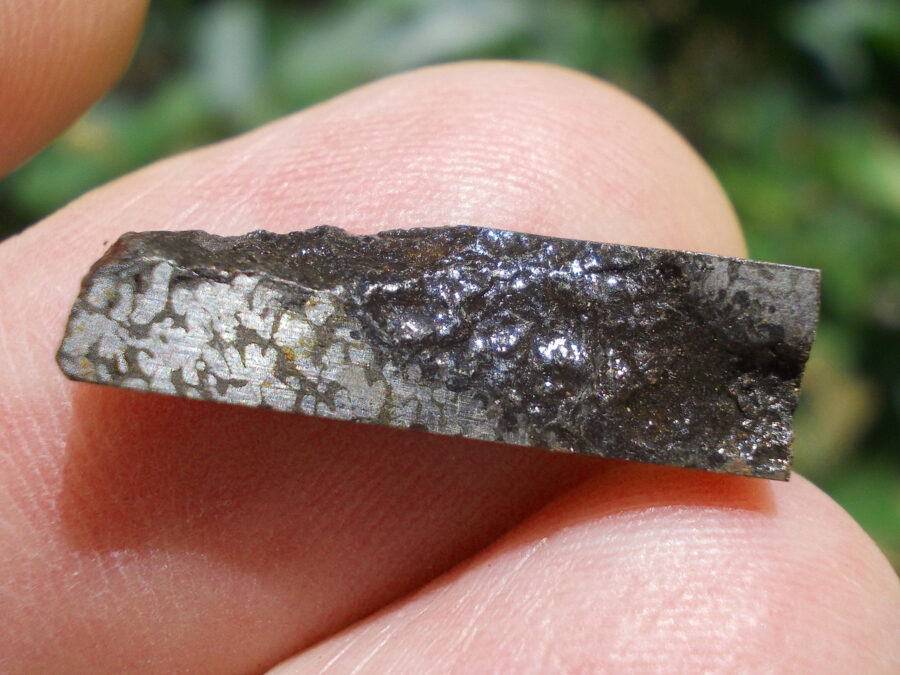
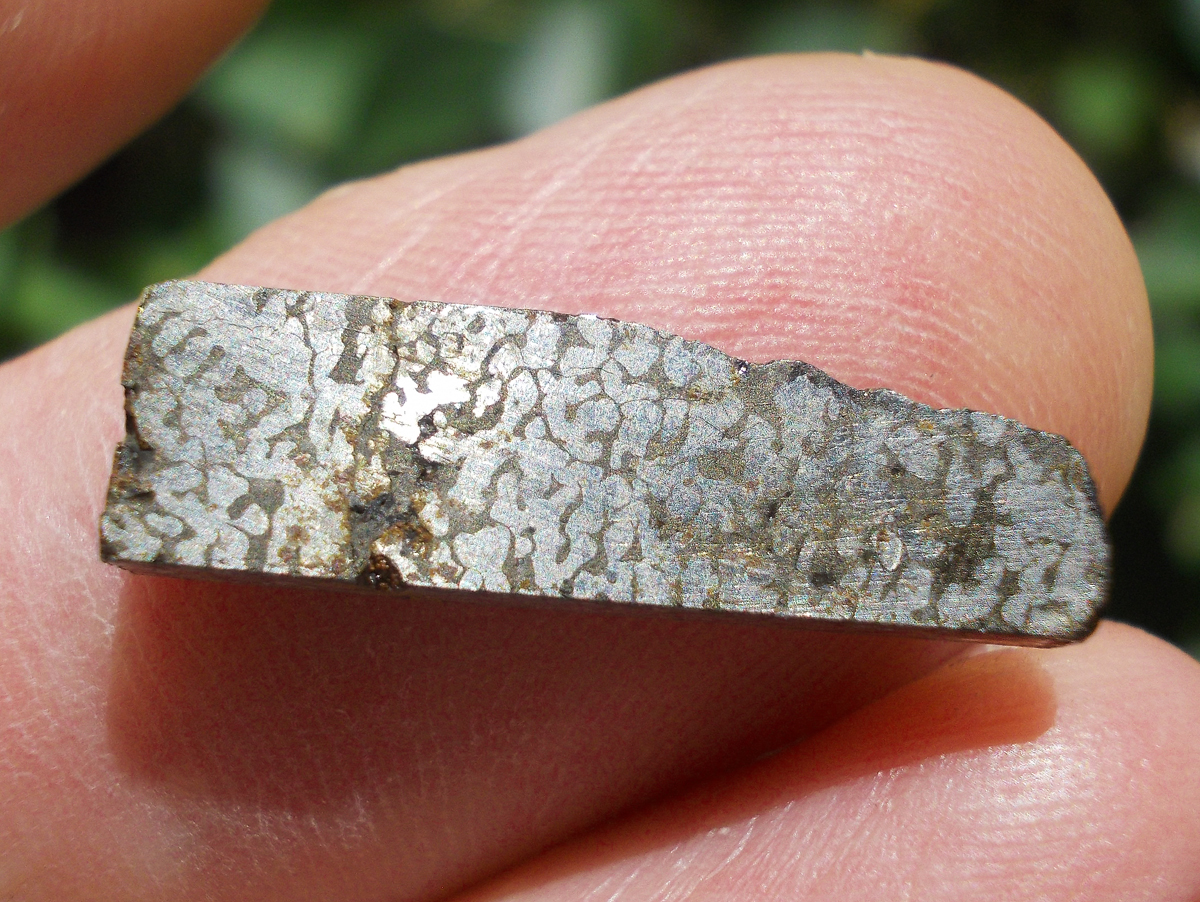
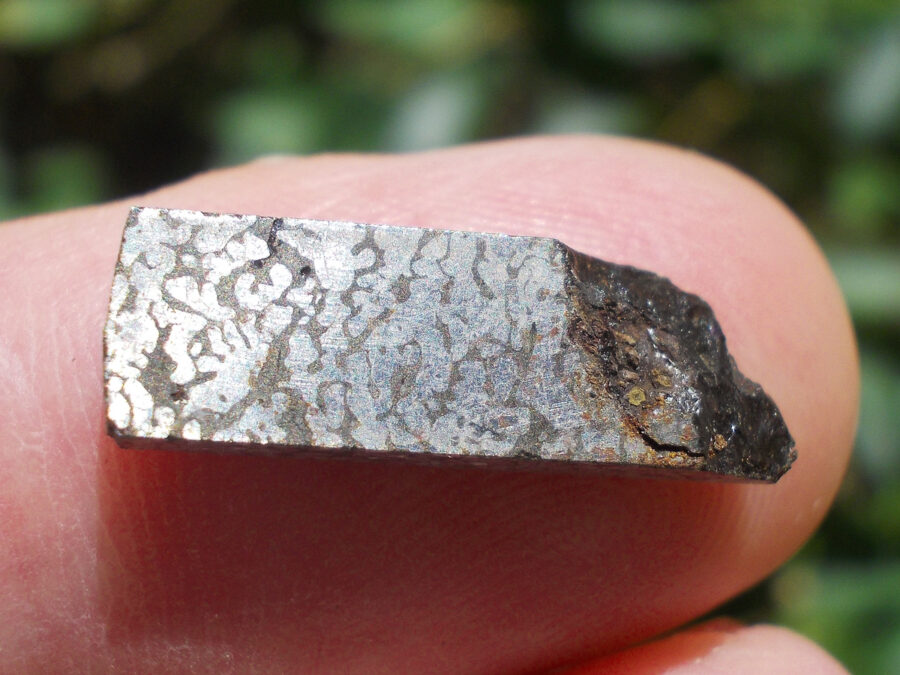
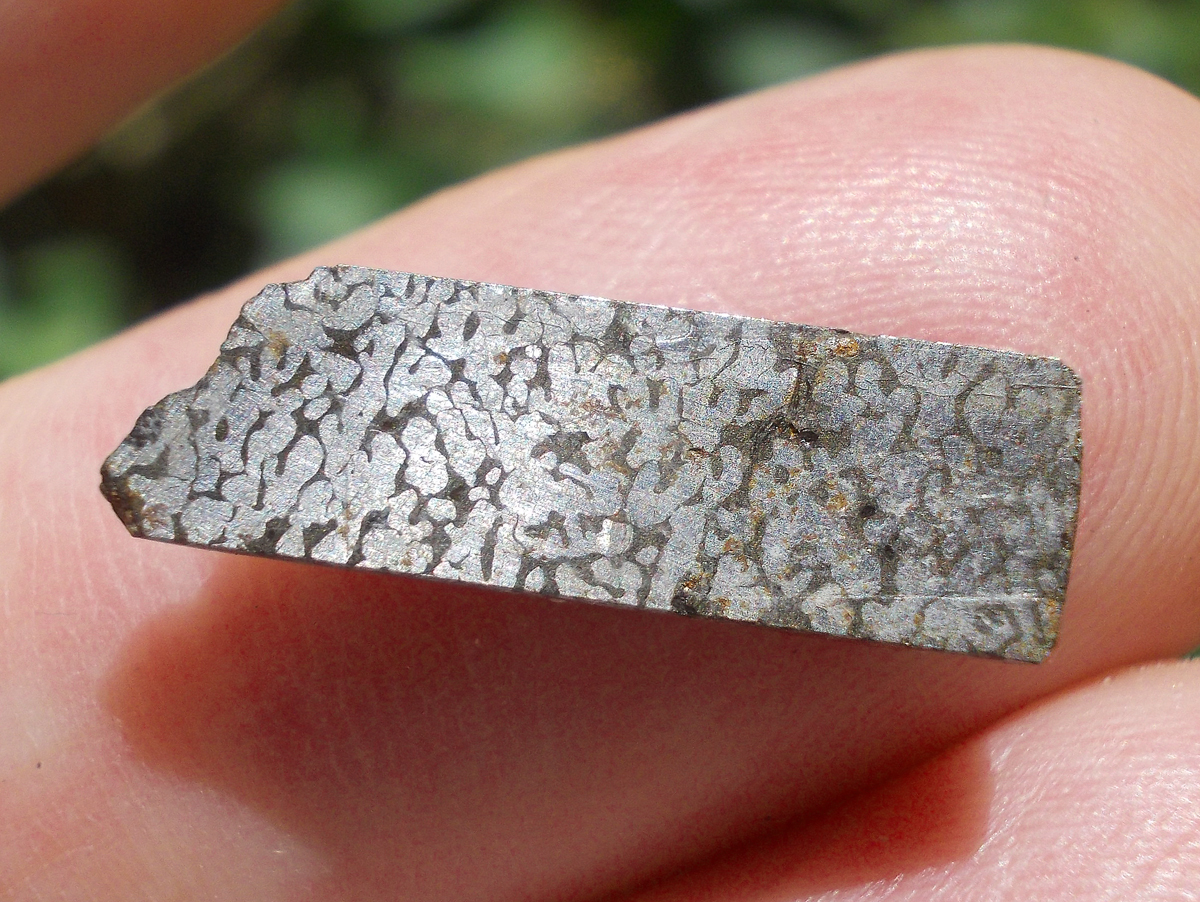
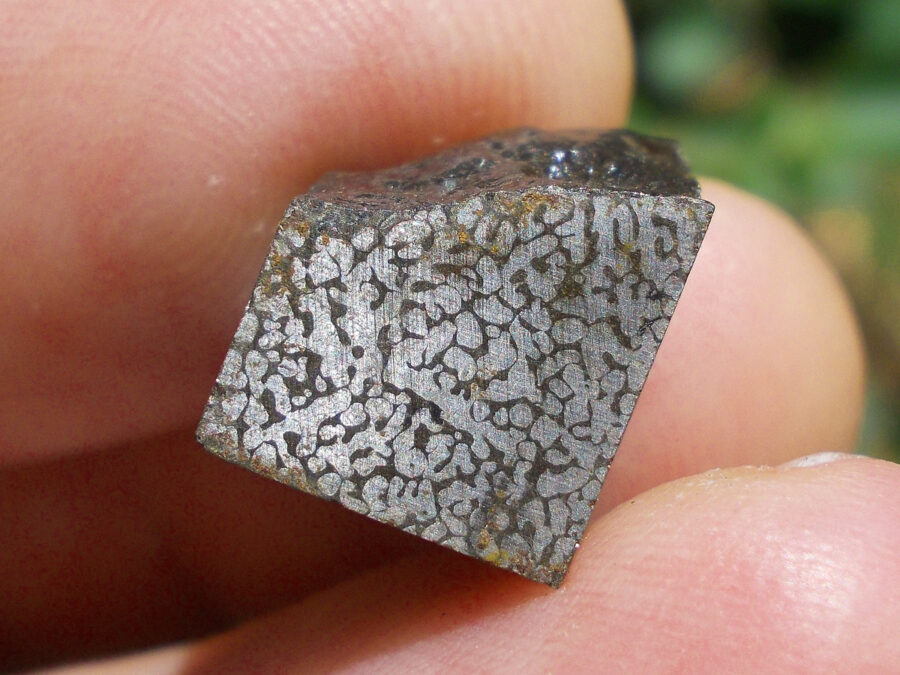
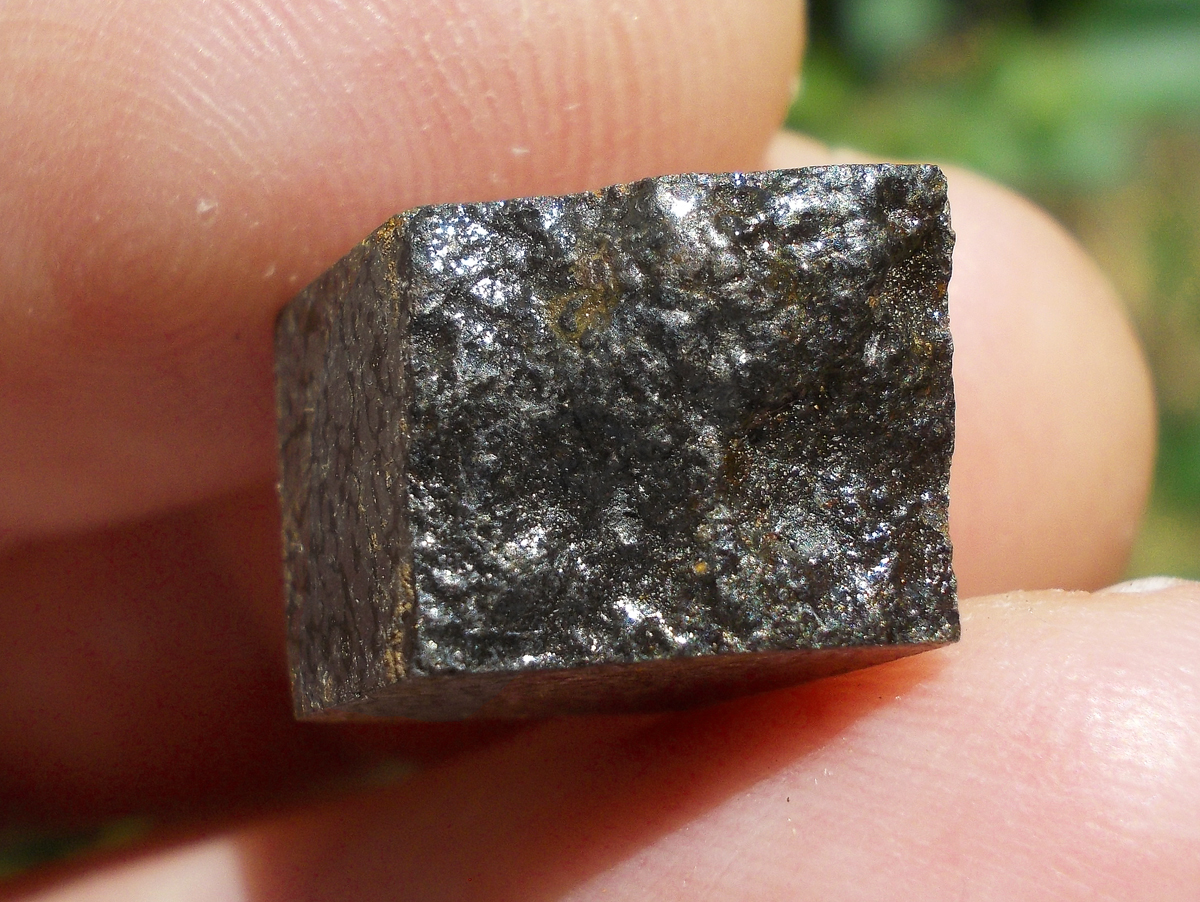
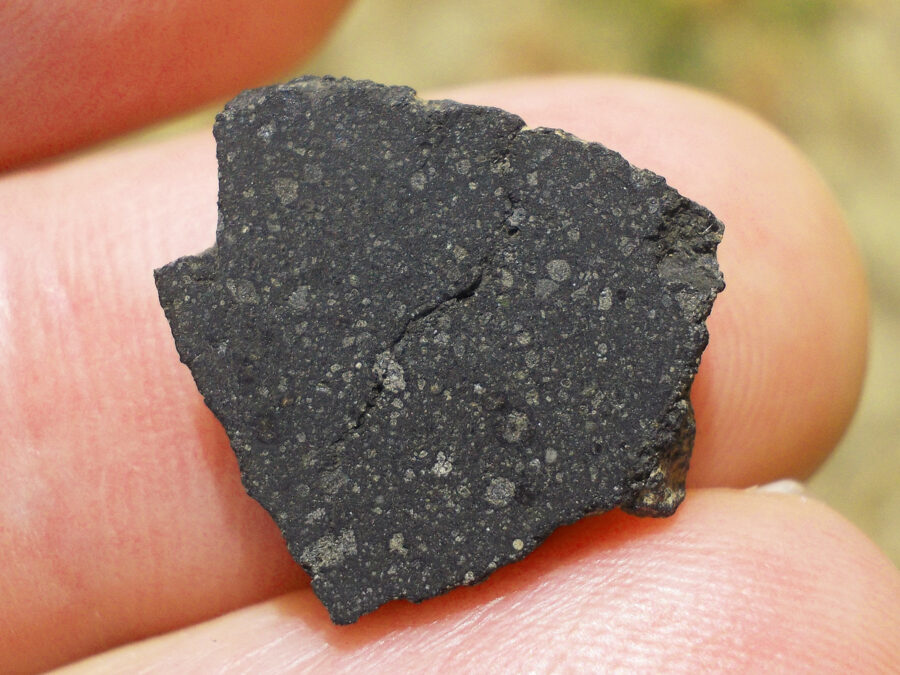
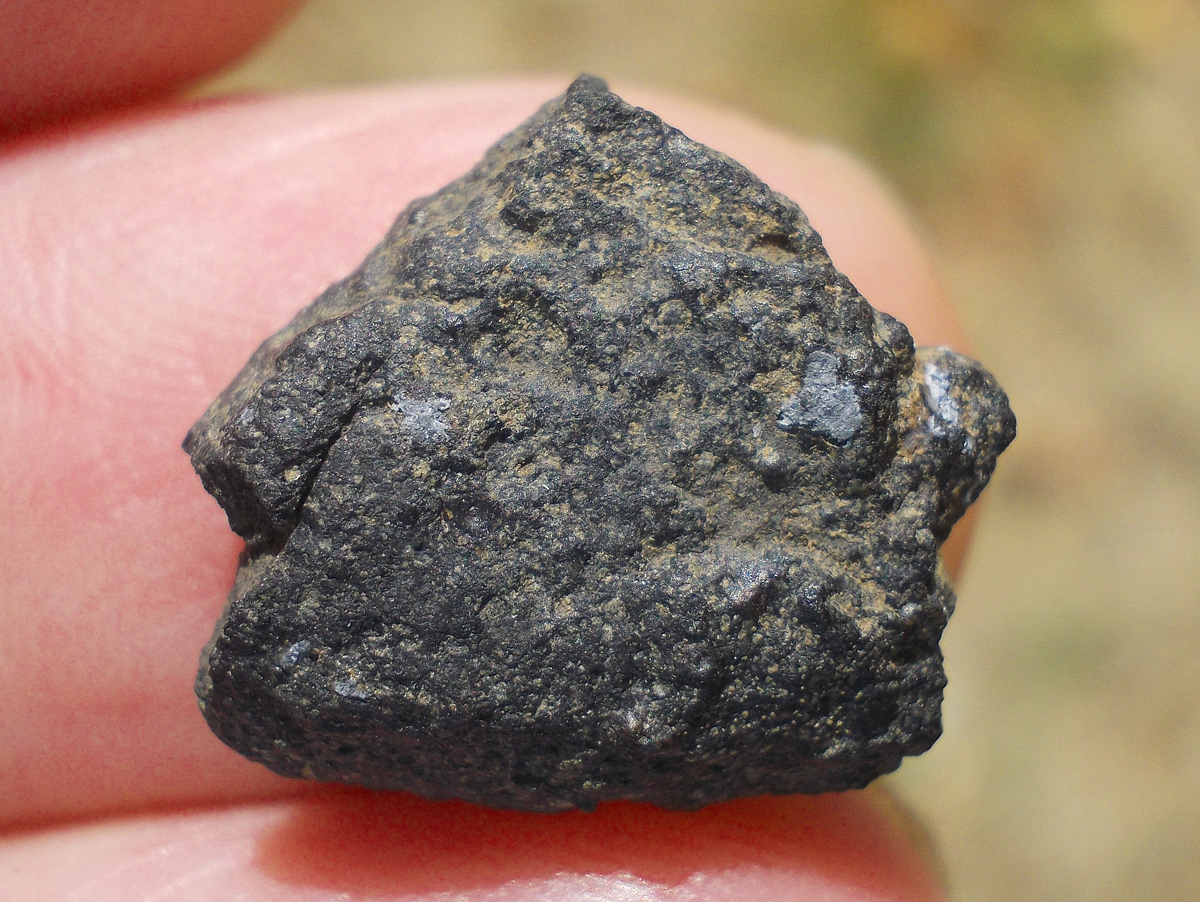
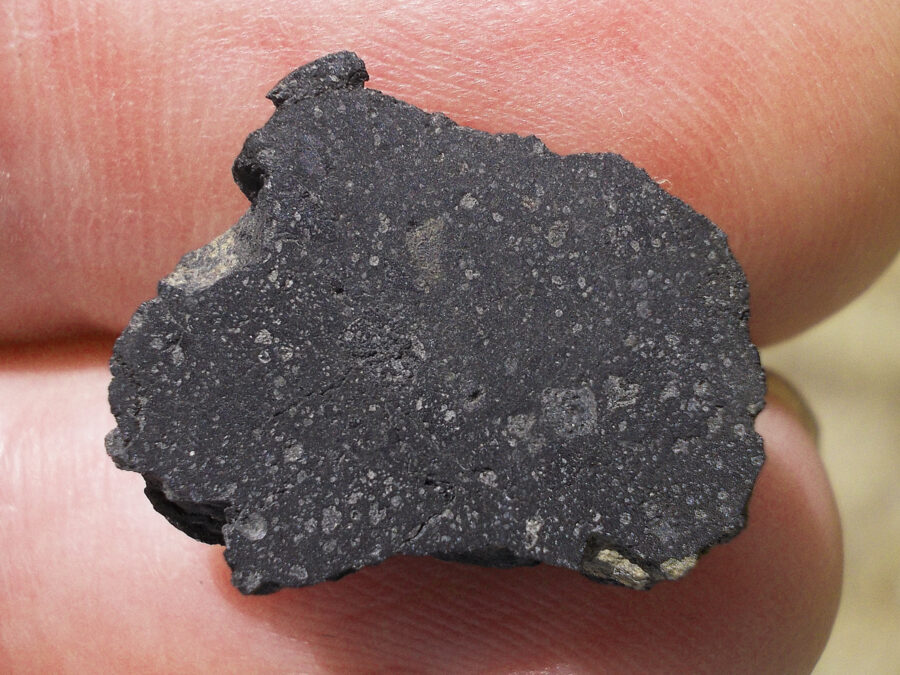
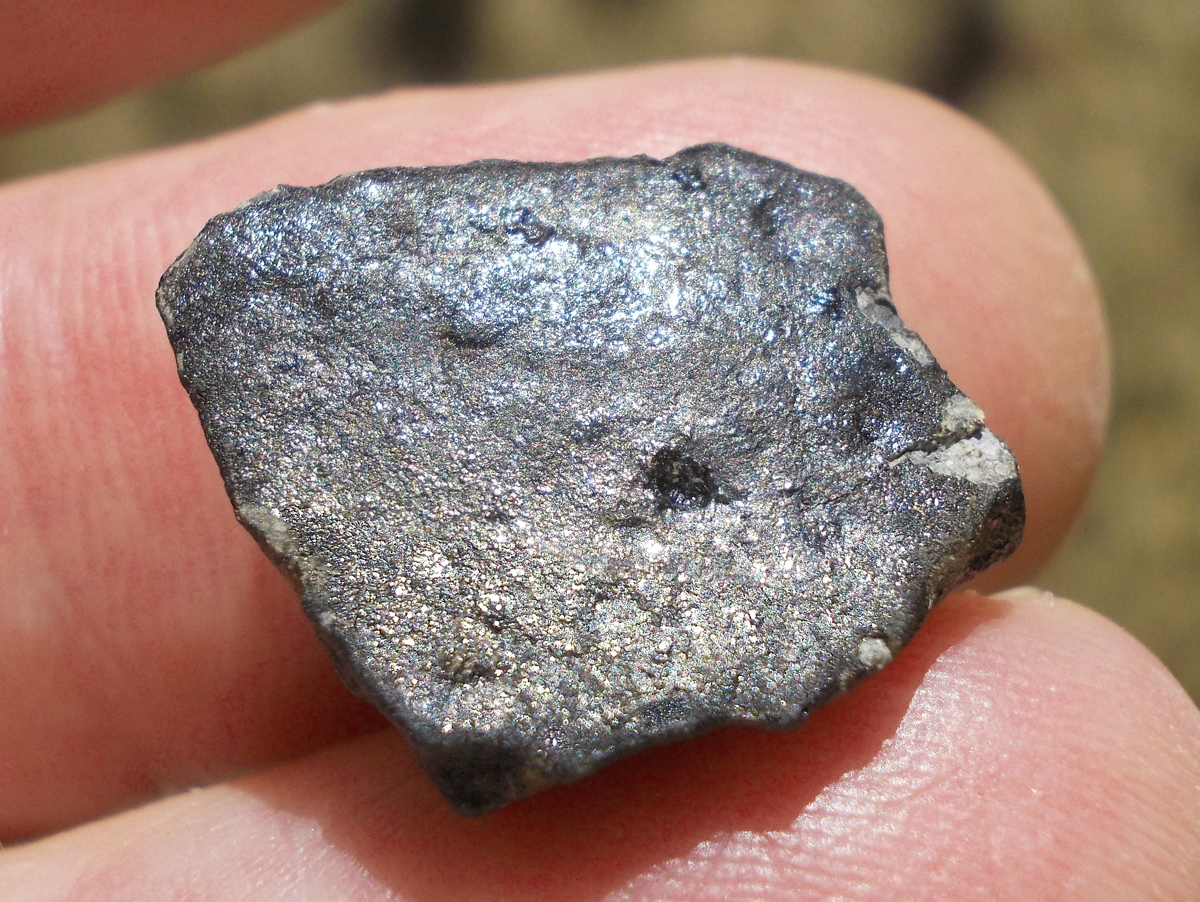
Chwichiya 002 C3.00 Ung #55 - 1,3 g

Chwichiya 002 C3.00 Ung #55 – 1,3 g

348,00

Chwichiya 002 est une chondrite ordinaire carbonée de type C3.00 ungrouped, c’est le type le plus primitif que l’on est jamais trouvé à ce jour, elle n’a subi aucune phase hydratée et aucun échauffement avant son expulsion du corps parent.
Cette météorite est peut-être l’une des météorites les plus importantes au niveau scientifique de tous les temps, nul doute que la connaissance de notre système solaire va avancer grâce à elle.

Elle a été découverte dans le Sahara Occidental.
Un must pour une collection !

https://www.futura-sciences.com/sciences/actualites/astronomie-tresor-cosmique-france-cette-meteorite-contient-grains-plus-anciens-soleil-w2t8-130194/

Chwichiya 002 C3.00 Ung #54 - 2,1 g

Chwichiya 002 C3.00 Ung #54 – 2,1 g

563,00

Chwichiya 002 est une chondrite ordinaire carbonée de type C3.00 ungrouped, c’est le type le plus primitif que l’on est jamais trouvé à ce jour, elle n’a subi aucune phase hydratée et aucun échauffement avant son expulsion du corps parent.
Cette météorite est peut-être l’une des météorites les plus importantes au niveau scientifique de tous les temps, nul doute que la connaissance de notre système solaire va avancer grâce à elle.

Elle a été découverte dans le Sahara Occidental.
Un must pour une collection !

https://www.futura-sciences.com/sciences/actualites/astronomie-tresor-cosmique-france-cette-meteorite-contient-grains-plus-anciens-soleil-w2t8-130194/

Chwichiya 002 C3.00 Ung #53 - 2,8 gOut of stock

Chwichiya 002 C3.00 Ung #53 – 2,8 g

750,00

Chwichiya 002 est une chondrite ordinaire carbonée de type C3.00 ungrouped, c’est le type le plus primitif que l’on est jamais trouvé à ce jour, elle n’a subi aucune phase hydratée et aucun échauffement avant son expulsion du corps parent.
Cette météorite est peut-être l’une des météorites les plus importantes au niveau scientifique de tous les temps, nul doute que la connaissance de notre système solaire va avancer grâce à elle.

Elle a été découverte dans le Sahara Occidental.
Un must pour une collection !

https://www.futura-sciences.com/sciences/actualites/astronomie-tresor-cosmique-france-cette-meteorite-contient-grains-plus-anciens-soleil-w2t8-130194/

Chwichiya 002 C3.00 Ung #52 - 4,5 g

Chwichiya 002 C3.00 Ung #52 – 4,5 g

1125,00

Chwichiya 002 est une chondrite ordinaire carbonée de type C3.00 ungrouped, c’est le type le plus primitif que l’on est jamais trouvé à ce jour, elle n’a subi aucune phase hydratée et aucun échauffement avant son expulsion du corps parent.
Cette météorite est peut-être l’une des météorites les plus importantes au niveau scientifique de tous les temps, nul doute que la connaissance de notre système solaire va avancer grâce à elle.

Elle a été découverte dans le Sahara Occidental.
Un must pour une collection !

https://www.futura-sciences.com/sciences/actualites/astronomie-tresor-cosmique-france-cette-meteorite-contient-grains-plus-anciens-soleil-w2t8-130194/

Chwichiya 002 C3.00 Ung #51 - 3,7 g

Chwichiya 002 C3.00 Ung #51 – 3,7 g

925,00

Chwichiya 002 est une chondrite ordinaire carbonée de type C3.00 ungrouped, c’est le type le plus primitif que l’on est jamais trouvé à ce jour, elle n’a subi aucune phase hydratée et aucun échauffement avant son expulsion du corps parent.
Cette météorite est peut-être l’une des météorites les plus importantes au niveau scientifique de tous les temps, nul doute que la connaissance de notre système solaire va avancer grâce à elle.

Elle a été découverte dans le Sahara Occidental.
Un must pour une collection !

https://www.futura-sciences.com/sciences/actualites/astronomie-tresor-cosmique-france-cette-meteorite-contient-grains-plus-anciens-soleil-w2t8-130194/

Chwichiya 002 C3.00 Ung #50 - 3,6 g

Chwichiya 002 C3.00 Ung #50 – 3,6 g

900,00

Chwichiya 002 est une chondrite ordinaire carbonée de type C3.00 ungrouped, c’est le type le plus primitif que l’on est jamais trouvé à ce jour, elle n’a subi aucune phase hydratée et aucun échauffement avant son expulsion du corps parent.
Cette météorite est peut-être l’une des météorites les plus importantes au niveau scientifique de tous les temps, nul doute que la connaissance de notre système solaire va avancer grâce à elle.

Elle a été découverte dans le Sahara Occidental.
Un must pour une collection !

https://www.futura-sciences.com/sciences/actualites/astronomie-tresor-cosmique-france-cette-meteorite-contient-grains-plus-anciens-soleil-w2t8-130194/

Chwichiya 002 C3.00 Ung #49 - 7,9 gOut of stock

Chwichiya 002 C3.00 Ung #49 – 7,9 g

1580,00

Chwichiya 002 est une chondrite ordinaire carbonée de type C3.00 ungrouped, c’est le type le plus primitif que l’on est jamais trouvé à ce jour, elle n’a subi aucune phase hydratée et aucun échauffement avant son expulsion du corps parent.
Cette météorite est peut-être l’une des météorites les plus importantes au niveau scientifique de tous les temps, nul doute que la connaissance de notre système solaire va avancer grâce à elle.

Elle a été découverte dans le Sahara Occidental.
Un must pour une collection !

https://www.futura-sciences.com/sciences/actualites/astronomie-tresor-cosmique-france-cette-meteorite-contient-grains-plus-anciens-soleil-w2t8-130194/

Amgala 001 Mars Shergottite (olivine-phyric) #53 - 0,4 g

Amgala 001 Mars Shergottite (olivine-phyric) #53 – 0,4 g

44,00

Amgala est une rare météorite provenant de Mars, classifiée Shergottite (olivine-phyric).

Elle a été découverte dans le Sahara Occidental en 2022.

Une météorite d’un rapport qualité/prix exceptionnel !

Amgala 001        26.014°N, 11.020°W

Saguia el Hamra, Western Sahara

Purchased: 2022 Dec

Classification: Martian meteorite (Shergottite)

History: Multiple stones were found together in December 2022 near Meharrize. Said Muftah Bachir and Ziyao Wang bought 12 kg together from the finders, including the largest 5200 g individual; Mark Lyon acquired 19165 g from two different dealers; Aziz Habibi obtained 3500 g from another dealer.

Physical characteristics: Weathered exterior surfaces of the stones are brown with a distinctive knobby appearance. Fresh interiors are greenish-gray with darker olivine phenocrysts visible.

Petrography: (A. Irving, UWS, and P. Carpenter, WUSL) Zoned olivine phenocrysts (up to 2 mm in length) are set in a groundmass with variable grainsize composed predominantly of prismatic, zoned clinopyroxene and lath-like maskelynite, together with accessory alkali feldspar, pyrrhotite, ulvöspinel, chromite (with variable Ti content), ilmenite, baddeleyite and chlorapatite. Thin opaque shock veins crosscut the specimen as well as secondary calcite veinlets. Olivine phenocrysts contain small patches of alteration products (red-brown in thin section).
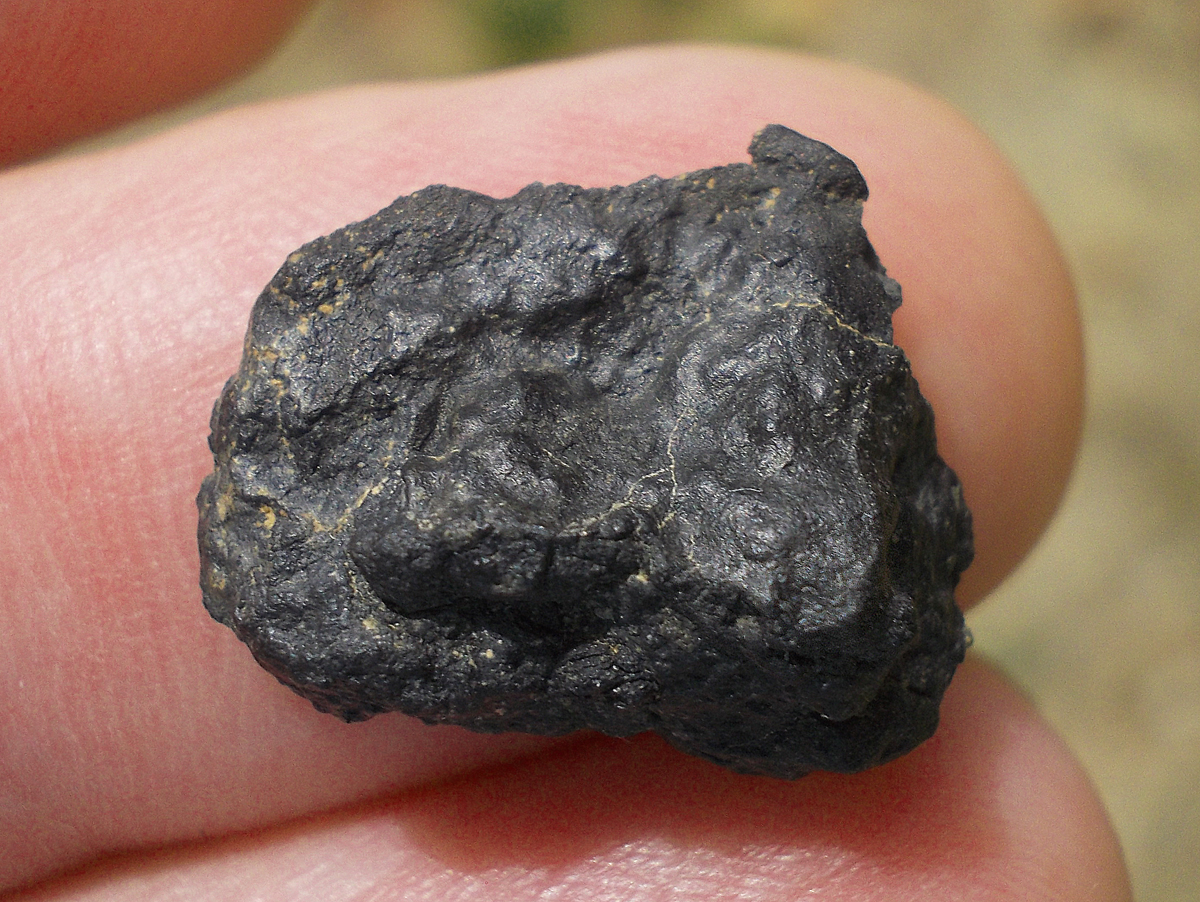
Geochemistry: Olivine (Fa31.7-56.6, FeO/MnO = 52-55, N = 5), pigeonite (Fs27.7-48.4Wo10.4-9.8, FeO/MnO = 29-35, N = 3), subcalcic augite (Fs20.7-30.4Wo32.5-34.6, FeO/MnO = 28-32, N = 2), maskelynite (An47.4-50.5Or2.2-1.7, N = 2), alkali feldspar (Ab49.4Or34.0An16.7).

Classification: Shergottite (olivine-phyric).

Specimens: 68.3 g including one polished thin section at UWB; remainder with Mr. S. Bachir/WangZ (12 kg), Mr. M. Lyon (19165 g) and Mr. A. Habibi (3500 g).

Amgala 001 Mars Shergottite (olivine-phyric) #52 - 0,4 gOut of stock

Amgala 001 Mars Shergottite (olivine-phyric) #52 – 0,4 g

44,00

Amgala est une rare météorite provenant de Mars, classifiée Shergottite (olivine-phyric).

Elle a été découverte dans le Sahara Occidental en 2022.

Une météorite d’un rapport qualité/prix exceptionnel !

Amgala 001        26.014°N, 11.020°W

Saguia el Hamra, Western Sahara

Purchased: 2022 Dec

Classification: Martian meteorite (Shergottite)

History: Multiple stones were found together in December 2022 near Meharrize. Said Muftah Bachir and Ziyao Wang bought 12 kg together from the finders, including the largest 5200 g individual; Mark Lyon acquired 19165 g from two different dealers; Aziz Habibi obtained 3500 g from another dealer.

Physical characteristics: Weathered exterior surfaces of the stones are brown with a distinctive knobby appearance. Fresh interiors are greenish-gray with darker olivine phenocrysts visible.

Petrography: (A. Irving, UWS, and P. Carpenter, WUSL) Zoned olivine phenocrysts (up to 2 mm in length) are set in a groundmass with variable grainsize composed predominantly of prismatic, zoned clinopyroxene and lath-like maskelynite, together with accessory alkali feldspar, pyrrhotite, ulvöspinel, chromite (with variable Ti content), ilmenite, baddeleyite and chlorapatite. Thin opaque shock veins crosscut the specimen as well as secondary calcite veinlets. Olivine phenocrysts contain small patches of alteration products (red-brown in thin section).
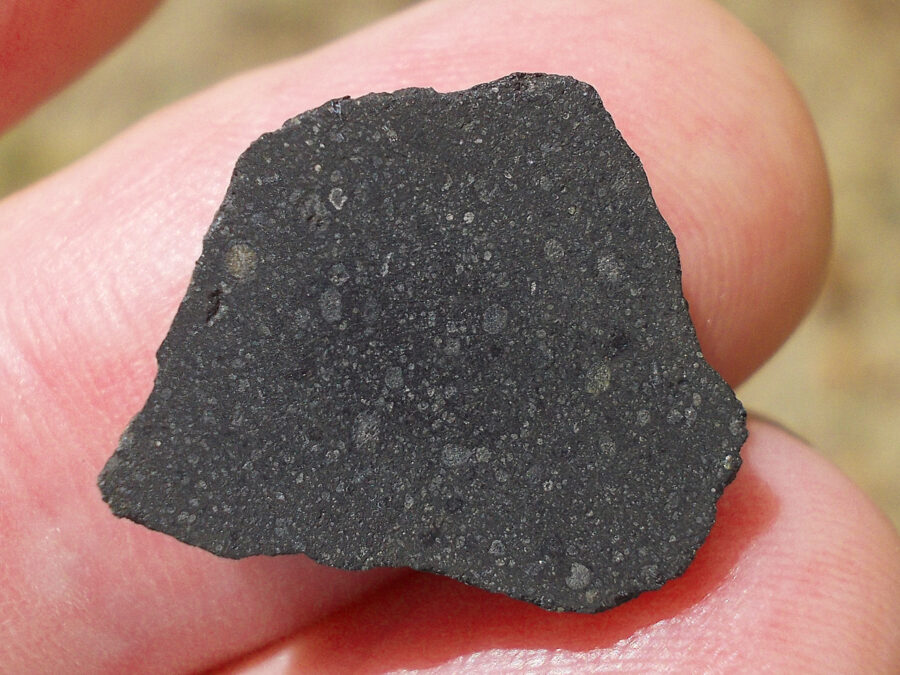
Geochemistry: Olivine (Fa31.7-56.6, FeO/MnO = 52-55, N = 5), pigeonite (Fs27.7-48.4Wo10.4-9.8, FeO/MnO = 29-35, N = 3), subcalcic augite (Fs20.7-30.4Wo32.5-34.6, FeO/MnO = 28-32, N = 2), maskelynite (An47.4-50.5Or2.2-1.7, N = 2), alkali feldspar (Ab49.4Or34.0An16.7).

Classification: Shergottite (olivine-phyric).

Specimens: 68.3 g including one polished thin section at UWB; remainder with Mr. S. Bachir/WangZ (12 kg), Mr. M. Lyon (19165 g) and Mr. A. Habibi (3500 g).

Amgala 001 Mars Shergottite (olivine-phyric) #51 - 1,4 g

Amgala 001 Mars Shergottite (olivine-phyric) #51 – 1,4 g

154,00

Amgala est une rare météorite provenant de Mars, classifiée Shergottite (olivine-phyric).

Elle a été découverte dans le Sahara Occidental en 2022.

Une météorite d’un rapport qualité/prix exceptionnel !

Amgala 001        26.014°N, 11.020°W

Saguia el Hamra, Western Sahara

Purchased: 2022 Dec

Classification: Martian meteorite (Shergottite)

History: Multiple stones were found together in December 2022 near Meharrize. Said Muftah Bachir and Ziyao Wang bought 12 kg together from the finders, including the largest 5200 g individual; Mark Lyon acquired 19165 g from two different dealers; Aziz Habibi obtained 3500 g from another dealer.
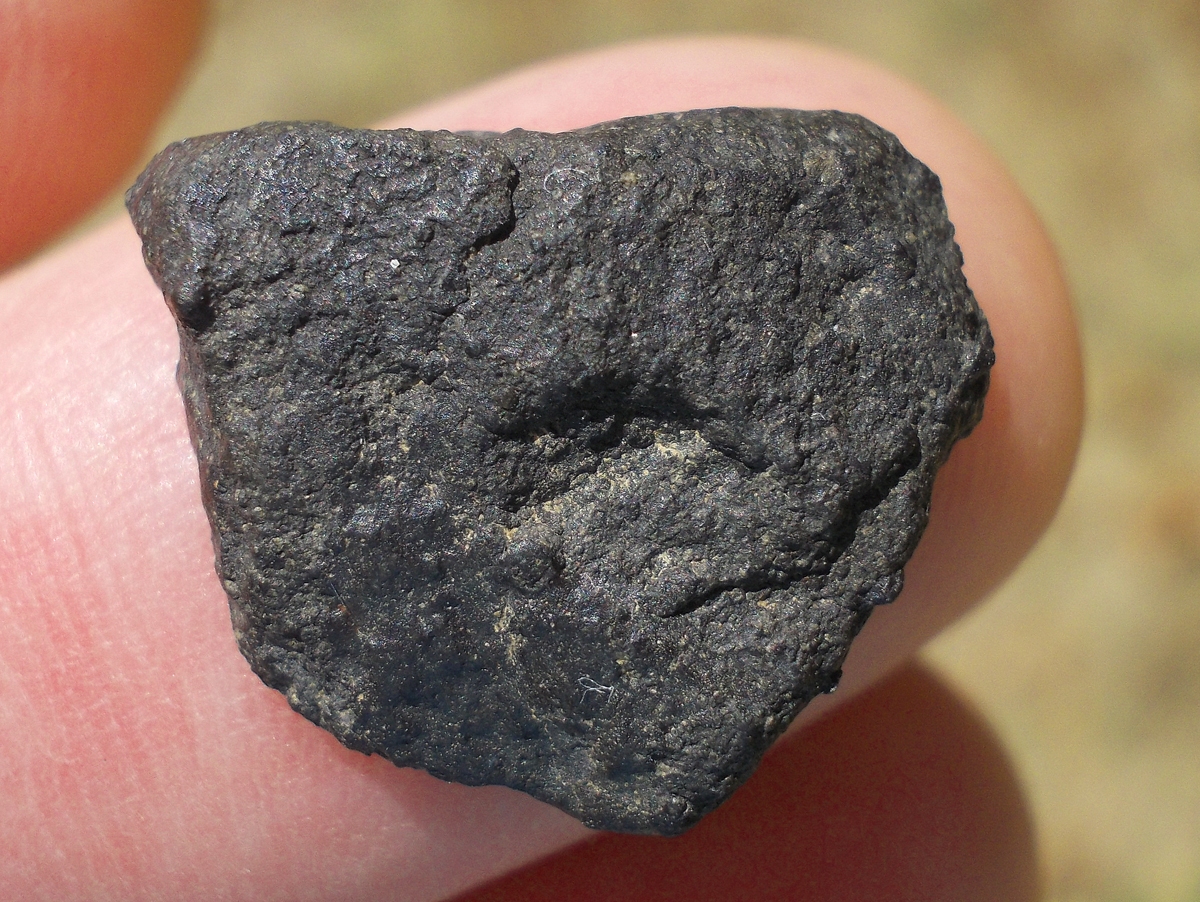
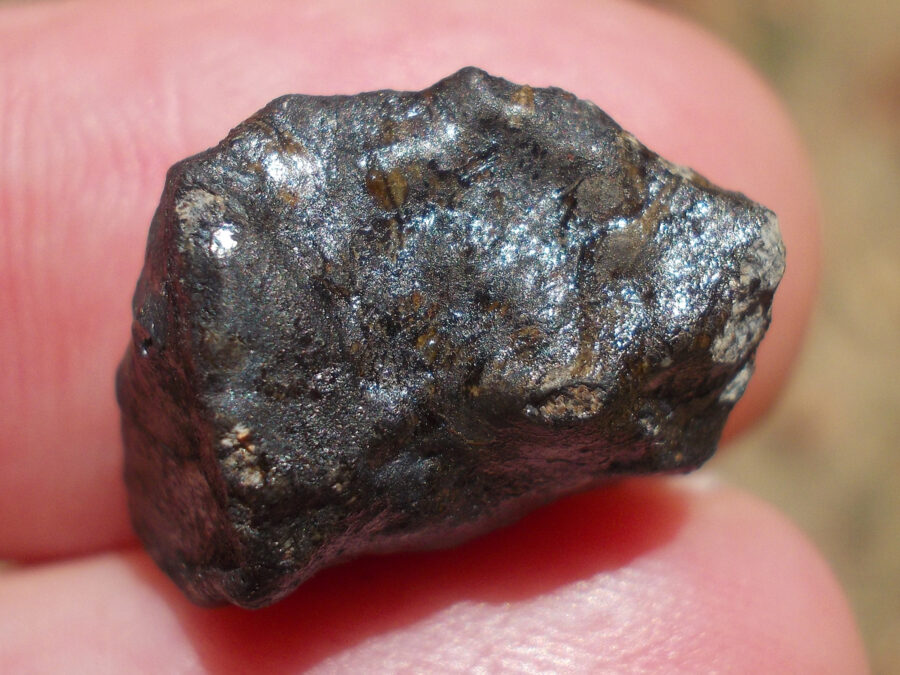
Physical characteristics: Weathered exterior surfaces of the stones are brown with a distinctive knobby appearance. Fresh interiors are greenish-gray with darker olivine phenocrysts visible.

Petrography: (A. Irving, UWS, and P. Carpenter, WUSL) Zoned olivine phenocrysts (up to 2 mm in length) are set in a groundmass with variable grainsize composed predominantly of prismatic, zoned clinopyroxene and lath-like maskelynite, together with accessory alkali feldspar, pyrrhotite, ulvöspinel, chromite (with variable Ti content), ilmenite, baddeleyite and chlorapatite. Thin opaque shock veins crosscut the specimen as well as secondary calcite veinlets. Olivine phenocrysts contain small patches of alteration products (red-brown in thin section).

Geochemistry: Olivine (Fa31.7-56.6, FeO/MnO = 52-55, N = 5), pigeonite (Fs27.7-48.4Wo10.4-9.8, FeO/MnO = 29-35, N = 3), subcalcic augite (Fs20.7-30.4Wo32.5-34.6, FeO/MnO = 28-32, N = 2), maskelynite (An47.4-50.5Or2.2-1.7, N = 2), alkali feldspar (Ab49.4Or34.0An16.7).

Classification: Shergottite (olivine-phyric).

Specimens: 68.3 g including one polished thin section at UWB; remainder with Mr. S. Bachir/WangZ (12 kg), Mr. M. Lyon (19165 g) and Mr. A. Habibi (3500 g).

Amgala 001 Mars Shergottite (olivine-phyric) #50 - 1 g

Amgala 001 Mars Shergottite (olivine-phyric) #50 – 1 g

110,00

Amgala est une rare météorite provenant de Mars, classifiée Shergottite (olivine-phyric).

Elle a été découverte dans le Sahara Occidental en 2022.

Une météorite d’un rapport qualité/prix exceptionnel !

Amgala 001        26.014°N, 11.020°W

Saguia el Hamra, Western Sahara

Purchased: 2022 Dec

Classification: Martian meteorite (Shergottite)

History: Multiple stones were found together in December 2022 near Meharrize. Said Muftah Bachir and Ziyao Wang bought 12 kg together from the finders, including the largest 5200 g individual; Mark Lyon acquired 19165 g from two different dealers; Aziz Habibi obtained 3500 g from another dealer.

Physical characteristics: Weathered exterior surfaces of the stones are brown with a distinctive knobby appearance. Fresh interiors are greenish-gray with darker olivine phenocrysts visible.

Petrography: (A. Irving, UWS, and P. Carpenter, WUSL) Zoned olivine phenocrysts (up to 2 mm in length) are set in a groundmass with variable grainsize composed predominantly of prismatic, zoned clinopyroxene and lath-like maskelynite, together with accessory alkali feldspar, pyrrhotite, ulvöspinel, chromite (with variable Ti content), ilmenite, baddeleyite and chlorapatite. Thin opaque shock veins crosscut the specimen as well as secondary calcite veinlets. Olivine phenocrysts contain small patches of alteration products (red-brown in thin section).

Geochemistry: Olivine (Fa31.7-56.6, FeO/MnO = 52-55, N = 5), pigeonite (Fs27.7-48.4Wo10.4-9.8, FeO/MnO = 29-35, N = 3), subcalcic augite (Fs20.7-30.4Wo32.5-34.6, FeO/MnO = 28-32, N = 2), maskelynite (An47.4-50.5Or2.2-1.7, N = 2), alkali feldspar (Ab49.4Or34.0An16.7).

Classification: Shergottite (olivine-phyric).

Specimens: 68.3 g including one polished thin section at UWB; remainder with Mr. S. Bachir/WangZ (12 kg), Mr. M. Lyon (19165 g) and Mr. A. Habibi (3500 g).

Amgala 001 Mars Shergottite (olivine-phyric) #49 - 2 g

Amgala 001 Mars Shergottite (olivine-phyric) #49 – 2 g

220,00

Amgala est une rare météorite provenant de Mars, classifiée Shergottite (olivine-phyric).

Elle a été découverte dans le Sahara Occidental en 2022.

Une météorite d’un rapport qualité/prix exceptionnel !

Amgala 001        26.014°N, 11.020°W

Saguia el Hamra, Western Sahara

Purchased: 2022 Dec

Classification: Martian meteorite (Shergottite)

History: Multiple stones were found together in December 2022 near Meharrize. Said Muftah Bachir and Ziyao Wang bought 12 kg together from the finders, including the largest 5200 g individual; Mark Lyon acquired 19165 g from two different dealers; Aziz Habibi obtained 3500 g from another dealer.

Physical characteristics: Weathered exterior surfaces of the stones are brown with a distinctive knobby appearance. Fresh interiors are greenish-gray with darker olivine phenocrysts visible.

Petrography: (A. Irving, UWS, and P. Carpenter, WUSL) Zoned olivine phenocrysts (up to 2 mm in length) are set in a groundmass with variable grainsize composed predominantly of prismatic, zoned clinopyroxene and lath-like maskelynite, together with accessory alkali feldspar, pyrrhotite, ulvöspinel, chromite (with variable Ti content), ilmenite, baddeleyite and chlorapatite. Thin opaque shock veins crosscut the specimen as well as secondary calcite veinlets. Olivine phenocrysts contain small patches of alteration products (red-brown in thin section).

Geochemistry: Olivine (Fa31.7-56.6, FeO/MnO = 52-55, N = 5), pigeonite (Fs27.7-48.4Wo10.4-9.8, FeO/MnO = 29-35, N = 3), subcalcic augite (Fs20.7-30.4Wo32.5-34.6, FeO/MnO = 28-32, N = 2), maskelynite (An47.4-50.5Or2.2-1.7, N = 2), alkali feldspar (Ab49.4Or34.0An16.7).

Classification: Shergottite (olivine-phyric).

Specimens: 68.3 g including one polished thin section at UWB; remainder with Mr. S. Bachir/WangZ (12 kg), Mr. M. Lyon (19165 g) and Mr. A. Habibi (3500 g).

Amgala 001 Mars Shergottite (olivine-phyric) #48 - 0,5 g

Amgala 001 Mars Shergottite (olivine-phyric) #48 – 0,5 g

55,00

Amgala est une rare météorite provenant de Mars, classifiée Shergottite (olivine-phyric).

Elle a été découverte dans le Sahara Occidental en 2022.

Une météorite d’un rapport qualité/prix exceptionnel !

Amgala 001        26.014°N, 11.020°W

Saguia el Hamra, Western Sahara

Purchased: 2022 Dec

Classification: Martian meteorite (Shergottite)

History: Multiple stones were found together in December 2022 near Meharrize. Said Muftah Bachir and Ziyao Wang bought 12 kg together from the finders, including the largest 5200 g individual; Mark Lyon acquired 19165 g from two different dealers; Aziz Habibi obtained 3500 g from another dealer.

Physical characteristics: Weathered exterior surfaces of the stones are brown with a distinctive knobby appearance. Fresh interiors are greenish-gray with darker olivine phenocrysts visible.

Petrography: (A. Irving, UWS, and P. Carpenter, WUSL) Zoned olivine phenocrysts (up to 2 mm in length) are set in a groundmass with variable grainsize composed predominantly of prismatic, zoned clinopyroxene and lath-like maskelynite, together with accessory alkali feldspar, pyrrhotite, ulvöspinel, chromite (with variable Ti content), ilmenite, baddeleyite and chlorapatite. Thin opaque shock veins crosscut the specimen as well as secondary calcite veinlets. Olivine phenocrysts contain small patches of alteration products (red-brown in thin section).

Geochemistry: Olivine (Fa31.7-56.6, FeO/MnO = 52-55, N = 5), pigeonite (Fs27.7-48.4Wo10.4-9.8, FeO/MnO = 29-35, N = 3), subcalcic augite (Fs20.7-30.4Wo32.5-34.6, FeO/MnO = 28-32, N = 2), maskelynite (An47.4-50.5Or2.2-1.7, N = 2), alkali feldspar (Ab49.4Or34.0An16.7).

Classification: Shergottite (olivine-phyric).

Specimens: 68.3 g including one polished thin section at UWB; remainder with Mr. S. Bachir/WangZ (12 kg), Mr. M. Lyon (19165 g) and Mr. A. Habibi (3500 g).

Amgala 001 Mars Shergottite (olivine-phyric) #47 - 0,9 g

Amgala 001 Mars Shergottite (olivine-phyric) #47 – 0,9 g

99,00

Amgala est une rare météorite provenant de Mars, classifiée Shergottite (olivine-phyric).

Elle a été découverte dans le Sahara Occidental en 2022.

Une météorite d’un rapport qualité/prix exceptionnel !

Amgala 001        26.014°N, 11.020°W

Saguia el Hamra, Western Sahara

Purchased: 2022 Dec

Classification: Martian meteorite (Shergottite)

History: Multiple stones were found together in December 2022 near Meharrize. Said Muftah Bachir and Ziyao Wang bought 12 kg together from the finders, including the largest 5200 g individual; Mark Lyon acquired 19165 g from two different dealers; Aziz Habibi obtained 3500 g from another dealer.

Physical characteristics: Weathered exterior surfaces of the stones are brown with a distinctive knobby appearance. Fresh interiors are greenish-gray with darker olivine phenocrysts visible.

Petrography: (A. Irving, UWS, and P. Carpenter, WUSL) Zoned olivine phenocrysts (up to 2 mm in length) are set in a groundmass with variable grainsize composed predominantly of prismatic, zoned clinopyroxene and lath-like maskelynite, together with accessory alkali feldspar, pyrrhotite, ulvöspinel, chromite (with variable Ti content), ilmenite, baddeleyite and chlorapatite. Thin opaque shock veins crosscut the specimen as well as secondary calcite veinlets. Olivine phenocrysts contain small patches of alteration products (red-brown in thin section).

Geochemistry: Olivine (Fa31.7-56.6, FeO/MnO = 52-55, N = 5), pigeonite (Fs27.7-48.4Wo10.4-9.8, FeO/MnO = 29-35, N = 3), subcalcic augite (Fs20.7-30.4Wo32.5-34.6, FeO/MnO = 28-32, N = 2), maskelynite (An47.4-50.5Or2.2-1.7, N = 2), alkali feldspar (Ab49.4Or34.0An16.7).

Classification: Shergottite (olivine-phyric).

Specimens: 68.3 g including one polished thin section at UWB; remainder with Mr. S. Bachir/WangZ (12 kg), Mr. M. Lyon (19165 g) and Mr. A. Habibi (3500 g).

Amgala 001 Mars Shergottite (olivine-phyric) #46 - 1,2 g

Amgala 001 Mars Shergottite (olivine-phyric) #46 – 1,2 g

132,00

Amgala est une rare météorite provenant de Mars, classifiée Shergottite (olivine-phyric).

Elle a été découverte dans le Sahara Occidental en 2022.

Une météorite d’un rapport qualité/prix exceptionnel !

Amgala 001        26.014°N, 11.020°W

Saguia el Hamra, Western Sahara

Purchased: 2022 Dec

Classification: Martian meteorite (Shergottite)

History: Multiple stones were found together in December 2022 near Meharrize. Said Muftah Bachir and Ziyao Wang bought 12 kg together from the finders, including the largest 5200 g individual; Mark Lyon acquired 19165 g from two different dealers; Aziz Habibi obtained 3500 g from another dealer.

Physical characteristics: Weathered exterior surfaces of the stones are brown with a distinctive knobby appearance. Fresh interiors are greenish-gray with darker olivine phenocrysts visible.

Petrography: (A. Irving, UWS, and P. Carpenter, WUSL) Zoned olivine phenocrysts (up to 2 mm in length) are set in a groundmass with variable grainsize composed predominantly of prismatic, zoned clinopyroxene and lath-like maskelynite, together with accessory alkali feldspar, pyrrhotite, ulvöspinel, chromite (with variable Ti content), ilmenite, baddeleyite and chlorapatite. Thin opaque shock veins crosscut the specimen as well as secondary calcite veinlets. Olivine phenocrysts contain small patches of alteration products (red-brown in thin section).

Geochemistry: Olivine (Fa31.7-56.6, FeO/MnO = 52-55, N = 5), pigeonite (Fs27.7-48.4Wo10.4-9.8, FeO/MnO = 29-35, N = 3), subcalcic augite (Fs20.7-30.4Wo32.5-34.6, FeO/MnO = 28-32, N = 2), maskelynite (An47.4-50.5Or2.2-1.7, N = 2), alkali feldspar (Ab49.4Or34.0An16.7).

Classification: Shergottite (olivine-phyric).

Specimens: 68.3 g including one polished thin section at UWB; remainder with Mr. S. Bachir/WangZ (12 kg), Mr. M. Lyon (19165 g) and Mr. A. Habibi (3500 g).

NWA 16172 CL3 #15 - 0,13 g

NWA 16172 CL3 #15 – 0,13 g

52,00

NWA 16172 est une météorite carbonée d’une nouvelle classe de carbonée appelée CL.

Les météorites de type CL se caractérisent par un nombre important de chondres avec peu de matrice et des grains de métal inhabituels pour une météorite carbonée.

C’est une classification rare, peu de matériel est disponible à la vente.


Amgala 001 Mars Shergottite (olivine-phyric) #45 - 0,7 g

Amgala 001 Mars Shergottite (olivine-phyric) #45 – 0,7 g

77,00

Amgala est une rare météorite provenant de Mars, classifiée Shergottite (olivine-phyric).

Elle a été découverte dans le Sahara Occidental en 2022.

Une météorite d’un rapport qualité/prix exceptionnel !

Amgala 001        26.014°N, 11.020°W

Saguia el Hamra, Western Sahara

Purchased: 2022 Dec

Classification: Martian meteorite (Shergottite)

History: Multiple stones were found together in December 2022 near Meharrize. Said Muftah Bachir and Ziyao Wang bought 12 kg together from the finders, including the largest 5200 g individual; Mark Lyon acquired 19165 g from two different dealers; Aziz Habibi obtained 3500 g from another dealer.

Physical characteristics: Weathered exterior surfaces of the stones are brown with a distinctive knobby appearance. Fresh interiors are greenish-gray with darker olivine phenocrysts visible.

Petrography: (A. Irving, UWS, and P. Carpenter, WUSL) Zoned olivine phenocrysts (up to 2 mm in length) are set in a groundmass with variable grainsize composed predominantly of prismatic, zoned clinopyroxene and lath-like maskelynite, together with accessory alkali feldspar, pyrrhotite, ulvöspinel, chromite (with variable Ti content), ilmenite, baddeleyite and chlorapatite. Thin opaque shock veins crosscut the specimen as well as secondary calcite veinlets. Olivine phenocrysts contain small patches of alteration products (red-brown in thin section).

Geochemistry: Olivine (Fa31.7-56.6, FeO/MnO = 52-55, N = 5), pigeonite (Fs27.7-48.4Wo10.4-9.8, FeO/MnO = 29-35, N = 3), subcalcic augite (Fs20.7-30.4Wo32.5-34.6, FeO/MnO = 28-32, N = 2), maskelynite (An47.4-50.5Or2.2-1.7, N = 2), alkali feldspar (Ab49.4Or34.0An16.7).

Classification: Shergottite (olivine-phyric).

Specimens: 68.3 g including one polished thin section at UWB; remainder with Mr. S. Bachir/WangZ (12 kg), Mr. M. Lyon (19165 g) and Mr. A. Habibi (3500 g).

Amgala 001 Mars Shergottite (olivine-phyric) #44 - 0,4 gOut of stock

Amgala 001 Mars Shergottite (olivine-phyric) #44 – 0,4 g

44,00

Amgala est une rare météorite provenant de Mars, classifiée Shergottite (olivine-phyric).

Elle a été découverte dans le Sahara Occidental en 2022.

Une météorite d’un rapport qualité/prix exceptionnel !

Amgala 001        26.014°N, 11.020°W

Saguia el Hamra, Western Sahara

Purchased: 2022 Dec

Classification: Martian meteorite (Shergottite)

History: Multiple stones were found together in December 2022 near Meharrize. Said Muftah Bachir and Ziyao Wang bought 12 kg together from the finders, including the largest 5200 g individual; Mark Lyon acquired 19165 g from two different dealers; Aziz Habibi obtained 3500 g from another dealer.

Physical characteristics: Weathered exterior surfaces of the stones are brown with a distinctive knobby appearance. Fresh interiors are greenish-gray with darker olivine phenocrysts visible.

Petrography: (A. Irving, UWS, and P. Carpenter, WUSL) Zoned olivine phenocrysts (up to 2 mm in length) are set in a groundmass with variable grainsize composed predominantly of prismatic, zoned clinopyroxene and lath-like maskelynite, together with accessory alkali feldspar, pyrrhotite, ulvöspinel, chromite (with variable Ti content), ilmenite, baddeleyite and chlorapatite. Thin opaque shock veins crosscut the specimen as well as secondary calcite veinlets. Olivine phenocrysts contain small patches of alteration products (red-brown in thin section).

Geochemistry: Olivine (Fa31.7-56.6, FeO/MnO = 52-55, N = 5), pigeonite (Fs27.7-48.4Wo10.4-9.8, FeO/MnO = 29-35, N = 3), subcalcic augite (Fs20.7-30.4Wo32.5-34.6, FeO/MnO = 28-32, N = 2), maskelynite (An47.4-50.5Or2.2-1.7, N = 2), alkali feldspar (Ab49.4Or34.0An16.7).

Classification: Shergottite (olivine-phyric).

Specimens: 68.3 g including one polished thin section at UWB; remainder with Mr. S. Bachir/WangZ (12 kg), Mr. M. Lyon (19165 g) and Mr. A. Habibi (3500 g).