The reference fall is the Karoonda meteorite that fell in 1930 in Australia.
CK meteorites have inclusions called CAI’s, (calcium and aluminum rich mineral inclusions), formed 4,567 to 4,571 million years ago, they are the oldest materials in the Solar System.
The reference fall is the Karoonda meteorite that fell in 1930 in Australia.
CK meteorites have inclusions called CAI’s, (calcium and aluminum rich mineral inclusions), formed 4,567 to 4,571 million years ago, they are the oldest materials in the Solar System.
The reference fall is the Karoonda meteorite that fell in 1930 in Australia.
CK meteorites have inclusions called CAI’s, (calcium and aluminum rich mineral inclusions), formed 4,567 to 4,571 million years ago, they are the oldest materials in the Solar System.
History: Bought by Jean Redelsperger from Lahcen Ait Ha in Erfoud in January 2015.
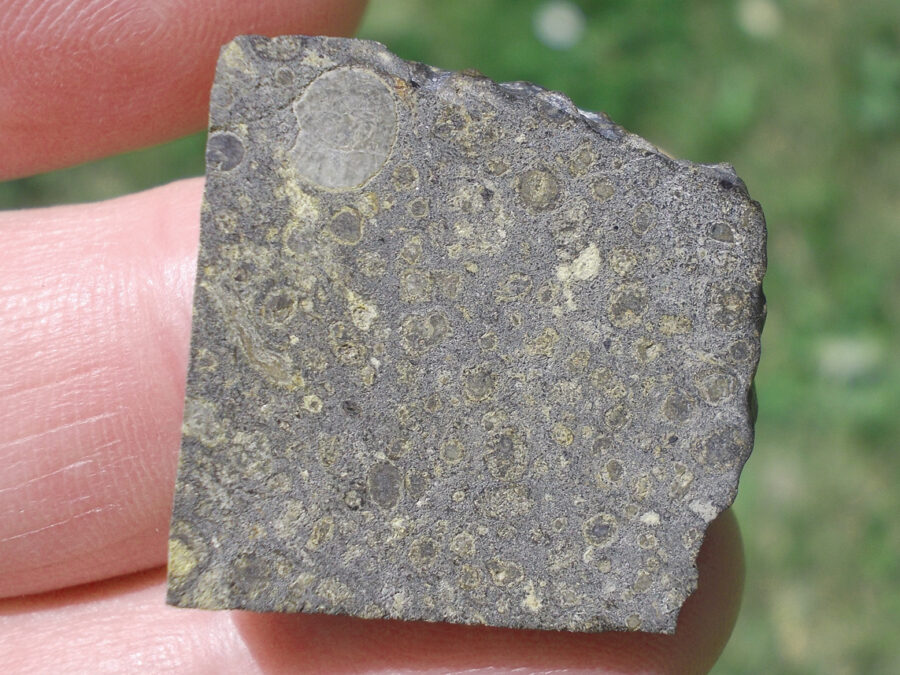
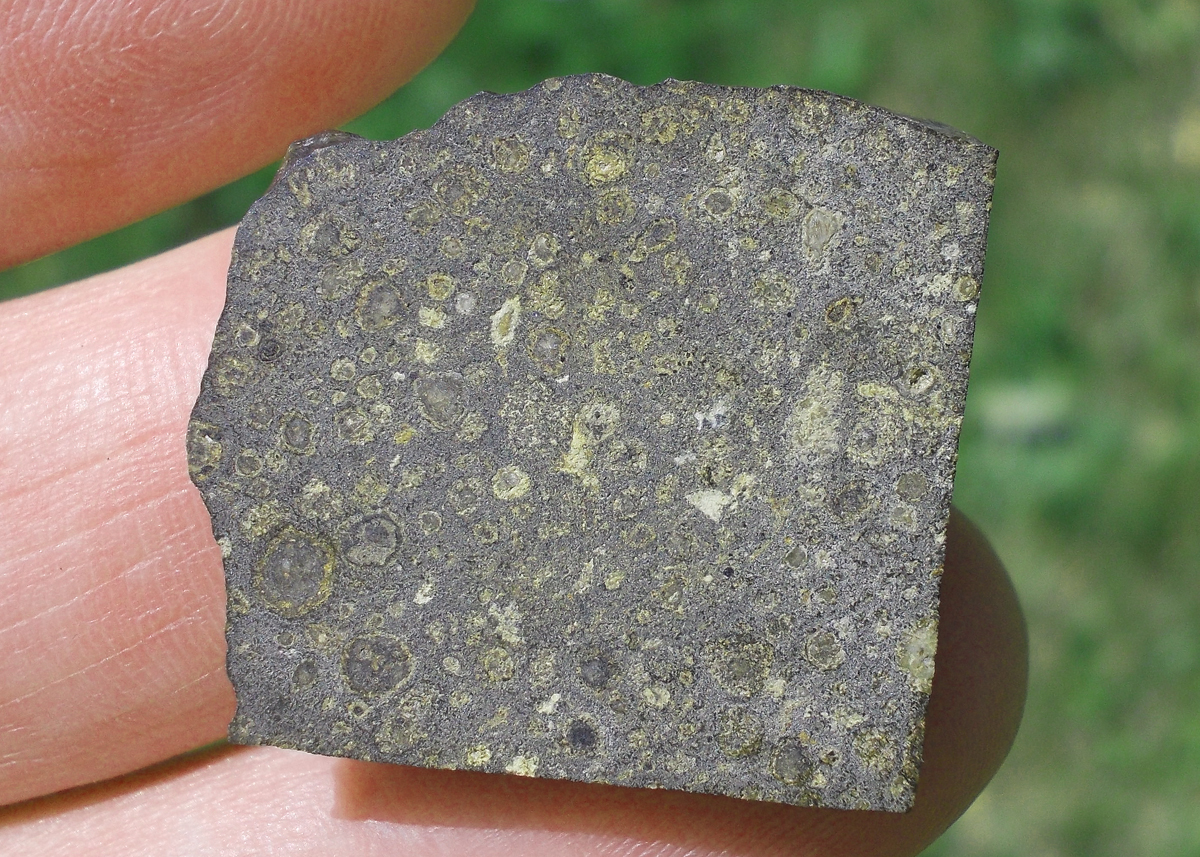
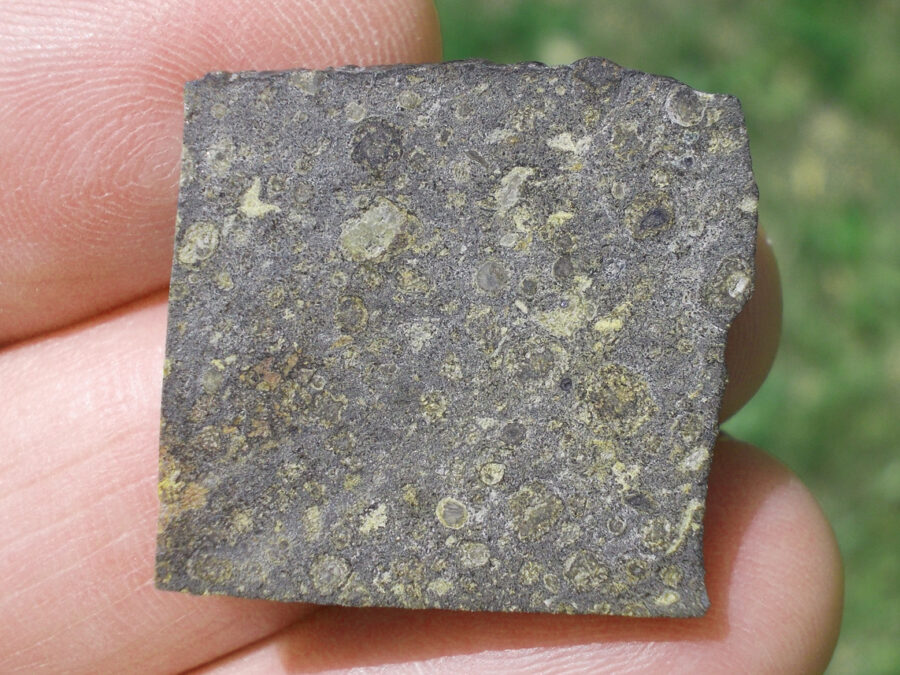
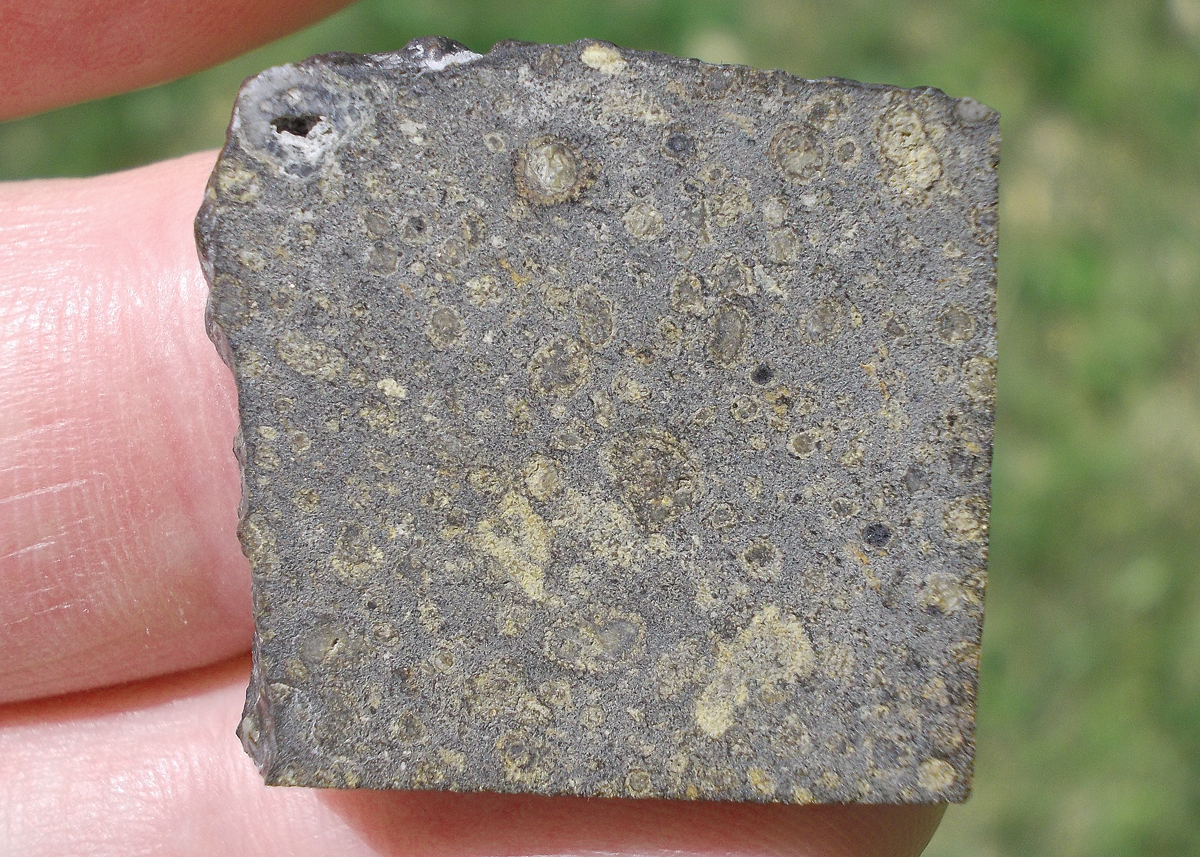
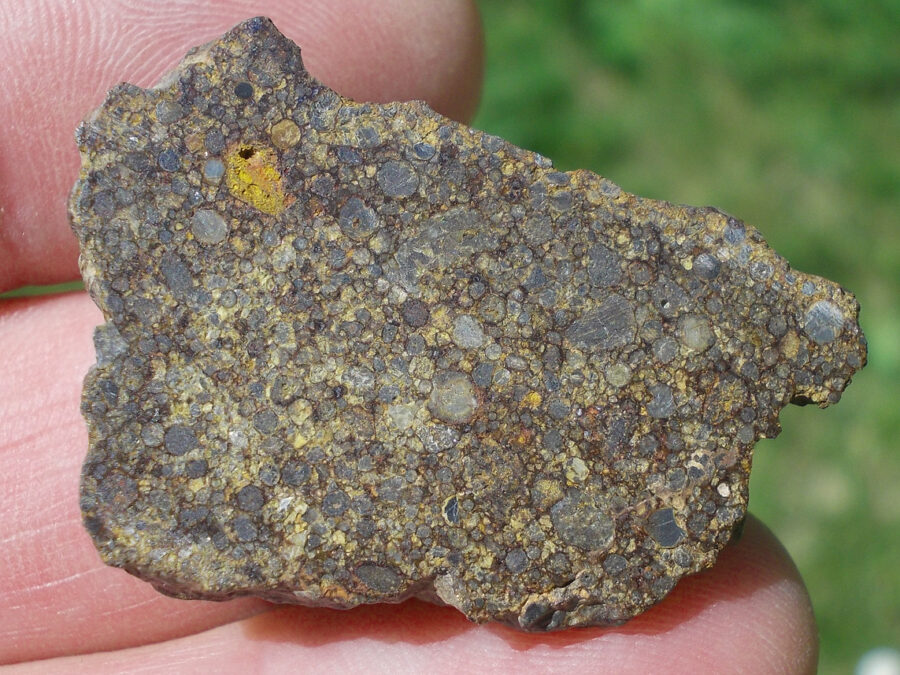
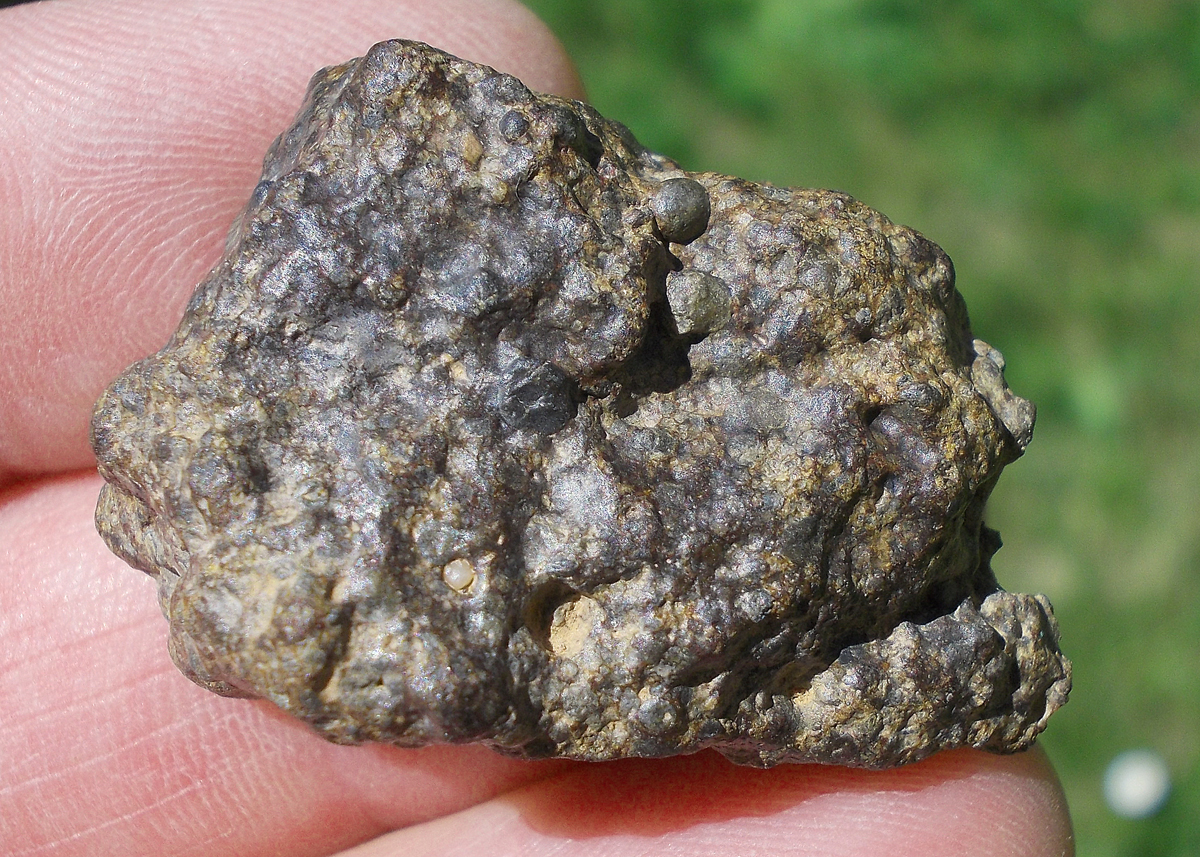
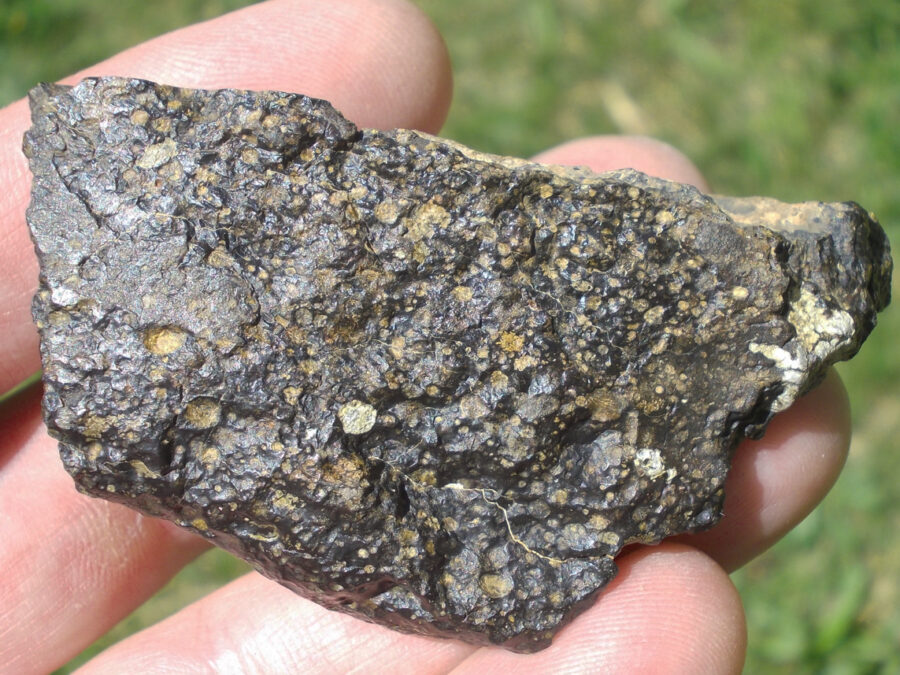
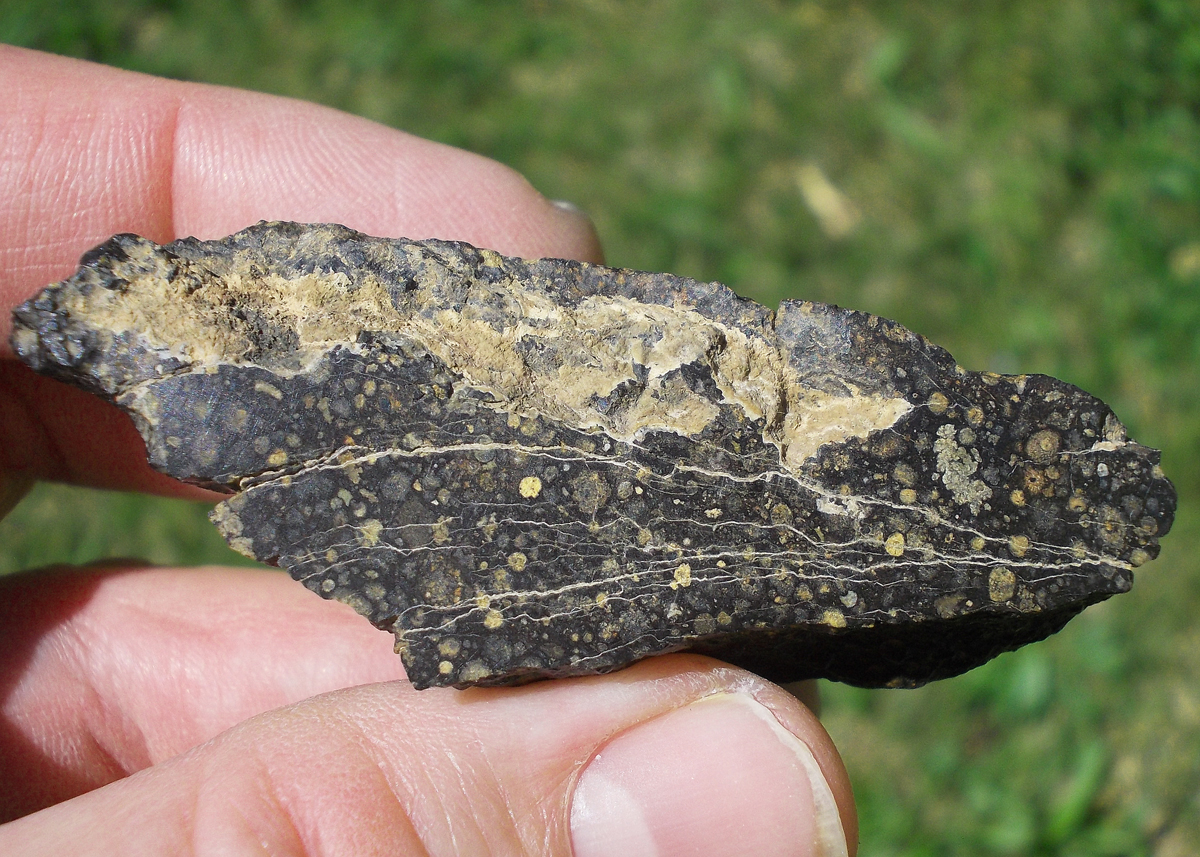
Physical characteristics: Eight irregular gray fragments without fusion crust. Chondrules are clearly visible at the surface. Cut surface shows closely packed large chondrules, with little weathering.
History: Bought by Jean Redelsperger from Lahcen Ait Ha in Erfoud in January 2015.
Physical characteristics: Eight irregular gray fragments without fusion crust. Chondrules are clearly visible at the surface. Cut surface shows closely packed large chondrules, with little weathering.
History: Bought by Jean Redelsperger from Lahcen Ait Ha in Erfoud in January 2015.
Physical characteristics: Eight irregular gray fragments without fusion crust. Chondrules are clearly visible at the surface. Cut surface shows closely packed large chondrules, with little weathering.
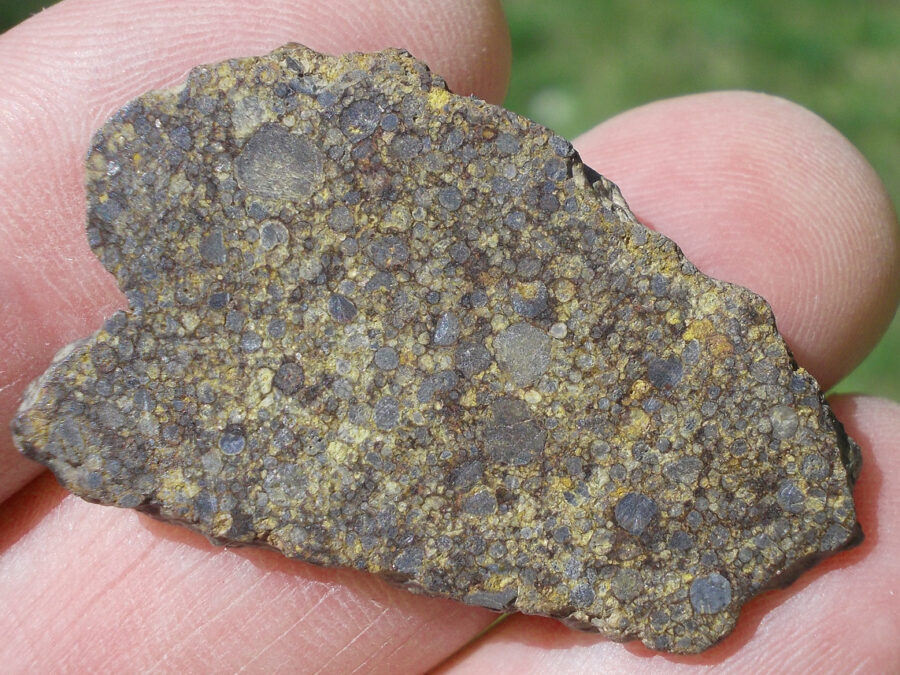
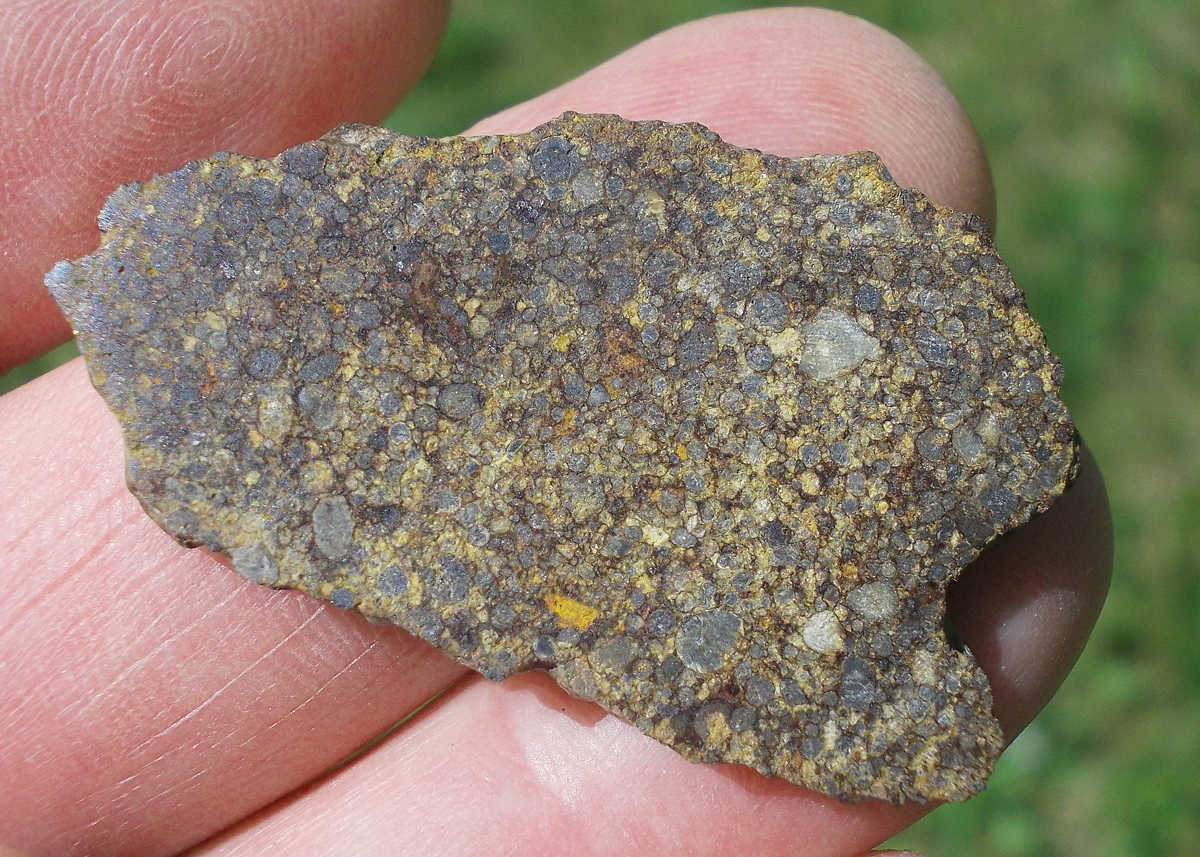
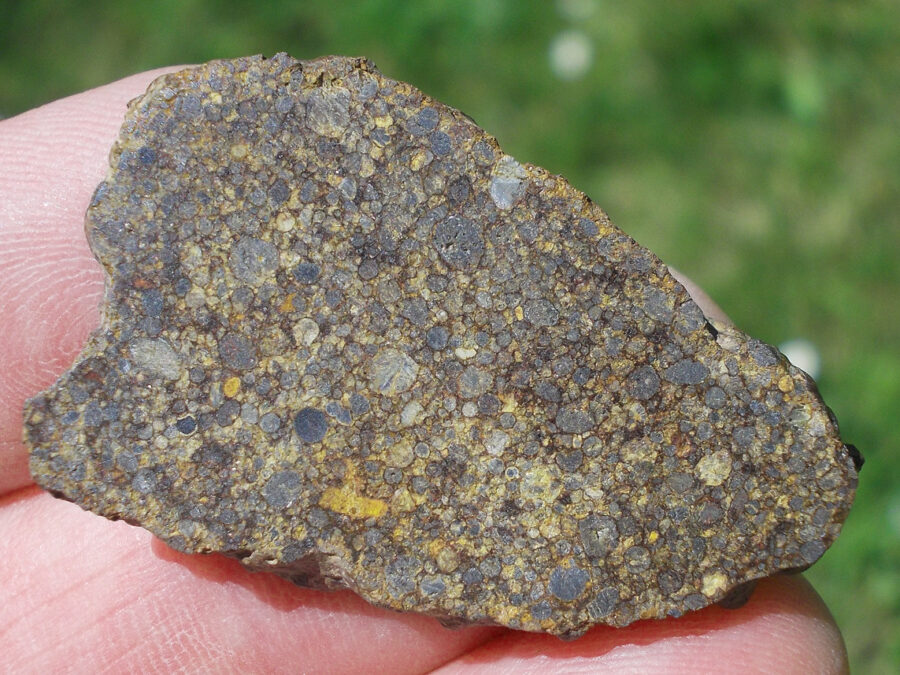
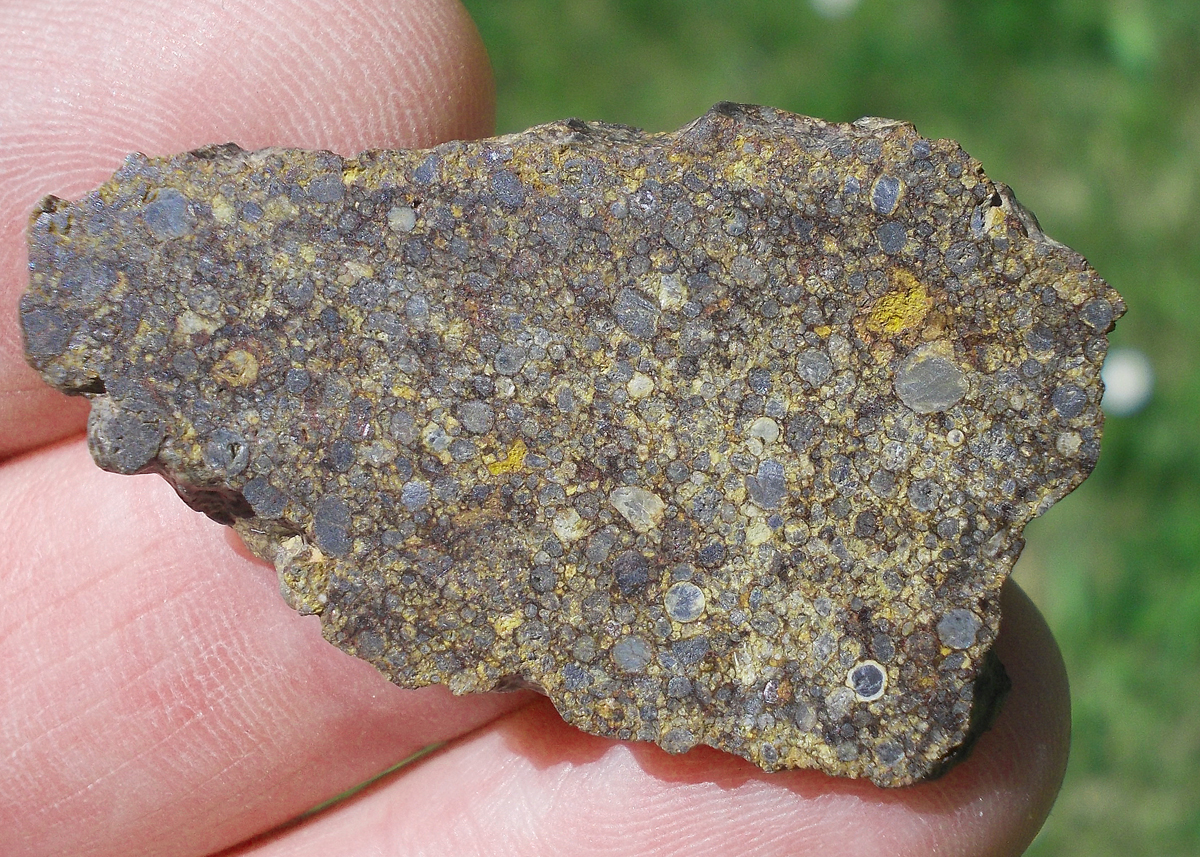
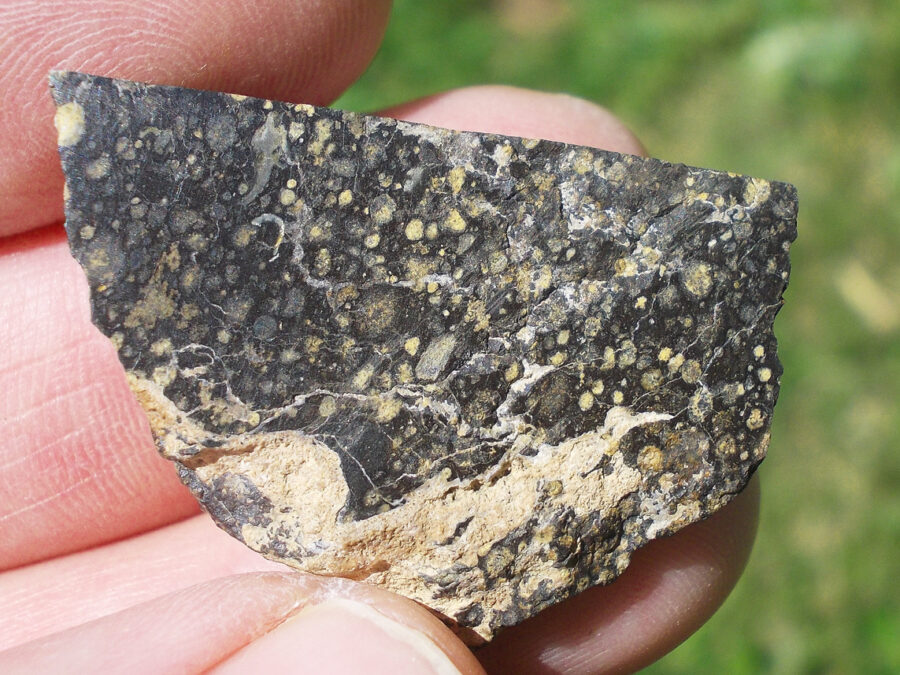
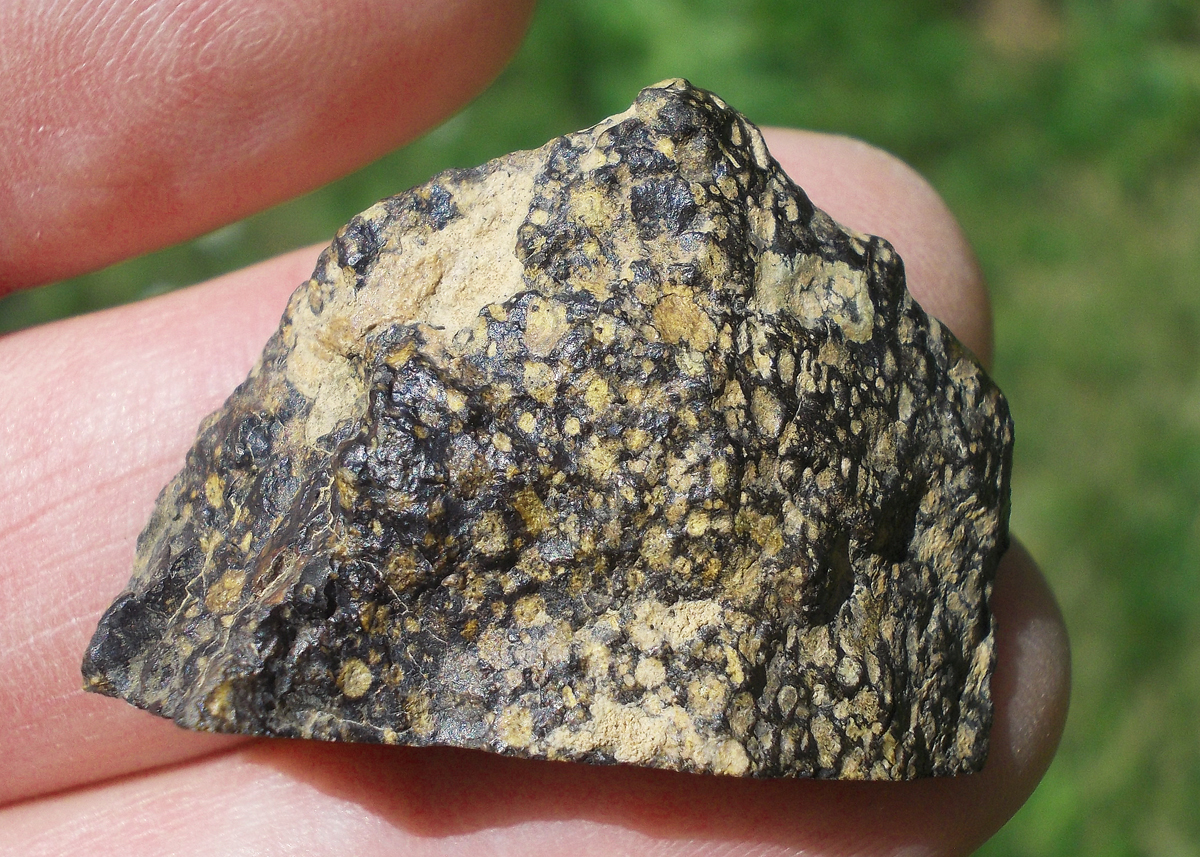
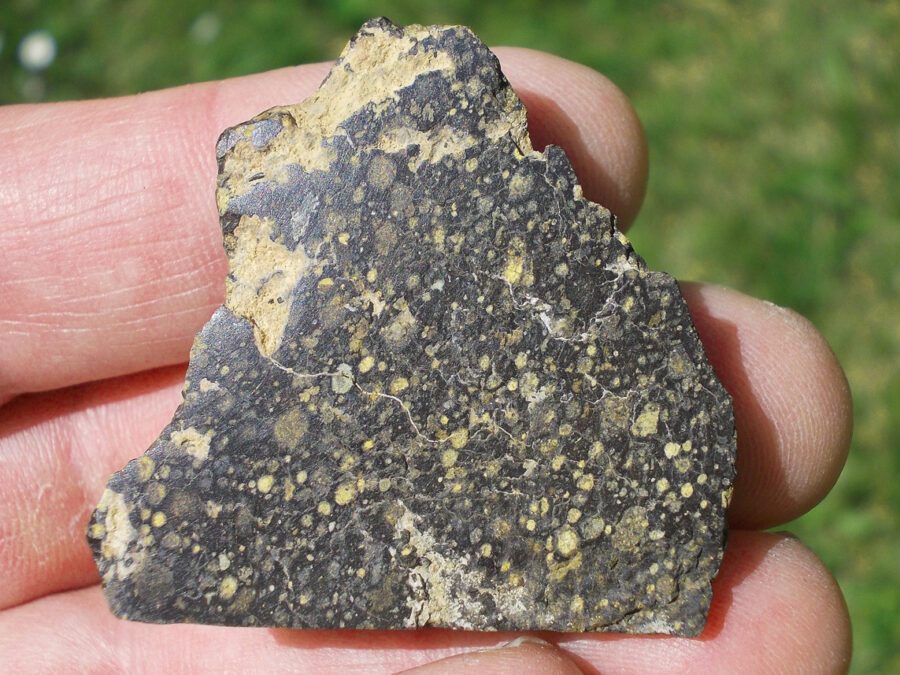
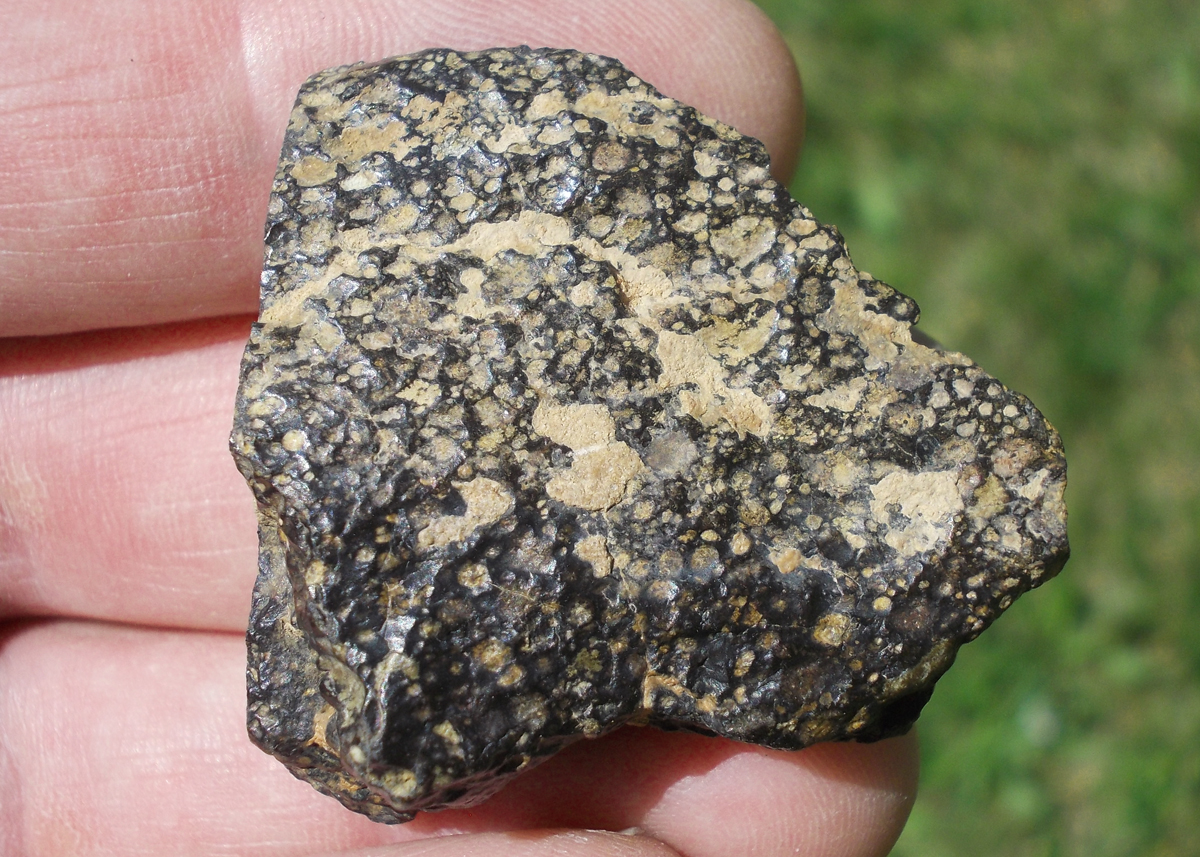
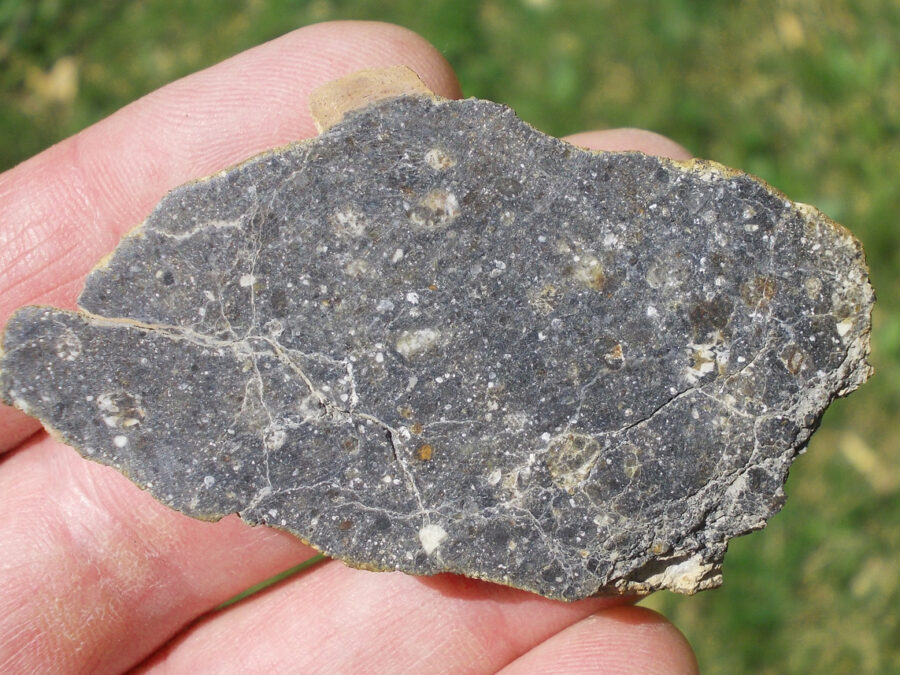
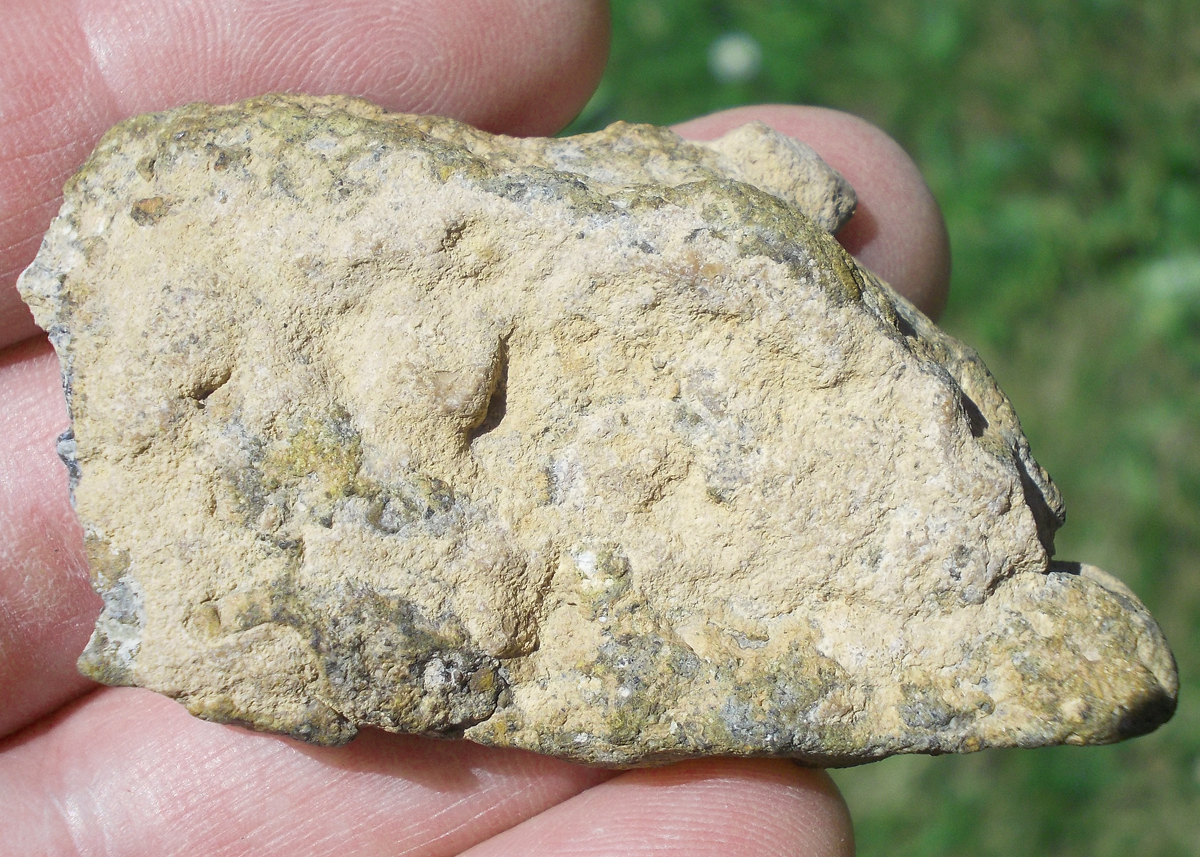
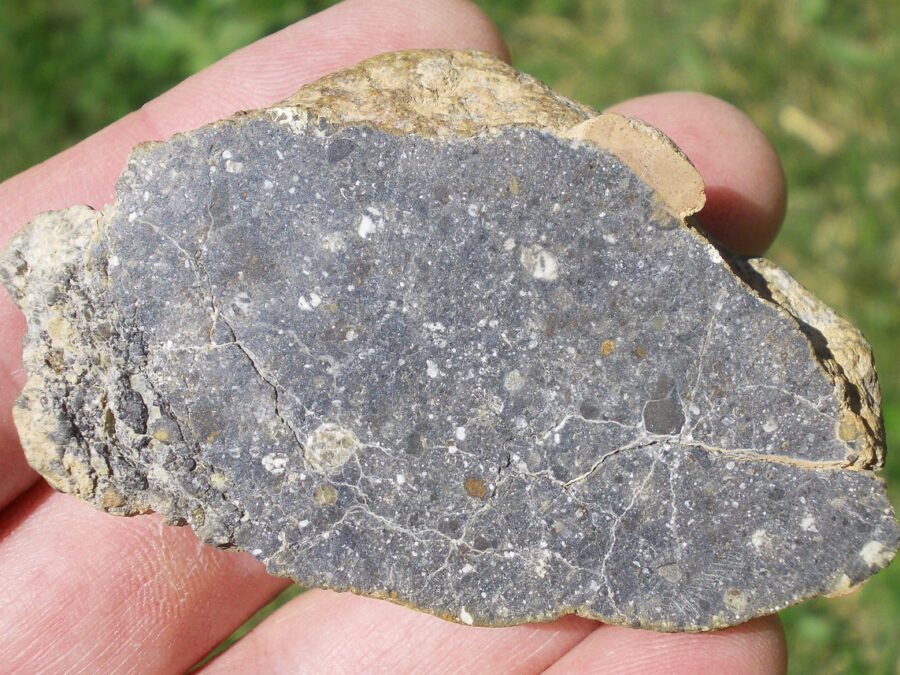
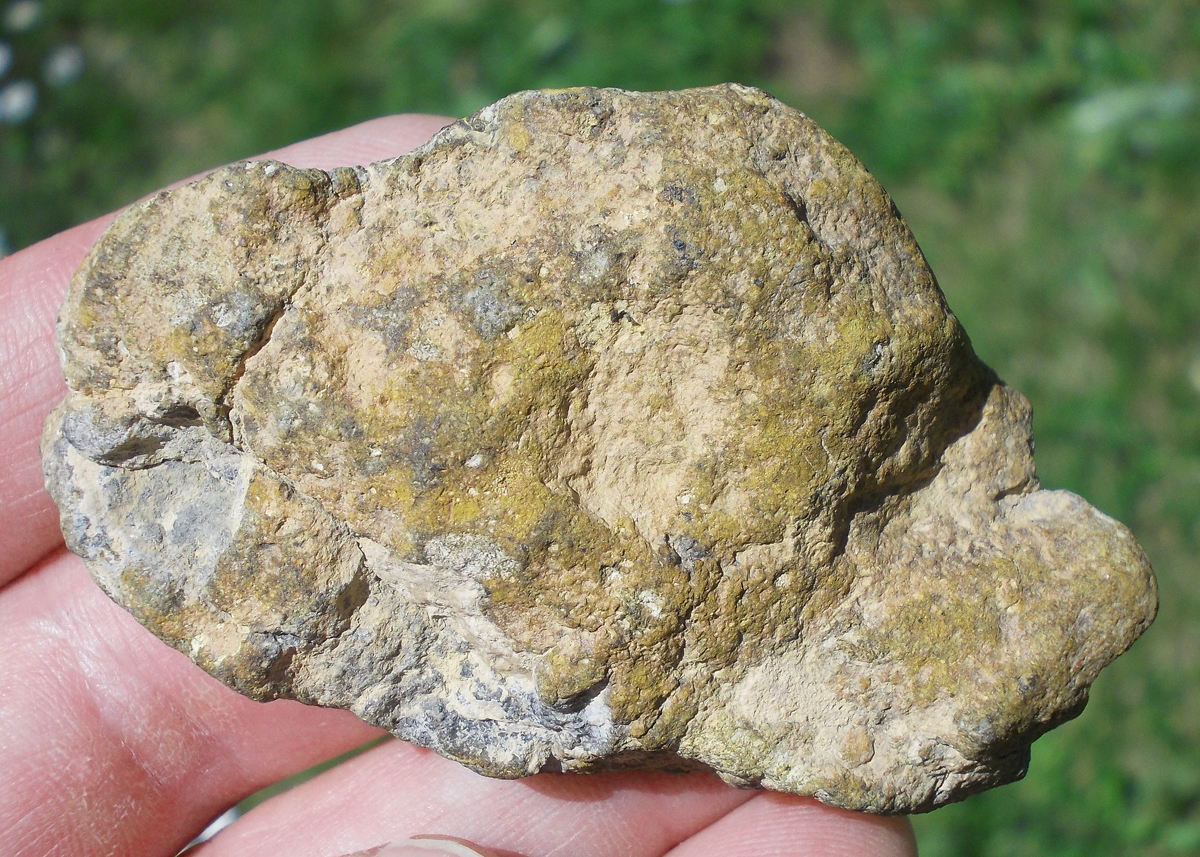
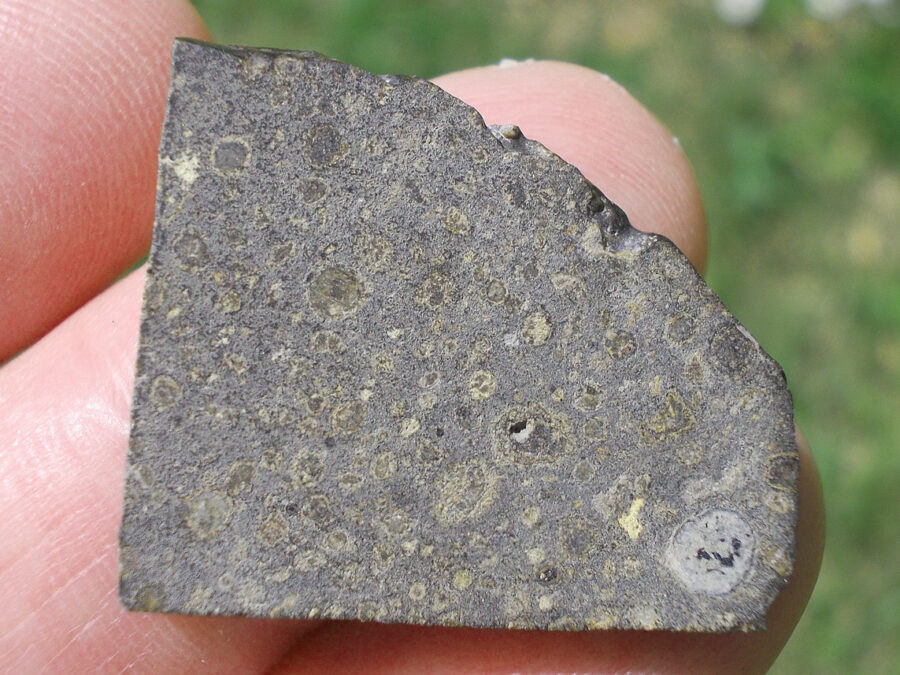
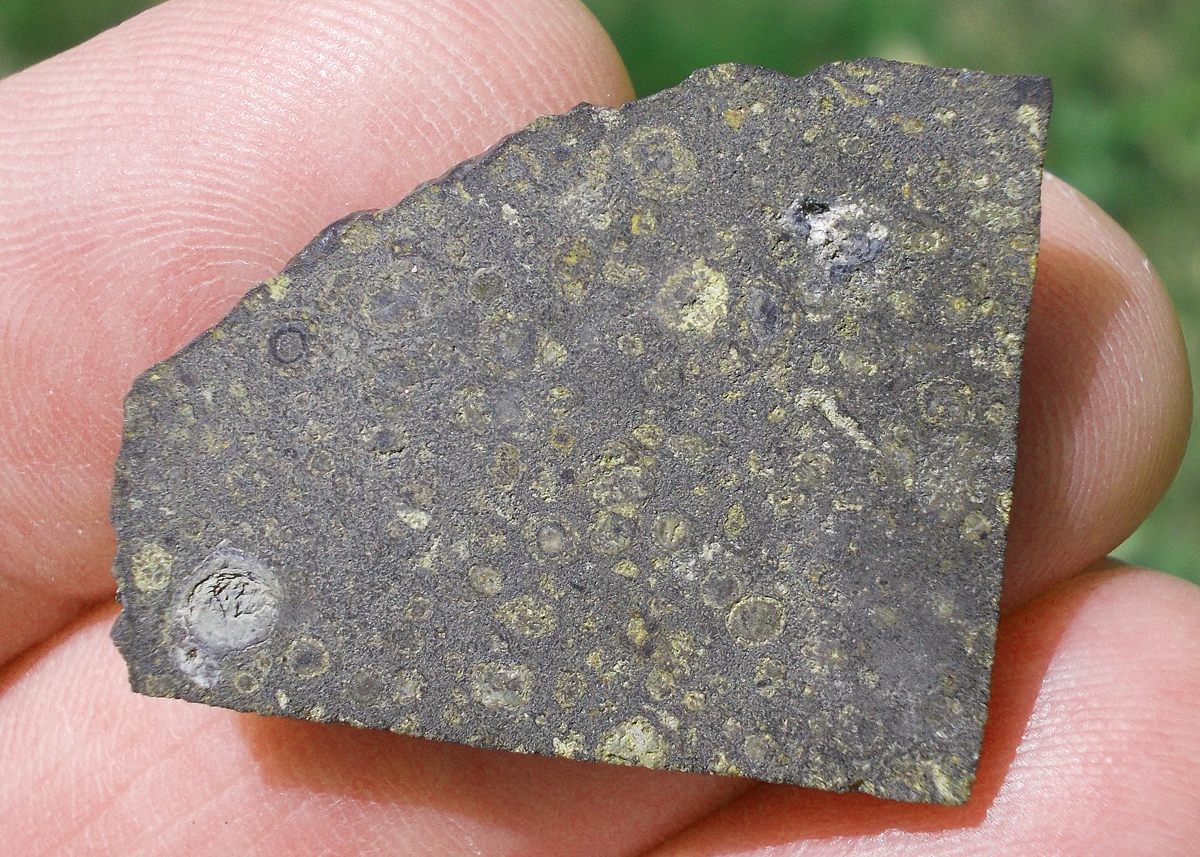
NWA 13881 is a CV3 meteorite with very large chondrules.
CV3 chondrites are characterized by the presence of large chondrules, abundant pre-solar isotopes and white inclusions called CAI’s.
CAI’s are mineral inclusions rich in calcium and aluminum, formed between 4,567 and 4,571 million years ago, making them the oldest materials in the Solar System.
NWA 13881 is a CV3 meteorite with very large chondrules.
CV3 chondrites are characterized by the presence of large chondrules, abundant pre-solar isotopes and white inclusions called CAI’s.
CAI’s are mineral inclusions rich in calcium and aluminum, formed between 4,567 and 4,571 million years ago, making them the oldest materials in the Solar System.
NWA 13881 is a CV3 meteorite with very large chondrules.
CV3 chondrites are characterized by the presence of large chondrules, abundant pre-solar isotopes and white inclusions called CAI’s.
CAI’s are mineral inclusions rich in calcium and aluminum, formed between 4,567 and 4,571 million years ago, making them the oldest materials in the Solar System.
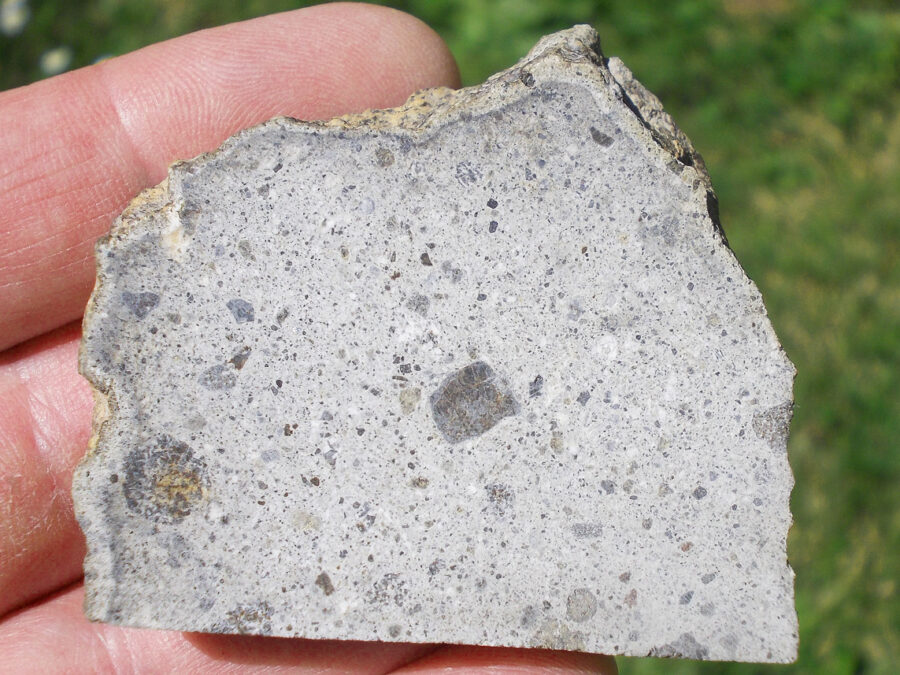
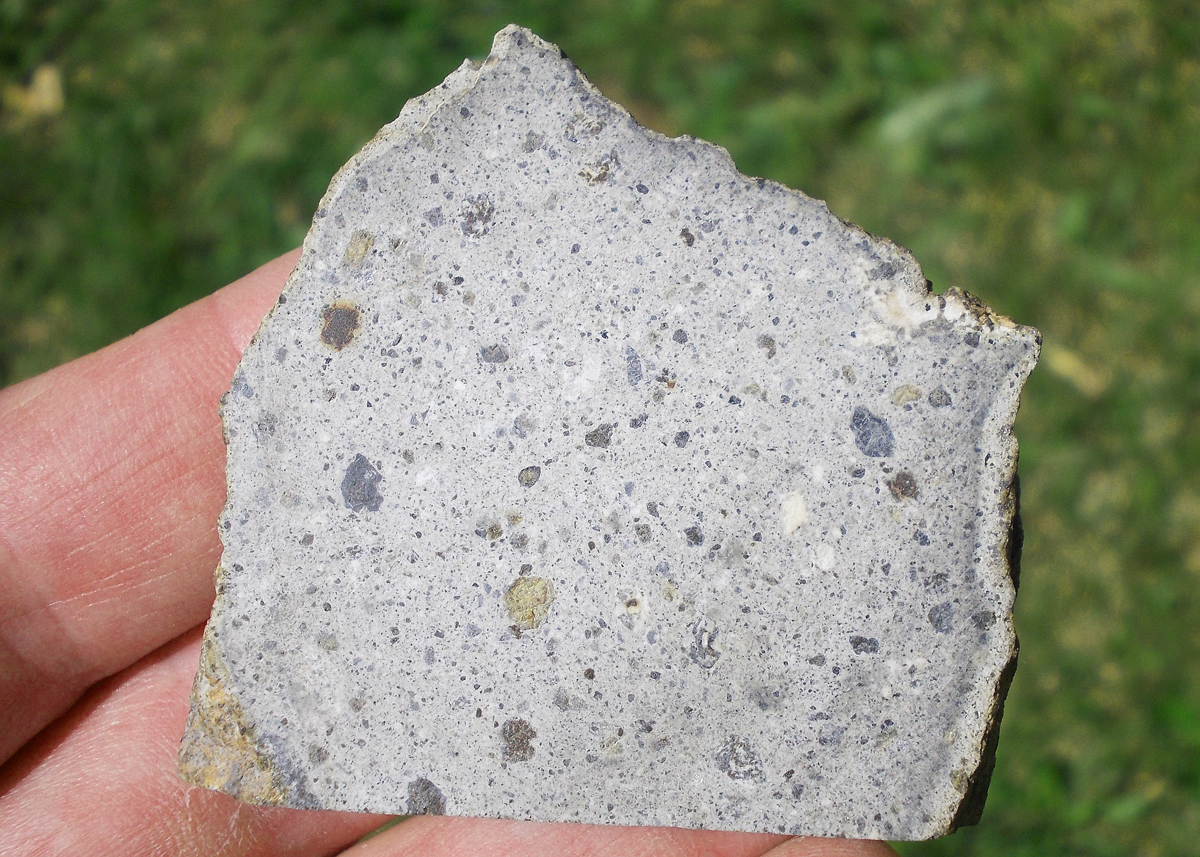
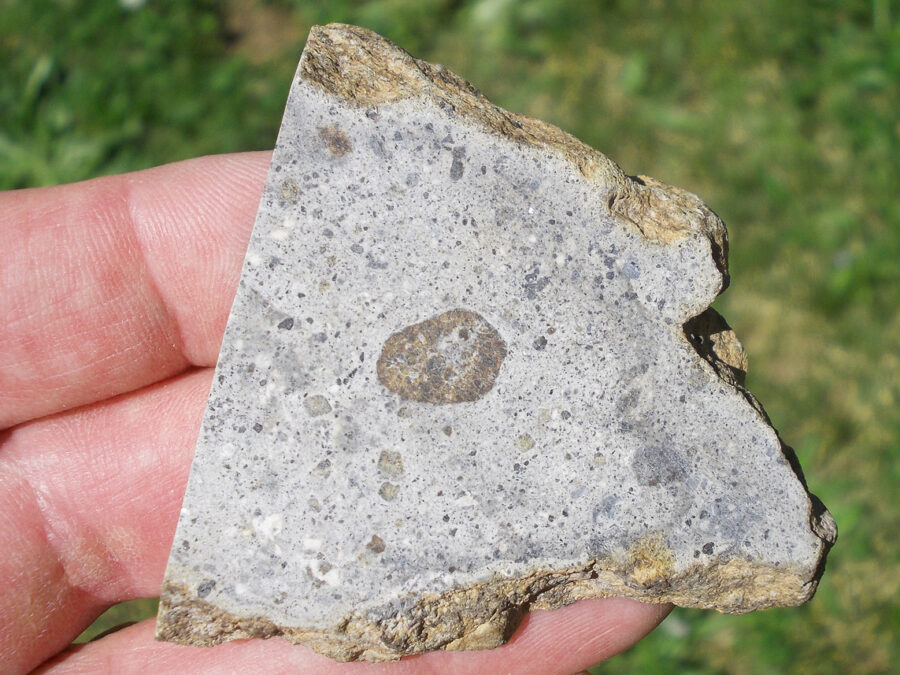
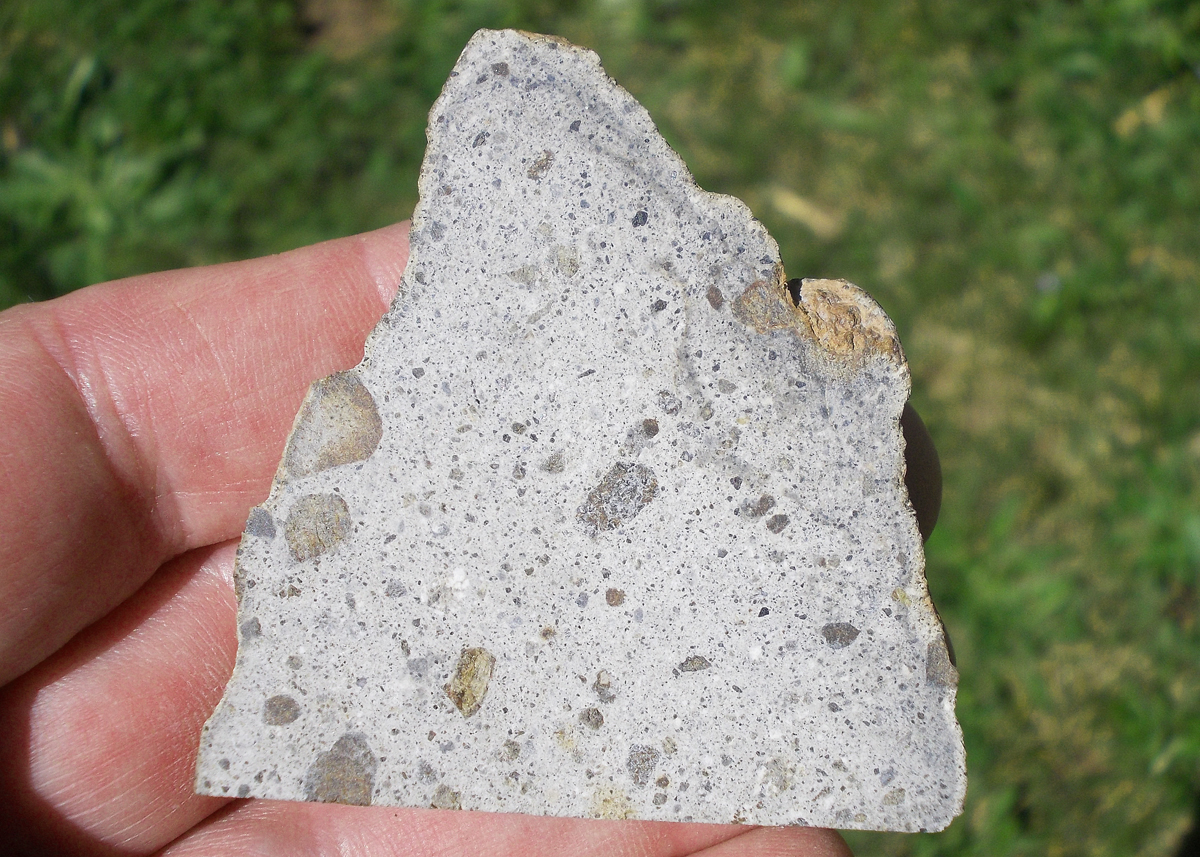
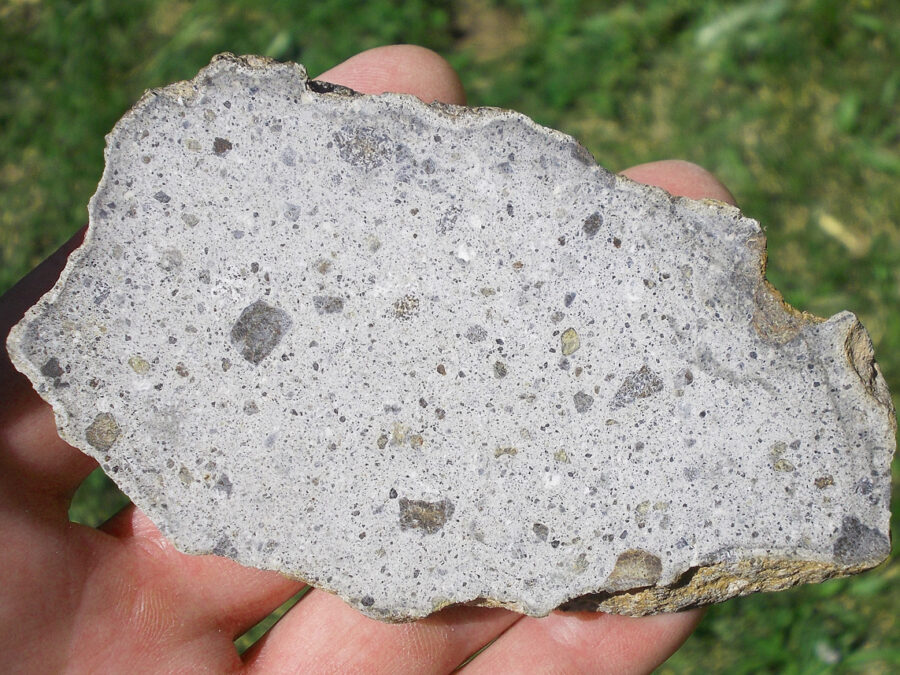
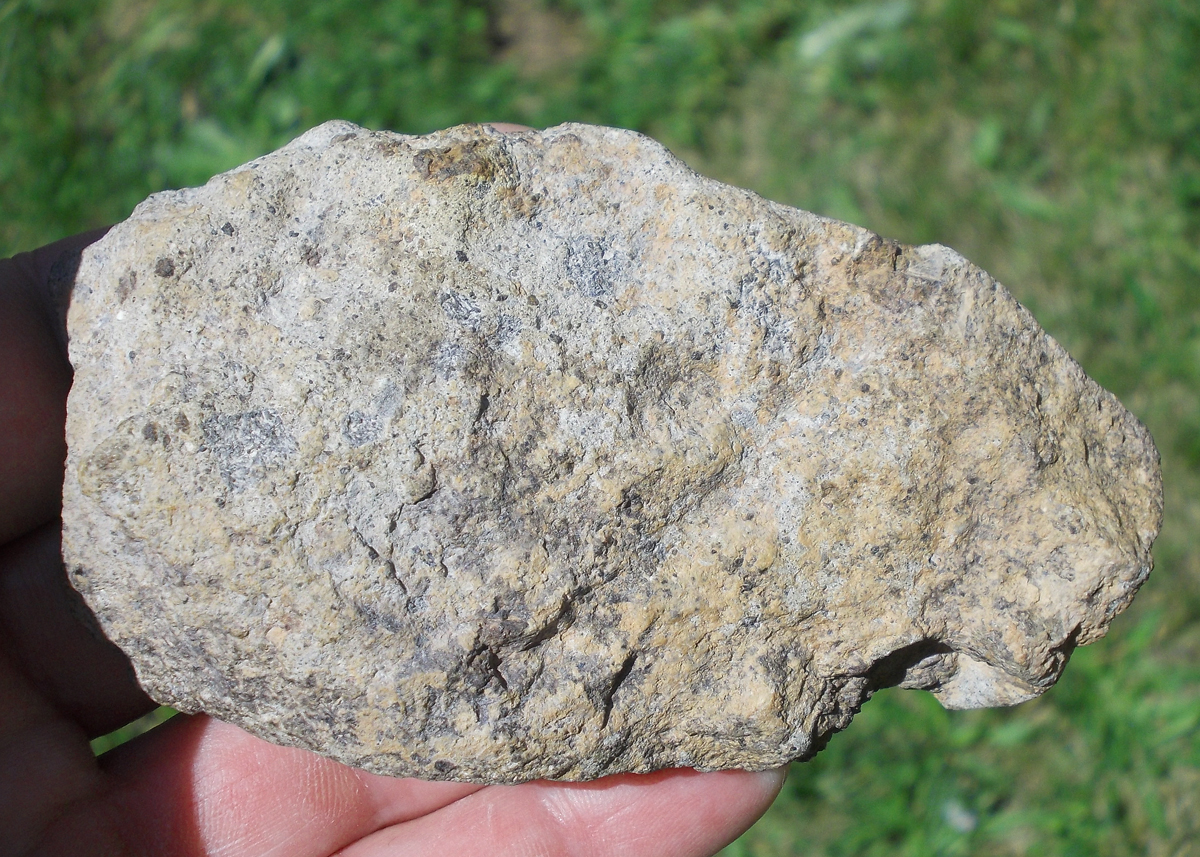
Bechar 008 is a Howardite meteorite found in Algeria in July 2022 near Alagla.
Howardite meteorites come from the asteroid Vesta, which lies between Mars and Jupiter.
Bechar 008 is a Howardite meteorite found in Algeria in July 2022 near Alagla.
Howardite meteorites come from the asteroid Vesta, which lies between Mars and Jupiter.
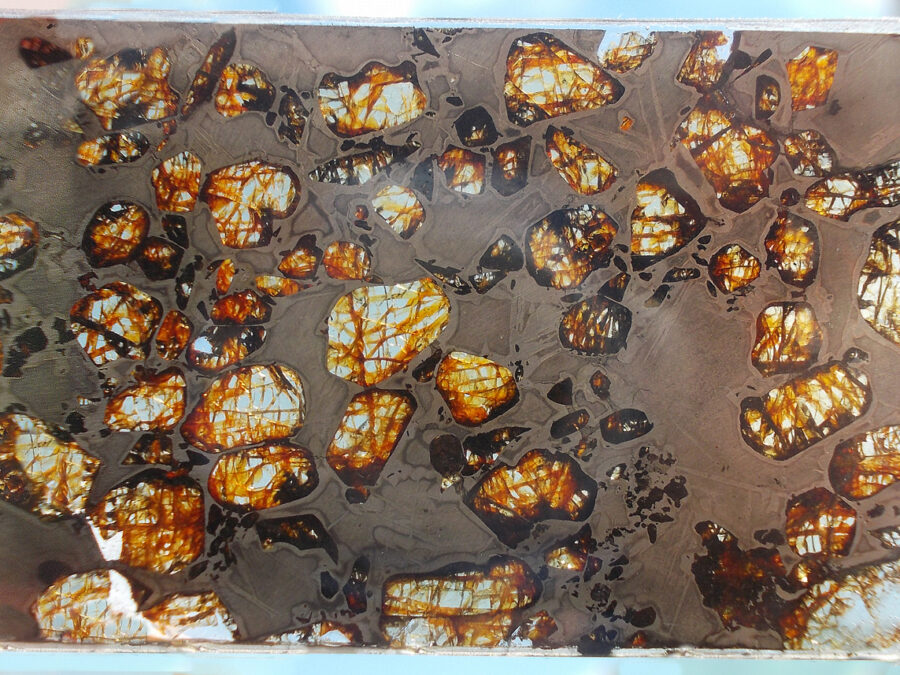
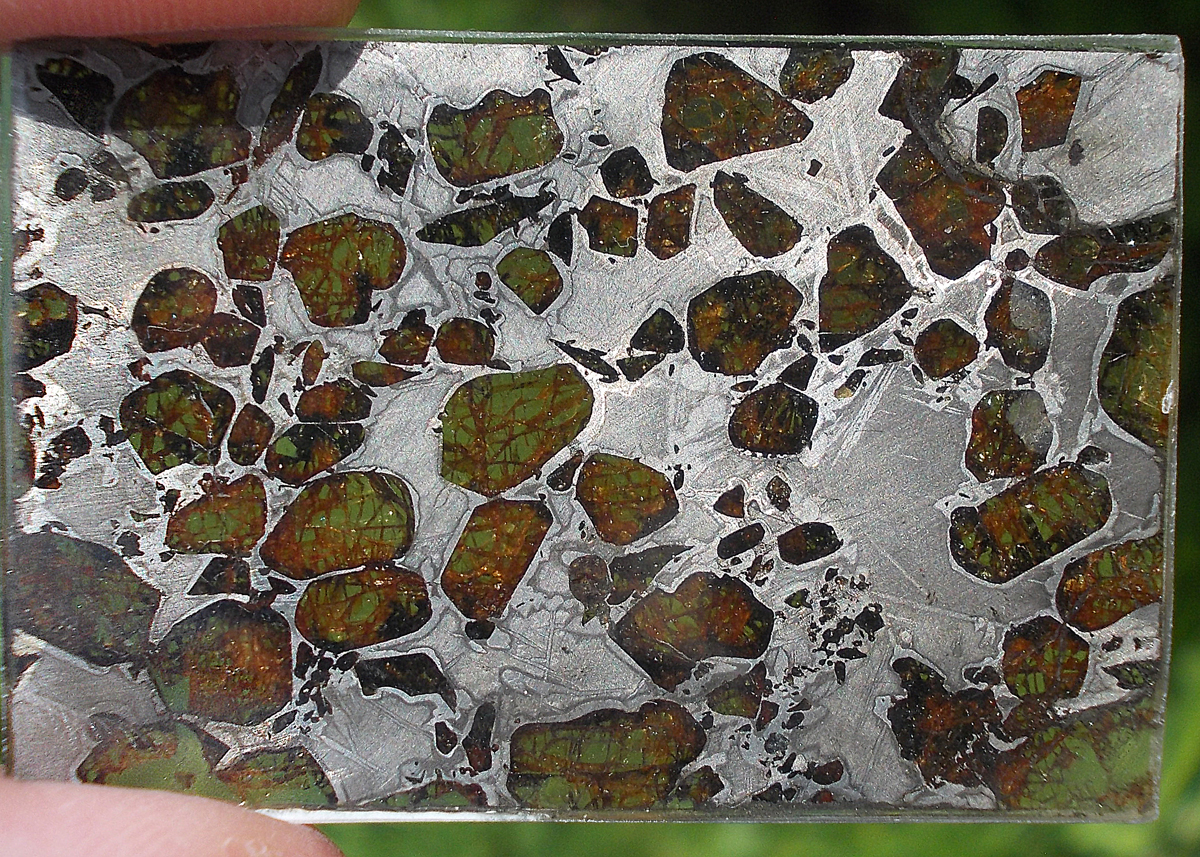
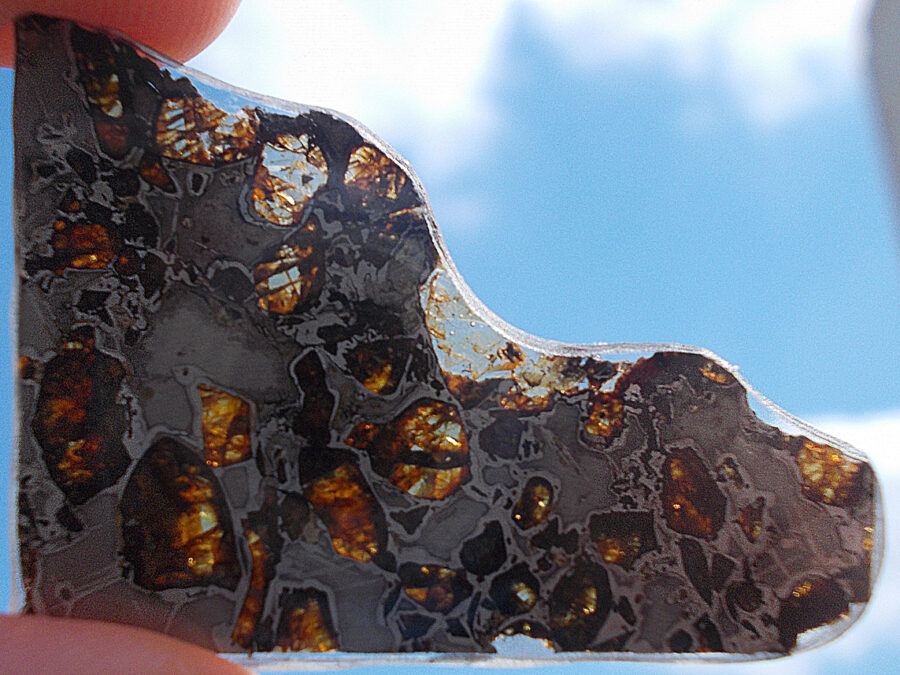
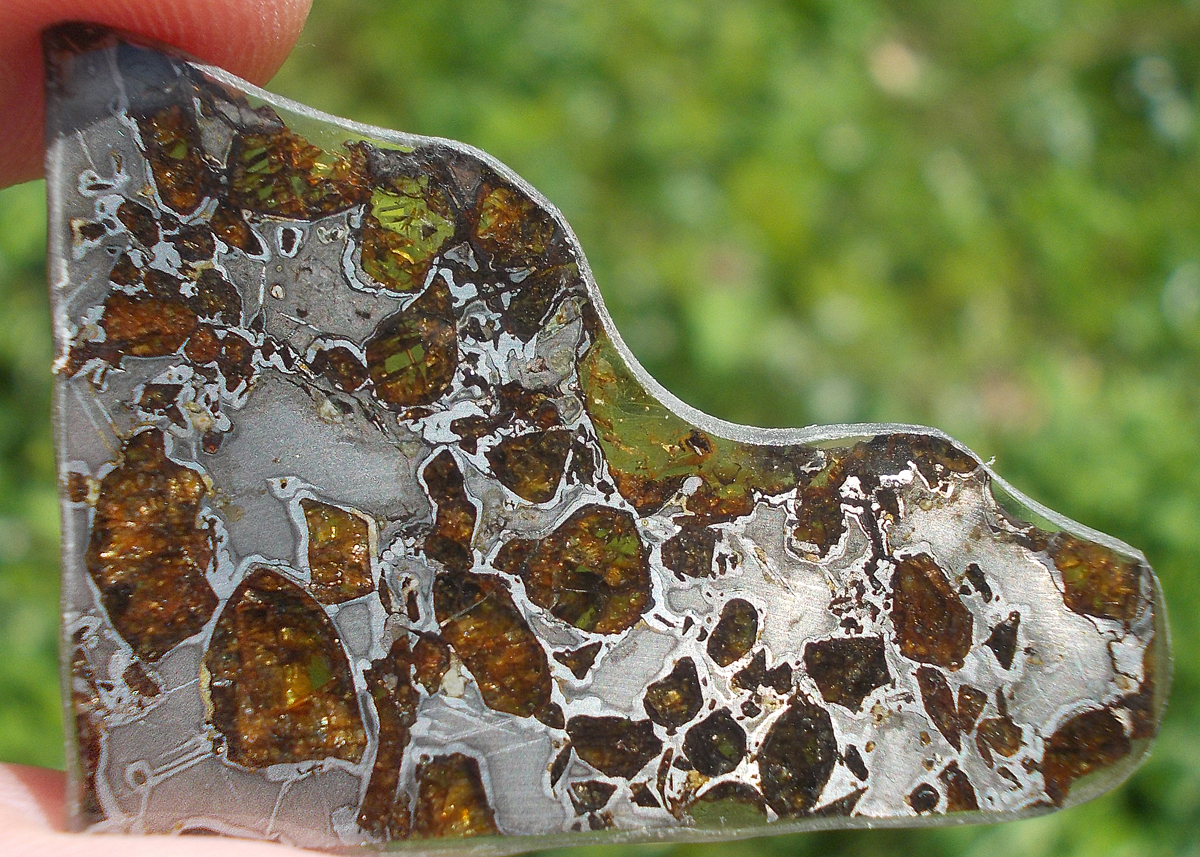
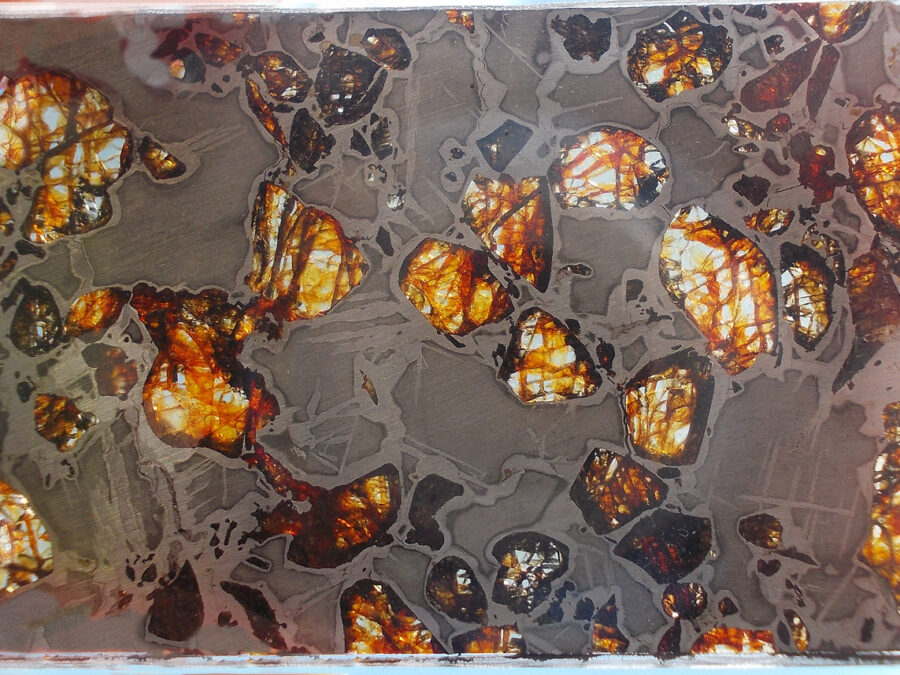
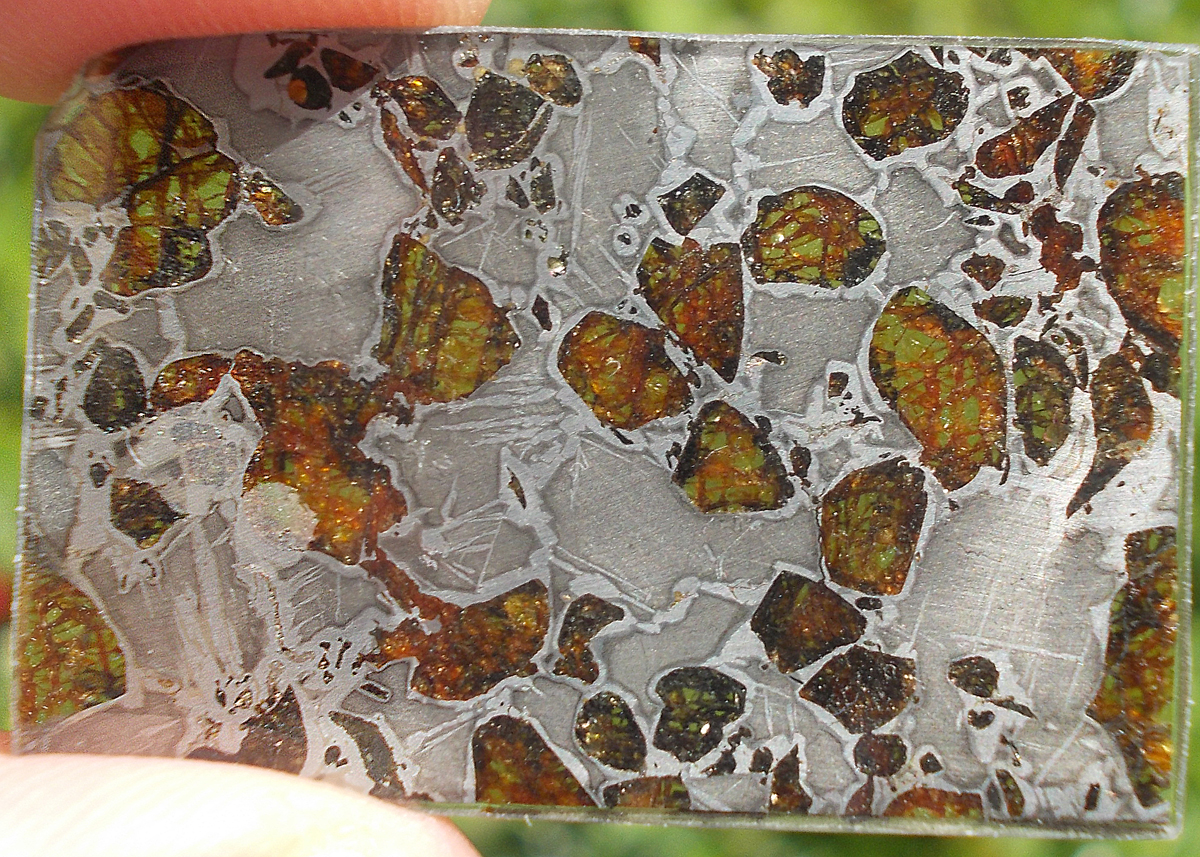
Gyarub Zangbo is a pallasite-type meteorite discovered in Tibet in 2020, weighing just 18 kg.
The mineral chemistry, the O and Cr isotopes of olivine and the metallic phase make this an anomalous carbonaceous pallasite.
Gyarub Zangbo appears to be a unique pallasite from a previously unrepresented asteroid in the pallasite collection.
Pallasites are unique stony-iron meteorites composed mainly of olivine and ferrous metal.
They are thought to have formed in the boundary region between the core and mantle of asteroids, inside asteroids.
Pallasites are meteorites composed of olivine crystals embedded in an iron-nickel matrix.
Pallasites are among the most aesthetically pleasing of meteorites.
Exceptional quality !
Thin, translucent slice protected by a very thin layer of resin.
Gyarub Zangbo is a pallasite-type meteorite discovered in Tibet in 2020, weighing just 18 kg.
The mineral chemistry, the O and Cr isotopes of olivine and the metallic phase make this an anomalous carbonaceous pallasite.
Gyarub Zangbo appears to be a unique pallasite from a previously unrepresented asteroid in the pallasite collection.
Pallasites are unique stony-iron meteorites composed mainly of olivine and ferrous metal.
They are thought to have formed in the boundary region between the core and mantle of asteroids, inside asteroids.
Pallasites are meteorites composed of olivine crystals embedded in an iron-nickel matrix.
Pallasites are among the most aesthetically pleasing of meteorites.
Exceptional quality !
Thin, translucent slice protected by a very thin layer of resin.
Gyarub Zangbo is a pallasite-type meteorite discovered in Tibet in 2020, weighing just 18 kg.
The mineral chemistry, the O and Cr isotopes of olivine and the metallic phase make this an anomalous carbonaceous pallasite.
Gyarub Zangbo appears to be a unique pallasite from a previously unrepresented asteroid in the pallasite collection.
Pallasites are unique stony-iron meteorites composed mainly of olivine and ferrous metal.
They are thought to have formed in the boundary region between the core and mantle of asteroids, inside asteroids.
Pallasites are meteorites composed of olivine crystals embedded in an iron-nickel matrix.
Pallasites are among the most aesthetically pleasing of meteorites.
Exceptional quality !
Thin, translucent slice protected by a very thin layer of resin.
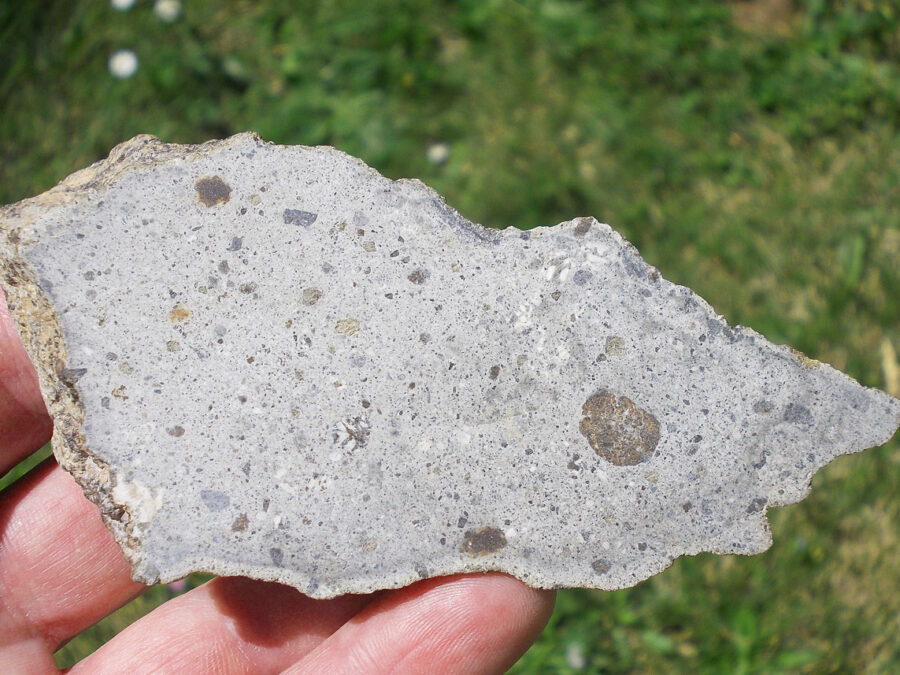
History: Found by Ahmed Dich and Hssain Azmamar in January 2021. Bought by Jean Redelsperger from Zaid Oualguirah in February 2021.
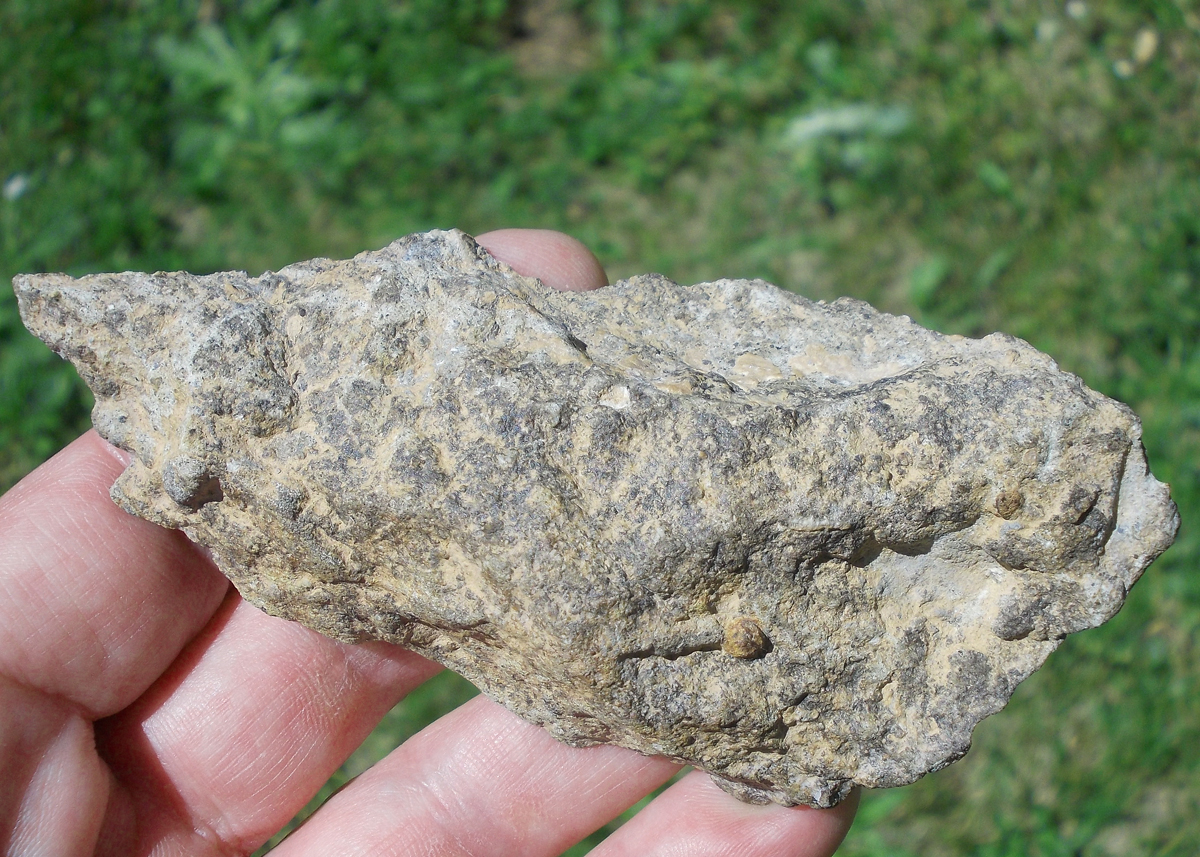
Physical characteristics: Partially crusted stone with a light grey interior
Petrography: (J.Gattacceca, CEREGE) Brecciated igneous rock with mineral and lithic gabbroic clasts. Main minerals are pyroxene (some exsolved) and plagioclase with grain size in the 100 to 500 µm range. Accessory minerals: metal (to 150 µm), chromite (to 100 µm), ilmenite (to 150 µm), troilite (to 200 µm).
History: Found by Ahmed Dich and Hssain Azmamar in January 2021. Bought by Jean Redelsperger from Zaid Oualguirah in February 2021.
Physical characteristics: Partially crusted stone with a light grey interior
Petrography: (J.Gattacceca, CEREGE) Brecciated igneous rock with mineral and lithic gabbroic clasts. Main minerals are pyroxene (some exsolved) and plagioclase with grain size in the 100 to 500 µm range. Accessory minerals: metal (to 150 µm), chromite (to 100 µm), ilmenite (to 150 µm), troilite (to 200 µm).
History: Found by Ahmed Dich and Hssain Azmamar in January 2021. Bought by Jean Redelsperger from Zaid Oualguirah in February 2021.
Physical characteristics: Partially crusted stone with a light grey interior
Petrography: (J.Gattacceca, CEREGE) Brecciated igneous rock with mineral and lithic gabbroic clasts. Main minerals are pyroxene (some exsolved) and plagioclase with grain size in the 100 to 500 µm range. Accessory minerals: metal (to 150 µm), chromite (to 100 µm), ilmenite (to 150 µm), troilite (to 200 µm).
History: Found by Ahmed Dich and Hssain Azmamar in January 2021. Bought by Jean Redelsperger from Zaid Oualguirah in February 2021.
Physical characteristics: Partially crusted stone with a light grey interior
Petrography: (J.Gattacceca, CEREGE) Brecciated igneous rock with mineral and lithic gabbroic clasts. Main minerals are pyroxene (some exsolved) and plagioclase with grain size in the 100 to 500 µm range. Accessory minerals: metal (to 150 µm), chromite (to 100 µm), ilmenite (to 150 µm), troilite (to 200 µm).


 Out of stock