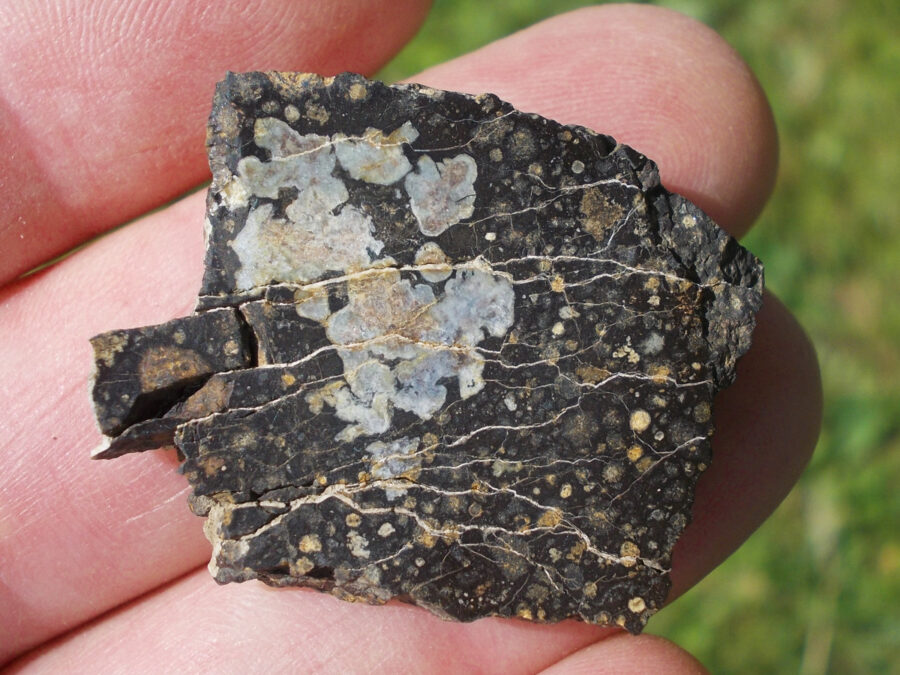
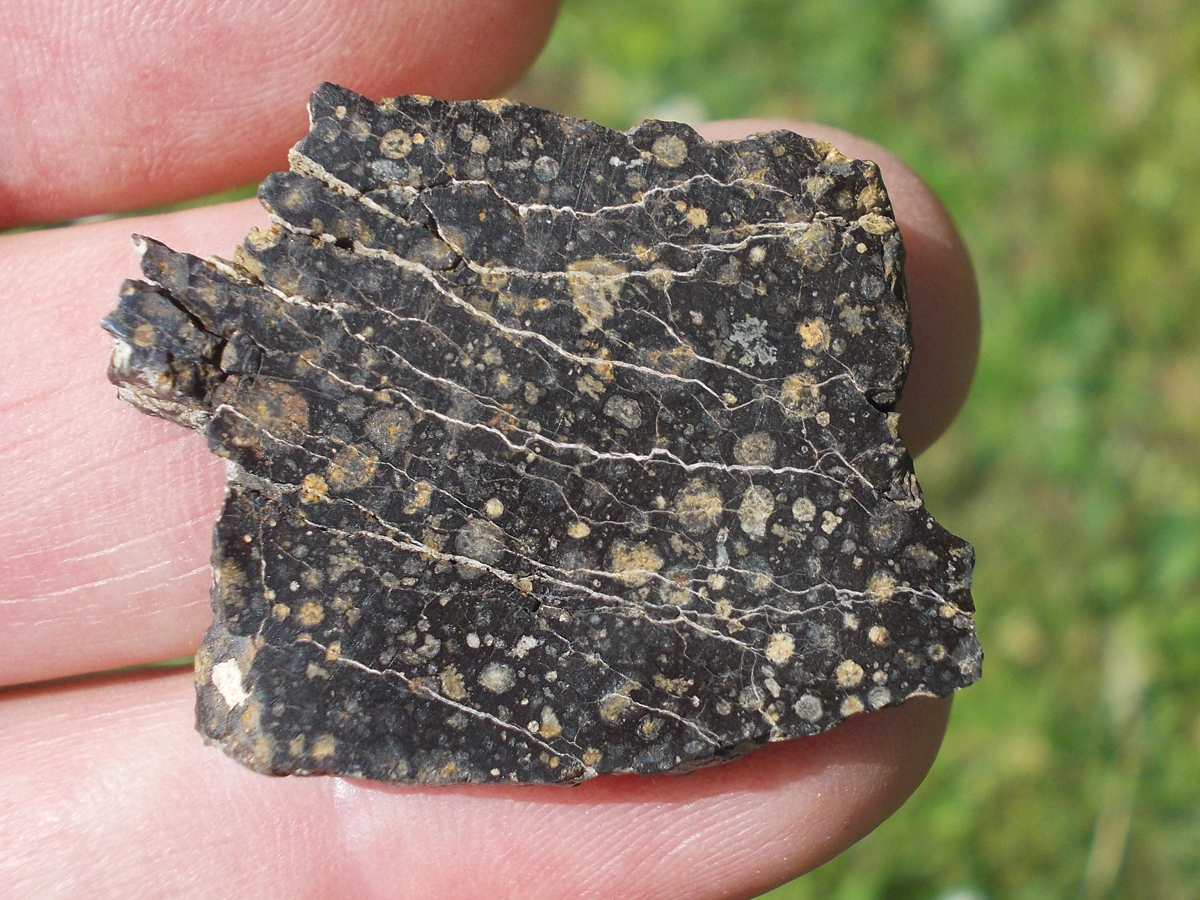
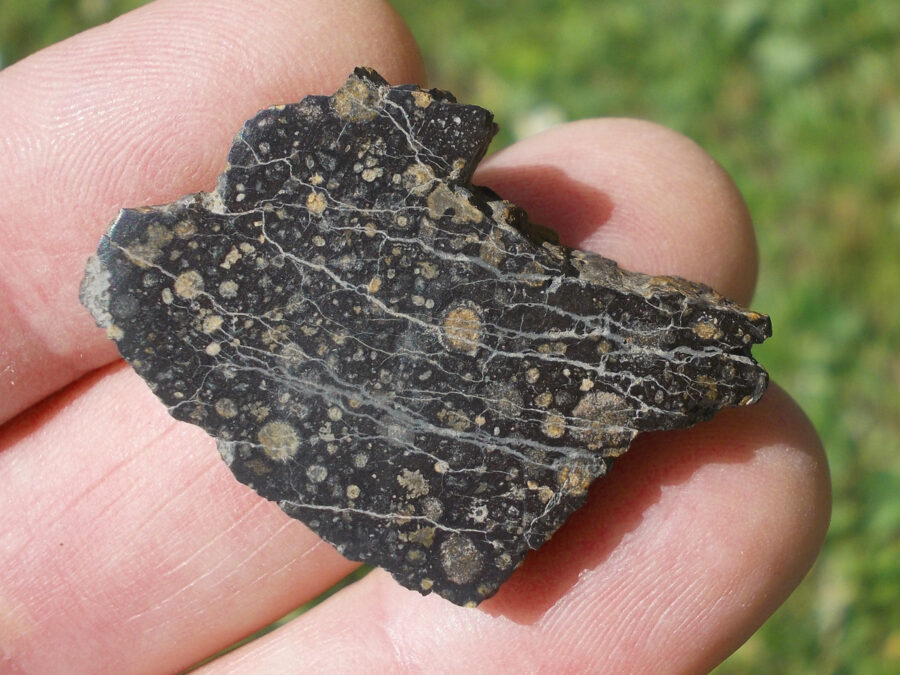
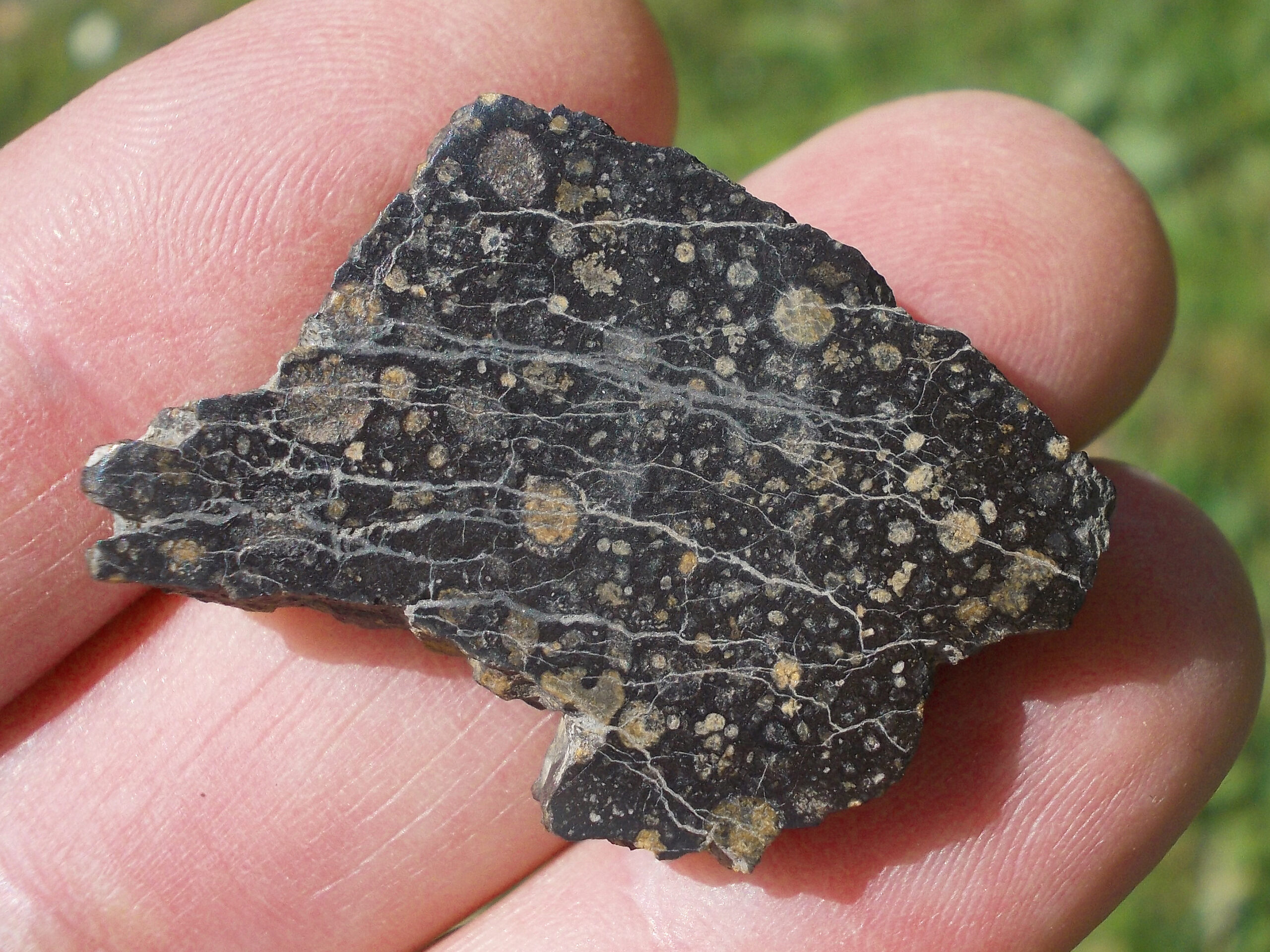
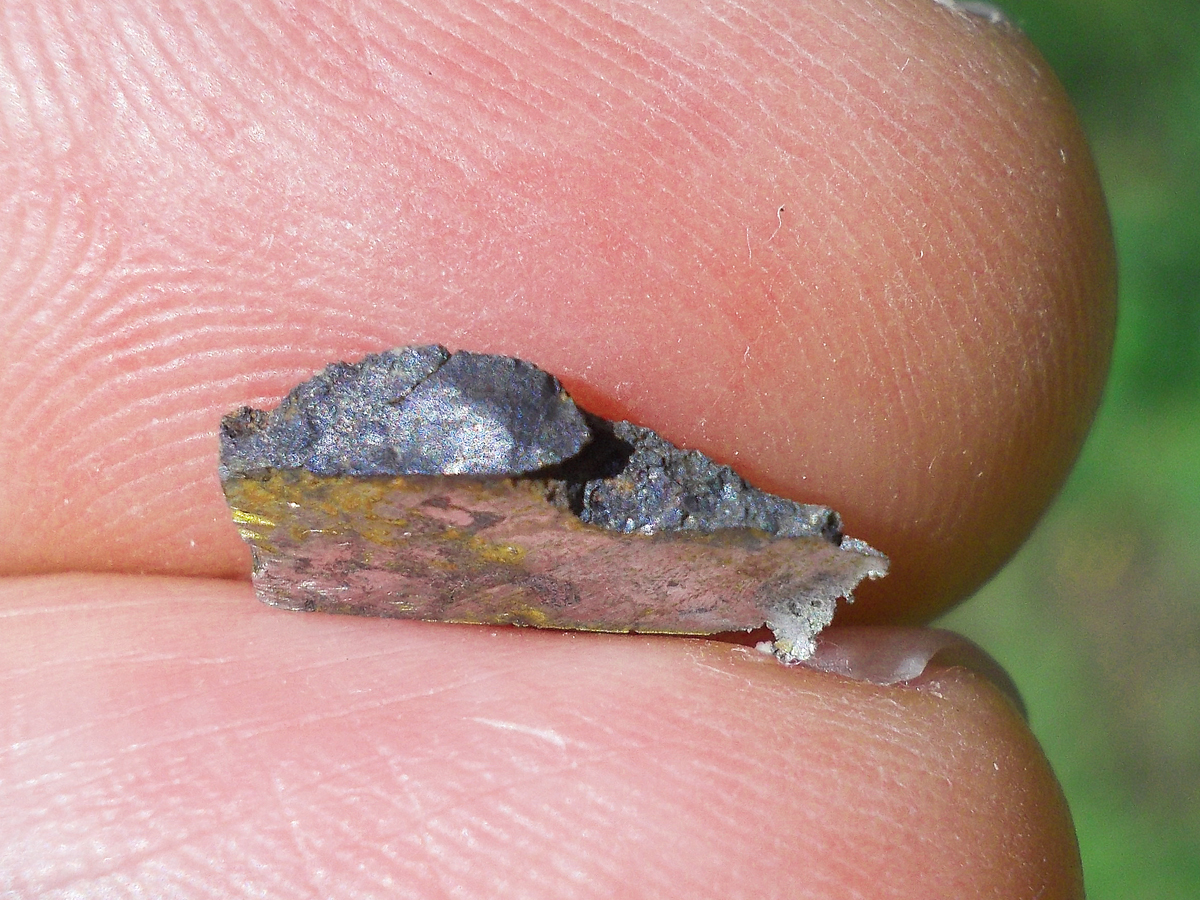
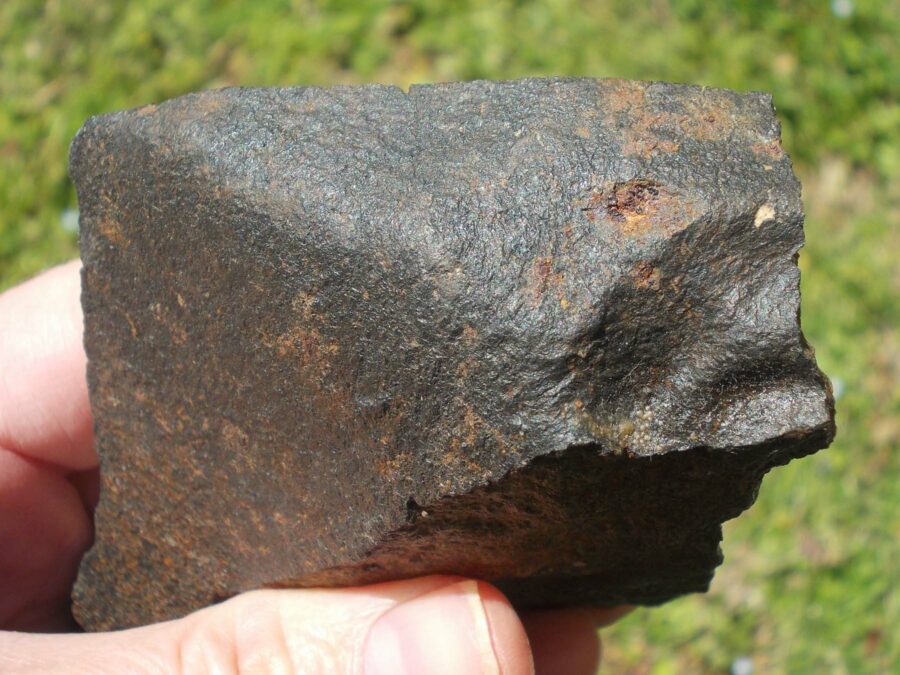
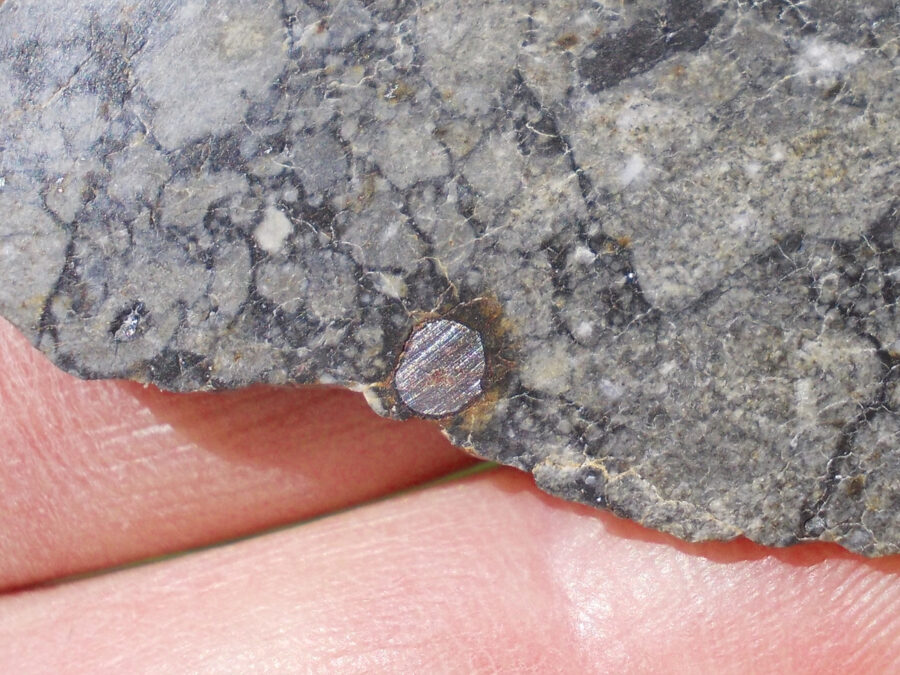
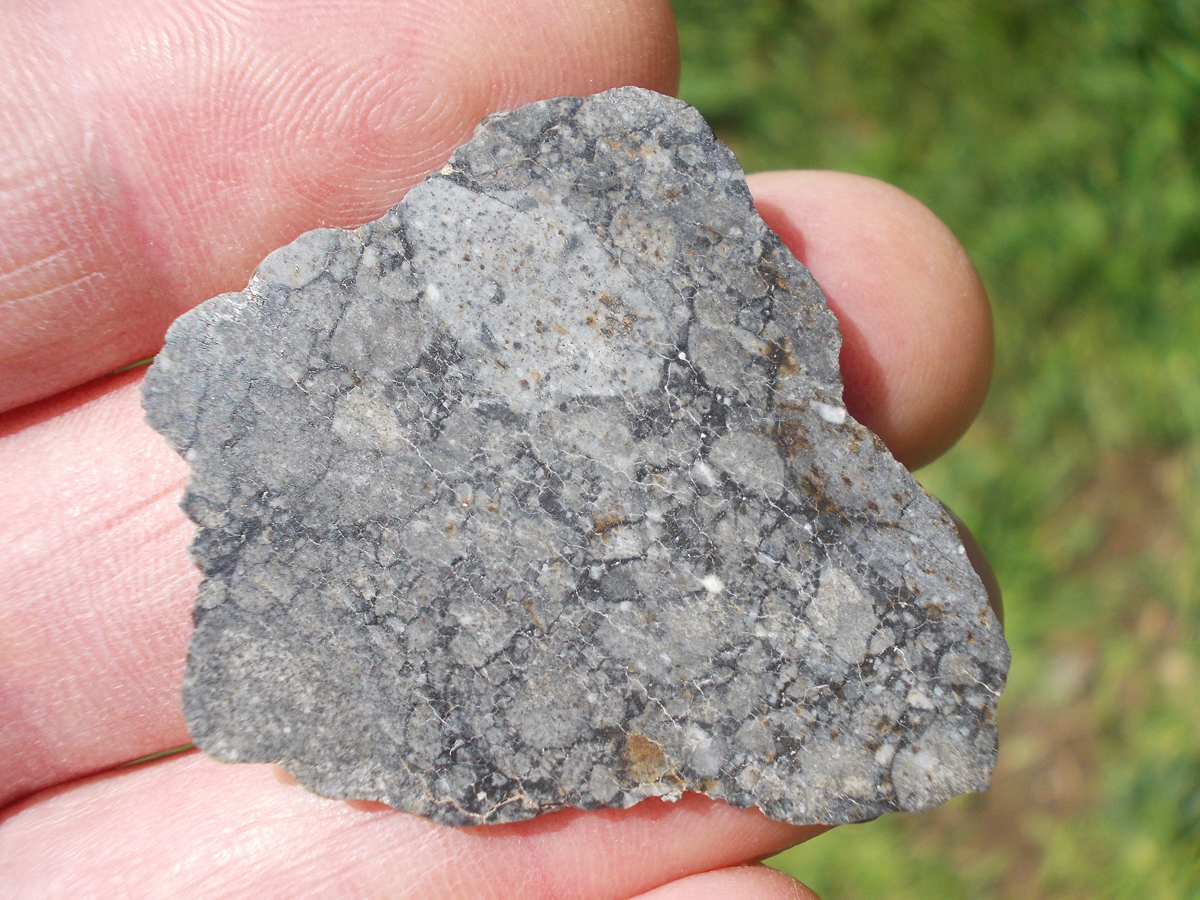
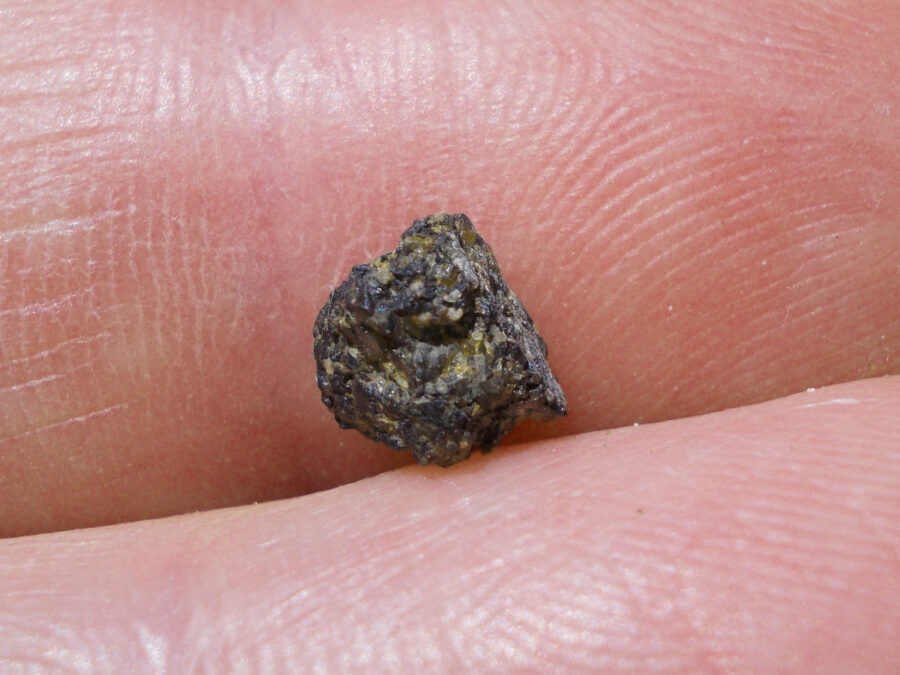
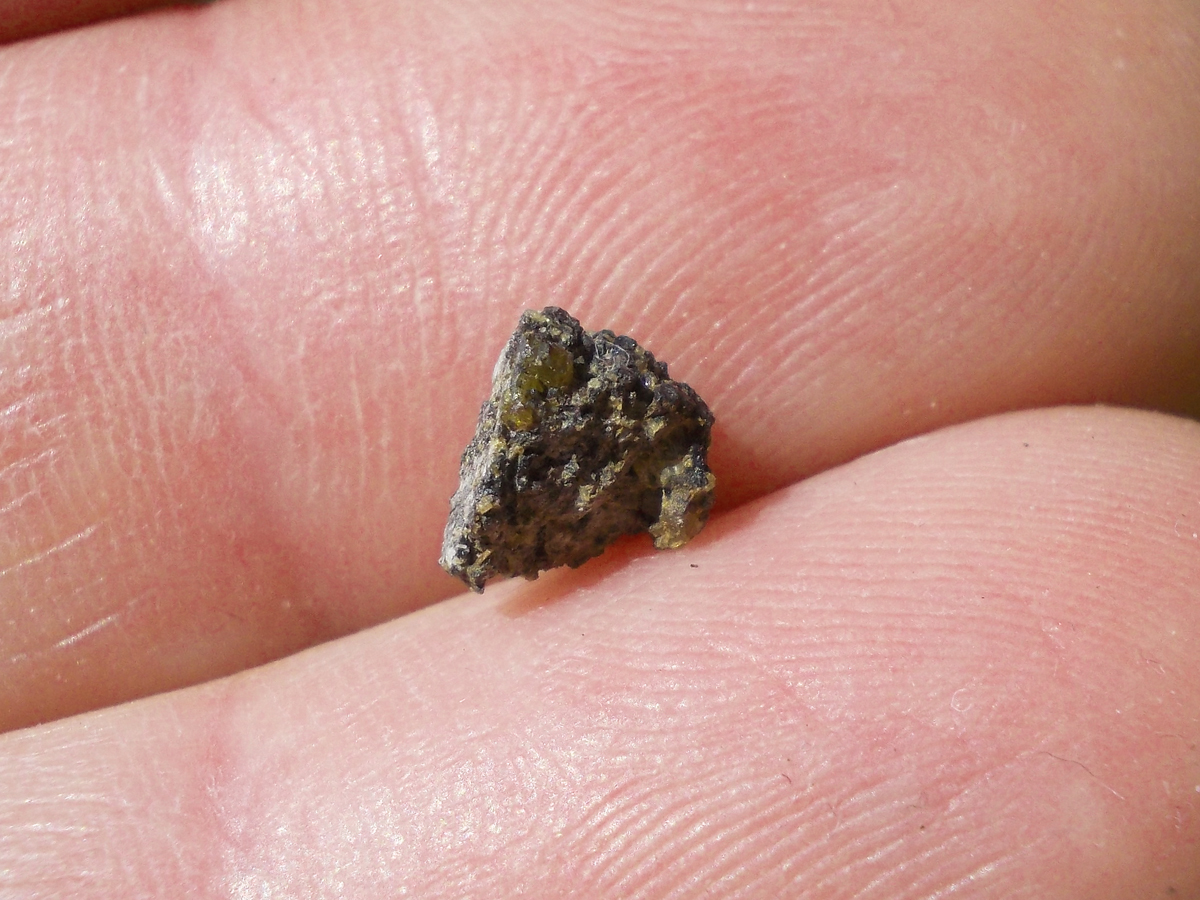
NWA 13881 CV3 #9- 14,9 gOut of stock

NWA 13881 CV3 #9- 14,9 g

96,00

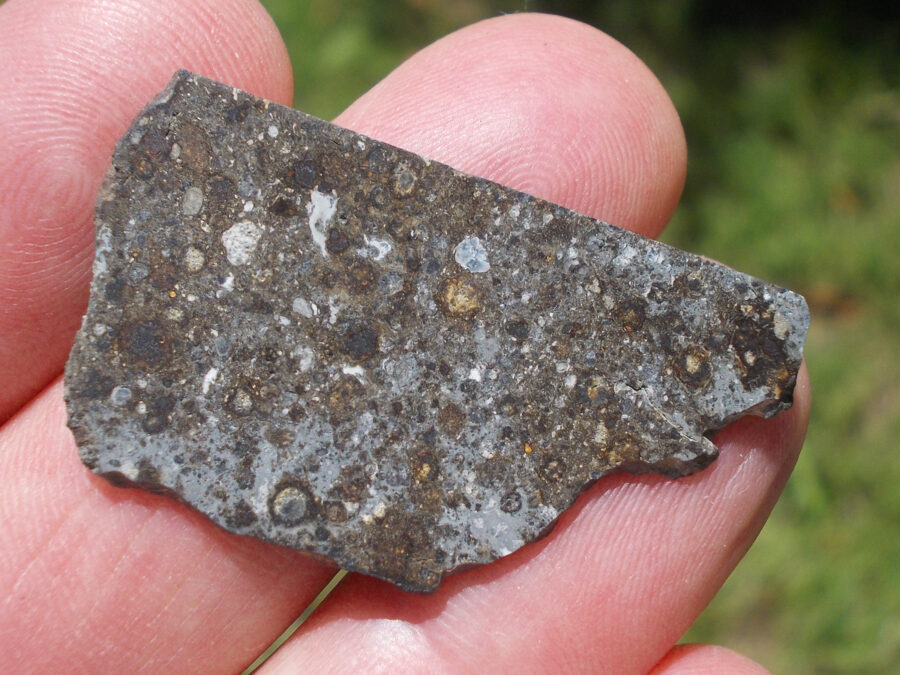
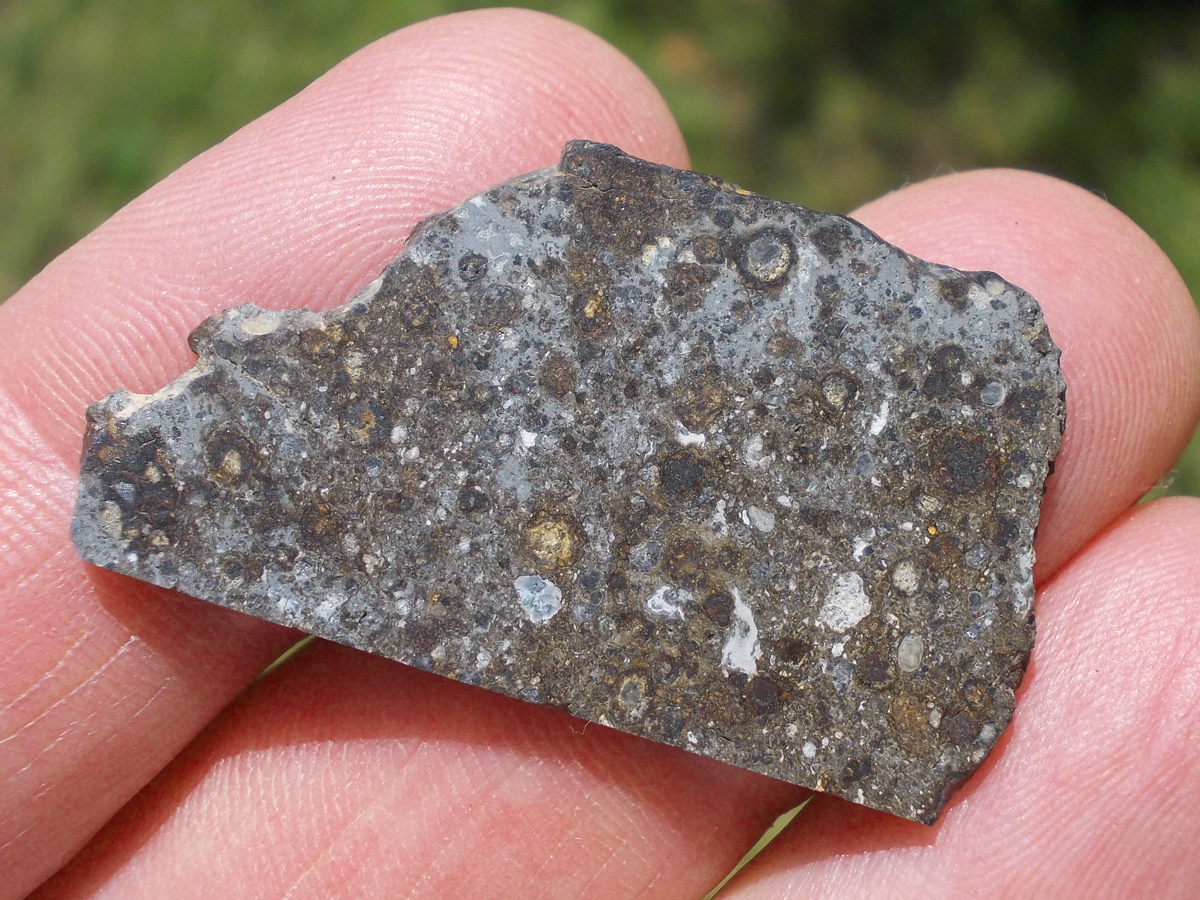
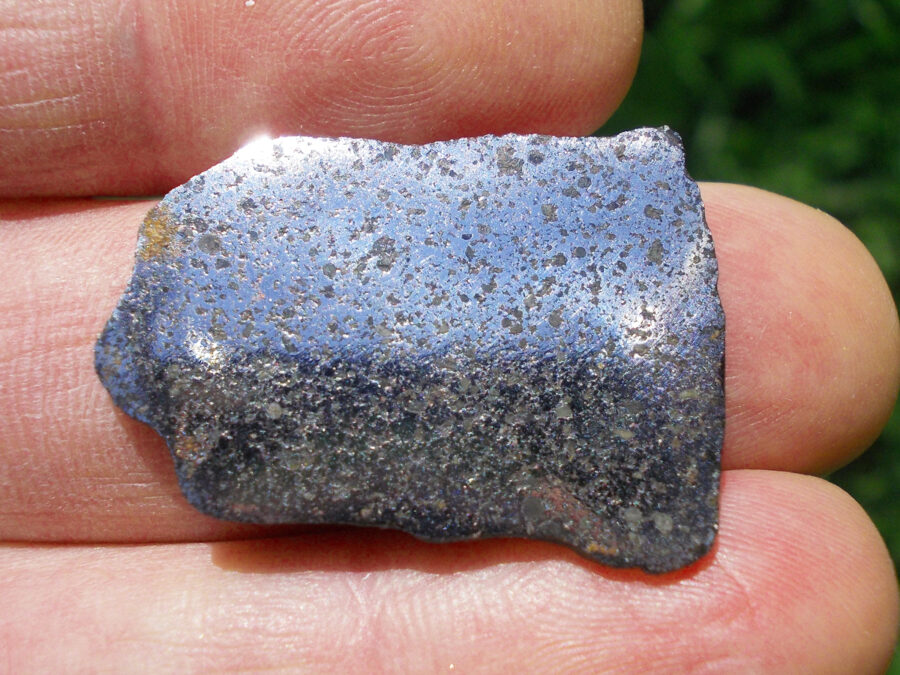
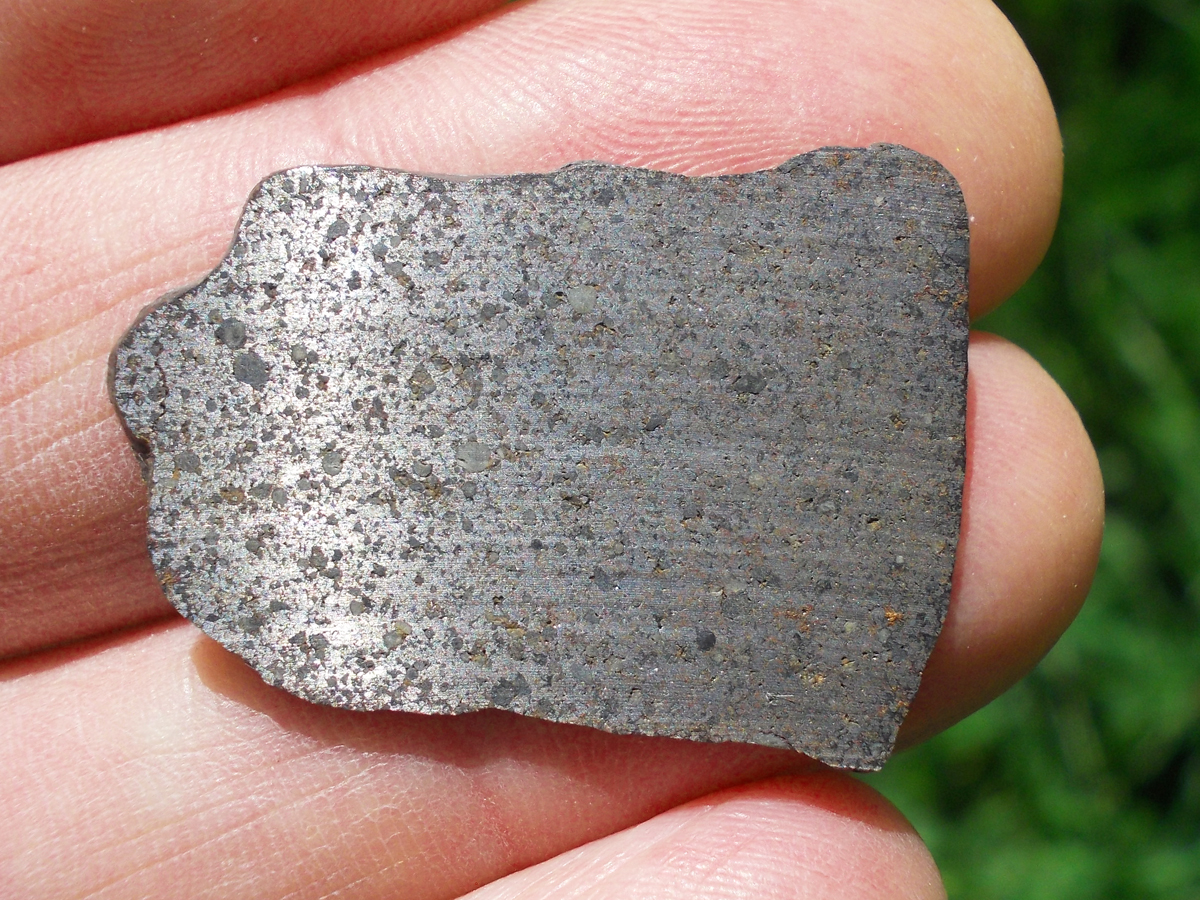
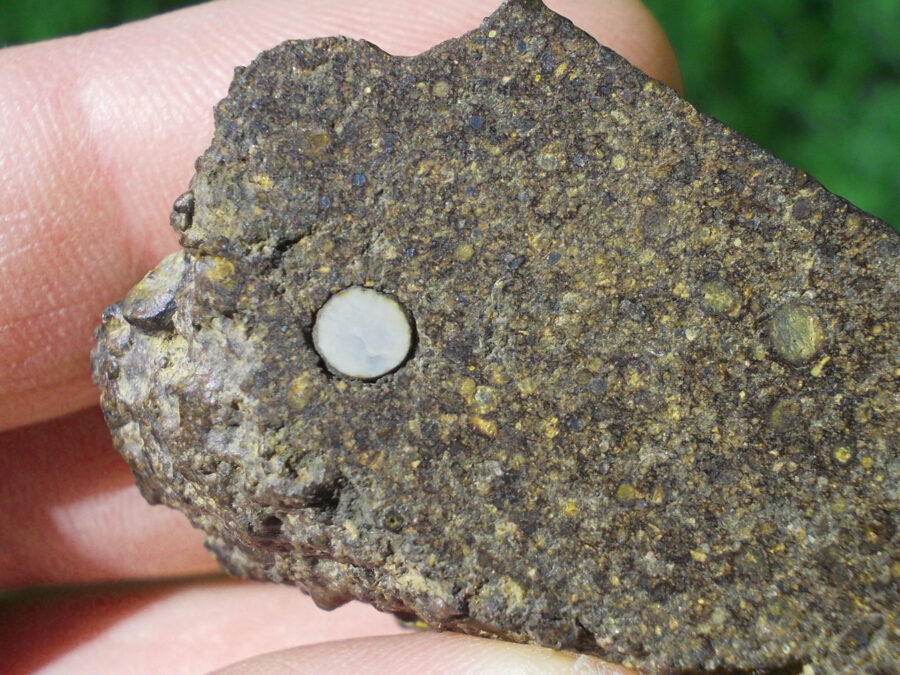
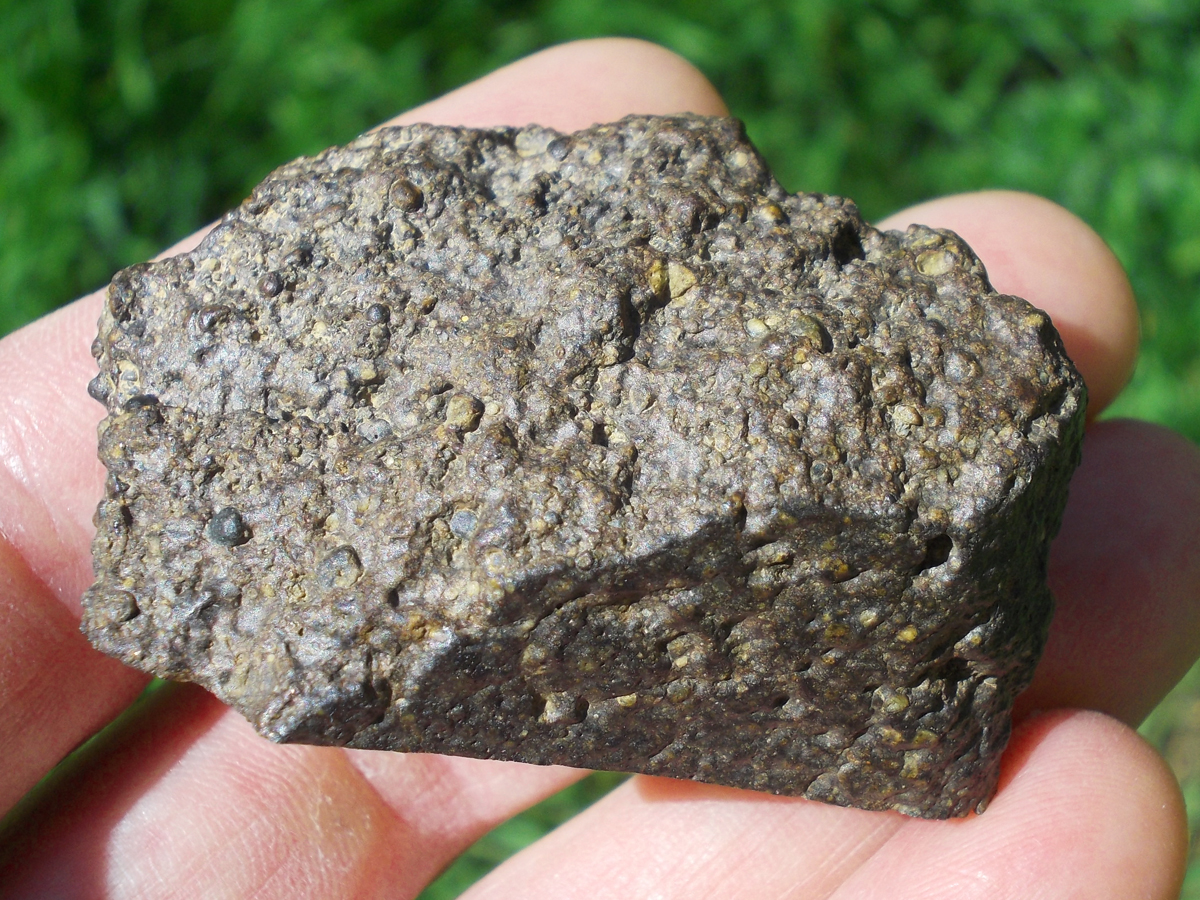
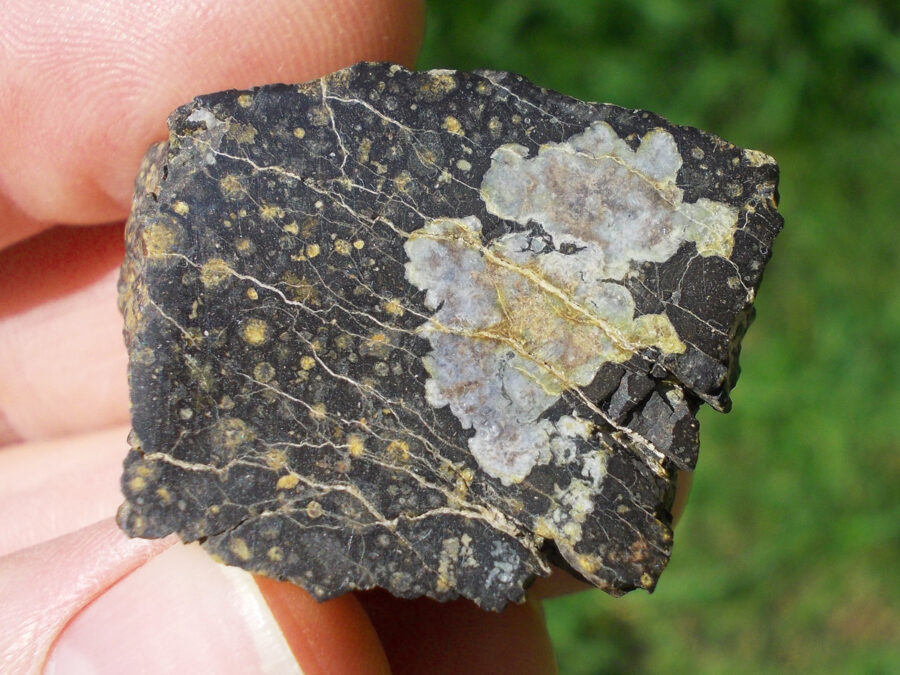
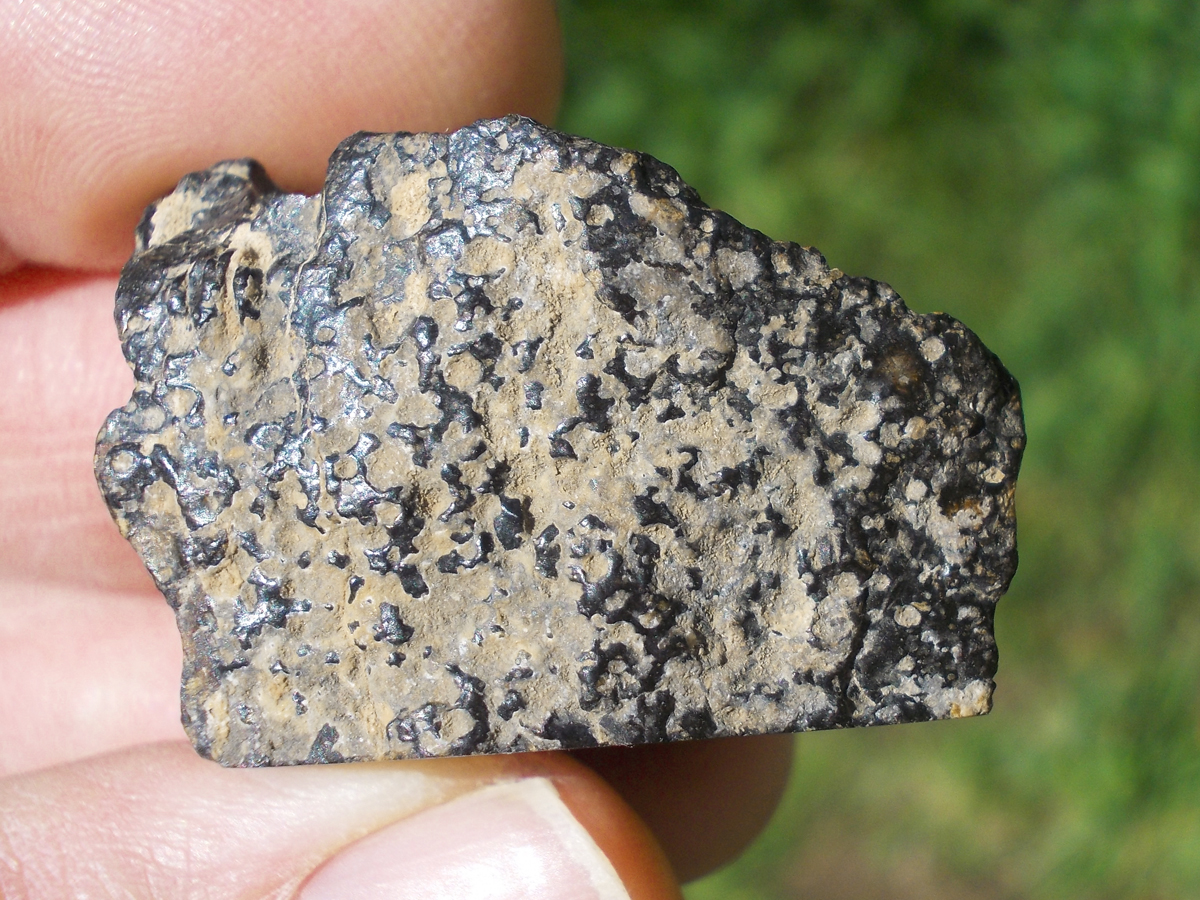
NWA 13881 is a CV3 type meteorite with very large chondrules.

CV3 chondrites are characterized by the presence of large chondrules, abundant pre-solar isotopes and white inclusions called CAI’s.

CAI’s are mineral inclusions rich in calcium and aluminum, formed 4,567 to 4,571 million years ago they are the oldest materials in the Solar System.


NWA 13881 CV3 #8- 13,5 gOut of stock

NWA 13881 CV3 #8- 13,5 g

70,80

NWA 13881 is a CV3 type meteorite with very large chondrules.

CV3 chondrites are characterized by the presence of large chondrules, abundant pre-solar isotopes and white inclusions called CAI’s.

CAI’s are mineral inclusions rich in calcium and aluminum, formed 4,567 to 4,571 million years ago they are the oldest materials in the Solar System.


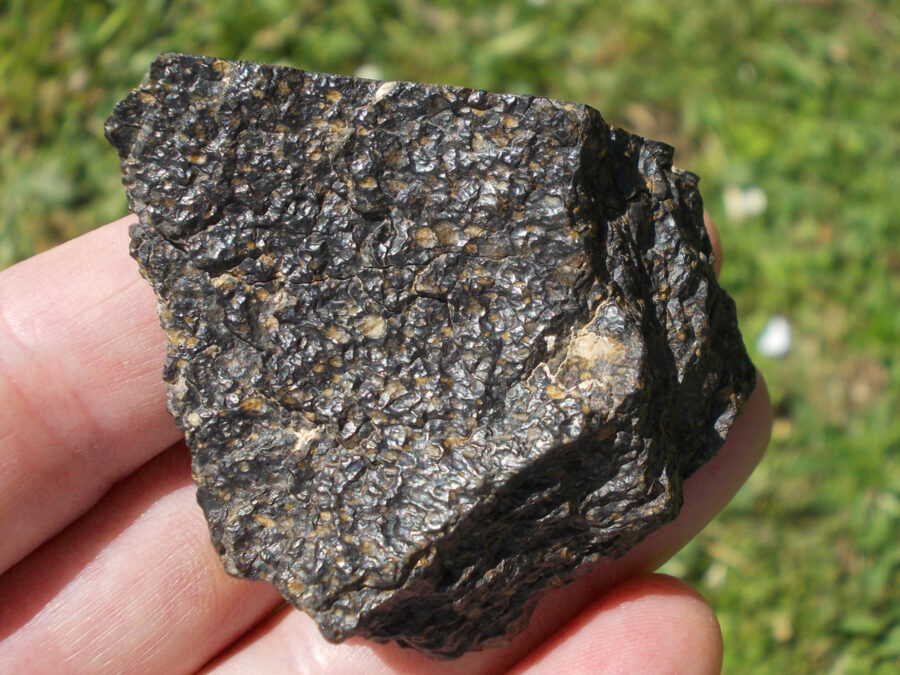
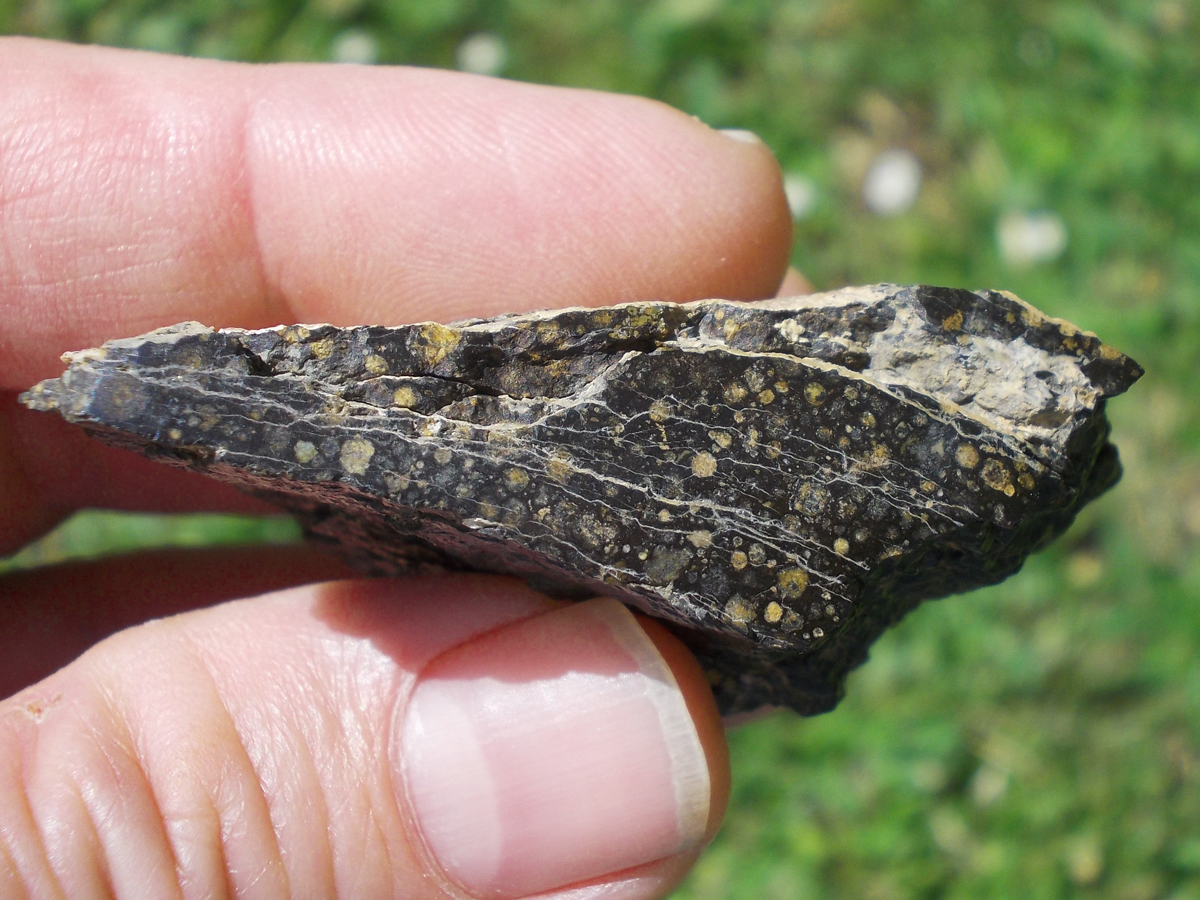
NWA 13881 CV3 #7- 74,8 g

NWA 13881 CV3 #7- 74,8 g

403,20

NWA 13881 is a CV3 type meteorite with very large chondrules.

CV3 chondrites are characterized by the presence of large chondrules, abundant pre-solar isotopes and white inclusions called CAI’s.

CAI’s are mineral inclusions rich in calcium and aluminum, formed 4,567 to 4,571 million years ago they are the oldest materials in the Solar System.


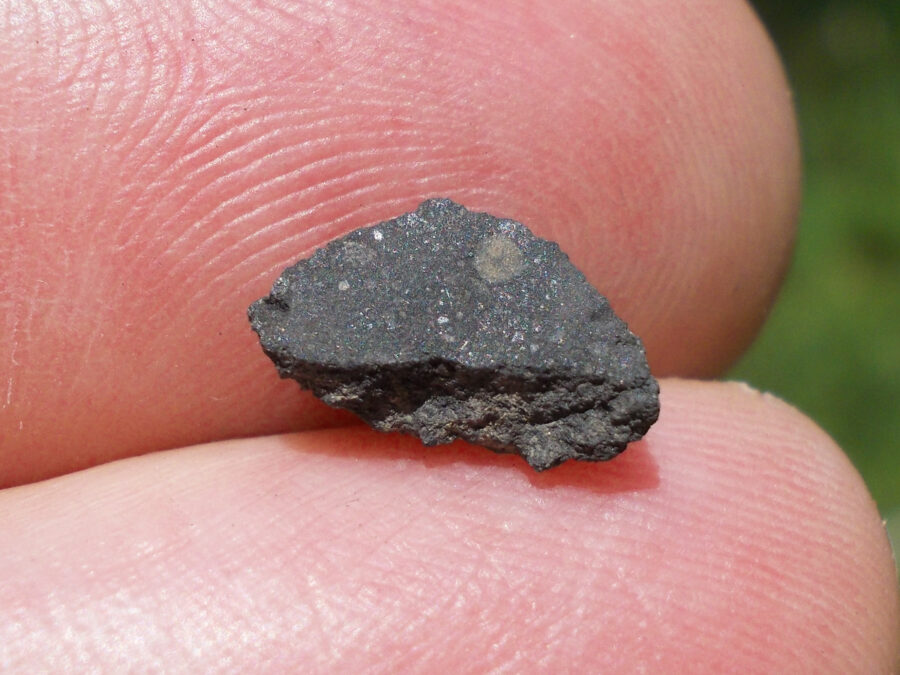
Chwichiya 002 C3.00 Ung #37 - 0,21 g

Chwichiya 002 C3.00 Ung #37 – 0,21 g

62,40

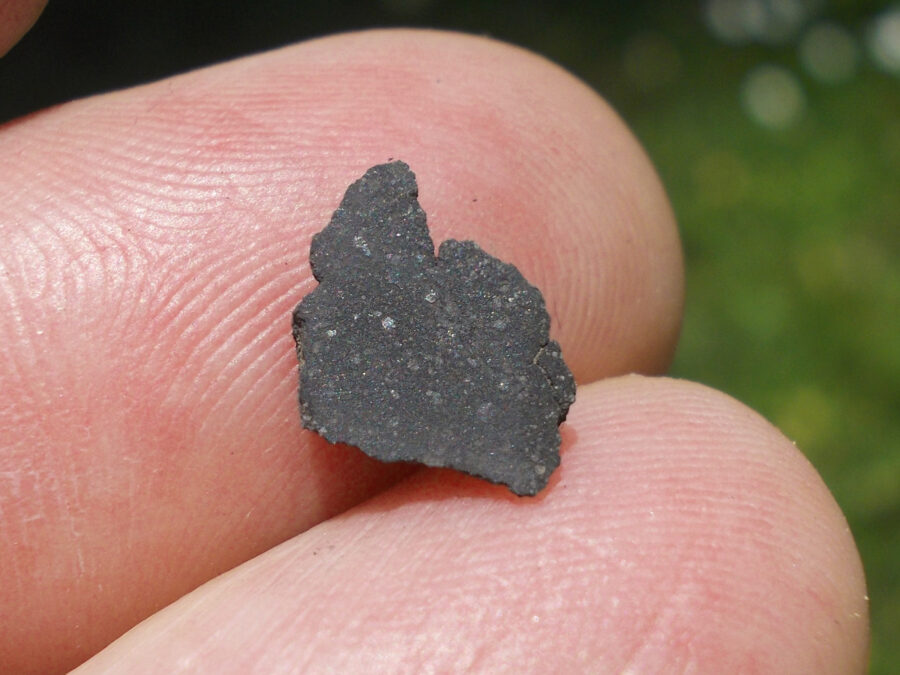
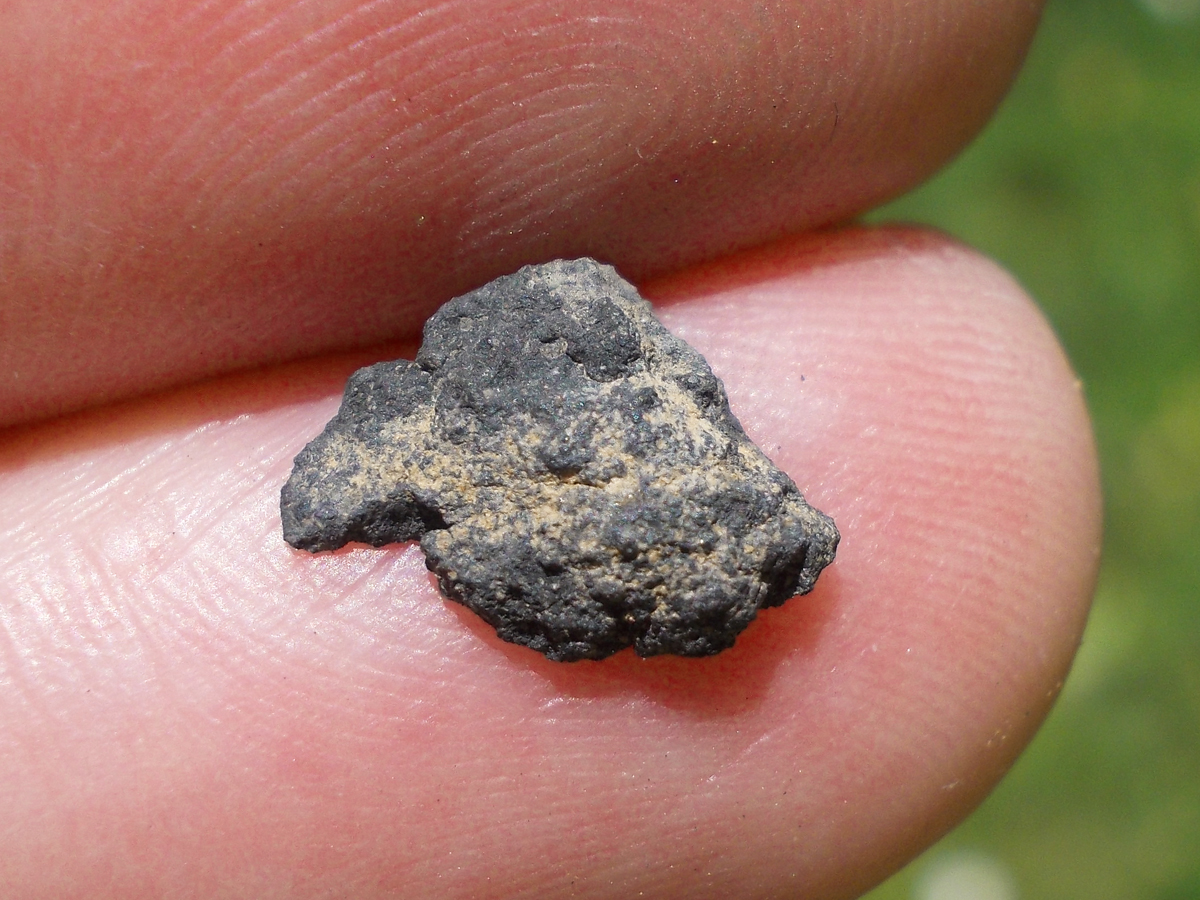
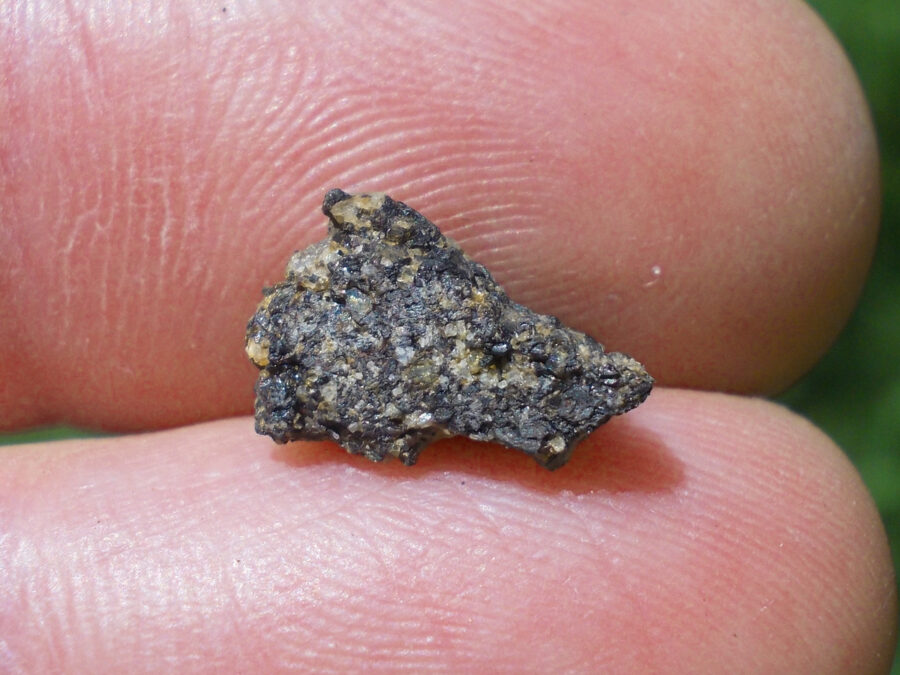
Chwichiya 002 is an ordinary carbonaceous chondrite of type C3.00 ungrouped, it is the most primitive type that has ever been found in this date, it has not undergone any hydrated phase and no heating before its expulsion from the parent body.
This meteorite is perhaps one of the most important meteorites of all times, no doubt that the knowledge of our solar system will advance thanks to it.

It was discovered in the Western Sahara.
A must for a collection!

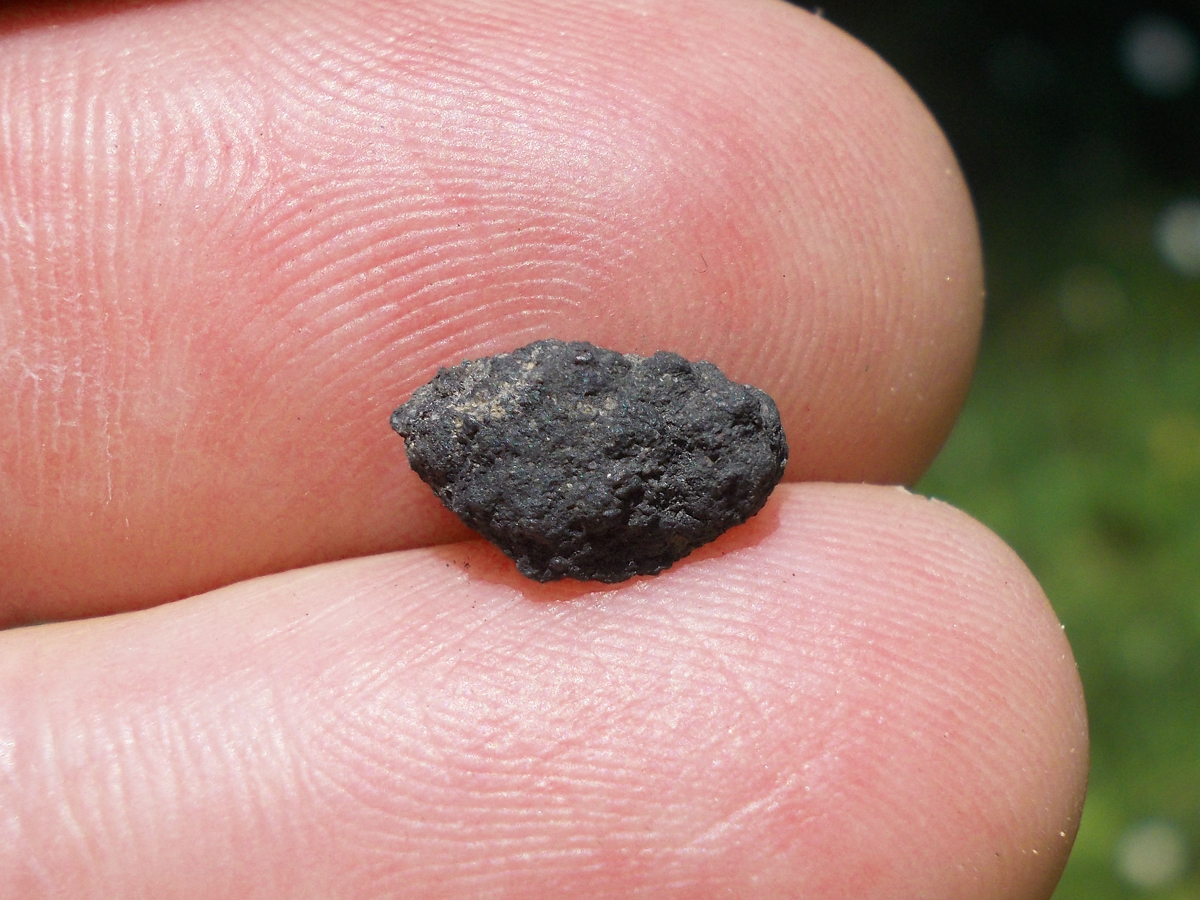
Chwichiya 002 C3.00 Ung #36 - 0,17 g

Chwichiya 002 C3.00 Ung #36 – 0,17 g

50,40

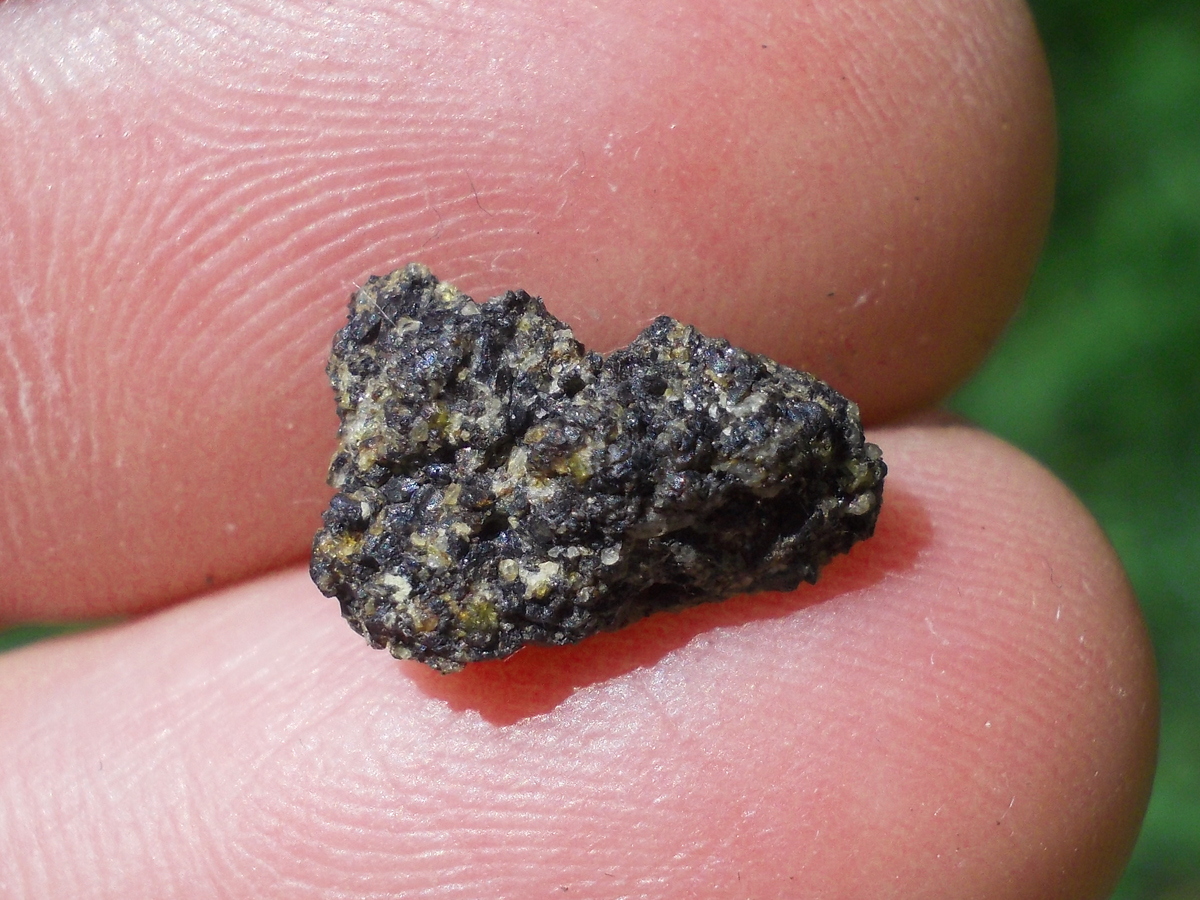
Chwichiya 002 is an ordinary carbonaceous chondrite of type C3.00 ungrouped, it is the most primitive type that has ever been found in this date, it has not undergone any hydrated phase and no heating before its expulsion from the parent body.
This meteorite is perhaps one of the most important meteorites of all times, no doubt that the knowledge of our solar system will advance thanks to it.

It was discovered in the Western Sahara.
A must for a collection!

Acfer 328 CV3 #1- 2,7 gOut of stock

Acfer 328 CV3 #1- 2,7 g

96,00

Acfer 328 is a CV3 carbonaceous meteorite discovered by two Frenchmen, F. Beroud and C. Boucher, in Algeria in 2001, and classified by the Museum National d’Histoire Naturelle in Paris.


Jiddat al Harasis 626 Eucrite, polymict #1 - 6 g

Jiddat al Harasis 626 Eucrite, polymict #1 – 6 g

264,00

This beautiful meteorite was discovered by Marie Gerbet in 2010 in the Jiddat al Harasis, a rocky desert north of the Dhofar region and in south-central Oman.

This meteorite was used by NASA to calibrate the spectrometer of the DAWN probe that studied the asteroid Vesta !

Itqiy EH7-an #1 - 5,63 gOut of stock

Itqiy EH7-an #1 – 5,63 g

1125,60

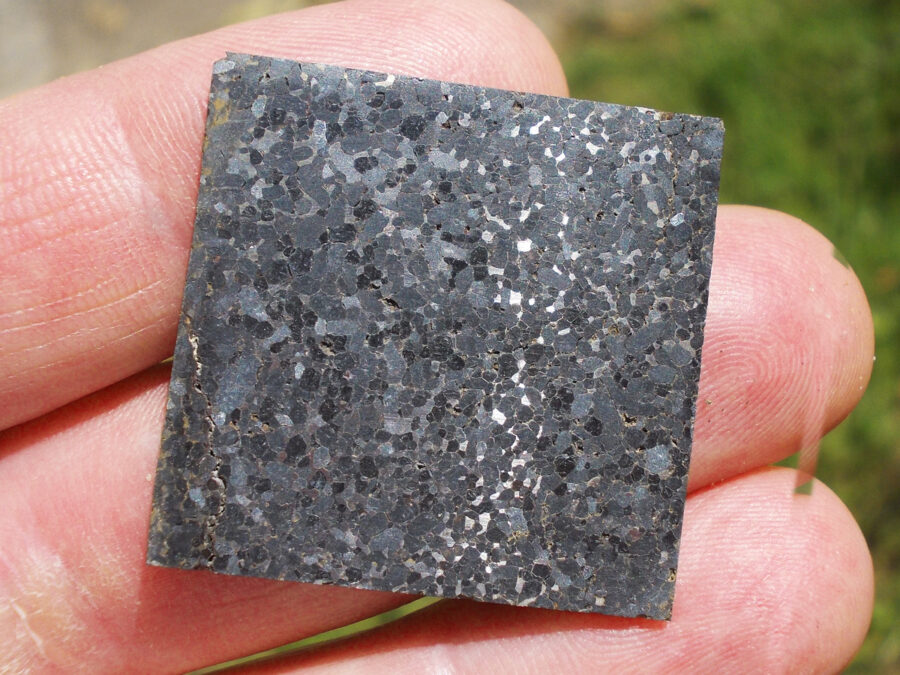
To date, Itqiy is the only meteorite in the world classified as EH7-an.

It is an enstatite chondrite, an important class of chondrites that mostly exhibit sub-solar Mg/Si and refractory/Si ratios, oxygen isotopic compositions close to the terrestrial fractionation line and highly reduced mineral assemblages (containing little FeO, Si-bearing metal and sulfides of elements normally considered lithophilic).

This highly metamorphosed meteorite has a very unique texture !

The Earth seems to have been formed from celestial bodies whose composition is close to that of enstatite chondrites.


Almahata Sitta #1 Bencubbinite - 0,45 gOut of stock

Almahata Sitta #1 Bencubbinite – 0,45 g

1440,00

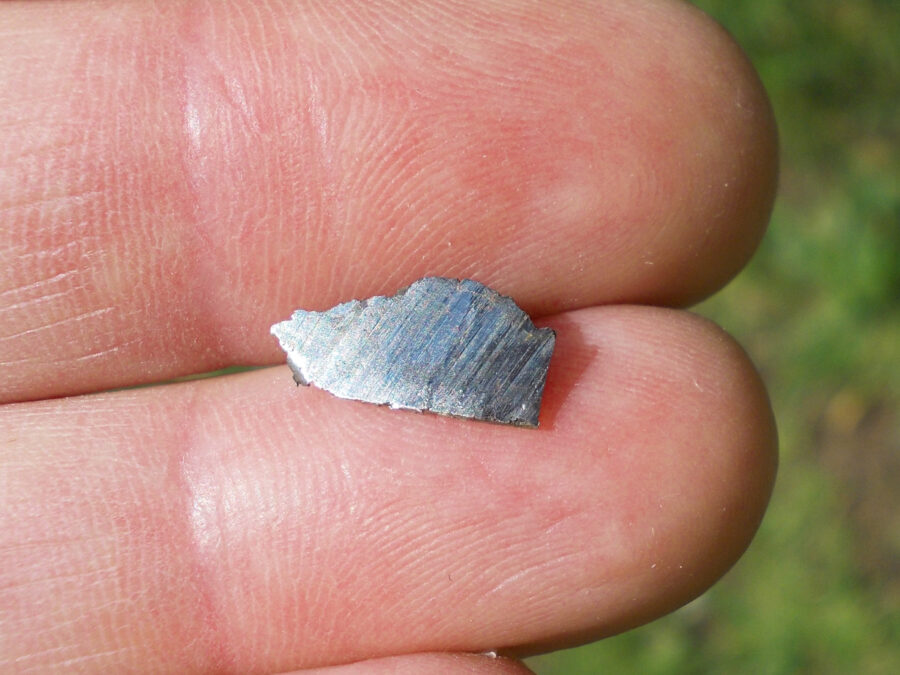
Almahata Sitta is a unique meteorite !

This meteorite fell on October 7, 2008 in Sudan.

But the particularity of this meteorite is that astronomers followed it from space until it entered the atmosphere,

a world first.

Another surprise awaited scientists :

Sur les 660 météorites de la chute de Almahata Sitta qui ont été classées, on a trouvé au total 17 classifications différentes : Ureilite, H5/6, LL4, EH4/5, EL6, EL5/6, EL3, EL6, H5, CH, EH3, EL3-, EL5, EL3/4, L4-, rumuritite, et bencubinite.

Even better, diamonds contained in the meteorite indicate that it could have belonged to a planet the size of Mercury or Mars !

The slice that is being sold is part of a single piece that was only 58.63 grams.

This slice is from the “Haberer Meteorite” website.


El Hammami H5 #1 - 382 g

El Hammami H5 #1 – 382 g

576,00

El Hammami is one of the first meteorites found in the Sahara and which was traded.

It was found in Mauritania in 1997, and yet it was also sold under the name of Mhamid, in Morocco, because they are Moroccans

of this city which made the trade of it.

In 1997 November, Mr. Thompson traveled to Mauritania and collected six fresh-looking stones totaling ~200 kg (individual masses of 80, 51, 30, 26,

8 and 4 kg) at the foot of the El Hammami mountains in Mauritania (1000 km southwest of Mhamid, Morocco).

Some of the material looks weathered and rusts easily, but most of it is fairly fresh.

A legend tells that the most oxidized specimens are the ones that were in direct contact with the skin of the camels used to transport the specimens.


NWA 8668 Lunaire #1 - 4,76 gOut of stock

NWA 8668 Lunaire #1 – 4,76 g

480,00

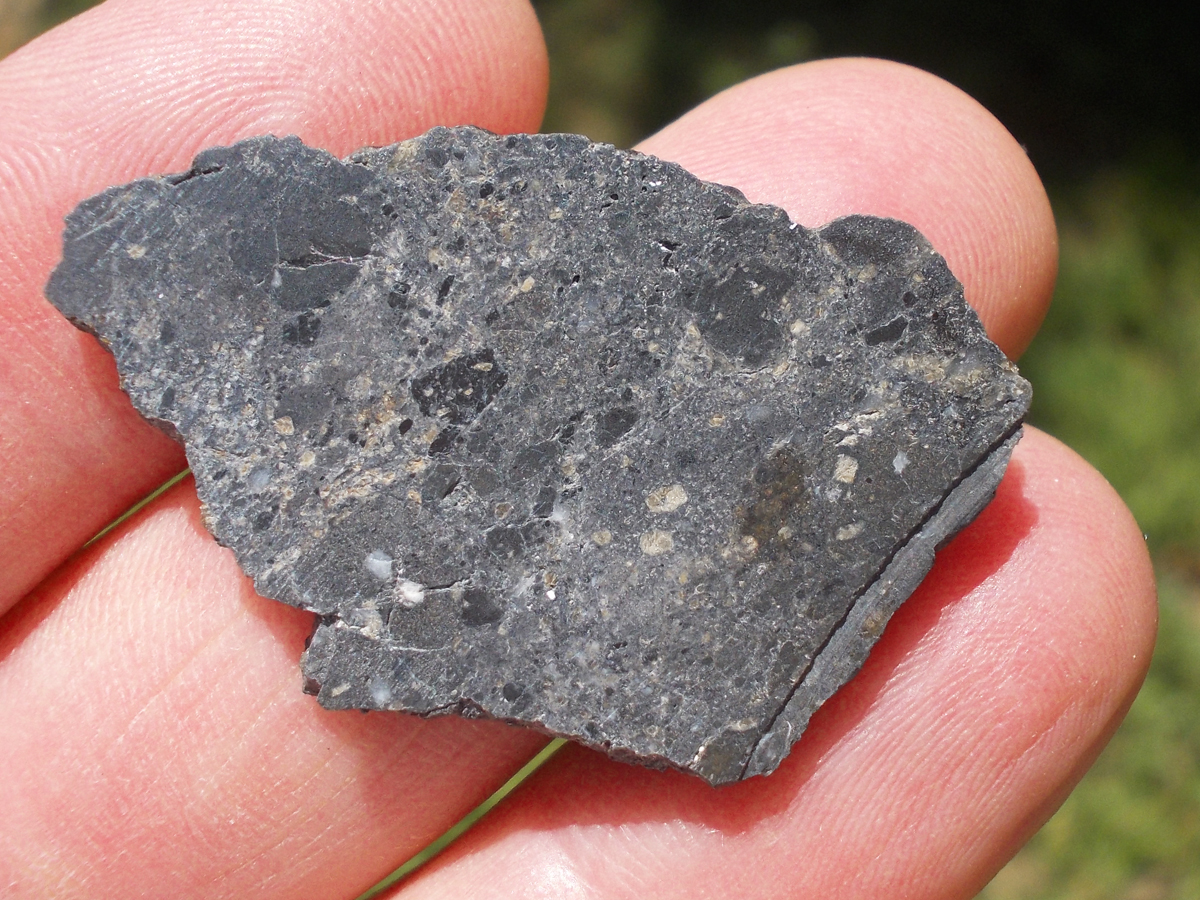
NWA 8668 is a beautiful lunar meteorite discovered in the Sahara in 2014.

Very nice texture !

About fifteen years ago, lunar meteorites were sold for almost 1000 euros per gram !

A great addition to your collection !

NWA 13202 Chondrite Ung #1 - 4,13 gOut of stock

NWA 13202 Chondrite Ung #1 – 4,13 g

660,00

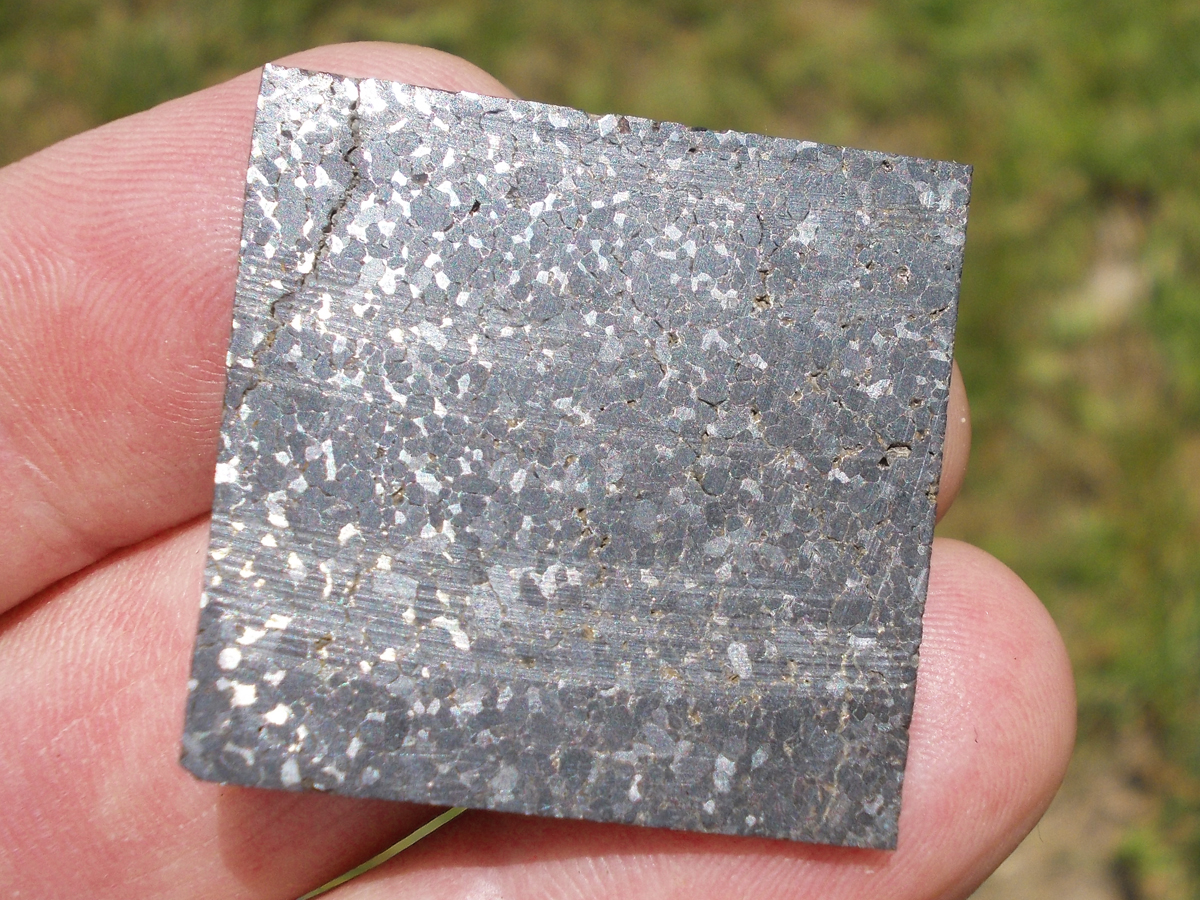
NWA 13202 is a very particular meteorite, it is classified as an ungrouped chondrite.

Visually it does not look like any chondrite because it is very rich in metal.

It is a unique meteorite !

Writeup from MB 109:

Northwest Africa 13202 (NWA 13202)

(Northwest Africa)

Purchased: 2020 Jan

Classification: Ungrouped chondrite

History: A very dense, metal-rich specimen, found as two naturally-broken pieces which fit together, was purchased in January 2020 by Mark Lyon from a dealer in Zagora, Morocco.

Physical characteristics: The broken surfaces on both pieces are coated by rusty terrestrial weathering products. Polished interior surfaces exhibit dominant fresh metal (with minimal staining) and subordinate interspersed silicate-rich regions.

Petrography: (A. Irving, UWS and J. Boesenberg, BrownU) The specimen consists of two distinct interspersed components with overall proportions of ~75% metal and ~25% silicate-rich material. Metal-rich regions (up to 0.5 mm) are composed of 95% kamacite with 5% taenite, and contain fine grained metal plates ranging from 100 to 500 μm in diameter. Silicate-rich regions (up to 0.5 mm) contain a variety of chondrules (with apparent diameters ranging from ~100 to 1500 μm). Most chondrules are glass-bearing (PP, PO, POP and barred pyroxene types) but some are cryptocrystalline. Accessory phases in silicate-rich regions include kamacite, taenite, chromite, troilite, merrillite and chlorapatite.

Geochemistry: Olivine (Fa24.6±3.9, range Fa15.5-28.0, N = 16), low-Ca pyroxene (Fs15.8±1.4Wo1.5±0.9, range Fs14.6-19.6Wo0.6-3.5, N = 11), pigeonite (Fs14.8-15.1Wo8.3-9.1, N = 2), kamacite (Ni = 4.8-7.0 wt.%, N = 7), taenite (Ni = 16.5-21.3 wt.%, N = 3).

Classification: Chondrite (ungrouped, metal-rich). Paired with NWA 12273 and NWA 12379.

Specimens: 20.0 g including one polished slice at UWB; remainder with Mr. M. Lyon.


Wad al Fayda 001 #17 CR2 - 63,4 gOut of stock
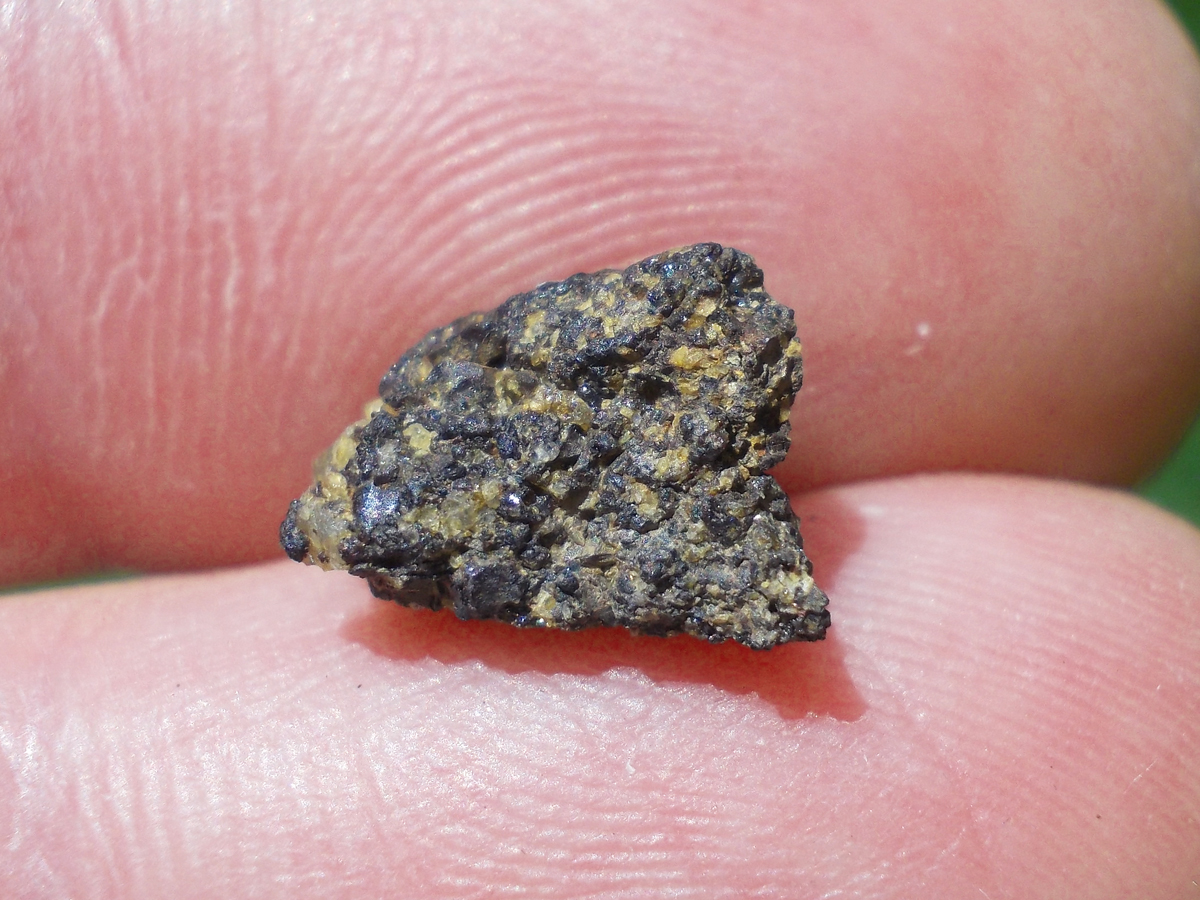
Wad al Fayda 001 #17 CR2 – 63,4 g

756,00

Wad al Fayda 001 was discovered in 2018 by Lahsen Oussalah in the Western Sahara between Guelta Zemour and Oum Dreyga.

Scientific analysis conducted by Anthony Love determined that it is a CR2 type carbonaceous meteorite.

The price of this type of meteorite has decreased significantly, since in 2001 it could go up to 200 dollars per gram.

It is a rare type of meteorite on the market.
Comes with certificate.


NWA 13881 CV3 #6- 36,5 gOut of stock
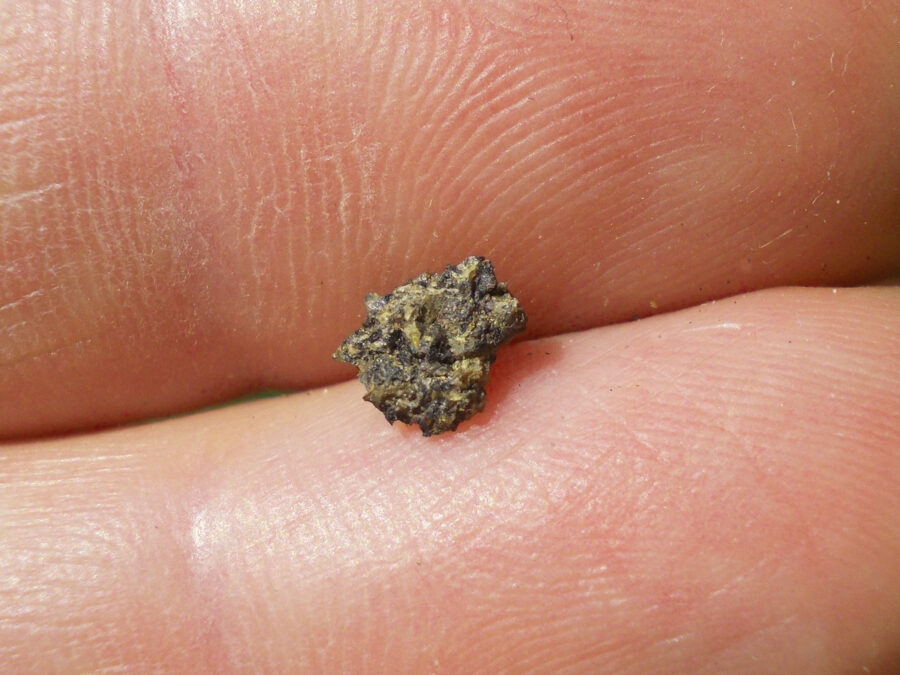
NWA 13881 CV3 #6- 36,5 g

240,00

NWA 13881 is a CV3 type meteorite with very large chondrules.

CV3 chondrites are characterized by the presence of large chondrules, abundant pre-solar isotopes and white inclusions called CAI’s.

CAI’s are mineral inclusions rich in calcium and aluminum, formed 4,567 to 4,571 million years ago they are the oldest materials in the Solar System.


NWA 10463 Angrite #6 - 0,77 g

NWA 10463 Angrite #6 – 0,77 g

462,00

NWA 10463 is a rare angrite of only 203 grams.

According to the analyses this meteorite is unique and represents a new type of angrite.

To date only 40 angrites have been discovered in the world.

Scientists have suggested that the angrites might represent ejecta from Mercury, but later work has cast significant doubt on these claims.

NWA 10463 Angrite #5 - 0,06 gOut of stock

NWA 10463 Angrite #5 – 0,06 g

60,00

NWA 10463 is a rare angrite of only 203 grams.

According to the analyses this meteorite is unique and represents a new type of angrite.

To date only 40 angrites have been discovered in the world.

Scientists have suggested that the angrites might represent ejecta from Mercury, but later work has cast significant doubt on these claims.

NWA 10463 Angrite #4 - 0,6 g

NWA 10463 Angrite #4 – 0,6 g

372,00

NWA 10463 is a rare angrite of only 203 grams.

According to the analyses this meteorite is unique and represents a new type of angrite.

To date only 40 angrites have been discovered in the world.

Scientists have suggested that the angrites might represent ejecta from Mercury, but later work has cast significant doubt on these claims.

NWA 10463 Angrite #3 - 0,22 gOut of stock
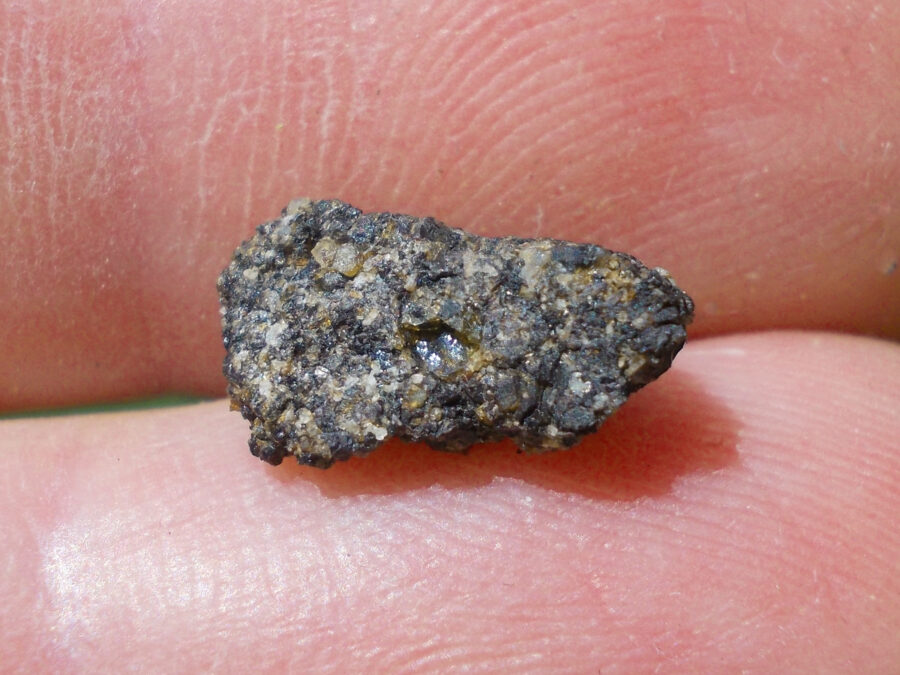
NWA 10463 Angrite #3 – 0,22 g

180,00

NWA 10463 is a rare angrite of only 203 grams.

According to the analyses this meteorite is unique and represents a new type of angrite.

To date only 40 angrites have been discovered in the world.

Scientists have suggested that the angrites might represent ejecta from Mercury, but later work has cast significant doubt on these claims.