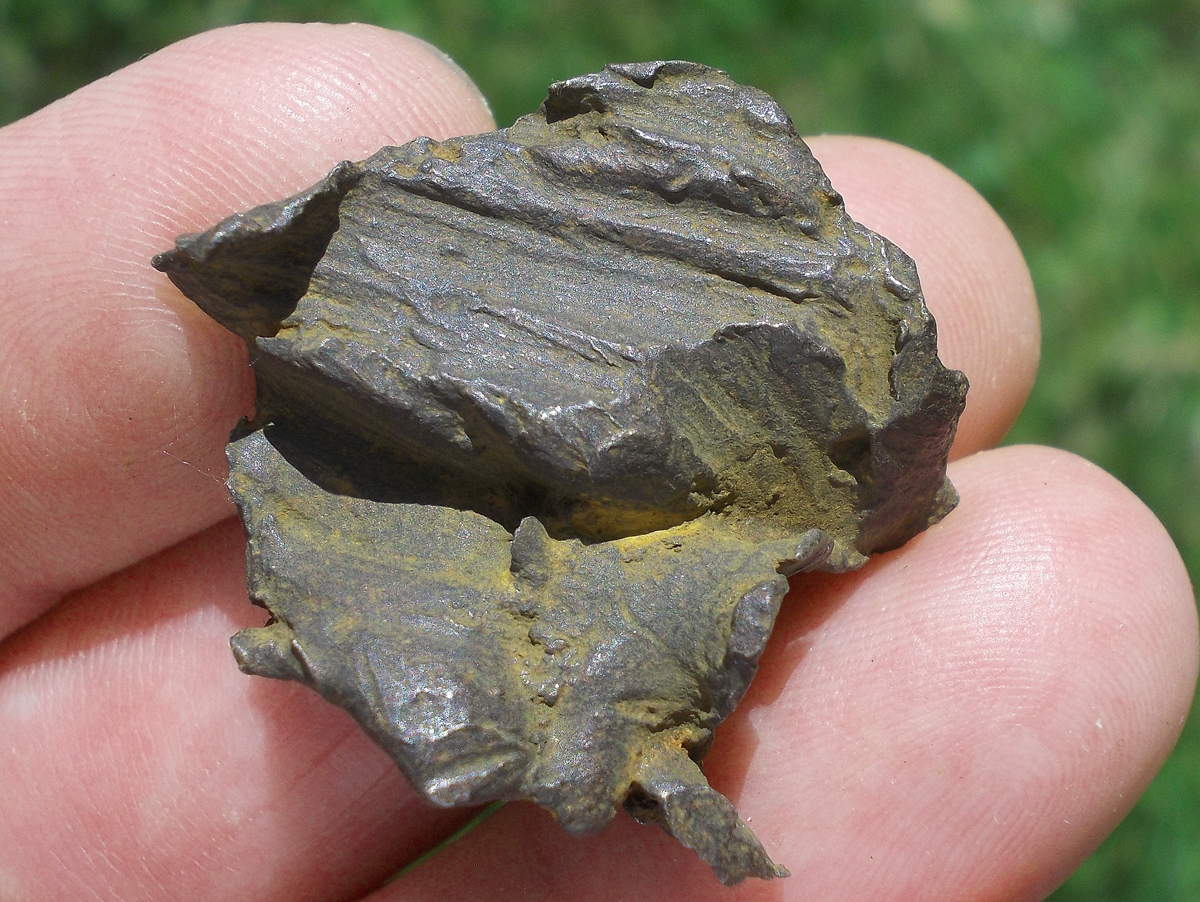
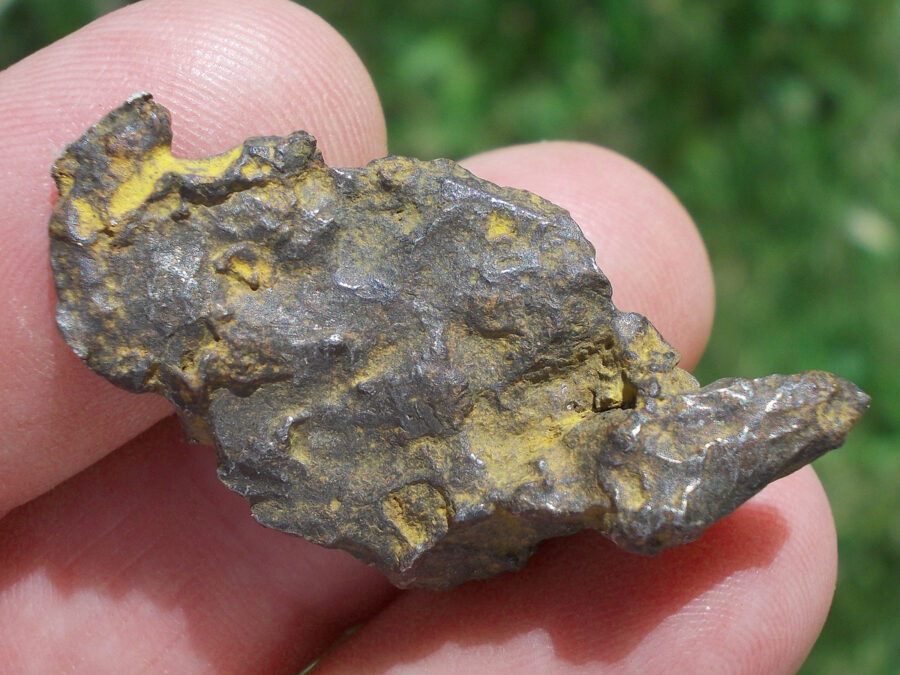
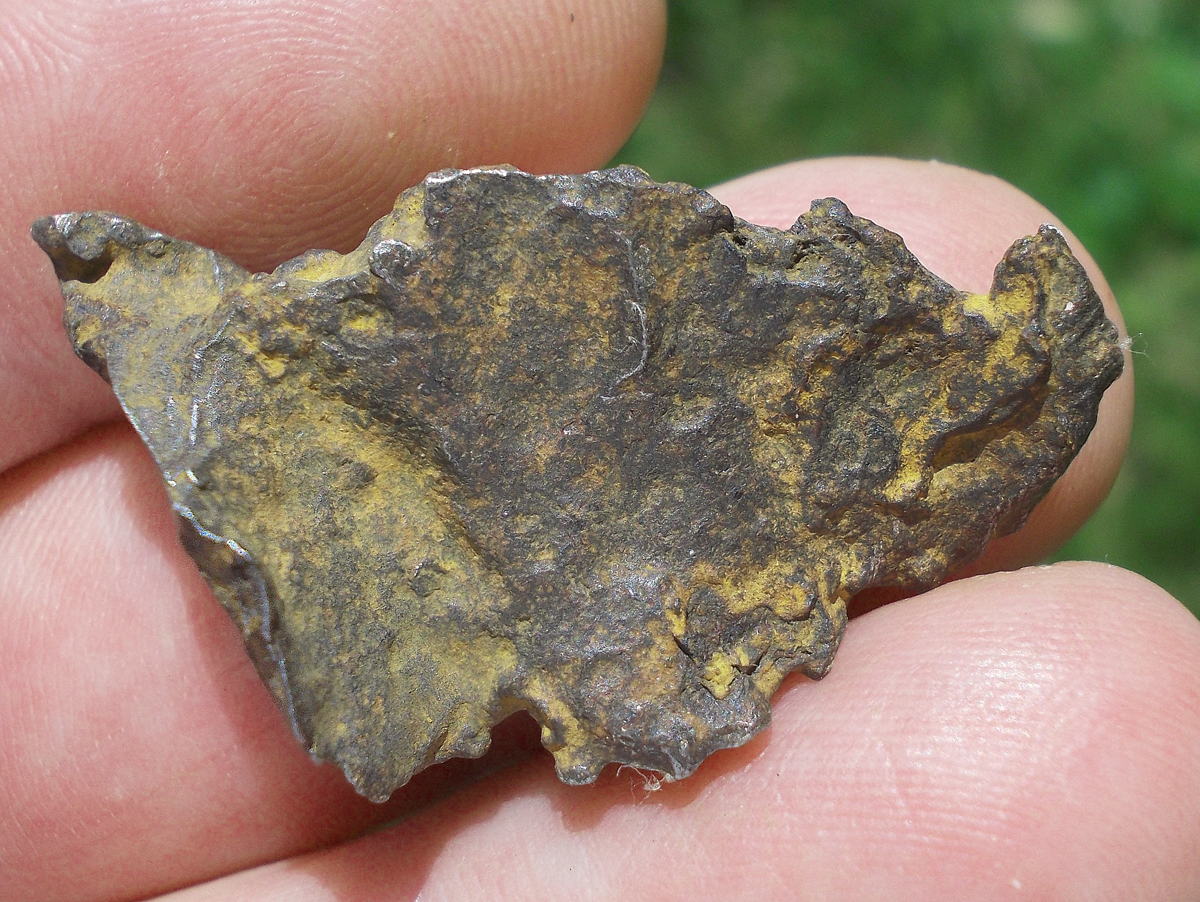
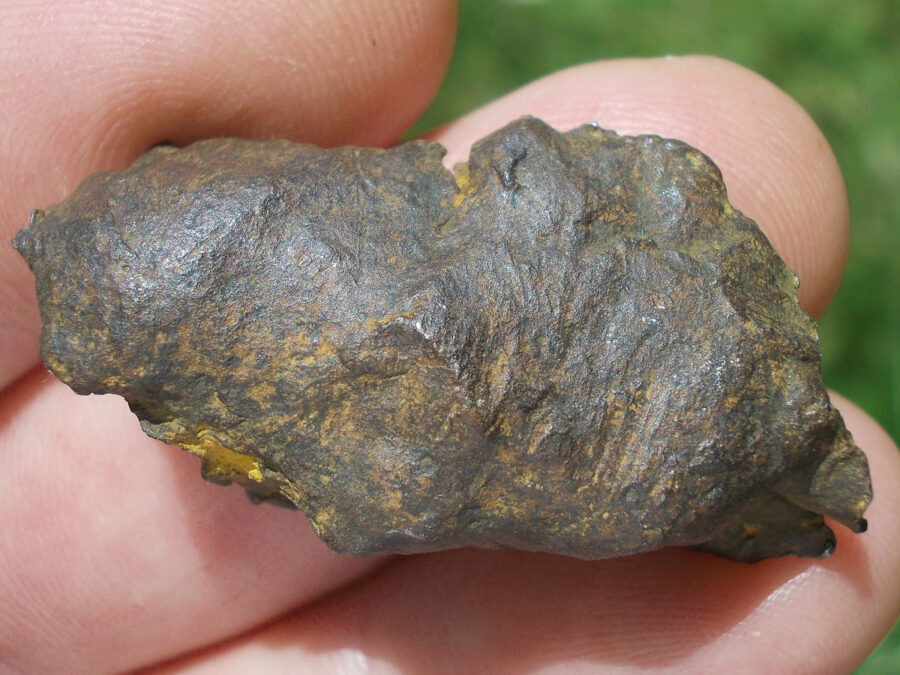
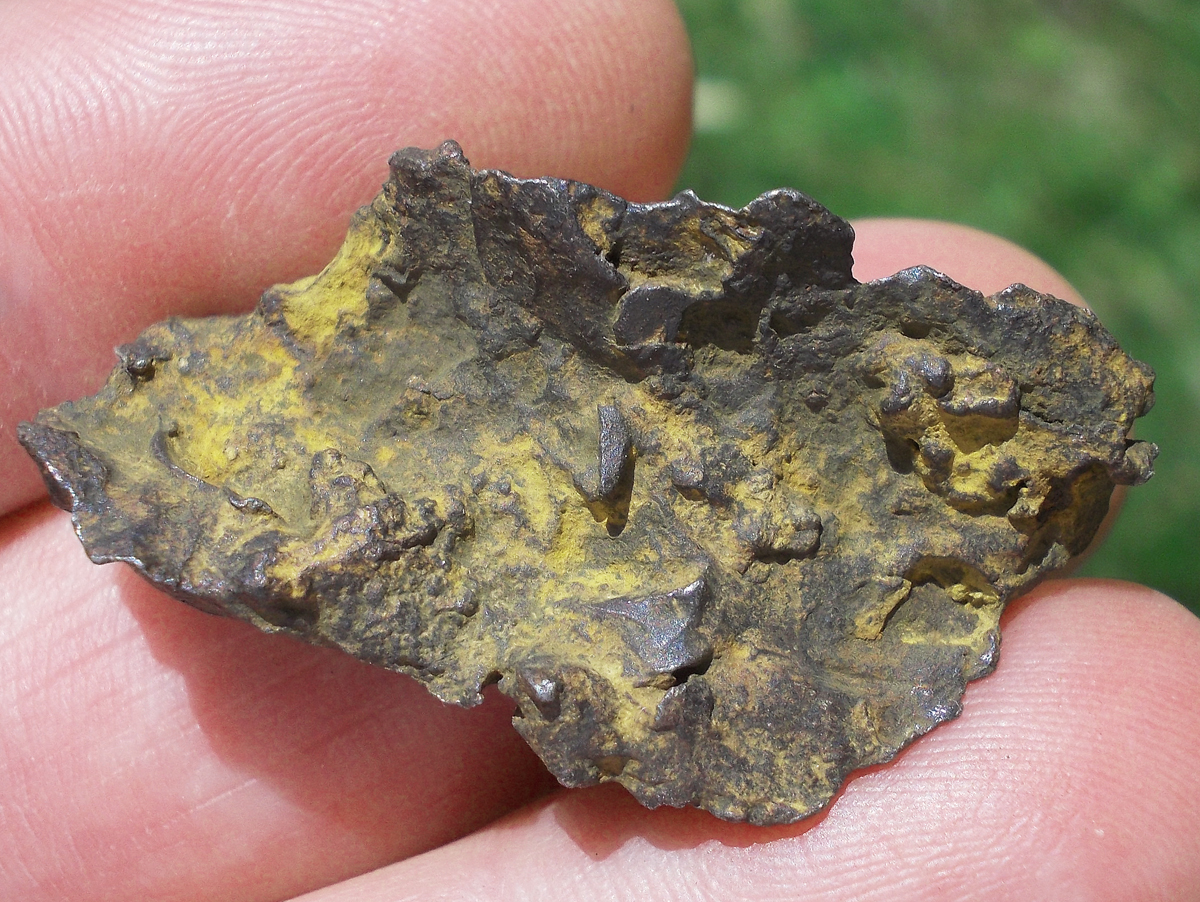
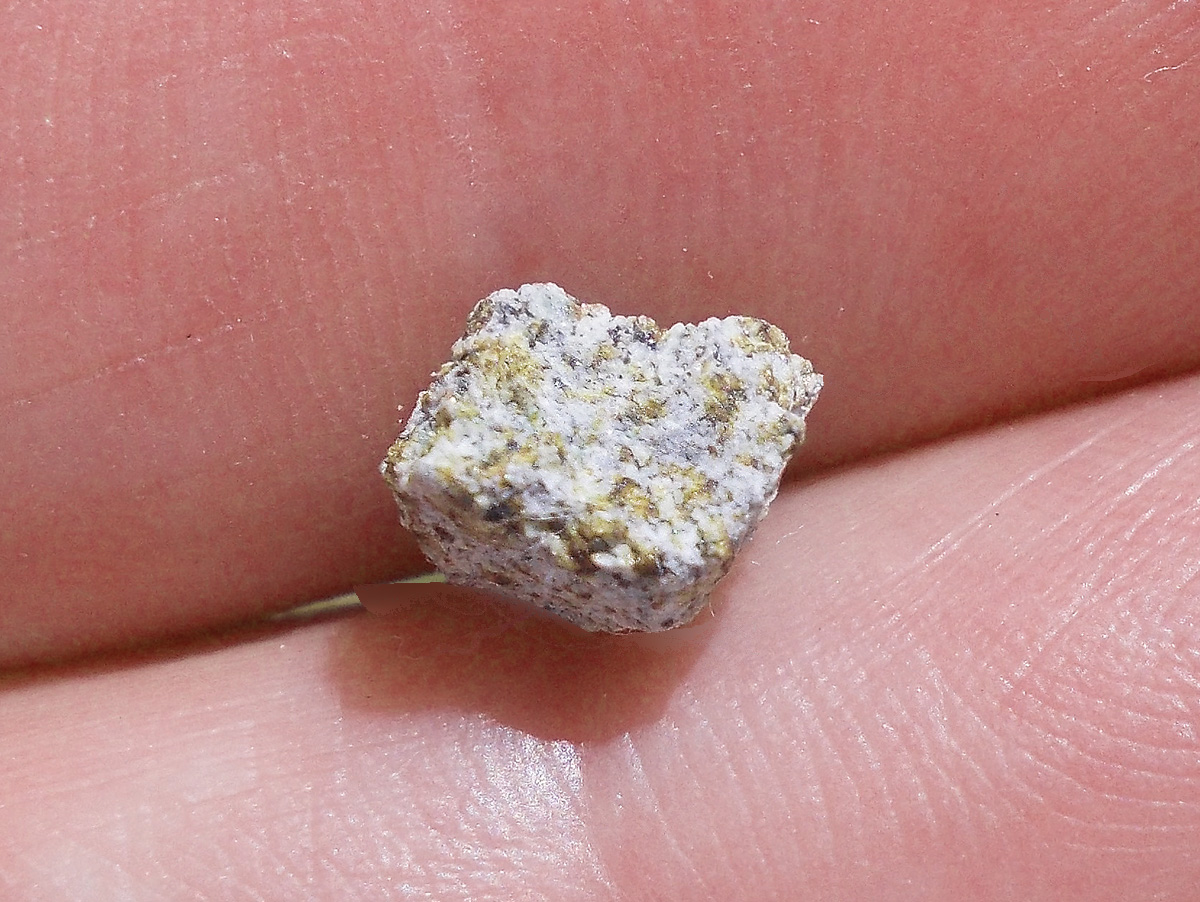
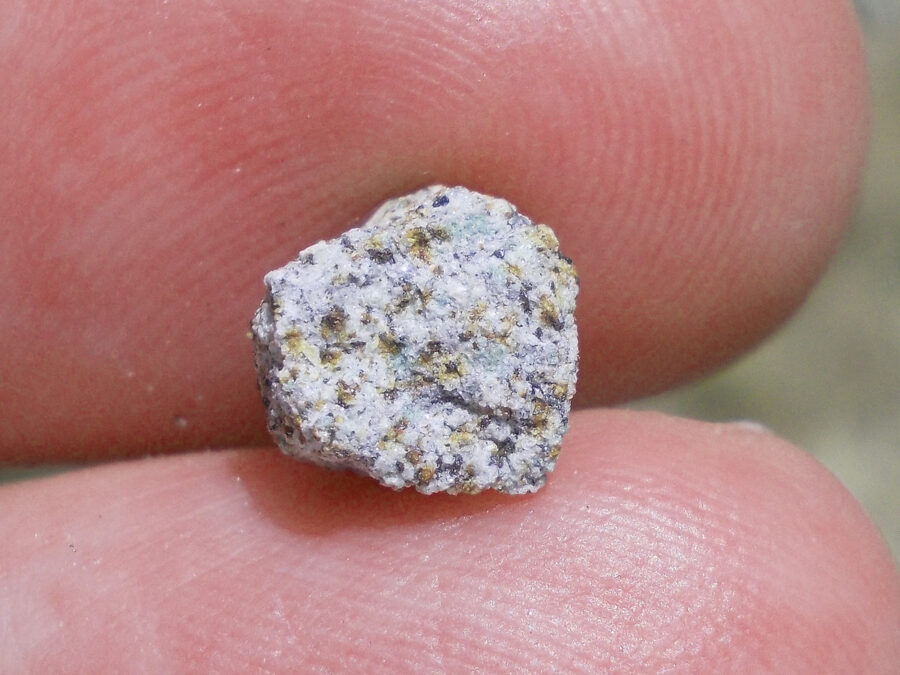
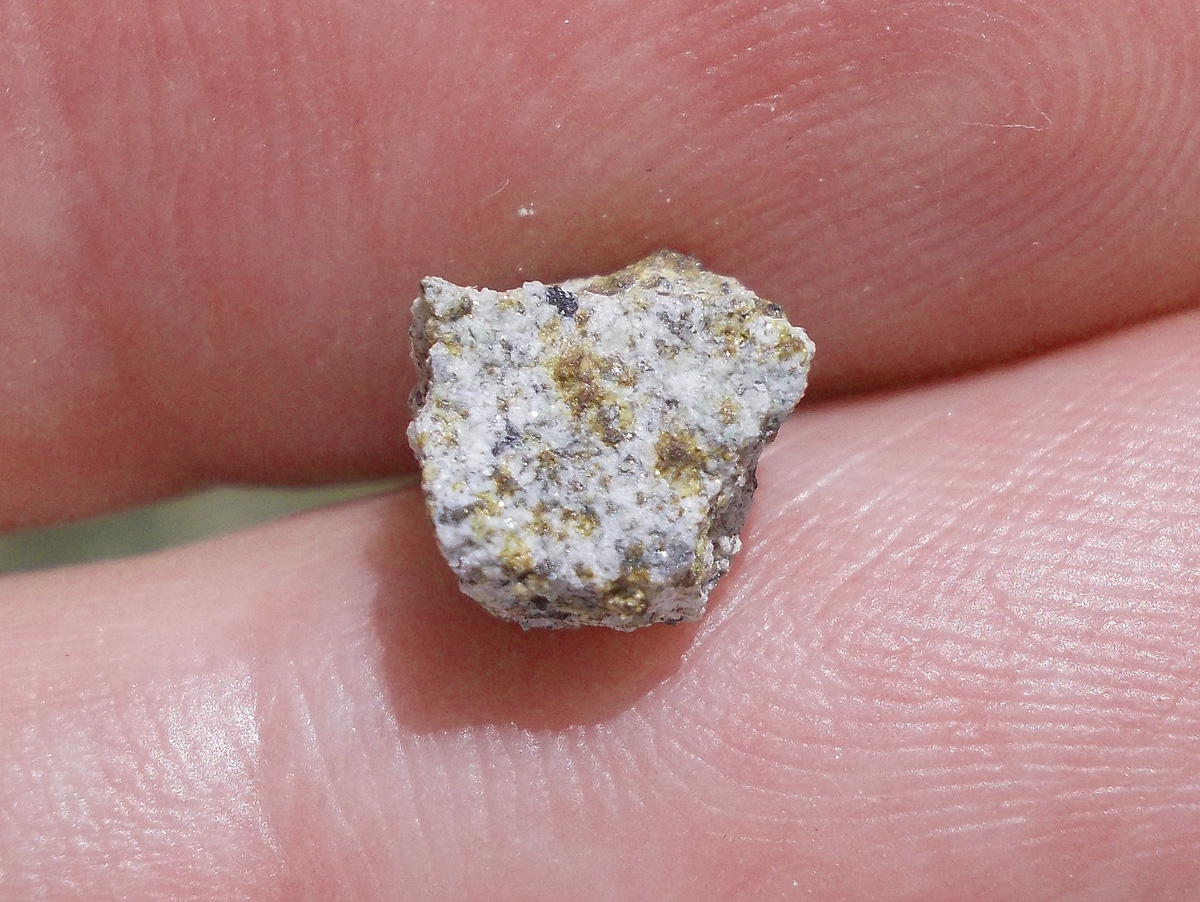
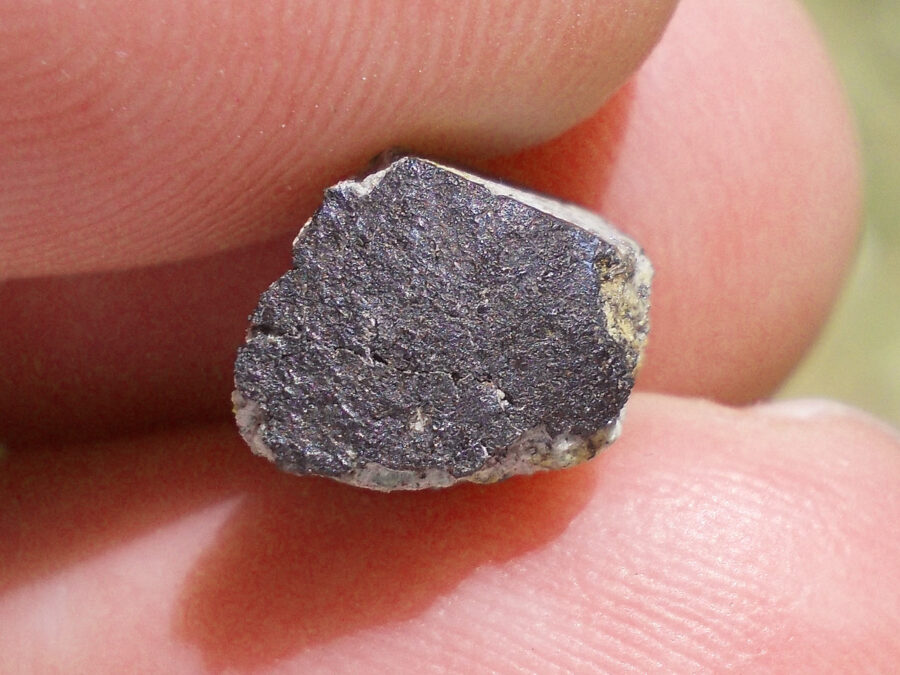
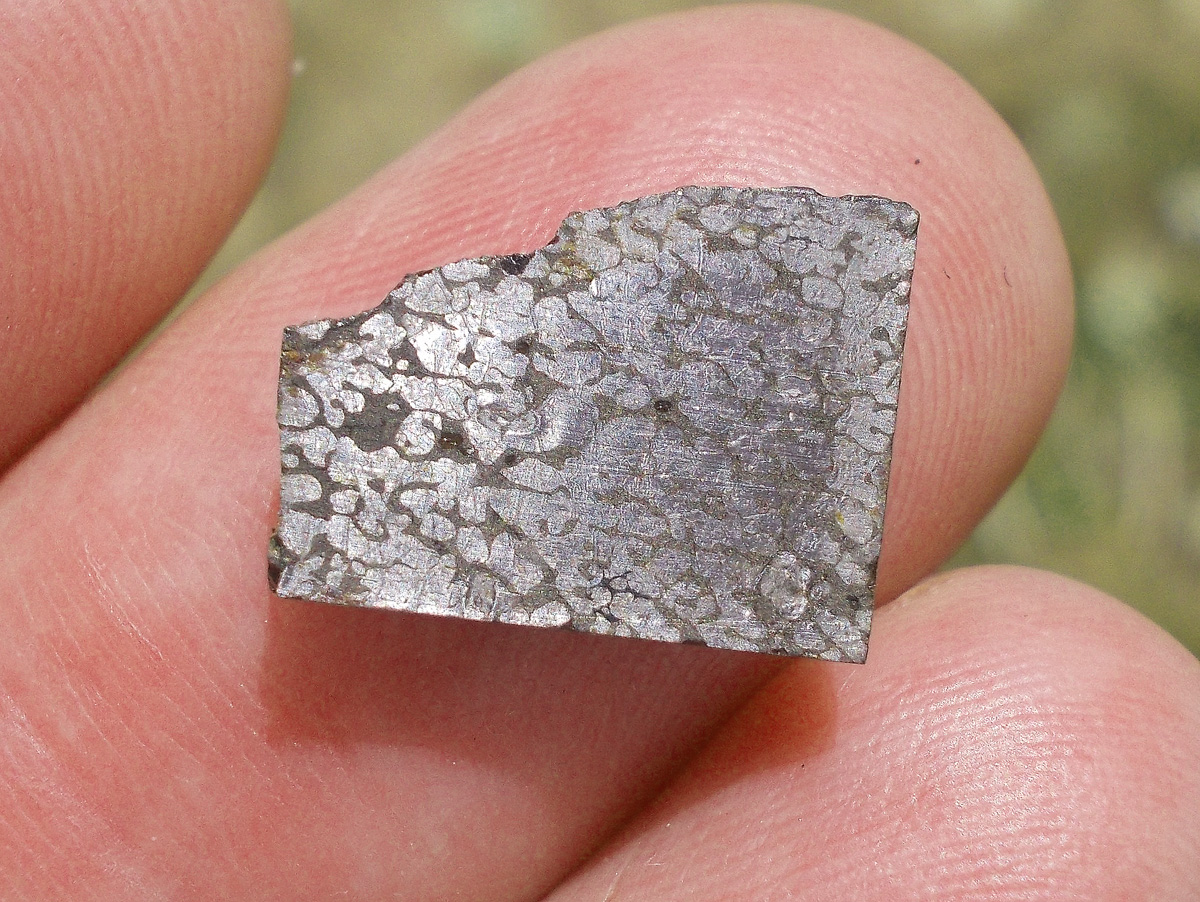
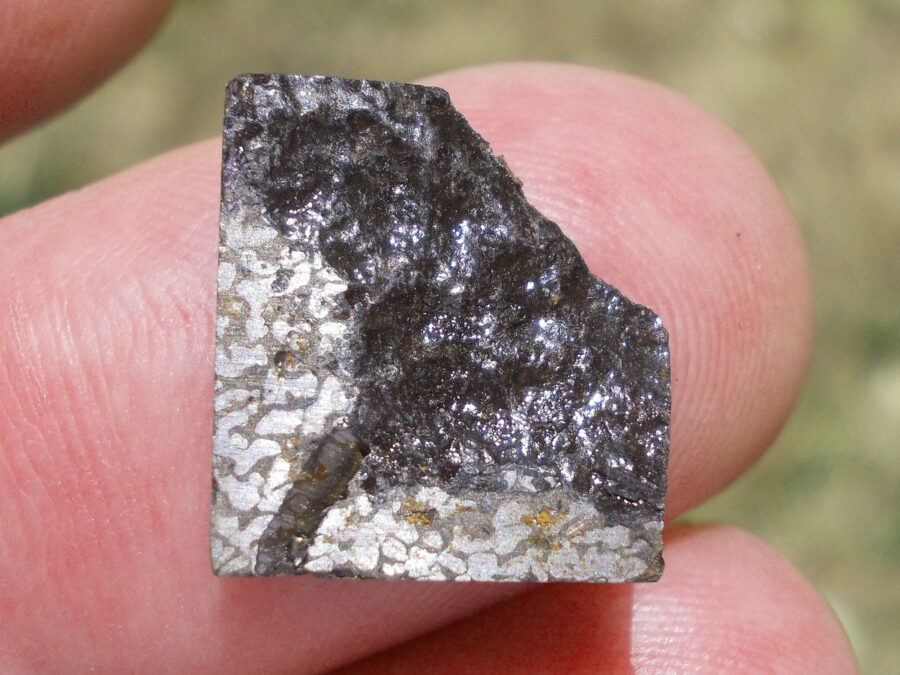
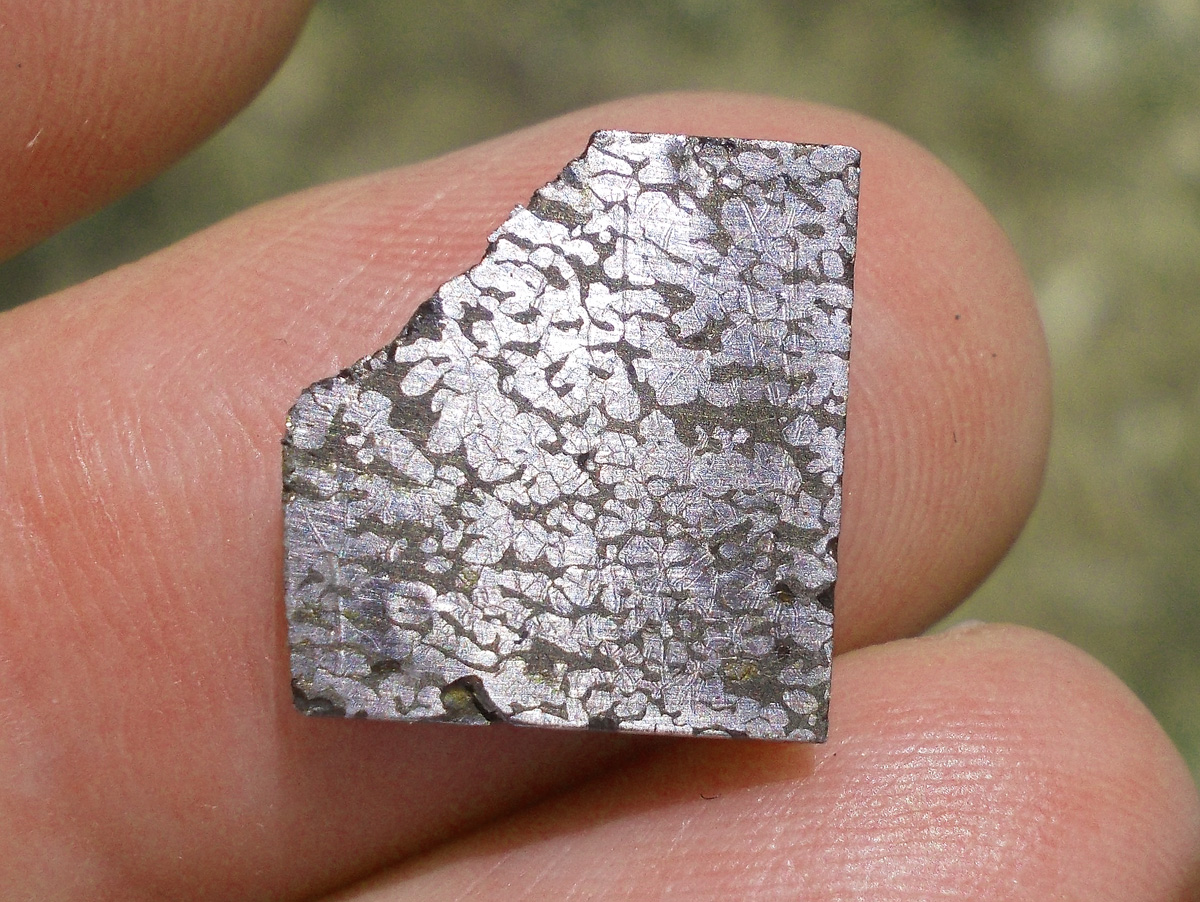
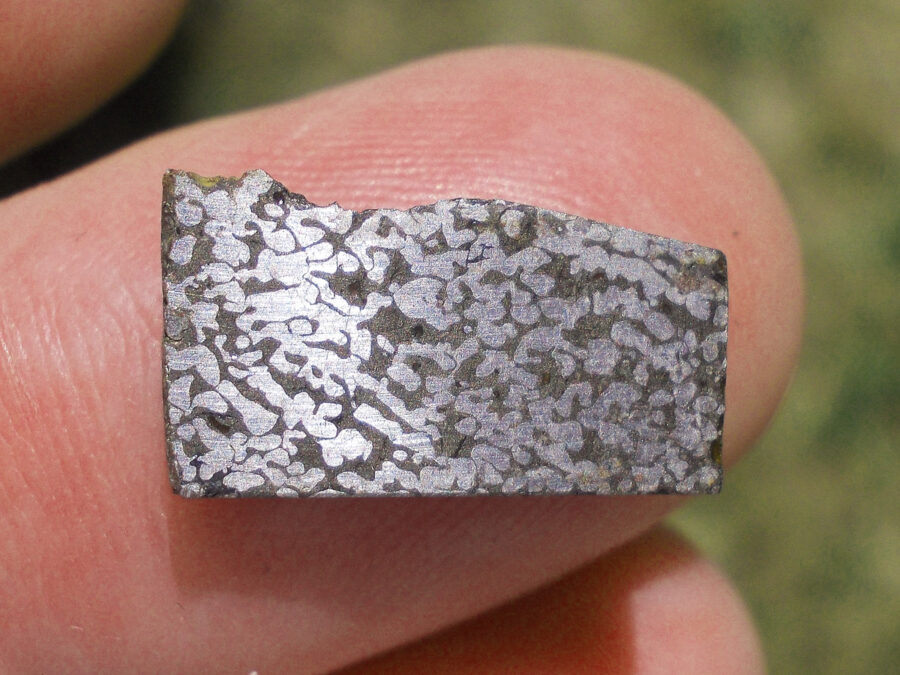
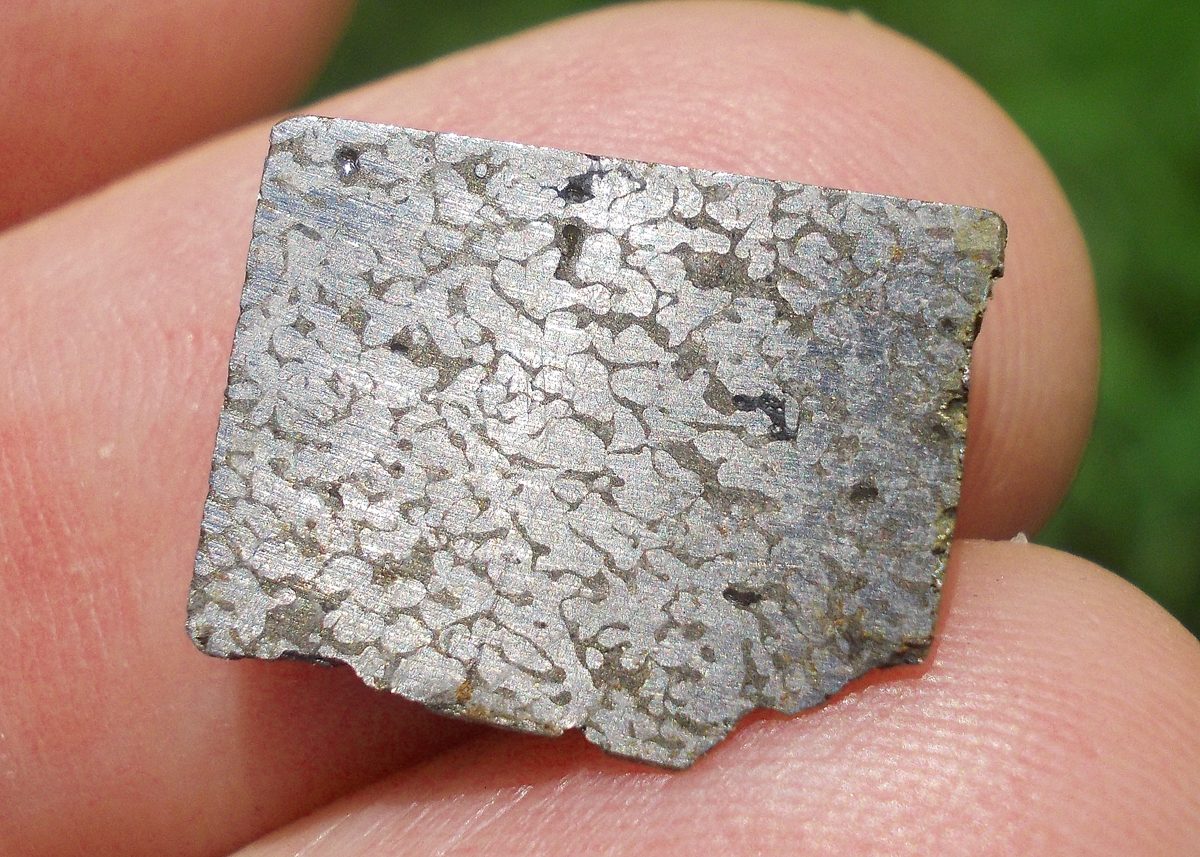
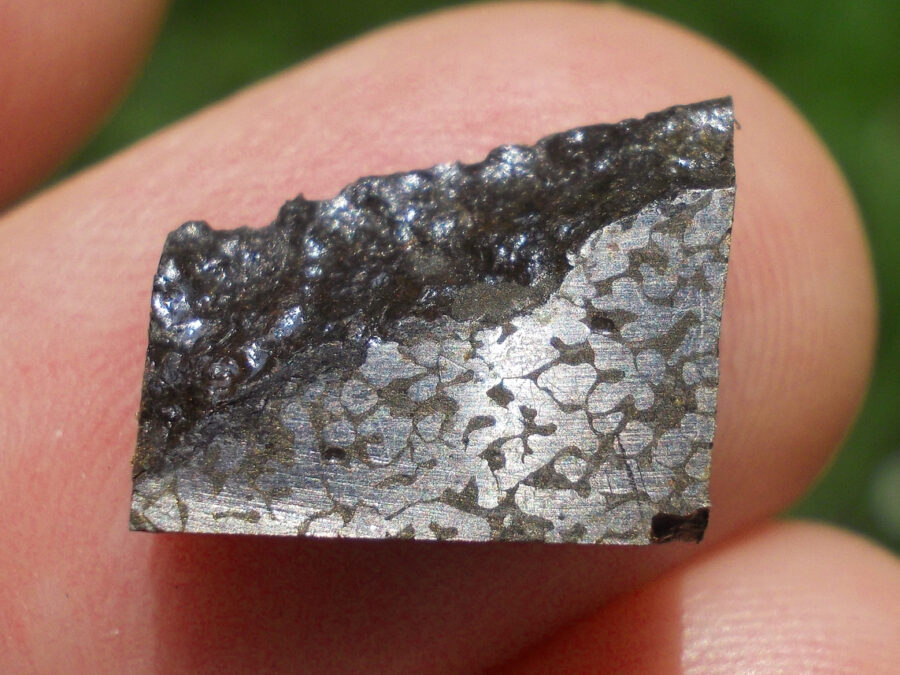
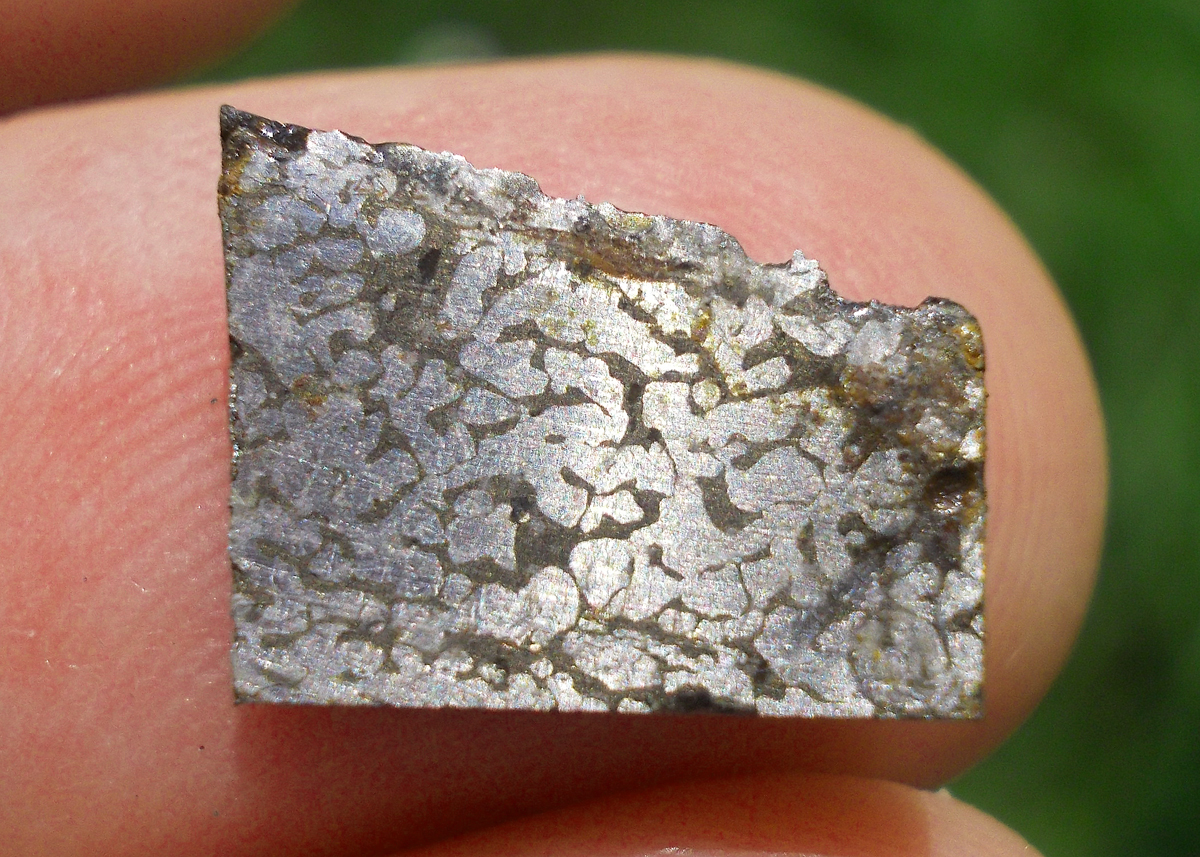
The Sikhote-Alin meteorite is an iron meteorite that fell in Siberia in 1947. This fall is unique in the history of meteorites, given the 70 tonnes that survived the journey through the Earth’s atmospher
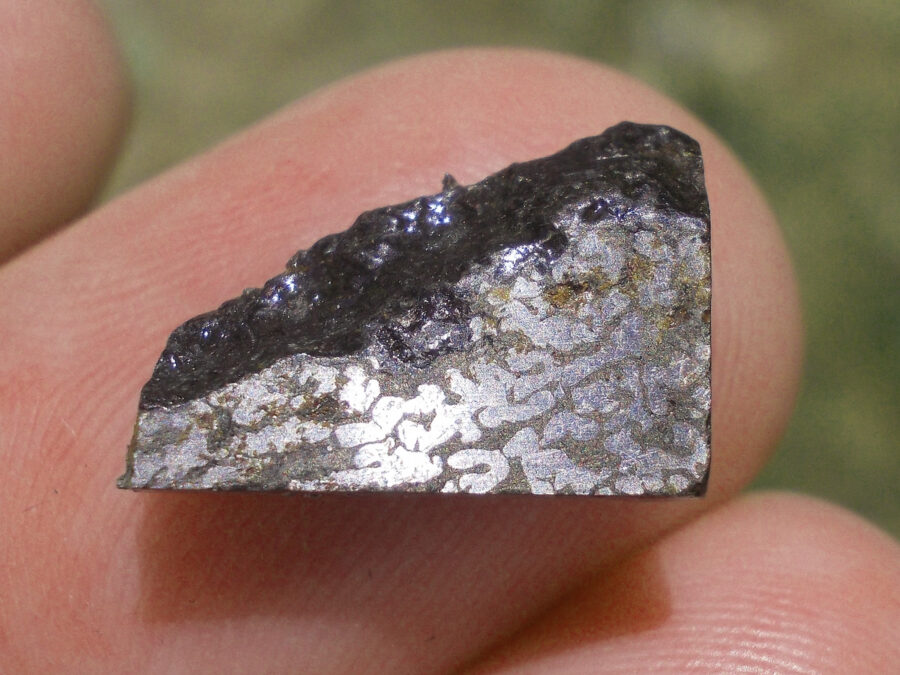
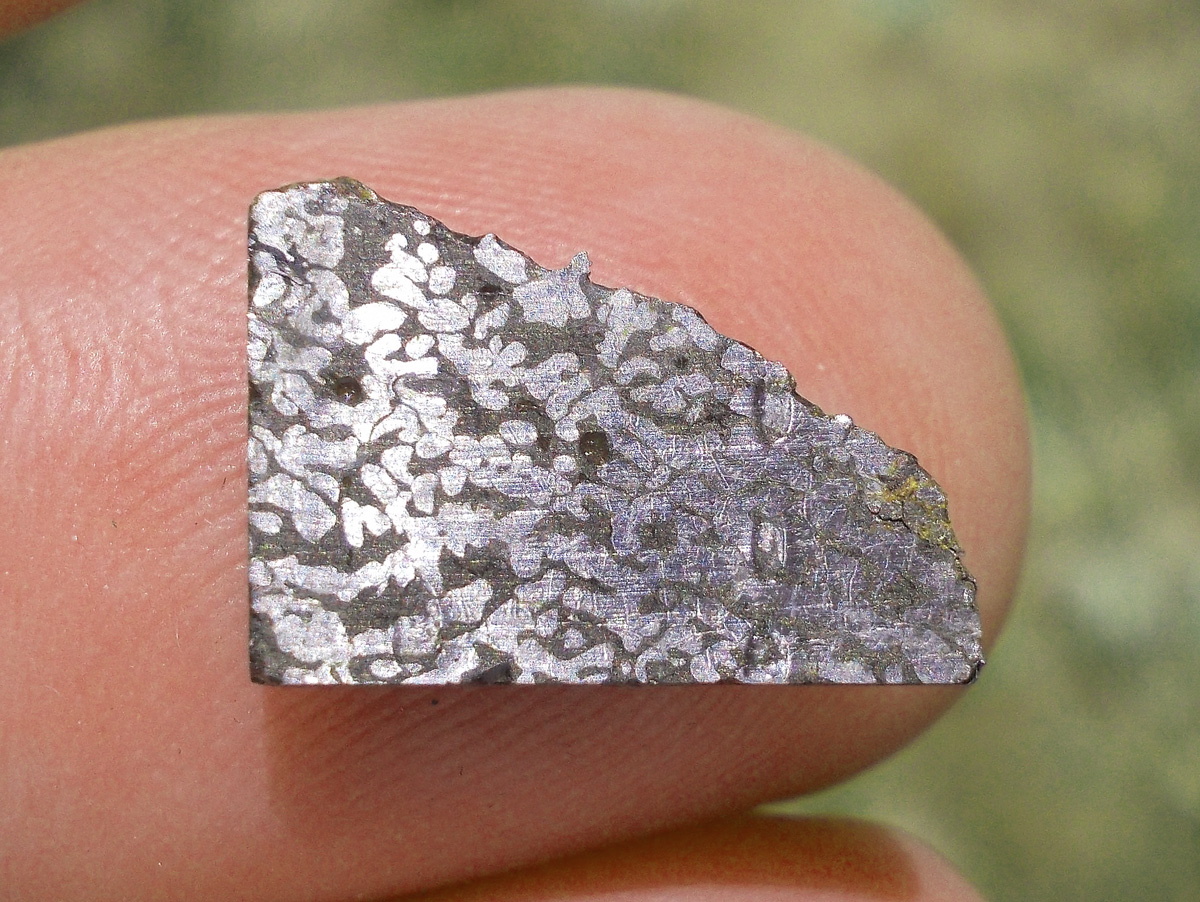
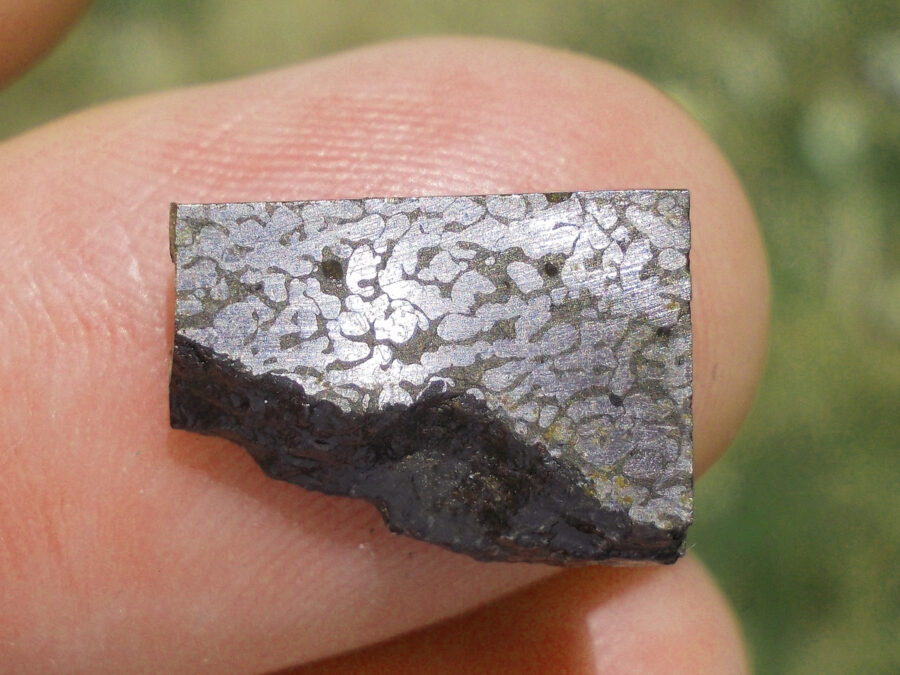
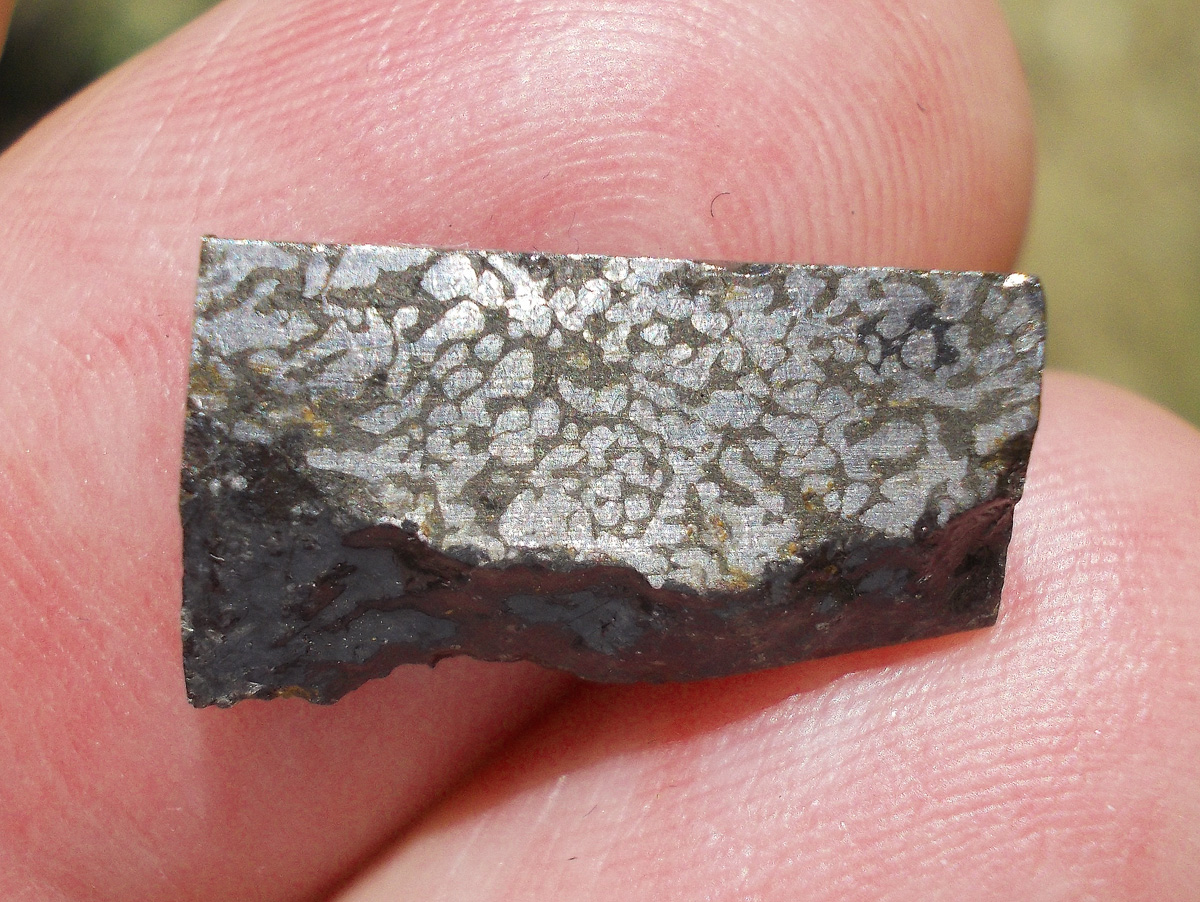
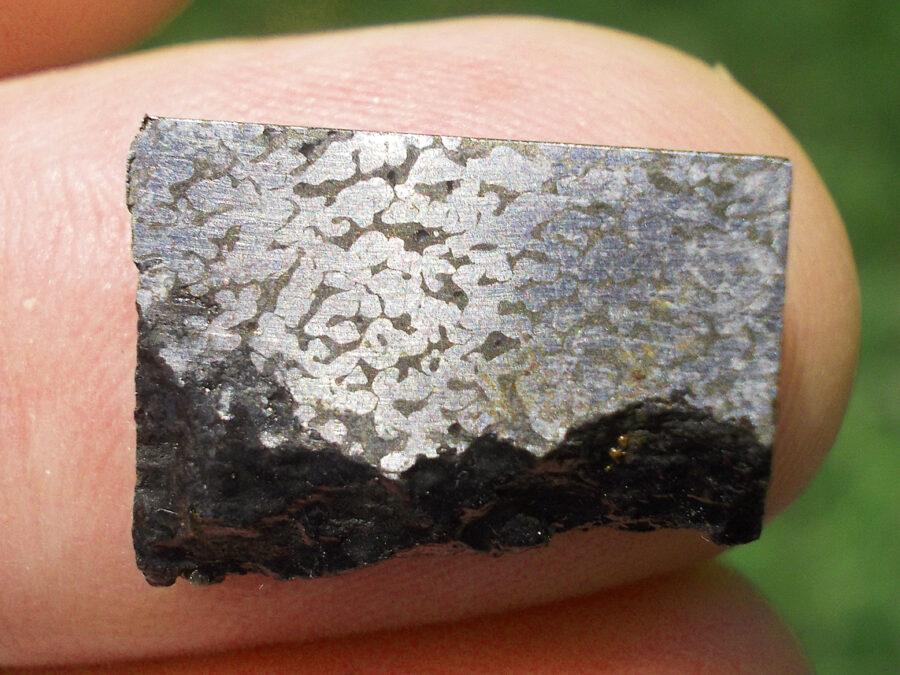
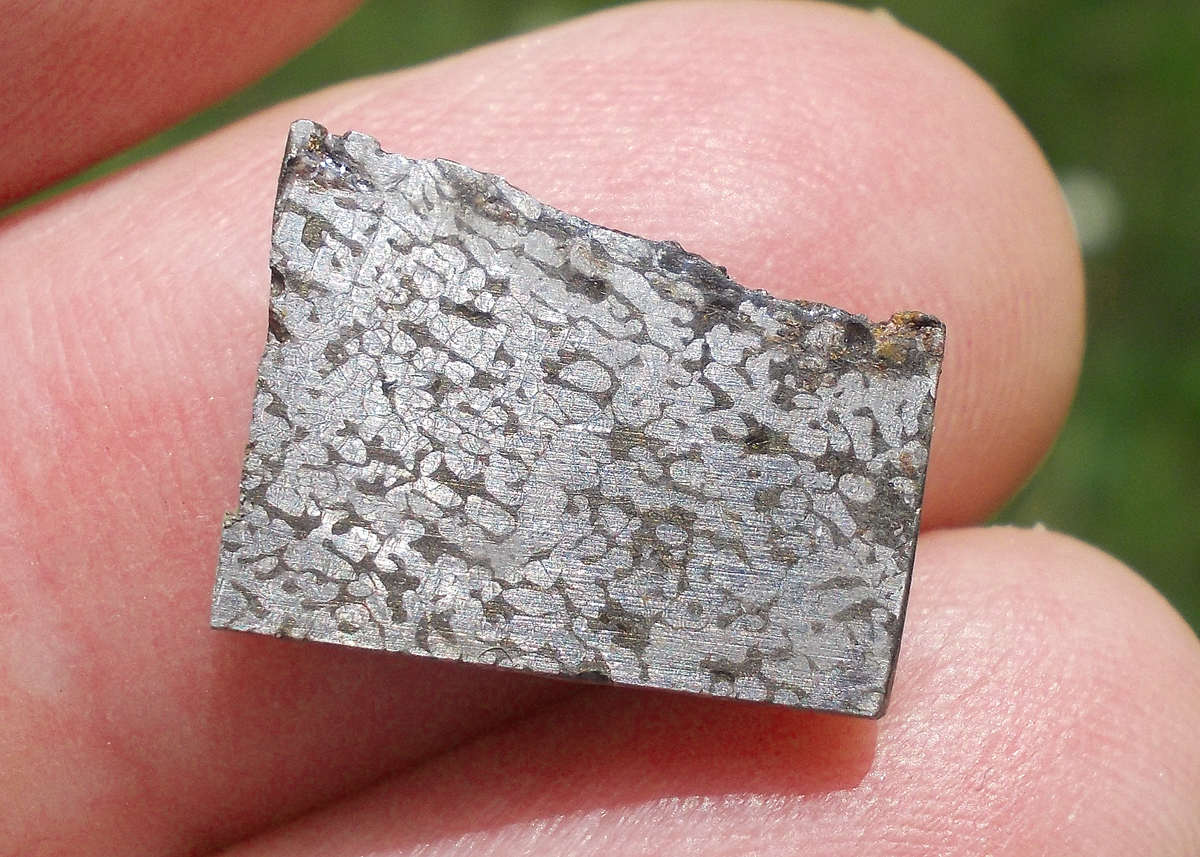
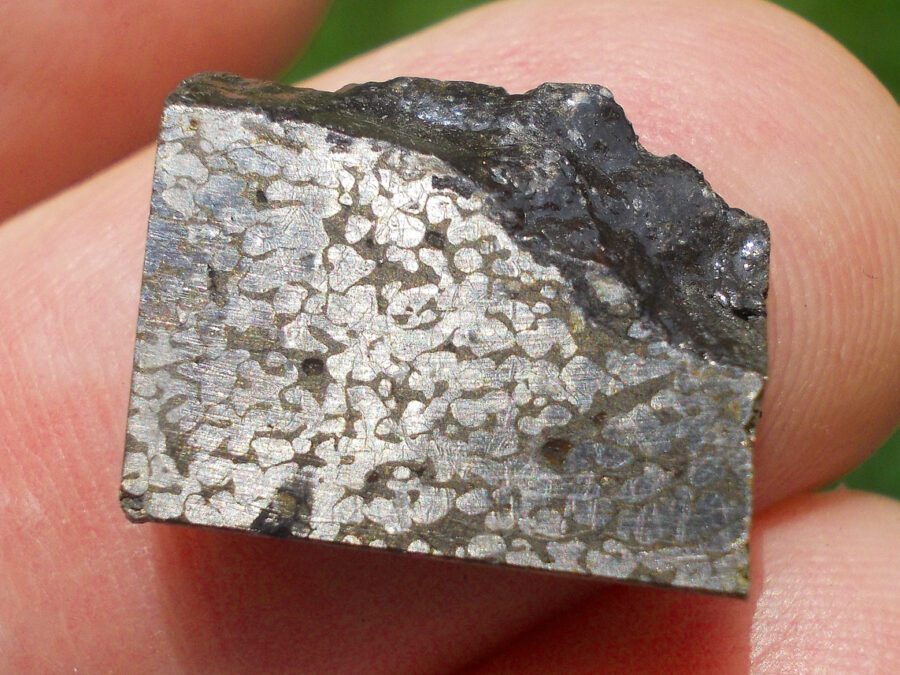
The Sikhote-Alin meteorite is an iron meteorite that fell in Siberia in 1947. This fall is unique in the history of meteorites, given the 70 tonnes that survived the journey through the Earth’s atmospher
The Sikhote-Alin meteorite is an iron meteorite that fell in Siberia in 1947. This fall is unique in the history of meteorites, given the 70 tonnes that survived the journey through the Earth’s atmospher
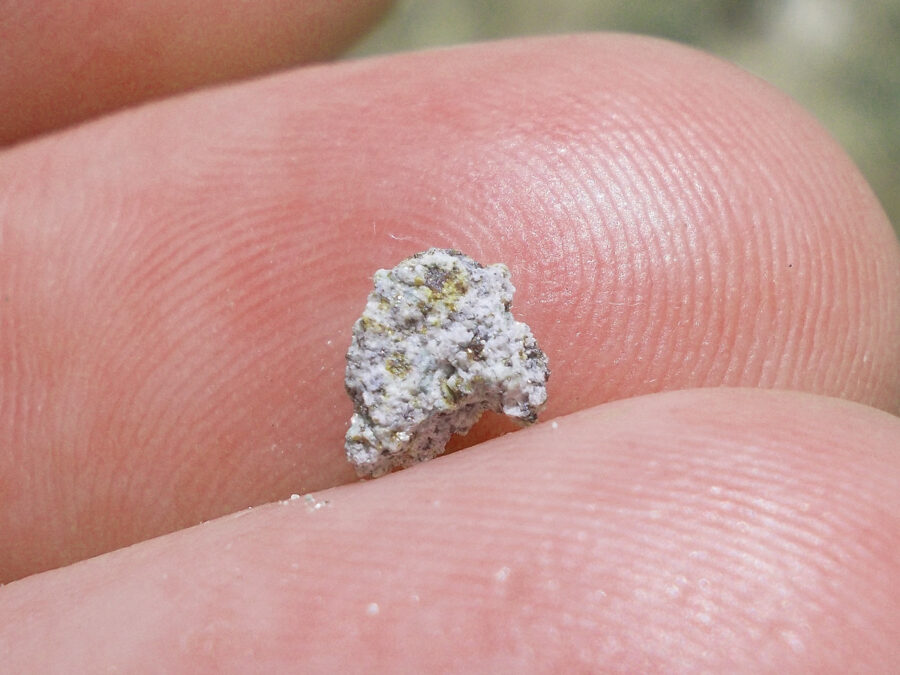
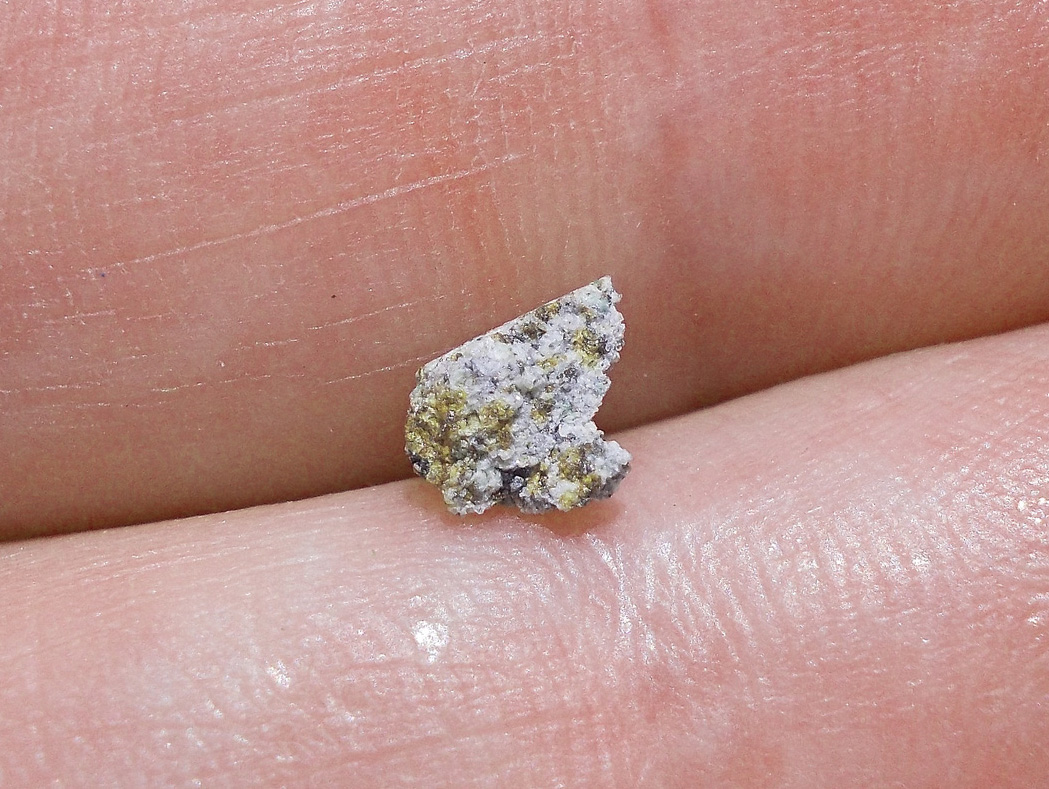
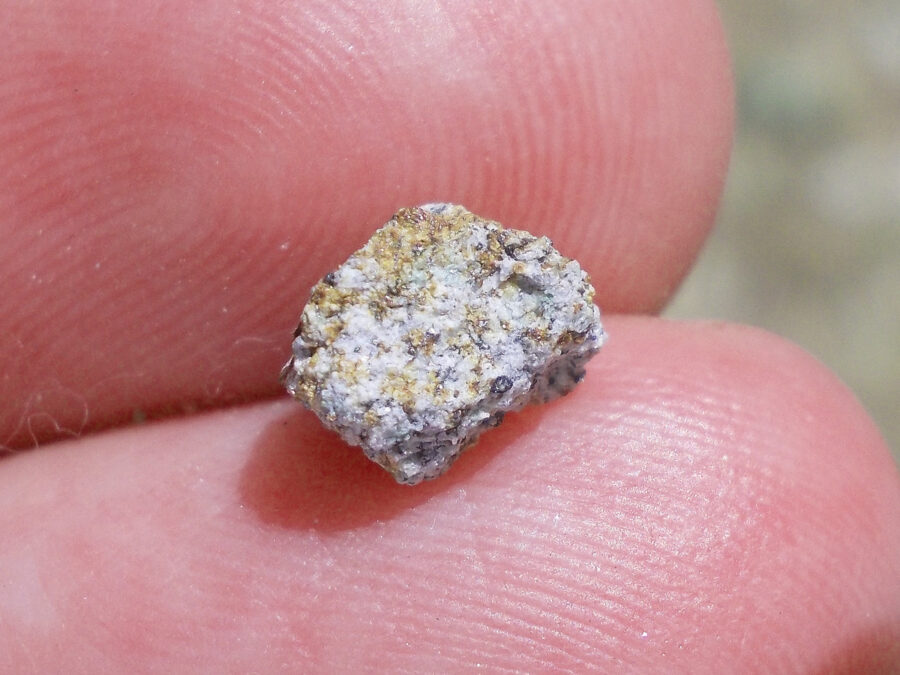
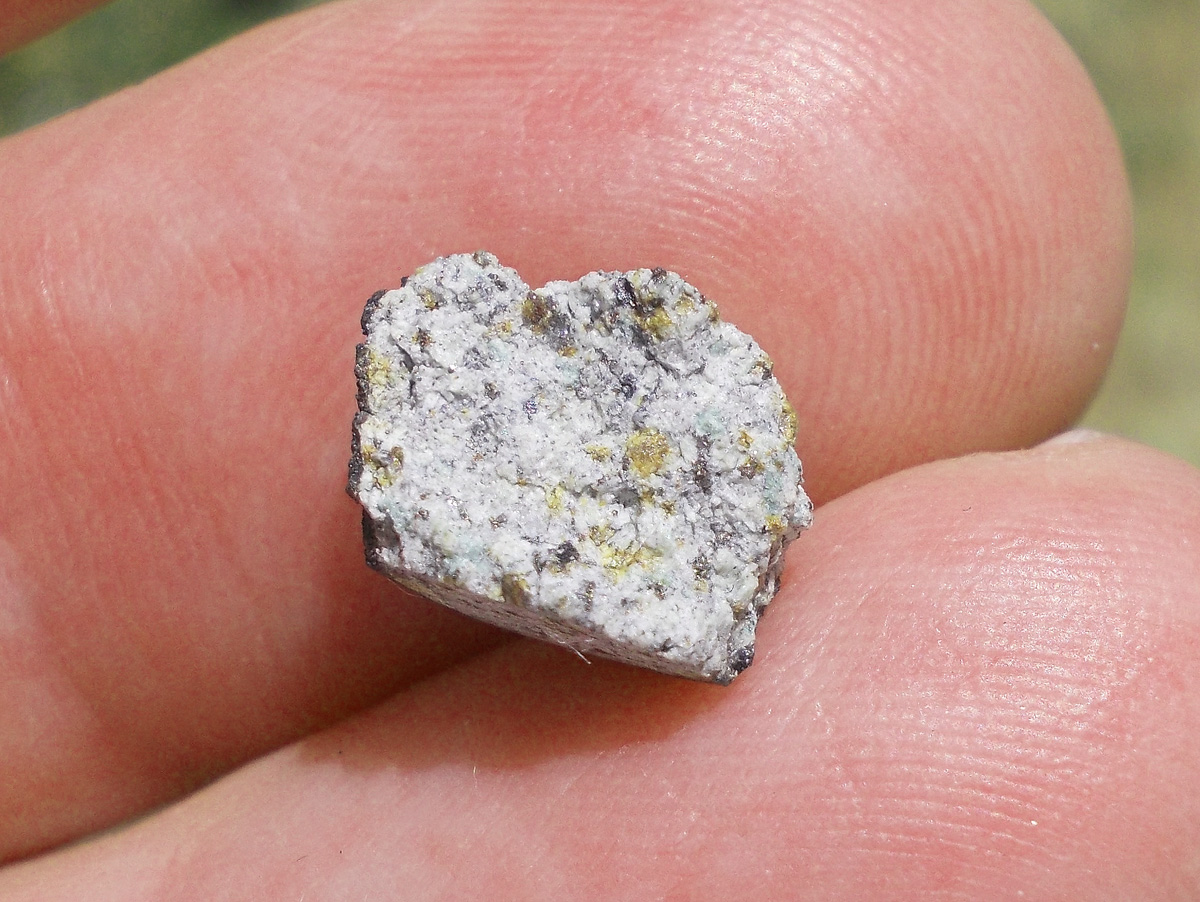
A study reports for the first time the presence of veins of the mineral bridgmanite in the meteorite sample.
Bridgmanite is the most abundant mineral by volume in the Earth’s interior.
It is present in the lower mantle (from 660 to 2700 km), and it is important to understand its formation mechanism to better understand the origin and evolution of planetary interiors.
A study reports for the first time the presence of veins of the mineral bridgmanite in the meteorite sample.
Bridgmanite is the most abundant mineral by volume in the Earth’s interior.
It is present in the lower mantle (from 660 to 2700 km), and it is important to understand its formation mechanism to better understand the origin and evolution of planetary interiors.
A study reports for the first time the presence of veins of the mineral bridgmanite in the meteorite sample.
Bridgmanite is the most abundant mineral by volume in the Earth’s interior.
It is present in the lower mantle (from 660 to 2700 km), and it is important to understand its formation mechanism to better understand the origin and evolution of planetary interiors.
A study reports for the first time the presence of veins of the mineral bridgmanite in the meteorite sample.
Bridgmanite is the most abundant mineral by volume in the Earth’s interior.
It is present in the lower mantle (from 660 to 2700 km), and it is important to understand its formation mechanism to better understand the origin and evolution of planetary interiors.
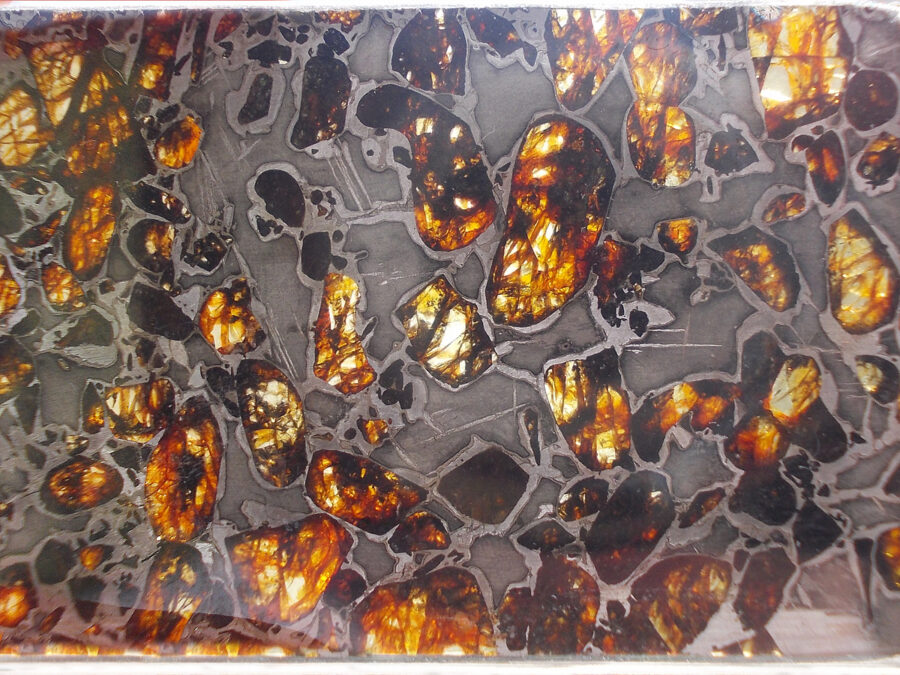
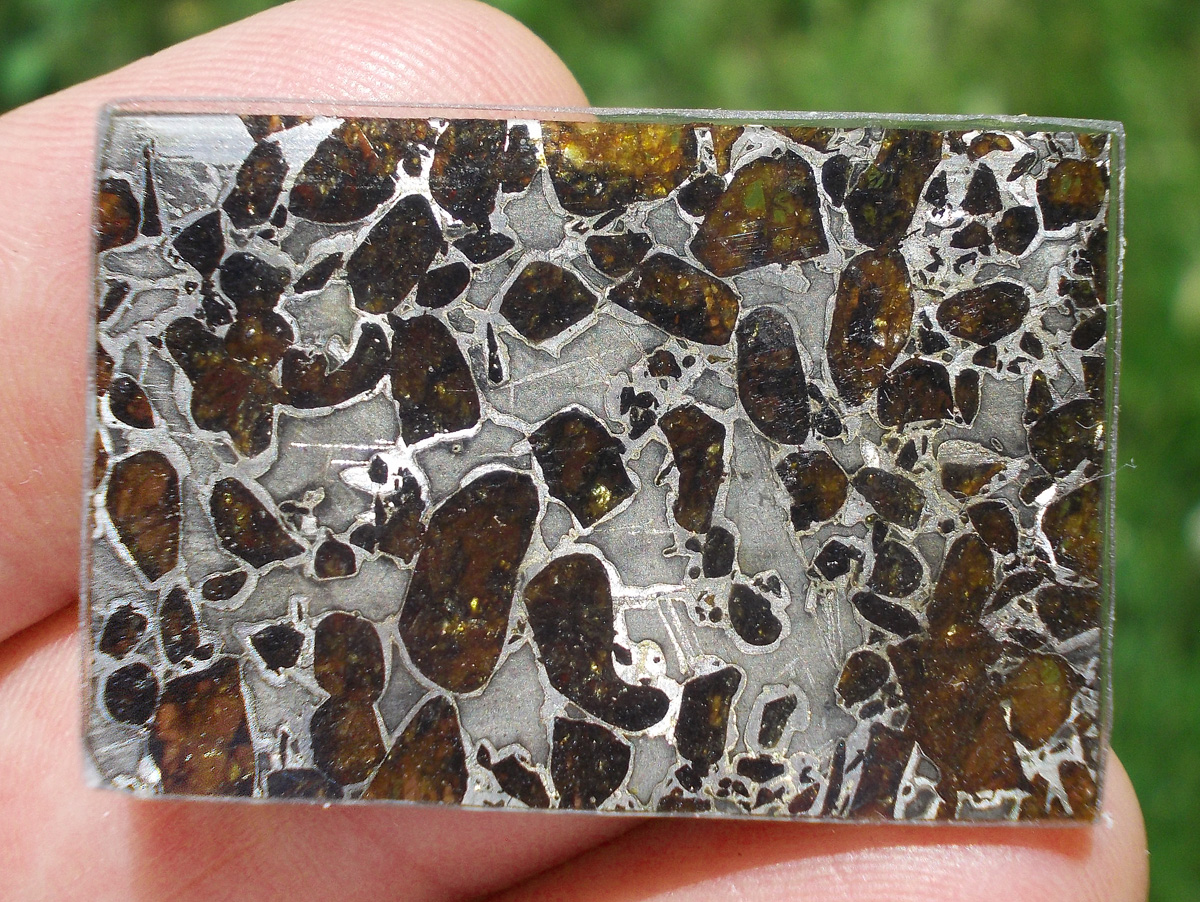
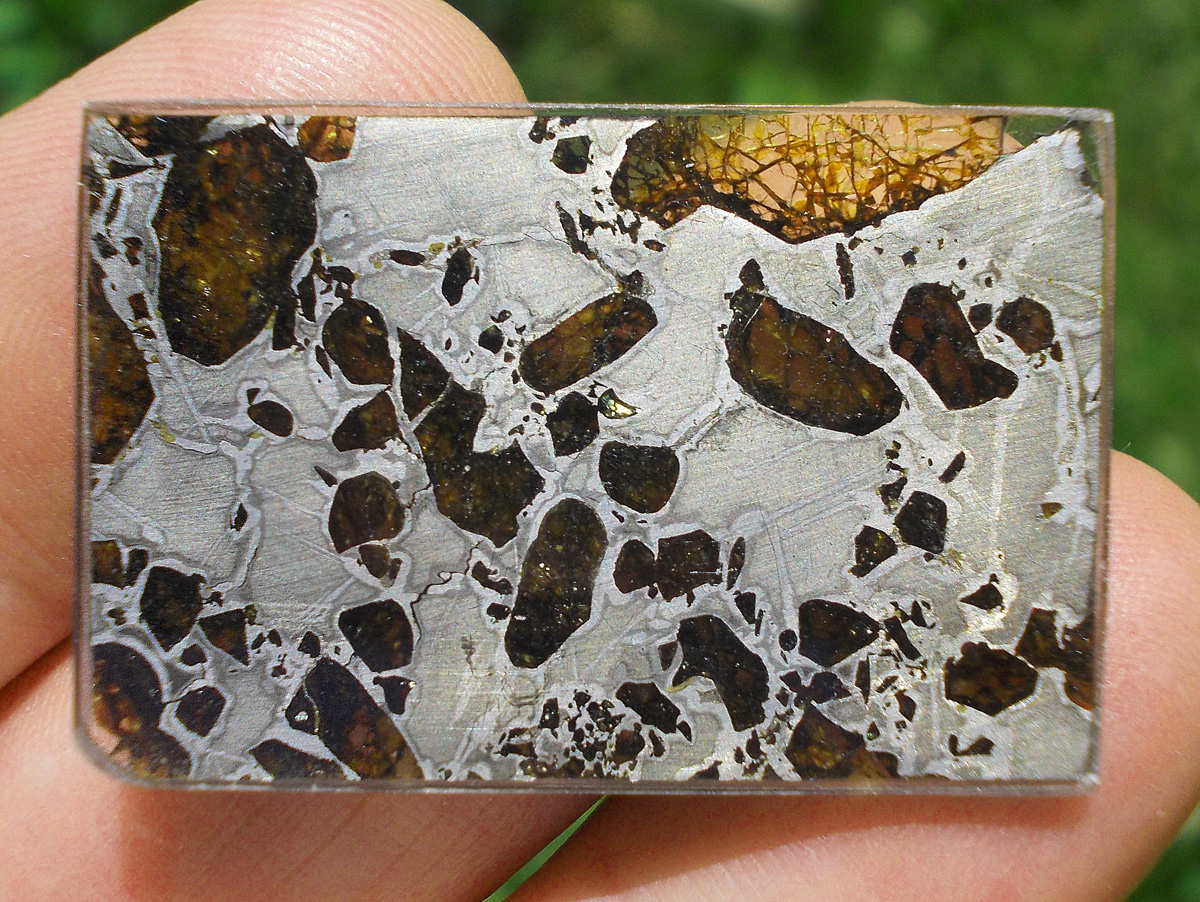
Gyarub Zangbo is a pallasite-type meteorite discovered in Tibet in 2020, weighing just 18 kg.
The mineral chemistry, the O and Cr isotopes of olivine and the metallic phase make this an anomalous carbonaceous pallasite.
Gyarub Zangbo appears to be a unique pallasite from a previously unrepresented asteroid in the pallasite collection.
Pallasites are unique stony-iron meteorites composed mainly of olivine and ferrous metal.
They are thought to have formed in the boundary region between the core and mantle of asteroids, inside asteroids.
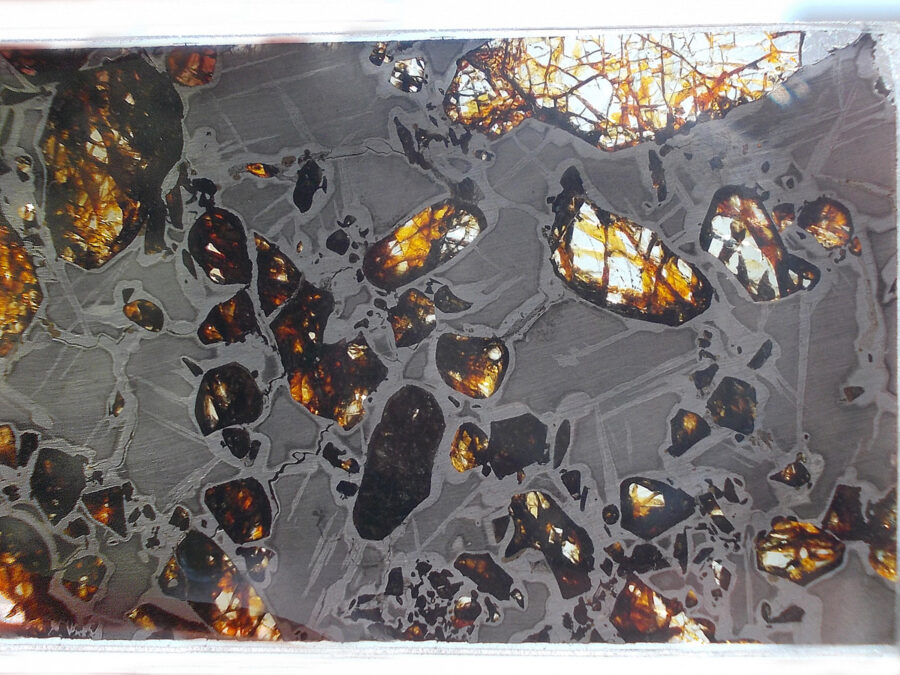
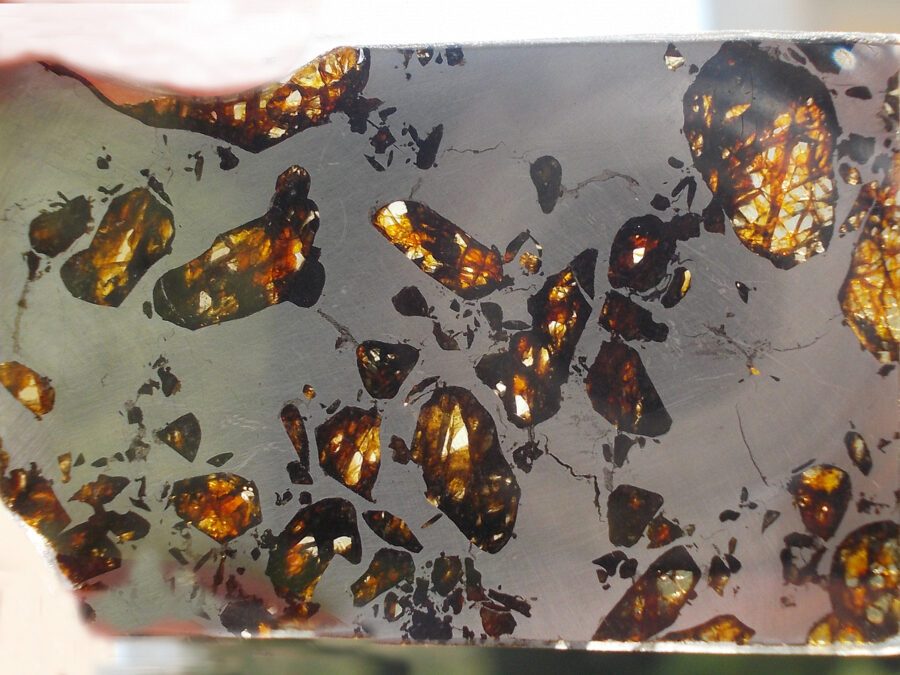
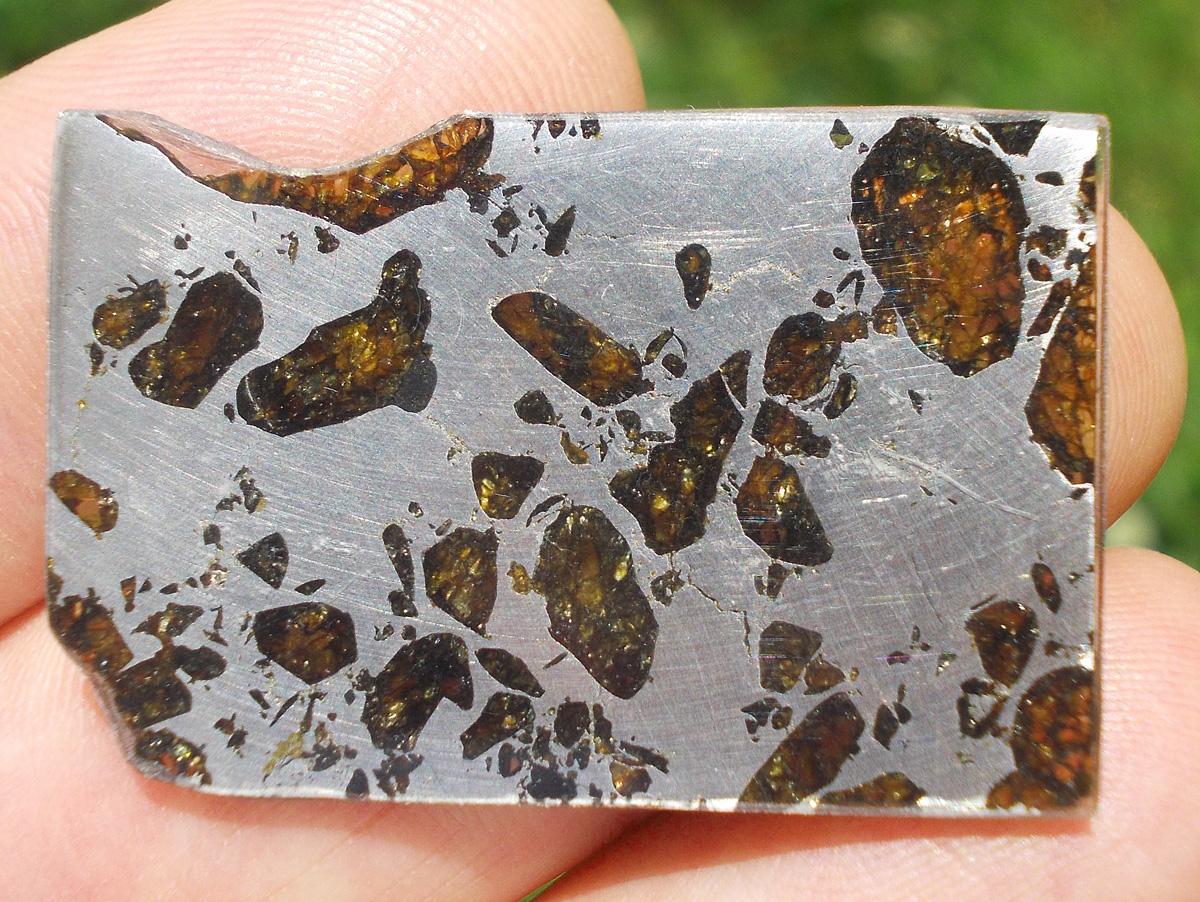
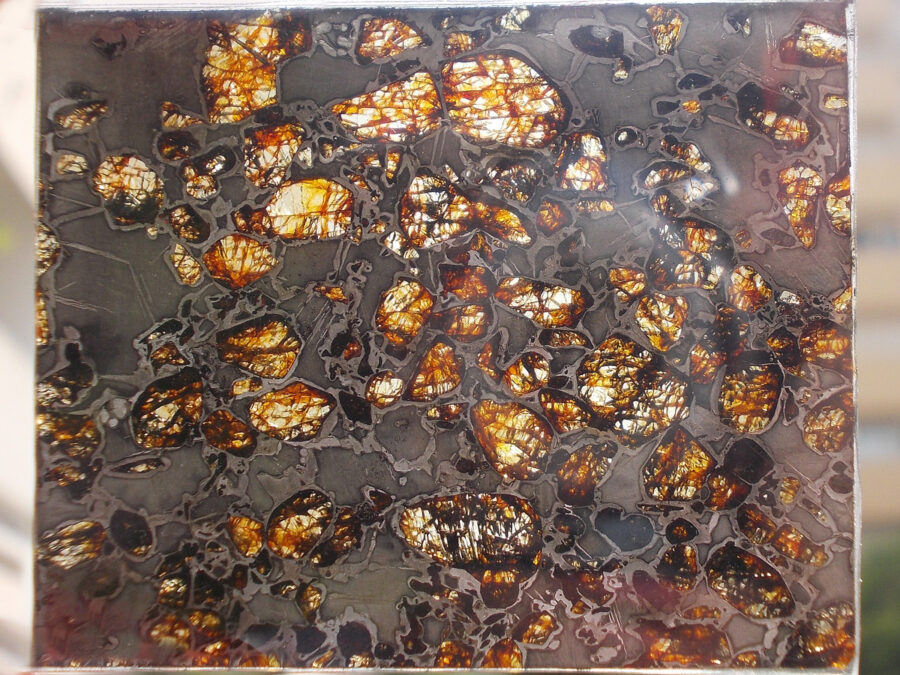
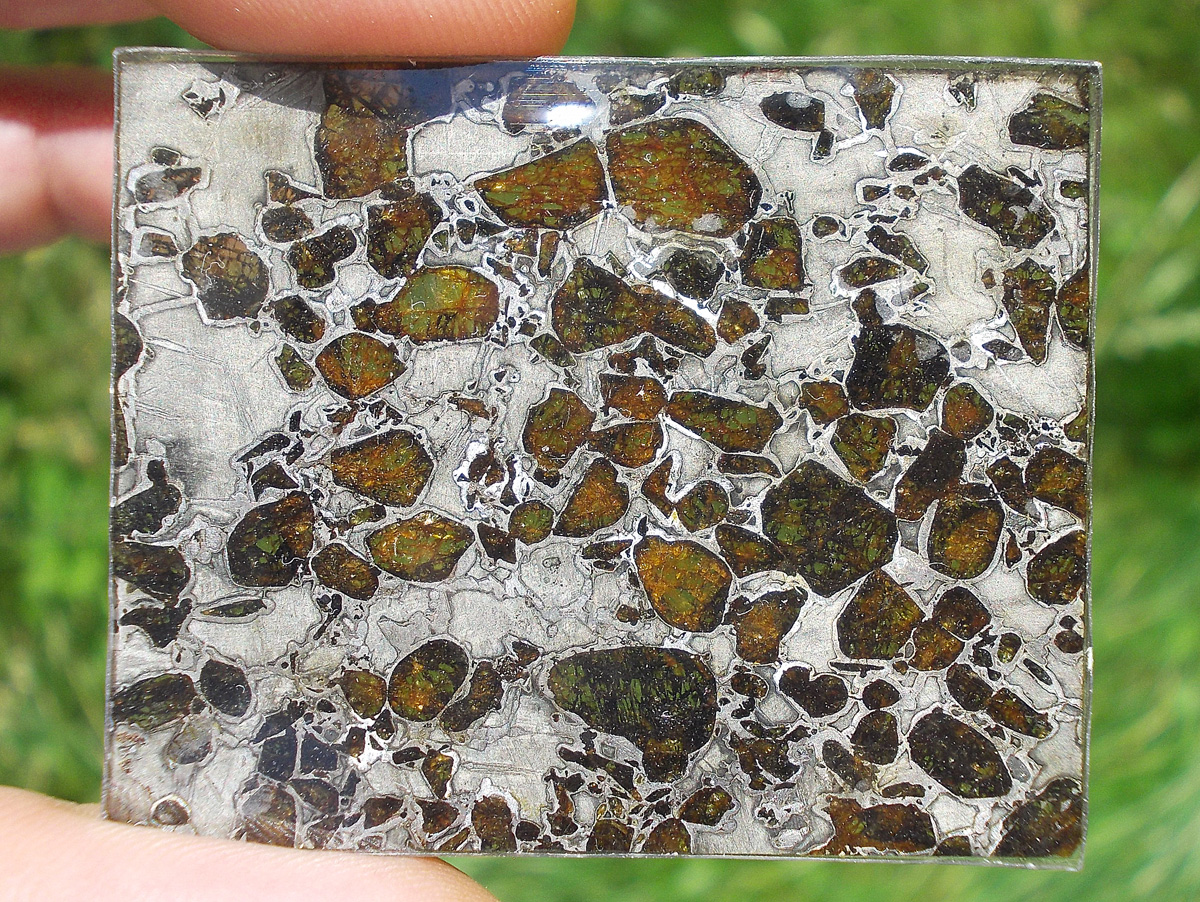
Pallasites are meteorites composed of olivine crystals embedded in an iron-nickel matrix.
Pallasites are among the most aesthetically pleasing of meteorites.
Exceptional quality !
Thin, translucent slice protected by a very thin layer of resin.
Gyarub Zangbo is a pallasite-type meteorite discovered in Tibet in 2020, weighing just 18 kg.
The mineral chemistry, the O and Cr isotopes of olivine and the metallic phase make this an anomalous carbonaceous pallasite.
Gyarub Zangbo appears to be a unique pallasite from a previously unrepresented asteroid in the pallasite collection.
Pallasites are unique stony-iron meteorites composed mainly of olivine and ferrous metal.
They are thought to have formed in the boundary region between the core and mantle of asteroids, inside asteroids.
Pallasites are meteorites composed of olivine crystals embedded in an iron-nickel matrix.
Pallasites are among the most aesthetically pleasing of meteorites.
Exceptional quality !
Thin, translucent slice protected by a very thin layer of resin.
Gyarub Zangbo is a pallasite-type meteorite discovered in Tibet in 2020, weighing just 18 kg.
The mineral chemistry, the O and Cr isotopes of olivine and the metallic phase make this an anomalous carbonaceous pallasite.
Gyarub Zangbo appears to be a unique pallasite from a previously unrepresented asteroid in the pallasite collection.
Pallasites are unique stony-iron meteorites composed mainly of olivine and ferrous metal.
They are thought to have formed in the boundary region between the core and mantle of asteroids, inside asteroids.
Pallasites are meteorites composed of olivine crystals embedded in an iron-nickel matrix.
Pallasites are among the most aesthetically pleasing of meteorites.
Exceptional quality !
Thin, translucent slice protected by a very thin layer of resin.
Gyarub Zangbo is a pallasite-type meteorite discovered in Tibet in 2020, weighing just 18 kg.
The mineral chemistry, the O and Cr isotopes of olivine and the metallic phase make this an anomalous carbonaceous pallasite.
Gyarub Zangbo appears to be a unique pallasite from a previously unrepresented asteroid in the pallasite collection.
Pallasites are unique stony-iron meteorites composed mainly of olivine and ferrous metal.
They are thought to have formed in the boundary region between the core and mantle of asteroids, inside asteroids.
Pallasites are meteorites composed of olivine crystals embedded in an iron-nickel matrix.
Pallasites are among the most aesthetically pleasing of meteorites.
Exceptional quality !
Thin, translucent slice protected by a very thin layer of resin.