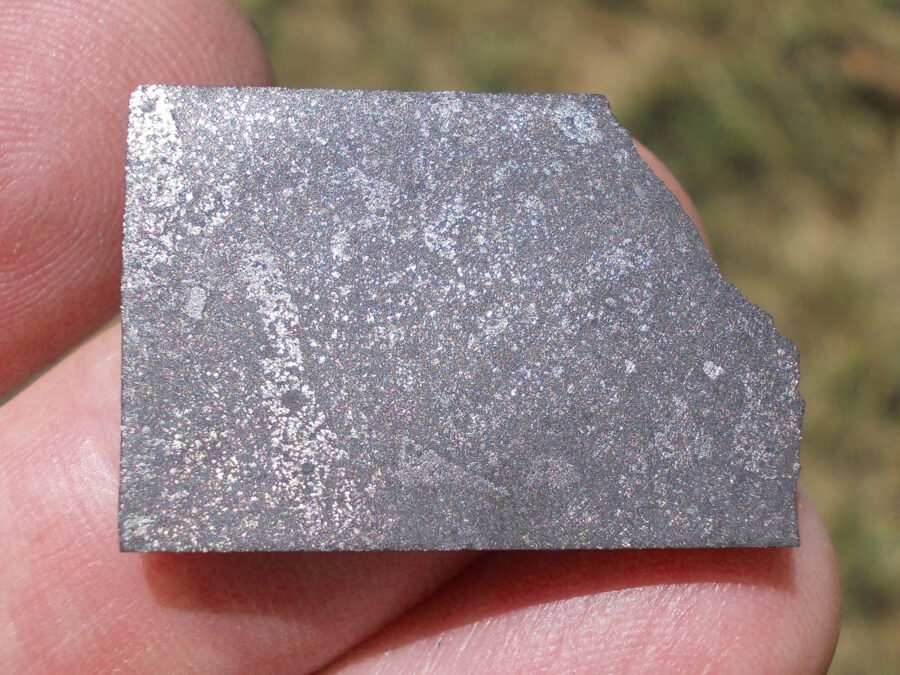
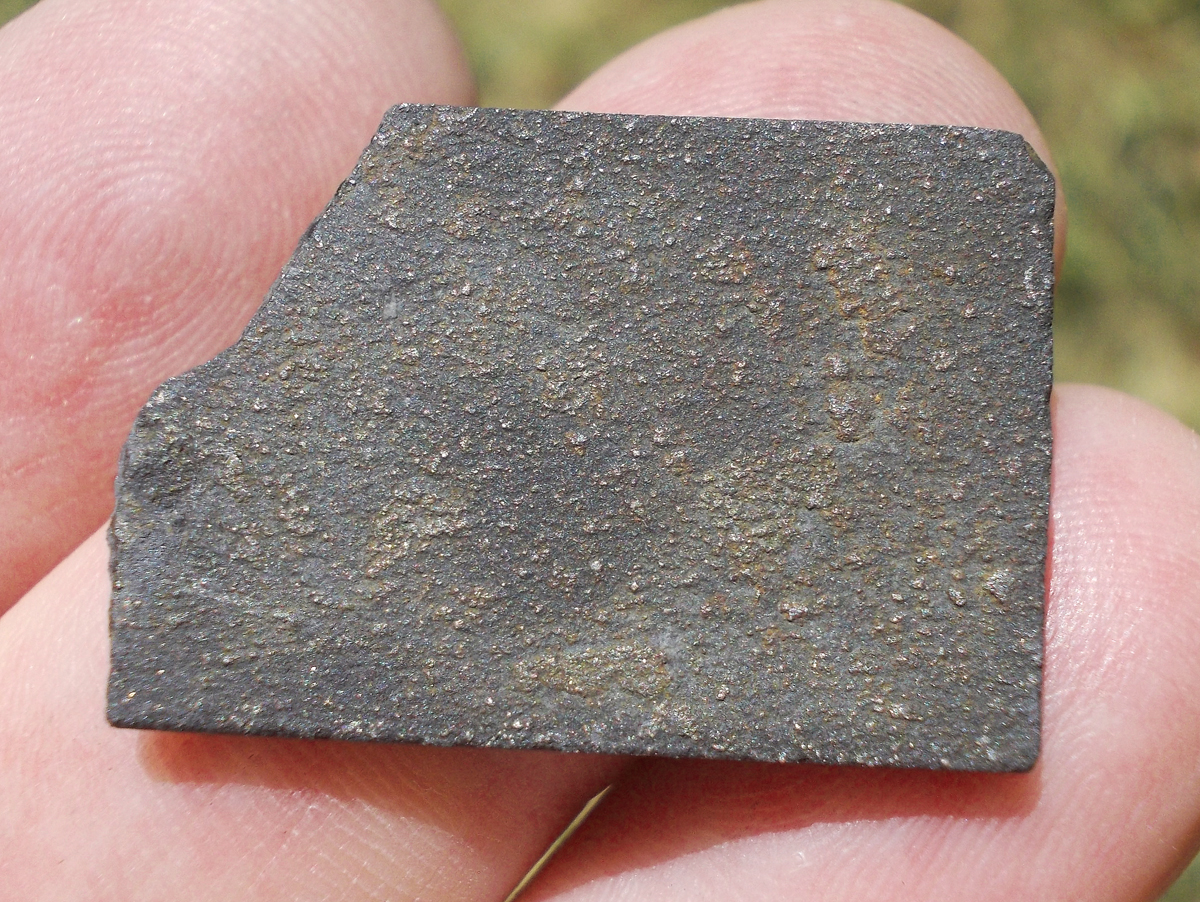
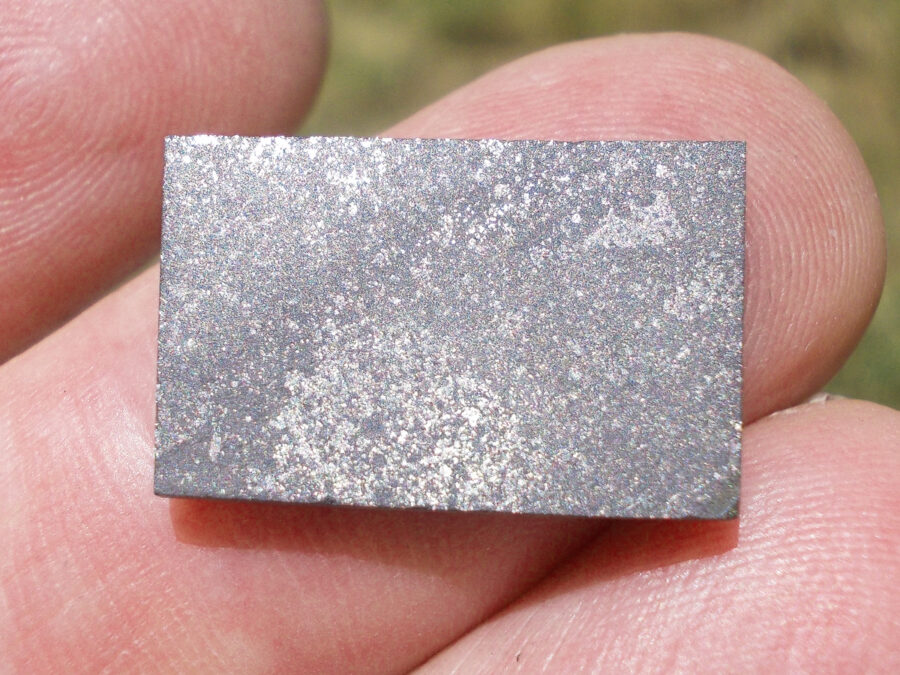
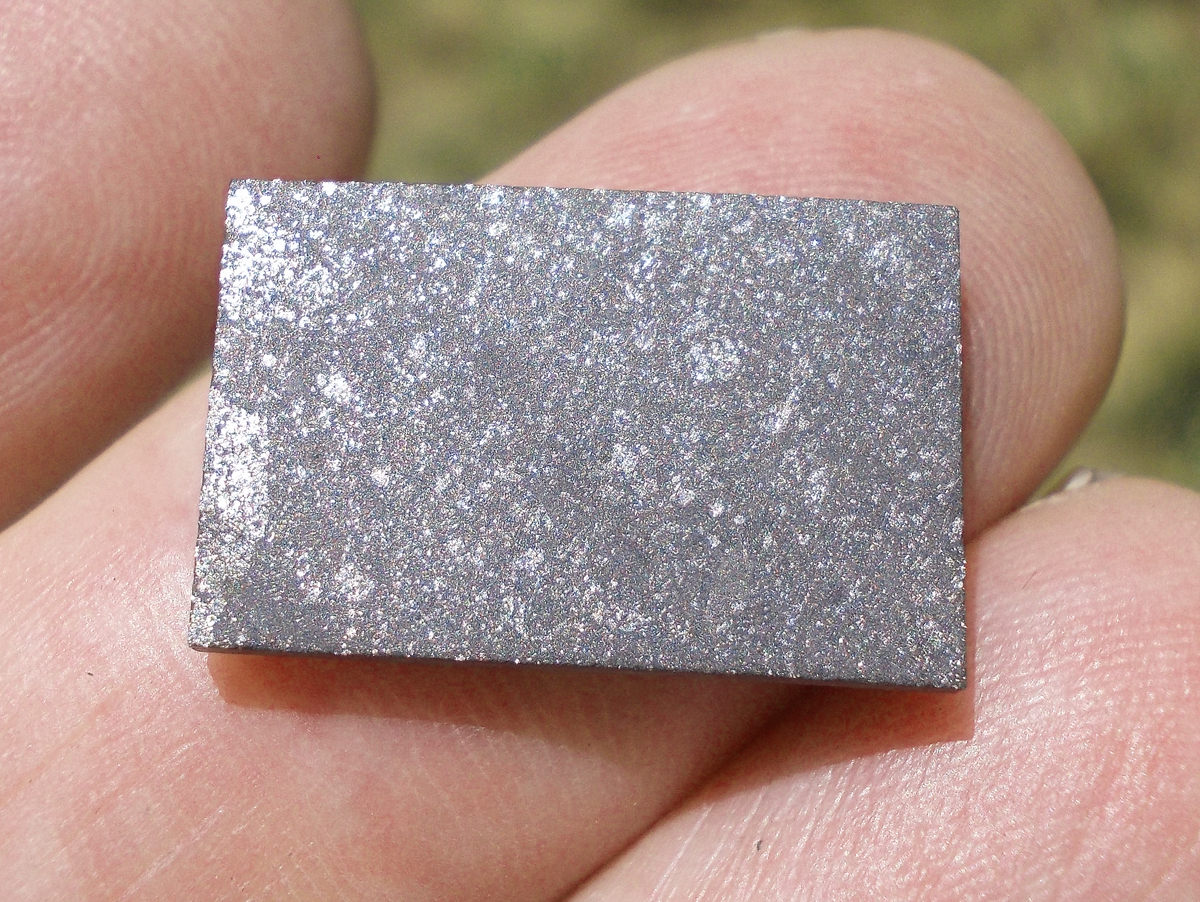
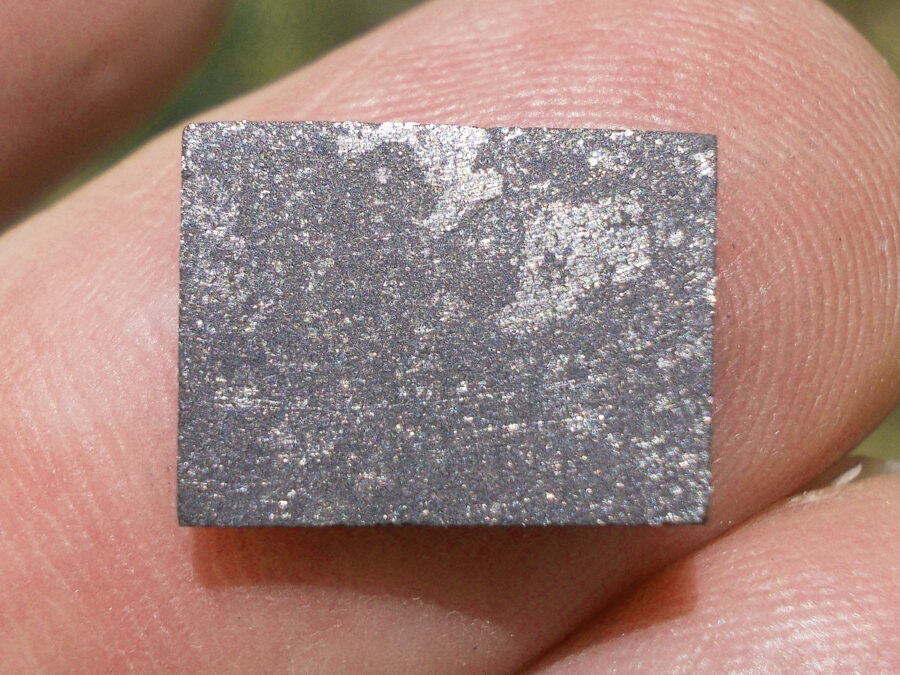
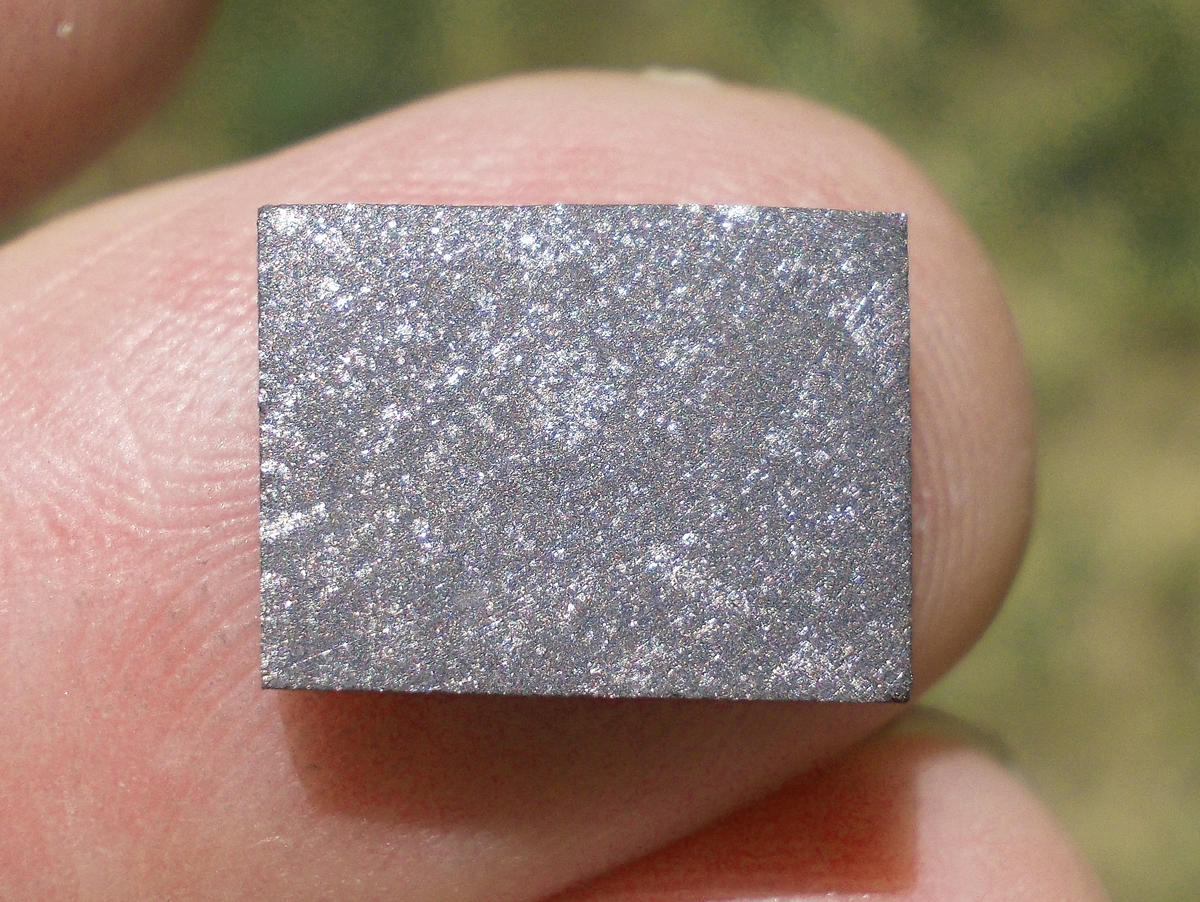
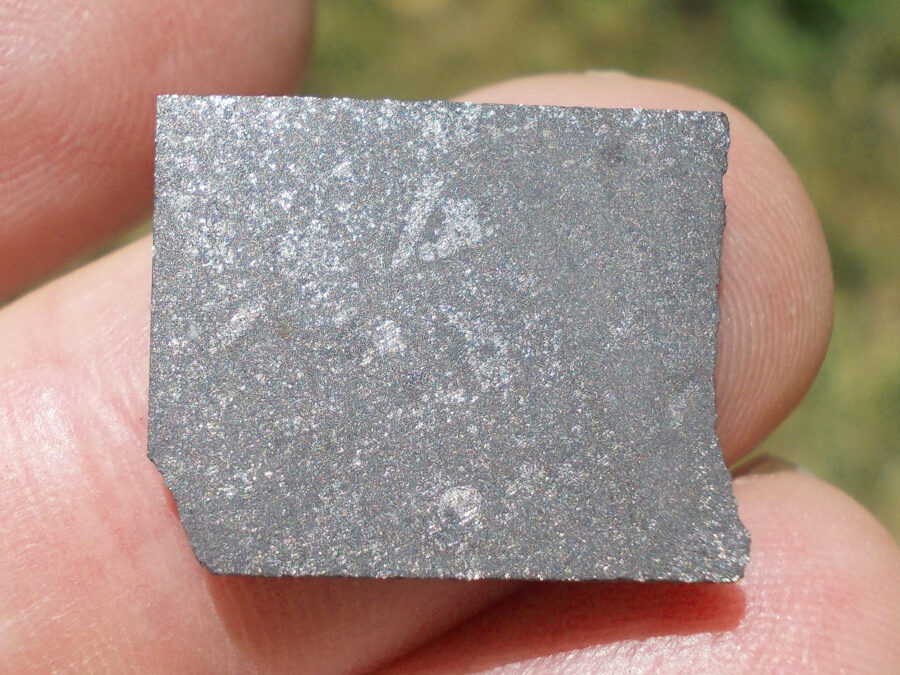
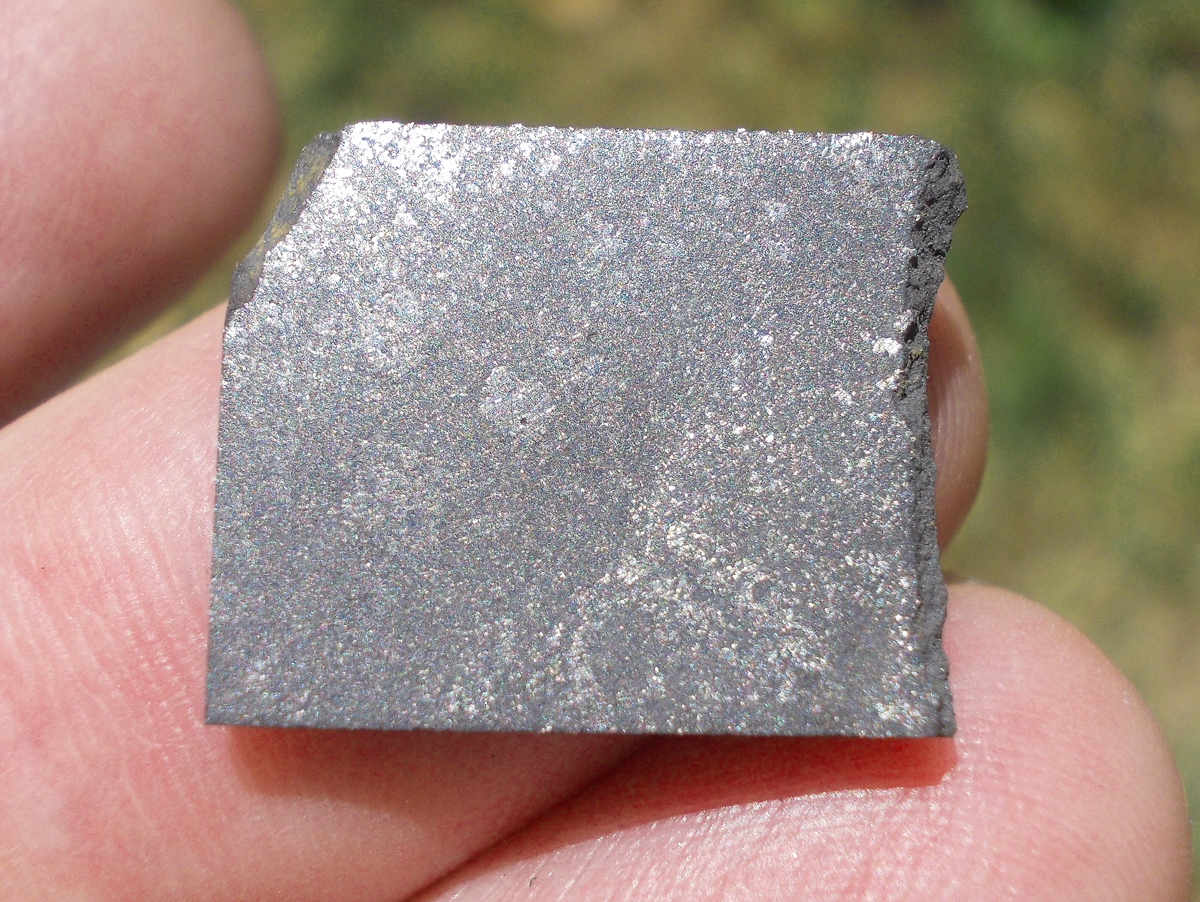
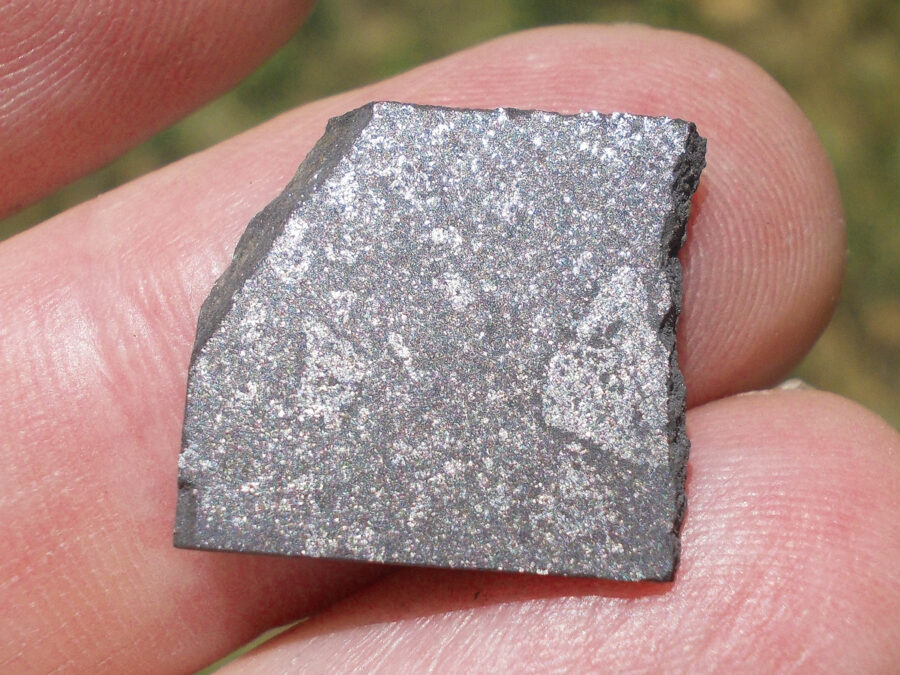
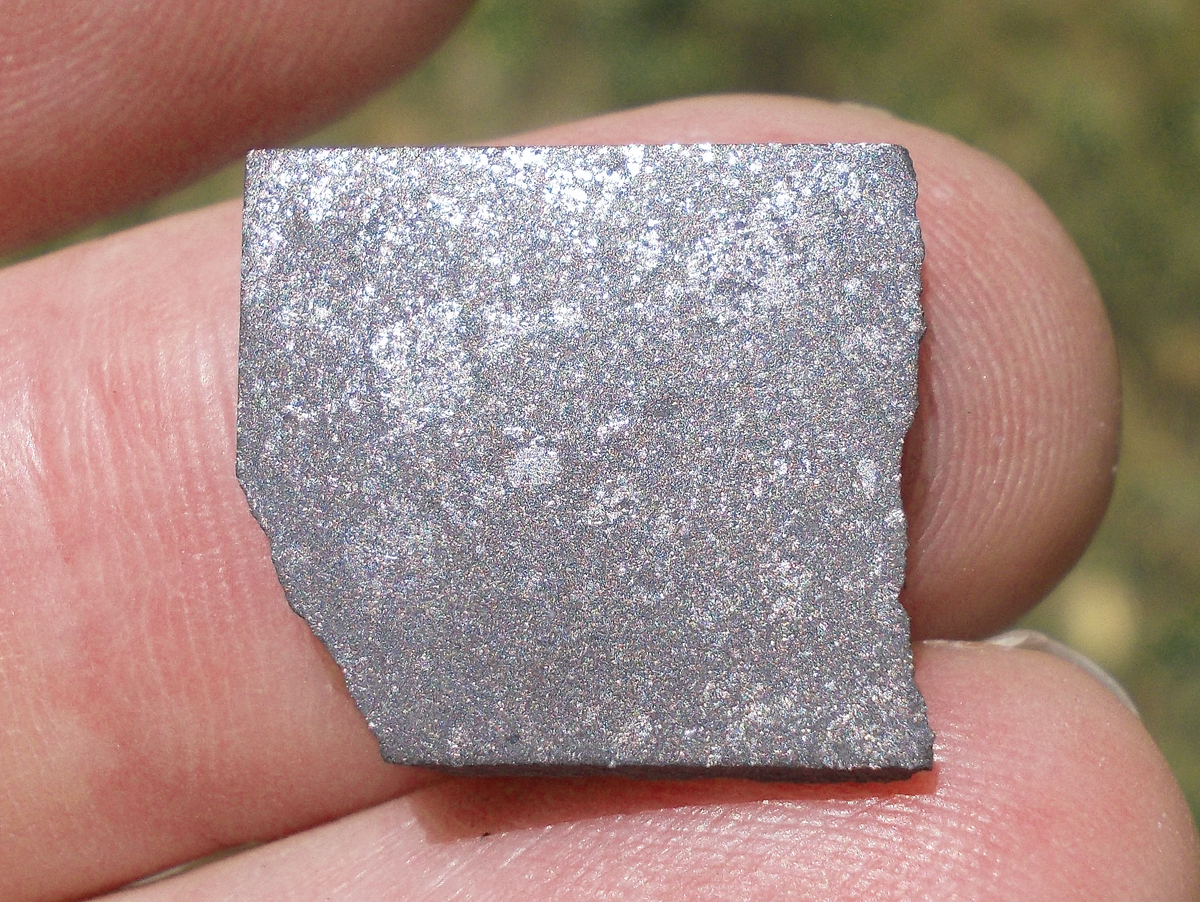
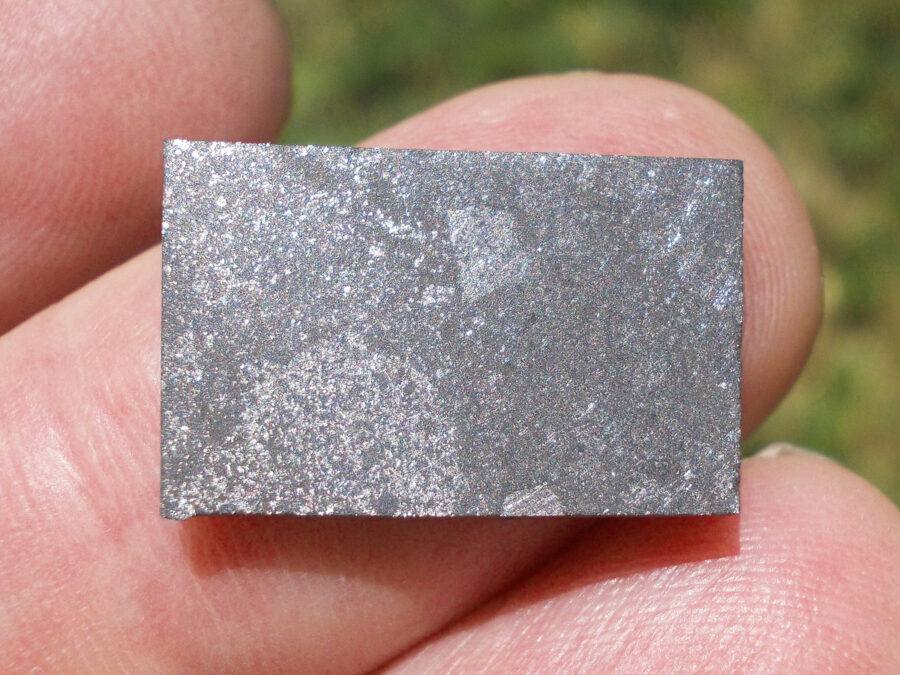
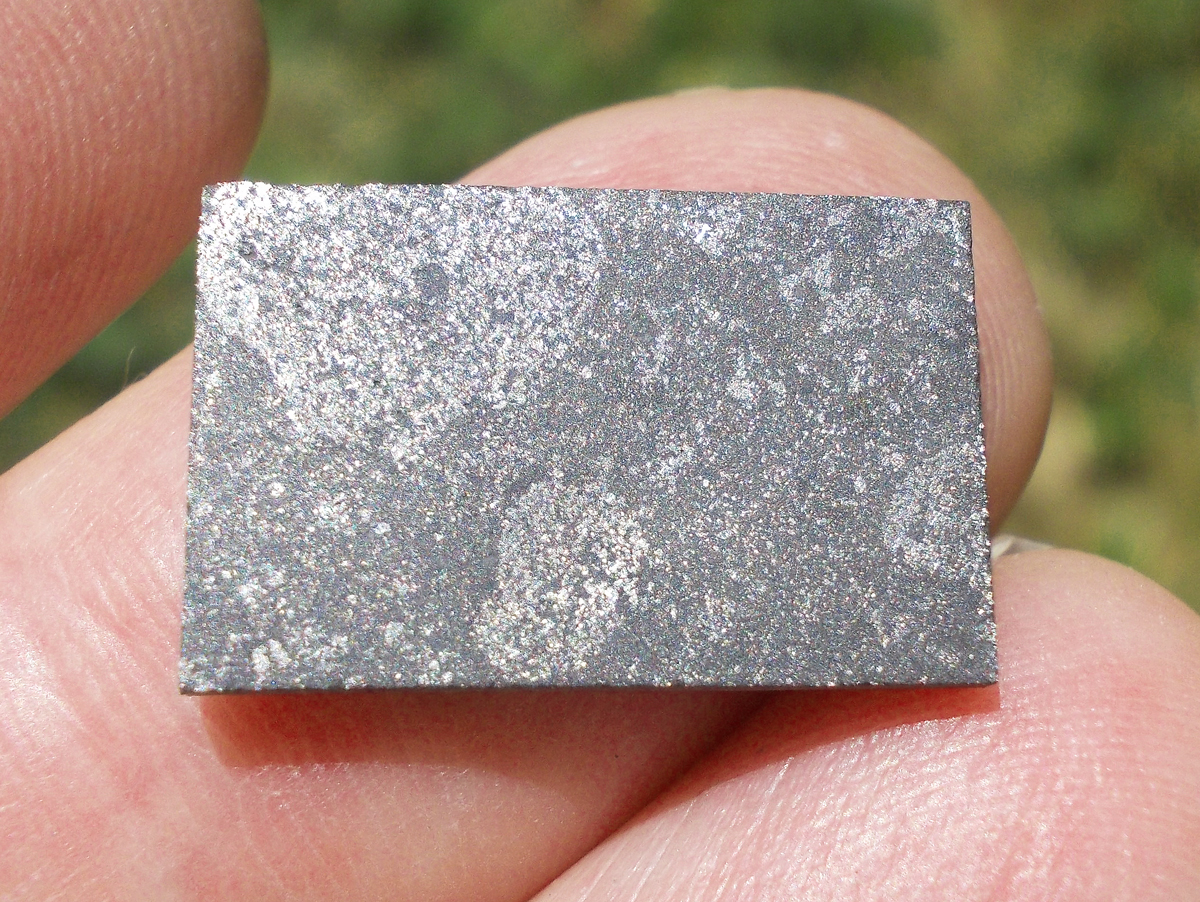
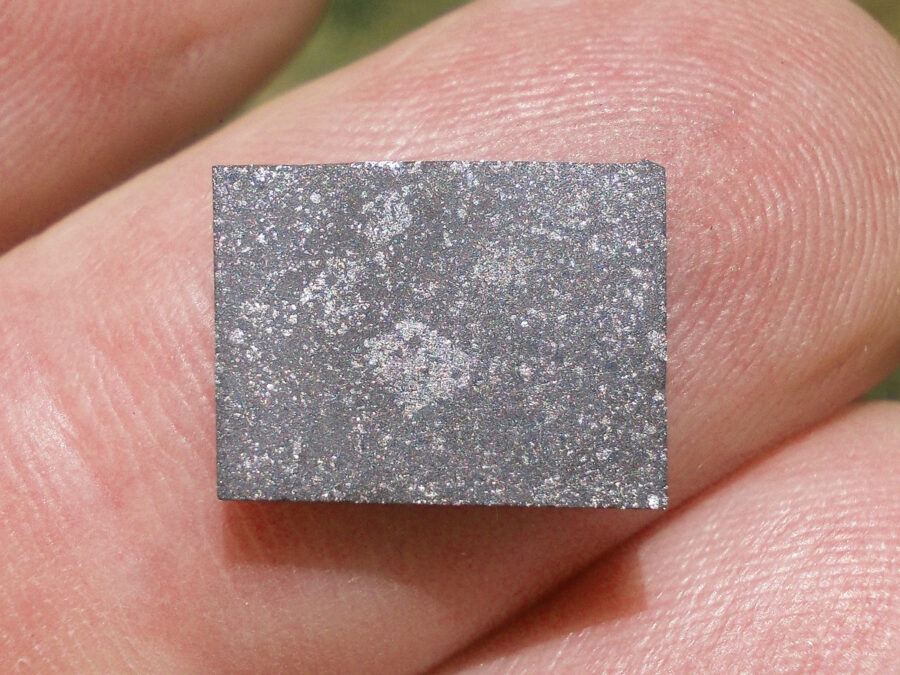
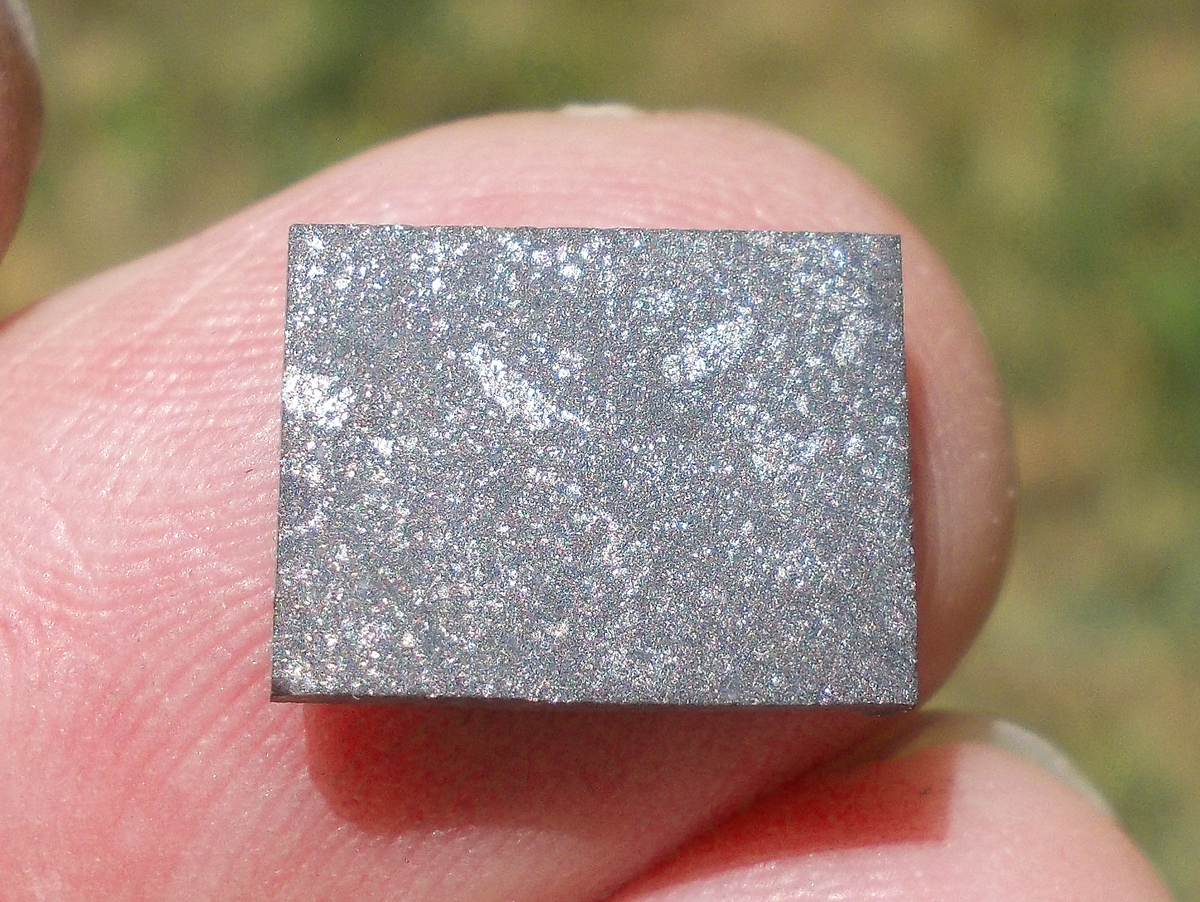
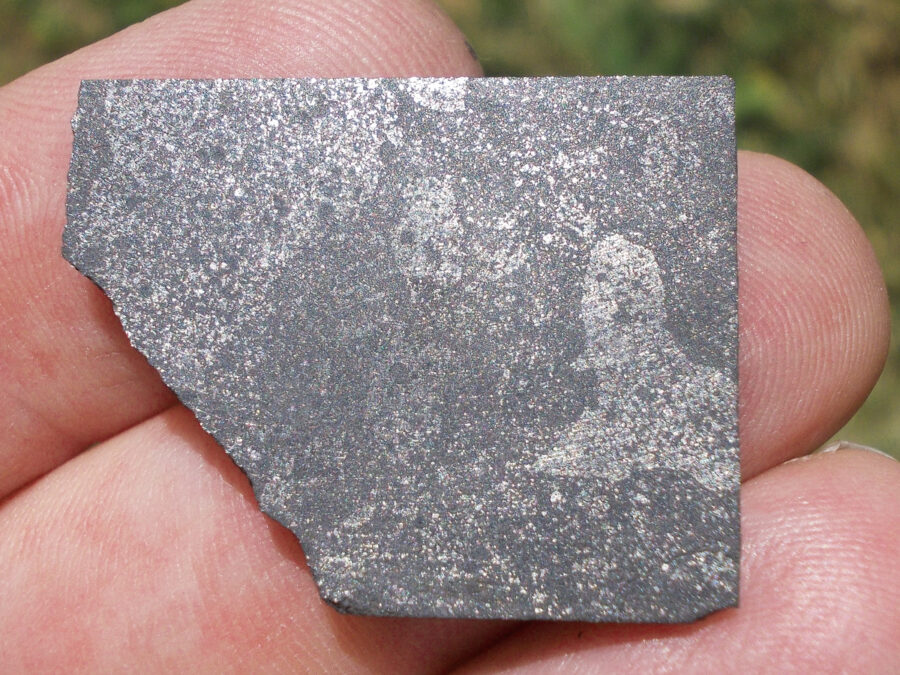
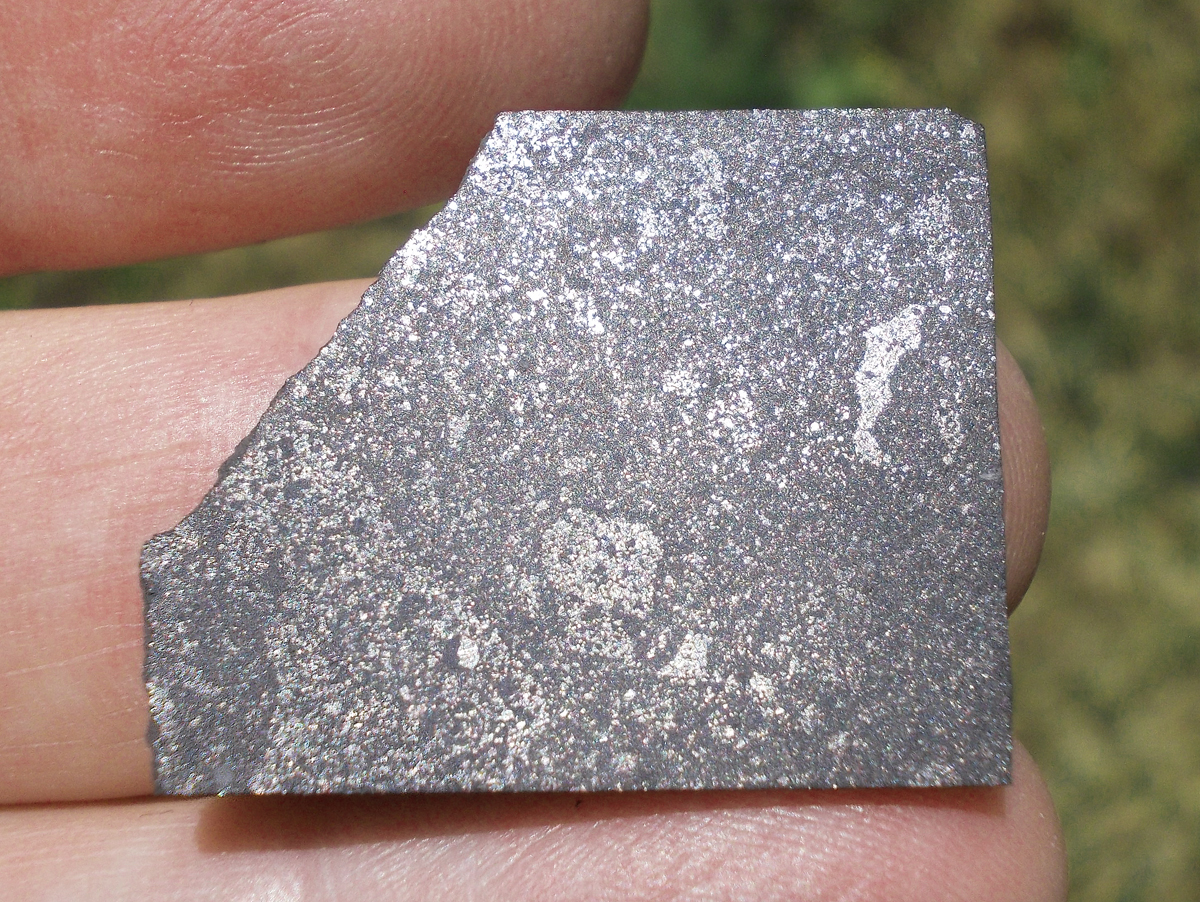
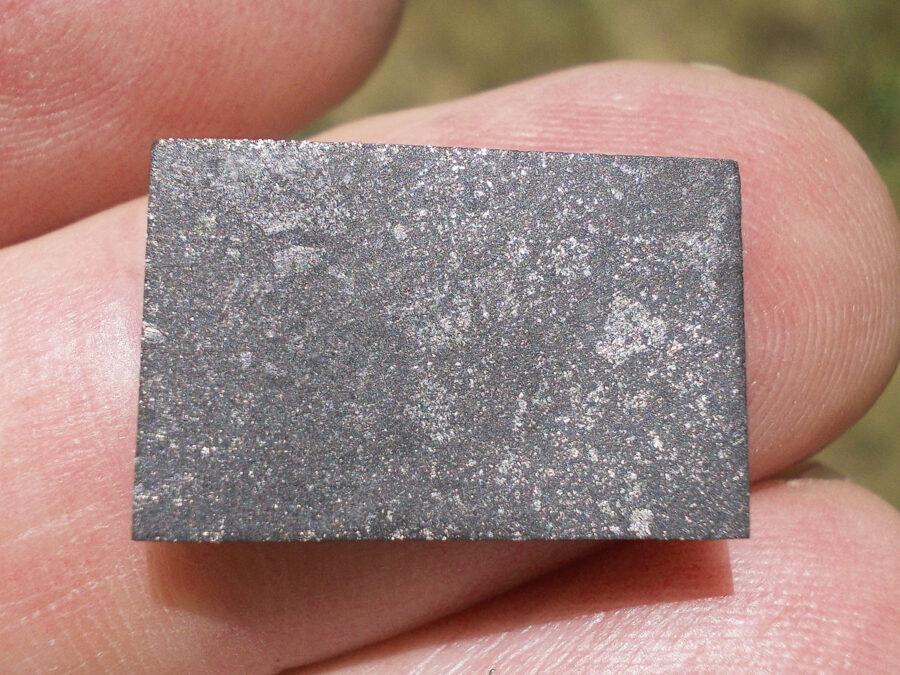
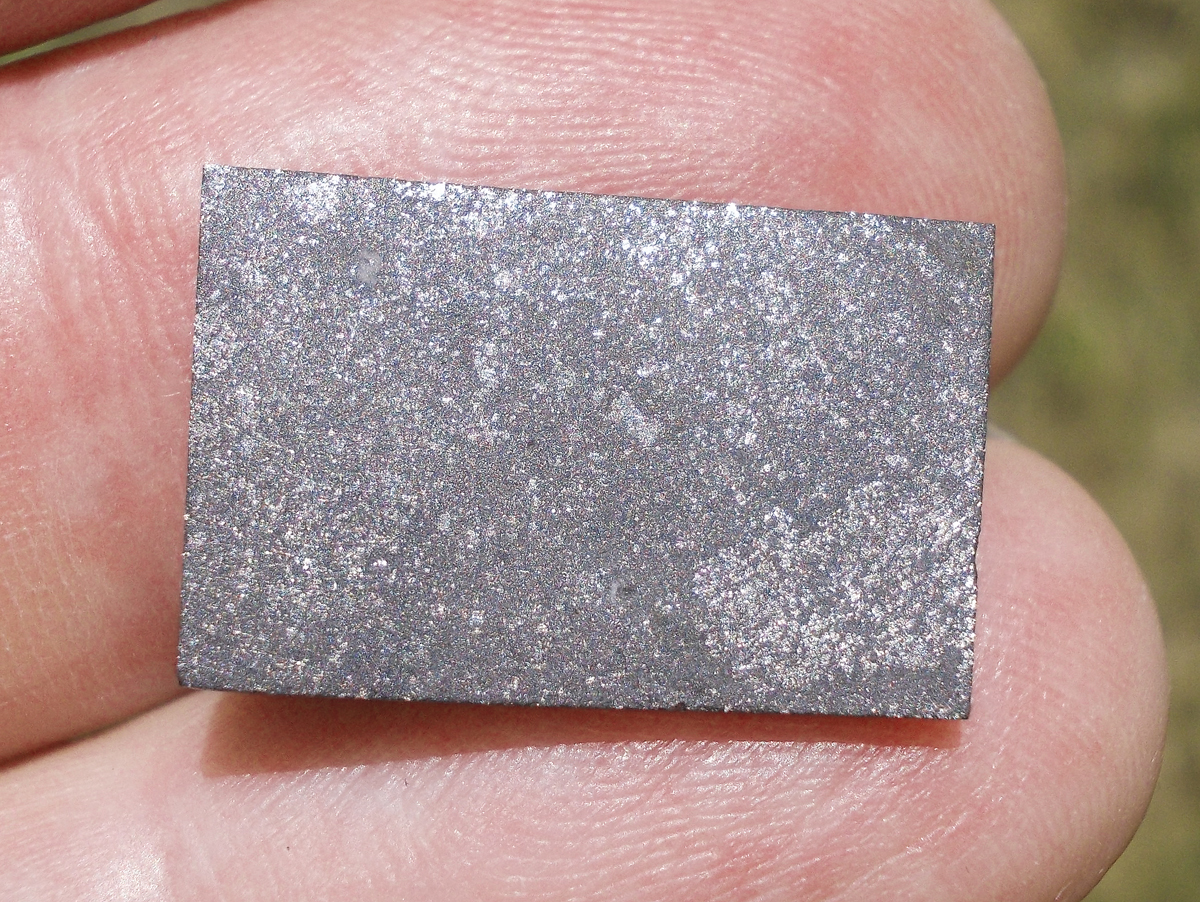
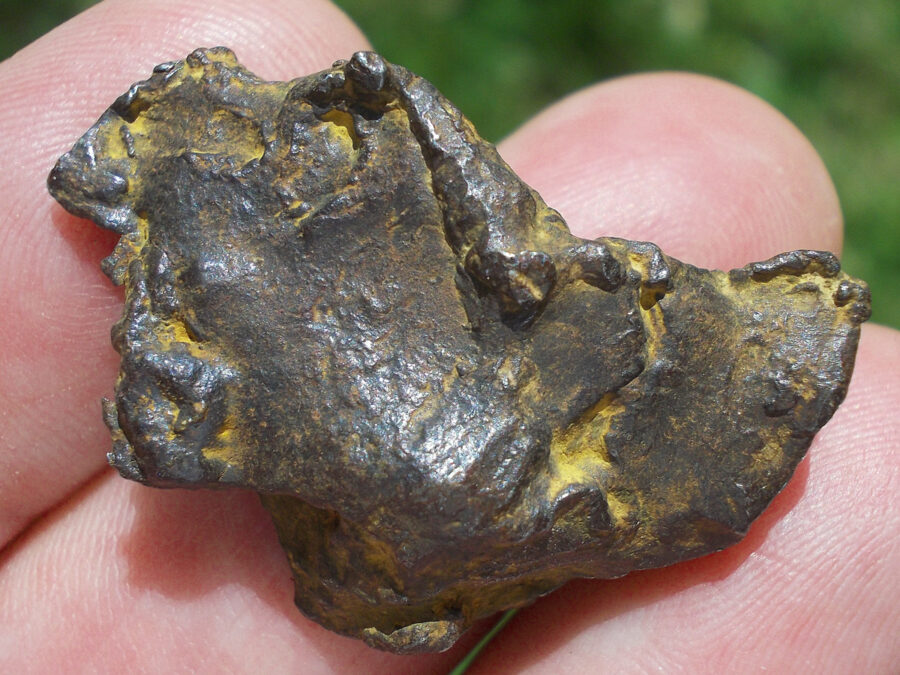
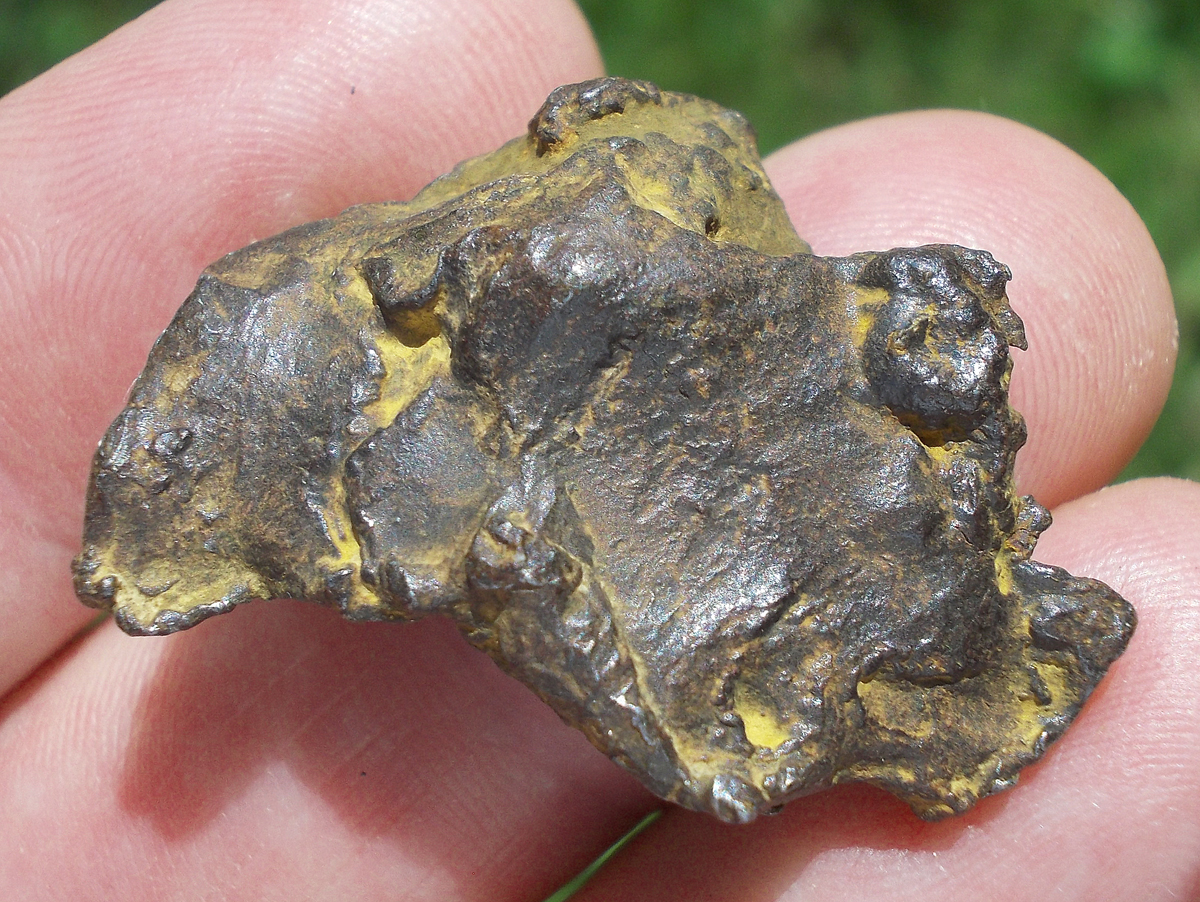
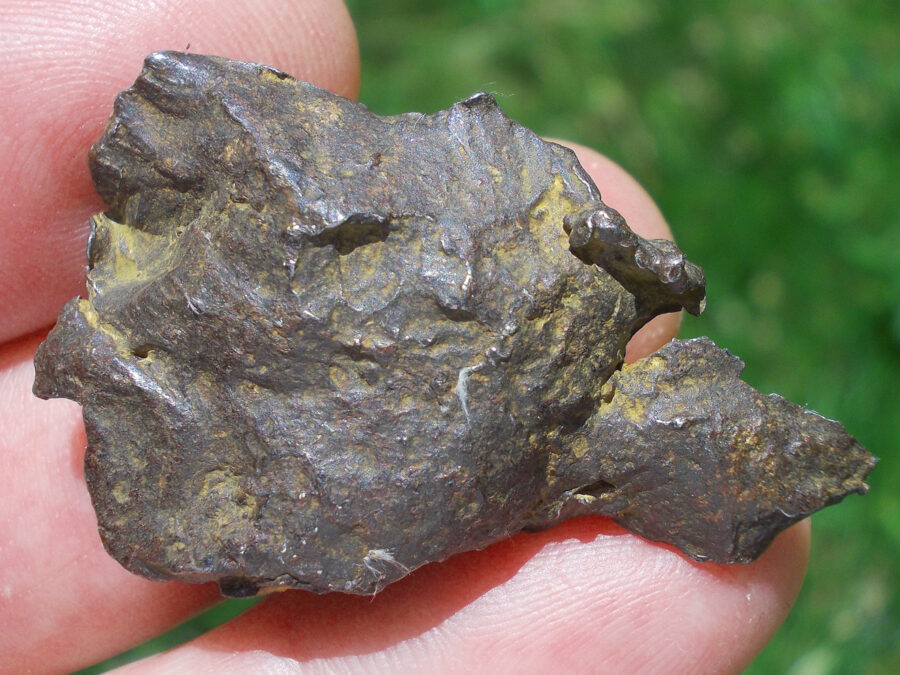
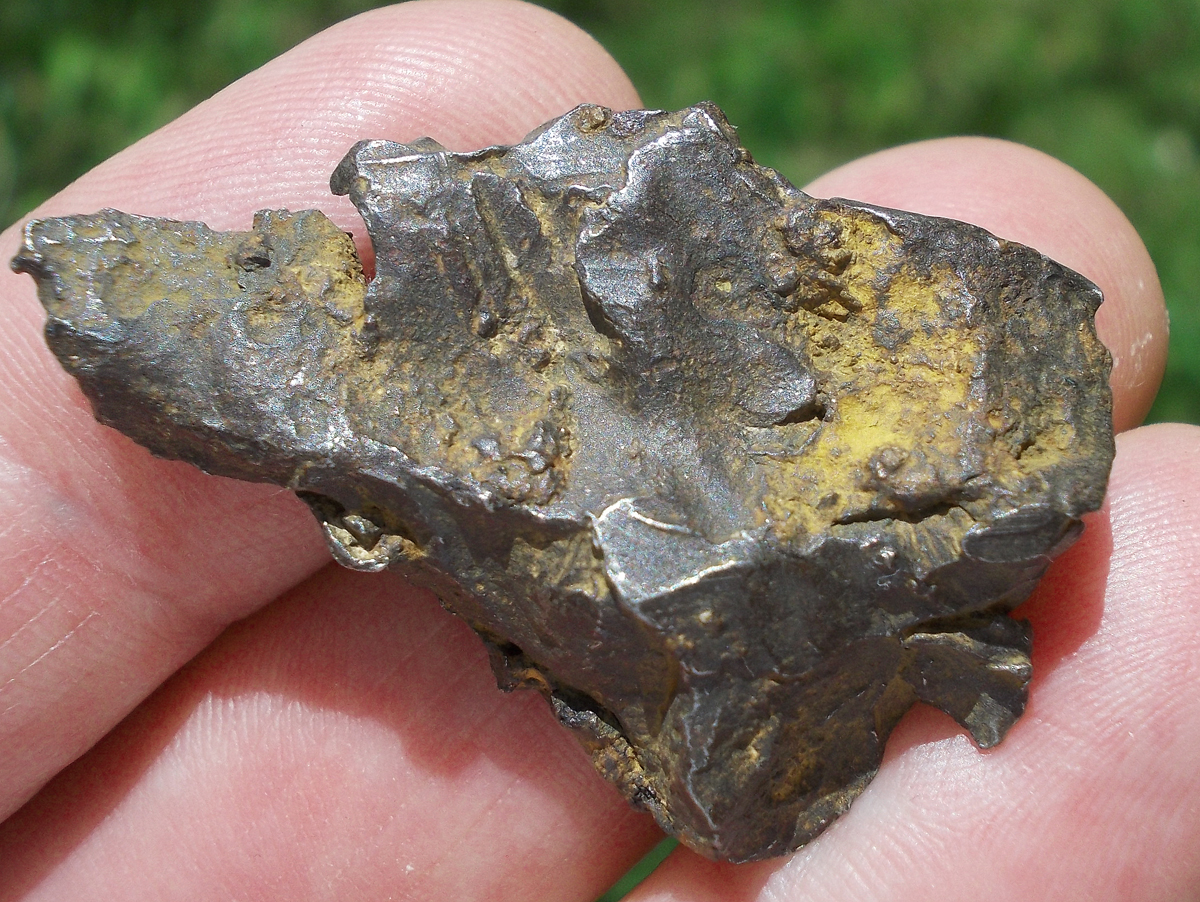
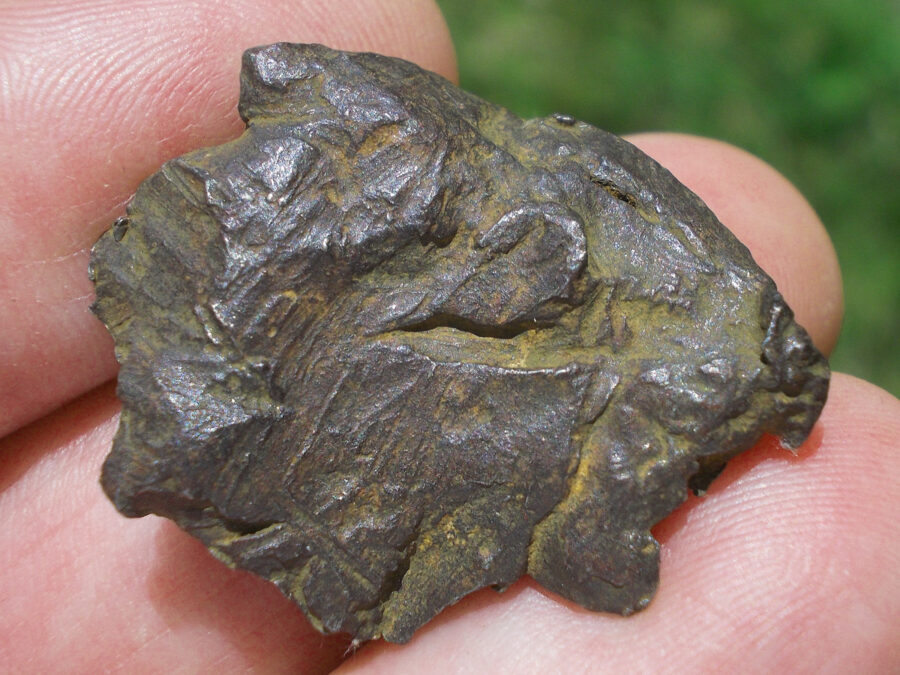
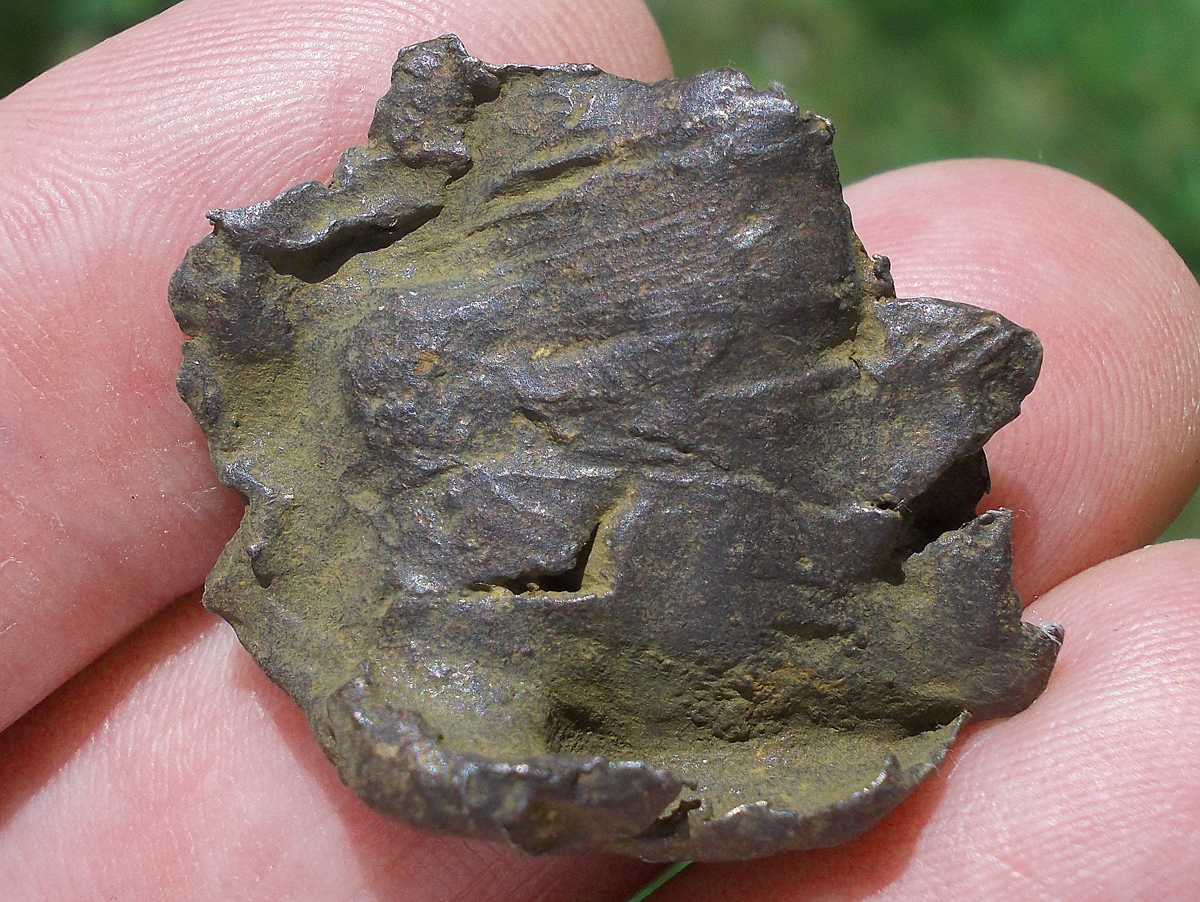
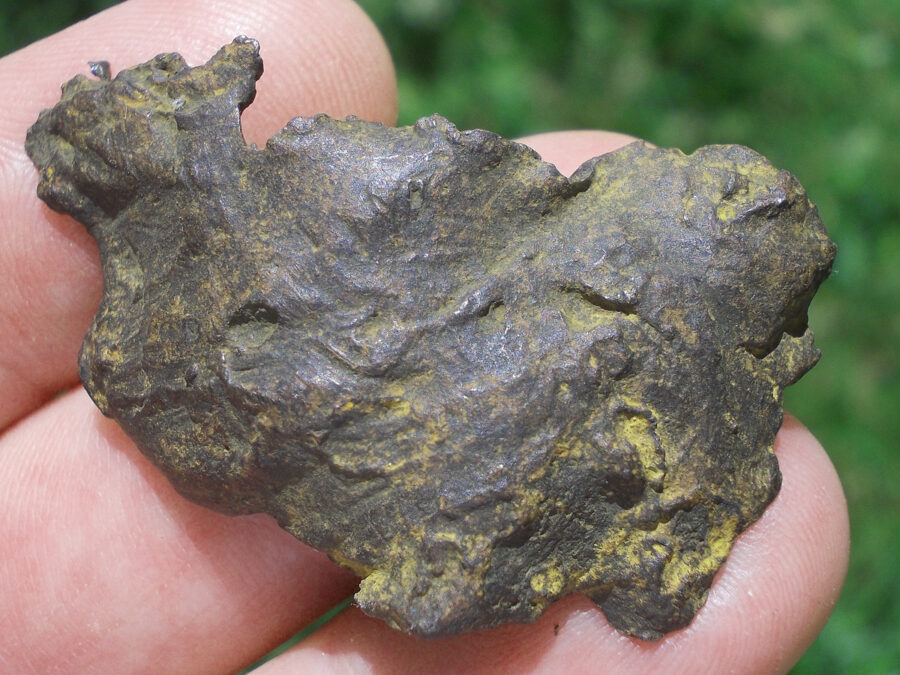
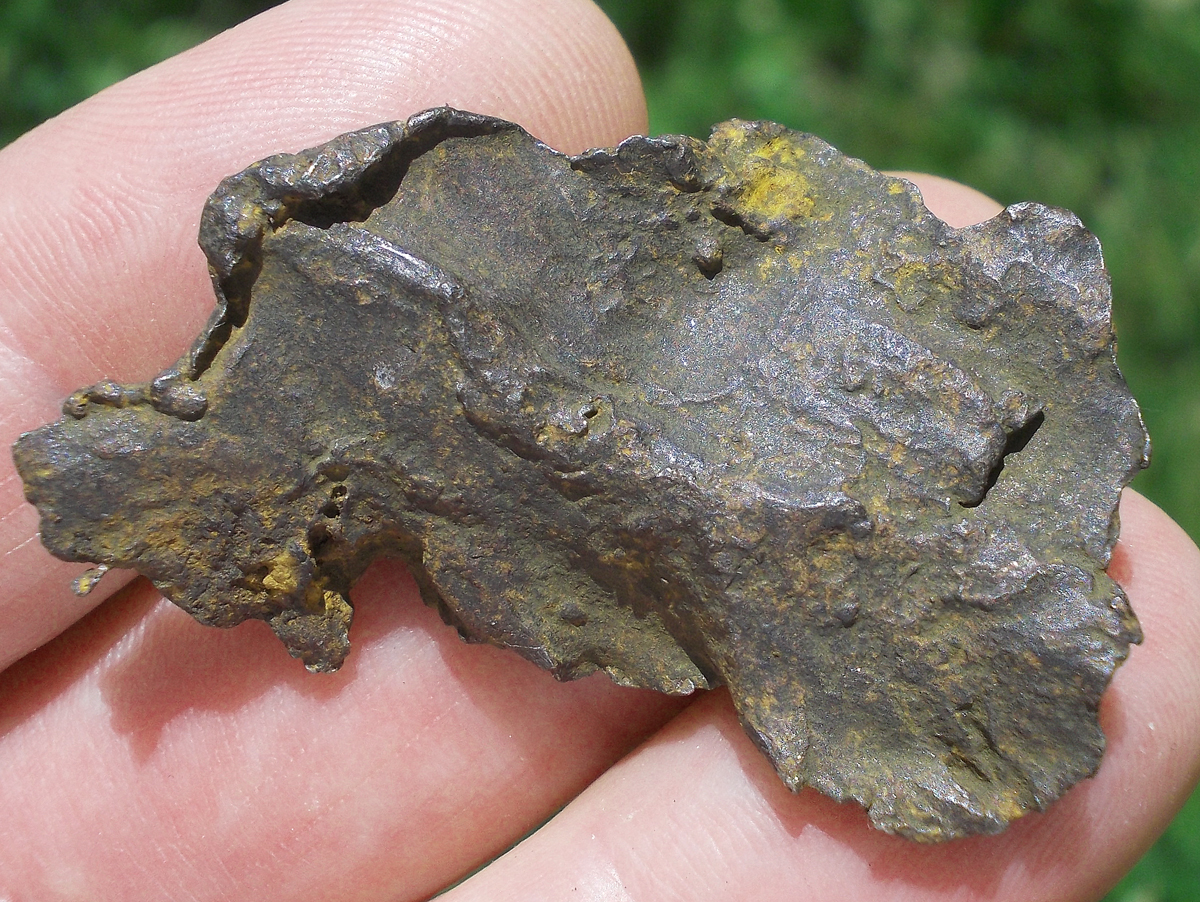
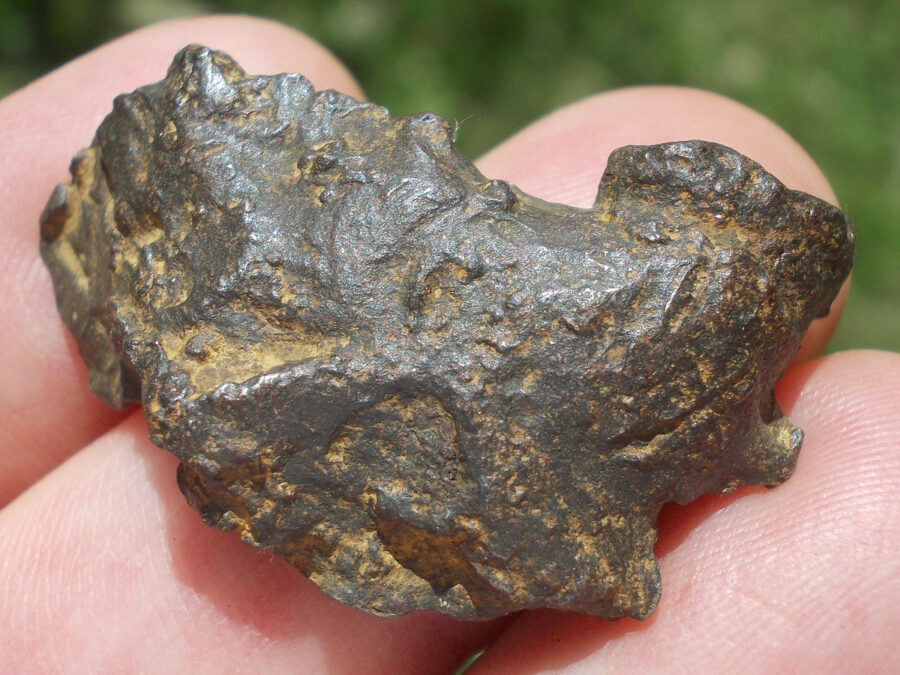
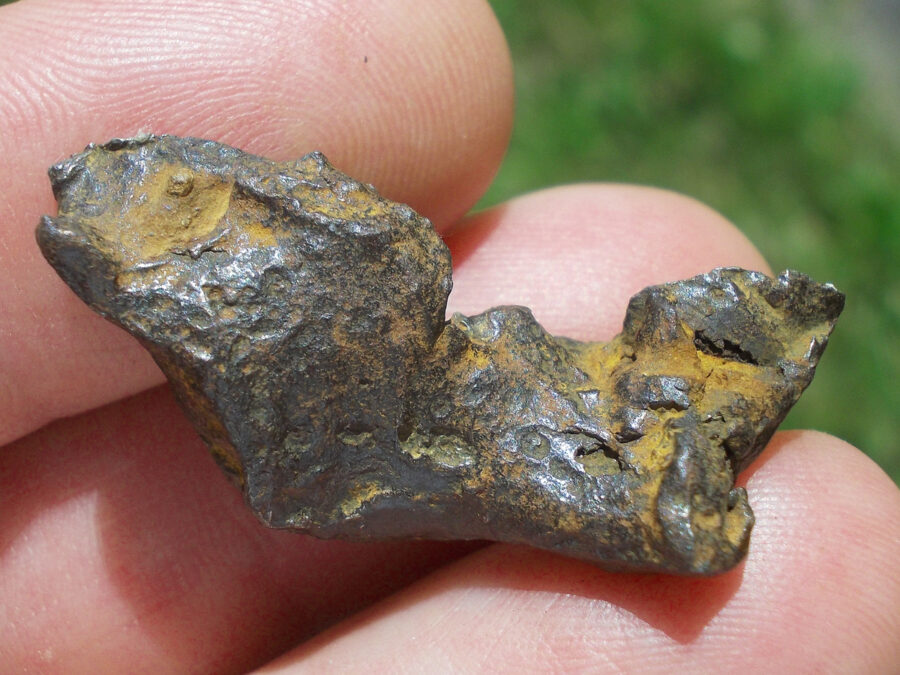
Gyarub Zangbo 001 Pallasite #22 - 7,9 gOut of stock

Gyarub Zangbo 001 Pallasite #22 – 7,9 g

360,00

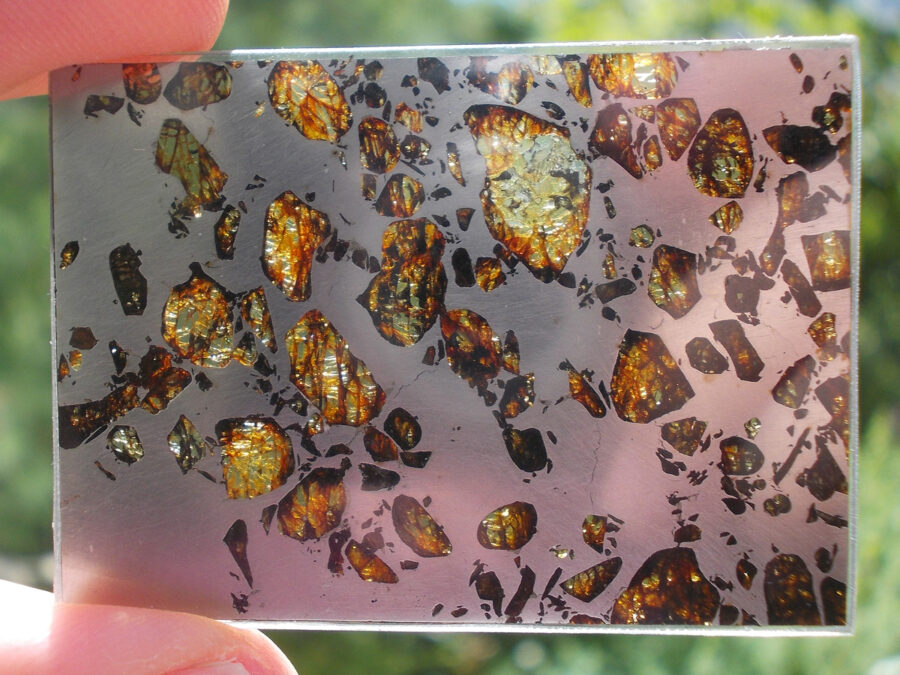
Gyarub Zangbo is a pallasite-type meteorite discovered in Tibet in 2020, weighing just 18 kg.
The mineral chemistry, the O and Cr isotopes of olivine and the metallic phase make this an anomalous carbonaceous pallasite.

Gyarub Zangbo appears to be a unique pallasite from a previously unrepresented asteroid in the pallasite collection.


Pallasites are unique stony-iron meteorites composed mainly of olivine and ferrous metal.
They are thought to have formed in the boundary region between the core and mantle of asteroids, inside asteroids.
Pallasites are meteorites composed of olivine crystals embedded in an iron-nickel matrix.
Pallasites are among the most aesthetically pleasing of meteorites.

Exceptional quality !

Thin, translucent slice protected by a very thin layer of resin.

Comes with certificate.


Abee EH4 #9 - 3,8 g

Abee EH4 #9 – 3,8 g

1520,00

Abee is a metal-rich enstatite chondrite meteorite.

It fell in Alberta, Canada, in 1952, 80 km north of Edmonton.

Abee is a molten impact breccia, its brecciated structure reflecting violent and complex impacts.

To date, only 23 meteorites of this type have been classified.

This meteorite comes from the collection of Prof. Wolfgang Gentner of the Max-Planck Institute.


Abee EH4 #8 - 1,8 g

Abee EH4 #8 – 1,8 g

540,00

Abee is a metal-rich enstatite chondrite meteorite.

It fell in Alberta, Canada, in 1952, 80 km north of Edmonton.

Abee is a molten impact breccia, its brecciated structure reflecting violent and complex impacts.

To date, only 23 meteorites of this type have been classified.

This meteorite comes from the collection of Prof. Wolfgang Gentner of the Max-Planck Institute.


Abee EH4 #7 - 0,8 g

Abee EH4 #7 – 0,8 g

240,00

Abee is a metal-rich enstatite chondrite meteorite.

It fell in Alberta, Canada, in 1952, 80 km north of Edmonton.

Abee is a molten impact breccia, its brecciated structure reflecting violent and complex impacts.

To date, only 23 meteorites of this type have been classified.

This meteorite comes from the collection of Prof. Wolfgang Gentner of the Max-Planck Institute.


Abee EH4 #6 - 1,7 g

Abee EH4 #6 – 1,7 g

510,00

Abee is a metal-rich enstatite chondrite meteorite.

It fell in Alberta, Canada, in 1952, 80 km north of Edmonton.

Abee is a molten impact breccia, its brecciated structure reflecting violent and complex impacts.

To date, only 23 meteorites of this type have been classified.

This meteorite comes from the collection of Prof. Wolfgang Gentner of the Max-Planck Institute.


Abee EH4 #5 - 1,6 g

Abee EH4 #5 – 1,6 g

480,00

Abee is a metal-rich enstatite chondrite meteorite.

It fell in Alberta, Canada, in 1952, 80 km north of Edmonton.

Abee is a molten impact breccia, its brecciated structure reflecting violent and complex impacts.

To date, only 23 meteorites of this type have been classified.

This meteorite comes from the collection of Prof. Wolfgang Gentner of the Max-Planck Institute.


Abee EH4 #4 - 1,7 gOut of stock

Abee EH4 #4 – 1,7 g

510,00

Abee is a metal-rich enstatite chondrite meteorite.

It fell in Alberta, Canada, in 1952, 80 km north of Edmonton.

Abee is a molten impact breccia, its brecciated structure reflecting violent and complex impacts.

To date, only 23 meteorites of this type have been classified.

This meteorite comes from the collection of Prof. Wolfgang Gentner of the Max-Planck Institute.


Abee EH4 #3 - 0,7 g

Abee EH4 #3 – 0,7 g

210,00

Abee is a metal-rich enstatite chondrite meteorite.

It fell in Alberta, Canada, in 1952, 80 km north of Edmonton.

Abee is a molten impact breccia, its brecciated structure reflecting violent and complex impacts.

To date, only 23 meteorites of this type have been classified.

This meteorite comes from the collection of Prof. Wolfgang Gentner of the Max-Planck Institute.


Abee EH4 #2 - 4,3 gOut of stock

Abee EH4 #2 – 4,3 g

1290,00

Abee is a metal-rich enstatite chondrite meteorite.

It fell in Alberta, Canada, in 1952, 80 km north of Edmonton.

Abee is a molten impact breccia, its brecciated structure reflecting violent and complex impacts.

To date, only 23 meteorites of this type have been classified.

This meteorite comes from the collection of Prof. Wolfgang Gentner of the Max-Planck Institute.


Abee EH4 #1 - 1,4 g

Abee EH4 #1 – 1,4 g

420,00

Abee is a metal-rich enstatite chondrite meteorite.

It fell in Alberta, Canada, in 1952, 80 km north of Edmonton.

Abee is a molten impact breccia, its brecciated structure reflecting violent and complex impacts.

To date, only 23 meteorites of this type have been classified.

This meteorite comes from the collection of Prof. Wolfgang Gentner of the Max-Planck Institute.


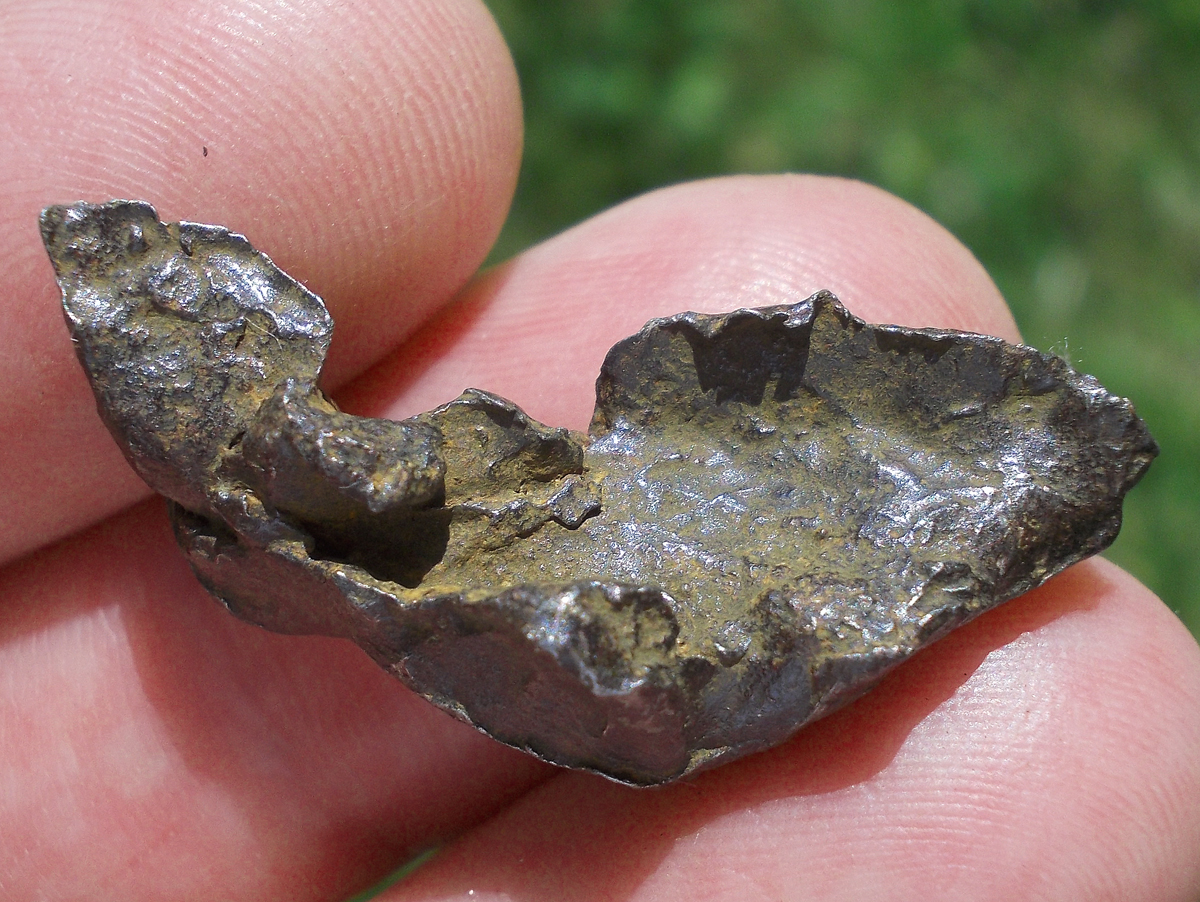
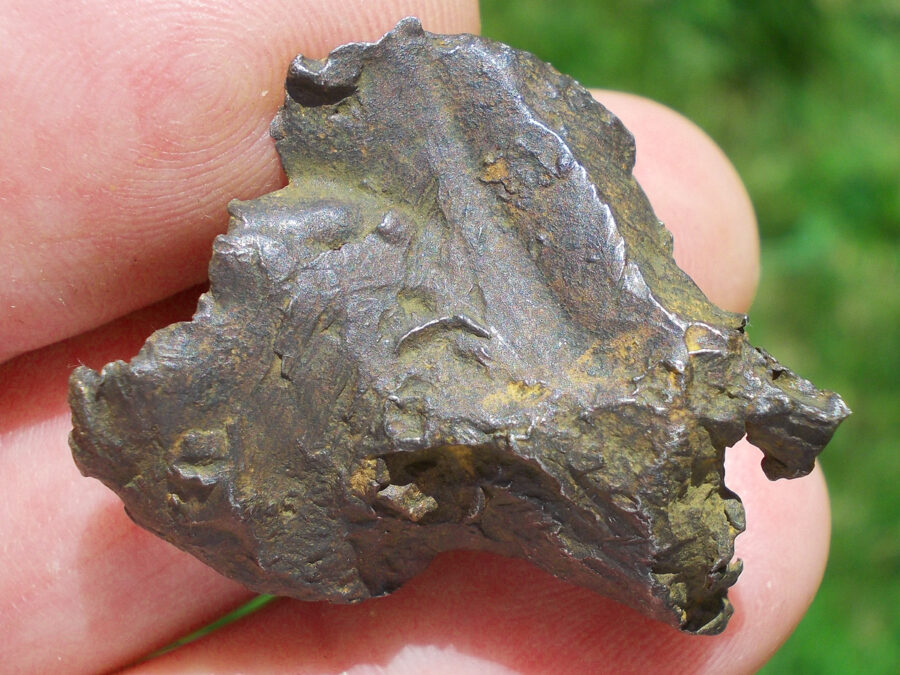
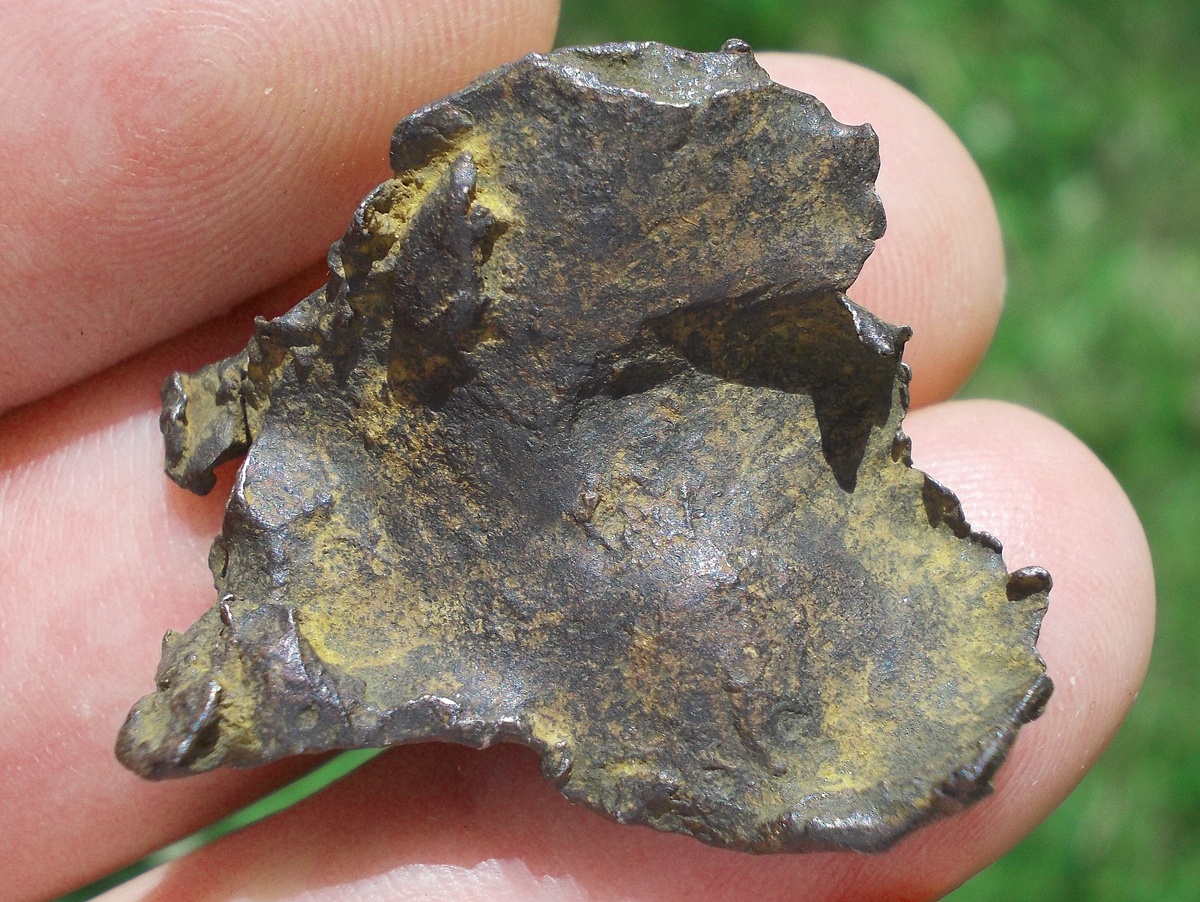
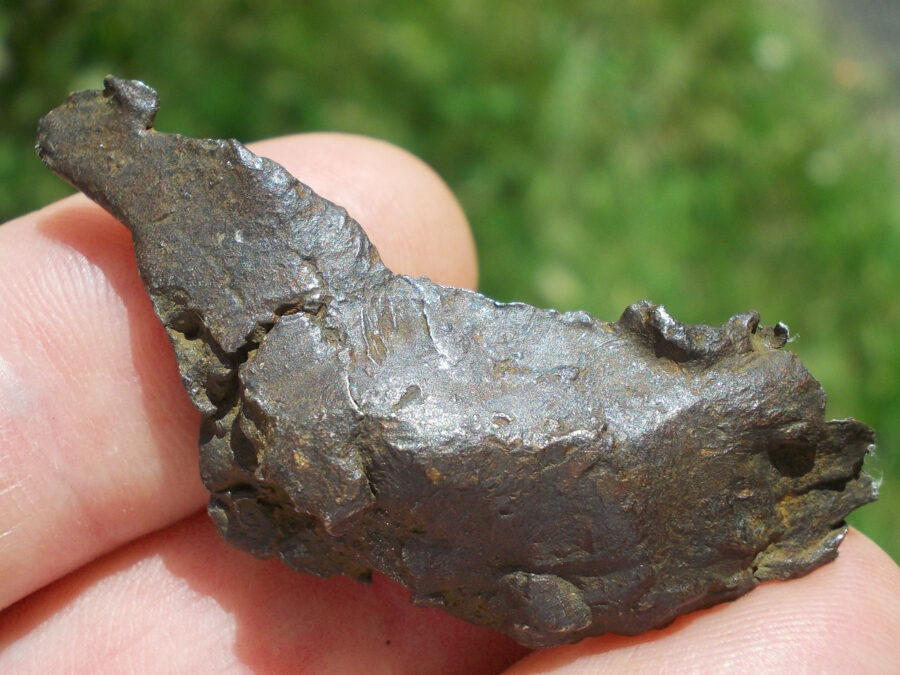
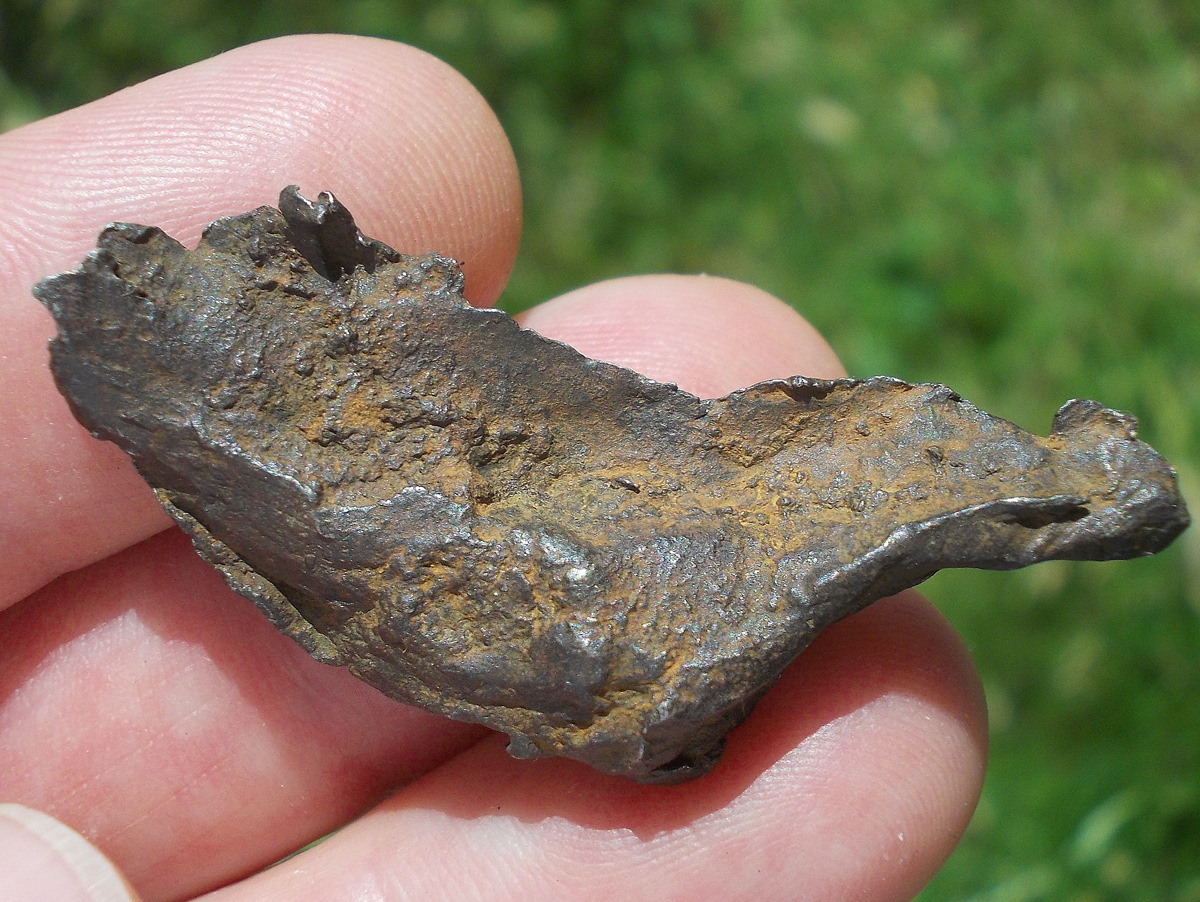
Sikhote Alin #22 Fer IIAB - shrapnel 20 g

Sikhote Alin #22 Fer IIAB – shrapnel 20 g

80,00

The Sikhote-Alin meteorite is an iron meteorite that fell in Siberia in 1947. This fall is unique in the history of meteorites, given the 70 tonnes that survived the journey through the Earth’s atmospher

A fall that’s harder and harder to find.


Sikhote Alin #21 Fer IIAB - shrapnel 26,8 g

Sikhote Alin #21 Fer IIAB – shrapnel 26,8 g

107,00

The Sikhote-Alin meteorite is an iron meteorite that fell in Siberia in 1947. This fall is unique in the history of meteorites, given the 70 tonnes that survived the journey through the Earth’s atmospher

A fall that’s harder and harder to find.


Sikhote Alin #20 Fer IIAB - shrapnel 15,9 g

Sikhote Alin #20 Fer IIAB – shrapnel 15,9 g

64,00

The Sikhote-Alin meteorite is an iron meteorite that fell in Siberia in 1947. This fall is unique in the history of meteorites, given the 70 tonnes that survived the journey through the Earth’s atmospher

A fall that’s harder and harder to find.


Sikhote Alin #19 Fer IIAB - shrapnel 25,5 g

Sikhote Alin #19 Fer IIAB – shrapnel 25,5 g

102,00

The Sikhote-Alin meteorite is an iron meteorite that fell in Siberia in 1947. This fall is unique in the history of meteorites, given the 70 tonnes that survived the journey through the Earth’s atmospher
A fall that’s harder and harder to find.


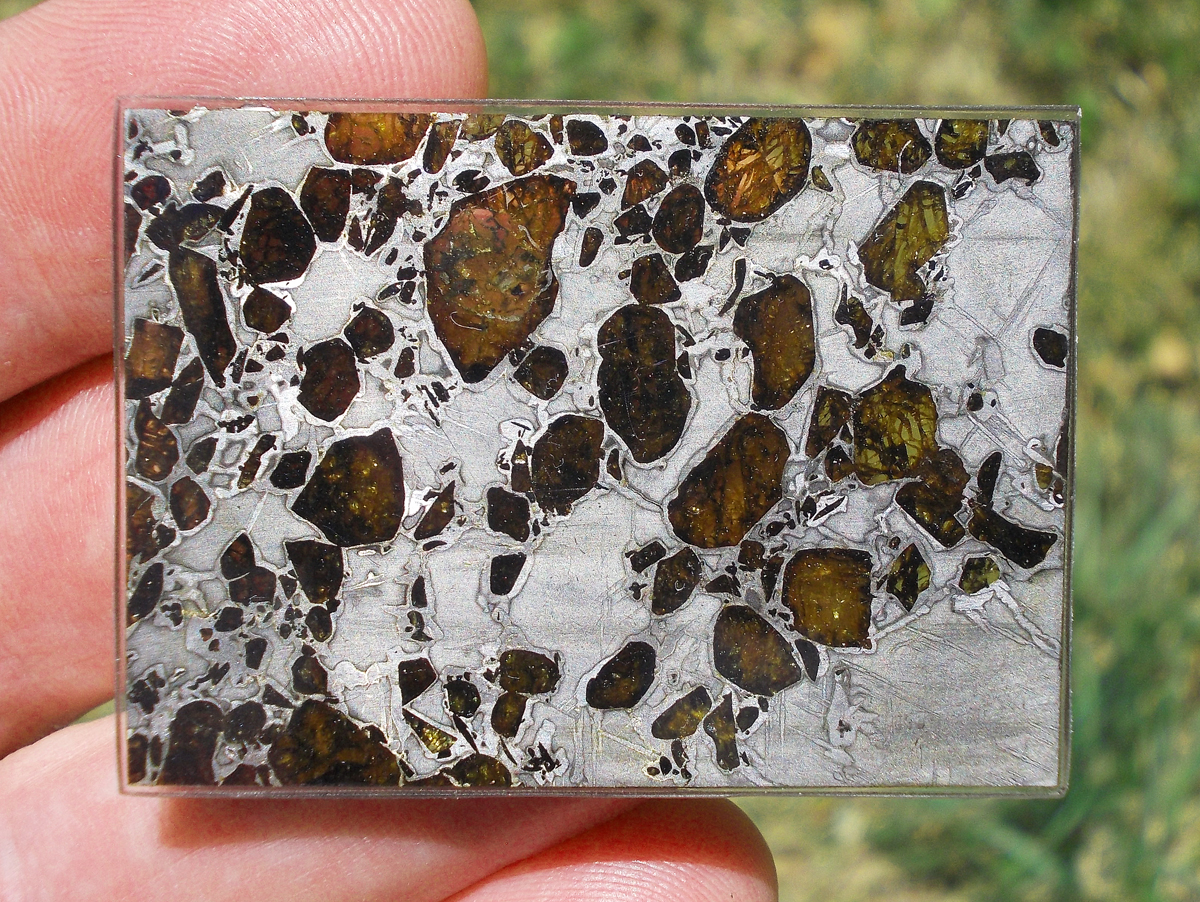
Sikhote Alin #18 Fer IIAB - shrapnel 16,3 g

Sikhote Alin #18 Fer IIAB – shrapnel 16,3 g

65,00

The Sikhote-Alin meteorite is an iron meteorite that fell in Siberia in 1947. This fall is unique in the history of meteorites, given the 70 tonnes that survived the journey through the Earth’s atmospher
A fall that’s harder and harder to find.


Sikhote Alin #17 Fer IIAB - shrapnel 11 gOut of stock
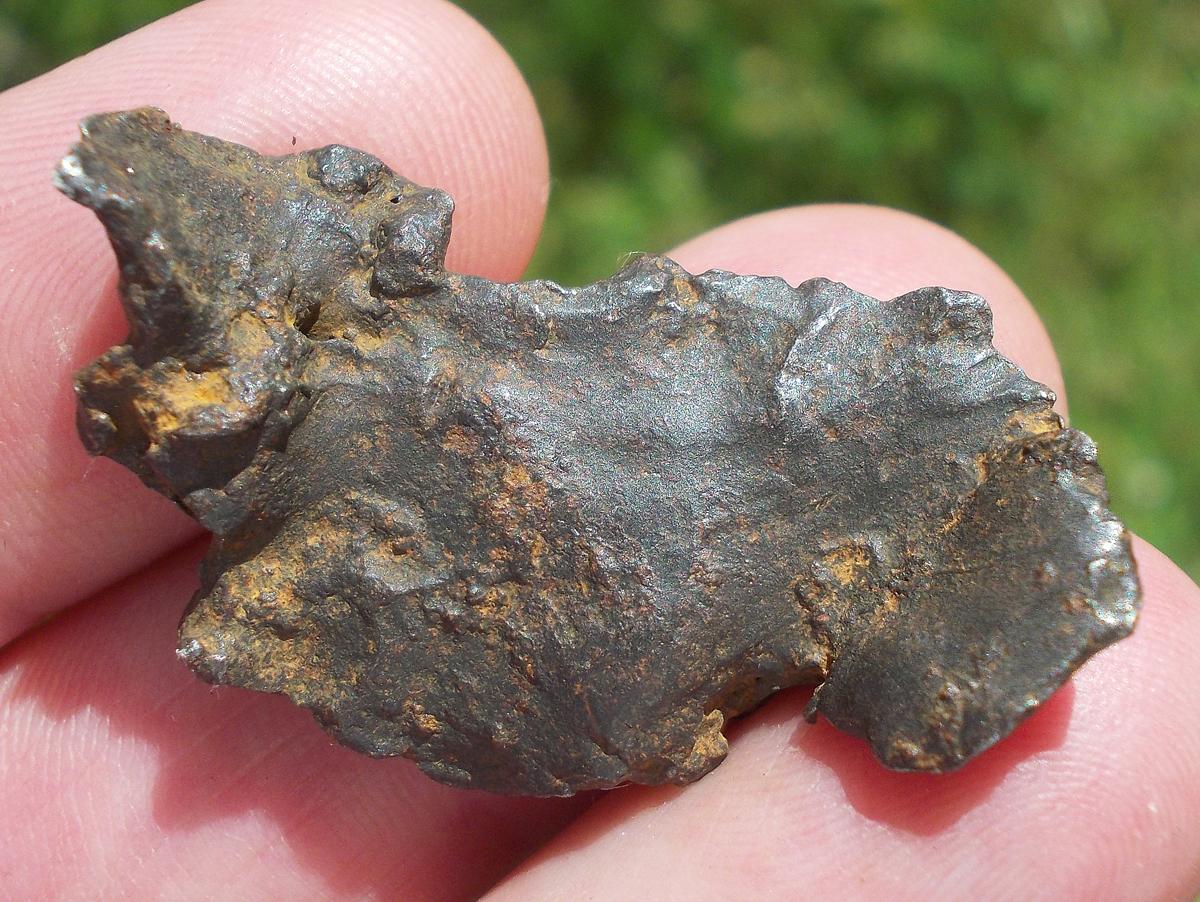
Sikhote Alin #17 Fer IIAB – shrapnel 11 g

44,00

The Sikhote-Alin meteorite is an iron meteorite that fell in Siberia in 1947. This fall is unique in the history of meteorites, given the 70 tonnes that survived the journey through the Earth’s atmospher

A fall that’s harder and harder to find.


Sikhote Alin #16 Fer IIAB - shrapnel 15,3 g

Sikhote Alin #16 Fer IIAB – shrapnel 15,3 g

61,00

The Sikhote-Alin meteorite is an iron meteorite that fell in Siberia in 1947. This fall is unique in the history of meteorites, given the 70 tonnes that survived the journey through the Earth’s atmospher

A fall that’s harder and harder to find.


Sikhote Alin #15 Fer IIAB - shrapnel 18,4 g

Sikhote Alin #15 Fer IIAB – shrapnel 18,4 g

74,00

The Sikhote-Alin meteorite is an iron meteorite that fell in Siberia in 1947. This fall is unique in the history of meteorites, given the 70 tonnes that survived the journey through the Earth’s atmospher

A fall that’s harder and harder to find.