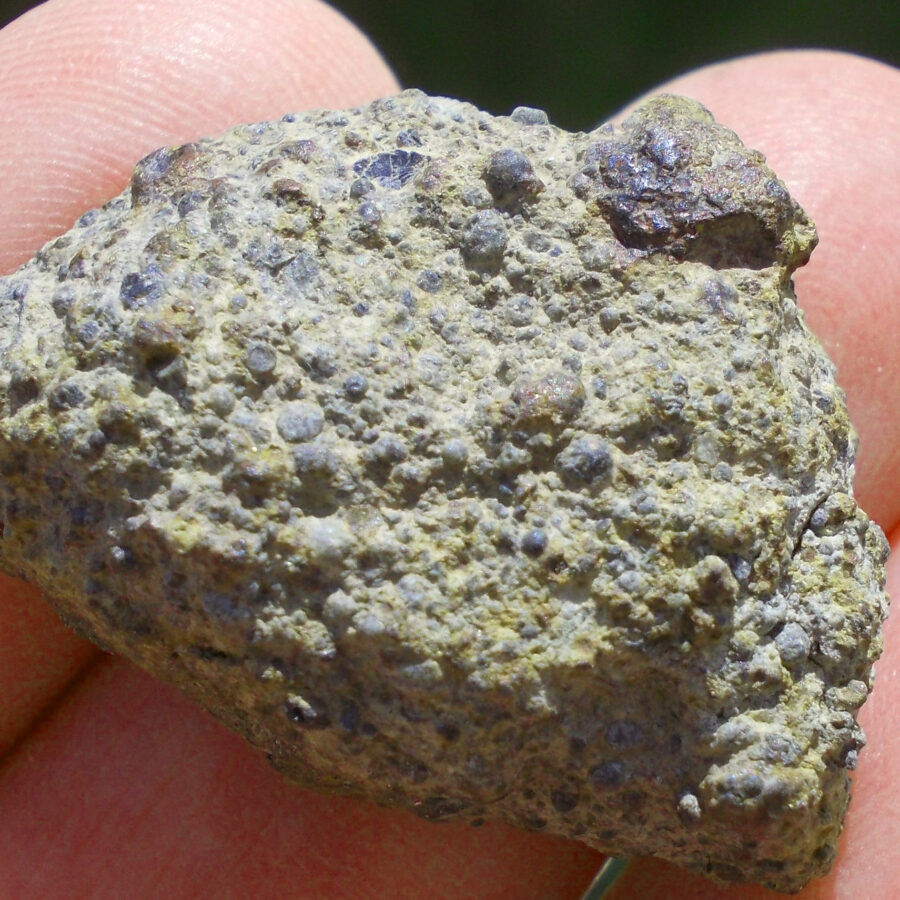
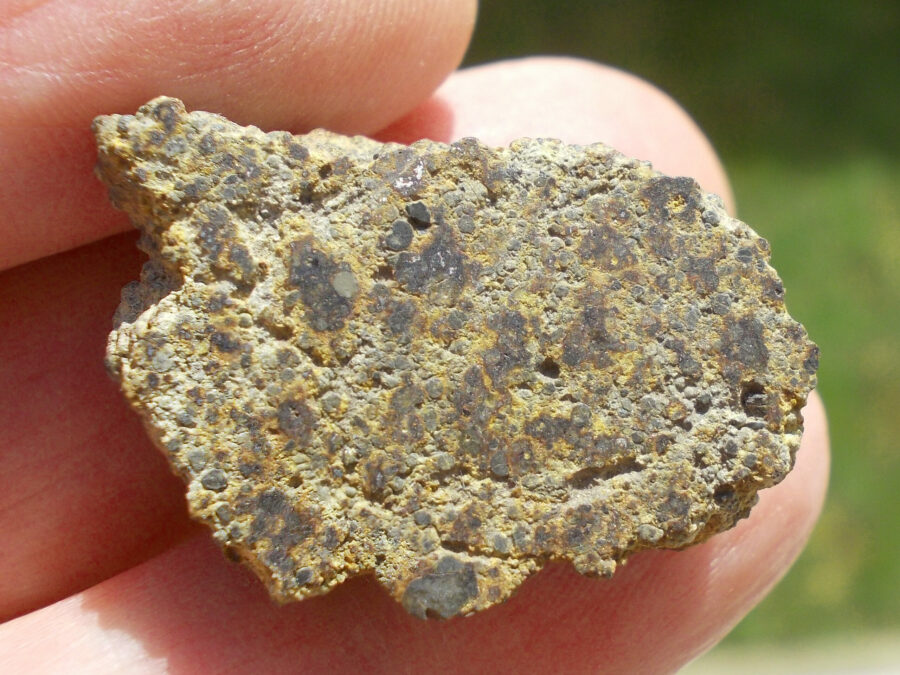
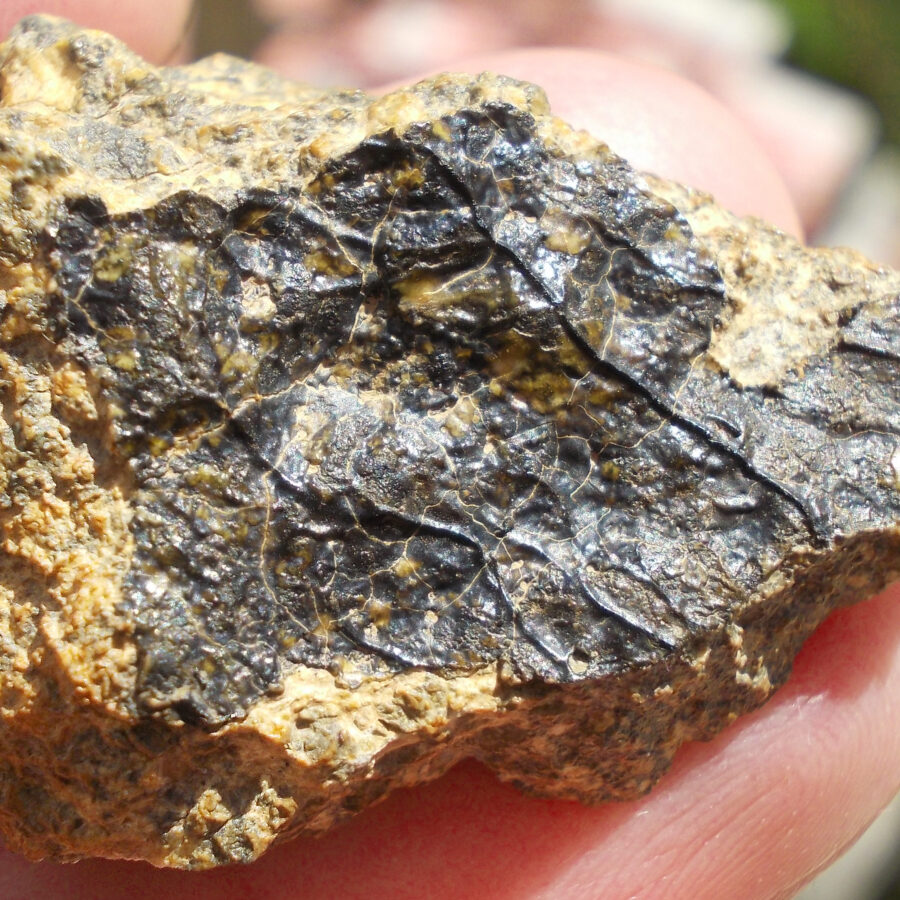
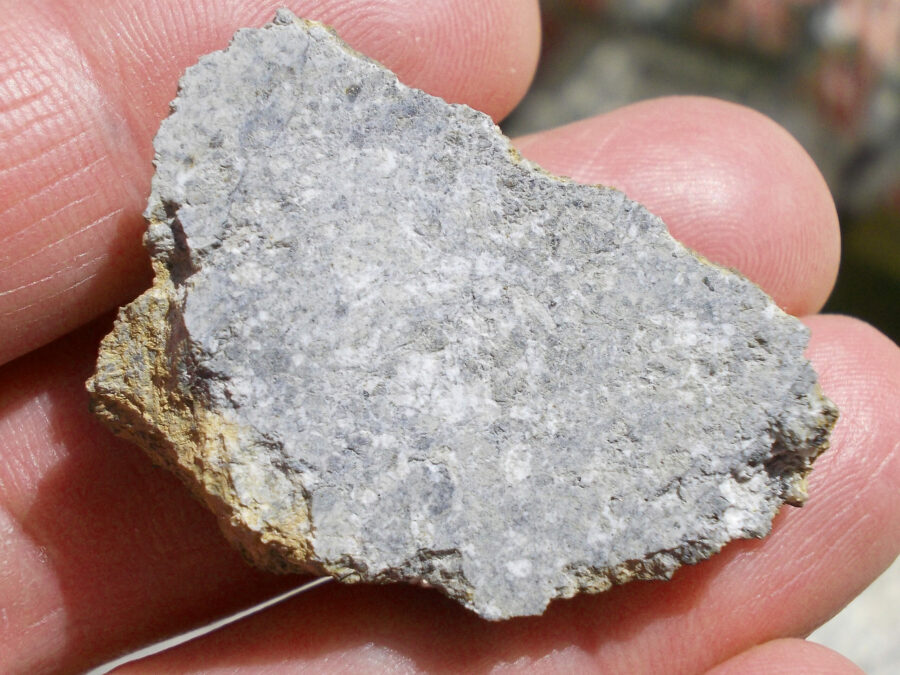
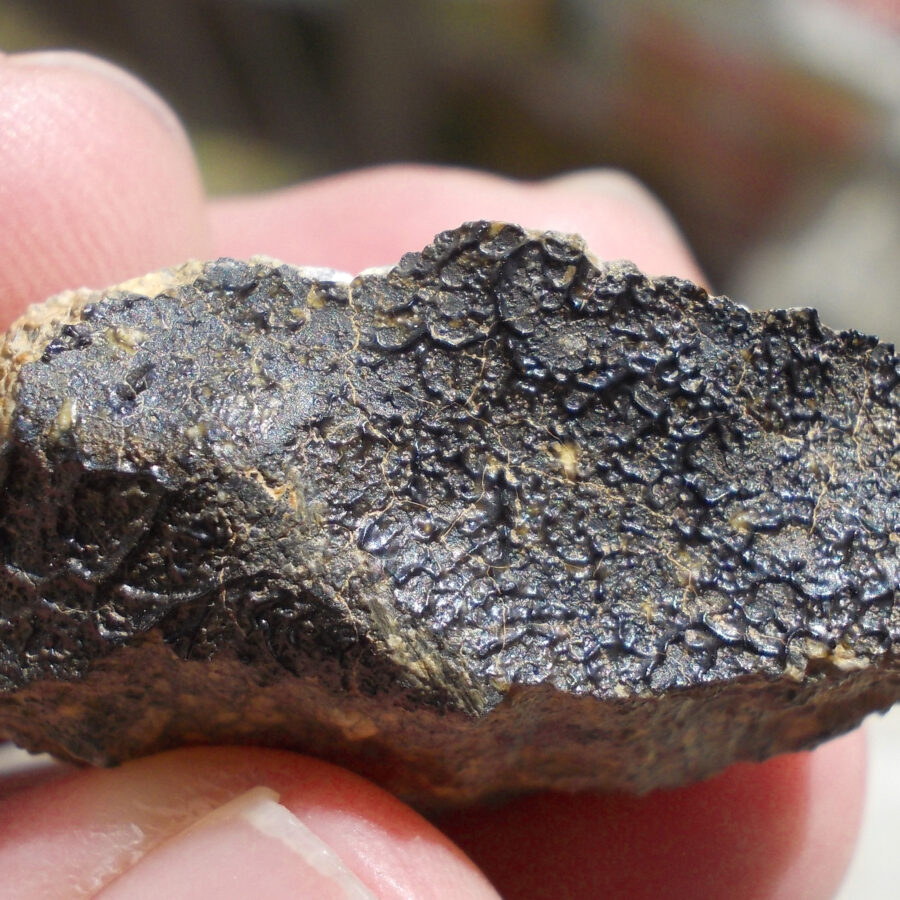
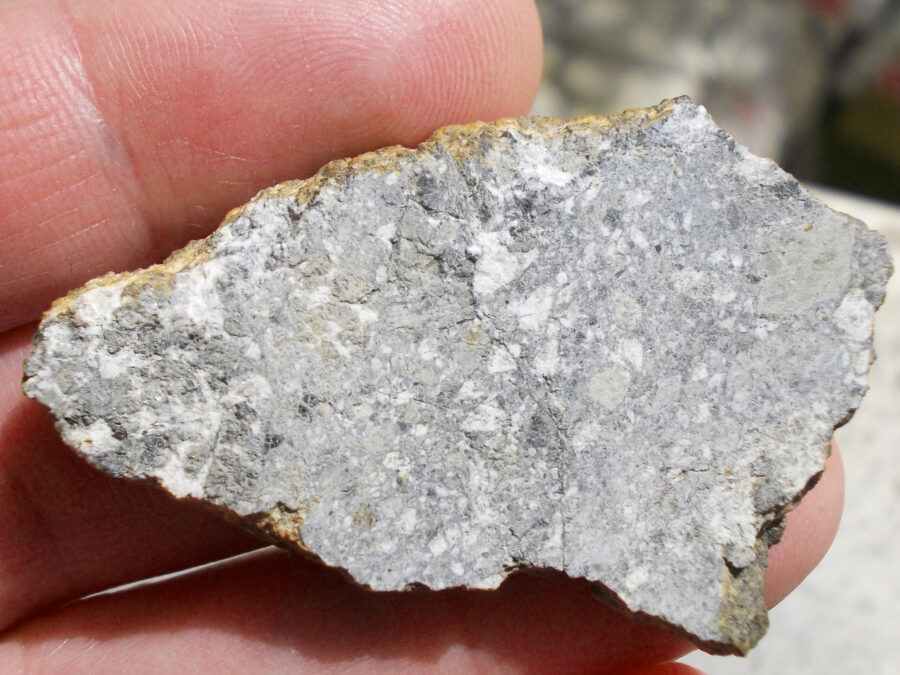
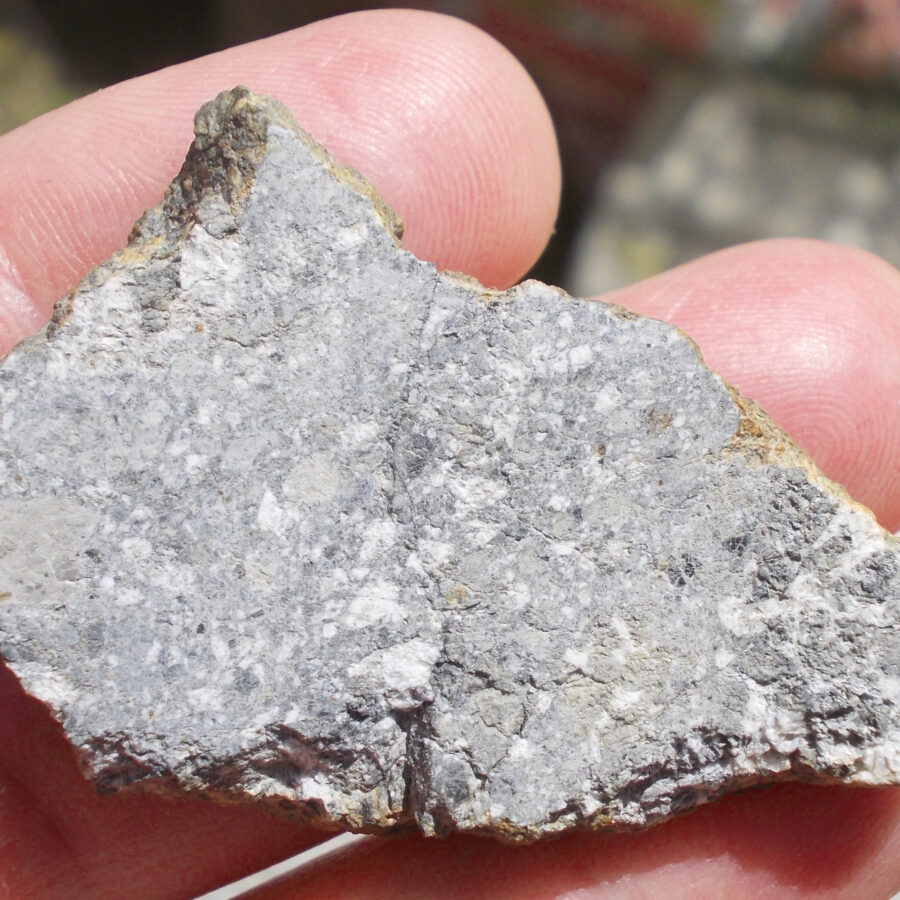
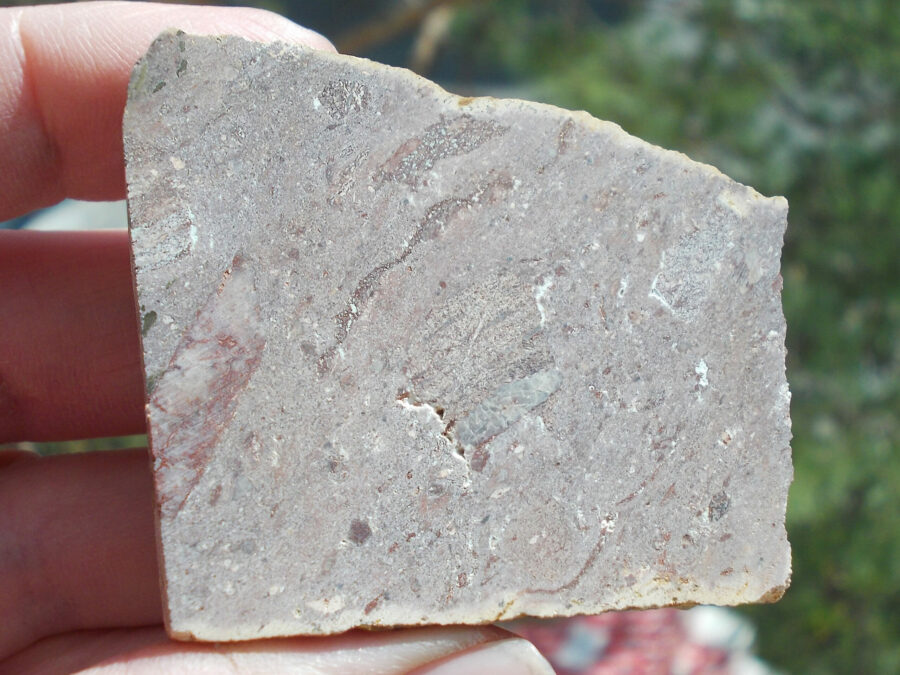
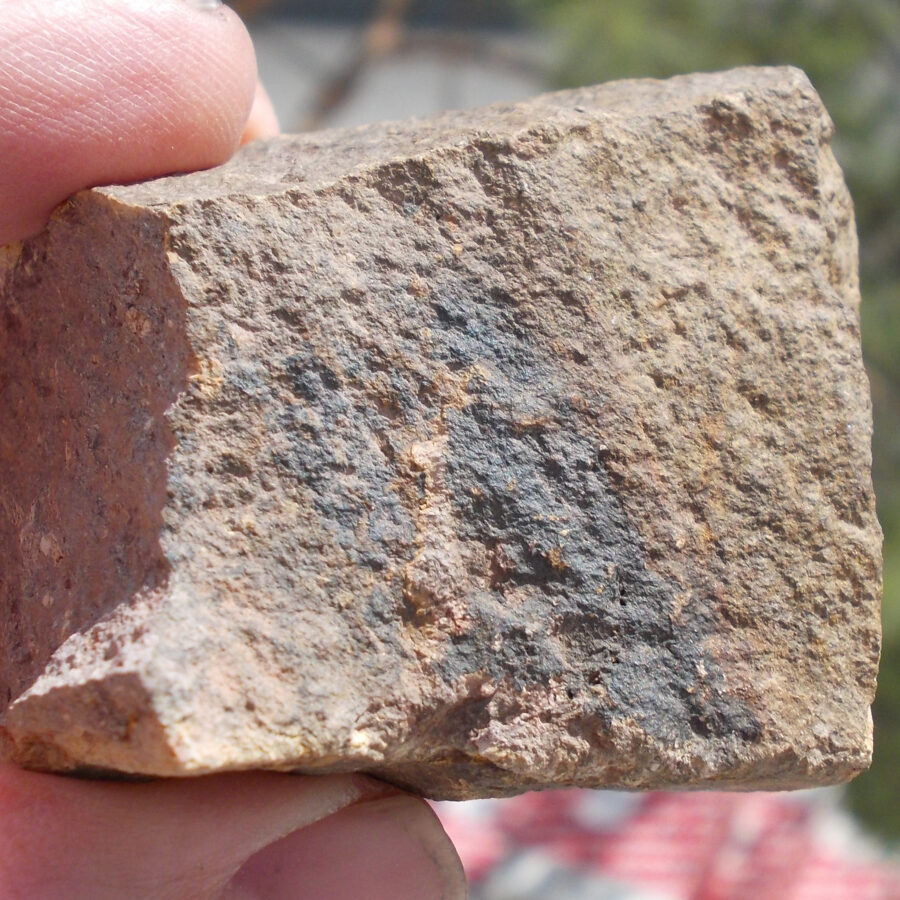
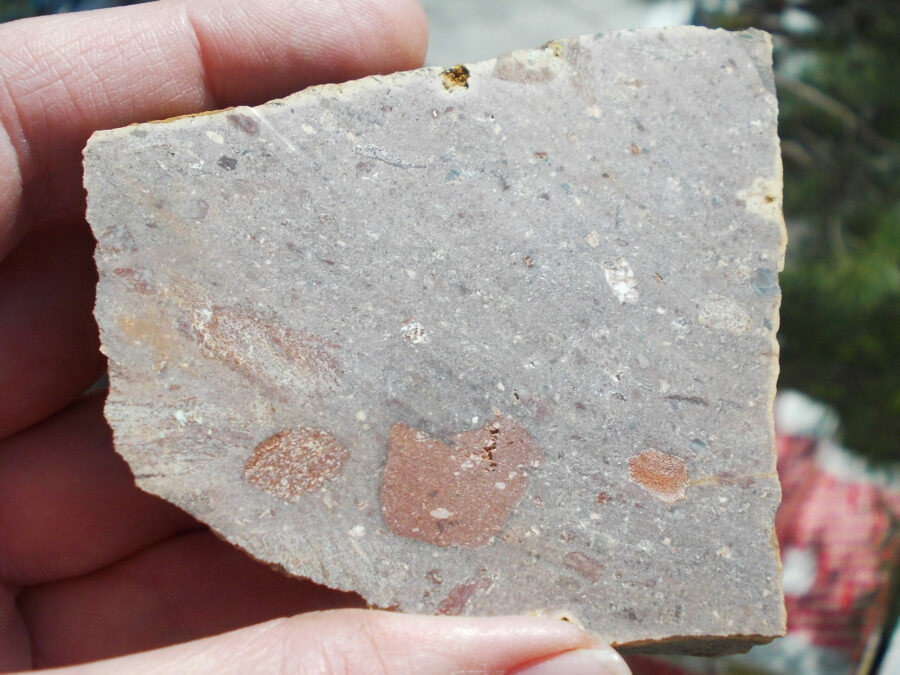
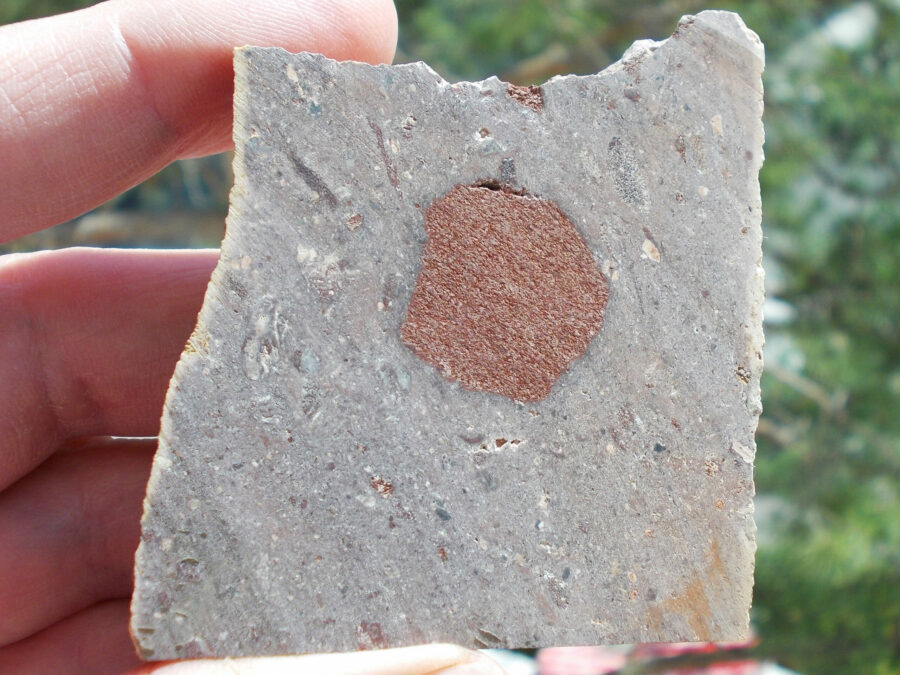
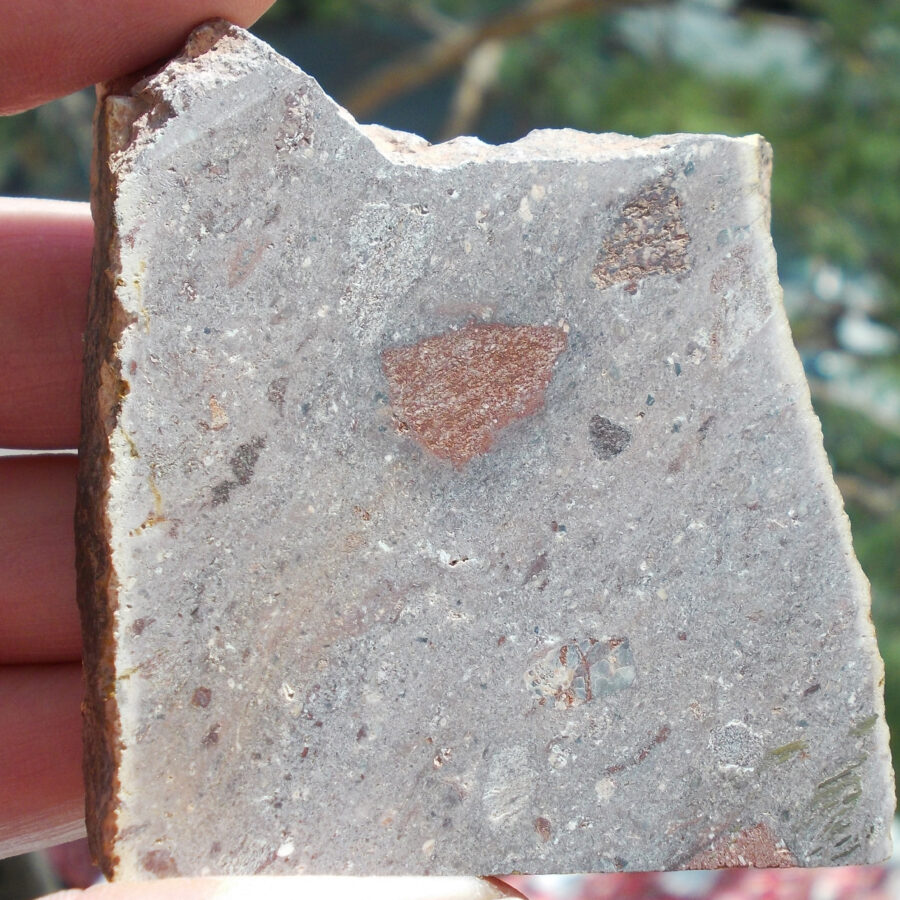
NWA 11882 LL4 #2 - 9,7 gOut of stock

NWA 11882 LL4 #2 – 9,7 g

21,60

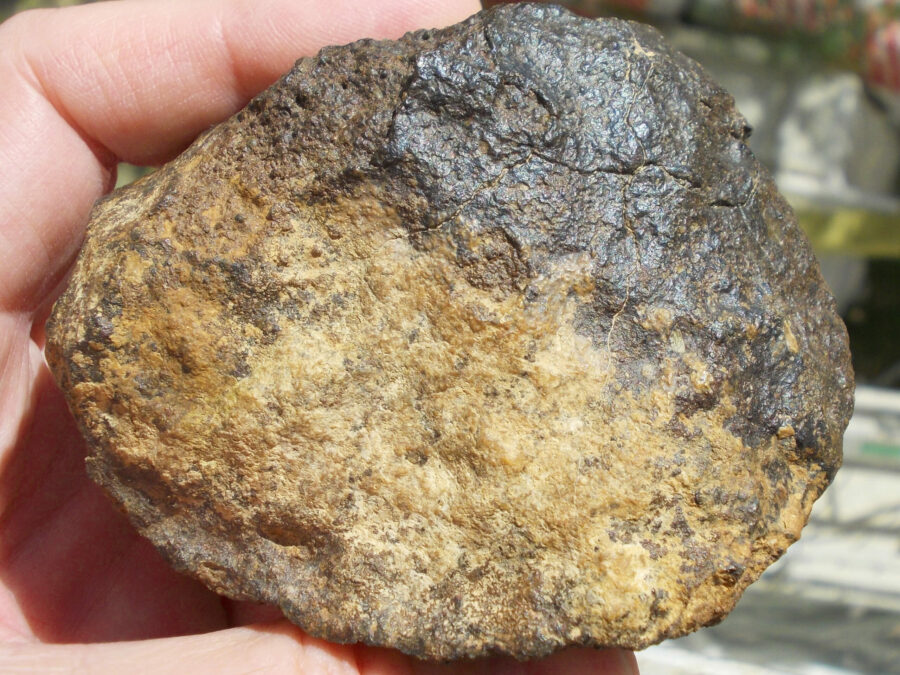
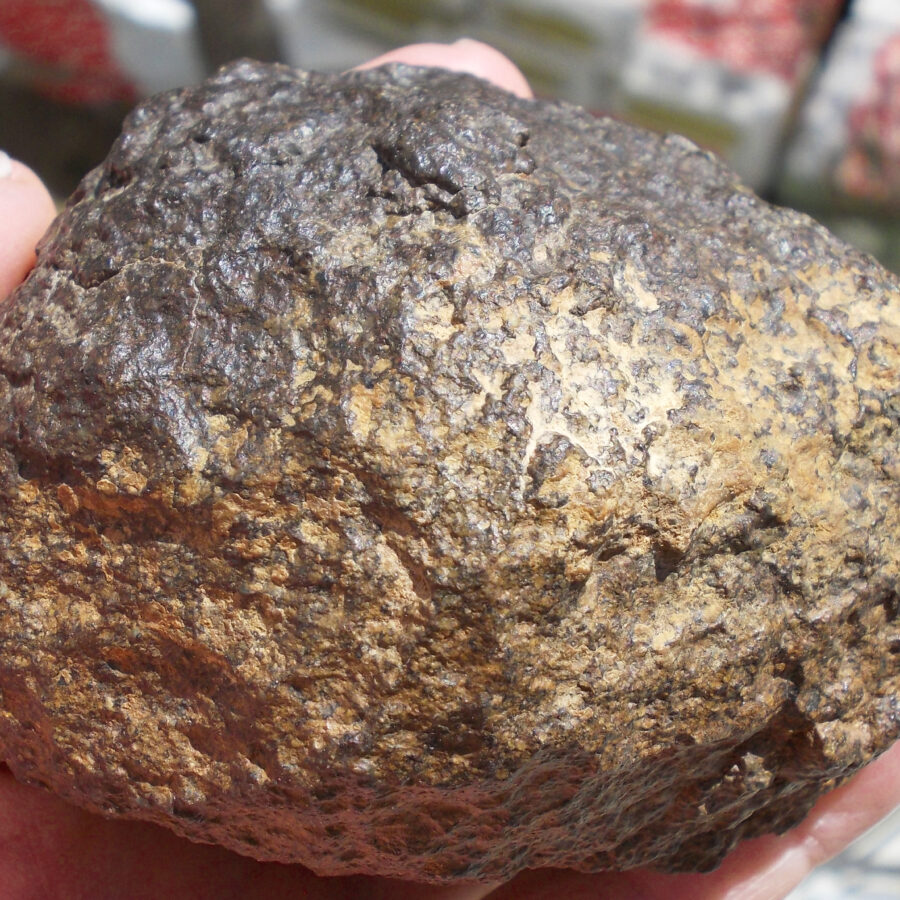
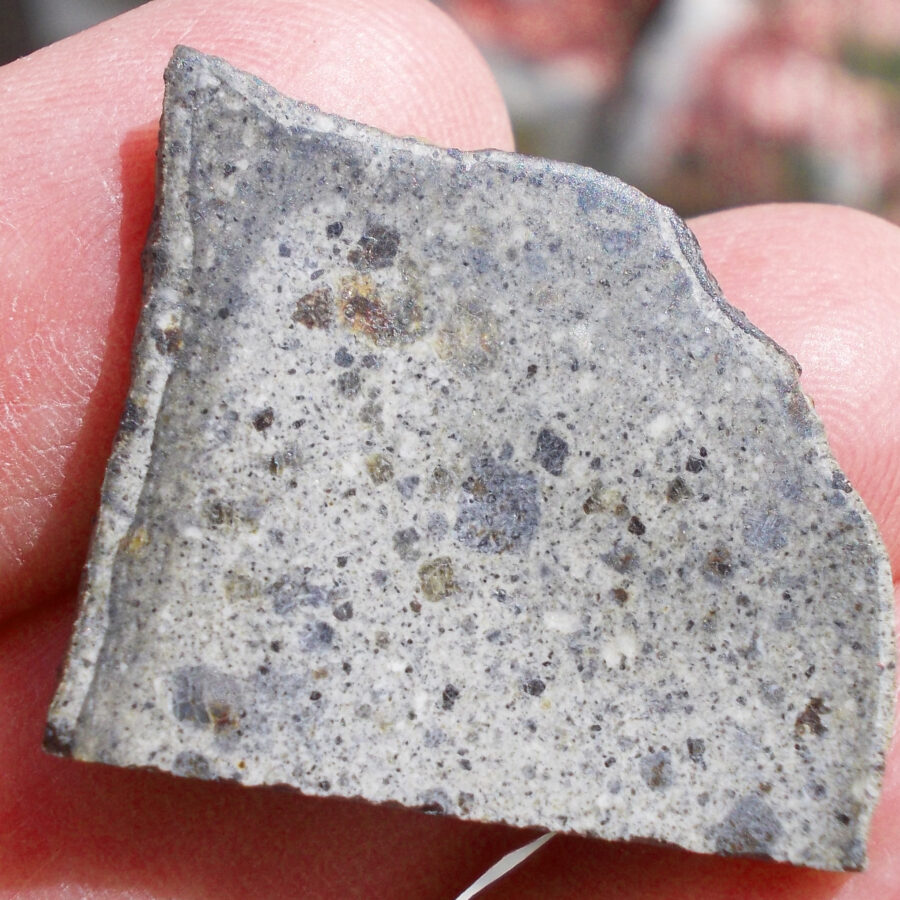
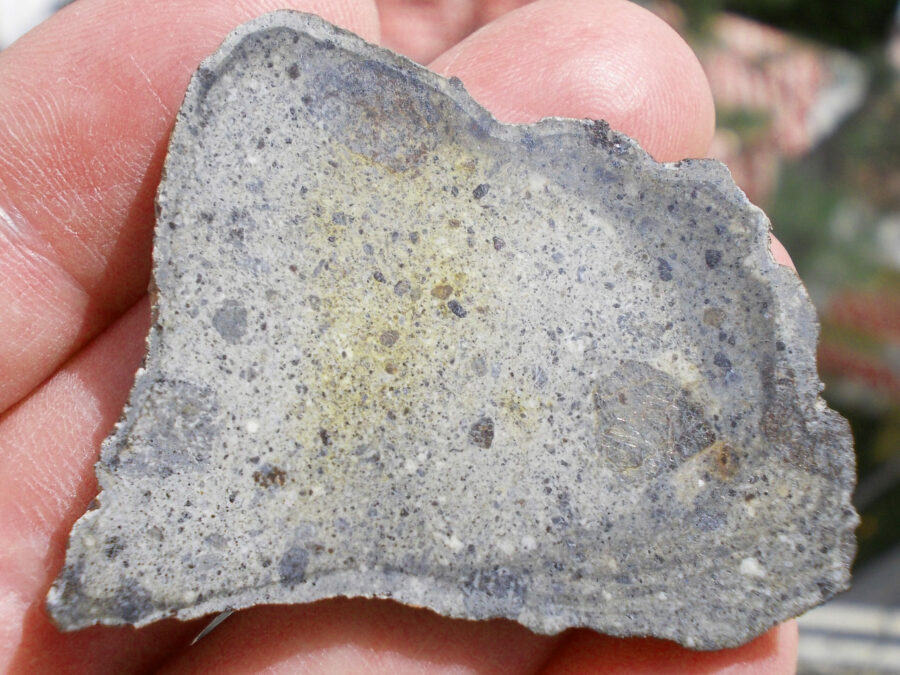
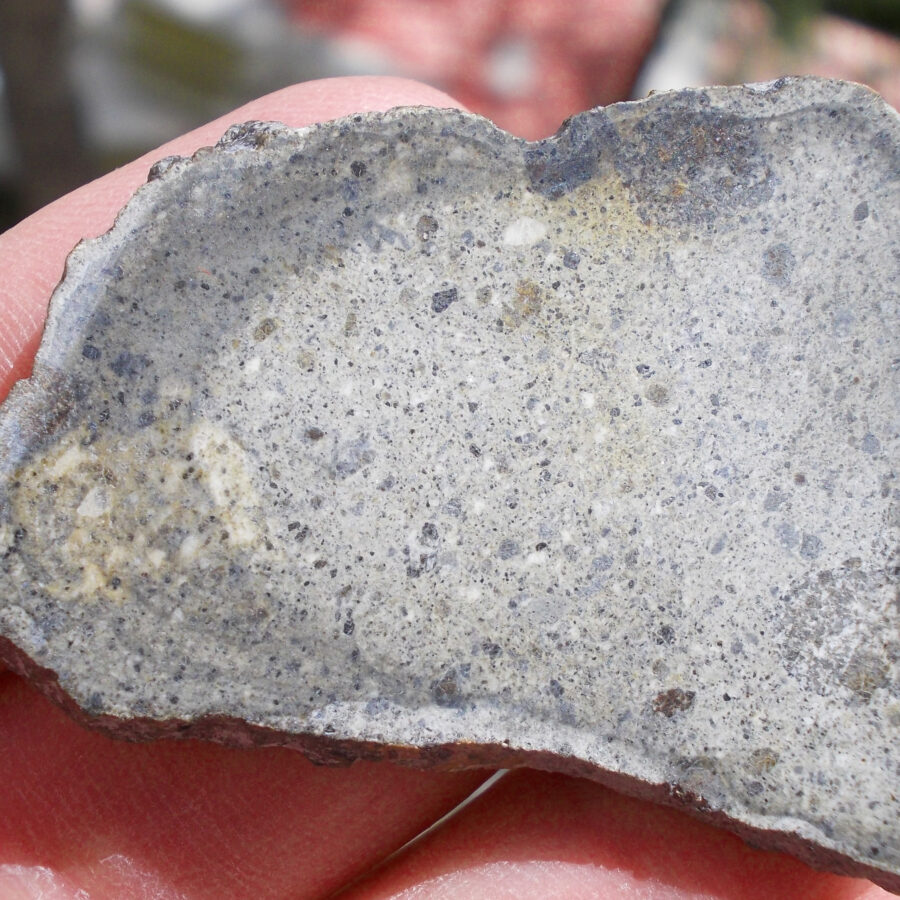
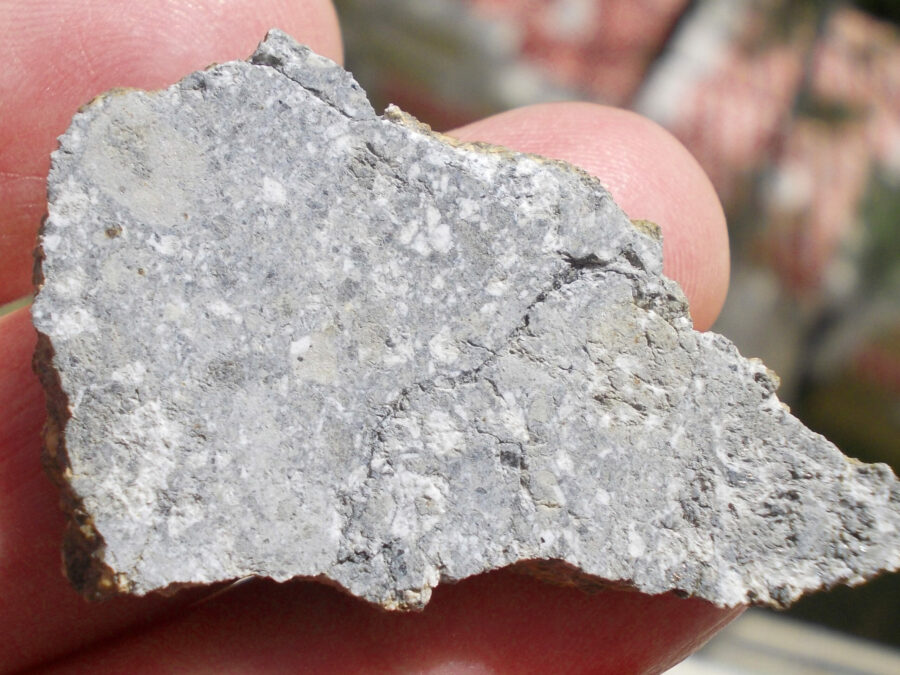
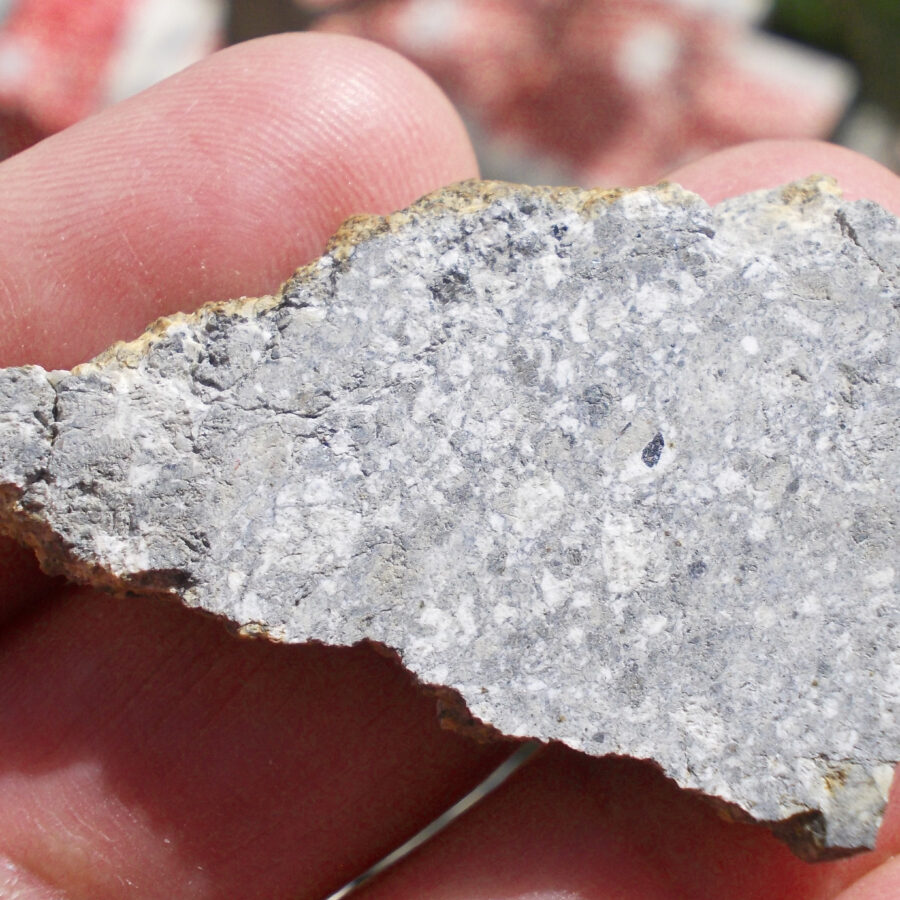
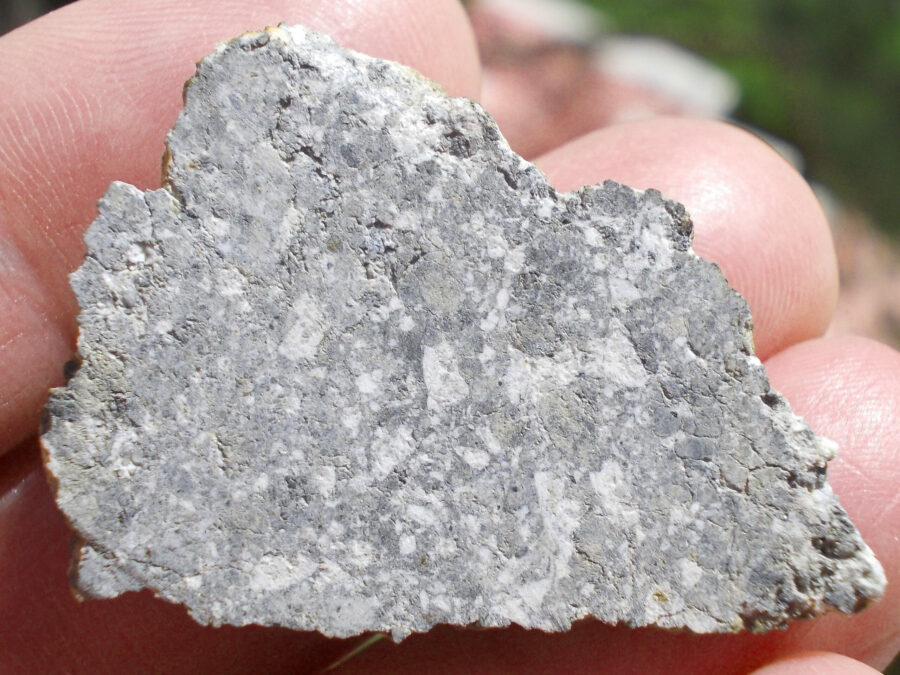
NWA 11882 is a meteorite of type chondrite LL4 of 1200 grams.

This meteorite was purchased in Zagora in 2018 from Mohamed Elguirah a meteorite hunter and trader from Morocco.

The analysis and classification of this meteorite was done in France by Jérôme Gattacceca.

Place of purchase : Zagora
Date : P 2018
Mass (g) : 1200
Pieces : many
Class : LL4
Weathering grade : W2
Fayalite (mol%) : 29.1±0.2 (N=2)
Ferrosilite (mol%) : 23.7±0.3 (N=2)
Wollastonite (mol%) : 0.9±0.1
Magnetic suscept.: 4.09
Classifier : J. Gattacceca, CEREGE
Type spec mass (g ): 22
Type spec location : CEREGE
Main mass : Jean Redelsperger
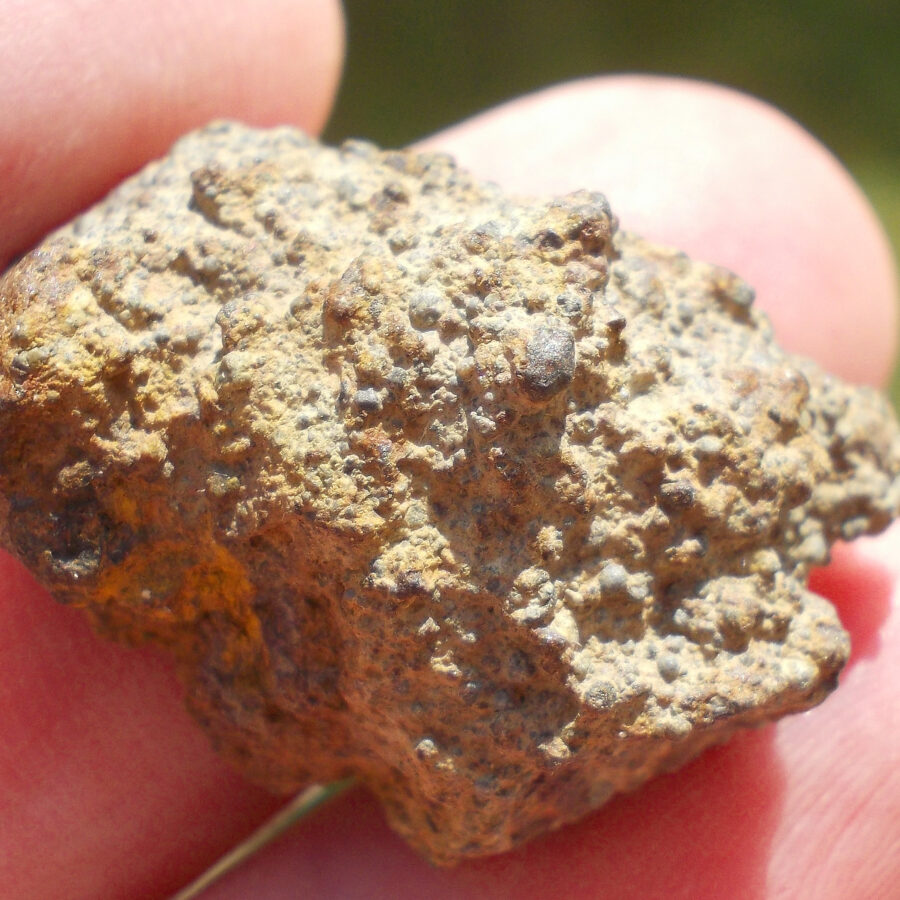
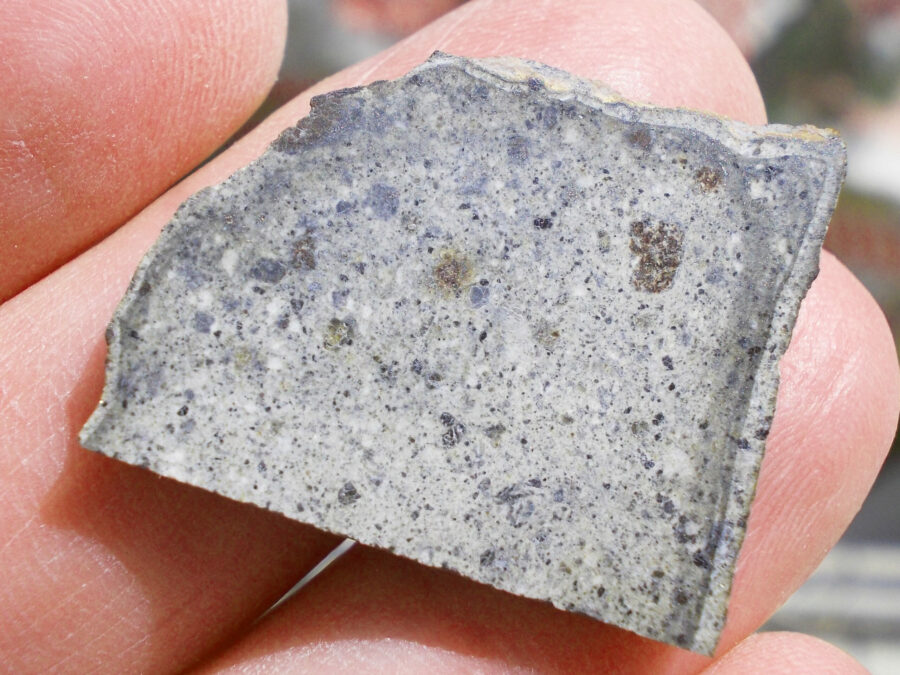
Comments : work name JR051; Bought from Mohamed Elguirah in Zagora in 2018. Gray stones, some with fusion crust. Millimeter-sized chondrules are visible on broken surfaces.; submitted by Gattacceca
NWA 11882 LL4 #1 - 9,9 gOut of stock

NWA 11882 LL4 #1 – 9,9 g

21,60

NWA 11882 is a meteorite of type chondrite LL4 of 1200 grams.

This meteorite was purchased in Zagora in 2018 from Mohamed Elguirah a meteorite hunter and trader from Morocco.

The analysis and classification of this meteorite was done in France by Jérôme Gattacceca.

Place of purchase : Zagora
Date : P 2018
Mass (g) : 1200
Pieces : many
Class : LL4
Weathering grade : W2
Fayalite (mol%) : 29.1±0.2 (N=2)
Ferrosilite (mol%) : 23.7±0.3 (N=2)
Wollastonite (mol%) : 0.9±0.1
Magnetic suscept.: 4.09
Classifier : J. Gattacceca, CEREGE
Type spec mass (g ): 22
Type spec location : CEREGE
Main mass : Jean Redelsperger
Comments : work name JR051; Bought from Mohamed Elguirah in Zagora in 2018. Gray stones, some with fusion crust. Millimeter-sized chondrules are visible on broken surfaces.; submitted by Gattacceca
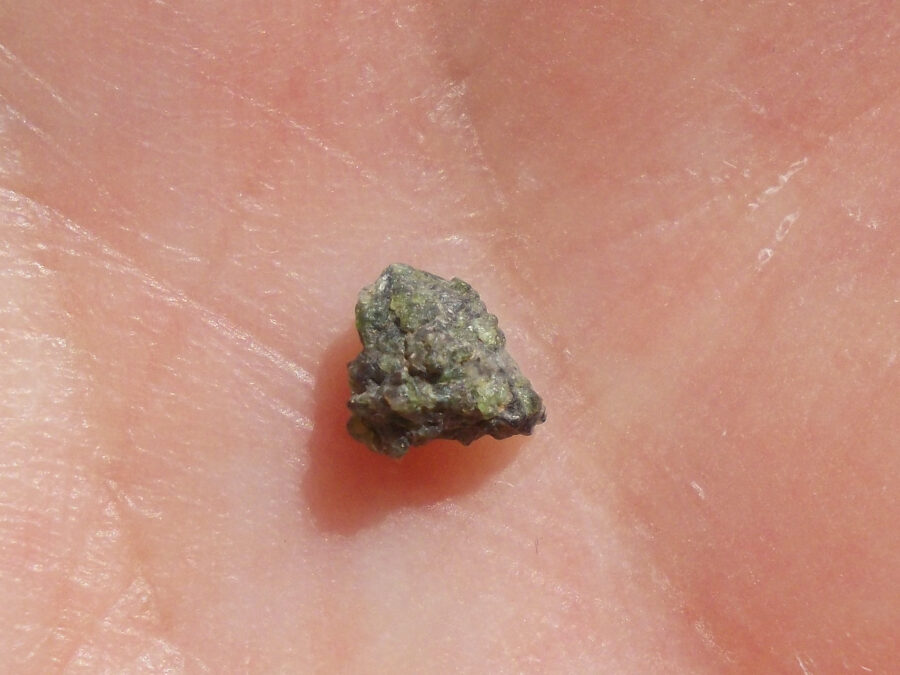
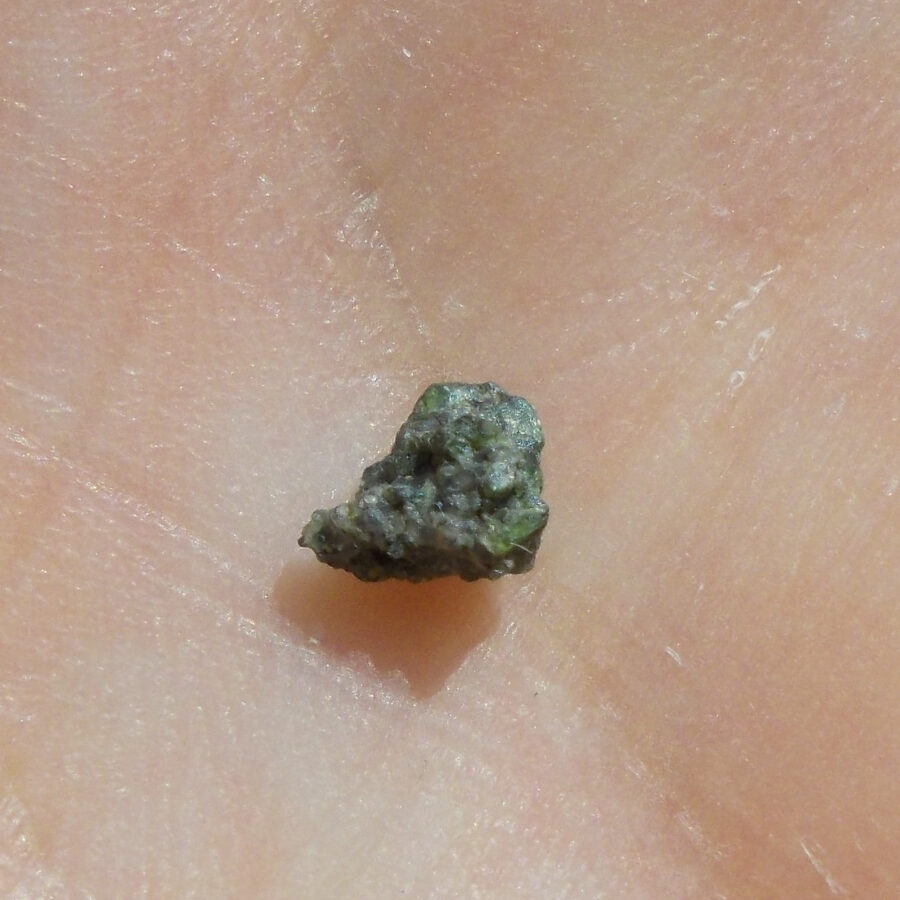
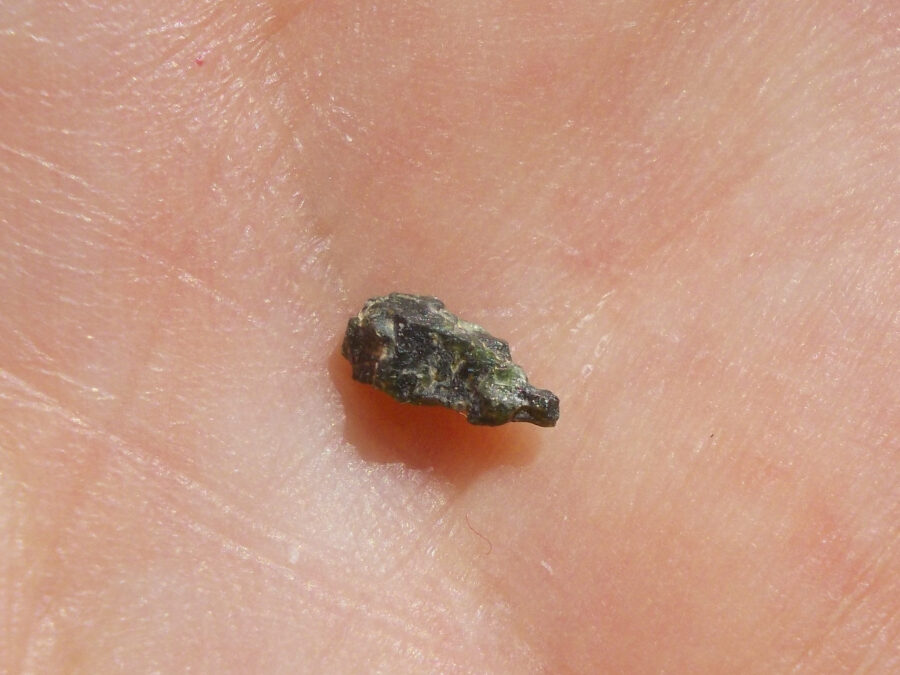
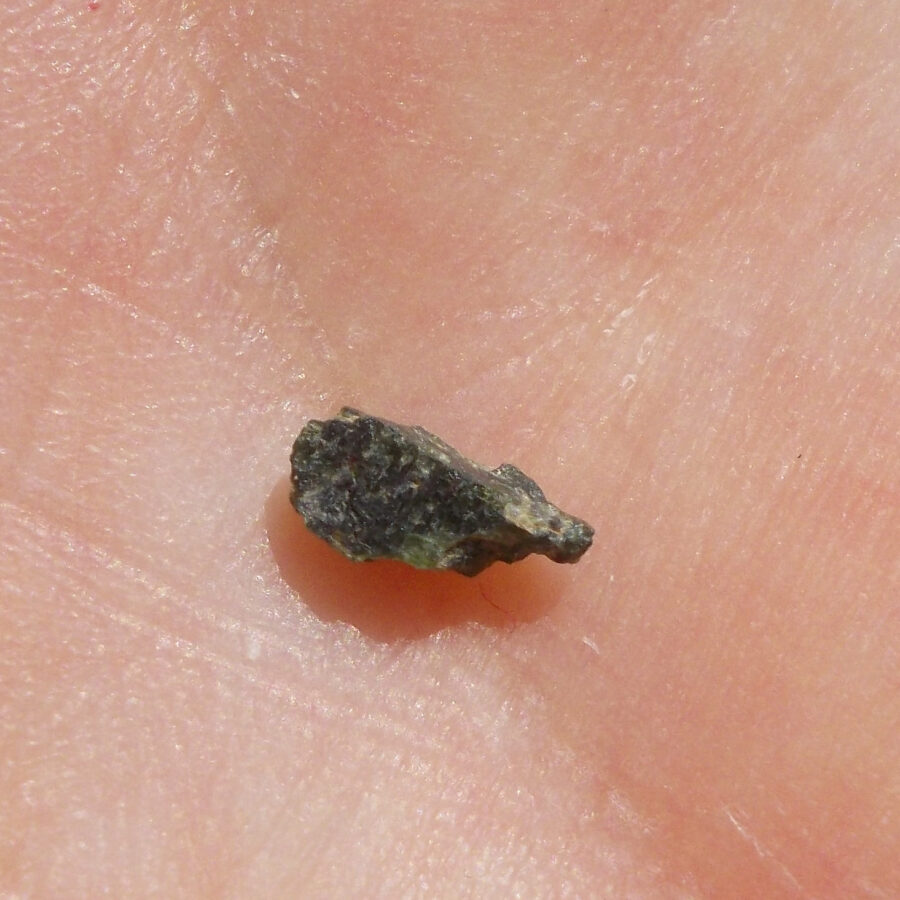
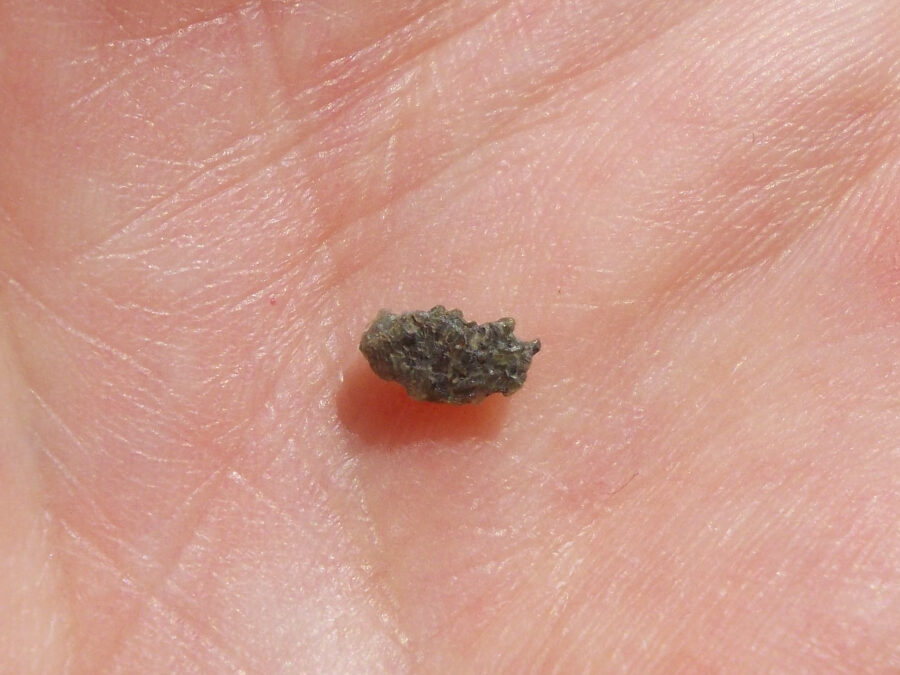
NWA 7325 #3 Ach Ung Paired – 0,08 gOut of stock

NWA 7325 #3 Ach Ung Paired – 0,08 g

174,00
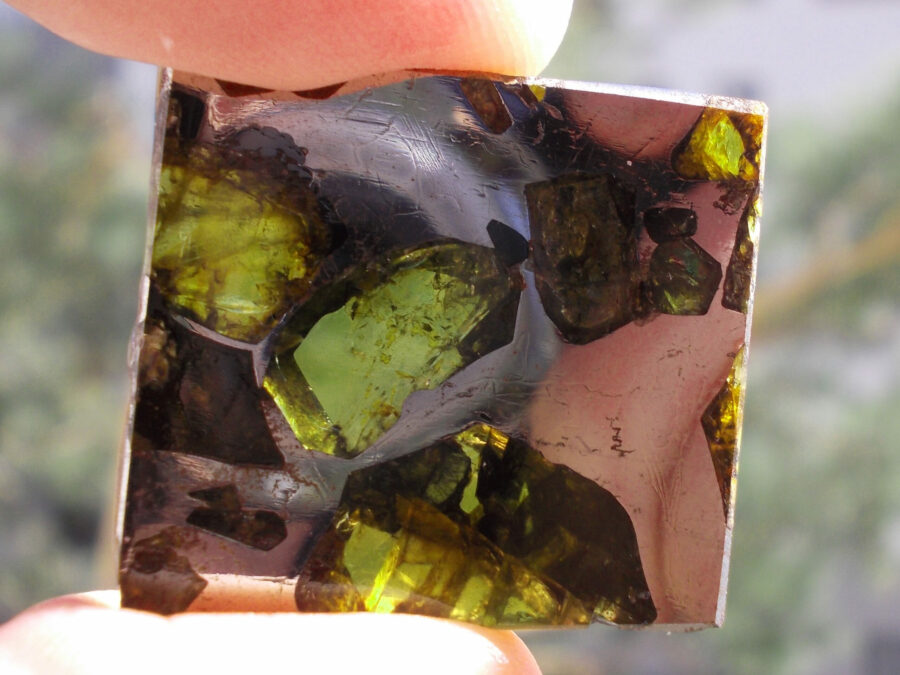
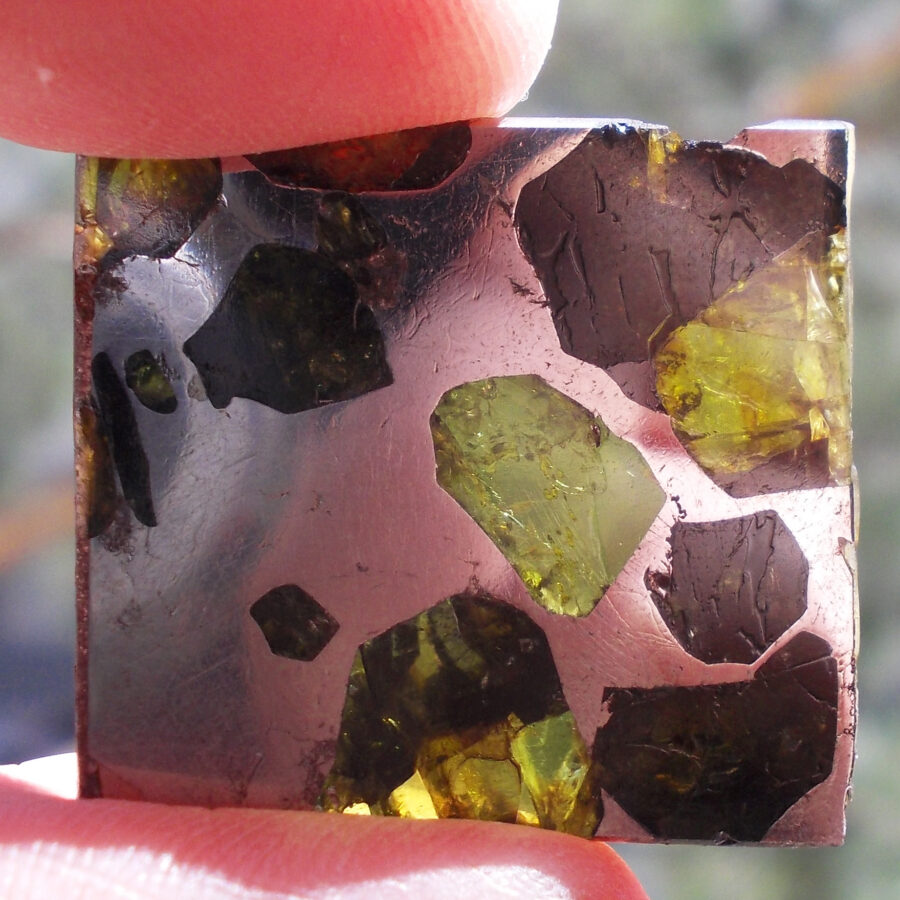
NWA 7325 is a very rare ungrouped achondrite meteorite.
Anthony Irving, a meteorite specialist at the University of Washington in the United States, analyzed this meteorite. The results are surprising since according to him, NWA 7325 could not come from Mars, nor from the Moon but from the planet Mercury.
But this is only a theory at this point.
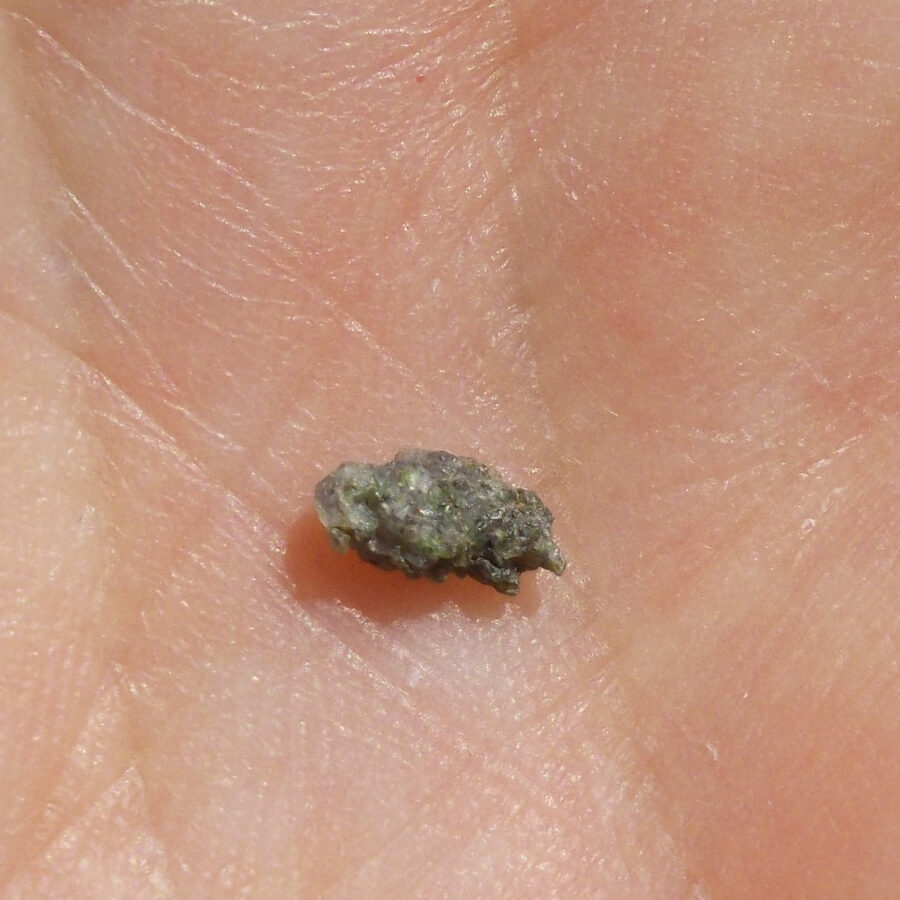
Nevertheless this meteorite of an intense green color is unique !


NWA 7325 #2 Ach Ung Paired – 0,07 gOut of stock

NWA 7325 #2 Ach Ung Paired – 0,07 g

168,00
NWA 7325 is a very rare ungrouped achondrite meteorite.
Anthony Irving, a meteorite specialist at the University of Washington in the United States, analyzed this meteorite. The results are surprising since according to him, NWA 7325 could not come from Mars, nor from the Moon but from the planet Mercury.
But this is only a theory at this point.
Nevertheless this meteorite of an intense green color is unique !


NWA 7325 #1 Ach Ung Paired – 0,04 gOut of stock

NWA 7325 #1 Ach Ung Paired – 0,04 g

96,00
NWA 7325 is a very rare ungrouped achondrite meteorite.
Anthony Irving, a meteorite specialist at the University of Washington in the United States, analyzed this meteorite. The results are surprising since according to him, NWA 7325 could not come from Mars, nor from the Moon but from the planet Mercury.
But this is only a theory at this point.
Nevertheless this meteorite of an intense green color is unique !


Zagora 007 H4 #4 - 580 g

Zagora 007 H4 #4 – 580 g

864,00

Zagora 007 is an ordinary chondrite of type H4. It was found by Salem Ouarkia in 2019 in the Zagora region of Morocco.

Writeup from MB 110 :

Zagora 007 30°06’32.1″N, 5°13’59.1″W

Morocco

Find: 2019 Jun

Classification: Ordinary chondrite (H4)

History: Found by Salem Ouarkia in June 2019. Bought by Jean Redelsperger from Mohamed Elguirah in 2021.

Physical characteristics: Brown stones without fusion crust.

Petrography: (J. Gattacceca, CEREGE) Chondrite with well-defined packed chondrules.

Geochemistry: Plagioclase An23.6Ab73.8Or2.6 (n=1)

Classification: Ordinary chondrite (H4)

Specimens: Type specimen at CEREGE. Main mass with Jean Redelsperger.

Zagora 006 Eucrite Brecciated #3 - 4,3 g

Zagora 006 Eucrite Brecciated #3 – 4,3 g

33,60

Zagora 006 is a meteorite classified as brecciated eucrite of 1380 grams.

It was discovered near Zagora in Morocco by Ahmed Dich and Hssain Azmamar in January 2021.

The eucrites come from the Asteroid Vesta.

Writeup from MB 110 :

Zagora 006 30°18’46.21″N, 5°32’45.16″W

South, Morocco

Find: 2021 Jan

Classification: HED achondrite (Eucrite, brecciated)

History: Found by Ahmed Dich and Hssain Azmamar in January 2021. Bought by Jean Redelsperger from Zaid Oualguirah in February 2021.

Physical characteristics: Partially crusted stone with a light grey interior

Petrography: (J. Gattacceca, CEREGE) Brecciated igneous rock with mineral and lithic gabbroic clasts. Main minerals are pyroxene (some exsolved) and plagioclase with grain size in the 100 to 500 µm range. Accessory minerals: metal (to 150 µm), chromite (to 100 µm), ilmenite (to 150 µm), troilite (to 200 µm).

Geochemistry: Low-Ca pyroxene Fs50.7Wo3.8, Fs48.5Wo6.4. Ca-pyroxene Fs38.8Wo20.5, Fs23.0Wo41.3, Fs23.3Wo41.4. Pyroxene FeO/MnO 31.8±1.4 (n=5). Plagioclase An92.5Ab7.3Or0.2, An80.2Ab18.8Or0.9.

Classification: Achondrite (eucrite, brecciated)

Specimens: 22 g type specimen at CEREGE. Main mass with Jean Redelsperger

Zagora 006 Eucrite Brecciated #1 - 13,4 gOut of stock

Zagora 006 Eucrite Brecciated #1 – 13,4 g

108,00

Zagora 006 is a meteorite classified as brecciated eucrite of 1380 grams.

It was discovered near Zagora in Morocco by Ahmed Dich and Hssain Azmamar in January 2021.

The eucrites come from the Asteroid Vesta.

Writeup from MB 110 :

Zagora 006 30°18’46.21″N, 5°32’45.16″W

South, Morocco

Find: 2021 Jan

Classification: HED achondrite (Eucrite, brecciated)

History: Found by Ahmed Dich and Hssain Azmamar in January 2021. Bought by Jean Redelsperger from Zaid Oualguirah in February 2021.

Physical characteristics: Partially crusted stone with a light grey interior

Petrography: (J. Gattacceca, CEREGE) Brecciated igneous rock with mineral and lithic gabbroic clasts. Main minerals are pyroxene (some exsolved) and plagioclase with grain size in the 100 to 500 µm range. Accessory minerals: metal (to 150 µm), chromite (to 100 µm), ilmenite (to 150 µm), troilite (to 200 µm).

Geochemistry: Low-Ca pyroxene Fs50.7Wo3.8, Fs48.5Wo6.4. Ca-pyroxene Fs38.8Wo20.5, Fs23.0Wo41.3, Fs23.3Wo41.4. Pyroxene FeO/MnO 31.8±1.4 (n=5). Plagioclase An92.5Ab7.3Or0.2, An80.2Ab18.8Or0.9.

Classification: Achondrite (eucrite, brecciated)

Specimens: 22 g type specimen at CEREGE. Main mass with Jean Redelsperger

Esquel Pallasite #1 - 14 gOut of stock

Esquel Pallasite #1 – 14 g

921,60

Esquel is part of the pallasite group.

This meteorite was discovered in Argentina in Patagonia in 1951.

Esquel is certainly one of the most beautiful pallasites in the world and is not subject to oxidation like some other pallasites.

Pallasites are certainly the most aesthetic group of meteorites that we know.

A very nice acquisition for your collection !


Zagora 003 Eucrite #9 - 10,6 gOut of stock

Zagora 003 Eucrite #9 – 10,6 g

152,40

Zagora 003 is a fresh meteorite classified as eucrite of only 135 grams.

It was discovered near Zagora in Morocco by Ahmed Enaji on September 13, 2020.

The eucrites come from the Asteroid Vesta.

Writeup from MB 110 :

Zagora 003 30°20’51.94″N, 5°36’41.79″W

Morocco

Find: 2020 Sep 13

Classification: HED achondrite (Eucrite)

History: Found by Ahmed Enaji on September 13, 2020. Bought from Zaid Oualguirah in 2020.

Physical characteristics: Several fusion crusted pieces with grey interior.

Petrography: (J. Gattacceca, CEREGE) Igneous rock with grain size about 500 µm. It contains melt rock areas, and other areas with variolitic texture. Main minerals are pyroxene and plagioclase. Other minerals: metal, troilite, chromite.

Geochemistry: Low-Ca pyroxene Fs34.1±0.8Wo5.7±1.1, FeO/MnO = 28.6±2.4 (n=4). Plagioclase An93.3±0.6Ab6.4±0.6Or0.3±0.1 (n=5). Chromite Cr# = 0.78 (n=1).

Classification: Achondrite (eucrite).

Specimens: Type specimen at CEREGE. Main mass with Jean Redelsperger.

Zagora 003 Eucrite #8 - 12,1 g

Zagora 003 Eucrite #8 – 12,1 g

188,40

Zagora 003 is a fresh meteorite classified as eucrite of only 135 grams.

It was discovered near Zagora in Morocco by Ahmed Enaji on September 13, 2020.

The eucrites come from the Asteroid Vesta.

Writeup from MB 110 :

Zagora 003 30°20’51.94″N, 5°36’41.79″W

Morocco

Find: 2020 Sep 13

Classification: HED achondrite (Eucrite)

History: Found by Ahmed Enaji on September 13, 2020. Bought from Zaid Oualguirah in 2020.

Physical characteristics: Several fusion crusted pieces with grey interior.

Petrography: (J. Gattacceca, CEREGE) Igneous rock with grain size about 500 µm. It contains melt rock areas, and other areas with variolitic texture. Main minerals are pyroxene and plagioclase. Other minerals: metal, troilite, chromite.

Geochemistry: Low-Ca pyroxene Fs34.1±0.8Wo5.7±1.1, FeO/MnO = 28.6±2.4 (n=4). Plagioclase An93.3±0.6Ab6.4±0.6Or0.3±0.1 (n=5). Chromite Cr# = 0.78 (n=1).

Classification: Achondrite (eucrite).

Specimens: Type specimen at CEREGE. Main mass with Jean Redelsperger.

Zagora 003 Eucrite #7 - 14,8 g

Zagora 003 Eucrite #7 – 14,8 g

213,60

Zagora 003 is a fresh meteorite classified as eucrite of only 135 grams.

It was discovered near Zagora in Morocco by Ahmed Enaji on September 13, 2020.

The eucrites come from the Asteroid Vesta.

Writeup from MB 110 :

Zagora 003 30°20’51.94″N, 5°36’41.79″W

Morocco

Find: 2020 Sep 13

Classification: HED achondrite (Eucrite)

History: Found by Ahmed Enaji on September 13, 2020. Bought from Zaid Oualguirah in 2020.

Physical characteristics: Several fusion crusted pieces with grey interior.

Petrography: (J. Gattacceca, CEREGE) Igneous rock with grain size about 500 µm. It contains melt rock areas, and other areas with variolitic texture. Main minerals are pyroxene and plagioclase. Other minerals: metal, troilite, chromite.

Geochemistry: Low-Ca pyroxene Fs34.1±0.8Wo5.7±1.1, FeO/MnO = 28.6±2.4 (n=4). Plagioclase An93.3±0.6Ab6.4±0.6Or0.3±0.1 (n=5). Chromite Cr# = 0.78 (n=1).

Classification: Achondrite (eucrite).

Specimens: Type specimen at CEREGE. Main mass with Jean Redelsperger.

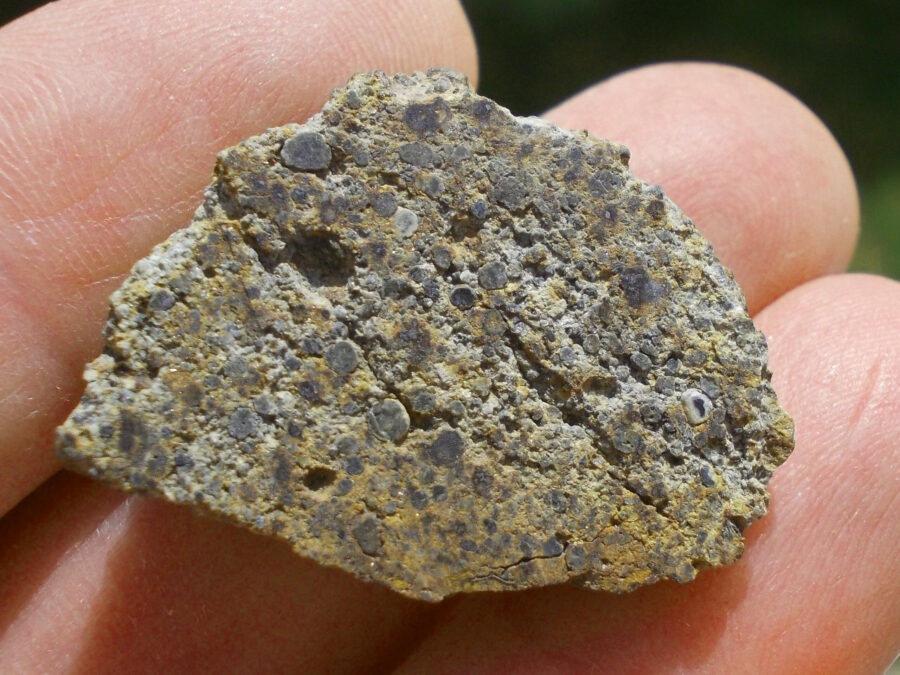
Zagora 003 Eucrite #6 - 16,8 g

Zagora 003 Eucrite #6 – 16,8 g

242,40

Zagora 003 is a fresh meteorite classified as eucrite of only 135 grams.

It was discovered near Zagora in Morocco by Ahmed Enaji on September 13, 2020.

The eucrites come from the Asteroid Vesta.

Writeup from MB 110 :

Zagora 003 30°20’51.94″N, 5°36’41.79″W

Morocco

Find: 2020 Sep 13

Classification: HED achondrite (Eucrite)

History: Found by Ahmed Enaji on September 13, 2020. Bought from Zaid Oualguirah in 2020.

Physical characteristics: Several fusion crusted pieces with grey interior.

Petrography: (J. Gattacceca, CEREGE) Igneous rock with grain size about 500 µm. It contains melt rock areas, and other areas with variolitic texture. Main minerals are pyroxene and plagioclase. Other minerals: metal, troilite, chromite.
Geochemistry: Low-Ca pyroxene Fs34.1±0.8Wo5.7±1.1, FeO/MnO = 28.6±2.4 (n=4). Plagioclase An93.3±0.6Ab6.4±0.6Or0.3±0.1 (n=5). Chromite Cr# = 0.78 (n=1).

Classification: Achondrite (eucrite).

Specimens: Type specimen at CEREGE. Main mass with Jean Redelsperger.

Montoume #6 - 88 gOut of stock
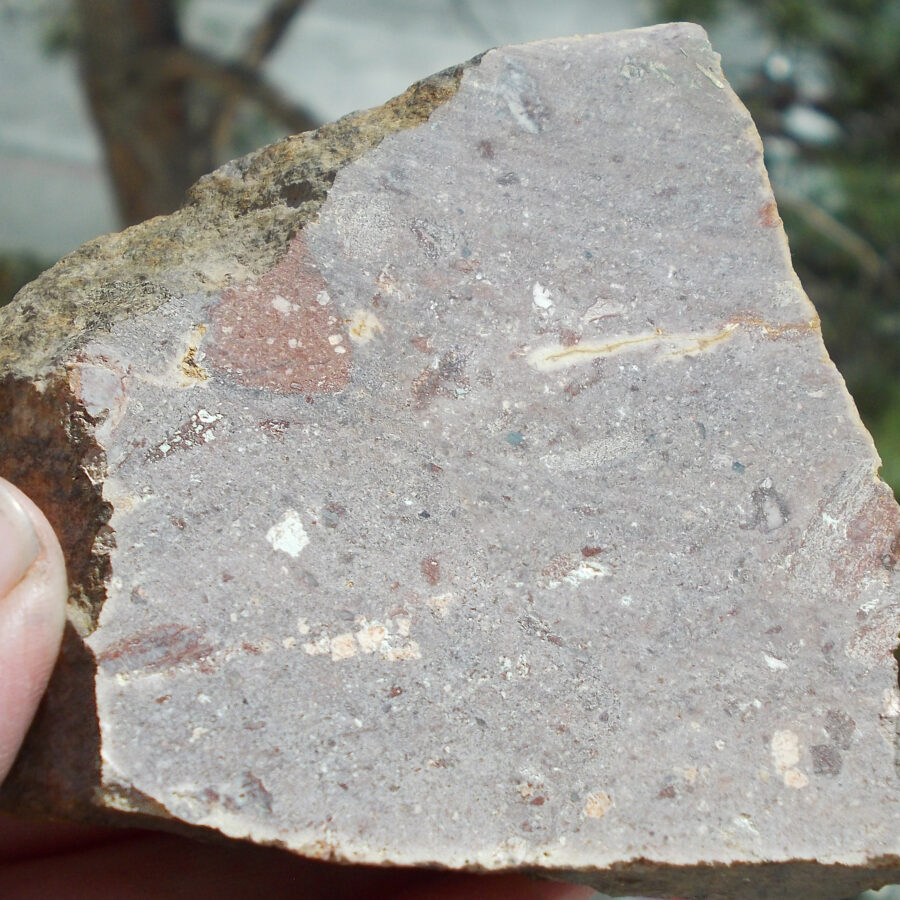
Montoume #6 – 88 g

12,00
An impactite is a terrestrial rock modified by the impact of a large meteorite.
These rocks contain an agglomeration of fallout dust and fragments.
The Rochechouart impactites were formed as a result of a meteorite impact about 207 million years ago in New Aquitaine in the Rochechouart district.
The impact crater of the Rochechouart meteorite is called “Astroblème” because it is no longer visible following erosion.
There are several types of rocks :
Les brèches de type Babaudus, riche en verre à texture fluidale et en vacuoles
The “breccias” of Montoume type, red because of their richness in iron, metal supposed to come from the asteroid.
The “breccias” of Chassenon type, debris of glass of greenish tint.
The “breccias” of Rochechouart type, contain little glass and are constituted of elements of varied size and lithology.


Montoume #5 - 128 gOut of stock
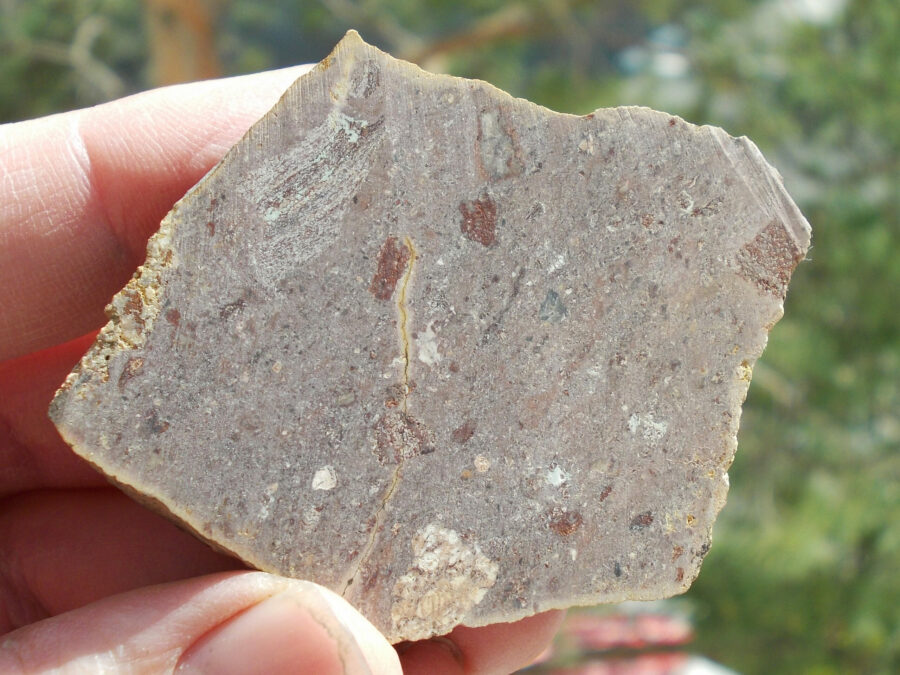
Montoume #5 – 128 g

18,00
An impactite is a terrestrial rock modified by the impact of a large meteorite.
These rocks contain an agglomeration of fallout dust and fragments.
The Rochechouart impactites were formed as a result of a meteorite impact about 207 million years ago in New Aquitaine in the Rochechouart district.
The impact crater of the Rochechouart meteorite is called “Astroblème” because it is no longer visible following erosion.
There are several types of rocks :
Les brèches de type Babaudus, riche en verre à texture fluidale et en vacuoles
The “breccias” of Montoume type, red because of their richness in iron, metal supposed to come from the asteroid.
The “breccias” of Chassenon type, debris of glass of greenish tint.
The “breccias” of Rochechouart type, contain little glass and are constituted of elements of varied size and lithology.


Montoume #4 - 58 gOut of stock
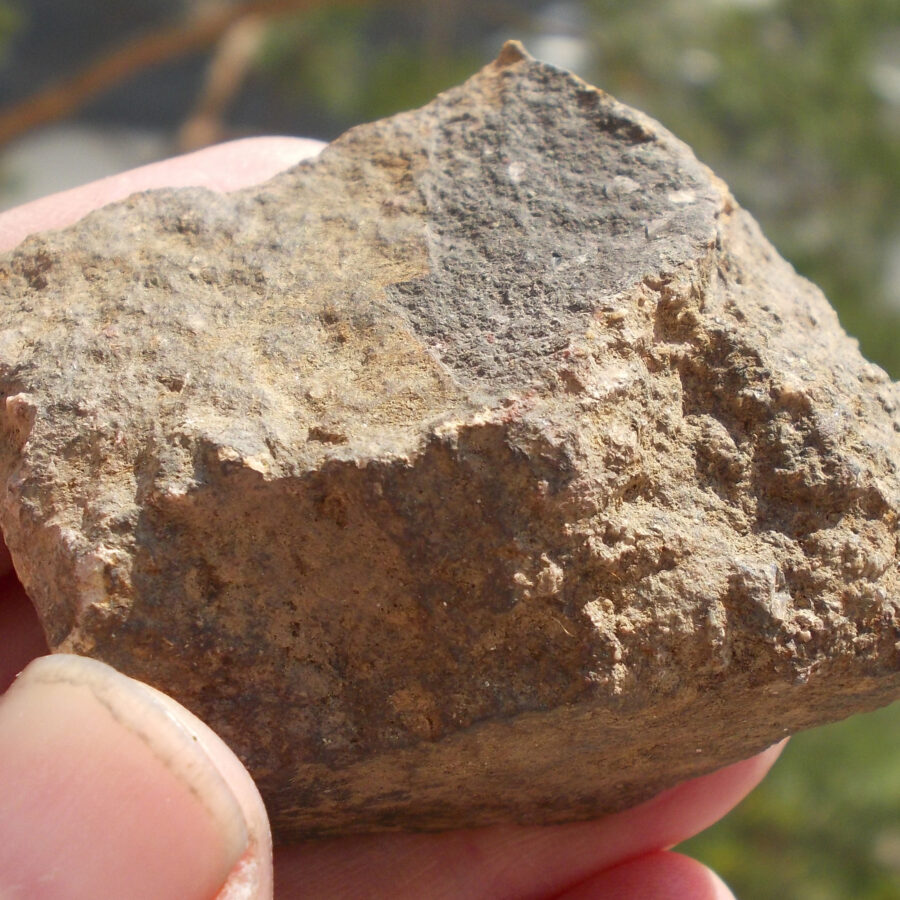
Montoume #4 – 58 g

12,00
An impactite is a terrestrial rock modified by the impact of a large meteorite.
These rocks contain an agglomeration of fallout dust and fragments.
The Rochechouart impactites were formed as a result of a meteorite impact about 207 million years ago in New Aquitaine in the Rochechouart district.
The impact crater of the Rochechouart meteorite is called “Astroblème” because it is no longer visible following erosion.
There are several types of rocks :
Les brèches de type Babaudus, riche en verre à texture fluidale et en vacuoles
The “breccias” of Montoume type, red because of their richness in iron, metal supposed to come from the asteroid.
The “breccias” of Chassenon type, debris of glass of greenish tint.
The “breccias” of Rochechouart type, contain little glass and are constituted of elements of varied size and lithology.


Montoume #3 - 170 gOut of stock
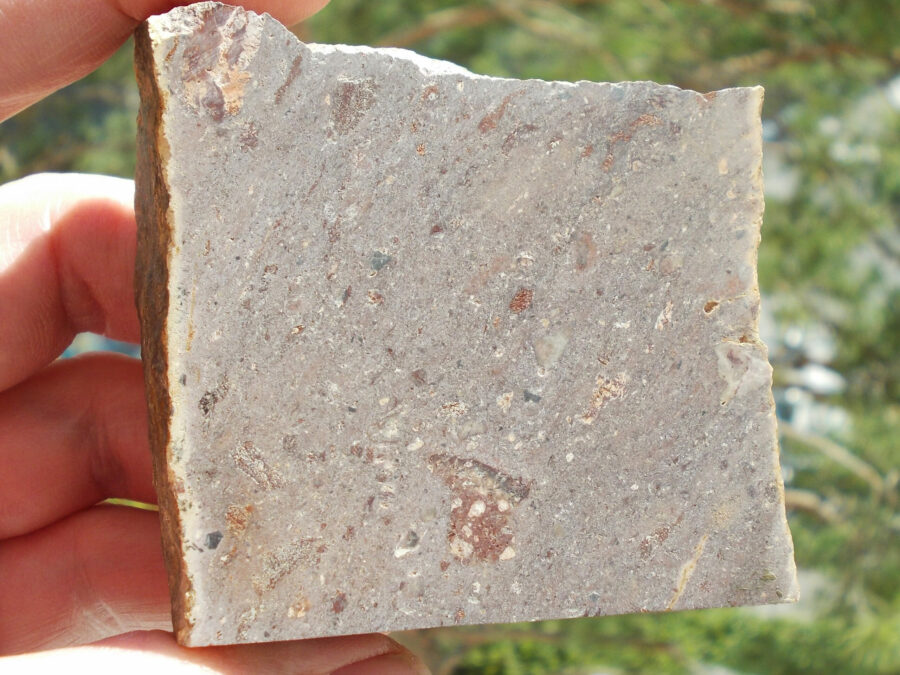
Montoume #3 – 170 g

18,00
An impactite is a terrestrial rock modified by the impact of a large meteorite.
These rocks contain an agglomeration of fallout dust and fragments.
The Rochechouart impactites were formed as a result of a meteorite impact about 207 million years ago in New Aquitaine in the Rochechouart district.
The impact crater of the Rochechouart meteorite is called “Astroblème” because it is no longer visible following erosion.
There are several types of rocks :
Les brèches de type Babaudus, riche en verre à texture fluidale et en vacuoles
The “breccias” of Montoume type, red because of their richness in iron, metal supposed to come from the asteroid.
The “breccias” of Chassenon type, debris of glass of greenish tint.
The “breccias” of Rochechouart type, contain little glass and are constituted of elements of varied size and lithology.


Montoume #2 - 100 gOut of stock
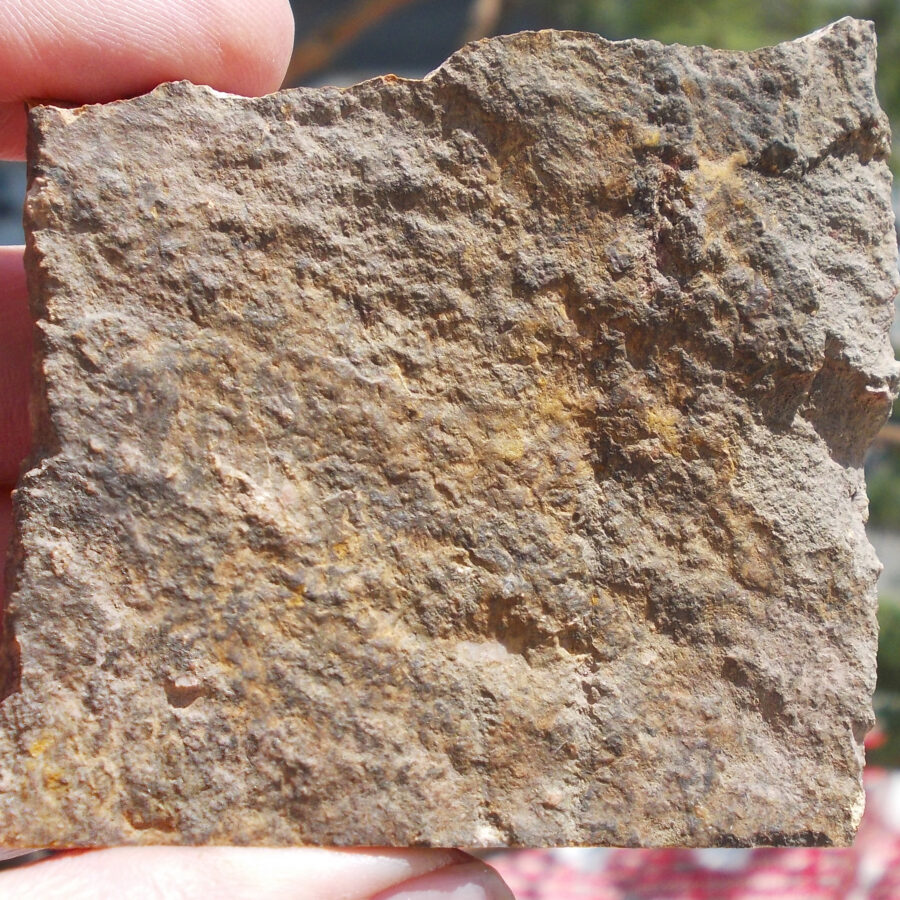
Montoume #2 – 100 g

18,00
An impactite is a terrestrial rock modified by the impact of a large meteorite.
These rocks contain an agglomeration of fallout dust and fragments.
The Rochechouart impactites were formed as a result of a meteorite impact about 207 million years ago in New Aquitaine in the Rochechouart district.
The impact crater of the Rochechouart meteorite is called “Astroblème” because it is no longer visible following erosion.
There are several types of rocks :
Les brèches de type Babaudus, riche en verre à texture fluidale et en vacuoles
The “breccias” of Montoume type, red because of their richness in iron, metal supposed to come from the asteroid.
The “breccias” of Chassenon type, debris of glass of greenish tint.
The “breccias” of Rochechouart type, contain little glass and are constituted of elements of varied size and lithology.