

 Out of stock
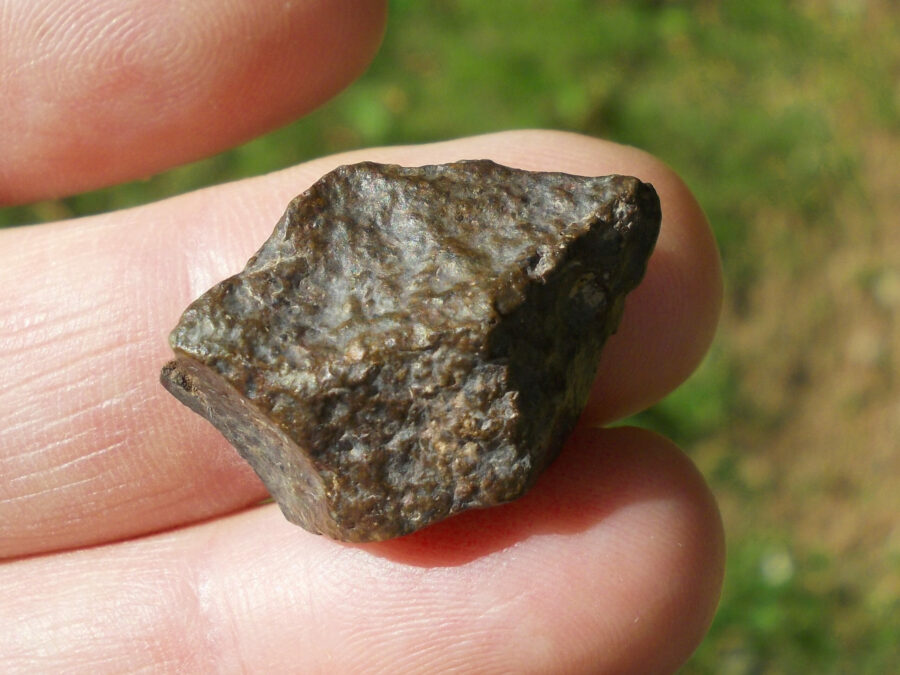
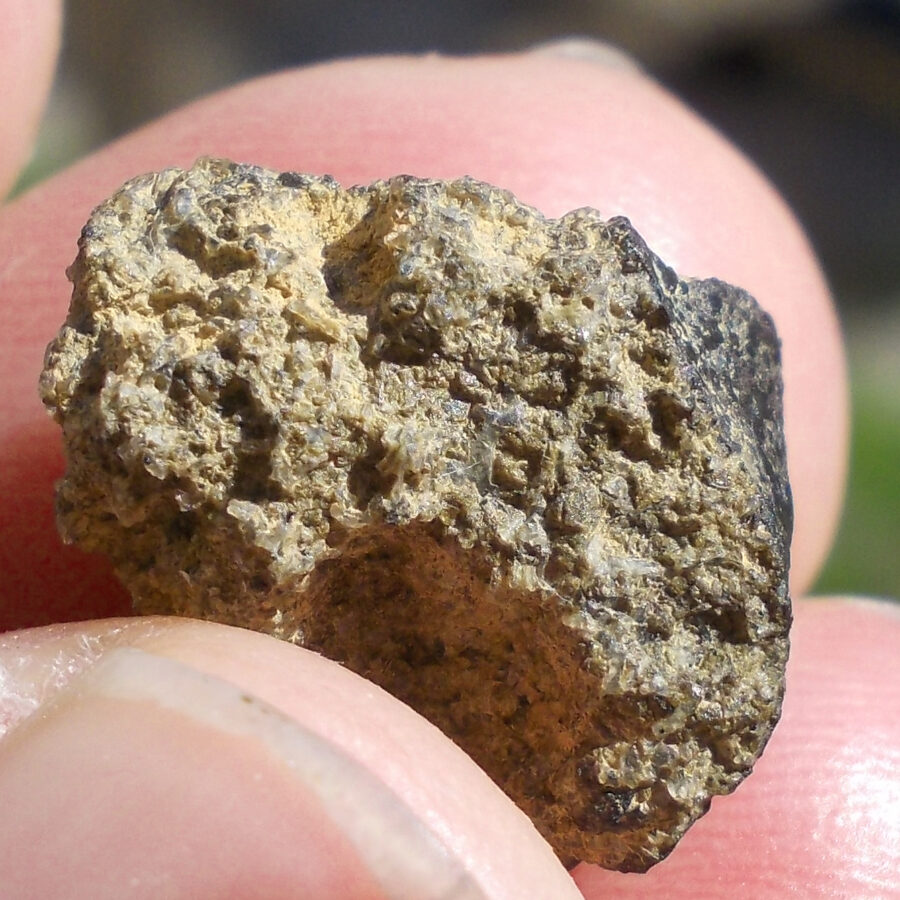
SAHARA 97030 LL5/6 #2 – 7,1 g
18,00€SAHARA 97030 is a chondrite meteorite that was discovered in the Sahara in 1997 at the very beginning of the search for meteorites in hot deserts.

 Out of stock
SAHARA 97030 is a chondrite meteorite that was discovered in the Sahara in 1997 at the very beginning of the search for meteorites in hot deserts.
 Out of stock
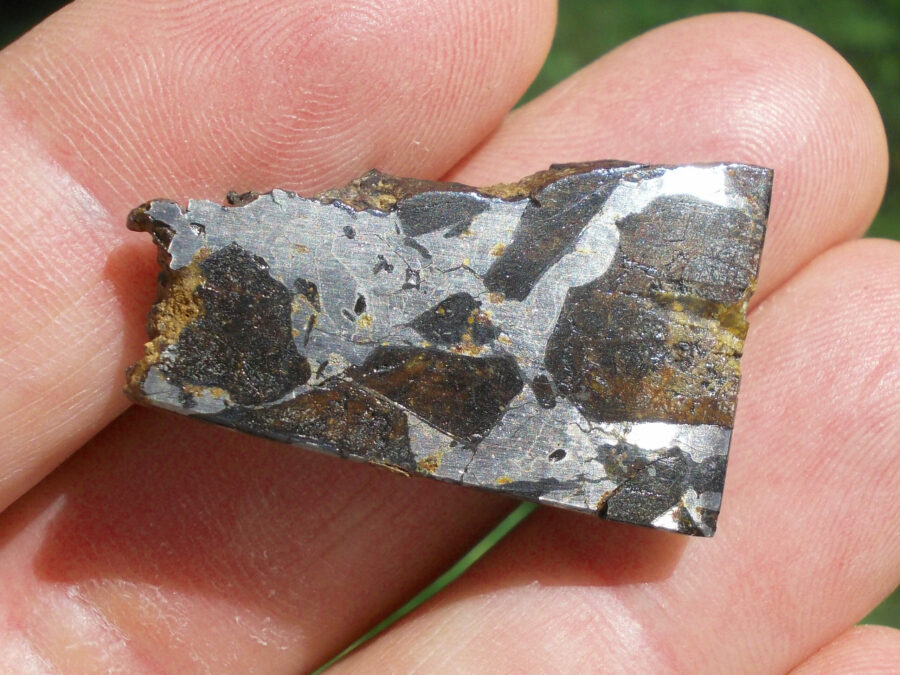
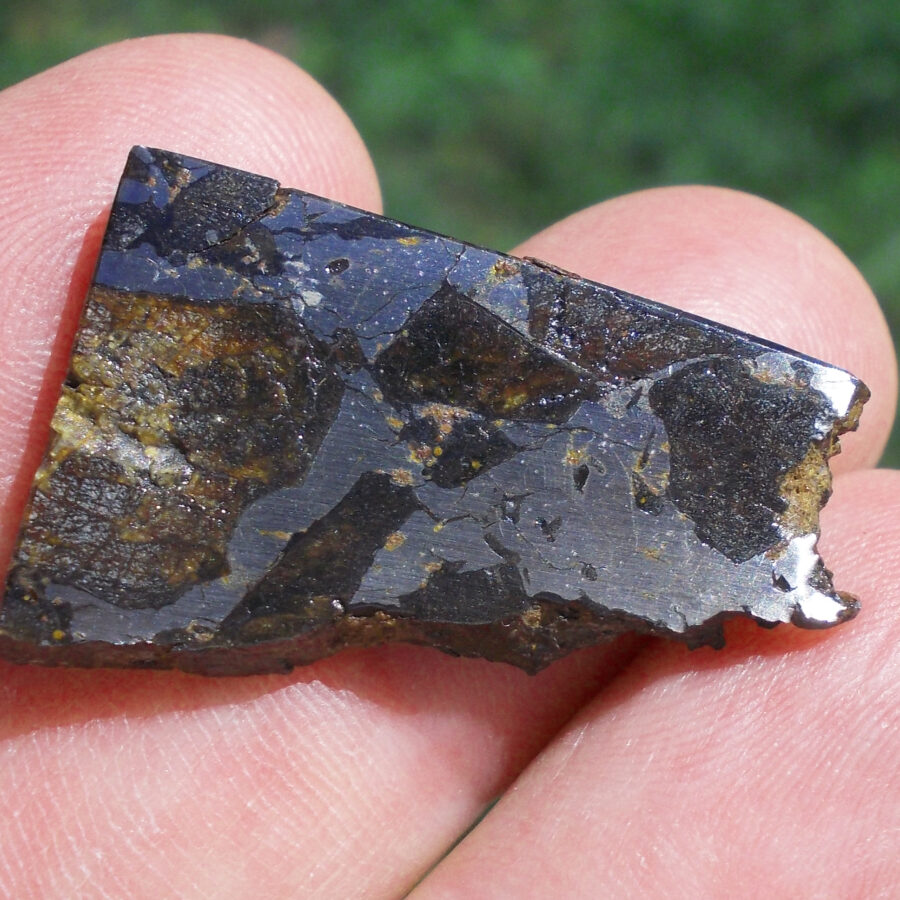
Huckitta is part of the pallasite group. Pallasites are certainly the most aesthetic group of meteorites that we know.
This meteorite discovered in Australia in 1924 is an anomalous type of pallasite, it has some unusual properties of other pallasites.
A very nice acquisition for your collection !
Rare in slice of this quality.
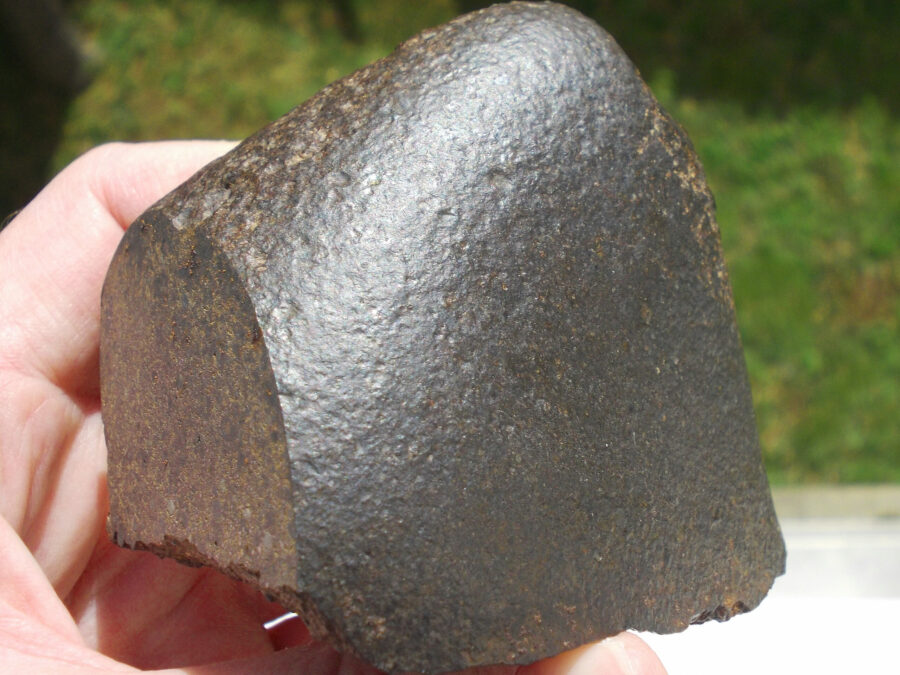
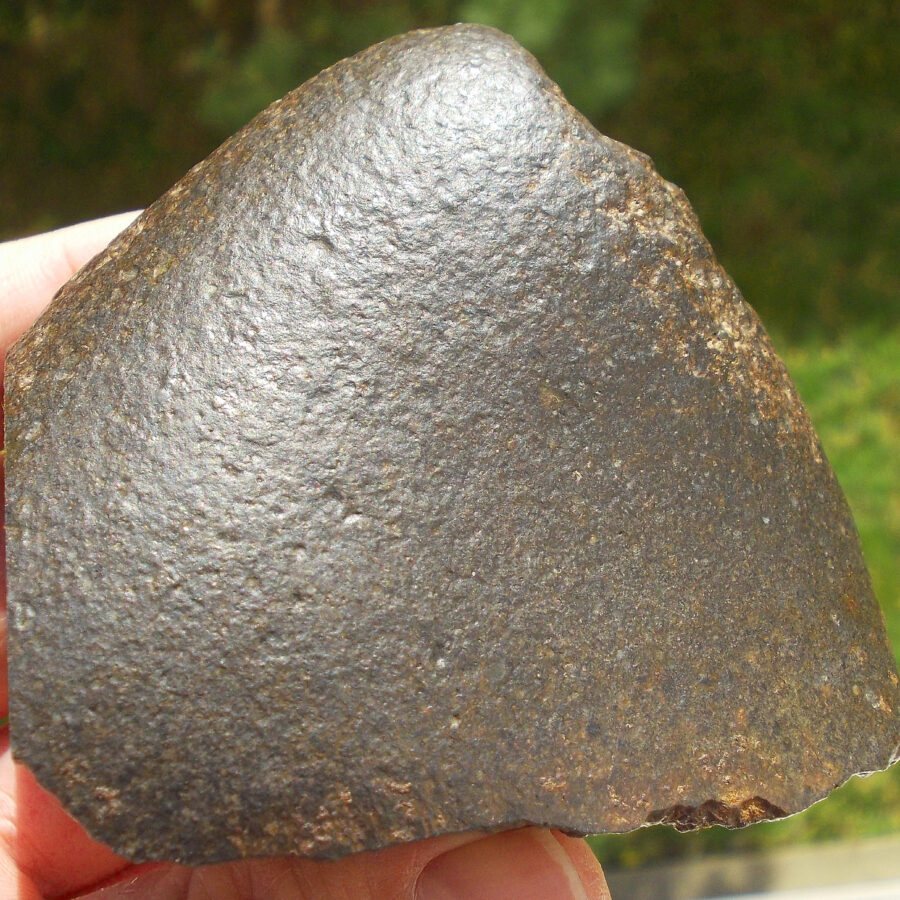
Tichiya 002 is an ordinary chondrite type H5. It was found in 2019 by Lahcen Hamdan in Western Sahara.
I am selling the main mass of 612 grams, a very nice piece.
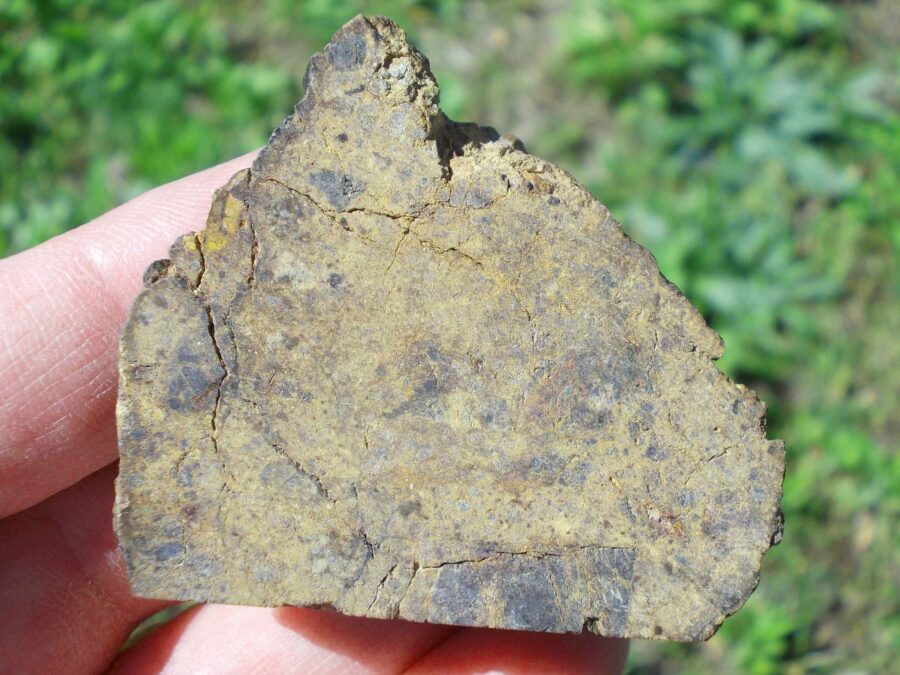
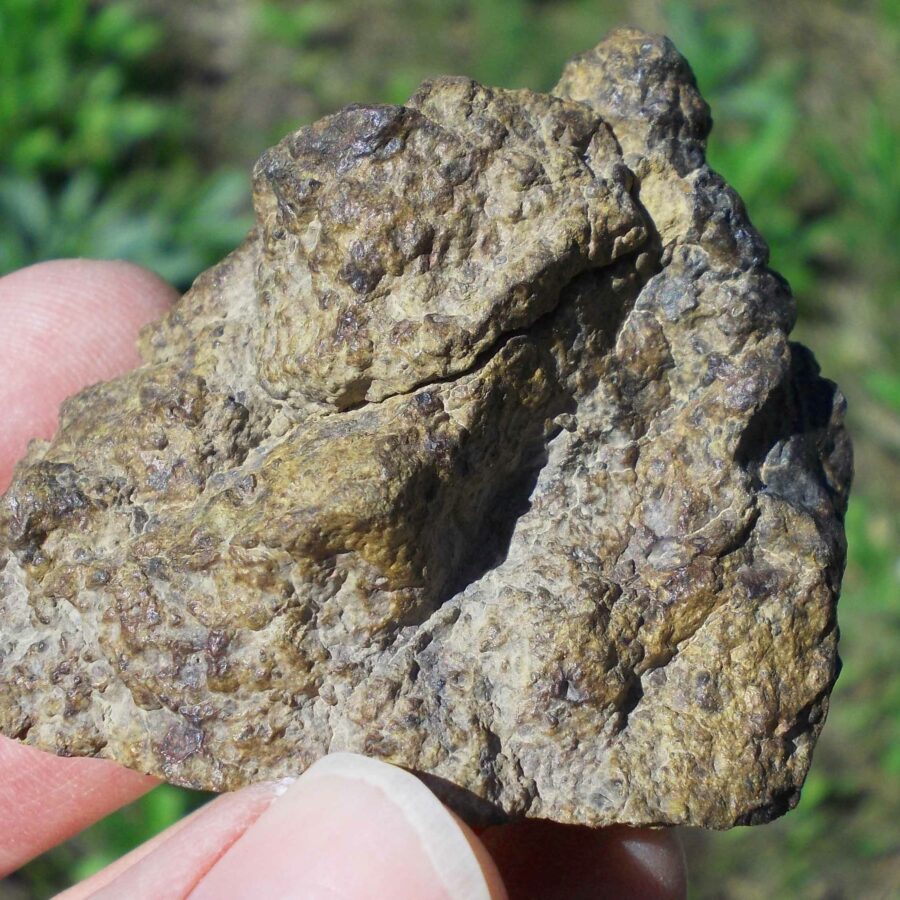
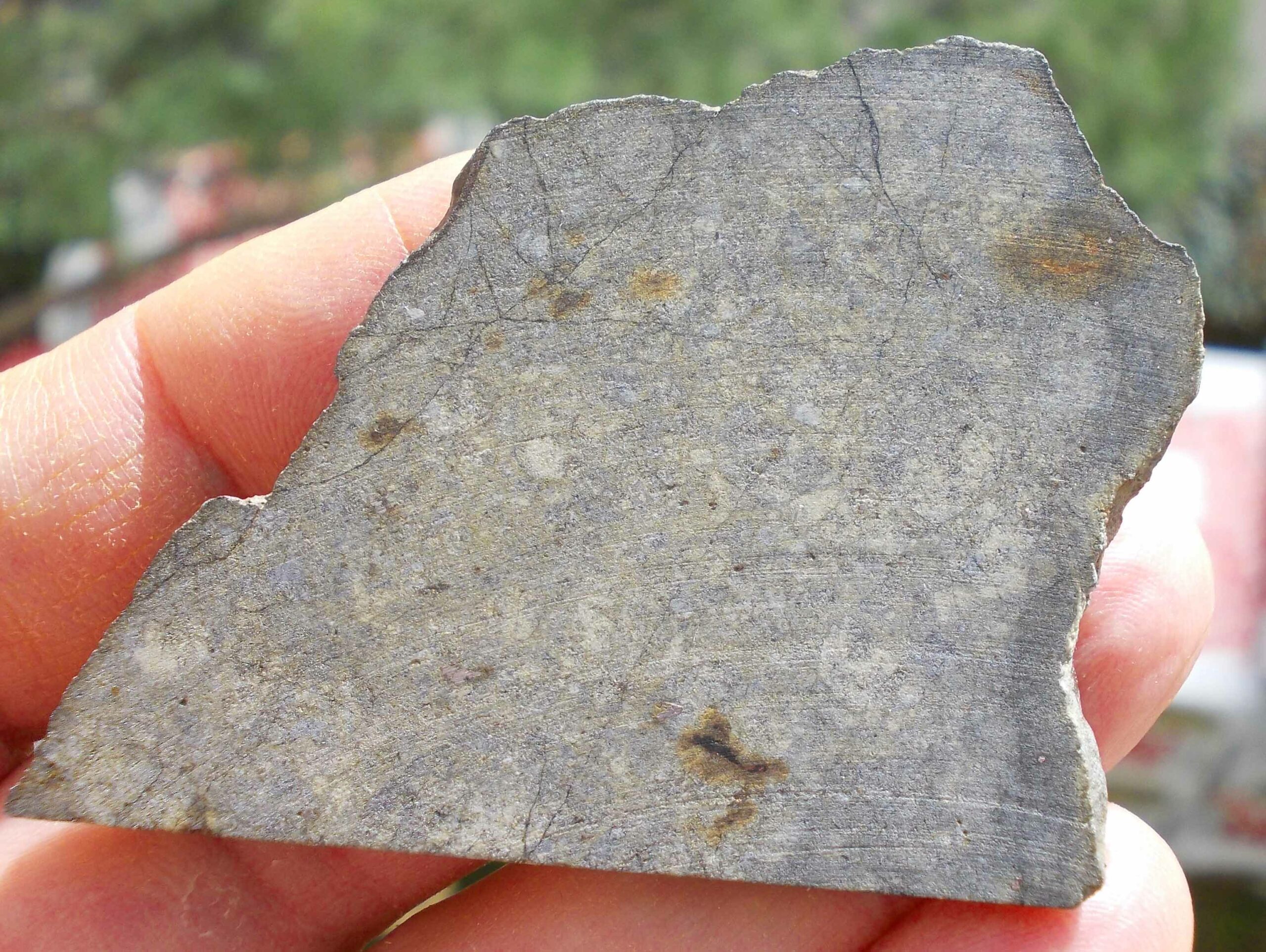
NWA 6306 is a meteorite of type LL6 bought in Ensisheim in 2009.
It was classified at the Natural History Museum in Berlin by Dr. Ansgar Greshake.
This is the first meteorite I had classified.
| Mass (g) : | 346 |
| Pieces : | 1 |
| Class : | LL6 |
| Shock stage: | S2 |
| Weathering grade : | W1 |
| Fayalite (mol%) : | 29.8 |
| Ferrosilite (mol%) : | 24.6 |
| Classifier : | A. Greshake, MNB |
| Type spec mass (g ): | 20.4 |
| Type spec location : | MNB |
| Main mass : | Jean Redelsperger |
| Comments : | Submitted by Ansgar Greshake |
 Out of stock
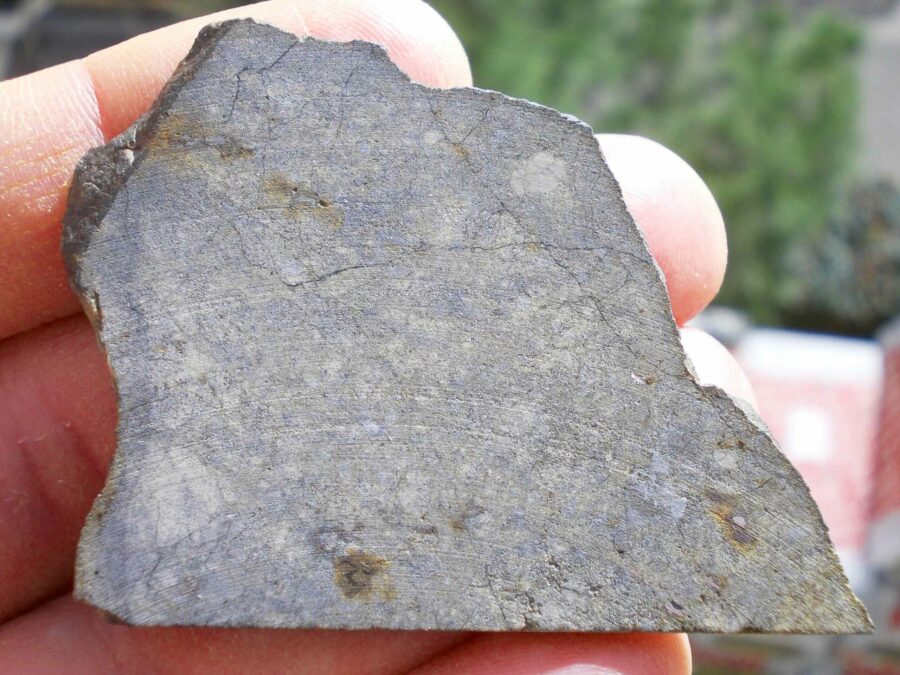
NWA 7856 is an iron-poor chondrite type LL6.
 Out of stock
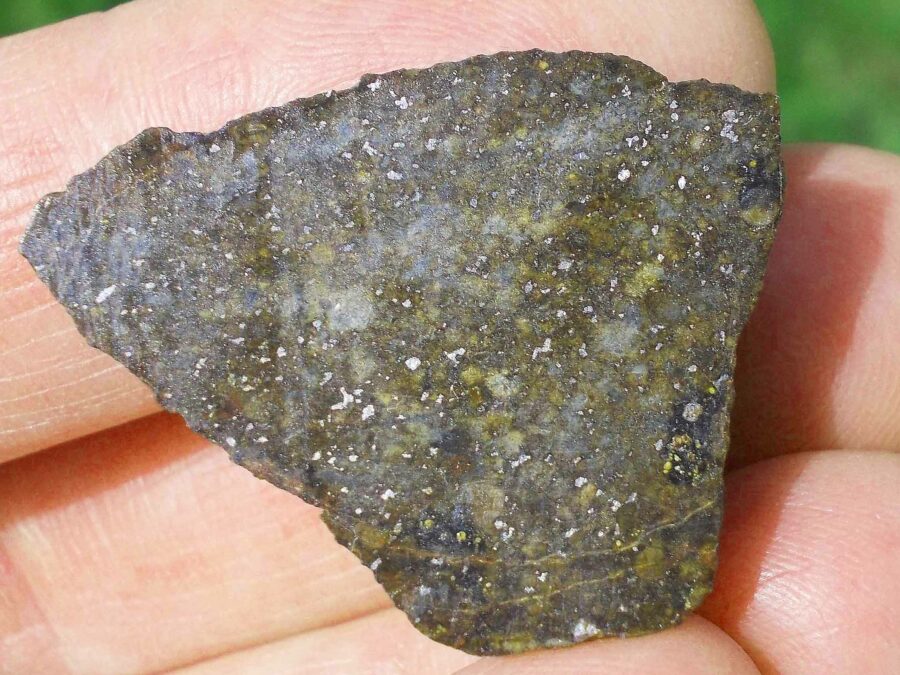
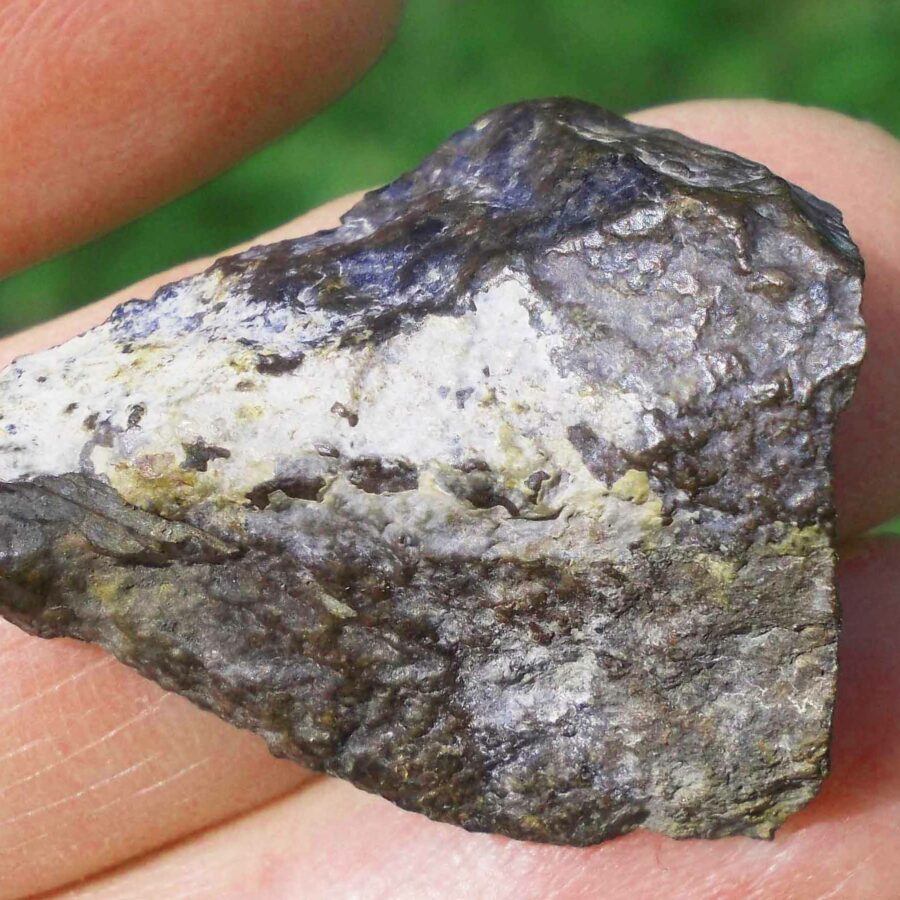
SAHARA 97030 is a chondrite meteorite that was discovered in the Sahara in 1997 at the very beginning of the search for meteorites in hot deserts.
 Out of stock
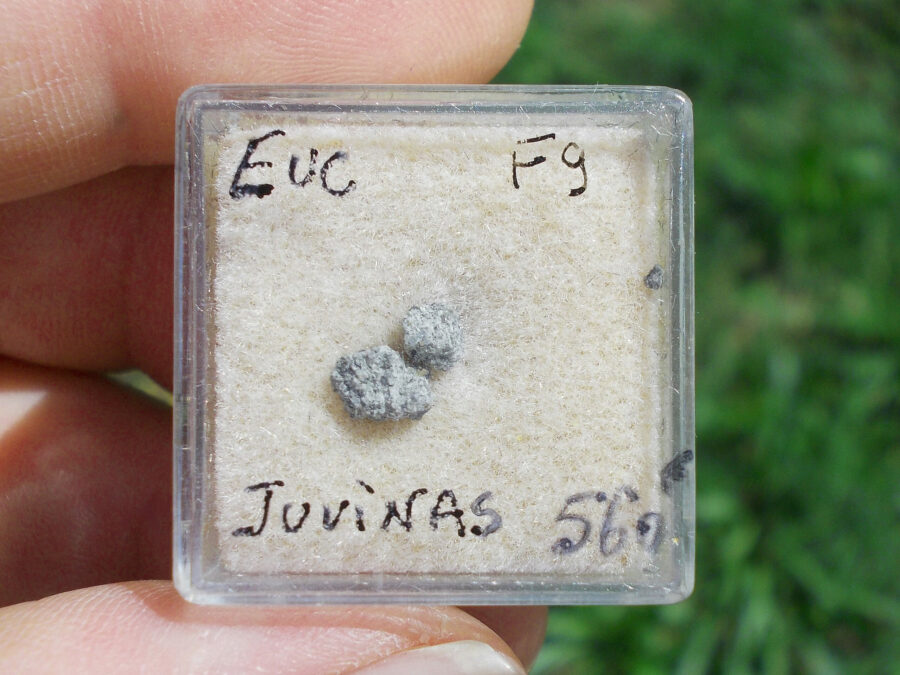
Juvinas is a meteorite that fell on June 15, 1821 near the village of Juvinas in France.
This historical meteorite of a total weight of 91 kg is of achondrite eucrite type.
 Out of stock
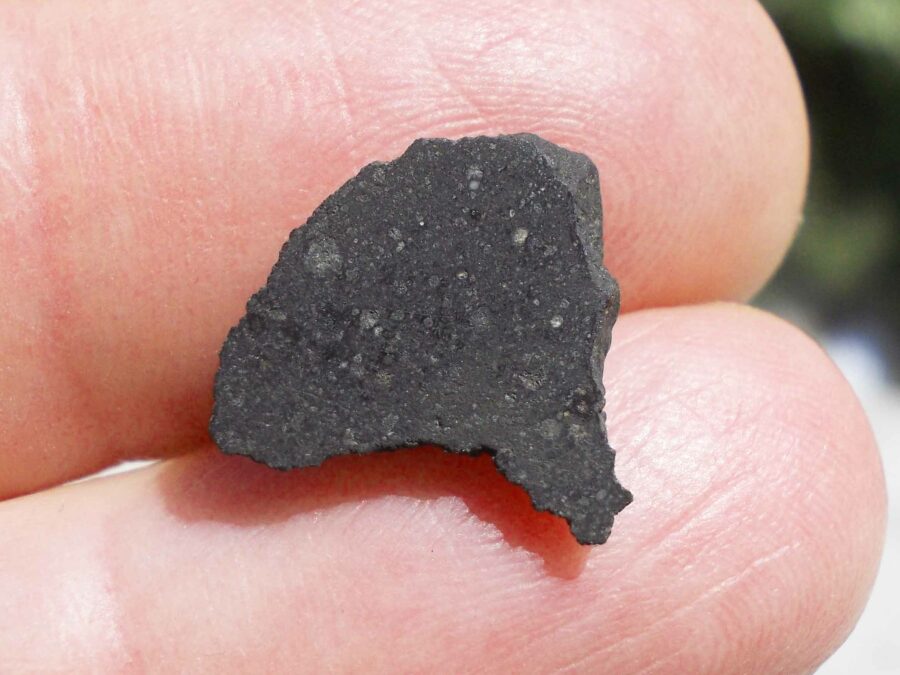
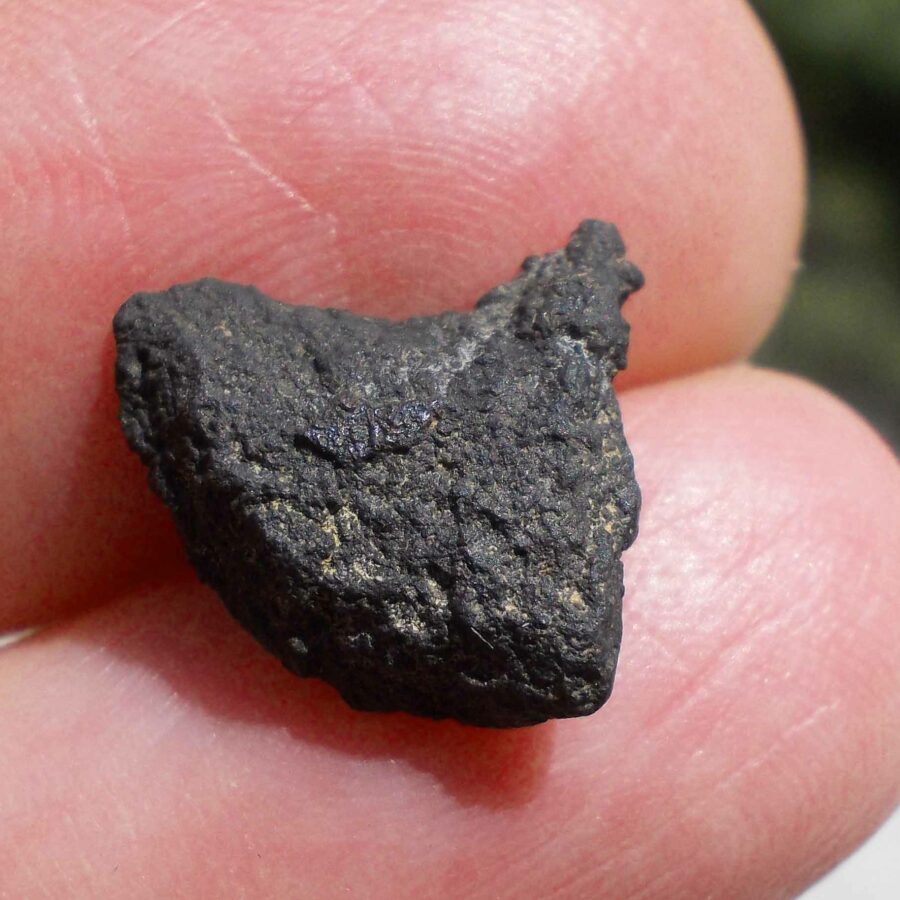
Chwichiya 002 is an ordinary carbonaceous chondrite of type C3.00 ungrouped, it is the most primitive type that has ever been found in this date, it has not undergone any hydrated phase and no heating before its expulsion from the parent body.
This meteorite is perhaps one of the most important meteorites of all times, no doubt that the knowledge of our solar system will advance thanks to it.
It was discovered in the Western Sahara.
A must for a collection!
 Out of stock
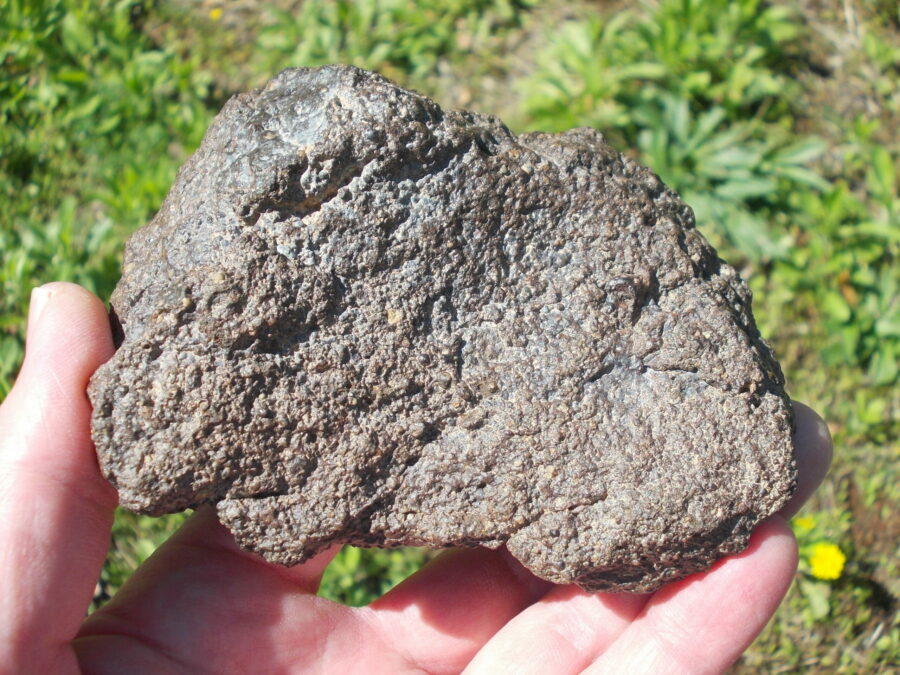
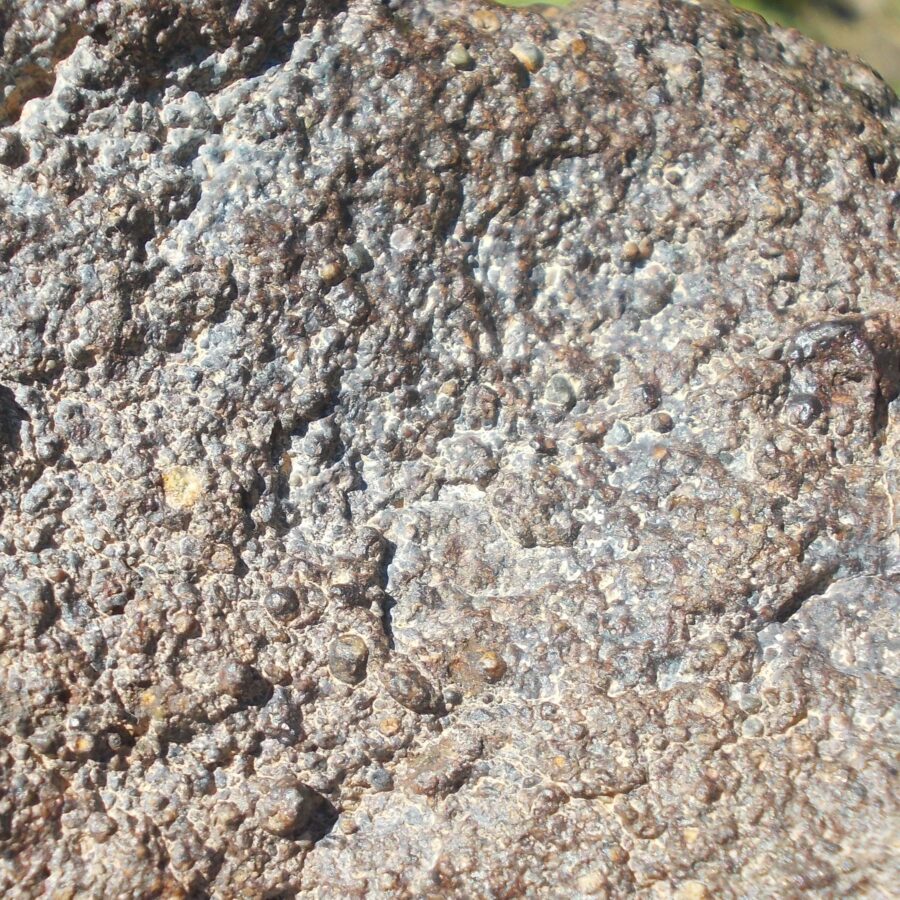
Wad al Fayda 001 was discovered in 2018 by Lahsen Oussalah in the Western Sahara between Guelta Zemour and Oum Dreyga.
Scientific analysis conducted by Anthony Love determined that it is a CR2 type carbonaceous meteorite.
The price of this type of meteorite has decreased significantly, since in 2001 it could go up to 200 dollars per gram.
It is a rare type of meteorite on the market.
Comes with certificate.
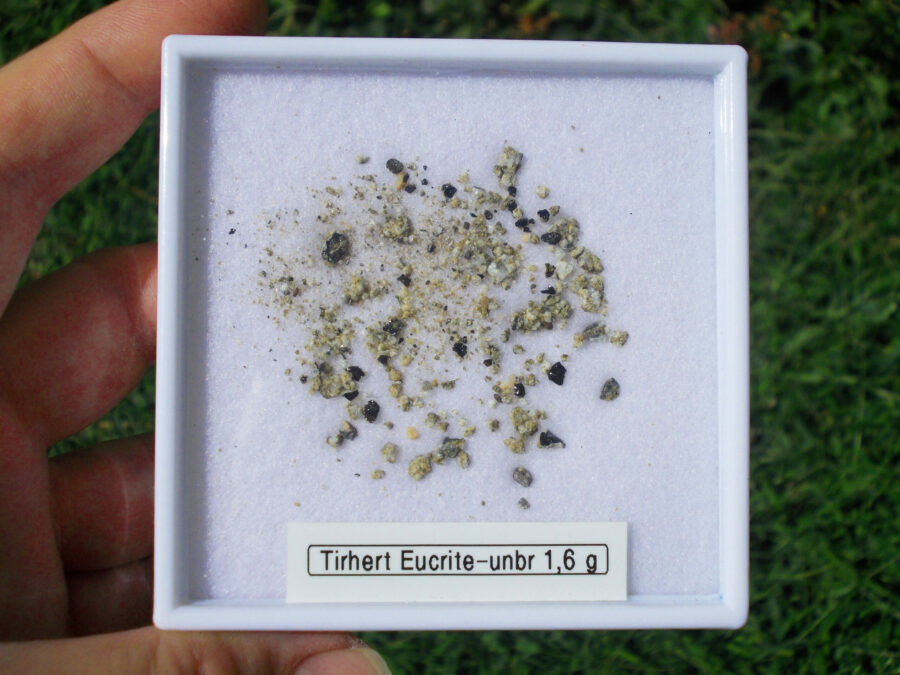
Tirehrt is a meteorite that fell in Morocco in 2014 in the region of Guelmim.
It has been classified as a eucrite meteorite, more precisely as a unbrecciated gabbroic eucrite.
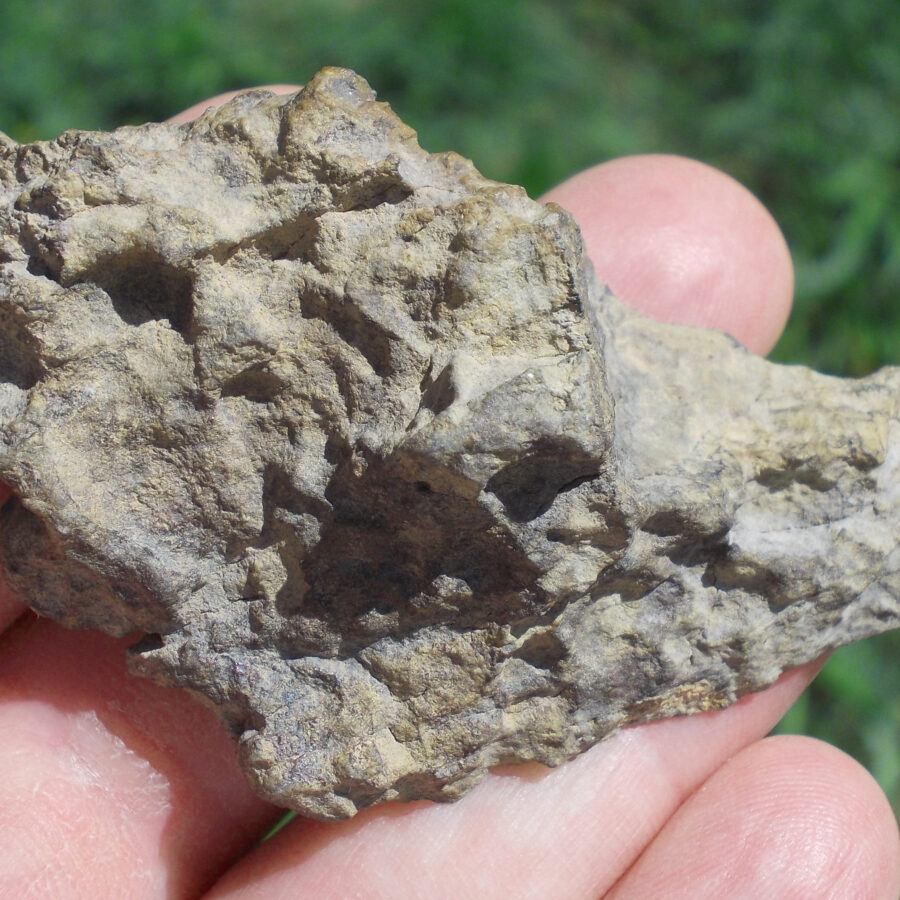
The fusion crust of this meteorite is particularly bright.
In April 2013, I prospect for meteorites in Morocco with a group of friends.
After an unsuccessful search for the Martian meteorite NWA 7397, we met a group of meteorite hunters who took us to the site of a new meteorite discovery on April 18.
The day before, a meteorite of 219 grams was found, the meteorite hunters thought at first that this meteorite was a lunar meteorite.
It finally turns out that this meteorite is not a lunar meteorite but an eucrite.
Other fragments will be discovered later including the supposed main mass (332.85 grams) on April 24, 2013 by Lahcen Oukhouya meteorite hunter and native of Smara.
I was able to acquire the main mass of this fall, as well as 8 other fragments through Ali Oulmaleh (meteorite dealer in Erfoud) and Mohamed Elguirah (meteorite hunter in Tan Tan).
This meteorite was found 120 km northeast of Laayoune in the Western Sahara, in a place called Chwichiya (little fez) in reference to the mountain seen in this region in the shape of a fez.
Chwichiya is an area rich in meteorites, and in particular achondrites, 4 different achondrites have been discovered within a radius of 6 kilometers!
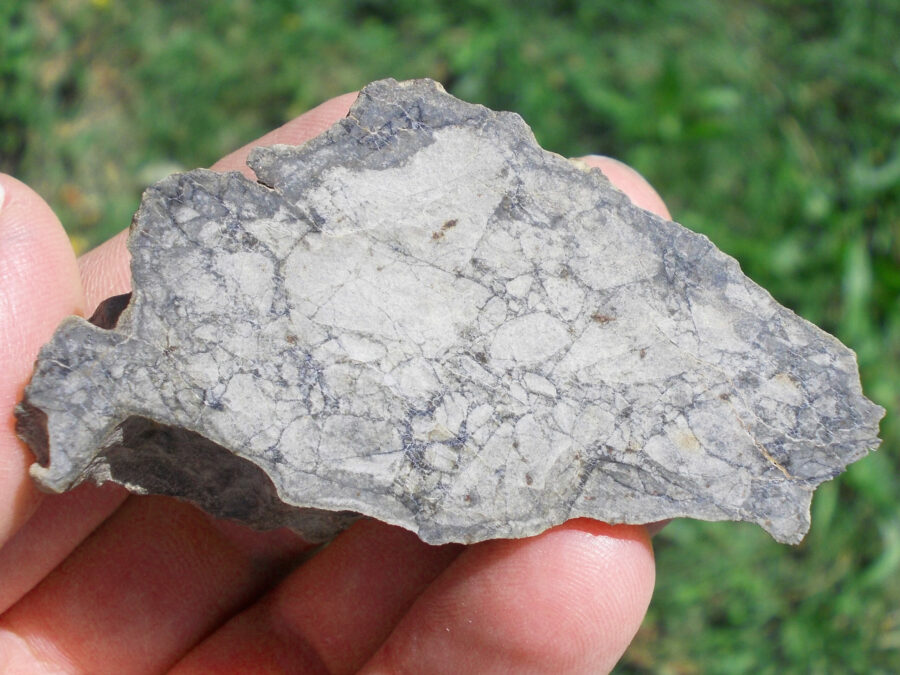
This meteorite is a brecciated eucrite, composed of 11 pieces for a total of 1038 grams. This meteorite has the particularity to have two different textures.
Petrography: Breccia with coarse basaltic clasts in a fine-grained matrix. The matrix has a doleritic texture with plagioclase grain size of several mm. Dominant minerals are exsolved pyroxene and mm-sized calcic plagioclase laths. Minor phases include chromite, silica, Ca-Phosphate, troilite and metal.
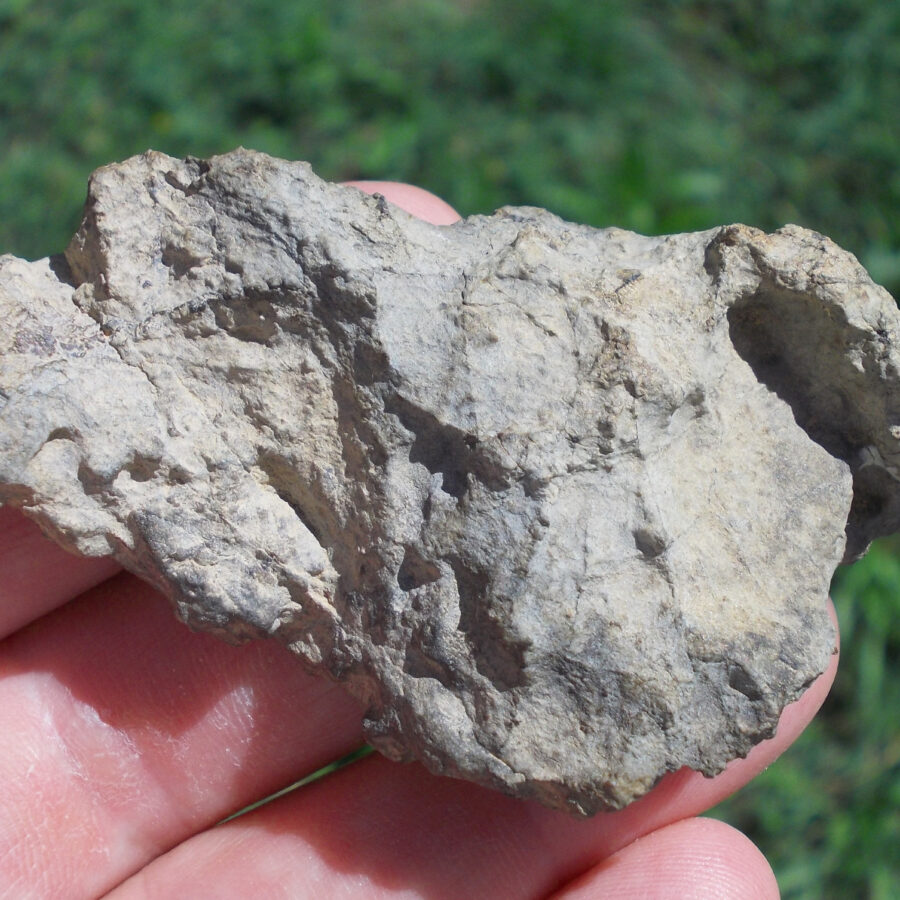
In April 2013, I prospect for meteorites in Morocco with a group of friends.
After an unsuccessful search for the Martian meteorite NWA 7397, we met a group of meteorite hunters who took us to the site of a new meteorite discovery on April 18.
The day before, a meteorite of 219 grams was found, the meteorite hunters thought at first that this meteorite was a lunar meteorite.
It finally turns out that this meteorite is not a lunar meteorite but an eucrite.
Other fragments will be discovered later including the supposed main mass (332.85 grams) on April 24, 2013 by Lahcen Oukhouya meteorite hunter and native of Smara.
I was able to acquire the main mass of this fall, as well as 8 other fragments through Ali Oulmaleh (meteorite dealer in Erfoud) and Mohamed Elguirah (meteorite hunter in Tan Tan).
This meteorite was found 120 km northeast of Laayoune in the Western Sahara, in a place called Chwichiya (little fez) in reference to the mountain seen in this region in the shape of a fez.
Chwichiya is an area rich in meteorites, and in particular achondrites, 4 different achondrites have been discovered within a radius of 6 kilometers!
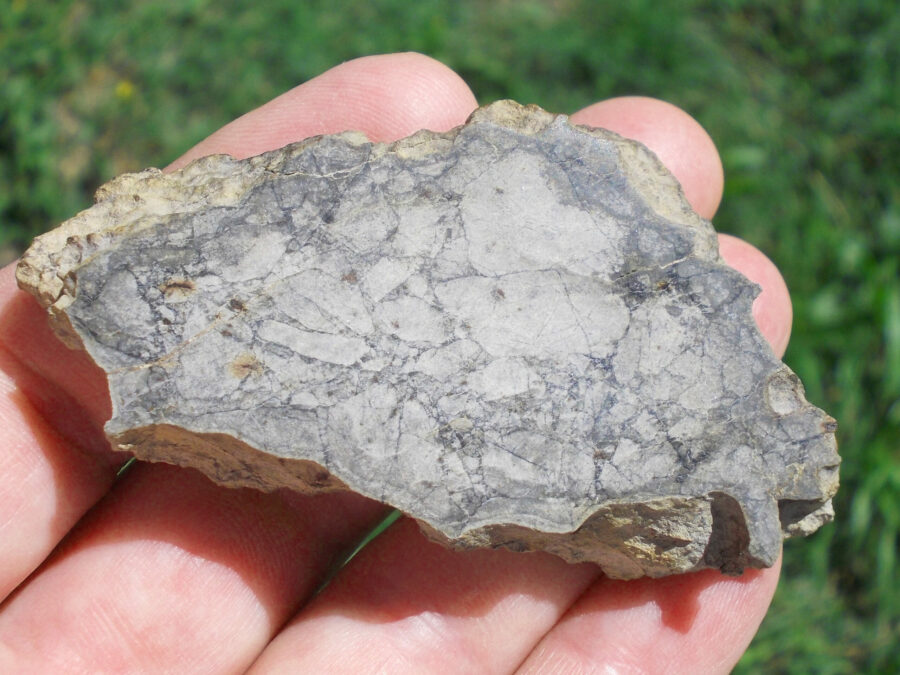
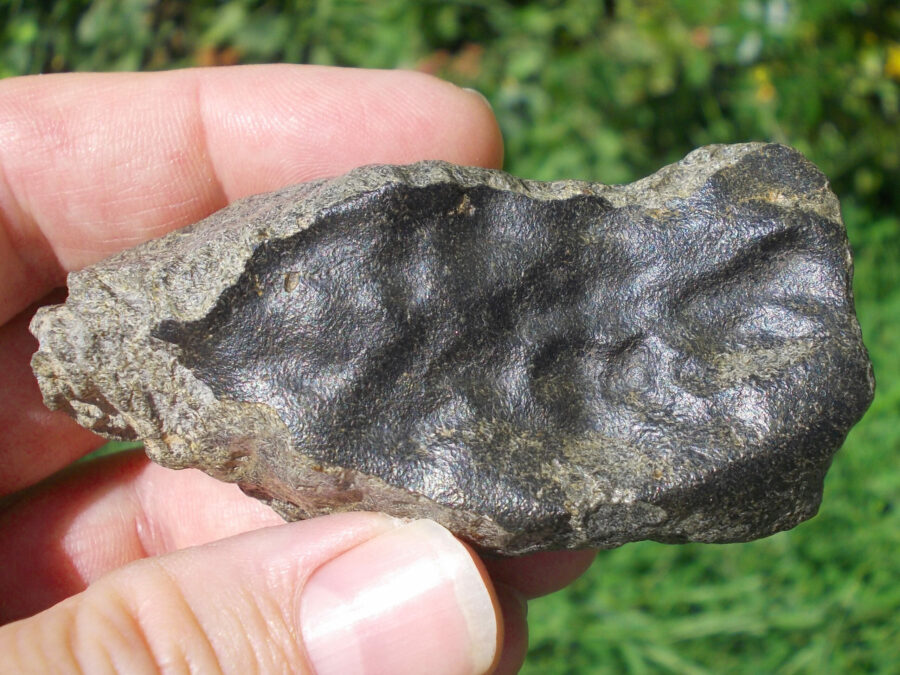
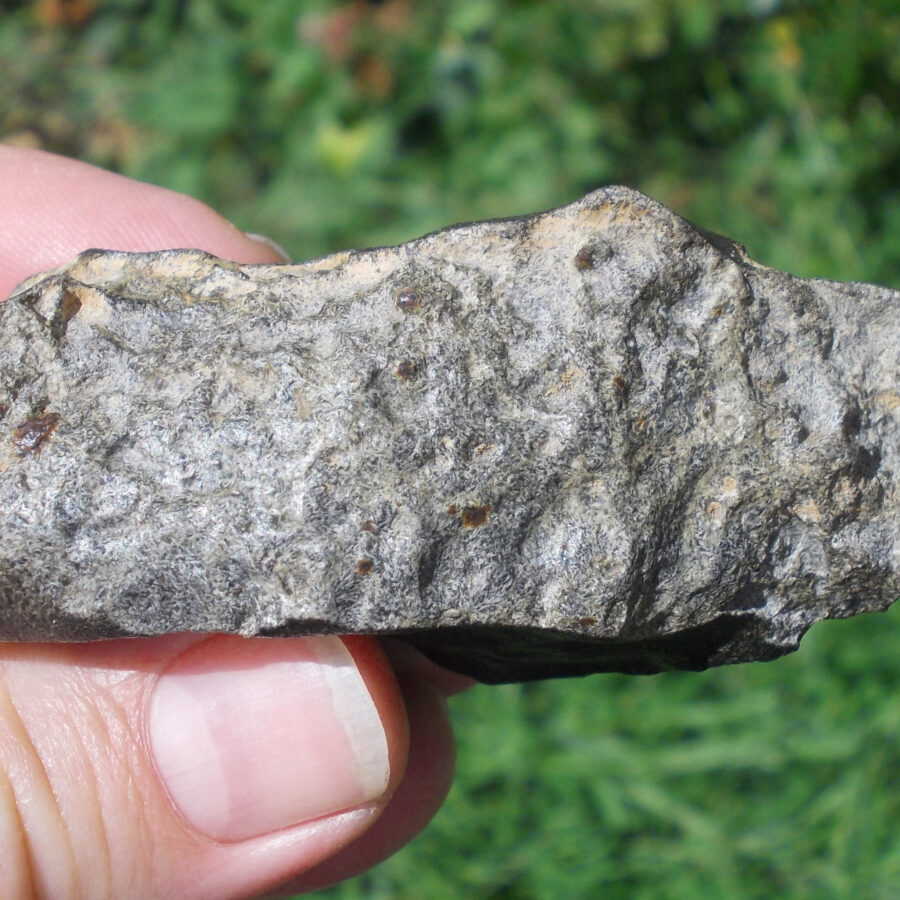
This meteorite is a brecciated eucrite, composed of 11 pieces for a total of 1038 grams. This meteorite has the particularity to have two different textures.
Petrography: Breccia with coarse basaltic clasts in a fine-grained matrix. The matrix has a doleritic texture with plagioclase grain size of several mm. Dominant minerals are exsolved pyroxene and mm-sized calcic plagioclase laths. Minor phases include chromite, silica, Ca-Phosphate, troilite and metal.
 Out of stock
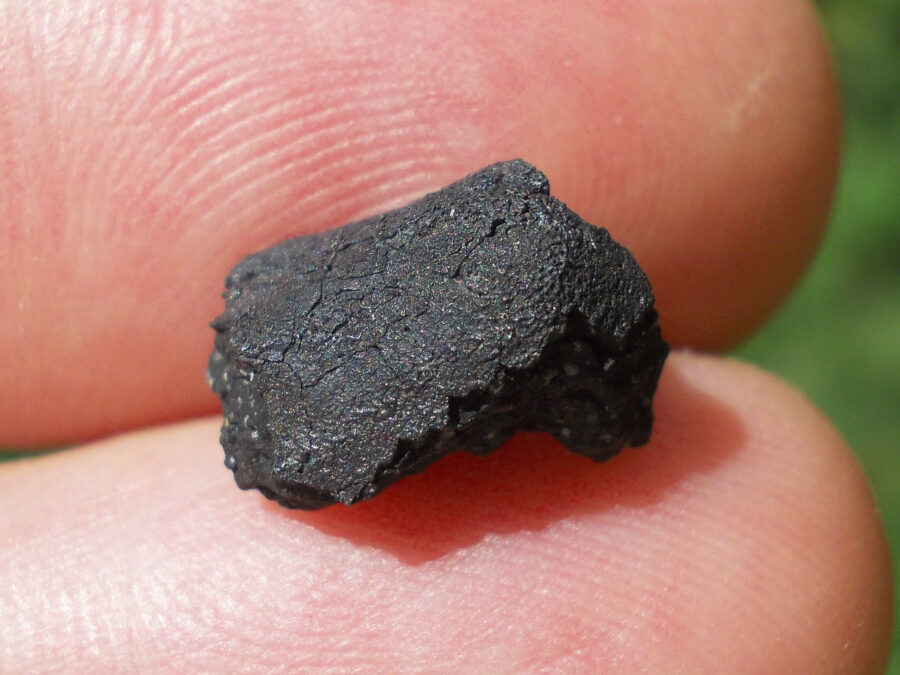
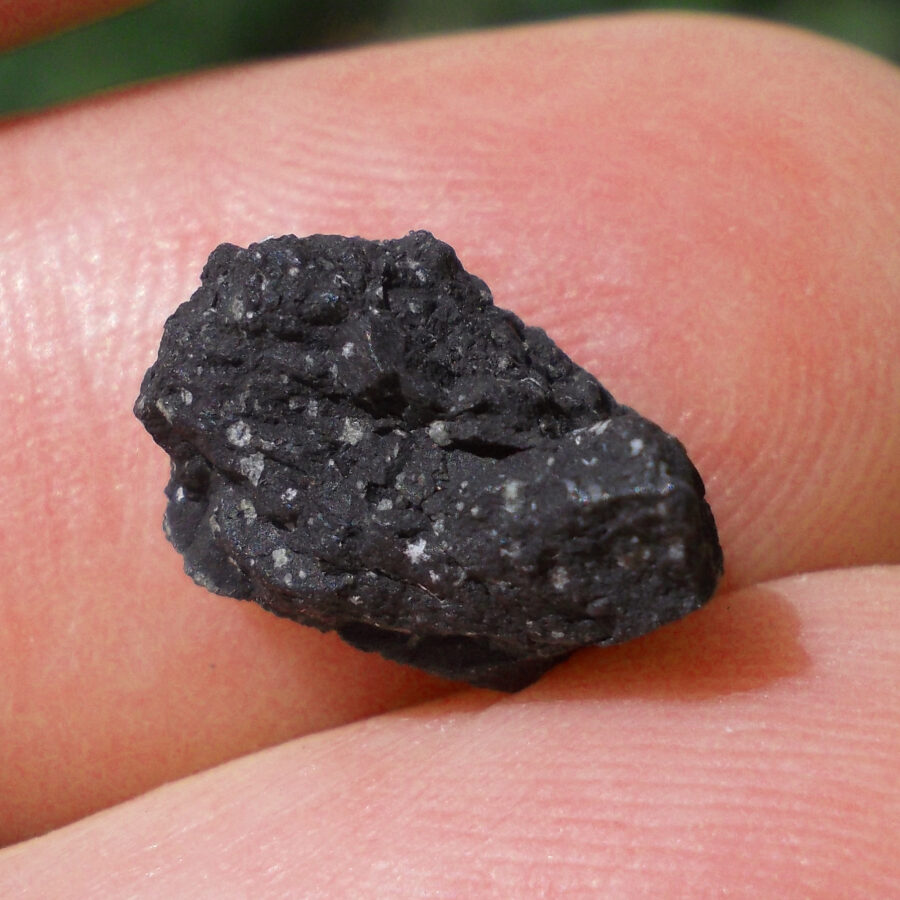
AYDAR 002 is a fresh meteorite classified as brecciated eucrite.
It was discovered in the Western Sahara in a place called Afra valley.
Several kilograms of this meteorite were found in a very large area.
 Out of stock
TARDA is a meteorite that fell in Morocco on August 25, 2020.
This meteorite has been classified as C2 ungrouped, a rare type of very primitive carbonaceous.
Tagish lake is a meteorite of the same type and sells for over 1000 euros per gram.
This meteorite is composed of many very small fragments, beautiful pieces with crusts are rare.
Isotopic analyses show that some pieces have values close to CI chondrites, and other pieces have Yamato (CY) values..
An important meteorite at the scientific level in the years to come.
Writeup from MB 109:
Tarda 31° 49′ 35″N, 4° 40′ 46″W
Morocco
Confirmed fall: 2020
Classification: Carbonaceous chondrite (C2, ungrouped)
Classification : (C. Agee, UNM; K. Ziegler, UNM; A. Irving, UWS; L. Garvie, ASU; D. Sheikh, FSU; P. Carpenter, WUSL; H. Chennaoui Aoudjehane, FSAC; M. Zolensky, JSC; P. Schmitt-Kopplin, HZM) Carbonaceous chondrite (C2-ungrouped). The bulk mineralogy is consistent with a petrologic grade 2, based on the predominance of smectite and serpentine together with the presence of anhydrous mafic silicates, AOA, and chondrules. The oxygen isotopes give a bimodal distribution of the δ18O-values, with one group having values somewhat like those of the CI chondrites, and the other group like values for the Yamato-type (CY) carbonaceous chondrites (King et al., 2019). However, Δ17O values are lower than those for CI and CY chondrites, and plot below the TFL. These isotopic values do not overlap with those of any established carbonaceous chondrite group, hence the ungrouped designation.
Specimens : 18.4 g including one polished thin section and one polished thick section at UWB; 21g and one polished thin section at UNM; 7 g provided by A. Aaronson and 6 g provided by J. Redelsperger at FSAC; 20 g at the Ministry of Energy, Mines and Environment, Rabat, Morocco provided by A. Aaronson; total 628 g with A. Aaronson (including 99 g, 82.4 g and 52.6 g stones); 540 g with M. Farmer and A. Karl, 260 g with J. Poblador; 480 g with D. Dickens; 145 g with M. Oulkouch; 146 g with J. Redelsperger; 31 g with B. Hoefnagels.
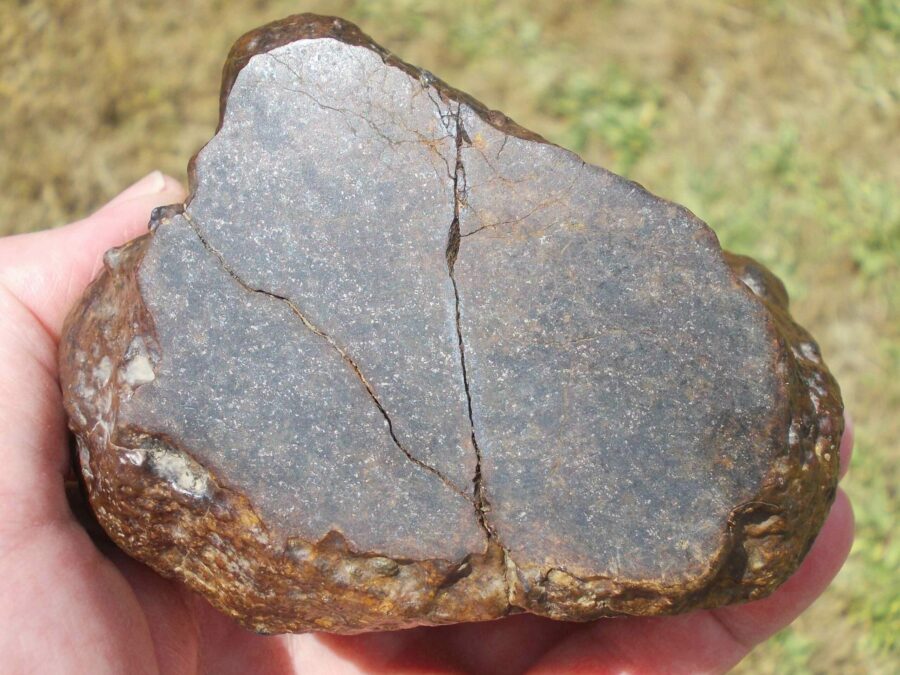
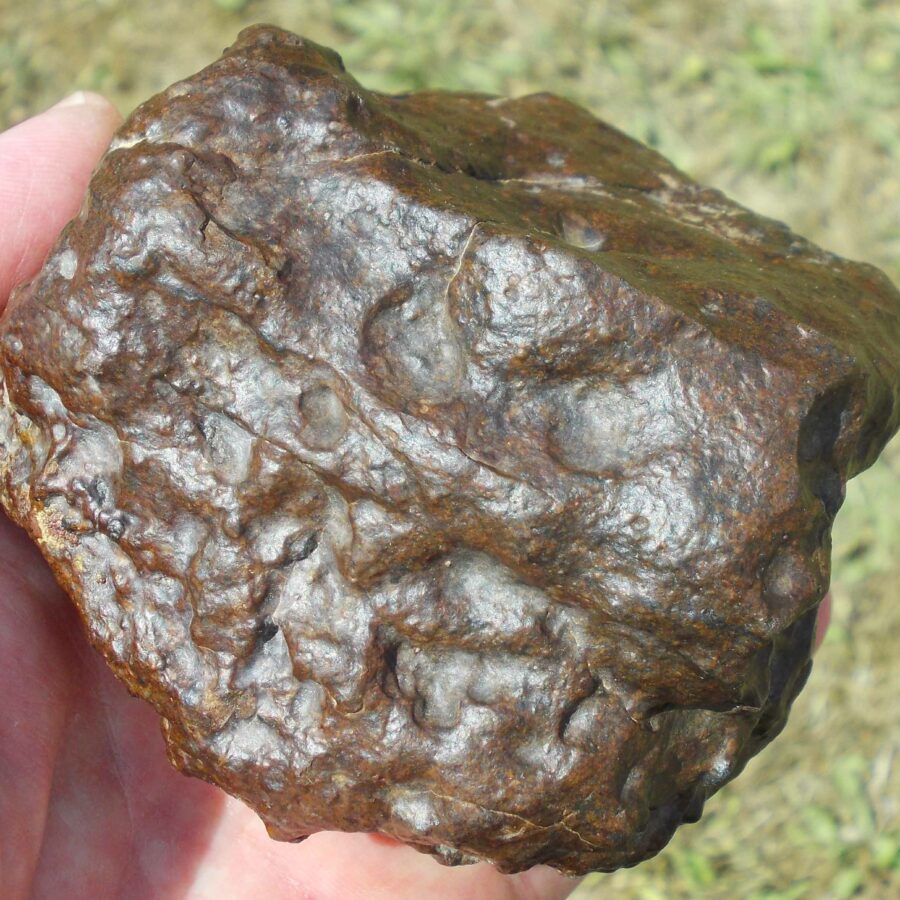
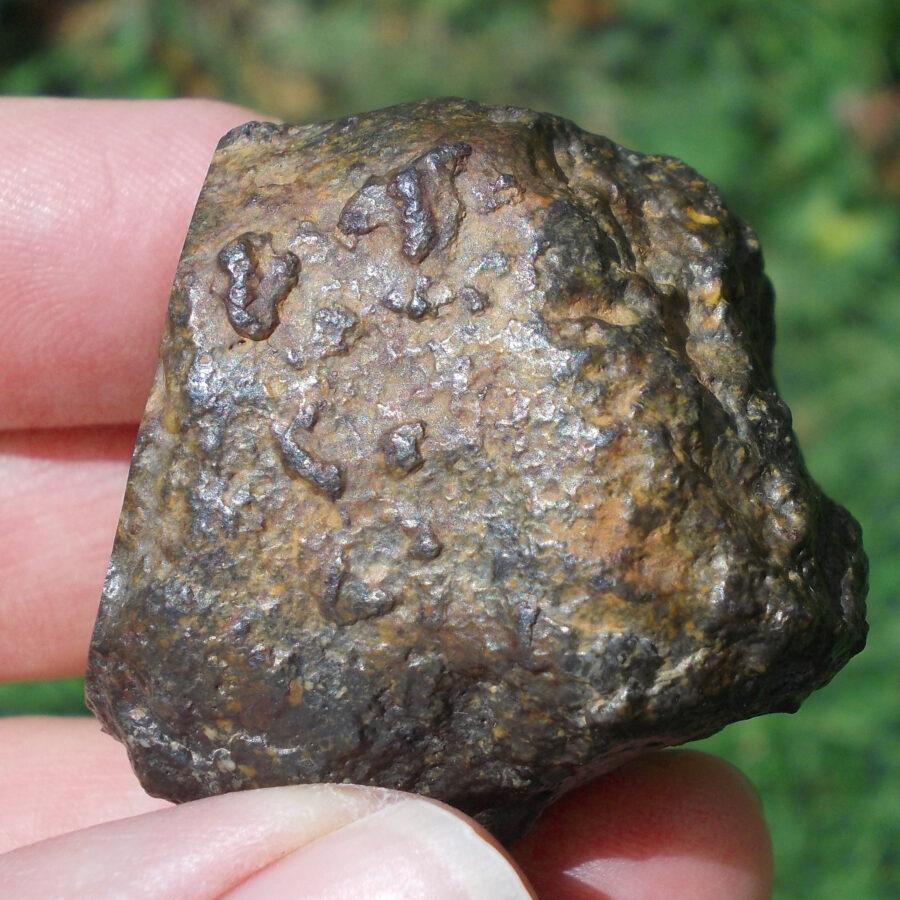
NWA 14820 is a meteorite of 1260 grams discovered in Mauritania in 2021.
This meteorite has been classified chondrite type L6 by Jérôme Gattacceca scientist at Cerege in Aix-en-Provence.
I am selling the main mass with a weight of 1077 grams, a piece with a nice patina.
 Out of stock
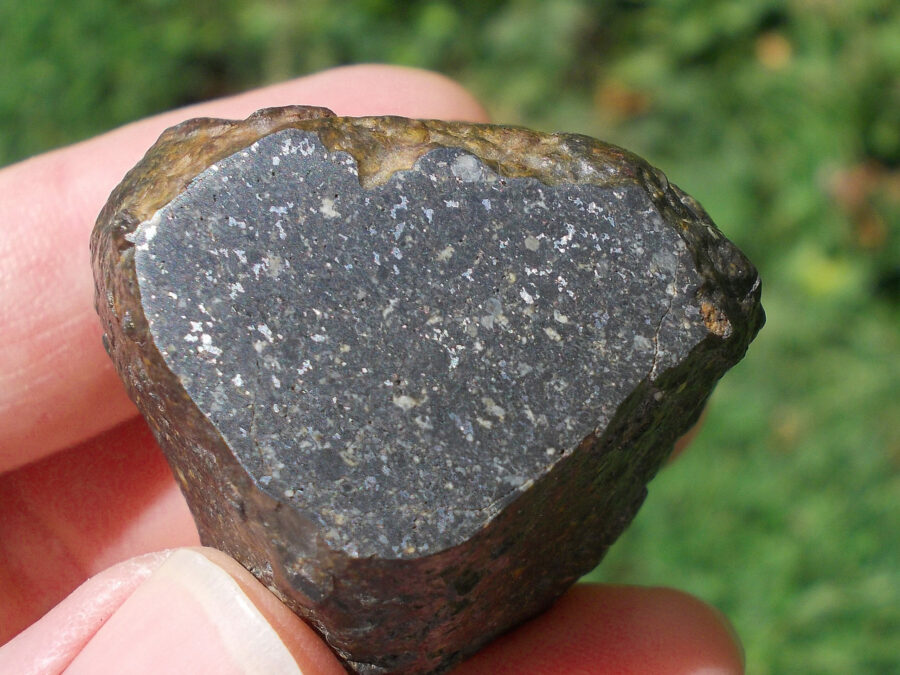
El Arouss and a meteorite that has been analyzed as a rare L-IMB.
This meteorite was discovered in the Sahara in 2000 by the famous meteorite hunter Michel Franco.
An interesting meteorite to have in your collection !
 Out of stock
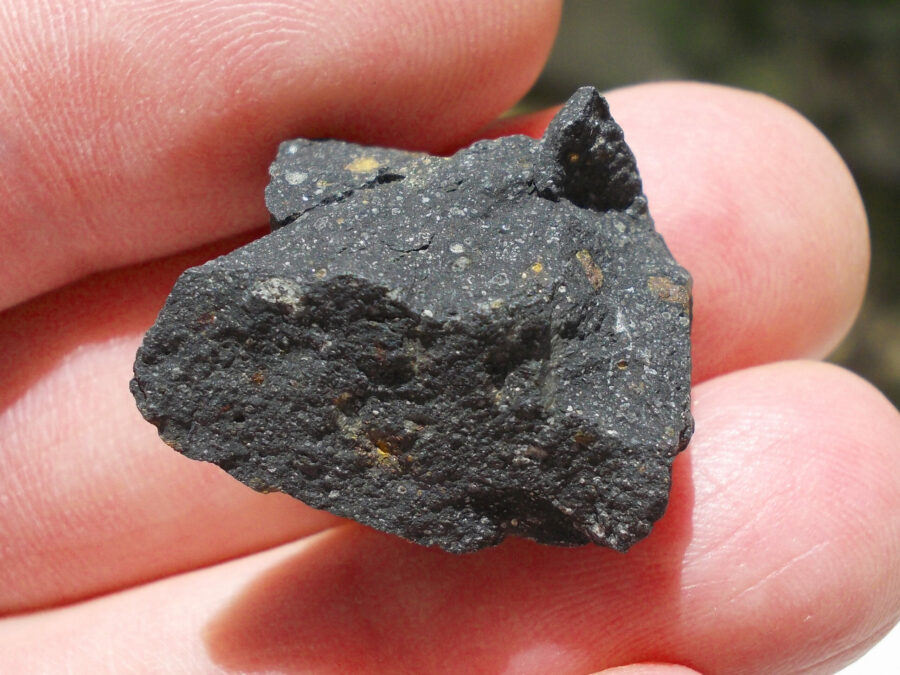
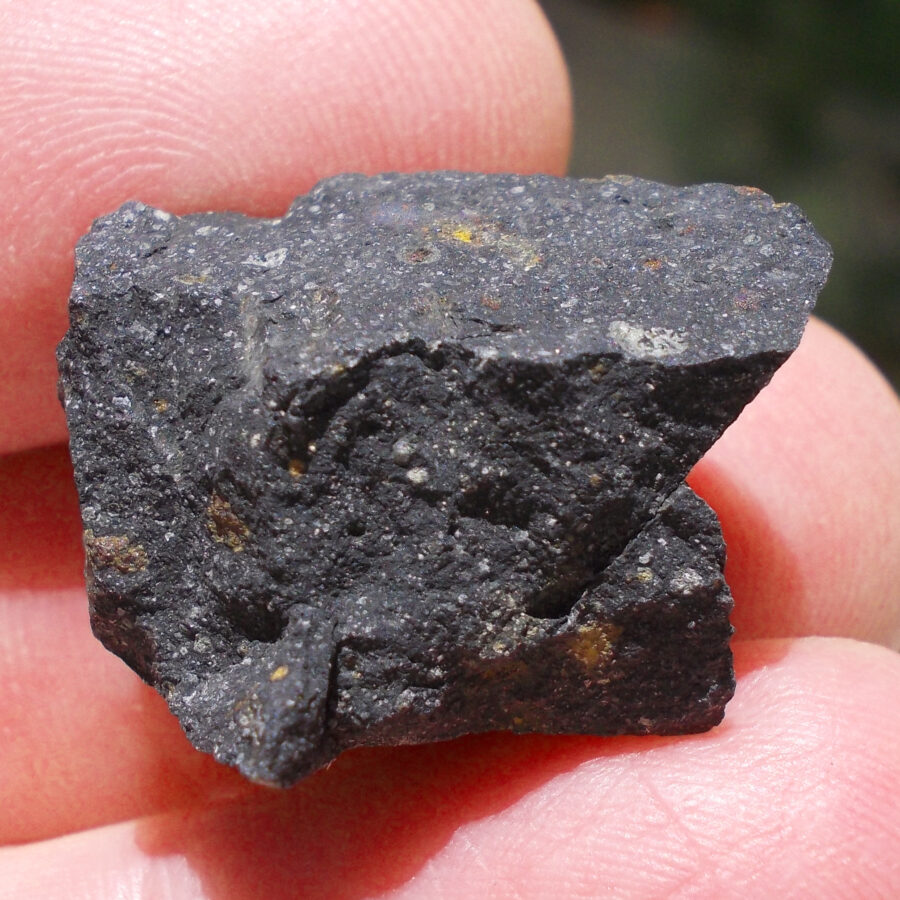
Murchison is a meteorite that fell on September 28, 1969 near the village of Murchison, Australia, about 100 km north of Melbourne.
Following the discovery in 2022 in this meteorite of two organic molecules, cytosine and thymine, entering in the composition of DNA and RNA, the debate of the panspermia is relaunched.
Panspermia is a theory about the origin of life that suggests that the seeding of the Earth would come from germs wandering in the cosmos or brought by meteorites or comets.
Even if about 100 kg have been found, this mythical meteorite is now difficult to find on the market.
 Out of stock
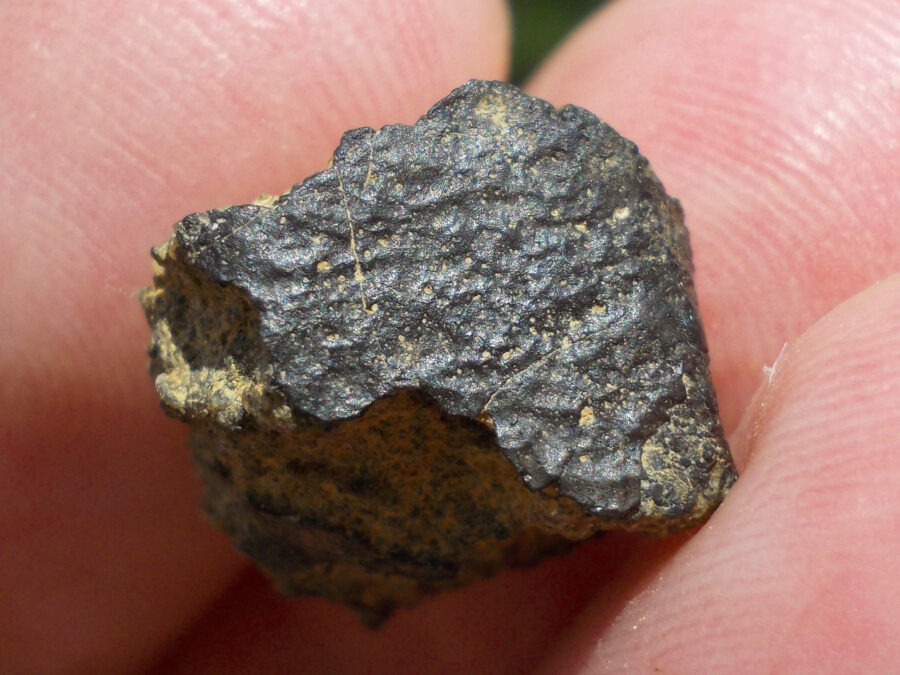
NWA 7397 is a Martian meteorite of the shergottite type, it was discovered in the mythical concentration zone of Chwichiya in Morocco.
The piece for sale is of great quality and has a fusion crust.
The price of Martian meteorites is only increasing, they have become rarer than lunar meteorites.