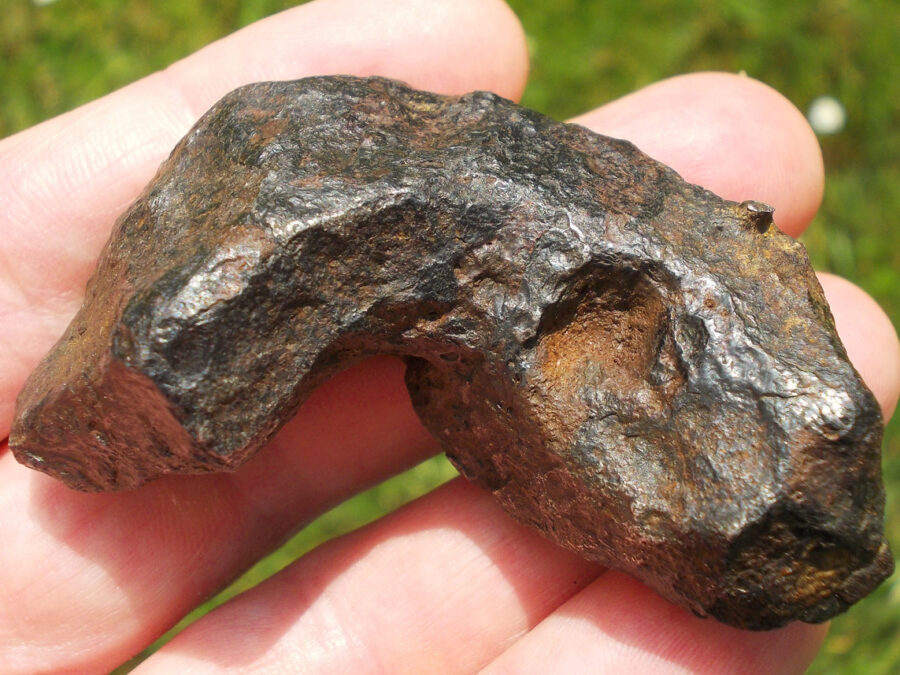
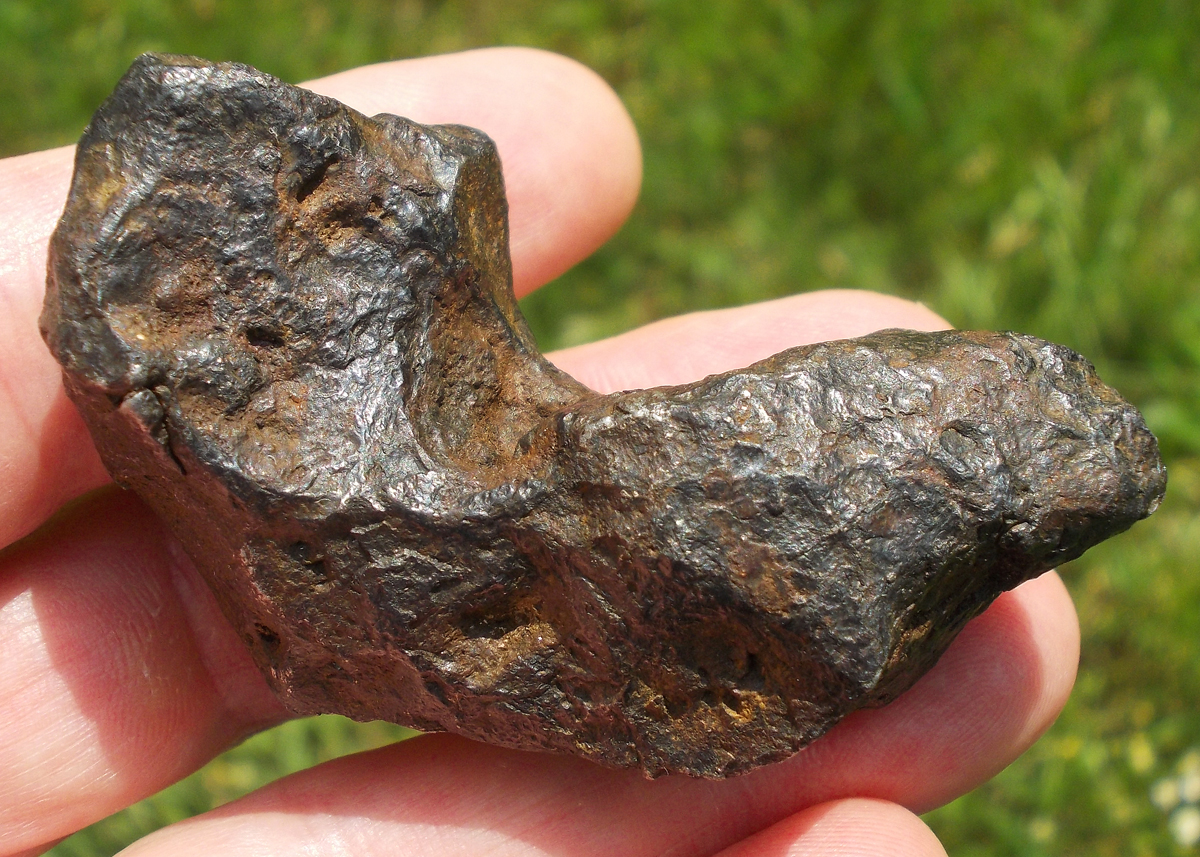
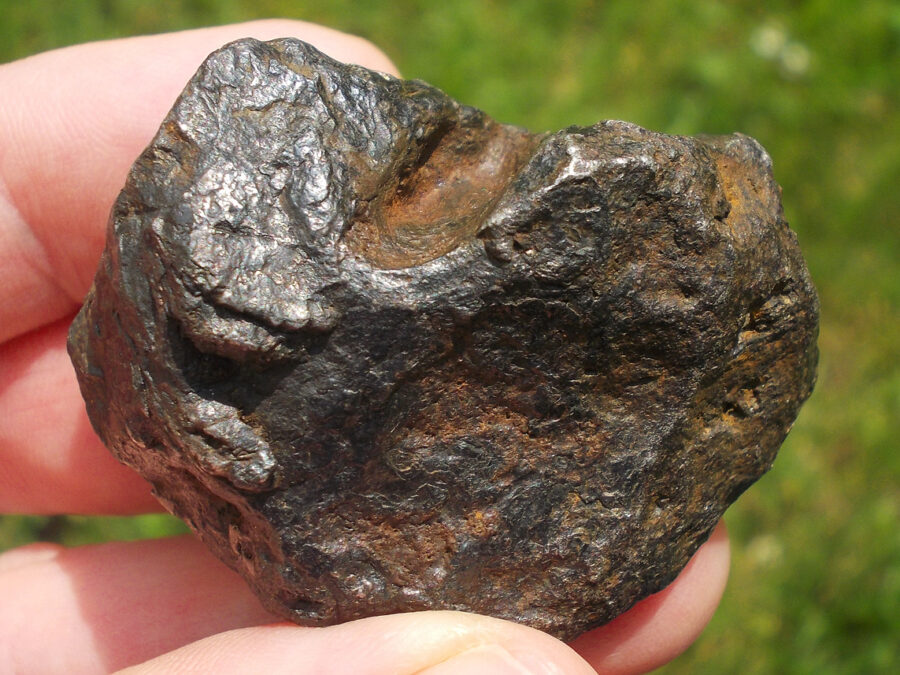
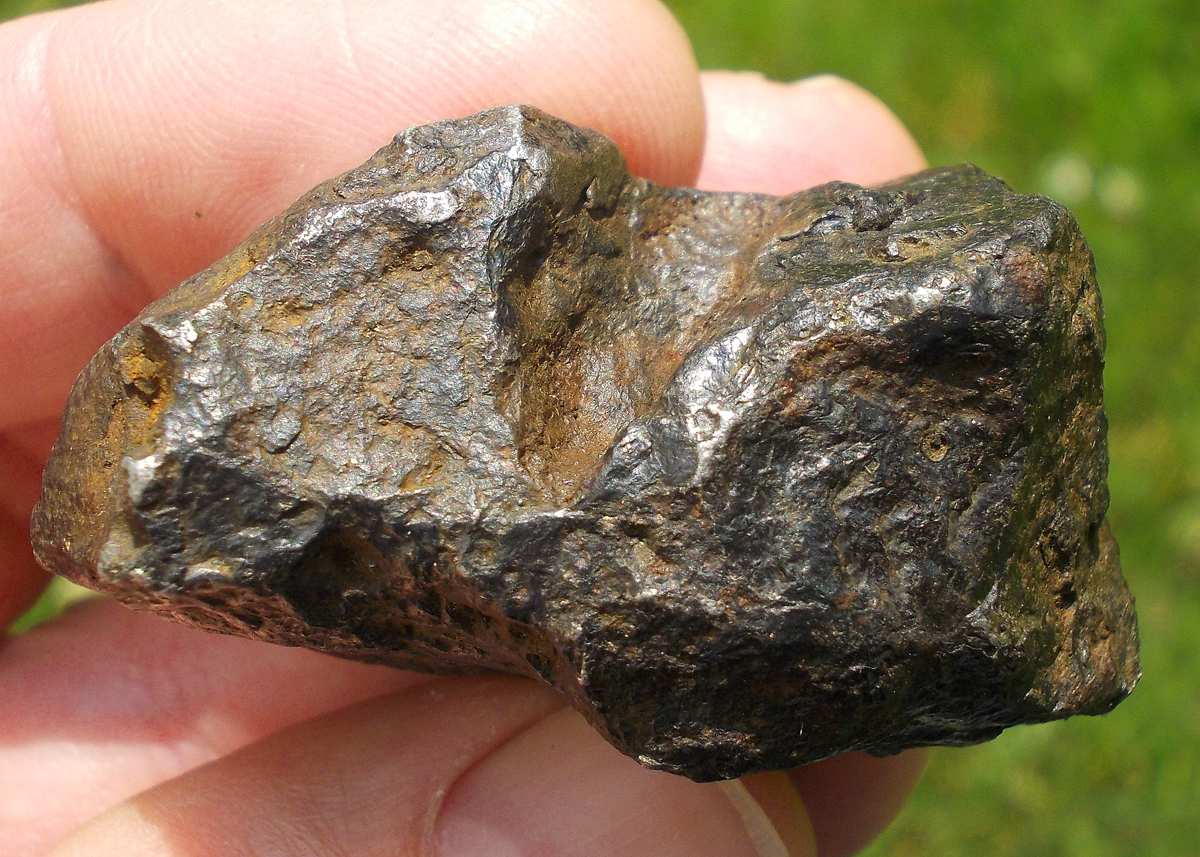
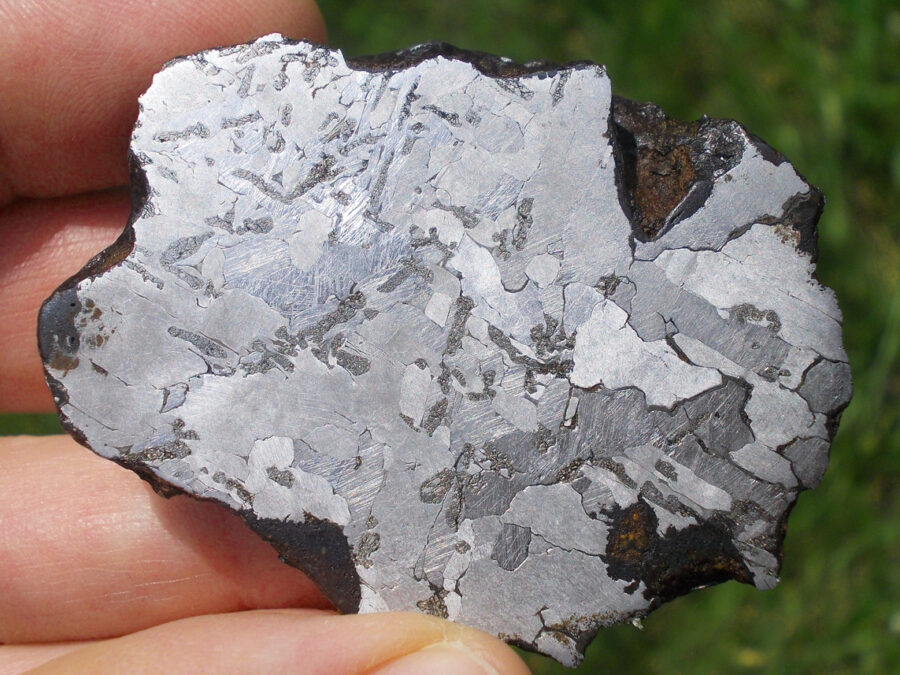
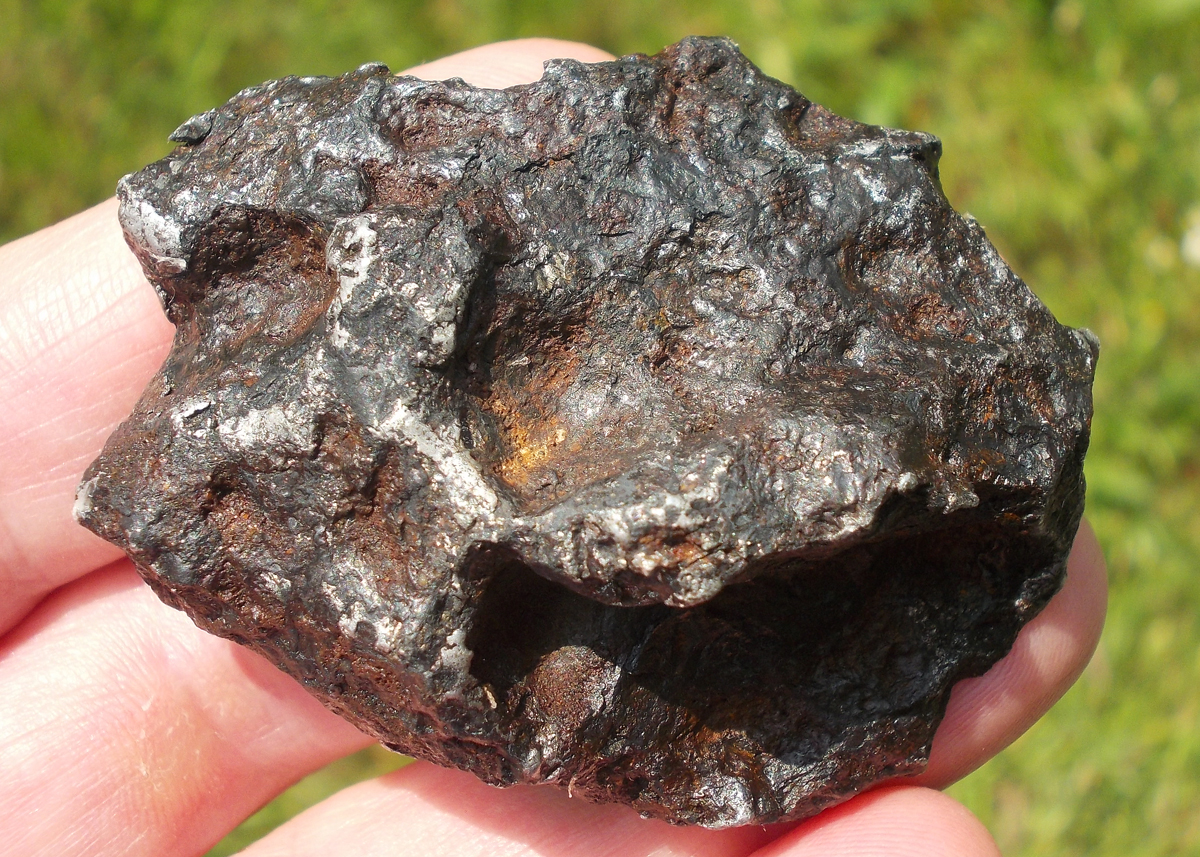
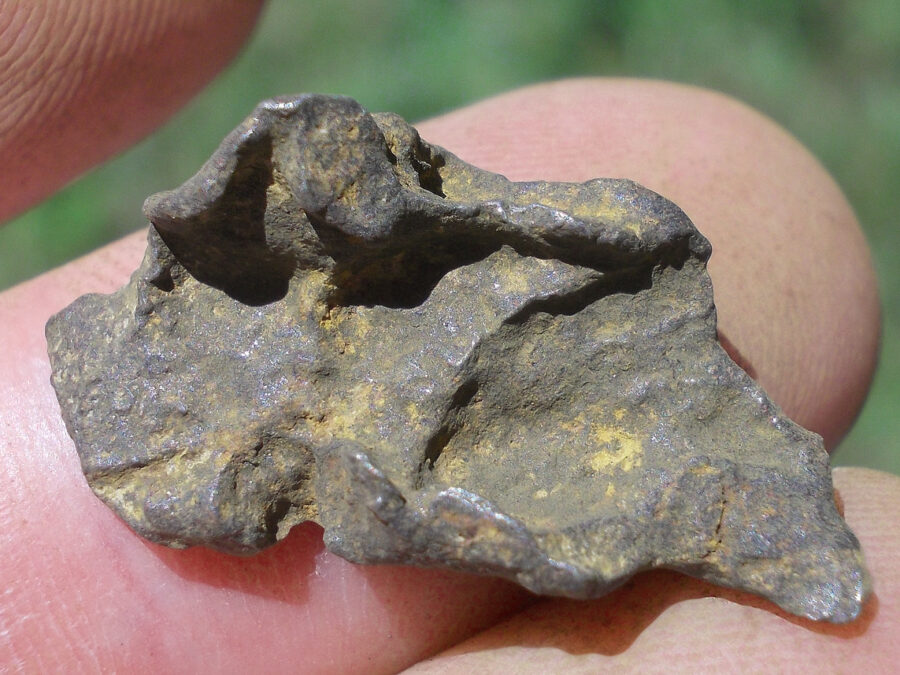
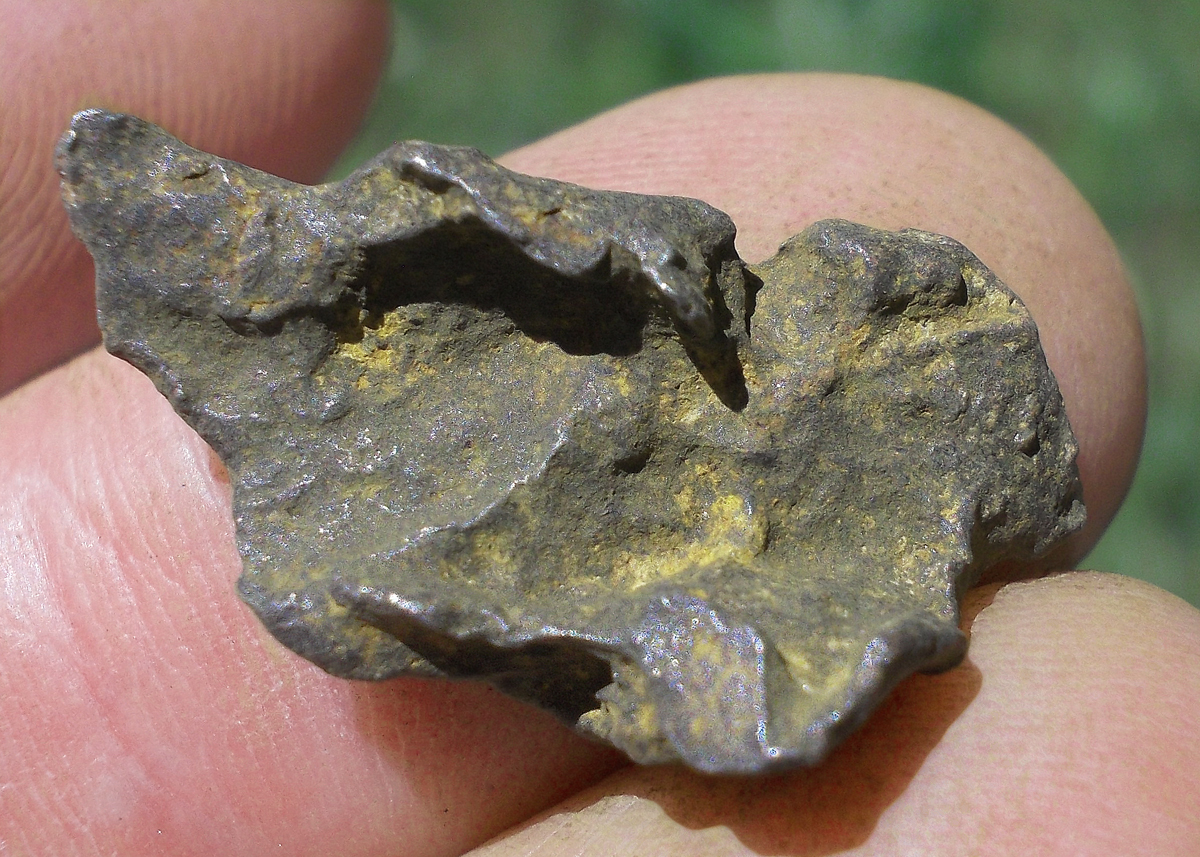
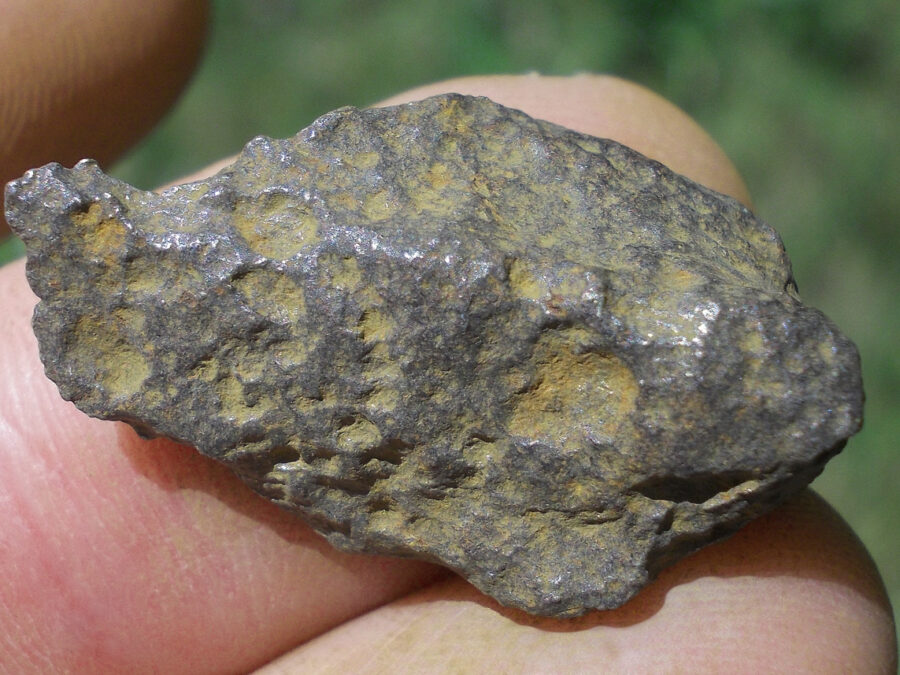
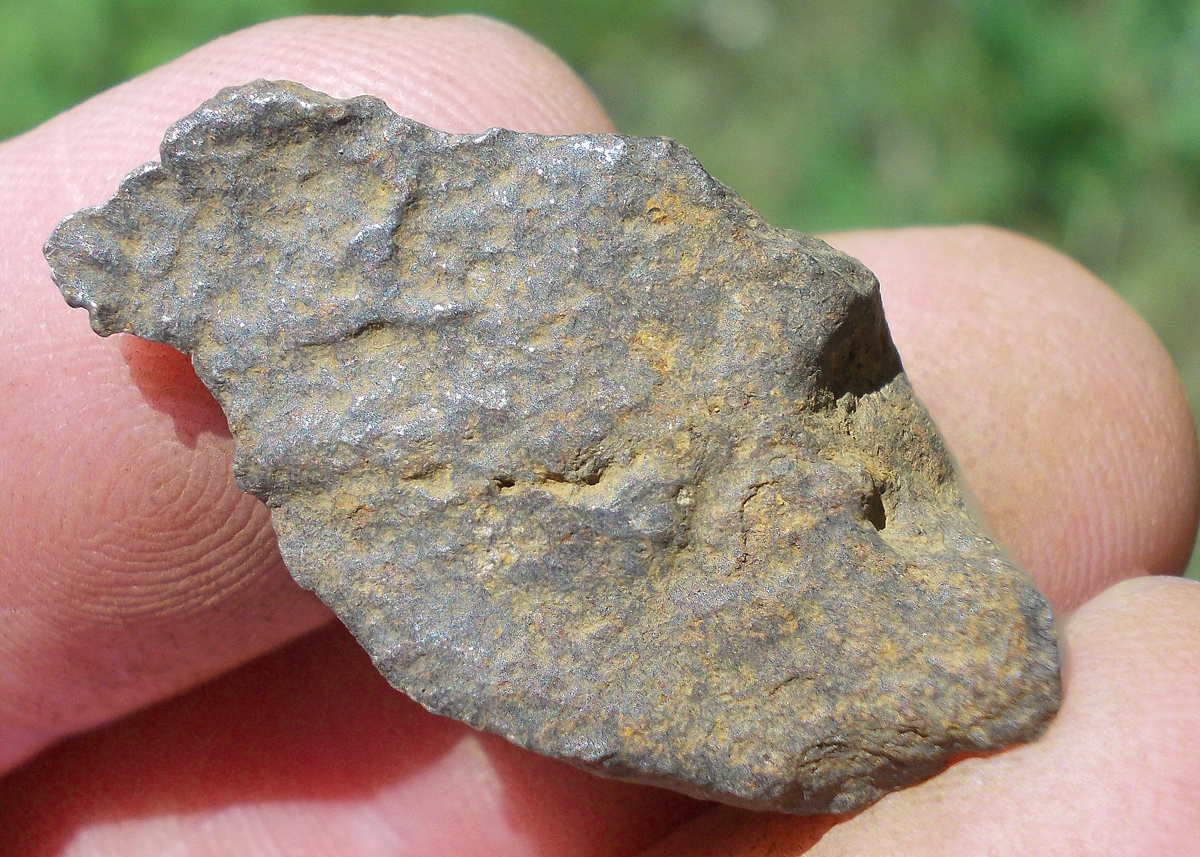
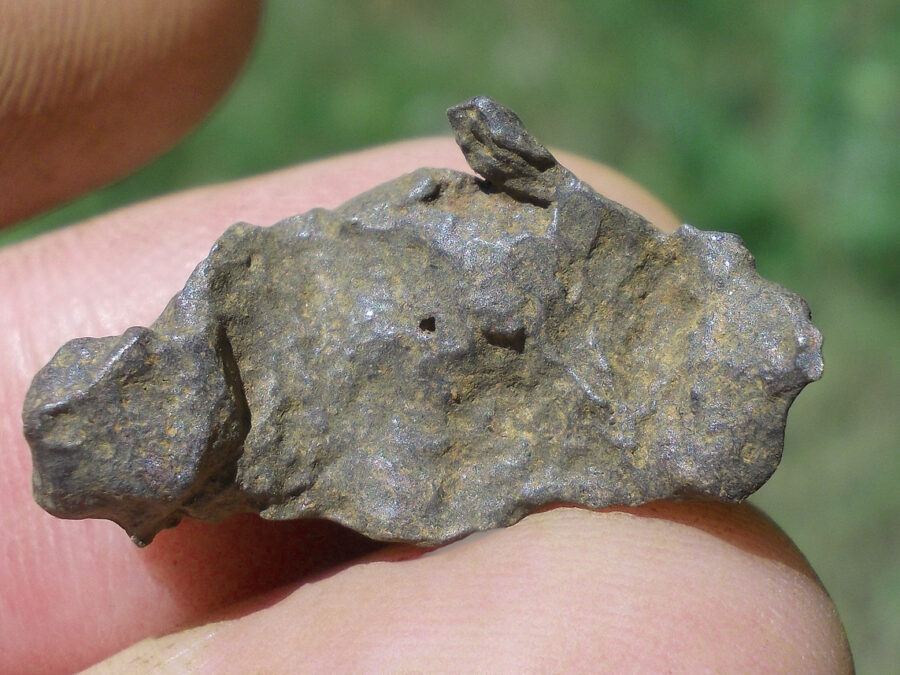
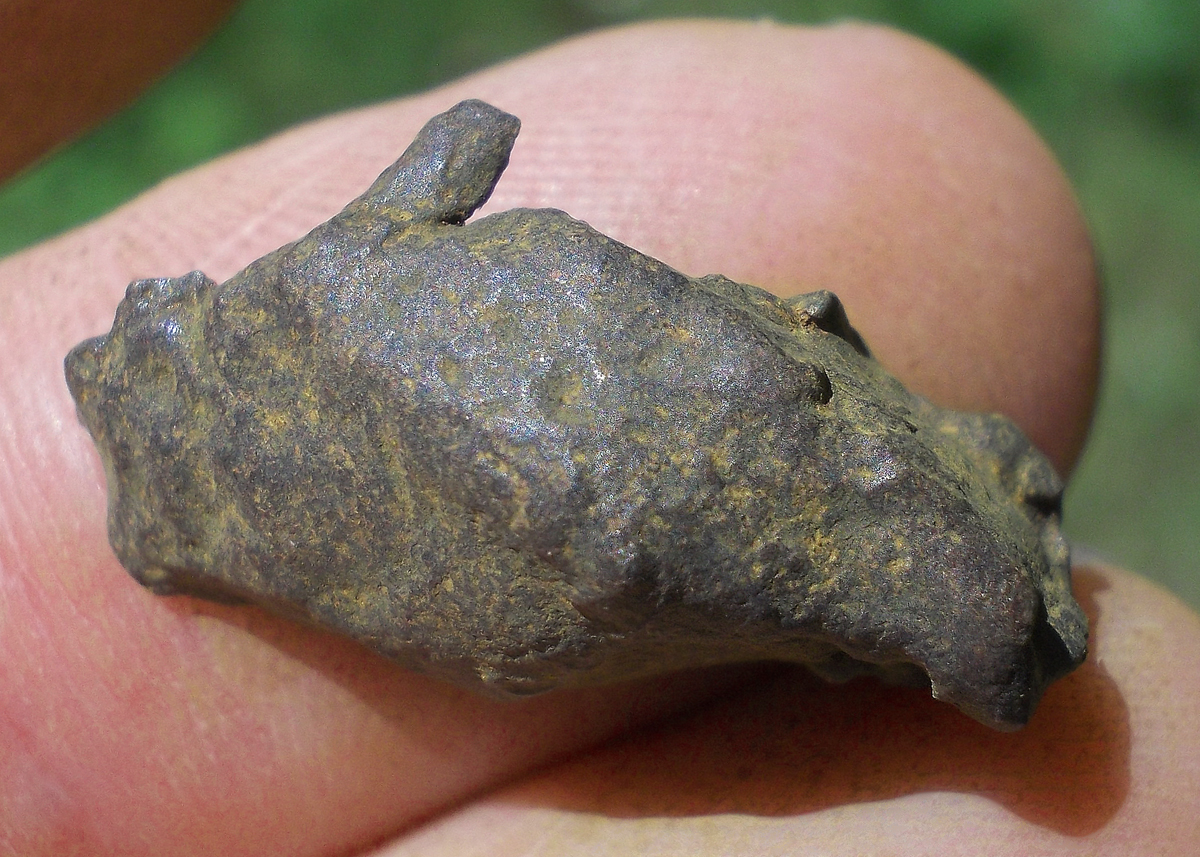
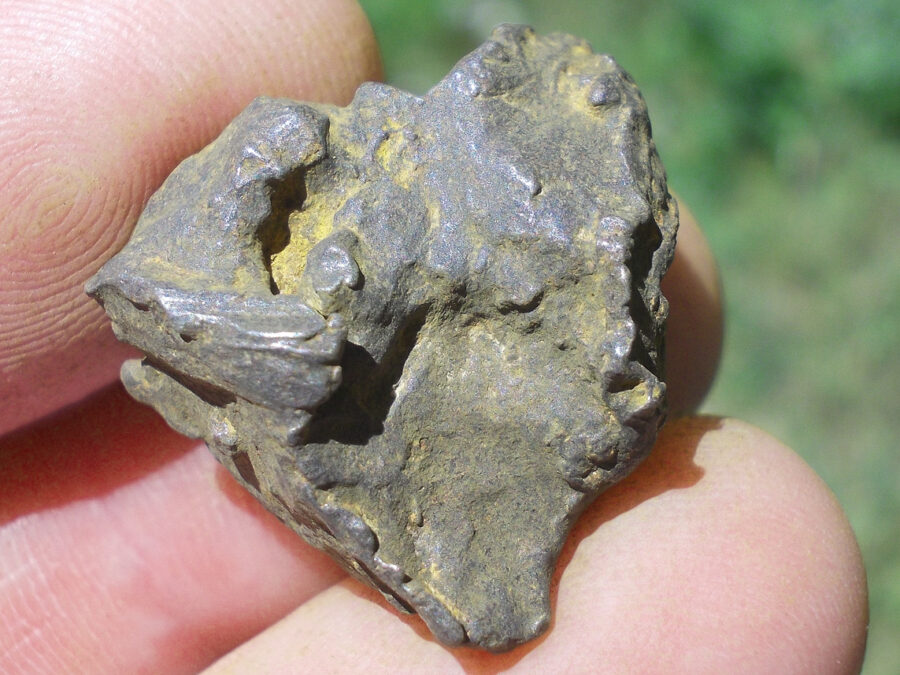
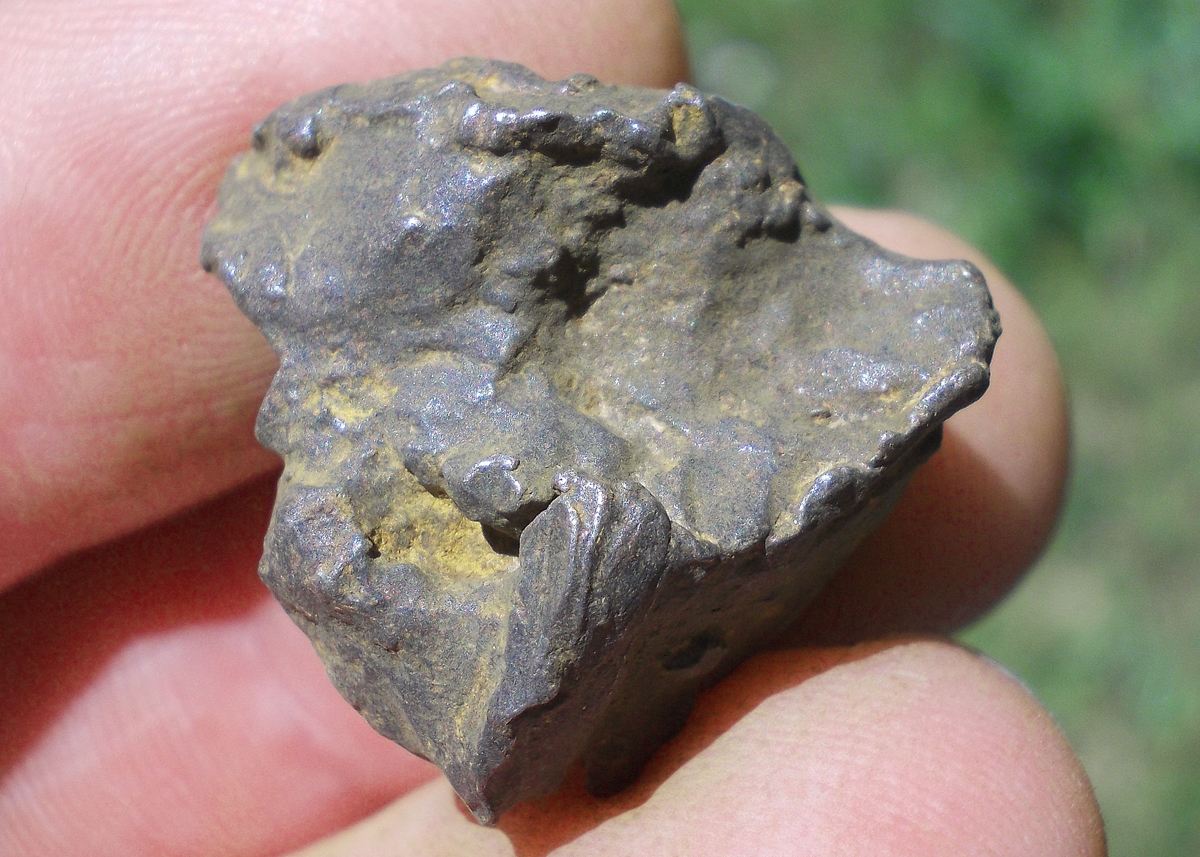
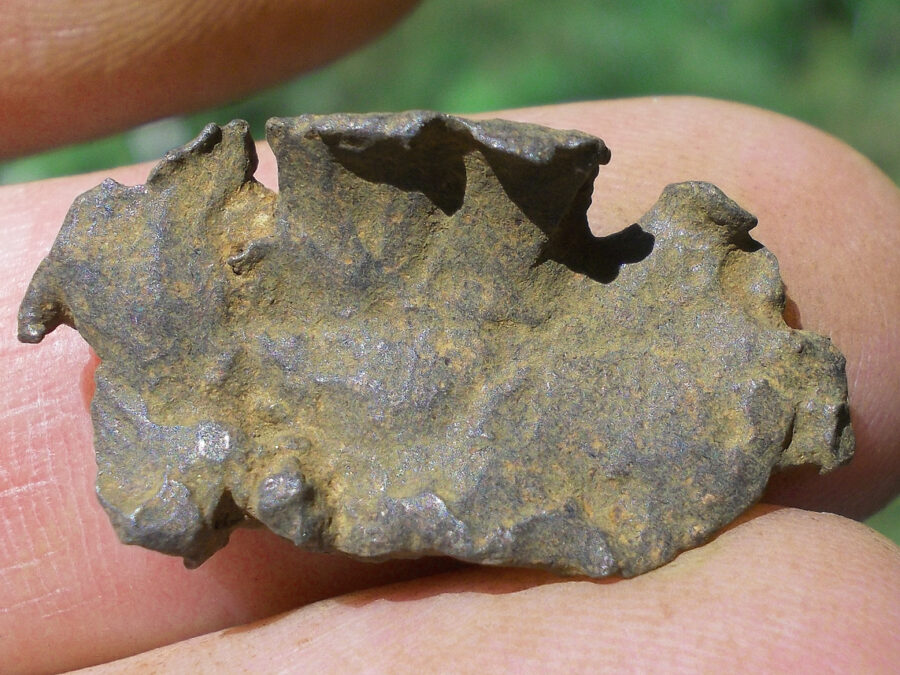
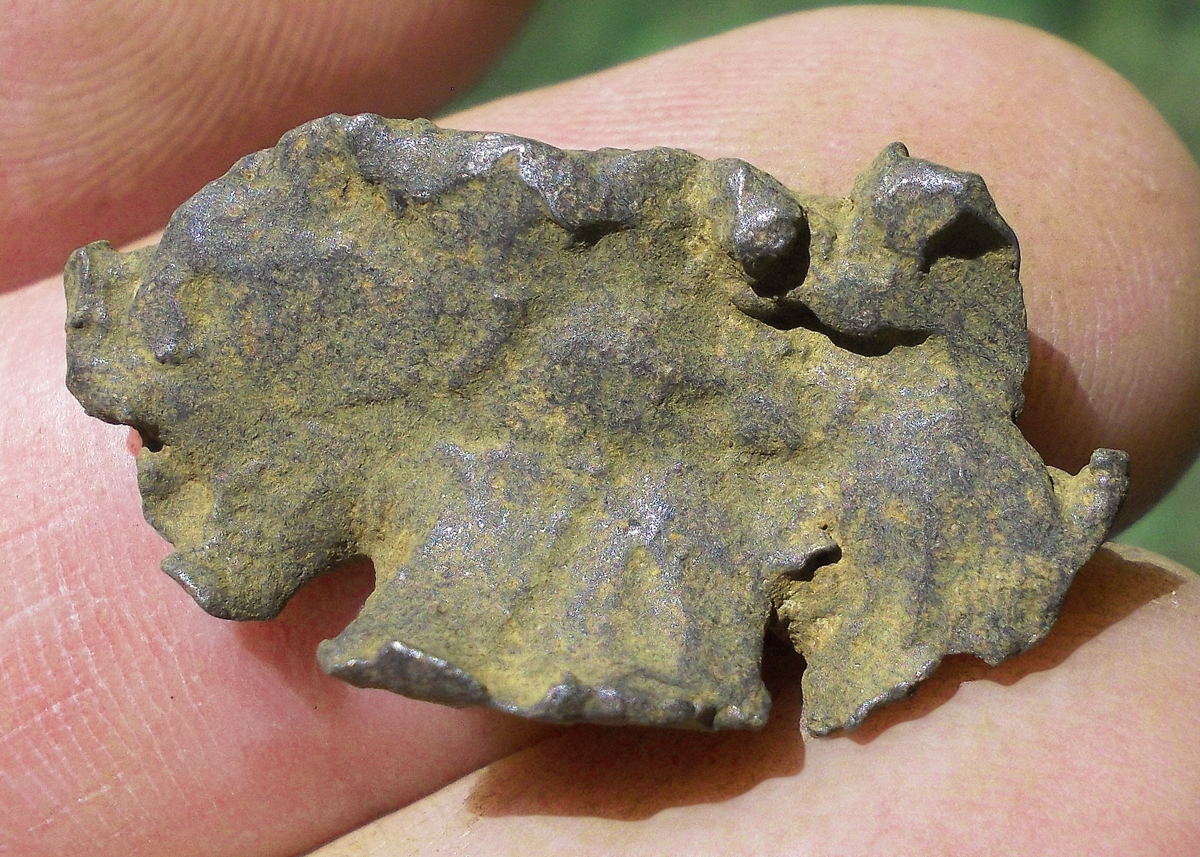
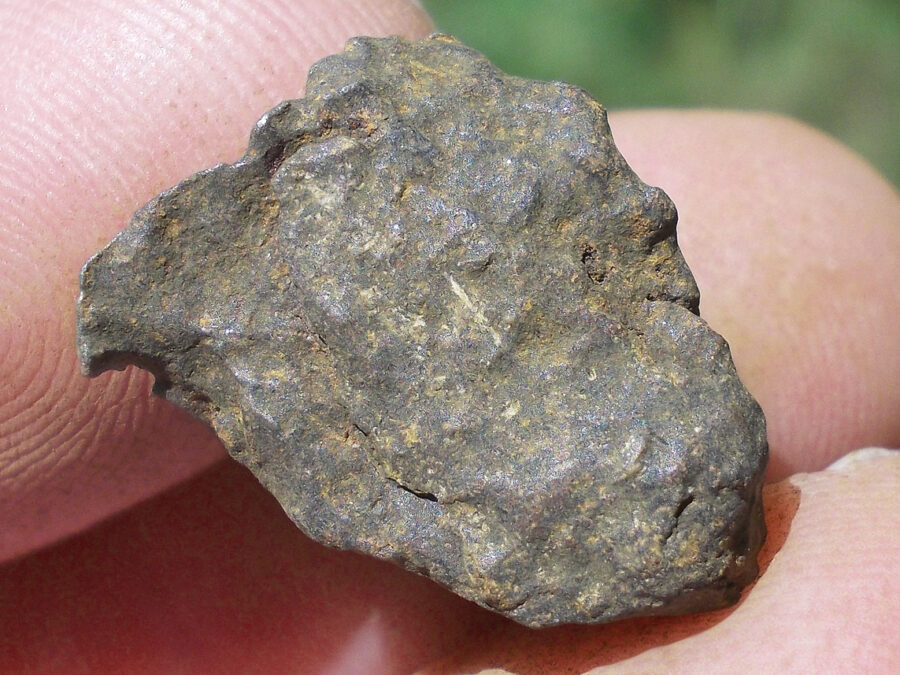
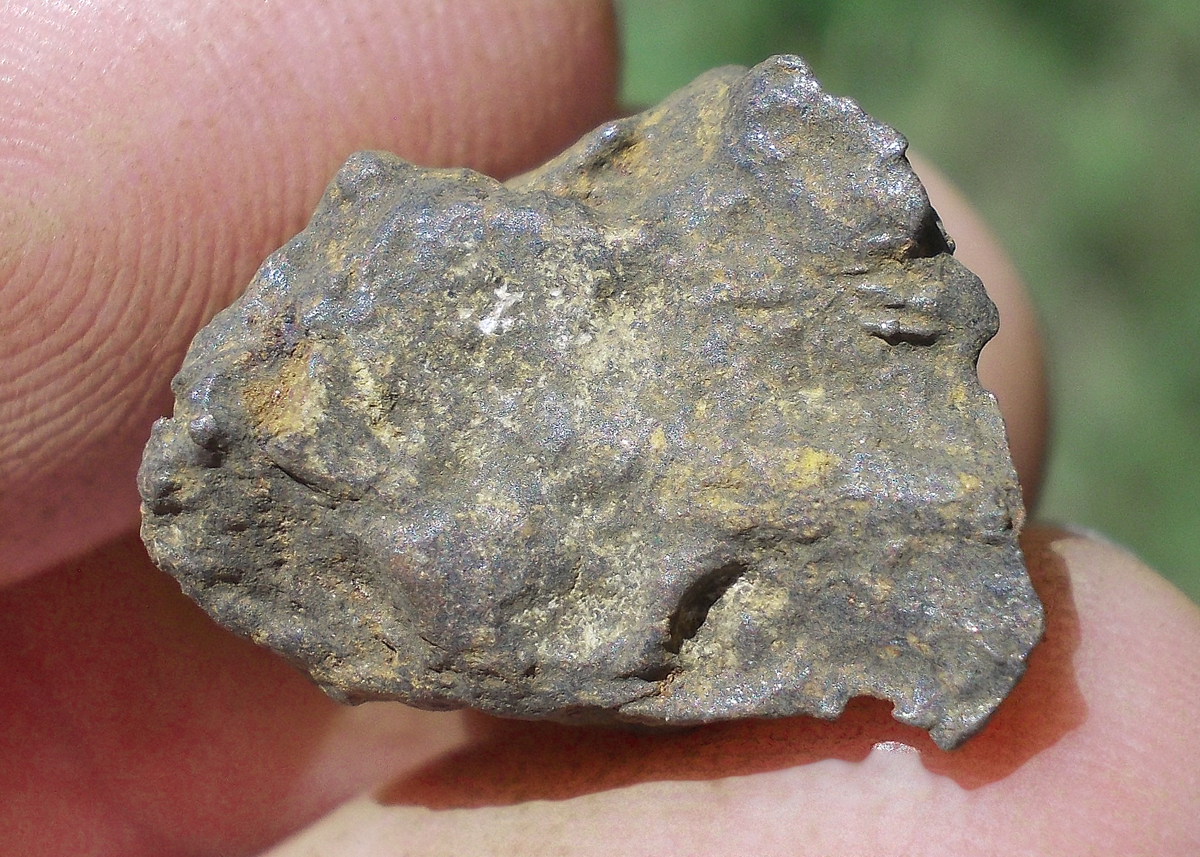
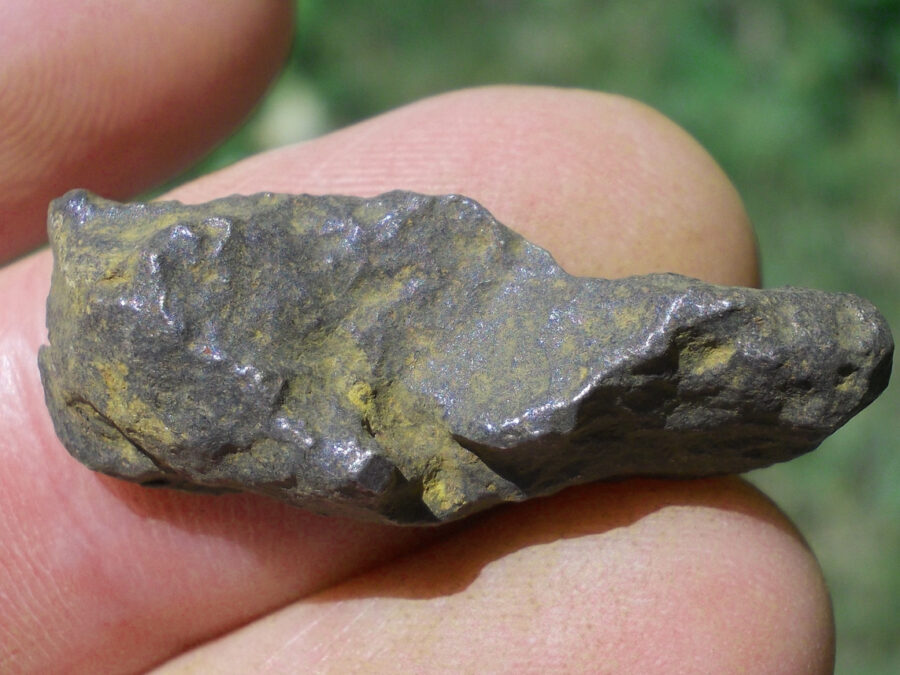
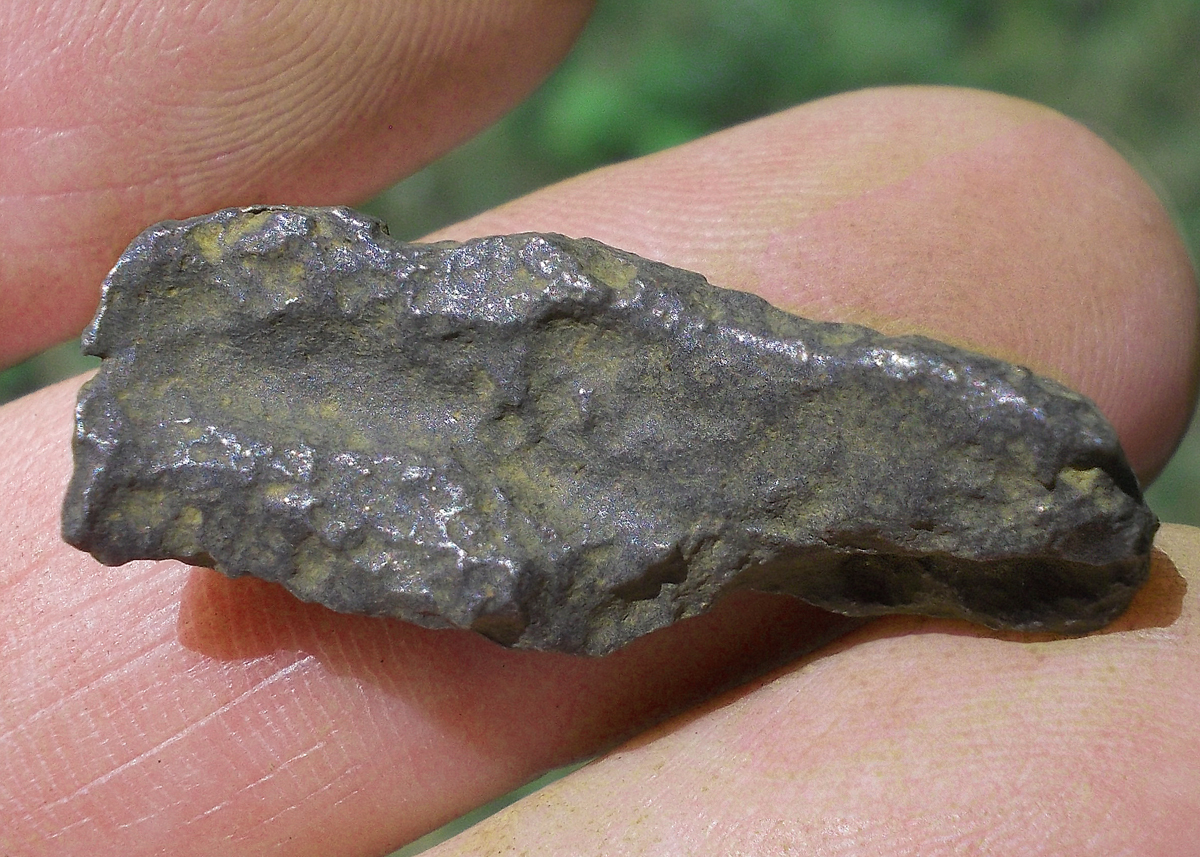
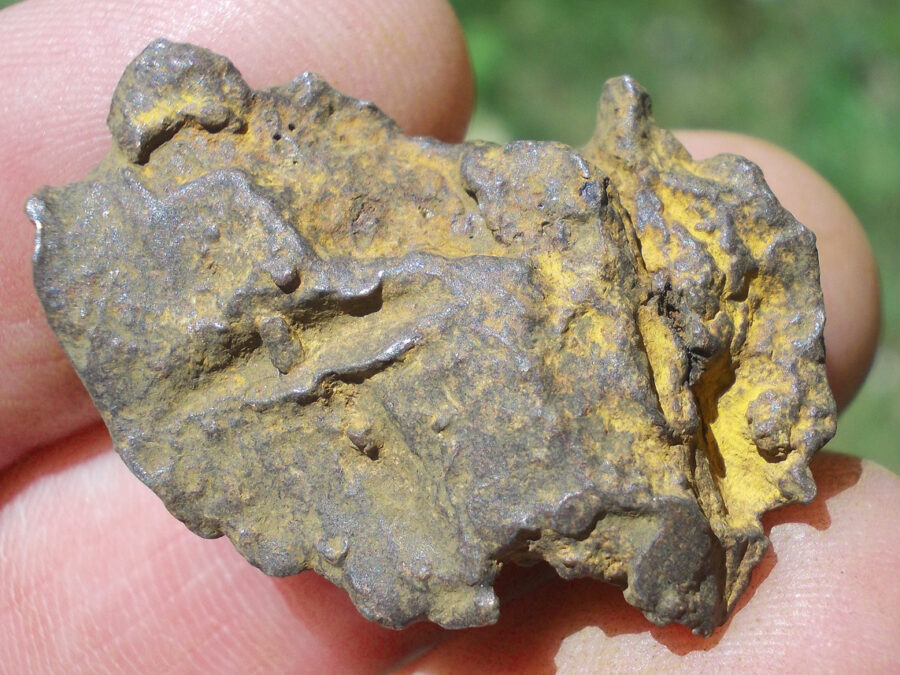
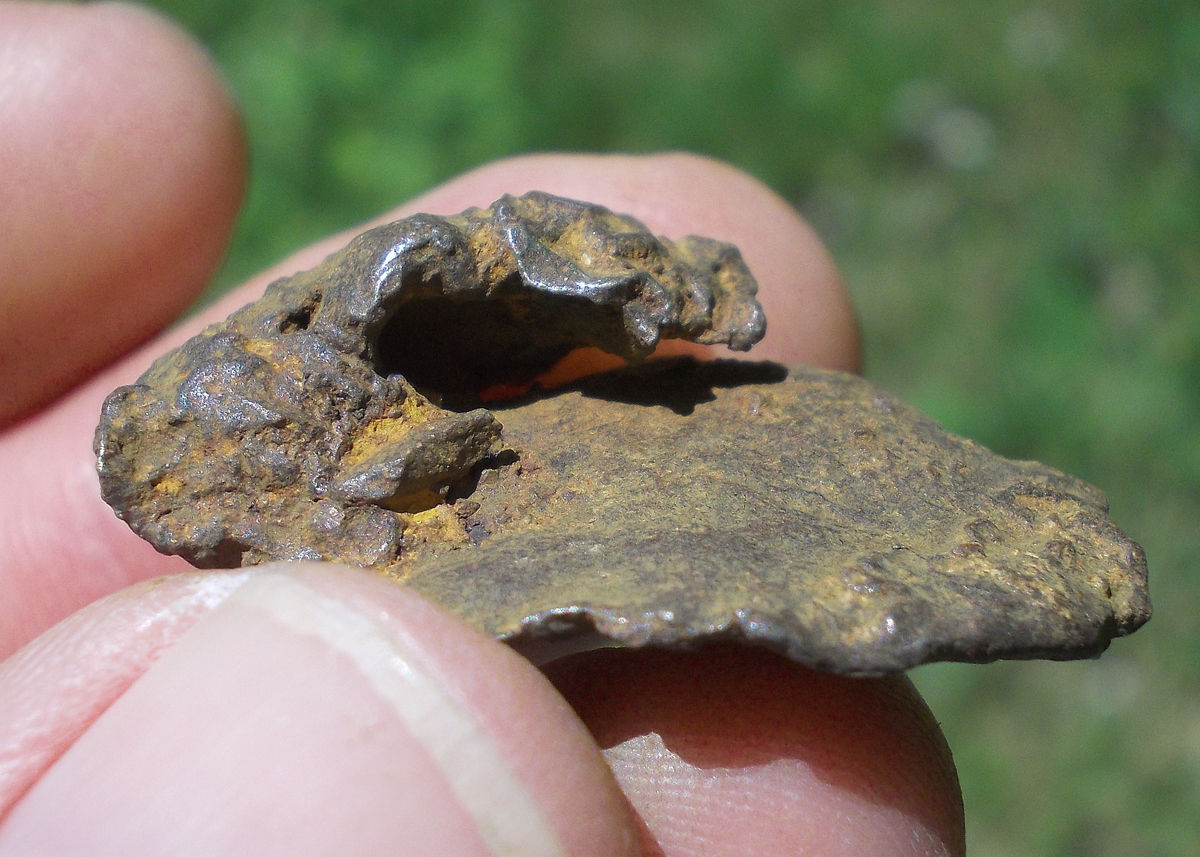
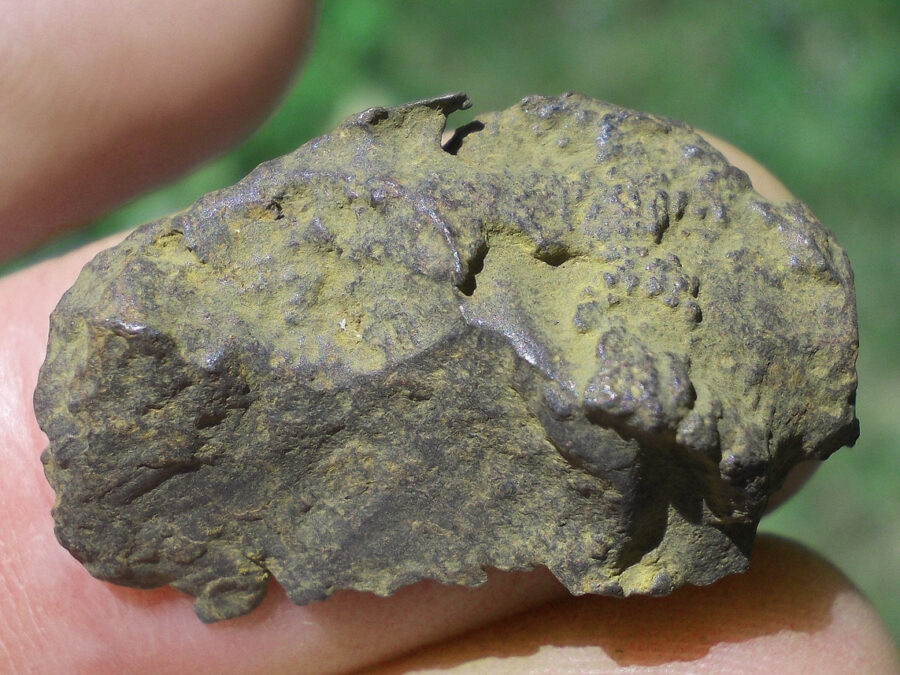
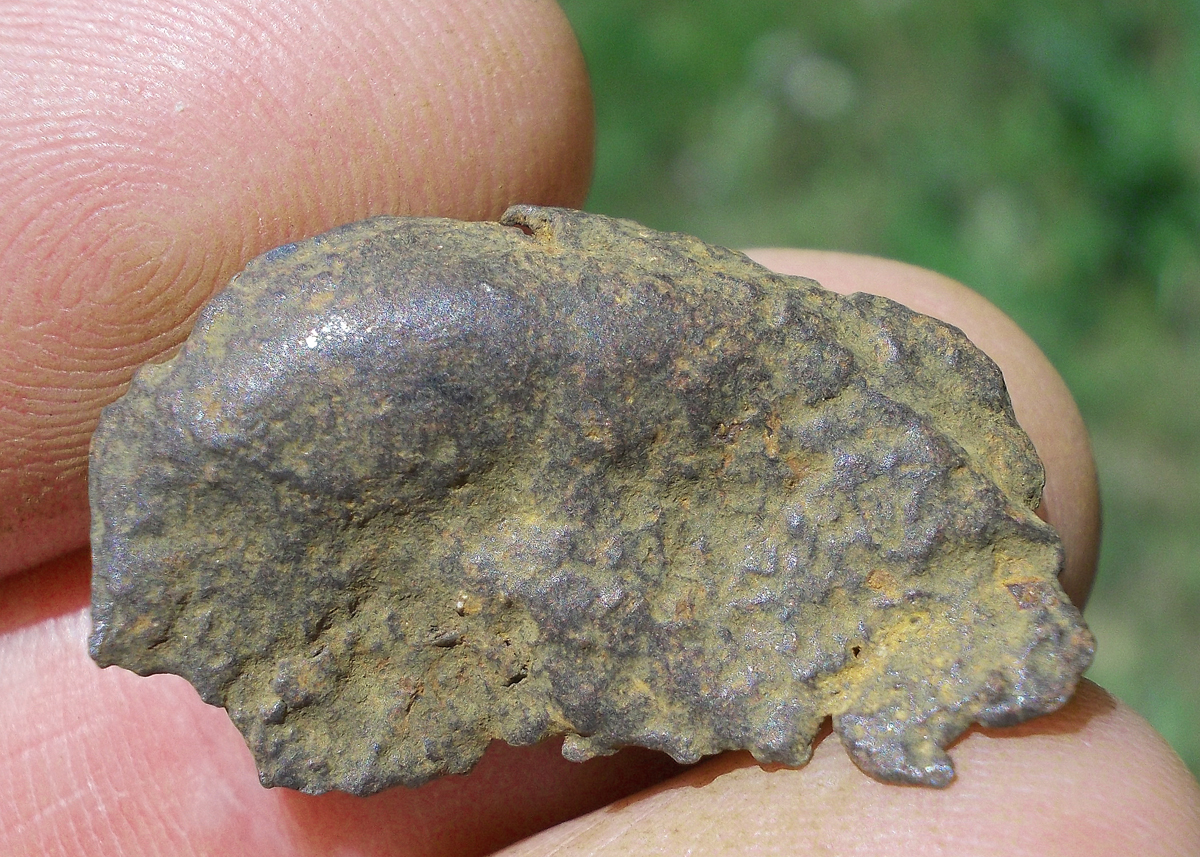
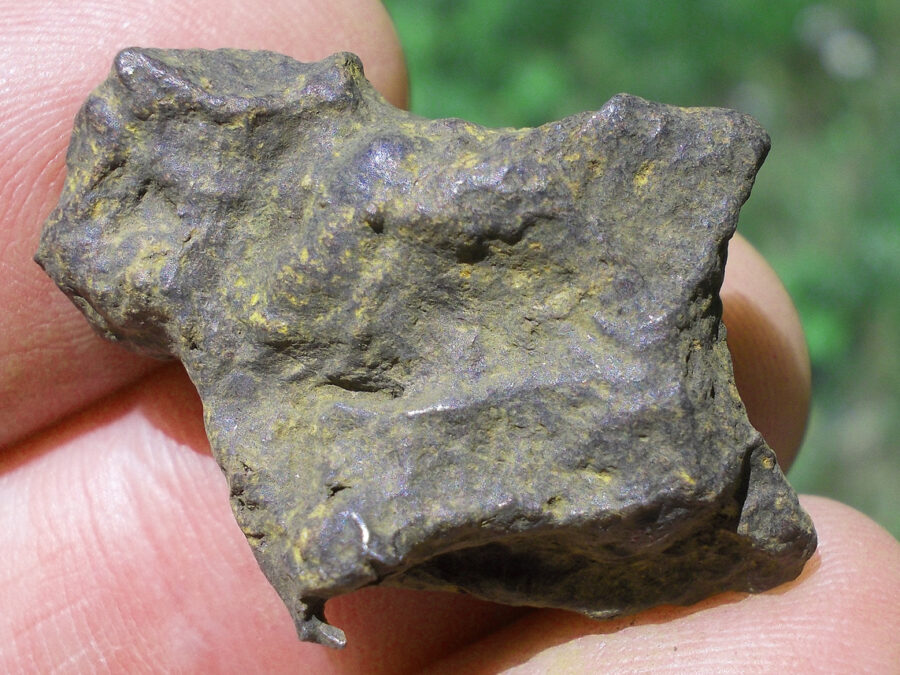
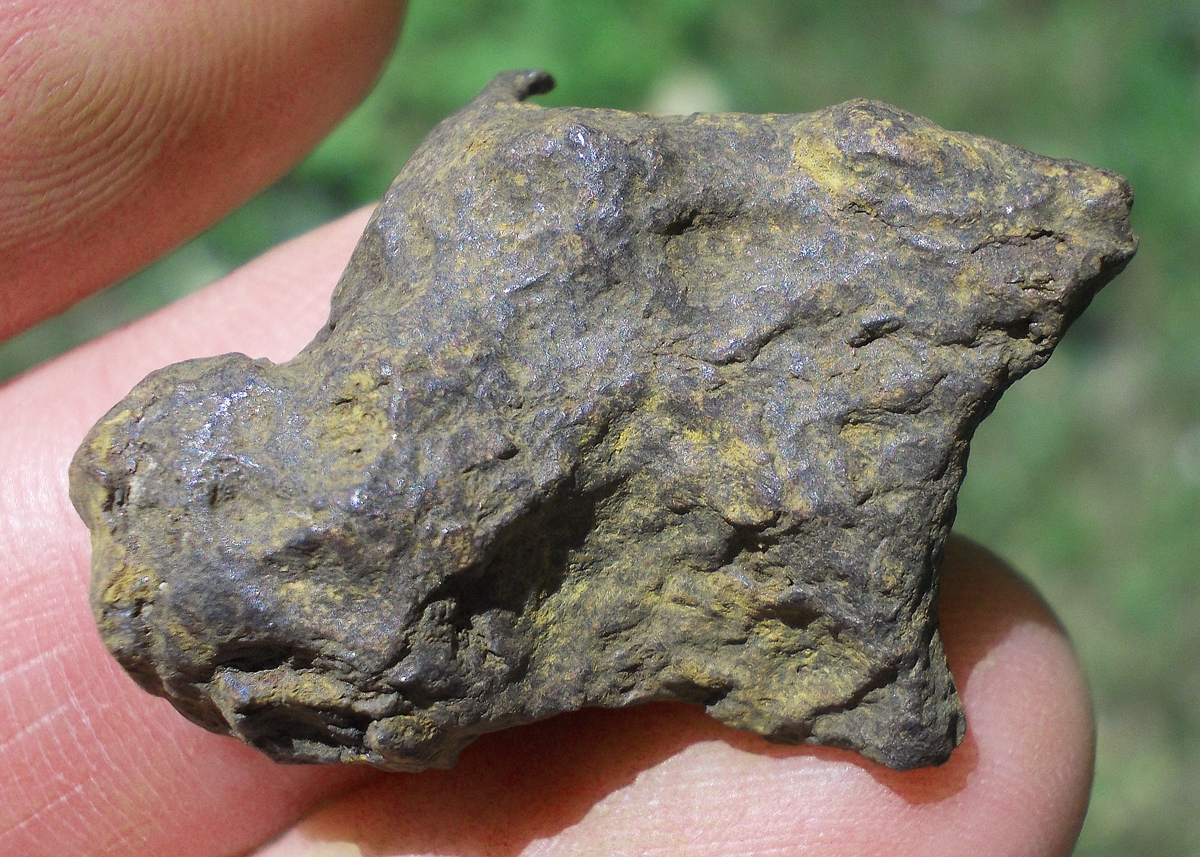
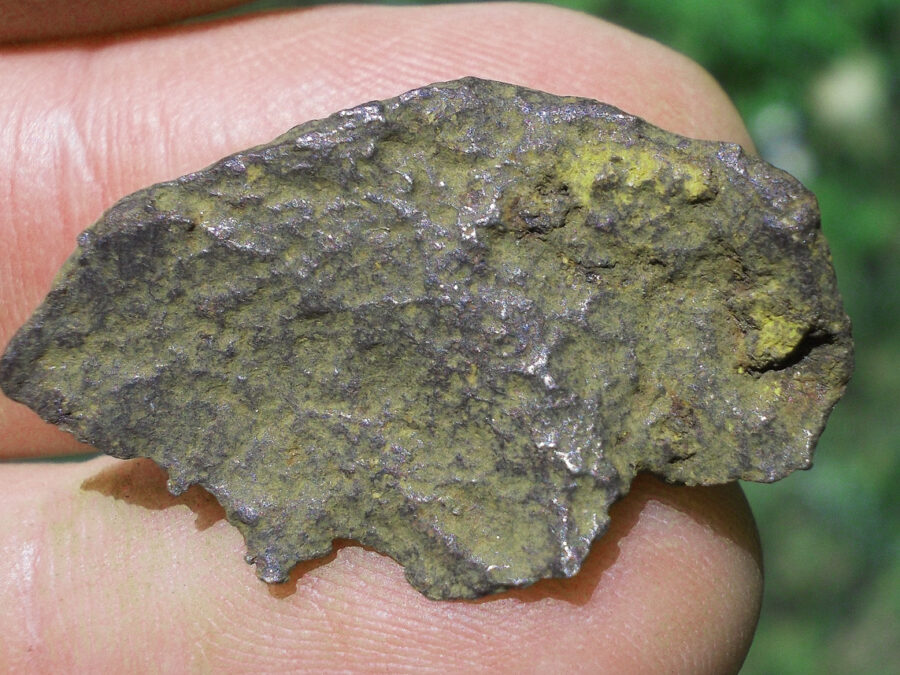
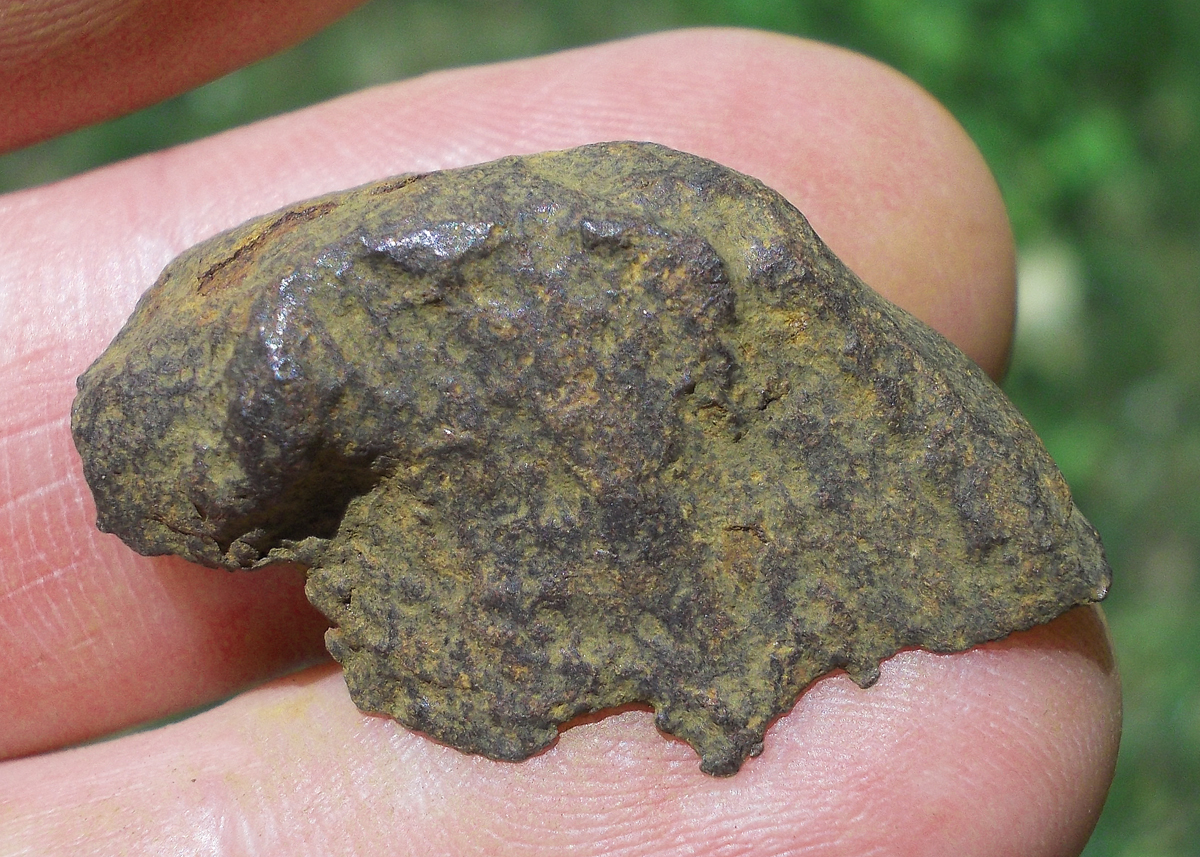
The Sikhote-Alin meteorite is an iron meteorite that fell in Siberia in 1947. This fall is unique in the history of meteorites, given the 70 tonnes that survived the journey through the Earth’s atmospher
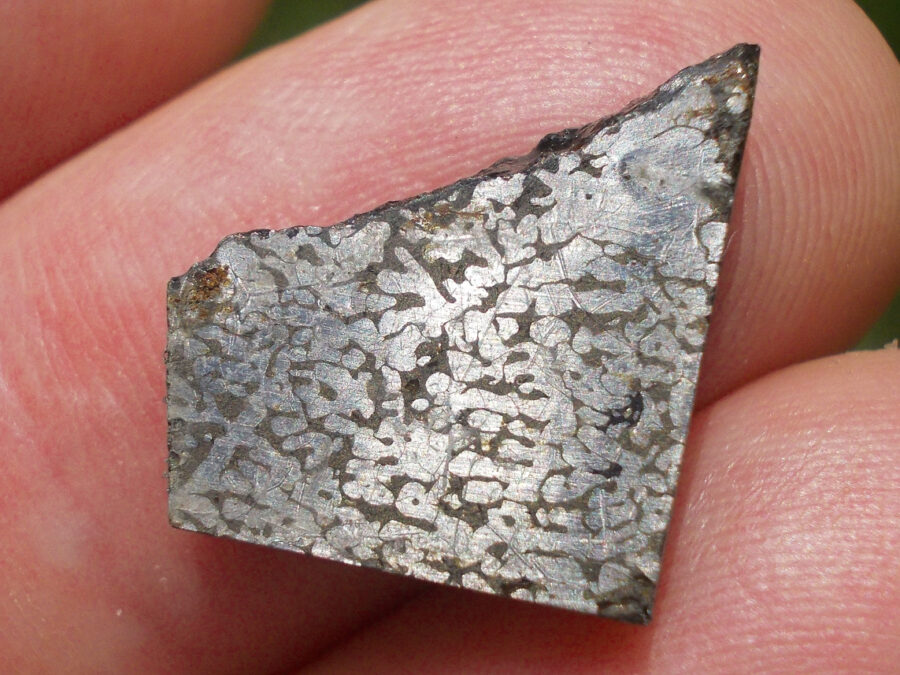
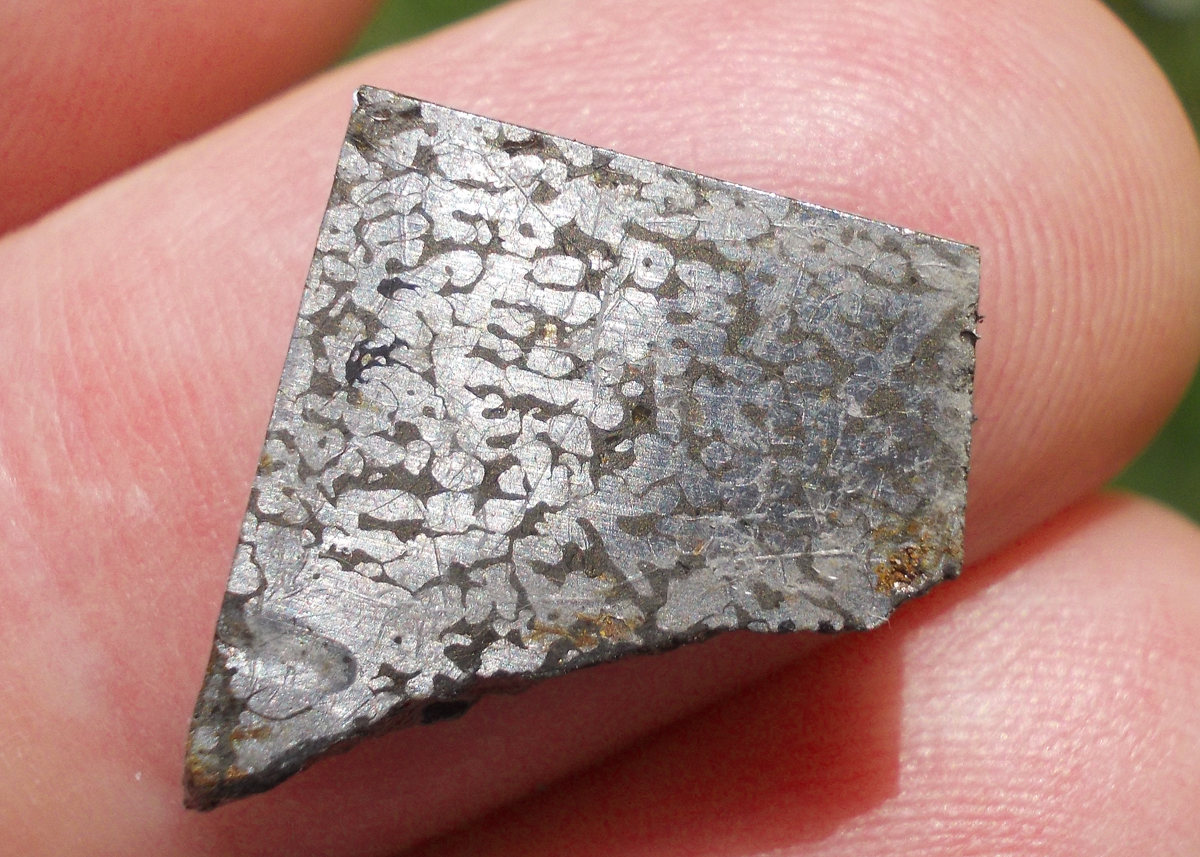
The Sikhote-Alin meteorite is an iron meteorite that fell in Siberia in 1947. This fall is unique in the history of meteorites, given the 70 tonnes that survived the journey through the Earth’s atmospher
The Sikhote-Alin meteorite is an iron meteorite that fell in Siberia in 1947. This fall is unique in the history of meteorites, given the 70 tonnes that survived the journey through the Earth’s atmospher
The Sikhote-Alin meteorite is an iron meteorite that fell in Siberia in 1947. This fall is unique in the history of meteorites, given the 70 tonnes that survived the journey through the Earth’s atmospher
The Sikhote-Alin meteorite is an iron meteorite that fell in Siberia in 1947. This fall is unique in the history of meteorites, given the 70 tonnes that survived the journey through the Earth’s atmospher
The Sikhote-Alin meteorite is an iron meteorite that fell in Siberia in 1947. This fall is unique in the history of meteorites, given the 70 tonnes that survived the journey through the Earth’s atmospher
The Sikhote-Alin meteorite is an iron meteorite that fell in Siberia in 1947. This fall is unique in the history of meteorites, given the 70 tonnes that survived the journey through the Earth’s atmospher
The Sikhote-Alin meteorite is an iron meteorite that fell in Siberia in 1947. This fall is unique in the history of meteorites, given the 70 tonnes that survived the journey through the Earth’s atmospher
The Sikhote-Alin meteorite is an iron meteorite that fell in Siberia in 1947. This fall is unique in the history of meteorites, given the 70 tonnes that survived the journey through the Earth’s atmospher
The Sikhote-Alin meteorite is an iron meteorite that fell in Siberia in 1947. This fall is unique in the history of meteorites, given the 70 tonnes that survived the journey through the Earth’s atmospher
The Sikhote-Alin meteorite is an iron meteorite that fell in Siberia in 1947. This fall is unique in the history of meteorites, given the 70 tonnes that survived the journey through the Earth’s atmospher
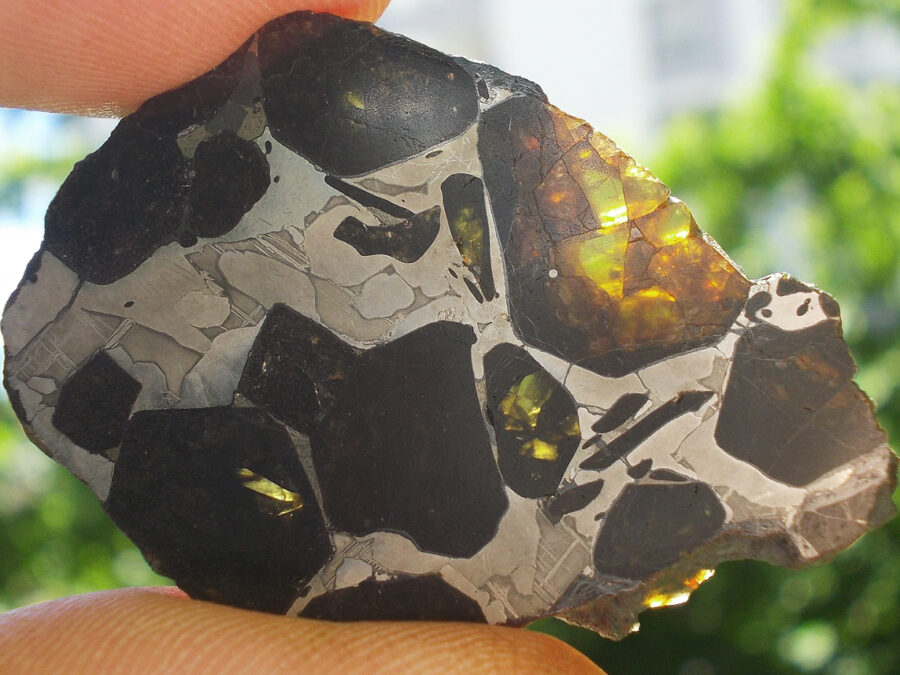
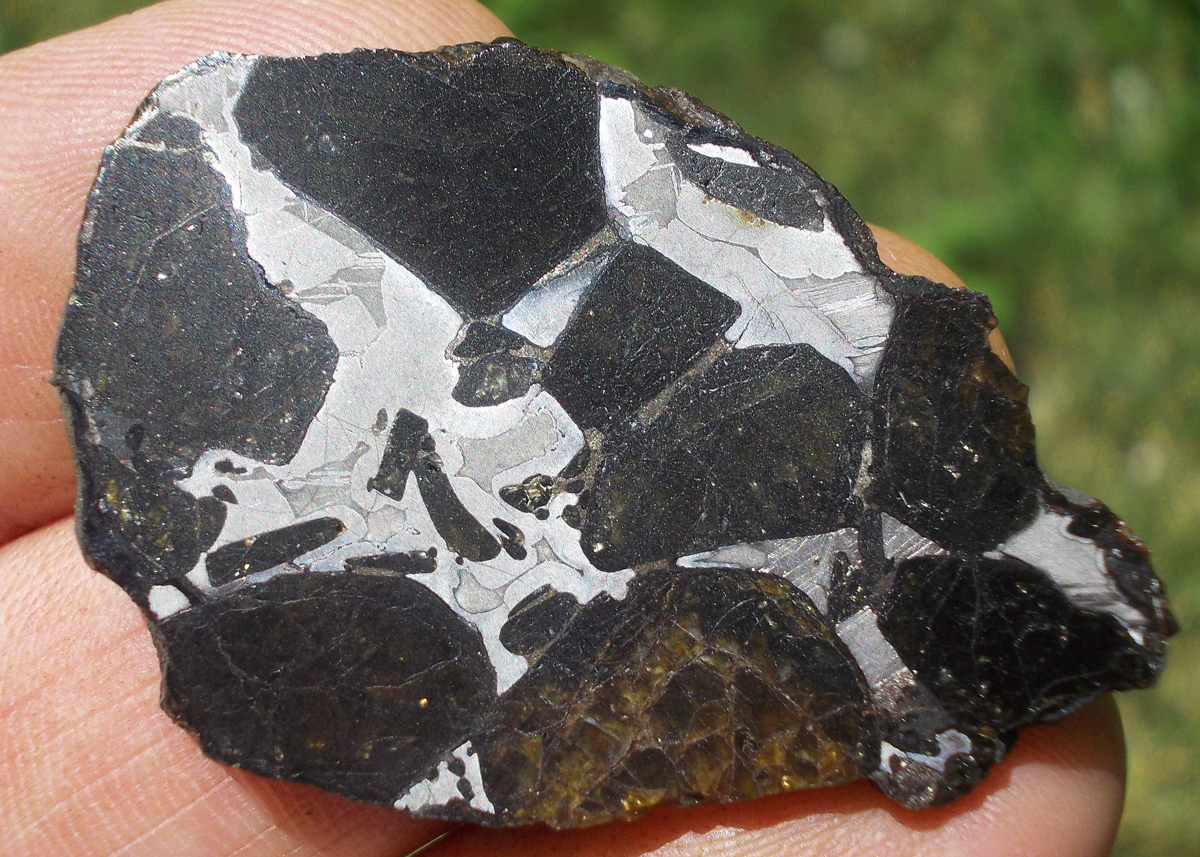
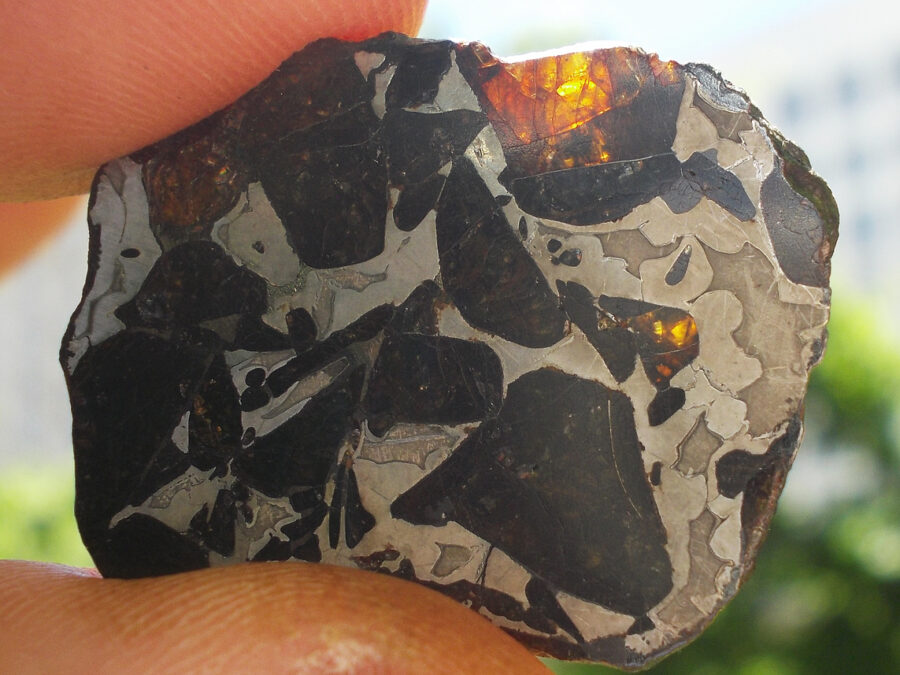
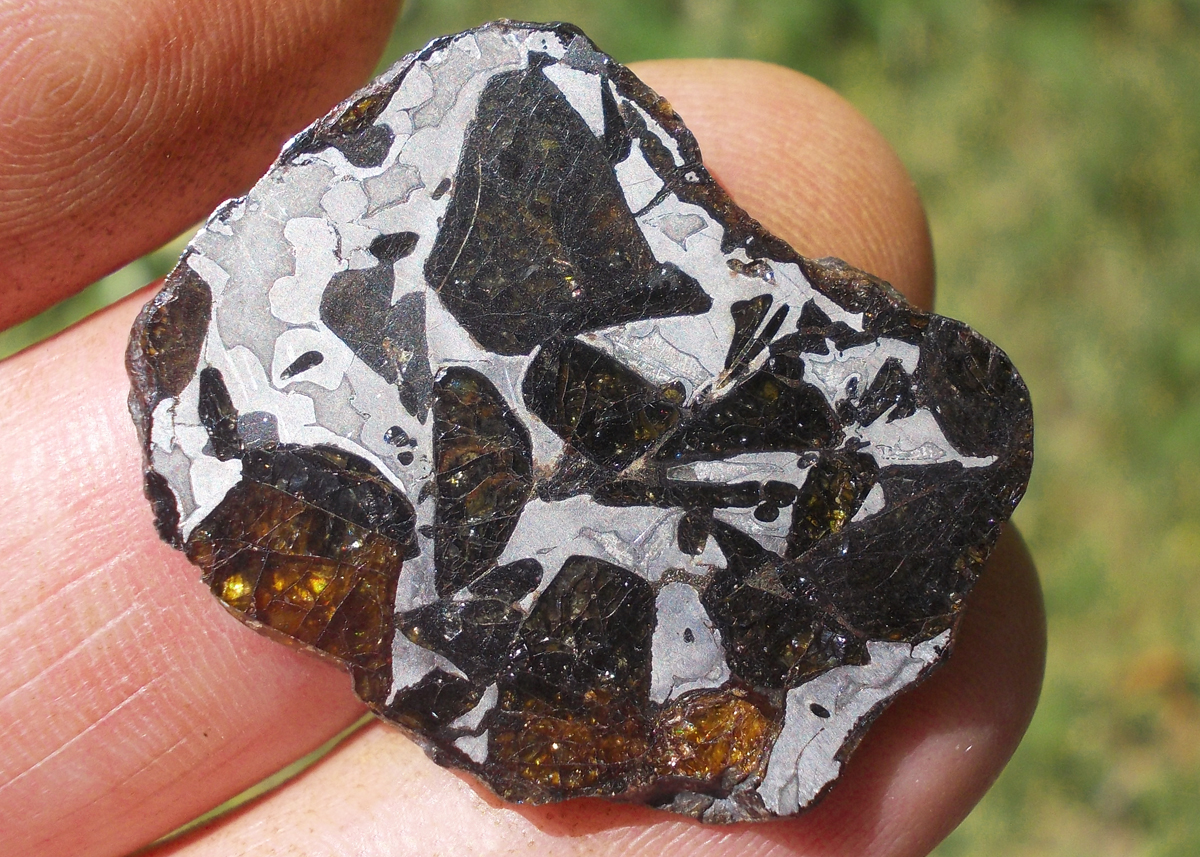
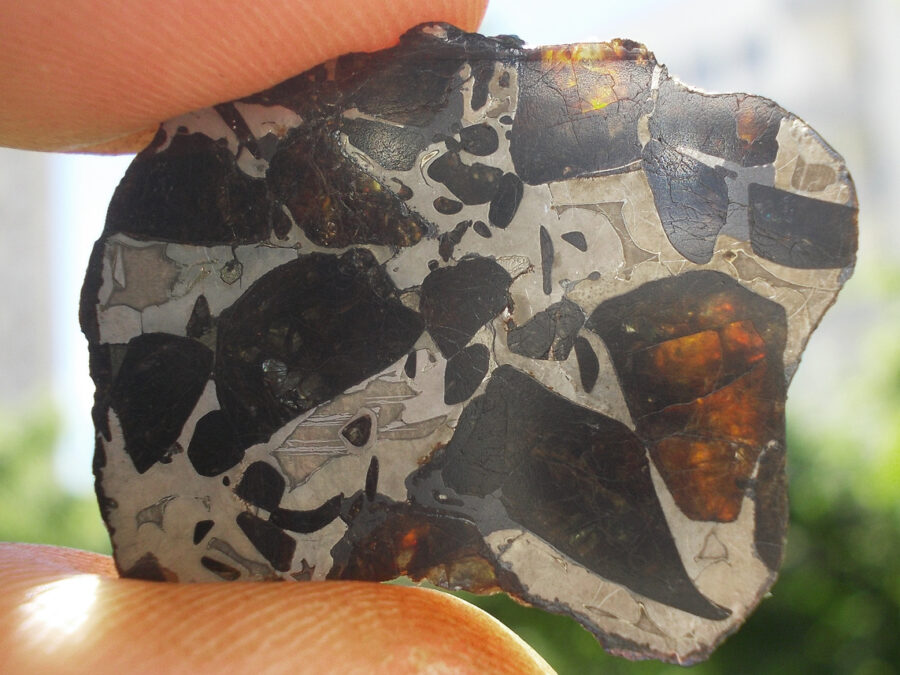
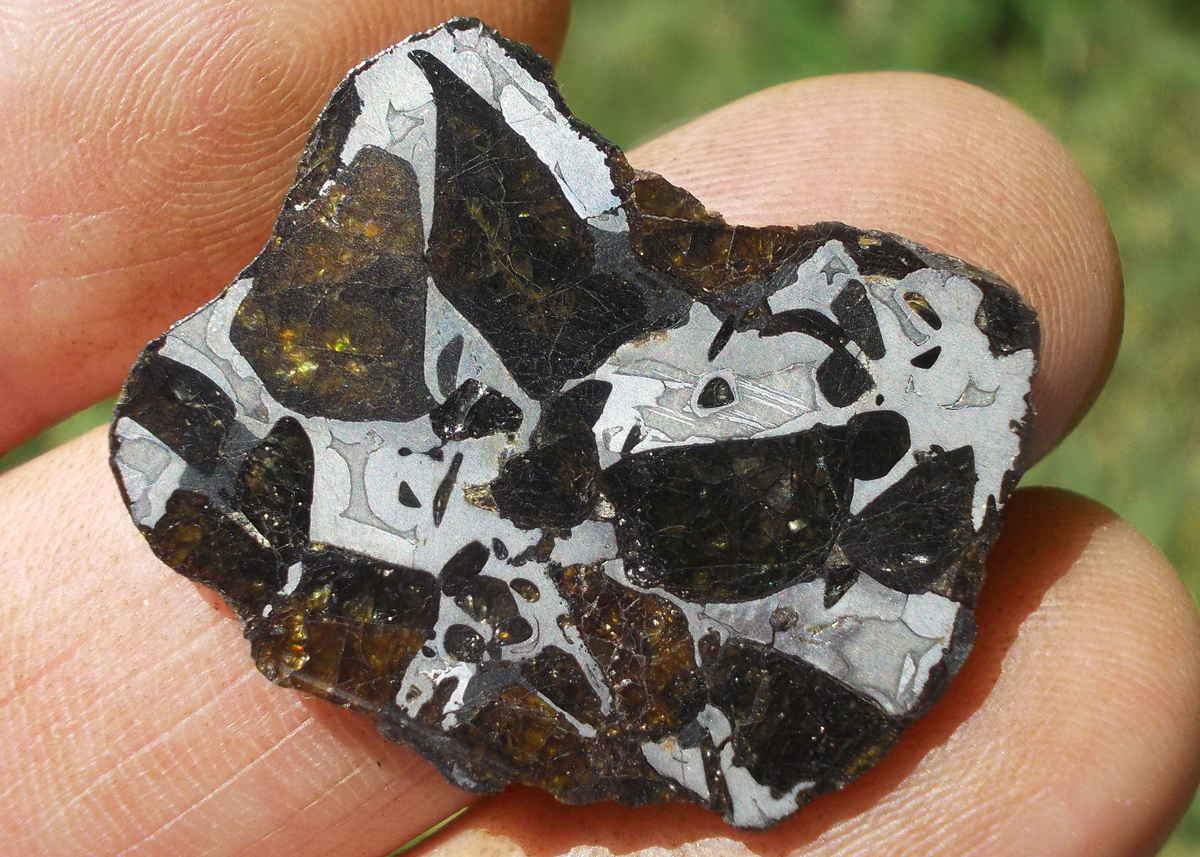
NWA 16774 is a pallasite-type meteorite discovered in Algeria in 2024, weighing just 4.5 kg.
Pallasites are unique stony-iron meteorites composed mainly of olivine and ferrous metal.
They are thought to have formed in the boundary region between the core and mantle of asteroids, inside asteroids.
Pallasites are meteorites composed of olivine crystals embedded in an iron-nickel matrix.
Pallasites are among the most aesthetically pleasing of meteorites.
NWA 16774 is a pallasite-type meteorite discovered in Algeria in 2024, weighing just 4.5 kg.
Pallasites are unique stony-iron meteorites composed mainly of olivine and ferrous metal.
They are thought to have formed in the boundary region between the core and mantle of asteroids, inside asteroids.
Pallasites are meteorites composed of olivine crystals embedded in an iron-nickel matrix.
Pallasites are among the most aesthetically pleasing of meteorites.
NWA 16774 is a pallasite-type meteorite discovered in Algeria in 2024, weighing just 4.5 kg.
Pallasites are unique stony-iron meteorites composed mainly of olivine and ferrous metal.
They are thought to have formed in the boundary region between the core and mantle of asteroids, inside asteroids.
Pallasites are meteorites composed of olivine crystals embedded in an iron-nickel matrix.
Pallasites are among the most aesthetically pleasing of meteorites.


 Out of stock