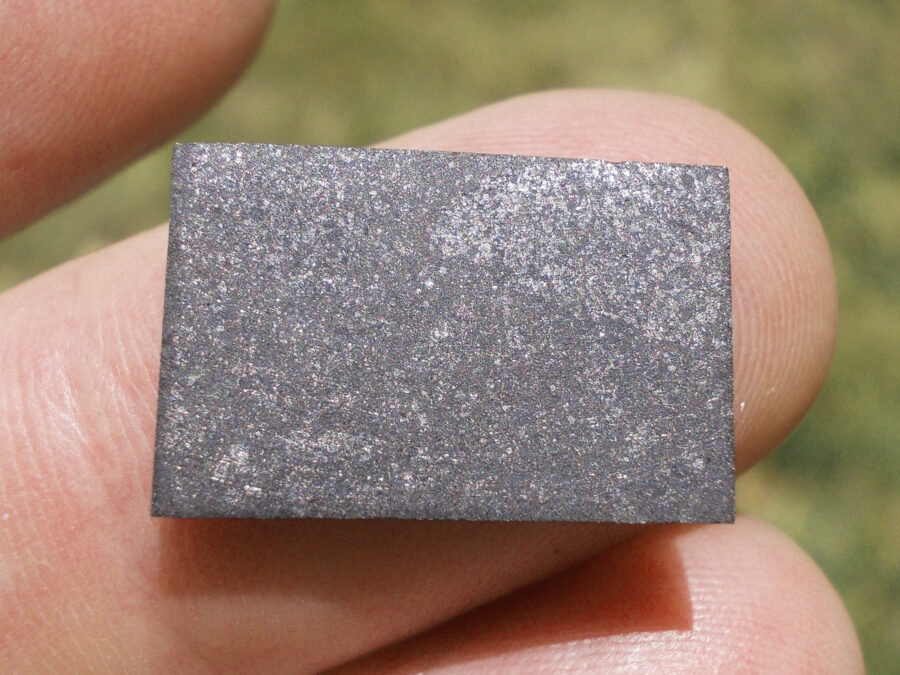
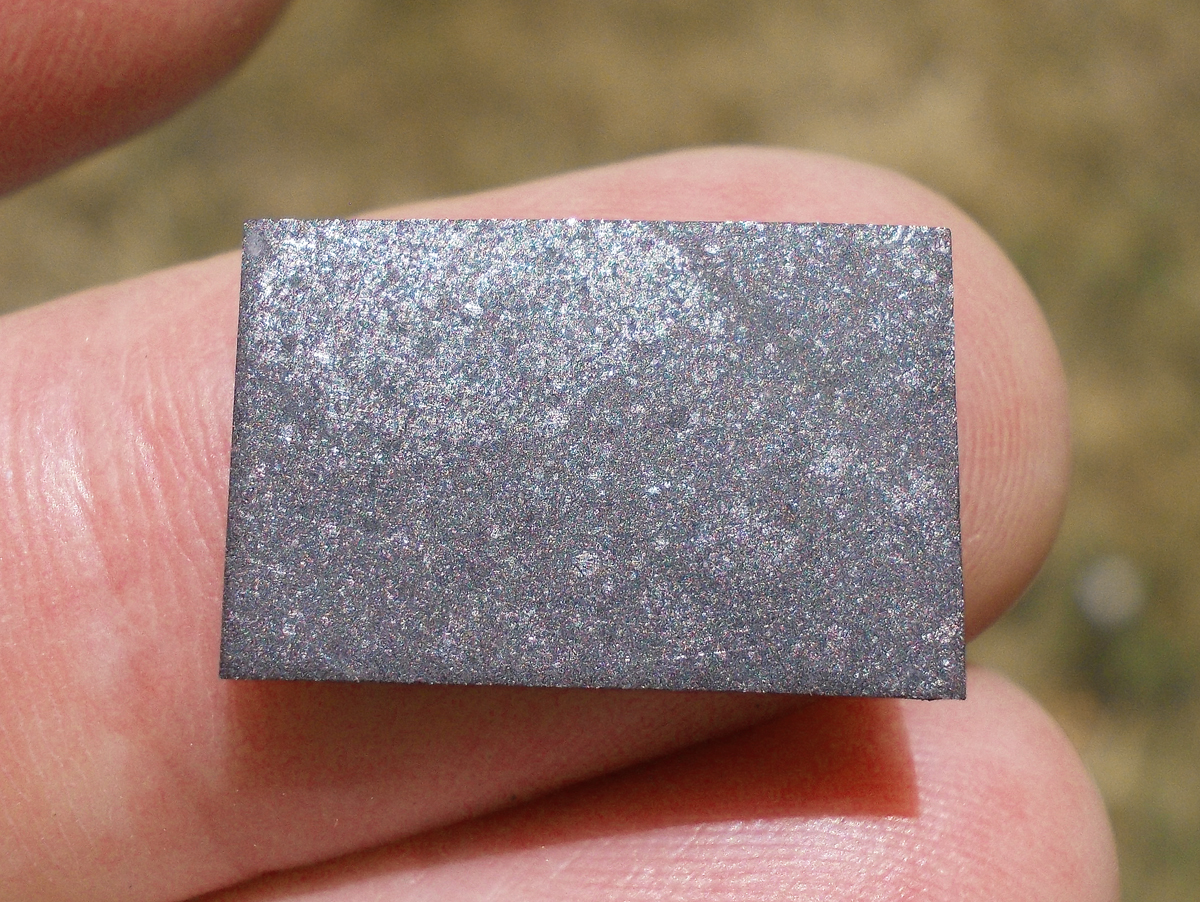
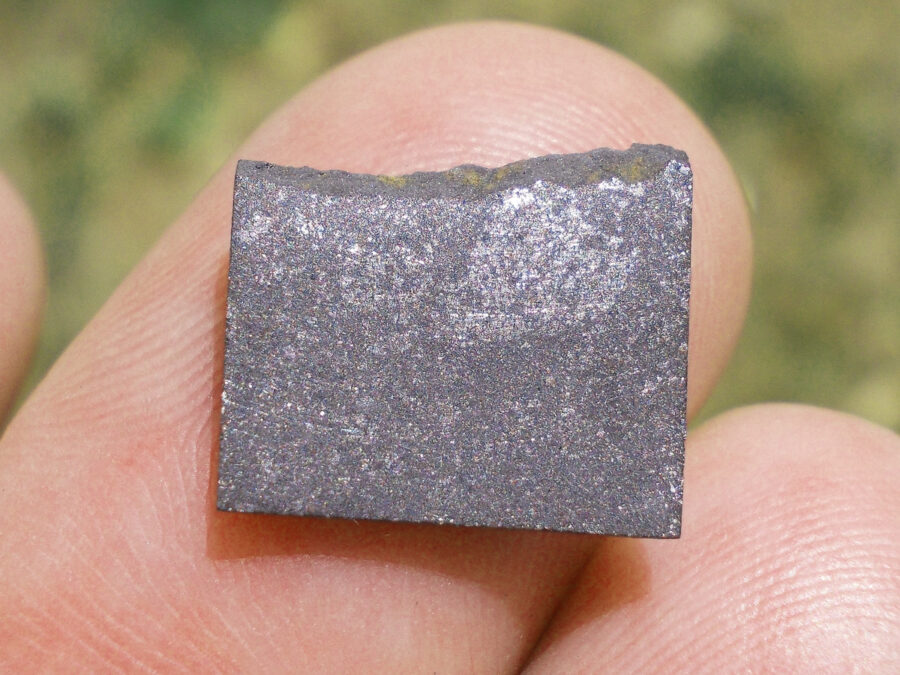
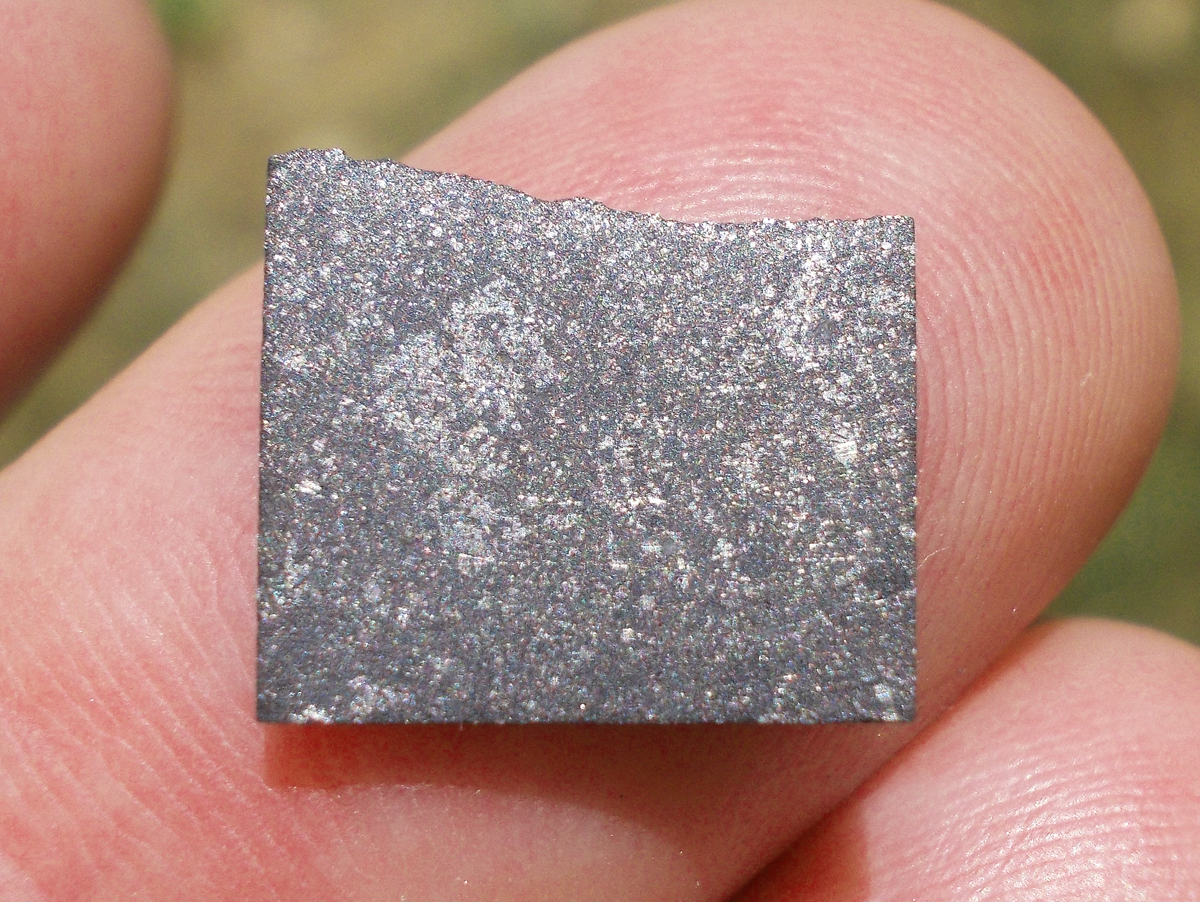
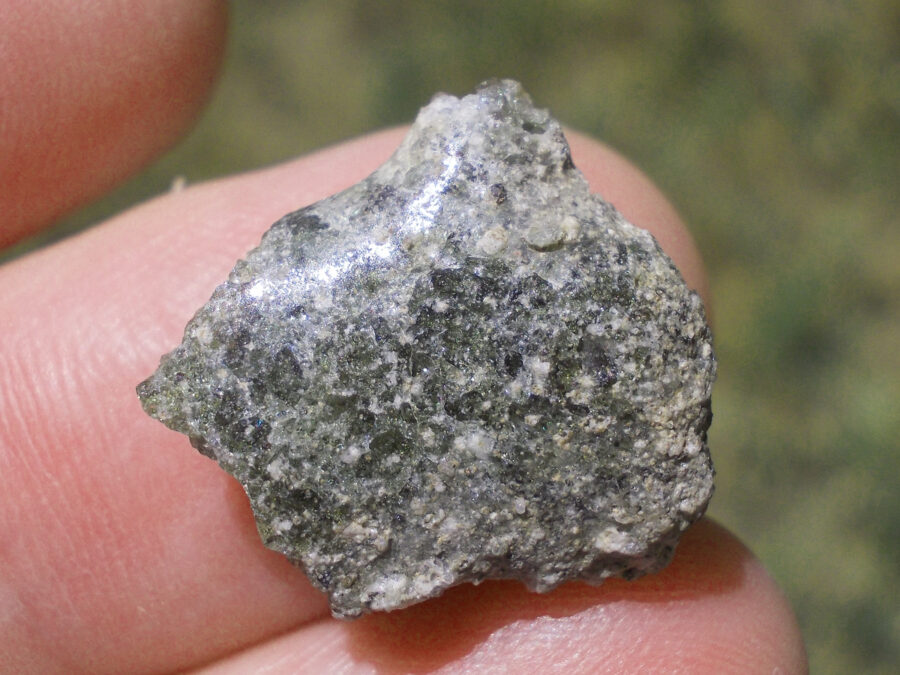
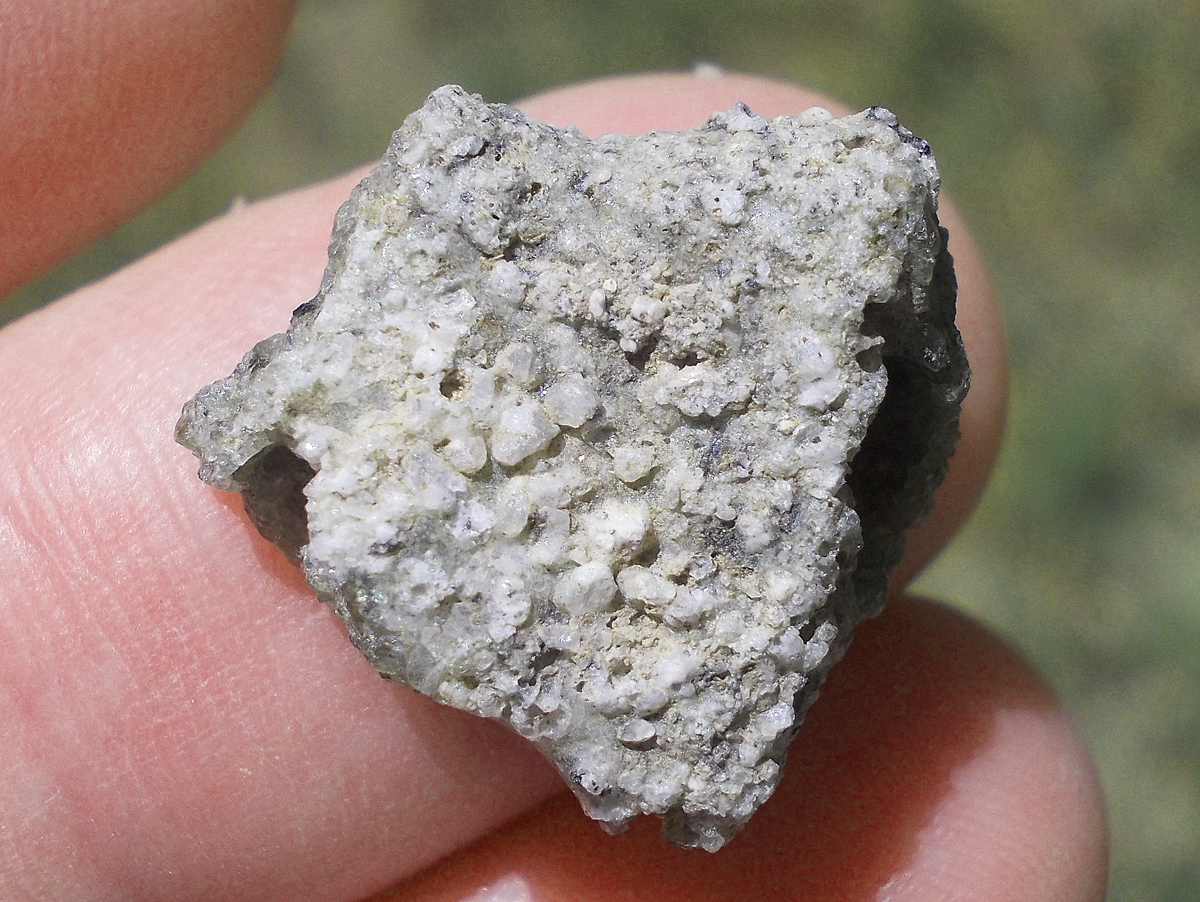
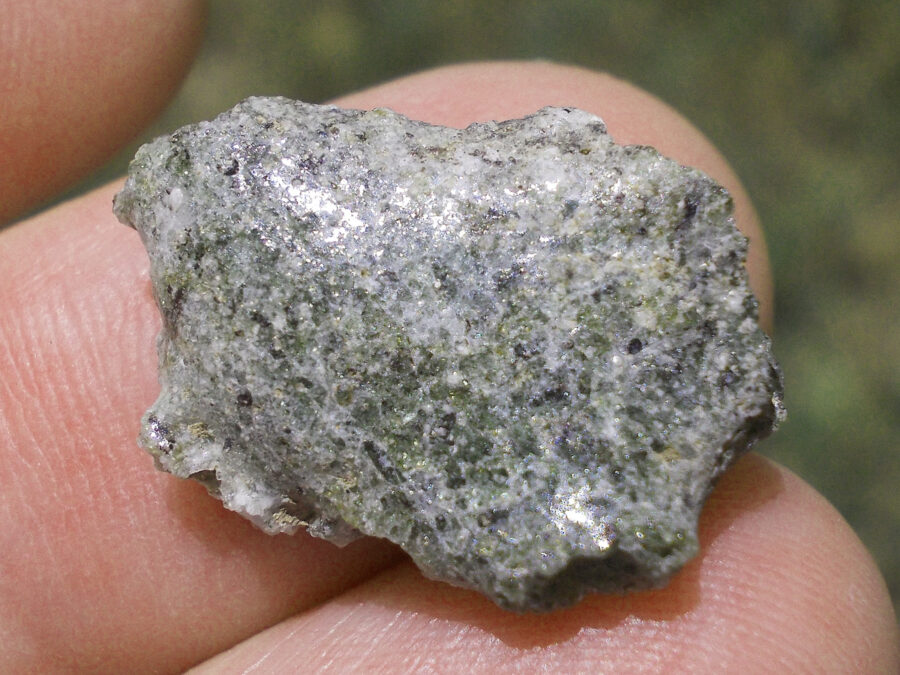
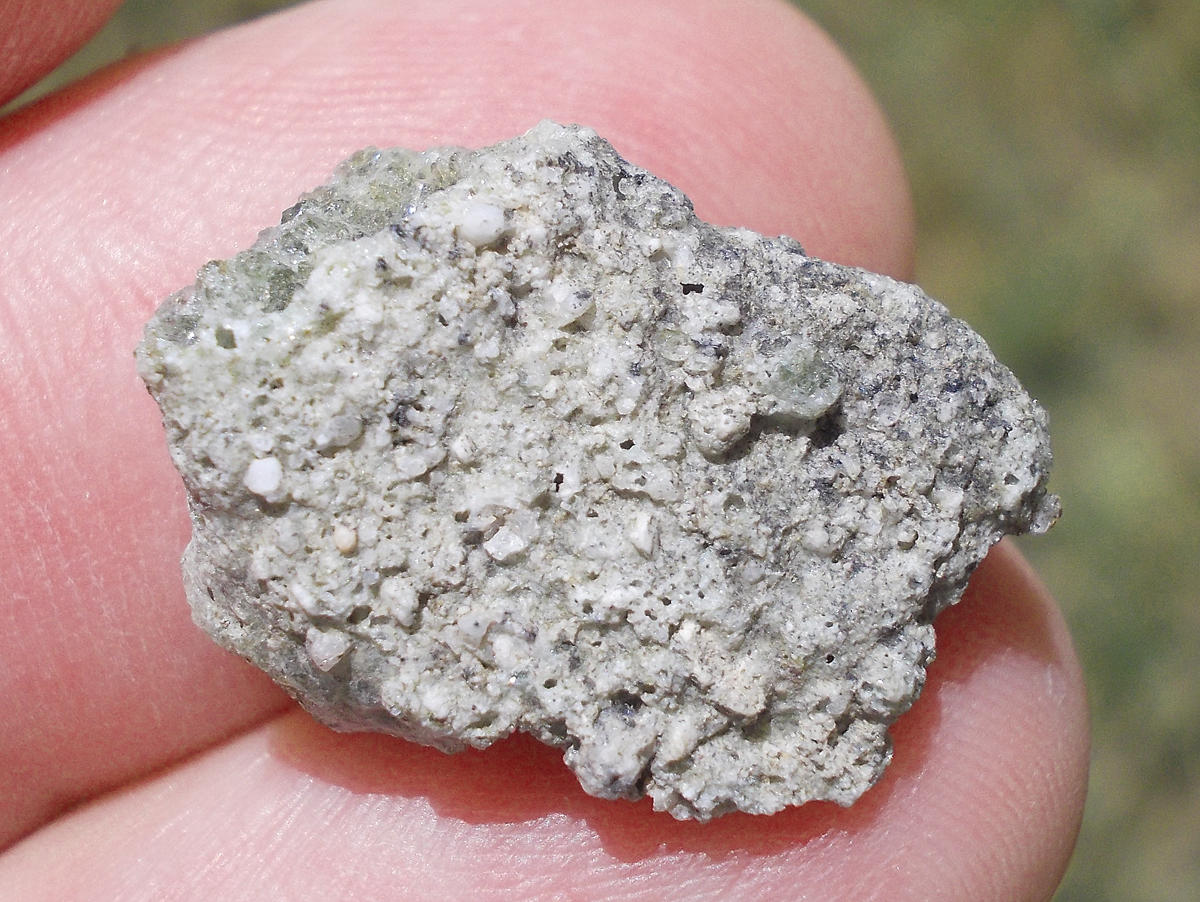
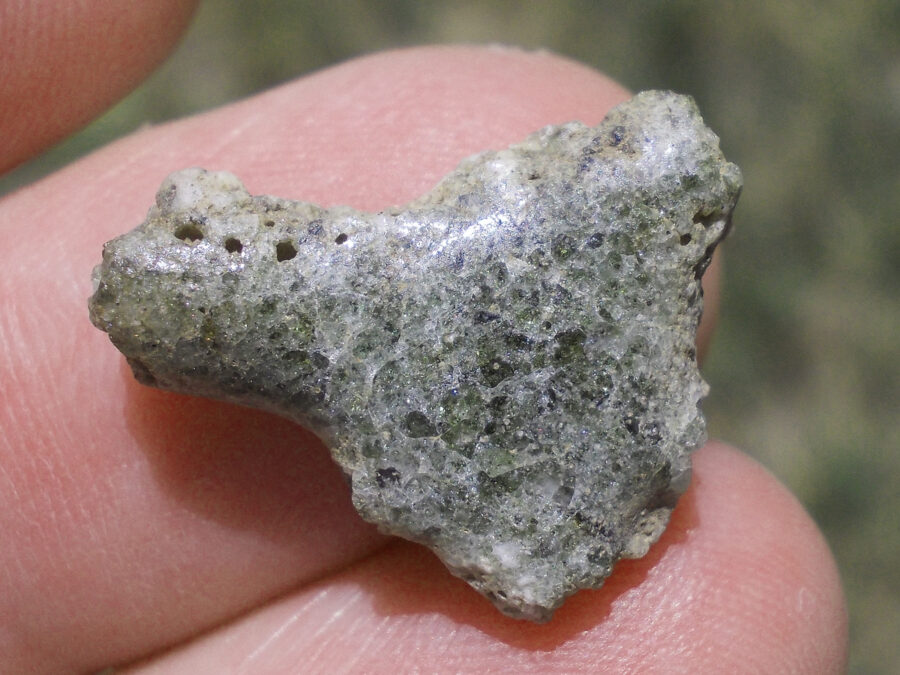
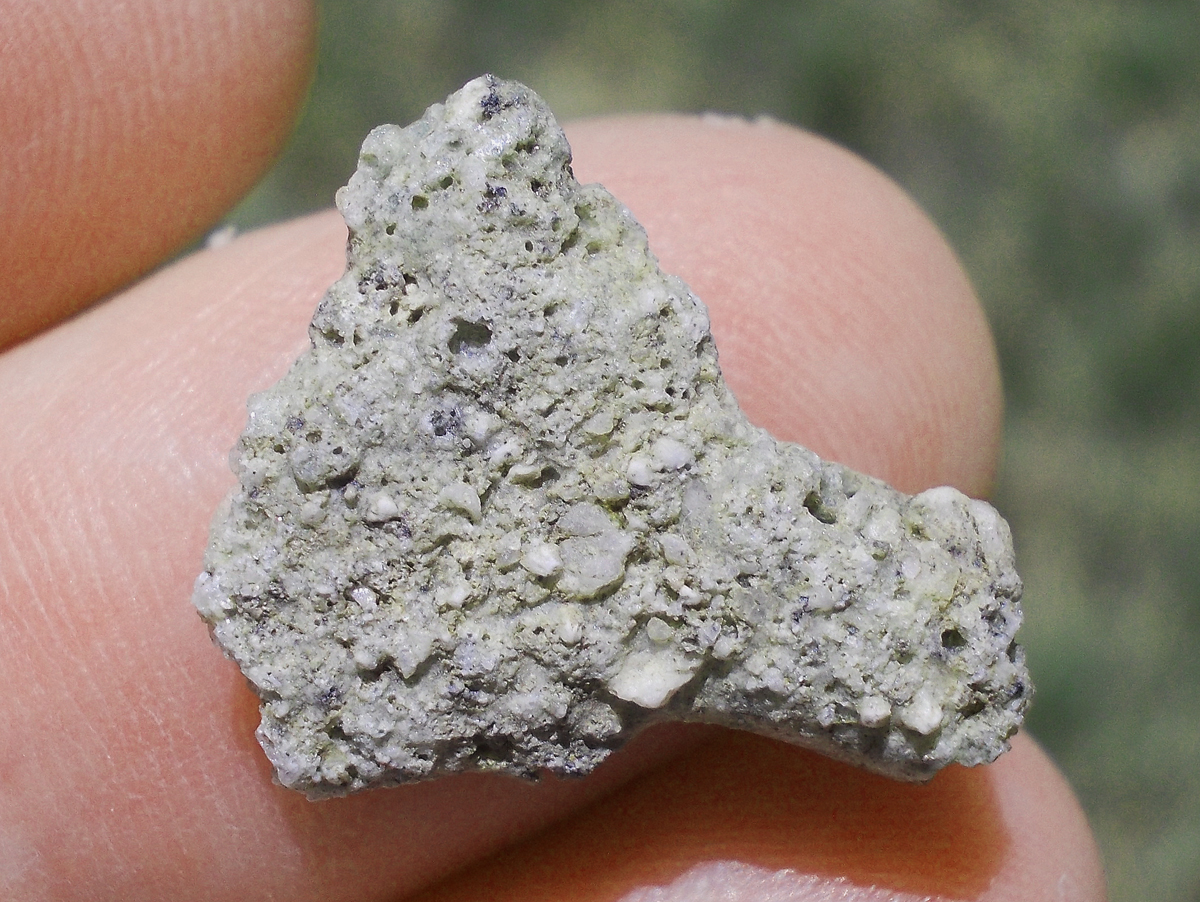
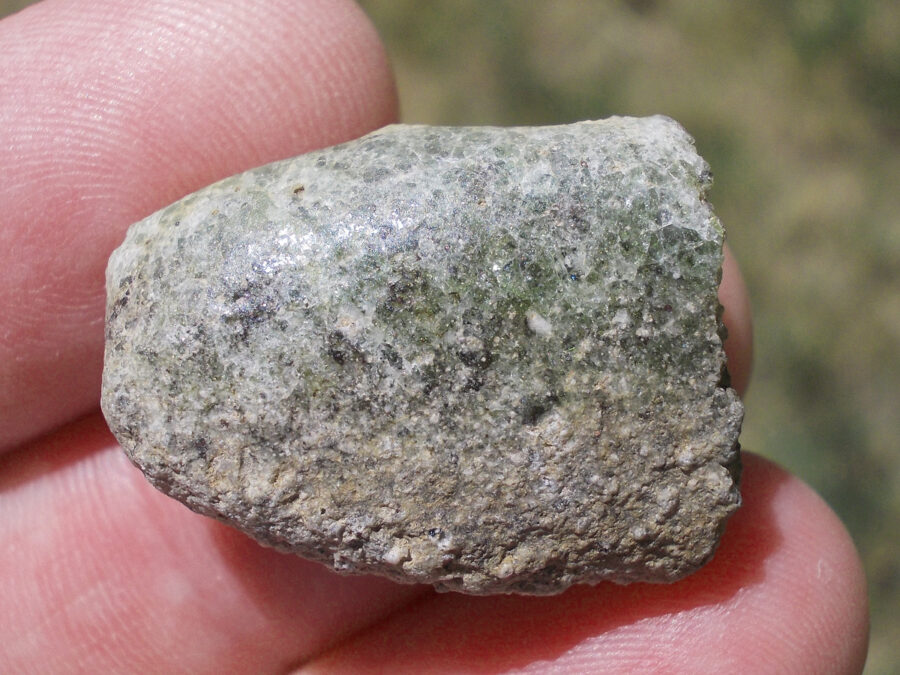
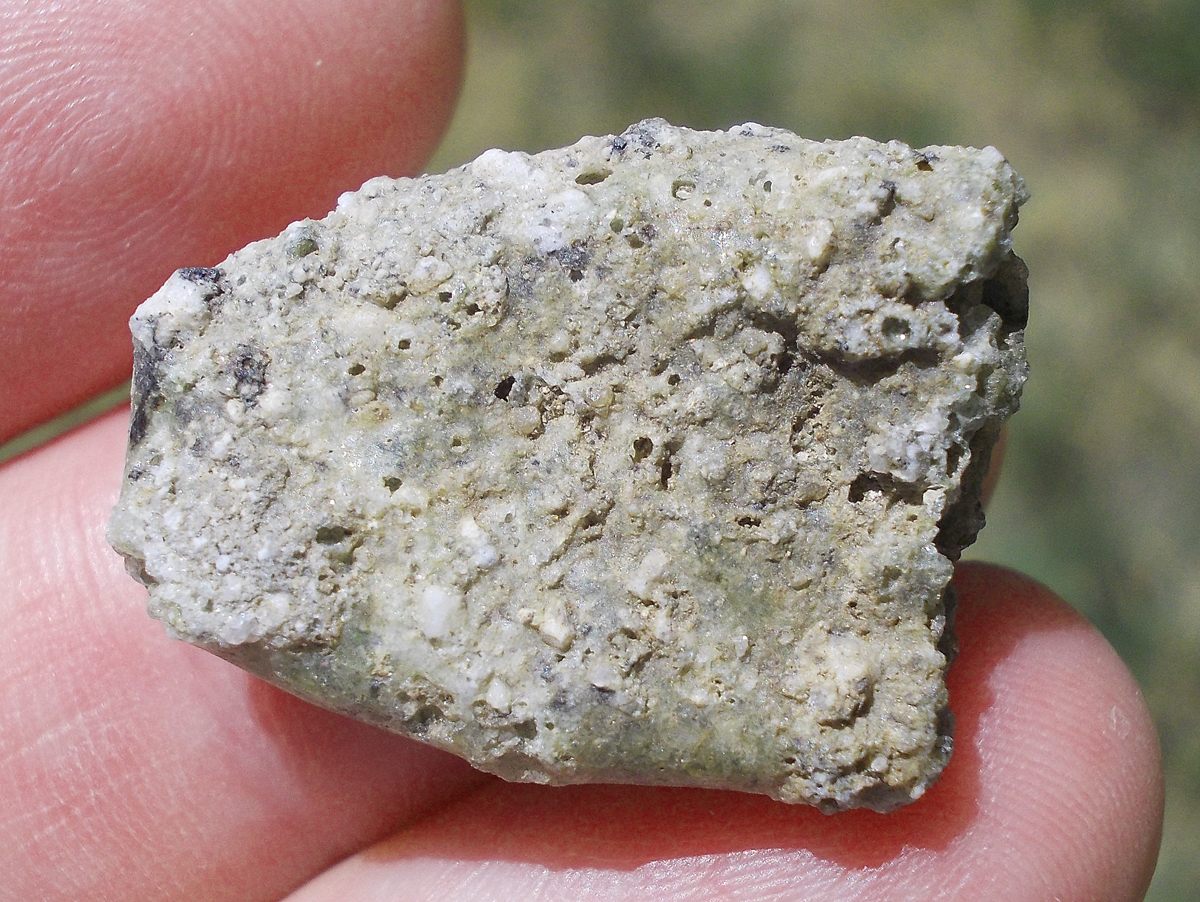
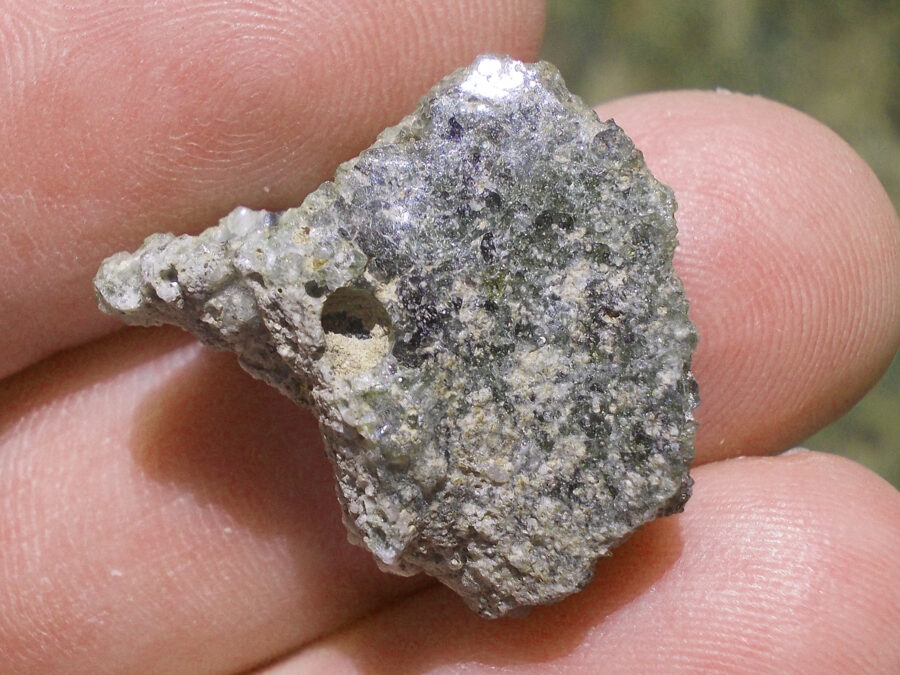
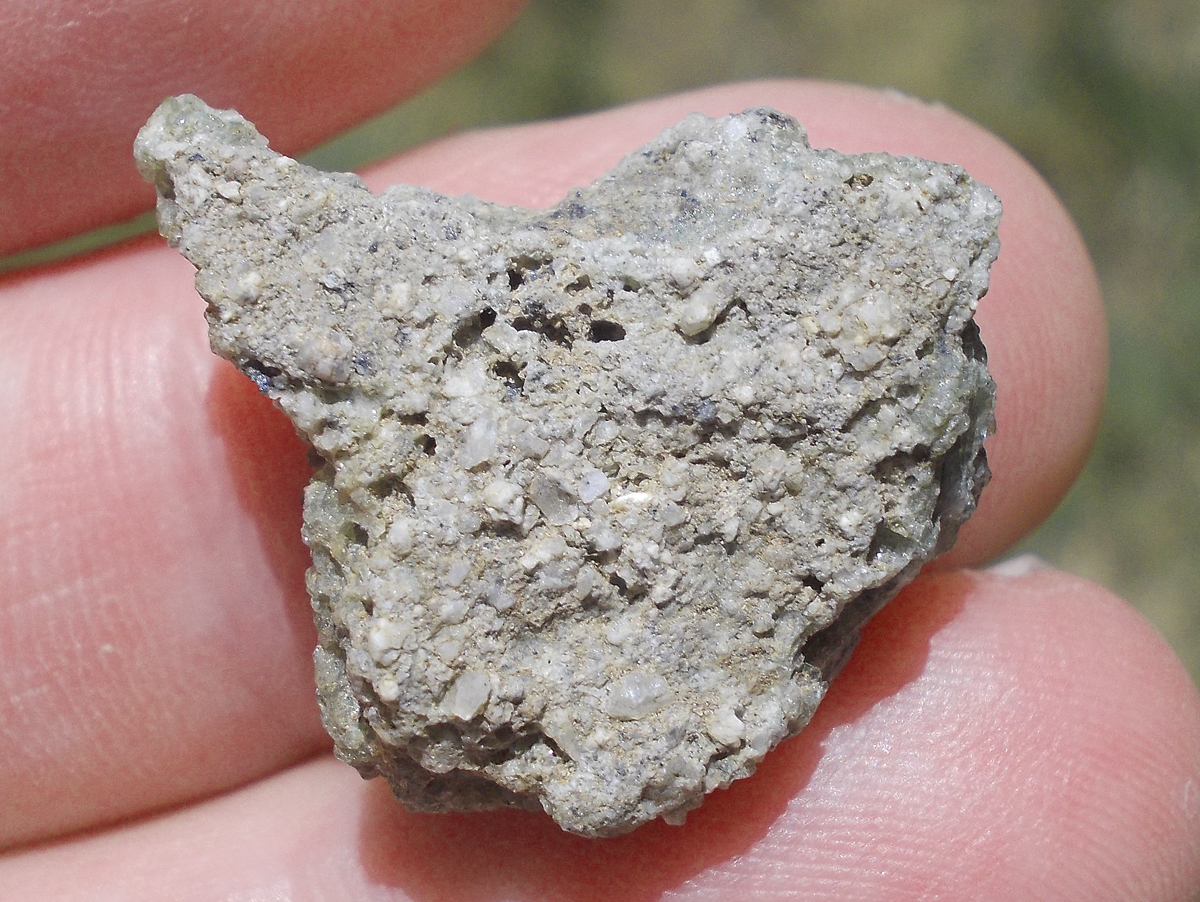
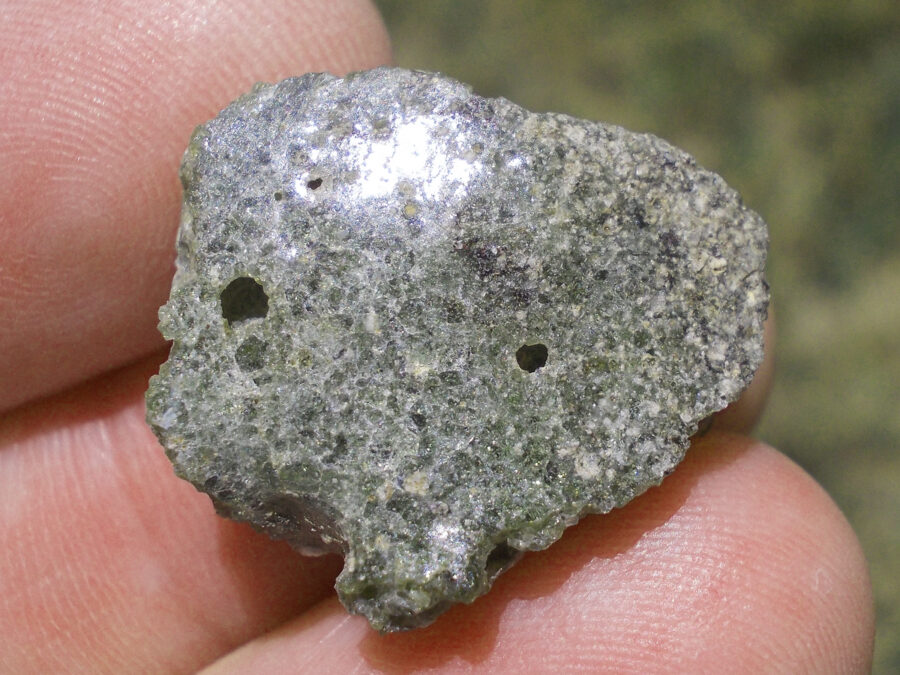
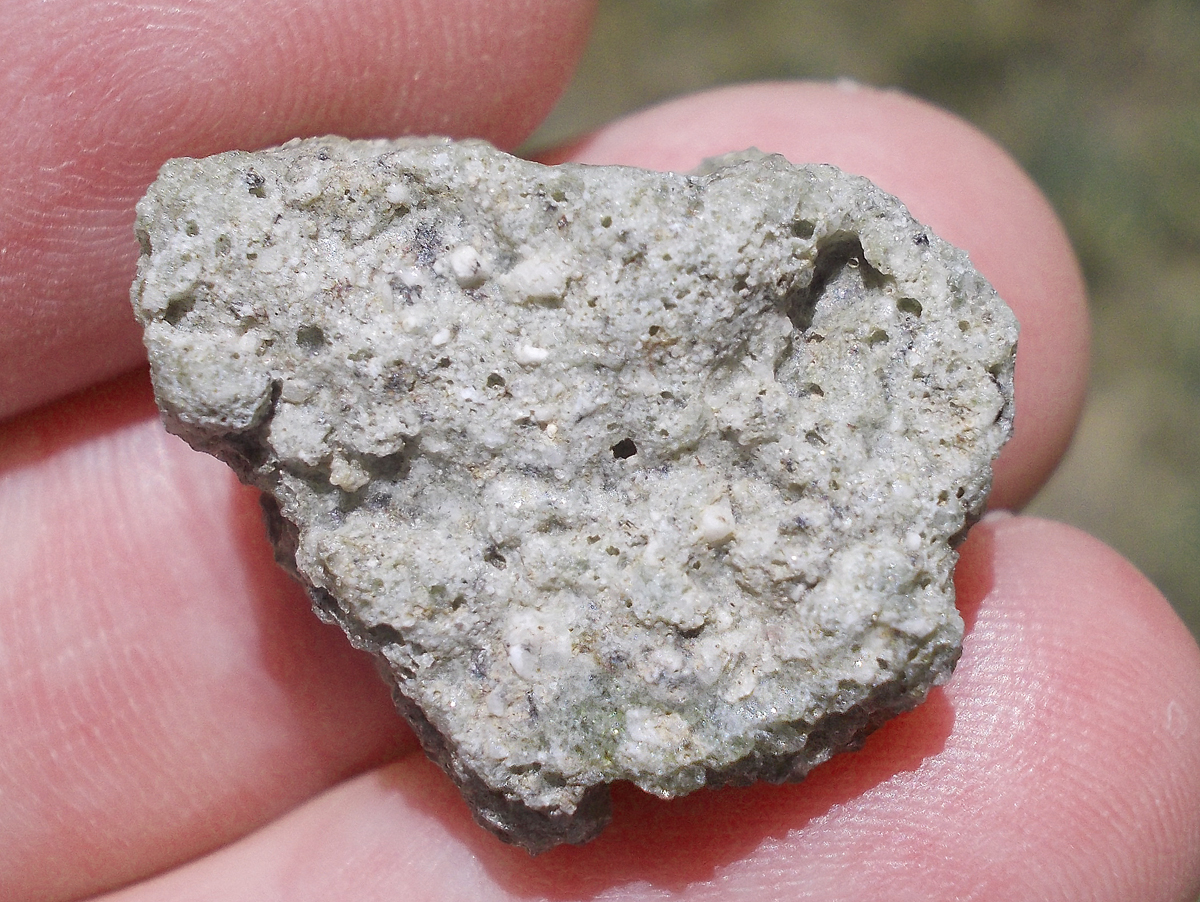
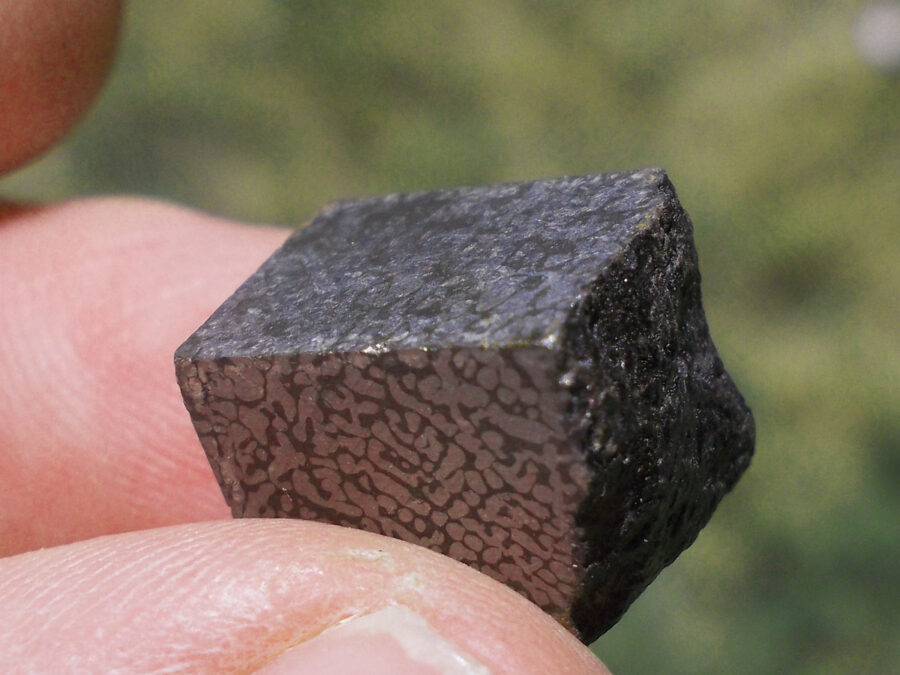
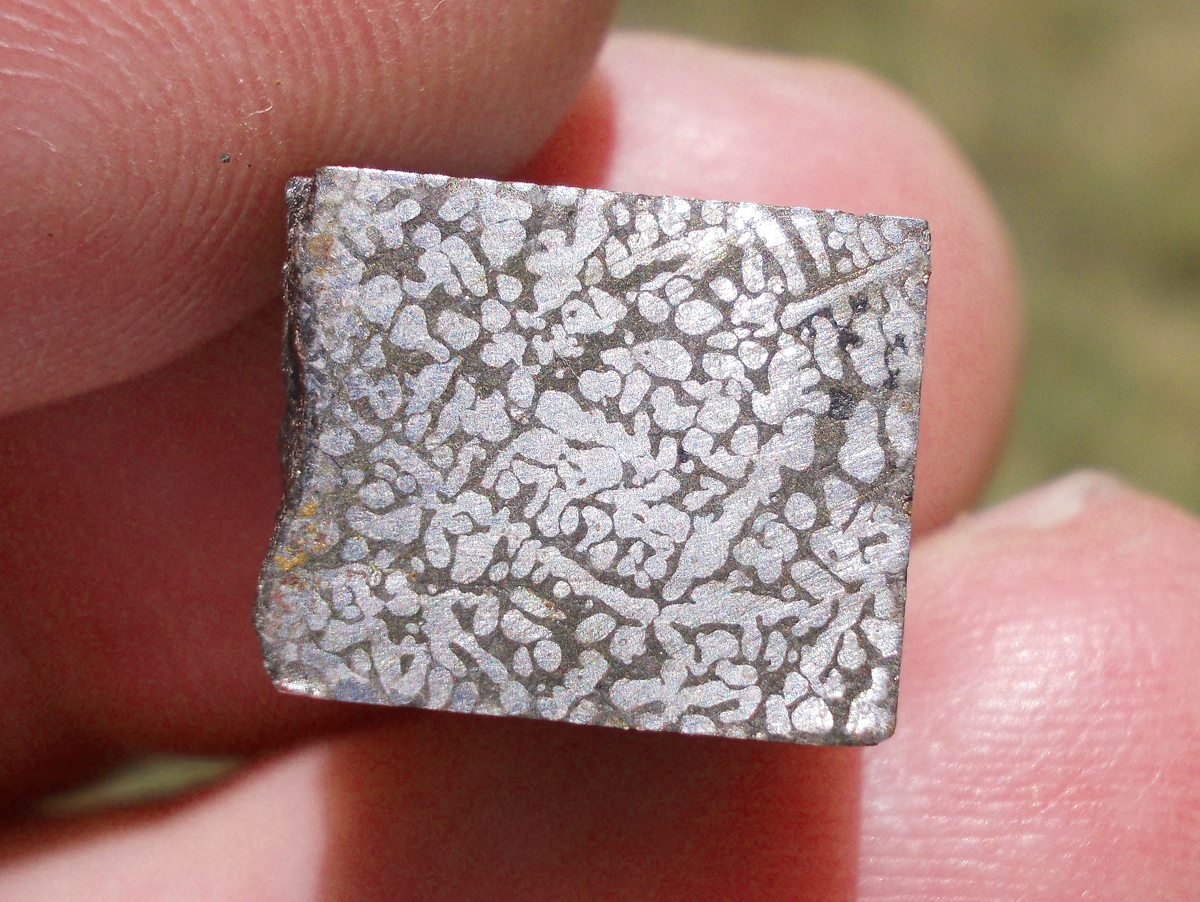
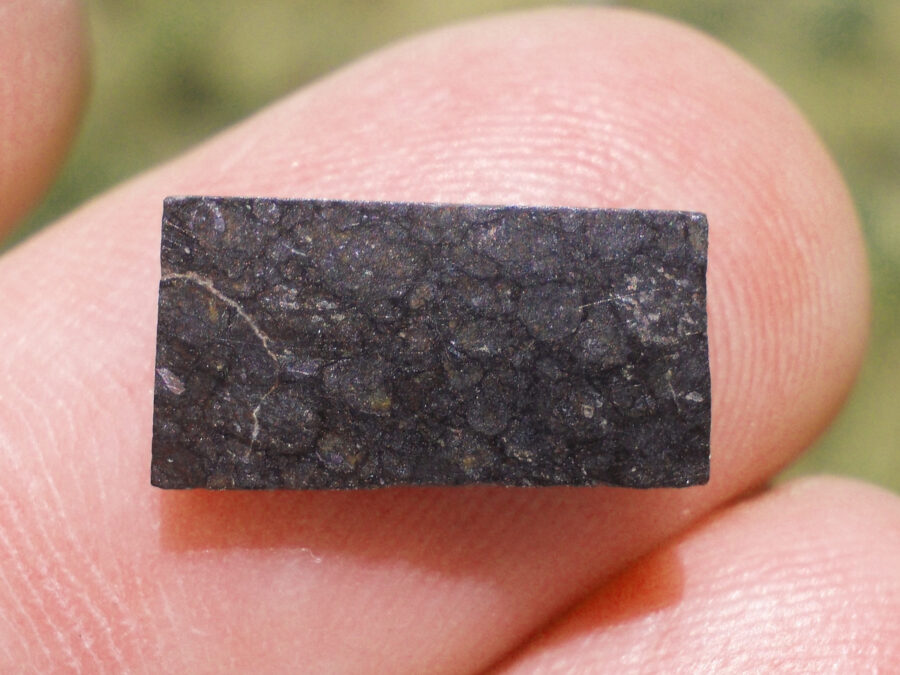
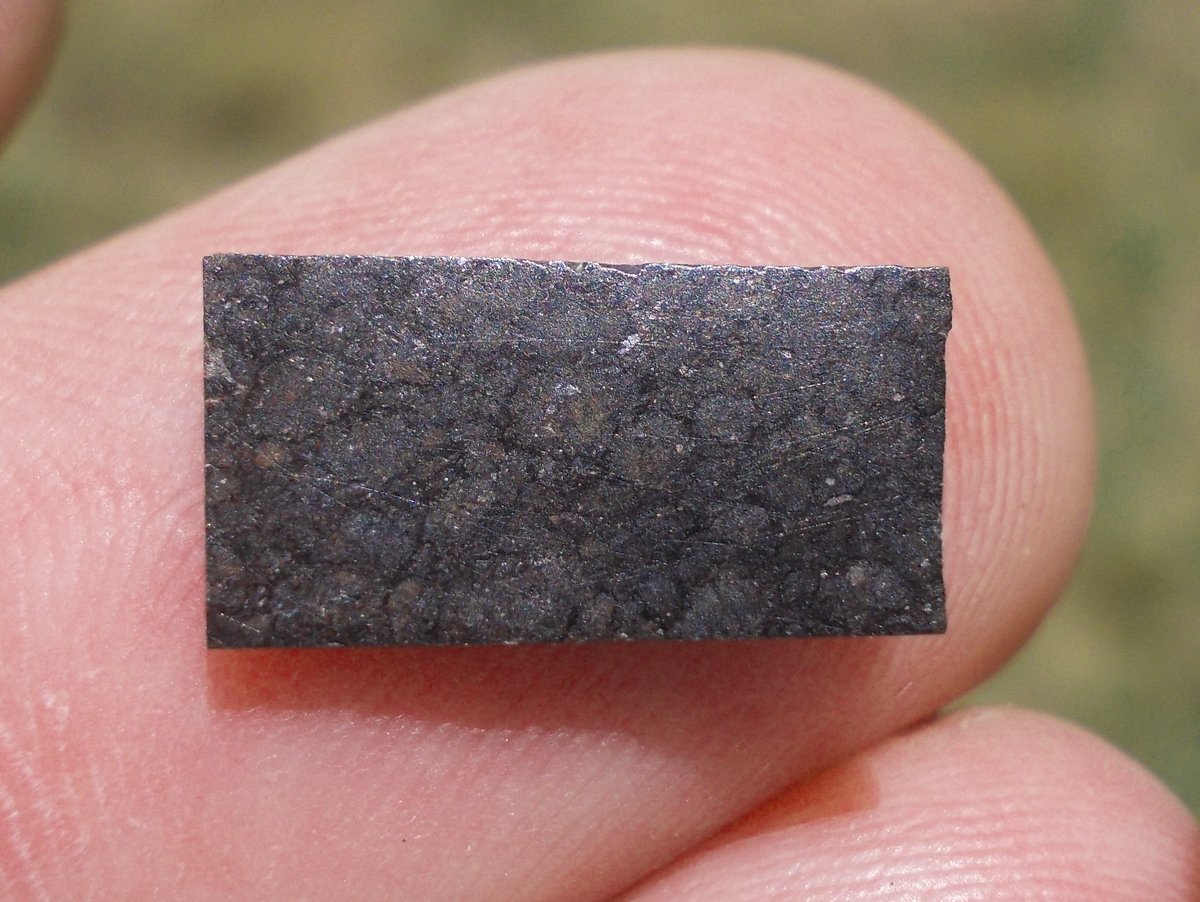
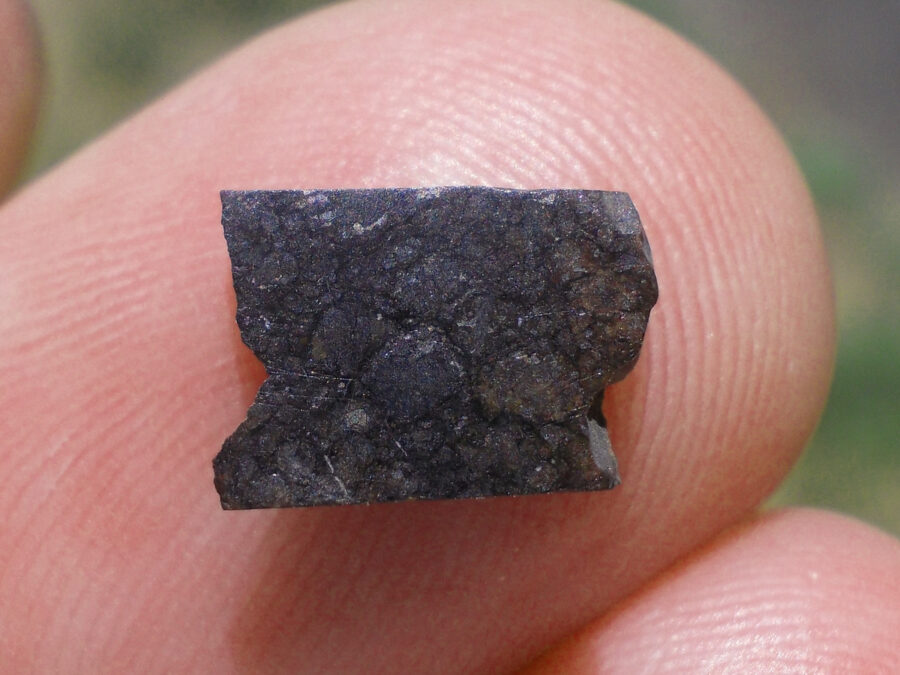
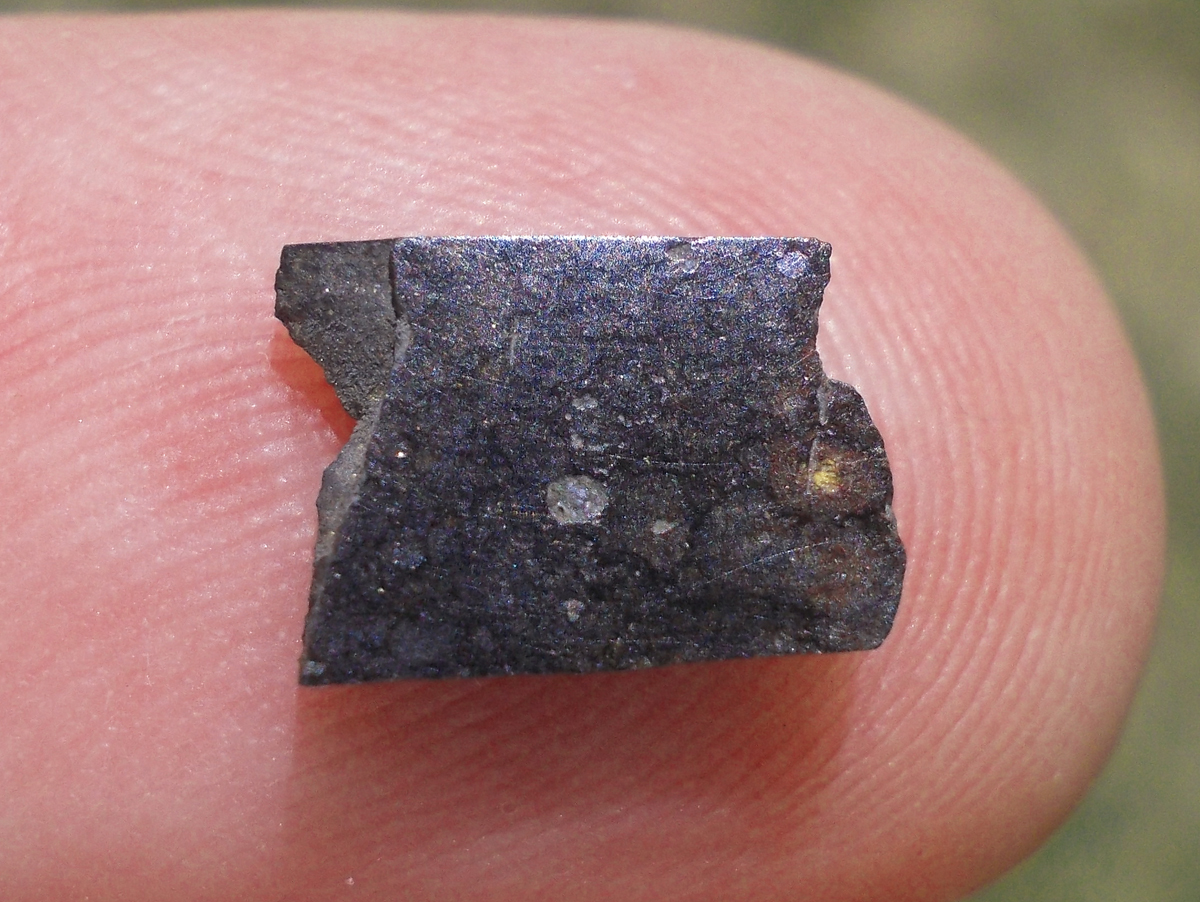
Trinitite is a glass made during the first nuclear explosion called Trinity, in Alamogordo, New Mexico on July 16, 1945.
Trinitite is made from the vitrification of the desert sand linked to the different elements of the structure on which the bomb rested and the bomb itself. Recently, researchers discovered that a piece of red Trinitrite took the form of a quasicrystal.
First discovered in the laboratory in the 1980s, quasicrystals also occur in nature, notably in meteorites.
Trinitite is a glass made during the first nuclear explosion called Trinity, in Alamogordo, New Mexico on July 16, 1945.
Trinitite is made from the vitrification of the desert sand linked to the different elements of the structure on which the bomb rested and the bomb itself. Recently, researchers discovered that a piece of red Trinitrite took the form of a quasicrystal.
First discovered in the laboratory in the 1980s, quasicrystals also occur in nature, notably in meteorites.
Trinitite is a glass made during the first nuclear explosion called Trinity, in Alamogordo, New Mexico on July 16, 1945.
Trinitite is made from the vitrification of the desert sand linked to the different elements of the structure on which the bomb rested and the bomb itself. Recently, researchers discovered that a piece of red Trinitrite took the form of a quasicrystal.
First discovered in the laboratory in the 1980s, quasicrystals also occur in nature, notably in meteorites.
Trinitite is a glass made during the first nuclear explosion called Trinity, in Alamogordo, New Mexico on July 16, 1945.
Trinitite is made from the vitrification of the desert sand linked to the different elements of the structure on which the bomb rested and the bomb itself. Recently, researchers discovered that a piece of red Trinitrite took the form of a quasicrystal.
First discovered in the laboratory in the 1980s, quasicrystals also occur in nature, notably in meteorites.
Trinitite is a glass made during the first nuclear explosion called Trinity, in Alamogordo, New Mexico on July 16, 1945.
Trinitite is made from the vitrification of the desert sand linked to the different elements of the structure on which the bomb rested and the bomb itself. Recently, researchers discovered that a piece of red Trinitrite took the form of a quasicrystal.
First discovered in the laboratory in the 1980s, quasicrystals also occur in nature, notably in meteorites.
Trinitite is a glass made during the first nuclear explosion called Trinity, in Alamogordo, New Mexico on July 16, 1945.
Trinitite is made from the vitrification of the desert sand linked to the different elements of the structure on which the bomb rested and the bomb itself. Recently, researchers discovered that a piece of red Trinitrite took the form of a quasicrystal.
First discovered in the laboratory in the 1980s, quasicrystals also occur in nature, notably in meteorites.
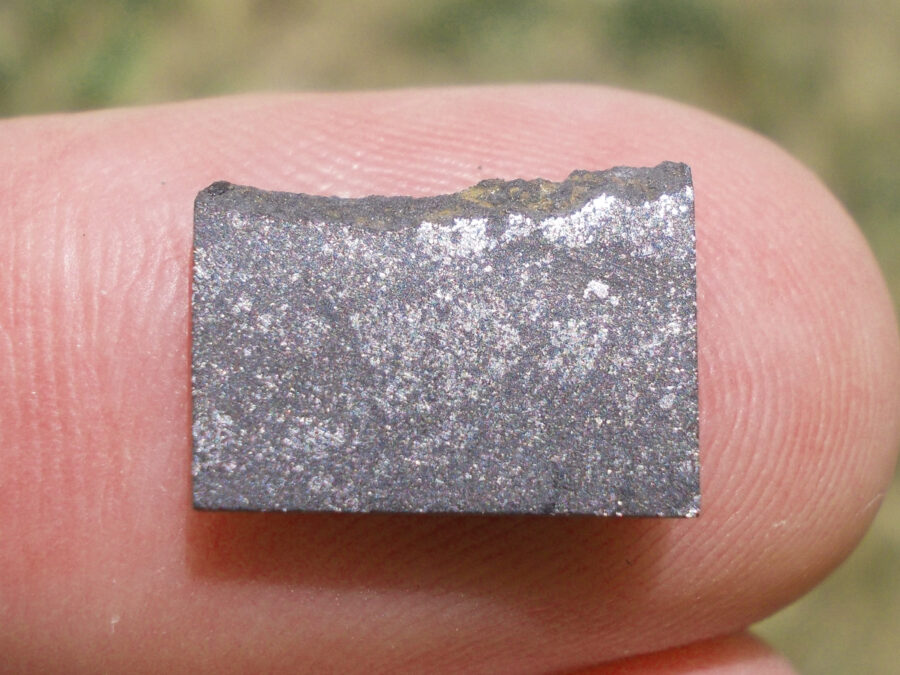
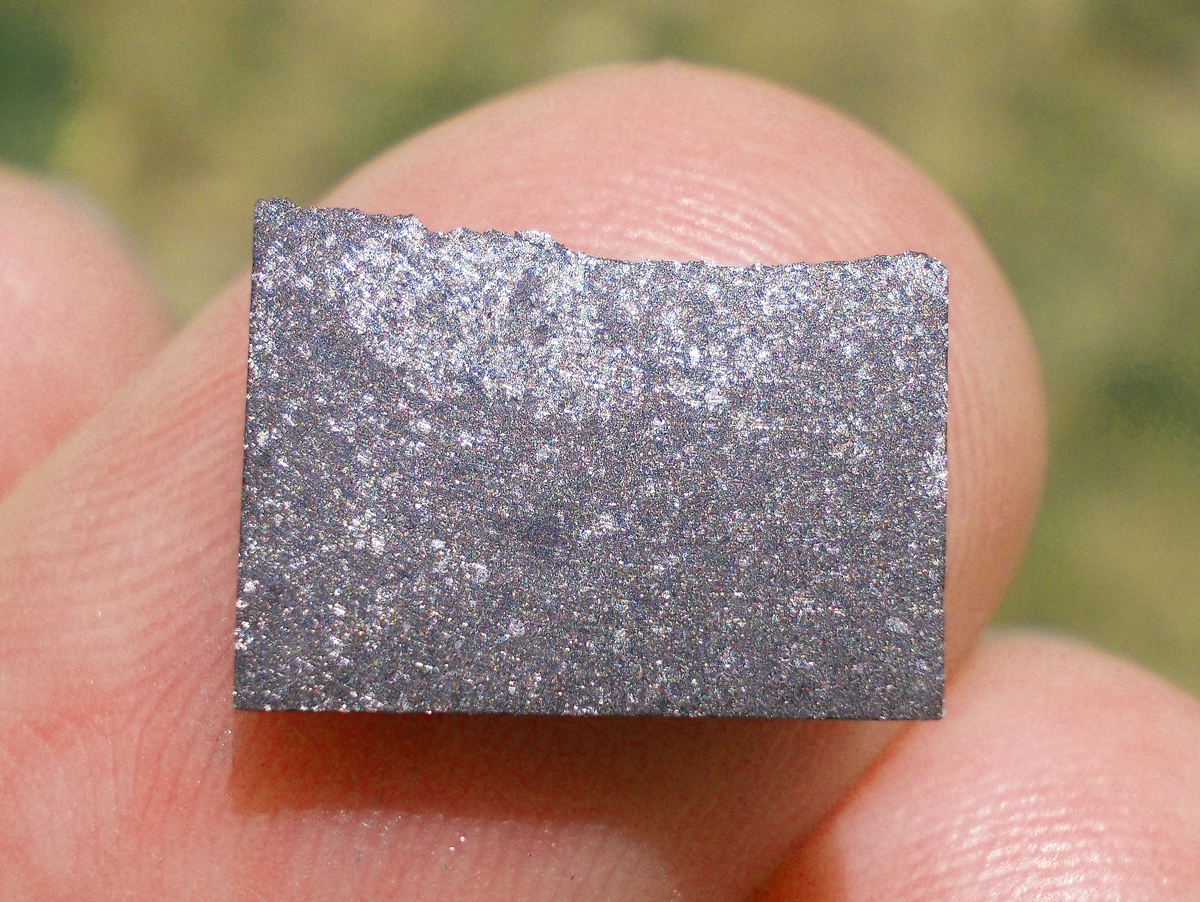
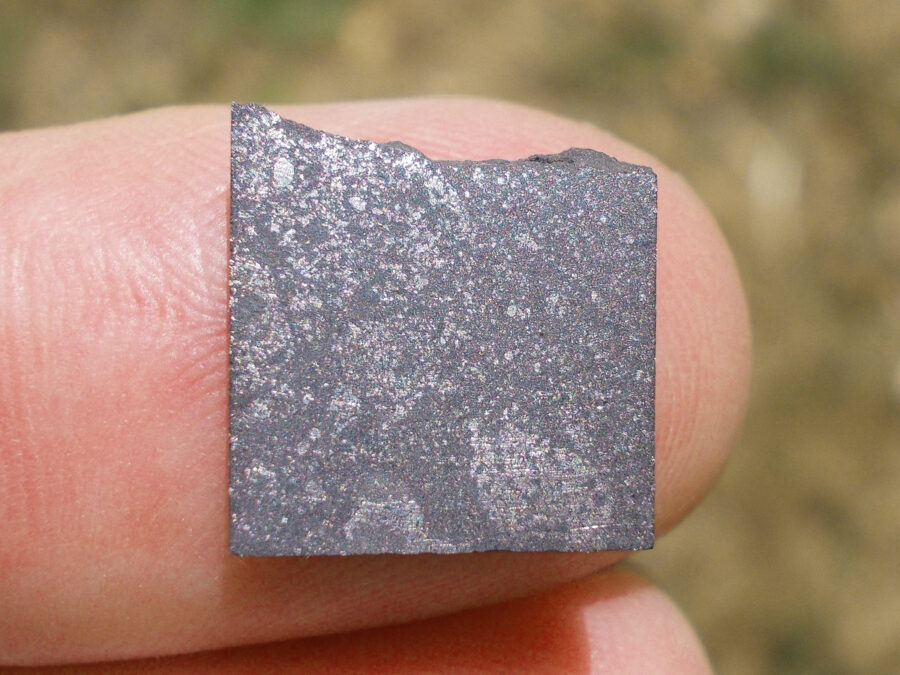
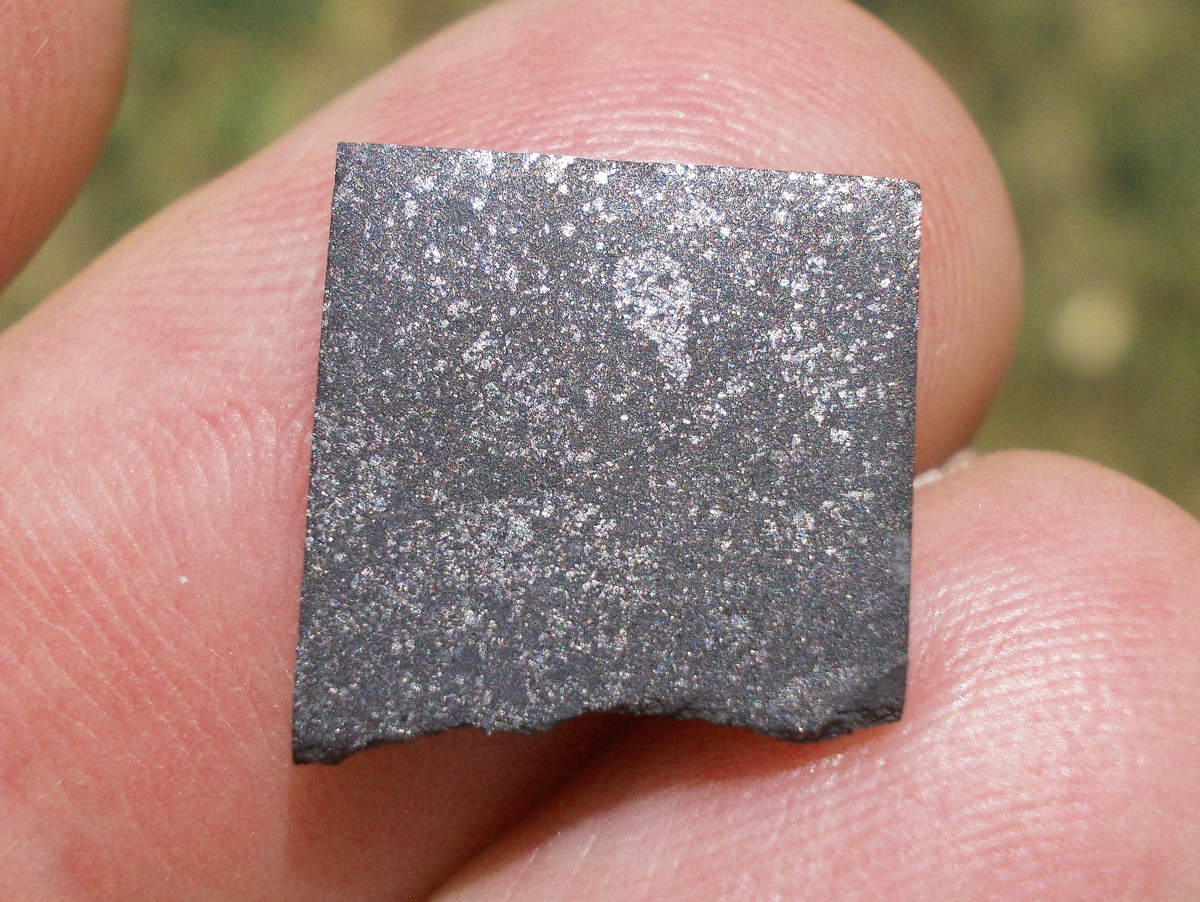
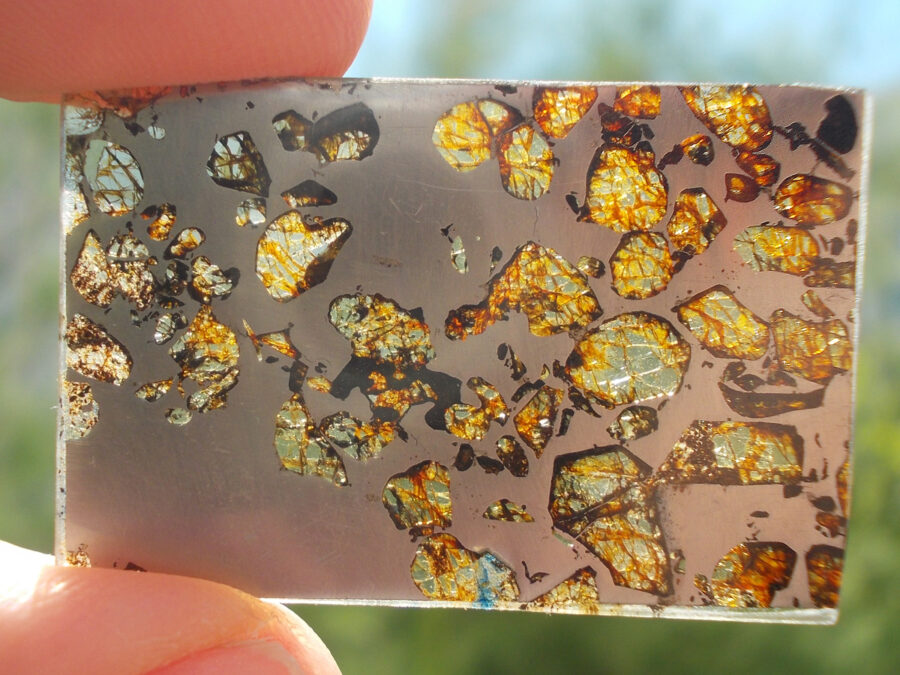
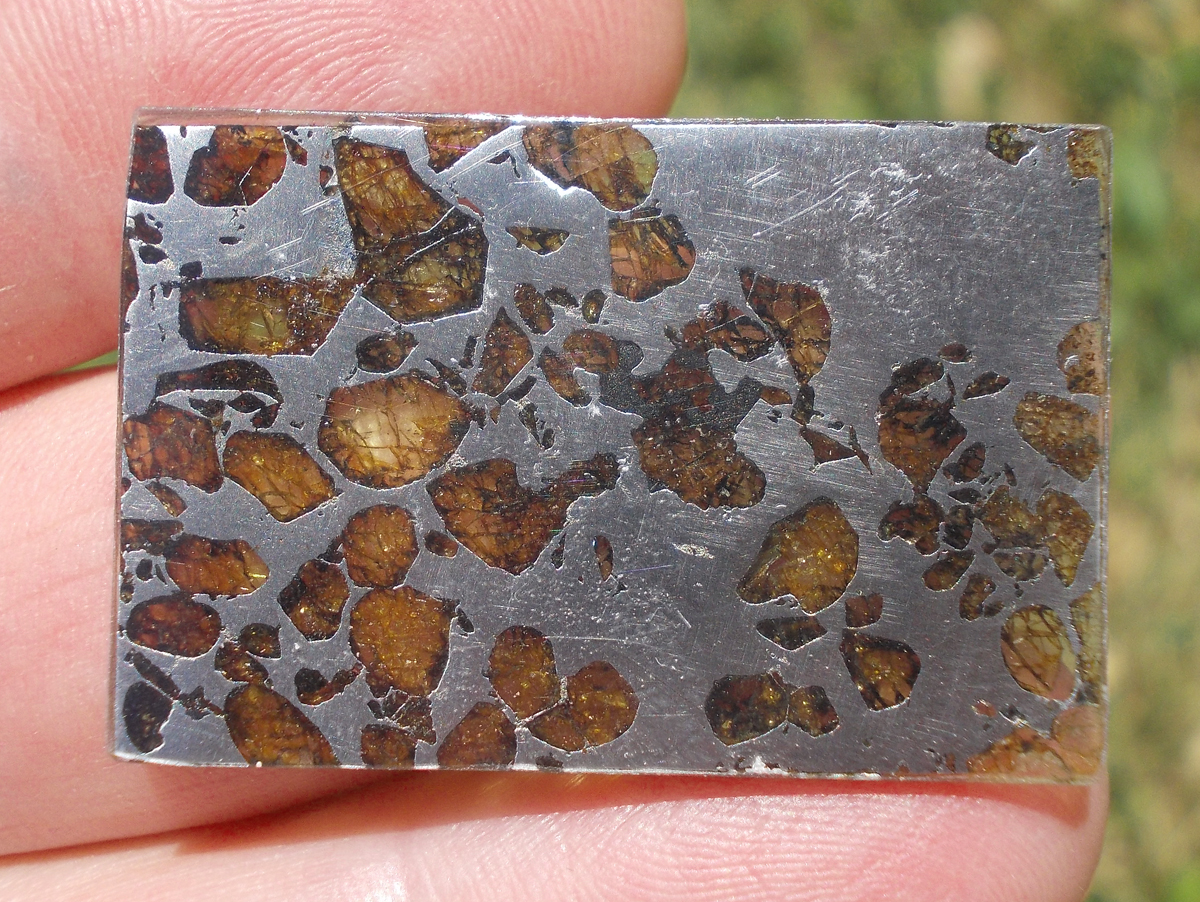
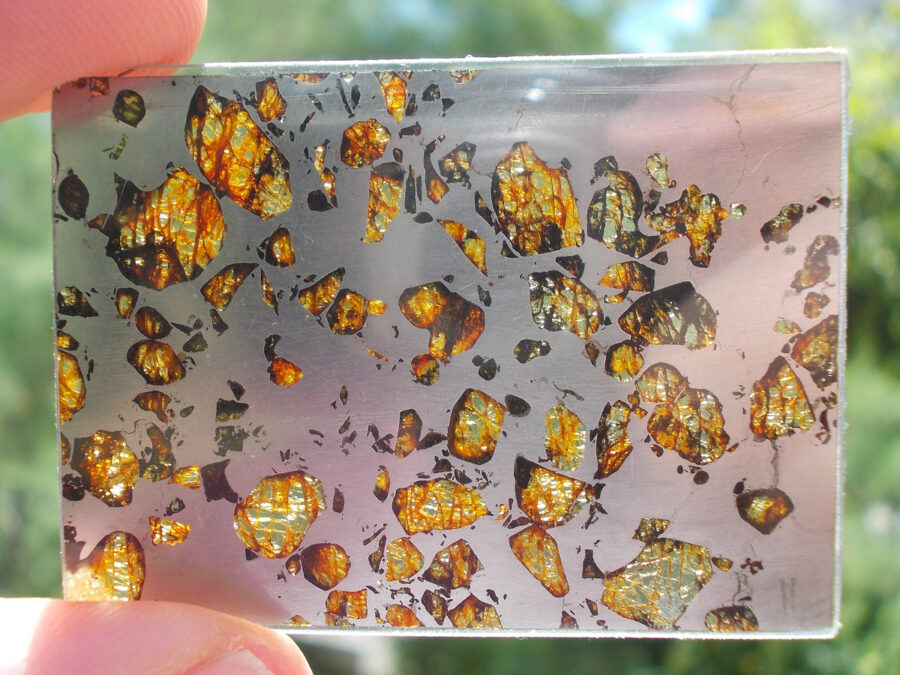
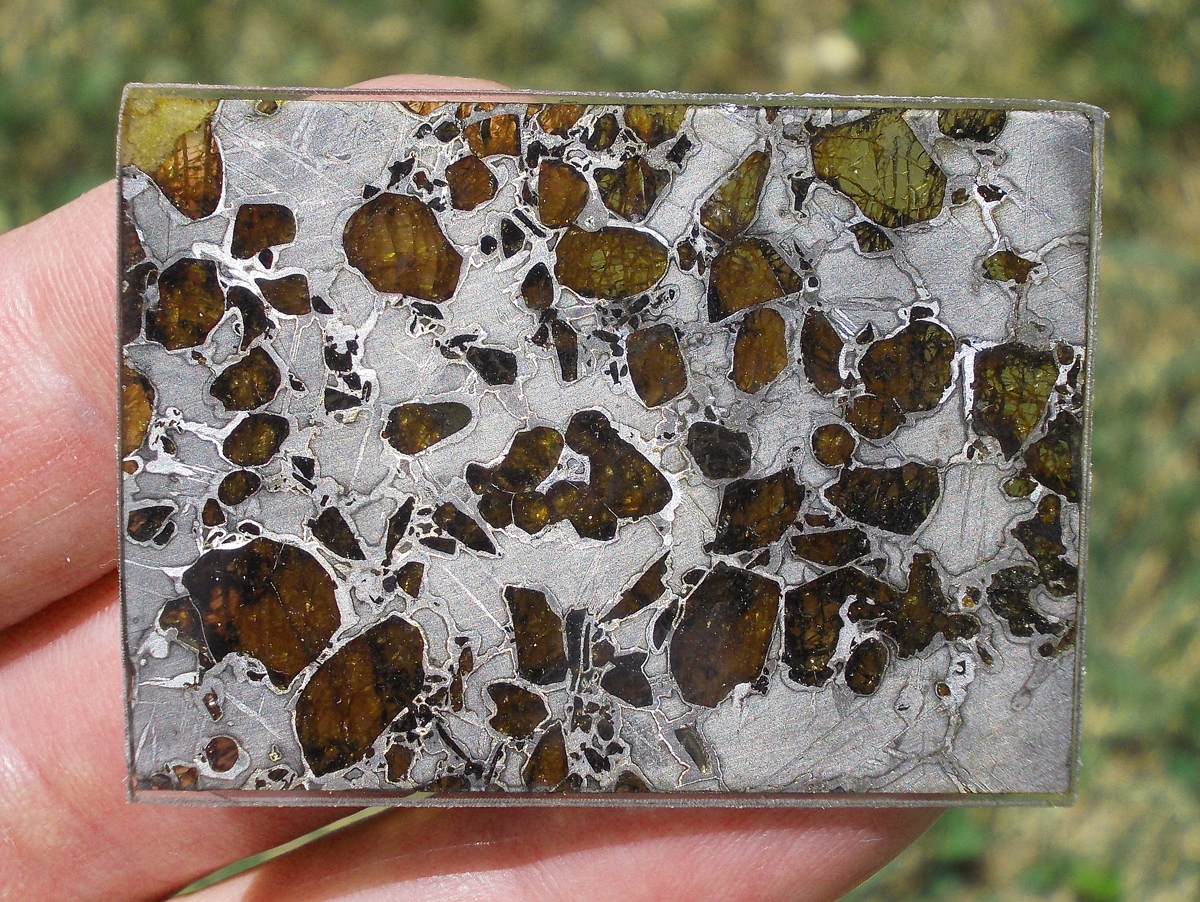
Gyarub Zangbo is a pallasite-type meteorite discovered in Tibet in 2020, weighing just 18 kg.
The mineral chemistry, the O and Cr isotopes of olivine and the metallic phase make this an anomalous carbonaceous pallasite.
Gyarub Zangbo appears to be a unique pallasite from a previously unrepresented asteroid in the pallasite collection.
Pallasites are unique stony-iron meteorites composed mainly of olivine and ferrous metal.
They are thought to have formed in the boundary region between the core and mantle of asteroids, inside asteroids.
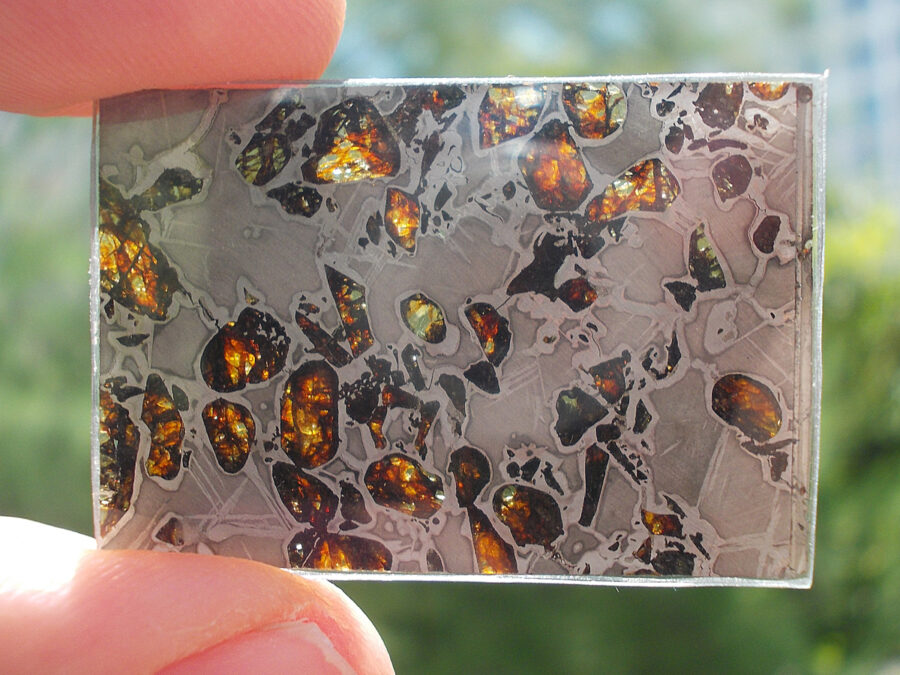
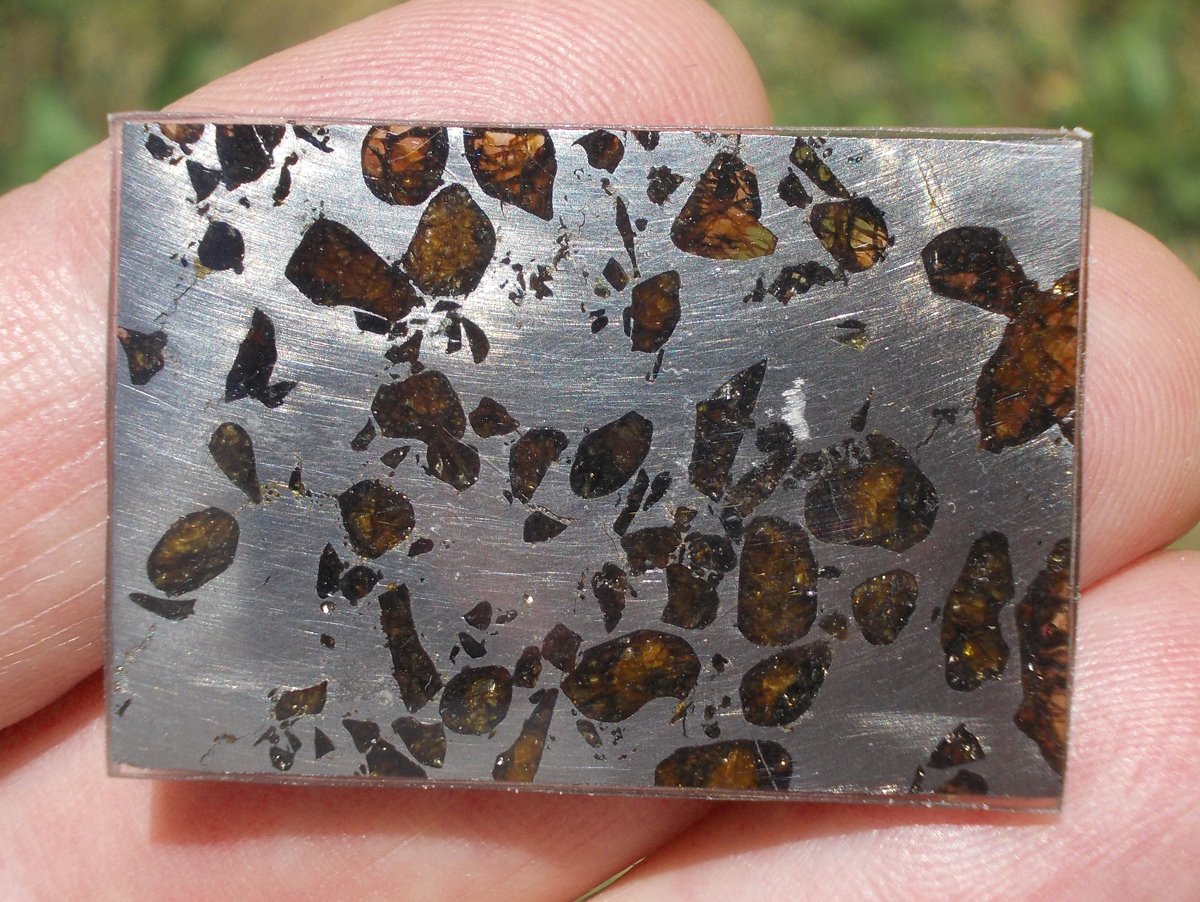
Pallasites are meteorites composed of olivine crystals embedded in an iron-nickel matrix.
Pallasites are among the most aesthetically pleasing of meteorites.
Exceptional quality !
Thin, translucent slice protected by a very thin layer of resin.
Gyarub Zangbo is a pallasite-type meteorite discovered in Tibet in 2020, weighing just 18 kg.
The mineral chemistry, the O and Cr isotopes of olivine and the metallic phase make this an anomalous carbonaceous pallasite.
Gyarub Zangbo appears to be a unique pallasite from a previously unrepresented asteroid in the pallasite collection.
Pallasites are unique stony-iron meteorites composed mainly of olivine and ferrous metal.
They are thought to have formed in the boundary region between the core and mantle of asteroids, inside asteroids.
Pallasites are meteorites composed of olivine crystals embedded in an iron-nickel matrix.
Pallasites are among the most aesthetically pleasing of meteorites.
Exceptional quality !
Thin, translucent slice protected by a very thin layer of resin.
Gyarub Zangbo is a pallasite-type meteorite discovered in Tibet in 2020, weighing just 18 kg.
The mineral chemistry, the O and Cr isotopes of olivine and the metallic phase make this an anomalous carbonaceous pallasite.
Gyarub Zangbo appears to be a unique pallasite from a previously unrepresented asteroid in the pallasite collection.
Pallasites are unique stony-iron meteorites composed mainly of olivine and ferrous metal.
They are thought to have formed in the boundary region between the core and mantle of asteroids, inside asteroids.
Pallasites are meteorites composed of olivine crystals embedded in an iron-nickel matrix.
Pallasites are among the most aesthetically pleasing of meteorites.
Exceptional quality !
Thin, translucent slice protected by a very thin layer of resin.