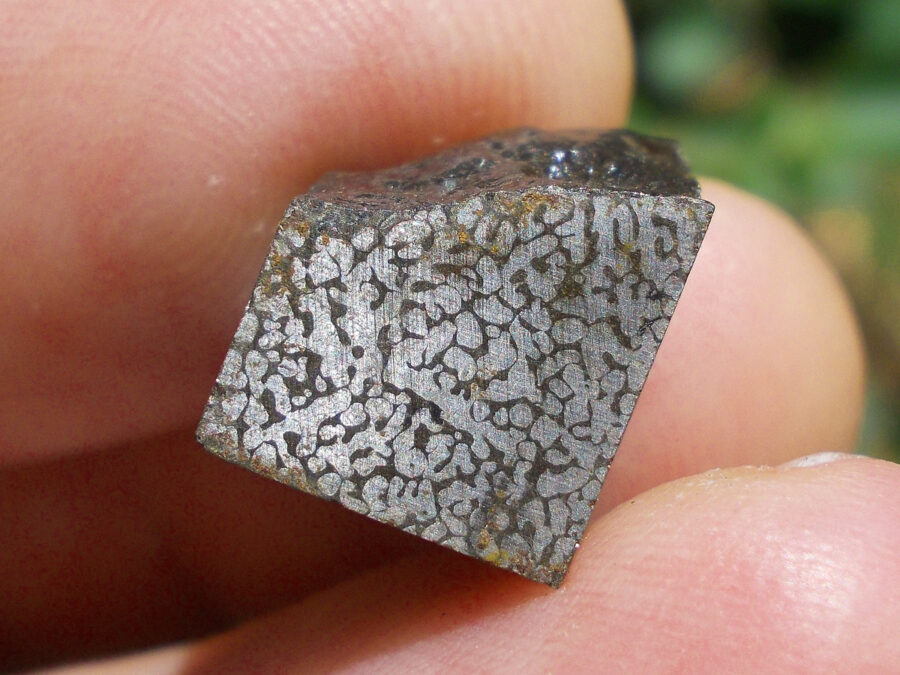
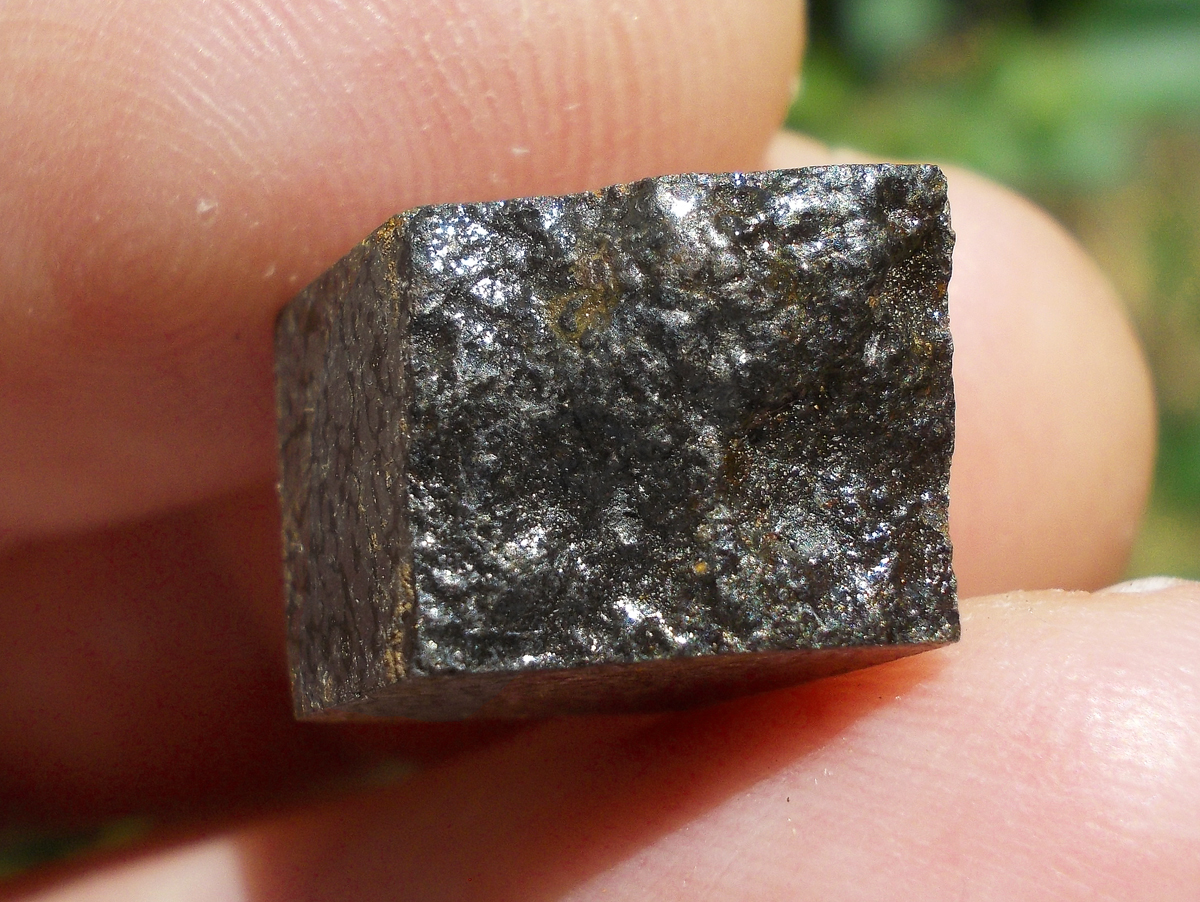
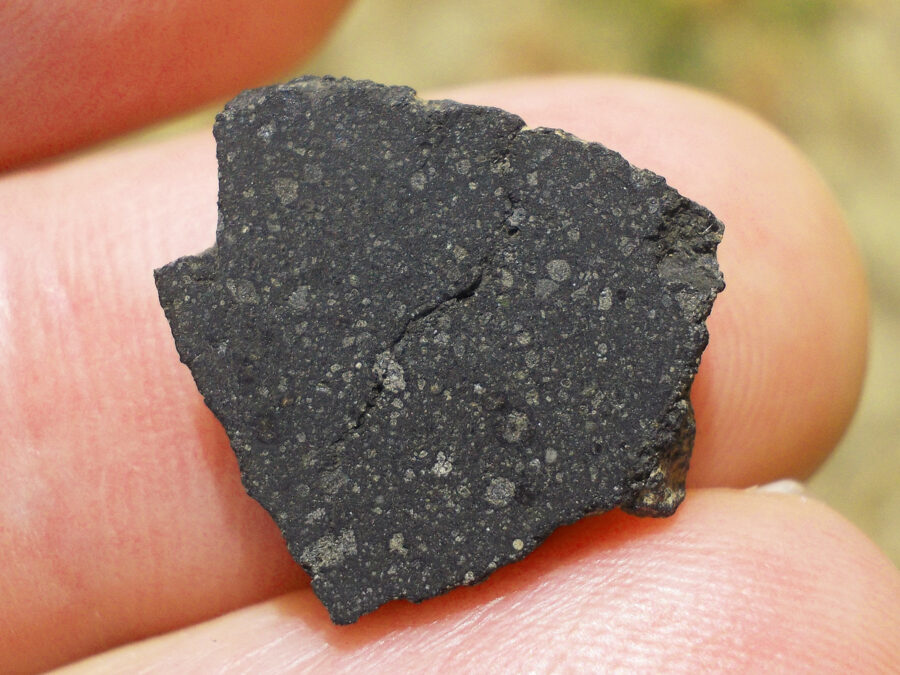
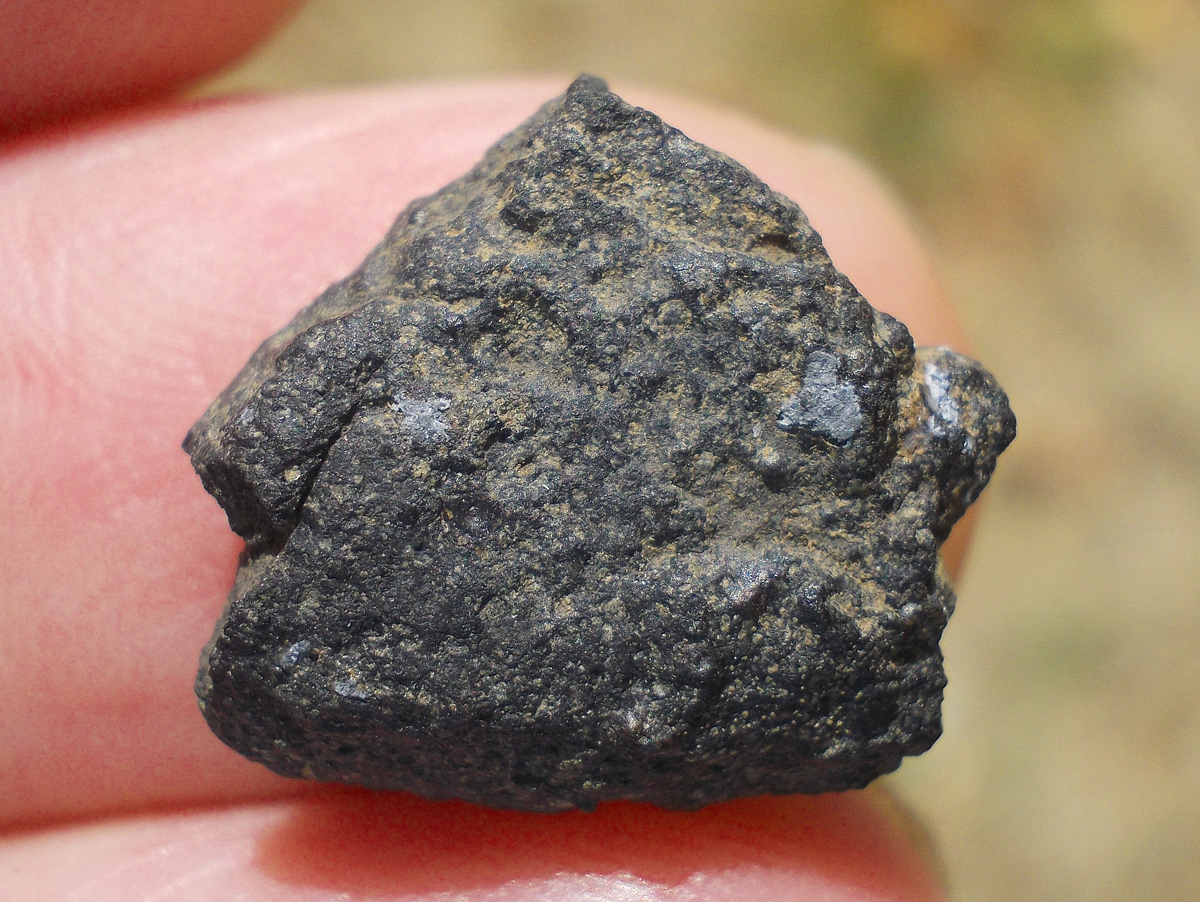
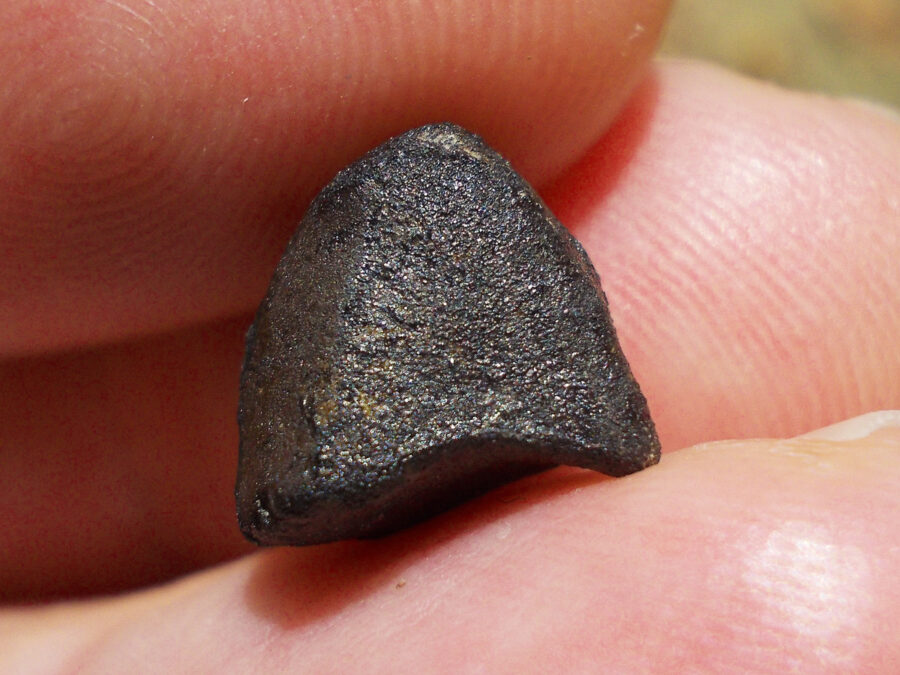
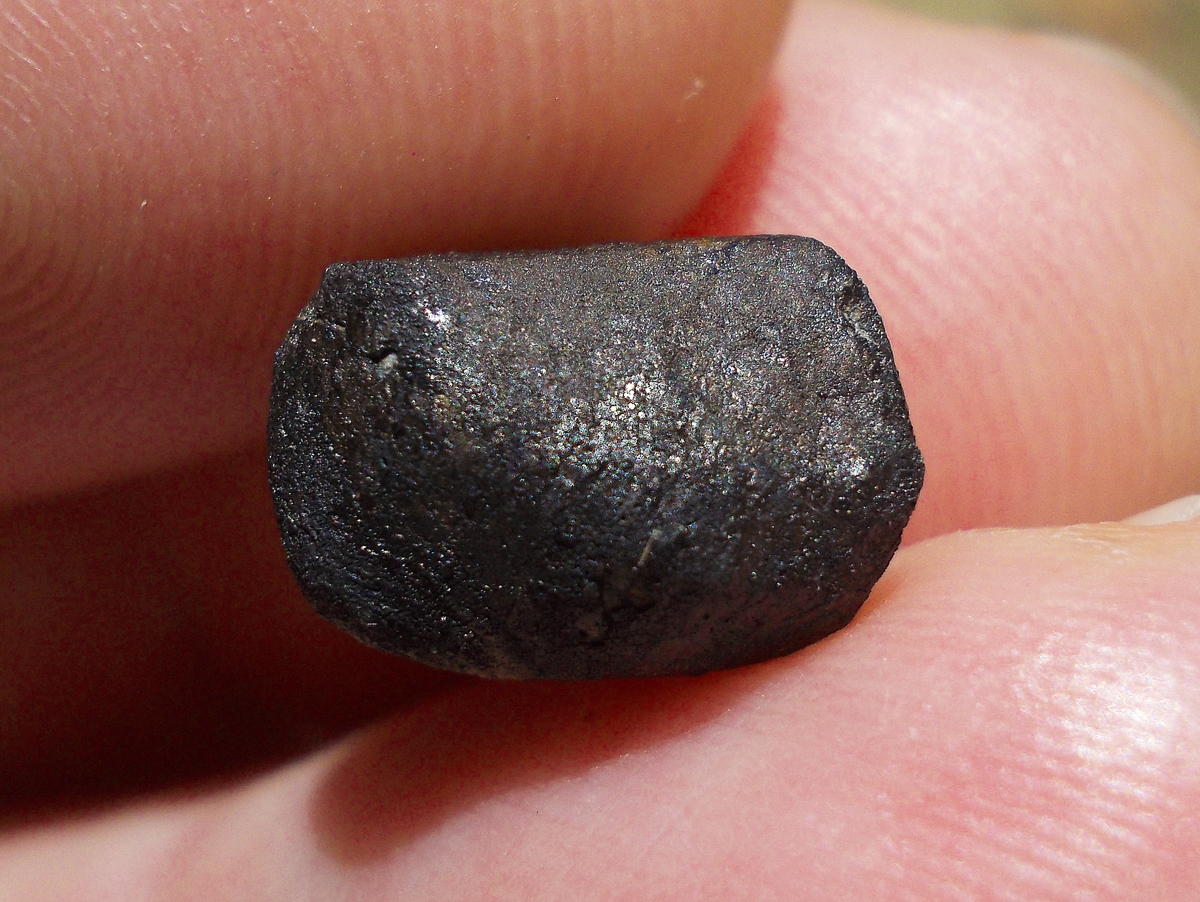
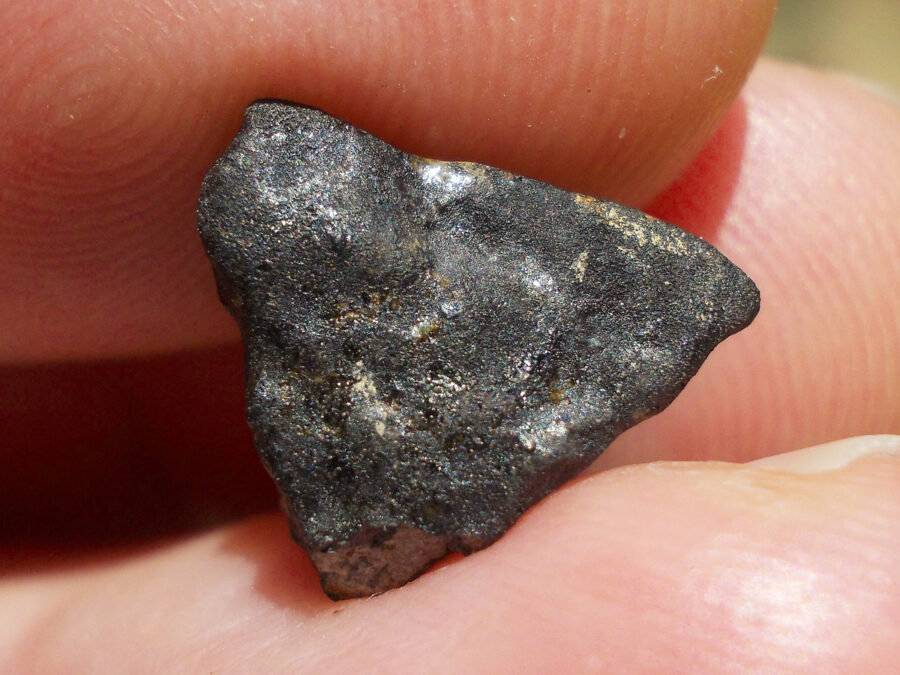
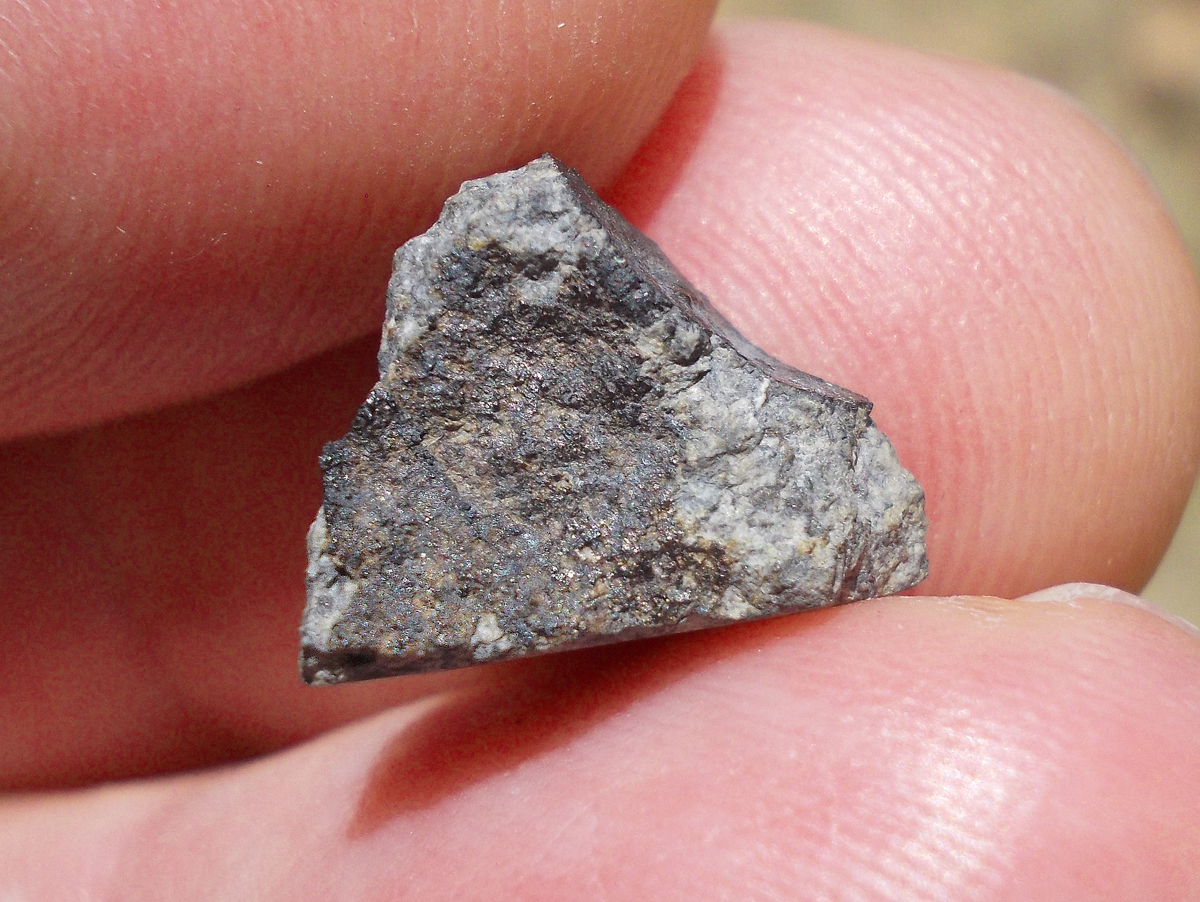
Tarkint 001 Mars Shergottite #14 - 1,3 gOut of stock

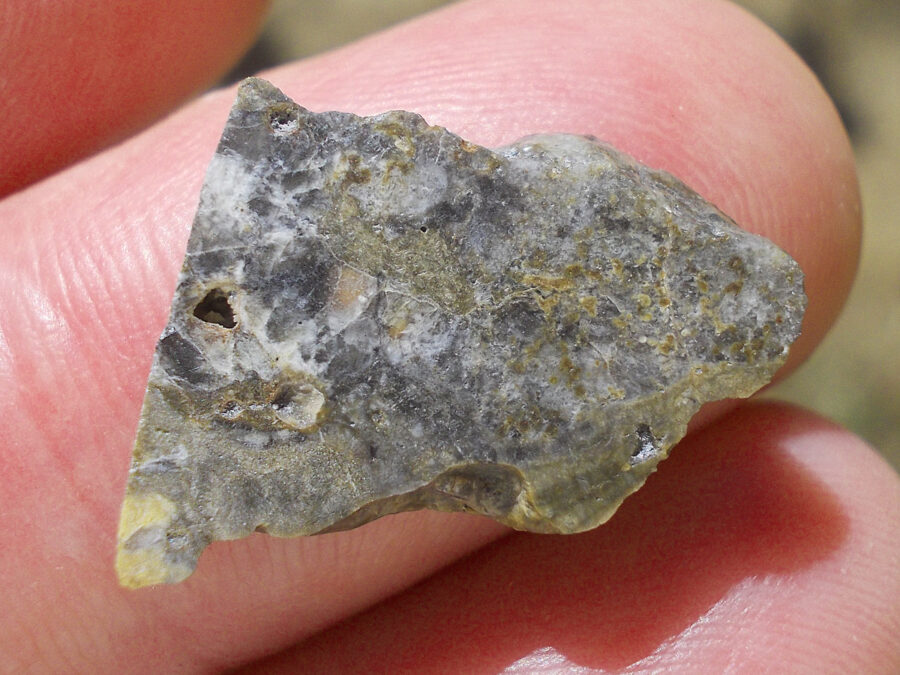
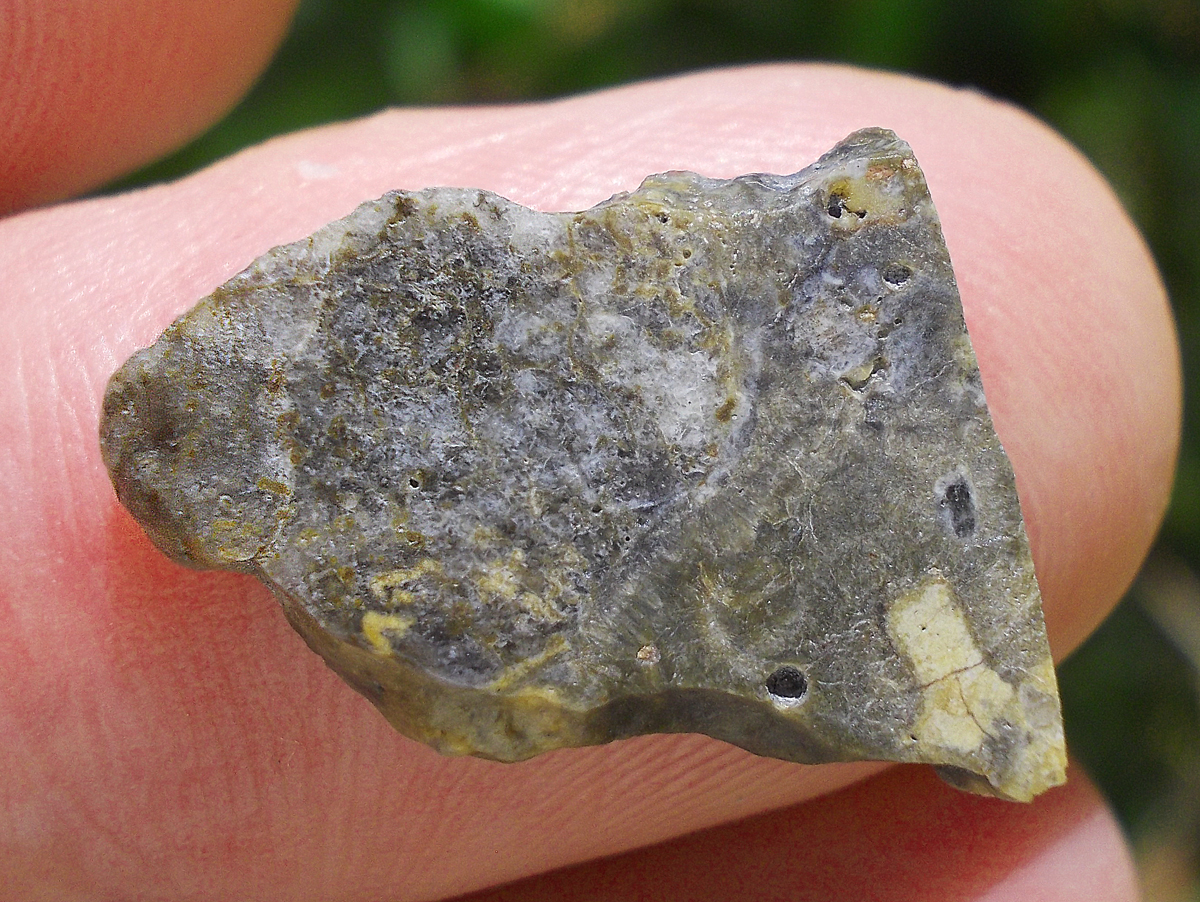
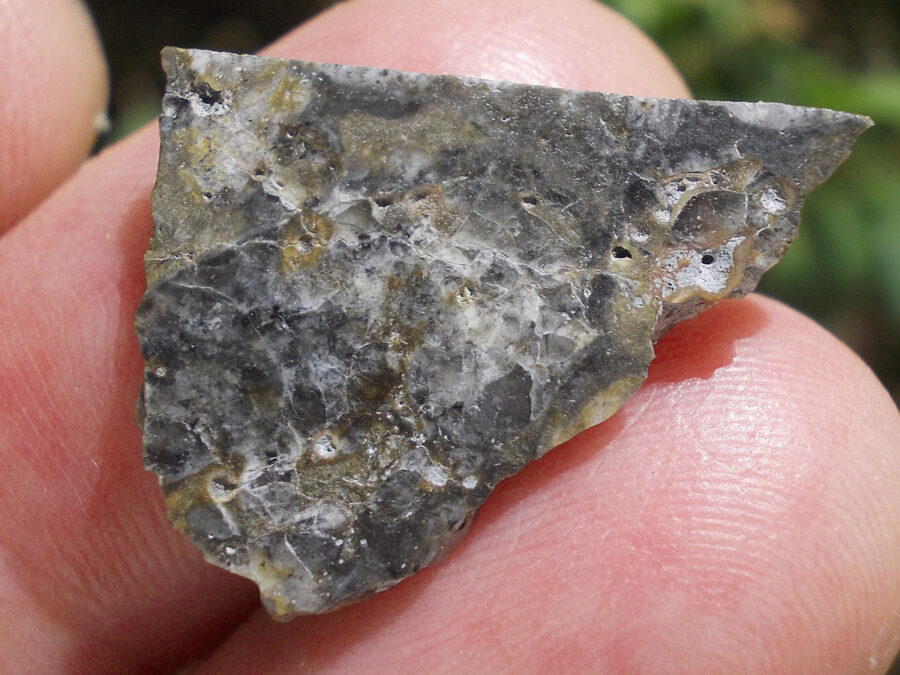
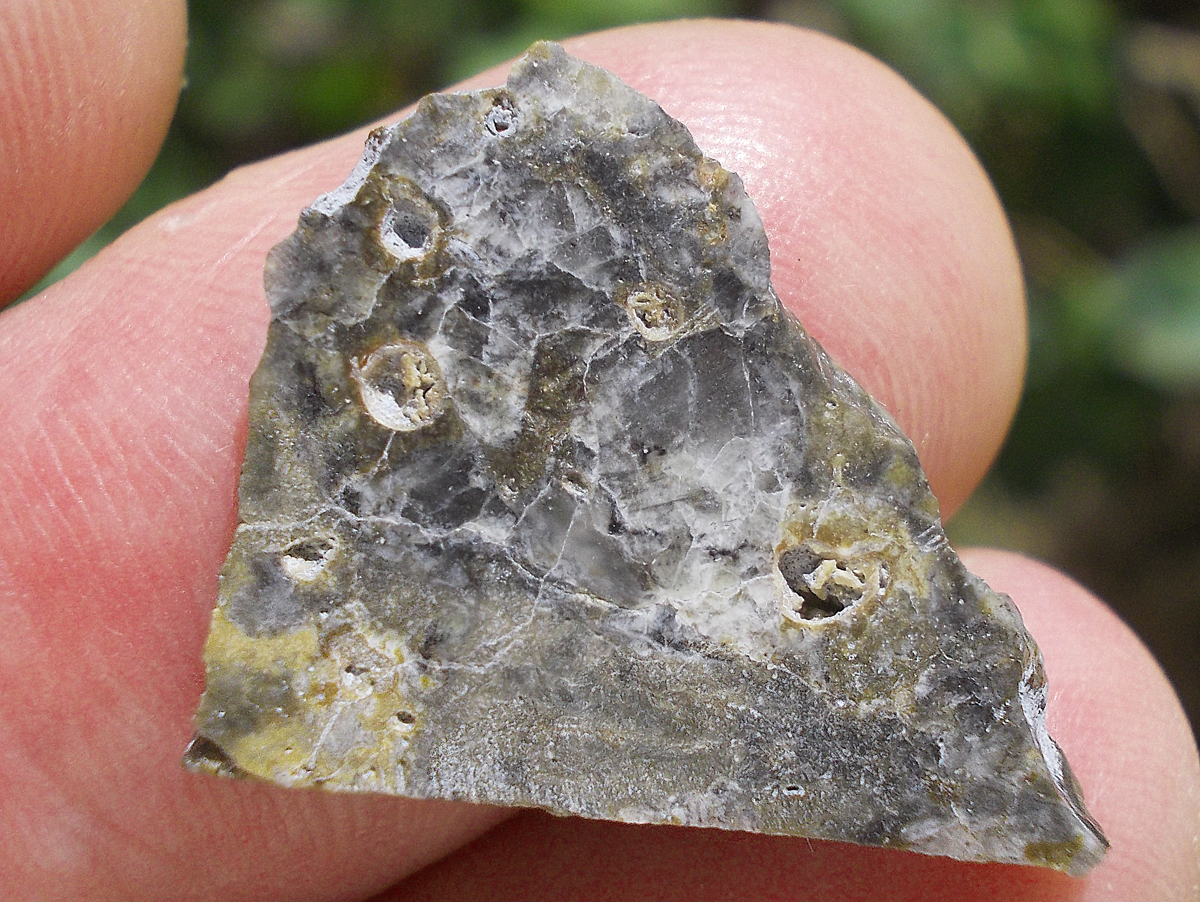
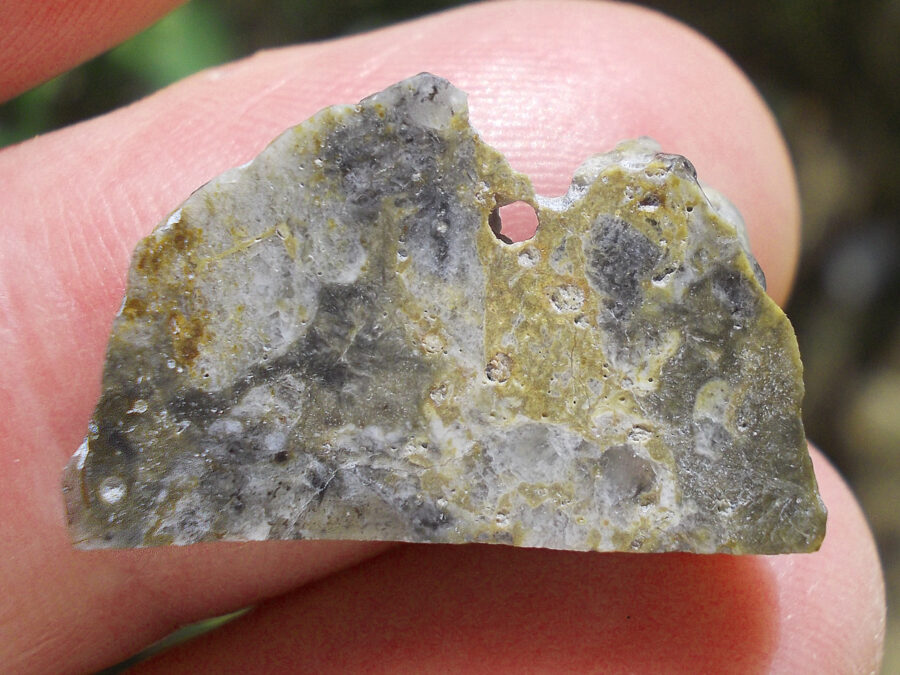
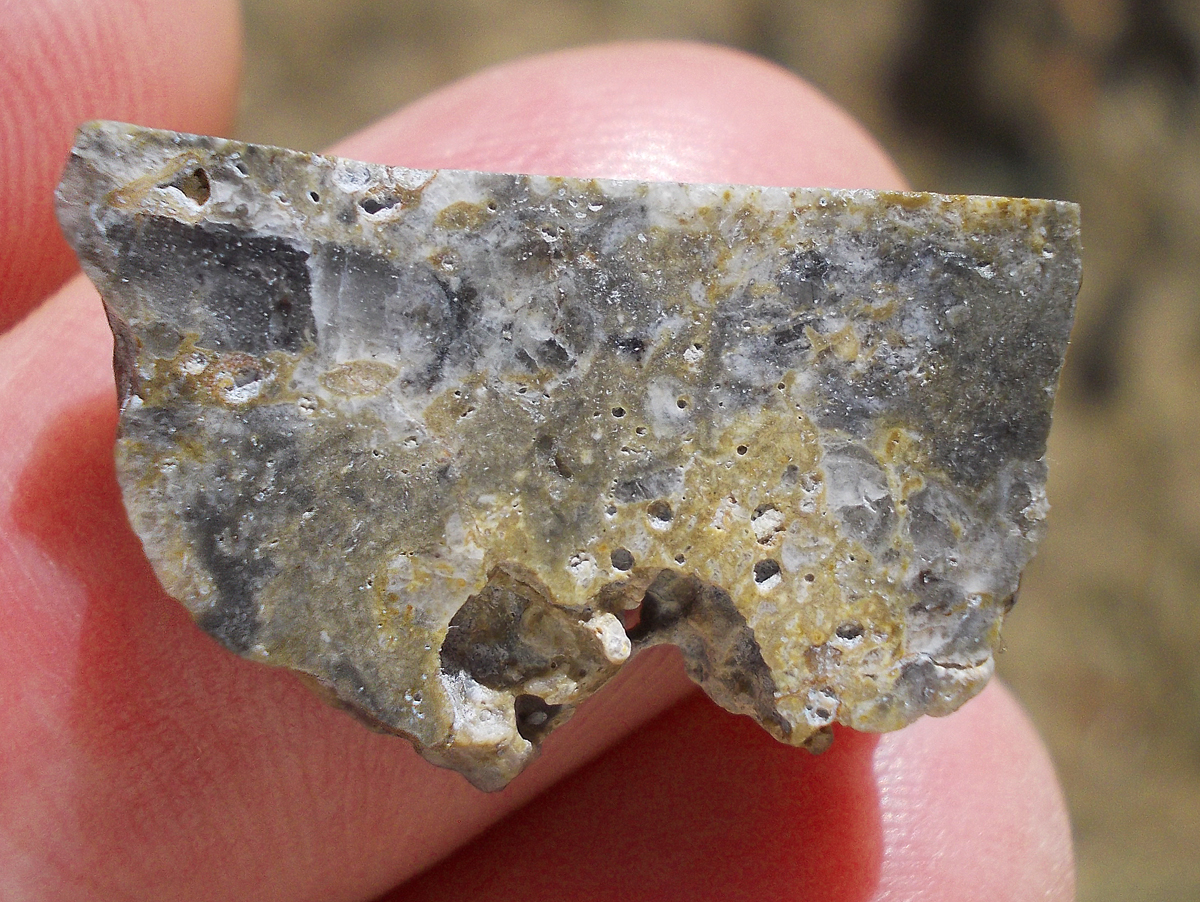
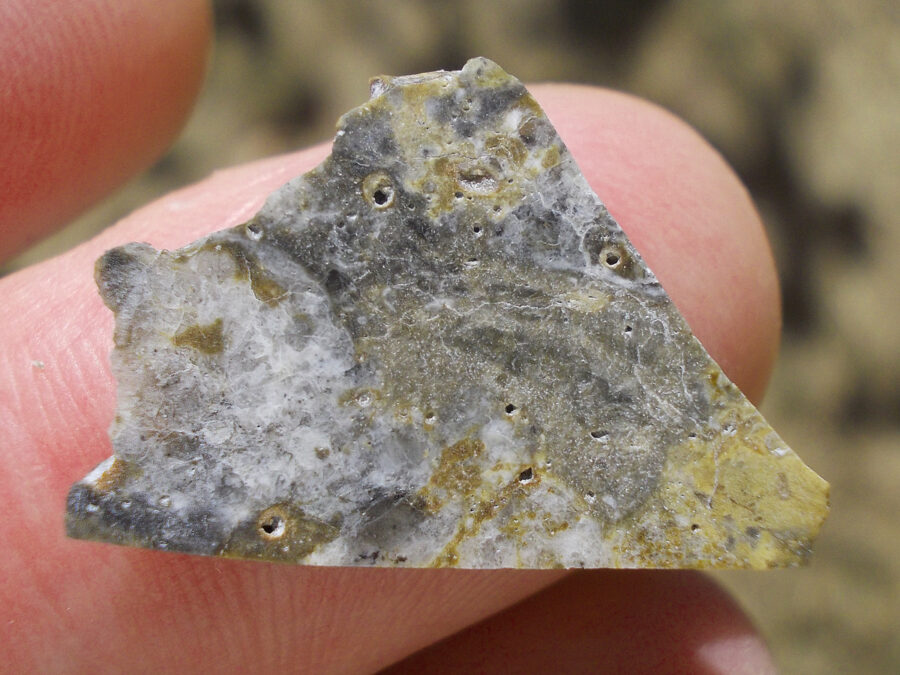
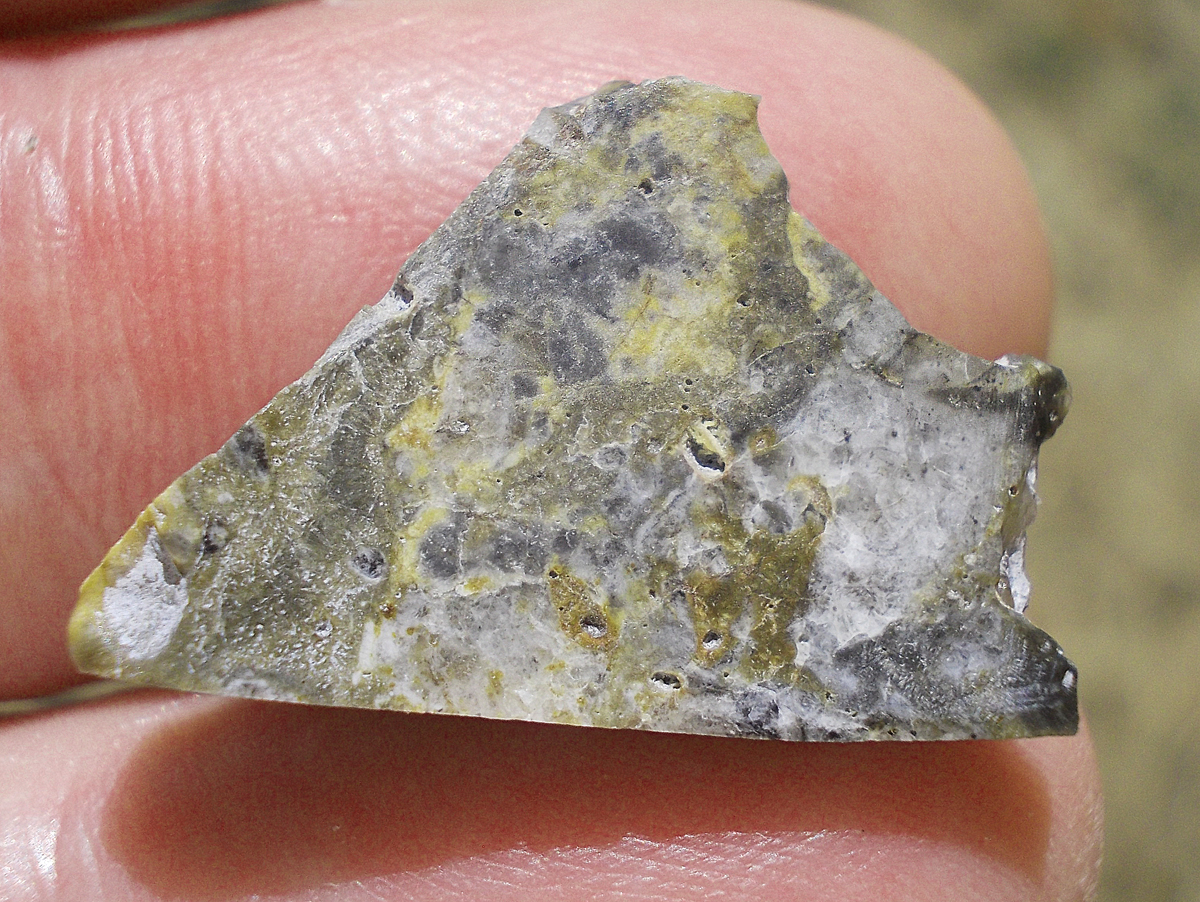
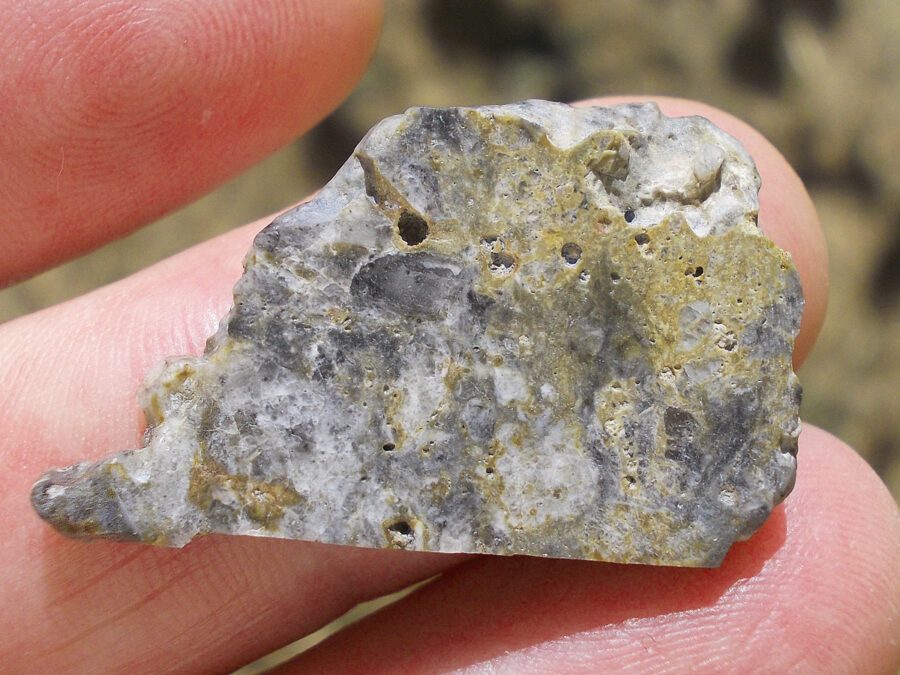
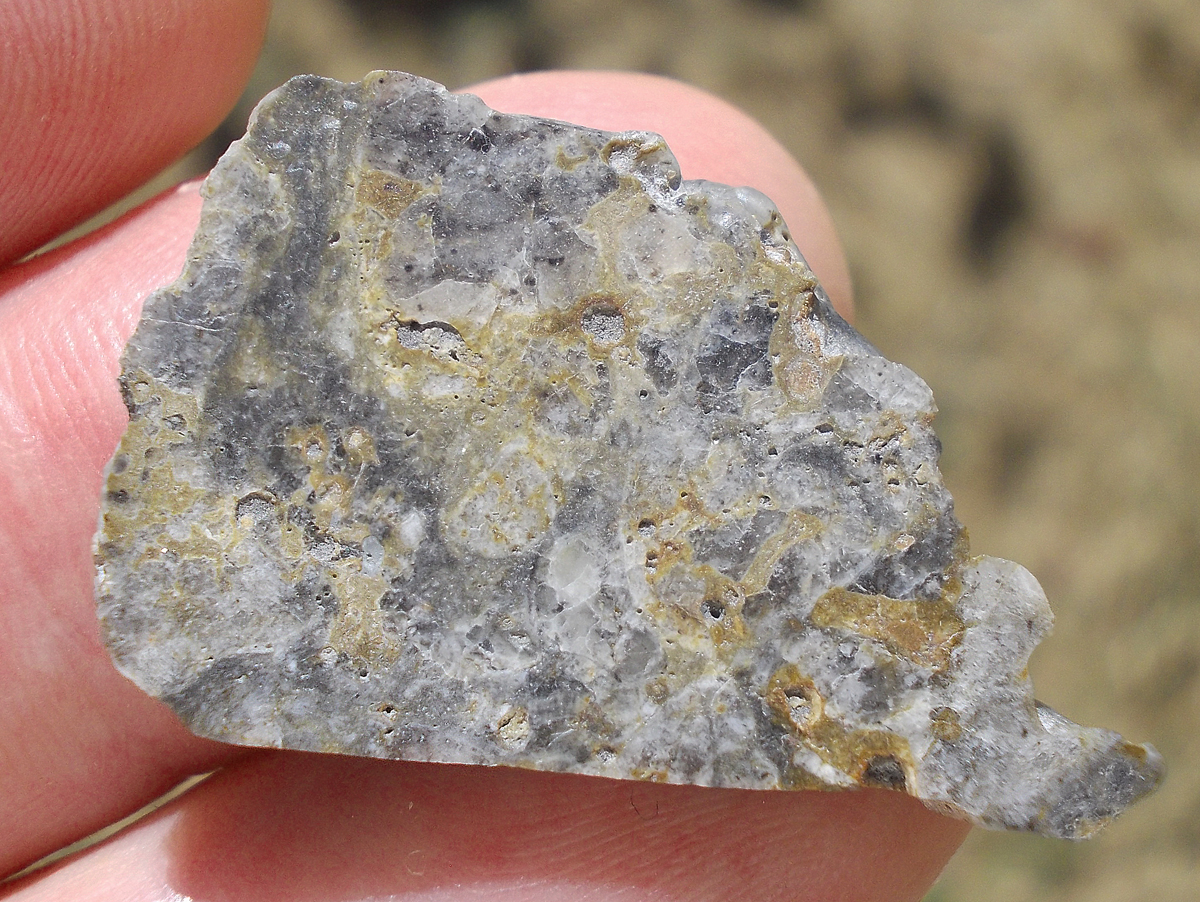
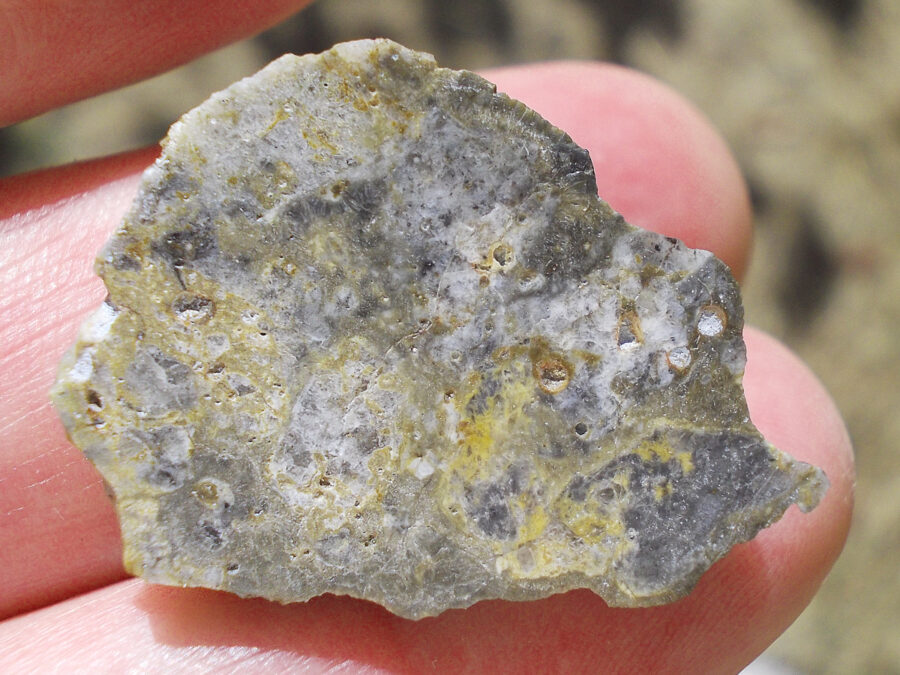
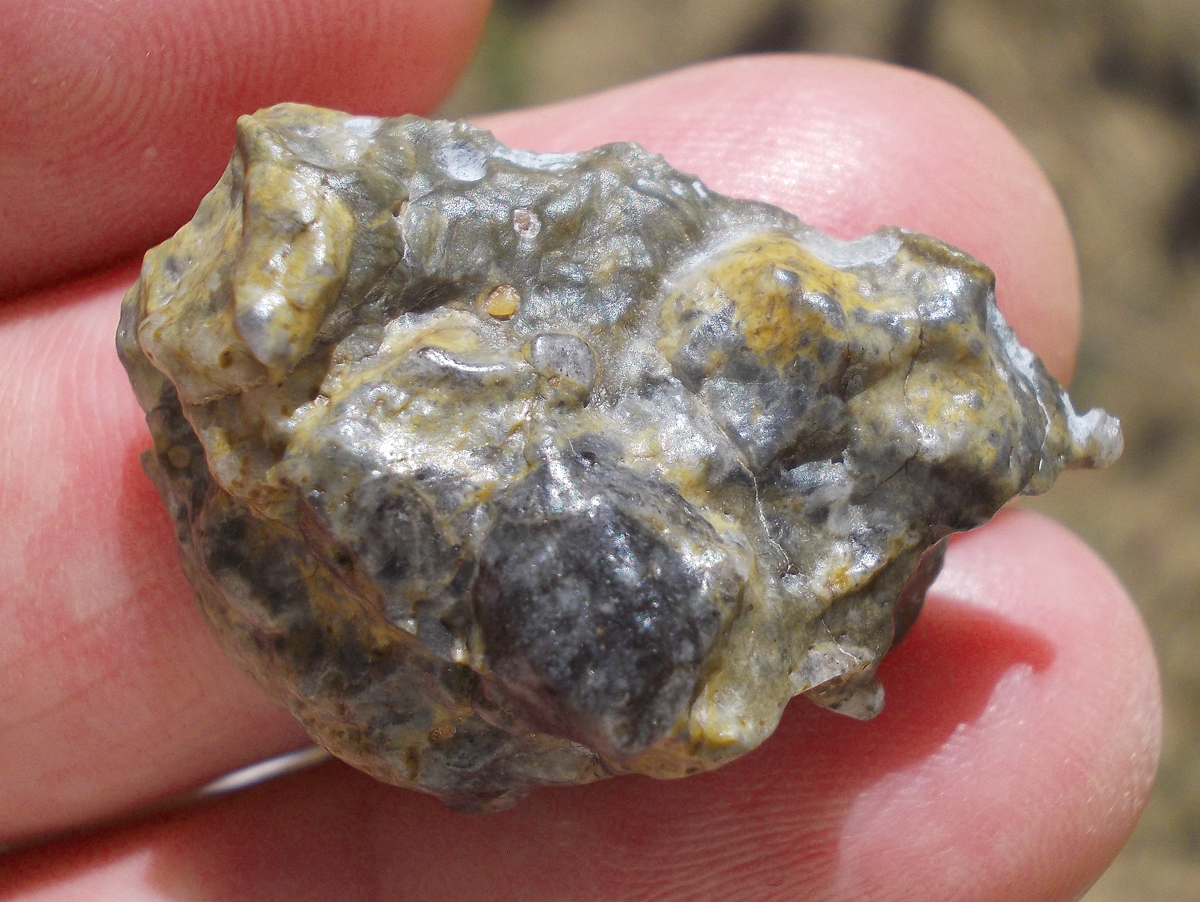
Tarkint 001 Mars Shergottite #14 – 1,3 g

160,00

Tarkint 001 est une rare météorite provenant de Mars, classifiée Shergottite (olivine-phyric).

Elle a été découverte à Gao au Mali en 2025.

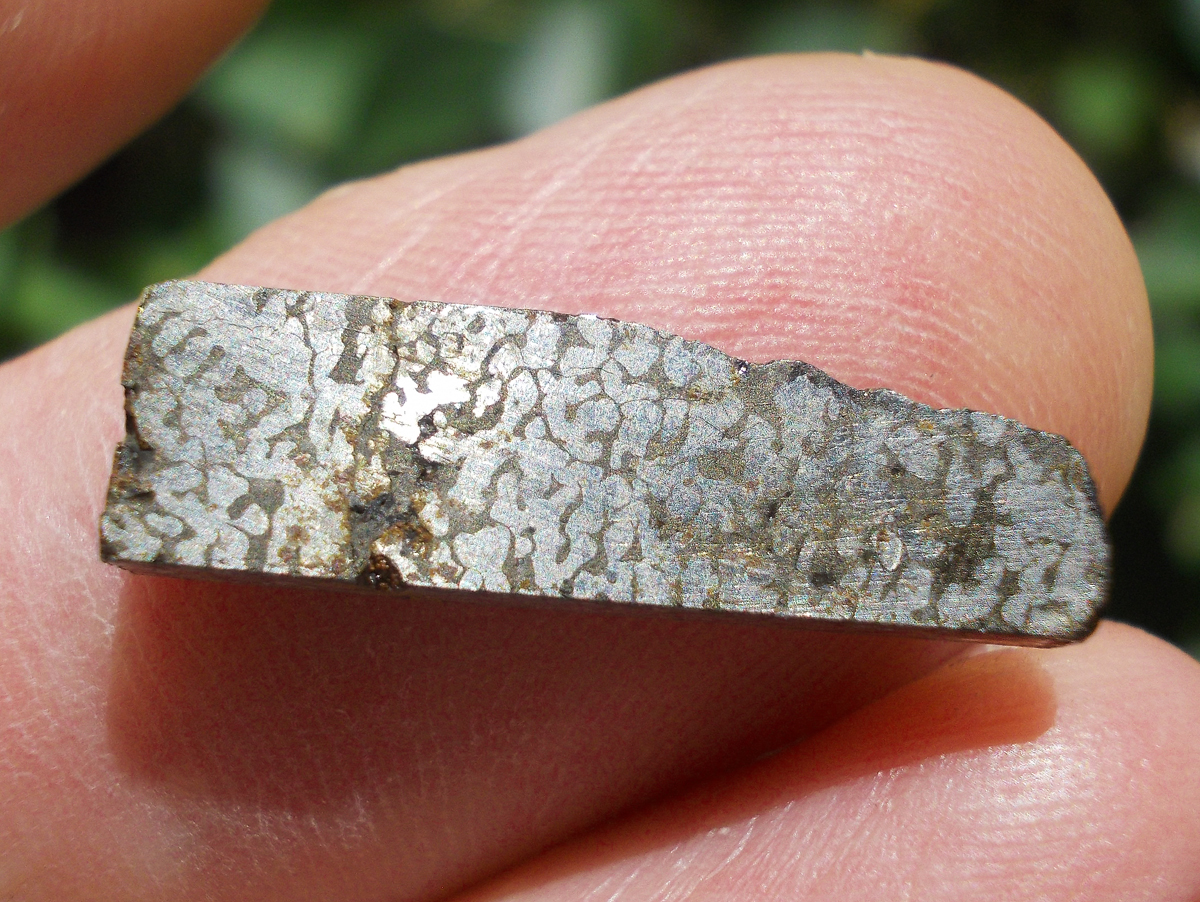
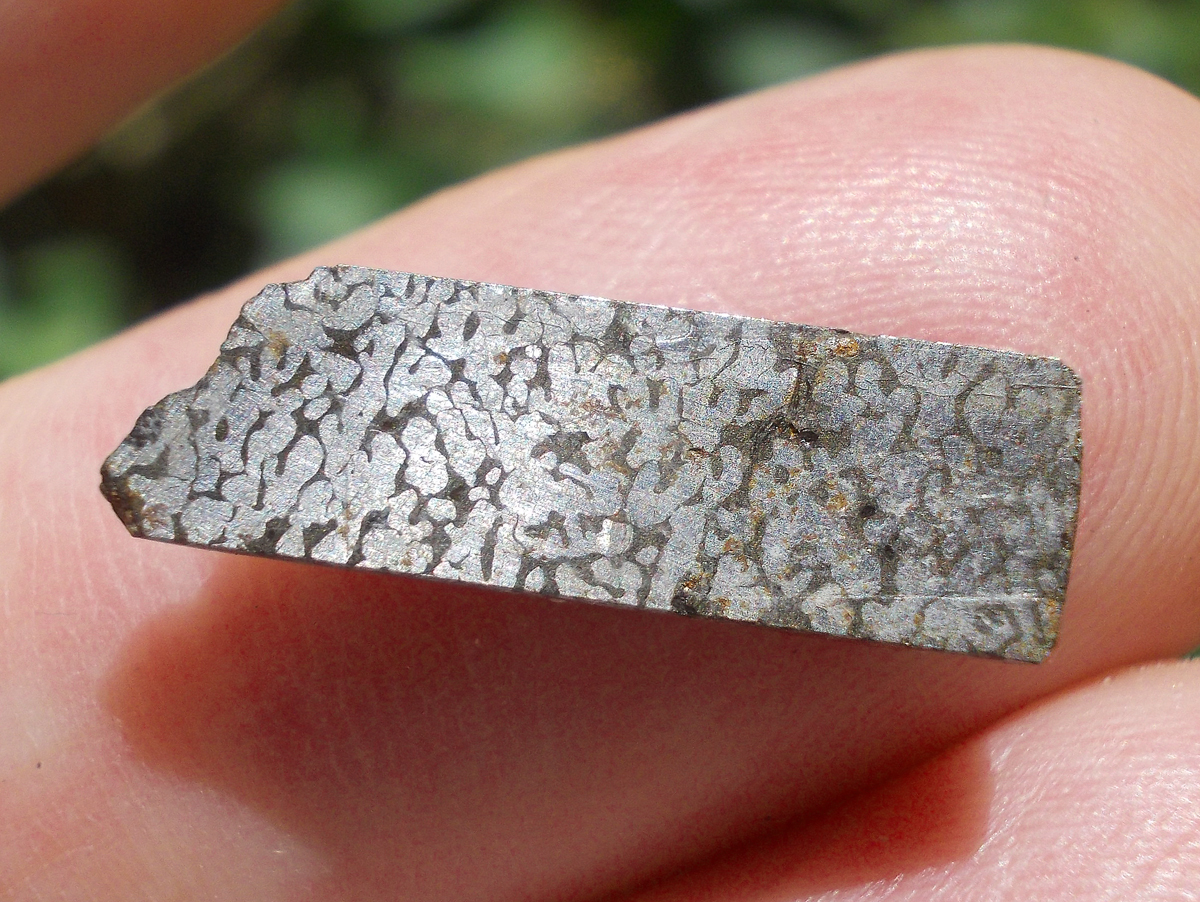
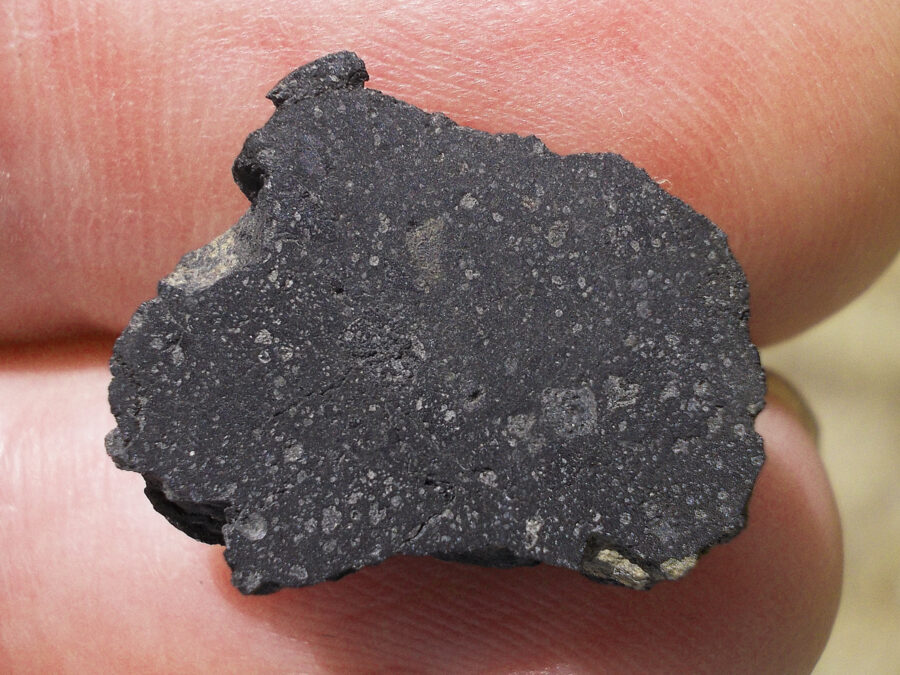
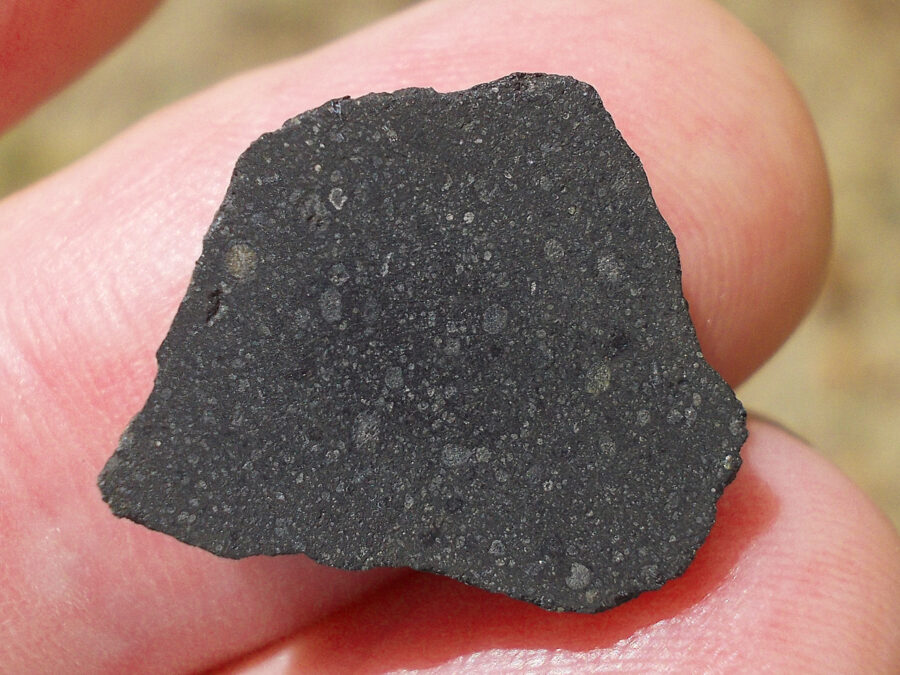
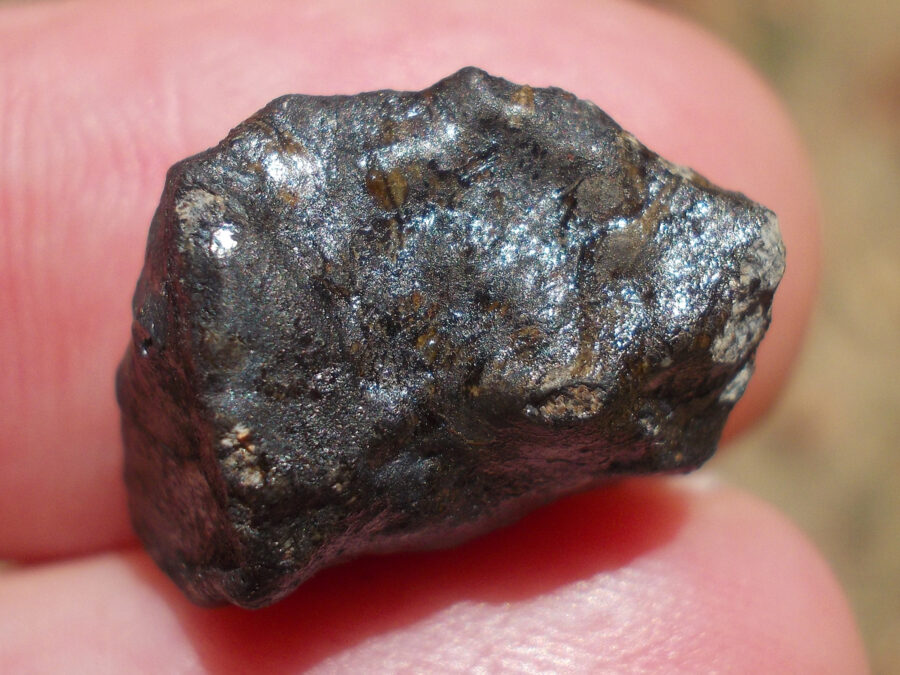
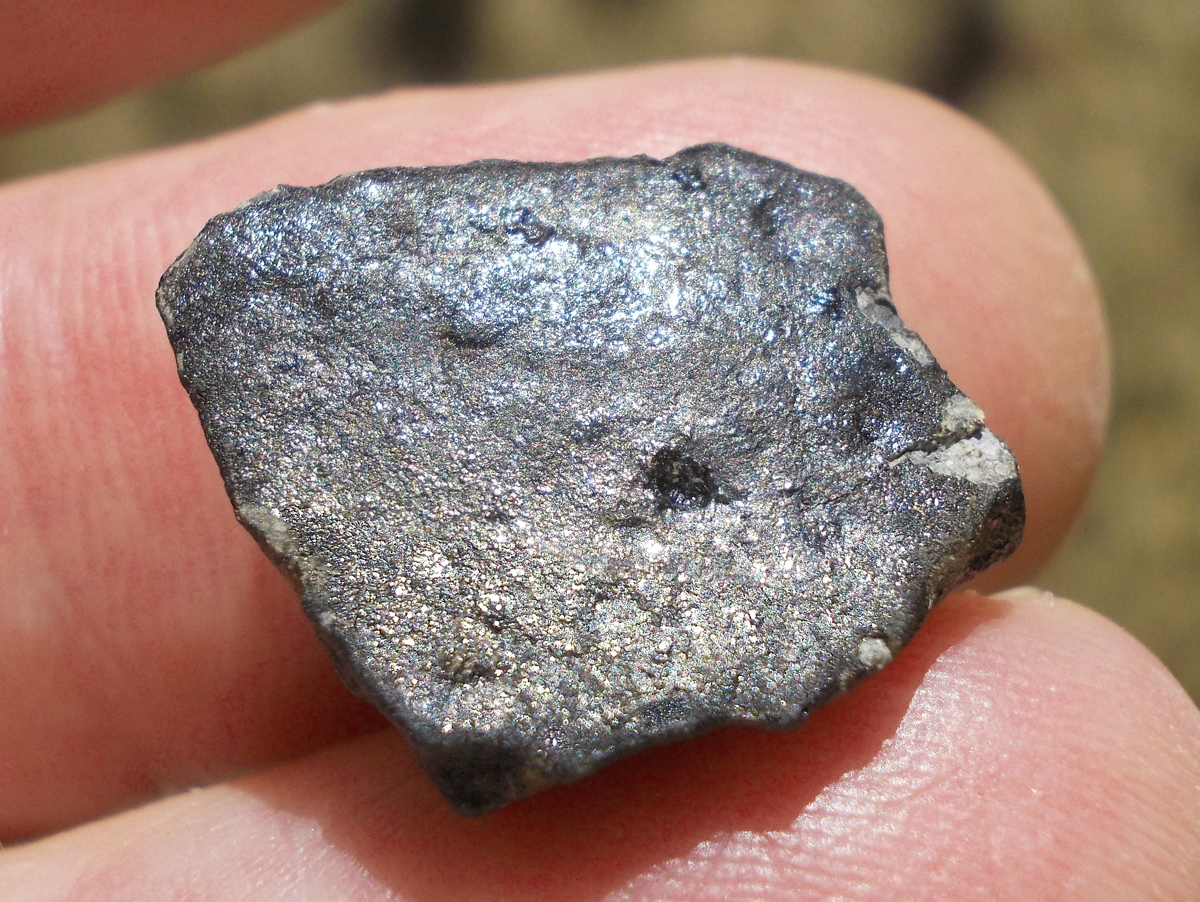
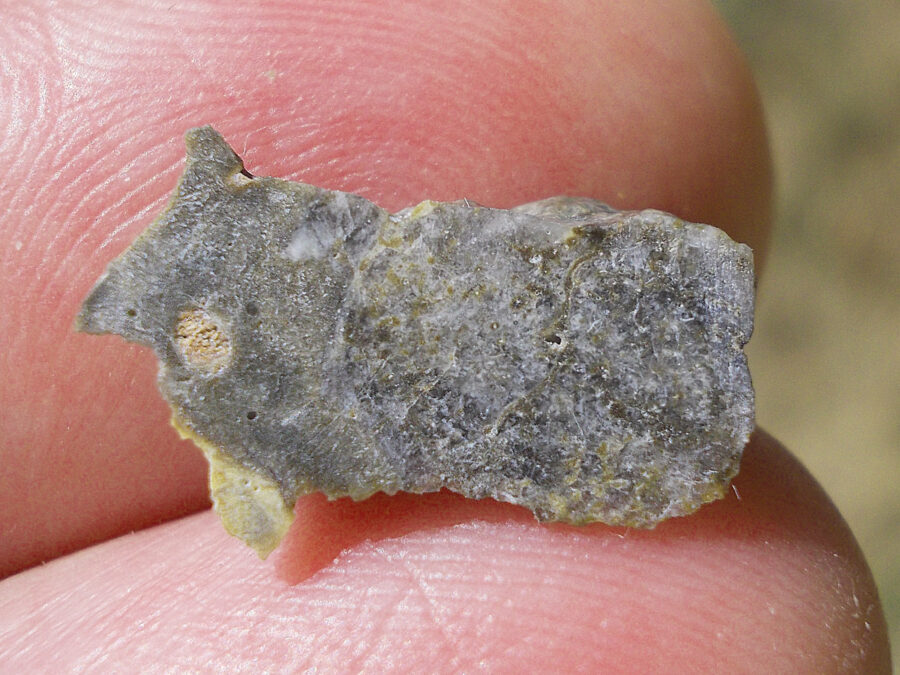
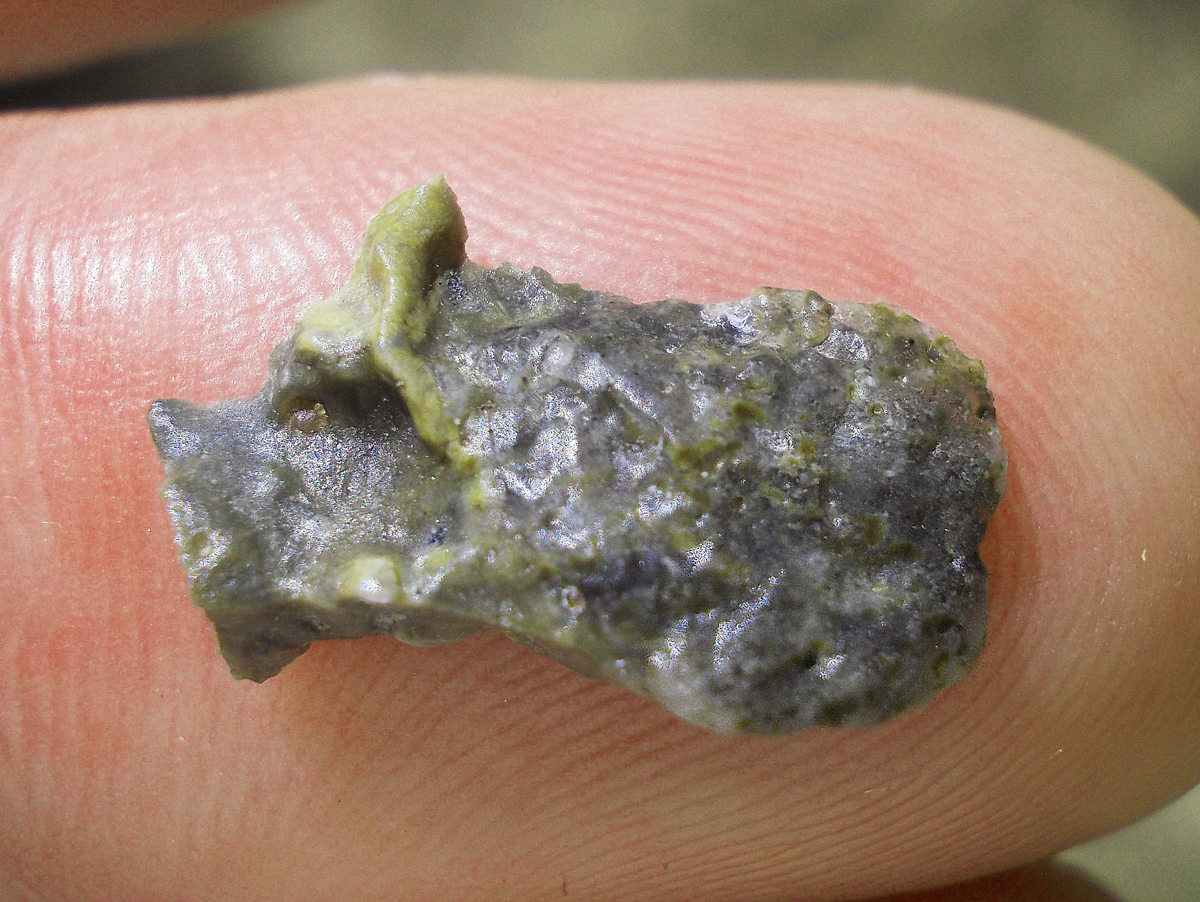
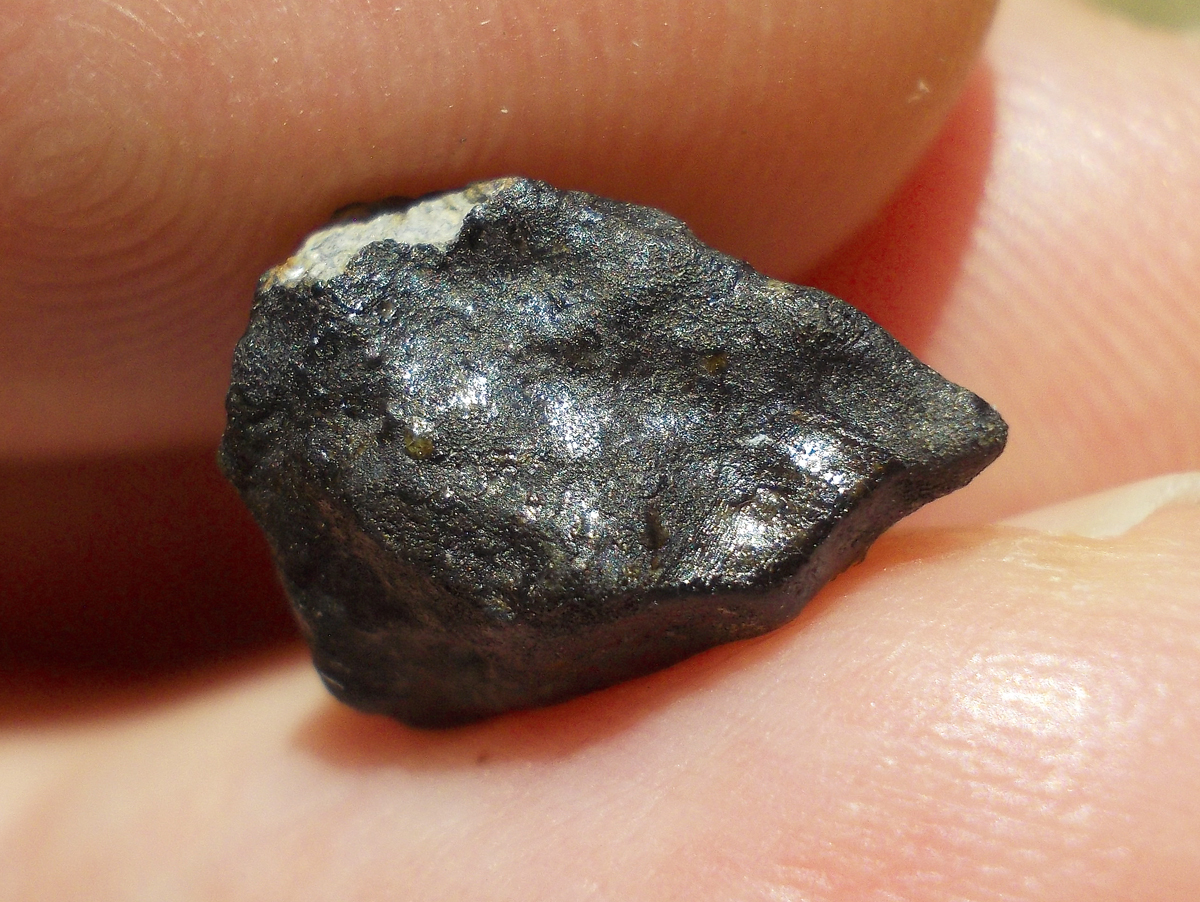
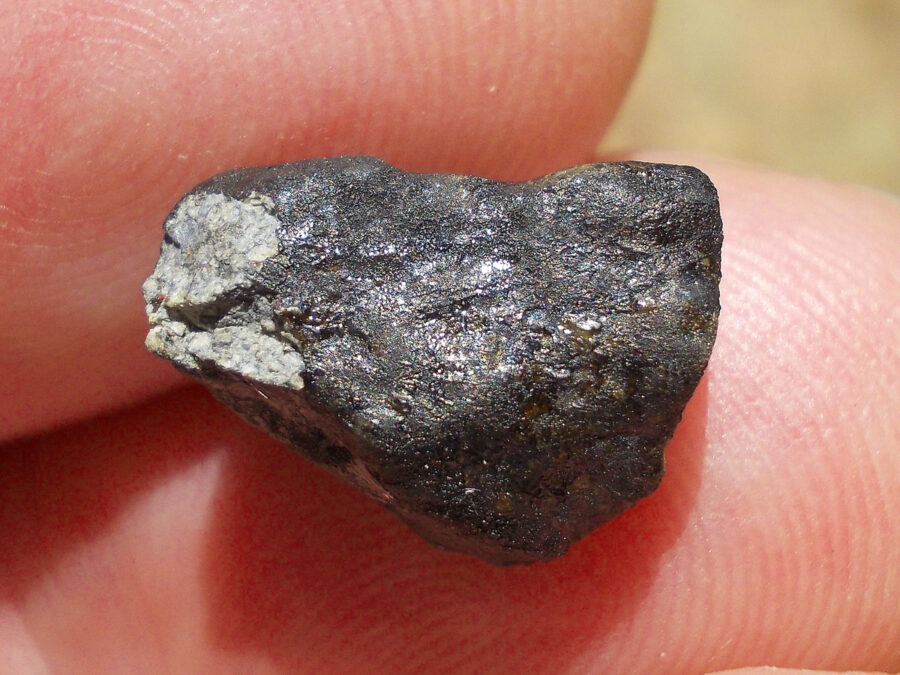
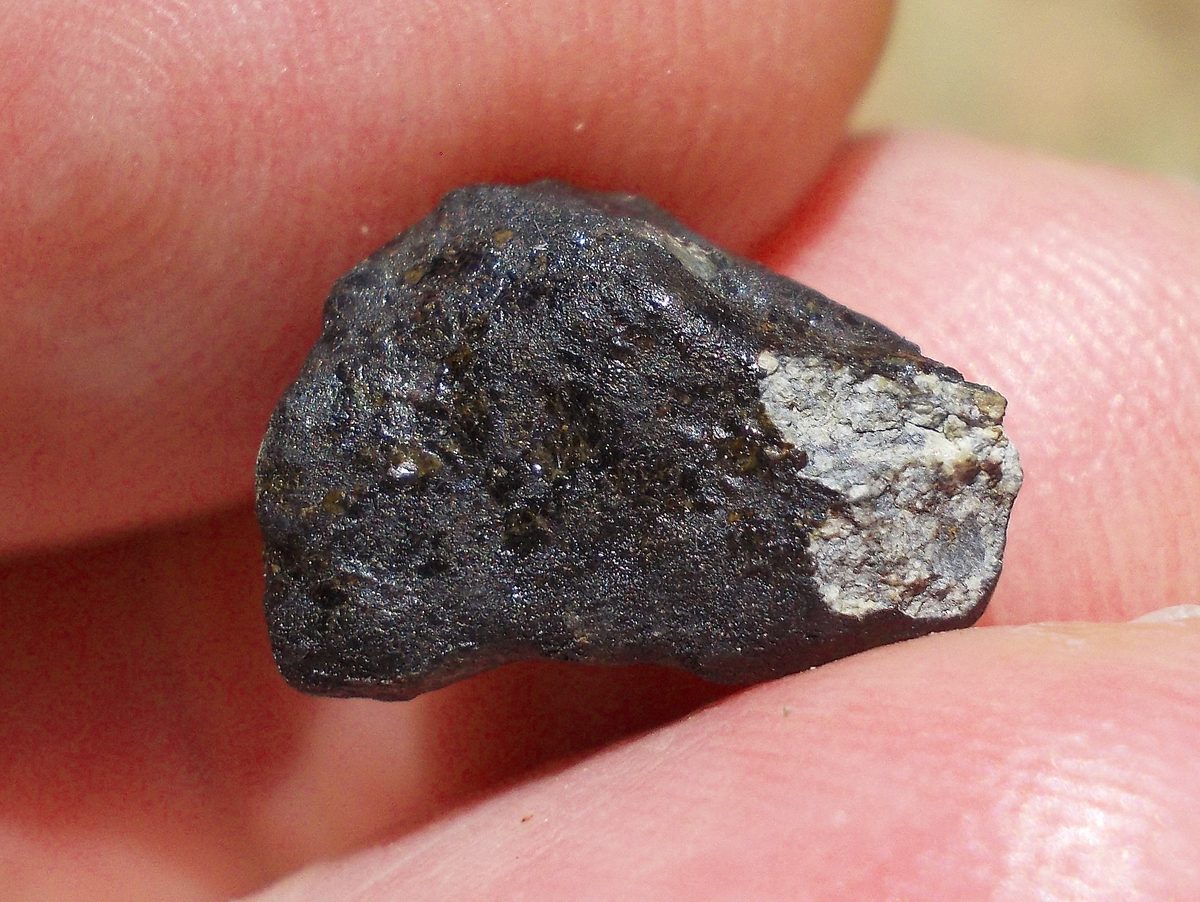
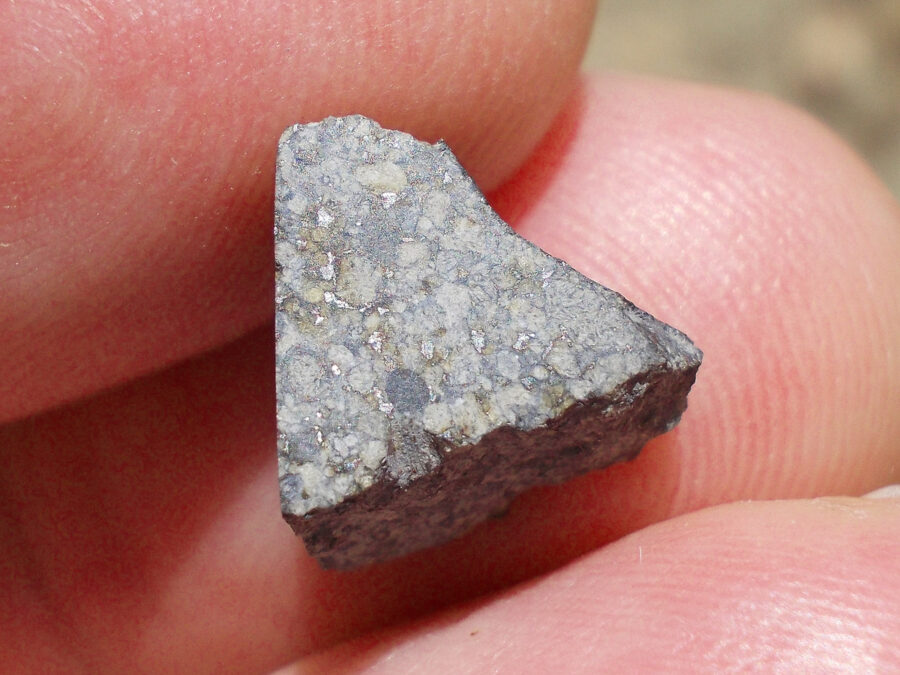
Sa surface révèle de nombreux phénocristaux d’olivine brun-vert de quelques millimètres, enchâssés dans une matrice à grains fins de couleur beige clair.

La particularité de cette météorite c’est qu’elle ne ressemble à aucune autre météorite martienne.

Le total connu de cette météorite est de seulement 2 kg, il n’y en aura pas pour tout le monde !

Tarkint 001        17.4959263, 0.6428554

Gao, Mali

Find: 2025

Classification: Martian meteorite (Shergottite)

History: In 2025, fragments of a meteorite were discovered in a desert area 60 km east of the village of Tarkint and approximately 150 km northeast of the city of Gao, Mali. The discovery occurred by chance during a local field survey, where the distinctive surface features of the stones drew the attention of the field researchers. Purchased by Ali Muftah in 2025.

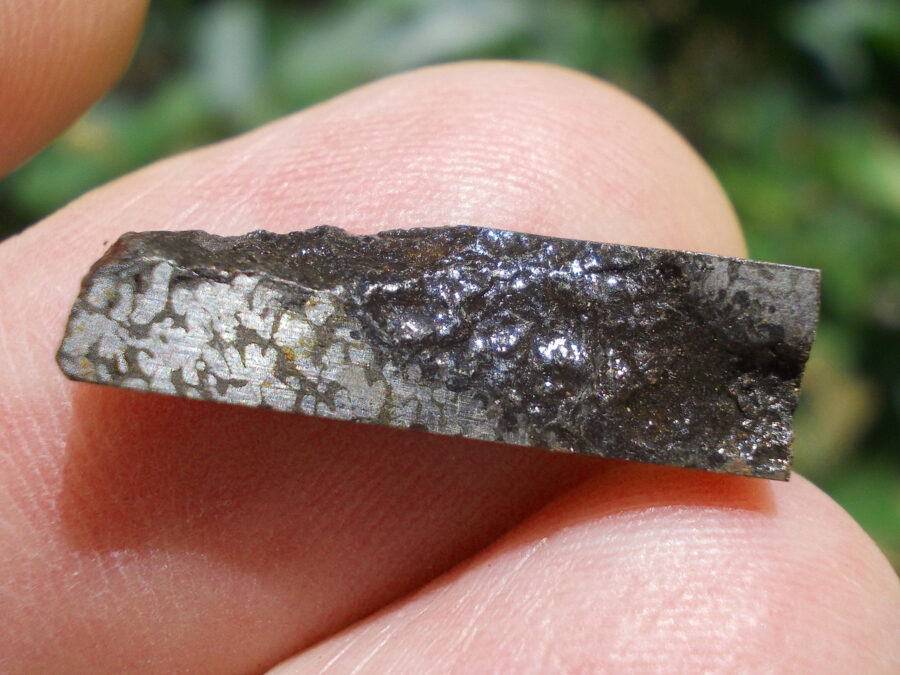
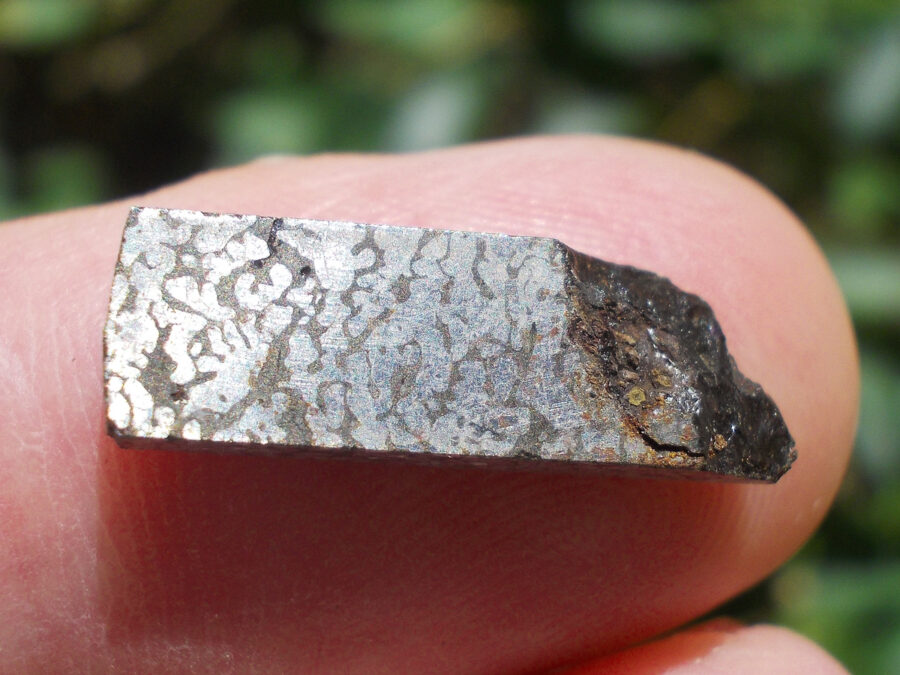
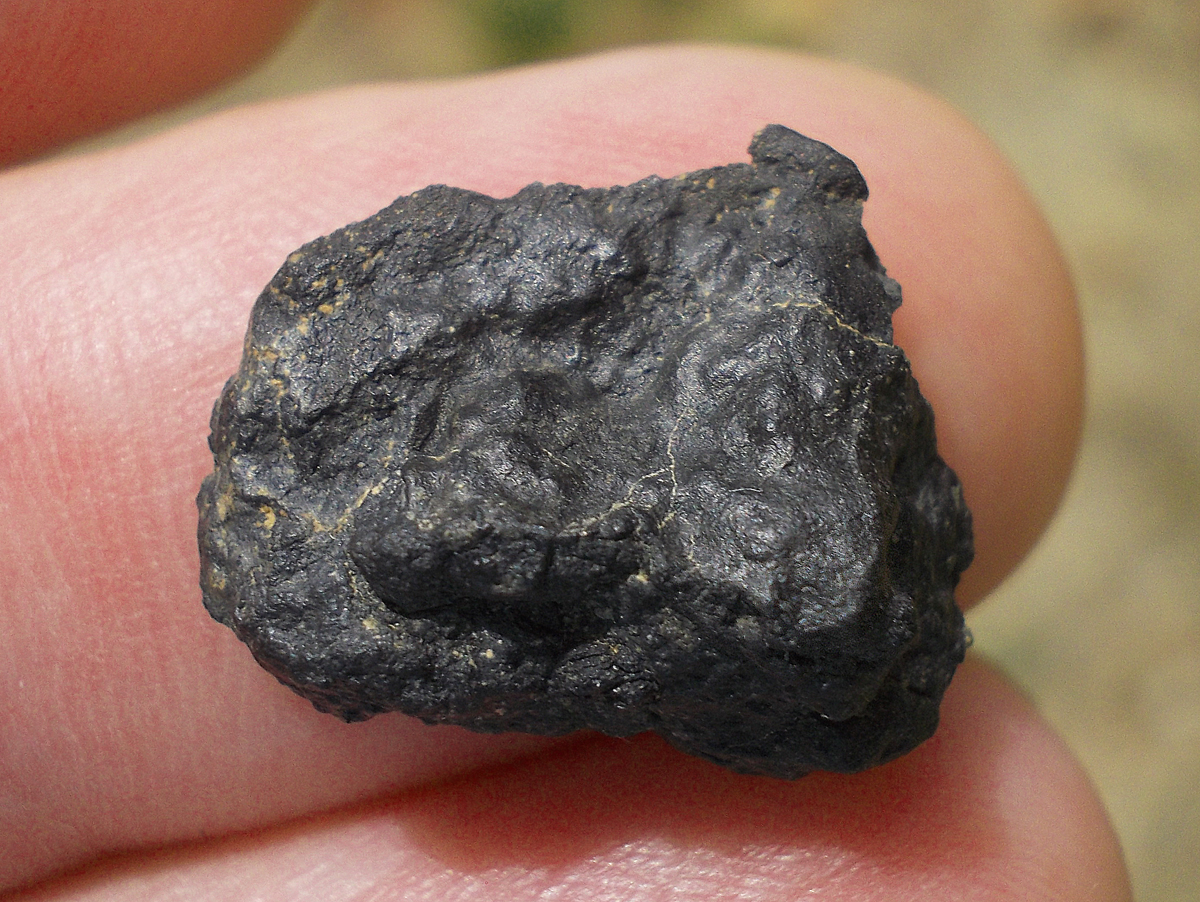
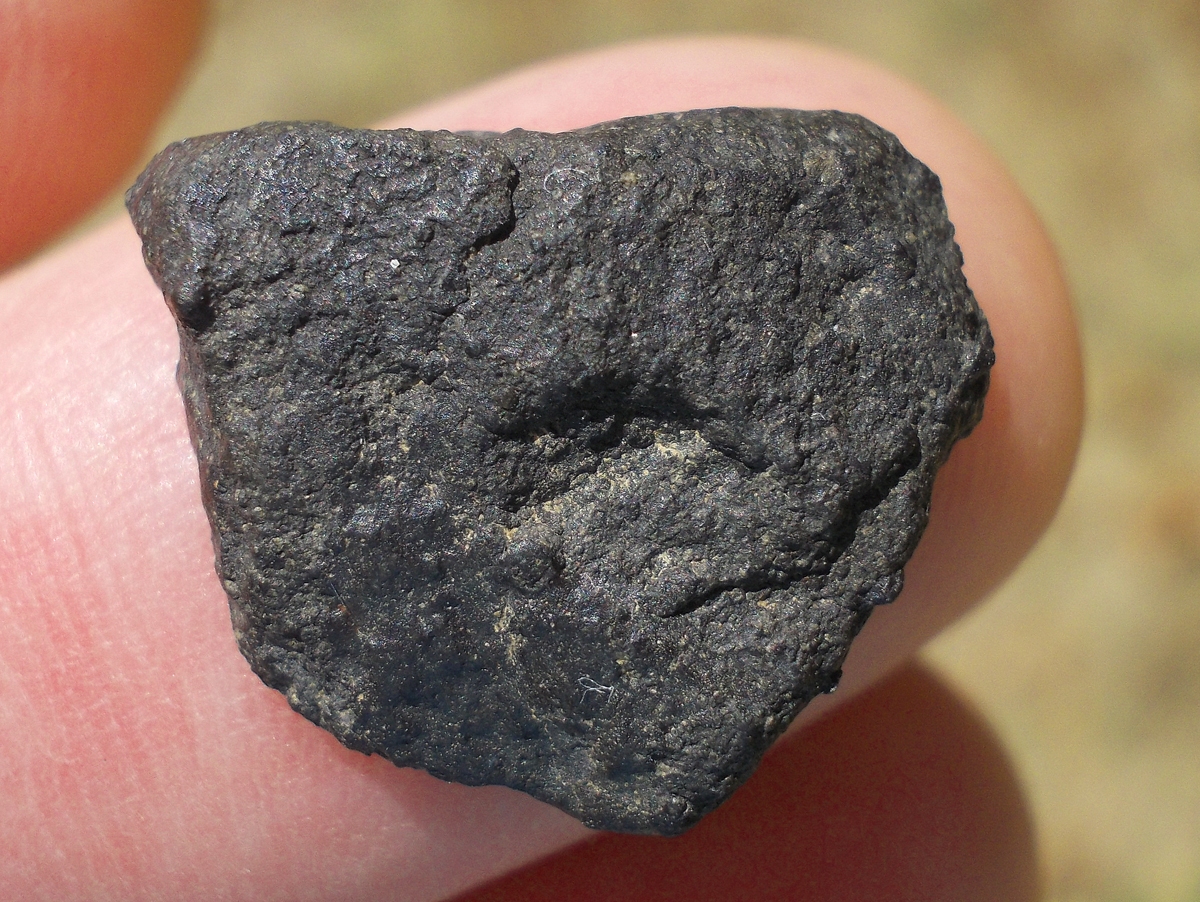
Physical characteristics: The total collected mass was approximately 2 kg. The deposit samples display an exterior partially covered with dark, slightly abraded fusion crust. Sawcut surface reveals many distinctive mm-sized brown-green olivine phenocrysts set in light tan-colored, fine-grained groundmass.

Petrography: (C. Agee, UNM) Electron microprobe analysis of a polished mount shows this meteorite to be an olivine-phyric shergottite. Olivine phenocrysts display core-rim igneous zoning. Plagioclase has been converted to maskelynite. Fine-grained pigeonite and maskelynite make up the groundmass. Minor amounts of chromite, Ti-magnetite, and troilite are ubiquitous.
Geochemistry: (T. Shisseh, UNM) Olivine Fa32.6±12.1, Fe/Mn=53±4, n=13; pigeonite Fs23.3±3.2Wo4.9±2.2, Fe/Mn=30±1, n=17; maskelynite An54.9±3.5Ab44.7±3.5, n=4.

Classification: Martian, olivine-phyric shergottite. Visually, the macroscopic texture of this meteorite is reminiscent of NWA 10416, however they are not paired. This meteorite lacks augite and altered olivine, it also has maskelynite-only, with no remnant plagioclase present. This meteorite has olivine that is significantly more forsteritic than NWA 10416.
Specimens: 48 g on deposit at UNM, Ali Muftah holds the main mass, Eric Twelker holds a 410.7 g piece.

Tarkint 001 Mars Shergottite #13 - 0,7 gOut of stock

Tarkint 001 Mars Shergottite #13 – 0,7 g

98,00

Tarkint 001 est une rare météorite provenant de Mars, classifiée Shergottite (olivine-phyric).

Elle a été découverte à Gao au Mali en 2025.

Sa surface révèle de nombreux phénocristaux d’olivine brun-vert de quelques millimètres, enchâssés dans une matrice à grains fins de couleur beige clair.

La particularité de cette météorite c’est qu’elle ne ressemble à aucune autre météorite martienne.

Le total connu de cette météorite est de seulement 2 kg, il n’y en aura pas pour tout le monde !

Tarkint 001        17.4959263, 0.6428554

Gao, Mali

Find: 2025

Classification: Martian meteorite (Shergottite)

History: In 2025, fragments of a meteorite were discovered in a desert area 60 km east of the village of Tarkint and approximately 150 km northeast of the city of Gao, Mali. The discovery occurred by chance during a local field survey, where the distinctive surface features of the stones drew the attention of the field researchers. Purchased by Ali Muftah in 2025.

Physical characteristics: The total collected mass was approximately 2 kg. The deposit samples display an exterior partially covered with dark, slightly abraded fusion crust. Sawcut surface reveals many distinctive mm-sized brown-green olivine phenocrysts set in light tan-colored, fine-grained groundmass.

Petrography: (C. Agee, UNM) Electron microprobe analysis of a polished mount shows this meteorite to be an olivine-phyric shergottite. Olivine phenocrysts display core-rim igneous zoning. Plagioclase has been converted to maskelynite. Fine-grained pigeonite and maskelynite make up the groundmass. Minor amounts of chromite, Ti-magnetite, and troilite are ubiquitous.

Geochemistry: (T. Shisseh, UNM) Olivine Fa32.6±12.1, Fe/Mn=53±4, n=13; pigeonite Fs23.3±3.2Wo4.9±2.2, Fe/Mn=30±1, n=17; maskelynite An54.9±3.5Ab44.7±3.5, n=4.

Classification: Martian, olivine-phyric shergottite. Visually, the macroscopic texture of this meteorite is reminiscent of NWA 10416, however they are not paired. This meteorite lacks augite and altered olivine, it also has maskelynite-only, with no remnant plagioclase present. This meteorite has olivine that is significantly more forsteritic than NWA 10416.

Specimens: 48 g on deposit at UNM, Ali Muftah holds the main mass, Eric Twelker holds a 410.7 g piece.

Tarkint 001 Mars Shergottite #12 - 0,6 gOut of stock

Tarkint 001 Mars Shergottite #12 – 0,6 g

86,00

Tarkint 001 est une rare météorite provenant de Mars, classifiée Shergottite (olivine-phyric).

Elle a été découverte à Gao au Mali en 2025.

Sa surface révèle de nombreux phénocristaux d’olivine brun-vert de quelques millimètres, enchâssés dans une matrice à grains fins de couleur beige clair.

La particularité de cette météorite c’est qu’elle ne ressemble à aucune autre météorite martienne.

Le total connu de cette météorite est de seulement 2 kg, il n’y en aura pas pour tout le monde !

Tarkint 001        17.4959263, 0.6428554

Gao, Mali

Find: 2025

Classification: Martian meteorite (Shergottite)

History: In 2025, fragments of a meteorite were discovered in a desert area 60 km east of the village of Tarkint and approximately 150 km northeast of the city of Gao, Mali. The discovery occurred by chance during a local field survey, where the distinctive surface features of the stones drew the attention of the field researchers. Purchased by Ali Muftah in 2025.

Physical characteristics: The total collected mass was approximately 2 kg. The deposit samples display an exterior partially covered with dark, slightly abraded fusion crust. Sawcut surface reveals many distinctive mm-sized brown-green olivine phenocrysts set in light tan-colored, fine-grained groundmass.

Petrography: (C. Agee, UNM) Electron microprobe analysis of a polished mount shows this meteorite to be an olivine-phyric shergottite. Olivine phenocrysts display core-rim igneous zoning. Plagioclase has been converted to maskelynite. Fine-grained pigeonite and maskelynite make up the groundmass. Minor amounts of chromite, Ti-magnetite, and troilite are ubiquitous.

Geochemistry: (T. Shisseh, UNM) Olivine Fa32.6±12.1, Fe/Mn=53±4, n=13; pigeonite Fs23.3±3.2Wo4.9±2.2, Fe/Mn=30±1, n=17; maskelynite An54.9±3.5Ab44.7±3.5, n=4.

Classification: Martian, olivine-phyric shergottite. Visually, the macroscopic texture of this meteorite is reminiscent of NWA 10416, however they are not paired. This meteorite lacks augite and altered olivine, it also has maskelynite-only, with no remnant plagioclase present. This meteorite has olivine that is significantly more forsteritic than NWA 10416.

Specimens: 48 g on deposit at UNM, Ali Muftah holds the main mass, Eric Twelker holds a 410.7 g piece.

Tarkint 001 Mars Shergottite #11 - 0,7 g

Tarkint 001 Mars Shergottite #11 – 0,7 g

98,00

Tarkint 001 est une rare météorite provenant de Mars, classifiée Shergottite (olivine-phyric).

Elle a été découverte à Gao au Mali en 2025.

Sa surface révèle de nombreux phénocristaux d’olivine brun-vert de quelques millimètres, enchâssés dans une matrice à grains fins de couleur beige clair.

La particularité de cette météorite c’est qu’elle ne ressemble à aucune autre météorite martienne.

Le total connu de cette météorite est de seulement 2 kg, il n’y en aura pas pour tout le monde !

Tarkint 001        17.4959263, 0.6428554

Gao, Mali

Find: 2025

Classification: Martian meteorite (Shergottite)

History: In 2025, fragments of a meteorite were discovered in a desert area 60 km east of the village of Tarkint and approximately 150 km northeast of the city of Gao, Mali. The discovery occurred by chance during a local field survey, where the distinctive surface features of the stones drew the attention of the field researchers. Purchased by Ali Muftah in 2025.

Physical characteristics: The total collected mass was approximately 2 kg. The deposit samples display an exterior partially covered with dark, slightly abraded fusion crust. Sawcut surface reveals many distinctive mm-sized brown-green olivine phenocrysts set in light tan-colored, fine-grained groundmass.

Petrography: (C. Agee, UNM) Electron microprobe analysis of a polished mount shows this meteorite to be an olivine-phyric shergottite. Olivine phenocrysts display core-rim igneous zoning. Plagioclase has been converted to maskelynite. Fine-grained pigeonite and maskelynite make up the groundmass. Minor amounts of chromite, Ti-magnetite, and troilite are ubiquitous.

Geochemistry: (T. Shisseh, UNM) Olivine Fa32.6±12.1, Fe/Mn=53±4, n=13; pigeonite Fs23.3±3.2Wo4.9±2.2, Fe/Mn=30±1, n=17; maskelynite An54.9±3.5Ab44.7±3.5, n=4.

Classification: Martian, olivine-phyric shergottite. Visually, the macroscopic texture of this meteorite is reminiscent of NWA 10416, however they are not paired. This meteorite lacks augite and altered olivine, it also has maskelynite-only, with no remnant plagioclase present. This meteorite has olivine that is significantly more forsteritic than NWA 10416.

Specimens: 48 g on deposit at UNM, Ali Muftah holds the main mass, Eric Twelker holds a 410.7 g piece.

Tarkint 001 Mars Shergottite #10 - 2,4 gOut of stock

Tarkint 001 Mars Shergottite #10 – 2,4 g

260,00

Tarkint 001 est une rare météorite provenant de Mars, classifiée Shergottite (olivine-phyric).

Elle a été découverte à Gao au Mali en 2025.

Sa surface révèle de nombreux phénocristaux d’olivine brun-vert de quelques millimètres, enchâssés dans une matrice à grains fins de couleur beige clair.

La particularité de cette météorite c’est qu’elle ne ressemble à aucune autre météorite martienne.

Le total connu de cette météorite est de seulement 2 kg, il n’y en aura pas pour tout le monde !

Tarkint 001        17.4959263, 0.6428554

Gao, Mali

Find: 2025

Classification: Martian meteorite (Shergottite)

History: In 2025, fragments of a meteorite were discovered in a desert area 60 km east of the village of Tarkint and approximately 150 km northeast of the city of Gao, Mali. The discovery occurred by chance during a local field survey, where the distinctive surface features of the stones drew the attention of the field researchers. Purchased by Ali Muftah in 2025.

Physical characteristics: The total collected mass was approximately 2 kg. The deposit samples display an exterior partially covered with dark, slightly abraded fusion crust. Sawcut surface reveals many distinctive mm-sized brown-green olivine phenocrysts set in light tan-colored, fine-grained groundmass.

Petrography: (C. Agee, UNM) Electron microprobe analysis of a polished mount shows this meteorite to be an olivine-phyric shergottite. Olivine phenocrysts display core-rim igneous zoning. Plagioclase has been converted to maskelynite. Fine-grained pigeonite and maskelynite make up the groundmass. Minor amounts of chromite, Ti-magnetite, and troilite are ubiquitous.

Geochemistry: (T. Shisseh, UNM) Olivine Fa32.6±12.1, Fe/Mn=53±4, n=13; pigeonite Fs23.3±3.2Wo4.9±2.2, Fe/Mn=30±1, n=17; maskelynite An54.9±3.5Ab44.7±3.5, n=4.

Classification: Martian, olivine-phyric shergottite. Visually, the macroscopic texture of this meteorite is reminiscent of NWA 10416, however they are not paired. This meteorite lacks augite and altered olivine, it also has maskelynite-only, with no remnant plagioclase present. This meteorite has olivine that is significantly more forsteritic than NWA 10416.

Specimens: 48 g on deposit at UNM, Ali Muftah holds the main mass, Eric Twelker holds a 410.7 g piece.

Tarkint 001 Mars Shergottite #9 - 0,9 gOut of stock

Tarkint 001 Mars Shergottite #9 – 0,9 g

117,00

Tarkint 001 est une rare météorite provenant de Mars, classifiée Shergottite (olivine-phyric).

Elle a été découverte à Gao au Mali en 2025.

Sa surface révèle de nombreux phénocristaux d’olivine brun-vert de quelques millimètres, enchâssés dans une matrice à grains fins de couleur beige clair.

La particularité de cette météorite c’est qu’elle ne ressemble à aucune autre météorite martienne.

Le total connu de cette météorite est de seulement 2 kg, il n’y en aura pas pour tout le monde !

Tarkint 001        17.4959263, 0.6428554

Gao, Mali

Find: 2025

Classification: Martian meteorite (Shergottite)

History: In 2025, fragments of a meteorite were discovered in a desert area 60 km east of the village of Tarkint and approximately 150 km northeast of the city of Gao, Mali. The discovery occurred by chance during a local field survey, where the distinctive surface features of the stones drew the attention of the field researchers. Purchased by Ali Muftah in 2025.

Physical characteristics: The total collected mass was approximately 2 kg. The deposit samples display an exterior partially covered with dark, slightly abraded fusion crust. Sawcut surface reveals many distinctive mm-sized brown-green olivine phenocrysts set in light tan-colored, fine-grained groundmass.

Petrography: (C. Agee, UNM) Electron microprobe analysis of a polished mount shows this meteorite to be an olivine-phyric shergottite. Olivine phenocrysts display core-rim igneous zoning. Plagioclase has been converted to maskelynite. Fine-grained pigeonite and maskelynite make up the groundmass. Minor amounts of chromite, Ti-magnetite, and troilite are ubiquitous.

Geochemistry: (T. Shisseh, UNM) Olivine Fa32.6±12.1, Fe/Mn=53±4, n=13; pigeonite Fs23.3±3.2Wo4.9±2.2, Fe/Mn=30±1, n=17; maskelynite An54.9±3.5Ab44.7±3.5, n=4.

Classification: Martian, olivine-phyric shergottite. Visually, the macroscopic texture of this meteorite is reminiscent of NWA 10416, however they are not paired. This meteorite lacks augite and altered olivine, it also has maskelynite-only, with no remnant plagioclase present. This meteorite has olivine that is significantly more forsteritic than NWA 10416.

Specimens: 48 g on deposit at UNM, Ali Muftah holds the main mass, Eric Twelker holds a 410.7 g piece.

Tarkint 001 Mars Shergottite #8 - 0,33 gOut of stock

Tarkint 001 Mars Shergottite #8 – 0,33 g

49,00

Tarkint 001 est une rare météorite provenant de Mars, classifiée Shergottite (olivine-phyric).

Elle a été découverte à Gao au Mali en 2025.

Sa surface révèle de nombreux phénocristaux d’olivine brun-vert de quelques millimètres, enchâssés dans une matrice à grains fins de couleur beige clair.

La particularité de cette météorite c’est qu’elle ne ressemble à aucune autre météorite martienne.

Le total connu de cette météorite est de seulement 2 kg, il n’y en aura pas pour tout le monde !

Tarkint 001        17.4959263, 0.6428554

Gao, Mali

Find: 2025

Classification: Martian meteorite (Shergottite)

History: In 2025, fragments of a meteorite were discovered in a desert area 60 km east of the village of Tarkint and approximately 150 km northeast of the city of Gao, Mali. The discovery occurred by chance during a local field survey, where the distinctive surface features of the stones drew the attention of the field researchers. Purchased by Ali Muftah in 2025.

Physical characteristics: The total collected mass was approximately 2 kg. The deposit samples display an exterior partially covered with dark, slightly abraded fusion crust. Sawcut surface reveals many distinctive mm-sized brown-green olivine phenocrysts set in light tan-colored, fine-grained groundmass.

Petrography: (C. Agee, UNM) Electron microprobe analysis of a polished mount shows this meteorite to be an olivine-phyric shergottite. Olivine phenocrysts display core-rim igneous zoning. Plagioclase has been converted to maskelynite. Fine-grained pigeonite and maskelynite make up the groundmass. Minor amounts of chromite, Ti-magnetite, and troilite are ubiquitous.

Geochemistry: (T. Shisseh, UNM) Olivine Fa32.6±12.1, Fe/Mn=53±4, n=13; pigeonite Fs23.3±3.2Wo4.9±2.2, Fe/Mn=30±1, n=17; maskelynite An54.9±3.5Ab44.7±3.5, n=4.

Classification: Martian, olivine-phyric shergottite. Visually, the macroscopic texture of this meteorite is reminiscent of NWA 10416, however they are not paired. This meteorite lacks augite and altered olivine, it also has maskelynite-only, with no remnant plagioclase present. This meteorite has olivine that is significantly more forsteritic than NWA 10416.

Specimens: 48 g on deposit at UNM, Ali Muftah holds the main mass, Eric Twelker holds a 410.7 g piece.

Tarkint 001 Mars Shergottite #7 - 1,6 gOut of stock

Tarkint 001 Mars Shergottite #7 – 1,6 g

210,00

Tarkint 001 est une rare météorite provenant de Mars, classifiée Shergottite (olivine-phyric).

Elle a été découverte à Gao au Mali en 2025.

Sa surface révèle de nombreux phénocristaux d’olivine brun-vert de quelques millimètres, enchâssés dans une matrice à grains fins de couleur beige clair.

La particularité de cette météorite c’est qu’elle ne ressemble à aucune autre météorite martienne.

Le total connu de cette météorite est de seulement 2 kg, il n’y en aura pas pour tout le monde !

Tarkint 001        17.4959263, 0.6428554

Gao, Mali

Find: 2025

Classification: Martian meteorite (Shergottite)

History: In 2025, fragments of a meteorite were discovered in a desert area 60 km east of the village of Tarkint and approximately 150 km northeast of the city of Gao, Mali. The discovery occurred by chance during a local field survey, where the distinctive surface features of the stones drew the attention of the field researchers. Purchased by Ali Muftah in 2025.

Physical characteristics: The total collected mass was approximately 2 kg. The deposit samples display an exterior partially covered with dark, slightly abraded fusion crust. Sawcut surface reveals many distinctive mm-sized brown-green olivine phenocrysts set in light tan-colored, fine-grained groundmass.

Petrography: (C. Agee, UNM) Electron microprobe analysis of a polished mount shows this meteorite to be an olivine-phyric shergottite. Olivine phenocrysts display core-rim igneous zoning. Plagioclase has been converted to maskelynite. Fine-grained pigeonite and maskelynite make up the groundmass. Minor amounts of chromite, Ti-magnetite, and troilite are ubiquitous.

Geochemistry: (T. Shisseh, UNM) Olivine Fa32.6±12.1, Fe/Mn=53±4, n=13; pigeonite Fs23.3±3.2Wo4.9±2.2, Fe/Mn=30±1, n=17; maskelynite An54.9±3.5Ab44.7±3.5, n=4.

Classification: Martian, olivine-phyric shergottite. Visually, the macroscopic texture of this meteorite is reminiscent of NWA 10416, however they are not paired. This meteorite lacks augite and altered olivine, it also has maskelynite-only, with no remnant plagioclase present. This meteorite has olivine that is significantly more forsteritic than NWA 10416.

Specimens: 48 g on deposit at UNM, Ali Muftah holds the main mass, Eric Twelker holds a 410.7 g piece.

Tarkint 001 Mars Shergottite #6 - 0,9 g

Tarkint 001 Mars Shergottite #6 – 0,9 g

117,00

Tarkint 001 est une rare météorite provenant de Mars, classifiée Shergottite (olivine-phyric).

Elle a été découverte à Gao au Mali en 2025.

Sa surface révèle de nombreux phénocristaux d’olivine brun-vert de quelques millimètres, enchâssés dans une matrice à grains fins de couleur beige clair.

La particularité de cette météorite c’est qu’elle ne ressemble à aucune autre météorite martienne.

Le total connu de cette météorite est de seulement 2 kg, il n’y en aura pas pour tout le monde !

Tarkint 001        17.4959263, 0.6428554

Gao, Mali

Find: 2025

Classification: Martian meteorite (Shergottite)

History: In 2025, fragments of a meteorite were discovered in a desert area 60 km east of the village of Tarkint and approximately 150 km northeast of the city of Gao, Mali. The discovery occurred by chance during a local field survey, where the distinctive surface features of the stones drew the attention of the field researchers. Purchased by Ali Muftah in 2025.

Physical characteristics: The total collected mass was approximately 2 kg. The deposit samples display an exterior partially covered with dark, slightly abraded fusion crust. Sawcut surface reveals many distinctive mm-sized brown-green olivine phenocrysts set in light tan-colored, fine-grained groundmass.

Petrography: (C. Agee, UNM) Electron microprobe analysis of a polished mount shows this meteorite to be an olivine-phyric shergottite. Olivine phenocrysts display core-rim igneous zoning. Plagioclase has been converted to maskelynite. Fine-grained pigeonite and maskelynite make up the groundmass. Minor amounts of chromite, Ti-magnetite, and troilite are ubiquitous.

Geochemistry: (T. Shisseh, UNM) Olivine Fa32.6±12.1, Fe/Mn=53±4, n=13; pigeonite Fs23.3±3.2Wo4.9±2.2, Fe/Mn=30±1, n=17; maskelynite An54.9±3.5Ab44.7±3.5, n=4.

Classification: Martian, olivine-phyric shergottite. Visually, the macroscopic texture of this meteorite is reminiscent of NWA 10416, however they are not paired. This meteorite lacks augite and altered olivine, it also has maskelynite-only, with no remnant plagioclase present. This meteorite has olivine that is significantly more forsteritic than NWA 10416.

Specimens: 48 g on deposit at UNM, Ali Muftah holds the main mass, Eric Twelker holds a 410.7 g piece.

Tarkint 001 Mars Shergottite #5 - 2,3 g

Tarkint 001 Mars Shergottite #5 – 2,3 g

253,00

Tarkint 001 est une rare météorite provenant de Mars, classifiée Shergottite (olivine-phyric).

Elle a été découverte à Gao au Mali en 2025.

Sa surface révèle de nombreux phénocristaux d’olivine brun-vert de quelques millimètres, enchâssés dans une matrice à grains fins de couleur beige clair.

La particularité de cette météorite c’est qu’elle ne ressemble à aucune autre météorite martienne.

Le total connu de cette météorite est de seulement 2 kg, il n’y en aura pas pour tout le monde !

Tarkint 001        17.4959263, 0.6428554

Gao, Mali

Find: 2025

Classification: Martian meteorite (Shergottite)

History: In 2025, fragments of a meteorite were discovered in a desert area 60 km east of the village of Tarkint and approximately 150 km northeast of the city of Gao, Mali. The discovery occurred by chance during a local field survey, where the distinctive surface features of the stones drew the attention of the field researchers. Purchased by Ali Muftah in 2025.

Physical characteristics: The total collected mass was approximately 2 kg. The deposit samples display an exterior partially covered with dark, slightly abraded fusion crust. Sawcut surface reveals many distinctive mm-sized brown-green olivine phenocrysts set in light tan-colored, fine-grained groundmass.

Petrography: (C. Agee, UNM) Electron microprobe analysis of a polished mount shows this meteorite to be an olivine-phyric shergottite. Olivine phenocrysts display core-rim igneous zoning. Plagioclase has been converted to maskelynite. Fine-grained pigeonite and maskelynite make up the groundmass. Minor amounts of chromite, Ti-magnetite, and troilite are ubiquitous.

Geochemistry: (T. Shisseh, UNM) Olivine Fa32.6±12.1, Fe/Mn=53±4, n=13; pigeonite Fs23.3±3.2Wo4.9±2.2, Fe/Mn=30±1, n=17; maskelynite An54.9±3.5Ab44.7±3.5, n=4.

Classification: Martian, olivine-phyric shergottite. Visually, the macroscopic texture of this meteorite is reminiscent of NWA 10416, however they are not paired. This meteorite lacks augite and altered olivine, it also has maskelynite-only, with no remnant plagioclase present. This meteorite has olivine that is significantly more forsteritic than NWA 10416.

Specimens: 48 g on deposit at UNM, Ali Muftah holds the main mass, Eric Twelker holds a 410.7 g piece.

Tarkint 001 Mars Shergottite #4 - 3,2 gOut of stock

Tarkint 001 Mars Shergottite #4 – 3,2 g

352,00

Tarkint 001 est une rare météorite provenant de Mars, classifiée Shergottite (olivine-phyric).

Elle a été découverte à Gao au Mali en 2025.

Sa surface révèle de nombreux phénocristaux d’olivine brun-vert de quelques millimètres, enchâssés dans une matrice à grains fins de couleur beige clair.

La particularité de cette météorite c’est qu’elle ne ressemble à aucune autre météorite martienne.

Le total connu de cette météorite est de seulement 2 kg, il n’y en aura pas pour tout le monde !

Tarkint 001        17.4959263, 0.6428554

Gao, Mali

Find: 2025

Classification: Martian meteorite (Shergottite)

History: In 2025, fragments of a meteorite were discovered in a desert area 60 km east of the village of Tarkint and approximately 150 km northeast of the city of Gao, Mali. The discovery occurred by chance during a local field survey, where the distinctive surface features of the stones drew the attention of the field researchers. Purchased by Ali Muftah in 2025.

Physical characteristics: The total collected mass was approximately 2 kg. The deposit samples display an exterior partially covered with dark, slightly abraded fusion crust. Sawcut surface reveals many distinctive mm-sized brown-green olivine phenocrysts set in light tan-colored, fine-grained groundmass.

Petrography: (C. Agee, UNM) Electron microprobe analysis of a polished mount shows this meteorite to be an olivine-phyric shergottite. Olivine phenocrysts display core-rim igneous zoning. Plagioclase has been converted to maskelynite. Fine-grained pigeonite and maskelynite make up the groundmass. Minor amounts of chromite, Ti-magnetite, and troilite are ubiquitous.

Geochemistry: (T. Shisseh, UNM) Olivine Fa32.6±12.1, Fe/Mn=53±4, n=13; pigeonite Fs23.3±3.2Wo4.9±2.2, Fe/Mn=30±1, n=17; maskelynite An54.9±3.5Ab44.7±3.5, n=4.

Classification: Martian, olivine-phyric shergottite. Visually, the macroscopic texture of this meteorite is reminiscent of NWA 10416, however they are not paired. This meteorite lacks augite and altered olivine, it also has maskelynite-only, with no remnant plagioclase present. This meteorite has olivine that is significantly more forsteritic than NWA 10416.

Specimens: 48 g on deposit at UNM, Ali Muftah holds the main mass, Eric Twelker holds a 410.7 g piece.

Tarkint 001 Mars Shergottite #3 - 1,7 g

Tarkint 001 Mars Shergottite #3 – 1,7 g

204,00

Tarkint 001 est une rare météorite provenant de Mars, classifiée Shergottite (olivine-phyric).

Elle a été découverte à Gao au Mali en 2025.

Sa surface révèle de nombreux phénocristaux d’olivine brun-vert de quelques millimètres, enchâssés dans une matrice à grains fins de couleur beige clair.

La particularité de cette météorite c’est qu’elle ne ressemble à aucune autre météorite martienne.

Le total connu de cette météorite est de seulement 2 kg, il n’y en aura pas pour tout le monde !

Tarkint 001        17.4959263, 0.6428554

Gao, Mali

Find: 2025

Classification: Martian meteorite (Shergottite)

History: In 2025, fragments of a meteorite were discovered in a desert area 60 km east of the village of Tarkint and approximately 150 km northeast of the city of Gao, Mali. The discovery occurred by chance during a local field survey, where the distinctive surface features of the stones drew the attention of the field researchers. Purchased by Ali Muftah in 2025.

Physical characteristics: The total collected mass was approximately 2 kg. The deposit samples display an exterior partially covered with dark, slightly abraded fusion crust. Sawcut surface reveals many distinctive mm-sized brown-green olivine phenocrysts set in light tan-colored, fine-grained groundmass.

Petrography: (C. Agee, UNM) Electron microprobe analysis of a polished mount shows this meteorite to be an olivine-phyric shergottite. Olivine phenocrysts display core-rim igneous zoning. Plagioclase has been converted to maskelynite. Fine-grained pigeonite and maskelynite make up the groundmass. Minor amounts of chromite, Ti-magnetite, and troilite are ubiquitous.

Geochemistry: (T. Shisseh, UNM) Olivine Fa32.6±12.1, Fe/Mn=53±4, n=13; pigeonite Fs23.3±3.2Wo4.9±2.2, Fe/Mn=30±1, n=17; maskelynite An54.9±3.5Ab44.7±3.5, n=4.

Classification: Martian, olivine-phyric shergottite. Visually, the macroscopic texture of this meteorite is reminiscent of NWA 10416, however they are not paired. This meteorite lacks augite and altered olivine, it also has maskelynite-only, with no remnant plagioclase present. This meteorite has olivine that is significantly more forsteritic than NWA 10416.

Specimens: 48 g on deposit at UNM, Ali Muftah holds the main mass, Eric Twelker holds a 410.7 g piece.

Tarkint 001 Mars Shergottite #2 - 6,8 gOut of stock

Tarkint 001 Mars Shergottite #2 – 6,8 g

748,00

Tarkint 001 est une rare météorite provenant de Mars, classifiée Shergottite (olivine-phyric).

Elle a été découverte à Gao au Mali en 2025.

Sa surface révèle de nombreux phénocristaux d’olivine brun-vert de quelques millimètres, enchâssés dans une matrice à grains fins de couleur beige clair.

La particularité de cette météorite c’est qu’elle ne ressemble à aucune autre météorite martienne.

Le total connu de cette météorite est de seulement 2 kg, il n’y en aura pas pour tout le monde !

Tarkint 001        17.4959263, 0.6428554

Gao, Mali

Find: 2025

Classification: Martian meteorite (Shergottite)

History: In 2025, fragments of a meteorite were discovered in a desert area 60 km east of the village of Tarkint and approximately 150 km northeast of the city of Gao, Mali. The discovery occurred by chance during a local field survey, where the distinctive surface features of the stones drew the attention of the field researchers. Purchased by Ali Muftah in 2025.

Physical characteristics: The total collected mass was approximately 2 kg. The deposit samples display an exterior partially covered with dark, slightly abraded fusion crust. Sawcut surface reveals many distinctive mm-sized brown-green olivine phenocrysts set in light tan-colored, fine-grained groundmass.

Petrography: (C. Agee, UNM) Electron microprobe analysis of a polished mount shows this meteorite to be an olivine-phyric shergottite. Olivine phenocrysts display core-rim igneous zoning. Plagioclase has been converted to maskelynite. Fine-grained pigeonite and maskelynite make up the groundmass. Minor amounts of chromite, Ti-magnetite, and troilite are ubiquitous.

Geochemistry: (T. Shisseh, UNM) Olivine Fa32.6±12.1, Fe/Mn=53±4, n=13; pigeonite Fs23.3±3.2Wo4.9±2.2, Fe/Mn=30±1, n=17; maskelynite An54.9±3.5Ab44.7±3.5, n=4.

Classification: Martian, olivine-phyric shergottite. Visually, the macroscopic texture of this meteorite is reminiscent of NWA 10416, however they are not paired. This meteorite lacks augite and altered olivine, it also has maskelynite-only, with no remnant plagioclase present. This meteorite has olivine that is significantly more forsteritic than NWA 10416.

Specimens: 48 g on deposit at UNM, Ali Muftah holds the main mass, Eric Twelker holds a 410.7 g piece.

Tarkint 001 Mars Shergottite #1 - 11,5 gOut of stock

Tarkint 001 Mars Shergottite #1 – 11,5 g

1265,00

Tarkint 001 est une rare météorite provenant de Mars, classifiée Shergottite (olivine-phyric).

Elle a été découverte à Gao au Mali en 2025.

Sa surface révèle de nombreux phénocristaux d’olivine brun-vert de quelques millimètres, enchâssés dans une matrice à grains fins de couleur beige clair.

La particularité de cette météorite c’est qu’elle ne ressemble à aucune autre météorite martienne.

Le total connu de cette météorite est de seulement 2 kg, il n’y en aura pas pour tout le monde !

Tarkint 001        17.4959263, 0.6428554

Gao, Mali

Find: 2025

Classification: Martian meteorite (Shergottite)

History: In 2025, fragments of a meteorite were discovered in a desert area 60 km east of the village of Tarkint and approximately 150 km northeast of the city of Gao, Mali. The discovery occurred by chance during a local field survey, where the distinctive surface features of the stones drew the attention of the field researchers. Purchased by Ali Muftah in 2025.

Physical characteristics: The total collected mass was approximately 2 kg. The deposit samples display an exterior partially covered with dark, slightly abraded fusion crust. Sawcut surface reveals many distinctive mm-sized brown-green olivine phenocrysts set in light tan-colored, fine-grained groundmass.

Petrography: (C. Agee, UNM) Electron microprobe analysis of a polished mount shows this meteorite to be an olivine-phyric shergottite. Olivine phenocrysts display core-rim igneous zoning. Plagioclase has been converted to maskelynite. Fine-grained pigeonite and maskelynite make up the groundmass. Minor amounts of chromite, Ti-magnetite, and troilite are ubiquitous.

Geochemistry: (T. Shisseh, UNM) Olivine Fa32.6±12.1, Fe/Mn=53±4, n=13; pigeonite Fs23.3±3.2Wo4.9±2.2, Fe/Mn=30±1, n=17; maskelynite An54.9±3.5Ab44.7±3.5, n=4.

Classification: Martian, olivine-phyric shergottite. Visually, the macroscopic texture of this meteorite is reminiscent of NWA 10416, however they are not paired. This meteorite lacks augite and altered olivine, it also has maskelynite-only, with no remnant plagioclase present. This meteorite has olivine that is significantly more forsteritic than NWA 10416.

Specimens: 48 g on deposit at UNM, Ali Muftah holds the main mass, Eric Twelker holds a 410.7 g piece.

Montoume #19 - 638 g

Montoume #19 – 638 g

50,00
Une impactite est une roche terrestre modifiée suite à l’impact d’une météorite de taille importante.
Ces roches contiennent une agglomération des retombés de poussières et de fragments et forment ce que l’on appelle une brèche.
Les impactites de Rochechouart ont été formées suite à l’impact d’une météorite il y a environ 207 millions d’années en Nouvelle – Aquitaine dans l’arrondissement de Rochechouart.
Le cratère d’impact de la météorite de Rochechouart est appelé Astroblème car in n’est plus visible suite l’érosion.
Il existe plusieurs types de brèches :
Les brèches de type Babaudus, riche en verre à texture fluidale et en vacuoles
Les brèches de type Montoume, rouge à cause de leur richesse en fer, métal supposé provenir en de l’astéroïde.
Les brèches de type Chassenon, débris de verre de teinte verdâtre.
Les brèches de type Rochechouart, contiennent peu de verre et sont constituées d’éléments de taille et de lithologie variées.


Babaudus #8 - 254 g

Babaudus #8 – 254 g

26,00
Une impactite est une roche terrestre modifiée suite à l’impact d’une météorite de taille importante.
Ces roches contiennent une agglomération des retombés de poussières et de fragments et forment ce que l’on appelle une brèche.
Les impactites de Rochechouart ont été formées suite à l’impact d’une météorite il y a environ 207 millions d’années en Nouvelle – Aquitaine dans l’arrondissement de Rochechouart.
Le cratère d’impact de la météorite de Rochechouart est appelé Astroblème car in n’est plus visible suite l’érosion.
Il existe plusieurs types de brèches :
Les brèches de type Babaudus, riche en verre à texture fluidale et en vacuoles, ne se trouvent qu’au centre de l’astroblème.
Ces brèches sont contaminées en chrome, nickel et cobalt, métaux issus en majeure partie de l’astéroïde
Les brèches de type Montoume, rouge à cause de leur richesse en fer, métal supposé provenir en de l’astéroïde.
Les brèches de type Chassenon, débris de verre de teinte verdâtre.
Les brèches de type Rochechouart, contiennent peu de verre et sont constituées d’éléments de taille et de lithologie variées.
Babaudus #7 - 243 g

Babaudus #7 – 243 g

25,00
Une impactite est une roche terrestre modifiée suite à l’impact d’une météorite de taille importante.
Ces roches contiennent une agglomération des retombés de poussières et de fragments et forment ce que l’on appelle une brèche.
Les impactites de Rochechouart ont été formées suite à l’impact d’une météorite il y a environ 207 millions d’années en Nouvelle – Aquitaine dans l’arrondissement de Rochechouart.
Le cratère d’impact de la météorite de Rochechouart est appelé Astroblème car in n’est plus visible suite l’érosion.
Il existe plusieurs types de brèches :
Les brèches de type Babaudus, riche en verre à texture fluidale et en vacuoles, ne se trouvent qu’au centre de l’astroblème.
Ces brèches sont contaminées en chrome, nickel et cobalt, métaux issus en majeure partie de l’astéroïde
Les brèches de type Montoume, rouge à cause de leur richesse en fer, métal supposé provenir en de l’astéroïde.
Les brèches de type Chassenon, débris de verre de teinte verdâtre.
Les brèches de type Rochechouart, contiennent peu de verre et sont constituées d’éléments de taille et de lithologie variées.
Babaudus #6 - 166 g

Babaudus #6 – 166 g

19,00
Une impactite est une roche terrestre modifiée suite à l’impact d’une météorite de taille importante.
Ces roches contiennent une agglomération des retombés de poussières et de fragments et forment ce que l’on appelle une brèche.
Les impactites de Rochechouart ont été formées suite à l’impact d’une météorite il y a environ 207 millions d’années en Nouvelle – Aquitaine dans l’arrondissement de Rochechouart.
Le cratère d’impact de la météorite de Rochechouart est appelé Astroblème car in n’est plus visible suite l’érosion.
Il existe plusieurs types de brèches :
Les brèches de type Babaudus, riche en verre à texture fluidale et en vacuoles, ne se trouvent qu’au centre de l’astroblème.
Ces brèches sont contaminées en chrome, nickel et cobalt, métaux issus en majeure partie de l’astéroïde
Les brèches de type Montoume, rouge à cause de leur richesse en fer, métal supposé provenir en de l’astéroïde.
Les brèches de type Chassenon, débris de verre de teinte verdâtre.
Les brèches de type Rochechouart, contiennent peu de verre et sont constituées d’éléments de taille et de lithologie variées.