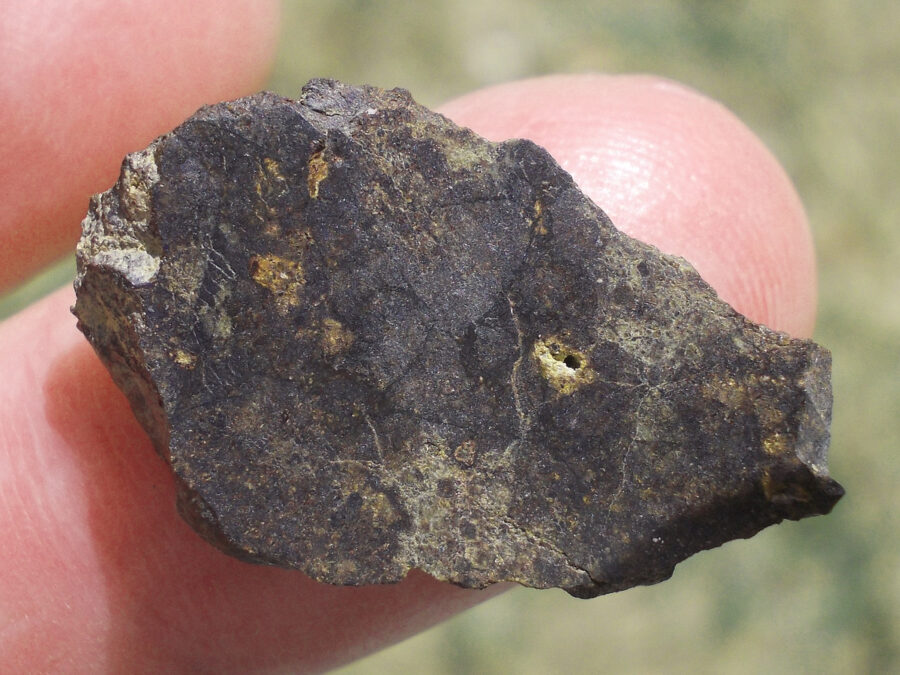
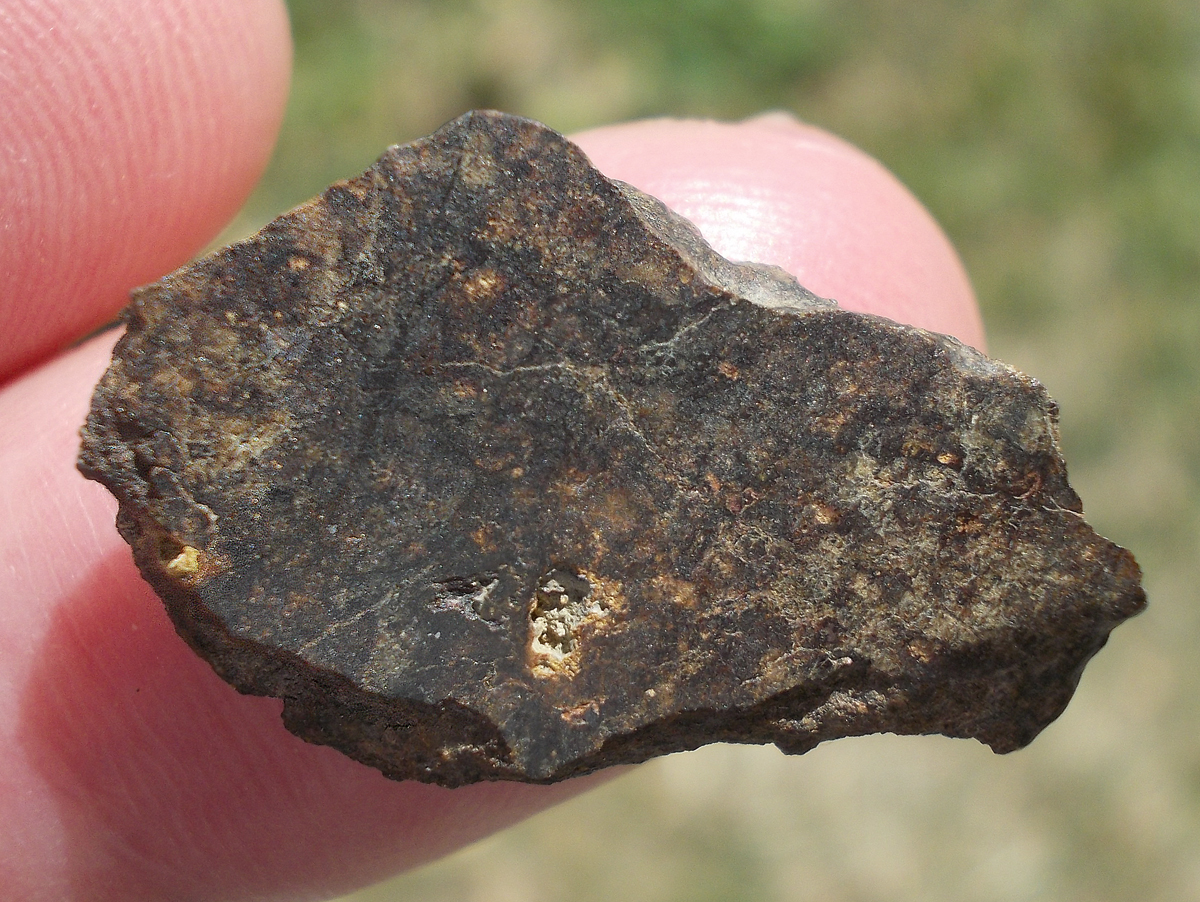
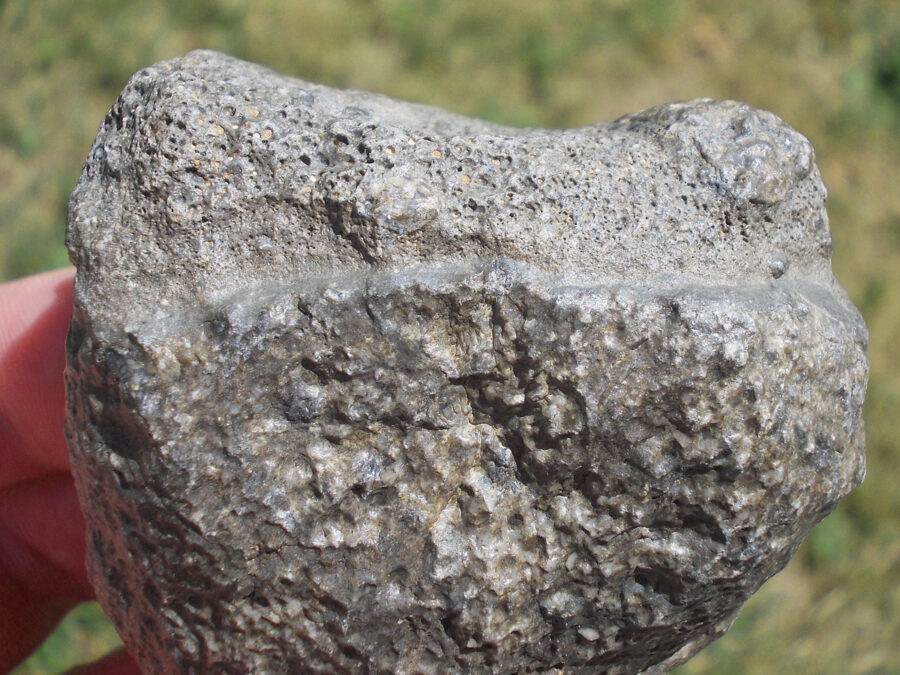
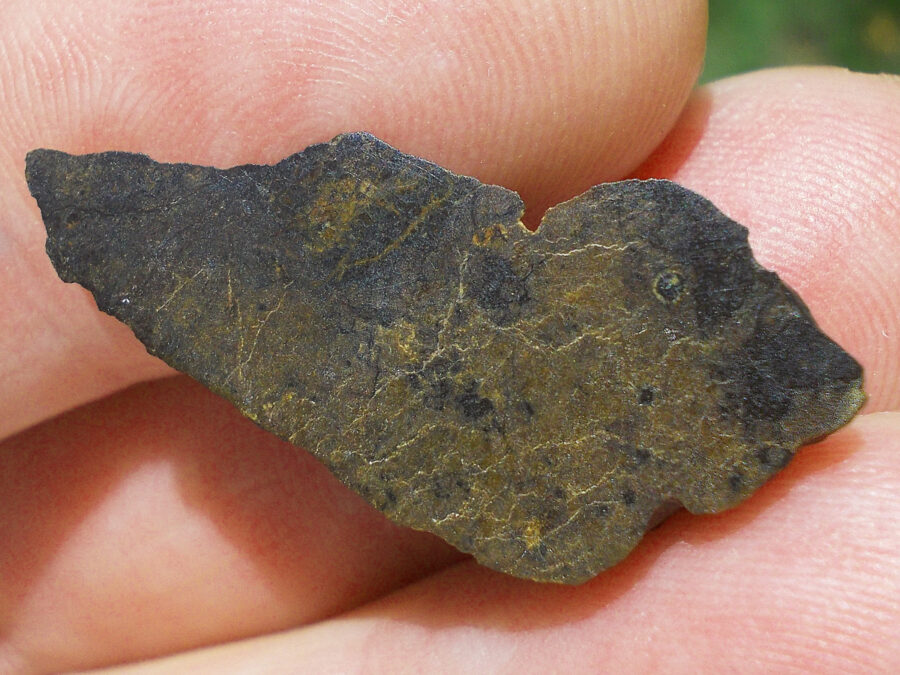
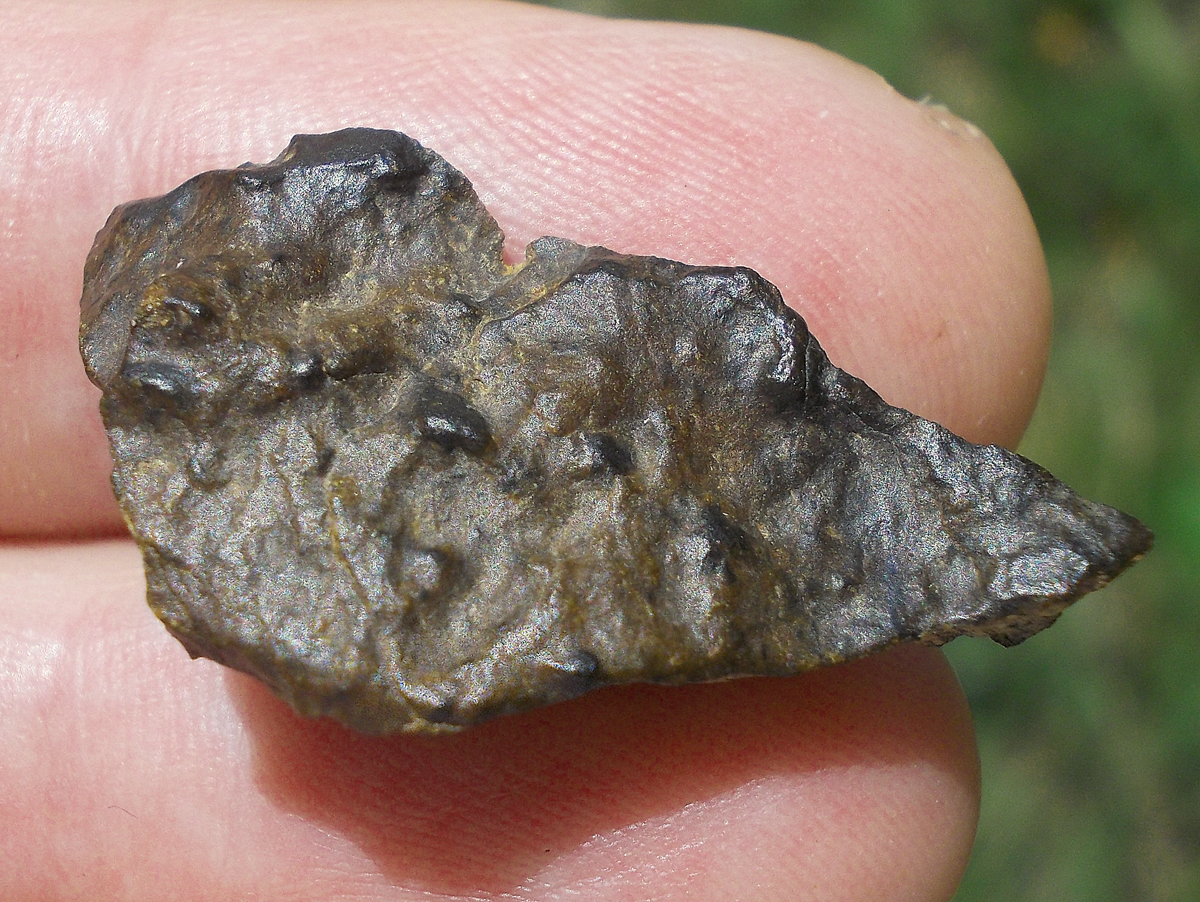
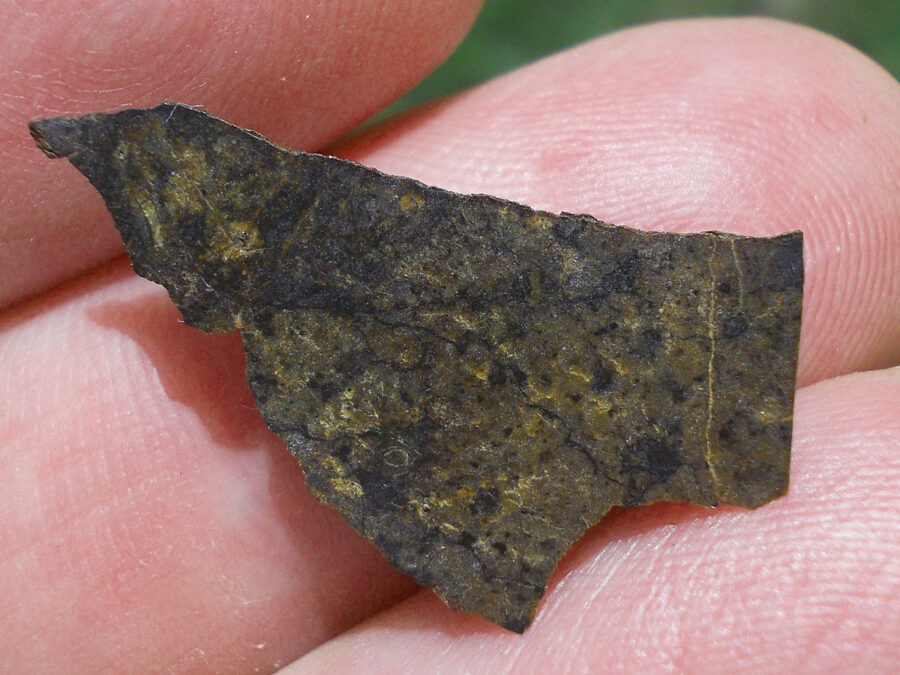
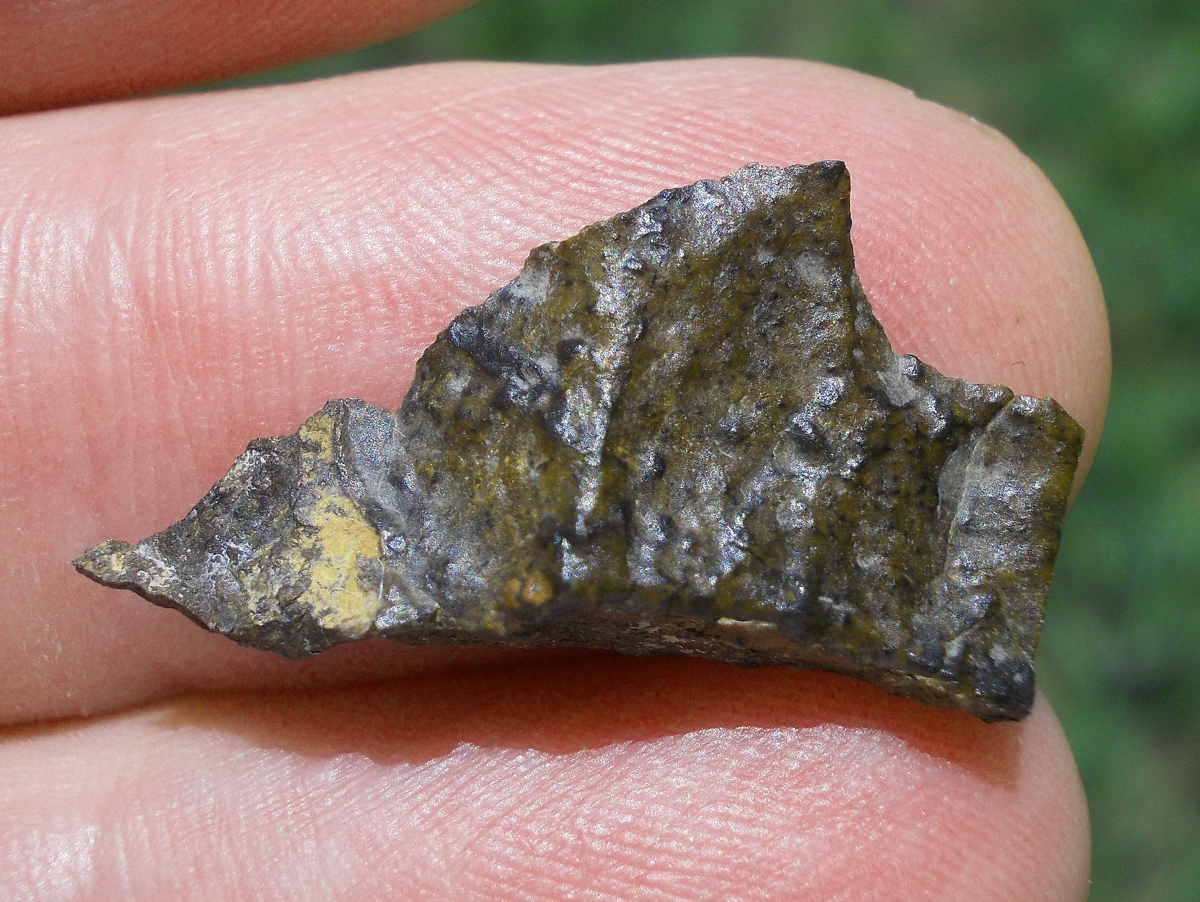
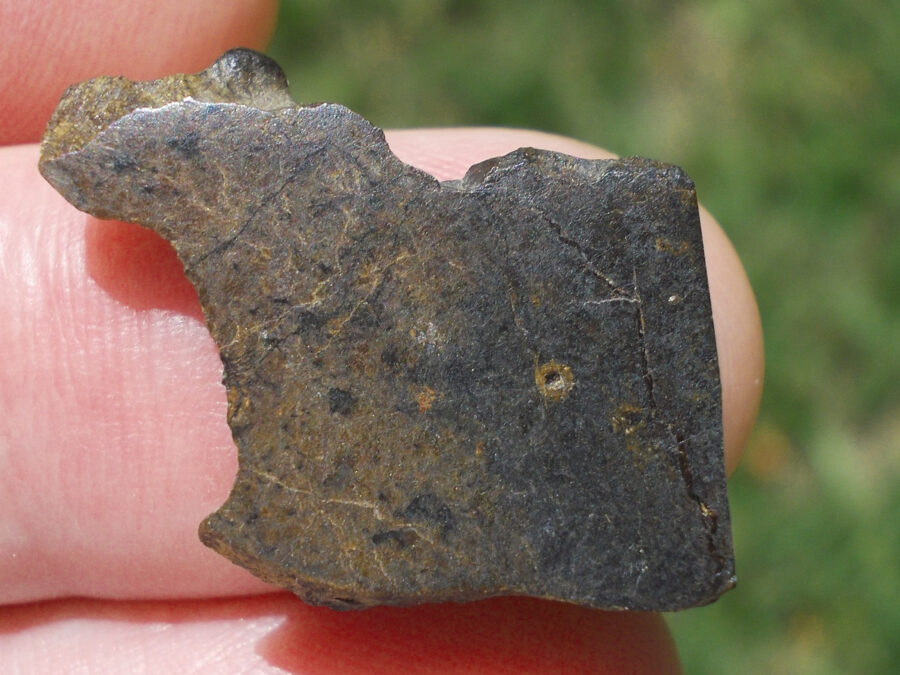
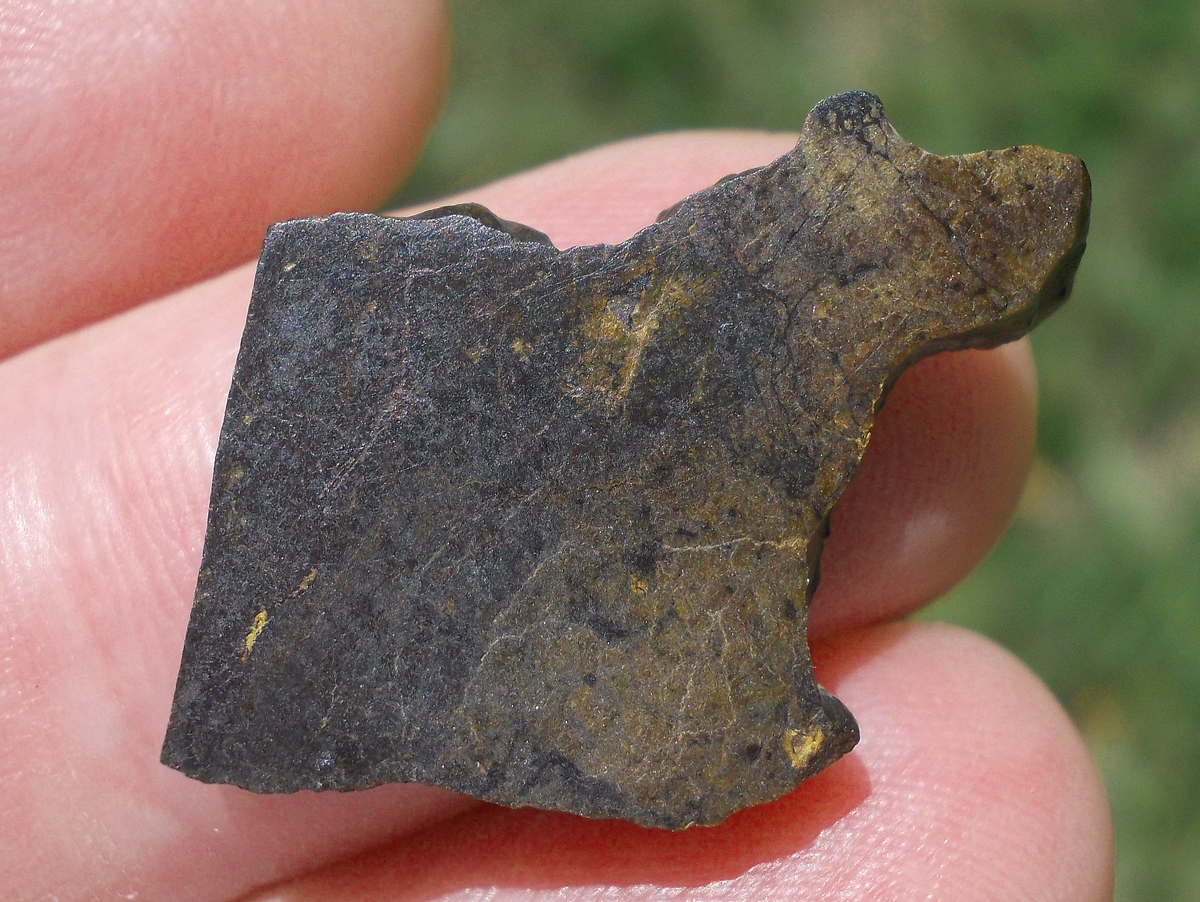
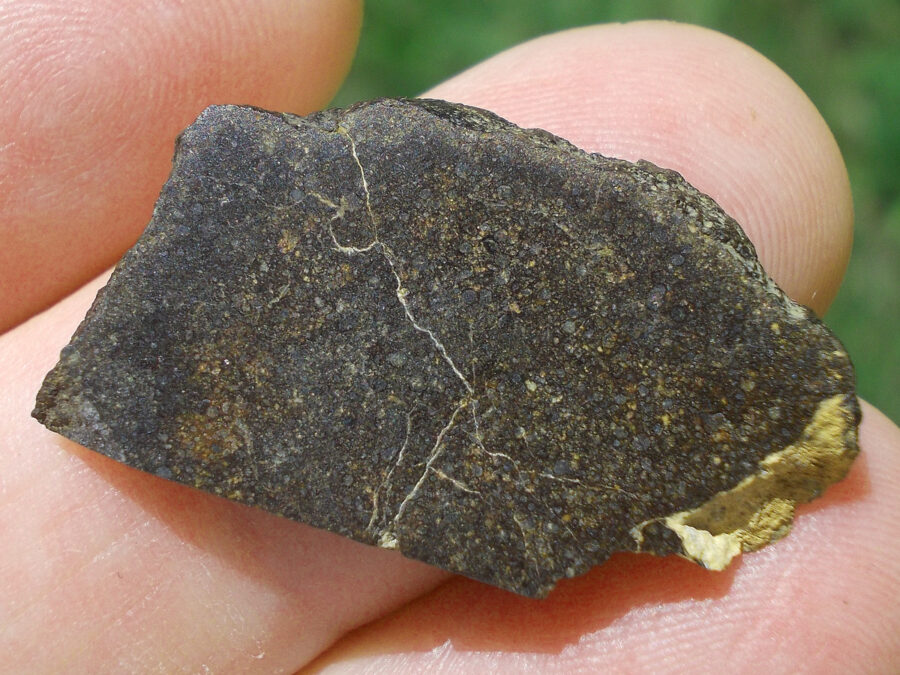
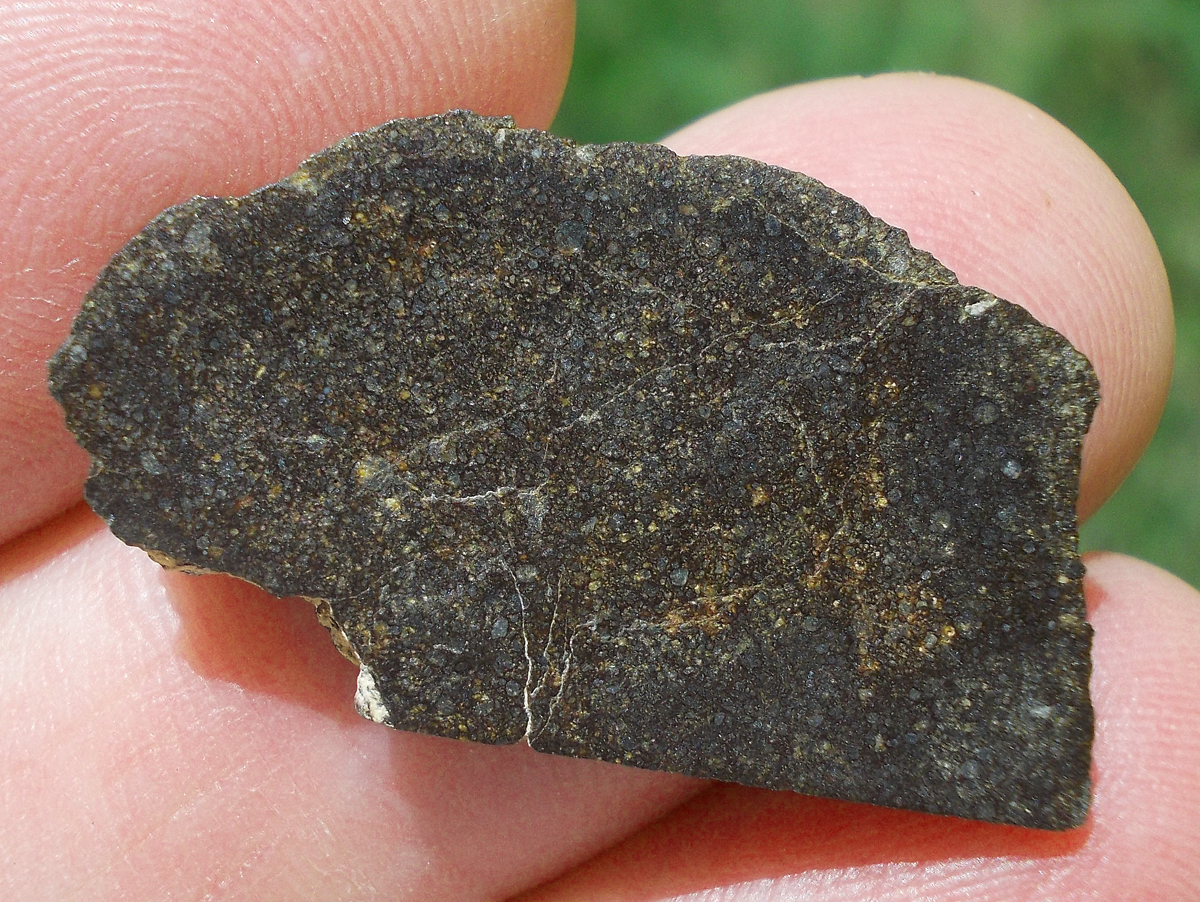
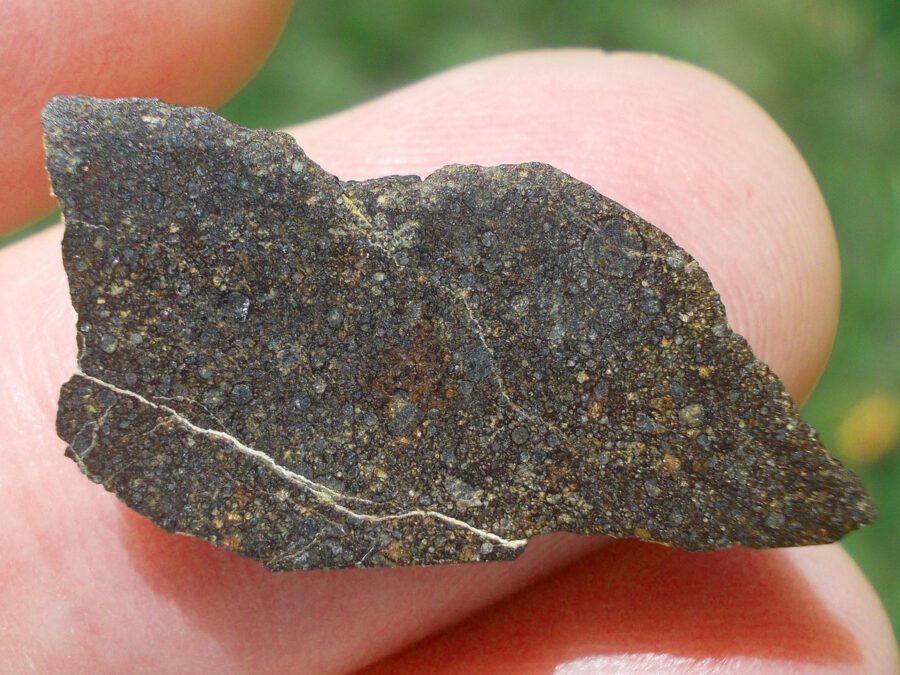
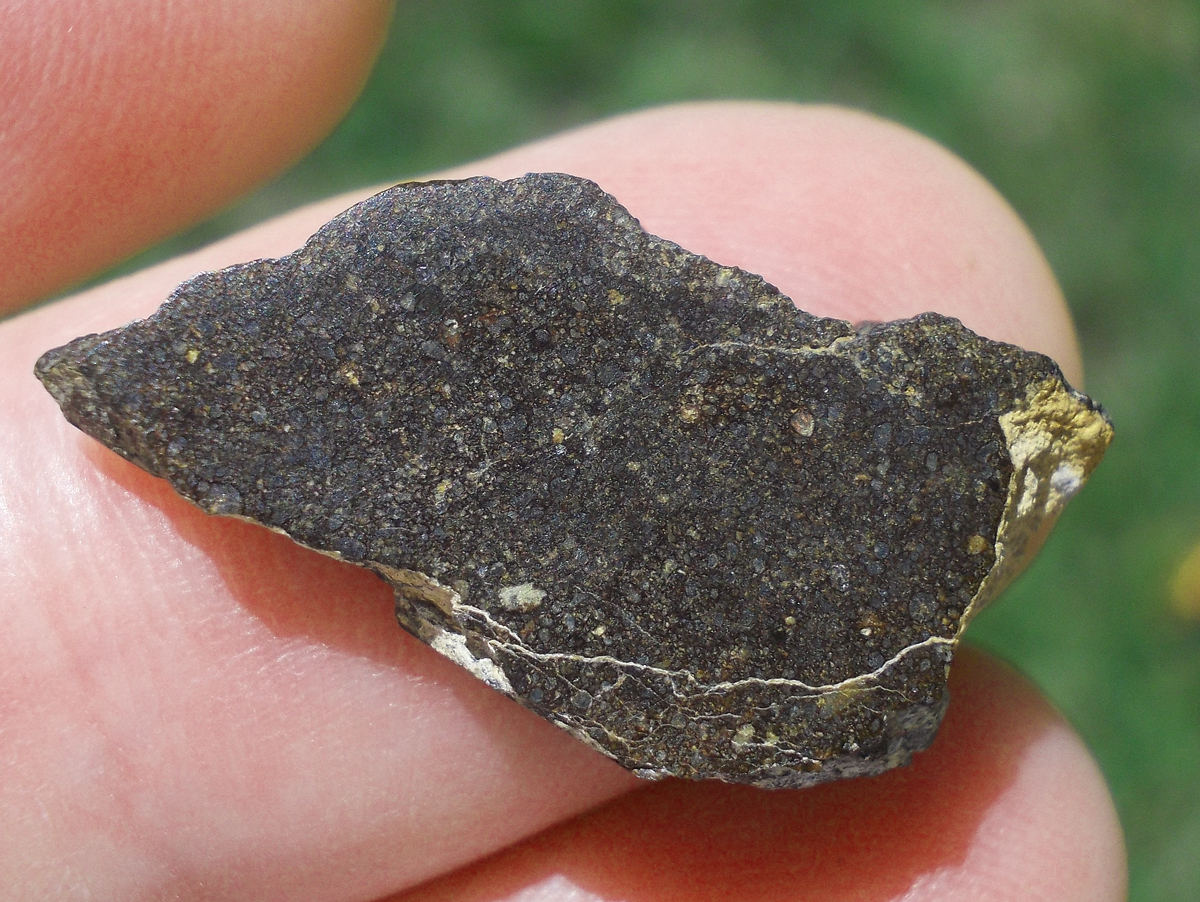
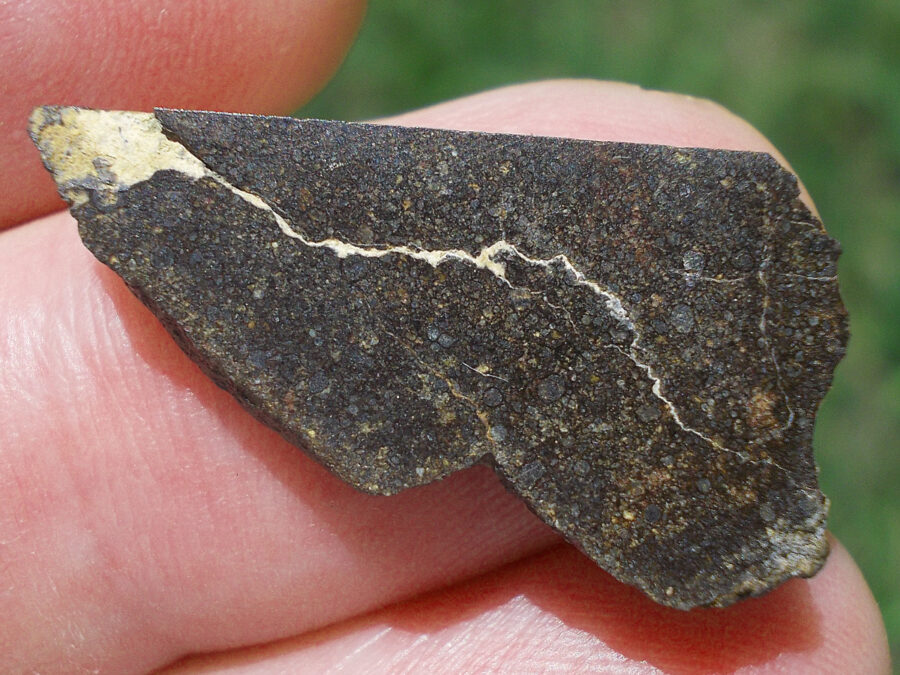
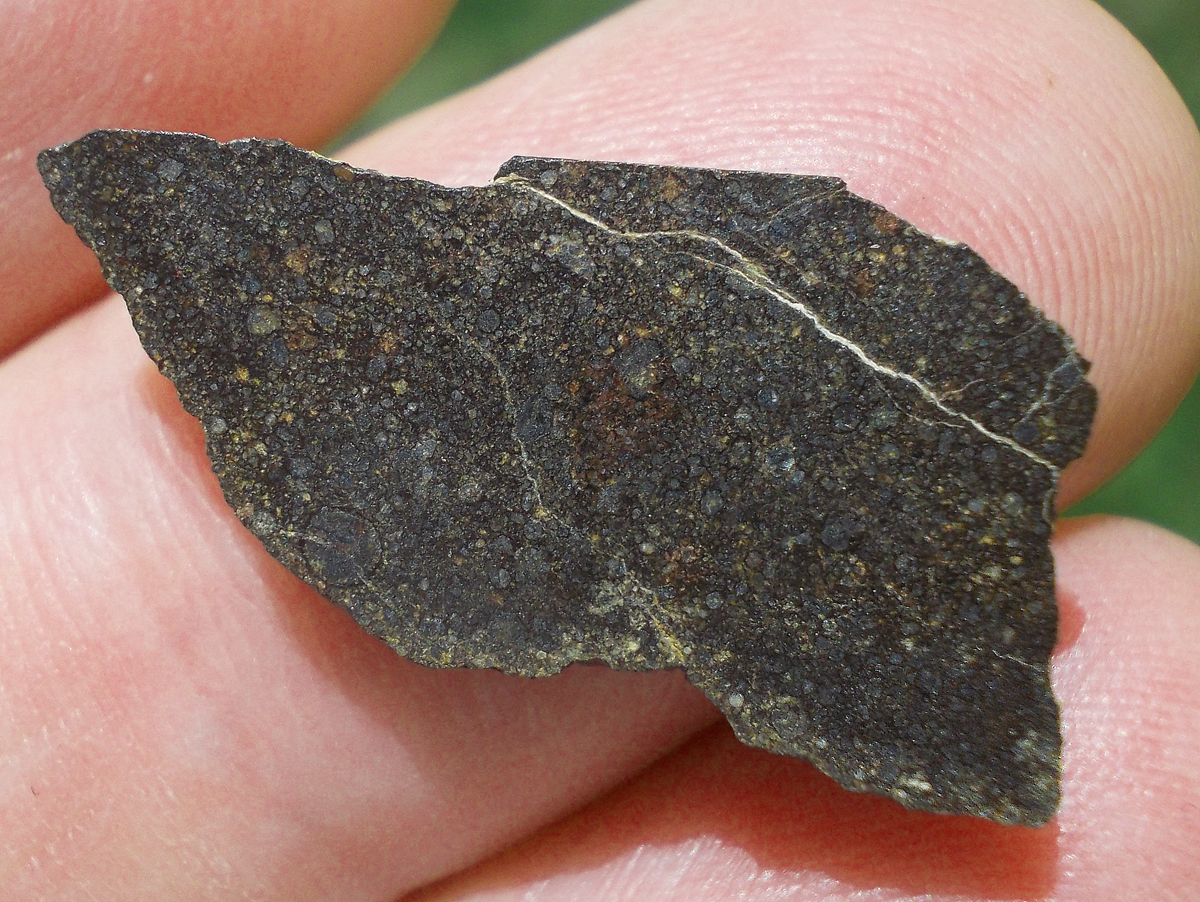
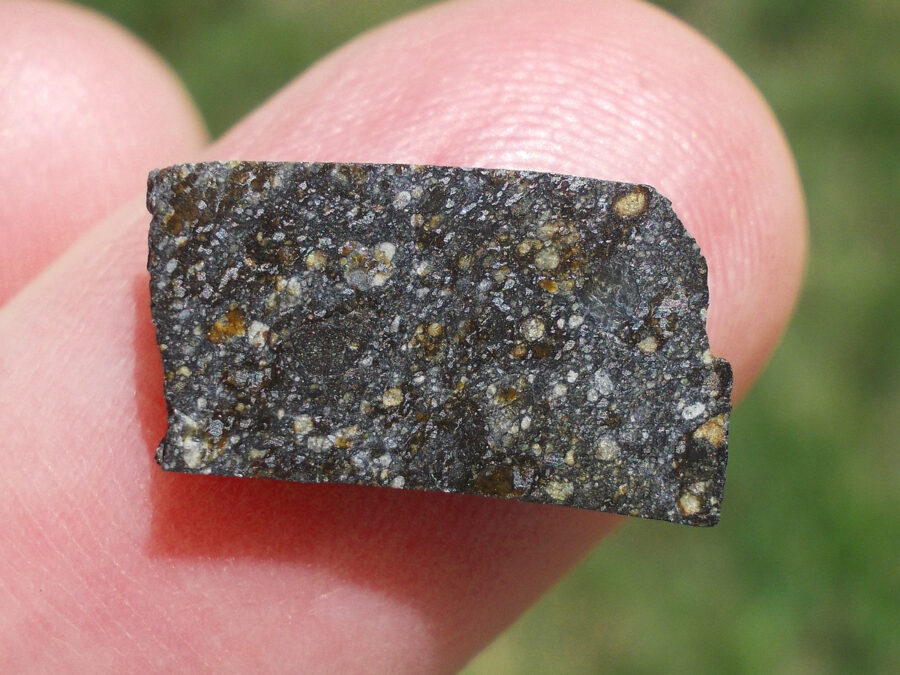
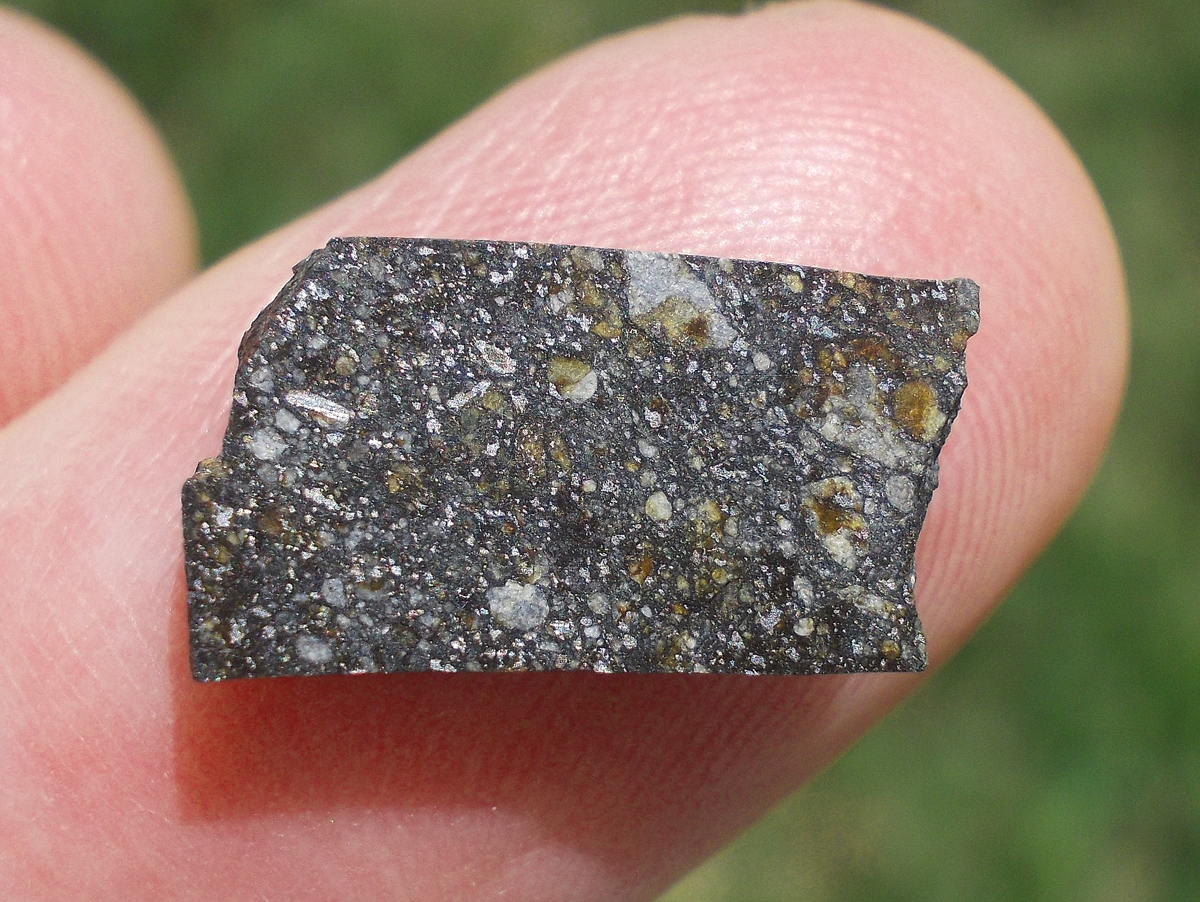
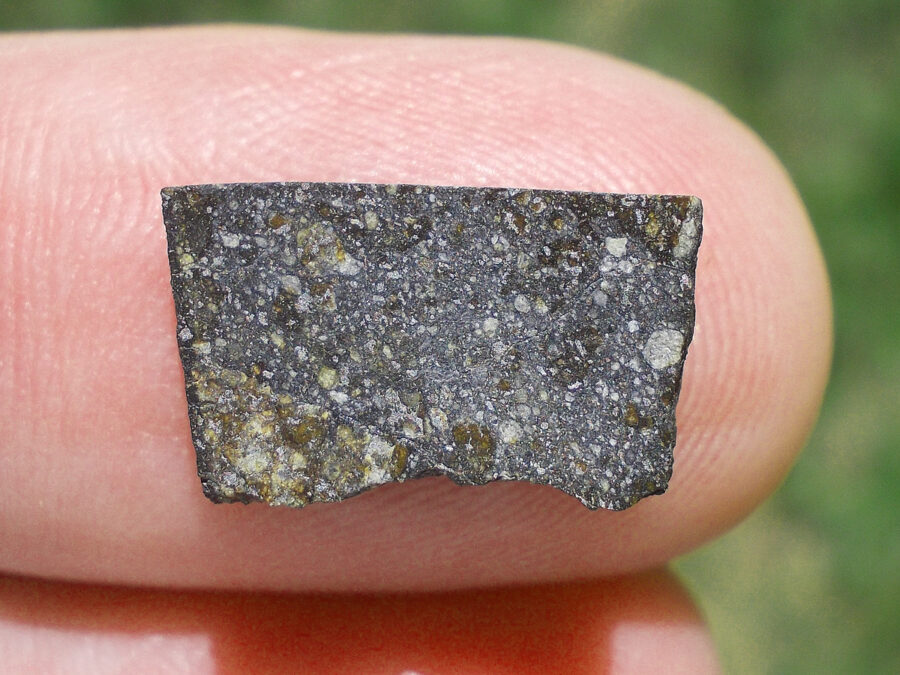
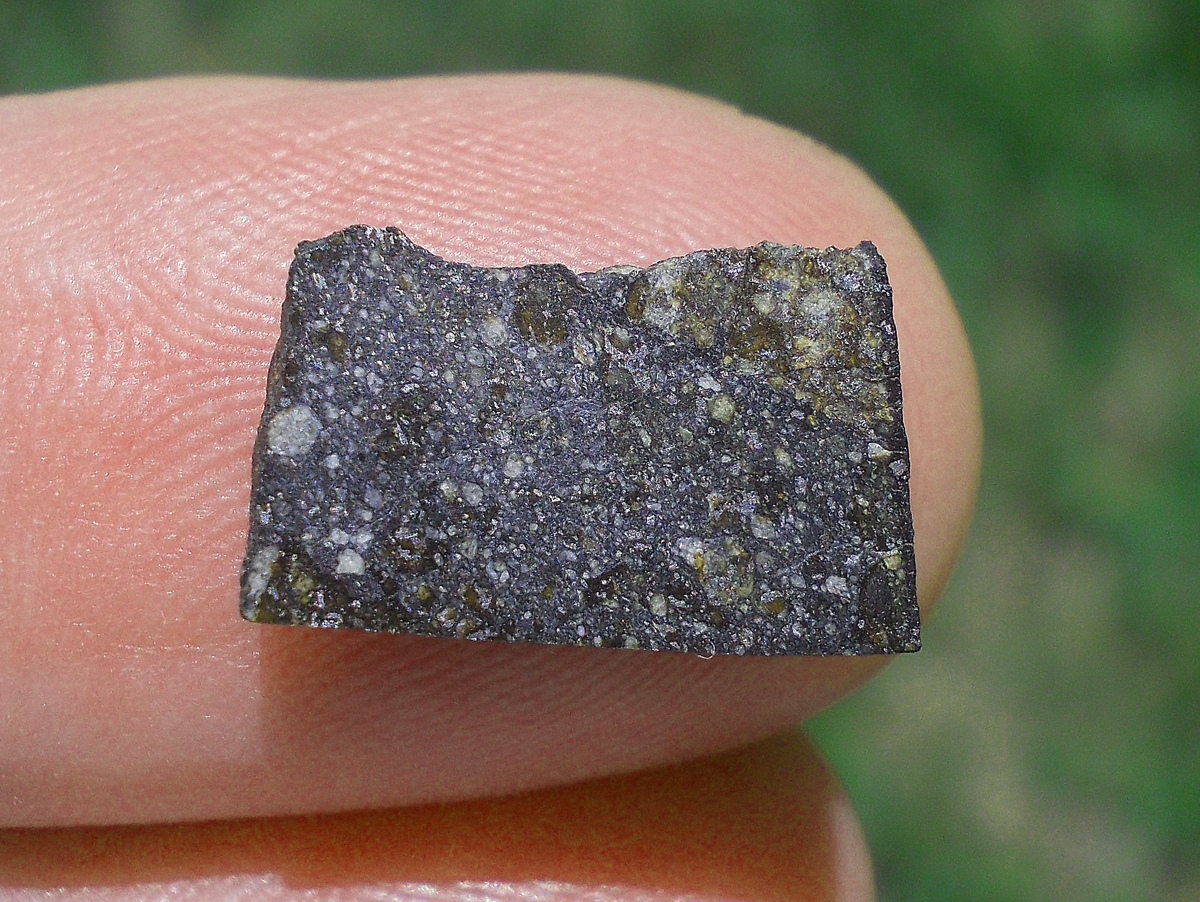
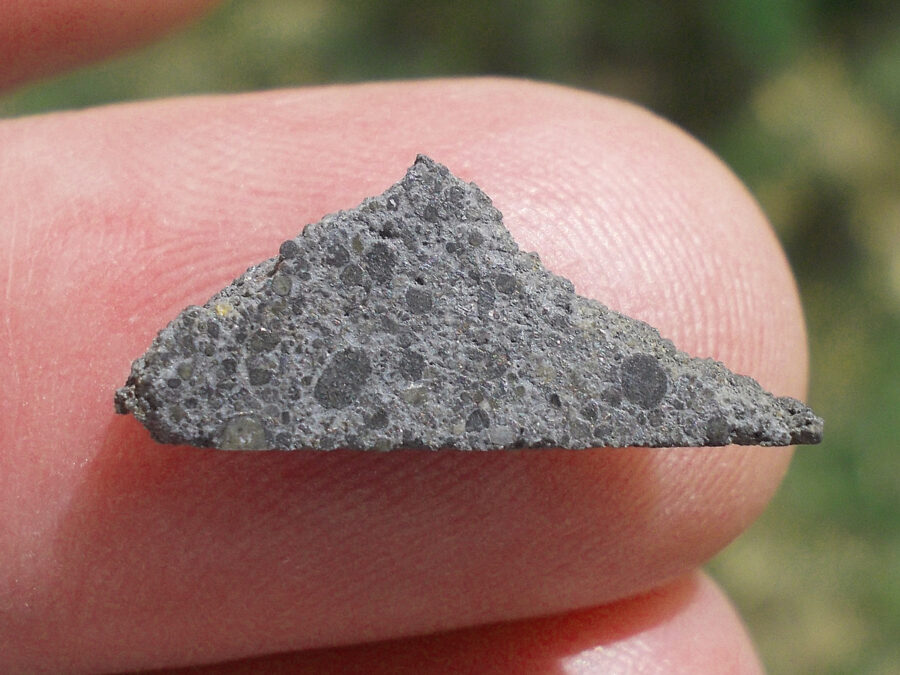
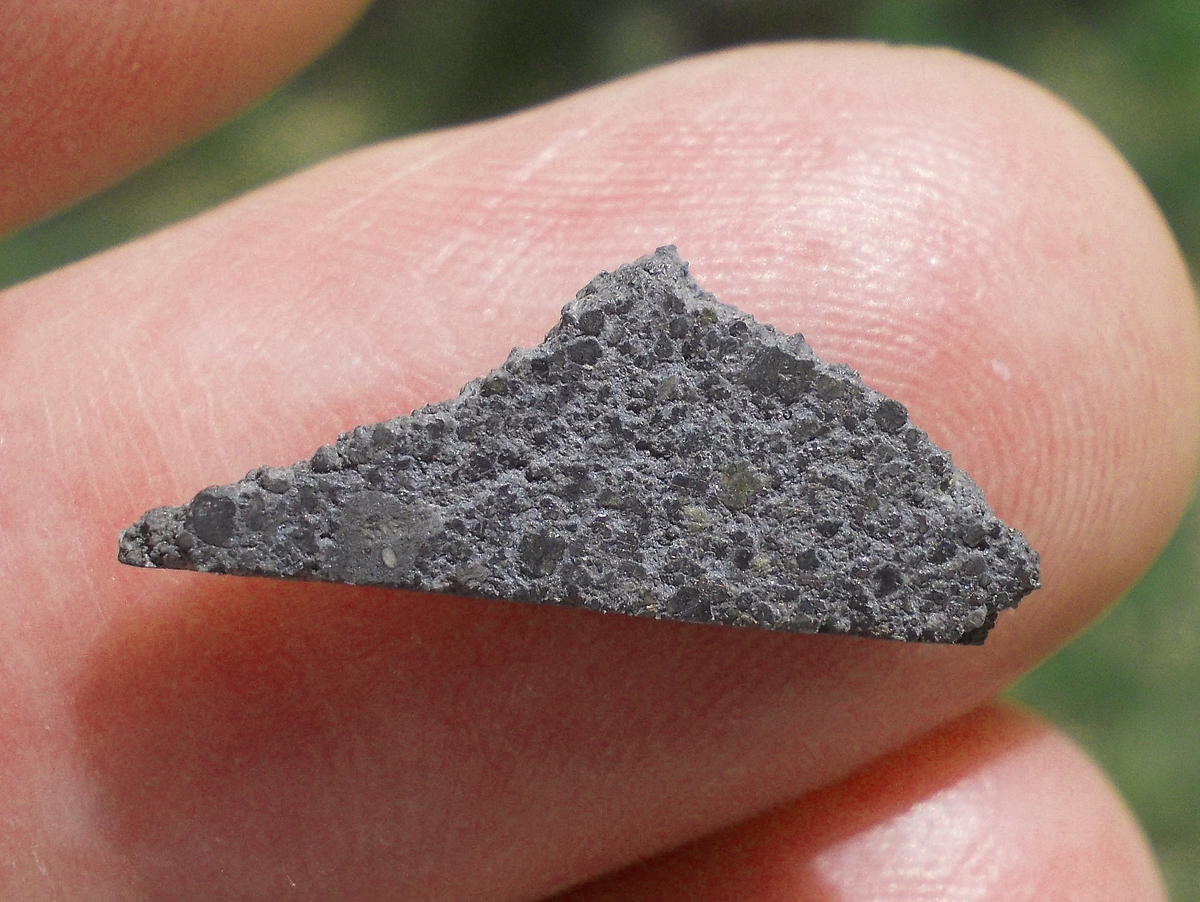
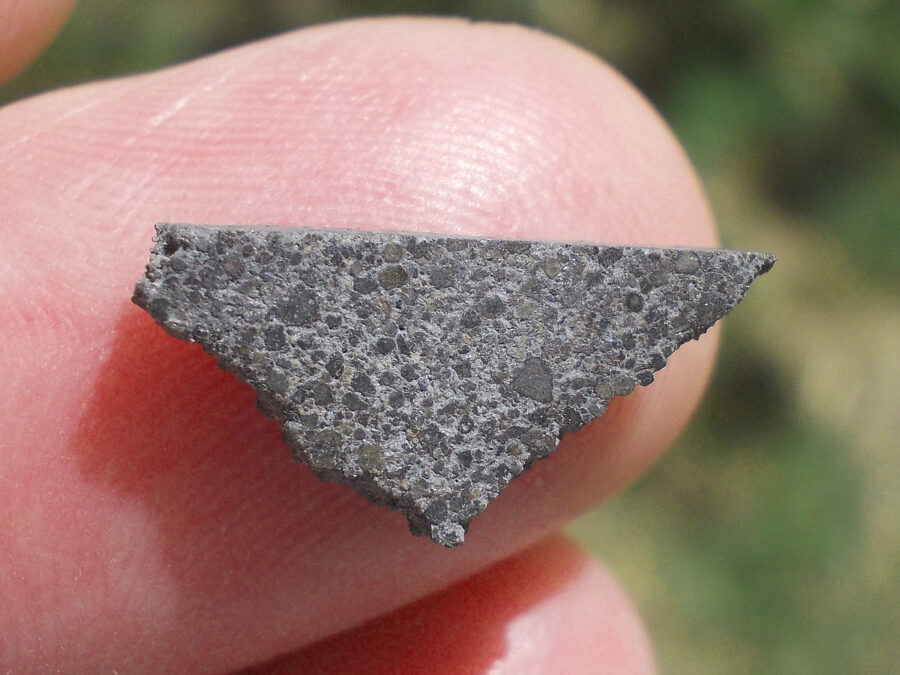
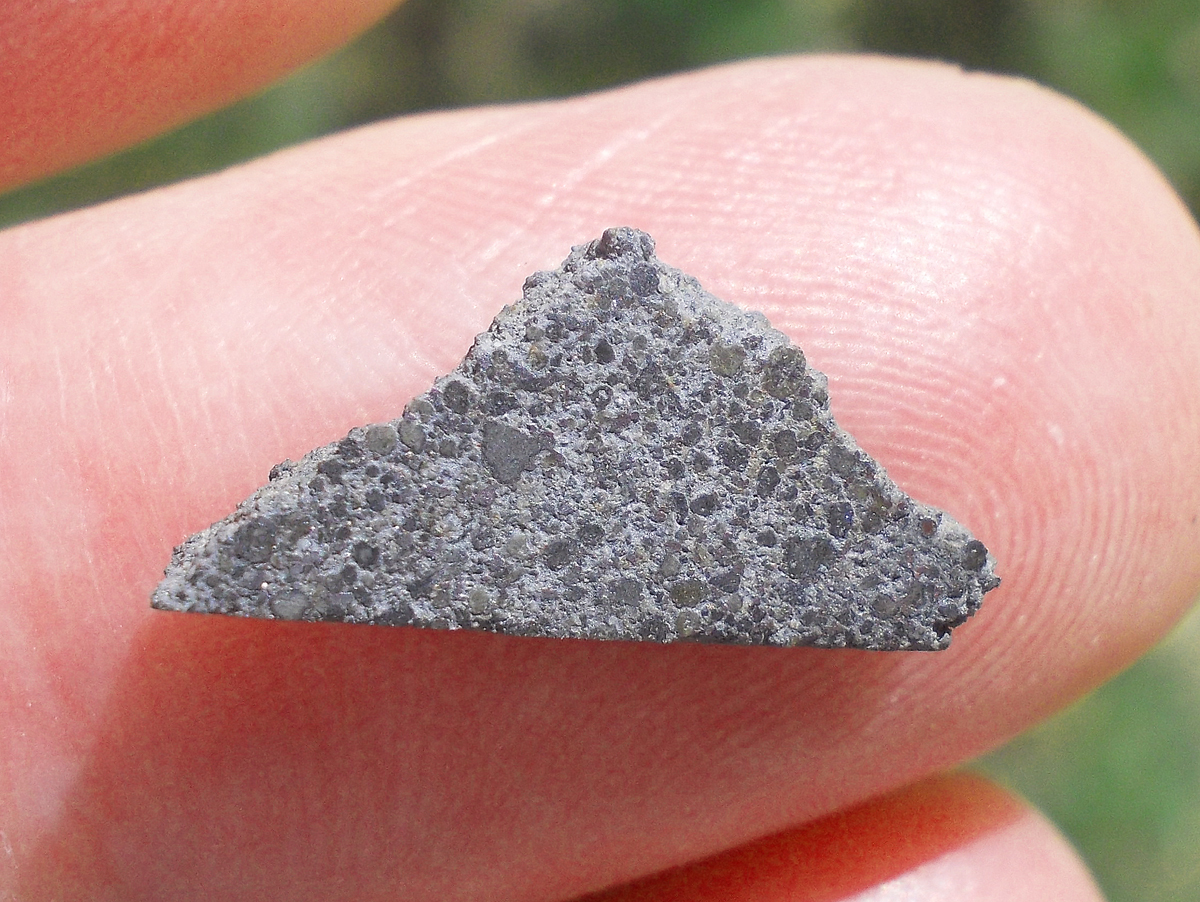
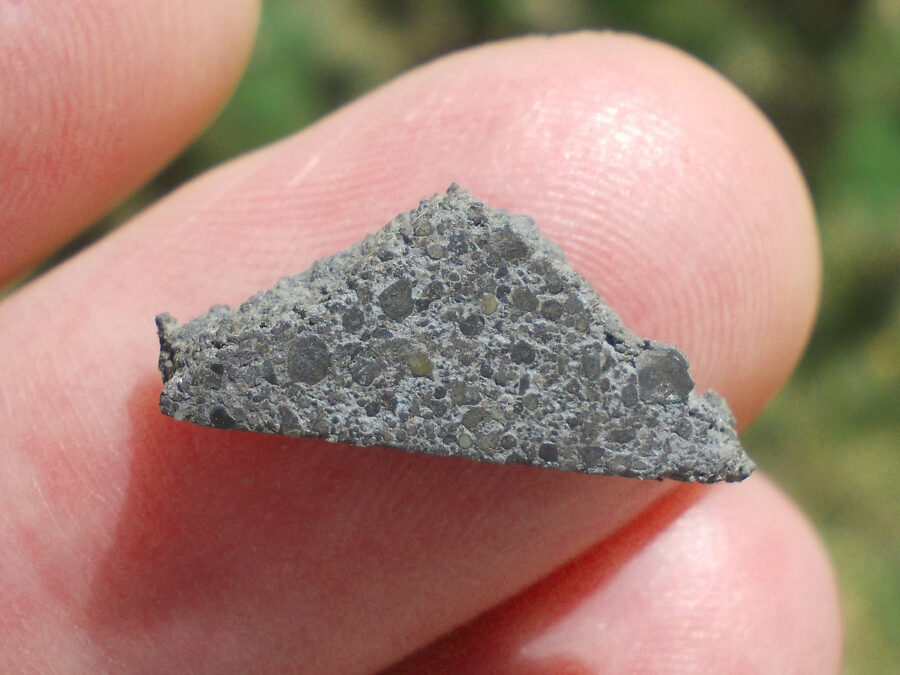
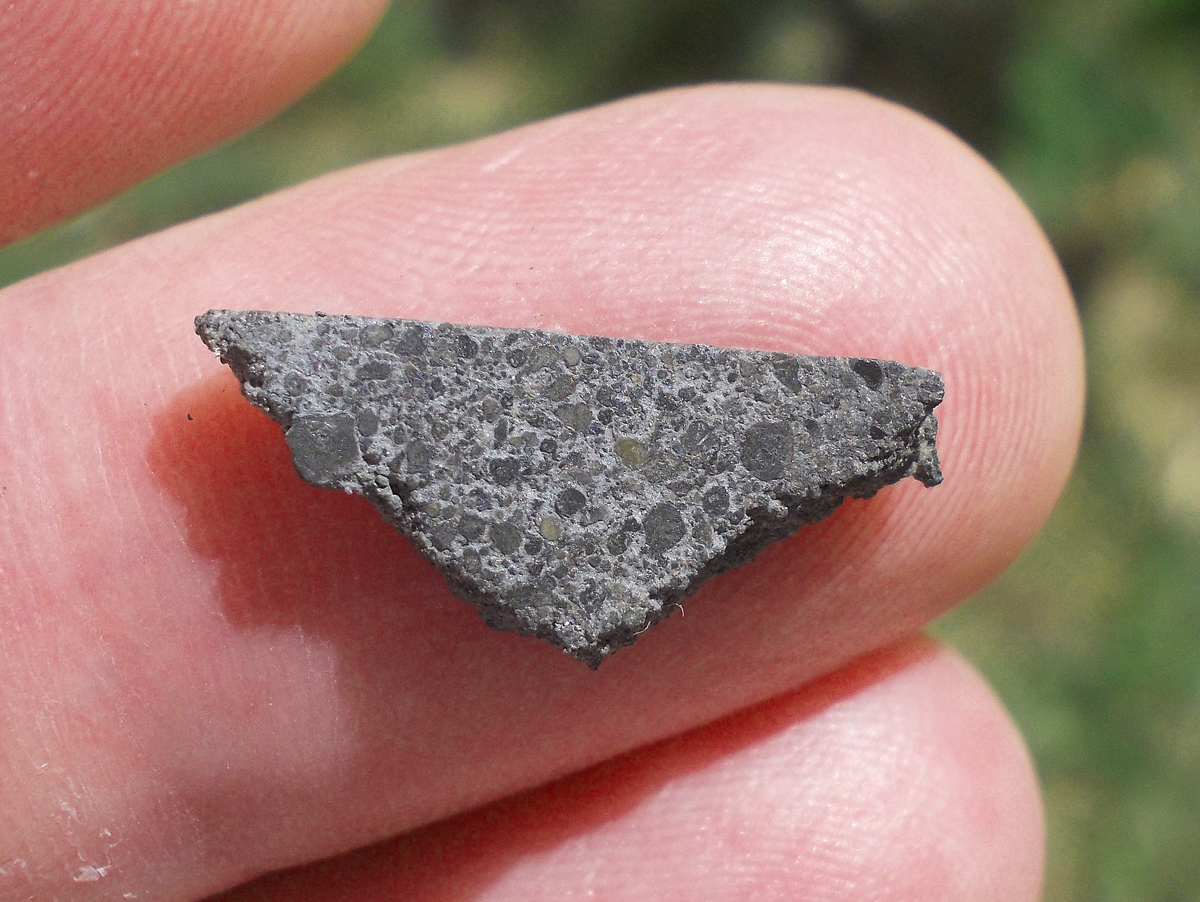
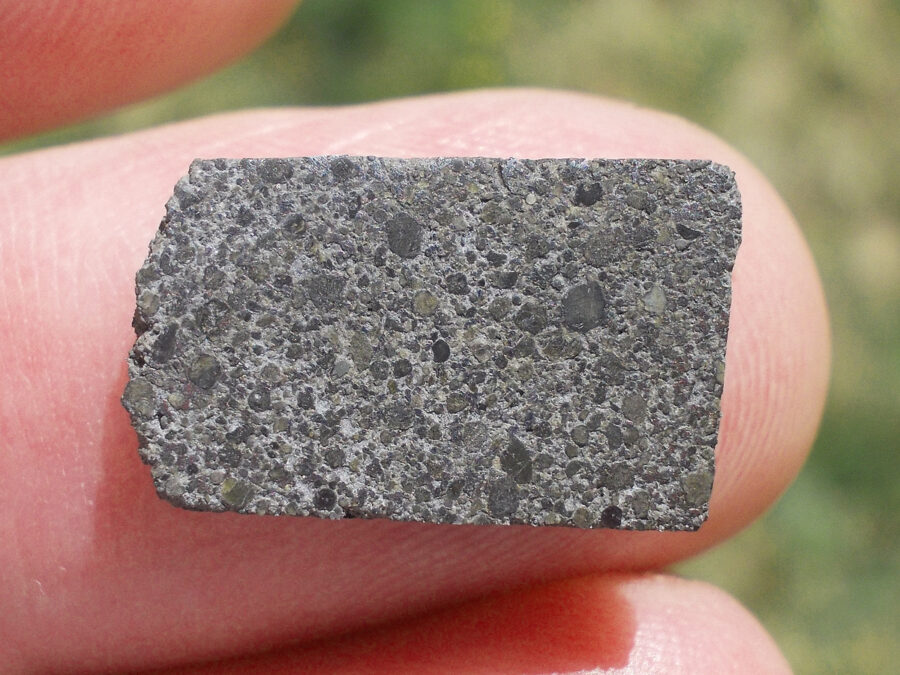
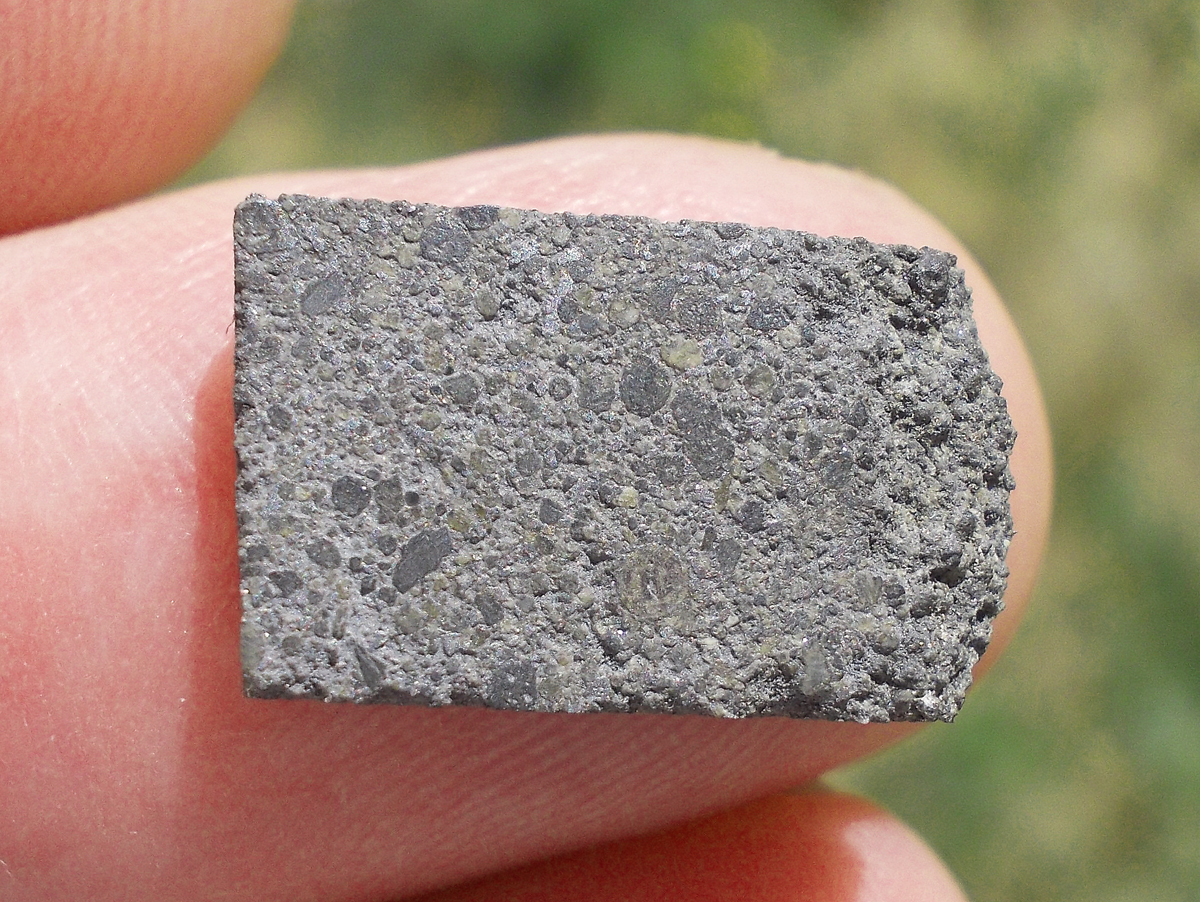
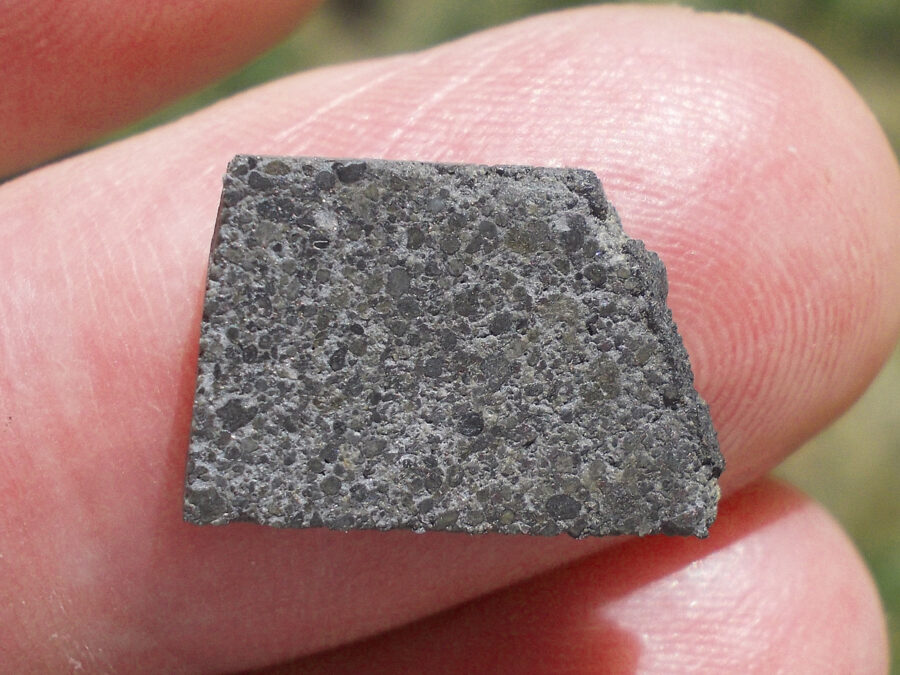
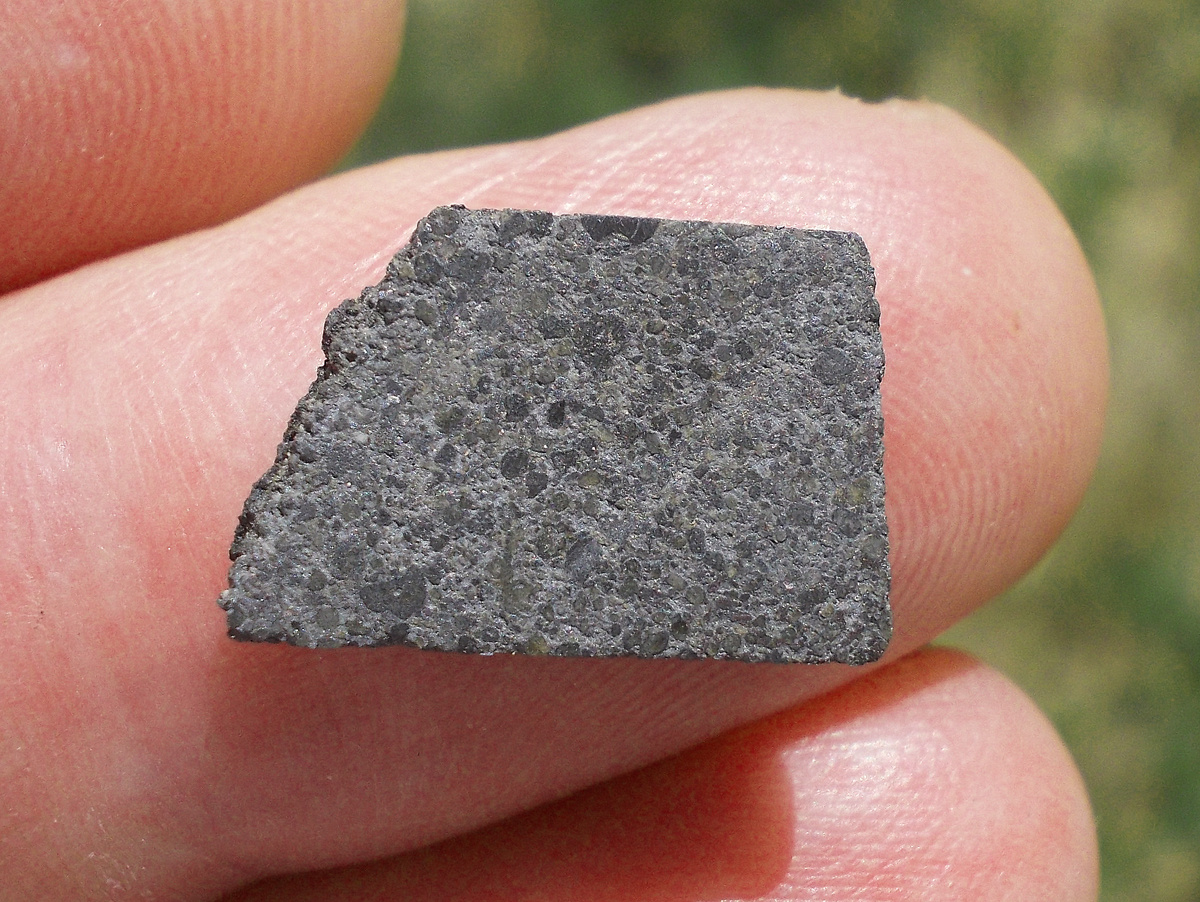
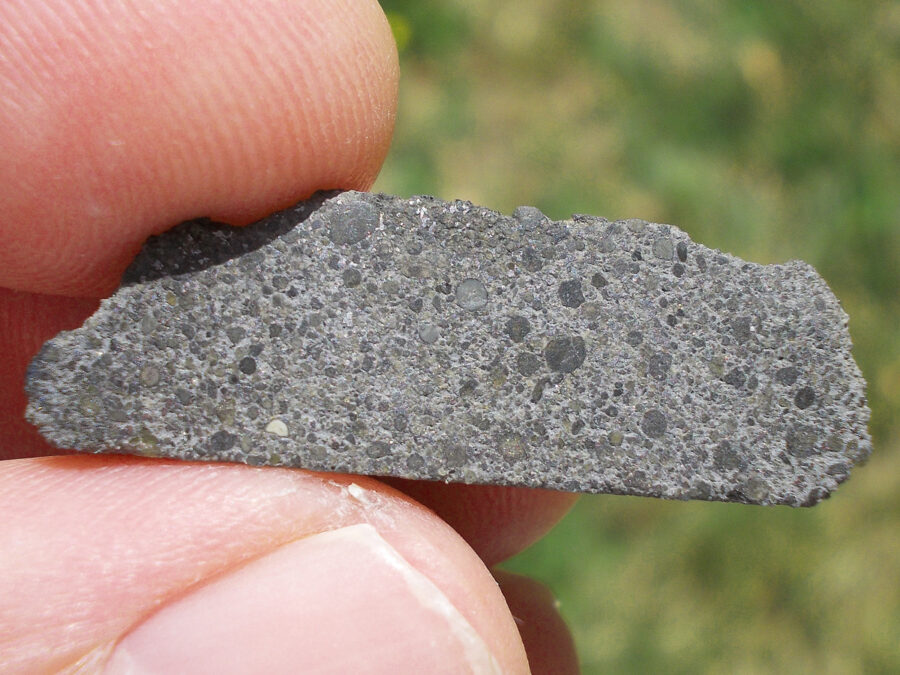
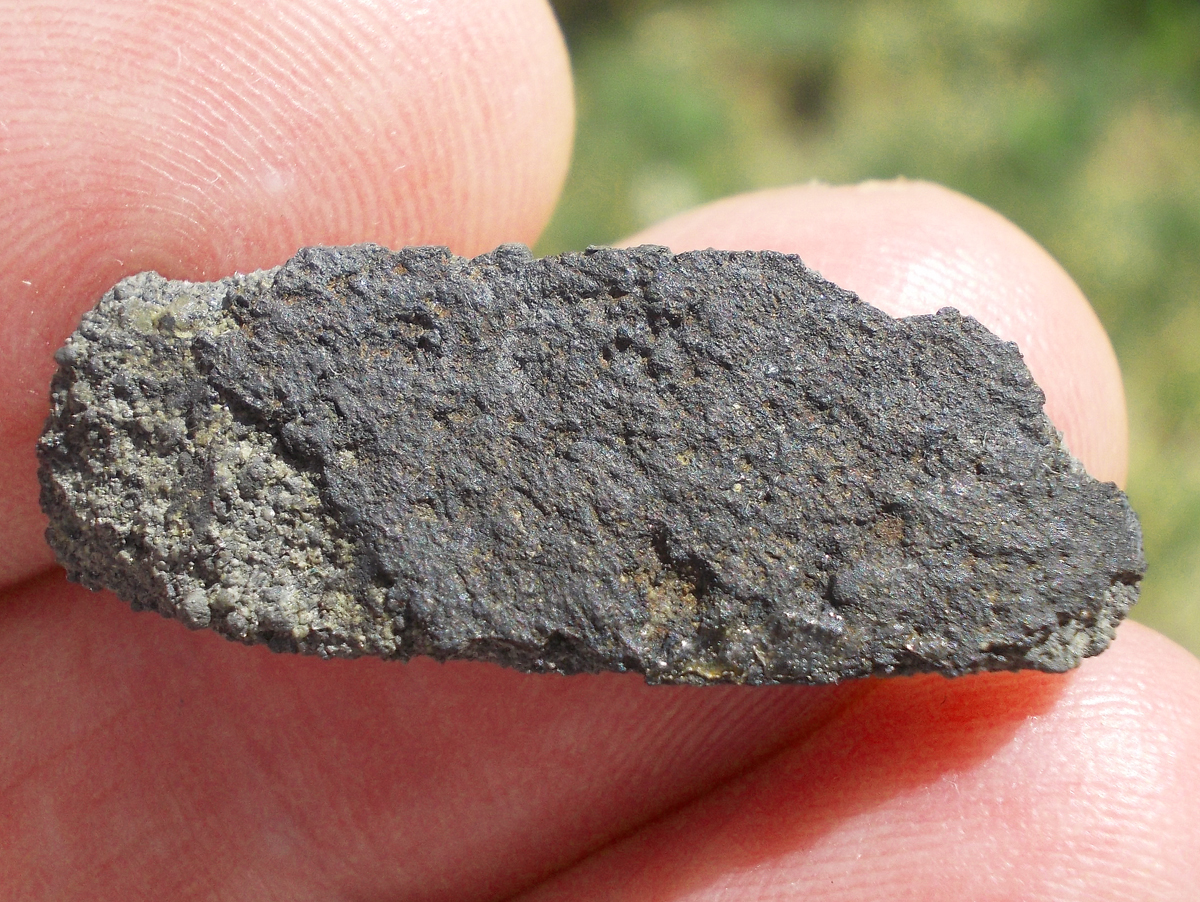
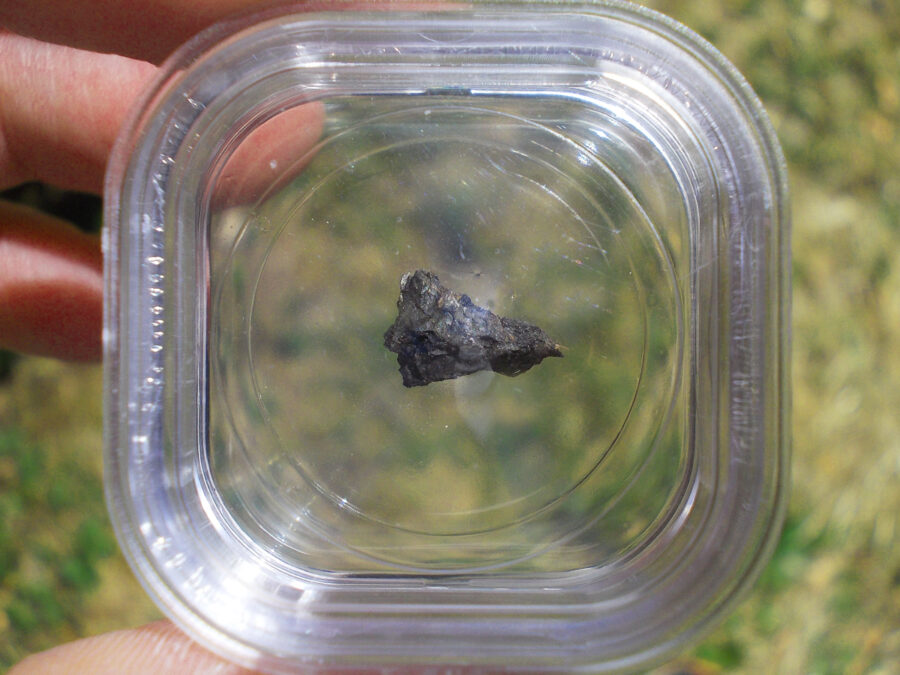
Oued Awlitis 003est une météorite de type LL6 bréchique de 1141 grammes.
Elle a été découverte en 2011 près de village de Lemluia dans le Sahara Occidental.
D’autres météorites ont été trouvées dans le même secteur, une météorite lunaire Oued Awlitis 001et une météorite CV3 de type carbonée Oued Awlitis 002.
C’est une zone très riche ou d’autres météorites seront trouvées.
La météorite Orcunama est tombée aux Philippines en 2011.
Elle a été classifiée chondrite type H3-4.
Une seule pierre de 7800 g recouvert d’une croûte de fusion sombre a été découverte.
Le matin clair et ensoleillé du 7 mars 2011, trois agriculteurs (Fredo Manzano, Edgar Francisco Senior et Enrico Camacho Junior) à Orconuma, Bongabonga, Philippines, étaient en train de débroussailler leur champ lorsqu’ils ont été surpris par six fortes explosions consécutives. Le bruit des explosions semblait durer jusqu’à une demi-minute. Ils ont d’abord pensé qu’il s’agissait du tonnerre car le sol tremblait. En levant les yeux au ciel, ils ont vu un « objet rouge brûlant d’où sortaient des étincelles », laissant une épaisse traînée de fumée et émettant un sifflement caractéristique avant de le voir heurter le sol. De leur propre aveu, les fermiers ont d’abord cru qu’il s’agissait d’une bombe et ont considéré que c’était peut-être « la fin du monde ». Ils se souviennent que les oiseaux se sont envolés immédiatement au son des explosions. Ils sont allés voir, et à moins de 10 m, ils ont trouvé un trou dans le sol, entouré de terre remuée et de ce qui ressemblait à de l’herbe brûlée. À l’intérieur du trou, à environ 1 m de profondeur, ils ont vu un objet en pierre et, faute d’outils, ils ont utilisé un morceau de bois posé à proximité et leurs mains nues pour le déterrer. Ne sachant pas ce qu’était cette étrange pierre, ils ont commencé à demander autour d’eux, et à montrer la pierre aux gens du coin, mais ils ont ensuite eu peur que quelqu’un essaie de la leur prendre. Cette crainte les a amenés à l’emballer dans un récipient en plastique scellé avant de l’enterrer sous terre pendant un an. Ils ont finalement décidé que personne ne viendrait la chercher, alors ils ont déterré la pierre et l’ont stockée dans le placard de Fredo Manzano pendant les 8 années suivantes. En 2020, ils ont été interviewés pour un journal télévisé local (posté plus tard sur YouTube avec plus de 5 millions de vues), et pendant le tournage, la pierre a été examinée visuellement par le géologue Jocelyn Villanueva, qui a conclu qu’il pourrait s’agir d’un type de roche volcanique basaltique. Les agriculteurs, cependant, restaient convaincus qu’il pouvait s’agir d’une météorite et ont engagé Ramelle Baquil Ramirez pour les aider à trouver un acheteur. Par la suite, en avril 2021, avec l’aide d’un marchand de tektite expérimenté (Carmelita Cepe), la pierre a été acquise conjointement par John Higgins et Jasper Spencer.
La météorite Orcunama est tombée aux Philippines en 2011.
Elle a été classifiée chondrite type H3-4.
Une seule pierre de 7800 g recouvert d’une croûte de fusion sombre a été découverte.
Le matin clair et ensoleillé du 7 mars 2011, trois agriculteurs (Fredo Manzano, Edgar Francisco Senior et Enrico Camacho Junior) à Orconuma, Bongabonga, Philippines, étaient en train de débroussailler leur champ lorsqu’ils ont été surpris par six fortes explosions consécutives. Le bruit des explosions semblait durer jusqu’à une demi-minute. Ils ont d’abord pensé qu’il s’agissait du tonnerre car le sol tremblait. En levant les yeux au ciel, ils ont vu un « objet rouge brûlant d’où sortaient des étincelles », laissant une épaisse traînée de fumée et émettant un sifflement caractéristique avant de le voir heurter le sol. De leur propre aveu, les fermiers ont d’abord cru qu’il s’agissait d’une bombe et ont considéré que c’était peut-être « la fin du monde ». Ils se souviennent que les oiseaux se sont envolés immédiatement au son des explosions. Ils sont allés voir, et à moins de 10 m, ils ont trouvé un trou dans le sol, entouré de terre remuée et de ce qui ressemblait à de l’herbe brûlée. À l’intérieur du trou, à environ 1 m de profondeur, ils ont vu un objet en pierre et, faute d’outils, ils ont utilisé un morceau de bois posé à proximité et leurs mains nues pour le déterrer. Ne sachant pas ce qu’était cette étrange pierre, ils ont commencé à demander autour d’eux, et à montrer la pierre aux gens du coin, mais ils ont ensuite eu peur que quelqu’un essaie de la leur prendre. Cette crainte les a amenés à l’emballer dans un récipient en plastique scellé avant de l’enterrer sous terre pendant un an. Ils ont finalement décidé que personne ne viendrait la chercher, alors ils ont déterré la pierre et l’ont stockée dans le placard de Fredo Manzano pendant les 8 années suivantes. En 2020, ils ont été interviewés pour un journal télévisé local (posté plus tard sur YouTube avec plus de 5 millions de vues), et pendant le tournage, la pierre a été examinée visuellement par le géologue Jocelyn Villanueva, qui a conclu qu’il pourrait s’agir d’un type de roche volcanique basaltique. Les agriculteurs, cependant, restaient convaincus qu’il pouvait s’agir d’une météorite et ont engagé Ramelle Baquil Ramirez pour les aider à trouver un acheteur. Par la suite, en avril 2021, avec l’aide d’un marchand de tektite expérimenté (Carmelita Cepe), la pierre a été acquise conjointement par John Higgins et Jasper Spencer.
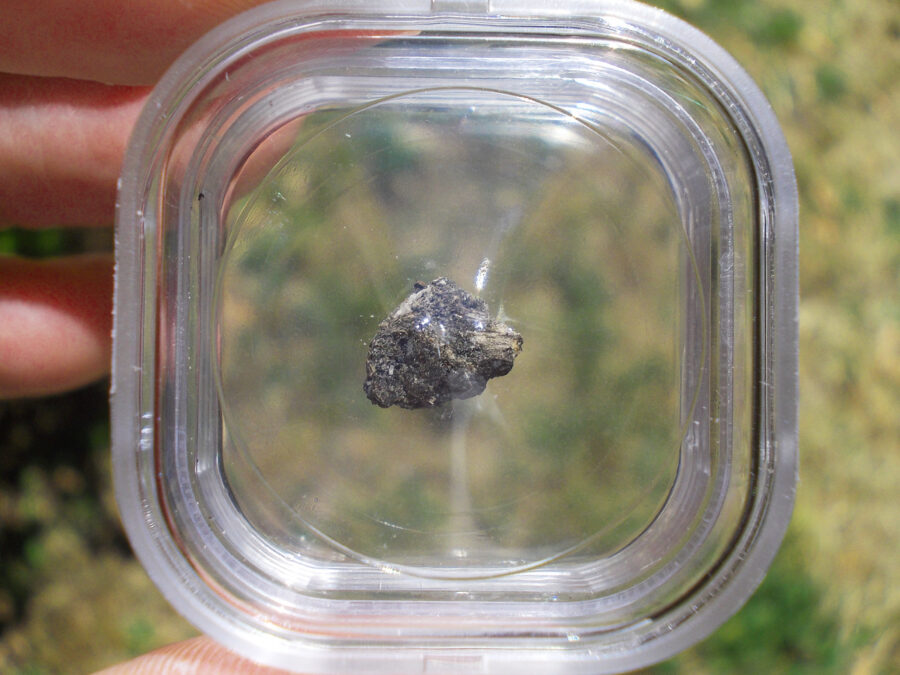
Ce charbon fossile est un rare témoin de l’instant précis du cataclysme qui a marqué le début de l’extinction des dinosaures.
Ce matériel fossilisé provient de résidus forestiers, riches en iridium, carbonisés suite un impact géant d’une météorite dans la péninsule du Yucatan il y a ~65 millions d’années.
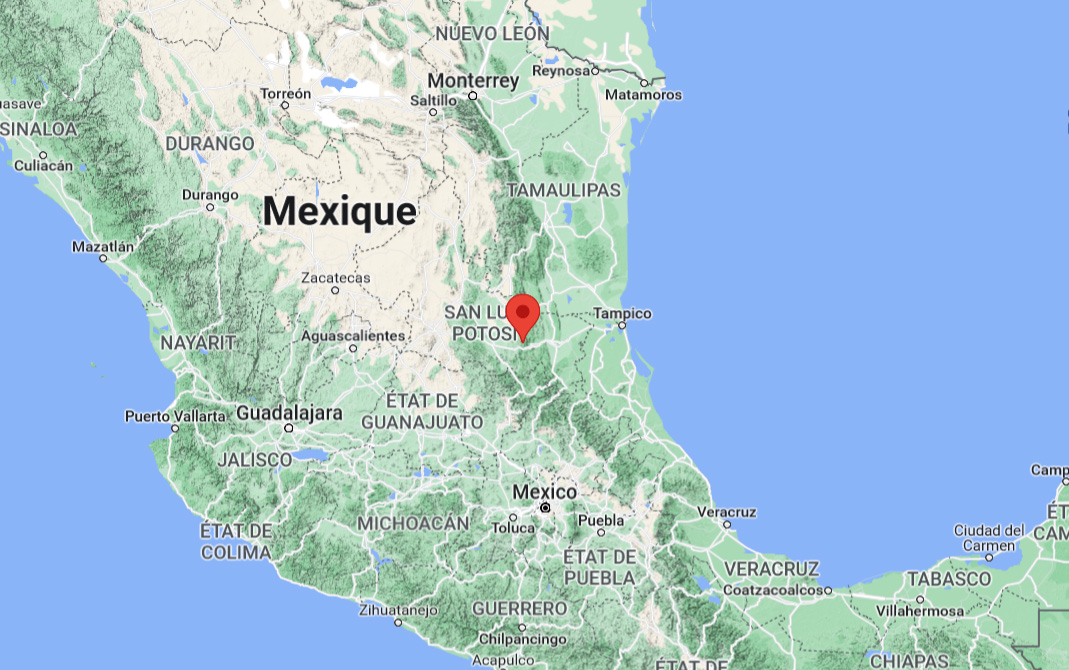
Des affleurements de la limite K-T (crétacé- tertiaire) riches en cette lignite sont apparus dans différentes régions du Mexique dans la Sierra Madre Orientale.
Cette lignite est actuellement protégée et donc rare à trouver sur le marché.
Ce charbon fossile est un rare témoin de l’instant précis du cataclysme qui a marqué le début de l’extinction des dinosaures.
Ce matériel fossilisé provient de résidus forestiers, riches en iridium, carbonisés suite un impact géant d’une météorite dans la péninsule du Yucatan il y a ~65 millions d’années.
Des affleurements de la limite K-T (crétacé- tertiaire) riches en cette lignite sont apparus dans différentes régions du Mexique dans la Sierra Madre Orientale.
Cette lignite est actuellement protégée et donc rare à trouver sur le marché.