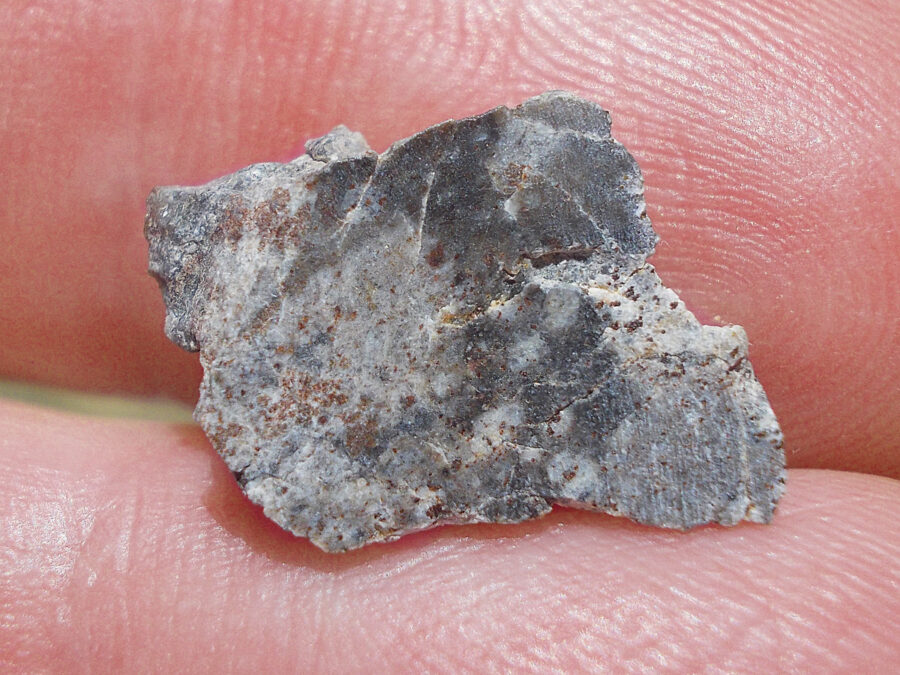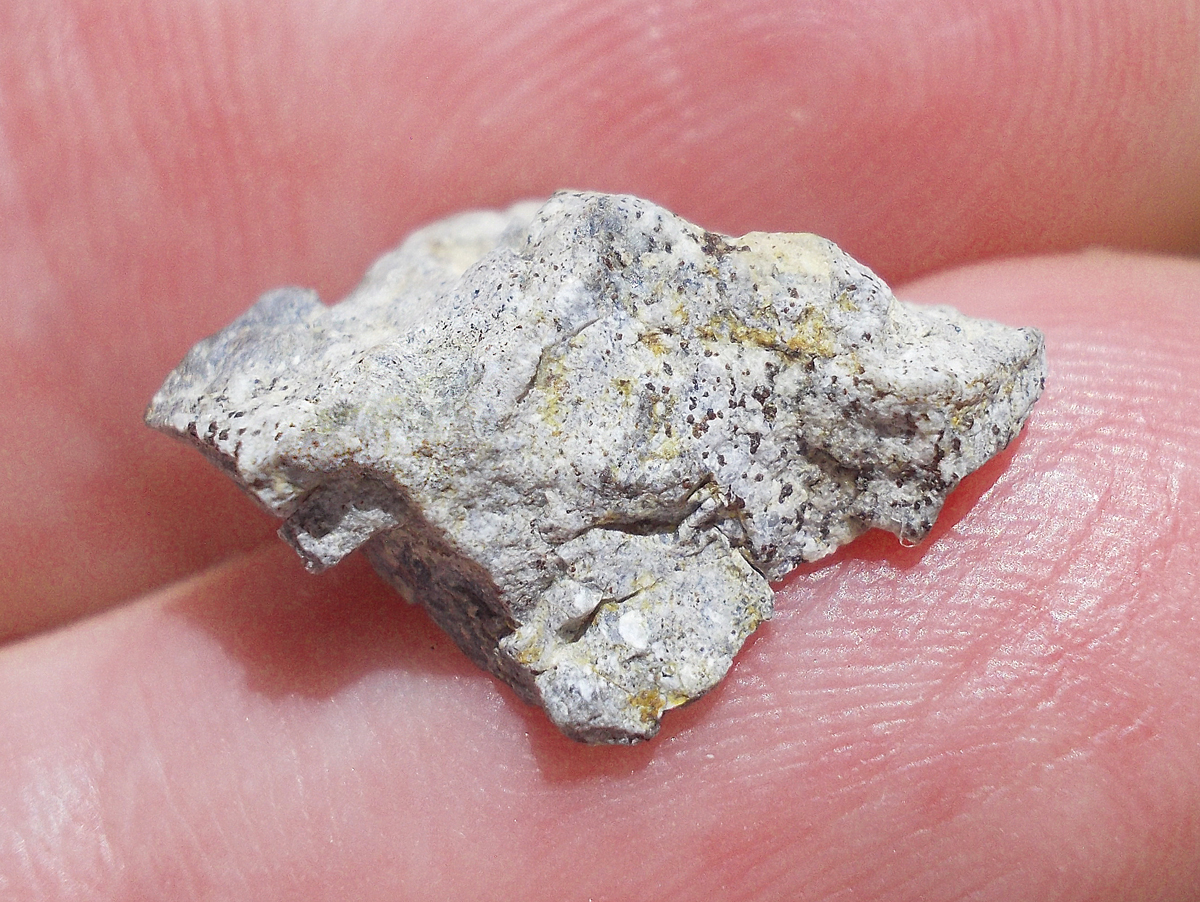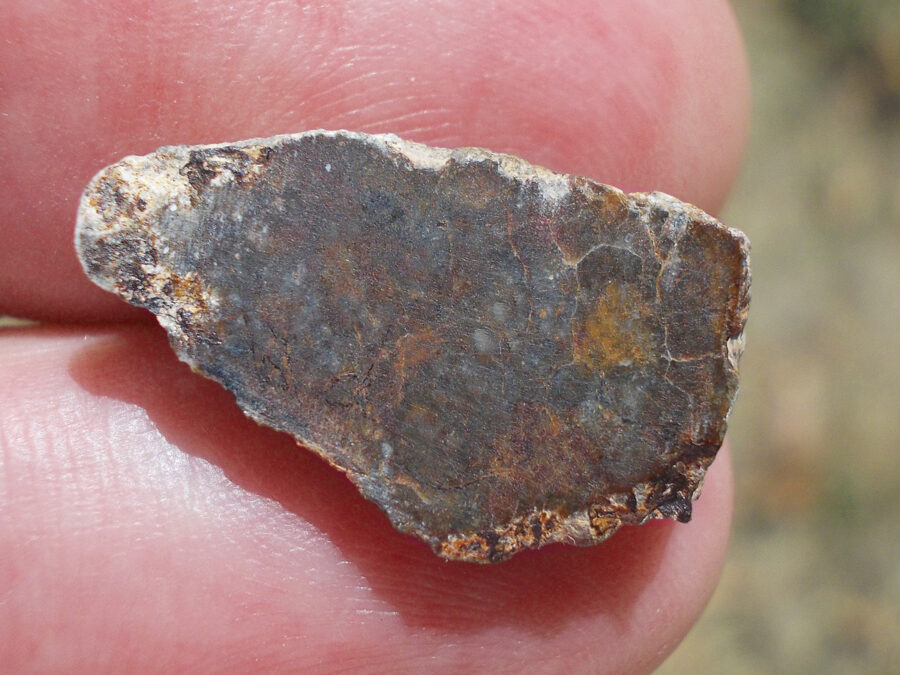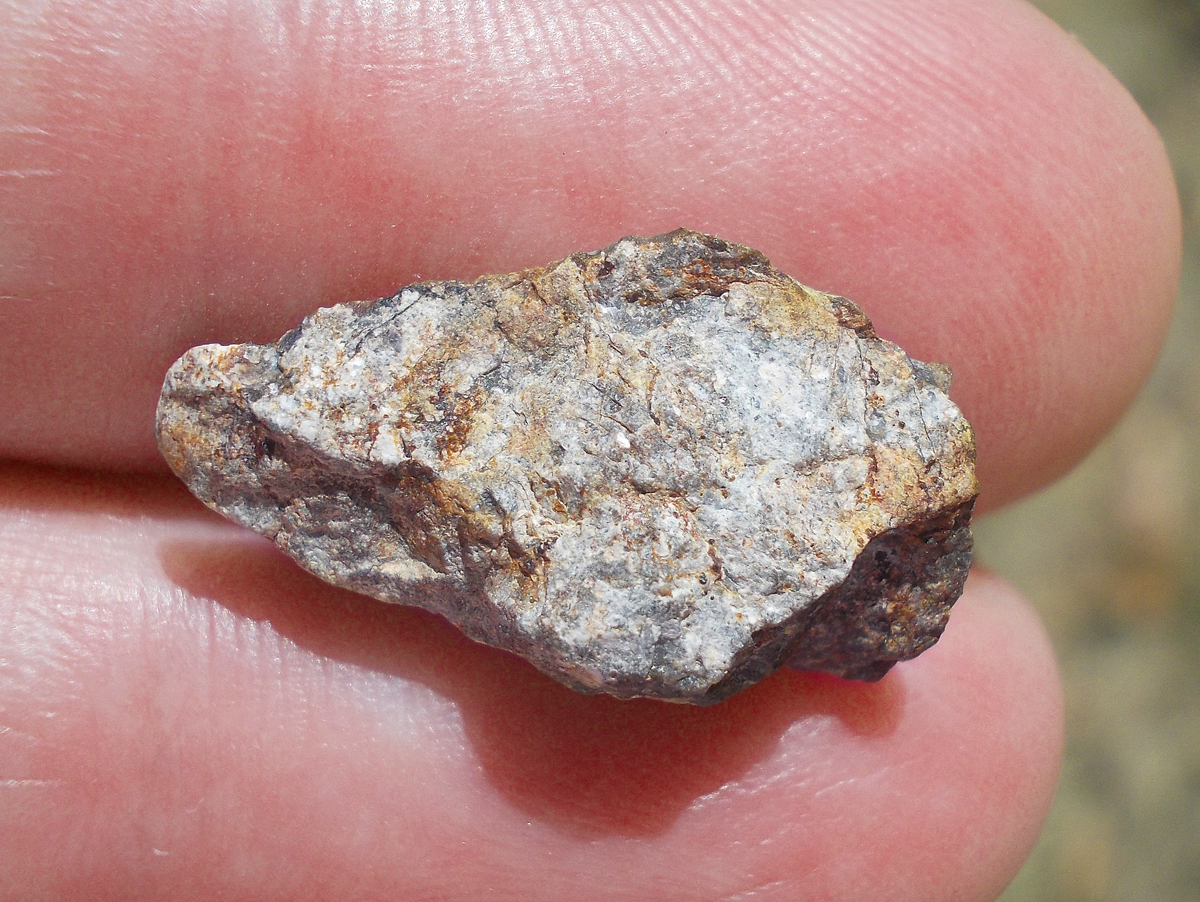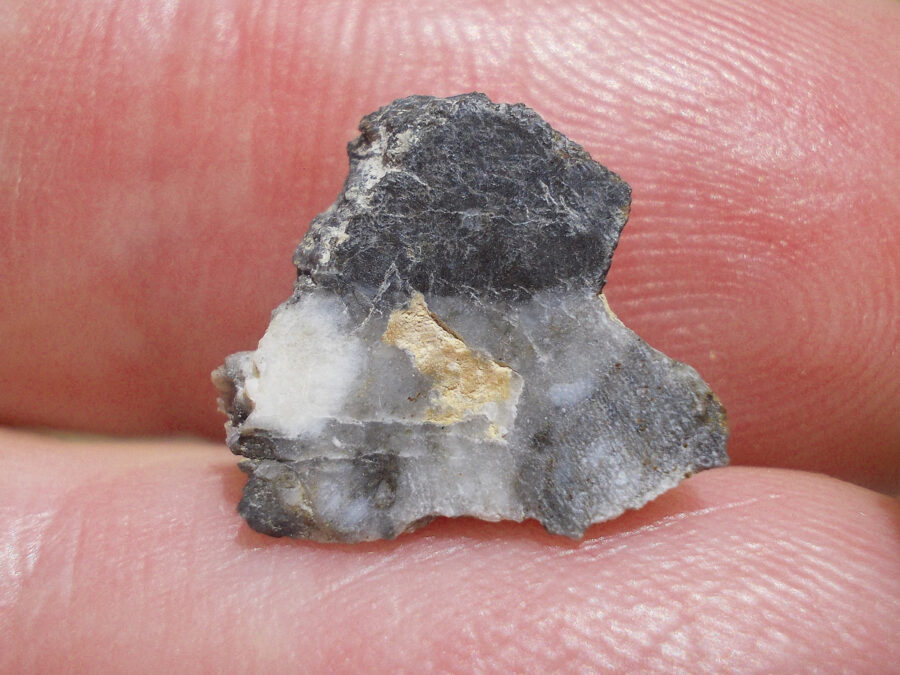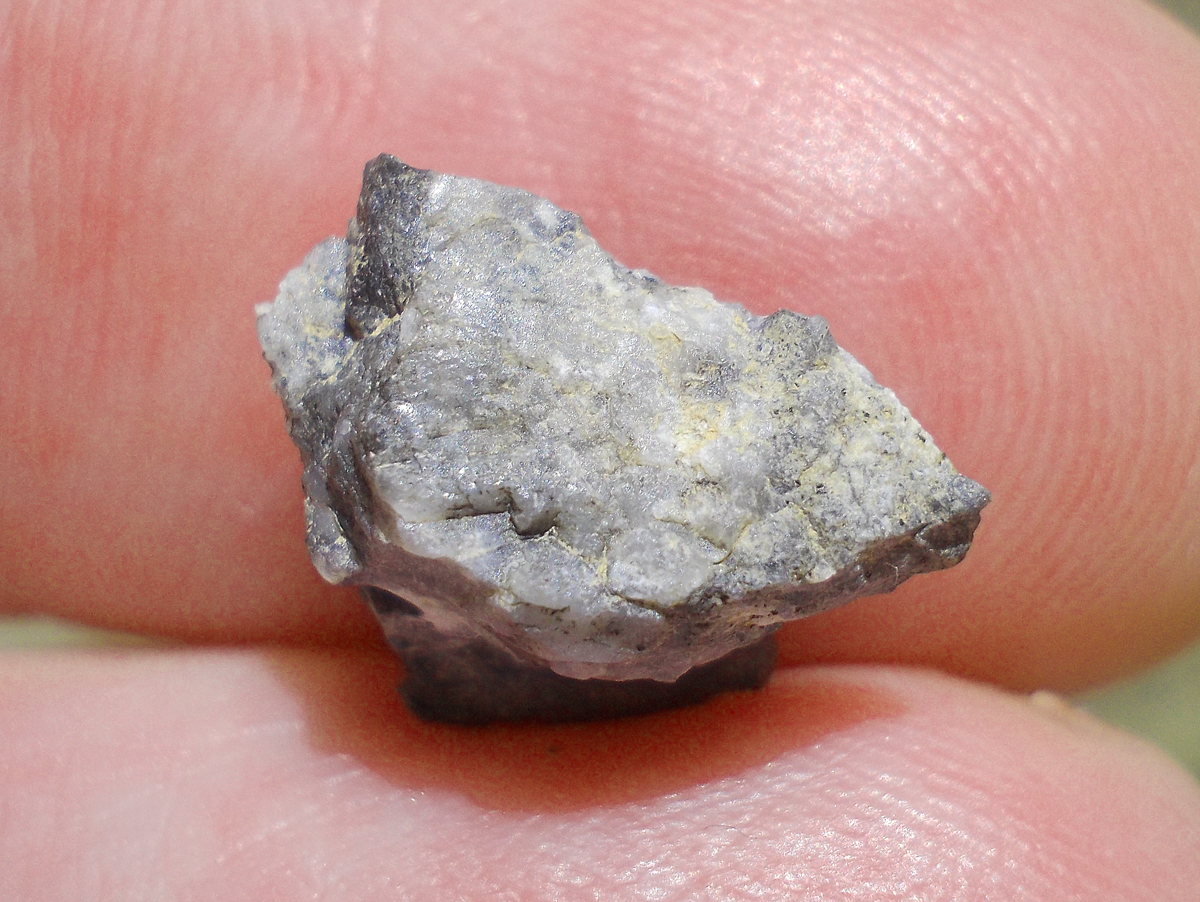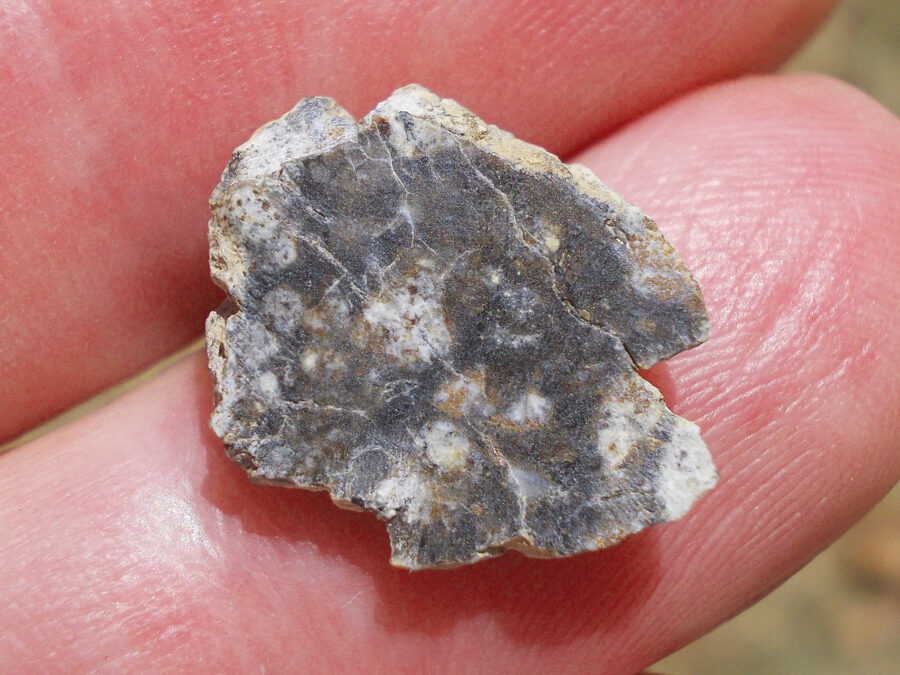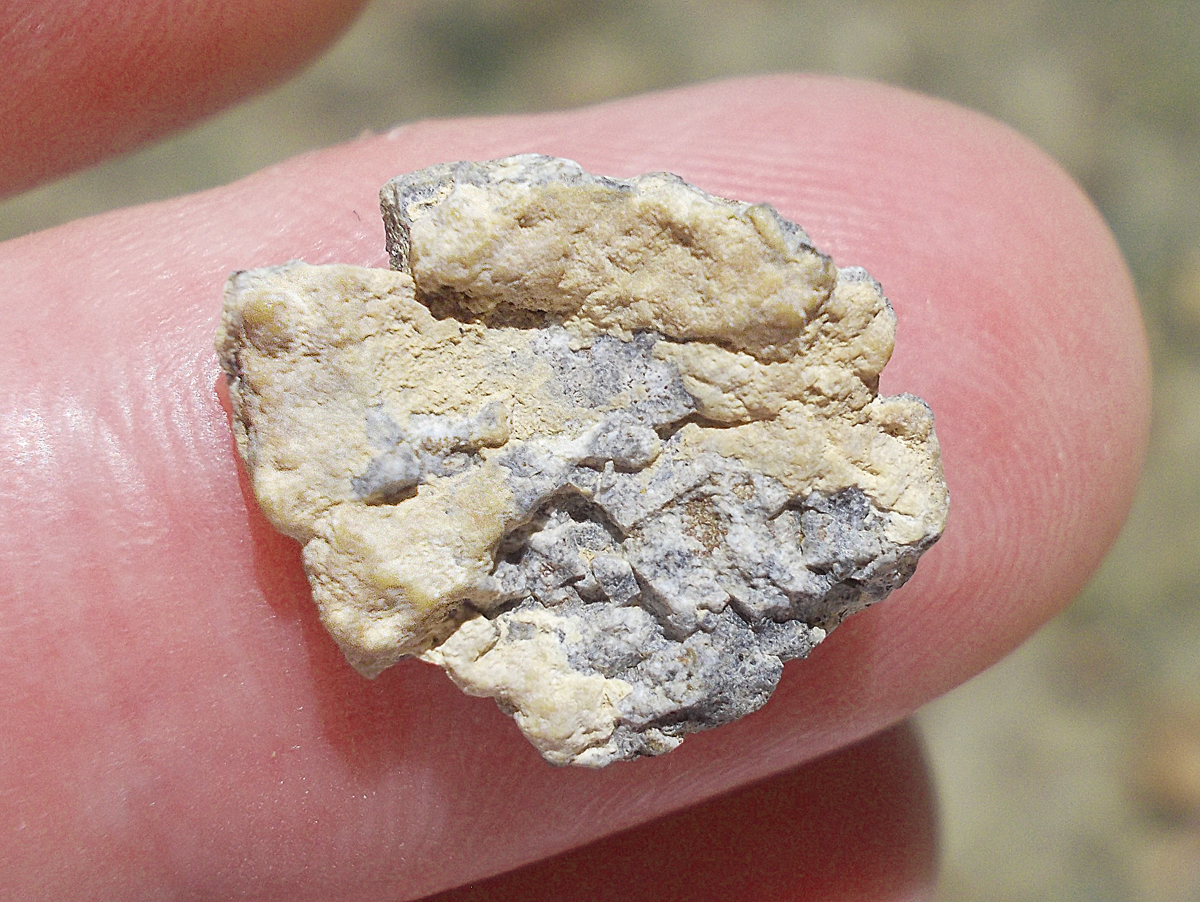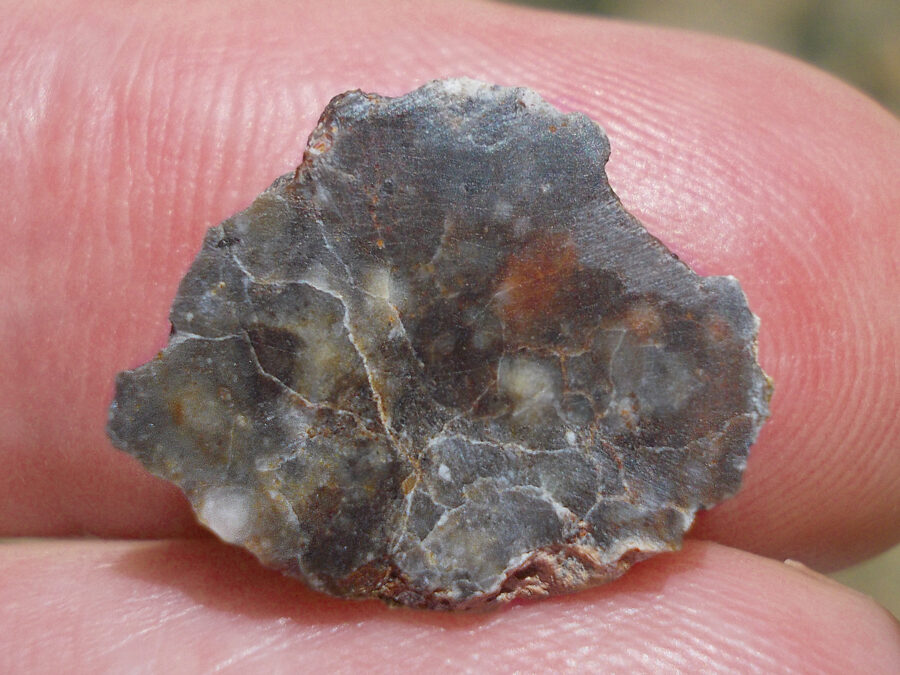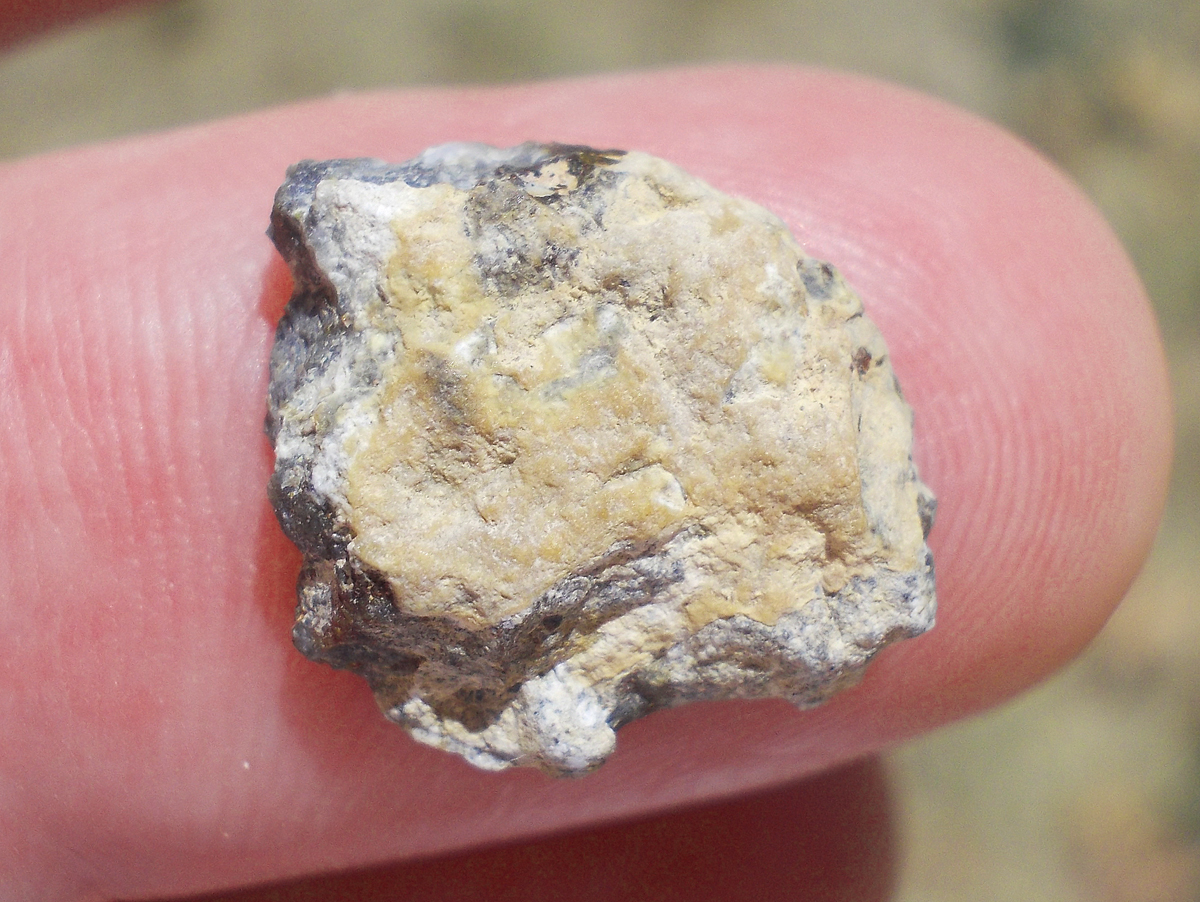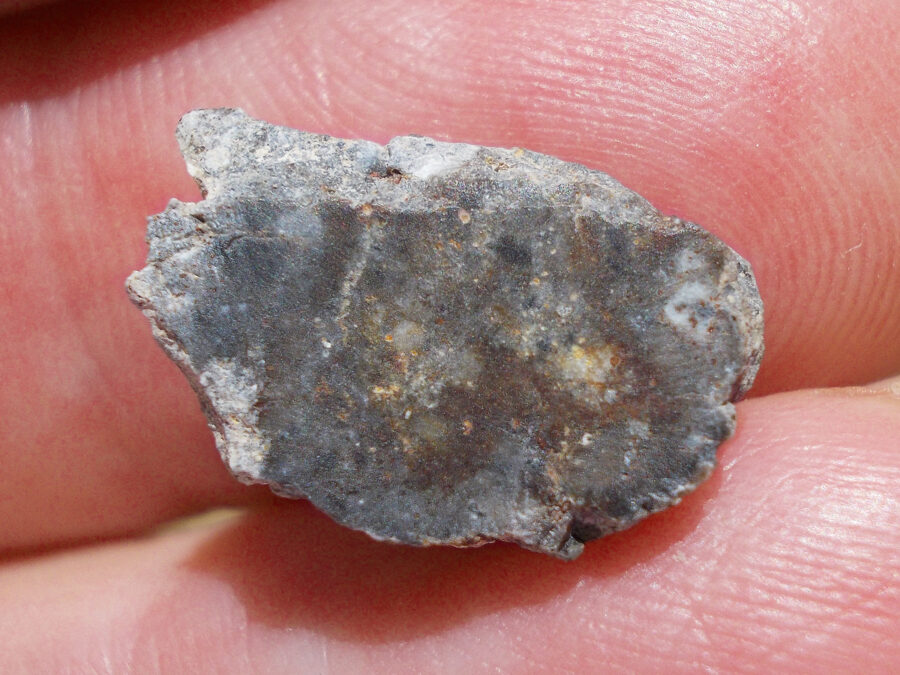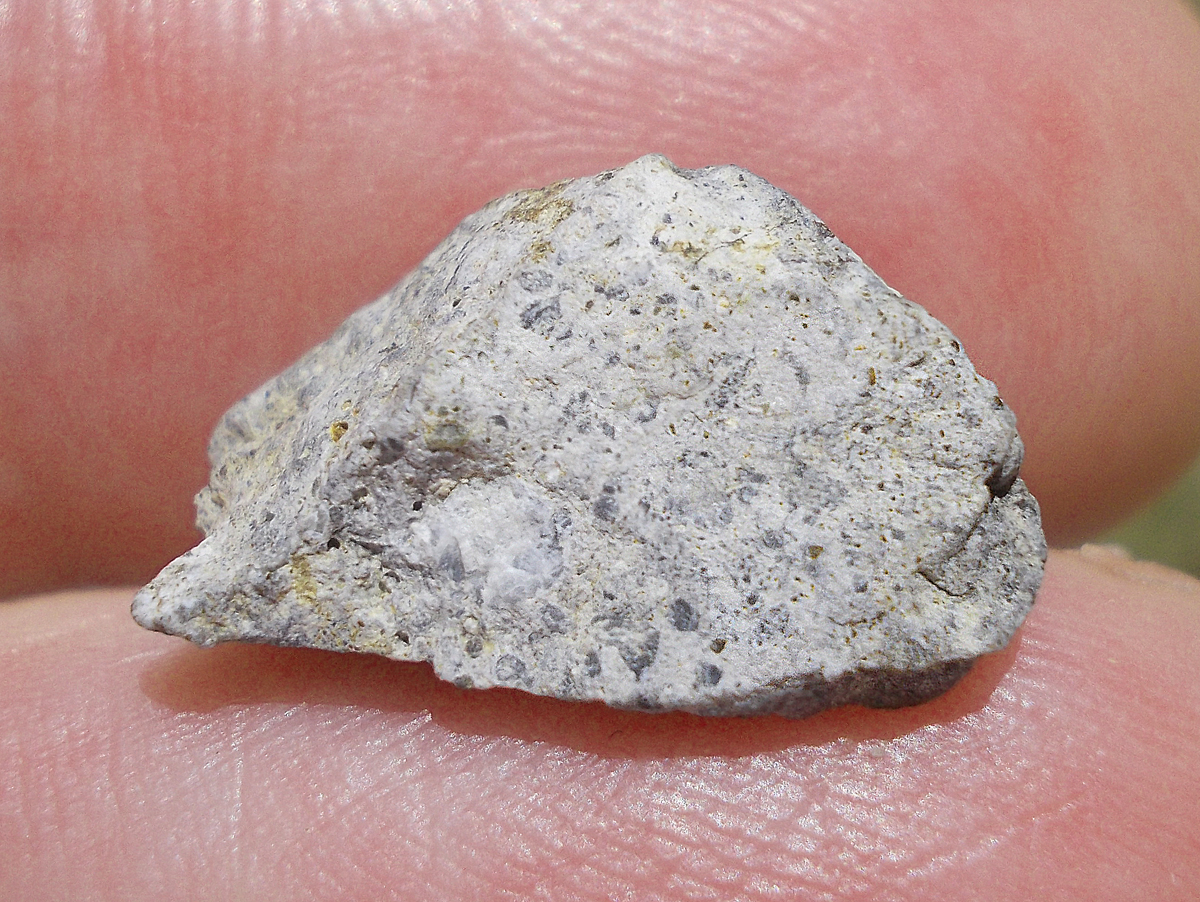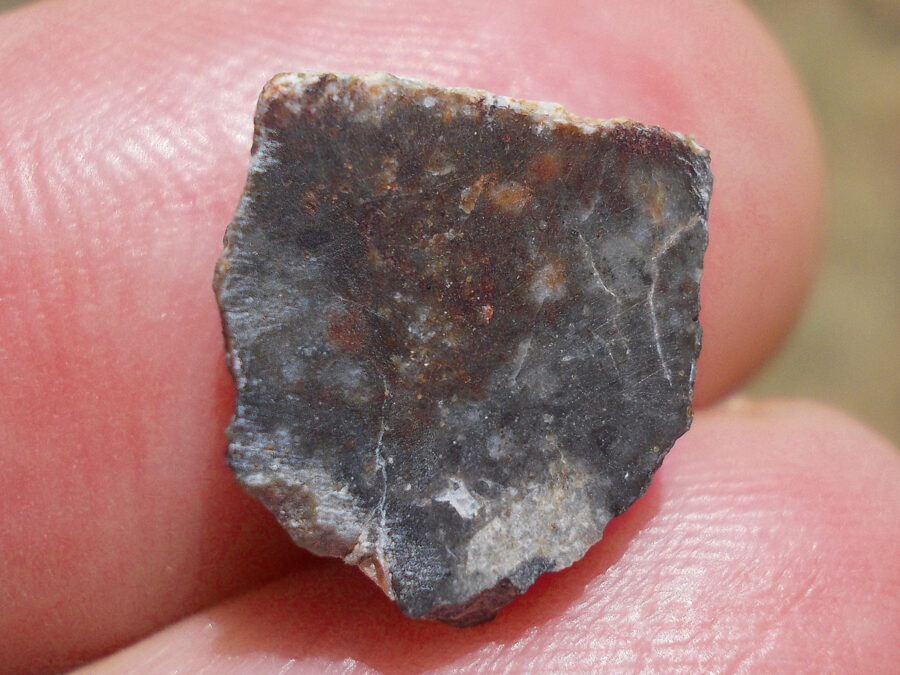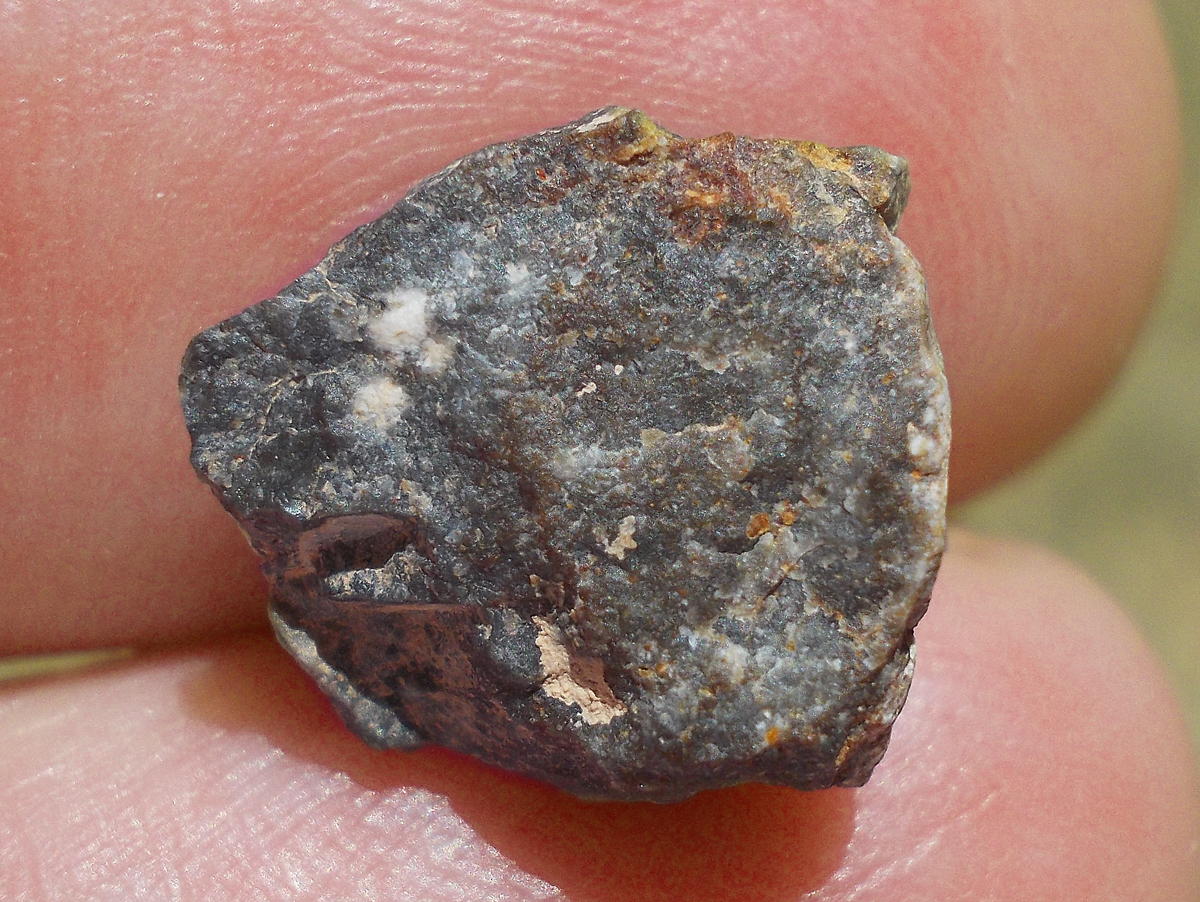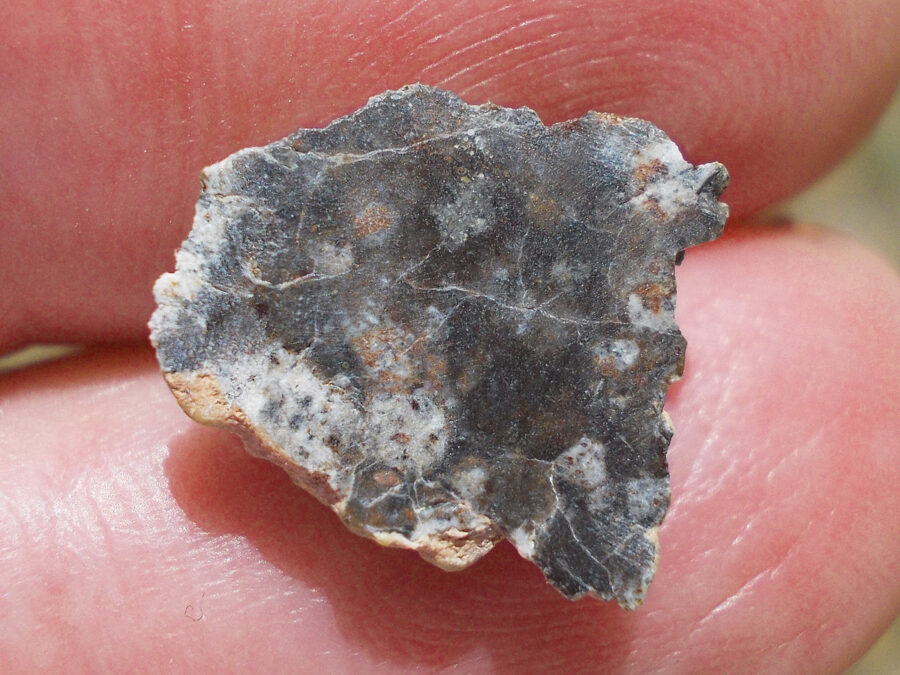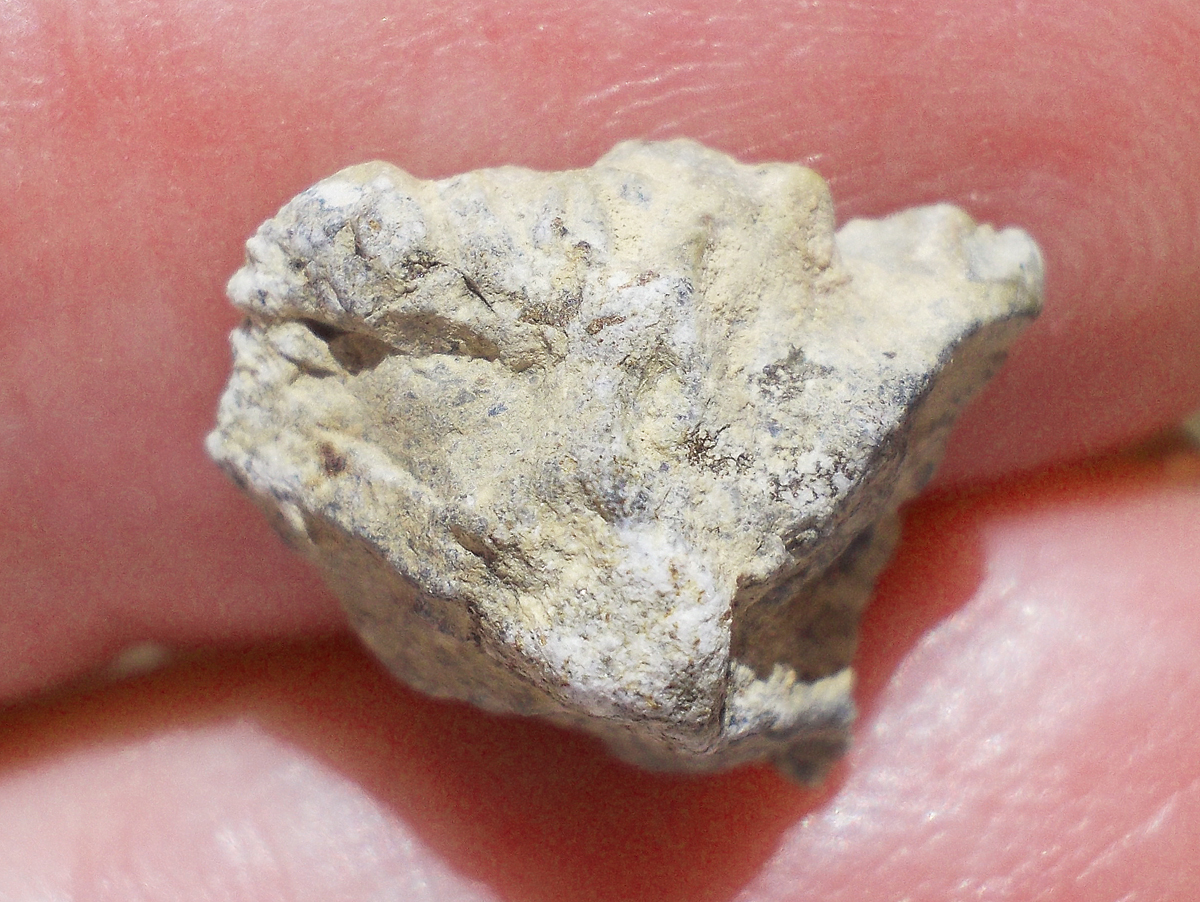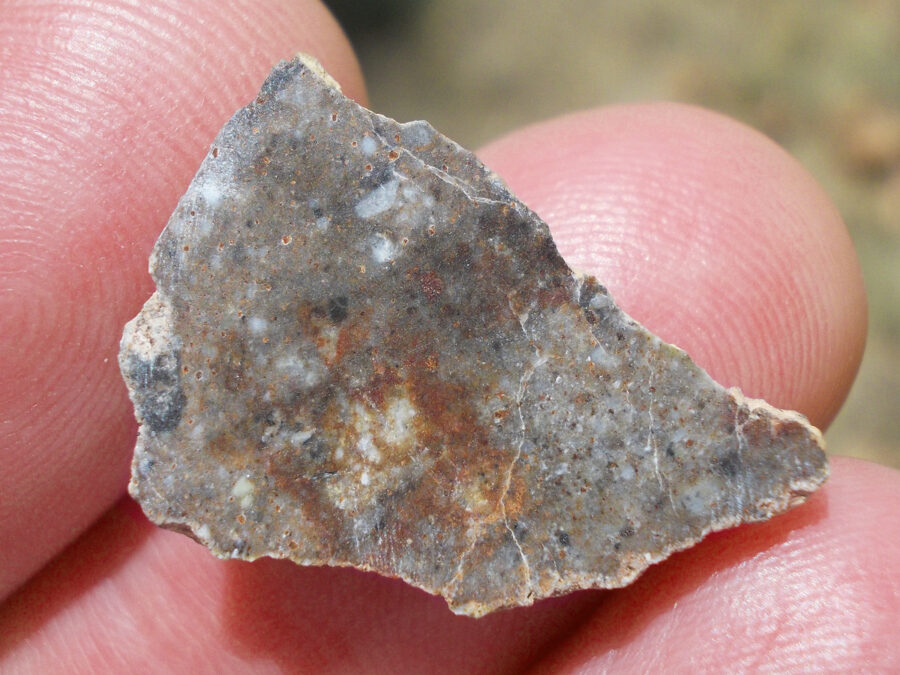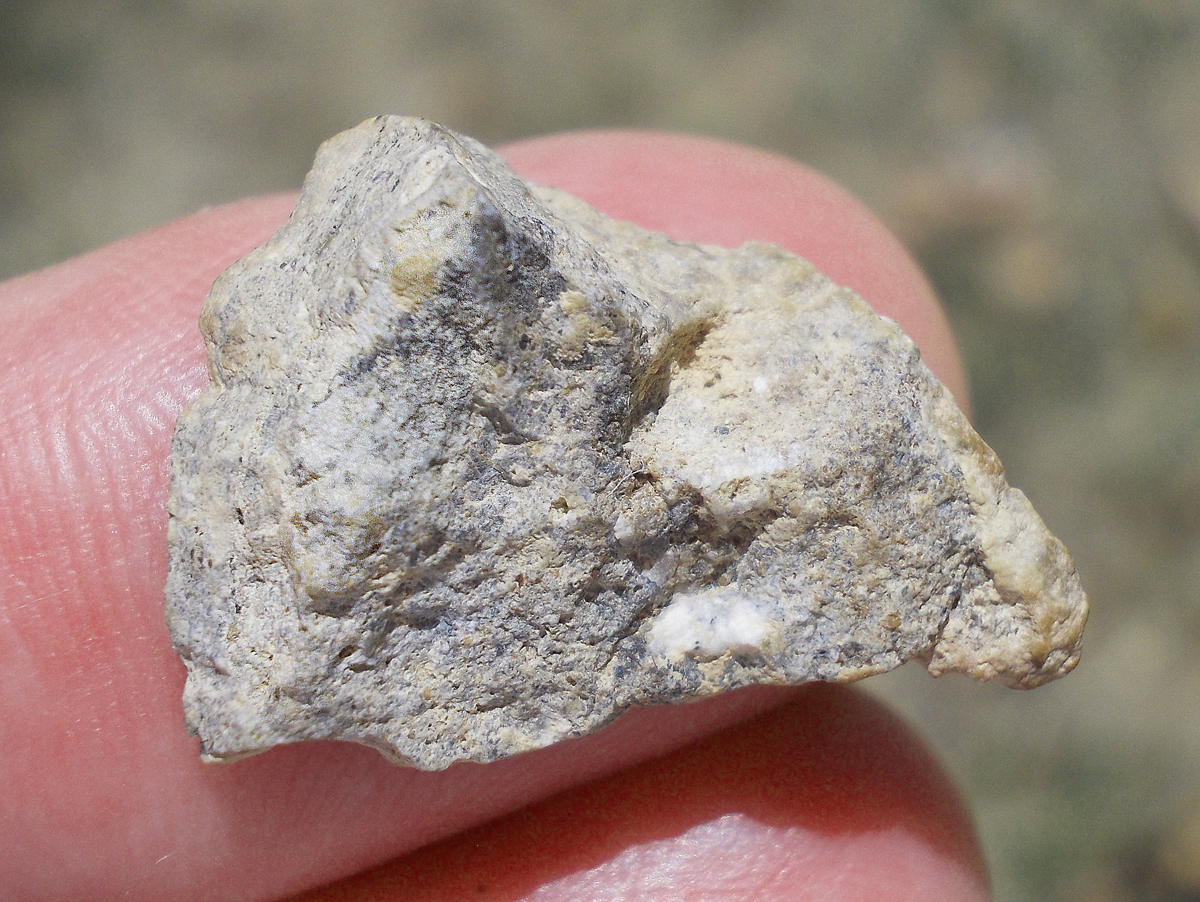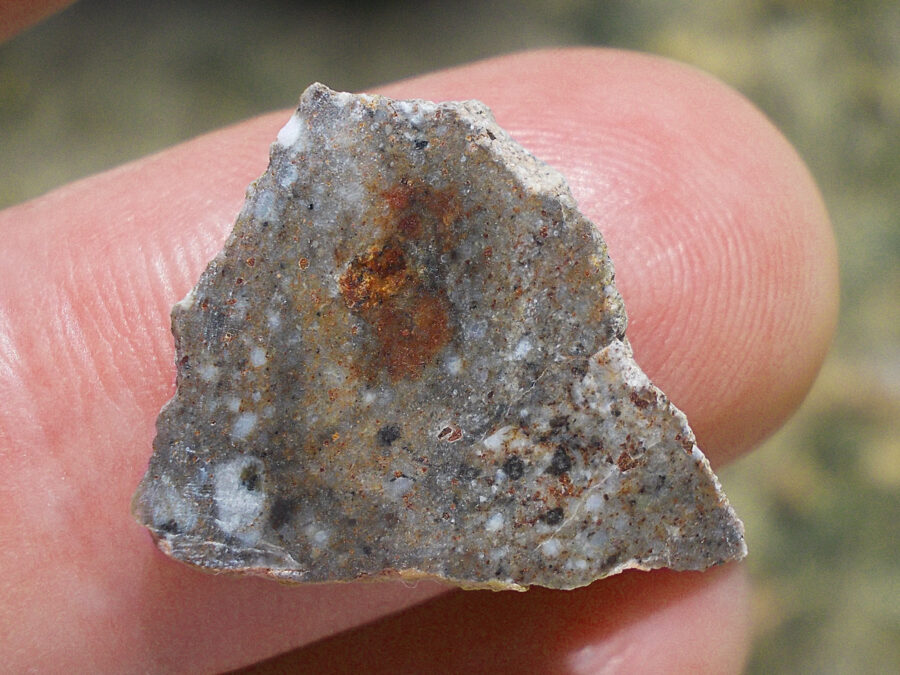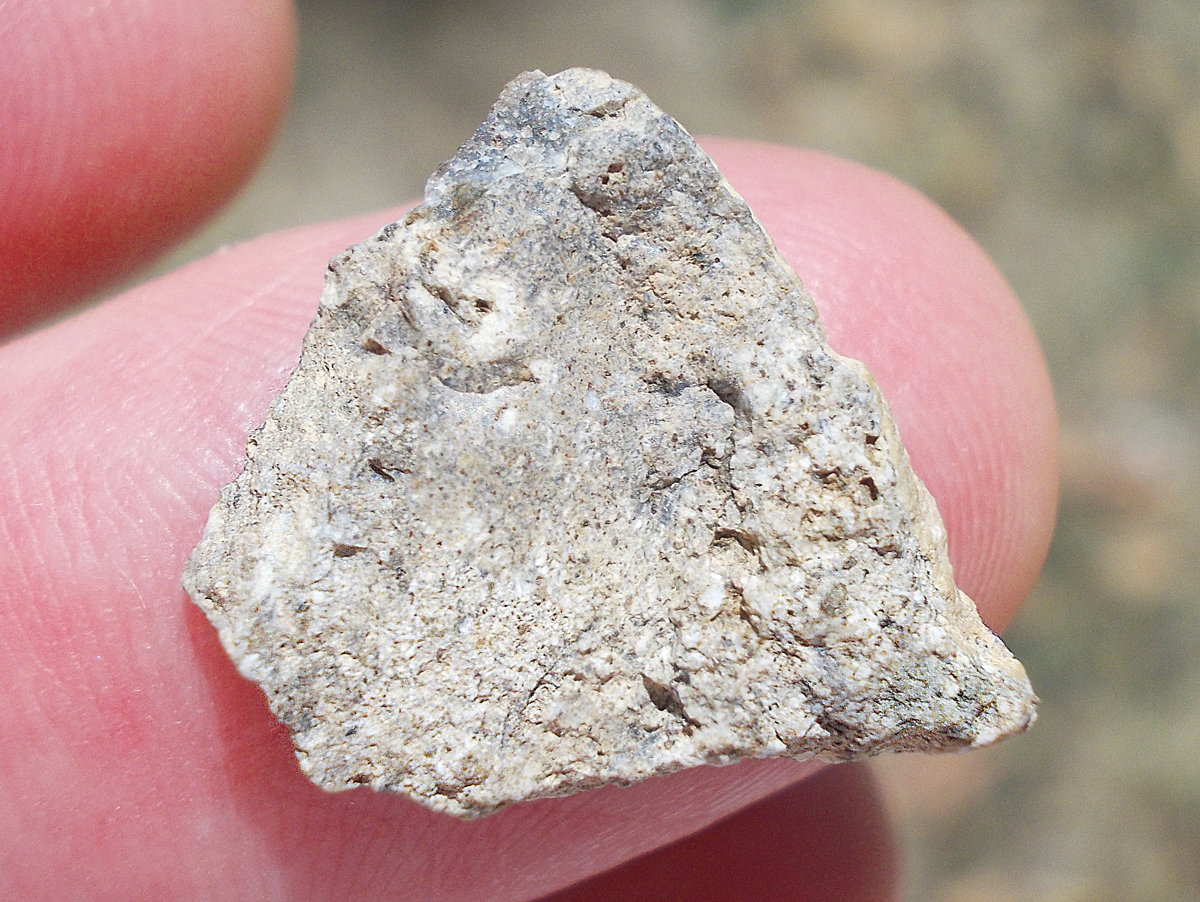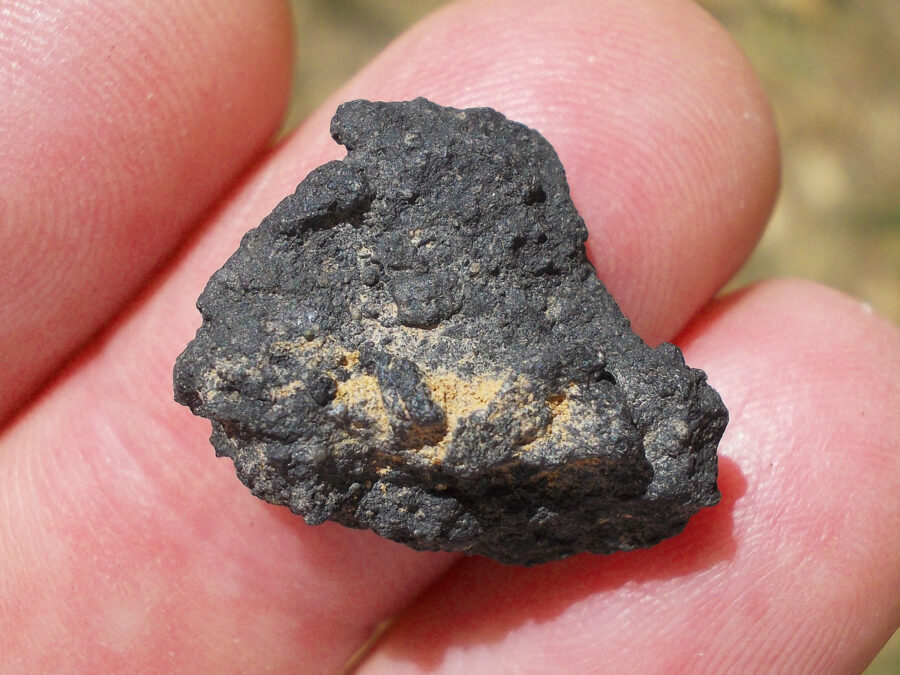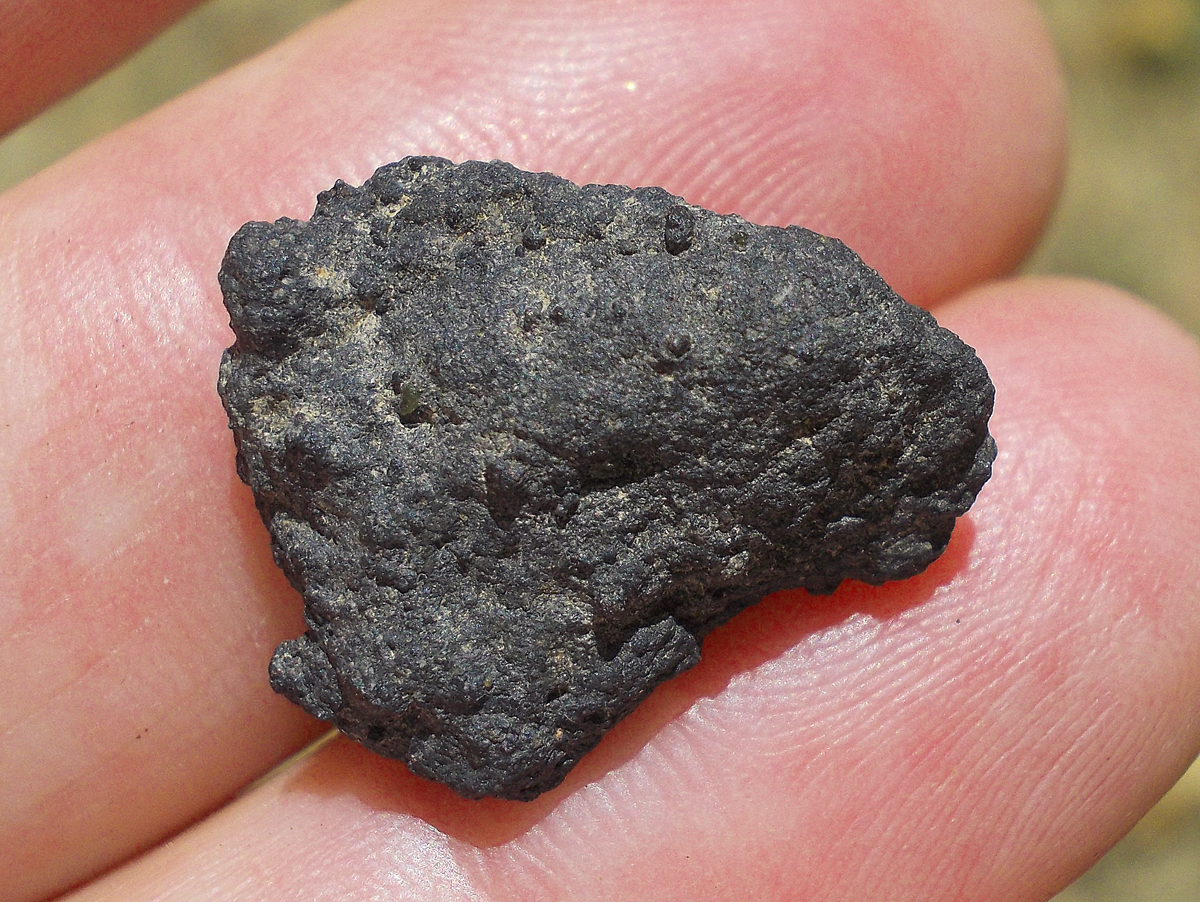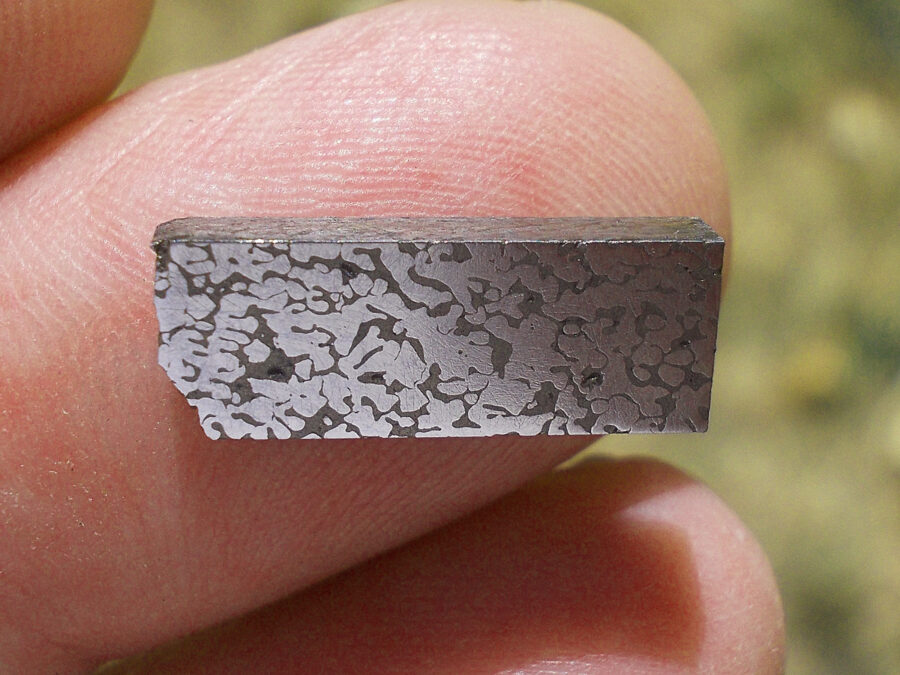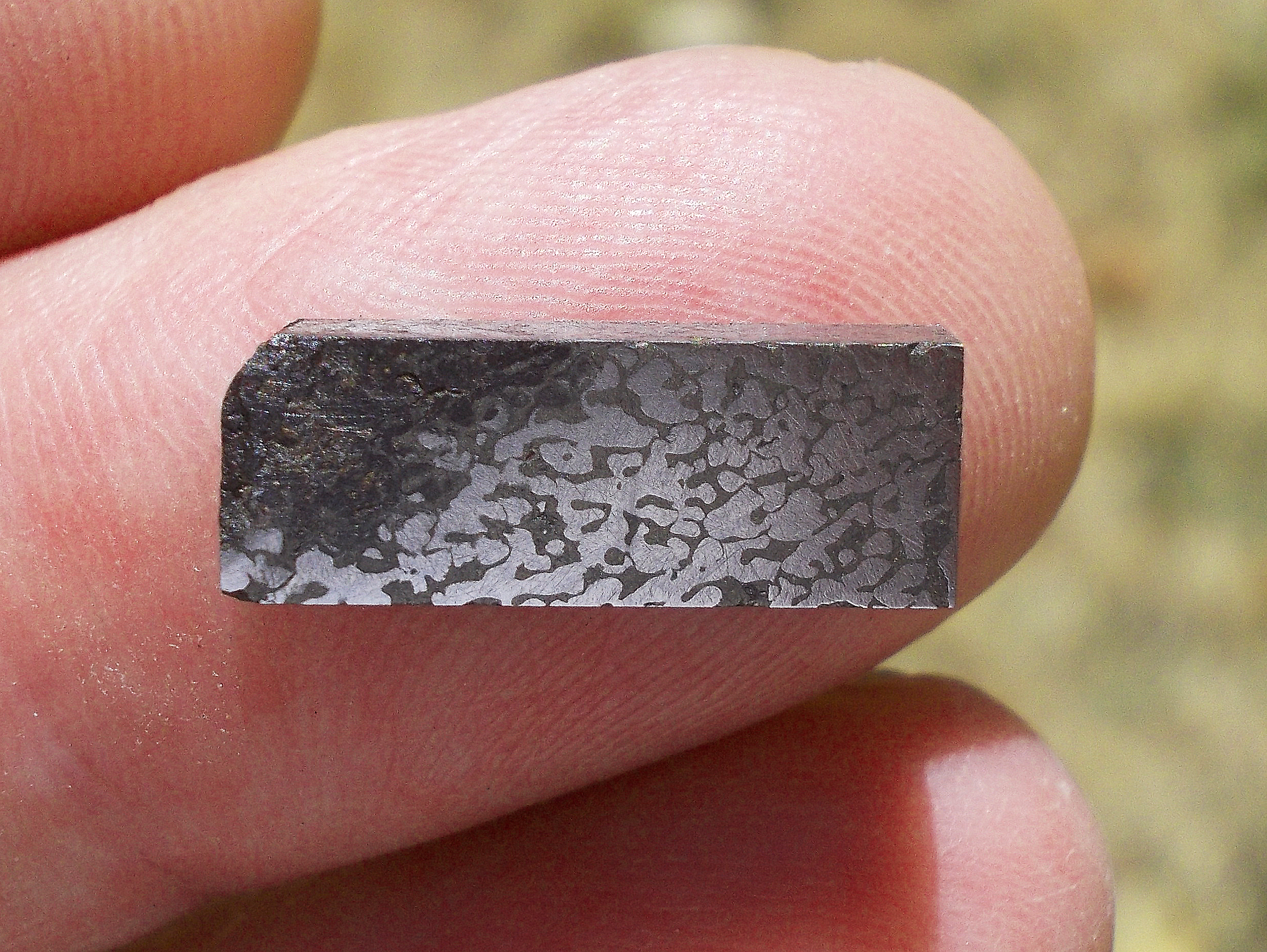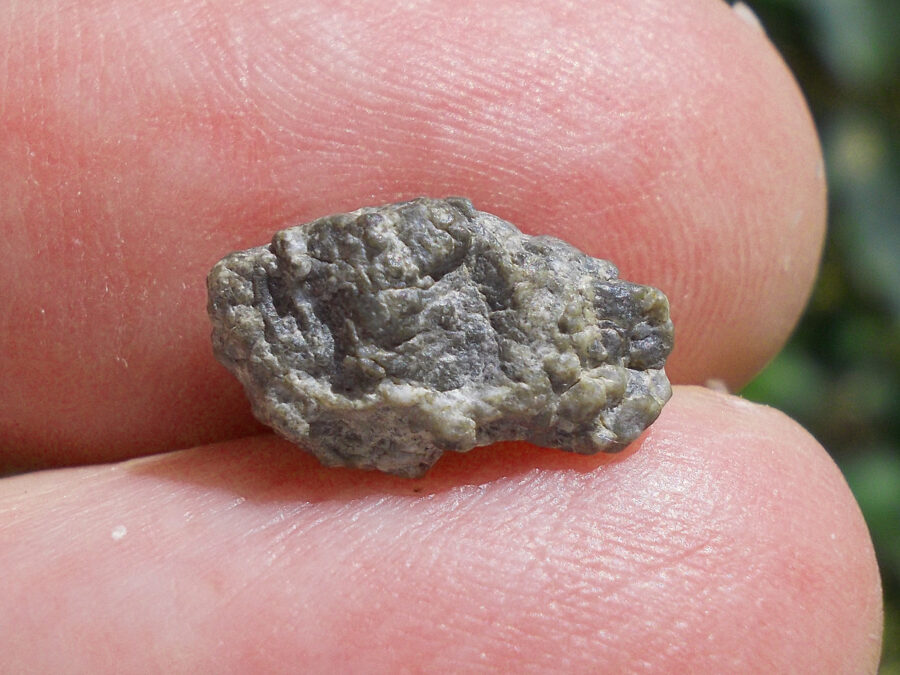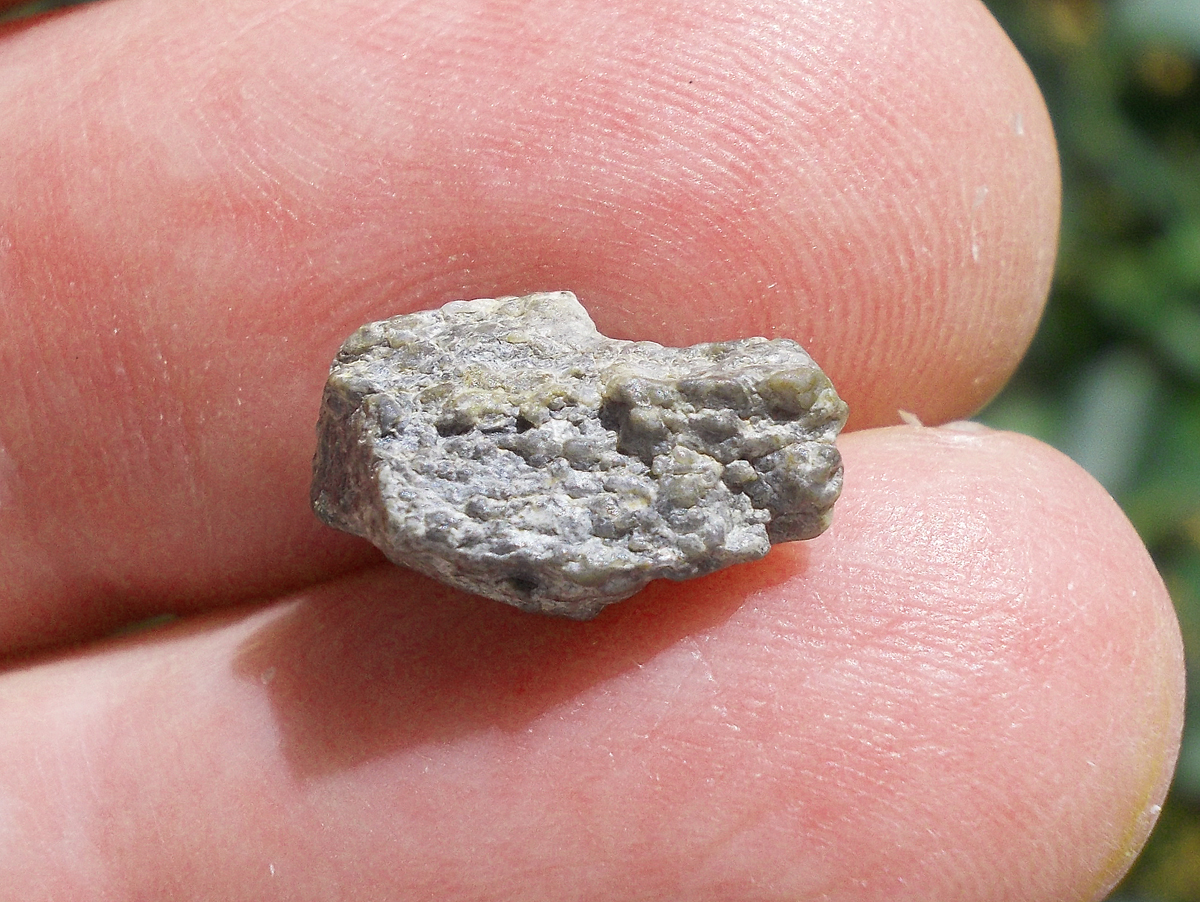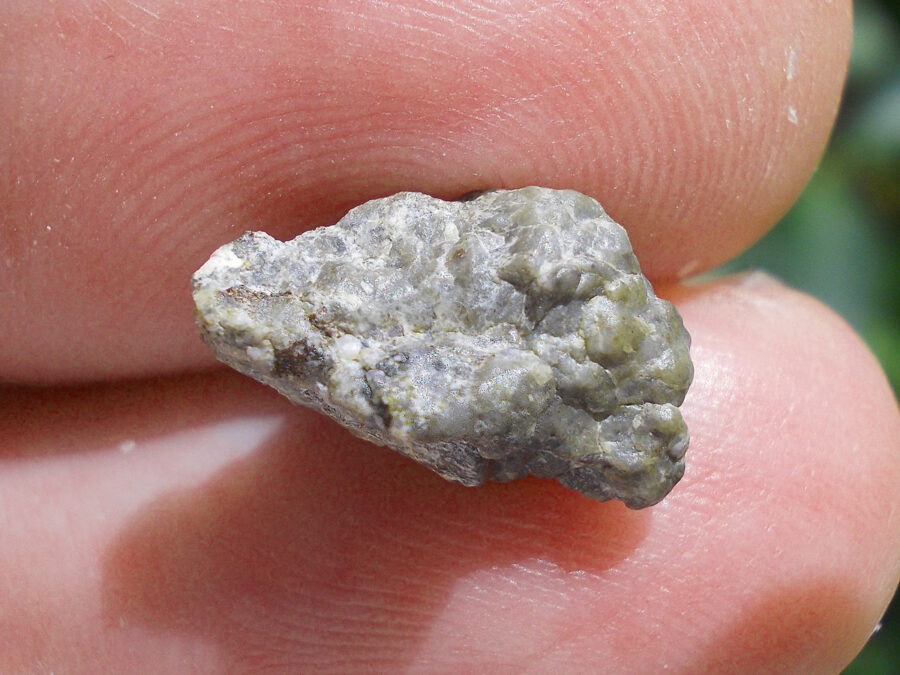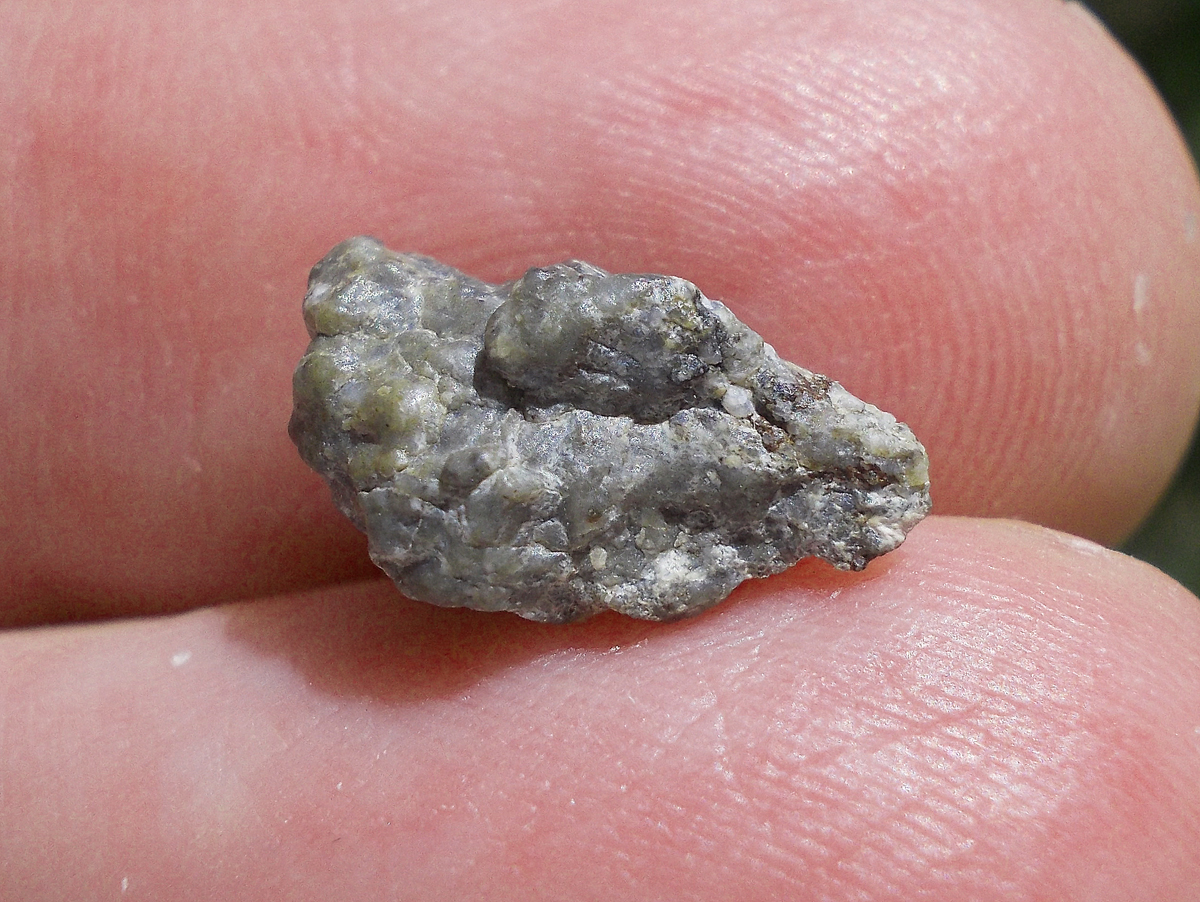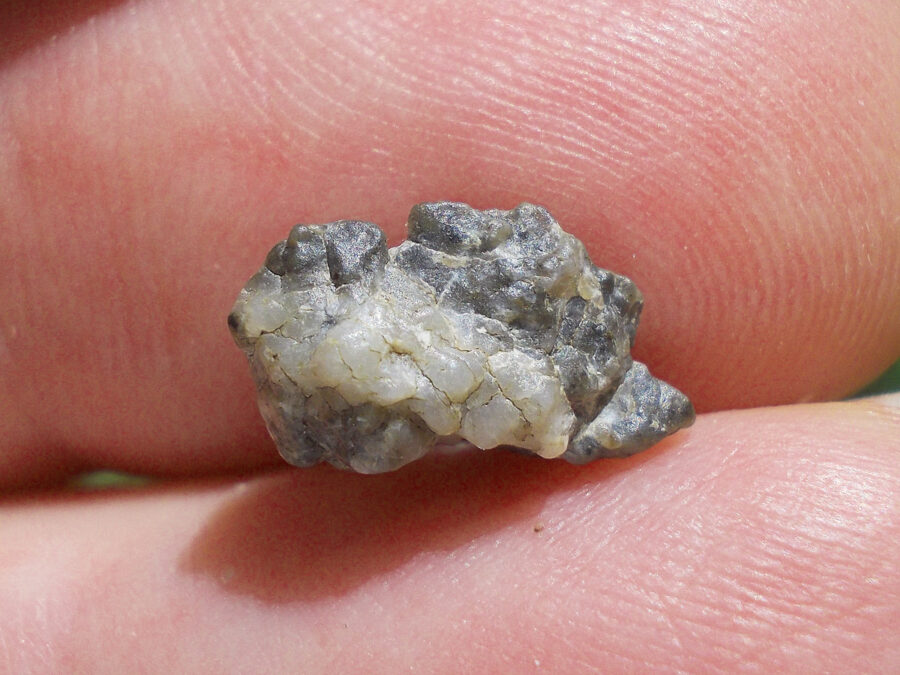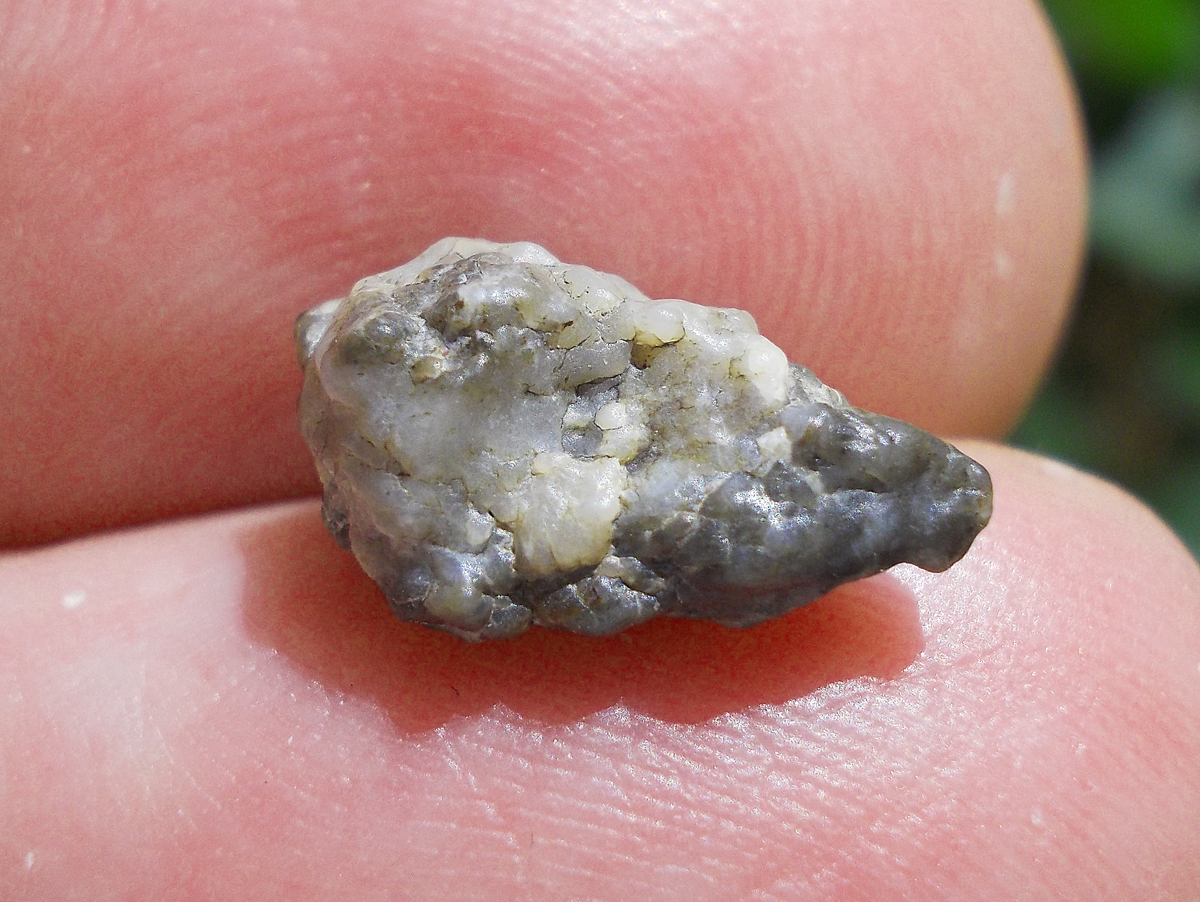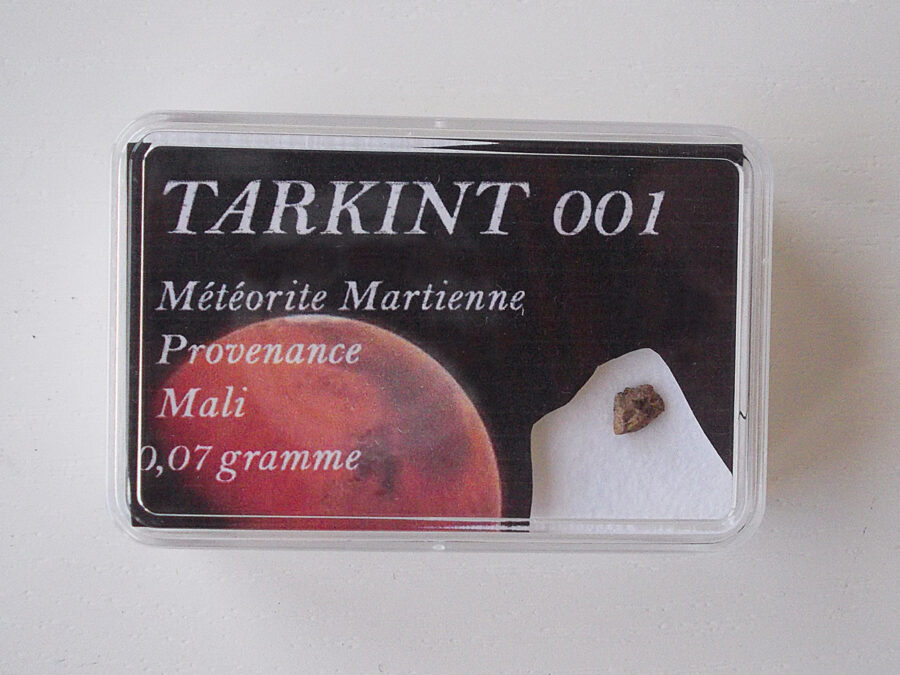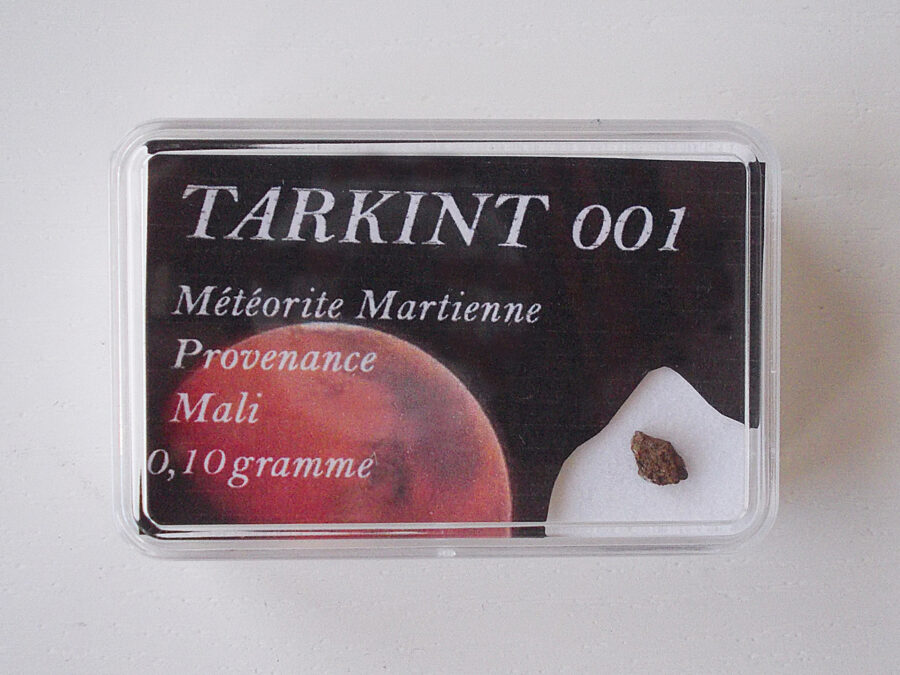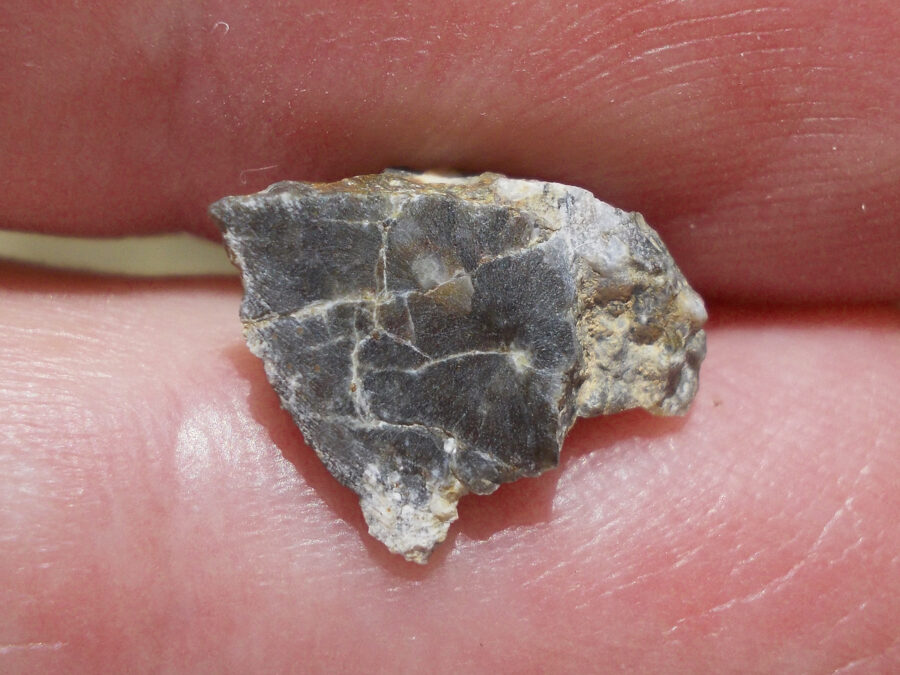
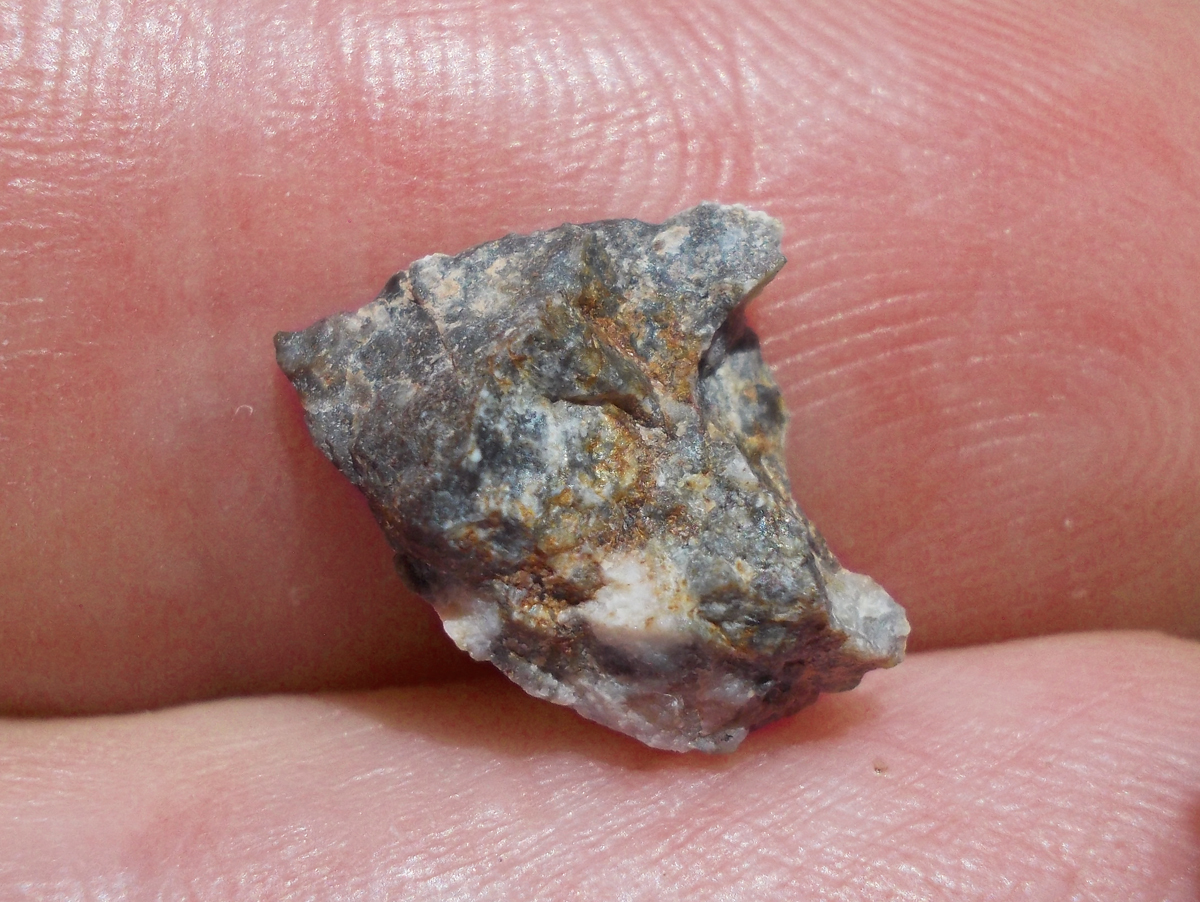
Tarkint 001 Mars Shergottite #31 - 0,7 g

Tarkint 001 Mars Shergottite #31 – 0,7 g

105,00

Tarkint 001 est une rare météorite provenant de Mars, classifiée Shergottite (olivine-phyric).

Elle a été découverte à Gao au Mali en 2025.

Sa surface révèle de nombreux phénocristaux d’olivine brun-vert de quelques millimètres, enchâssés dans une matrice à grains fins de couleur beige clair.

La particularité de cette météorite c’est qu’elle ne ressemble à aucune autre météorite martienne.

Le total connu de cette météorite est de seulement 2 kg, il n’y en aura pas pour tout le monde !

Tarkint 001        17.4959263, 0.6428554

Gao, Mali

Find: 2025

Classification: Martian meteorite (Shergottite)

History: In 2025, fragments of a meteorite were discovered in a desert area 60 km east of the village of Tarkint and approximately 150 km northeast of the city of Gao, Mali. The discovery occurred by chance during a local field survey, where the distinctive surface features of the stones drew the attention of the field researchers. Purchased by Ali Muftah in 2025.

Physical characteristics: The total collected mass was approximately 2 kg. The deposit samples display an exterior partially covered with dark, slightly abraded fusion crust. Sawcut surface reveals many distinctive mm-sized brown-green olivine phenocrysts set in light tan-colored, fine-grained groundmass.

Petrography: (C. Agee, UNM) Electron microprobe analysis of a polished mount shows this meteorite to be an olivine-phyric shergottite. Olivine phenocrysts display core-rim igneous zoning. Plagioclase has been converted to maskelynite. Fine-grained pigeonite and maskelynite make up the groundmass. Minor amounts of chromite, Ti-magnetite, and troilite are ubiquitous.

Geochemistry: (T. Shisseh, UNM) Olivine Fa32.6±12.1, Fe/Mn=53±4, n=13; pigeonite Fs23.3±3.2Wo4.9±2.2, Fe/Mn=30±1, n=17; maskelynite An54.9±3.5Ab44.7±3.5, n=4.

Classification: Martian, olivine-phyric shergottite. Visually, the macroscopic texture of this meteorite is reminiscent of NWA 10416, however they are not paired. This meteorite lacks augite and altered olivine, it also has maskelynite-only, with no remnant plagioclase present. This meteorite has olivine that is significantly more forsteritic than NWA 10416.

Specimens: 48 g on deposit at UNM, Ali Muftah holds the main mass, Eric Twelker holds a 410.7 g piece.

Tarkint 001 Mars Shergottite #30 - 1,8 g

Tarkint 001 Mars Shergottite #30 – 1,8 g

220,00

Tarkint 001 est une rare météorite provenant de Mars, classifiée Shergottite (olivine-phyric).

Elle a été découverte à Gao au Mali en 2025.

Sa surface révèle de nombreux phénocristaux d’olivine brun-vert de quelques millimètres, enchâssés dans une matrice à grains fins de couleur beige clair.

La particularité de cette météorite c’est qu’elle ne ressemble à aucune autre météorite martienne.

Le total connu de cette météorite est de seulement 2 kg, il n’y en aura pas pour tout le monde !

Tarkint 001        17.4959263, 0.6428554

Gao, Mali

Find: 2025

Classification: Martian meteorite (Shergottite)

History: In 2025, fragments of a meteorite were discovered in a desert area 60 km east of the village of Tarkint and approximately 150 km northeast of the city of Gao, Mali. The discovery occurred by chance during a local field survey, where the distinctive surface features of the stones drew the attention of the field researchers. Purchased by Ali Muftah in 2025.

Physical characteristics: The total collected mass was approximately 2 kg. The deposit samples display an exterior partially covered with dark, slightly abraded fusion crust. Sawcut surface reveals many distinctive mm-sized brown-green olivine phenocrysts set in light tan-colored, fine-grained groundmass.

Petrography: (C. Agee, UNM) Electron microprobe analysis of a polished mount shows this meteorite to be an olivine-phyric shergottite. Olivine phenocrysts display core-rim igneous zoning. Plagioclase has been converted to maskelynite. Fine-grained pigeonite and maskelynite make up the groundmass. Minor amounts of chromite, Ti-magnetite, and troilite are ubiquitous.

Geochemistry: (T. Shisseh, UNM) Olivine Fa32.6±12.1, Fe/Mn=53±4, n=13; pigeonite Fs23.3±3.2Wo4.9±2.2, Fe/Mn=30±1, n=17; maskelynite An54.9±3.5Ab44.7±3.5, n=4.

Classification: Martian, olivine-phyric shergottite. Visually, the macroscopic texture of this meteorite is reminiscent of NWA 10416, however they are not paired. This meteorite lacks augite and altered olivine, it also has maskelynite-only, with no remnant plagioclase present. This meteorite has olivine that is significantly more forsteritic than NWA 10416.

Specimens: 48 g on deposit at UNM, Ali Muftah holds the main mass, Eric Twelker holds a 410.7 g piece.

Tarkint 001 Mars Shergottite #29 - 2 g

Tarkint 001 Mars Shergottite #29 – 2 g

250,00

Tarkint 001 est une rare météorite provenant de Mars, classifiée Shergottite (olivine-phyric).

Elle a été découverte à Gao au Mali en 2025.

Sa surface révèle de nombreux phénocristaux d’olivine brun-vert de quelques millimètres, enchâssés dans une matrice à grains fins de couleur beige clair.

La particularité de cette météorite c’est qu’elle ne ressemble à aucune autre météorite martienne.

Le total connu de cette météorite est de seulement 2 kg, il n’y en aura pas pour tout le monde !

Tarkint 001        17.4959263, 0.6428554

Gao, Mali

Find: 2025

Classification: Martian meteorite (Shergottite)

History: In 2025, fragments of a meteorite were discovered in a desert area 60 km east of the village of Tarkint and approximately 150 km northeast of the city of Gao, Mali. The discovery occurred by chance during a local field survey, where the distinctive surface features of the stones drew the attention of the field researchers. Purchased by Ali Muftah in 2025.

Physical characteristics: The total collected mass was approximately 2 kg. The deposit samples display an exterior partially covered with dark, slightly abraded fusion crust. Sawcut surface reveals many distinctive mm-sized brown-green olivine phenocrysts set in light tan-colored, fine-grained groundmass.

Petrography: (C. Agee, UNM) Electron microprobe analysis of a polished mount shows this meteorite to be an olivine-phyric shergottite. Olivine phenocrysts display core-rim igneous zoning. Plagioclase has been converted to maskelynite. Fine-grained pigeonite and maskelynite make up the groundmass. Minor amounts of chromite, Ti-magnetite, and troilite are ubiquitous.

Geochemistry: (T. Shisseh, UNM) Olivine Fa32.6±12.1, Fe/Mn=53±4, n=13; pigeonite Fs23.3±3.2Wo4.9±2.2, Fe/Mn=30±1, n=17; maskelynite An54.9±3.5Ab44.7±3.5, n=4.

Classification: Martian, olivine-phyric shergottite. Visually, the macroscopic texture of this meteorite is reminiscent of NWA 10416, however they are not paired. This meteorite lacks augite and altered olivine, it also has maskelynite-only, with no remnant plagioclase present. This meteorite has olivine that is significantly more forsteritic than NWA 10416.

Specimens: 48 g on deposit at UNM, Ali Muftah holds the main mass, Eric Twelker holds a 410.7 g piece.

Tarkint 001 Mars Shergottite #28 - 0,9 g

Tarkint 001 Mars Shergottite #28 – 0,9 g

126,00

Tarkint 001 est une rare météorite provenant de Mars, classifiée Shergottite (olivine-phyric).

Elle a été découverte à Gao au Mali en 2025.

Sa surface révèle de nombreux phénocristaux d’olivine brun-vert de quelques millimètres, enchâssés dans une matrice à grains fins de couleur beige clair.

La particularité de cette météorite c’est qu’elle ne ressemble à aucune autre météorite martienne.

Le total connu de cette météorite est de seulement 2 kg, il n’y en aura pas pour tout le monde !

Tarkint 001        17.4959263, 0.6428554

Gao, Mali

Find: 2025

Classification: Martian meteorite (Shergottite)

History: In 2025, fragments of a meteorite were discovered in a desert area 60 km east of the village of Tarkint and approximately 150 km northeast of the city of Gao, Mali. The discovery occurred by chance during a local field survey, where the distinctive surface features of the stones drew the attention of the field researchers. Purchased by Ali Muftah in 2025.

Physical characteristics: The total collected mass was approximately 2 kg. The deposit samples display an exterior partially covered with dark, slightly abraded fusion crust. Sawcut surface reveals many distinctive mm-sized brown-green olivine phenocrysts set in light tan-colored, fine-grained groundmass.

Petrography: (C. Agee, UNM) Electron microprobe analysis of a polished mount shows this meteorite to be an olivine-phyric shergottite. Olivine phenocrysts display core-rim igneous zoning. Plagioclase has been converted to maskelynite. Fine-grained pigeonite and maskelynite make up the groundmass. Minor amounts of chromite, Ti-magnetite, and troilite are ubiquitous.

Geochemistry: (T. Shisseh, UNM) Olivine Fa32.6±12.1, Fe/Mn=53±4, n=13; pigeonite Fs23.3±3.2Wo4.9±2.2, Fe/Mn=30±1, n=17; maskelynite An54.9±3.5Ab44.7±3.5, n=4.

Classification: Martian, olivine-phyric shergottite. Visually, the macroscopic texture of this meteorite is reminiscent of NWA 10416, however they are not paired. This meteorite lacks augite and altered olivine, it also has maskelynite-only, with no remnant plagioclase present. This meteorite has olivine that is significantly more forsteritic than NWA 10416.

Specimens: 48 g on deposit at UNM, Ali Muftah holds the main mass, Eric Twelker holds a 410.7 g piece.

Tarkint 001 Mars Shergottite #27 - 2,3 g

Tarkint 001 Mars Shergottite #27 – 2,3 g

276,00

Tarkint 001 est une rare météorite provenant de Mars, classifiée Shergottite (olivine-phyric).

Elle a été découverte à Gao au Mali en 2025.

Sa surface révèle de nombreux phénocristaux d’olivine brun-vert de quelques millimètres, enchâssés dans une matrice à grains fins de couleur beige clair.

La particularité de cette météorite c’est qu’elle ne ressemble à aucune autre météorite martienne.

Le total connu de cette météorite est de seulement 2 kg, il n’y en aura pas pour tout le monde !

Tarkint 001        17.4959263, 0.6428554

Gao, Mali

Find: 2025

Classification: Martian meteorite (Shergottite)

History: In 2025, fragments of a meteorite were discovered in a desert area 60 km east of the village of Tarkint and approximately 150 km northeast of the city of Gao, Mali. The discovery occurred by chance during a local field survey, where the distinctive surface features of the stones drew the attention of the field researchers. Purchased by Ali Muftah in 2025.

Physical characteristics: The total collected mass was approximately 2 kg. The deposit samples display an exterior partially covered with dark, slightly abraded fusion crust. Sawcut surface reveals many distinctive mm-sized brown-green olivine phenocrysts set in light tan-colored, fine-grained groundmass.

Petrography: (C. Agee, UNM) Electron microprobe analysis of a polished mount shows this meteorite to be an olivine-phyric shergottite. Olivine phenocrysts display core-rim igneous zoning. Plagioclase has been converted to maskelynite. Fine-grained pigeonite and maskelynite make up the groundmass. Minor amounts of chromite, Ti-magnetite, and troilite are ubiquitous.

Geochemistry: (T. Shisseh, UNM) Olivine Fa32.6±12.1, Fe/Mn=53±4, n=13; pigeonite Fs23.3±3.2Wo4.9±2.2, Fe/Mn=30±1, n=17; maskelynite An54.9±3.5Ab44.7±3.5, n=4.

Classification: Martian, olivine-phyric shergottite. Visually, the macroscopic texture of this meteorite is reminiscent of NWA 10416, however they are not paired. This meteorite lacks augite and altered olivine, it also has maskelynite-only, with no remnant plagioclase present. This meteorite has olivine that is significantly more forsteritic than NWA 10416.

Specimens: 48 g on deposit at UNM, Ali Muftah holds the main mass, Eric Twelker holds a 410.7 g piece.

Tarkint 001 Mars Shergottite #26 - 2,8 g

Tarkint 001 Mars Shergottite #26 – 2,8 g

336,00

Tarkint 001 est une rare météorite provenant de Mars, classifiée Shergottite (olivine-phyric).

Elle a été découverte à Gao au Mali en 2025.

Sa surface révèle de nombreux phénocristaux d’olivine brun-vert de quelques millimètres, enchâssés dans une matrice à grains fins de couleur beige clair.

La particularité de cette météorite c’est qu’elle ne ressemble à aucune autre météorite martienne.

Le total connu de cette météorite est de seulement 2 kg, il n’y en aura pas pour tout le monde !

Tarkint 001        17.4959263, 0.6428554

Gao, Mali

Find: 2025

Classification: Martian meteorite (Shergottite)

History: In 2025, fragments of a meteorite were discovered in a desert area 60 km east of the village of Tarkint and approximately 150 km northeast of the city of Gao, Mali. The discovery occurred by chance during a local field survey, where the distinctive surface features of the stones drew the attention of the field researchers. Purchased by Ali Muftah in 2025.

Physical characteristics: The total collected mass was approximately 2 kg. The deposit samples display an exterior partially covered with dark, slightly abraded fusion crust. Sawcut surface reveals many distinctive mm-sized brown-green olivine phenocrysts set in light tan-colored, fine-grained groundmass.

Petrography: (C. Agee, UNM) Electron microprobe analysis of a polished mount shows this meteorite to be an olivine-phyric shergottite. Olivine phenocrysts display core-rim igneous zoning. Plagioclase has been converted to maskelynite. Fine-grained pigeonite and maskelynite make up the groundmass. Minor amounts of chromite, Ti-magnetite, and troilite are ubiquitous.

Geochemistry: (T. Shisseh, UNM) Olivine Fa32.6±12.1, Fe/Mn=53±4, n=13; pigeonite Fs23.3±3.2Wo4.9±2.2, Fe/Mn=30±1, n=17; maskelynite An54.9±3.5Ab44.7±3.5, n=4.

Classification: Martian, olivine-phyric shergottite. Visually, the macroscopic texture of this meteorite is reminiscent of NWA 10416, however they are not paired. This meteorite lacks augite and altered olivine, it also has maskelynite-only, with no remnant plagioclase present. This meteorite has olivine that is significantly more forsteritic than NWA 10416.

Specimens: 48 g on deposit at UNM, Ali Muftah holds the main mass, Eric Twelker holds a 410.7 g piece.

Tarkint 001 Mars Shergottite #25 - 3,2 g

Tarkint 001 Mars Shergottite #25 – 3,2 g

384,00

Tarkint 001 est une rare météorite provenant de Mars, classifiée Shergottite (olivine-phyric).

Elle a été découverte à Gao au Mali en 2025.

Sa surface révèle de nombreux phénocristaux d’olivine brun-vert de quelques millimètres, enchâssés dans une matrice à grains fins de couleur beige clair.

La particularité de cette météorite c’est qu’elle ne ressemble à aucune autre météorite martienne.

Le total connu de cette météorite est de seulement 2 kg, il n’y en aura pas pour tout le monde !

Tarkint 001        17.4959263, 0.6428554

Gao, Mali

Find: 2025

Classification: Martian meteorite (Shergottite)

History: In 2025, fragments of a meteorite were discovered in a desert area 60 km east of the village of Tarkint and approximately 150 km northeast of the city of Gao, Mali. The discovery occurred by chance during a local field survey, where the distinctive surface features of the stones drew the attention of the field researchers. Purchased by Ali Muftah in 2025.

Physical characteristics: The total collected mass was approximately 2 kg. The deposit samples display an exterior partially covered with dark, slightly abraded fusion crust. Sawcut surface reveals many distinctive mm-sized brown-green olivine phenocrysts set in light tan-colored, fine-grained groundmass.

Petrography: (C. Agee, UNM) Electron microprobe analysis of a polished mount shows this meteorite to be an olivine-phyric shergottite. Olivine phenocrysts display core-rim igneous zoning. Plagioclase has been converted to maskelynite. Fine-grained pigeonite and maskelynite make up the groundmass. Minor amounts of chromite, Ti-magnetite, and troilite are ubiquitous.

Geochemistry: (T. Shisseh, UNM) Olivine Fa32.6±12.1, Fe/Mn=53±4, n=13; pigeonite Fs23.3±3.2Wo4.9±2.2, Fe/Mn=30±1, n=17; maskelynite An54.9±3.5Ab44.7±3.5, n=4.

Classification: Martian, olivine-phyric shergottite. Visually, the macroscopic texture of this meteorite is reminiscent of NWA 10416, however they are not paired. This meteorite lacks augite and altered olivine, it also has maskelynite-only, with no remnant plagioclase present. This meteorite has olivine that is significantly more forsteritic than NWA 10416.

Specimens: 48 g on deposit at UNM, Ali Muftah holds the main mass, Eric Twelker holds a 410.7 g piece.

Laayoune 002 Lunaire paired #39 - 0,45 g

Laayoune 002 Lunaire paired #39 – 0,45 g

27,00

Laayoune 002 est une très belle météorite lunaire découverte dans le Sahara Occidental en 2022.

Il y a une quinzaine d’années les météorites lunaires se vendaient presque 1000 euros le gramme !

Une très belle acquisition pour votre collection !

Laayoune 002 Lunaire paired #38 - 0,35 g

Laayoune 002 Lunaire paired #38 – 0,35 g

21,00

Laayoune 002 est une très belle météorite lunaire découverte dans le Sahara Occidental en 2022.

Il y a une quinzaine d’années les météorites lunaires se vendaient presque 1000 euros le gramme !

Une très belle acquisition pour votre collection !

Laayoune 002 Lunaire paired #37 - 0,44 g

Laayoune 002 Lunaire paired #37 – 0,44 g

27,00

Laayoune 002 est une très belle météorite lunaire découverte dans le Sahara Occidental en 2022.

Il y a une quinzaine d’années les météorites lunaires se vendaient presque 1000 euros le gramme !

Une très belle acquisition pour votre collection !

Laayoune 002 Lunaire paired #36 - 0,85 g

Laayoune 002 Lunaire paired #36 – 0,85 g

45,00

Laayoune 002 est une très belle météorite lunaire découverte dans le Sahara Occidental en 2022.

Il y a une quinzaine d’années les météorites lunaires se vendaient presque 1000 euros le gramme !

Une très belle acquisition pour votre collection !

Laayoune 002 Lunaire paired #35 - 0,48 g

Laayoune 002 Lunaire paired #35 – 0,48 g

28,00

Laayoune 002 est une très belle météorite lunaire découverte dans le Sahara Occidental en 2022.

Il y a une quinzaine d’années les météorites lunaires se vendaient presque 1000 euros le gramme !

Une très belle acquisition pour votre collection !

Laayoune 002 Lunaire paired #34 - 0,55 g

Laayoune 002 Lunaire paired #34 – 0,55 g

30,00

Laayoune 002 est une très belle météorite lunaire découverte dans le Sahara Occidental en 2022.

Il y a une quinzaine d’années les météorites lunaires se vendaient presque 1000 euros le gramme !

Une très belle acquisition pour votre collection !

Gyarub Zangbo 001 Pallasite #33 - 8 g

Gyarub Zangbo 001 Pallasite #33 – 8 g

340,00

Gyarub Zangbo est une météorite de type pallasite découverte au Tibet en 2020 de seulement 18 kg.

La chimie minérale, les isotopes O et Cr de l’olivine et la phase métallique font de cette pallasite une pallasite carbonée anormale.

Gyarub Zangbo semble être une pallasite unique prélevée sur un astéroïde jusqu’ici non représenté dans la collection de pallasites.


Les pallasites sont des météorites pierre-fer uniques en leur genre, composées principalement d’olivine et de métal ferreux.

On pense qu’elles se sont formées dans la région limite entre le noyau et le manteau des astéroïdes, à l’intérieur des astéroïdes.

Les pallasites sont des météorites composées de cristaux d’olivine inclus dans une matrice de fer-nickel.

Les pallasites font partie des météorites les plus esthétiques.

Qualité exceptionnelle !

Tranche fine et translucide protégée par une très fine couche de résine.

Livrée avec certificat.


Gyarub Zangbo 001 Pallasite #32 - 3,5 g

Gyarub Zangbo 001 Pallasite #32 – 3,5 g

280,00

Gyarub Zangbo est une météorite de type pallasite découverte au Tibet en 2020 de seulement 18 kg.

La chimie minérale, les isotopes O et Cr de l’olivine et la phase métallique font de cette pallasite une pallasite carbonée anormale.

Gyarub Zangbo semble être une pallasite unique prélevée sur un astéroïde jusqu’ici non représenté dans la collection de pallasites.


Les pallasites sont des météorites pierre-fer uniques en leur genre, composées principalement d’olivine et de métal ferreux.

On pense qu’elles se sont formées dans la région limite entre le noyau et le manteau des astéroïdes, à l’intérieur des astéroïdes.

Les pallasites sont des météorites composées de cristaux d’olivine inclus dans une matrice de fer-nickel.

Les pallasites font partie des météorites les plus esthétiques.

Qualité exceptionnelle !

Tranche fine et translucide protégée par une très fine couche de résine.

Livrée avec certificat.


Gyarub Zangbo 001 Pallasite #31 - 5,6 g

Gyarub Zangbo 001 Pallasite #31 – 5,6 g

313,00

Gyarub Zangbo est une météorite de type pallasite découverte au Tibet en 2020 de seulement 18 kg.

La chimie minérale, les isotopes O et Cr de l’olivine et la phase métallique font de cette pallasite une pallasite carbonée anormale.

Gyarub Zangbo semble être une pallasite unique prélevée sur un astéroïde jusqu’ici non représenté dans la collection de pallasites.


Les pallasites sont des météorites pierre-fer uniques en leur genre, composées principalement d’olivine et de métal ferreux.

On pense qu’elles se sont formées dans la région limite entre le noyau et le manteau des astéroïdes, à l’intérieur des astéroïdes.

Les pallasites sont des météorites composées de cristaux d’olivine inclus dans une matrice de fer-nickel.

Les pallasites font partie des météorites les plus esthétiques.

Qualité exceptionnelle !

Tranche fine et translucide protégée par une très fine couche de résine.

Livrée avec certificat.


Gyarub Zangbo 001 Pallasite #30 - 5,7 g

Gyarub Zangbo 001 Pallasite #30 – 5,7 g

314,00

Gyarub Zangbo est une météorite de type pallasite découverte au Tibet en 2020 de seulement 18 kg.

La chimie minérale, les isotopes O et Cr de l’olivine et la phase métallique font de cette pallasite une pallasite carbonée anormale.

Gyarub Zangbo semble être une pallasite unique prélevée sur un astéroïde jusqu’ici non représenté dans la collection de pallasites.


Les pallasites sont des météorites pierre-fer uniques en leur genre, composées principalement d’olivine et de métal ferreux.

On pense qu’elles se sont formées dans la région limite entre le noyau et le manteau des astéroïdes, à l’intérieur des astéroïdes.

Les pallasites sont des météorites composées de cristaux d’olivine inclus dans une matrice de fer-nickel.

Les pallasites font partie des météorites les plus esthétiques.

Qualité exceptionnelle !

Tranche fine et translucide protégée par une très fine couche de résine.

Livrée avec certificat.


NWA 15878 OC4-melt breccia #14 - 988 g

NWA 15878 OC4-melt breccia #14 – 988 g

4000,00

Une nouvelle météorite de type chondrite vient d’être découverte, ce n’est ni une météorite chondrite de type H, L ou LL.

Ce nouveau type a été appelé OC4 (chondrite ordinaire de type pétrologique 4).

Cette météorite contient beaucoup de métal et les tranches sont très esthétiques.

Une vraie nouveauté !