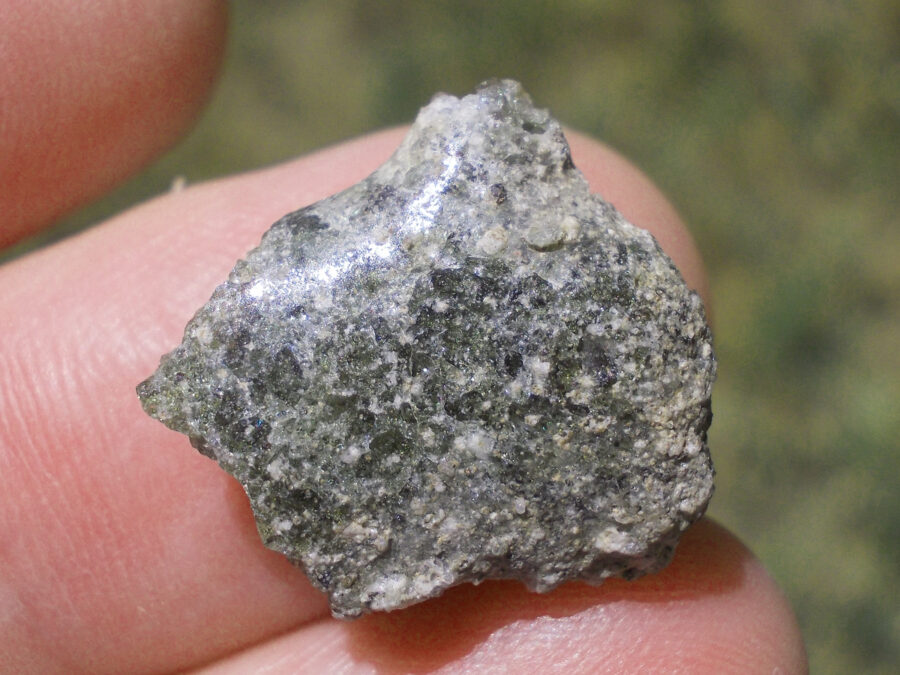
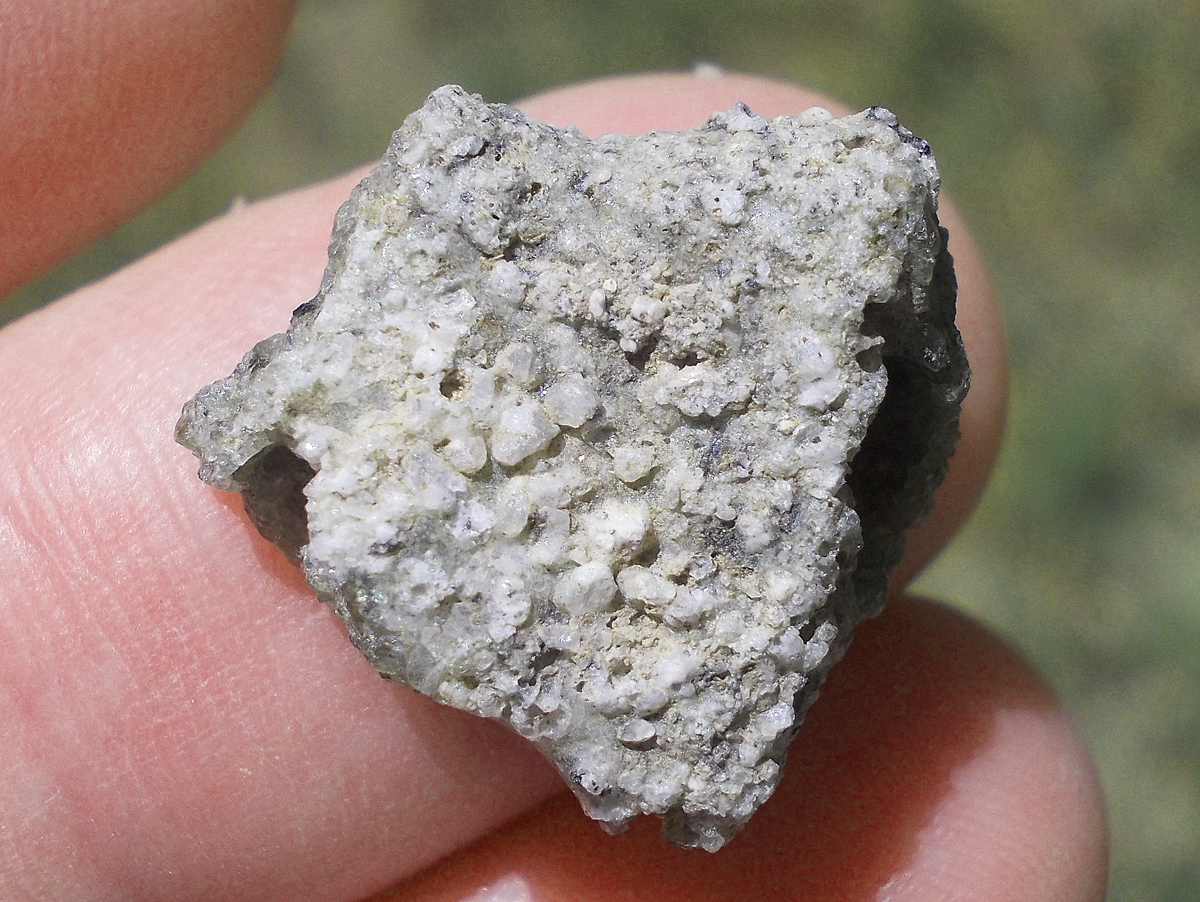
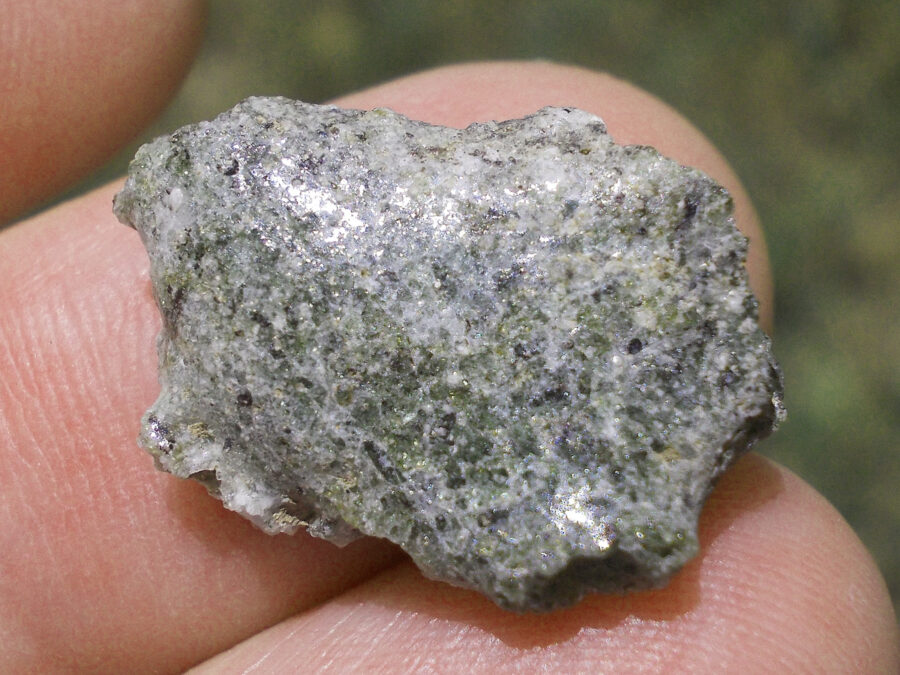
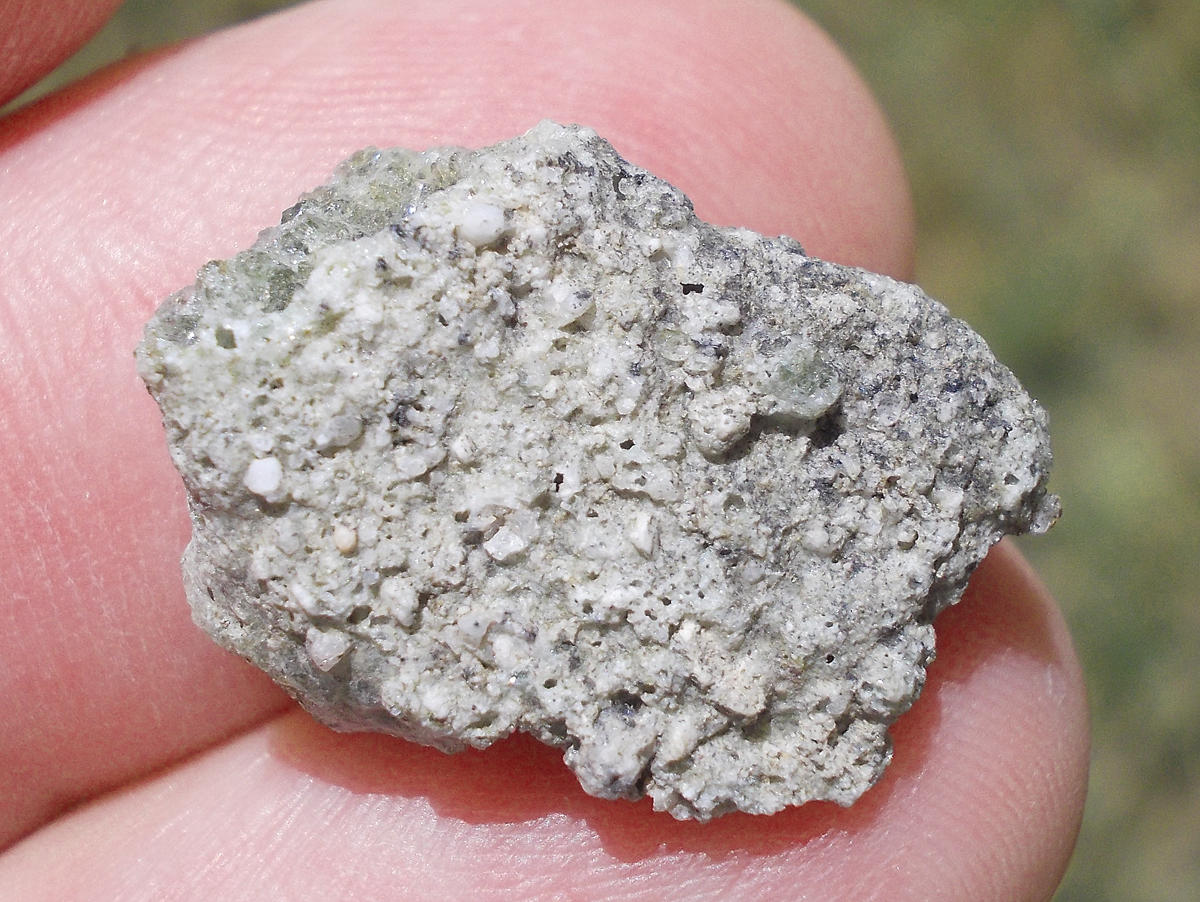
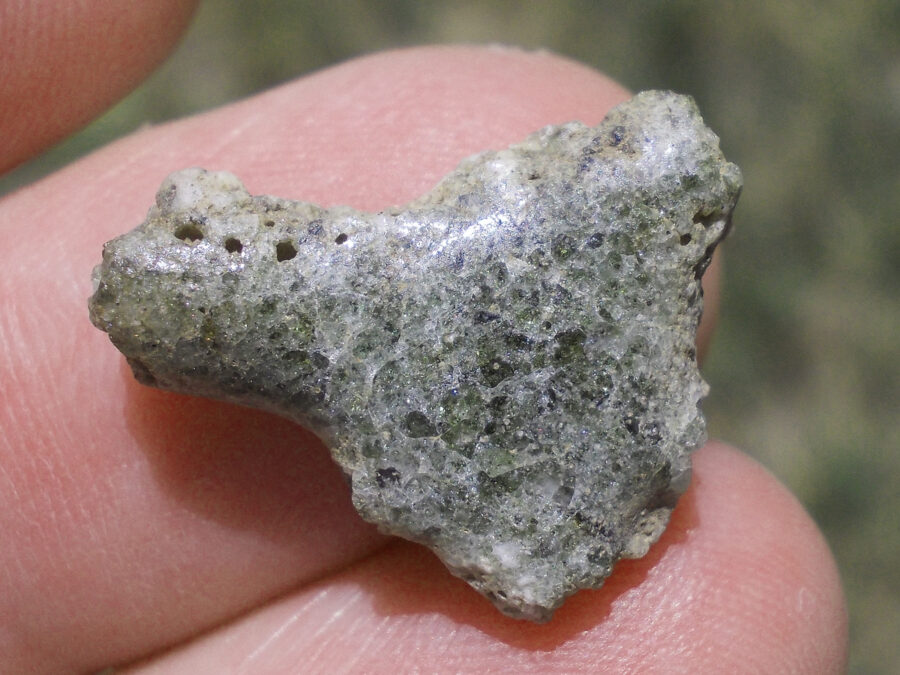
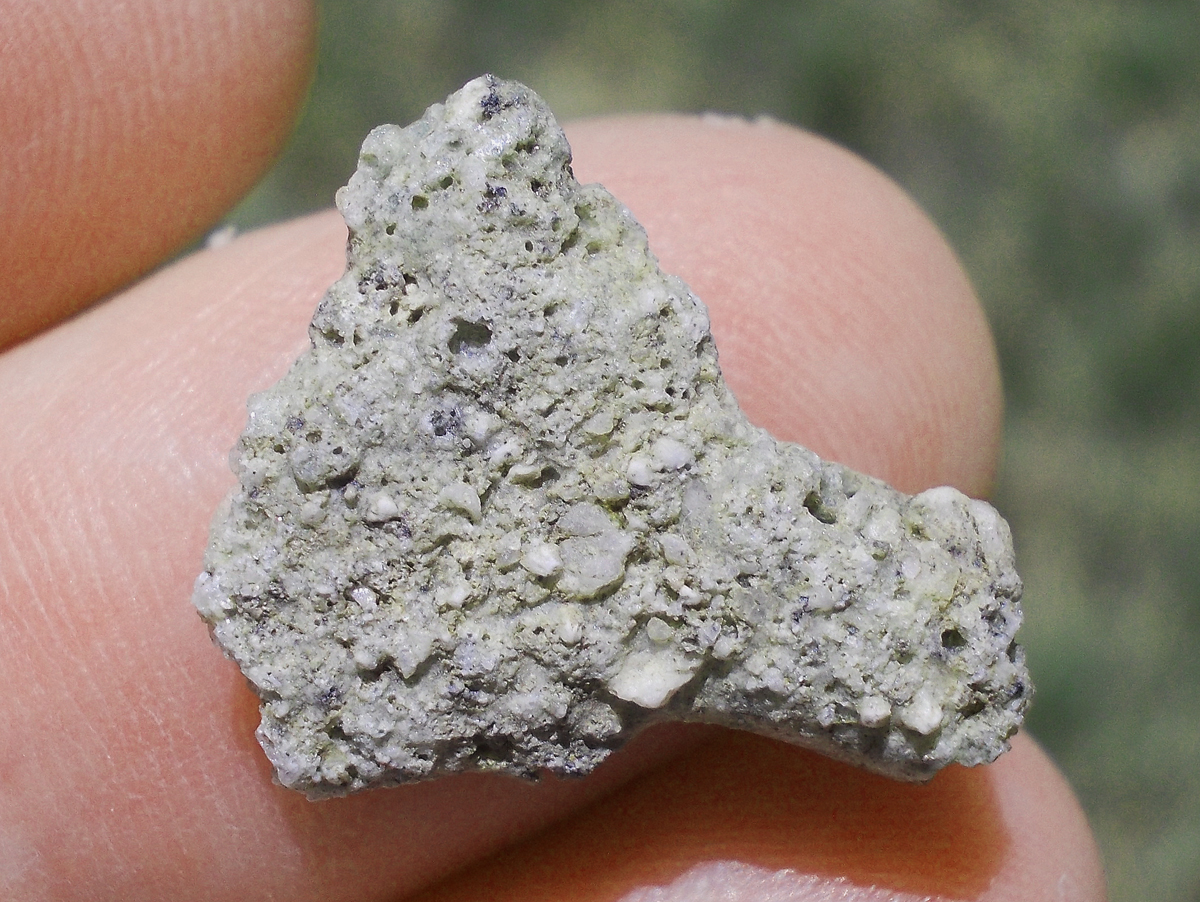
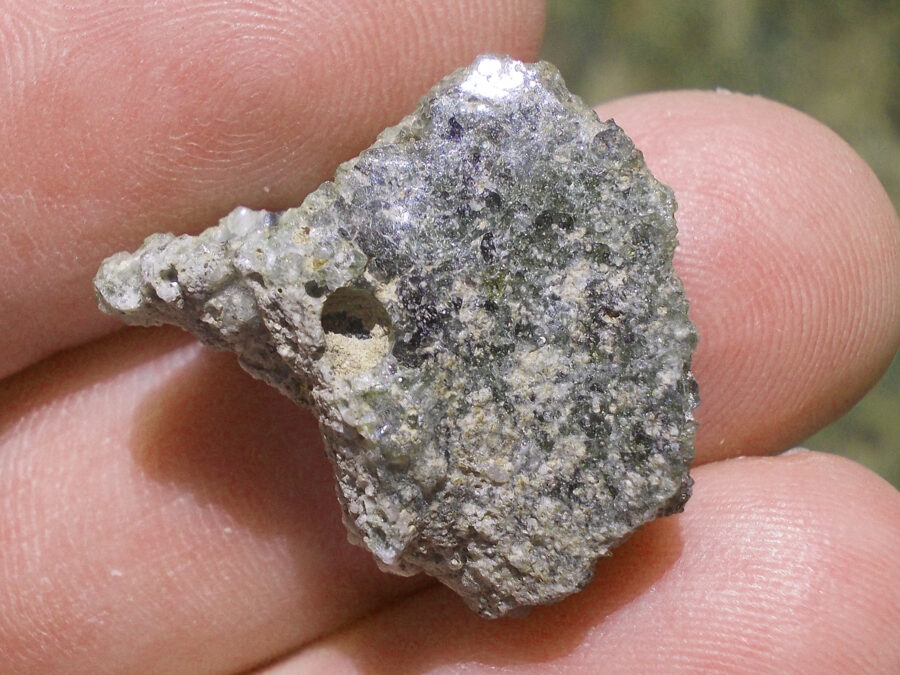
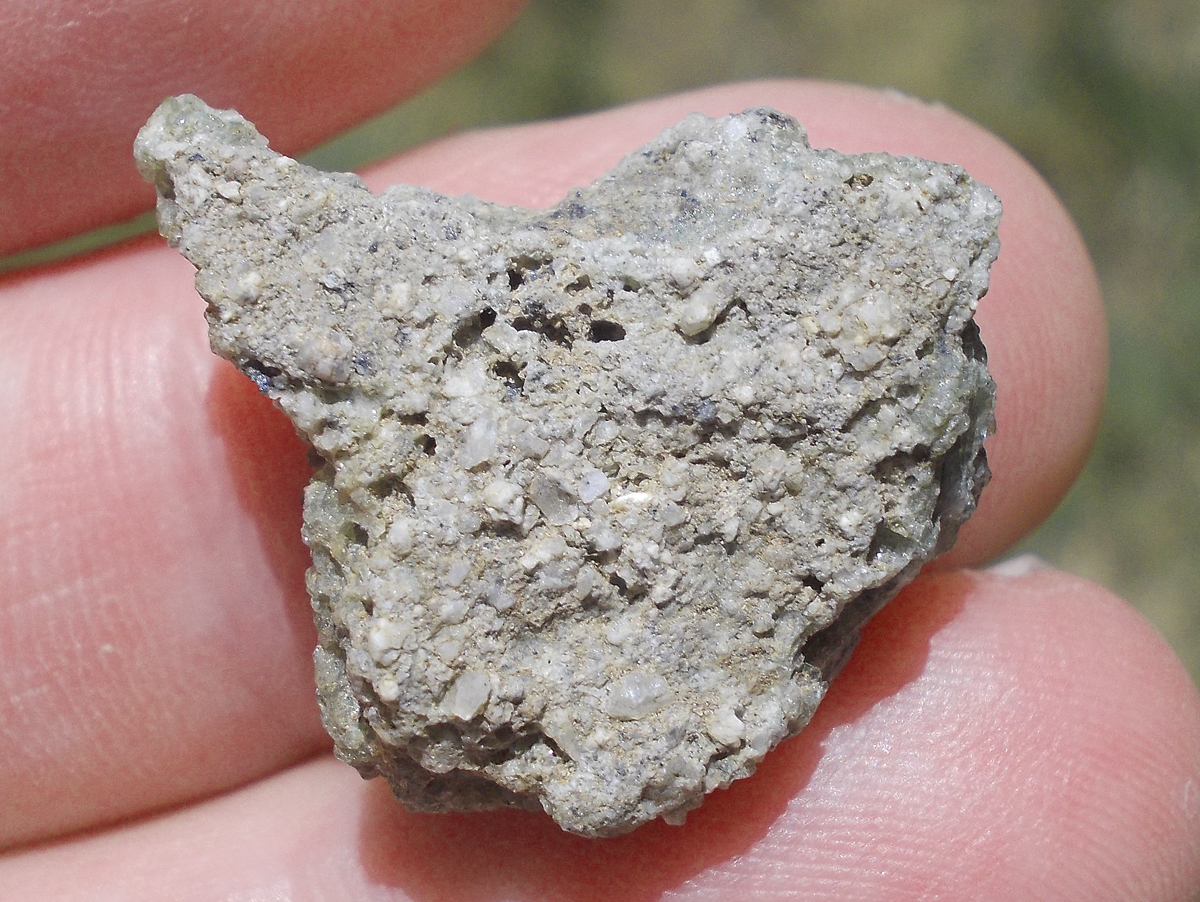
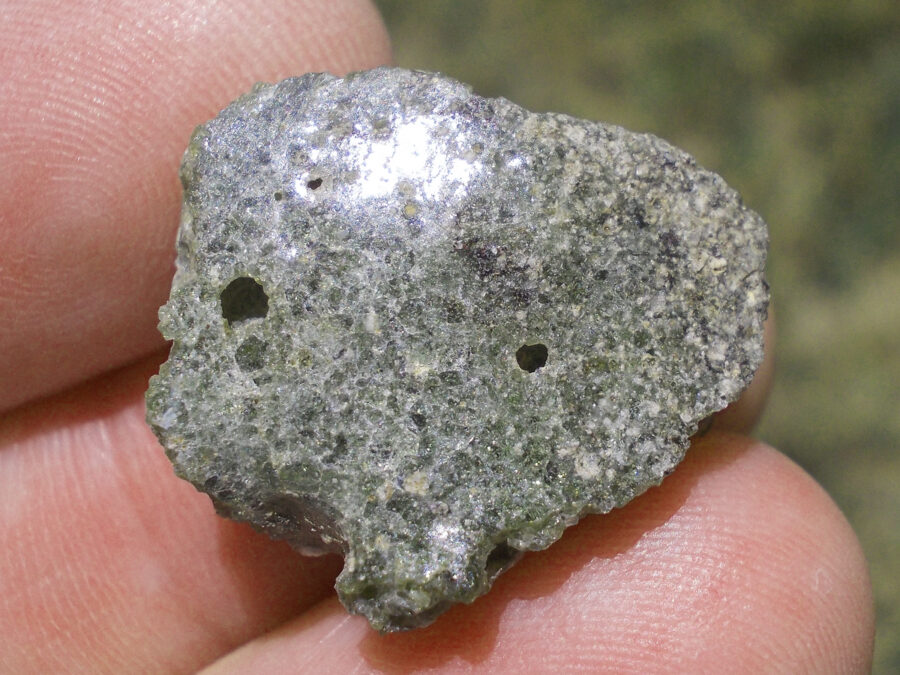
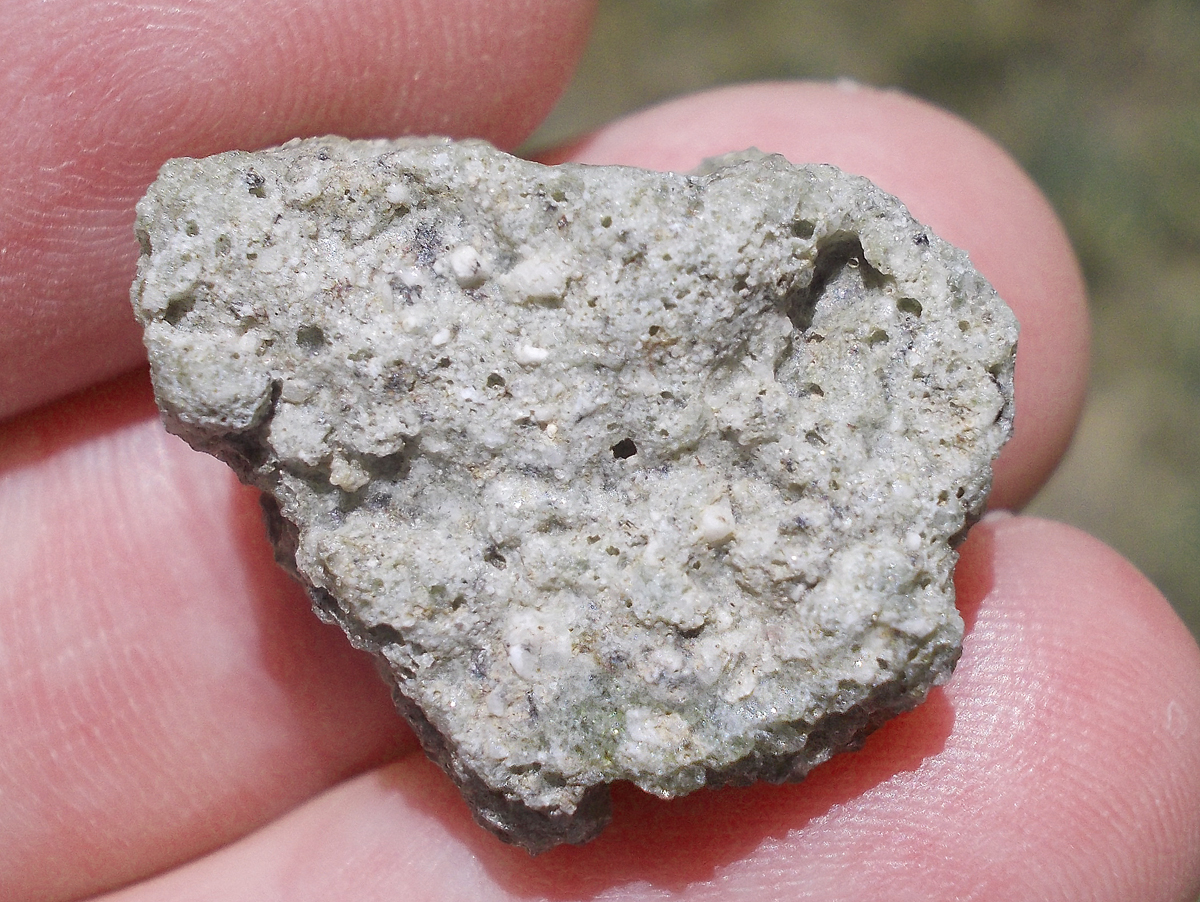
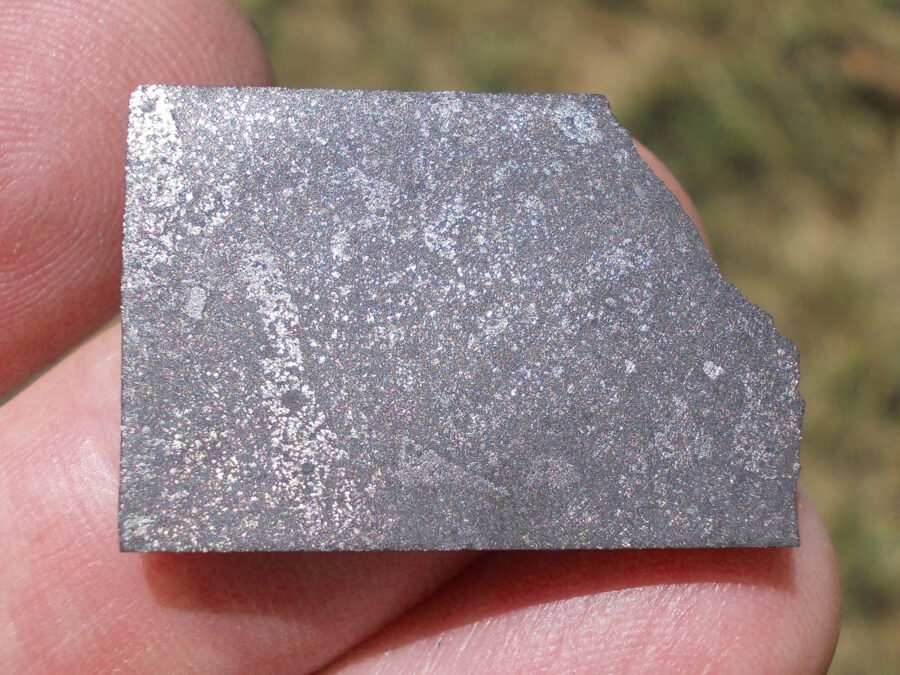
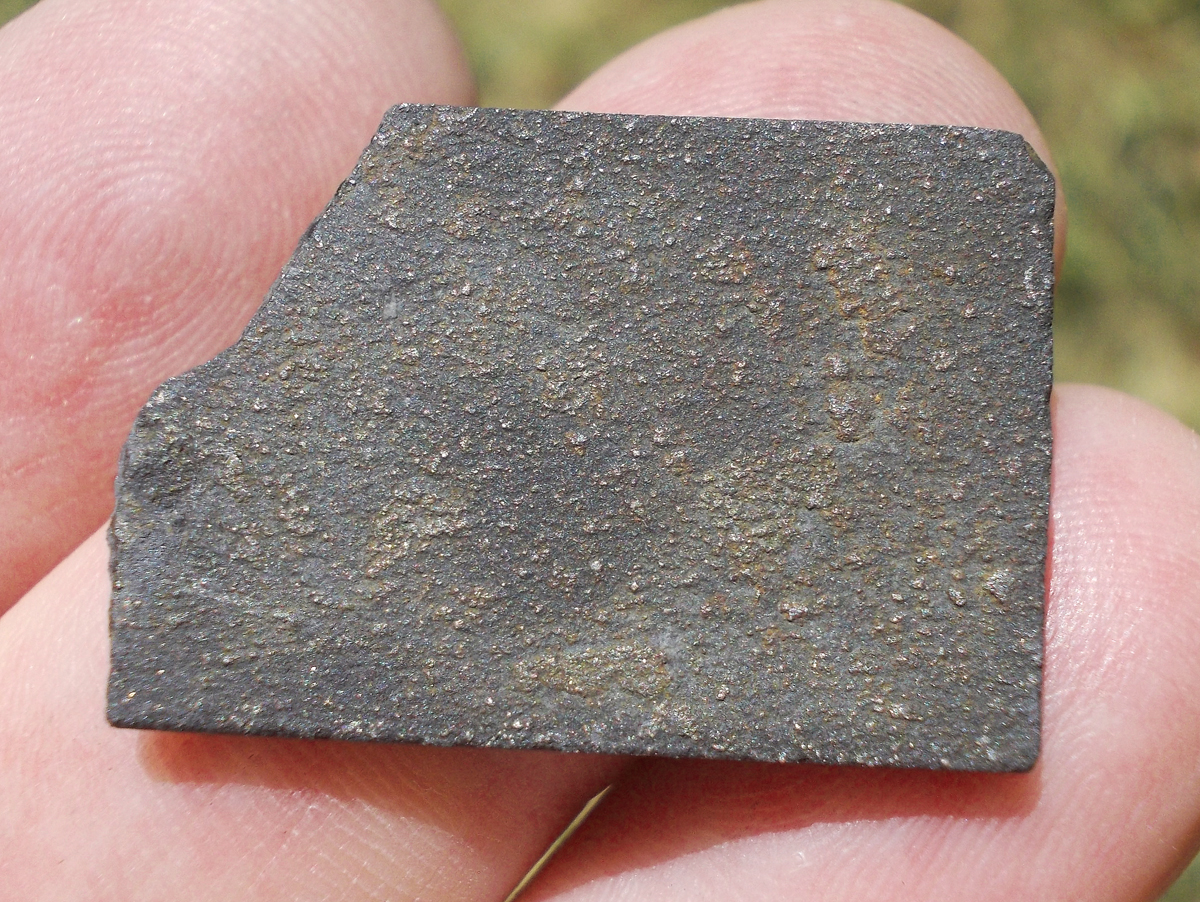
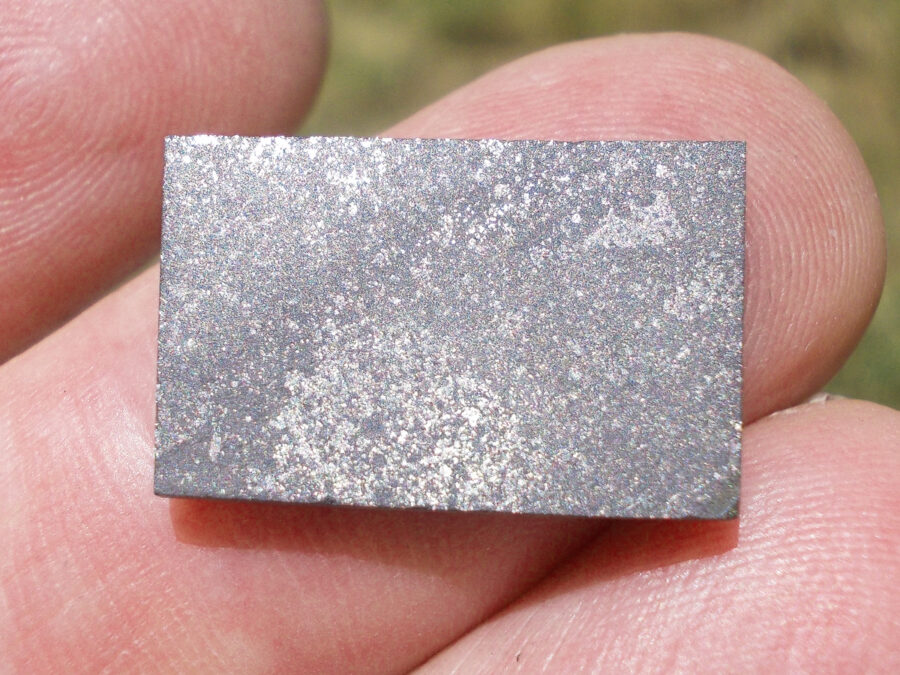
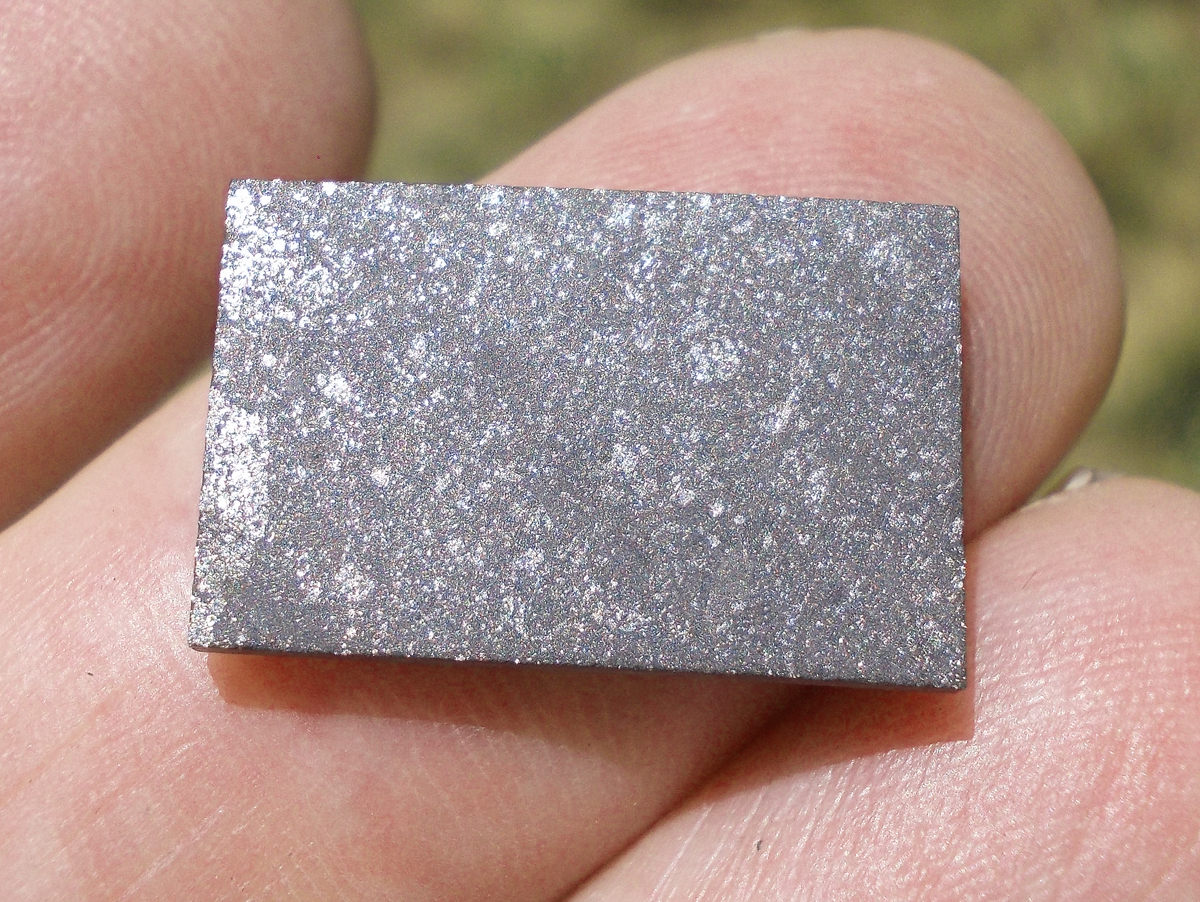
Quartz + Épidote, Chambéry, France #17 – 14 g
9,60€Le quartz se présente sous la forme de grands cristaux incolores, colorés ou fumés, ou bien de cristaux microscopiques d’aspect translucide.
Affichage de 469–486 sur 1864 résultatsTrié du plus récent au plus ancien
Le quartz se présente sous la forme de grands cristaux incolores, colorés ou fumés, ou bien de cristaux microscopiques d’aspect translucide.
La mine d’émeraude de Muzo est une mine d’émeraude située dans le département de Boyacá, en Colombie. Autrefois exploitée à ciel ouvert, la mine est aujourd’hui souterraine.
Un fossile qui a environ 100 millions d’années.
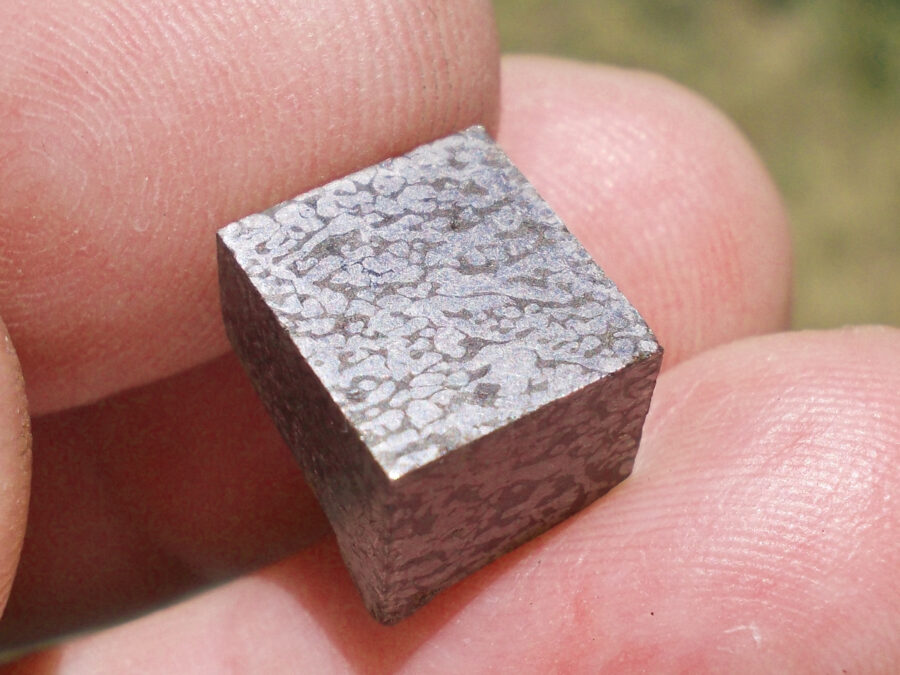
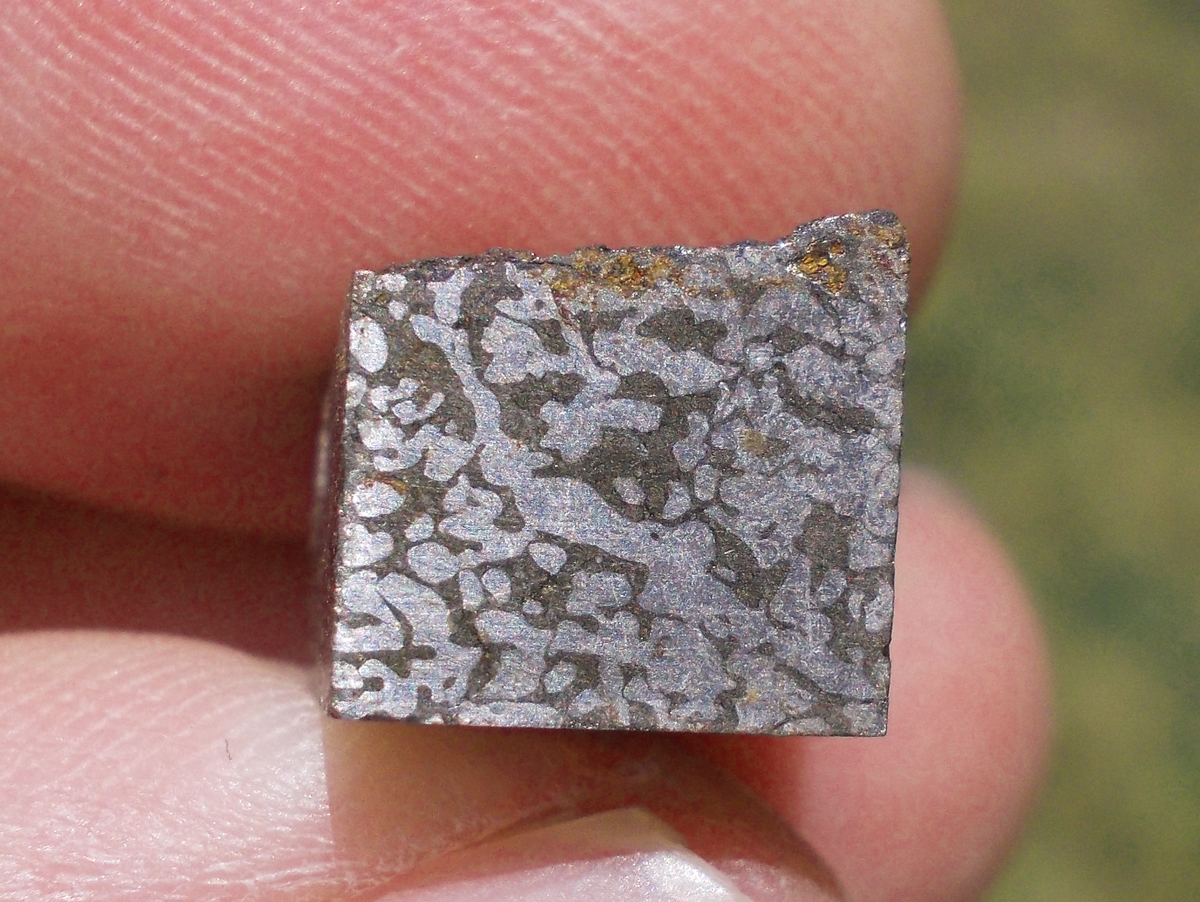
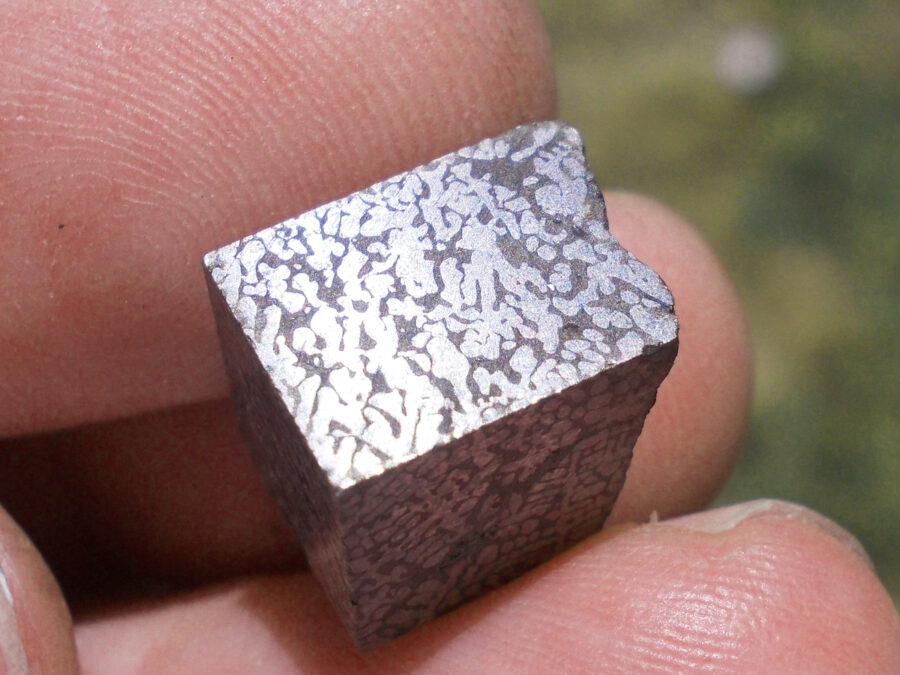
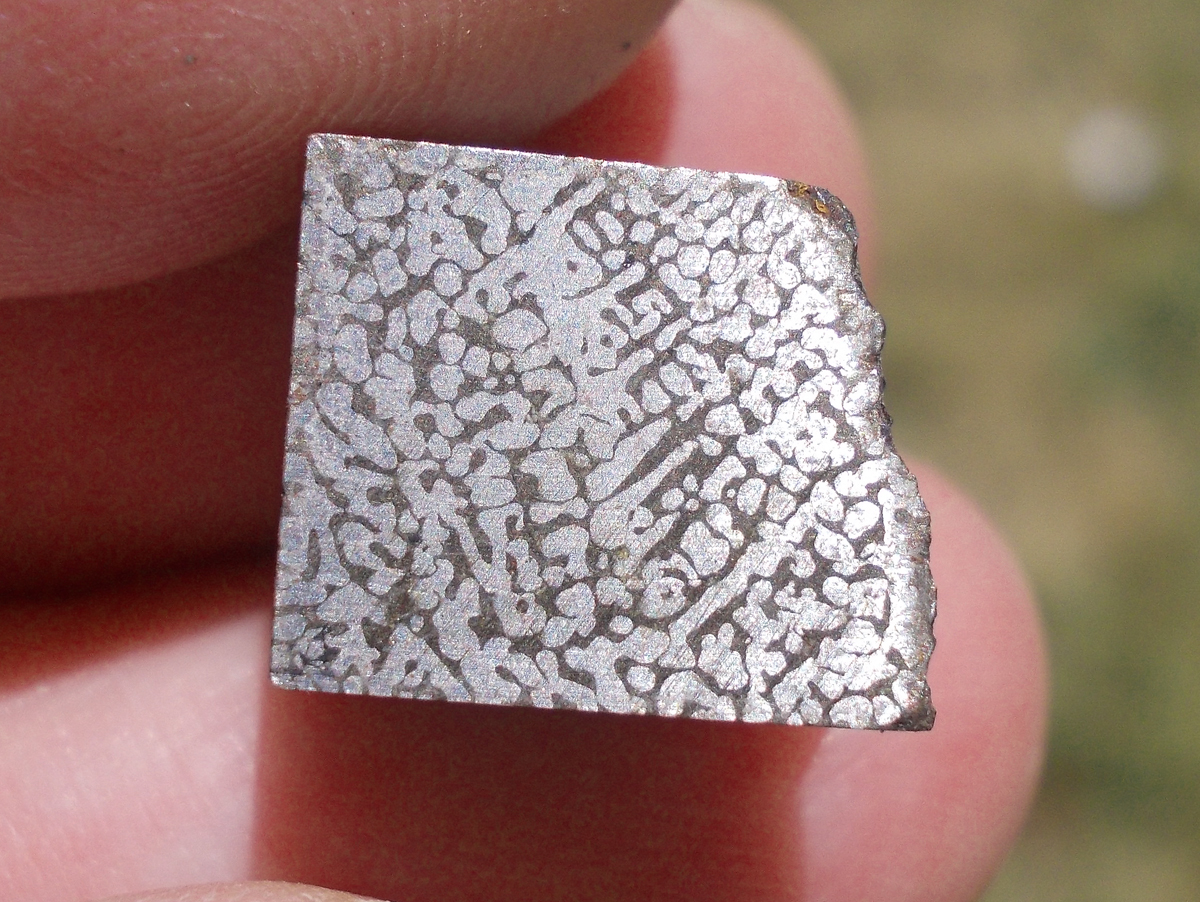
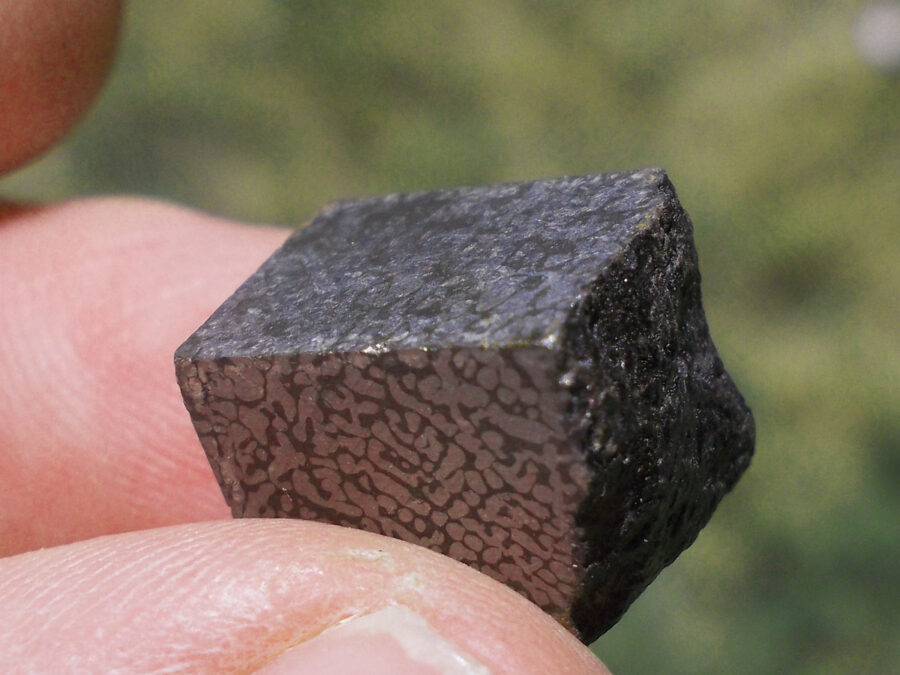
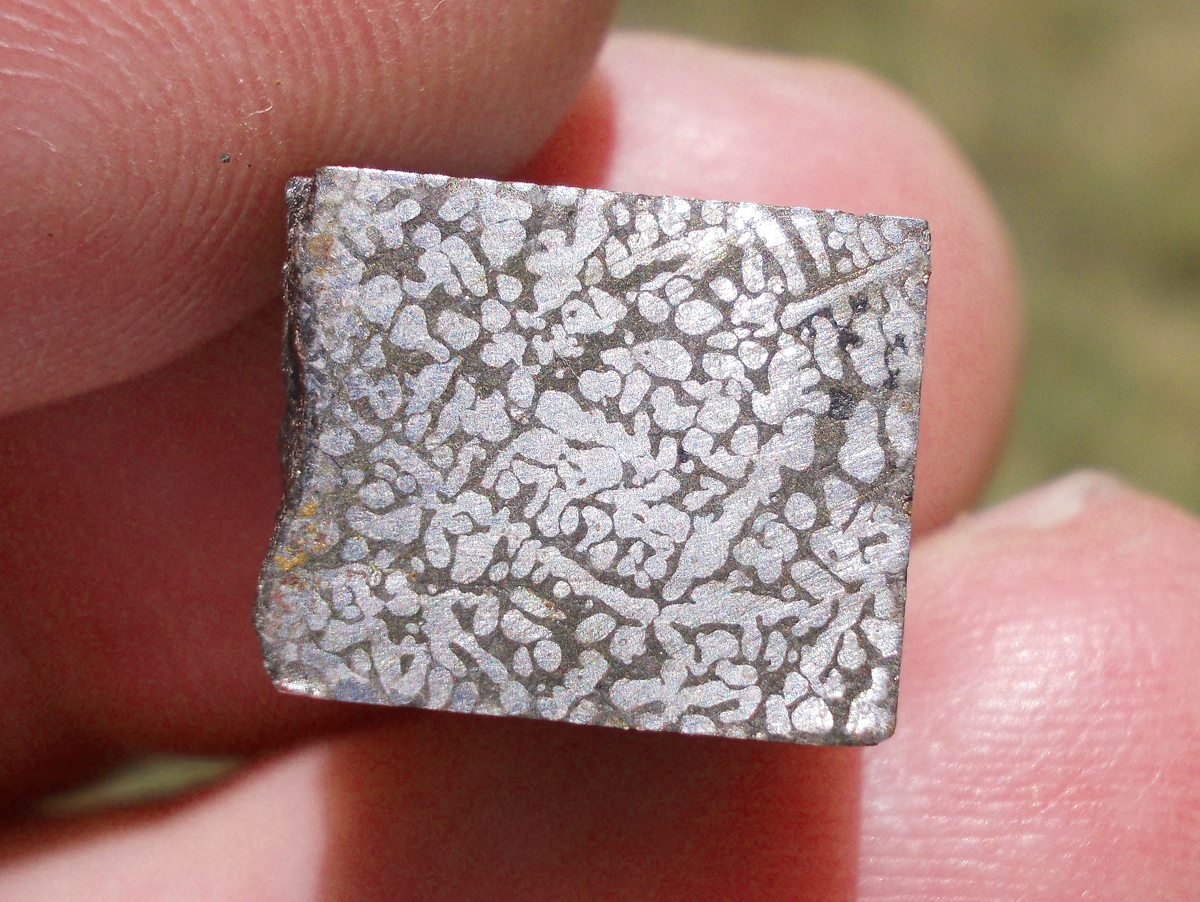
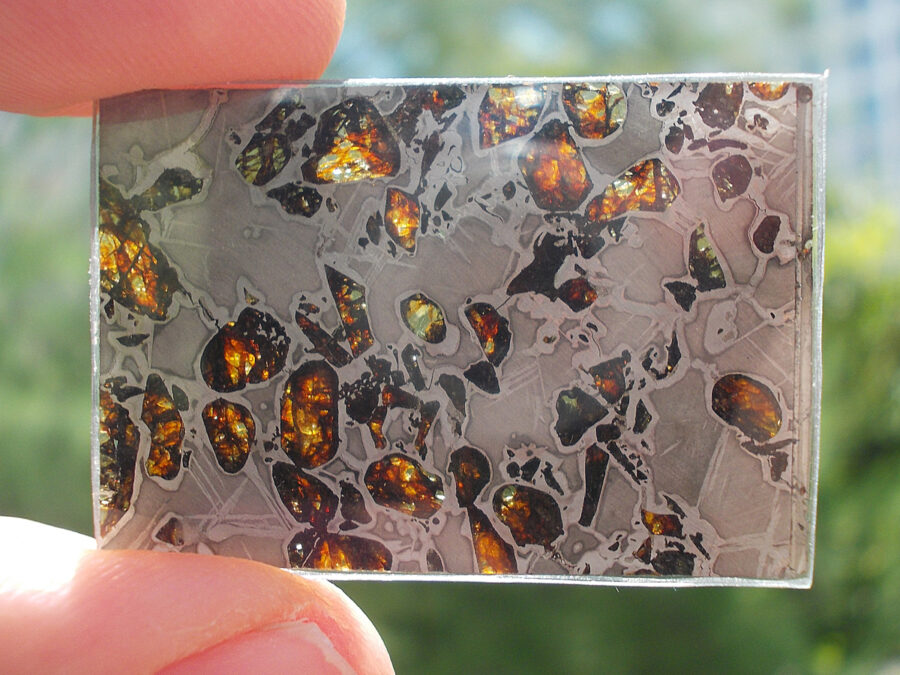
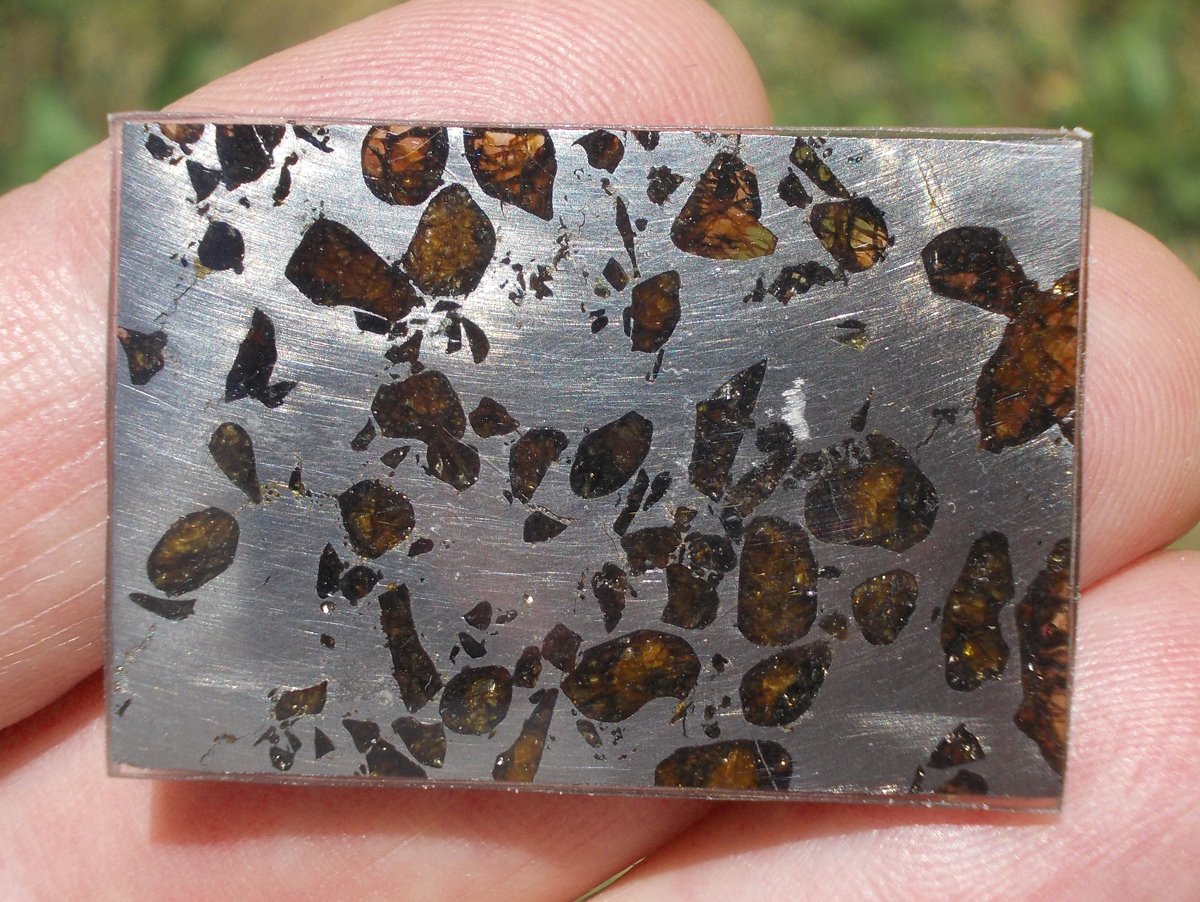
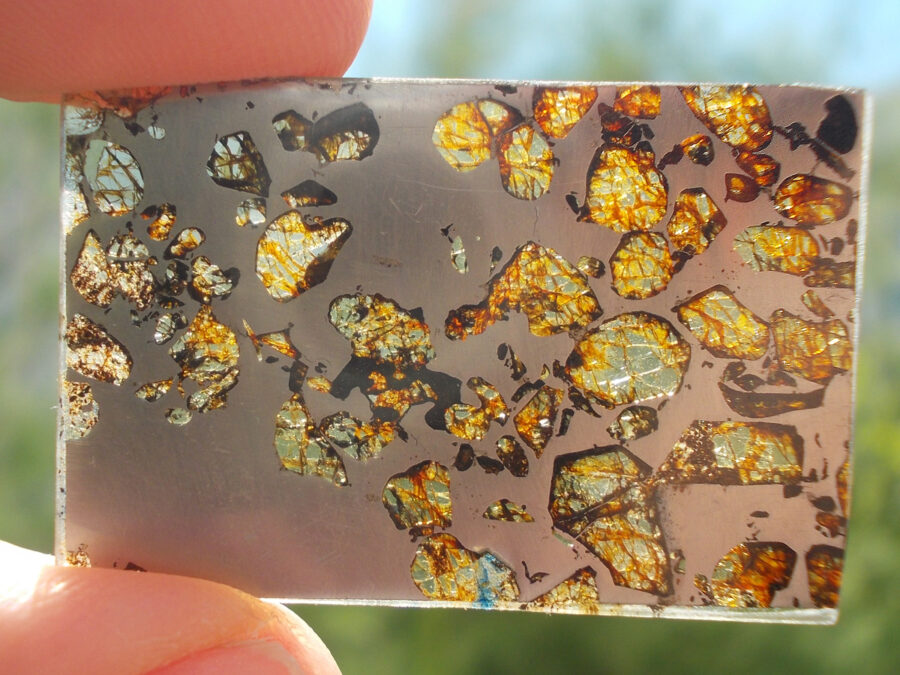
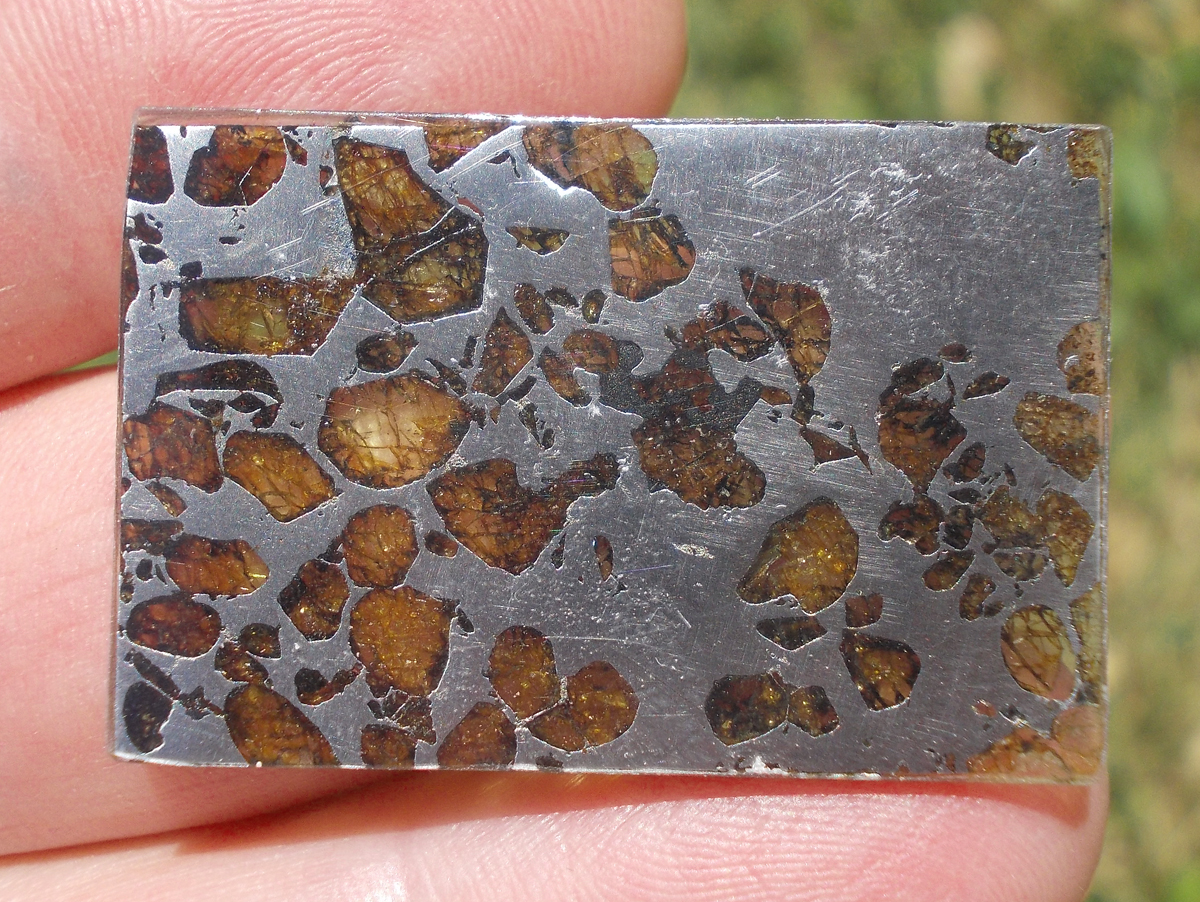
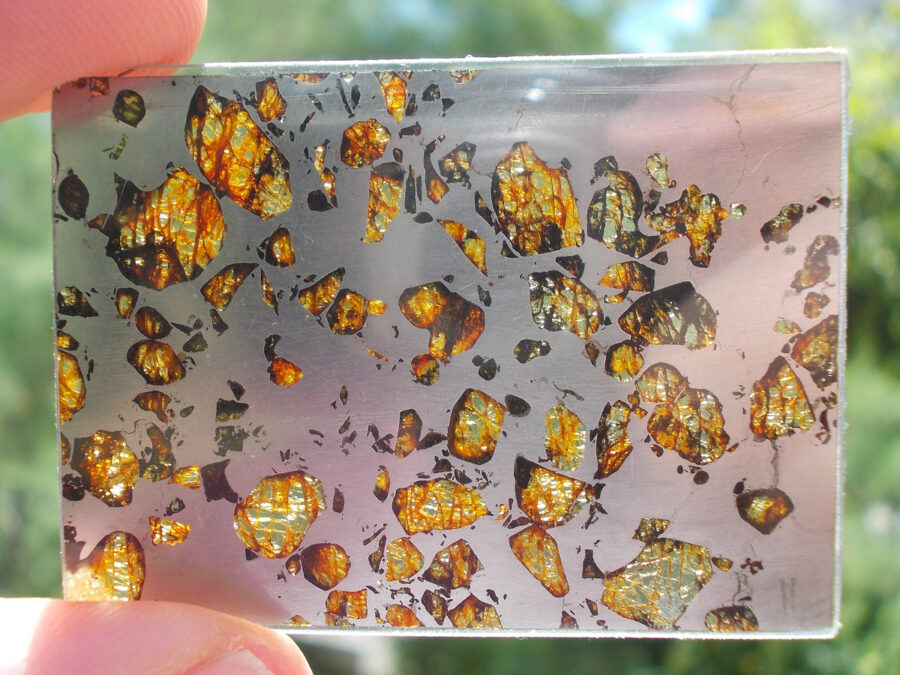
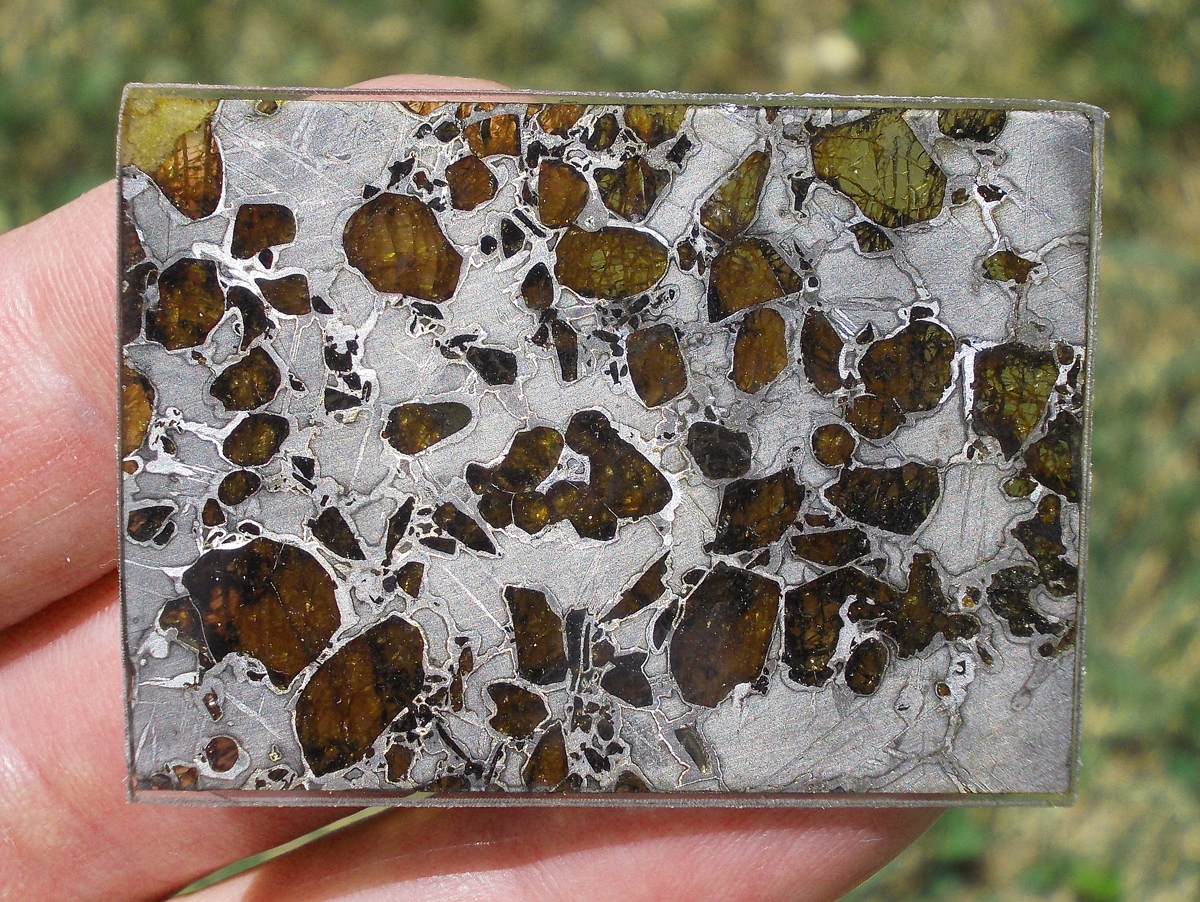
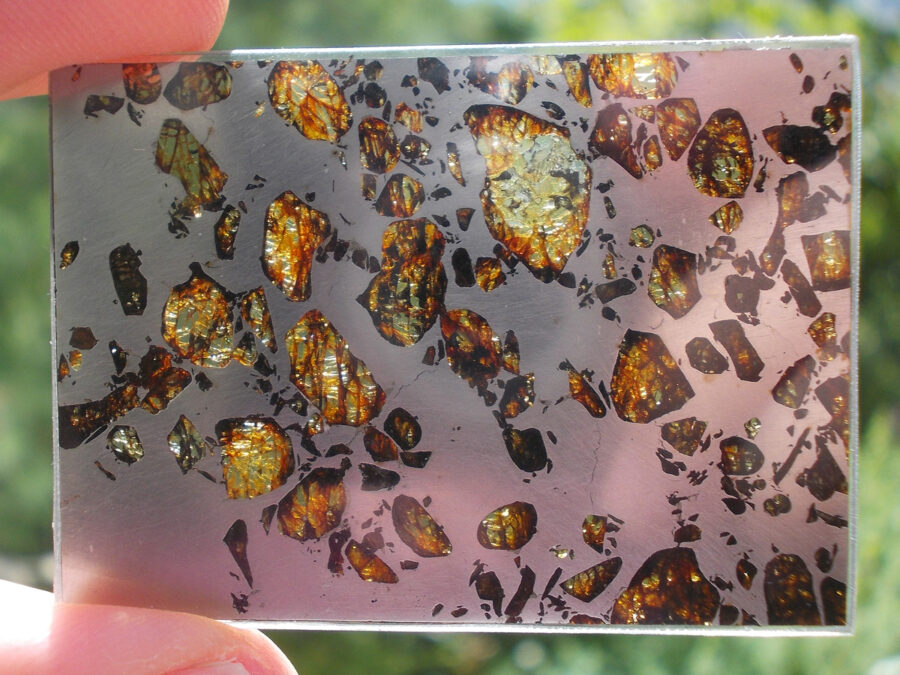
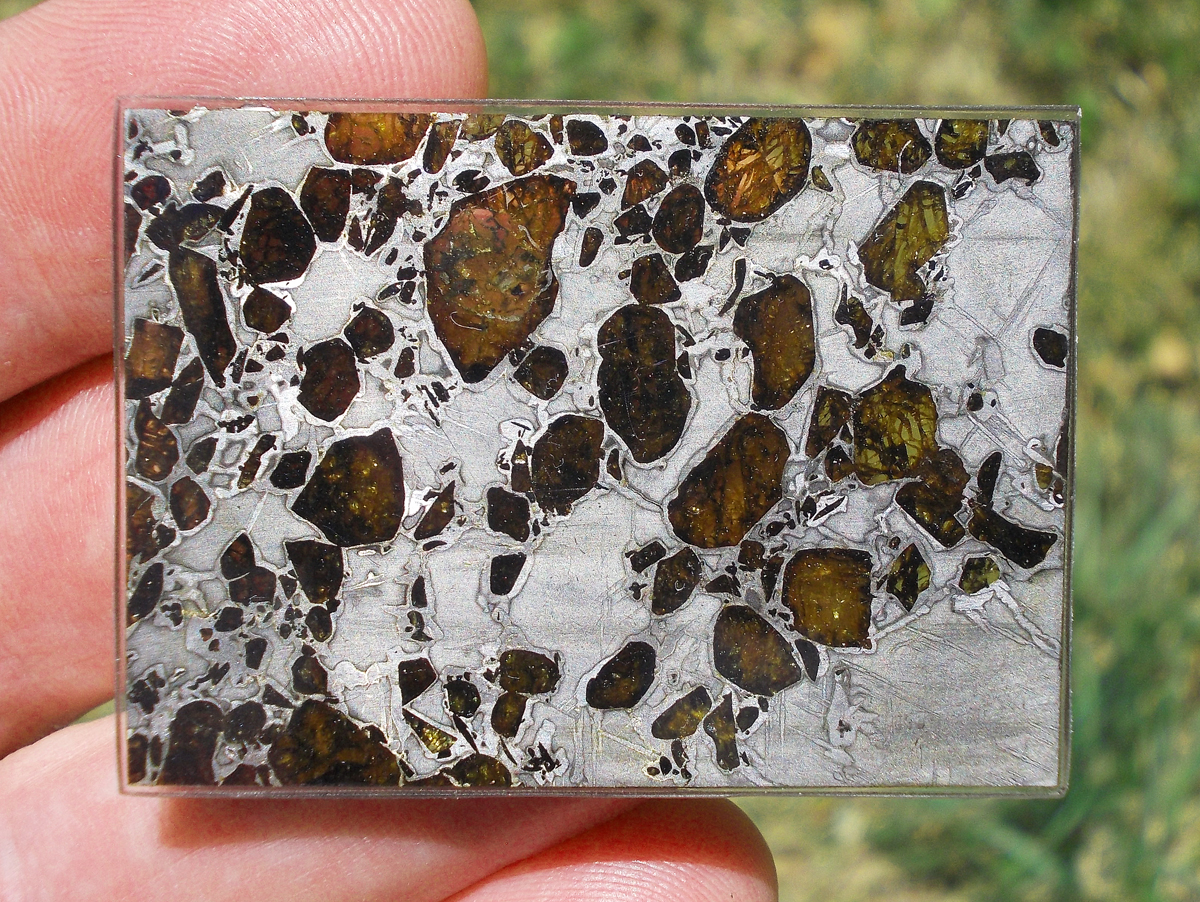
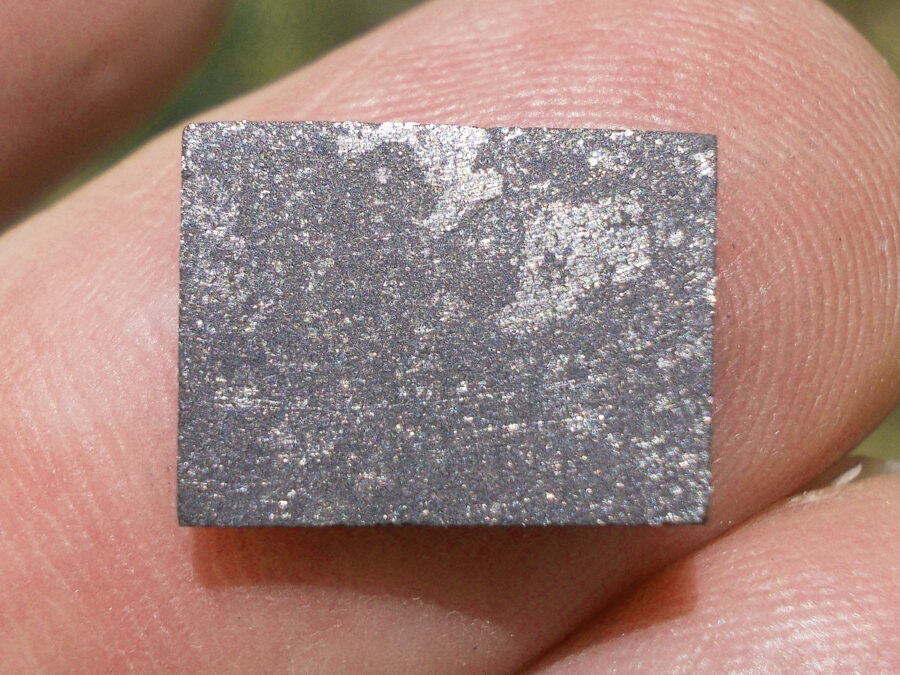
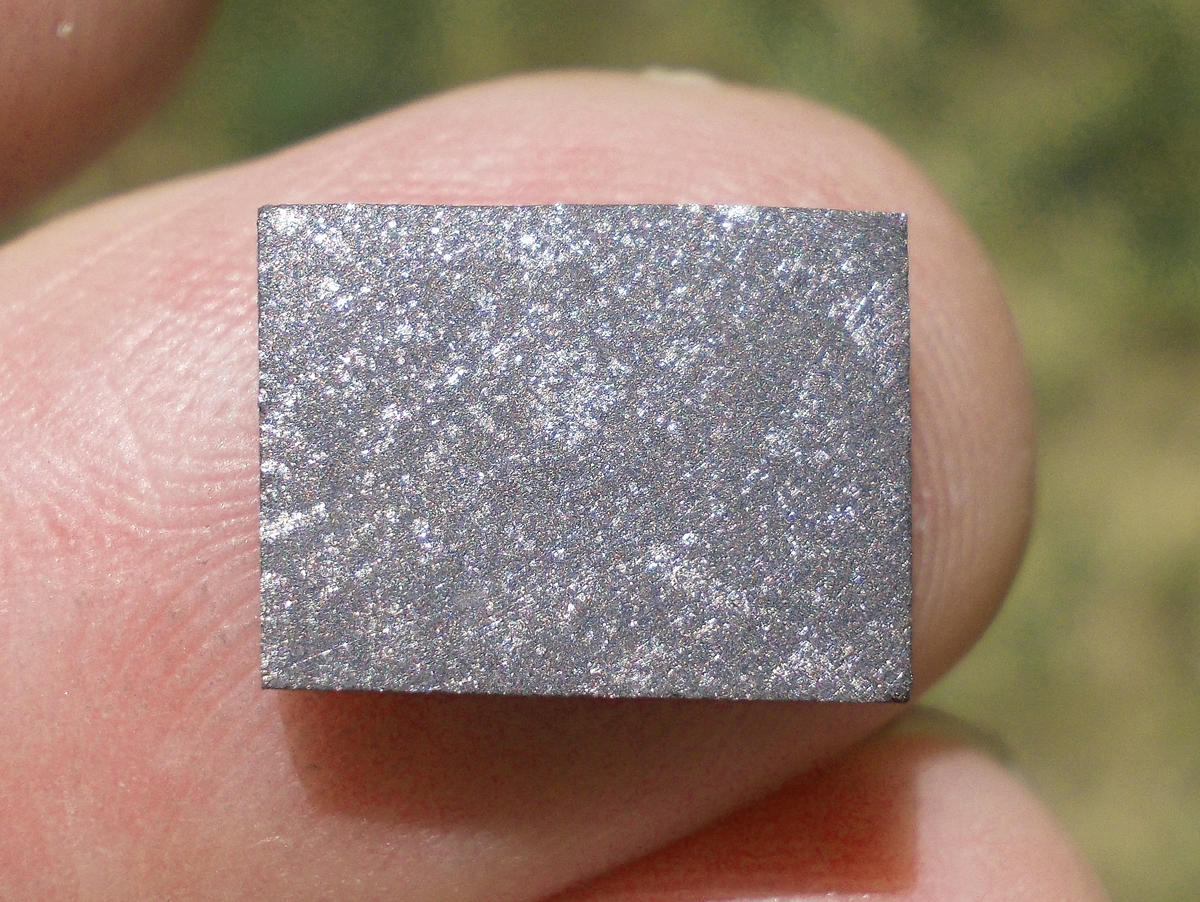
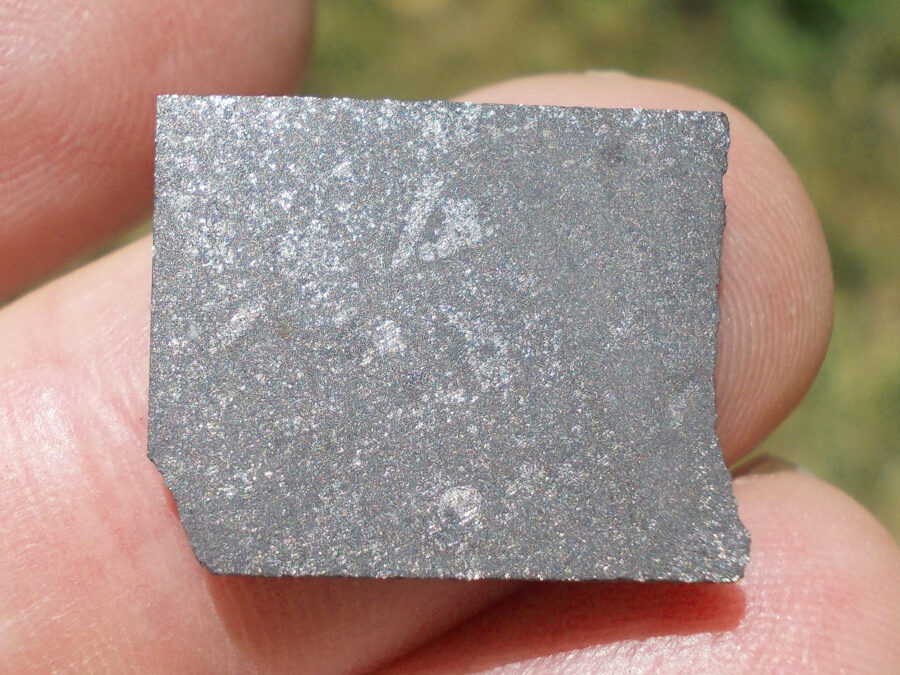
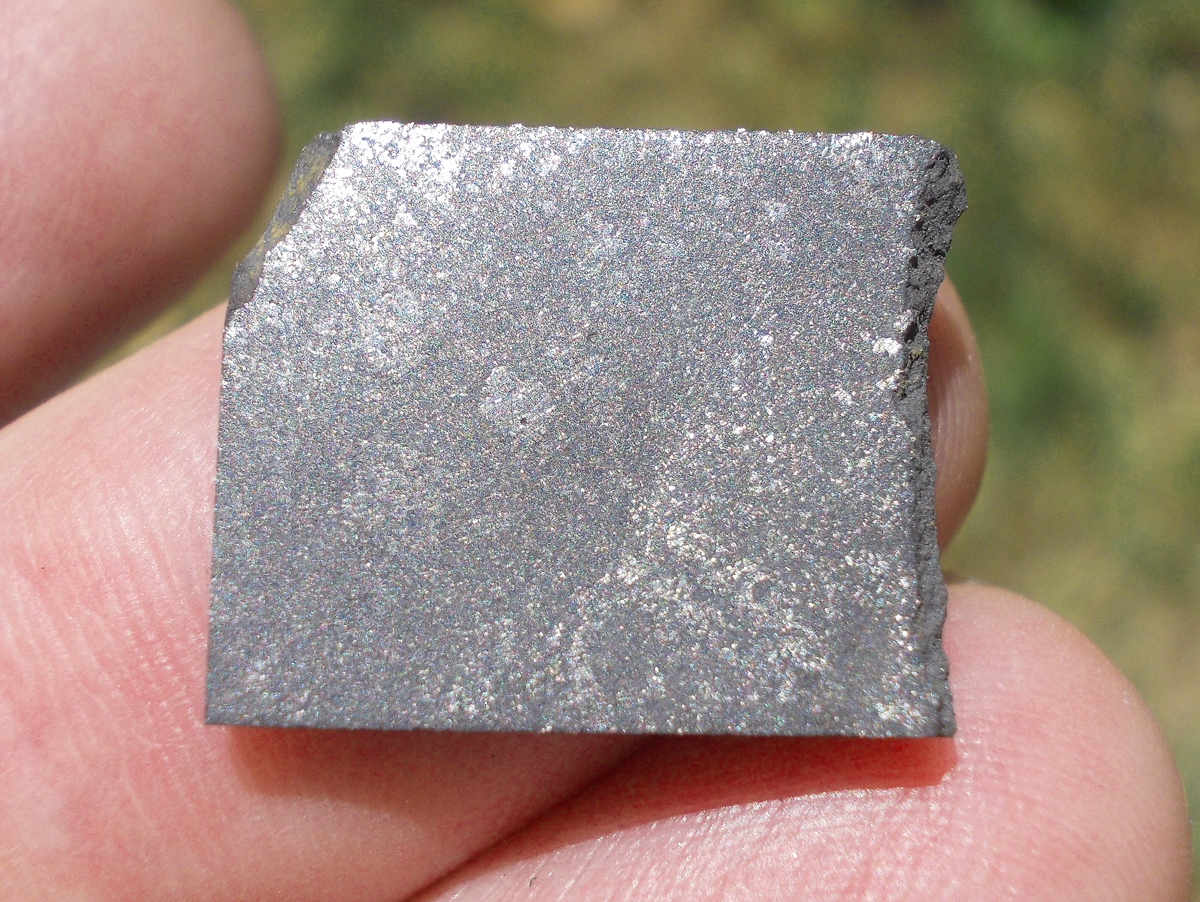
Vaca Muerta, en espagnol « Vache Morte » est une météorite de type mésosidérite qui a été découverte au Chili en 1861.
Cette météorite serait arrivée sur Terre il y a environ 2000 ans.
Le corps parent des mésosidérites pourrait être l’astéroïde Psyché, il fait plus de 200 km de diamètre.
Les nodules de métal sont rares dans les mésosidérites.
Zagora 002 est une météorite classée eucrite bréchique de seulement 105,3 grammes.
Elle a été découverte près de Zagora au Maroc par Mohamed Oumeskour en septembre 2020.
Les eucrites proviennent de l’Astéroïde Vesta.
Writeup from MB 110:
Zagora 002 30°11’55.99″N, 5°43’8.9″W
Morocco
Find: 2020 Sep 29
Classification: HED achondrite (Eucrite, brecciated)
History: Found by Mohamed Oumeskour on September 29,2020. Bought from Zaid Oualghira in September 2020.
Physical characteristics: Two grayish fragments without fusion crust, with visible whitish mm sized clasts.
Petrography: (J. Gattacceca, CEREGE) Mineral (some shock darkened) and rare lithic granulitic clasts set in a silicate clastic matrix. Main minerals are pyroxene (some exsolved) and plagioclase. Other minerals: olivine (as mineral clasts), metal, troilite, chromite.
Classification: Achondrite (Eucrite, brecciated).
Specimens: Type specimen at CEREGE. Main mass with Jean Redelsperger.
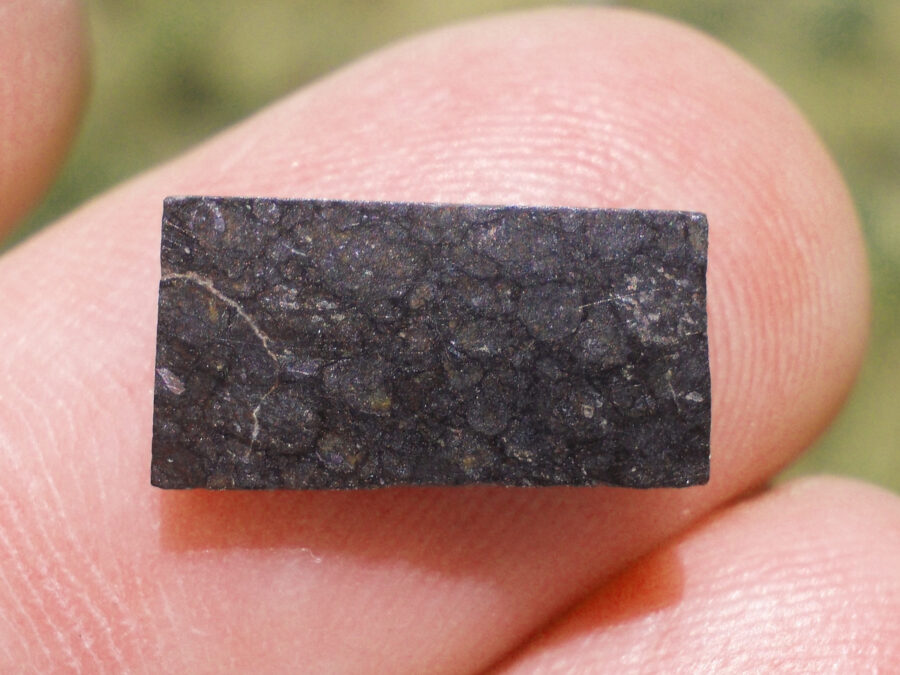
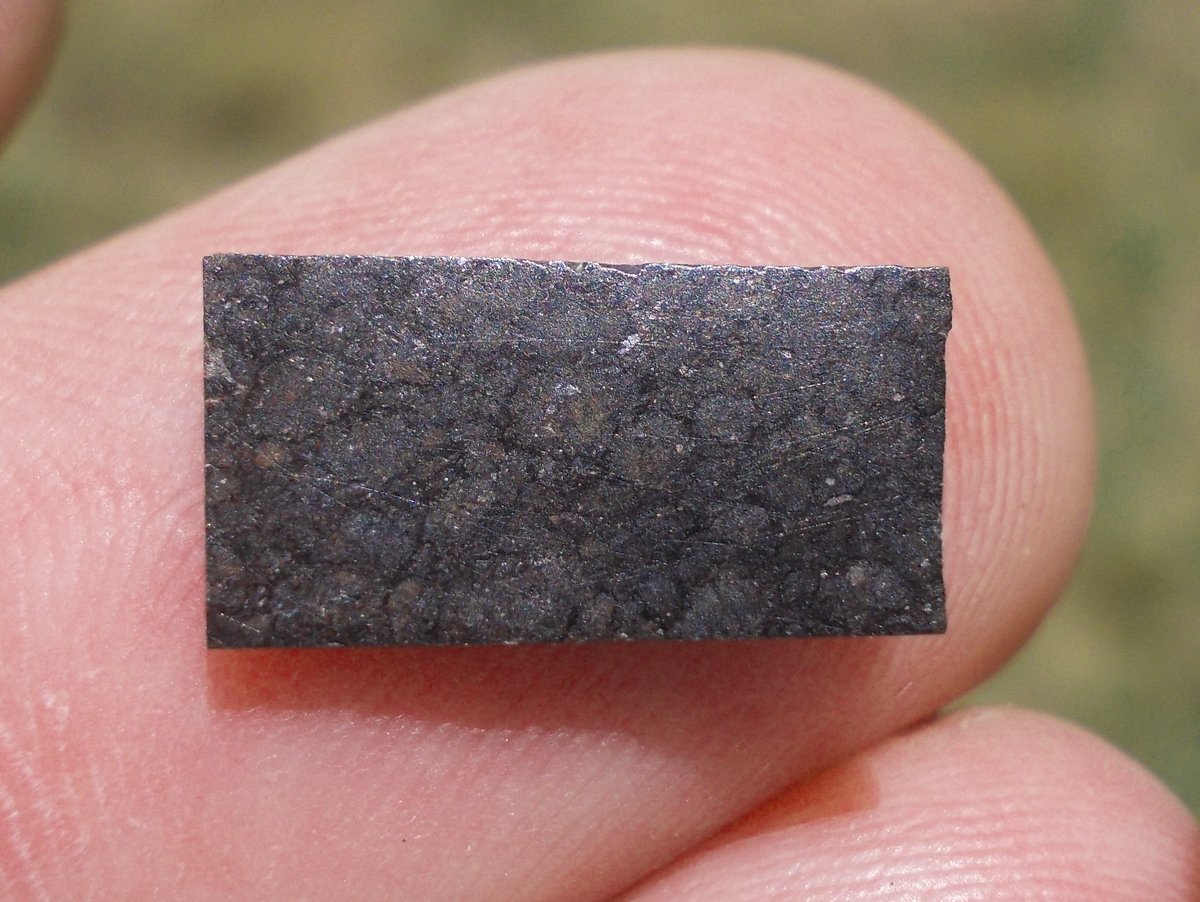
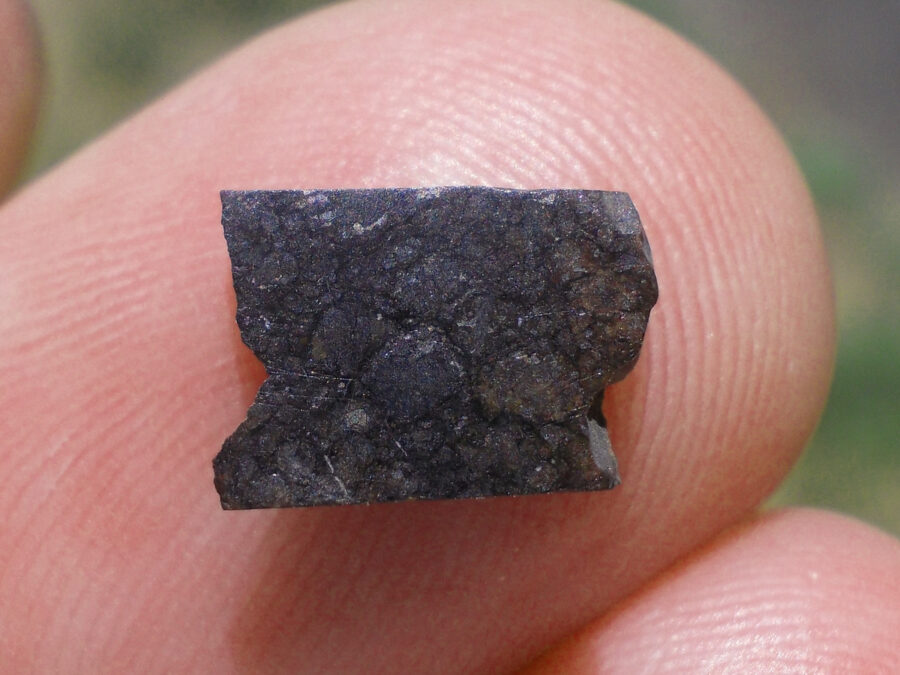
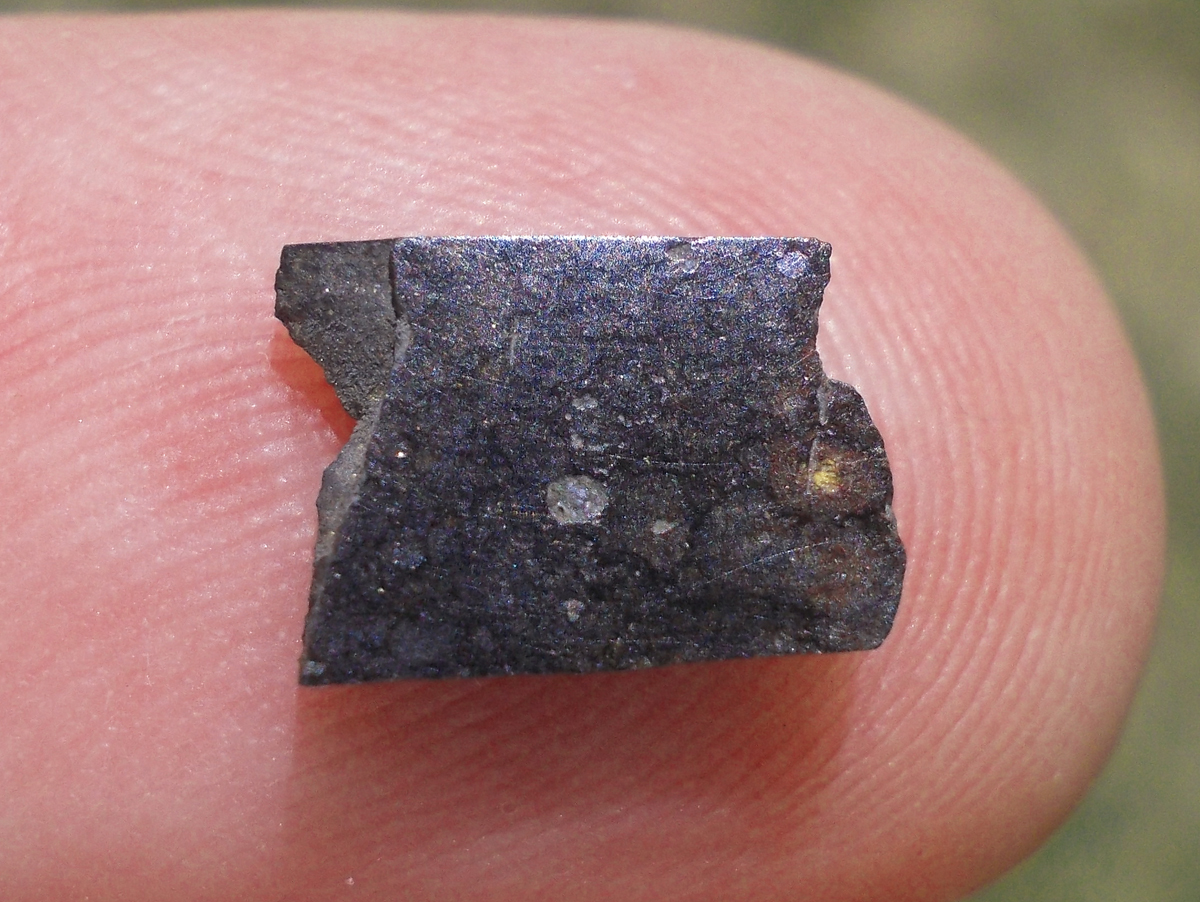
Abteh 001 est une CM2 de seulement 21,3 grammes, elle a été découverte dans le Sahara Occidental dans la région de Chwichiya par Lahcen Ousaleh en 2023.
Cette météorite carbonée a la particularité d’être extrêmement légère.
Abteh 001 27°51’10.5″N, 11°52’50.4″W
South, Morocco
Find: 2023 Jun 20
Classification: Carbonaceous chondrite (CM2)
History: Found in Morocco near Chwichiya by Lahcen Ousaleh on June 06, 2023. Bought by Jean Redelsperger from Zaid Oualguirah in 2023 in Morocco.
Physical characteristics: Black stone with remanents of fusion crust. Cut surface reveals a dark fine-grained interior, with small chondrules.
Petrography: (J. Gattacceca, CEREGE) Chondrules with average apparent diameter ~200µm and chondrule fragments set in an abundant fine-grained iron-rich matrix. Opaque minerals are troilite, pyrrhotite, magnetite. Metal is found almost exclusively as inclusions in anhydrous silicates. X-ray diffraction analyses over a ~2 cm2 area on a polished section (D. Borschnek, CEREGE) reveal the presence of phyllosicilates and calcium carbonates, as typically observed in type 2 chondrites using the same experimental setup.
Geochemistry: Olivine Fa15.1±17.0, range Fa0.40-48.1 (n=7). Cr2O3 in ferroan olivine 0.40±0.18 wt% (n=6). Defocused analyses of matrix FeO 24.0±6.7 wt%, analytical total 76.1±5.0 (n=3).
Classification: Carbonaceous chondrite (CM2).
Specimens: Type specimen at CEREGE. Main mass with Jean Redelsperger.
Amgala est une rare météorite provenant de Mars, classifiée Shergottite (olivine-phyric).
Elle a été découverte dans le Sahara Occidental en 2022.
Une météorite d’un rapport qualité/prix exceptionnel !
Amgala 001 26.014°N, 11.020°W
Saguia el Hamra, Western Sahara
Purchased: 2022 Dec
Classification: Martian meteorite (Shergottite)
History: Multiple stones were found together in December 2022 near Meharrize. Said Muftah Bachir and Ziyao Wang bought 12 kg together from the finders, including the largest 5200 g individual; Mark Lyon acquired 19165 g from two different dealers; Aziz Habibi obtained 3500 g from another dealer.
Physical characteristics: Weathered exterior surfaces of the stones are brown with a distinctive knobby appearance. Fresh interiors are greenish-gray with darker olivine phenocrysts visible.
Petrography: (A. Irving, UWS, and P. Carpenter, WUSL) Zoned olivine phenocrysts (up to 2 mm in length) are set in a groundmass with variable grainsize composed predominantly of prismatic, zoned clinopyroxene and lath-like maskelynite, together with accessory alkali feldspar, pyrrhotite, ulvöspinel, chromite (with variable Ti content), ilmenite, baddeleyite and chlorapatite. Thin opaque shock veins crosscut the specimen as well as secondary calcite veinlets. Olivine phenocrysts contain small patches of alteration products (red-brown in thin section).
Geochemistry: Olivine (Fa31.7-56.6, FeO/MnO = 52-55, N = 5), pigeonite (Fs27.7-48.4Wo10.4-9.8, FeO/MnO = 29-35, N = 3), subcalcic augite (Fs20.7-30.4Wo32.5-34.6, FeO/MnO = 28-32, N = 2), maskelynite (An47.4-50.5Or2.2-1.7, N = 2), alkali feldspar (Ab49.4Or34.0An16.7).
Classification: Shergottite (olivine-phyric).
Specimens: 68.3 g including one polished thin section at UWB; remainder with Mr. S. Bachir/WangZ (12 kg), Mr. M. Lyon (19165 g) and Mr. A. Habibi (3500 g).
Amgala est une rare météorite provenant de Mars, classifiée Shergottite (olivine-phyric).
Elle a été découverte dans le Sahara Occidental en 2022.
Une météorite d’un rapport qualité/prix exceptionnel !
Amgala 001 26.014°N, 11.020°W
Saguia el Hamra, Western Sahara
Purchased: 2022 Dec
Classification: Martian meteorite (Shergottite)
History: Multiple stones were found together in December 2022 near Meharrize. Said Muftah Bachir and Ziyao Wang bought 12 kg together from the finders, including the largest 5200 g individual; Mark Lyon acquired 19165 g from two different dealers; Aziz Habibi obtained 3500 g from another dealer.
Physical characteristics: Weathered exterior surfaces of the stones are brown with a distinctive knobby appearance. Fresh interiors are greenish-gray with darker olivine phenocrysts visible.
Petrography: (A. Irving, UWS, and P. Carpenter, WUSL) Zoned olivine phenocrysts (up to 2 mm in length) are set in a groundmass with variable grainsize composed predominantly of prismatic, zoned clinopyroxene and lath-like maskelynite, together with accessory alkali feldspar, pyrrhotite, ulvöspinel, chromite (with variable Ti content), ilmenite, baddeleyite and chlorapatite. Thin opaque shock veins crosscut the specimen as well as secondary calcite veinlets. Olivine phenocrysts contain small patches of alteration products (red-brown in thin section).
Geochemistry: Olivine (Fa31.7-56.6, FeO/MnO = 52-55, N = 5), pigeonite (Fs27.7-48.4Wo10.4-9.8, FeO/MnO = 29-35, N = 3), subcalcic augite (Fs20.7-30.4Wo32.5-34.6, FeO/MnO = 28-32, N = 2), maskelynite (An47.4-50.5Or2.2-1.7, N = 2), alkali feldspar (Ab49.4Or34.0An16.7).
Classification: Shergottite (olivine-phyric).
Specimens: 68.3 g including one polished thin section at UWB; remainder with Mr. S. Bachir/WangZ (12 kg), Mr. M. Lyon (19165 g) and Mr. A. Habibi (3500 g).
Amgala est une rare météorite provenant de Mars, classifiée Shergottite (olivine-phyric).
Elle a été découverte dans le Sahara Occidental en 2022.
Une météorite d’un rapport qualité/prix exceptionnel !
Amgala 001 26.014°N, 11.020°W
Saguia el Hamra, Western Sahara
Purchased: 2022 Dec
Classification: Martian meteorite (Shergottite)
History: Multiple stones were found together in December 2022 near Meharrize. Said Muftah Bachir and Ziyao Wang bought 12 kg together from the finders, including the largest 5200 g individual; Mark Lyon acquired 19165 g from two different dealers; Aziz Habibi obtained 3500 g from another dealer.
Physical characteristics: Weathered exterior surfaces of the stones are brown with a distinctive knobby appearance. Fresh interiors are greenish-gray with darker olivine phenocrysts visible.
Petrography: (A. Irving, UWS, and P. Carpenter, WUSL) Zoned olivine phenocrysts (up to 2 mm in length) are set in a groundmass with variable grainsize composed predominantly of prismatic, zoned clinopyroxene and lath-like maskelynite, together with accessory alkali feldspar, pyrrhotite, ulvöspinel, chromite (with variable Ti content), ilmenite, baddeleyite and chlorapatite. Thin opaque shock veins crosscut the specimen as well as secondary calcite veinlets. Olivine phenocrysts contain small patches of alteration products (red-brown in thin section).
Geochemistry: Olivine (Fa31.7-56.6, FeO/MnO = 52-55, N = 5), pigeonite (Fs27.7-48.4Wo10.4-9.8, FeO/MnO = 29-35, N = 3), subcalcic augite (Fs20.7-30.4Wo32.5-34.6, FeO/MnO = 28-32, N = 2), maskelynite (An47.4-50.5Or2.2-1.7, N = 2), alkali feldspar (Ab49.4Or34.0An16.7).
Classification: Shergottite (olivine-phyric).
Specimens: 68.3 g including one polished thin section at UWB; remainder with Mr. S. Bachir/WangZ (12 kg), Mr. M. Lyon (19165 g) and Mr. A. Habibi (3500 g).
2023 CX1, est un astéroïde qui est entré dans l’atmosphère terrestre le 13 février 2023 dans le nord de la France.
Il a été découvert, sept heures avant l’impact, par l’astronome hongrois Krisztián Sárneczky.
La première pierre trouvée de cette astéroïde fait 92,6 g, elle a été découverte le 15 février vers St Pierre-le-Viger par une étudiante en Art faisant partie du groupe Fripon/Vigie Ciel.
Le total trouvé s’élève à 1200 grammes.
Thierry Monter a découvert 490 grammes sur un cours de tennis à Autigny.
La pièce en vente est un des fragments découvert par Thierry Monter.
C’est une pièce unique au Monde, les chutes observées en France sont rares et c’est la première fois qu’un morceau d’astéroïde suivi depuis l’espace est tombée sur un cours de tennis, occasionnant un mini cratère.