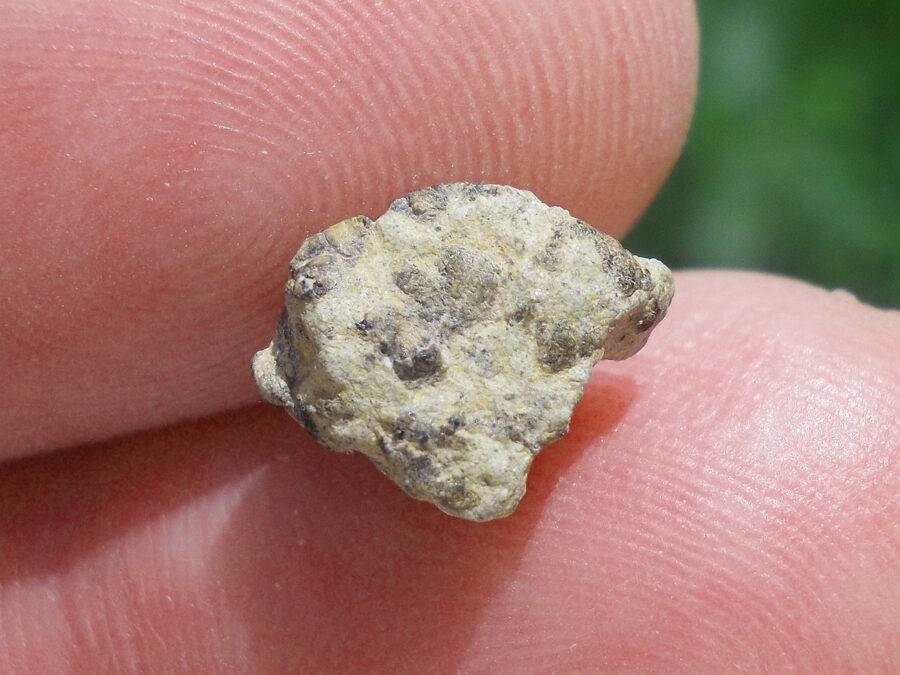
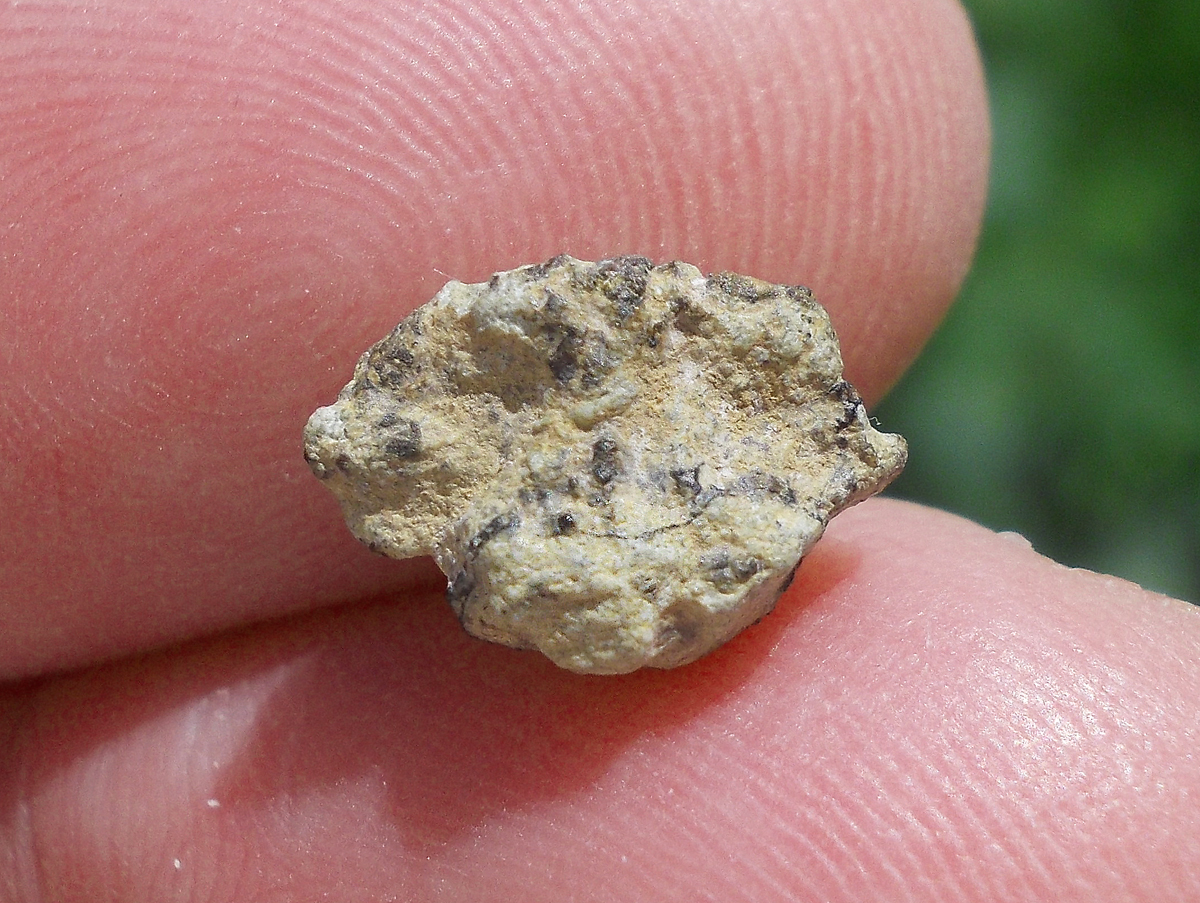
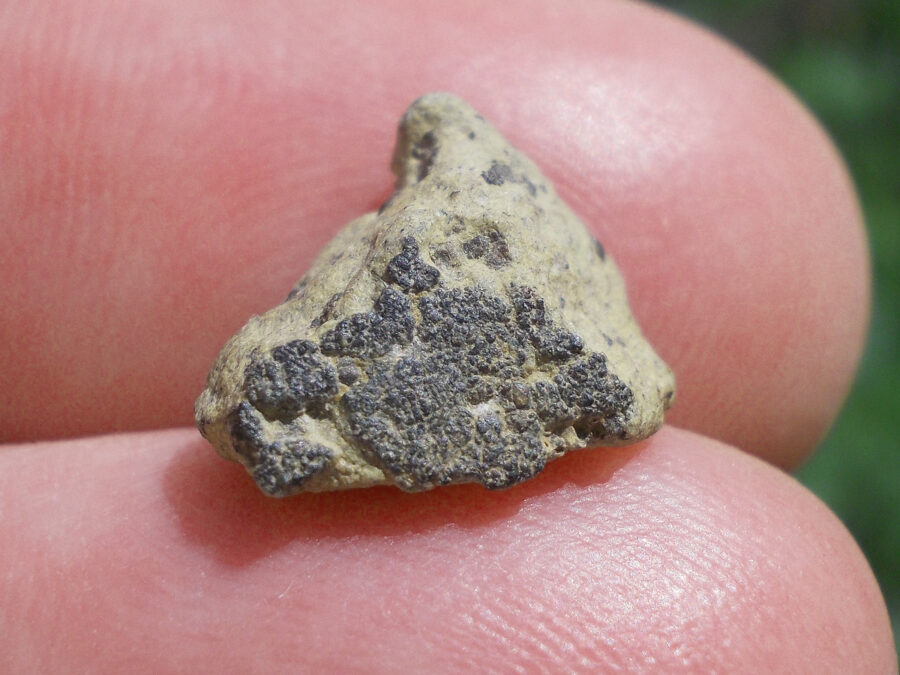
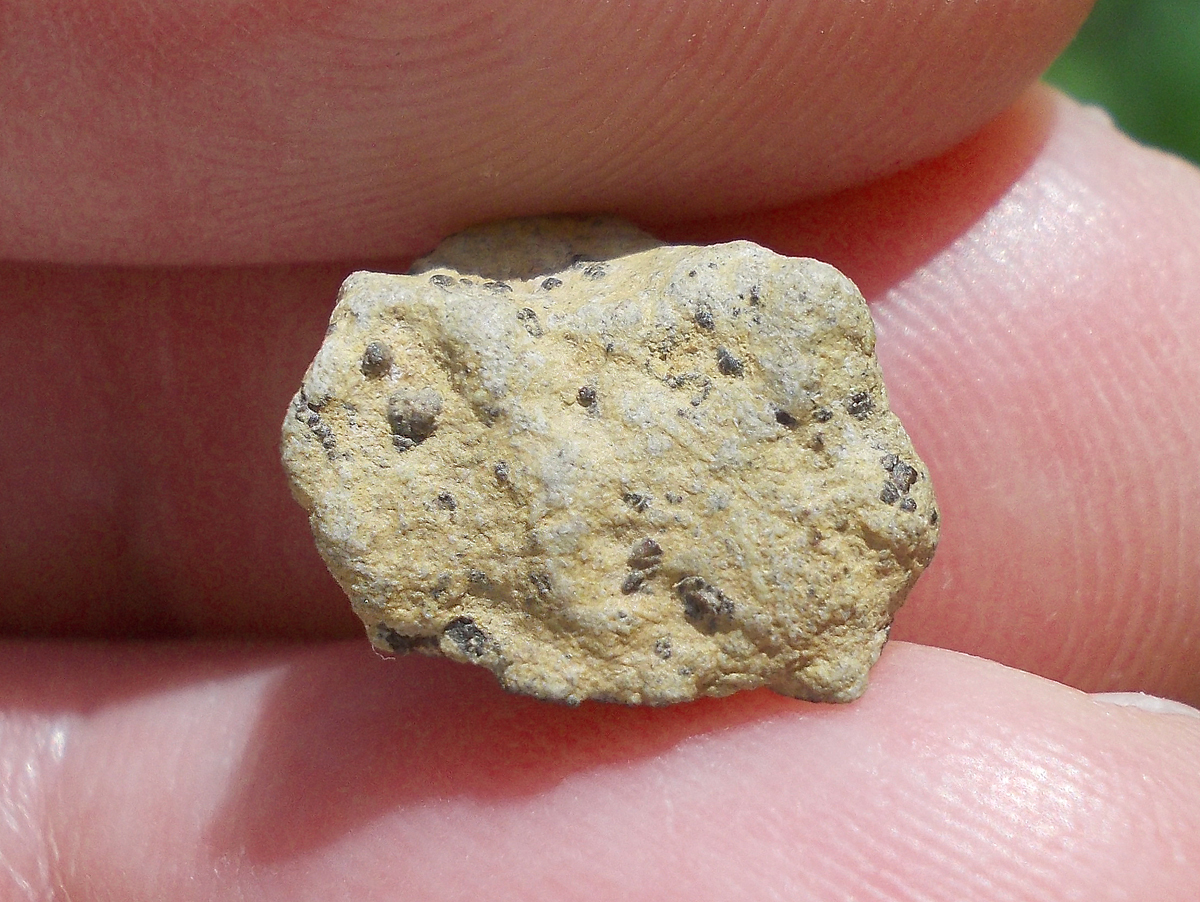
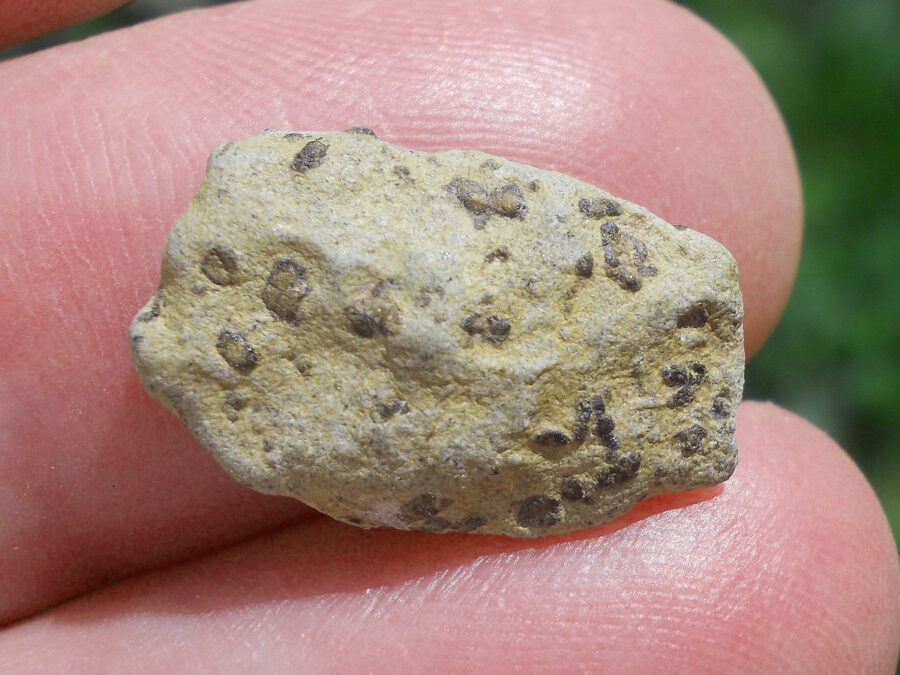
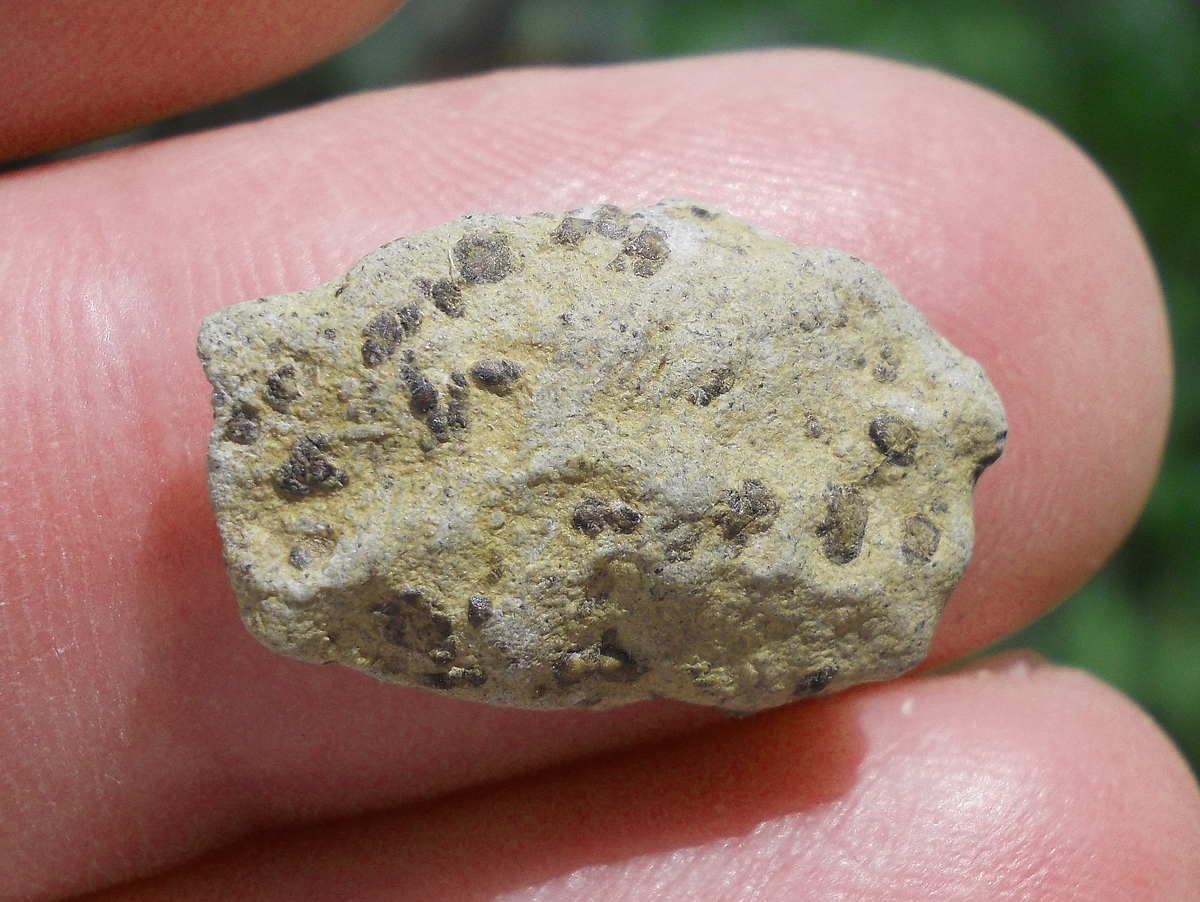
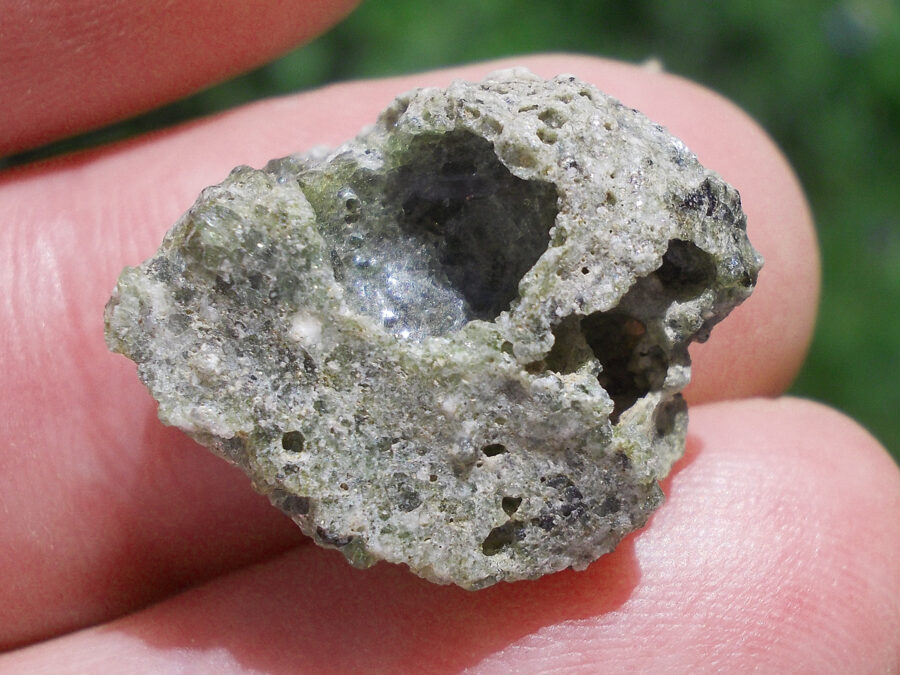
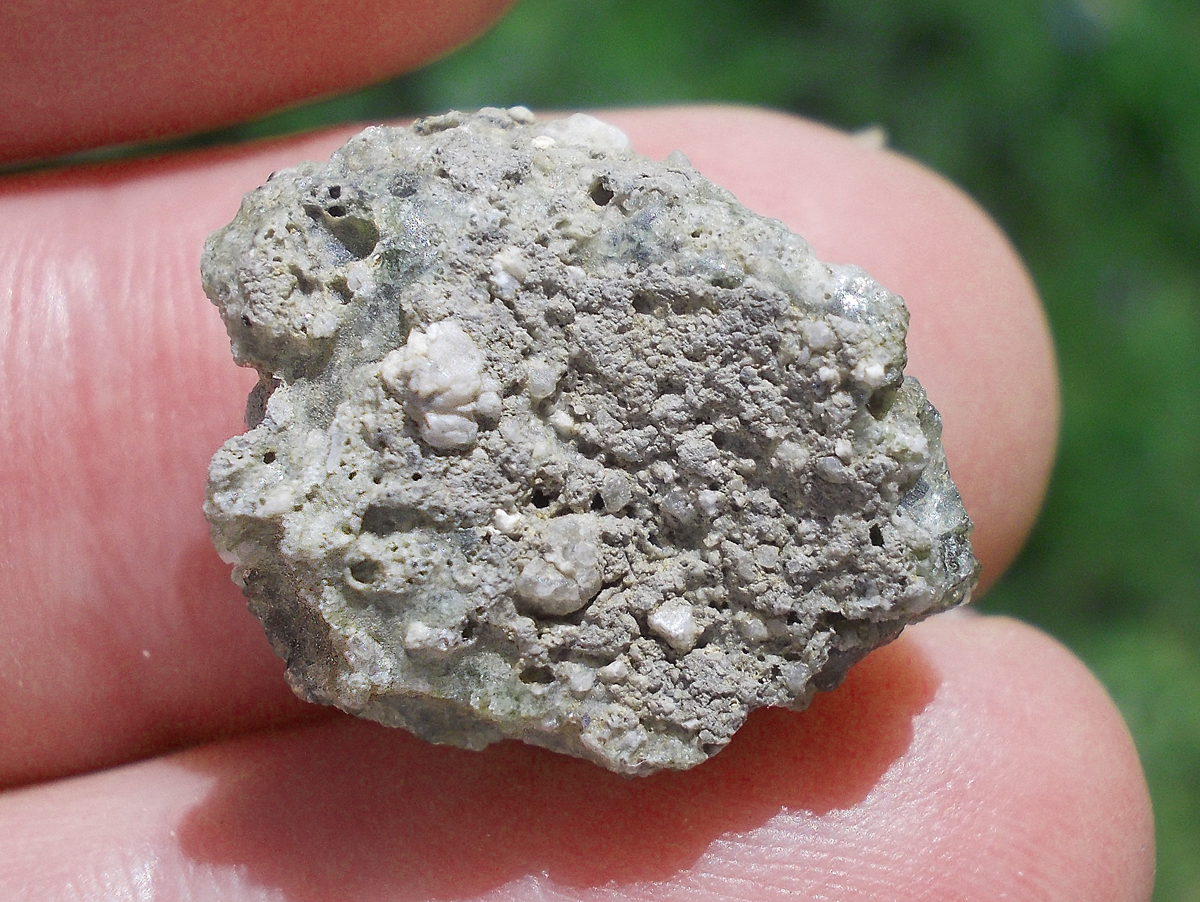
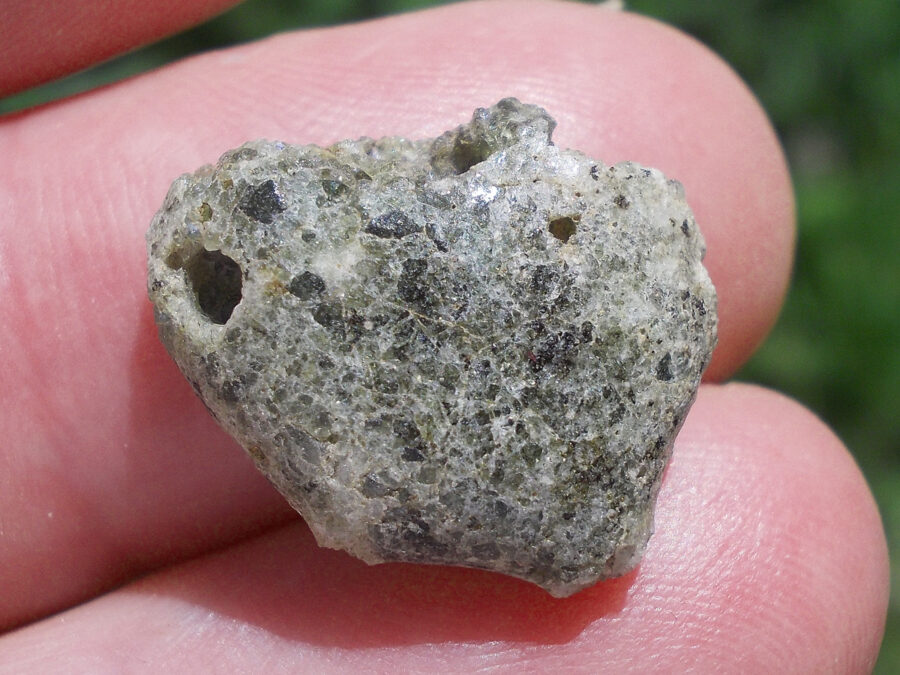
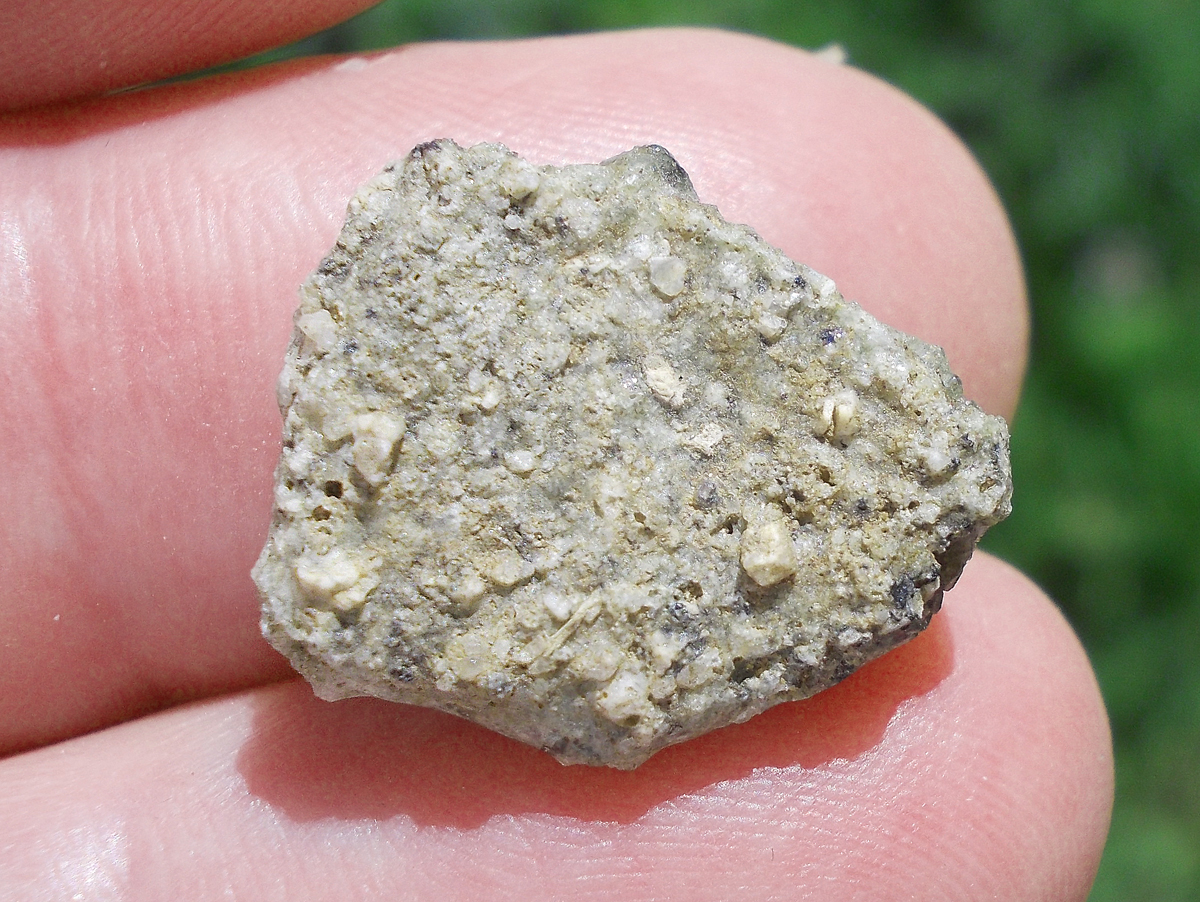
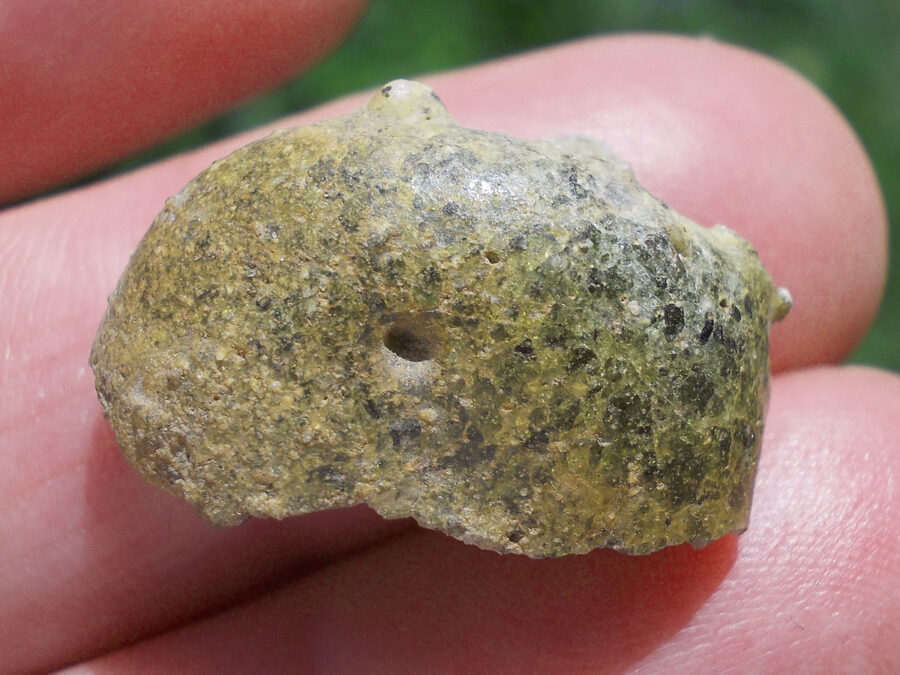
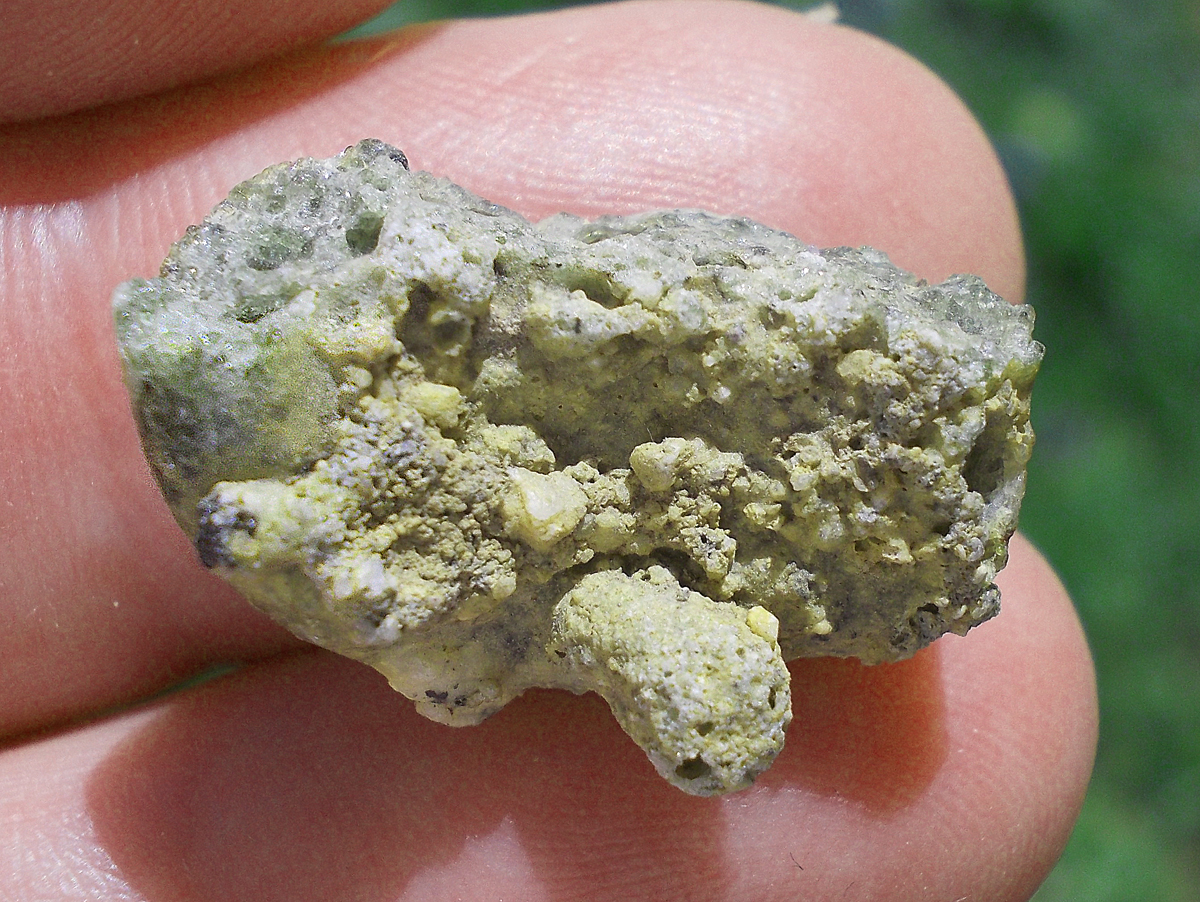
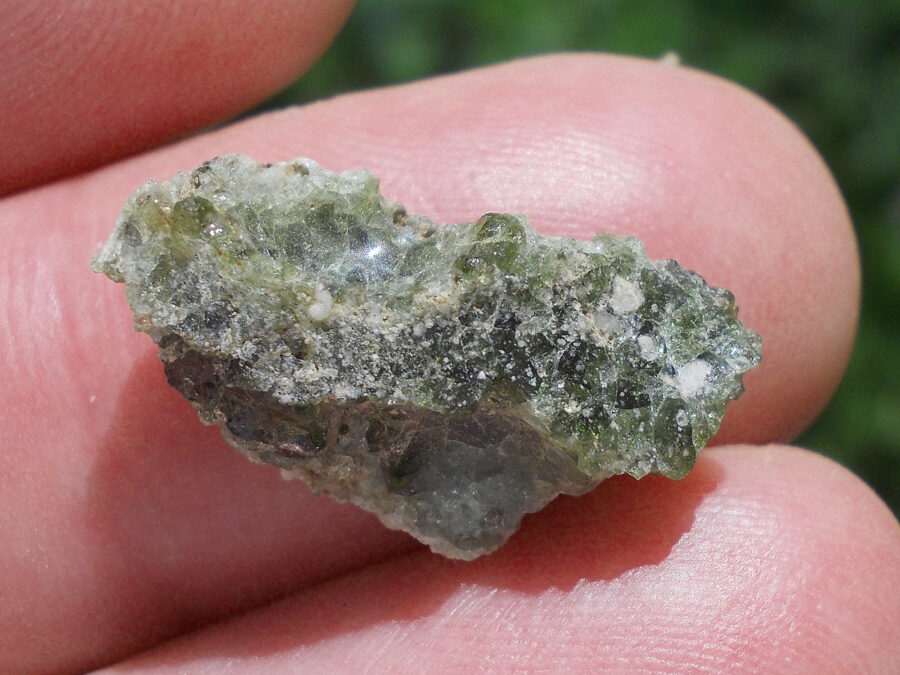
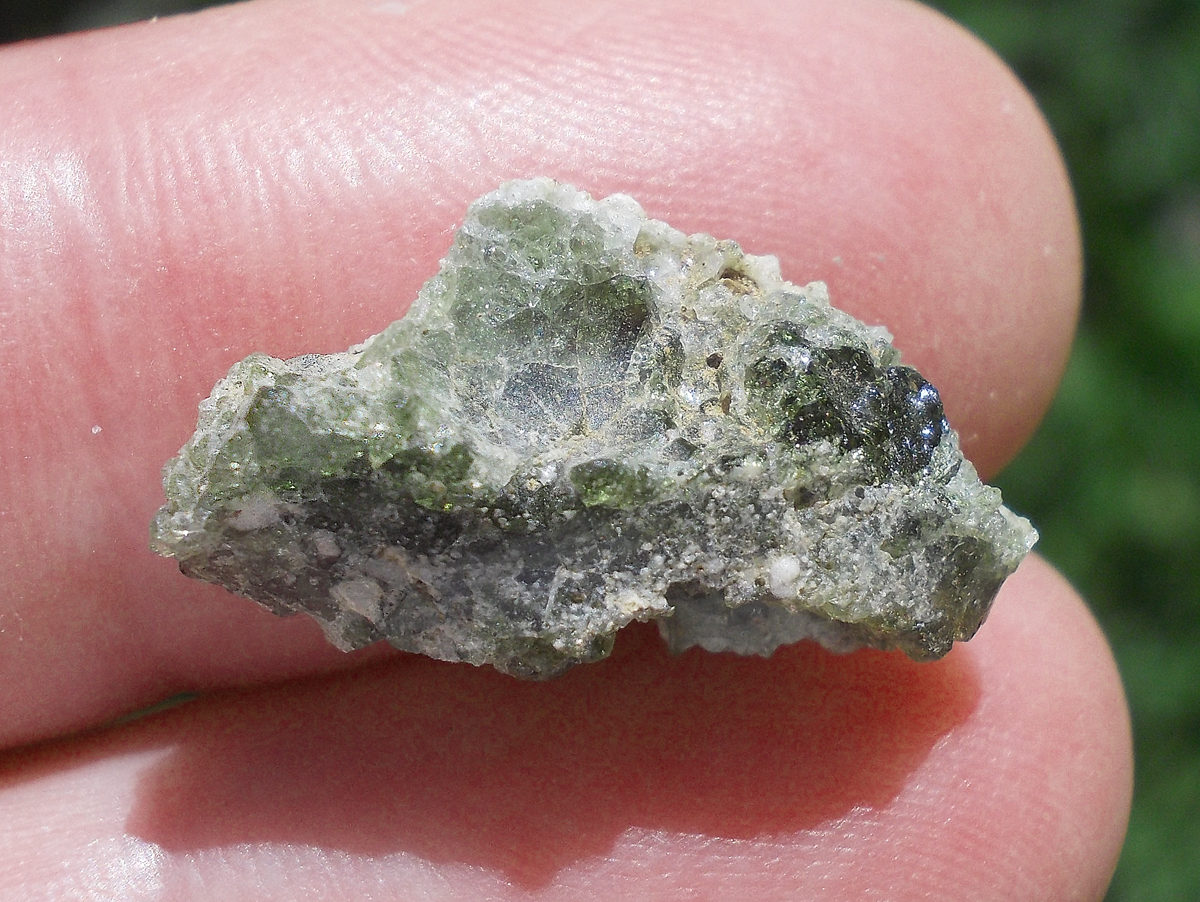
Ivory tectites are the rarest tectites in the world.
I guarantee the authenticity of these ivories, they were purchased directly from the discoverer, Jean-Christophe Flabeau.
Jean-Christophe Flabeau acquired 120 of these tektites at a flea market. They were collected on a cotton plantation in Daoukro in western Ivory Coast between 1955 and 1970.
The parent crater, 10 km in diameter, is located in Ghana.
Ivory tectites are the rarest tectites in the world.
I guarantee the authenticity of these ivories, they were purchased directly from the discoverer, Jean-Christophe Flabeau.
Jean-Christophe Flabeau acquired 120 of these tektites at a flea market. They were collected on a cotton plantation in Daoukro in western Ivory Coast between 1955 and 1970.
The parent crater, 10 km in diameter, is located in Ghana.
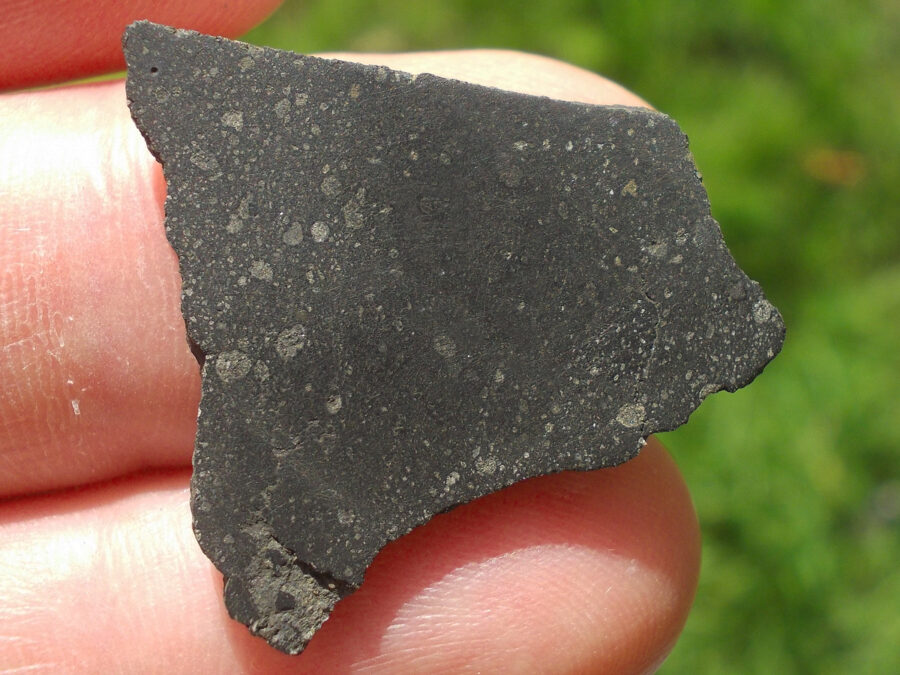
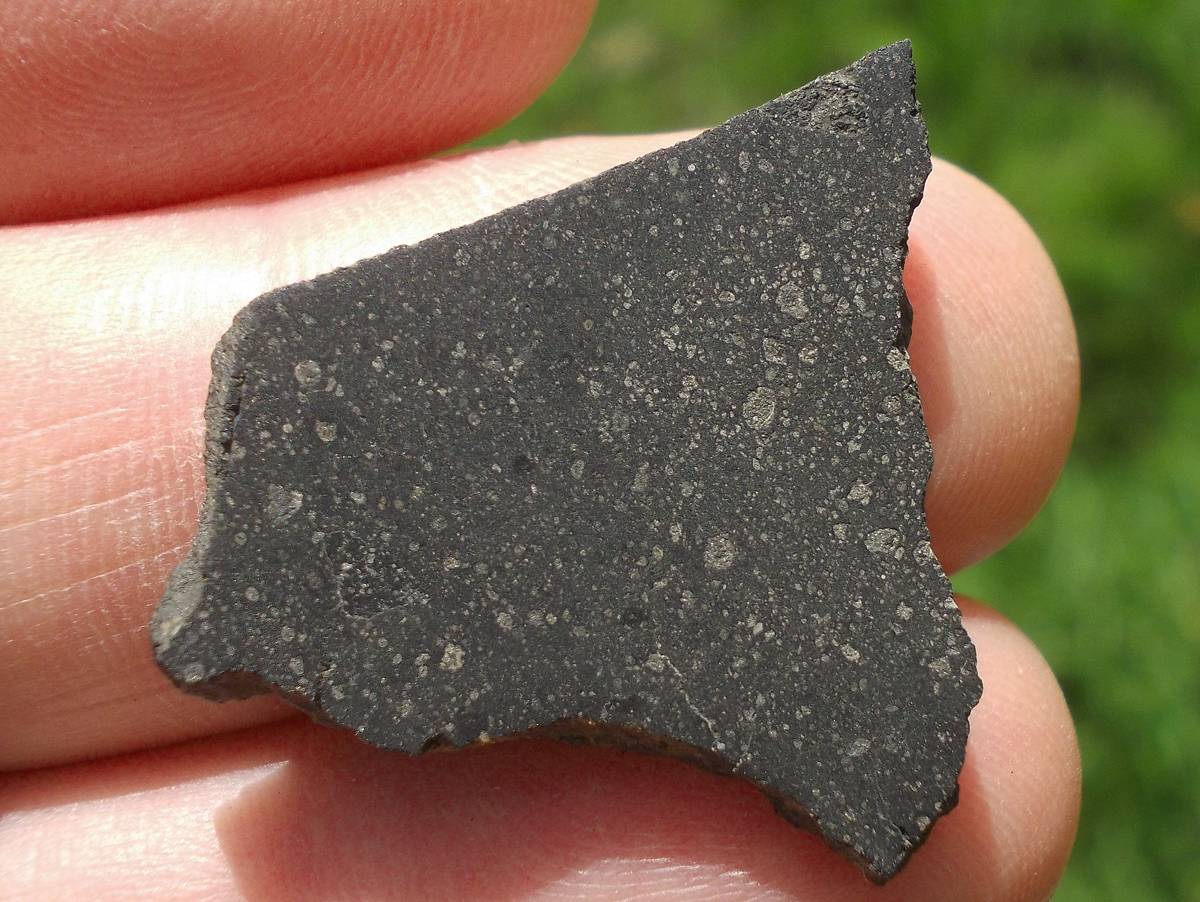
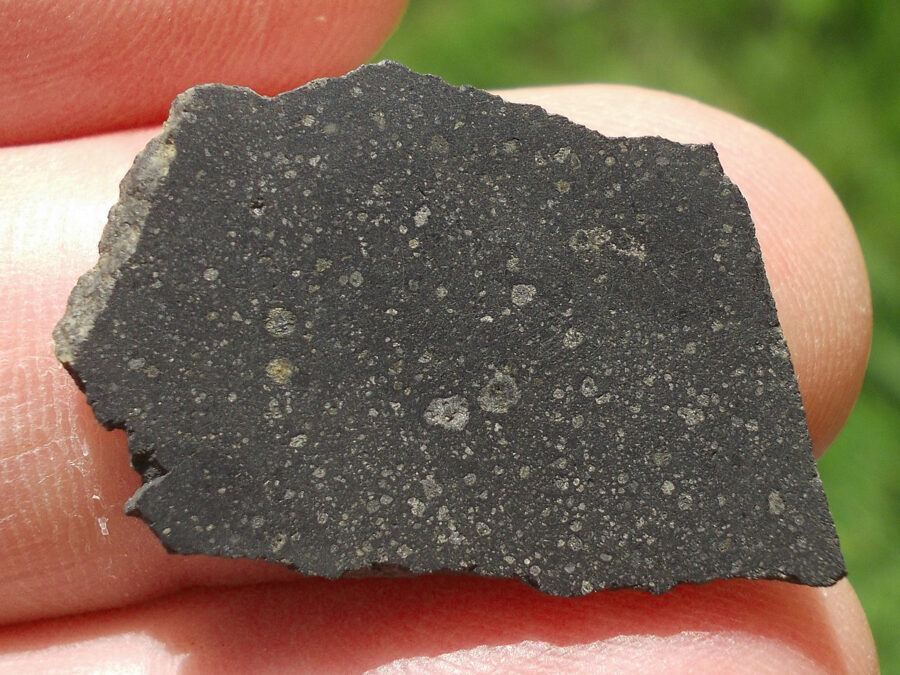
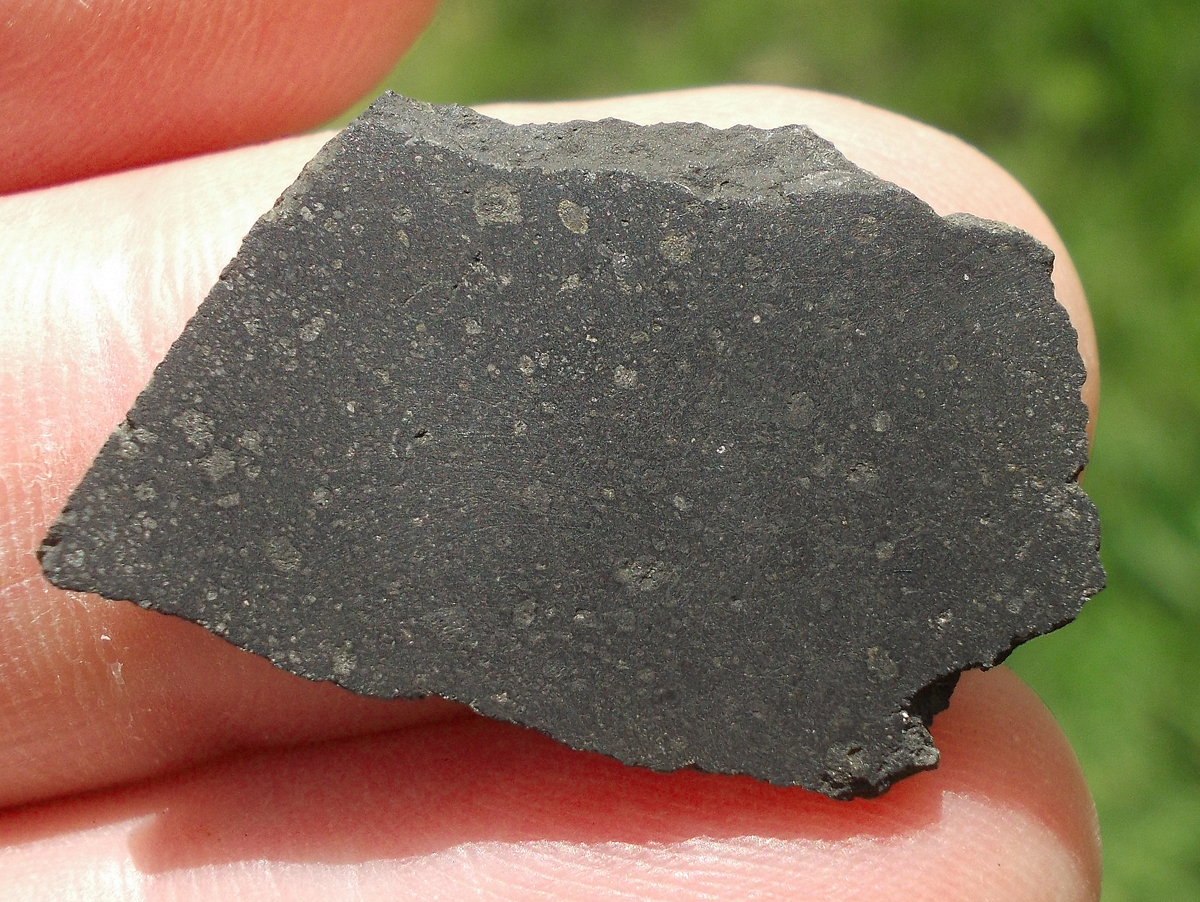
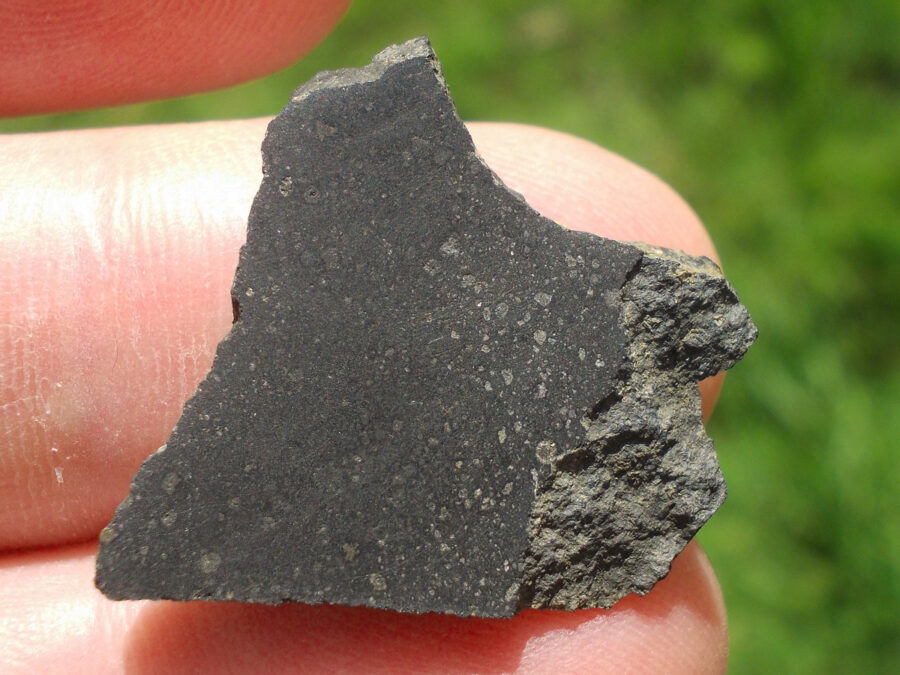
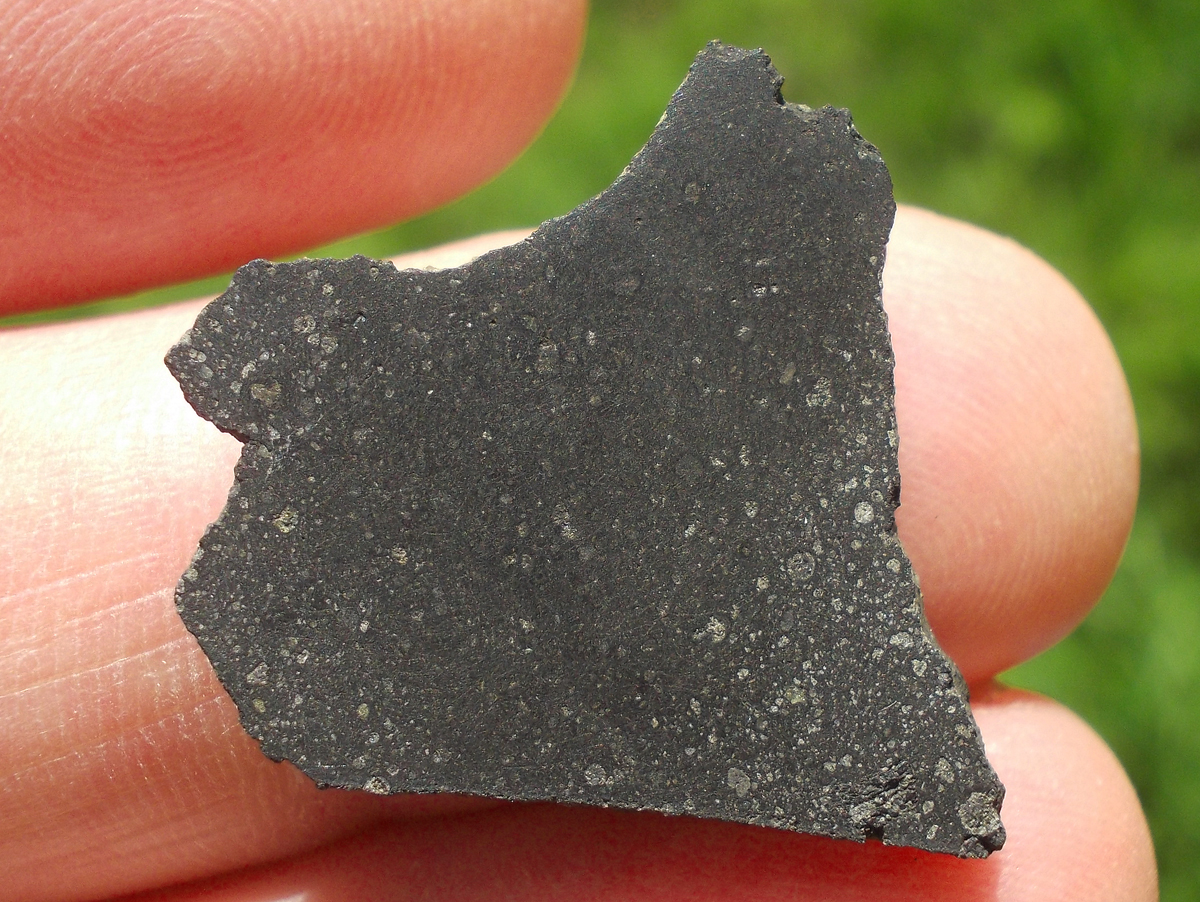
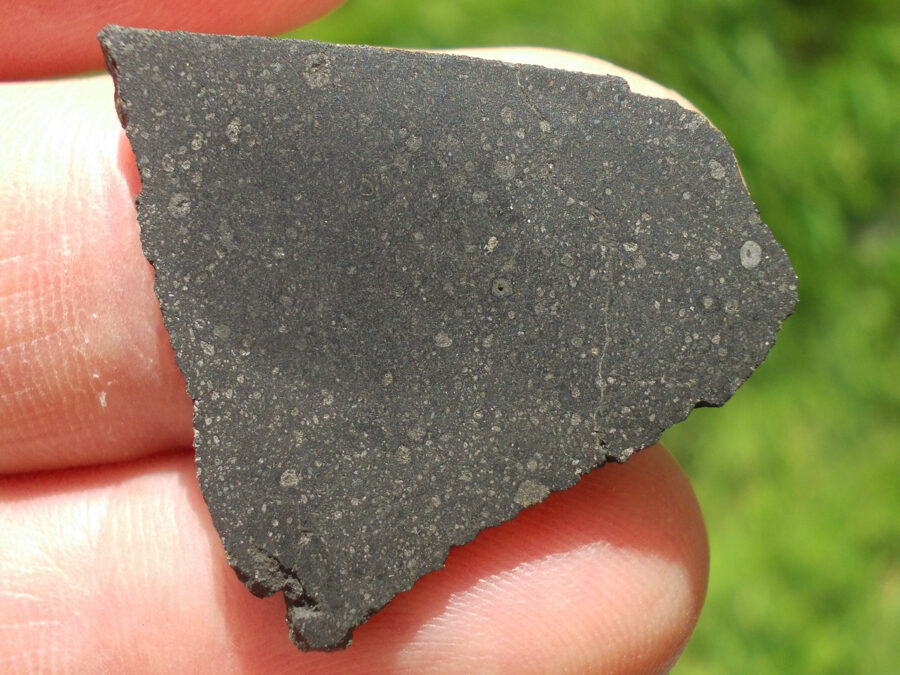
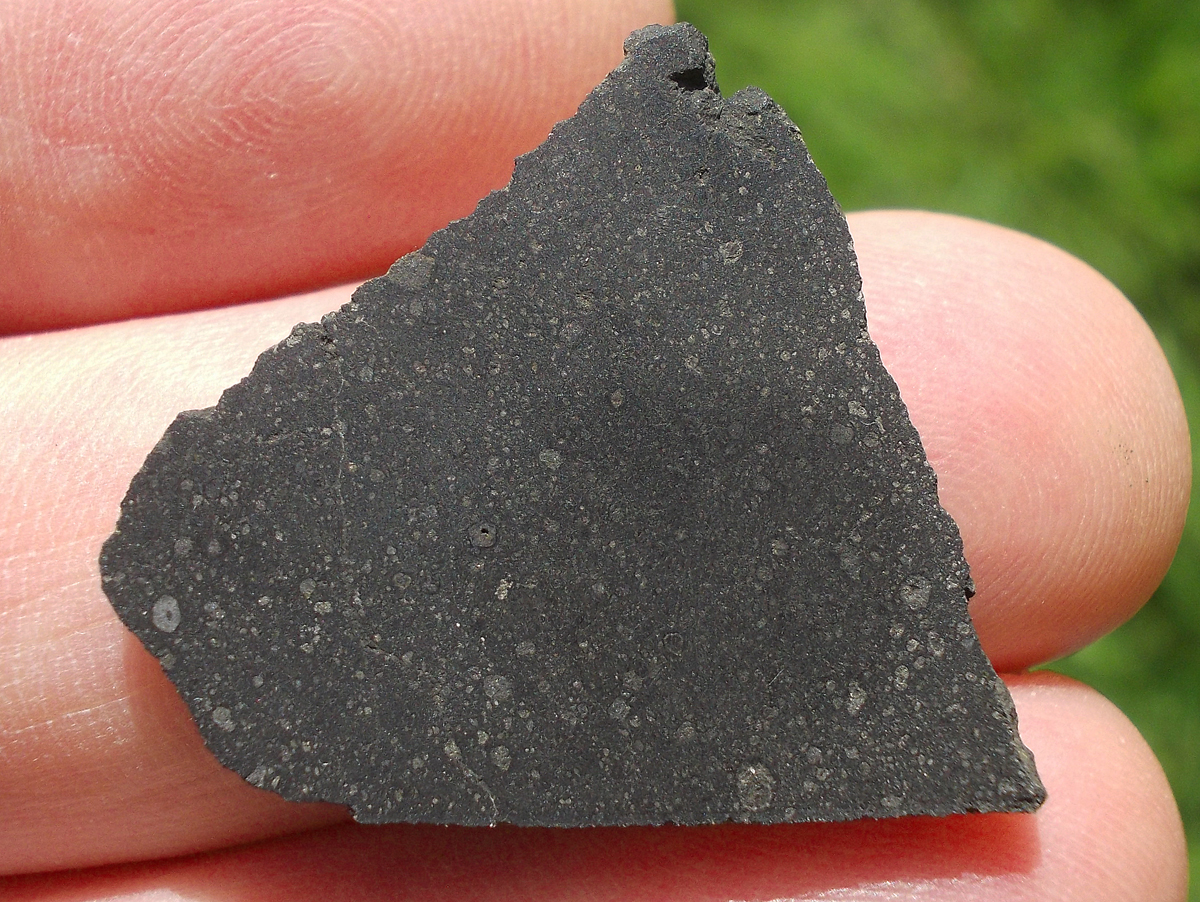
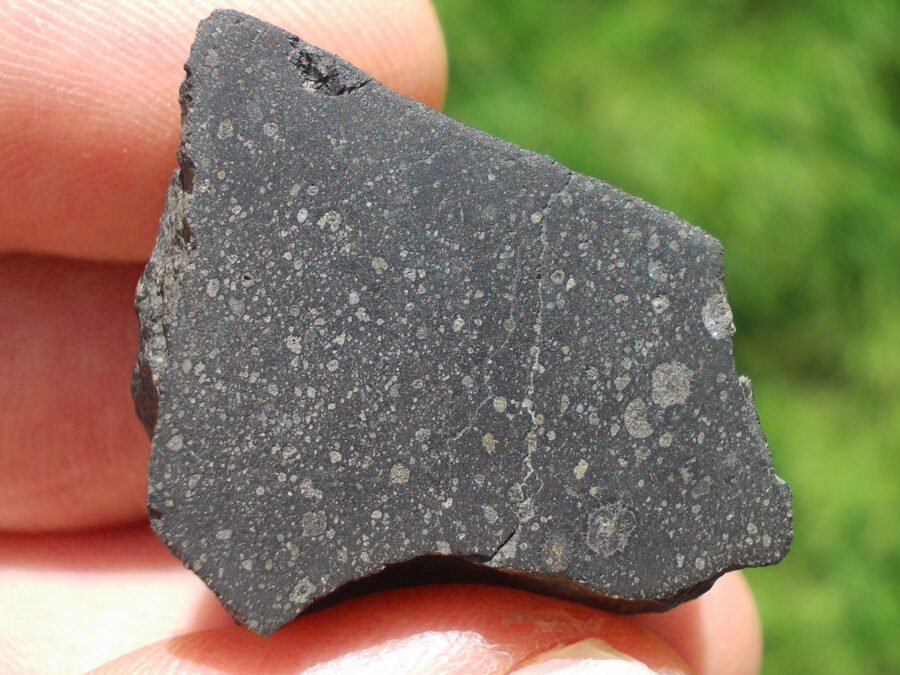
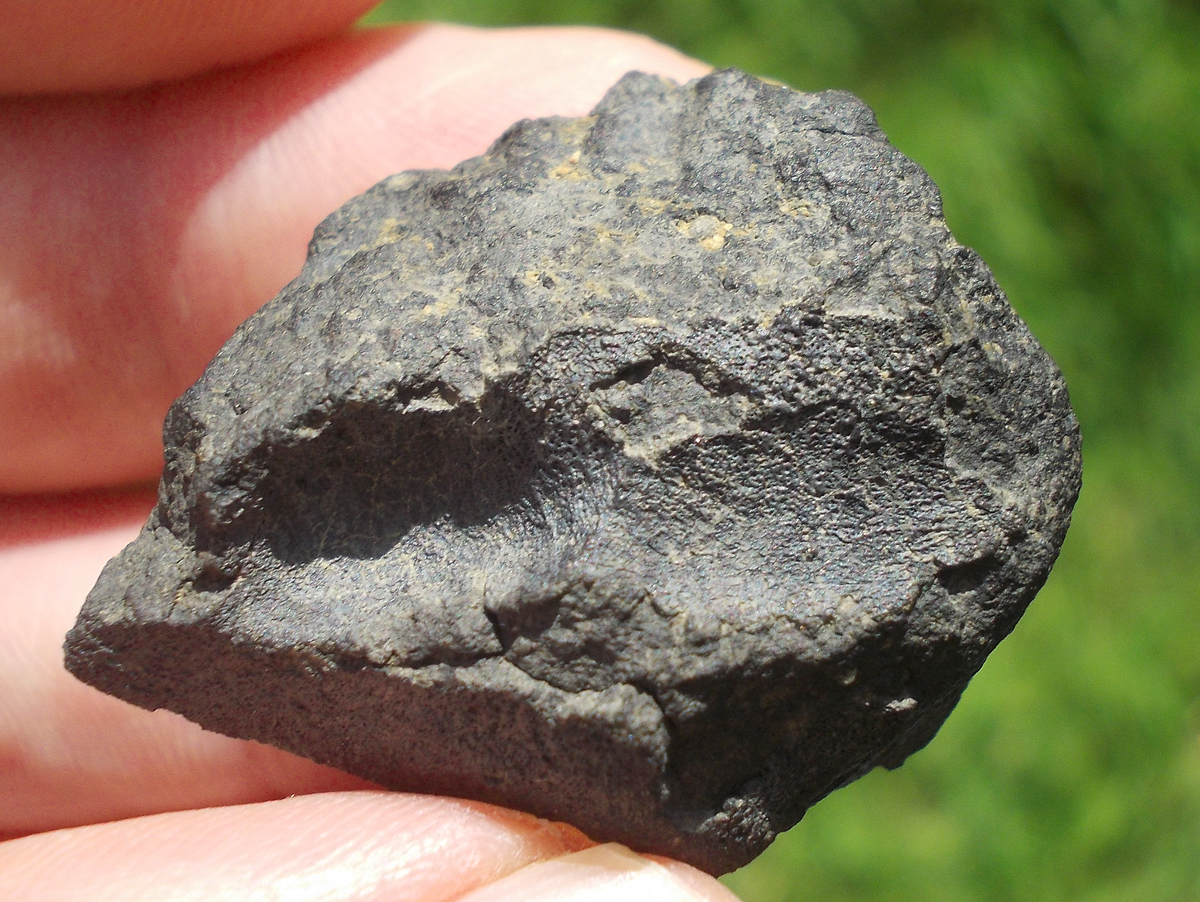
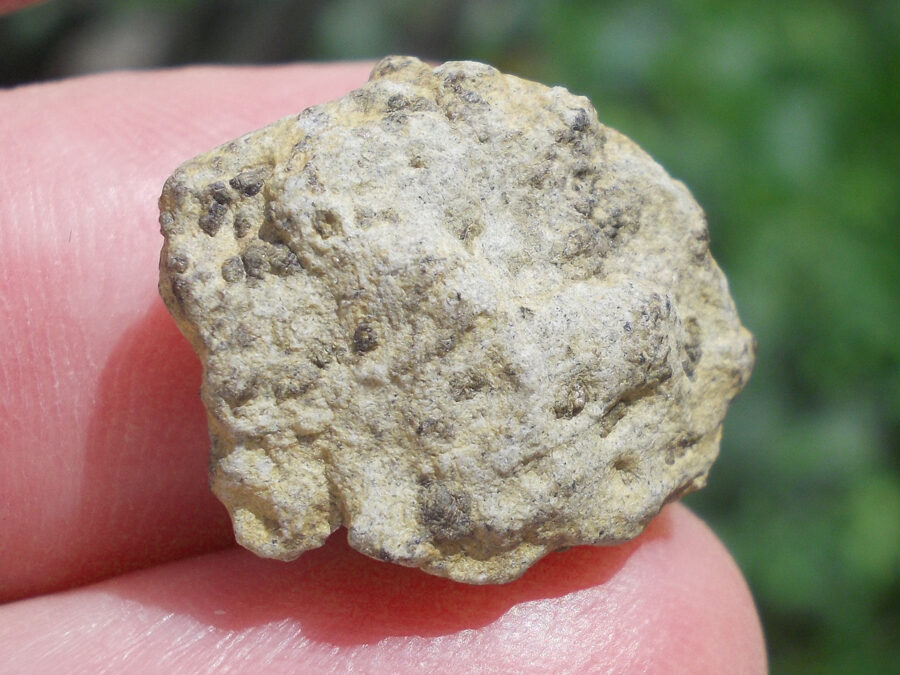
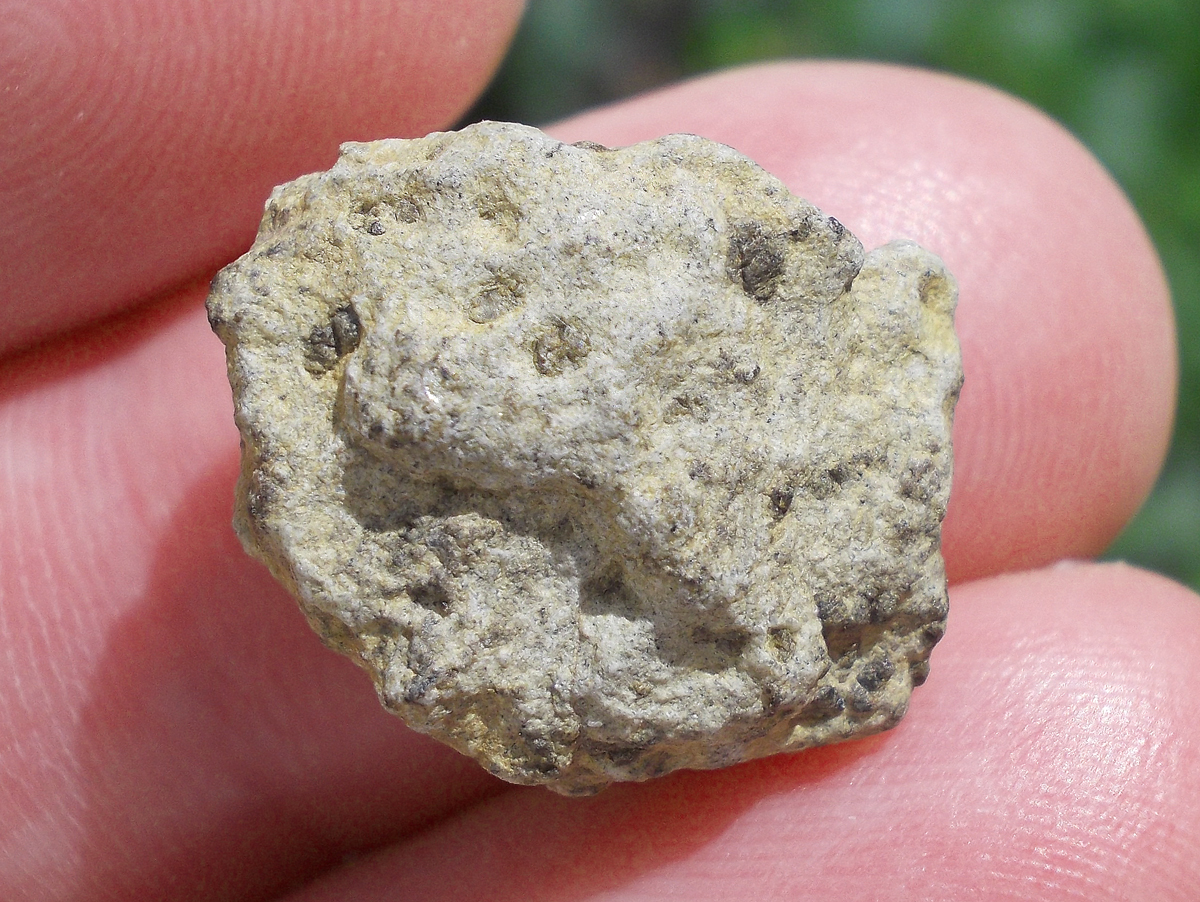
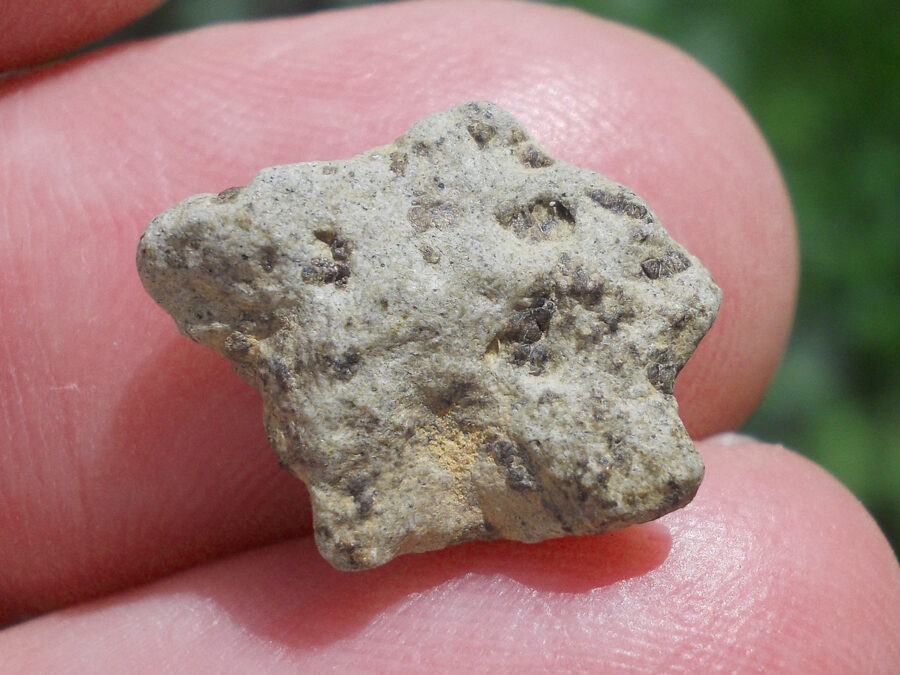
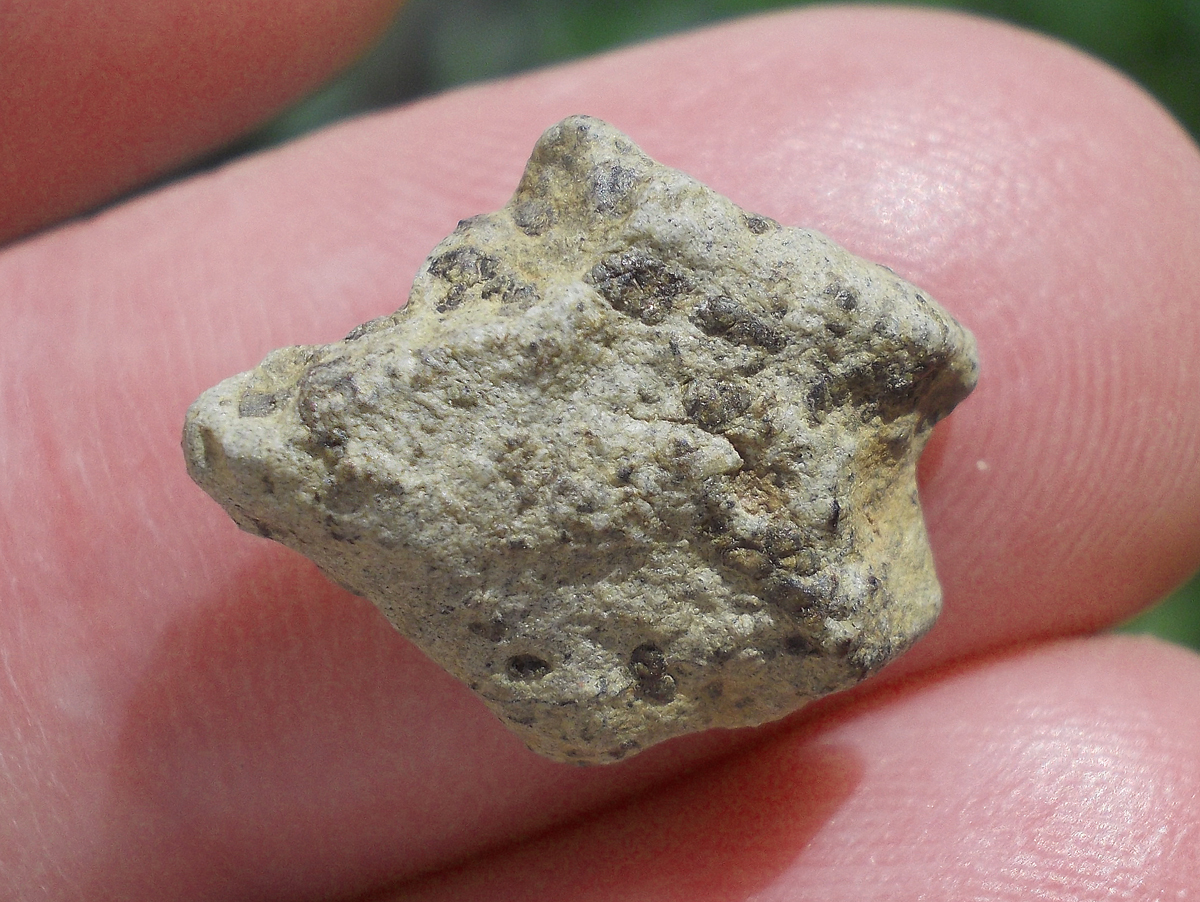
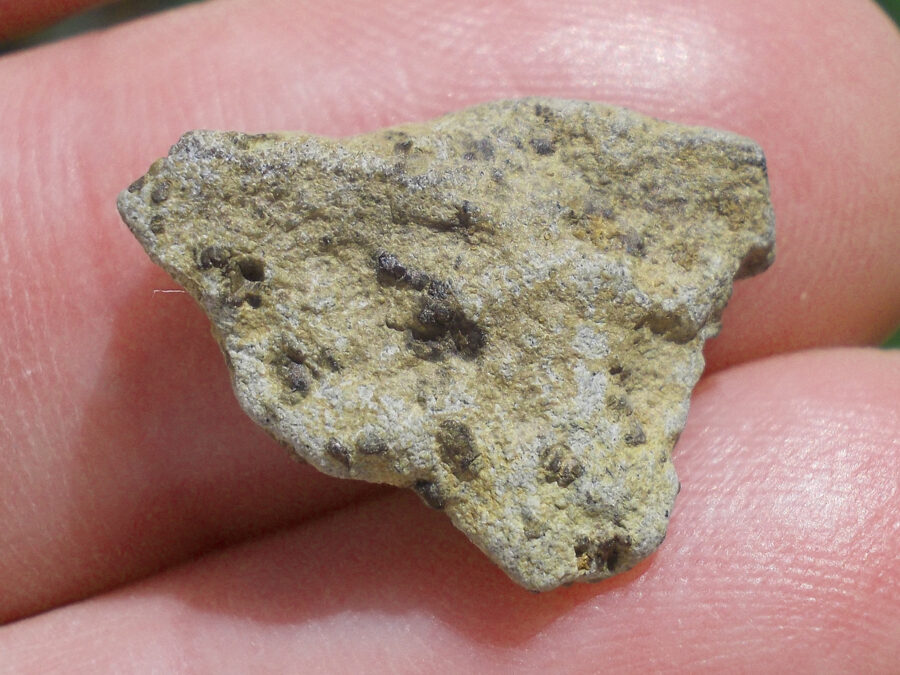
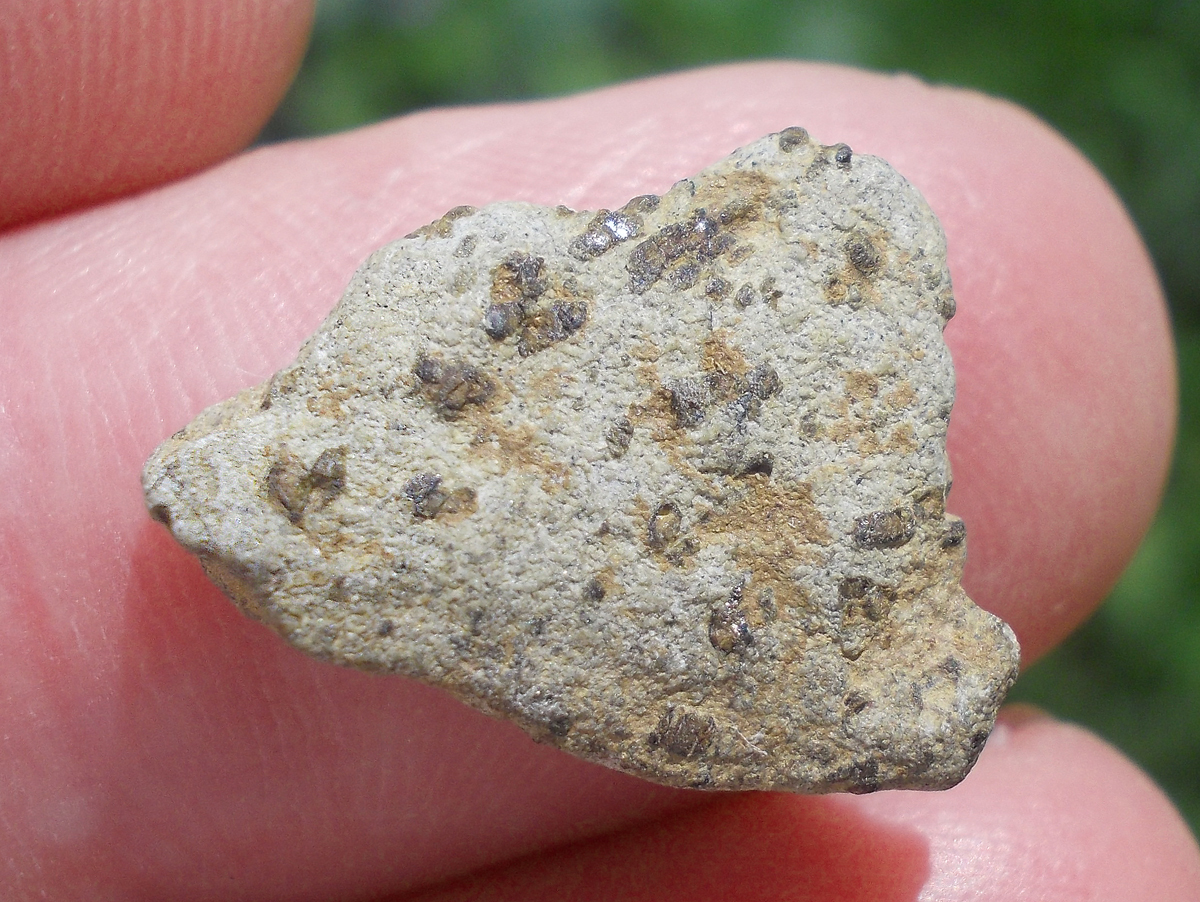
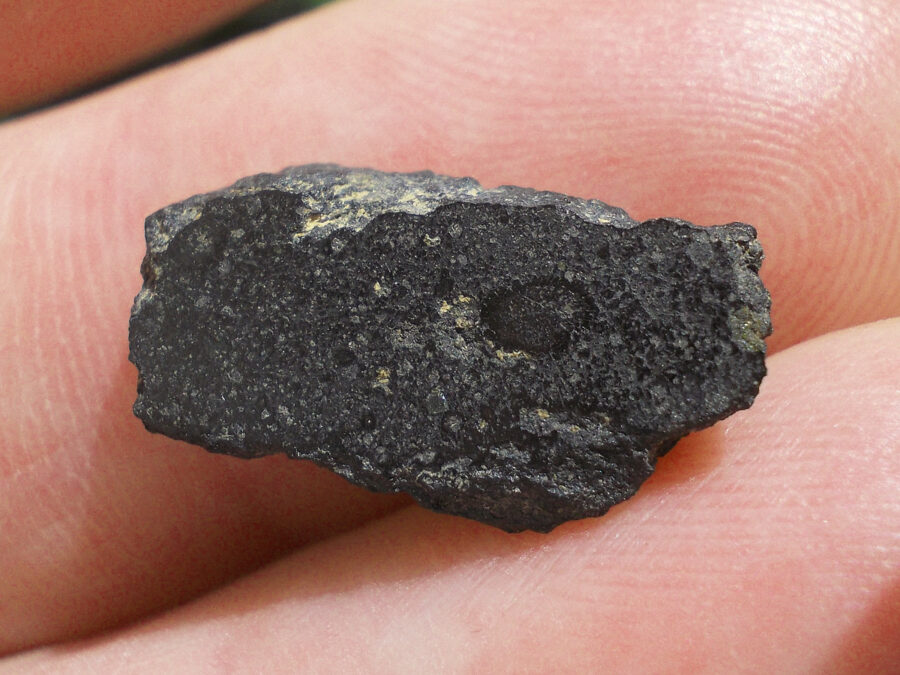
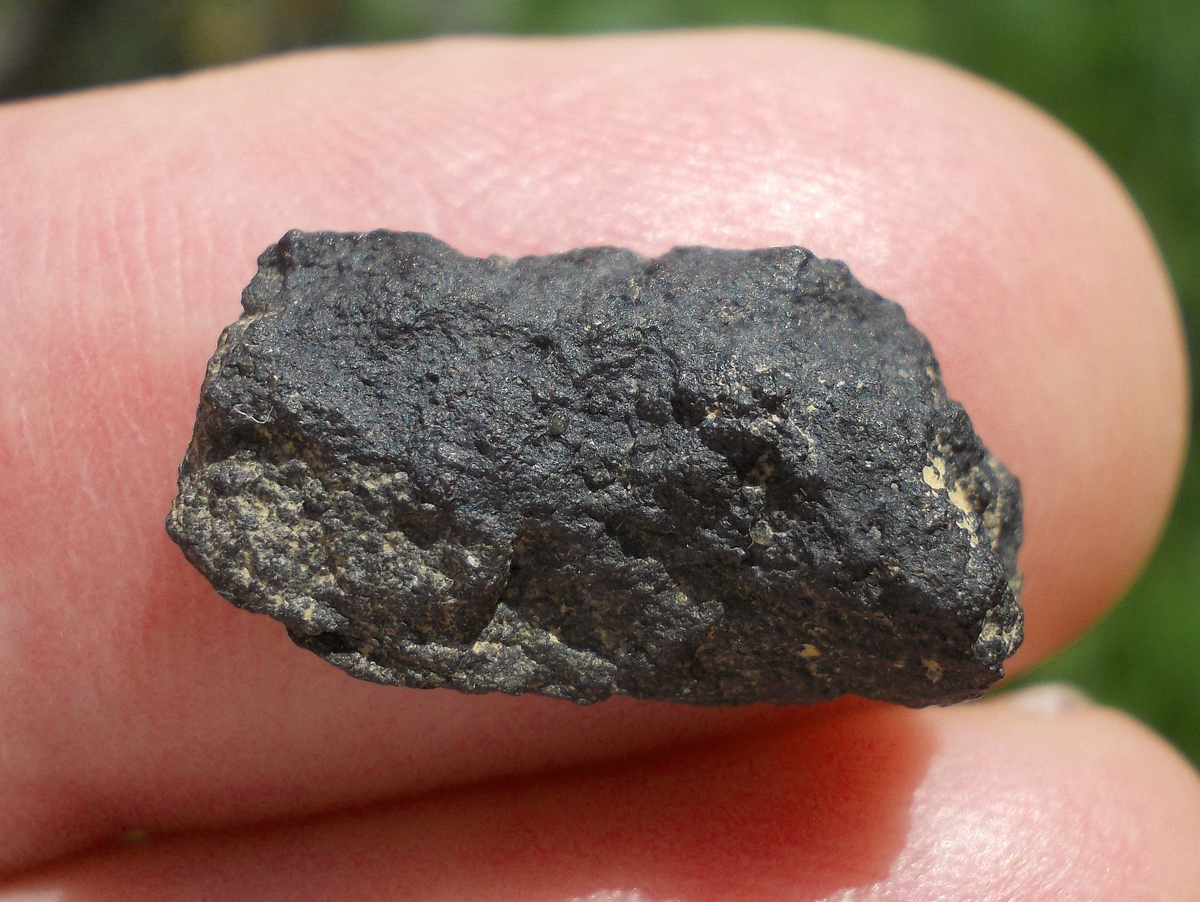
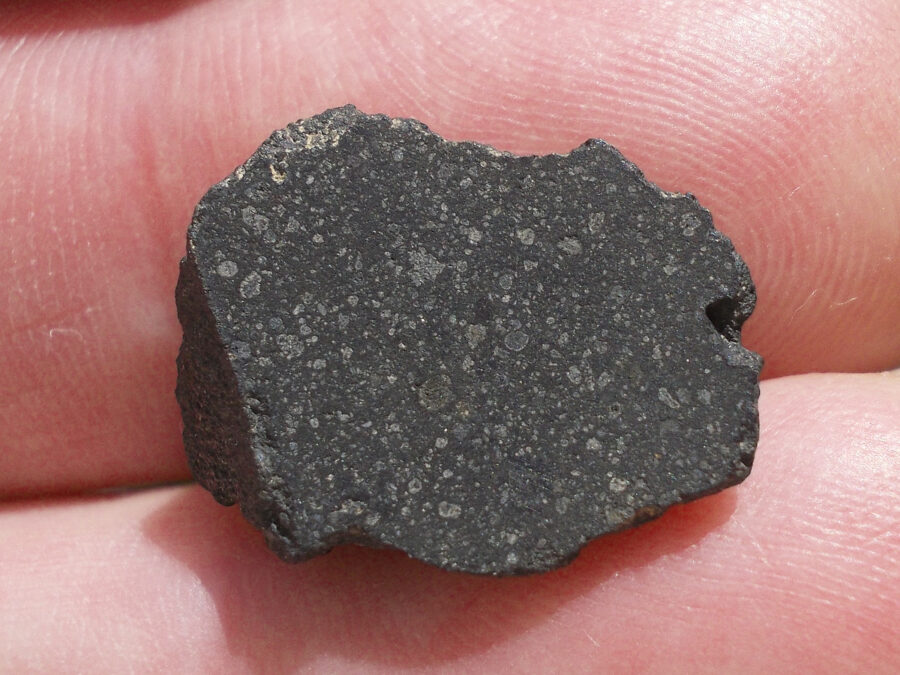
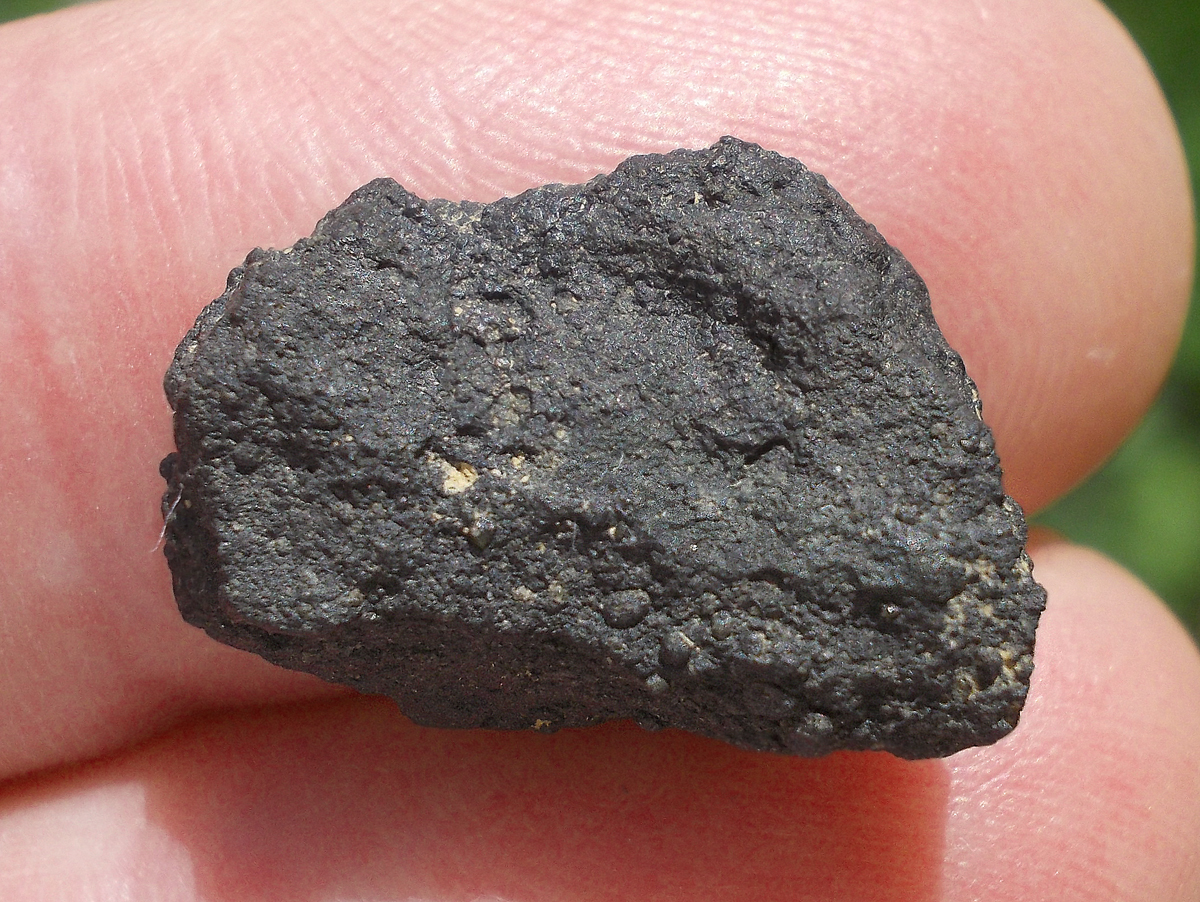
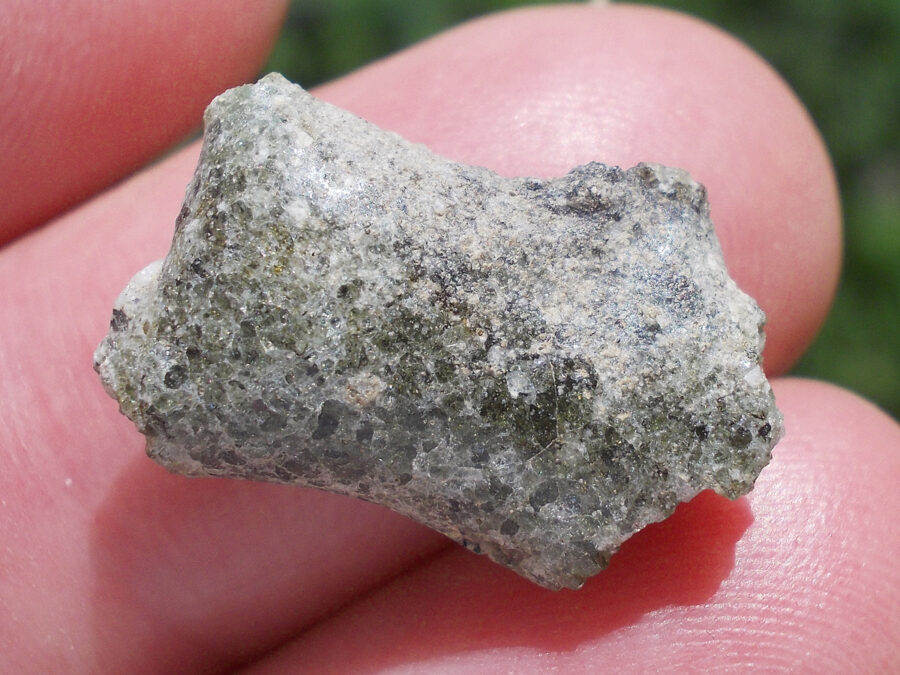
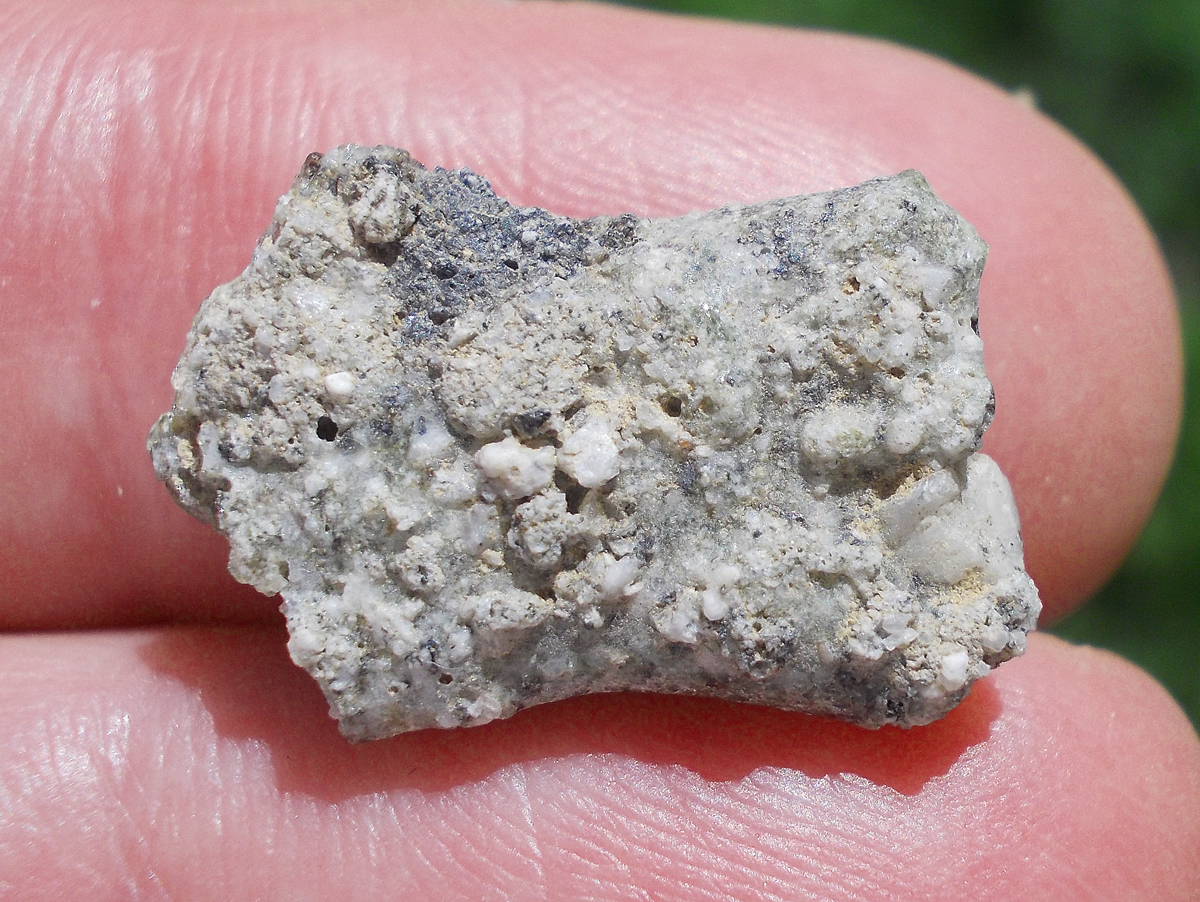
Jdiriya 004 is a rare and fresh rumuruti R3 chondrite weighing only 142 grams.
Magnetic susceptibility, chondrule diameters, mineral chemistry and texture suggest that it is an R3-4 breccia.
Only 10 meteorites of this type are classified to date.
The R chondrite group does not clearly belong to any of the major chondrite classes (ordinary, carbonaceous, enstatite); R chondrites have sub-solar Mg/Si and refractory/Si ratios, oxygen isotopic compositions that are above the terrestrial fractionation line and ordinary chondrites, and strongly oxidized mineralogy.
The first R chondrite, Carlisle Lakes, was found in Australia in 1977.
Jdiriya 004 is a rare and fresh rumuruti R3 chondrite weighing only 142 grams.
Magnetic susceptibility, chondrule diameters, mineral chemistry and texture suggest that it is an R3-4 breccia.
Only 10 meteorites of this type are classified to date.
The R chondrite group does not clearly belong to any of the major chondrite classes (ordinary, carbonaceous, enstatite); R chondrites have sub-solar Mg/Si and refractory/Si ratios, oxygen isotopic compositions that are above the terrestrial fractionation line and ordinary chondrites, and strongly oxidized mineralogy.
The first R chondrite, Carlisle Lakes, was found in Australia in 1977.
Jdiriya 004 is a rare and fresh rumuruti R3 chondrite weighing only 142 grams.
Magnetic susceptibility, chondrule diameters, mineral chemistry and texture suggest that it is an R3-4 breccia.
Only 10 meteorites of this type are classified to date.
The R chondrite group does not clearly belong to any of the major chondrite classes (ordinary, carbonaceous, enstatite); R chondrites have sub-solar Mg/Si and refractory/Si ratios, oxygen isotopic compositions that are above the terrestrial fractionation line and ordinary chondrites, and strongly oxidized mineralogy.
The first R chondrite, Carlisle Lakes, was found in Australia in 1977.
Jdiriya 004 is a rare and fresh rumuruti R3 chondrite weighing only 142 grams.
Magnetic susceptibility, chondrule diameters, mineral chemistry and texture suggest that it is an R3-4 breccia.
Only 10 meteorites of this type are classified to date.
The R chondrite group does not clearly belong to any of the major chondrite classes (ordinary, carbonaceous, enstatite); R chondrites have sub-solar Mg/Si and refractory/Si ratios, oxygen isotopic compositions that are above the terrestrial fractionation line and ordinary chondrites, and strongly oxidized mineralogy.
The first R chondrite, Carlisle Lakes, was found in Australia in 1977.
Jdiriya 004 is a rare and fresh rumuruti R3 chondrite weighing only 142 grams.
Magnetic susceptibility, chondrule diameters, mineral chemistry and texture suggest that it is an R3-4 breccia.
Only 10 meteorites of this type are classified to date.
The R chondrite group does not clearly belong to any of the major chondrite classes (ordinary, carbonaceous, enstatite); R chondrites have sub-solar Mg/Si and refractory/Si ratios, oxygen isotopic compositions that are above the terrestrial fractionation line and ordinary chondrites, and strongly oxidized mineralogy.
The first R chondrite, Carlisle Lakes, was found in Australia in 1977.
Jdiriya 004 is a rare and fresh rumuruti R3 chondrite weighing only 142 grams.
Magnetic susceptibility, chondrule diameters, mineral chemistry and texture suggest that it is an R3-4 breccia.
Only 10 meteorites of this type are classified to date.
The R chondrite group does not clearly belong to any of the major chondrite classes (ordinary, carbonaceous, enstatite); R chondrites have sub-solar Mg/Si and refractory/Si ratios, oxygen isotopic compositions that are above the terrestrial fractionation line and ordinary chondrites, and strongly oxidized mineralogy.
The first R chondrite, Carlisle Lakes, was found in Australia in 1977.
Jdiriya 004 is a rare and fresh rumuruti R3 chondrite weighing only 142 grams.
Magnetic susceptibility, chondrule diameters, mineral chemistry and texture suggest that it is an R3-4 breccia.
Only 10 meteorites of this type are classified to date.
The R chondrite group does not clearly belong to any of the major chondrite classes (ordinary, carbonaceous, enstatite); R chondrites have sub-solar Mg/Si and refractory/Si ratios, oxygen isotopic compositions that are above the terrestrial fractionation line and ordinary chondrites, and strongly oxidized mineralogy.
The first R chondrite, Carlisle Lakes, was found in Australia in 1977.
Jdiriya 004 is a rare and fresh rumuruti R3 chondrite weighing only 142 grams.
Magnetic susceptibility, chondrule diameters, mineral chemistry and texture suggest that it is an R3-4 breccia.
Only 10 meteorites of this type are classified to date.
The R chondrite group does not clearly belong to any of the major chondrite classes (ordinary, carbonaceous, enstatite); R chondrites have sub-solar Mg/Si and refractory/Si ratios, oxygen isotopic compositions that are above the terrestrial fractionation line and ordinary chondrites, and strongly oxidized mineralogy.
The first R chondrite, Carlisle Lakes, was found in Australia in 1977.
Jdiriya 004 is a rare and fresh rumuruti R3 chondrite weighing only 142 grams.
Magnetic susceptibility, chondrule diameters, mineral chemistry and texture suggest that it is an R3-4 breccia.
Only 10 meteorites of this type are classified to date.
The R chondrite group does not clearly belong to any of the major chondrite classes (ordinary, carbonaceous, enstatite); R chondrites have sub-solar Mg/Si and refractory/Si ratios, oxygen isotopic compositions that are above the terrestrial fractionation line and ordinary chondrites, and strongly oxidized mineralogy.
The first R chondrite, Carlisle Lakes, was found in Australia in 1977.
Jdiriya 004 is a rare and fresh rumuruti R3 chondrite weighing only 142 grams.
Magnetic susceptibility, chondrule diameters, mineral chemistry and texture suggest that it is an R3-4 breccia.
Only 10 meteorites of this type are classified to date.
The R chondrite group does not clearly belong to any of the major chondrite classes (ordinary, carbonaceous, enstatite); R chondrites have sub-solar Mg/Si and refractory/Si ratios, oxygen isotopic compositions that are above the terrestrial fractionation line and ordinary chondrites, and strongly oxidized mineralogy.
The first R chondrite, Carlisle Lakes, was found in Australia in 1977.
Jdiriya 004 is a rare and fresh rumuruti R3 chondrite weighing only 142 grams.
Magnetic susceptibility, chondrule diameters, mineral chemistry and texture suggest that it is an R3-4 breccia.
Only 10 meteorites of this type are classified to date.
The R chondrite group does not clearly belong to any of the major chondrite classes (ordinary, carbonaceous, enstatite); R chondrites have sub-solar Mg/Si and refractory/Si ratios, oxygen isotopic compositions that are above the terrestrial fractionation line and ordinary chondrites, and strongly oxidized mineralogy.
The first R chondrite, Carlisle Lakes, was found in Australia in 1977.
Jdiriya 004 is a rare and fresh rumuruti R3 chondrite weighing only 142 grams.
Magnetic susceptibility, chondrule diameters, mineral chemistry and texture suggest that it is an R3-4 breccia.
Only 10 meteorites of this type are classified to date.
The R chondrite group does not clearly belong to any of the major chondrite classes (ordinary, carbonaceous, enstatite); R chondrites have sub-solar Mg/Si and refractory/Si ratios, oxygen isotopic compositions that are above the terrestrial fractionation line and ordinary chondrites, and strongly oxidized mineralogy.
The first R chondrite, Carlisle Lakes, was found in Australia in 1977.