 Out of stock
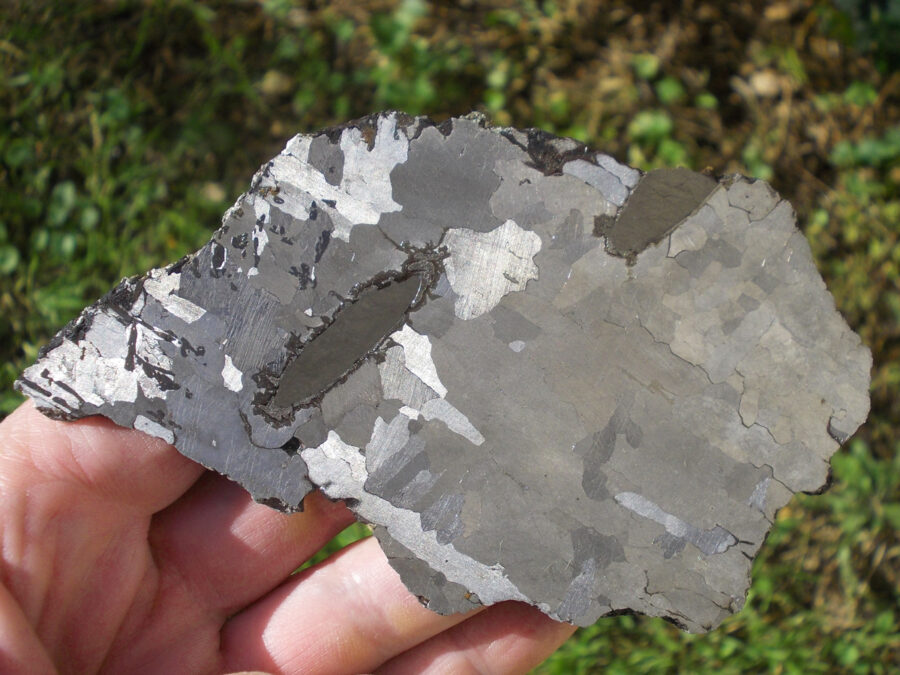
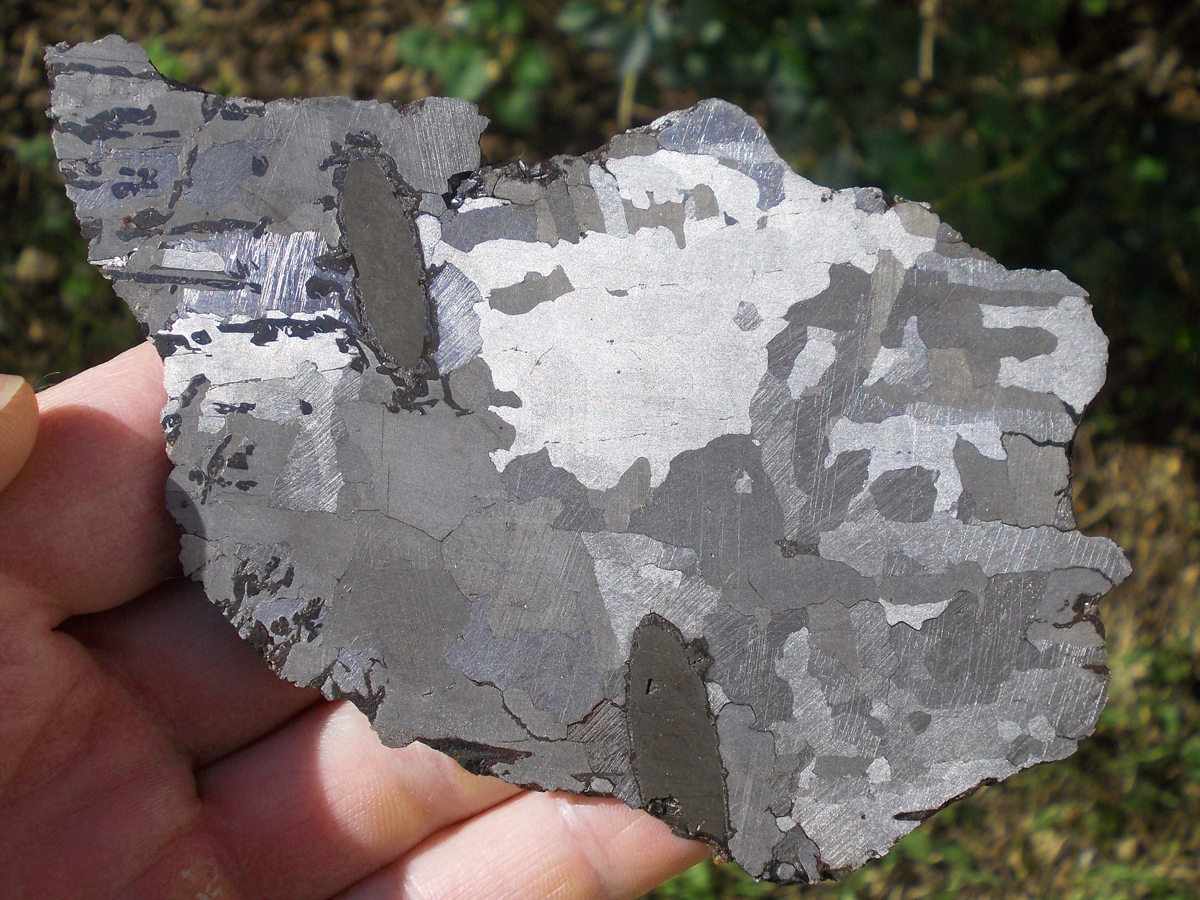
Morasko #2 Fer Iron, IAB-MG – 122 g
570,96 $Morasko is an IAB-MG ferrous meteorite.
It was first discovered in Poland in 1914.
Top quality!

 Out of stock
Morasko is an IAB-MG ferrous meteorite.
It was first discovered in Poland in 1914.
Top quality!
 Out of stock
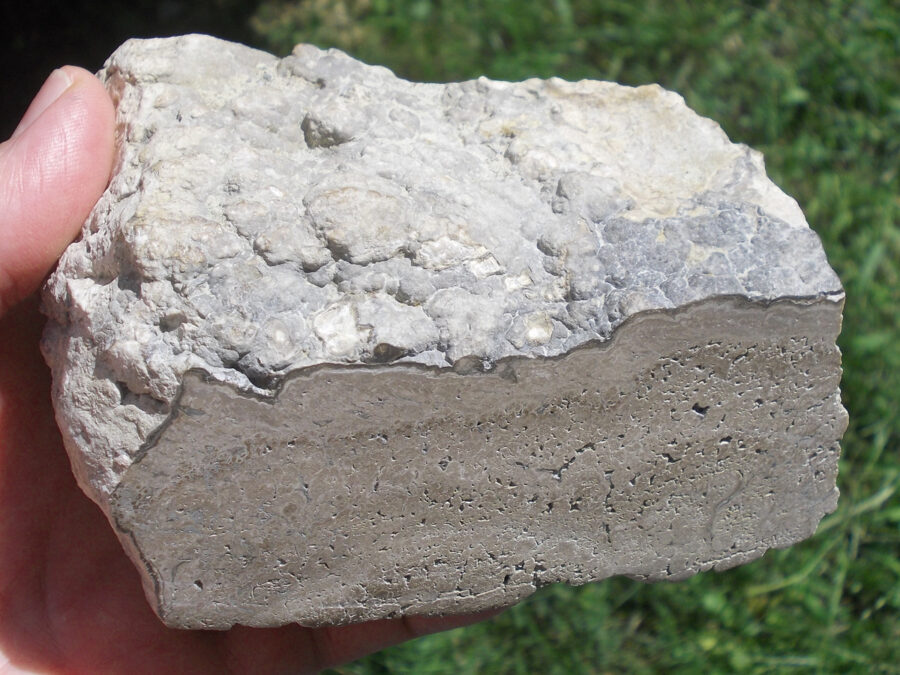
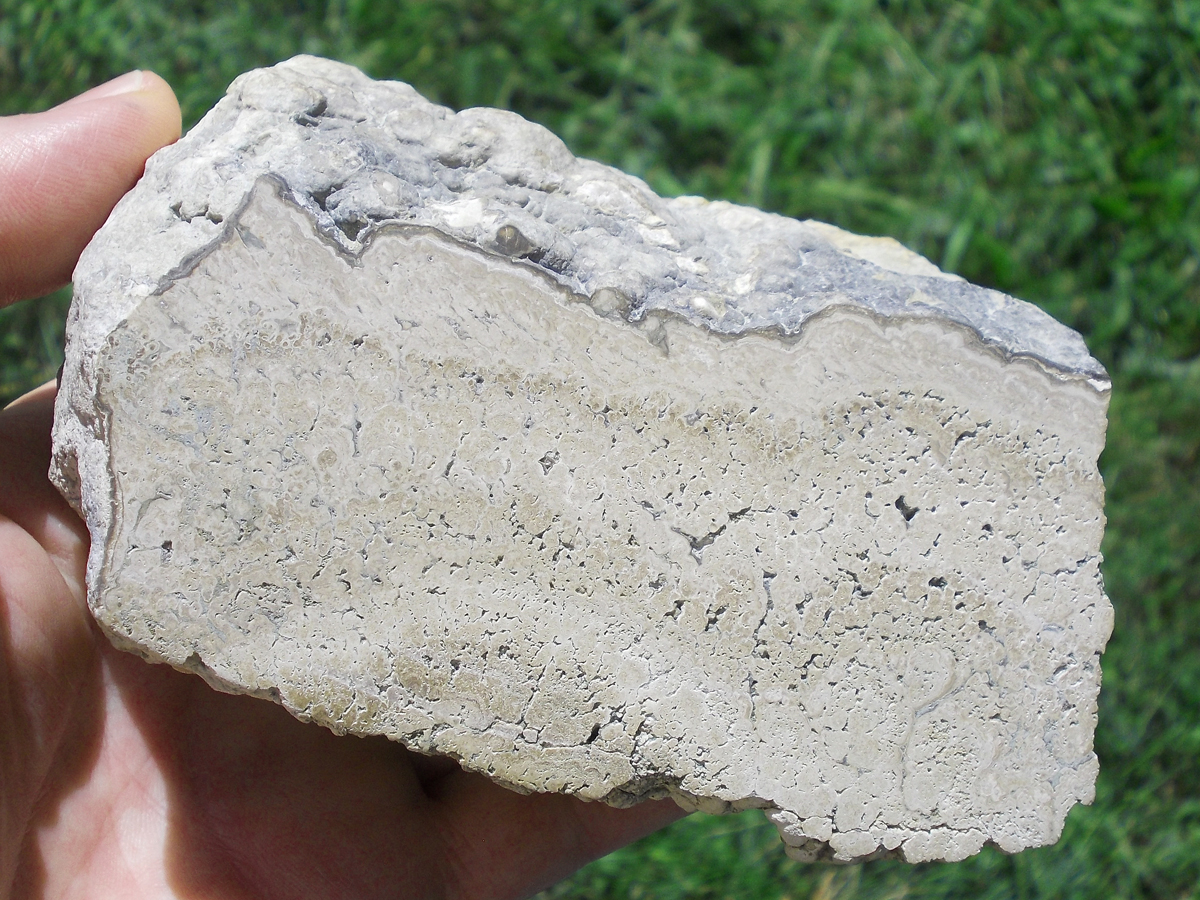
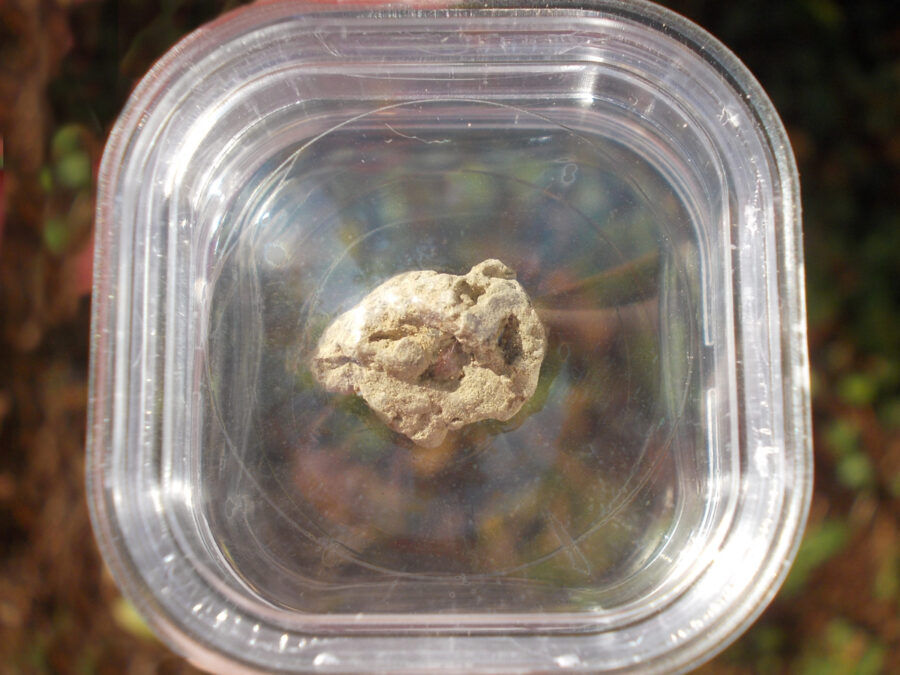
This clay is the witness of the impact of the meteorite that contributed to the extinction phenomena of the dinosaurs.
It is located between the Cretaceous and the Tertiary (Bidart marl and Danian limestone).
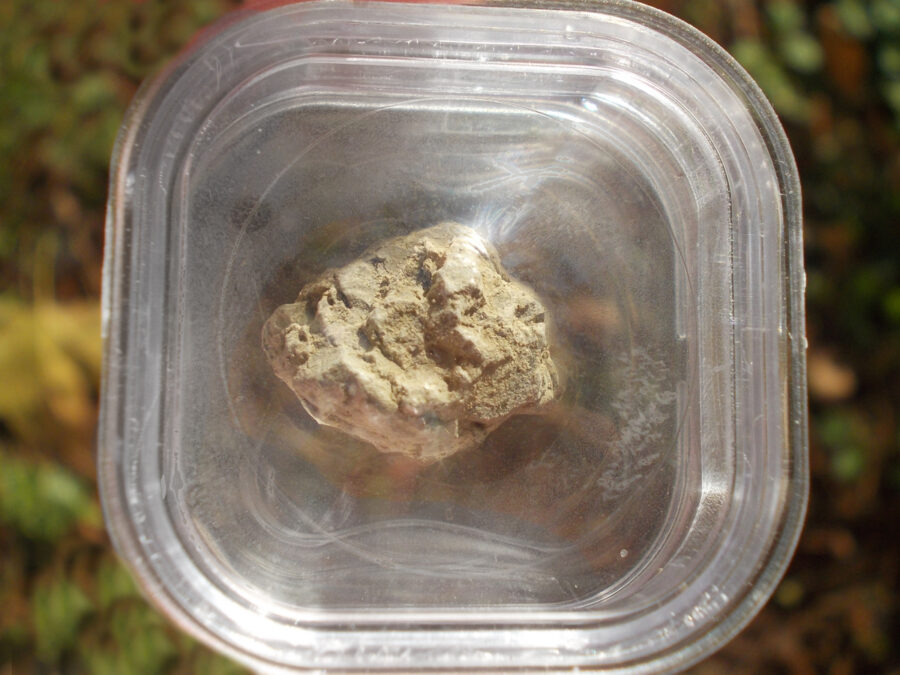
This clay is the witness of the impact of the meteorite that contributed to the extinction phenomena of the dinosaurs.
This clay is the witness of the impact of the meteorite that contributed to the extinction phenomena of the dinosaurs.
It is located between the Cretaceous and the Tertiary (Bidart marl and Danian limestone).
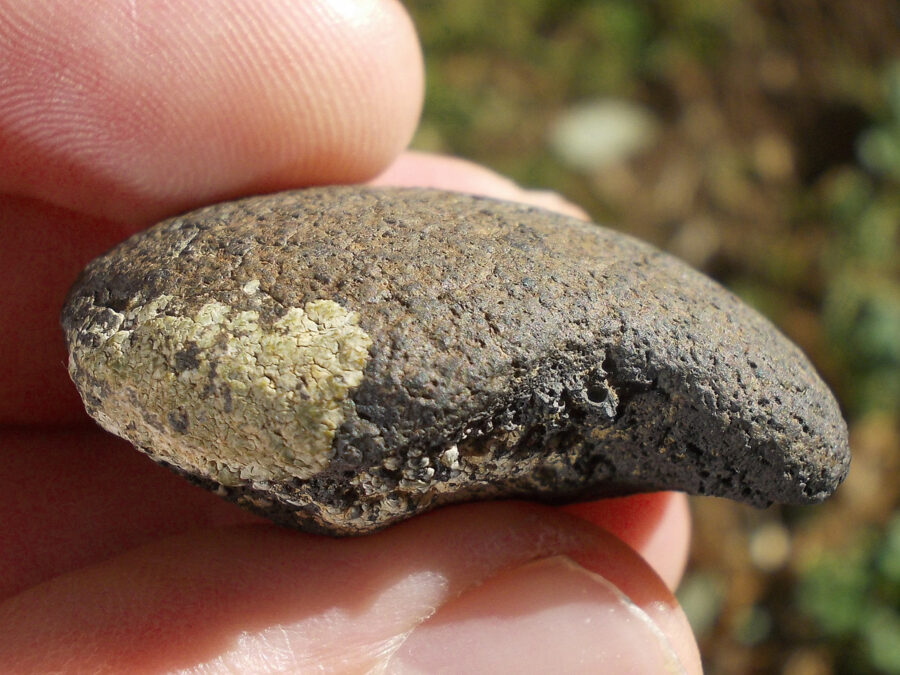
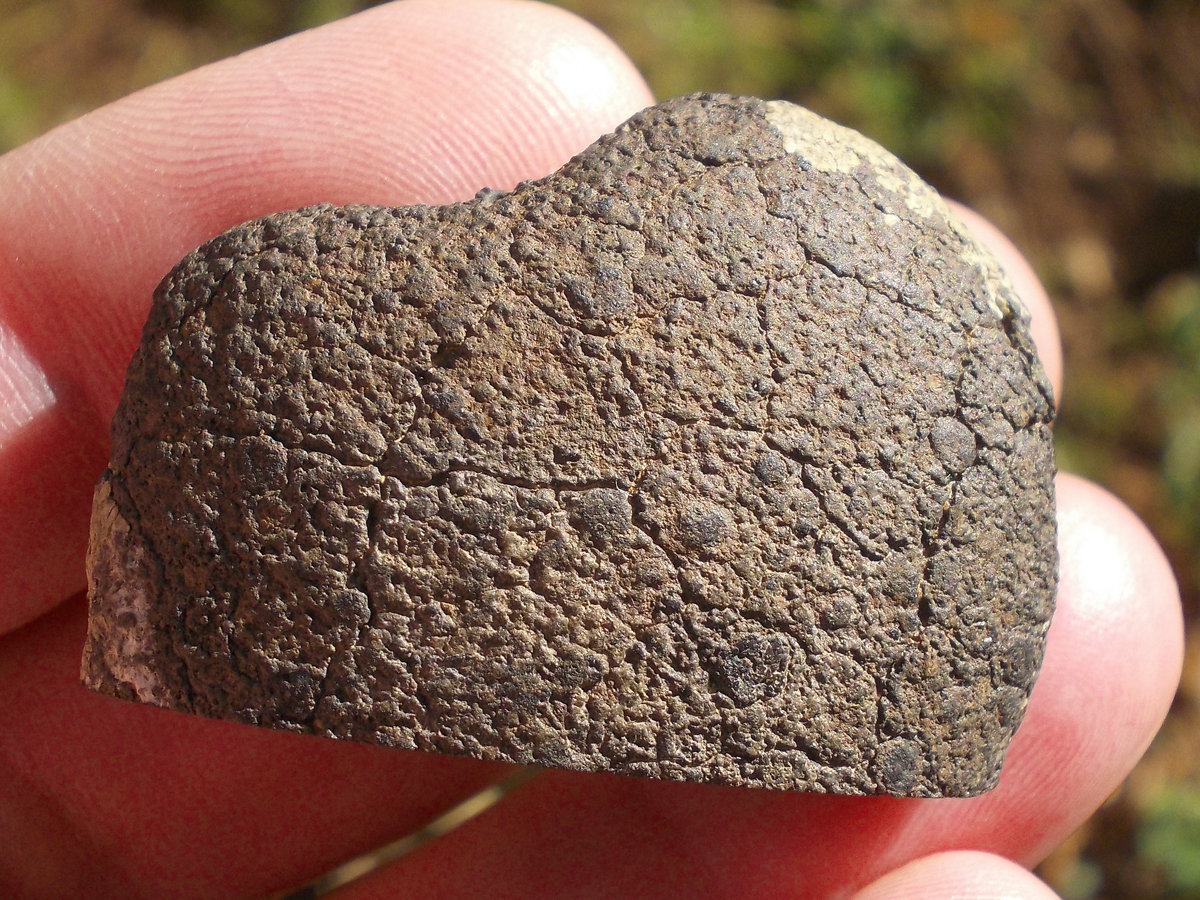
Abteh 002 is a CK6 weighing just 41 grams, discovered in the Western Sahara in the Chwichiya region by Aadi Ouhamdouch in 2023.
This carbonaceous meteorite is oriented. It is also covered with lichens on the fusion crust.
A rare and unique piece !
Abteh 002 27°40’52.89″N, 11°52’01.72″W
South, Morocco
Find: 2023 Feb
Classification: Carbonaceous chondrite (CK6)
History: The meteorite was found by Aadi Ouhamdouch in February 2023 in the Chwichiya region of Morocco. It was later bought by Jean Redelsperger from Zaid Oualguirah in 2023.
Physical characteristics: Single oriented crusted stone. Lichen covers part of the fusion crust.
Petrography: (J. Gattacceca, CEREGE) Chondrite with large chondrules set in a recrystallized matrix containing plagioclase with average size >50 µm. Opaque minerals are abundant magnetite, and troilite.
Geochemistry: Olivine Fa25.4±0.2, NiO 0.45±0.14 (n=3). Orthopyroxene Fs24.1Wo1.3 (n=1). Magnetite has 2.3 wt% Cr2O3 (n=2).
Classification: Carbonaceous chondrite (CK6).
Specimens: Type specimen at CEREGE. Main mass with Jean Redelsperger.
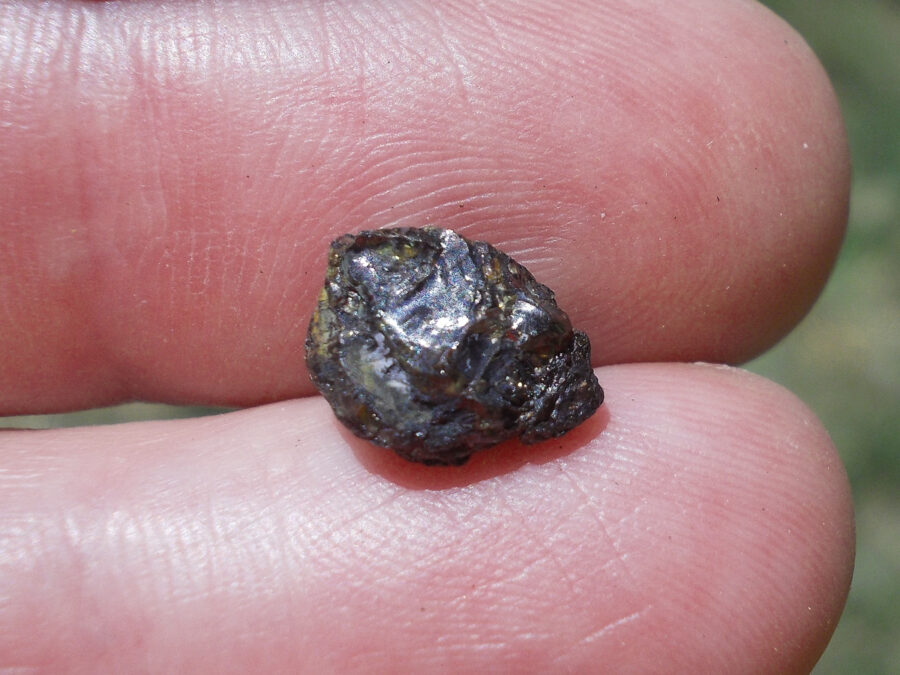
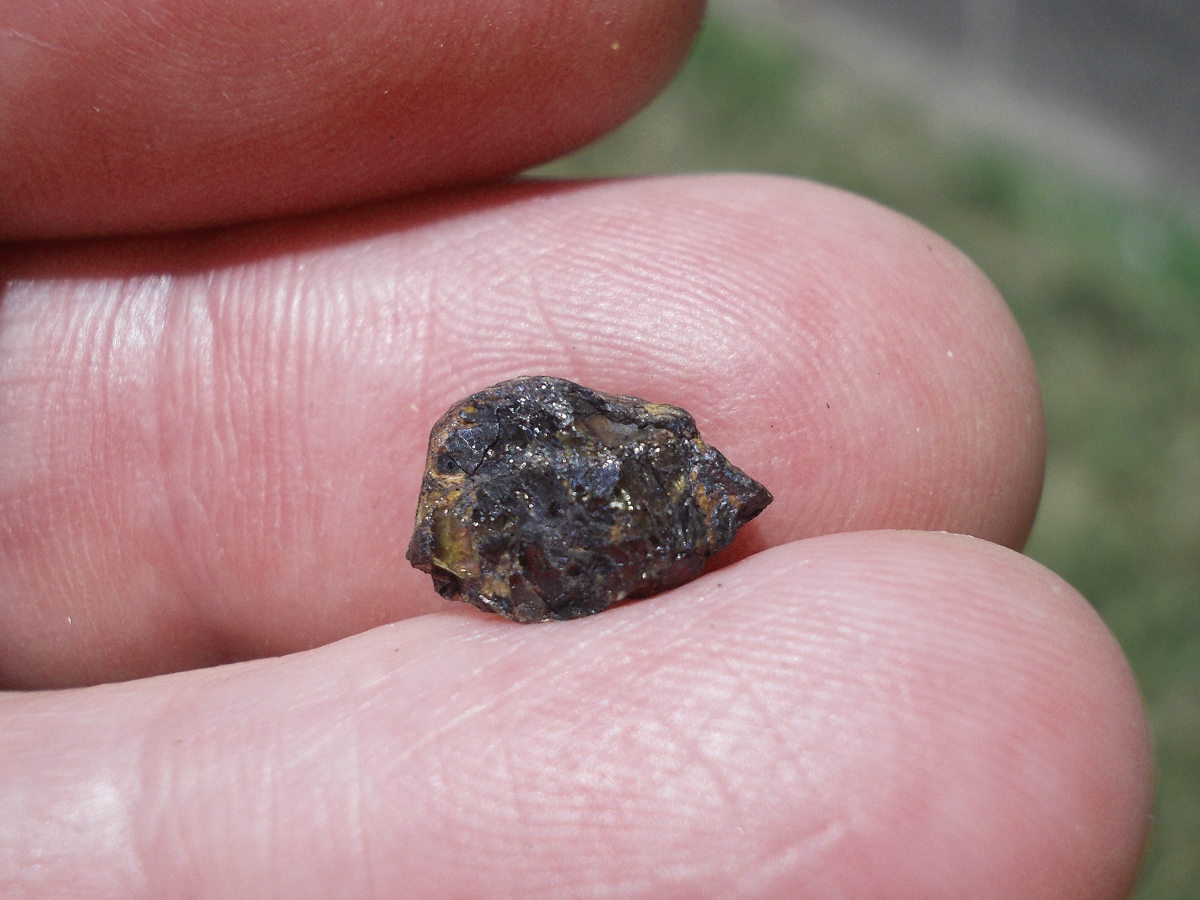
Oued Chebeika 003 is a pallasite-type meteorite discovered in Morocco near Tan Tan in 2024.
This meteorite with a total weight of 174 grams was bought in June 2024 at Ensisheim.
Pallasites are meteorites composed of olivine crystals embedded in an iron-nickel matrix.
Pallasites are among the most aesthetically pleasing of meteorites.
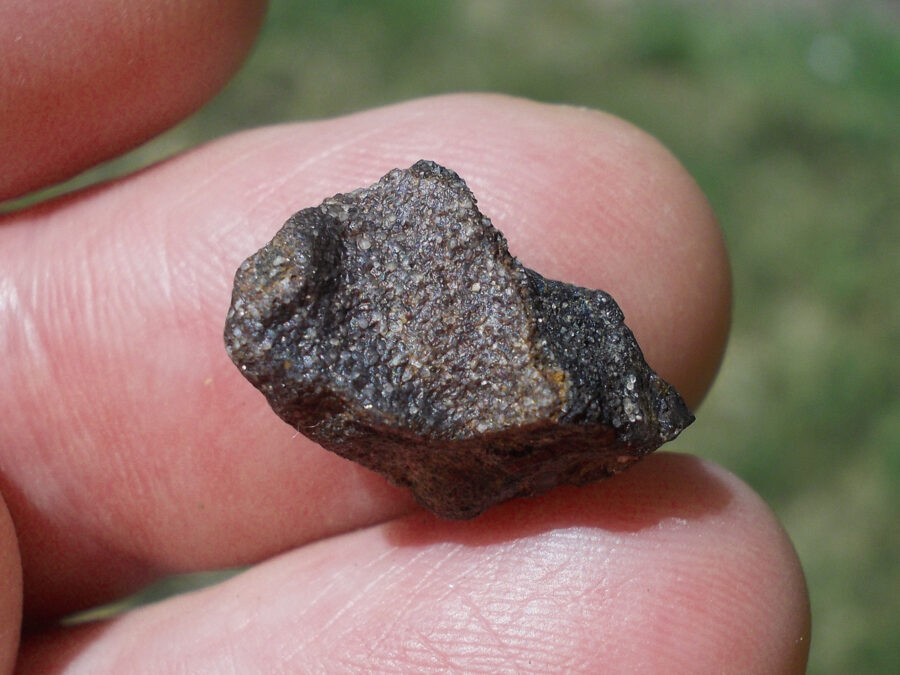
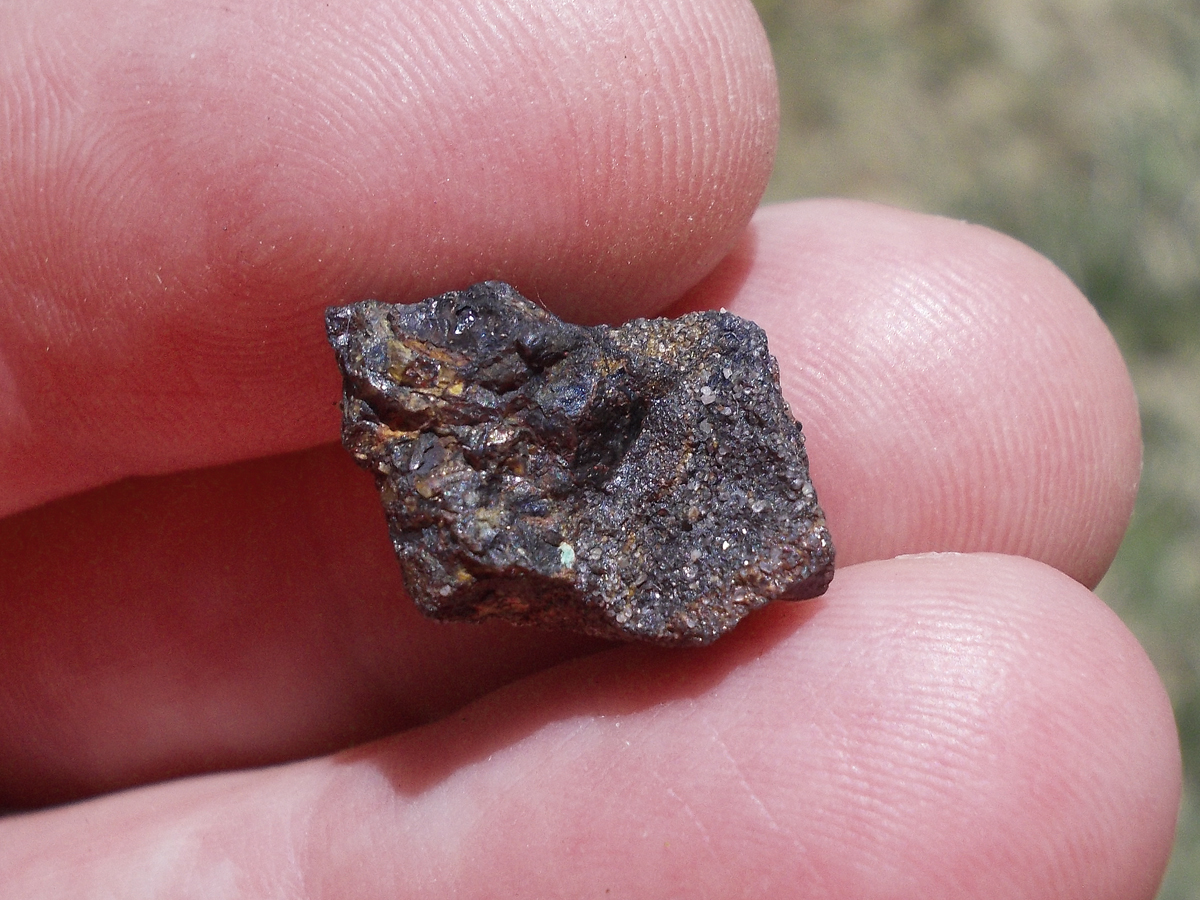 Out of stock
Oued Chebeika 003 is a pallasite-type meteorite discovered in Morocco near Tan Tan in 2024.
This meteorite with a total weight of 174 grams was bought in June 2024 at Ensisheim.
Pallasites are meteorites composed of olivine crystals embedded in an iron-nickel matrix.
Pallasites are among the most aesthetically pleasing of meteorites.
 Out of stock
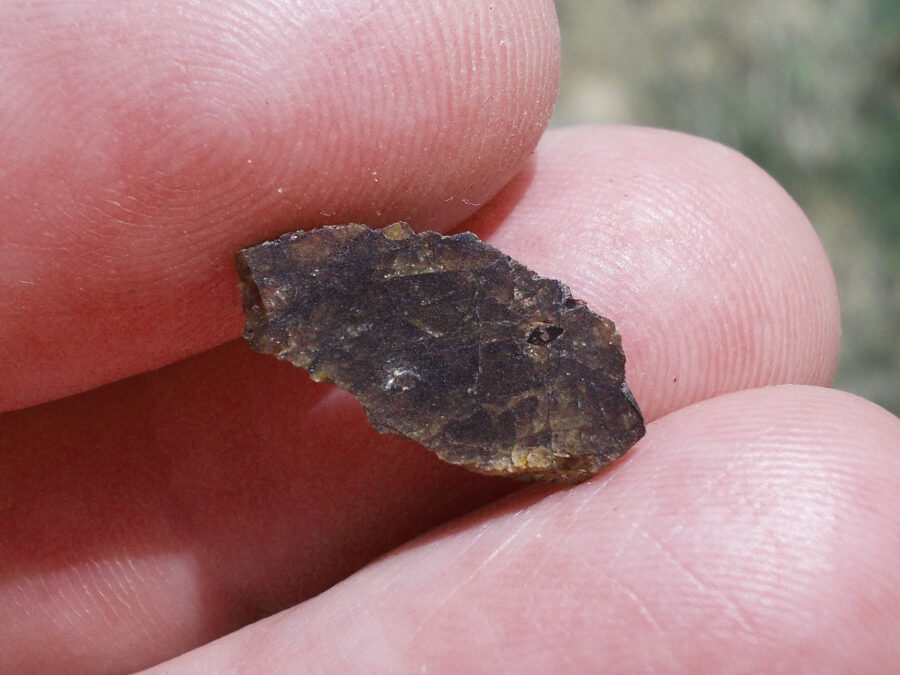
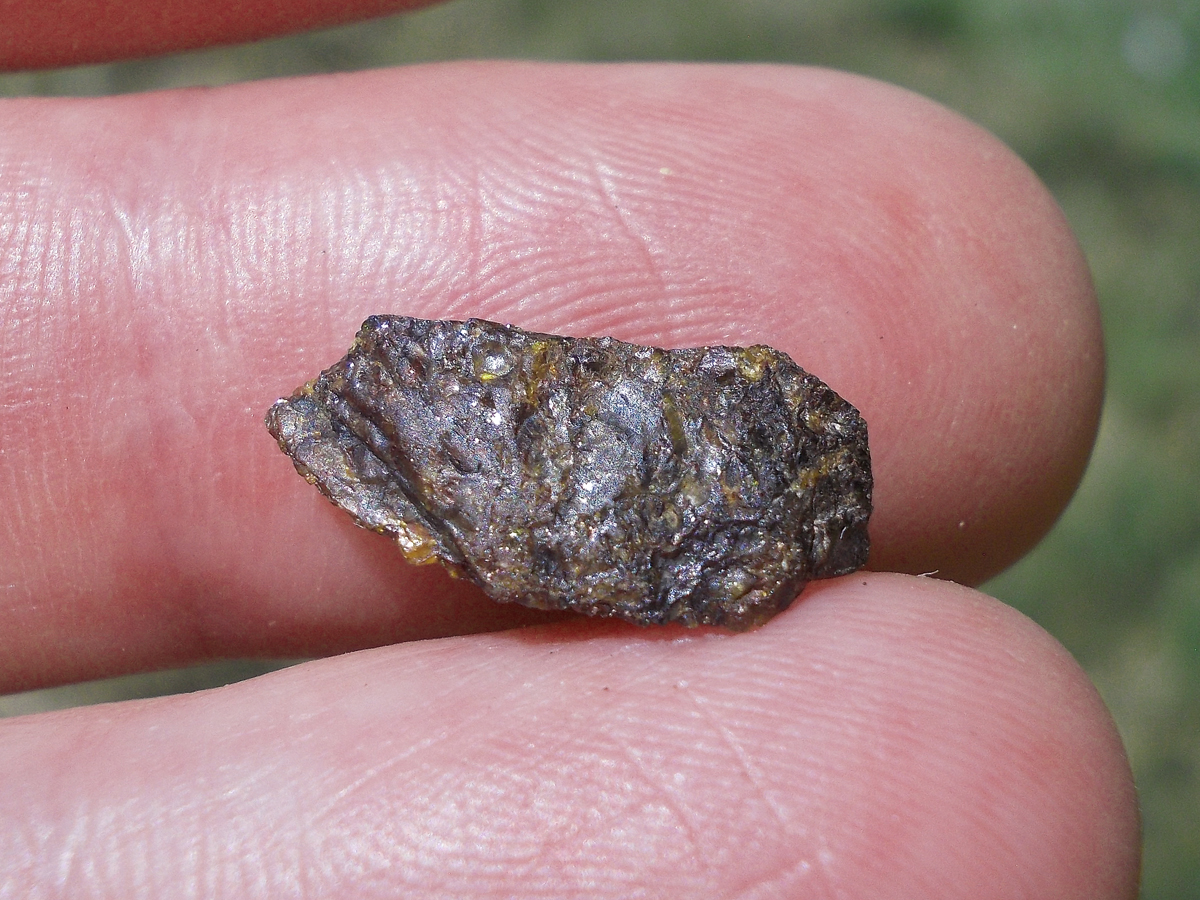
Oued Chebeika 003 is a pallasite-type meteorite discovered in Morocco near Tan Tan in 2024.
This meteorite with a total weight of 174 grams was bought in June 2024 at Ensisheim.
Pallasites are meteorites composed of olivine crystals embedded in an iron-nickel matrix.
Pallasites are among the most aesthetically pleasing of meteorites.
 Out of stock
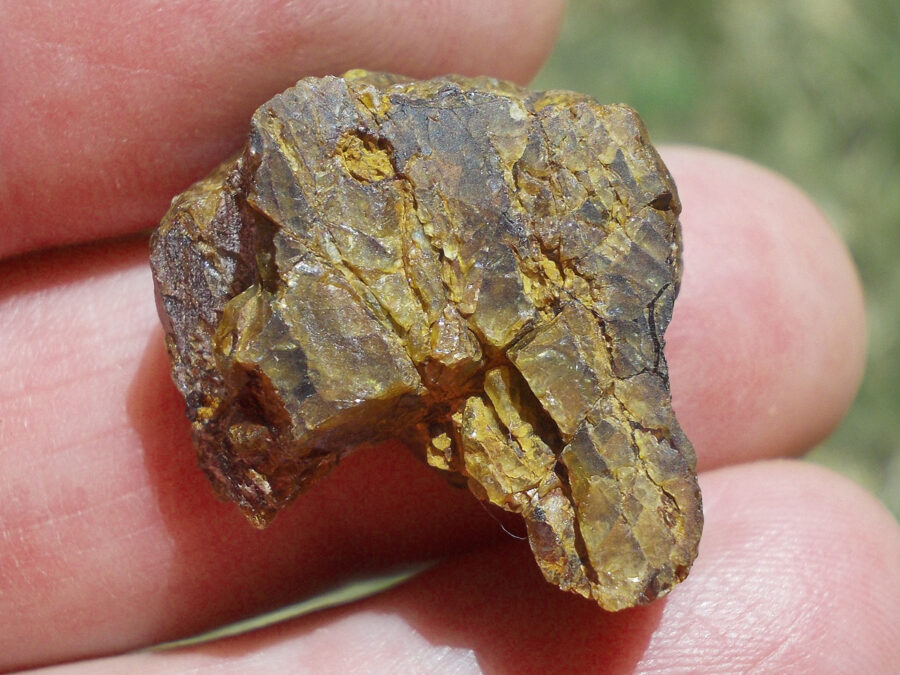
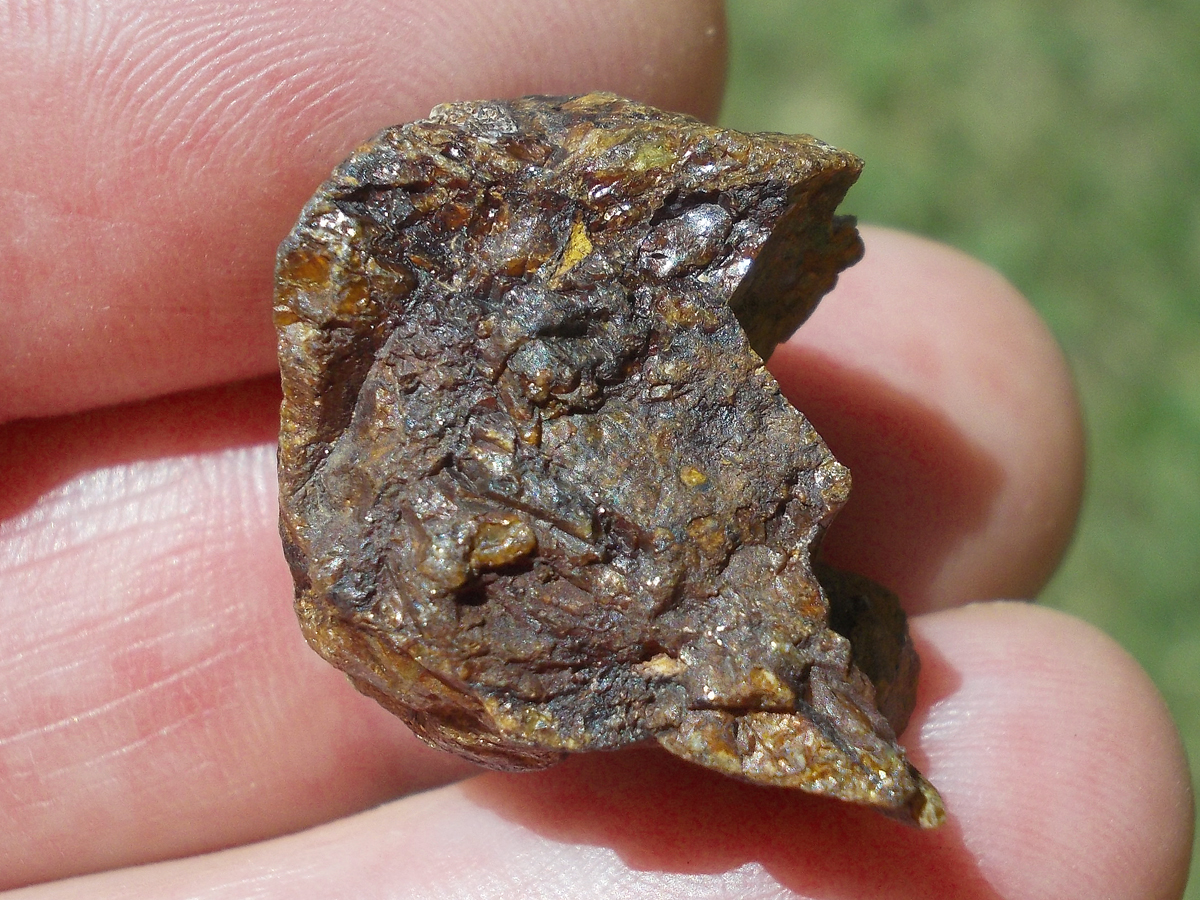
Oued Chebeika 003 is a pallasite-type meteorite discovered in Morocco near Tan Tan in 2024.
This meteorite with a total weight of 174 grams was bought in June 2024 at Ensisheim.
Pallasites are meteorites composed of olivine crystals embedded in an iron-nickel matrix.
Pallasites are among the most aesthetically pleasing of meteorites.
 Out of stock
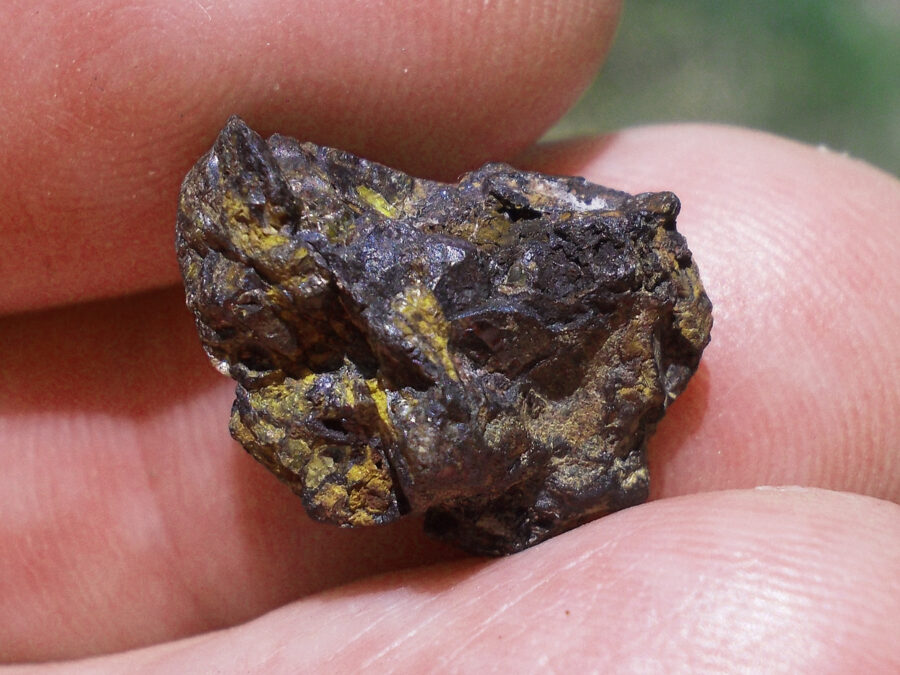
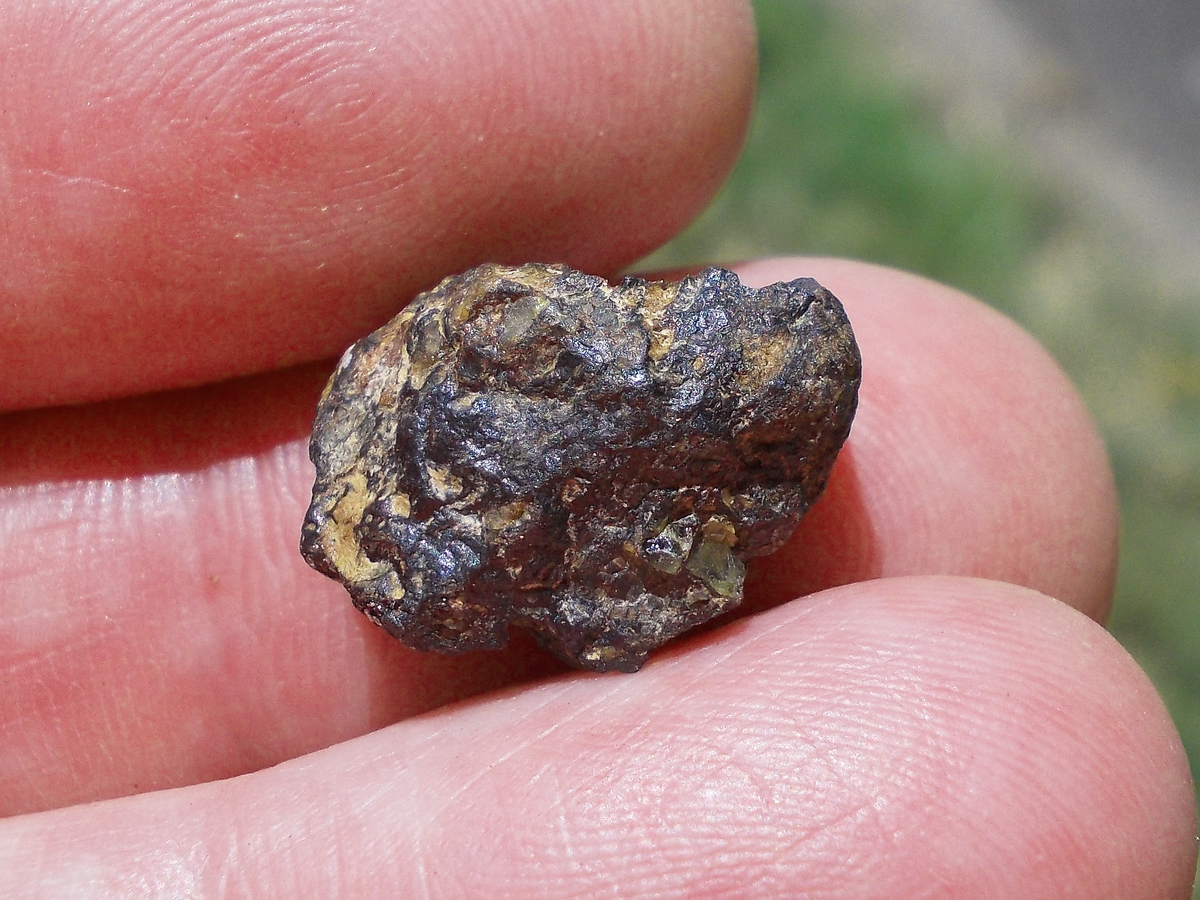
Oued Chebeika 003 is a pallasite-type meteorite discovered in Morocco near Tan Tan in 2024.
This meteorite with a total weight of 174 grams was bought in June 2024 at Ensisheim.
Pallasites are meteorites composed of olivine crystals embedded in an iron-nickel matrix.
Pallasites are among the most aesthetically pleasing of meteorites.
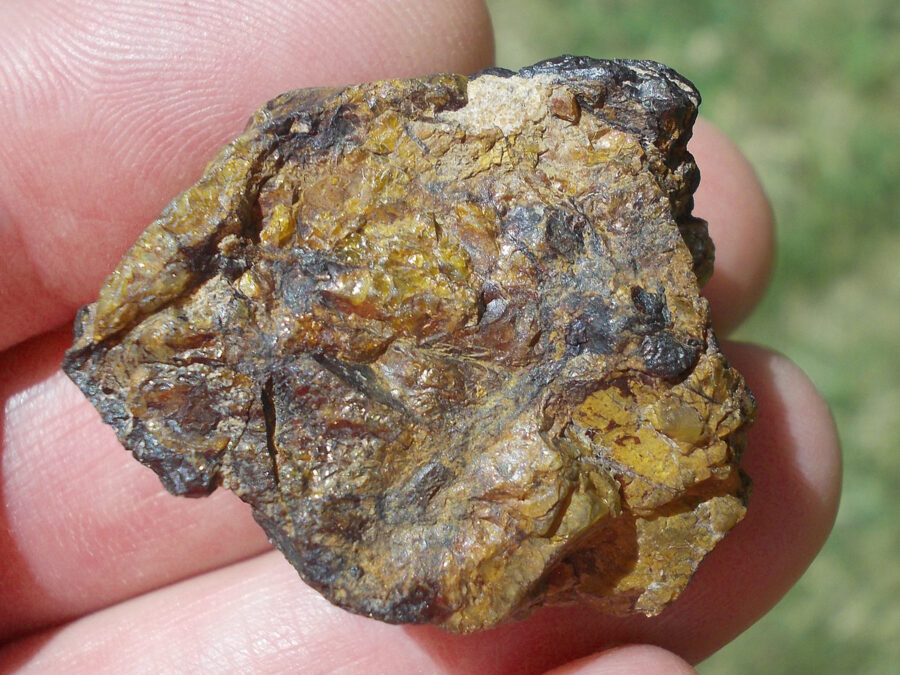
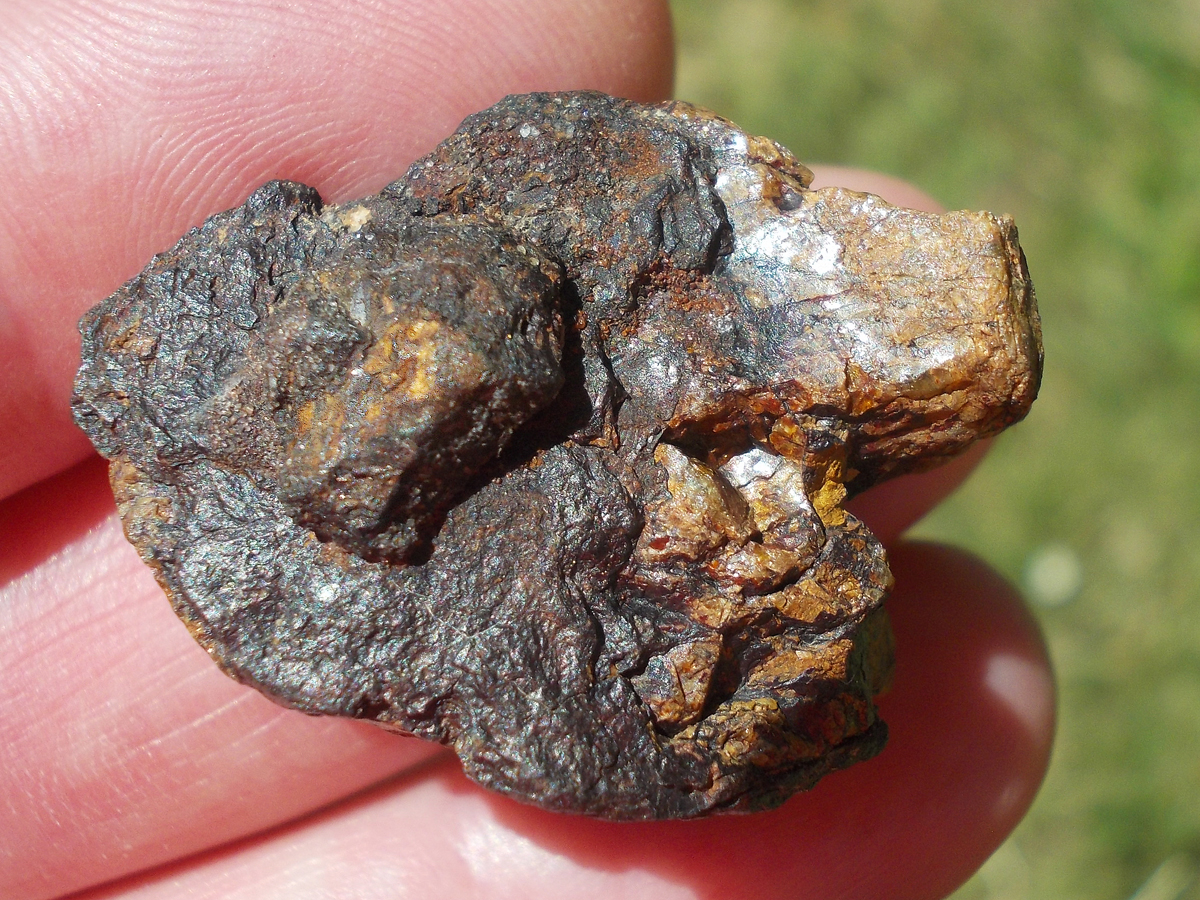
Oued Chebeika 003 is a pallasite-type meteorite discovered in Morocco near Tan Tan in 2024.
This meteorite with a total weight of 174 grams was bought in June 2024 at Ensisheim.
Pallasites are meteorites composed of olivine crystals embedded in an iron-nickel matrix.
Pallasites are among the most aesthetically pleasing of meteorites.
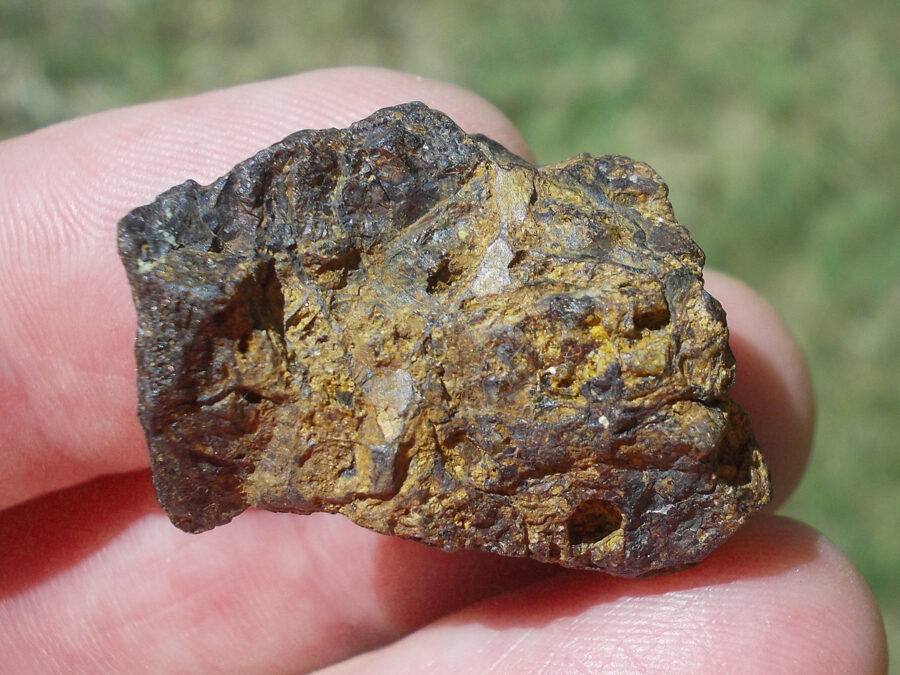
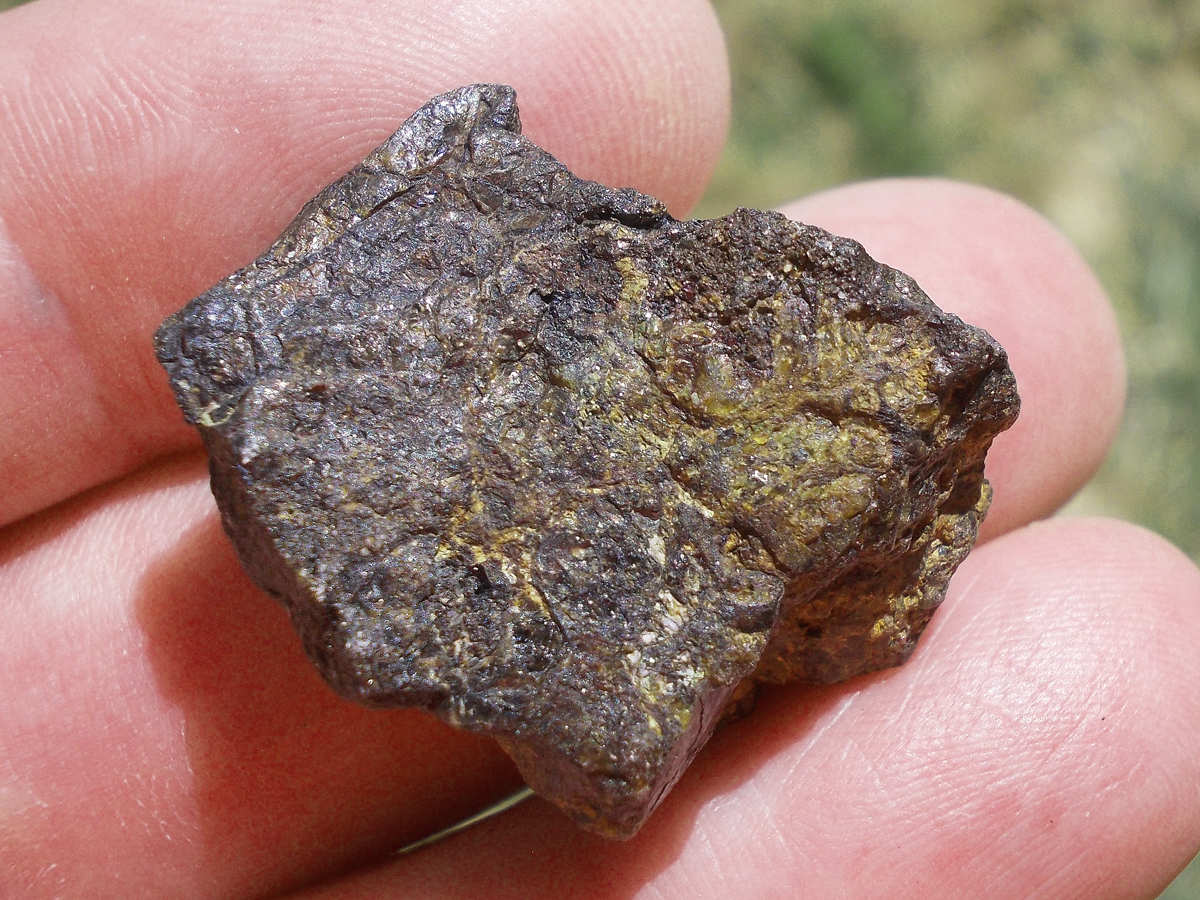
Oued Chebeika 003 is a pallasite-type meteorite discovered in Morocco near Tan Tan in 2024.
This meteorite with a total weight of 174 grams was bought in June 2024 at Ensisheim.
Pallasites are meteorites composed of olivine crystals embedded in an iron-nickel matrix.
Pallasites are among the most aesthetically pleasing of meteorites.
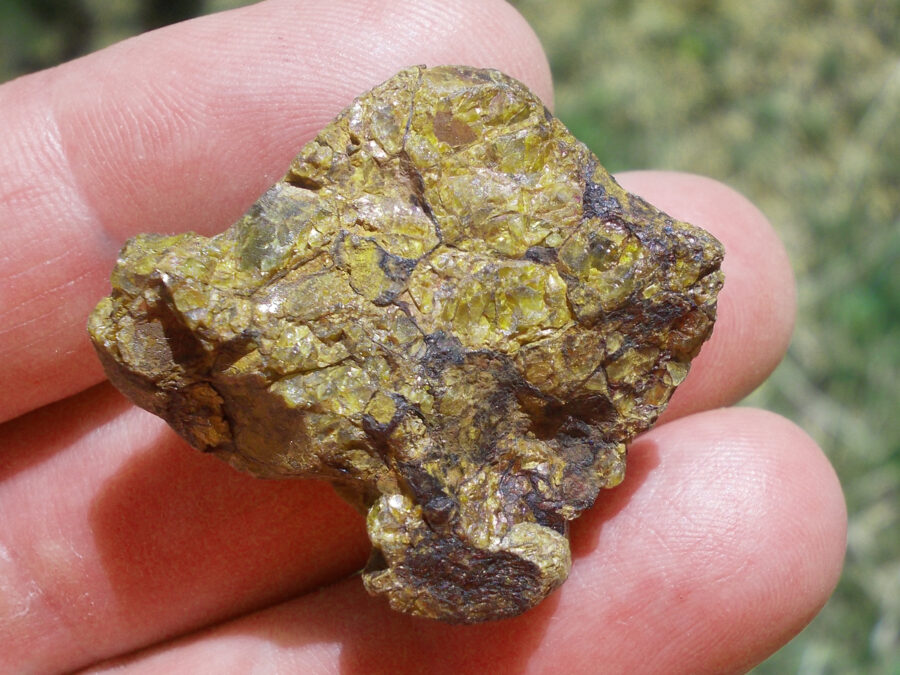
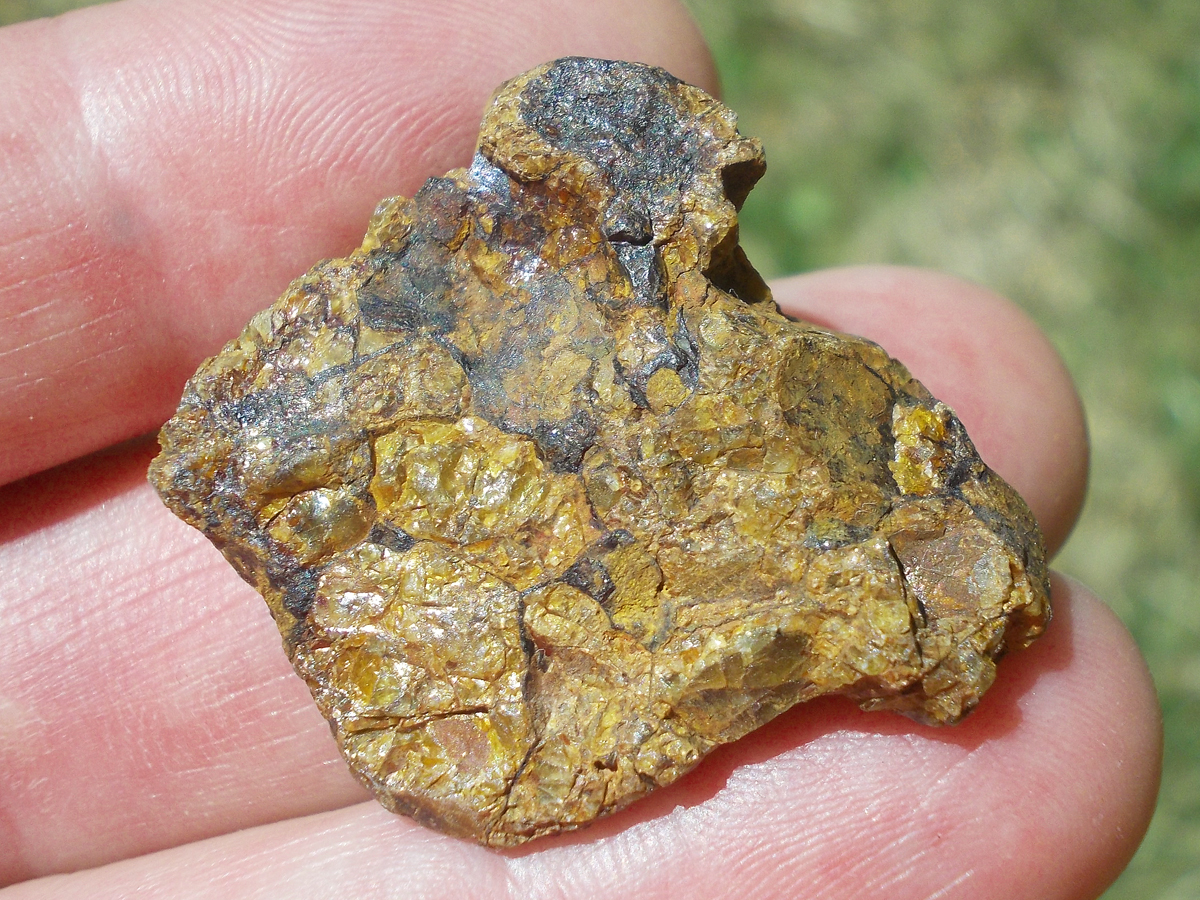 Out of stock
Oued Chebeika 003 is a pallasite-type meteorite discovered in Morocco near Tan Tan in 2024.
This meteorite with a total weight of 174 grams was bought in June 2024 at Ensisheim.
Pallasites are meteorites composed of olivine crystals embedded in an iron-nickel matrix.
Pallasites are among the most aesthetically pleasing of meteorites.
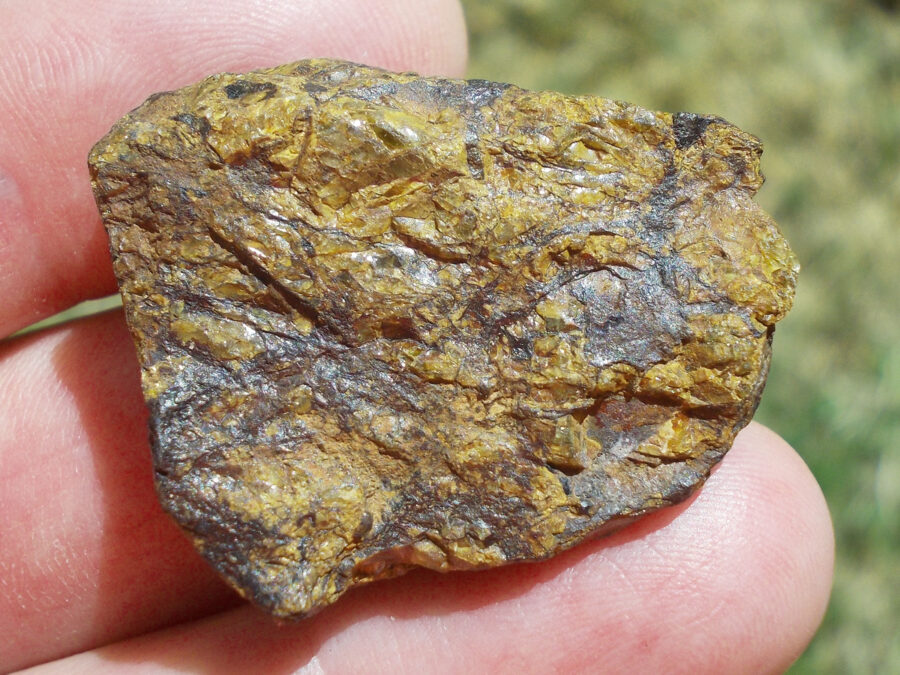
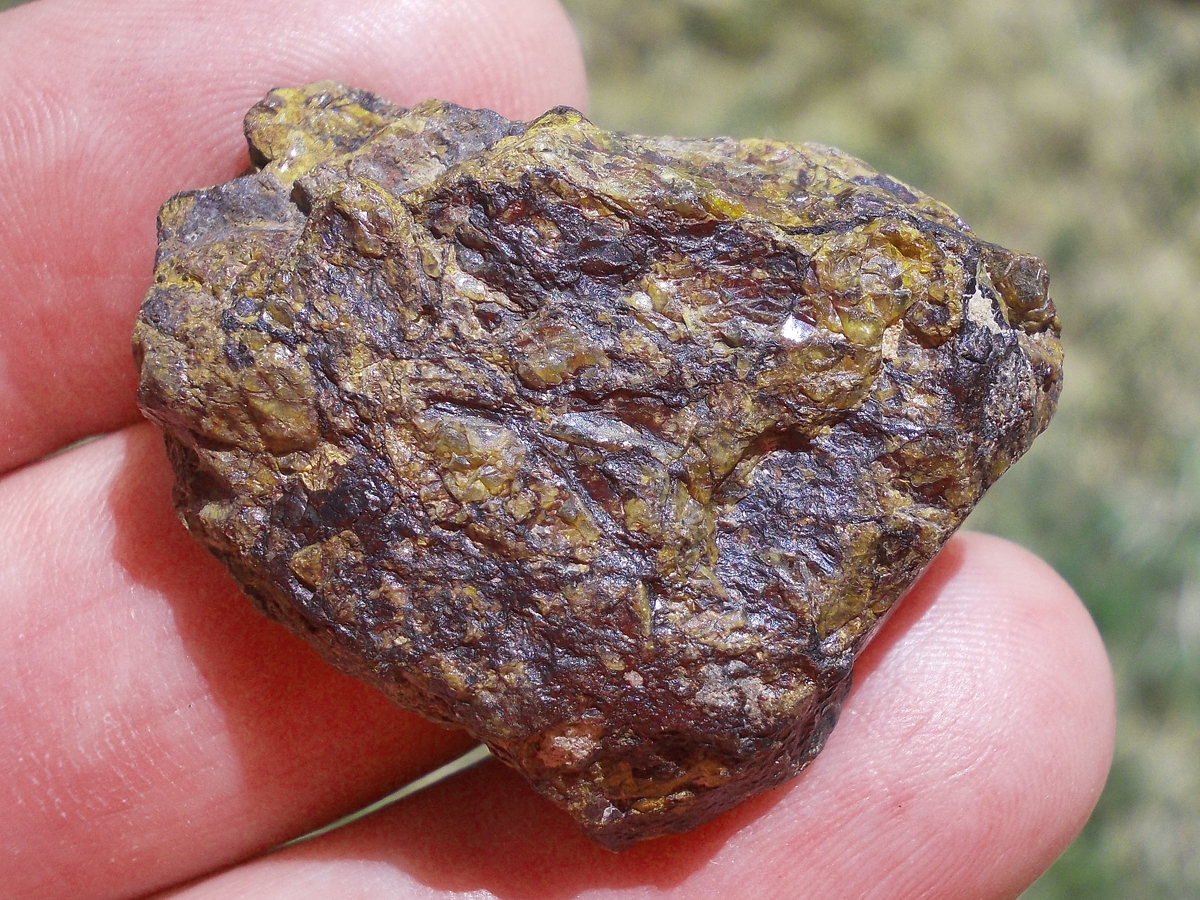
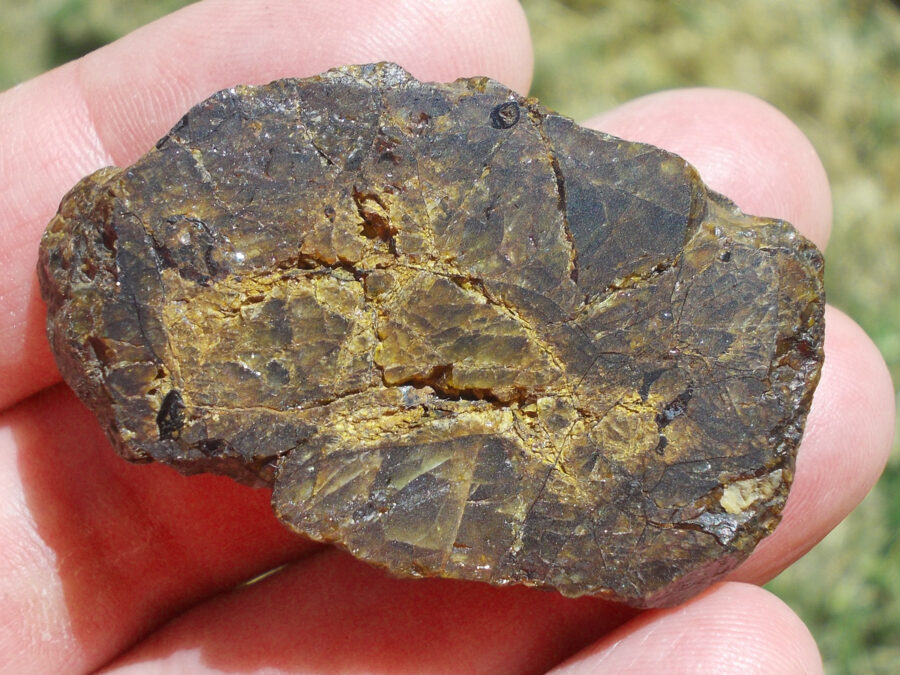
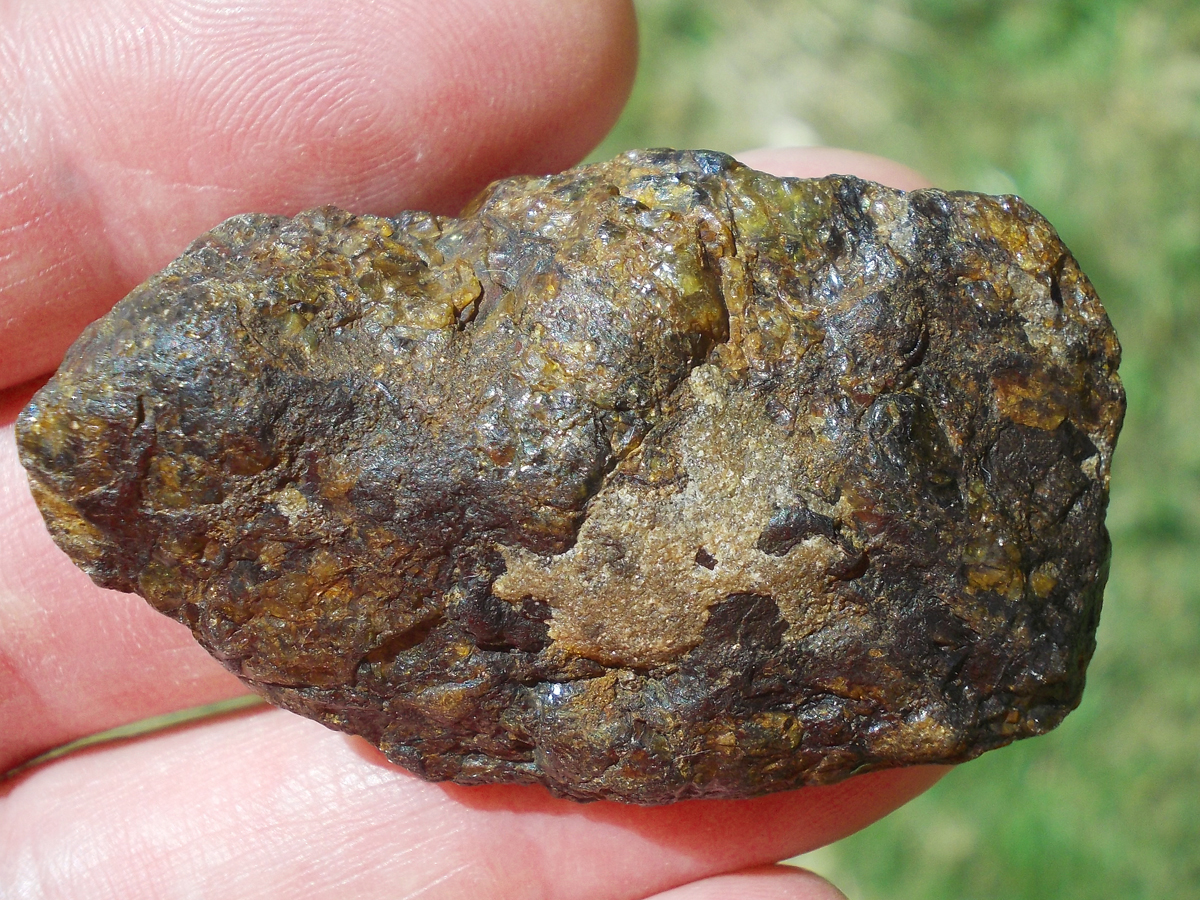
Oued Chebeika 003 is a pallasite-type meteorite discovered in Morocco near Tan Tan in 2024.
This meteorite with a total weight of 174 grams was bought in June 2024 at Ensisheim.
Pallasites are meteorites composed of olivine crystals embedded in an iron-nickel matrix.
Pallasites are among the most aesthetically pleasing of meteorites.
 Out of stock
 Out of stock
 Out of stock