History: Found by Ahmed Dich and Hssain Azmamar in January 2021. Bought by Jean Redelsperger from Zaid Oualguirah in February 2021.
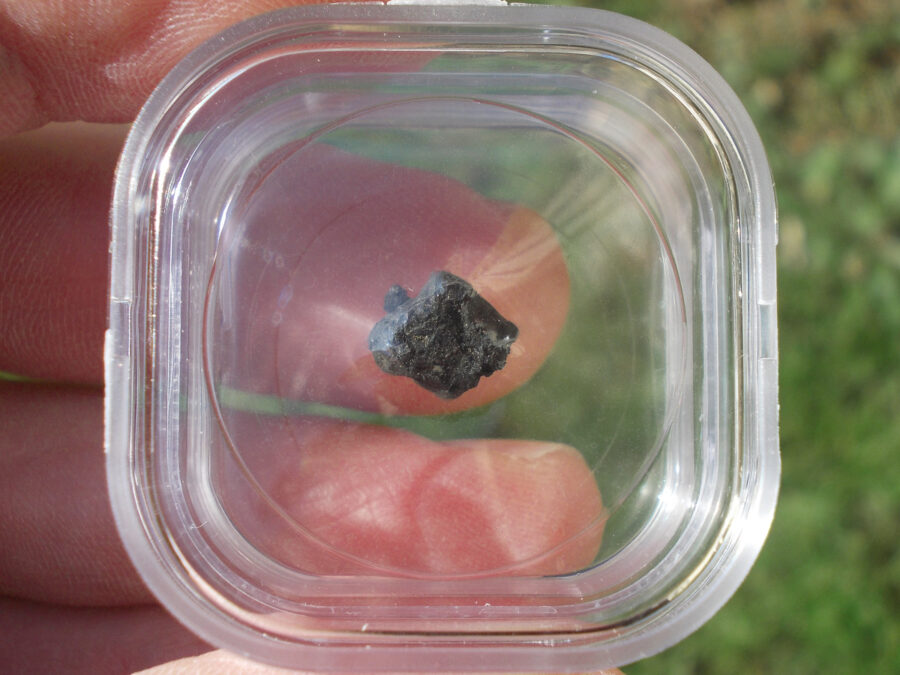
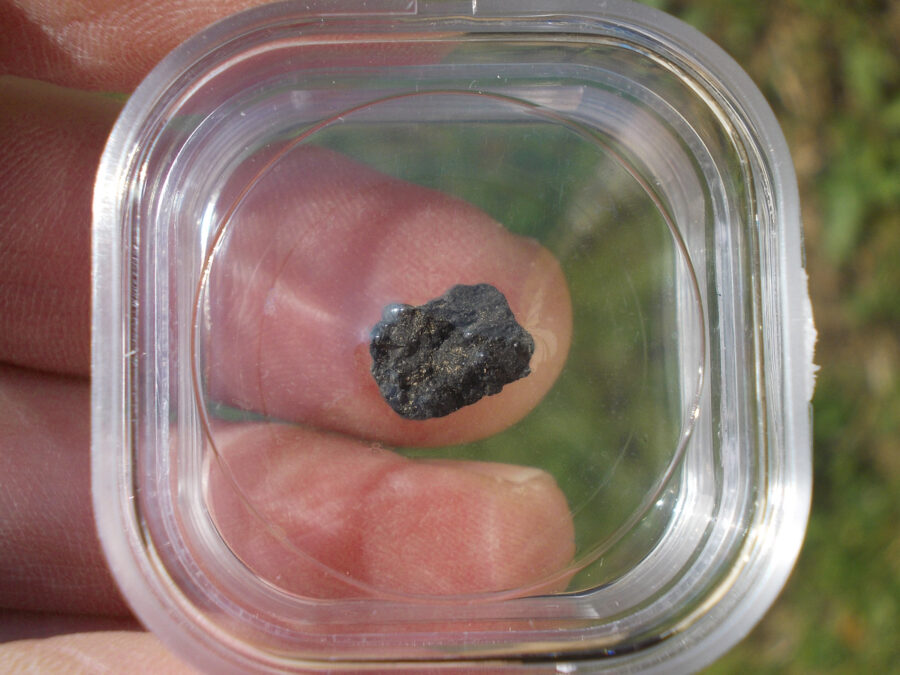
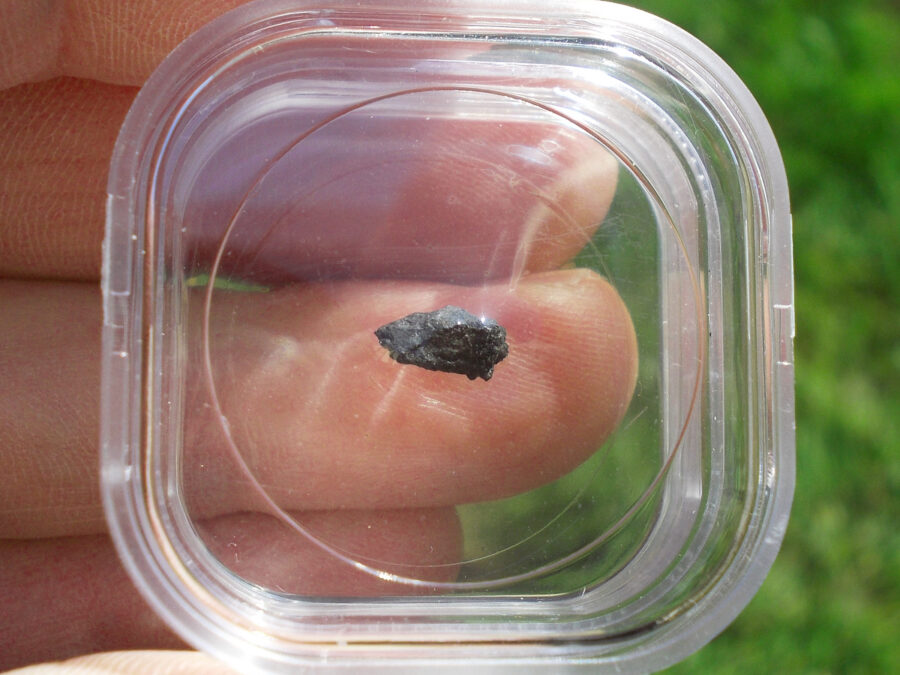
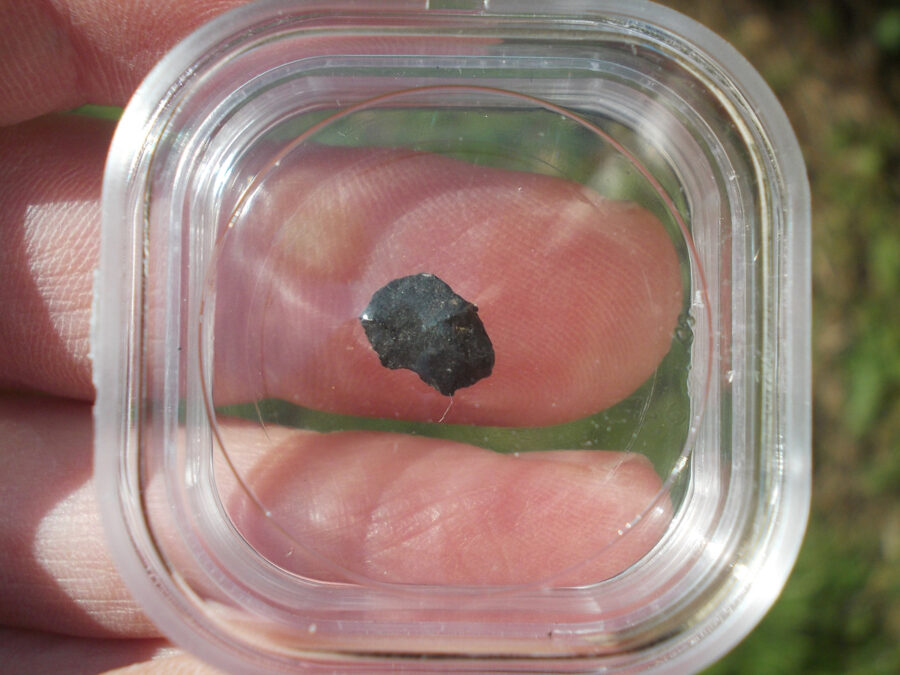
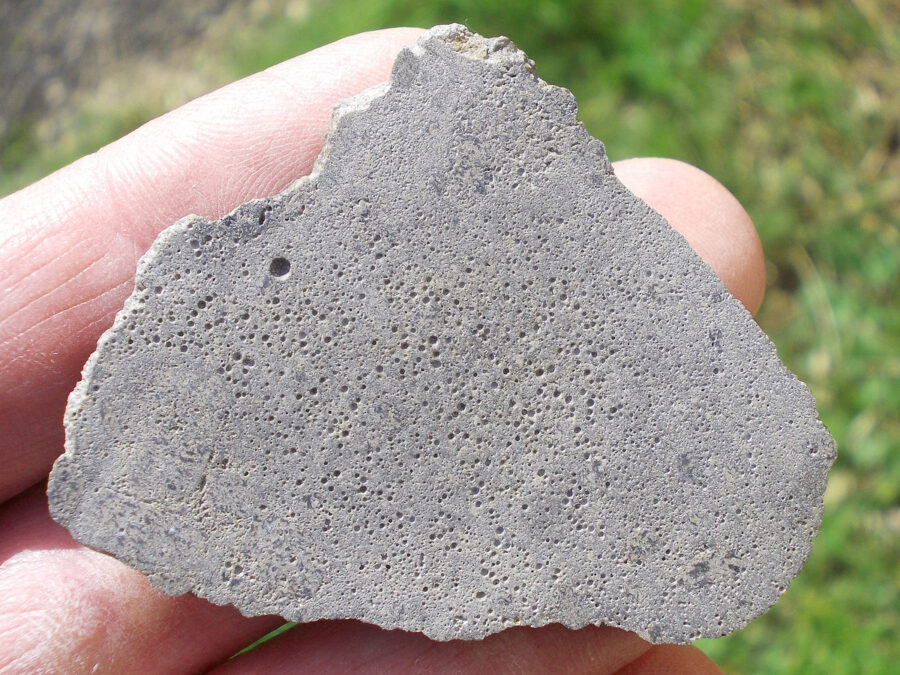
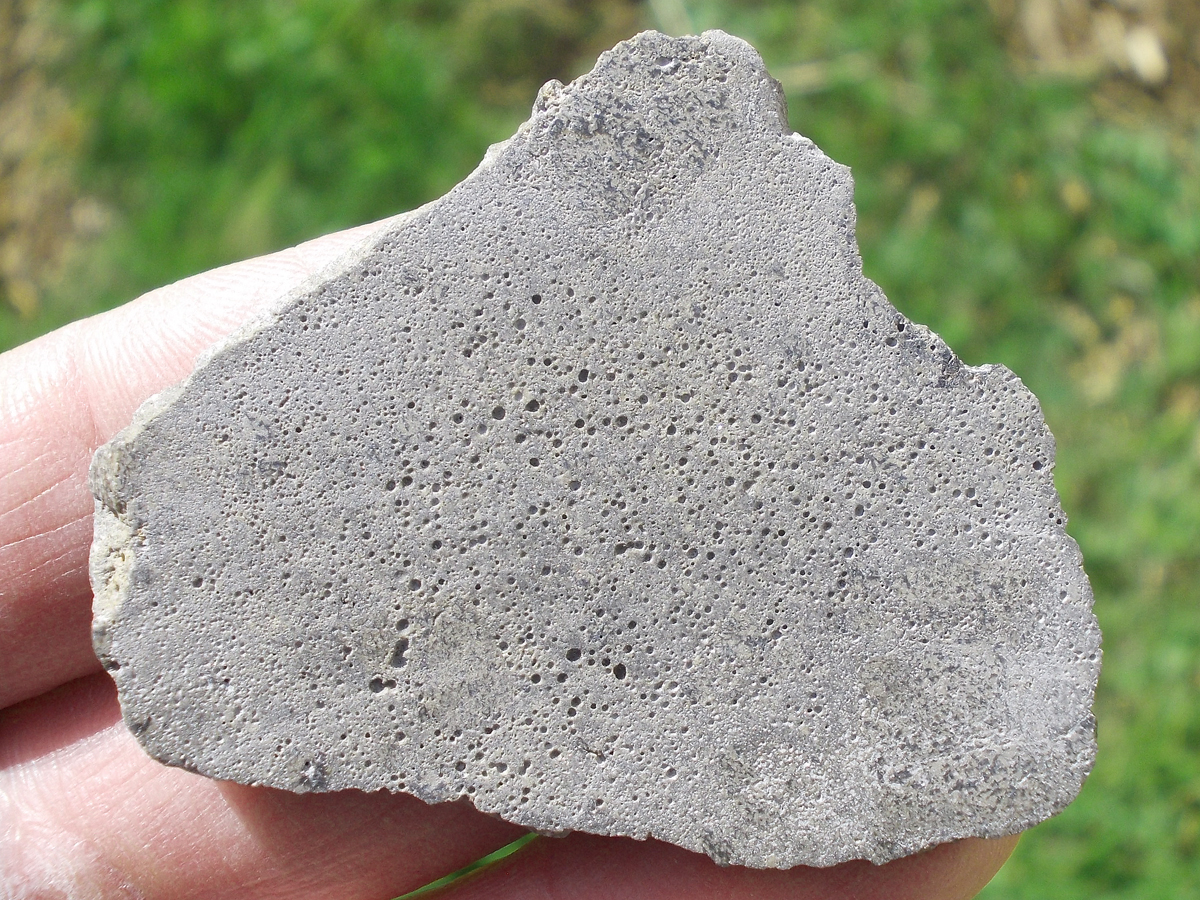
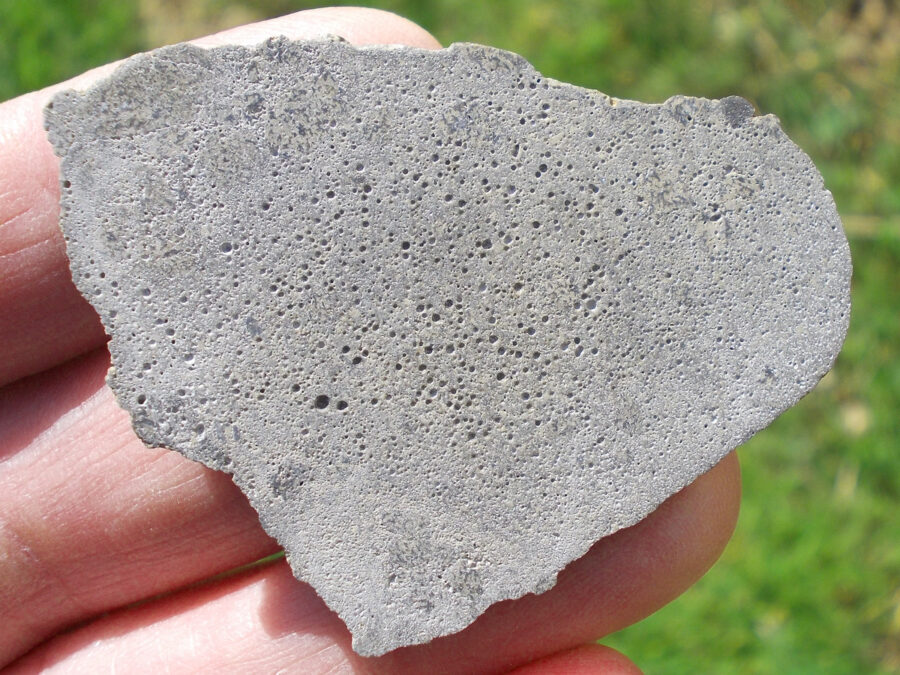
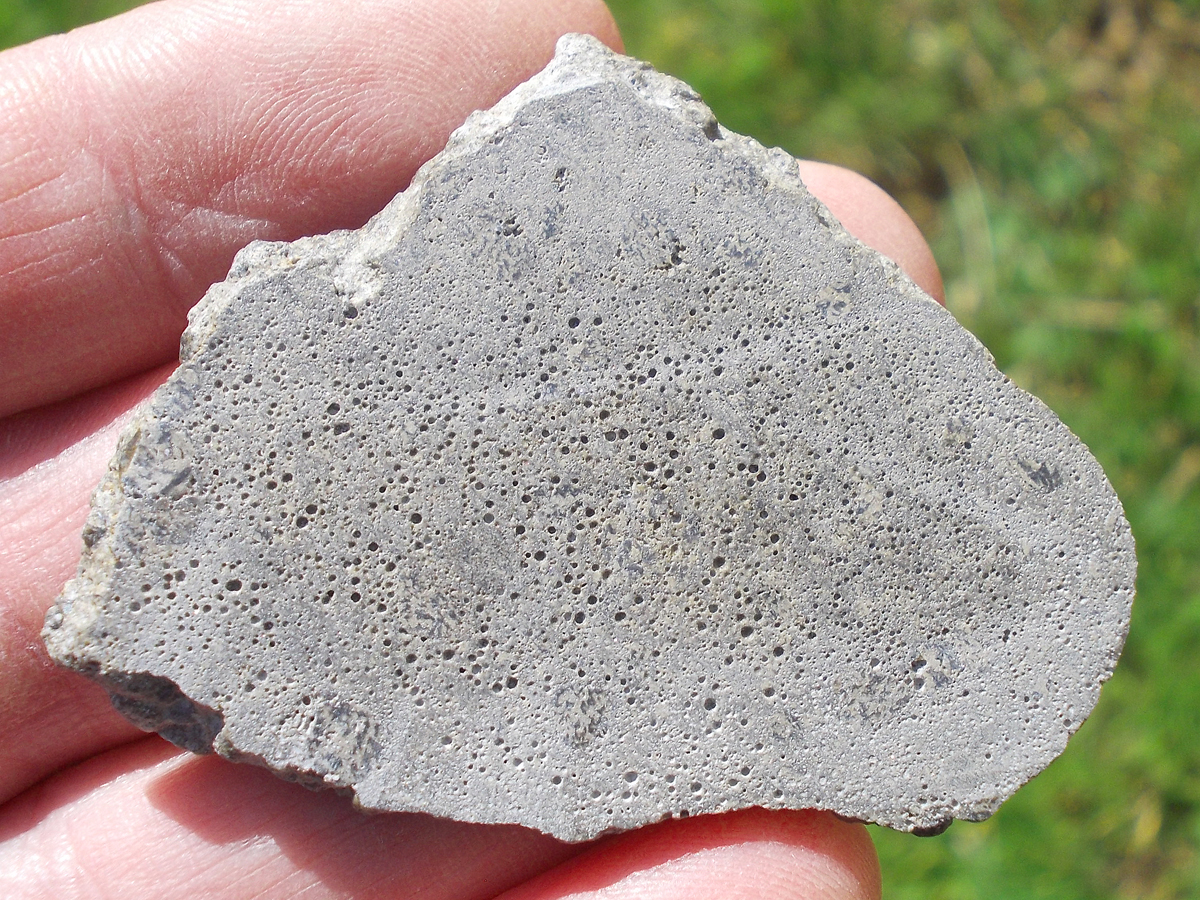
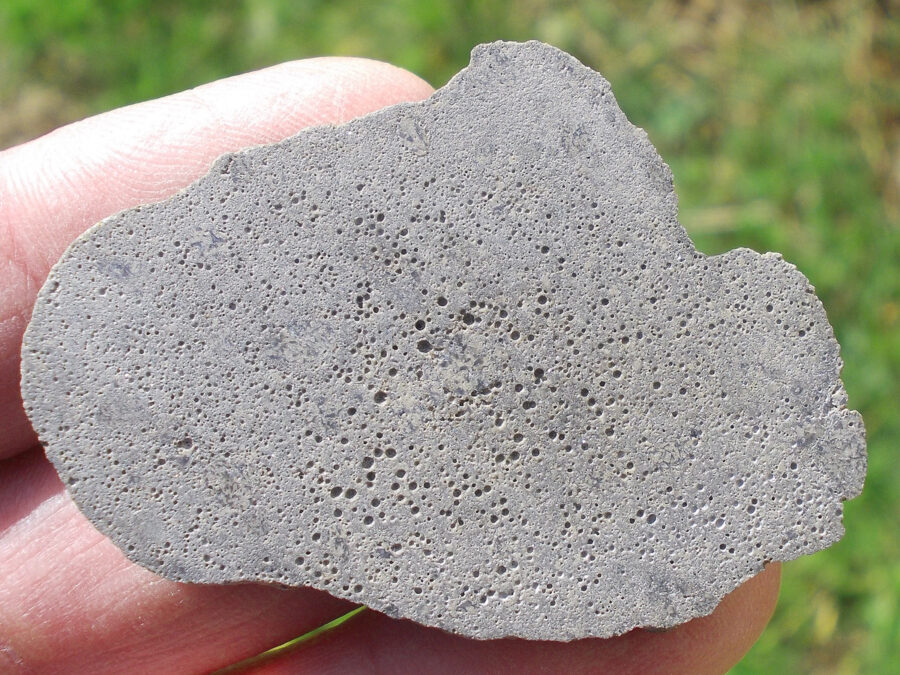
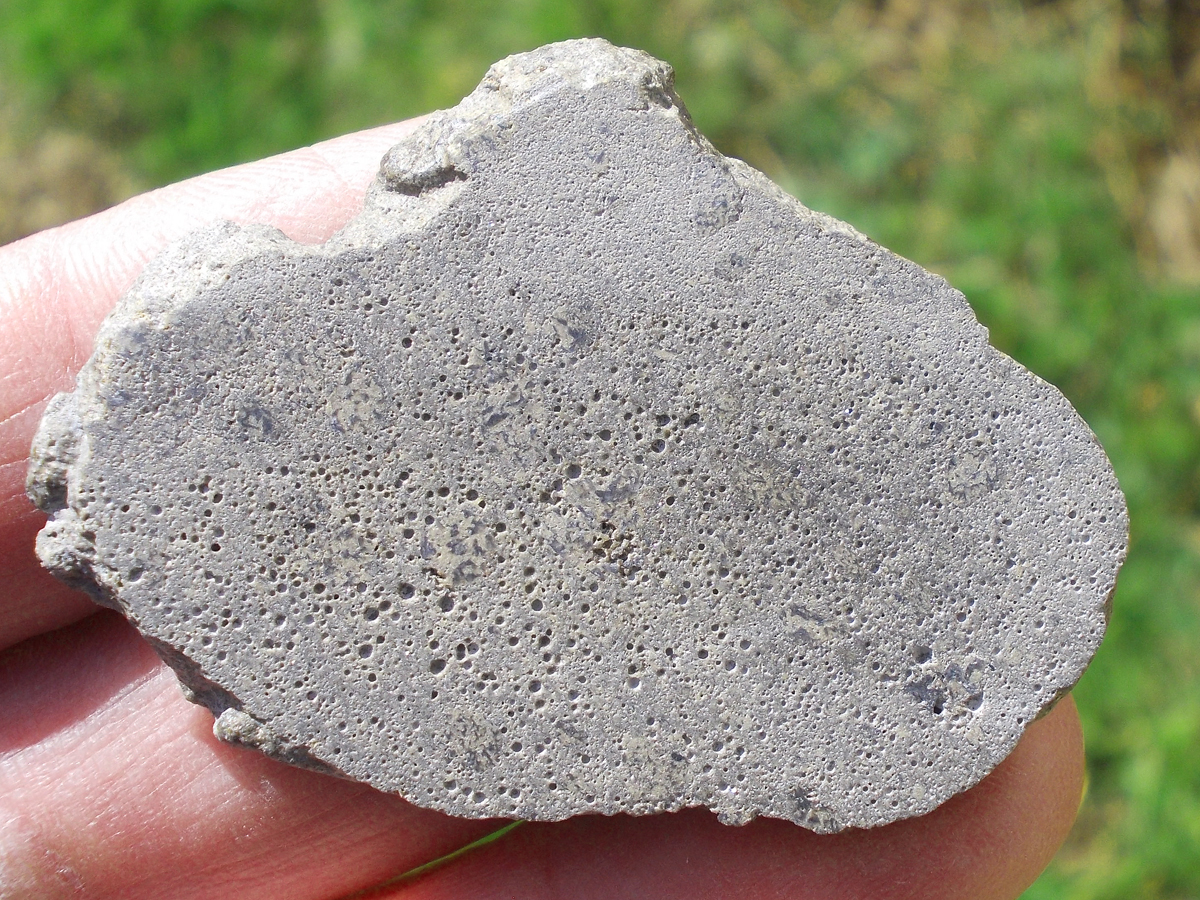
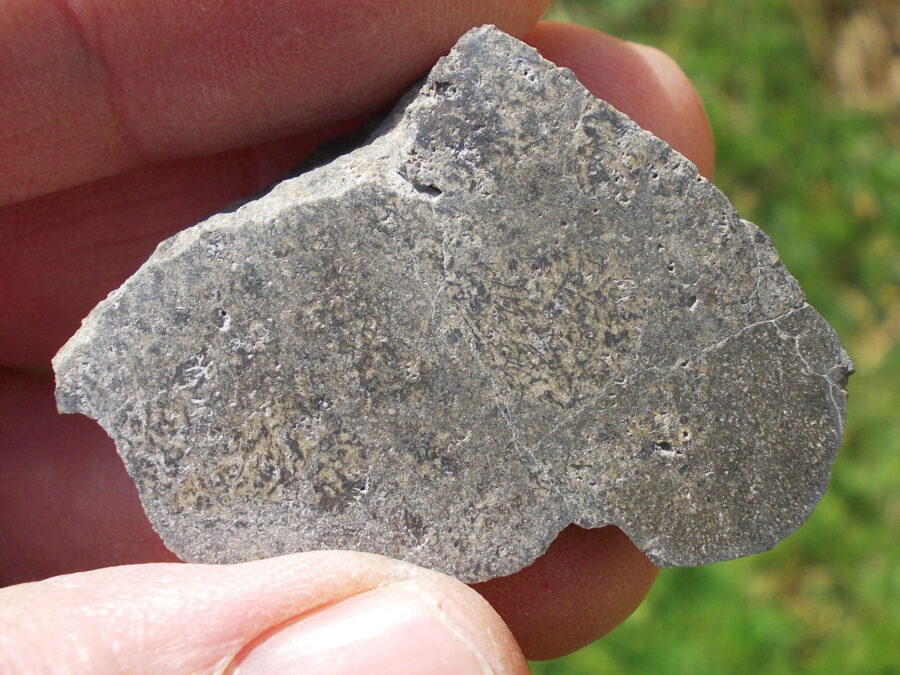
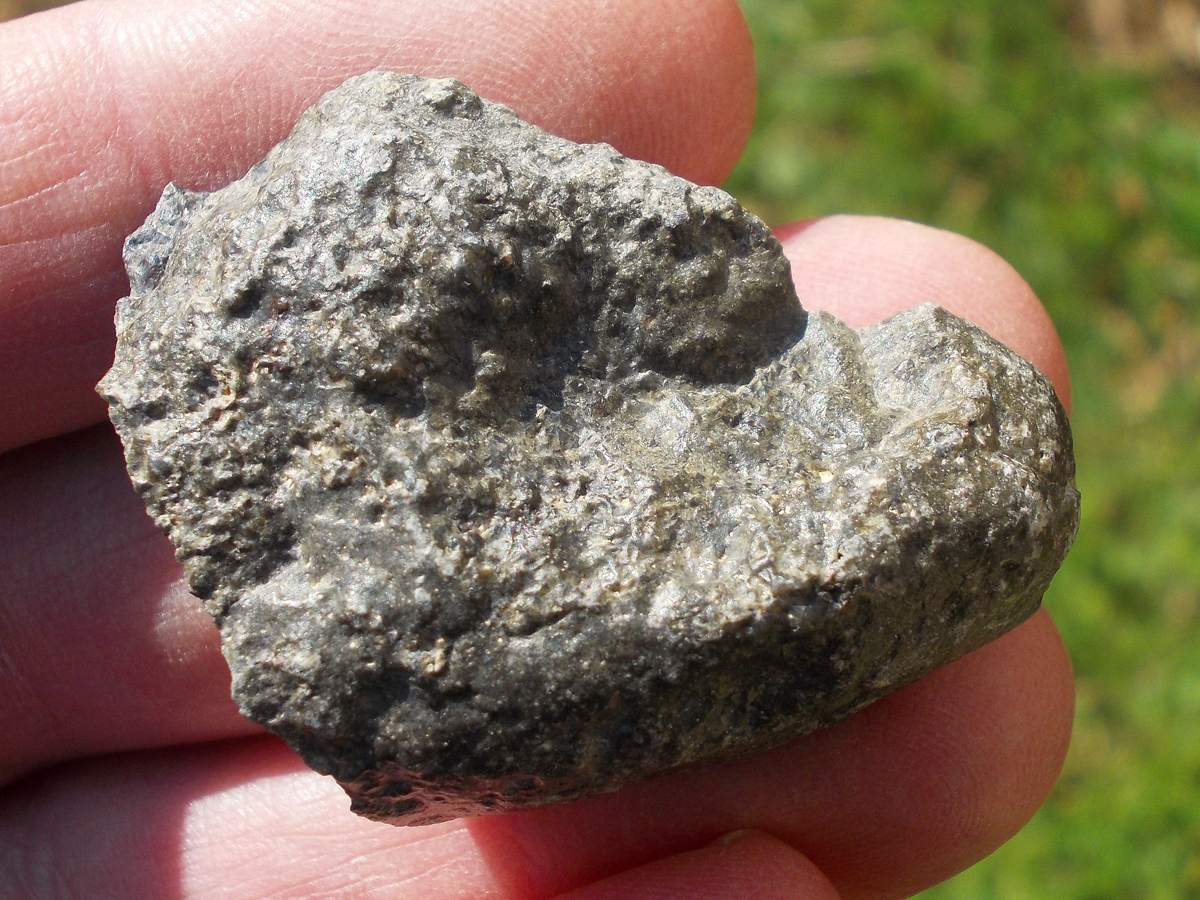
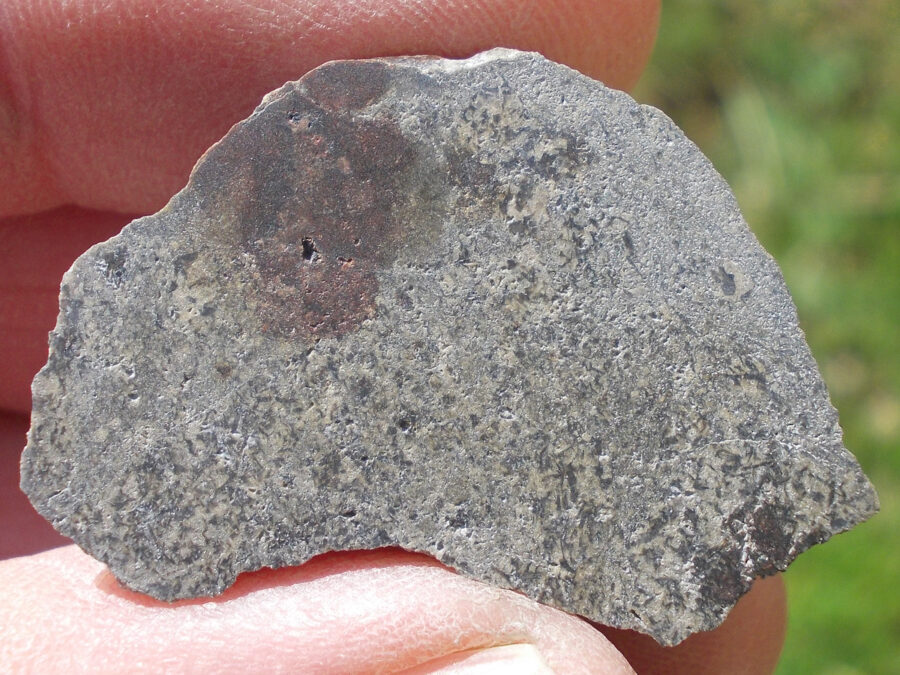
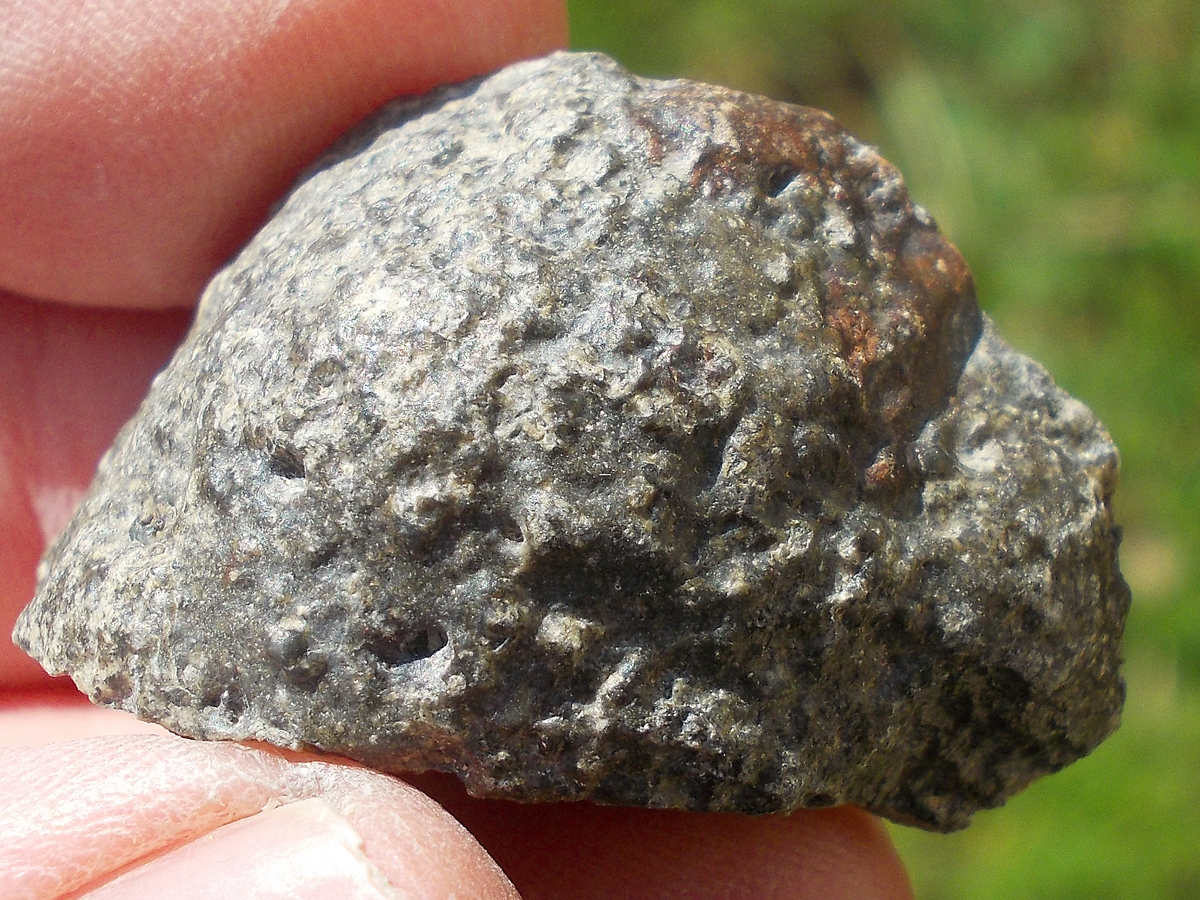
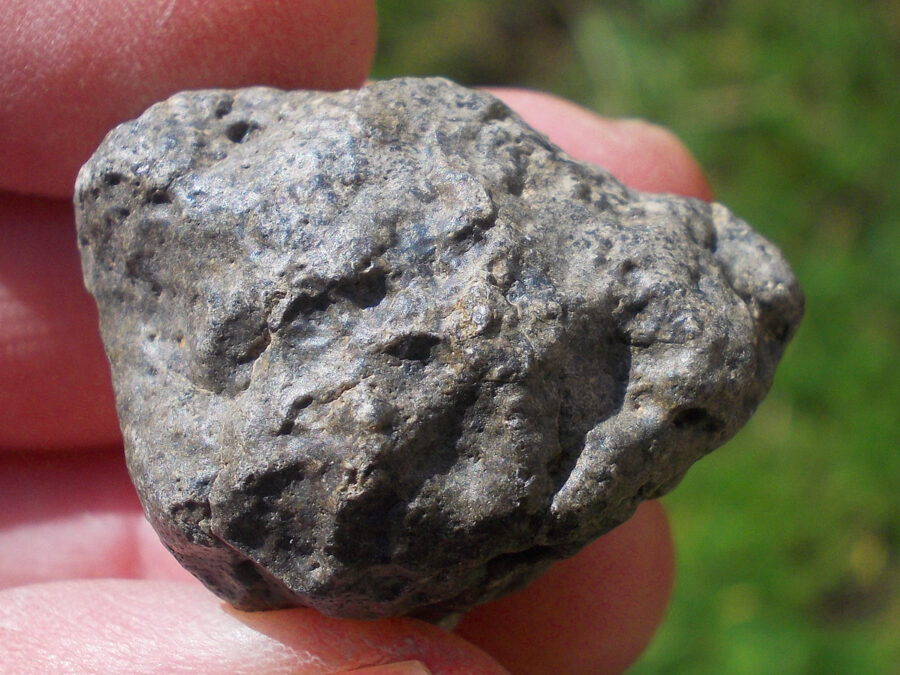
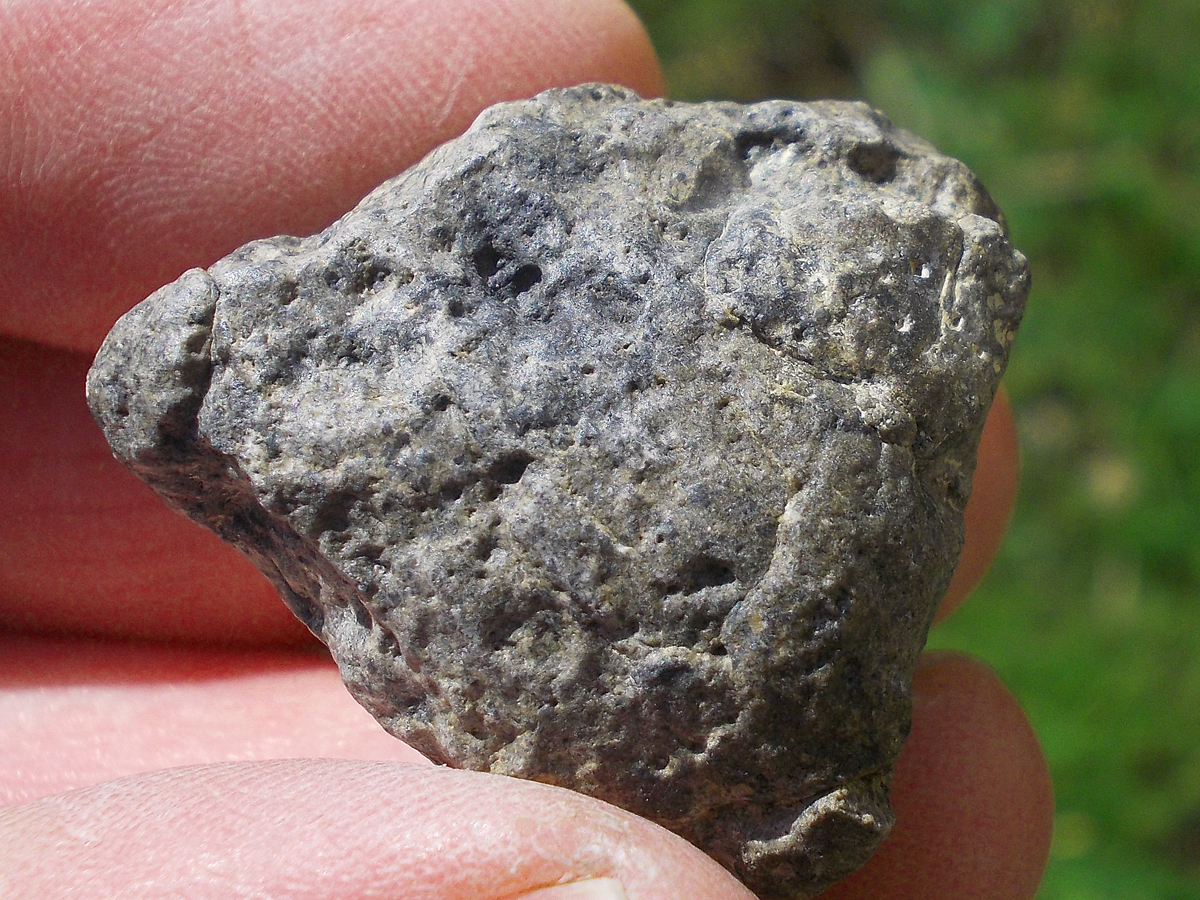
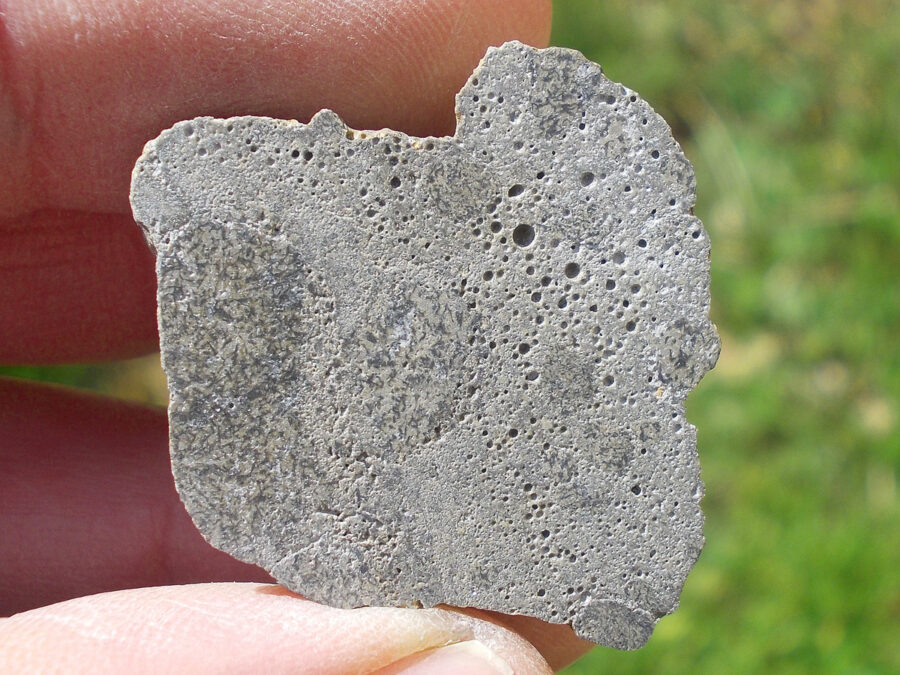
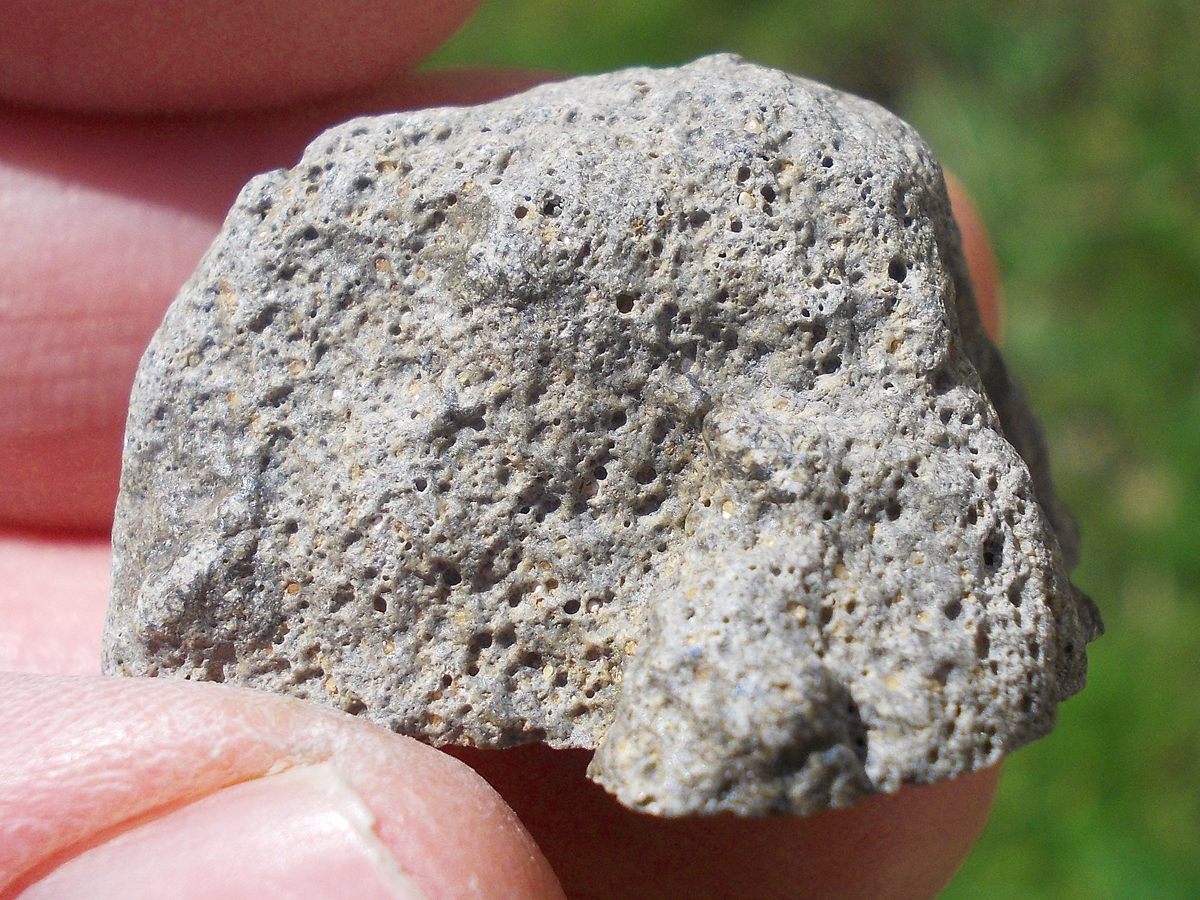
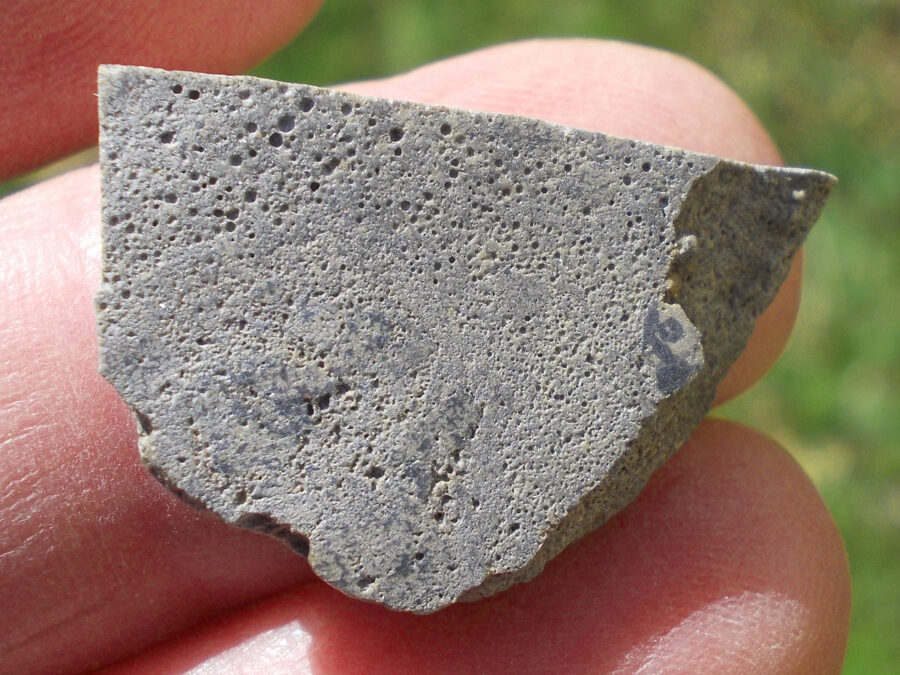
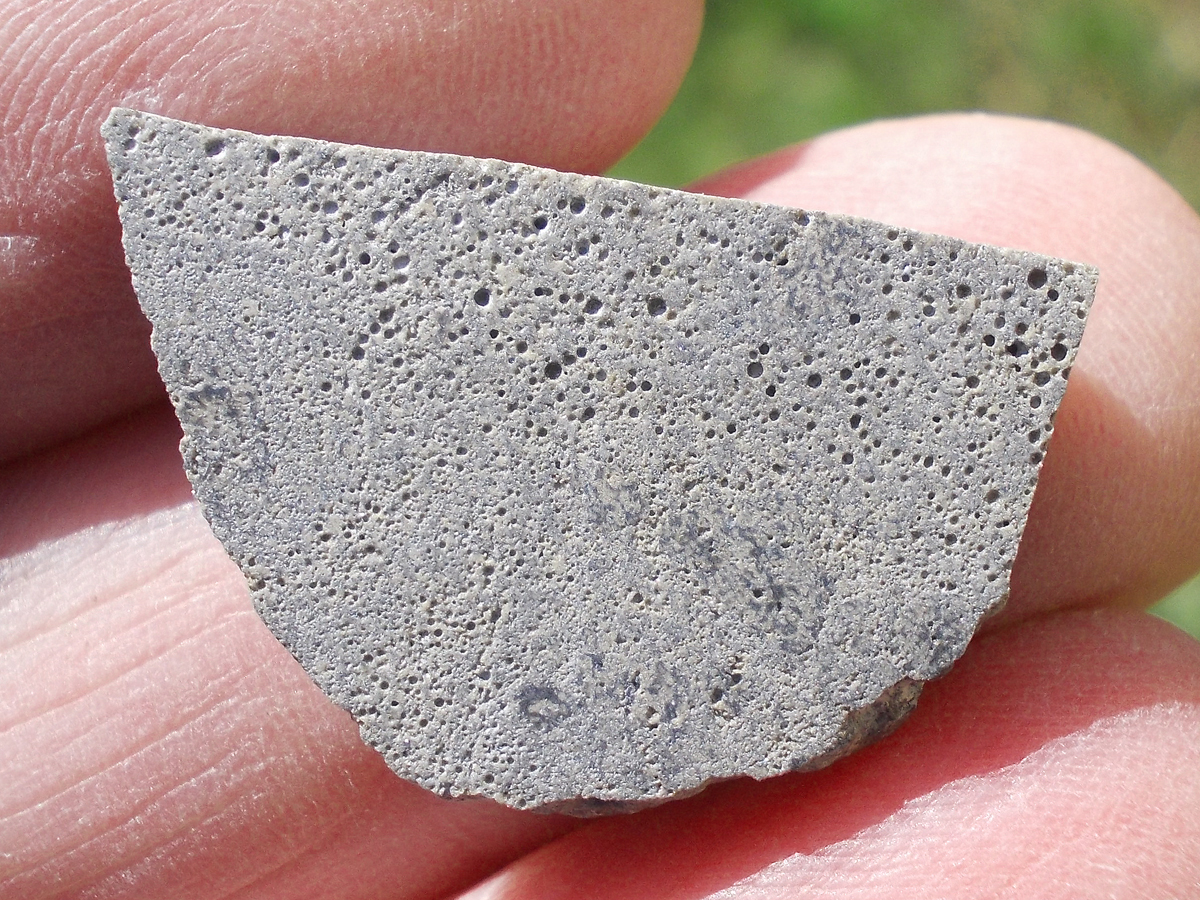
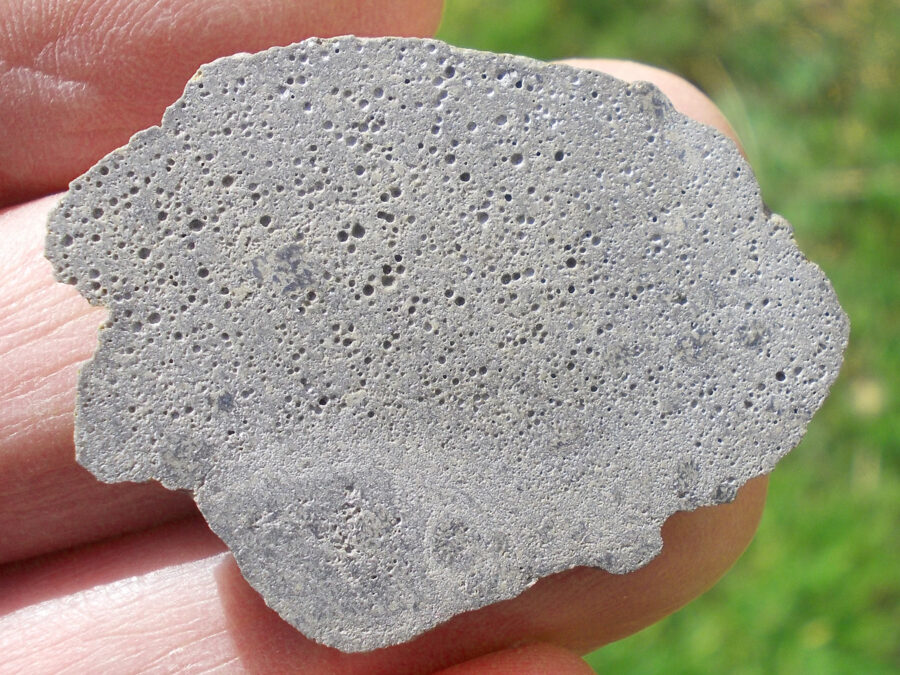
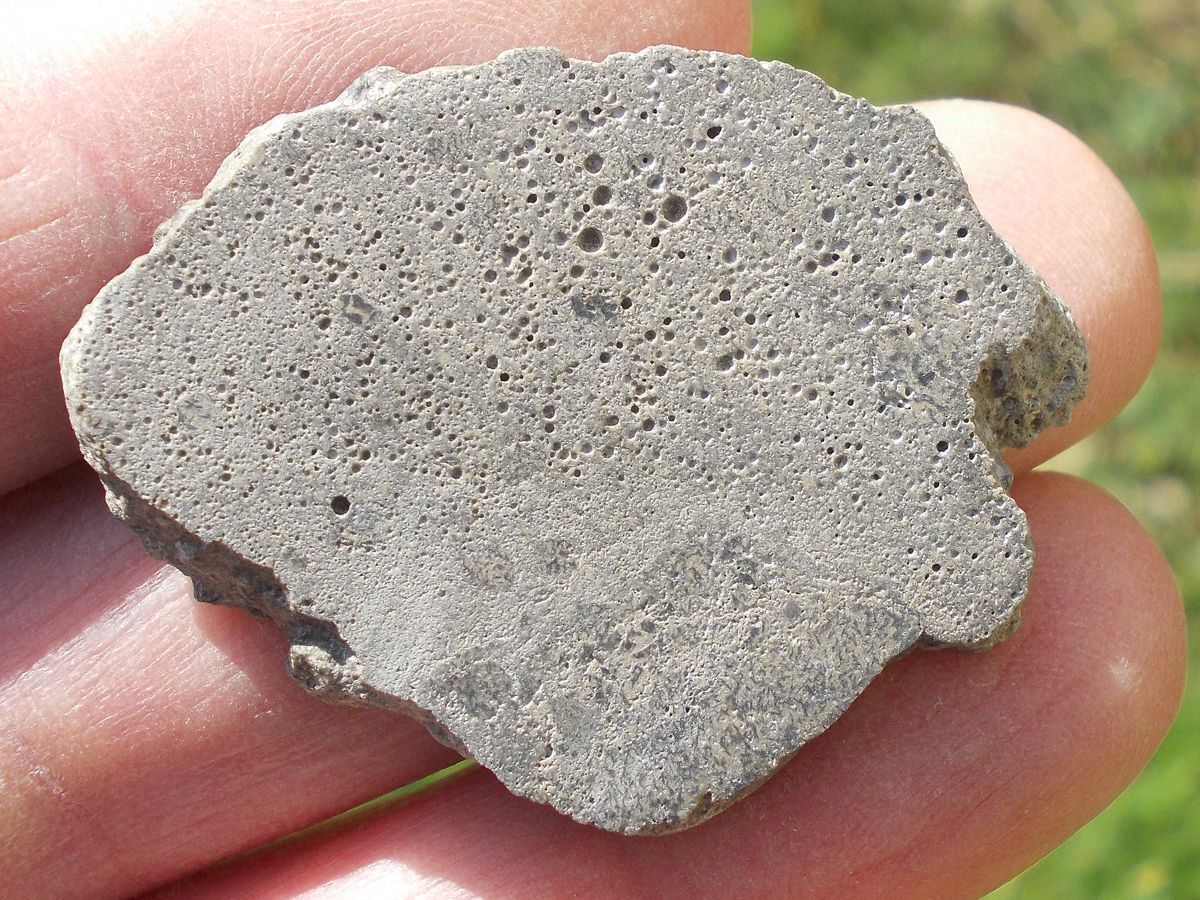
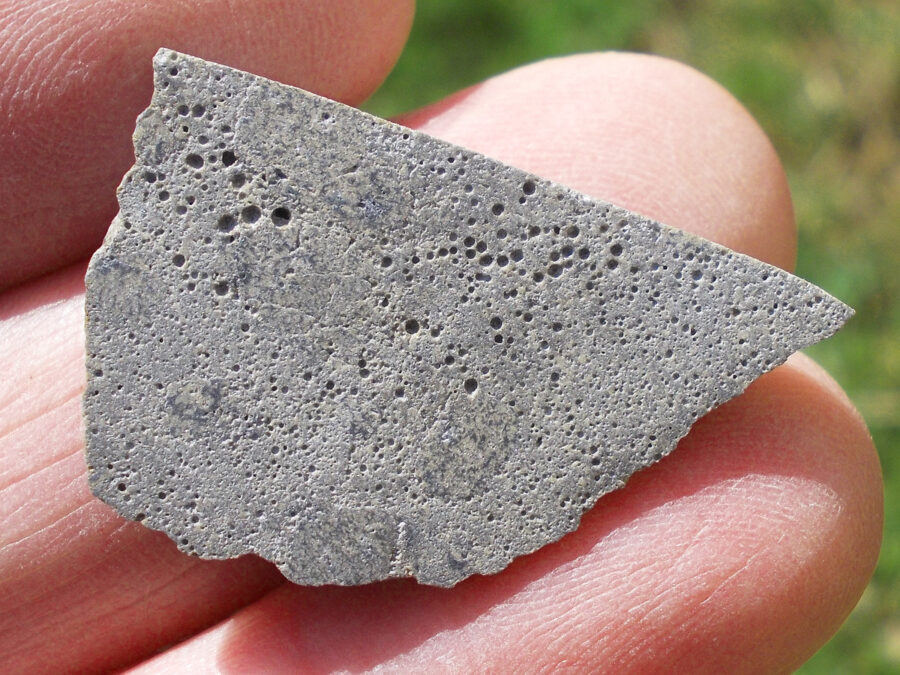
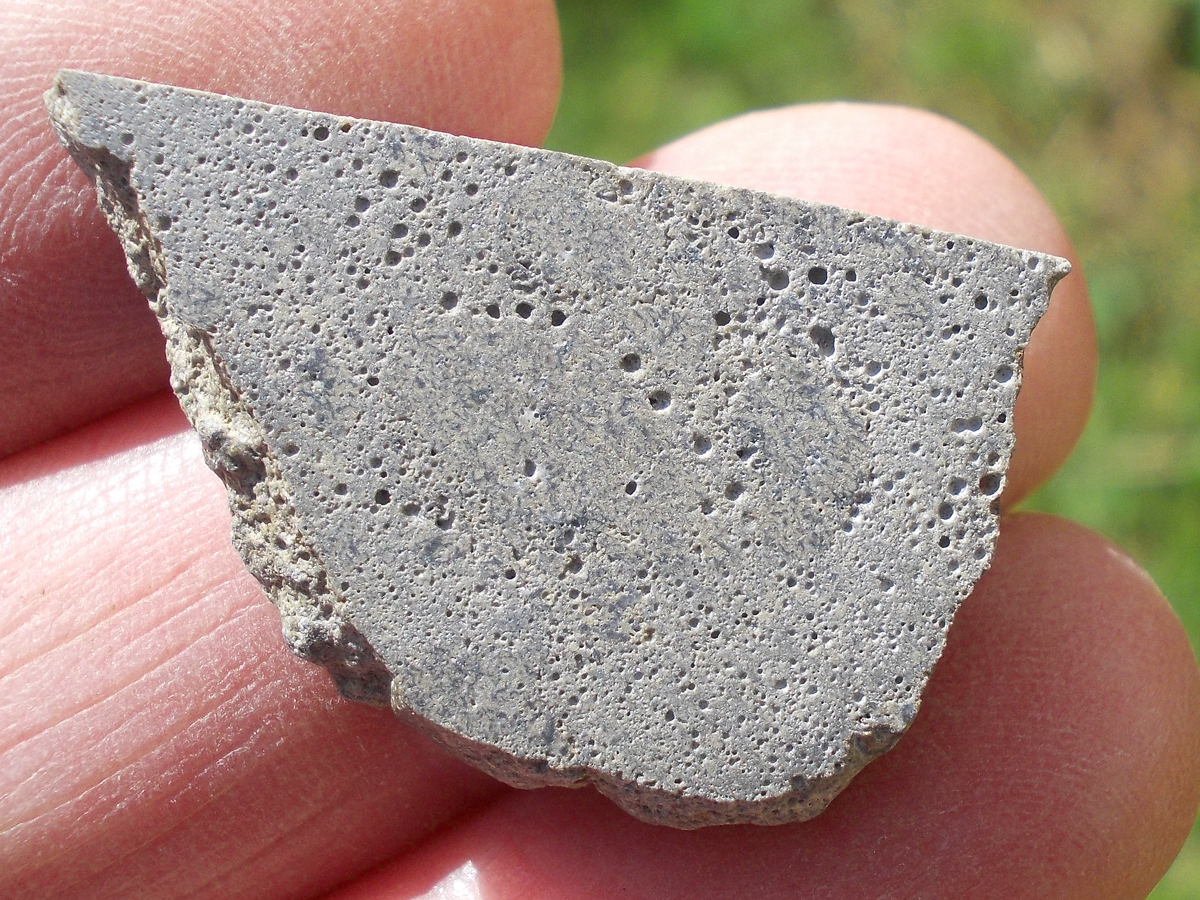
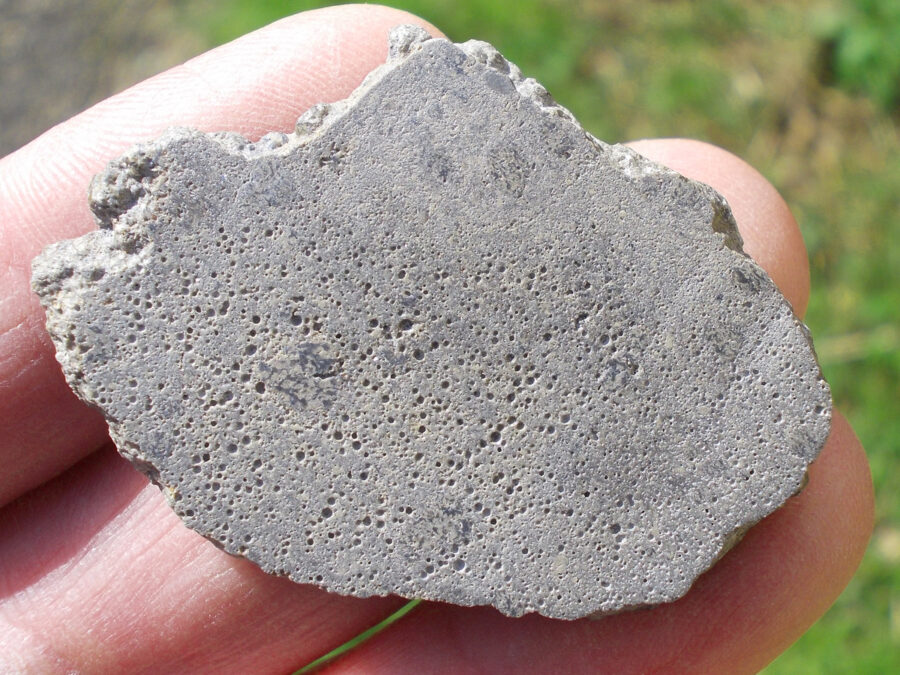
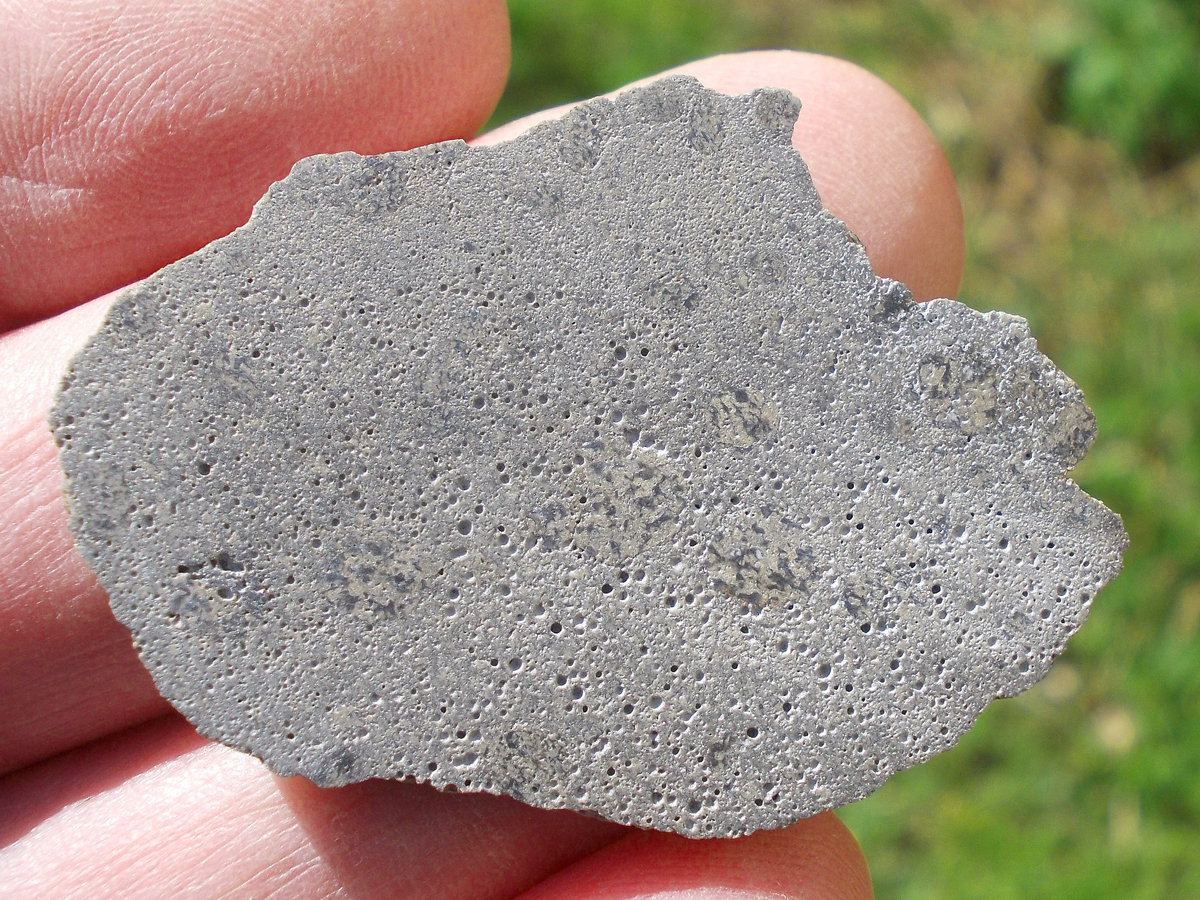
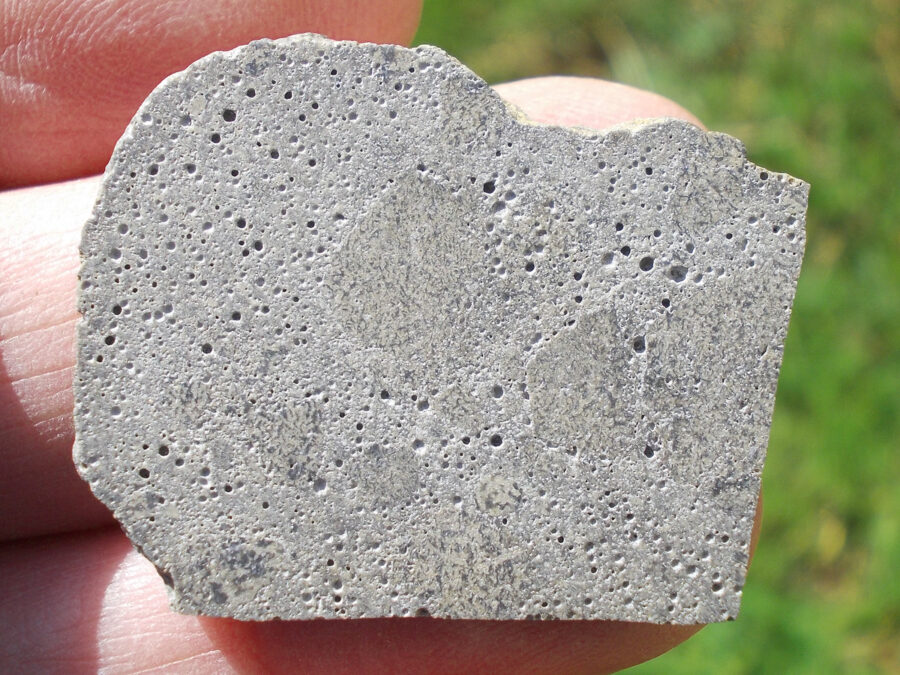
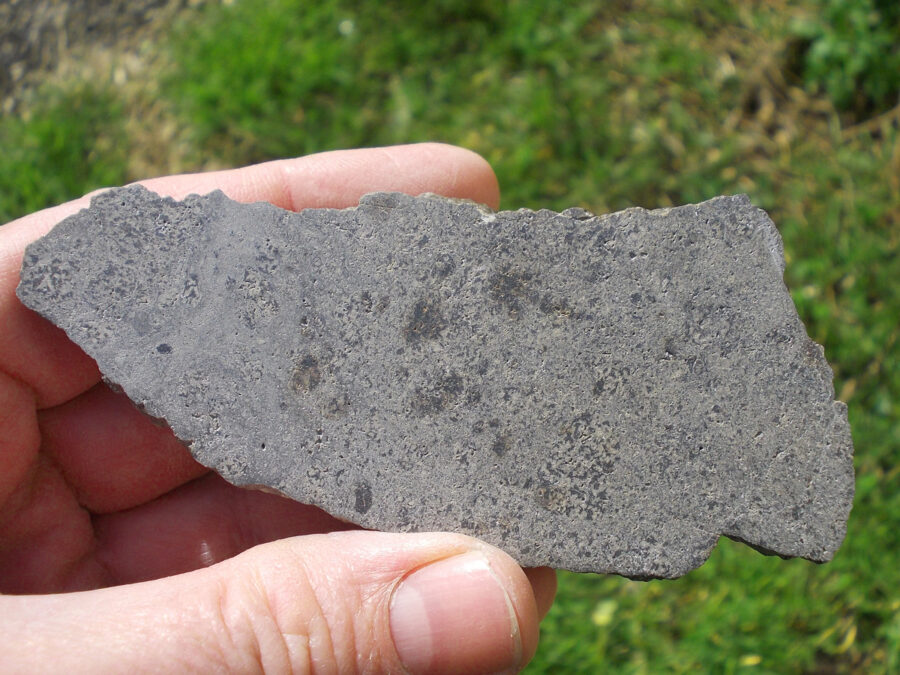
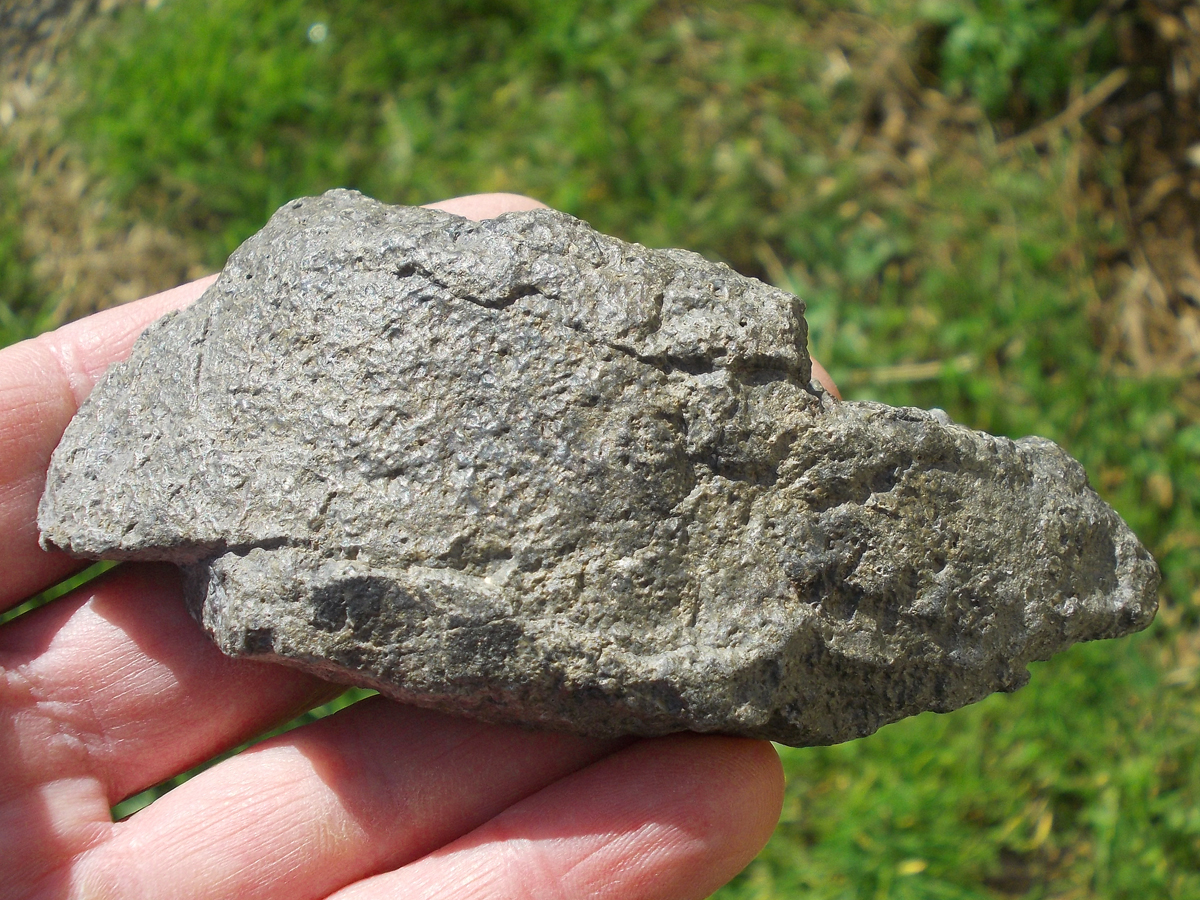
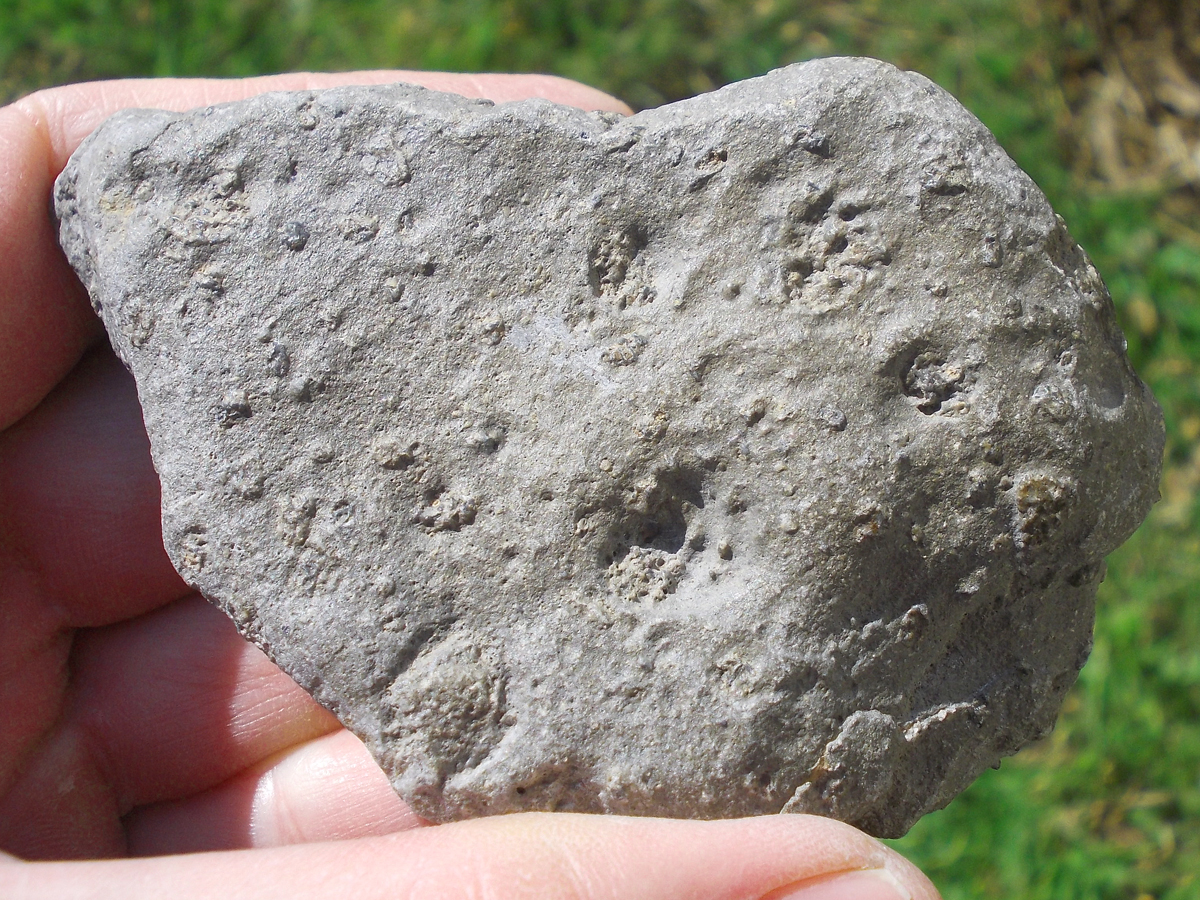
Physical characteristics: Partially crusted stone with a light grey interior
Petrography: (J.Gattacceca, CEREGE) Brecciated igneous rock with mineral and lithic gabbroic clasts. Main minerals are pyroxene (some exsolved) and plagioclase with grain size in the 100 to 500 µm range. Accessory minerals: metal (to 150 µm), chromite (to 100 µm), ilmenite (to 150 µm), troilite (to 200 µm).
History: Found by Ahmed Dich and Hssain Azmamar in January 2021. Bought by Jean Redelsperger from Zaid Oualguirah in February 2021.
Physical characteristics: Partially crusted stone with a light grey interior
Petrography: (J.Gattacceca, CEREGE) Brecciated igneous rock with mineral and lithic gabbroic clasts. Main minerals are pyroxene (some exsolved) and plagioclase with grain size in the 100 to 500 µm range. Accessory minerals: metal (to 150 µm), chromite (to 100 µm), ilmenite (to 150 µm), troilite (to 200 µm).
History: Found by Ahmed Dich and Hssain Azmamar in January 2021. Bought by Jean Redelsperger from Zaid Oualguirah in February 2021.
Physical characteristics: Partially crusted stone with a light grey interior
Petrography: (J.Gattacceca, CEREGE) Brecciated igneous rock with mineral and lithic gabbroic clasts. Main minerals are pyroxene (some exsolved) and plagioclase with grain size in the 100 to 500 µm range. Accessory minerals: metal (to 150 µm), chromite (to 100 µm), ilmenite (to 150 µm), troilite (to 200 µm).
History: Found by Ahmed Dich and Hssain Azmamar in January 2021. Bought by Jean Redelsperger from Zaid Oualguirah in February 2021.
Physical characteristics: Partially crusted stone with a light grey interior
Petrography: (J.Gattacceca, CEREGE) Brecciated igneous rock with mineral and lithic gabbroic clasts. Main minerals are pyroxene (some exsolved) and plagioclase with grain size in the 100 to 500 µm range. Accessory minerals: metal (to 150 µm), chromite (to 100 µm), ilmenite (to 150 µm), troilite (to 200 µm).
History: Found by Ahmed Dich and Hssain Azmamar in January 2021. Bought by Jean Redelsperger from Zaid Oualguirah in February 2021.
Physical characteristics: Partially crusted stone with a light grey interior
Petrography: (J.Gattacceca, CEREGE) Brecciated igneous rock with mineral and lithic gabbroic clasts. Main minerals are pyroxene (some exsolved) and plagioclase with grain size in the 100 to 500 µm range. Accessory minerals: metal (to 150 µm), chromite (to 100 µm), ilmenite (to 150 µm), troilite (to 200 µm).
History: Found by Ahmed Dich and Hssain Azmamar in January 2021. Bought by Jean Redelsperger from Zaid Oualguirah in February 2021.
Physical characteristics: Partially crusted stone with a light grey interior
Petrography: (J.Gattacceca, CEREGE) Brecciated igneous rock with mineral and lithic gabbroic clasts. Main minerals are pyroxene (some exsolved) and plagioclase with grain size in the 100 to 500 µm range. Accessory minerals: metal (to 150 µm), chromite (to 100 µm), ilmenite (to 150 µm), troilite (to 200 µm).
History: Found by Ahmed Dich and Hssain Azmamar in January 2021. Bought by Jean Redelsperger from Zaid Oualguirah in February 2021.
Physical characteristics: Partially crusted stone with a light grey interior
Petrography: (J. Gattacceca, CEREGE) Brecciated igneous rock with mineral and lithic gabbroic clasts. Main minerals are pyroxene (some exsolved) and plagioclase with grain size in the 100 to 500 µm range. Accessory minerals: metal (to 150 µm), chromite (to 100 µm), ilmenite (to 150 µm), troilite (to 200 µm).
History: Found by Ahmed Dich and Hssain Azmamar in January 2021. Bought by Jean Redelsperger from Zaid Oualguirah in February 2021.
Physical characteristics: Partially crusted stone with a light grey interior
Petrography: (J. Gattacceca, CEREGE) Brecciated igneous rock with mineral and lithic gabbroic clasts. Main minerals are pyroxene (some exsolved) and plagioclase with grain size in the 100 to 500 µm range. Accessory minerals: metal (to 150 µm), chromite (to 100 µm), ilmenite (to 150 µm), troilite (to 200 µm).
It is a rare type, but the particularity of NWA 10158 is that it must have arrived on Earth a long time ago for proof of its terrestrialisation.
NWA 10158 does not look like a classical mesosiderite and it is only with a scientific analysis that its exact type has been determined.
This meteorite is nevertheless an aesthetic meteorite, and each cut slice is different.
It is a rare type, but the particularity of NWA 10158 is that it must have arrived on Earth a long time ago for proof of its terrestrialisation.
NWA 10158 does not look like a classical mesosiderite and it is only with a scientific analysis that its exact type has been determined.
This meteorite is nevertheless an aesthetic meteorite, and each cut slice is different.
It is a rare type, but the particularity of NWA 10158 is that it must have arrived on Earth a long time ago for proof of its terrestrialisation.
NWA 10158 does not look like a classical mesosiderite and it is only with a scientific analysis that its exact type has been determined.
This meteorite is nevertheless an aesthetic meteorite, and each cut slice is different.
It is a rare type, but the particularity of NWA 10158 is that it must have arrived on Earth a long time ago for proof of its terrestrialisation.
NWA 10158 does not look like a classical mesosiderite and it is only with a scientific analysis that its exact type has been determined.
This meteorite is nevertheless an aesthetic meteorite, and each cut slice is different.
It is a rare type, but the particularity of NWA 10158 is that it must have arrived on Earth a long time ago for proof of its terrestrialisation.
NWA 10158 does not look like a classical mesosiderite and it is only with a scientific analysis that its exact type has been determined.
This meteorite is nevertheless an aesthetic meteorite, and each cut slice is different.
It is a rare type, but the particularity of NWA 10158 is that it must have arrived on Earth a long time ago for proof of its terrestrialisation.
NWA 10158 does not look like a classical mesosiderite and it is only with a scientific analysis that its exact type has been determined.
This meteorite is nevertheless an aesthetic meteorite, and each cut slice is different.
It is a rare type, but the particularity of NWA 10158 is that it must have arrived on Earth a long time ago for proof of its terrestrialisation.
NWA 10158 does not look like a classical mesosiderite and it is only with a scientific analysis that its exact type has been determined.
This meteorite is nevertheless an aesthetic meteorite, and each cut slice is different.
It is a rare type, but the particularity of NWA 10158 is that it must have arrived on Earth a long time ago for proof of its terrestrialisation.
NWA 10158 does not look like a classical mesosiderite and it is only with a scientific analysis that its exact type has been determined.
This meteorite is nevertheless an aesthetic meteorite, and each cut slice is different.
It is a rare type, but the particularity of NWA 10158 is that it must have arrived on Earth a long time ago for proof of its terrestrialisation.
NWA 10158 does not look like a classical mesosiderite and it is only with a scientific analysis that its exact type has been determined.
This meteorite is nevertheless an aesthetic meteorite, and each cut slice is different.
The Wabar pearls are impactites created by the impact that created the Wabar crater. These glass droplets are composed of microscopic iron-nickel particles derived from local sand and iron meteorites.