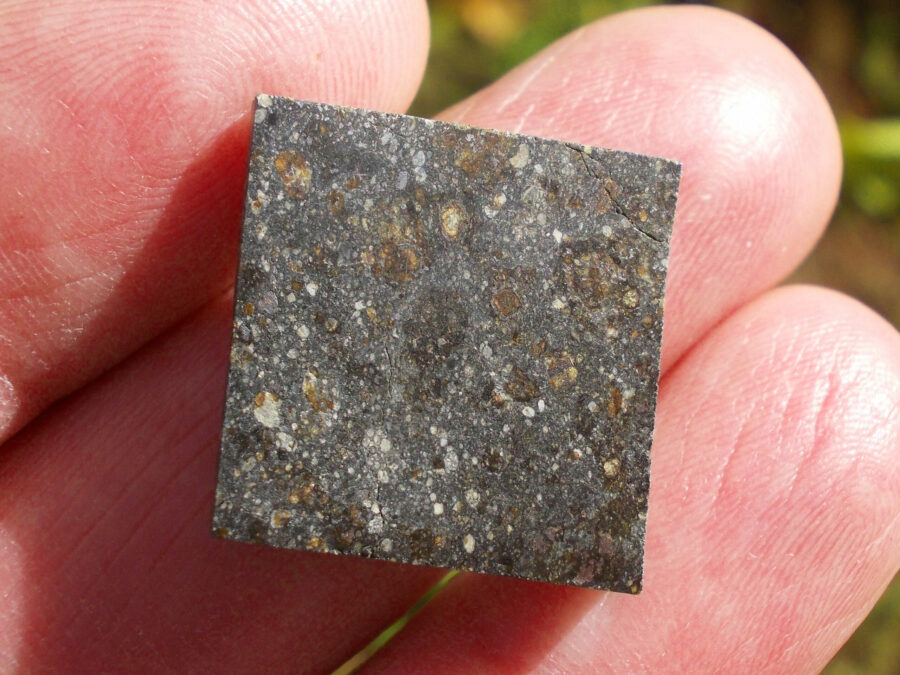
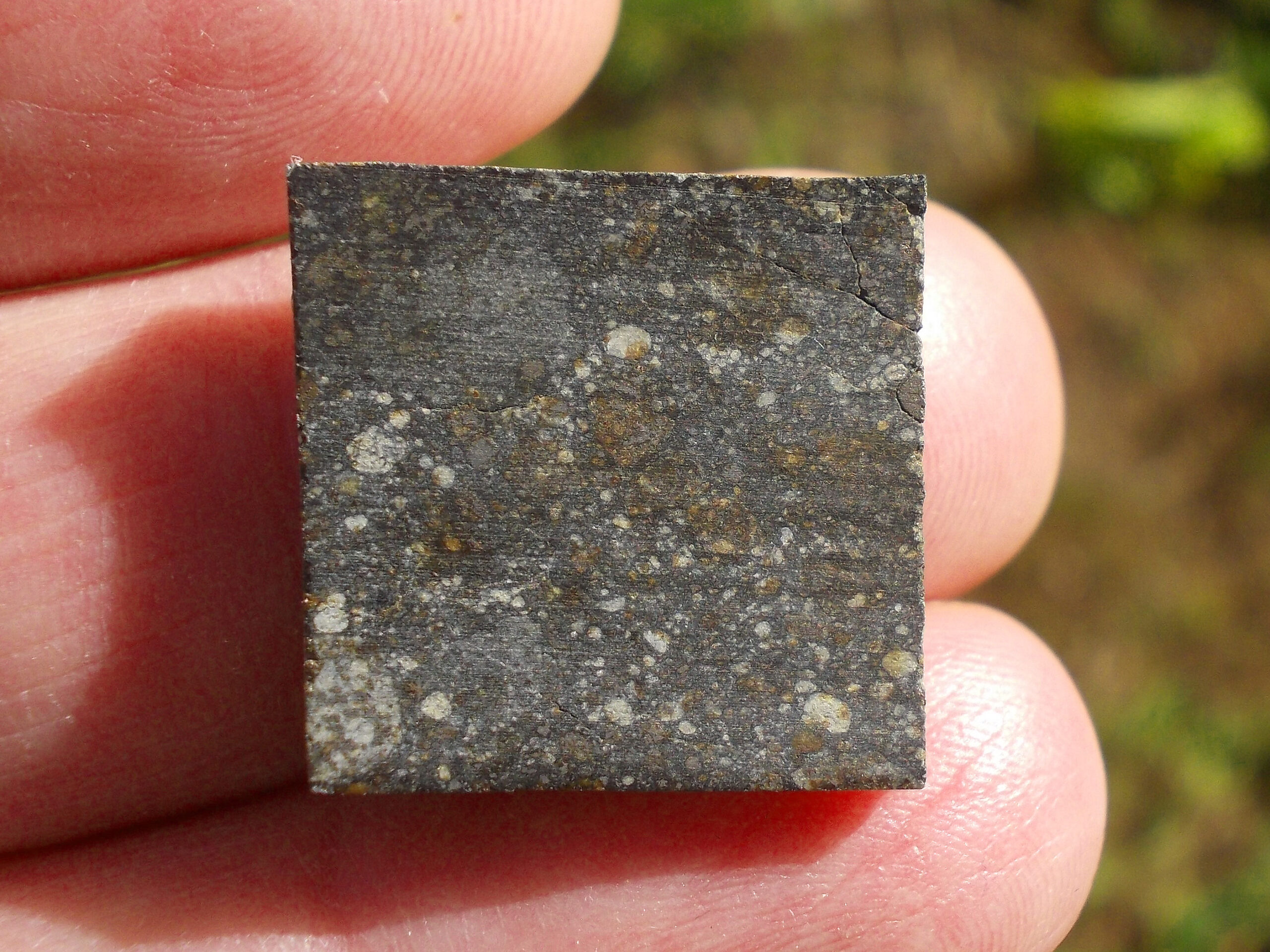
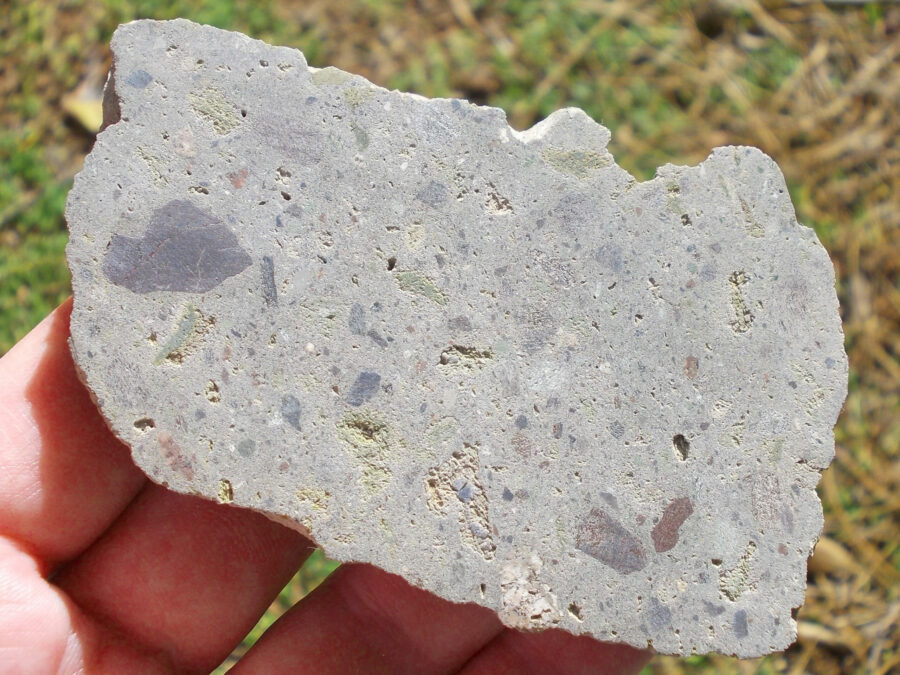
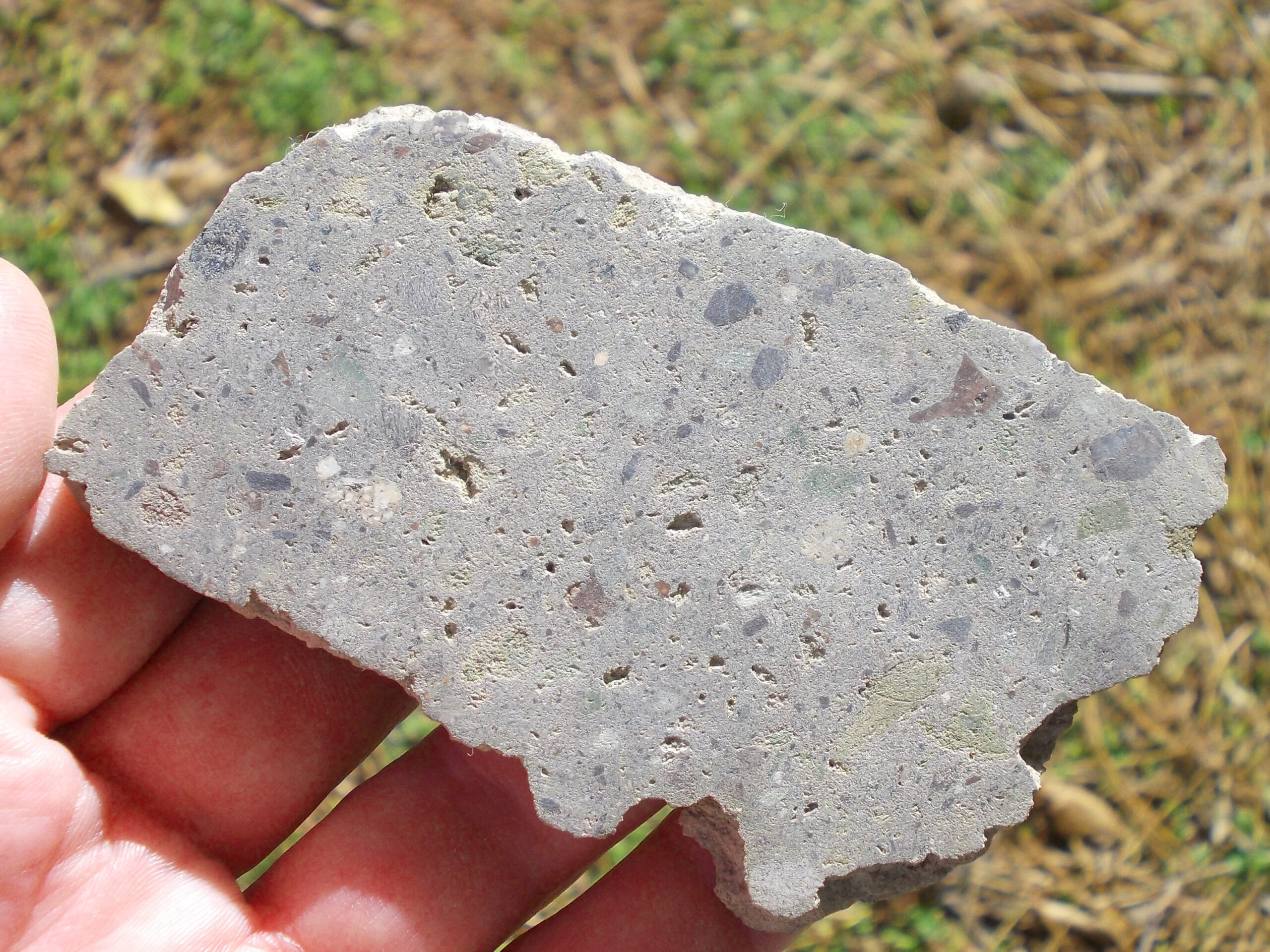
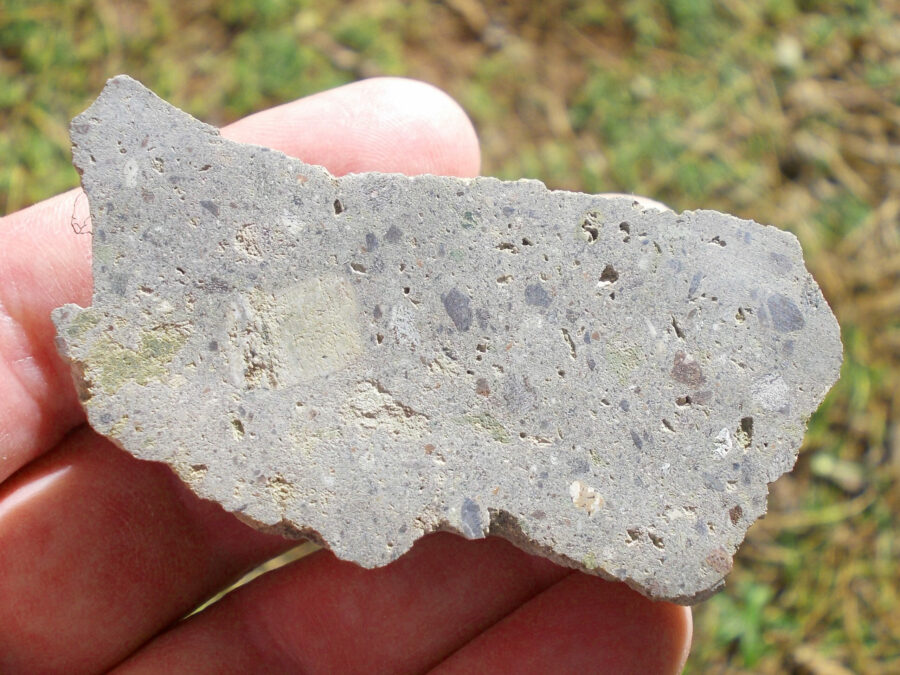
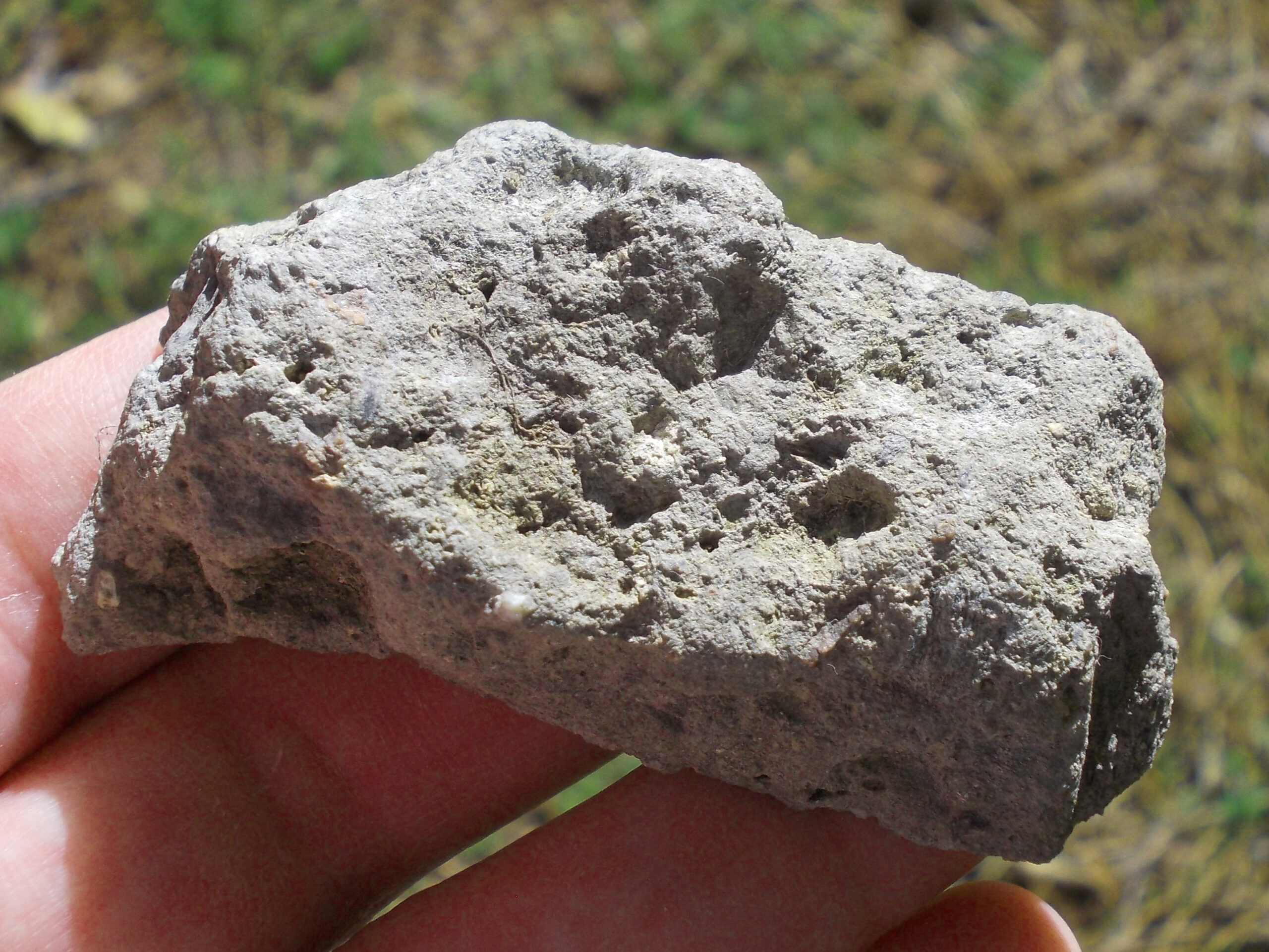
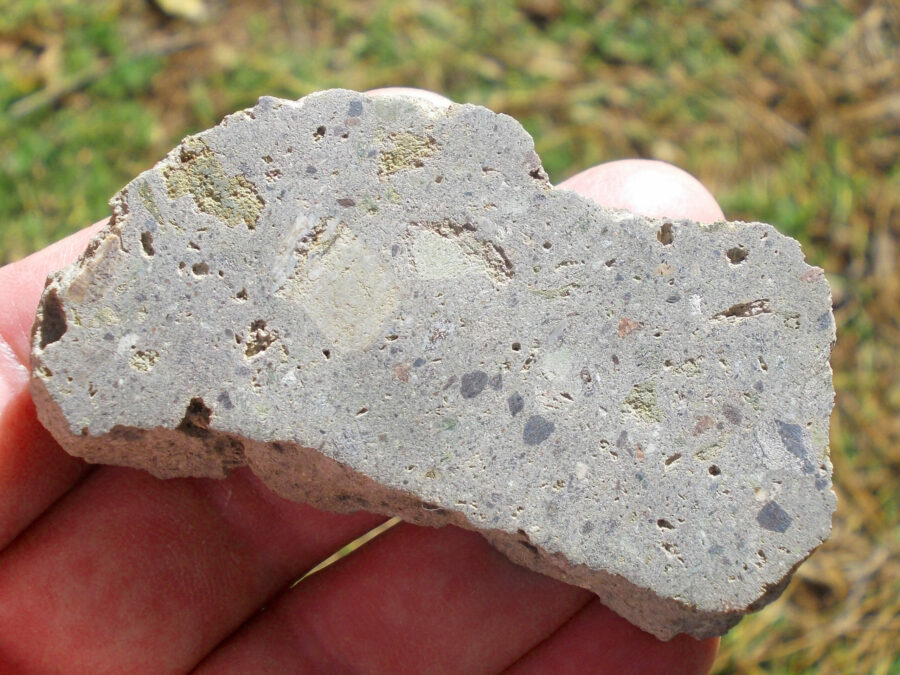
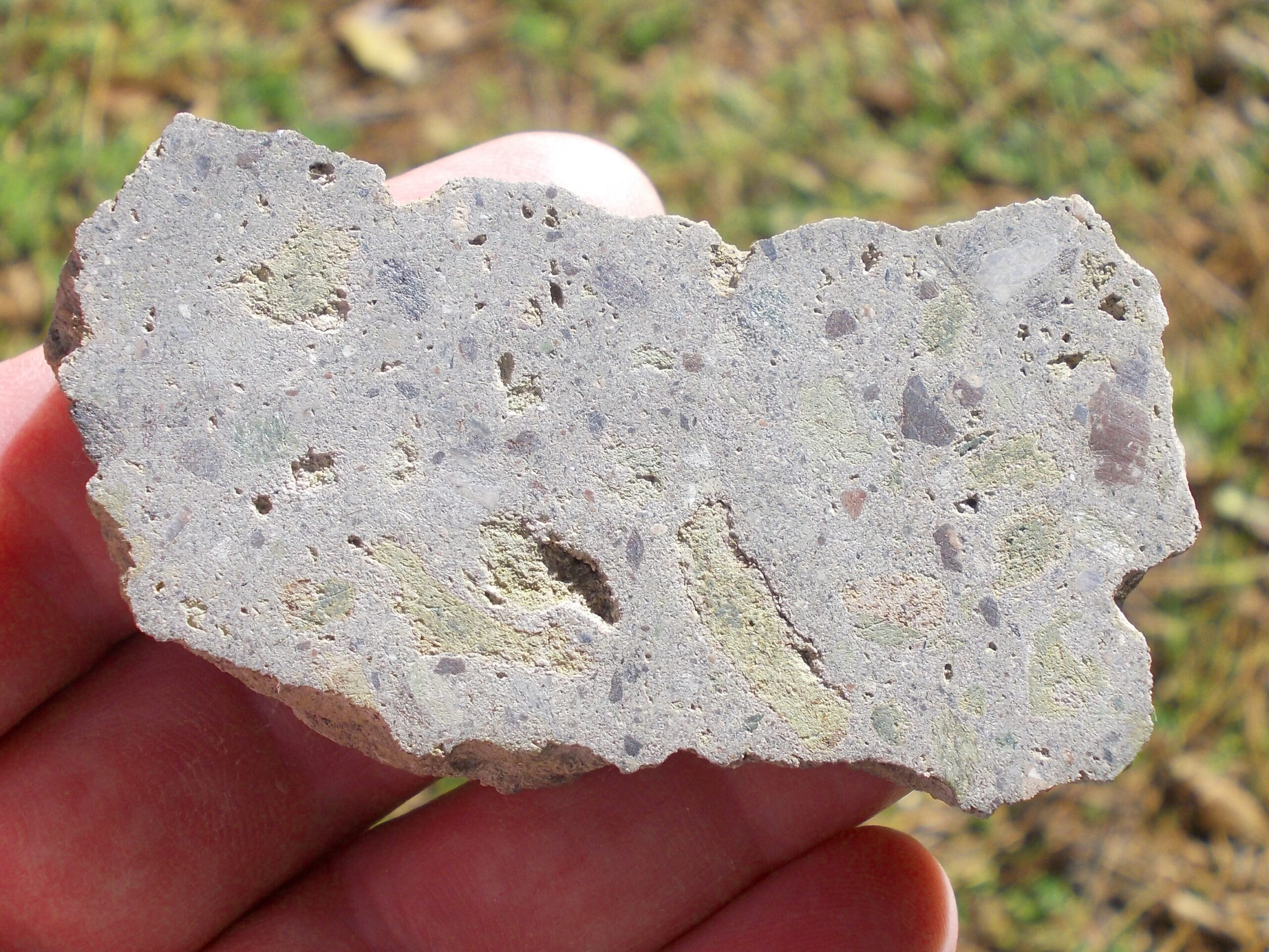
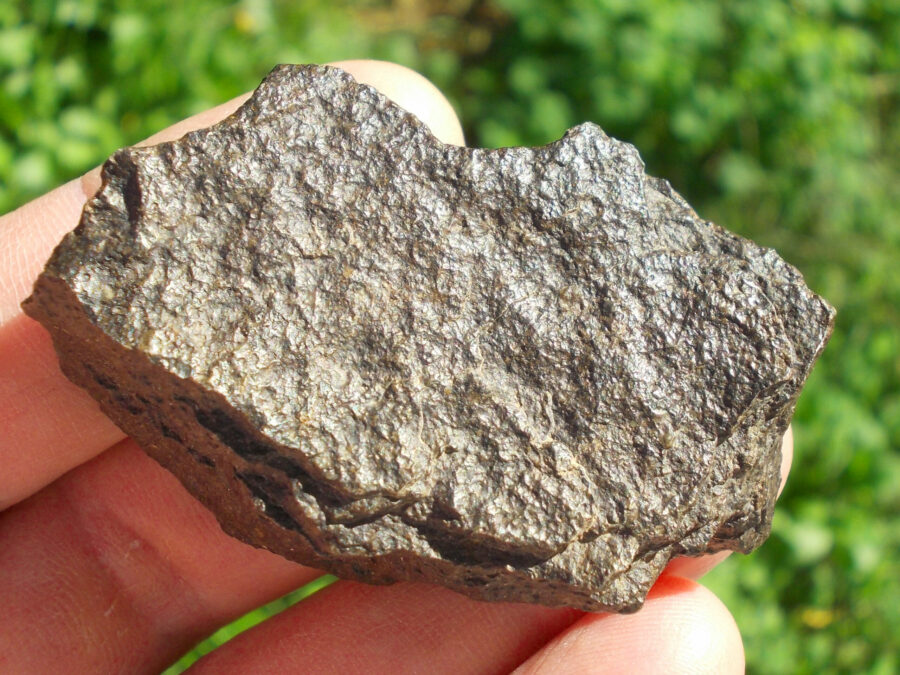
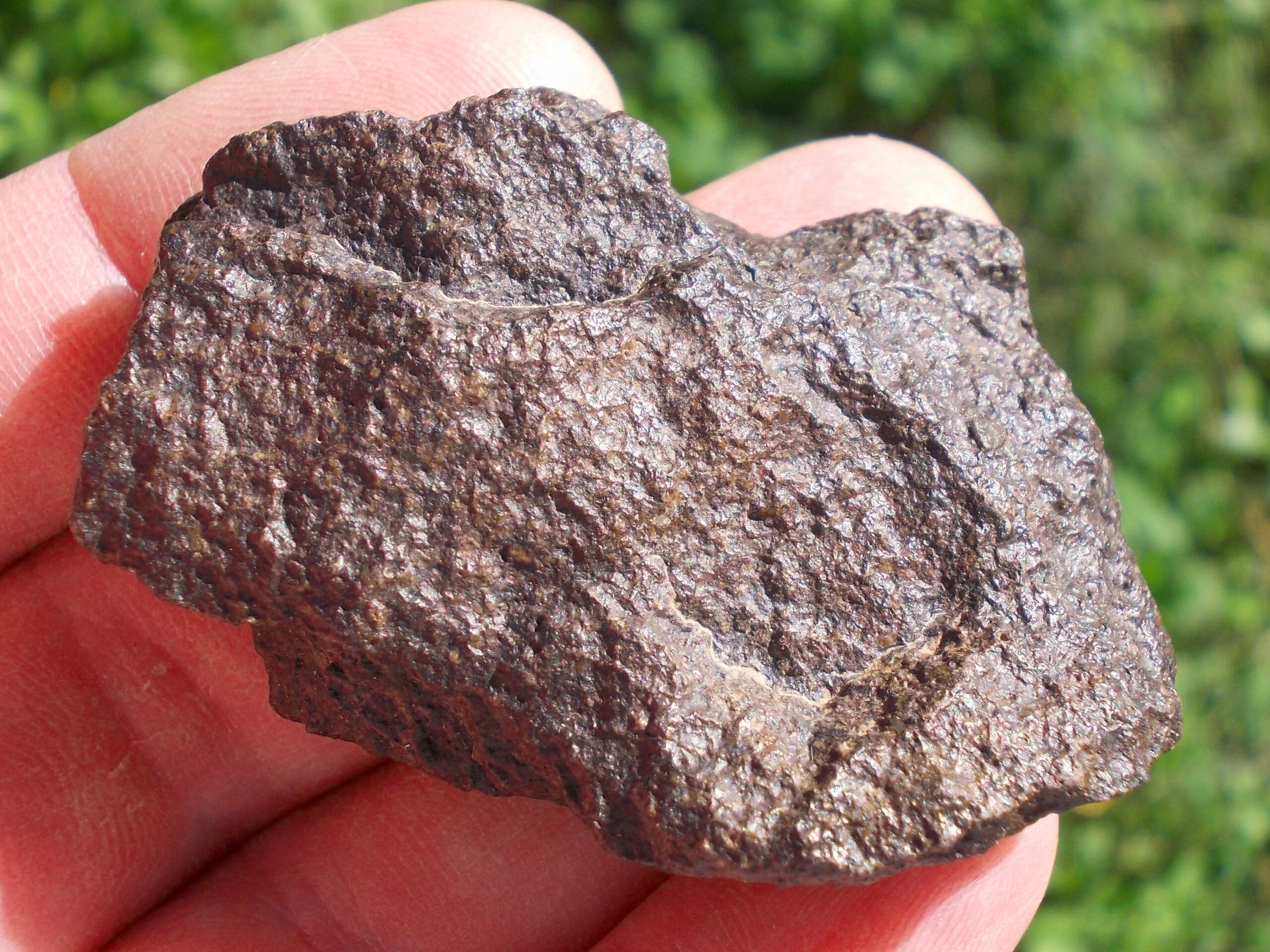
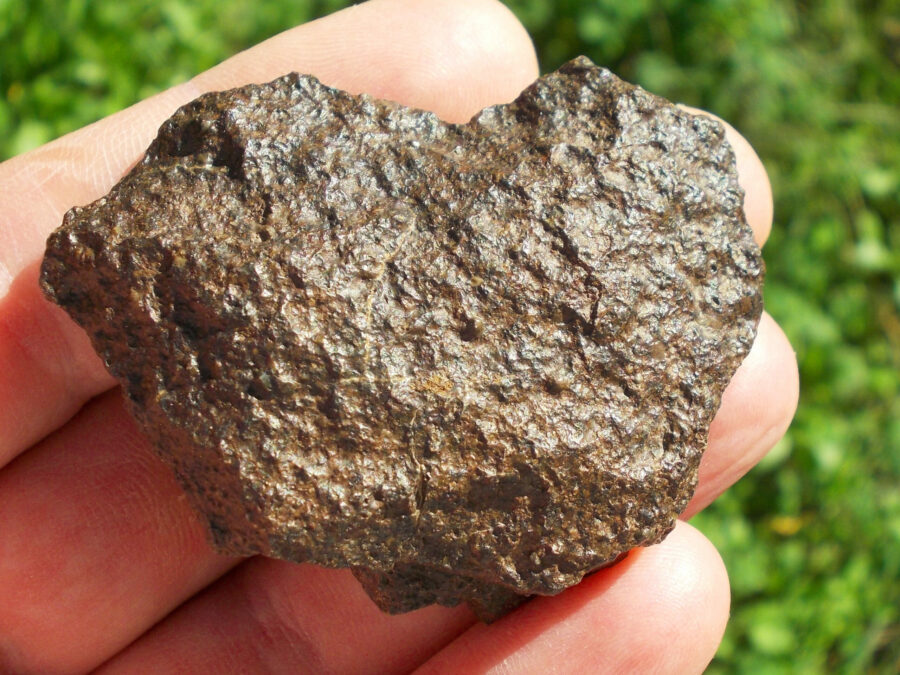
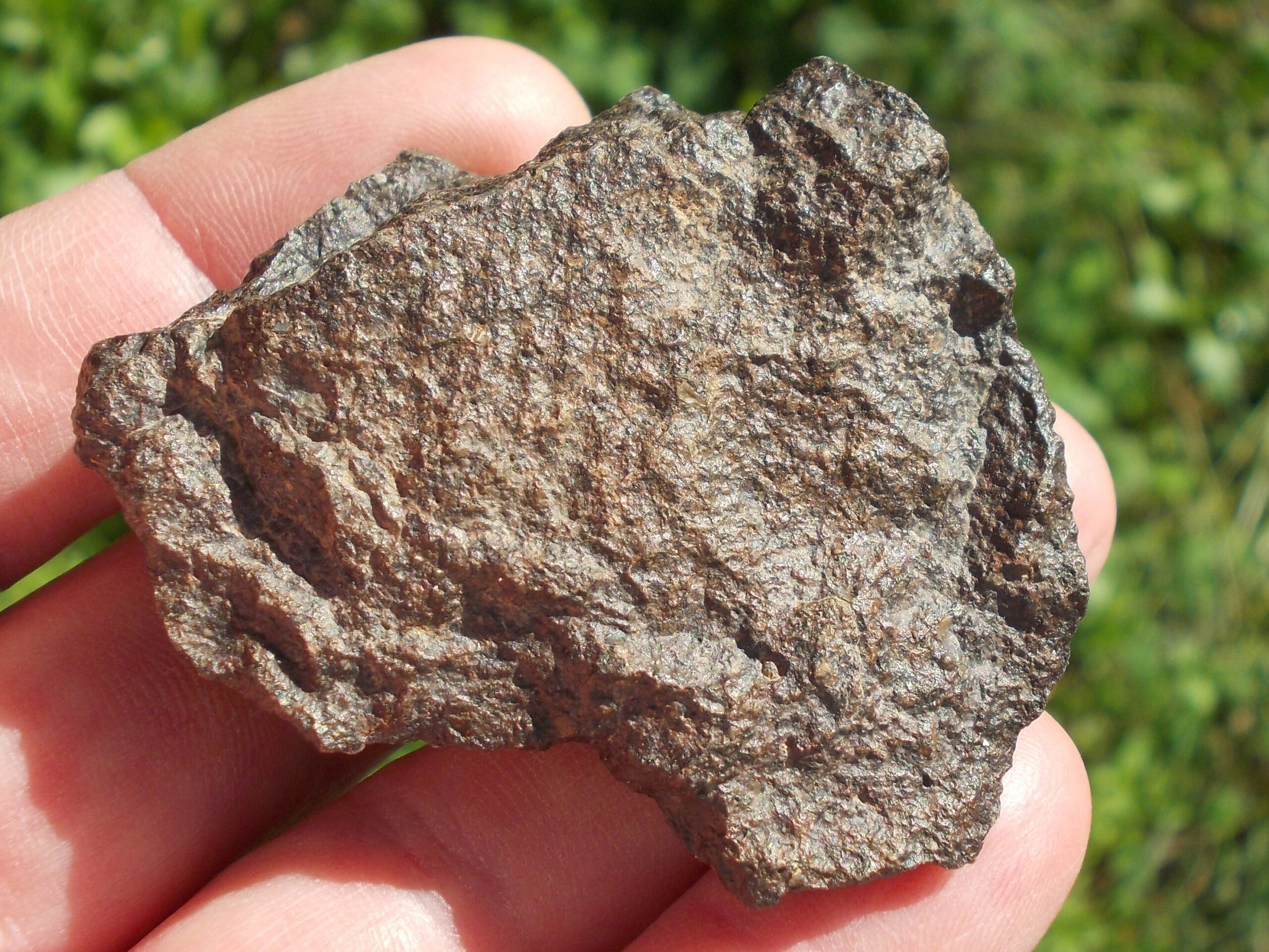
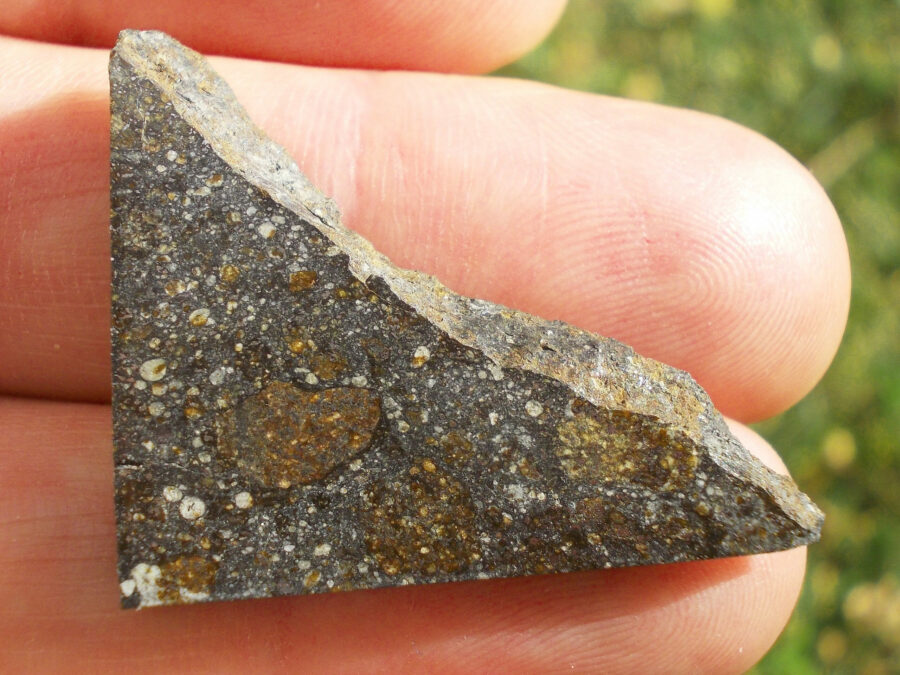
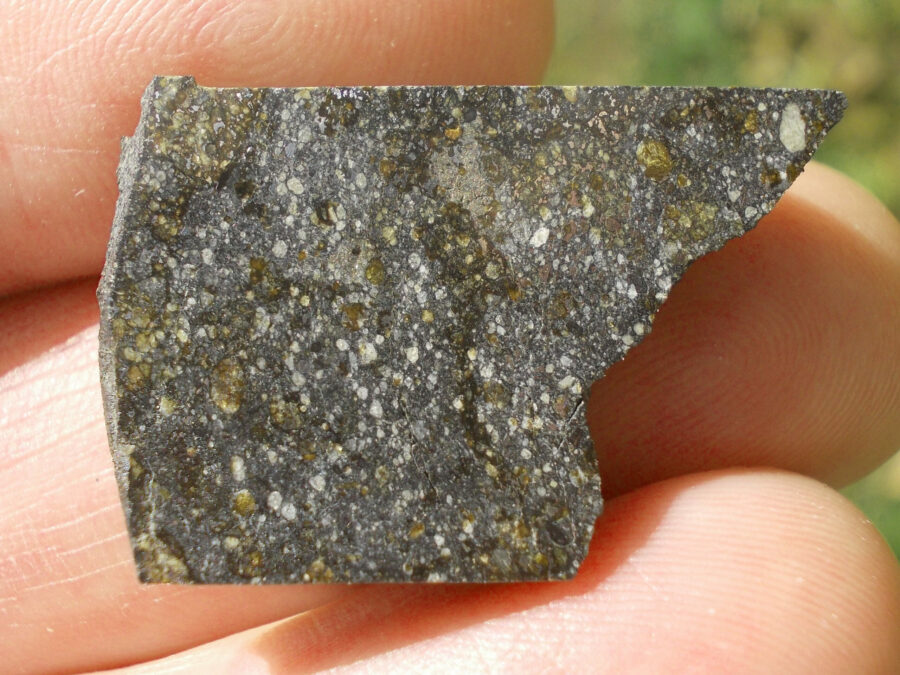
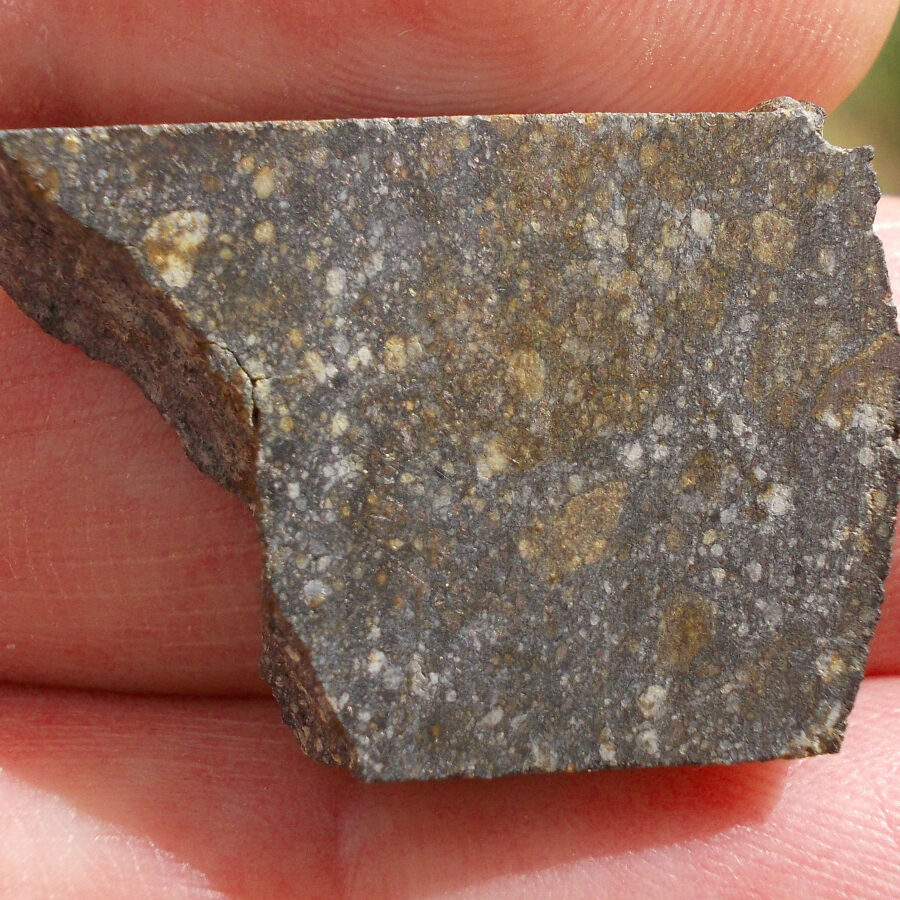
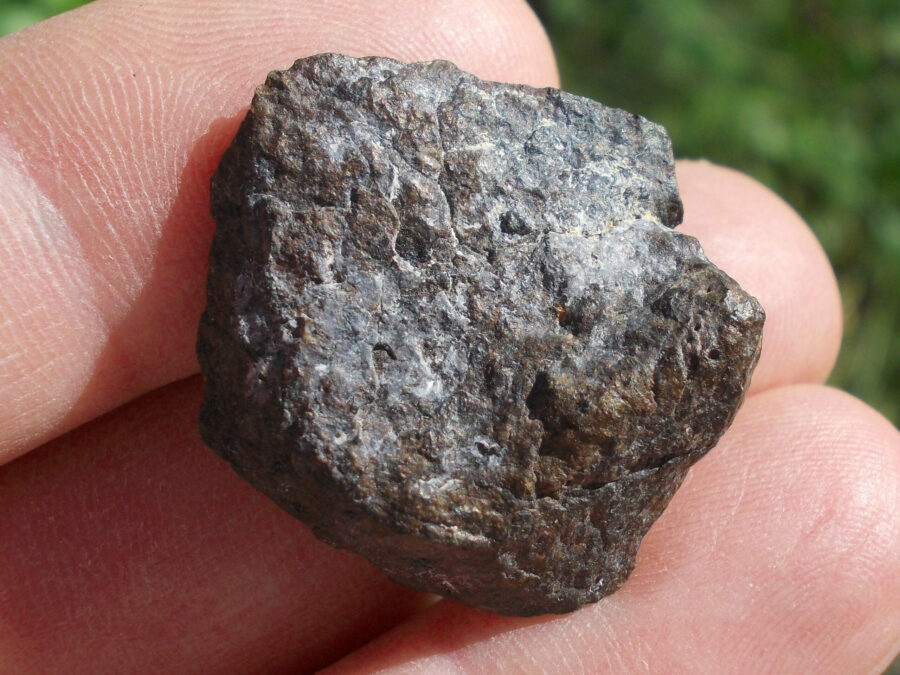
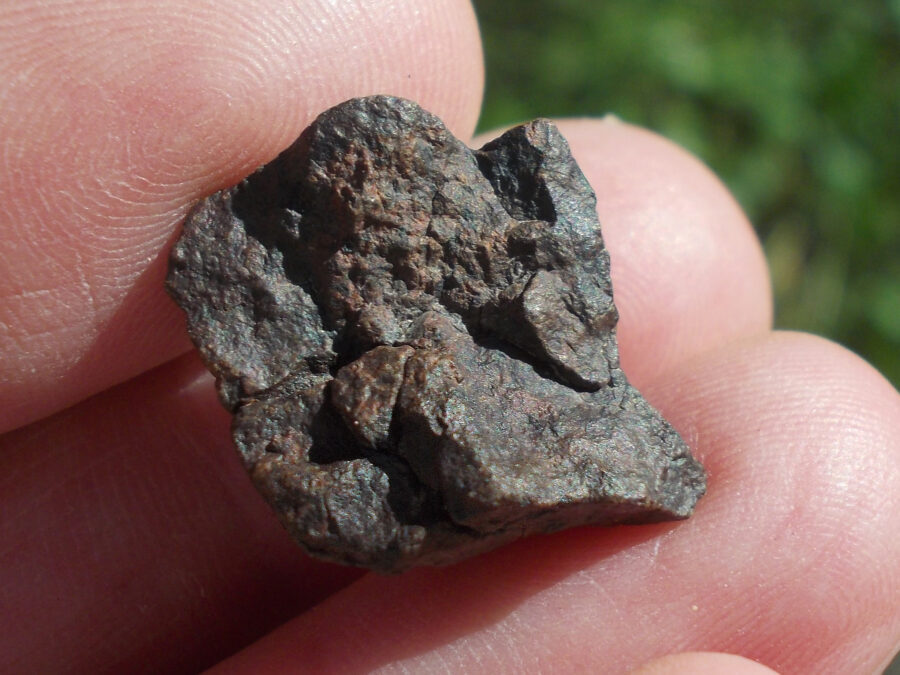
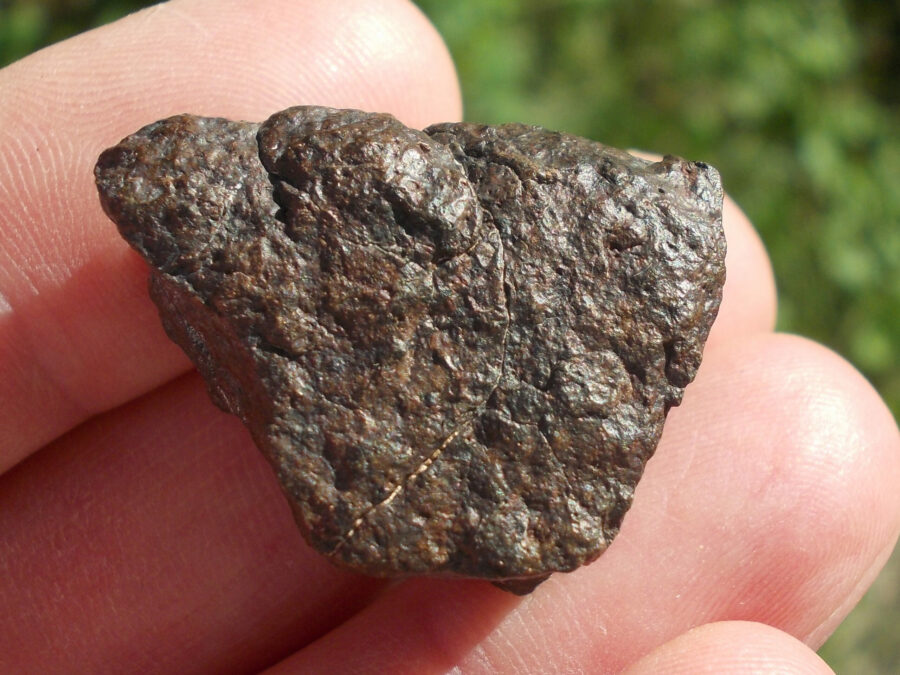
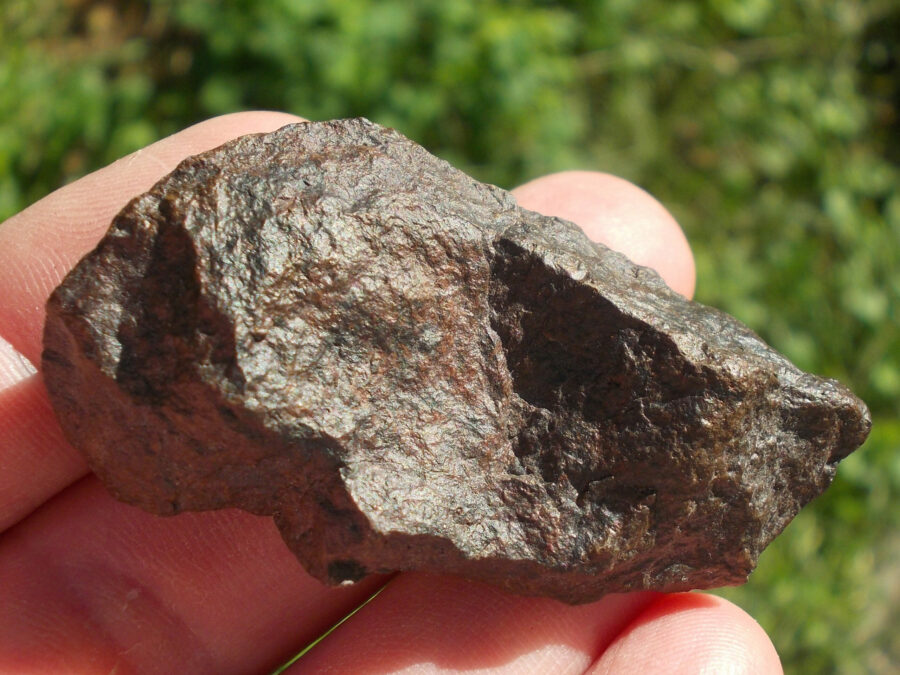
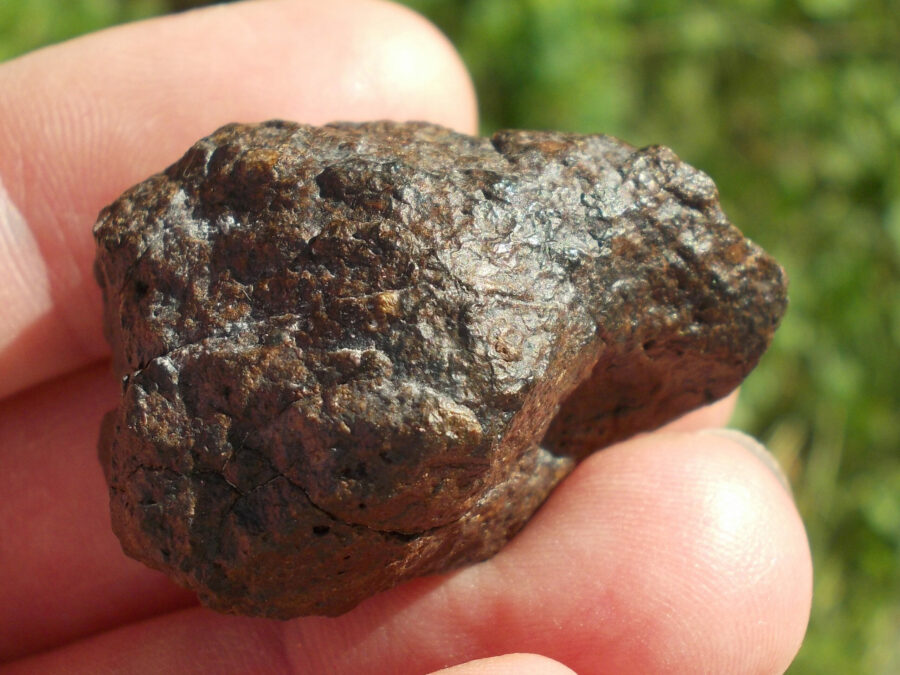
The Orcunama meteorite fell in the Philippines in 2011.
It has been classified chondrite type H3-4.
A single stone of 7800 g covered with a dark fusion crust was discovered.
On the clear and sunny morning of March 7, 2011, three farmers (Fredo Manzano, Edgar Francisco Senior and Enrico Camacho Junior) in Orconuma, Bongabonga, Philippines were clearing their field when they were startled by six consecutive loud explosions. The sound of the explosions seemed to last for half a minute. At first they thought it was thunder because the ground was shaking. As they looked up to the sky, they saw a “burning red object with sparks coming out of it”, leaving a thick trail of smoke and making a characteristic hissing sound before it hit the ground. By their own admission, the farmers initially thought it was a bomb and considered that it might be “the end of the world.” They remember that the birds flew away immediately at the sound of the explosions. They went to look, and less than 10 meters away, they found a hole in the ground, surrounded by stirred up dirt and what looked like burnt grass. Inside the hole, about 1 m deep, they saw a stone object and, lacking tools, they used a piece of wood lying nearby and their bare hands to dig it up. Not knowing what this strange stone was, they started asking around, and showing the stone to the locals, but then they were afraid someone would try to take it from them. This fear led them to wrap it in a sealed plastic container before burying it underground for a year. They finally decided that no one would come looking for it, so they dug up the stone and stored it in Fredo Manzano’s closet for the next 8 years. In 2020, they were interviewed for a local TV newscast (later posted on YouTube with over 5 million views), and during the filming, the stone was visually examined by geologist Jocelyn Villanueva, who concluded that it might be a type of basaltic volcanic rock. The farmers, however, remained convinced that it could be a meteorite and hired Ramelle Baquil Ramirez to help them find a buyer. Subsequently in April 2021, with the assistance of an experienced tektite dealer (Carmelita Cepe), the stone was acquired jointly by John Higgins and Jasper Spencer.
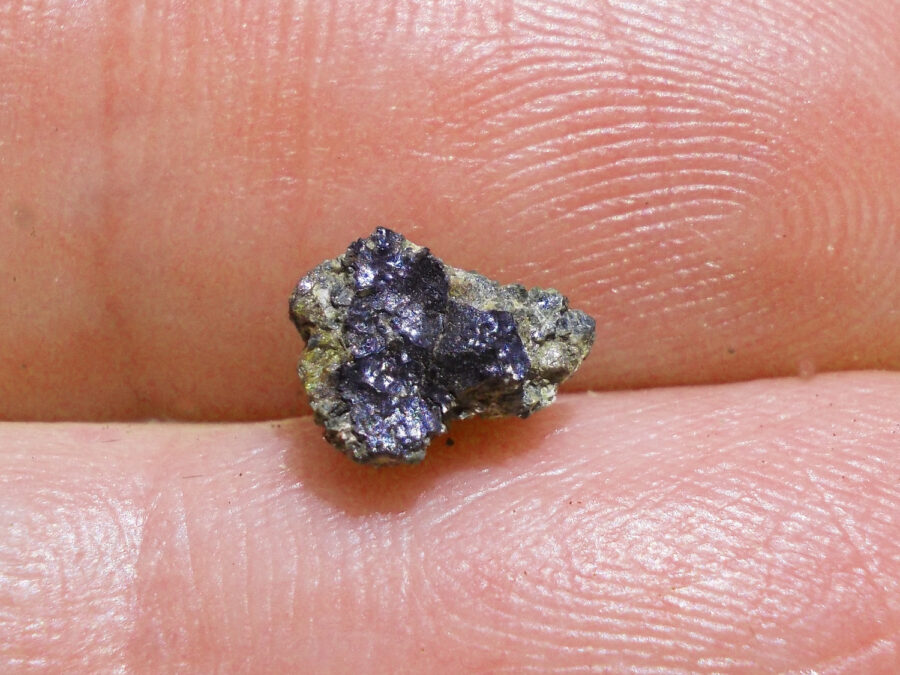
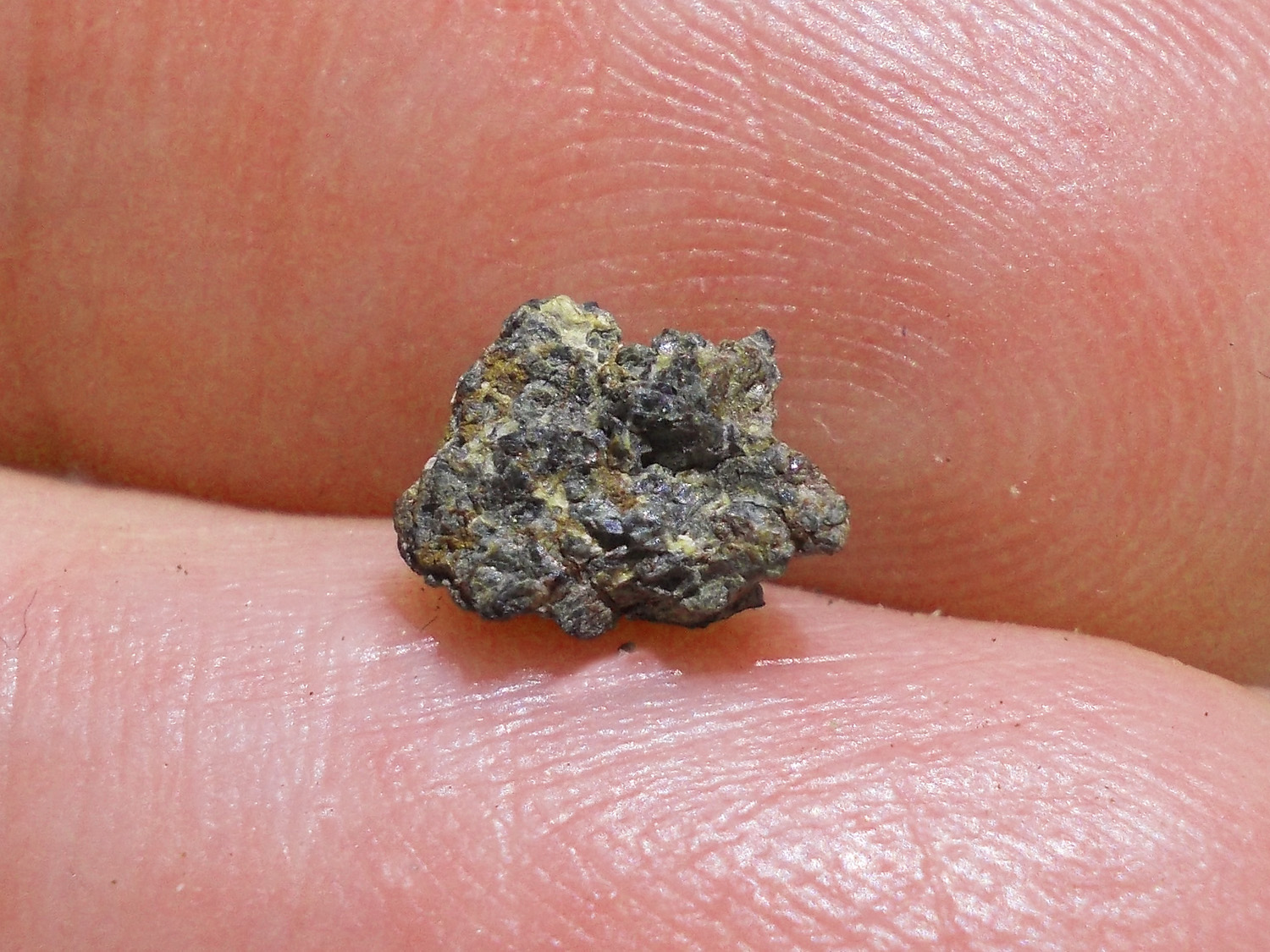
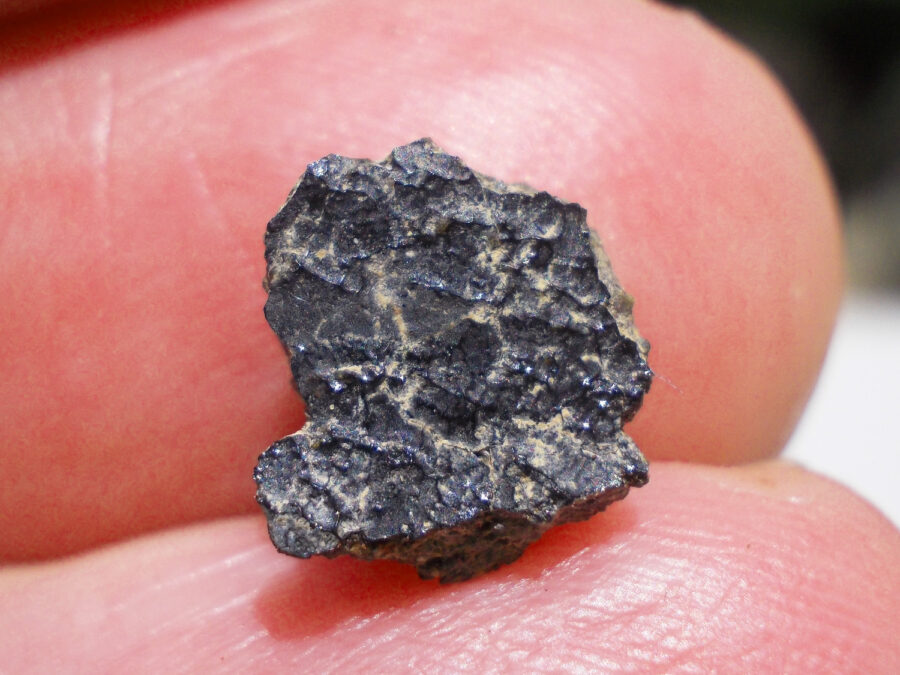
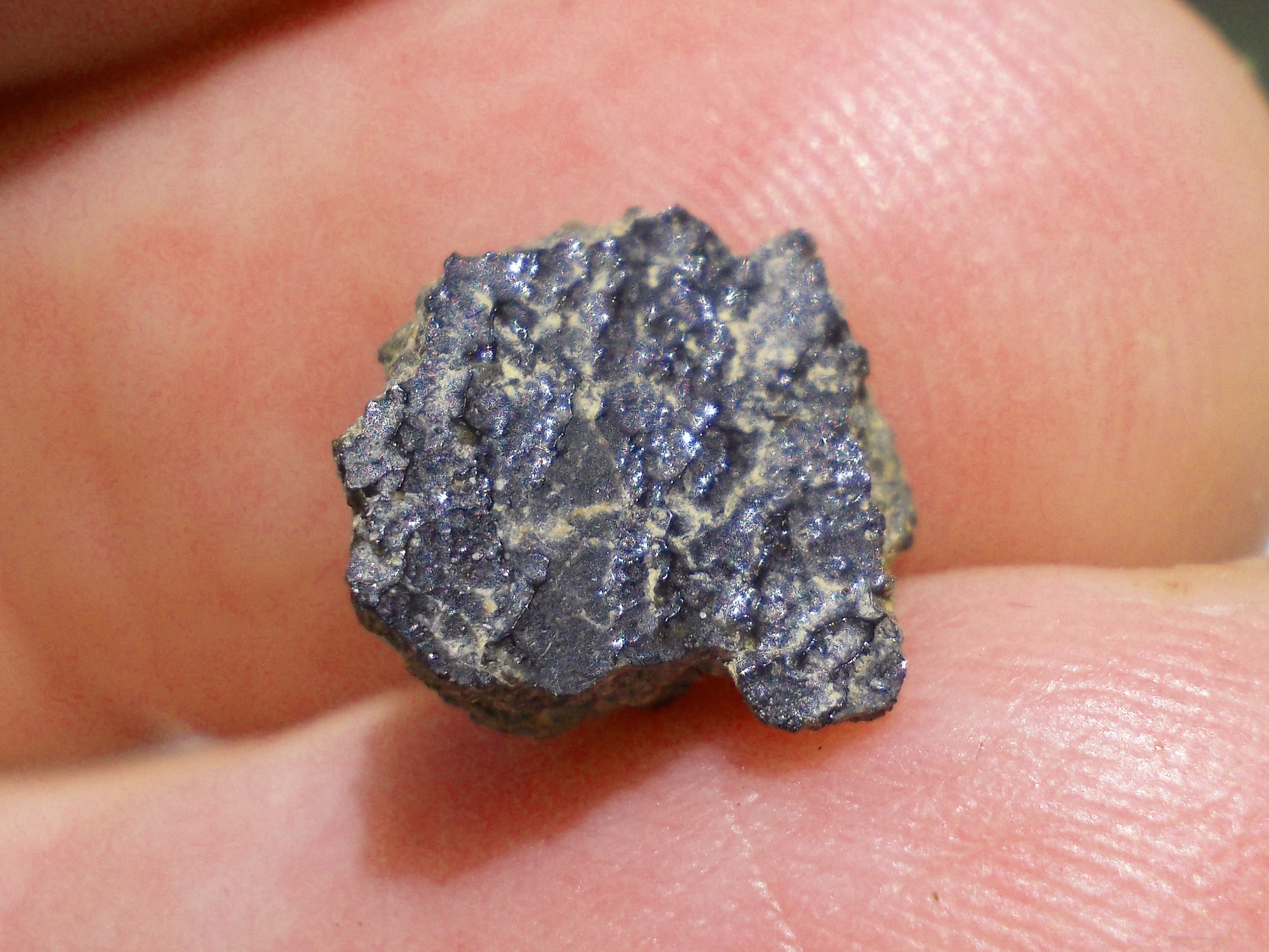
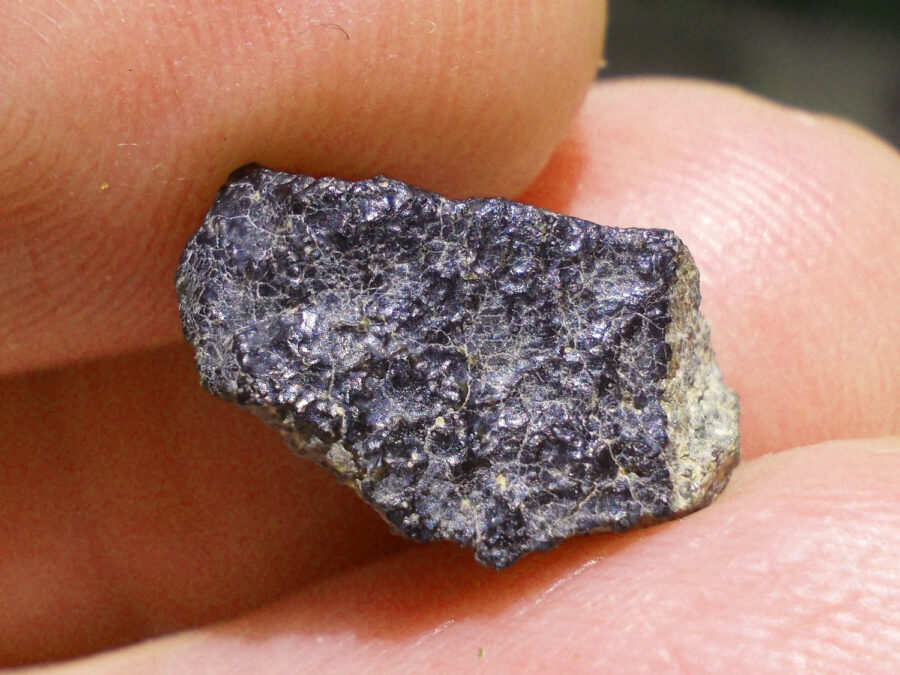
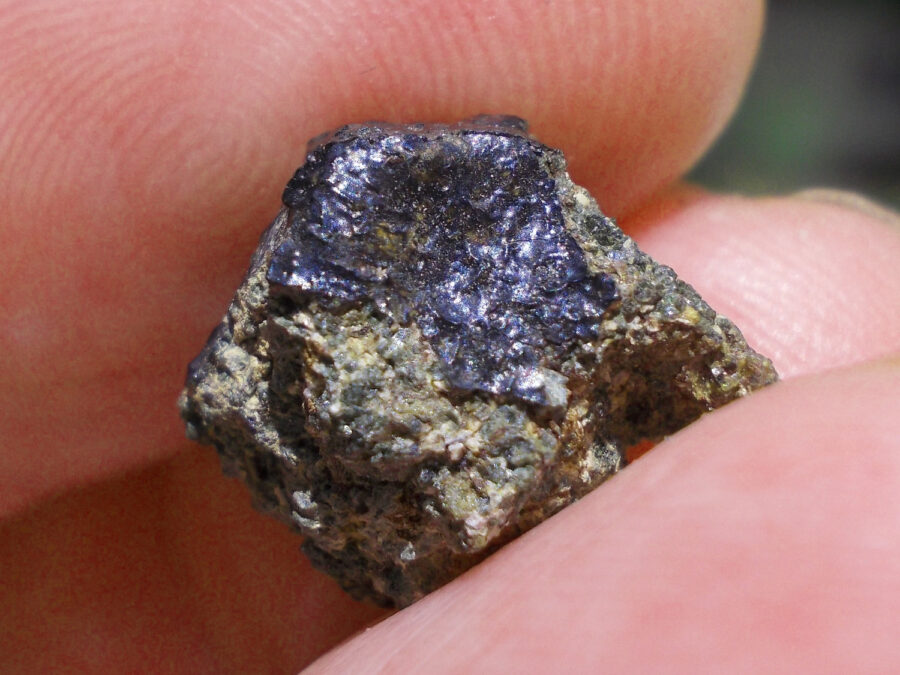
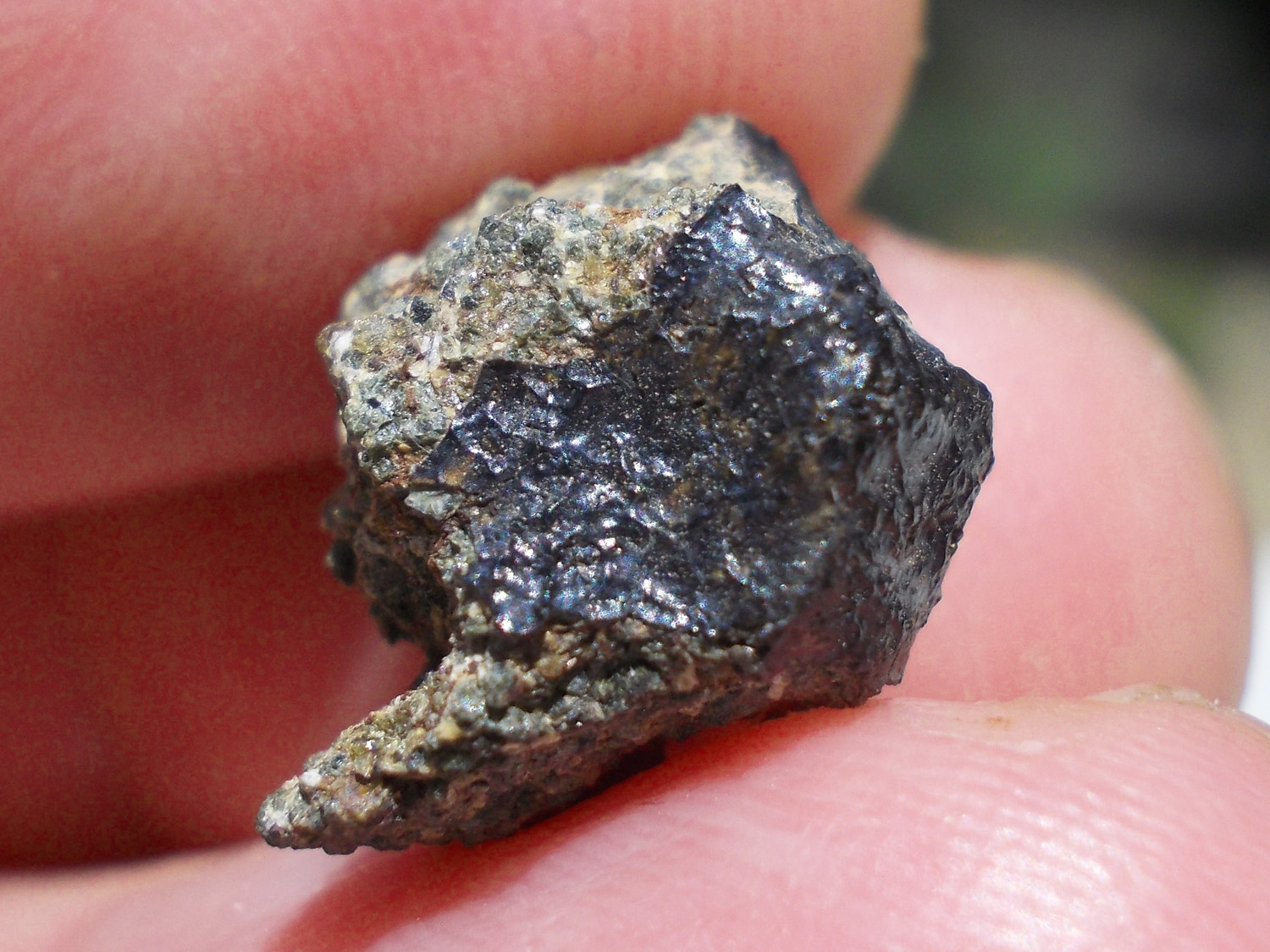
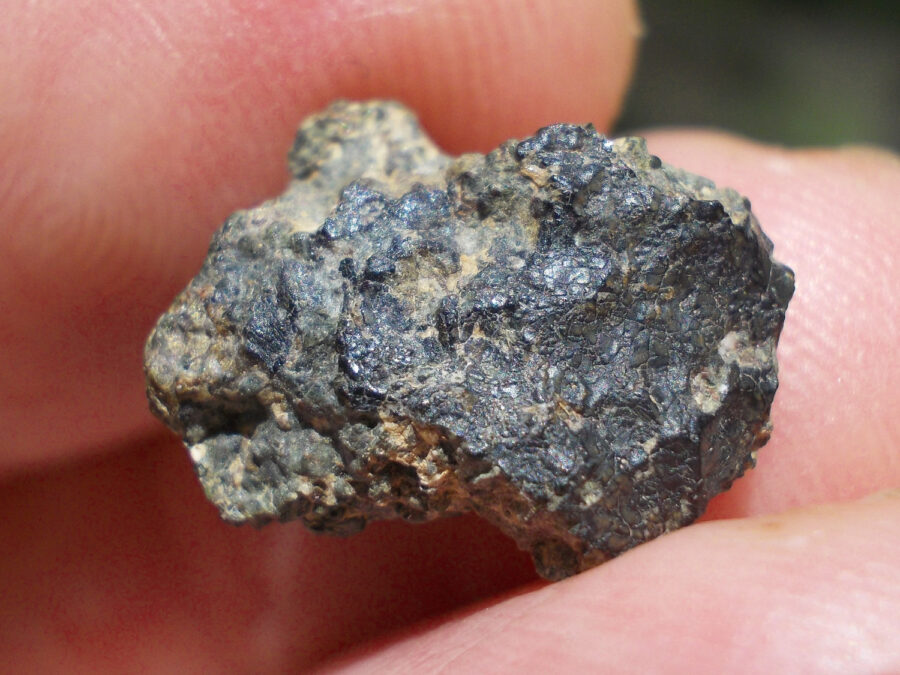
NWA 15364 is a very rare Martian meteorite of nakhlite type.
To date, only 31 meteorites of this type have been discovered.
A study has shown that nakhlites were imbued with liquid water about 620 million years ago and that they were ejected from Mars about 10.75 million years ago by an asteroid impact.
Martian meteorites are Martian rocks that were ejected from Mars by impacts and then fell to Earth as meteorites. The three best known types are shergottites (basaltic to lherzolitic igneous rocks, named after the Shergotty fall in India in 1865), nakhlites (clinopyroxenites or wehrlites, formed of cumulative rocks, and named after the fall of Nakhla, in Egypt, in 1911), and chassignites (cumulative dunitic rocks named after the fall of Chassigny, in France, in 1815).
NWA 15364 is a very rare Martian meteorite of nakhlite type.
To date, only 31 meteorites of this type have been discovered.
A study has shown that nakhlites were imbued with liquid water about 620 million years ago and that they were ejected from Mars about 10.75 million years ago by an asteroid impact.
Martian meteorites are Martian rocks that were ejected from Mars by impacts and then fell to Earth as meteorites. The three best known types are shergottites (basaltic to lherzolitic igneous rocks, named after the Shergotty fall in India in 1865), nakhlites (clinopyroxenites or wehrlites, formed of cumulative rocks, and named after the fall of Nakhla, in Egypt, in 1911), and chassignites (cumulative dunitic rocks named after the fall of Chassigny, in France, in 1815).
NWA 15364 is a very rare Martian meteorite of nakhlite type.
To date, only 31 meteorites of this type have been discovered.
A study has shown that nakhlites were imbued with liquid water about 620 million years ago and that they were ejected from Mars about 10.75 million years ago by an asteroid impact.
Martian meteorites are Martian rocks that were ejected from Mars by impacts and then fell to Earth as meteorites. The three best known types are shergottites (basaltic to lherzolitic igneous rocks, named after the Shergotty fall in India in 1865), nakhlites (clinopyroxenites or wehrlites, formed of cumulative rocks, and named after the fall of Nakhla, in Egypt, in 1911), and chassignites (cumulative dunitic rocks named after the fall of Chassigny, in France, in 1815).
NWA 15364 is a very rare Martian meteorite of nakhlite type.
To date, only 31 meteorites of this type have been discovered.
A study has shown that nakhlites were imbued with liquid water about 620 million years ago and that they were ejected from Mars about 10.75 million years ago by an asteroid impact.
Martian meteorites are Martian rocks that were ejected from Mars by impacts and then fell to Earth as meteorites. The three best known types are shergottites (basaltic to lherzolitic igneous rocks, named after the Shergotty fall in India in 1865), nakhlites (clinopyroxenites or wehrlites, formed of cumulative rocks, and named after the fall of Nakhla, in Egypt, in 1911), and chassignites (cumulative dunitic rocks named after the fall of Chassigny, in France, in 1815).
NWA 15364 is a very rare Martian meteorite of nakhlite type.
To date, only 31 meteorites of this type have been discovered.
A study has shown that nakhlites were imbued with liquid water about 620 million years ago and that they were ejected from Mars about 10.75 million years ago by an asteroid impact.
Martian meteorites are Martian rocks that were ejected from Mars by impacts and then fell to Earth as meteorites. The three best known types are shergottites (basaltic to lherzolitic igneous rocks, named after the Shergotty fall in India in 1865), nakhlites (clinopyroxenites or wehrlites, formed of cumulative rocks, and named after the fall of Nakhla, in Egypt, in 1911), and chassignites (cumulative dunitic rocks named after the fall of Chassigny, in France, in 1815).
The Orcunama meteorite fell in the Philippines in 2011.
It has been classified chondrite type H3-4.
A single stone of 7800 g covered with a dark fusion crust was discovered.
On the clear and sunny morning of March 7, 2011, three farmers (Fredo Manzano, Edgar Francisco Senior and Enrico Camacho Junior) in Orconuma, Bongabonga, Philippines were clearing their field when they were startled by six consecutive loud explosions. The sound of the explosions seemed to last for half a minute. At first they thought it was thunder because the ground was shaking. As they looked up to the sky, they saw a “burning red object with sparks coming out of it”, leaving a thick trail of smoke and making a characteristic hissing sound before it hit the ground. By their own admission, the farmers initially thought it was a bomb and considered that it might be “the end of the world.” They remember that the birds flew away immediately at the sound of the explosions. They went to look, and less than 10 meters away, they found a hole in the ground, surrounded by stirred up dirt and what looked like burnt grass. Inside the hole, about 1 m deep, they saw a stone object and, lacking tools, they used a piece of wood lying nearby and their bare hands to dig it up. Not knowing what this strange stone was, they started asking around, and showing the stone to the locals, but then they were afraid someone would try to take it from them. This fear led them to wrap it in a sealed plastic container before burying it underground for a year. They finally decided that no one would come looking for it, so they dug up the stone and stored it in Fredo Manzano’s closet for the next 8 years. In 2020, they were interviewed for a local TV newscast (later posted on YouTube with over 5 million views), and during the filming, the stone was visually examined by geologist Jocelyn Villanueva, who concluded that it might be a type of basaltic volcanic rock. The farmers, however, remained convinced that it could be a meteorite and hired Ramelle Baquil Ramirez to help them find a buyer. Subsequently in April 2021, with the assistance of an experienced tektite dealer (Carmelita Cepe), the stone was acquired jointly by John Higgins and Jasper Spencer.
The Orcunama meteorite fell in the Philippines in 2011.
It has been classified chondrite type H3-4.
A single stone of 7800 g covered with a dark fusion crust was discovered.
On the clear and sunny morning of March 7, 2011, three farmers (Fredo Manzano, Edgar Francisco Senior and Enrico Camacho Junior) in Orconuma, Bongabonga, Philippines were clearing their field when they were startled by six consecutive loud explosions. The sound of the explosions seemed to last for half a minute. At first they thought it was thunder because the ground was shaking. As they looked up to the sky, they saw a “burning red object with sparks coming out of it”, leaving a thick trail of smoke and making a characteristic hissing sound before it hit the ground. By their own admission, the farmers initially thought it was a bomb and considered that it might be “the end of the world.” They remember that the birds flew away immediately at the sound of the explosions. They went to look, and less than 10 meters away, they found a hole in the ground, surrounded by stirred up dirt and what looked like burnt grass. Inside the hole, about 1 m deep, they saw a stone object and, lacking tools, they used a piece of wood lying nearby and their bare hands to dig it up. Not knowing what this strange stone was, they started asking around, and showing the stone to the locals, but then they were afraid someone would try to take it from them. This fear led them to wrap it in a sealed plastic container before burying it underground for a year. They finally decided that no one would come looking for it, so they dug up the stone and stored it in Fredo Manzano’s closet for the next 8 years. In 2020, they were interviewed for a local TV newscast (later posted on YouTube with over 5 million views), and during the filming, the stone was visually examined by geologist Jocelyn Villanueva, who concluded that it might be a type of basaltic volcanic rock. The farmers, however, remained convinced that it could be a meteorite and hired Ramelle Baquil Ramirez to help them find a buyer. Subsequently in April 2021, with the assistance of an experienced tektite dealer (Carmelita Cepe), the stone was acquired jointly by John Higgins and Jasper Spencer.