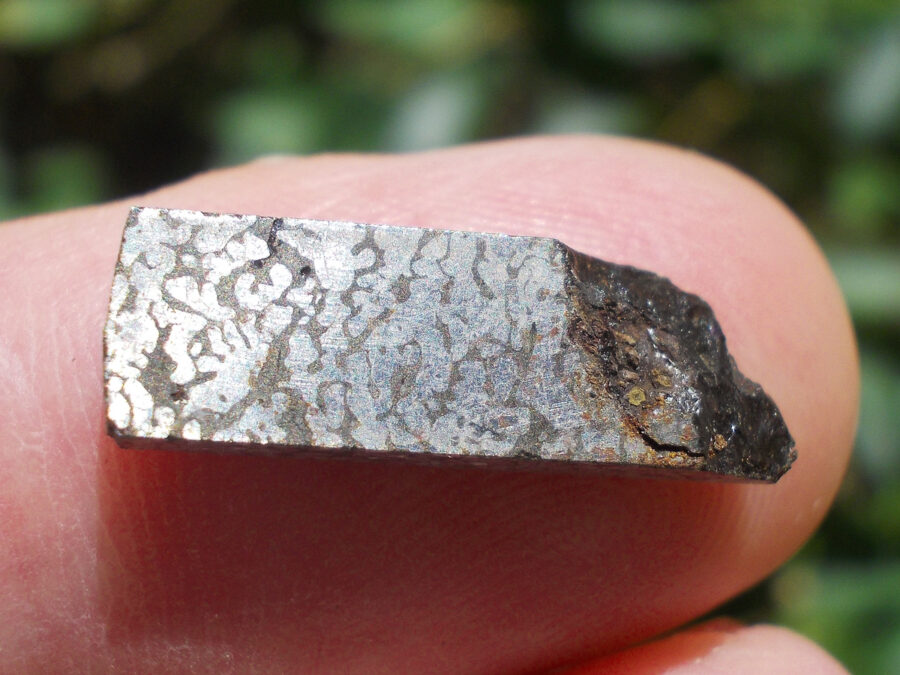
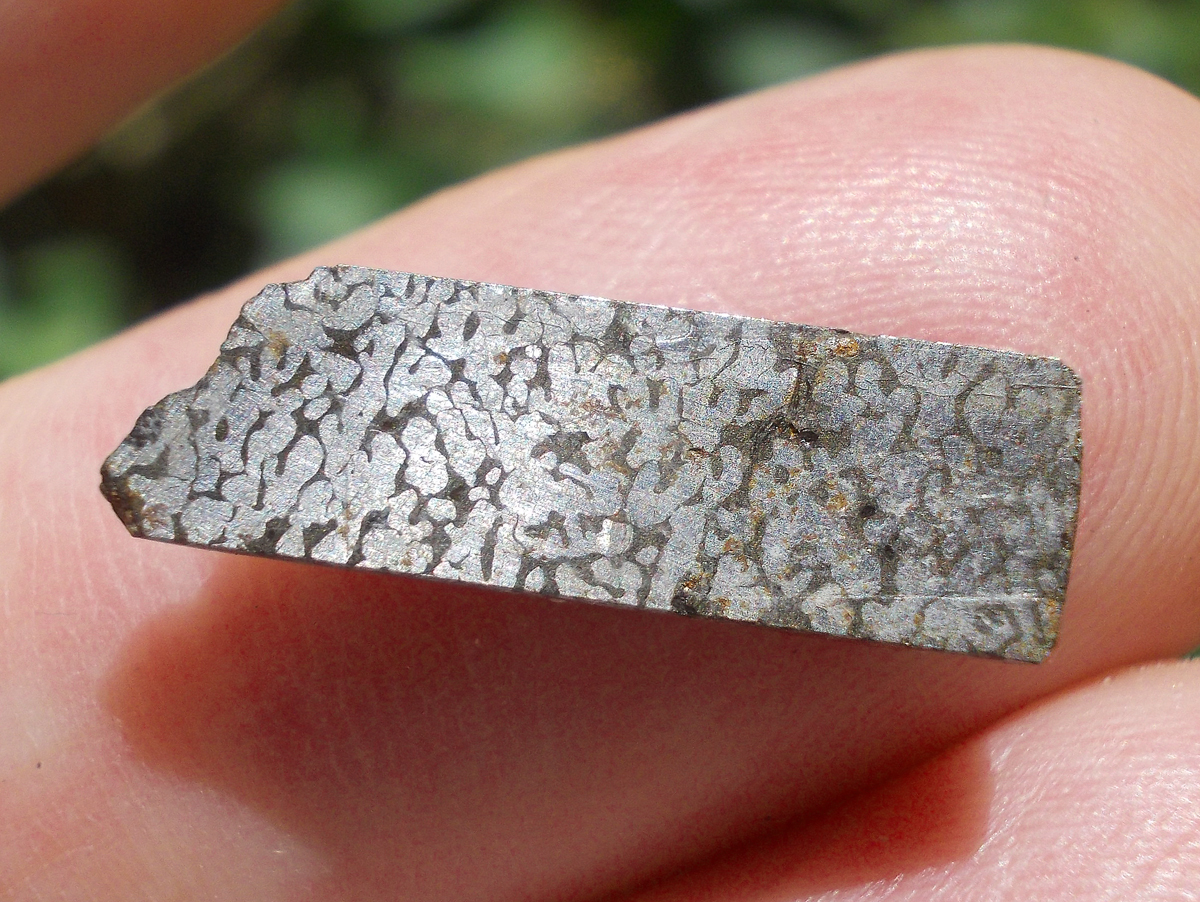
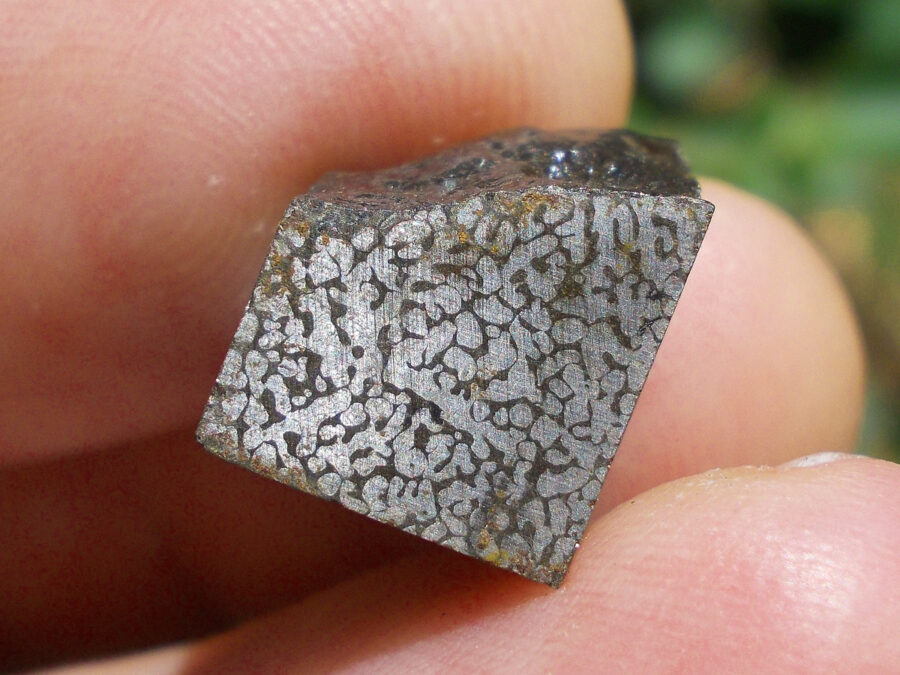
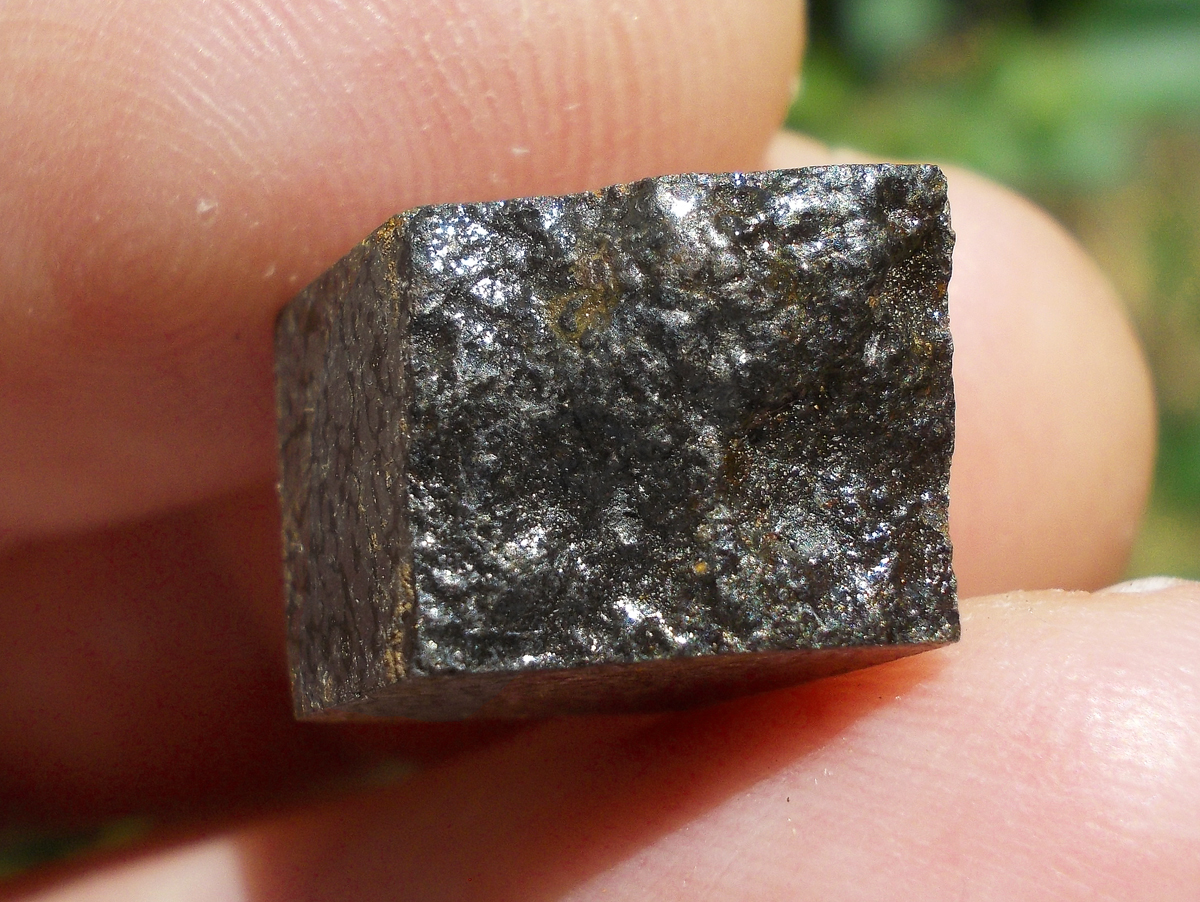
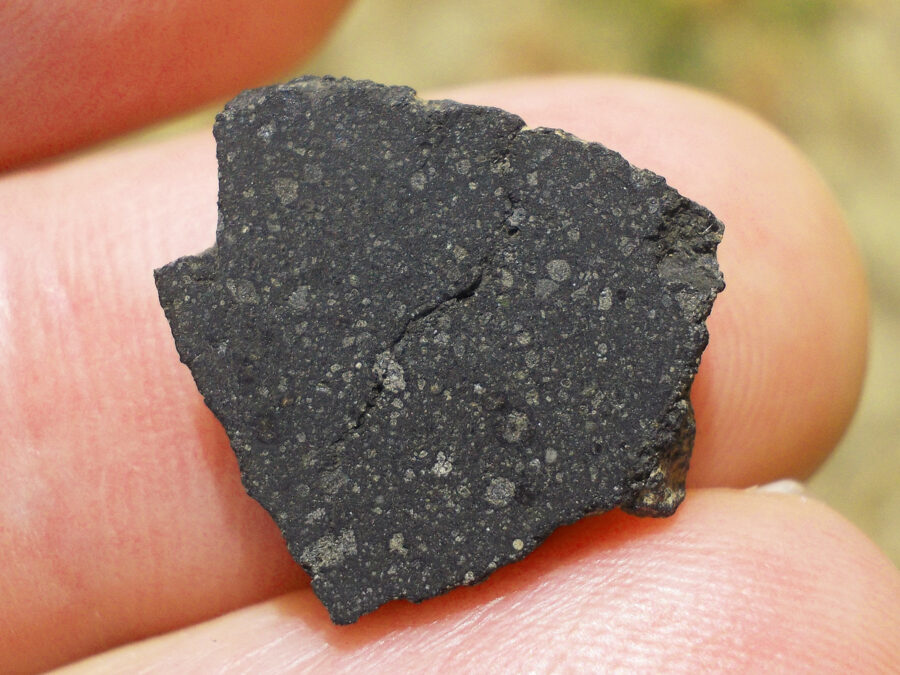
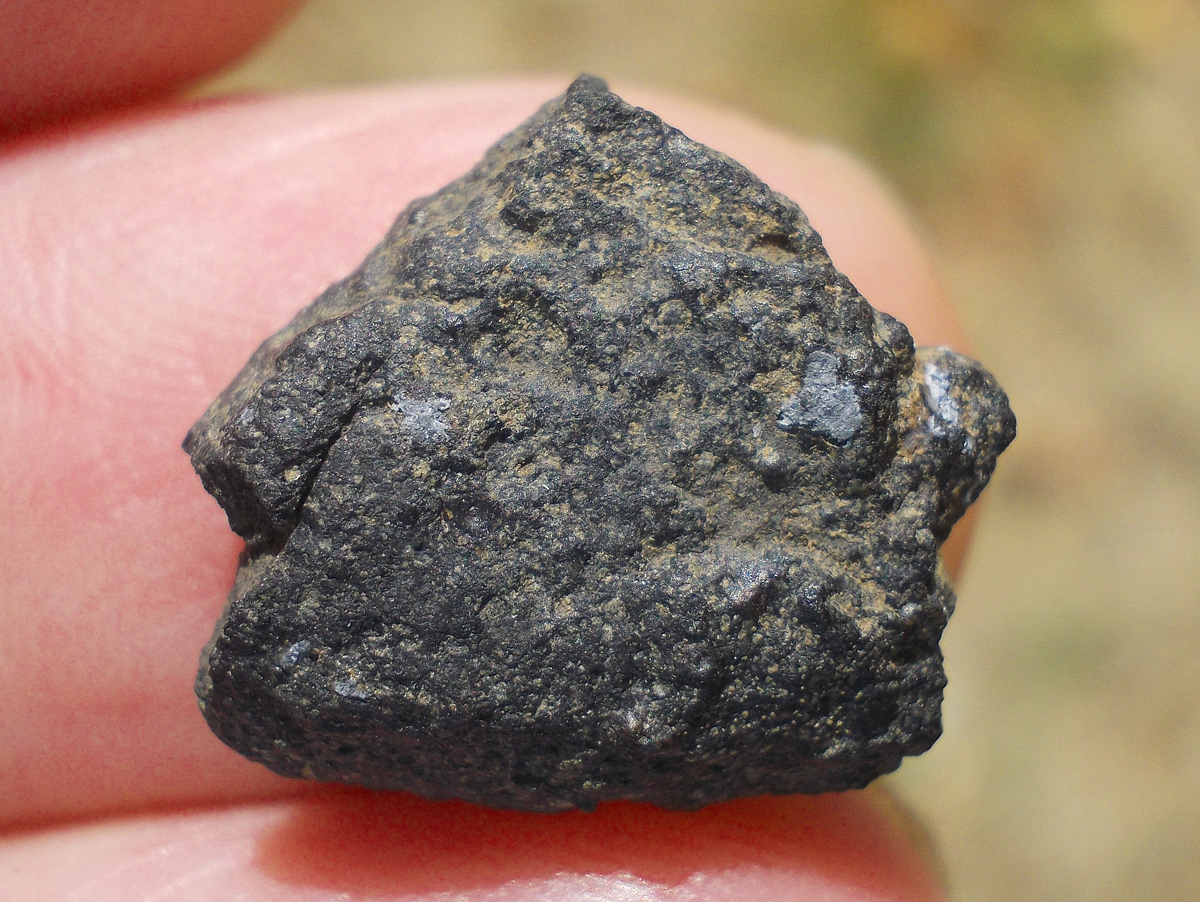
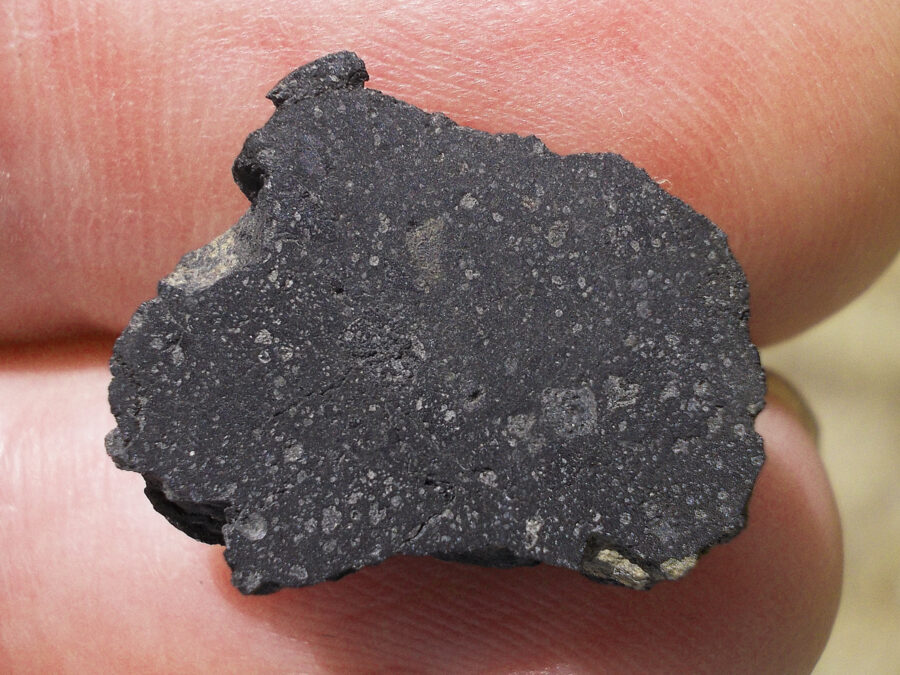
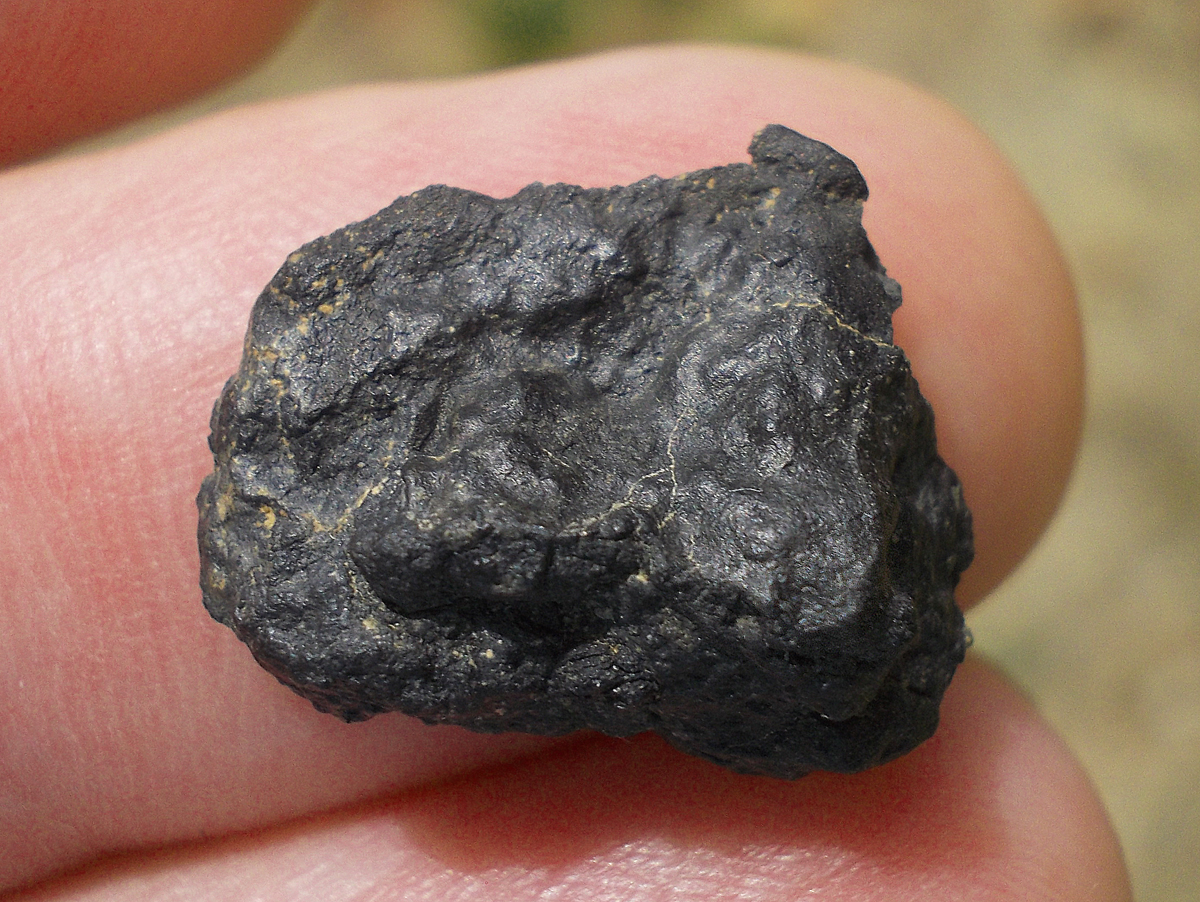
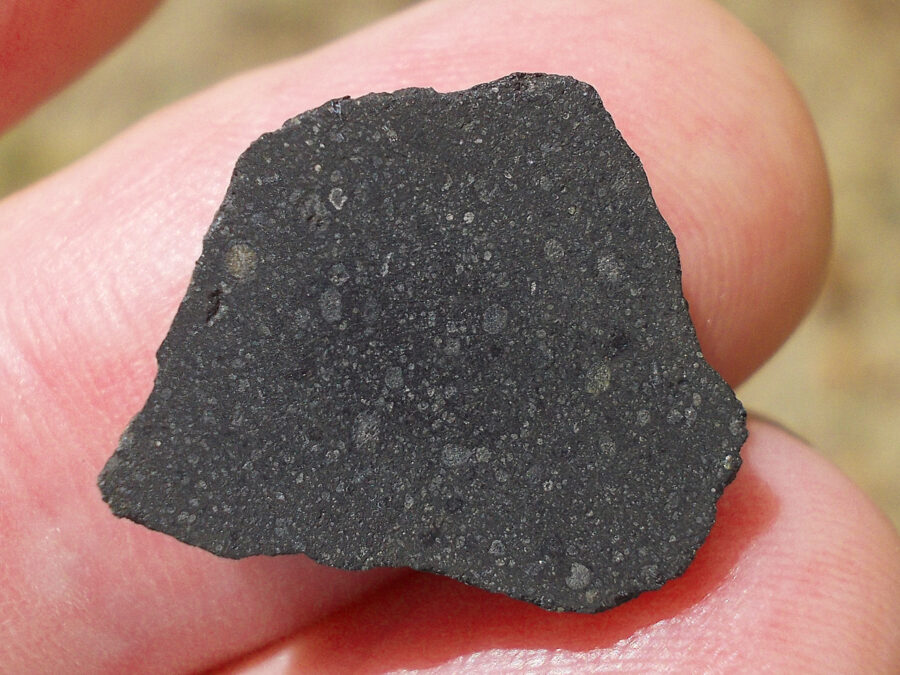
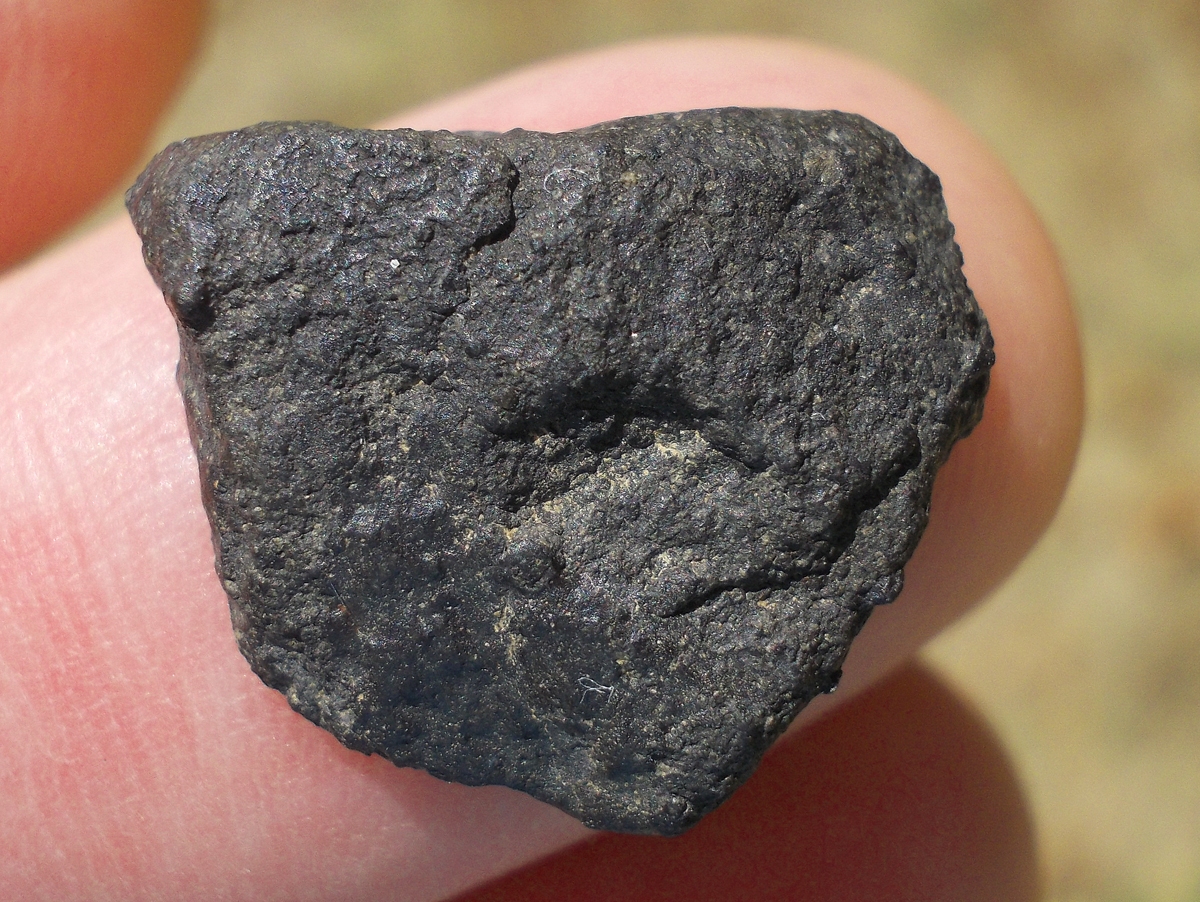
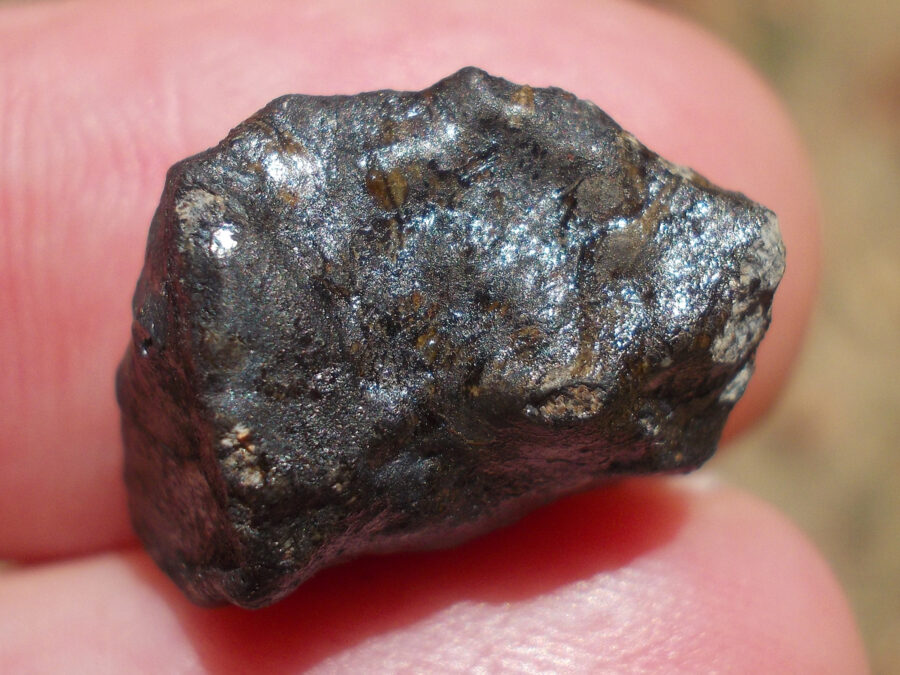
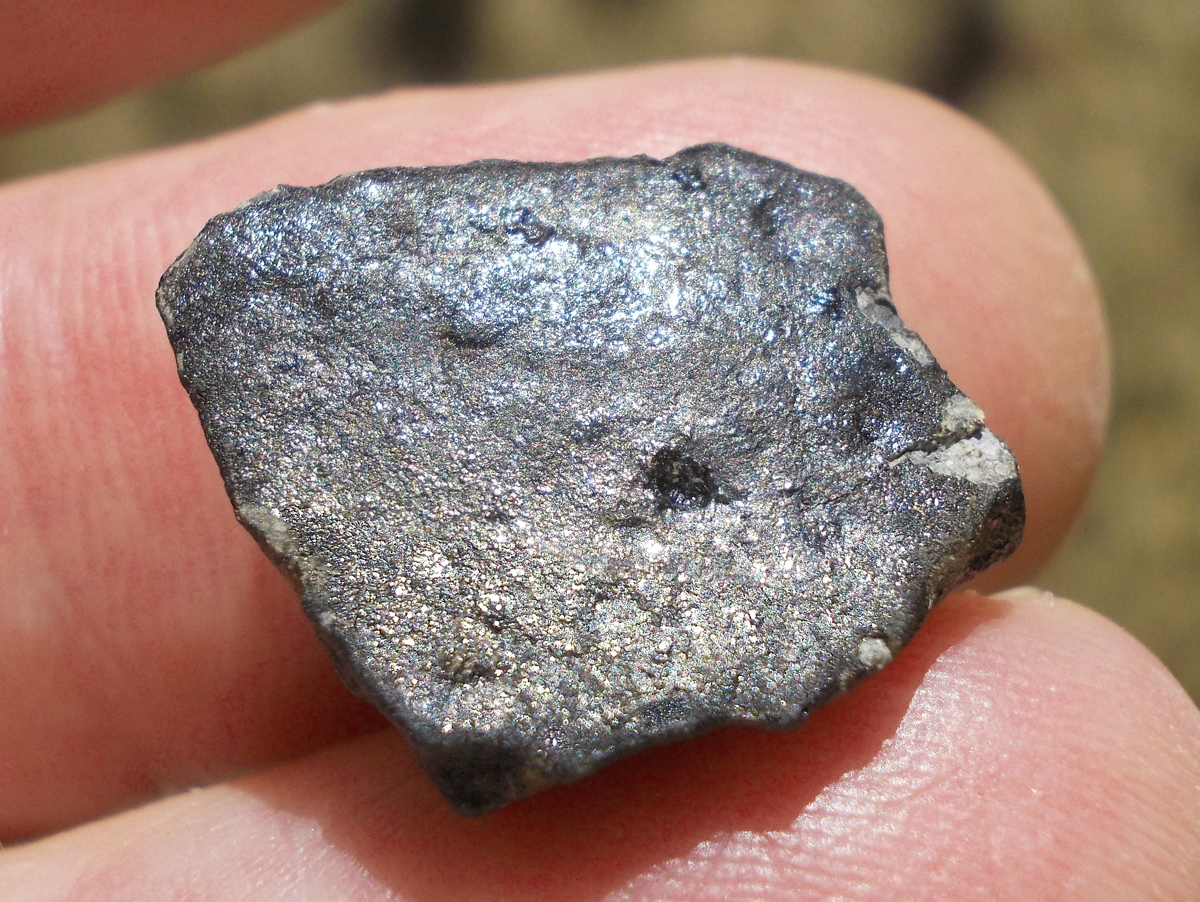
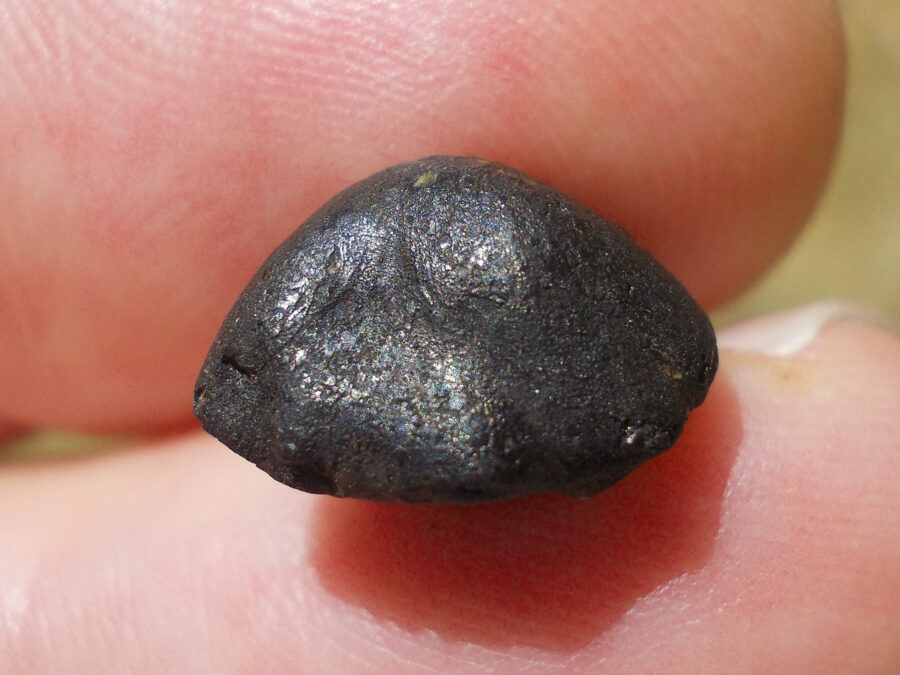
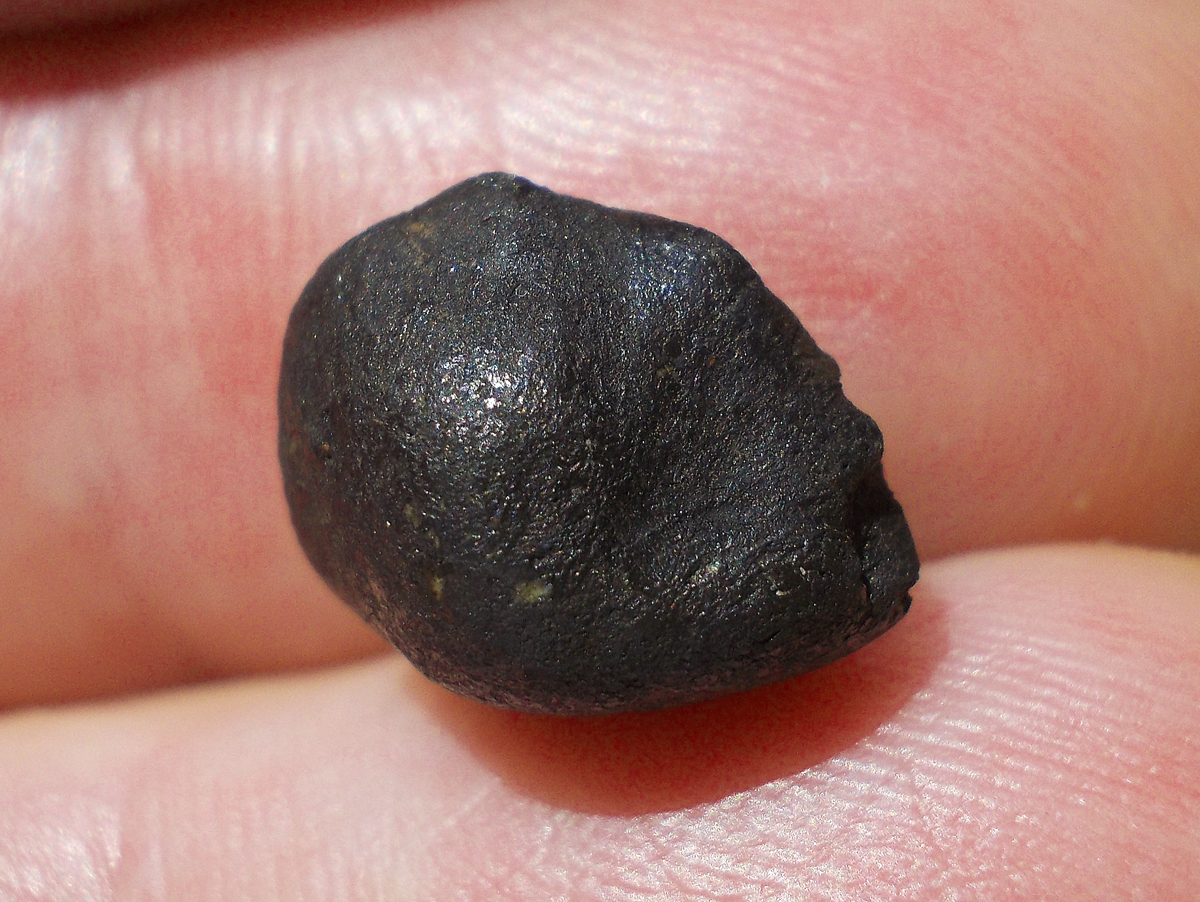
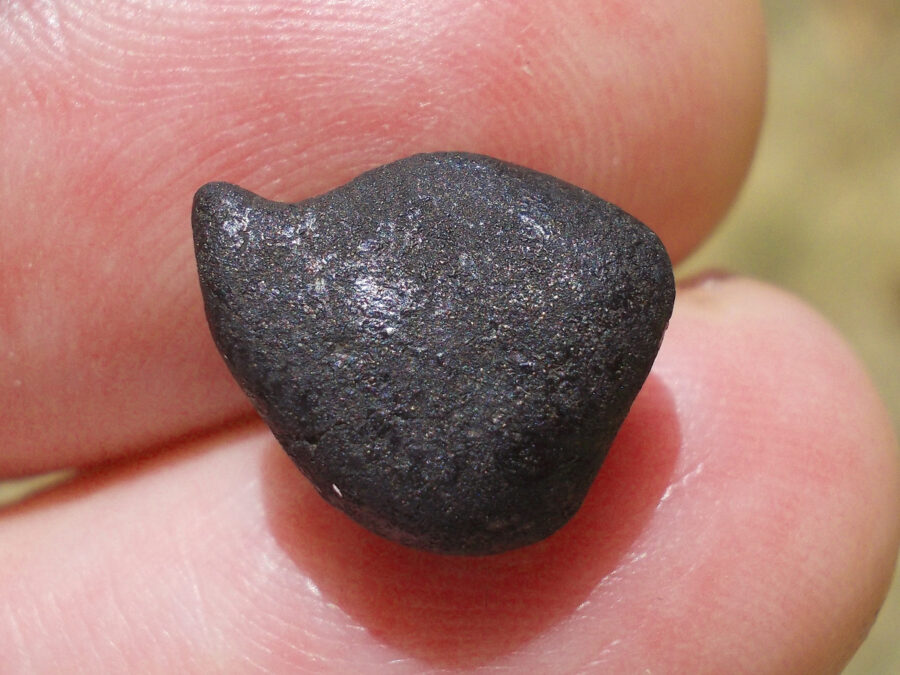
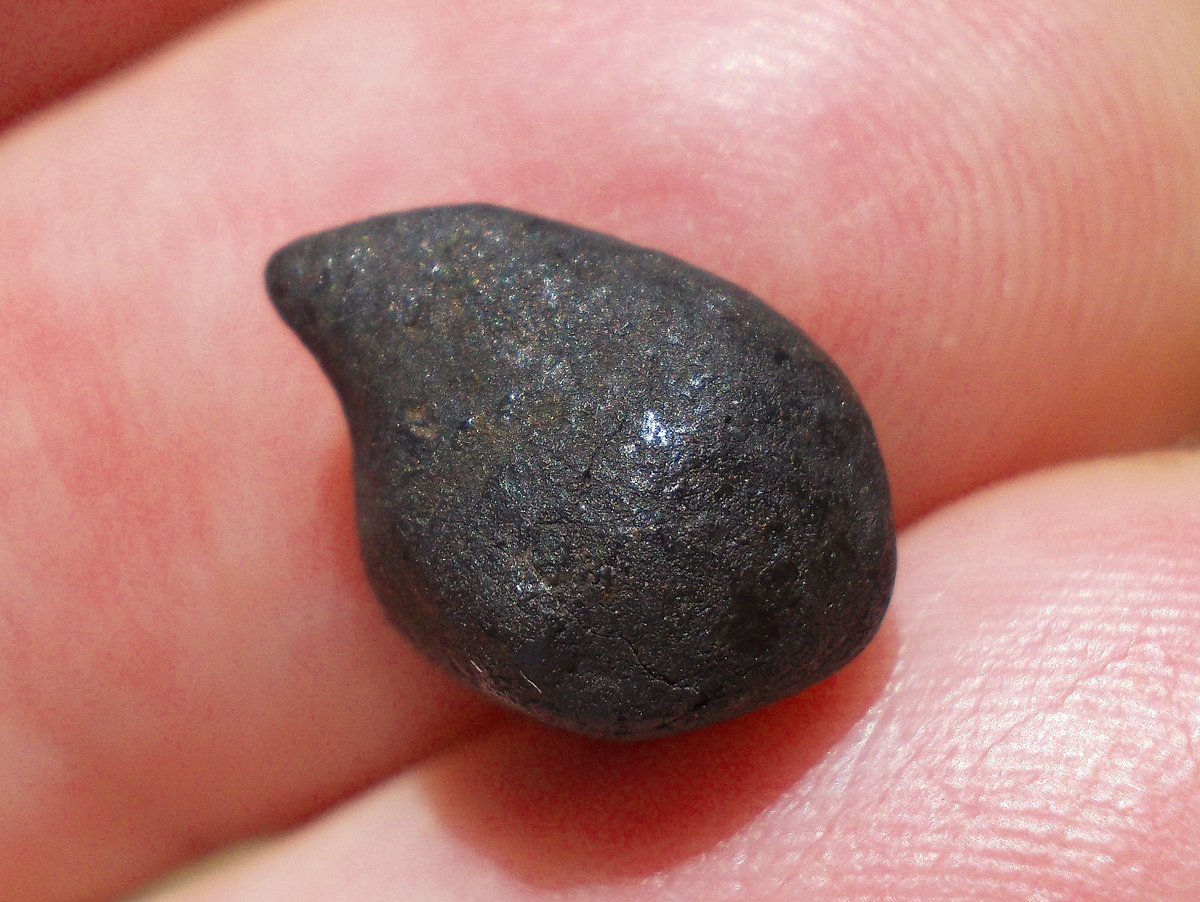
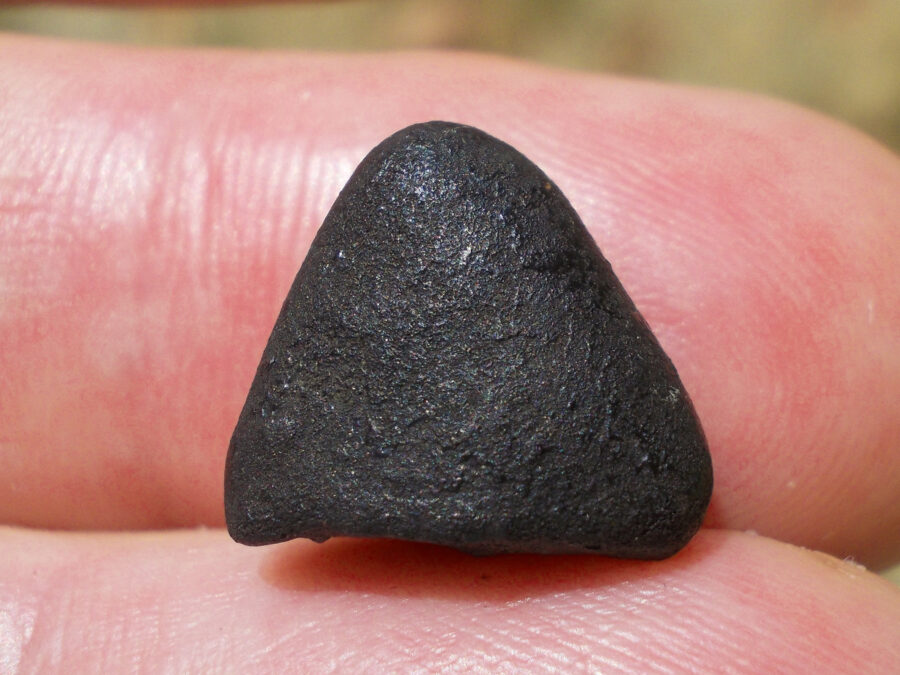
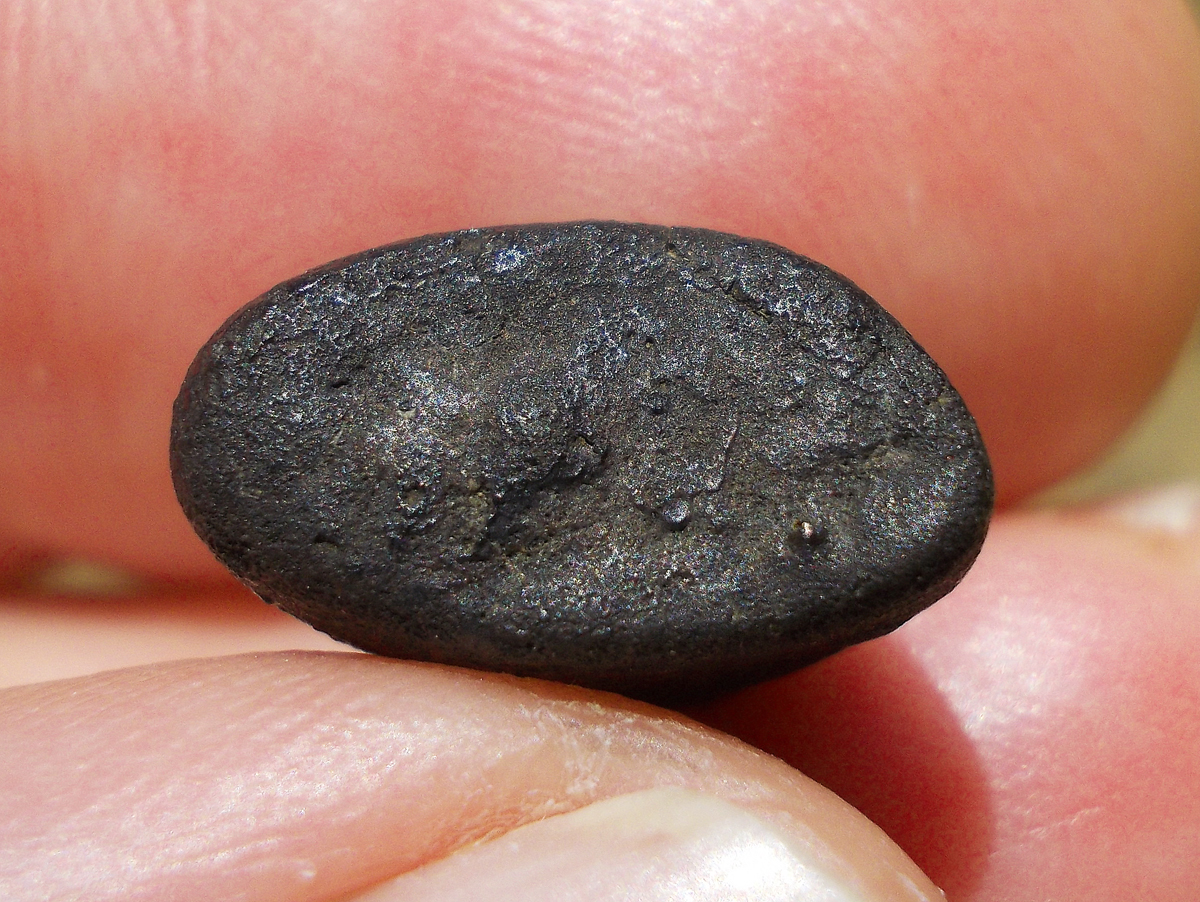
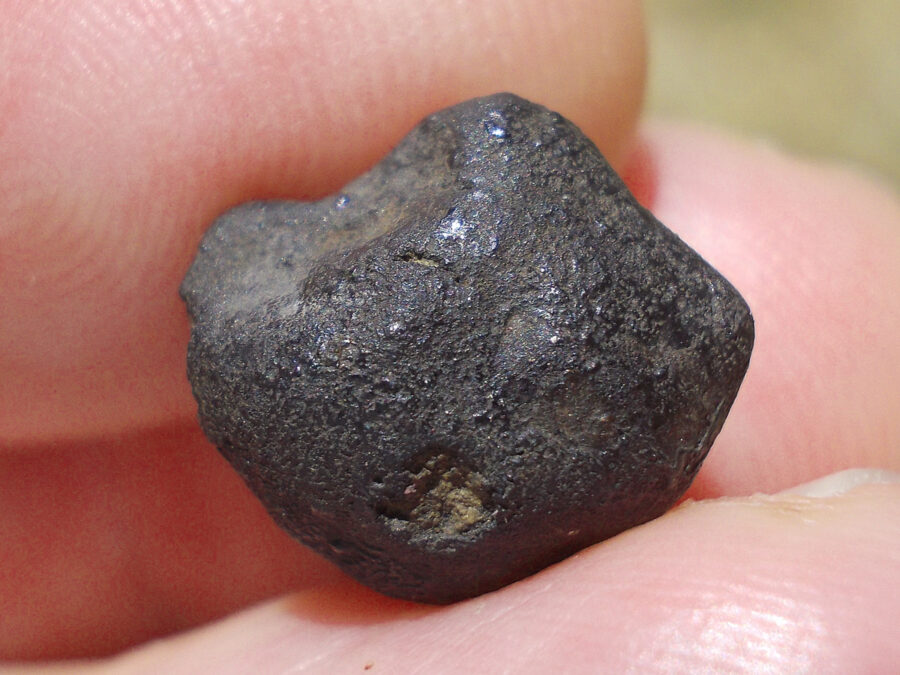
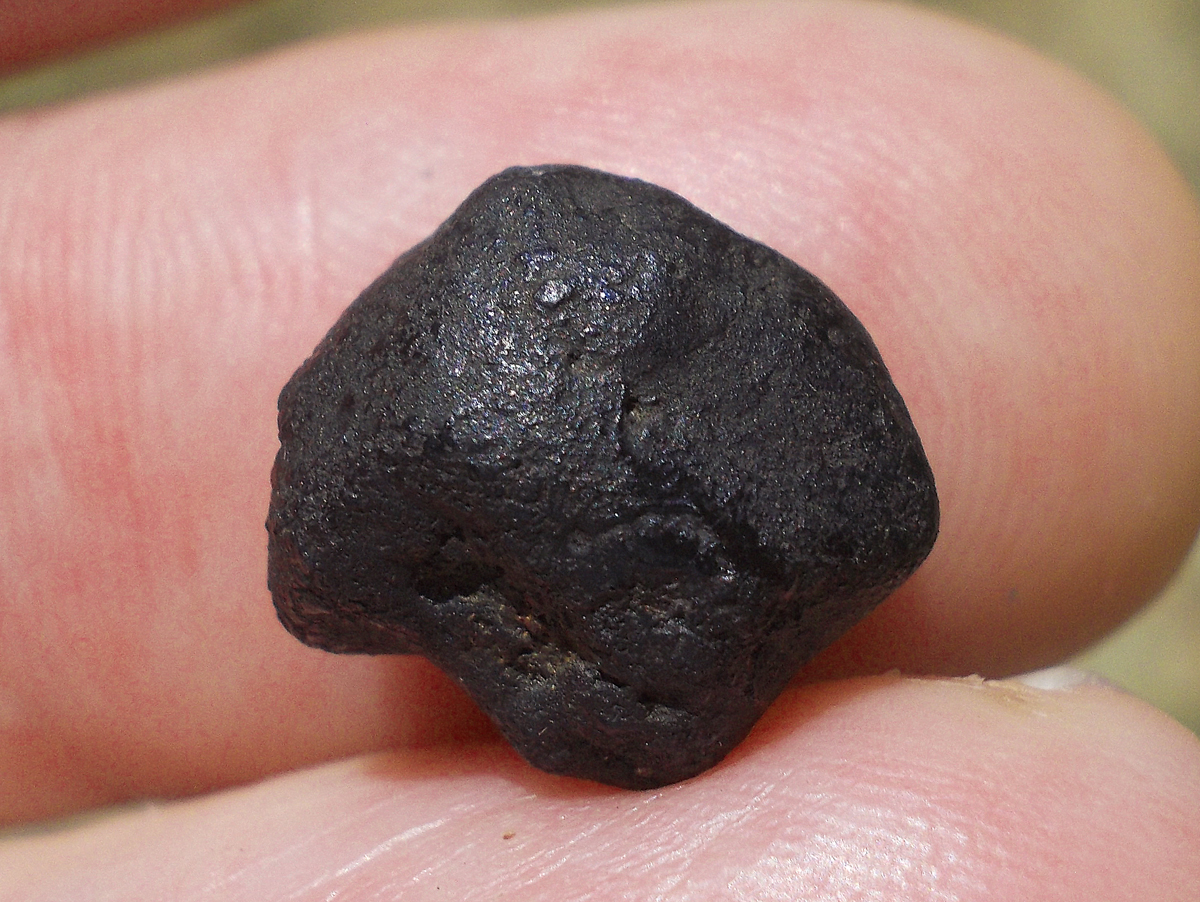
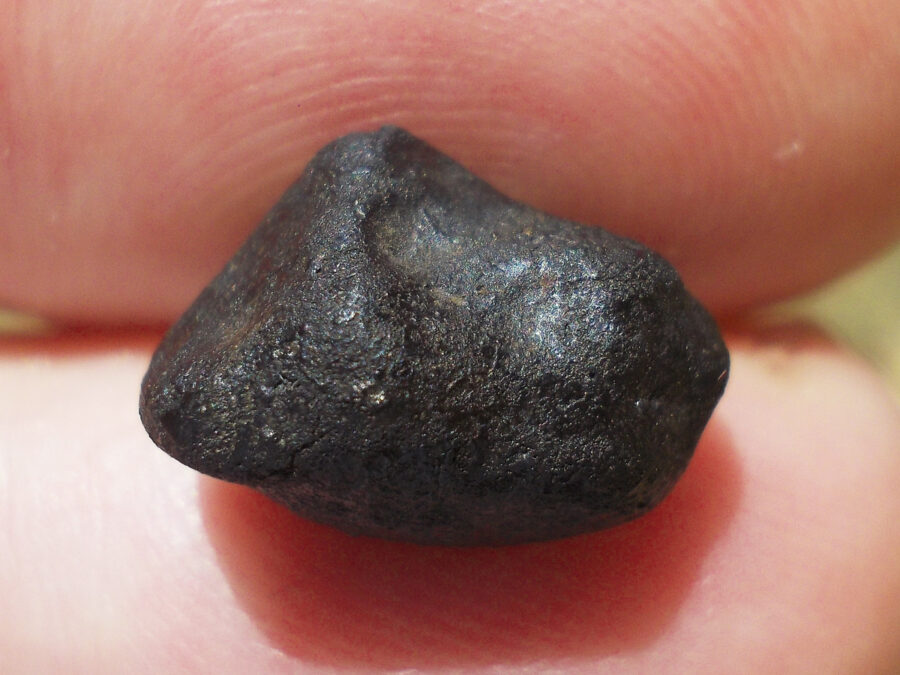
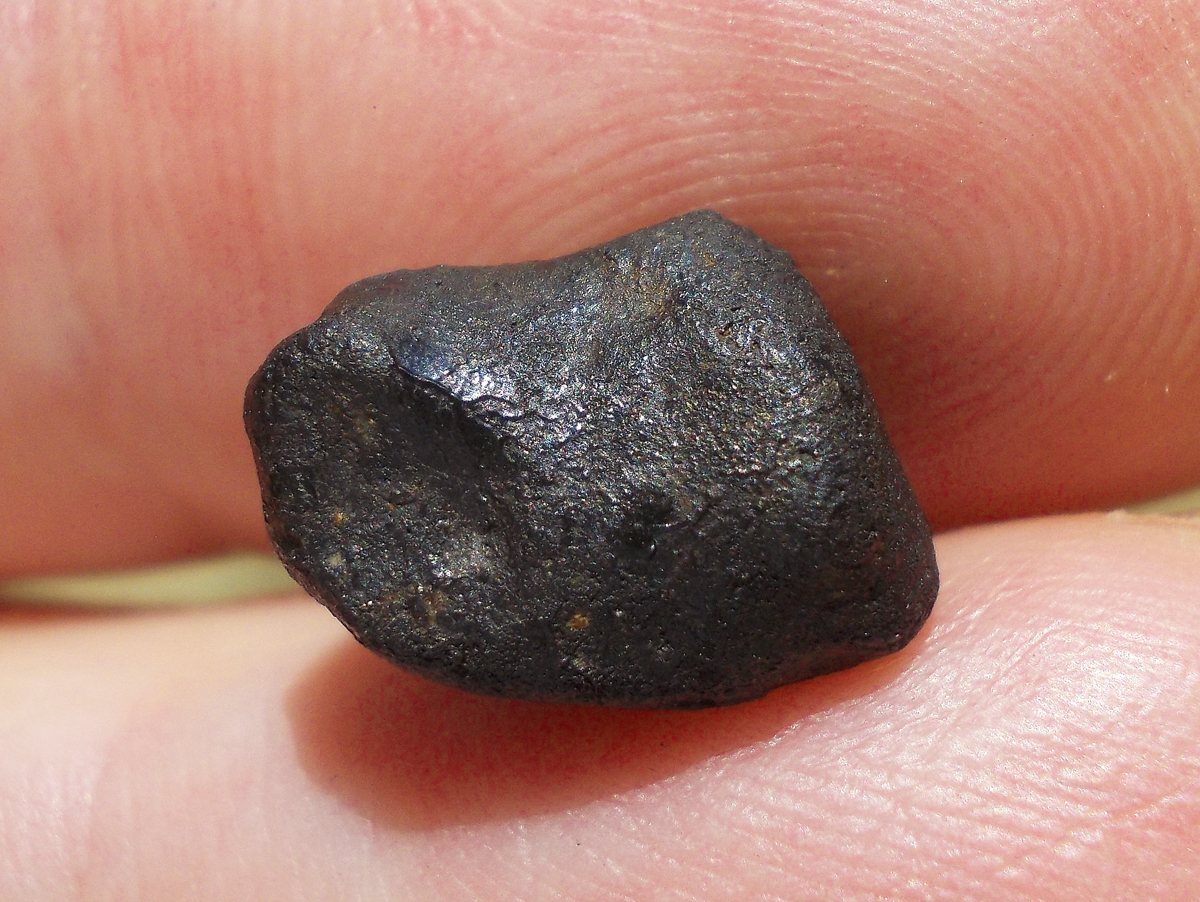
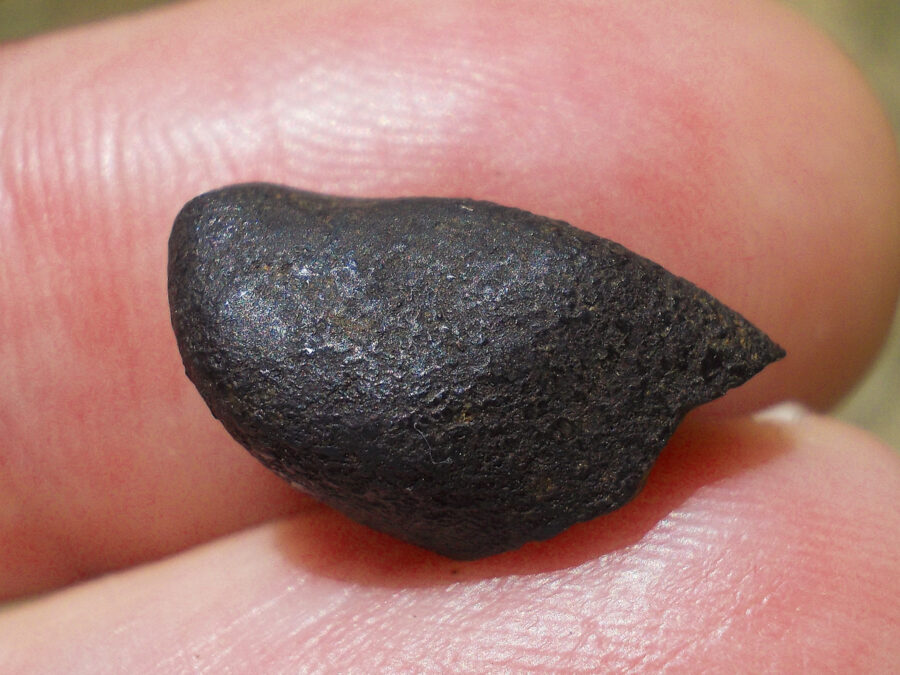
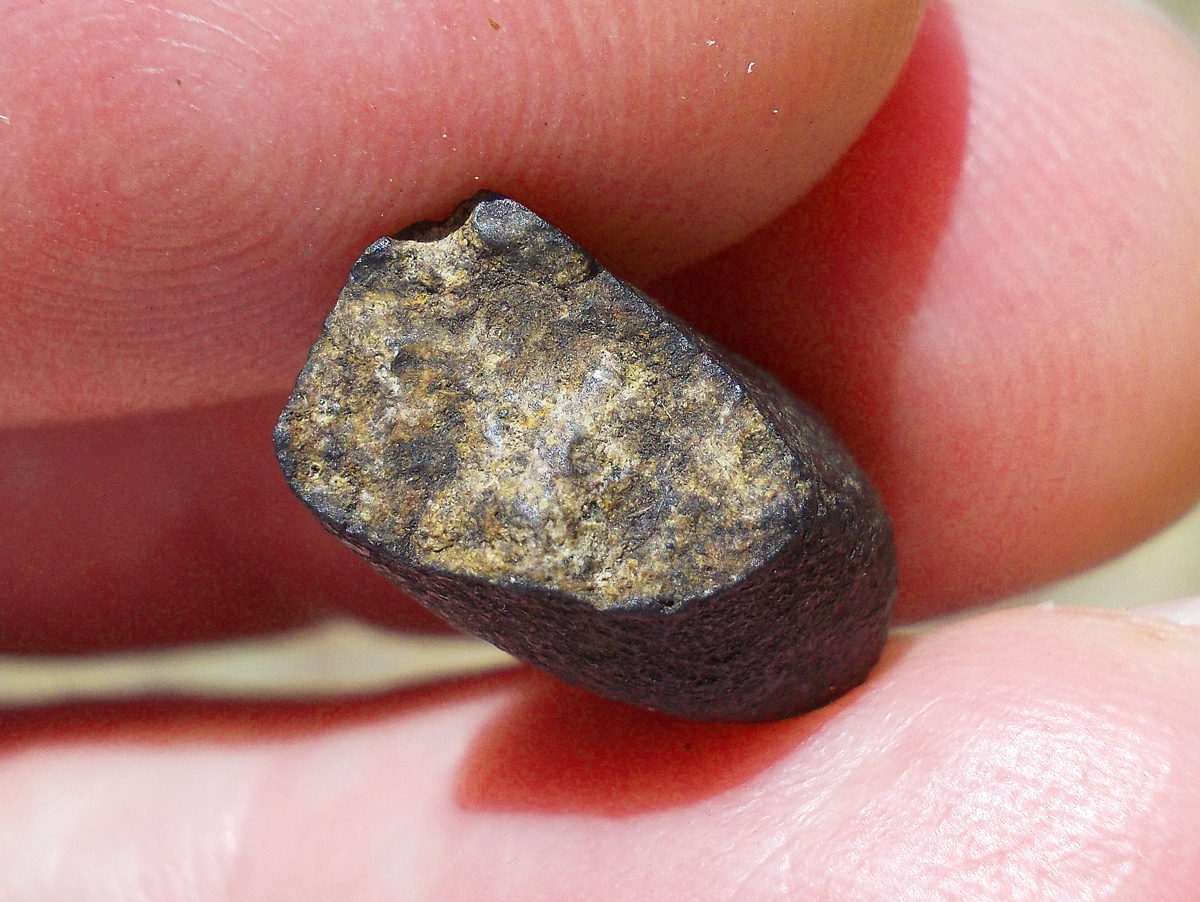
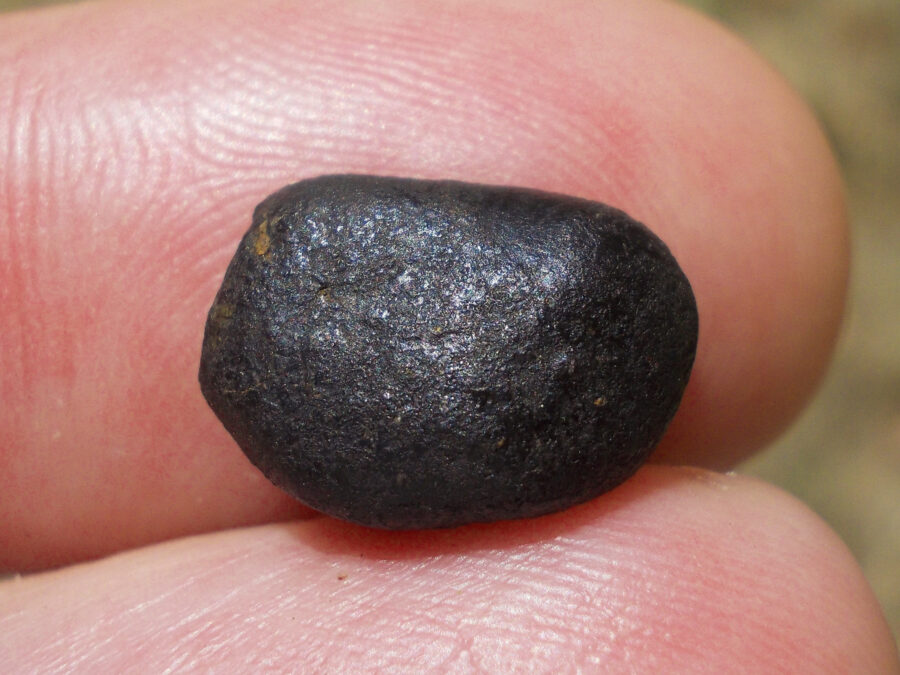
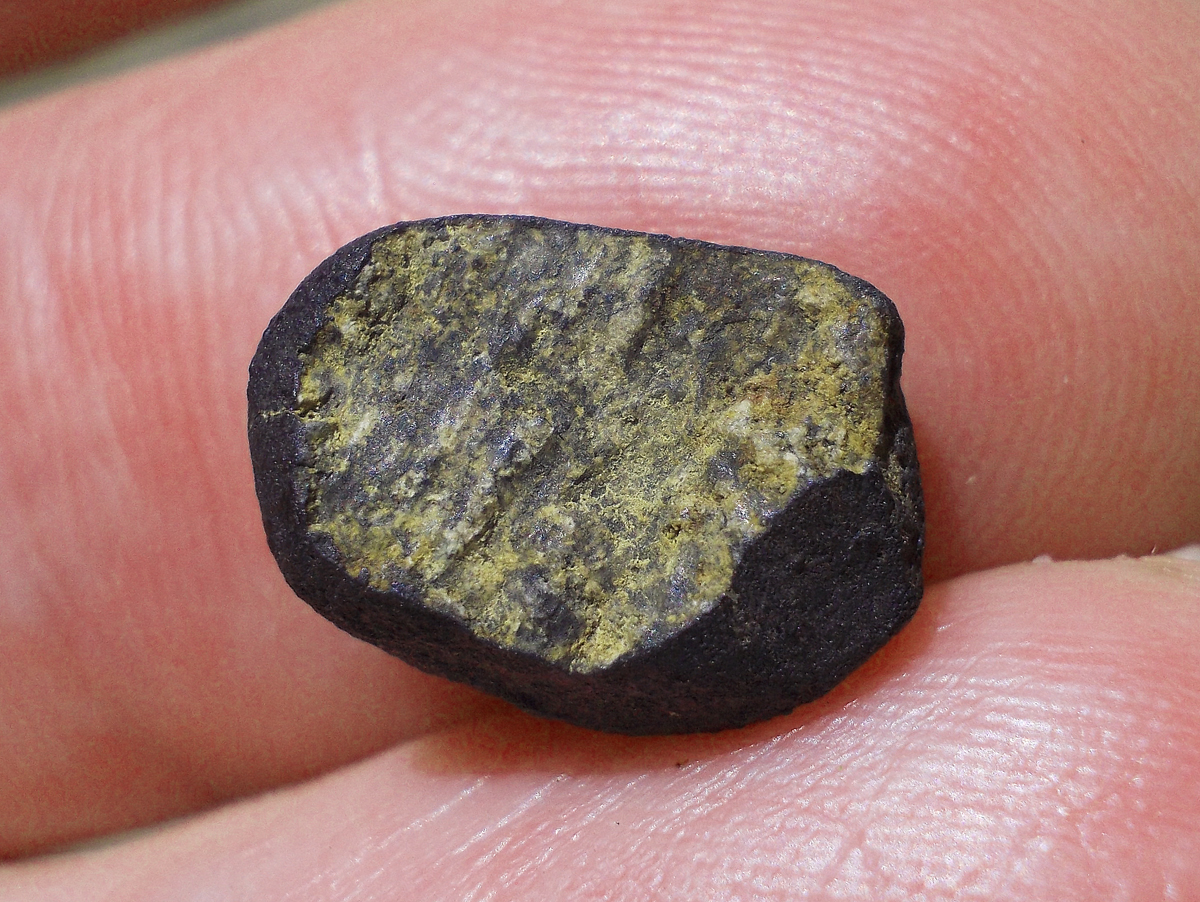
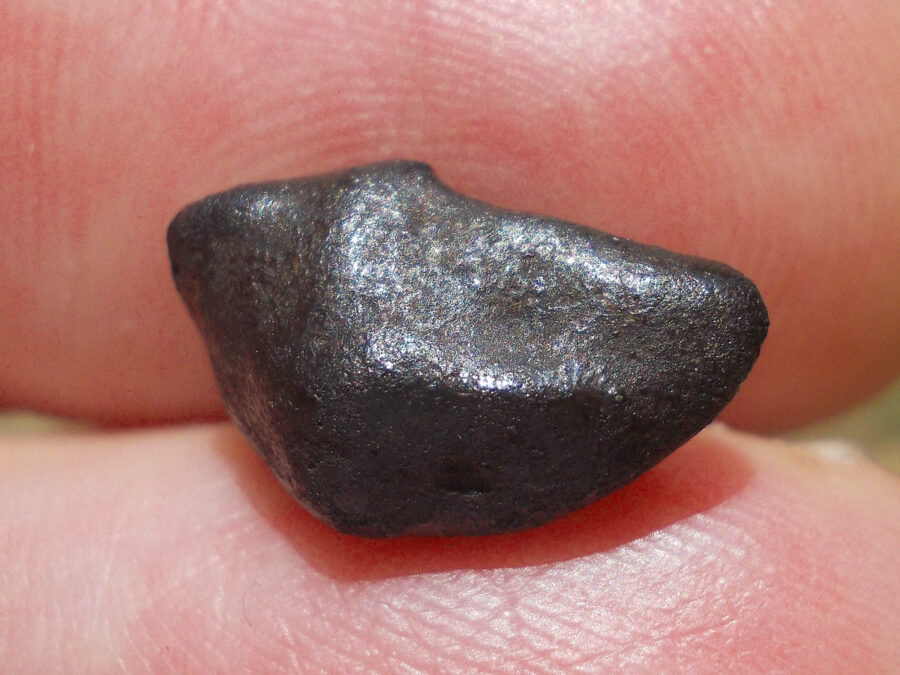
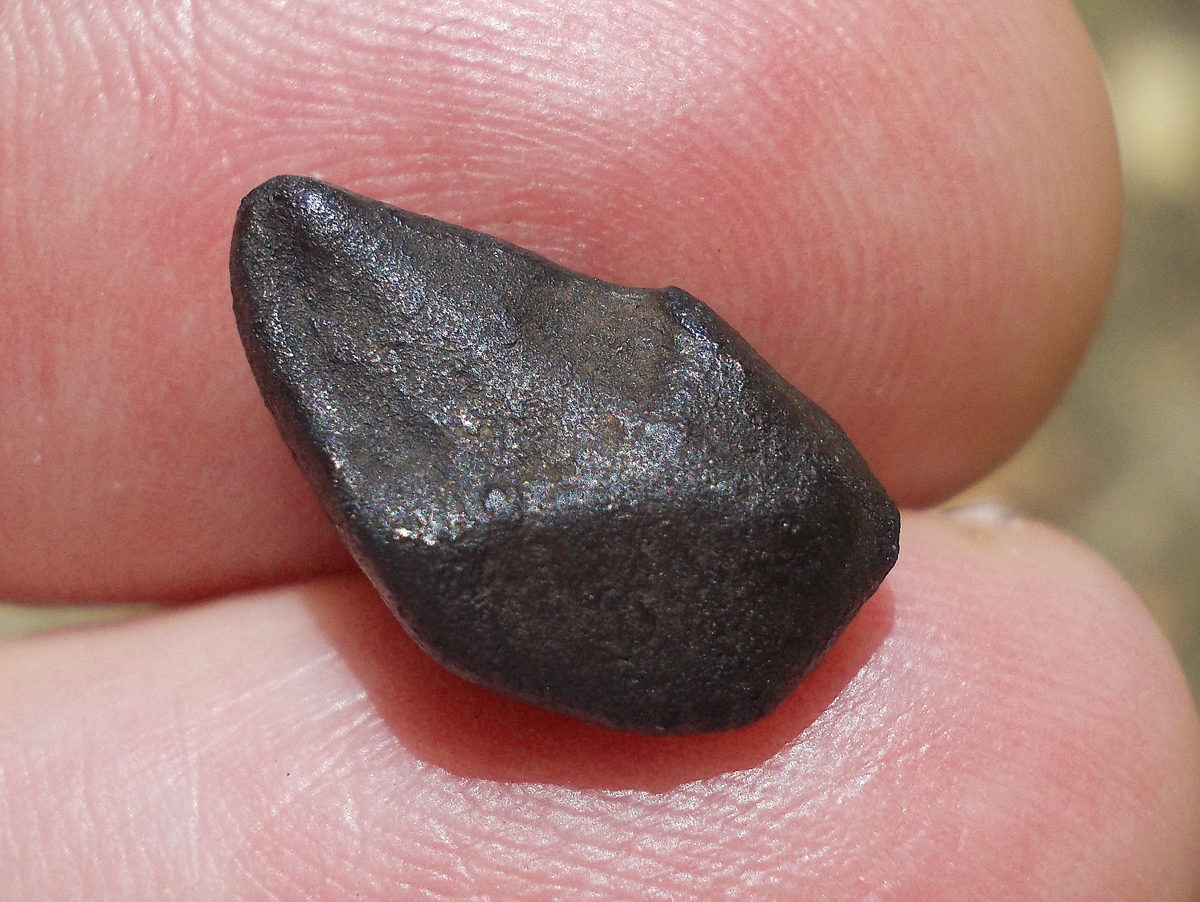
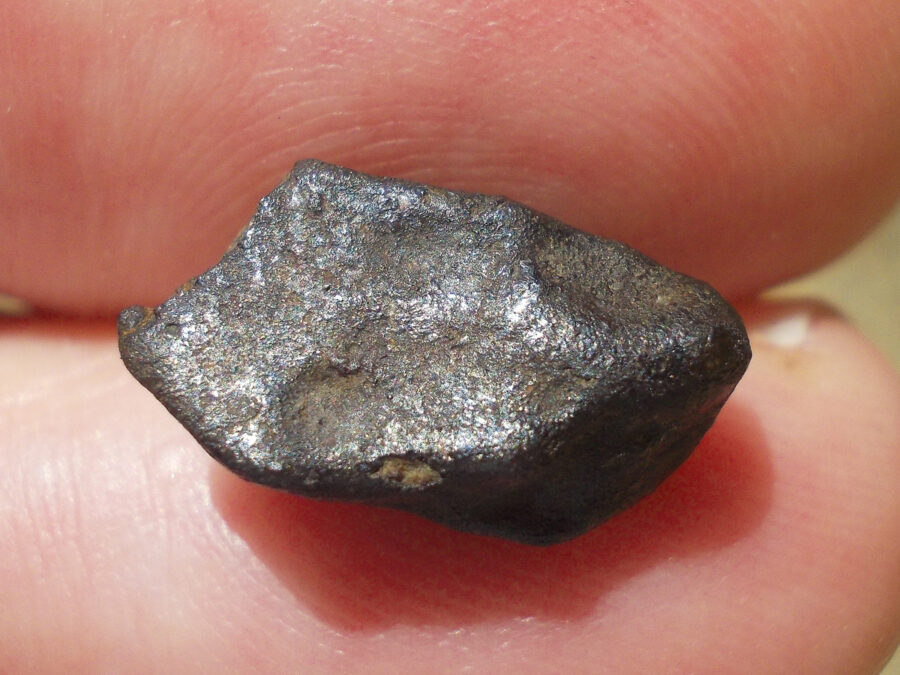
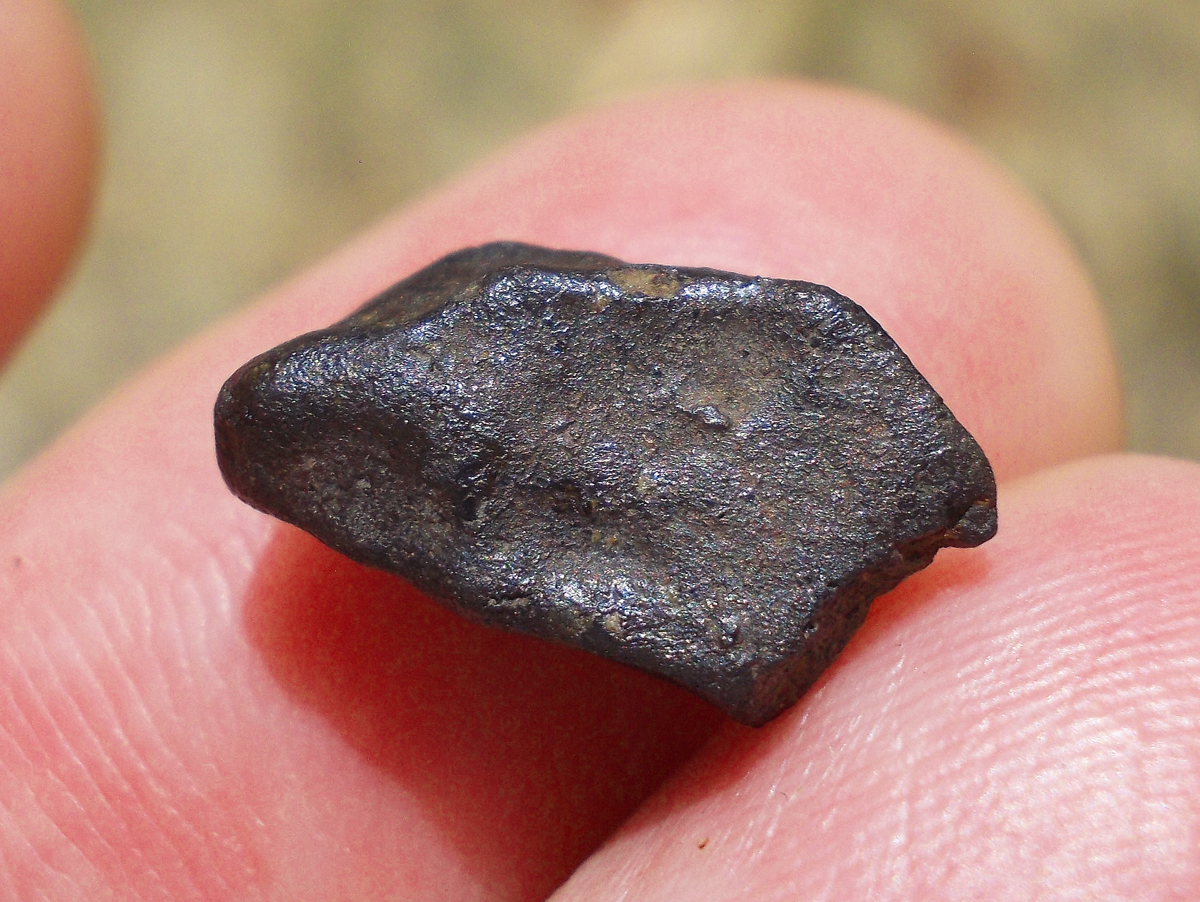
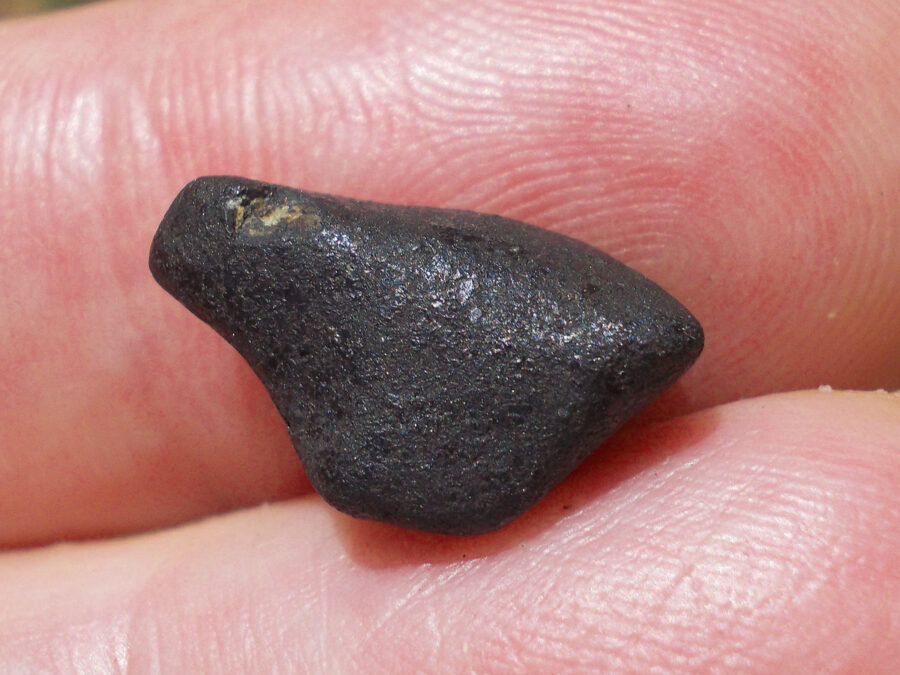
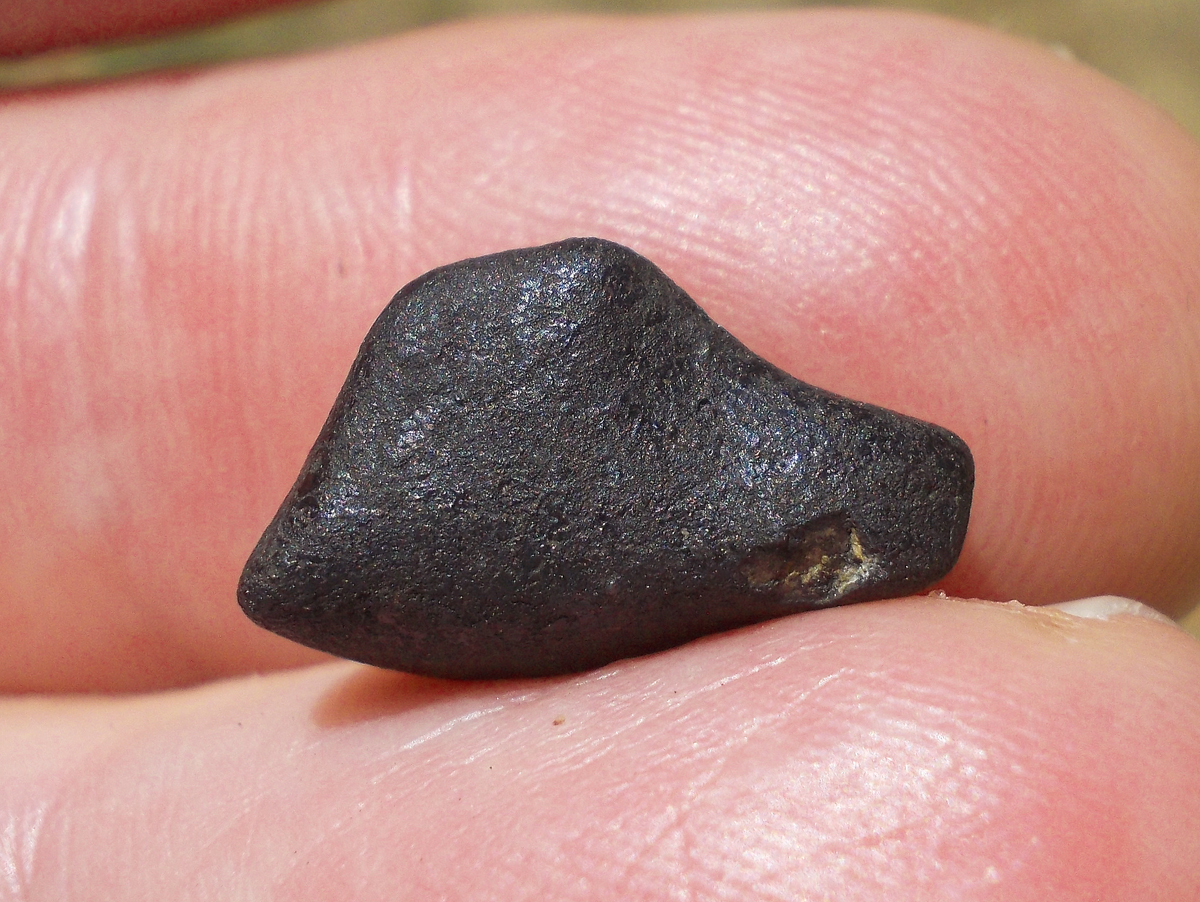
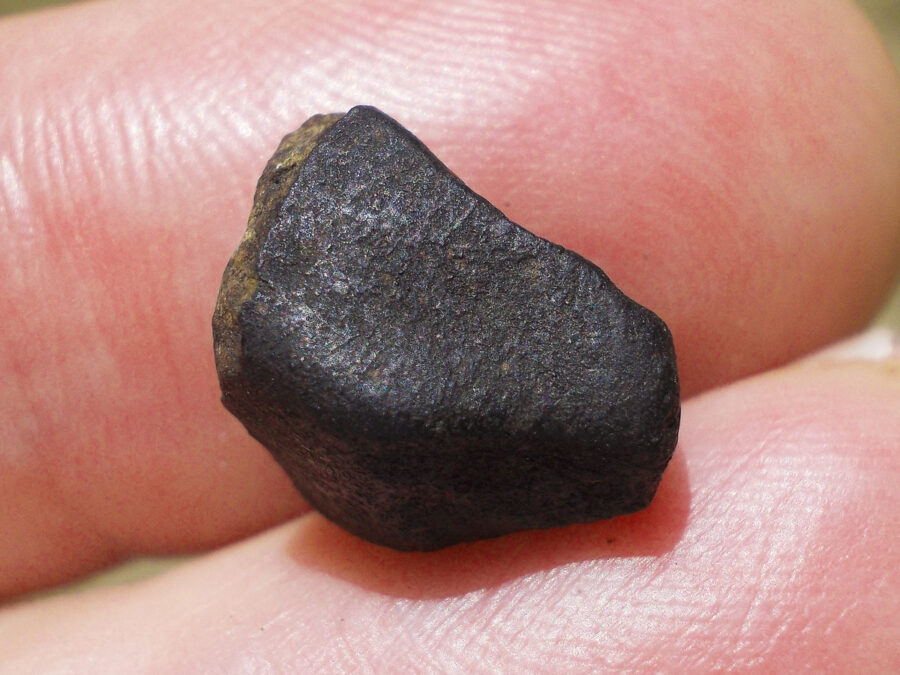
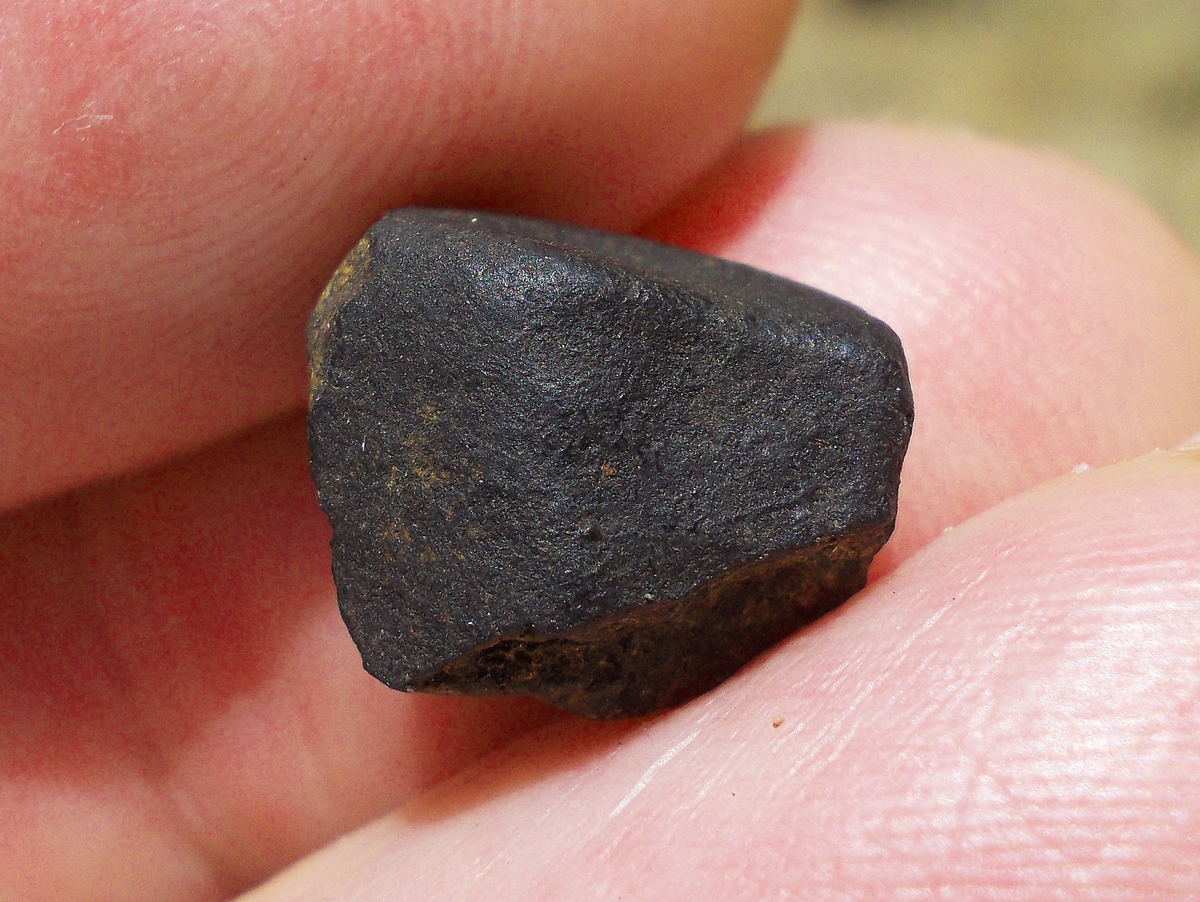
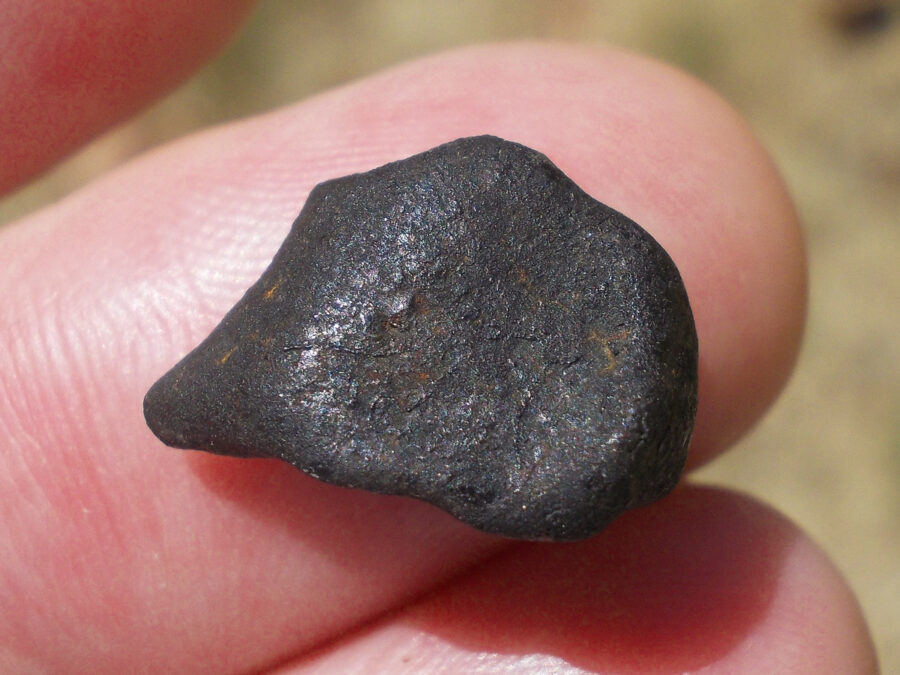
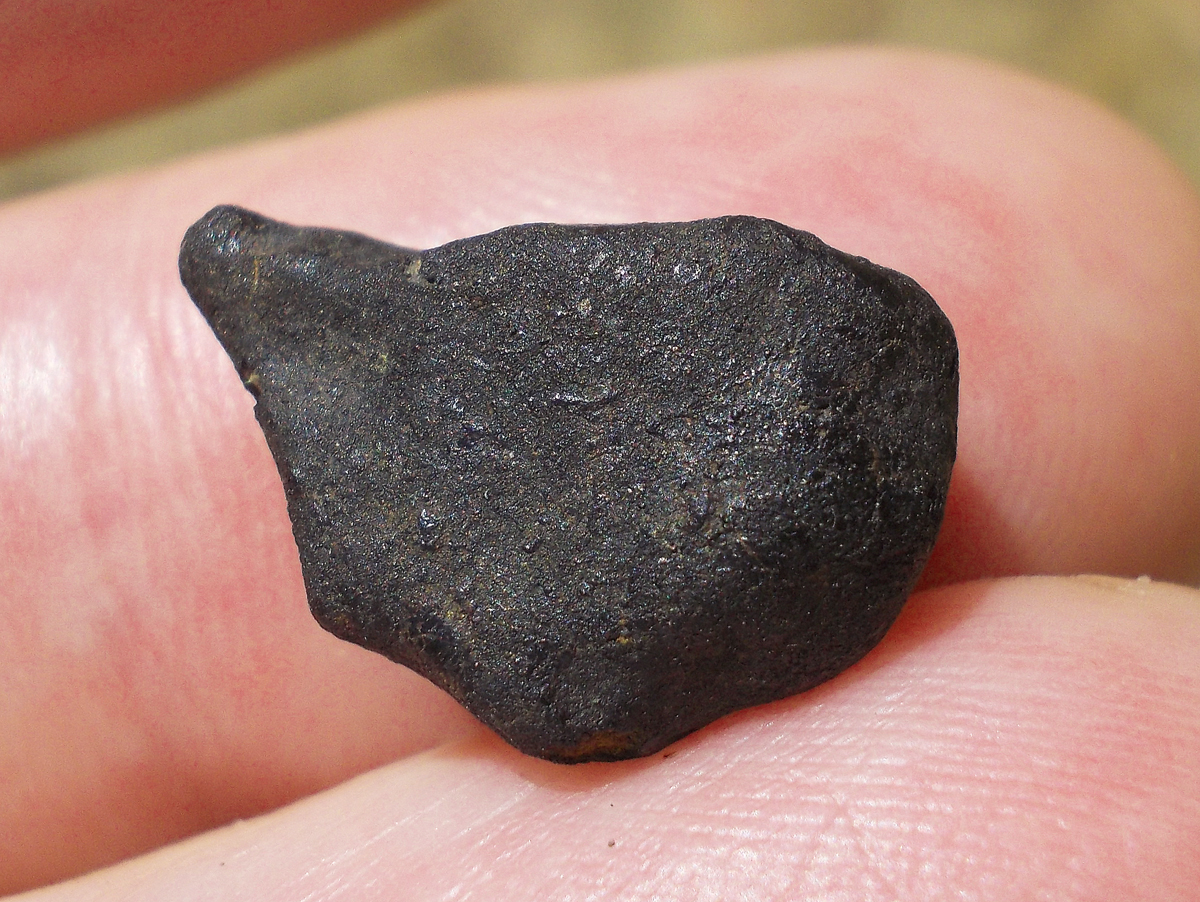
Chwichiya 002 is an ordinary carbonaceous chondrite of the C3.00 ungrouped type; it is the most primitive type ever found to date, having undergone no hydration or heating prior to its ejection from the parent body.
This meteorite may be one of the most scientifically significant meteorites of all time; there is no doubt that our understanding of the solar system will advance thanks to it.
It was discovered in Western Sahara.
A must-have for any collection! https://www.futura-sciences.com/sciences/actualites/astronomie-tresor-cosmique-france-cette-meteorite-contient-grains-plus-anciens-soleil-w2t8-130194/
Chwichiya 002 is an ordinary carbonaceous chondrite of the C3.00 ungrouped type; it is the most primitive type ever found to date, having undergone no hydration or heating prior to its ejection from the parent body.
This meteorite may be one of the most scientifically significant meteorites of all time; there is no doubt that our understanding of the solar system will advance thanks to it.
It was discovered in Western Sahara.
A must-have for any collection! https://www.futura-sciences.com/sciences/actualites/astronomie-tresor-cosmique-france-cette-meteorite-contient-grains-plus-anciens-soleil-w2t8-130194/
Chwichiya 002 is an ordinary carbonaceous chondrite of the C3.00 ungrouped type; it is the most primitive type ever found to date, having undergone no hydration or heating prior to its ejection from the parent body.
This meteorite may be one of the most scientifically significant meteorites of all time; there is no doubt that our understanding of the solar system will advance thanks to it.
It was discovered in Western Sahara.
A must-have for any collection! https://www.futura-sciences.com/sciences/actualites/astronomie-tresor-cosmique-france-cette-meteorite-contient-grains-plus-anciens-soleil-w2t8-130194/
Oued El Kechbi is a chondrite L4 meteorite that fell in Morocco near the town of Akhfennir on March 3, 2023.
On March 3, 2023, at 2:00 pm GMT, while approximately 1 km to the east of the fall site, nomadic sheep herders named Derija Bent Yahya, Abo bakr Aabidha, Brika weld Himdah and Elkhadir observed a fireball travelling with a SE to NW trajectory fall in the desert region ~45 km SW of Akhfennir, Morocco
As the meteoroid entered the atmosphere, the fireball was reported to be yellow turning to white in color and was accompanied by a sonic boom that is reported to have scattered the herder’s flock. Residents of Samara, individuals in the Al Haggounia strewnfield and residents of Akhfennir all reported to have observed the fireball. The first pieces were found by Abo bakr Aabidha and other residents from Akhefennir on March 4. Thirty-six individuals from the Moroccan Association of Meteorite Hunters organized a search on March 13 and were able to collect an additional 2 kg of stones. The area where samples were found lies within a valley that contains desert pavement separated by abundance of small seasonal ponds. Initial samples were found in the mud where the land surface was wet from recent snow.
43 stones weighing 1036 g were sold to Jean Redelsperger.
Many stones are completely coated by black fusion crust. Some are oriented and larger stones show regmaglypts and surfaces showing slickensides. Fragments found in mud show spots of oxidation on crusted surfaces and exposed interiors. The broken face shows the interior is composed of light grey chondrules, FeNi and troilite grains.
The Chelyabinsk meteorite fell on February 15, 2013 in Russia.
With a diameter of around 17 metres, the bolide fragmented in the atmosphere. The energy released by this phenomenon is equivalent to 30 times the Hiroshima bomb, creating enormous damage.
More than 1,000 people were reported injured as a result of this crash. Since light travels much faster—300,000 km/s—than sound (340 m/s), people gathered behind windows to watch the luminous phenomenon; however, a minute later, the shock wave struck, shattering hundreds of windows and partially damaging a factory, resulting in many injuries from flying glass shards.
The Chelyabinsk meteorite fell on February 15, 2013 in Russia.
With a diameter of around 17 metres, the bolide fragmented in the atmosphere. The energy released by this phenomenon is equivalent to 30 times the Hiroshima bomb, creating enormous damage.
More than 1,000 people were reported injured as a result of this crash. Since light travels much faster—300,000 km/s—than sound (340 m/s), people gathered behind windows to watch the luminous phenomenon; however, a minute later, the shock wave struck, shattering hundreds of windows and partially damaging a factory, resulting in many injuries from flying glass shards.
The Chelyabinsk meteorite fell on February 15, 2013 in Russia.
With a diameter of around 17 metres, the bolide fragmented in the atmosphere. The energy released by this phenomenon is equivalent to 30 times the Hiroshima bomb, creating enormous damage.
More than 1,000 people were reported injured as a result of this crash. Since light travels much faster—300,000 km/s—than sound (340 m/s), people gathered behind windows to watch the luminous phenomenon; however, a minute later, the shock wave struck, shattering hundreds of windows and partially damaging a factory, resulting in many injuries from flying glass shards.
The Chelyabinsk meteorite fell on February 15, 2013 in Russia.
With a diameter of around 17 metres, the bolide fragmented in the atmosphere. The energy released by this phenomenon is equivalent to 30 times the Hiroshima bomb, creating enormous damage.
More than 1,000 people were reported injured as a result of this crash. Since light travels much faster—300,000 km/s—than sound (340 m/s), people gathered behind windows to watch the luminous phenomenon; however, a minute later, the shock wave struck, shattering hundreds of windows and partially damaging a factory, resulting in many injuries from flying glass shards.
The Chelyabinsk meteorite fell on February 15, 2013 in Russia.
With a diameter of around 17 metres, the bolide fragmented in the atmosphere. The energy released by this phenomenon is equivalent to 30 times the Hiroshima bomb, creating enormous damage.
More than 1,000 people were reported injured as a result of this crash. Since light travels much faster—300,000 km/s—than sound (340 m/s), people gathered behind windows to watch the luminous phenomenon; however, a minute later, the shock wave struck, shattering hundreds of windows and partially damaging a factory, resulting in many injuries from flying glass shards.
The Chelyabinsk meteorite fell on February 15, 2013 in Russia.
With a diameter of around 17 metres, the bolide fragmented in the atmosphere. The energy released by this phenomenon is equivalent to 30 times the Hiroshima bomb, creating enormous damage.
More than 1,000 people were reported injured as a result of this crash. Since light travels much faster—300,000 km/s—than sound (340 m/s), people gathered behind windows to watch the luminous phenomenon; however, a minute later, the shock wave struck, shattering hundreds of windows and partially damaging a factory, resulting in many injuries from flying glass shards.
The Chelyabinsk meteorite fell on February 15, 2013 in Russia.
With a diameter of around 17 metres, the bolide fragmented in the atmosphere. The energy released by this phenomenon is equivalent to 30 times the Hiroshima bomb, creating enormous damage.
More than 1,000 people were reported injured as a result of this crash. Since light travels much faster—300,000 km/s—than sound (340 m/s), people gathered behind windows to watch the luminous phenomenon; however, a minute later, the shock wave struck, shattering hundreds of windows and partially damaging a factory, resulting in many injuries from flying glass shards.
The Chelyabinsk meteorite fell on February 15, 2013 in Russia.
With a diameter of around 17 metres, the bolide fragmented in the atmosphere. The energy released by this phenomenon is equivalent to 30 times the Hiroshima bomb, creating enormous damage.
More than 1,000 people were reported injured as a result of this crash. Since light travels much faster—300,000 km/s—than sound (340 m/s), people gathered behind windows to watch the luminous phenomenon; however, a minute later, the shock wave struck, shattering hundreds of windows and partially damaging a factory, resulting in many injuries from flying glass shards.
The Chelyabinsk meteorite fell on February 15, 2013 in Russia.
With a diameter of around 17 metres, the bolide fragmented in the atmosphere. The energy released by this phenomenon is equivalent to 30 times the Hiroshima bomb, creating enormous damage.
More than 1,000 people were reported injured as a result of this crash. Since light travels much faster—300,000 km/s—than sound (340 m/s), people gathered behind windows to watch the luminous phenomenon; however, a minute later, the shock wave struck, shattering hundreds of windows and partially damaging a factory, resulting in many injuries from flying glass shards.
The Chelyabinsk meteorite fell on February 15, 2013 in Russia.
With a diameter of around 17 metres, the bolide fragmented in the atmosphere. The energy released by this phenomenon is equivalent to 30 times the Hiroshima bomb, creating enormous damage.
More than 1,000 people were reported injured as a result of this crash. Since light travels much faster—300,000 km/s—than sound (340 m/s), people gathered behind windows to watch the luminous phenomenon; however, a minute later, the shock wave struck, shattering hundreds of windows and partially damaging a factory, resulting in many injuries from flying glass shards.
The Chelyabinsk meteorite fell on February 15, 2013 in Russia.
With a diameter of around 17 metres, the bolide fragmented in the atmosphere. The energy released by this phenomenon is equivalent to 30 times the Hiroshima bomb, creating enormous damage.
More than 1,000 people were reported injured as a result of this crash. Since light travels much faster—300,000 km/s—than sound (340 m/s), people gathered behind windows to watch the luminous phenomenon; however, a minute later, the shock wave struck, shattering hundreds of windows and partially damaging a factory, resulting in many injuries from flying glass shards.
The Chelyabinsk meteorite fell on February 15, 2013 in Russia.
With a diameter of around 17 metres, the bolide fragmented in the atmosphere. The energy released by this phenomenon is equivalent to 30 times the Hiroshima bomb, creating enormous damage.
More than 1,000 people were reported injured as a result of this crash. Since light travels much faster—300,000 km/s—than sound (340 m/s), people gathered behind windows to watch the luminous phenomenon; however, a minute later, the shock wave struck, shattering hundreds of windows and partially damaging a factory, resulting in many injuries from flying glass shards.