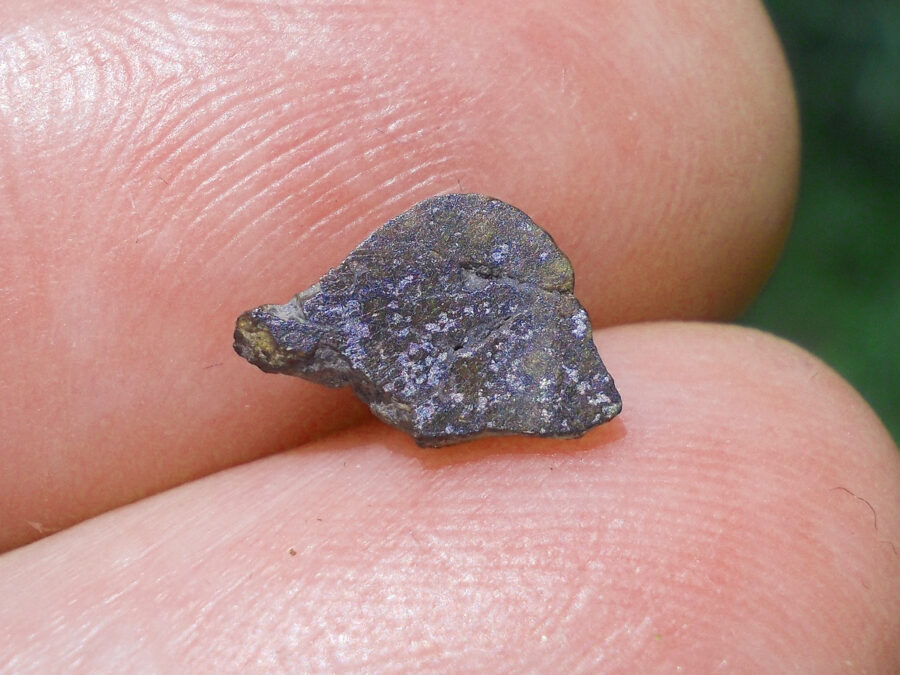
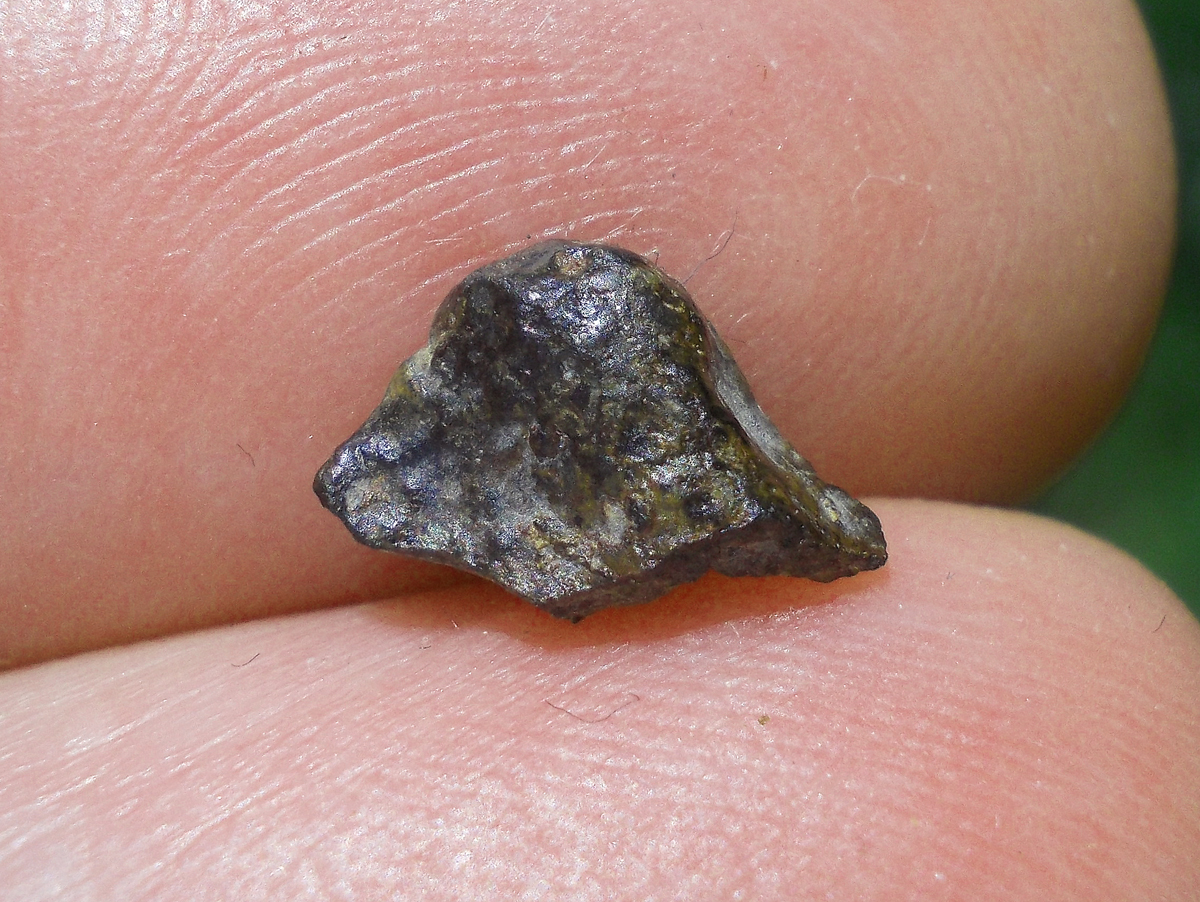
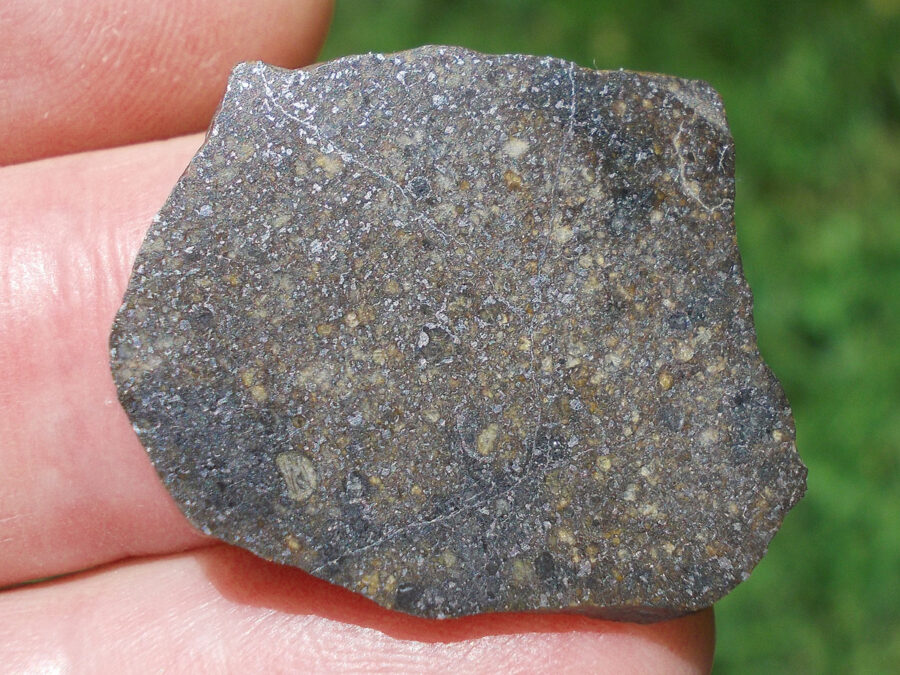
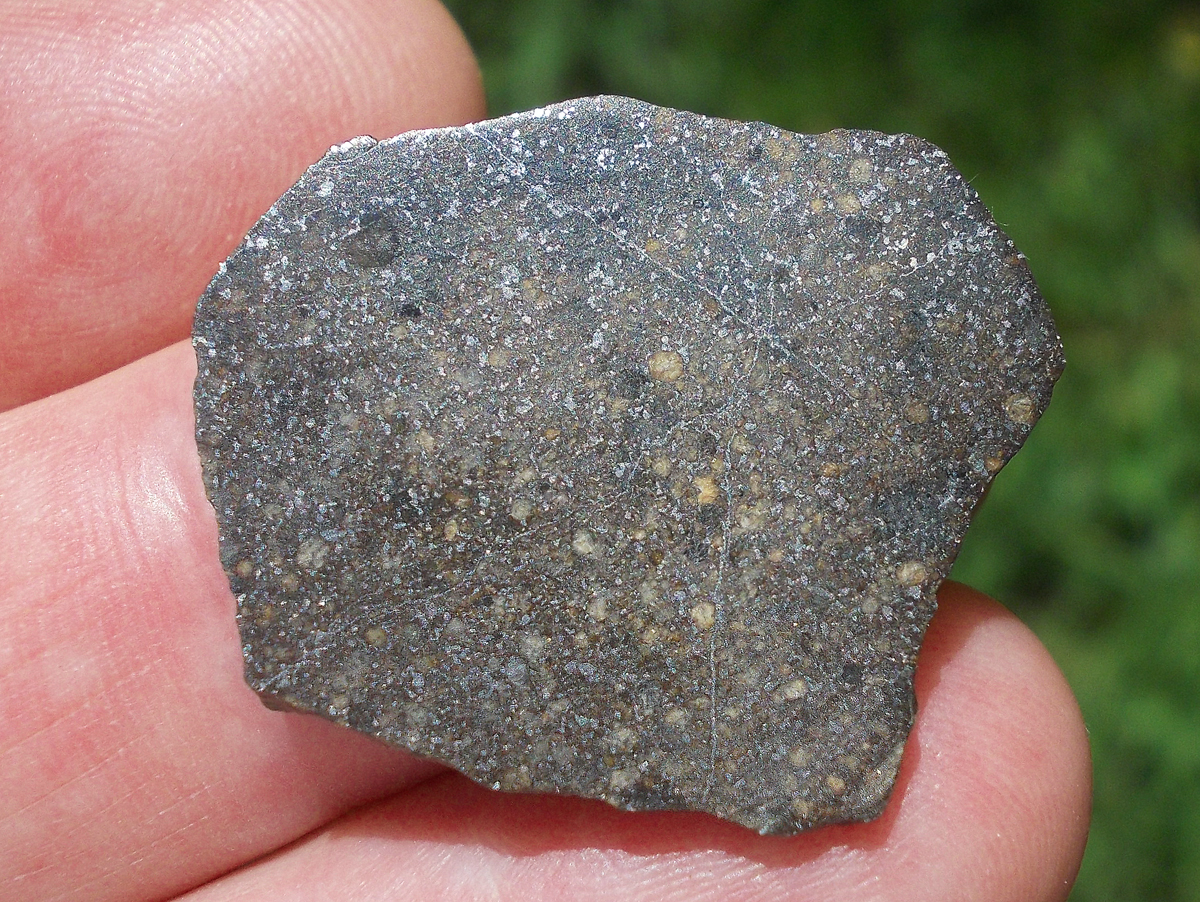
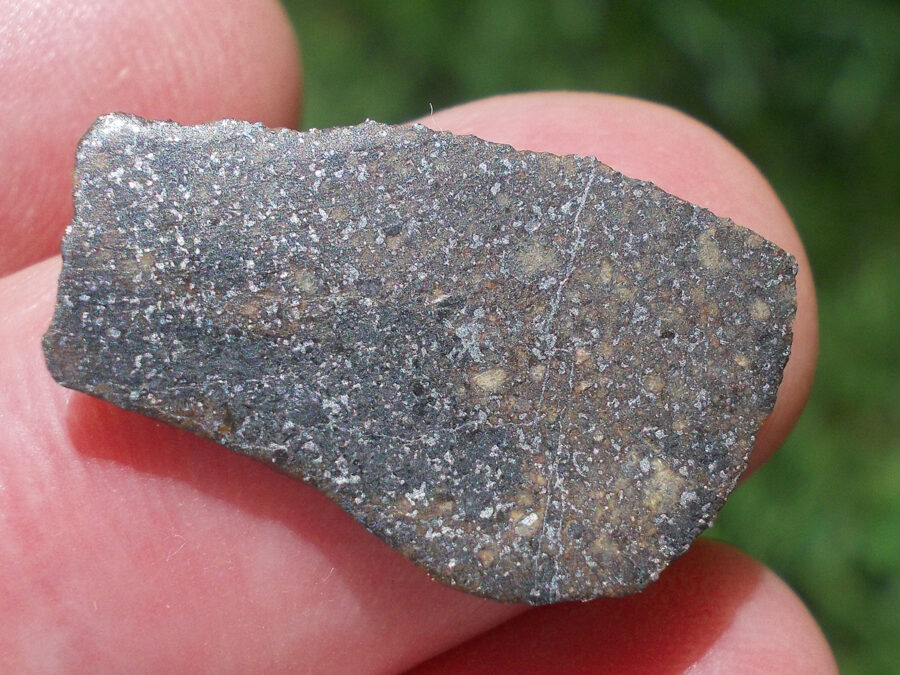
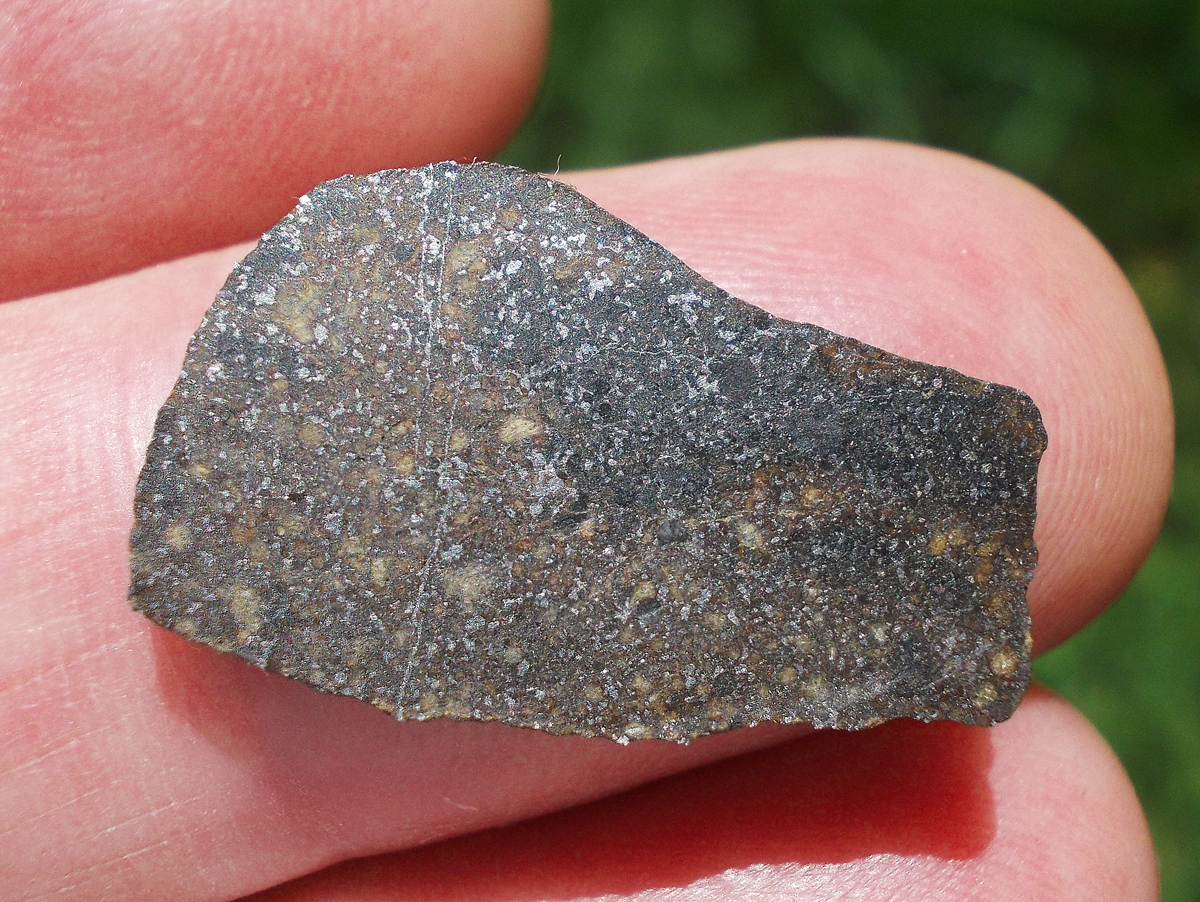
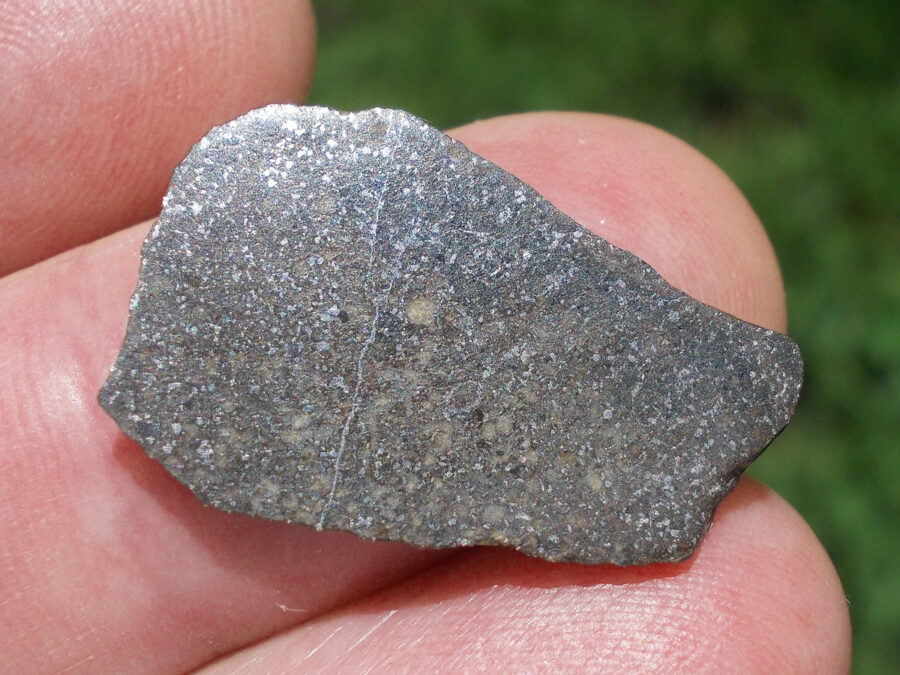
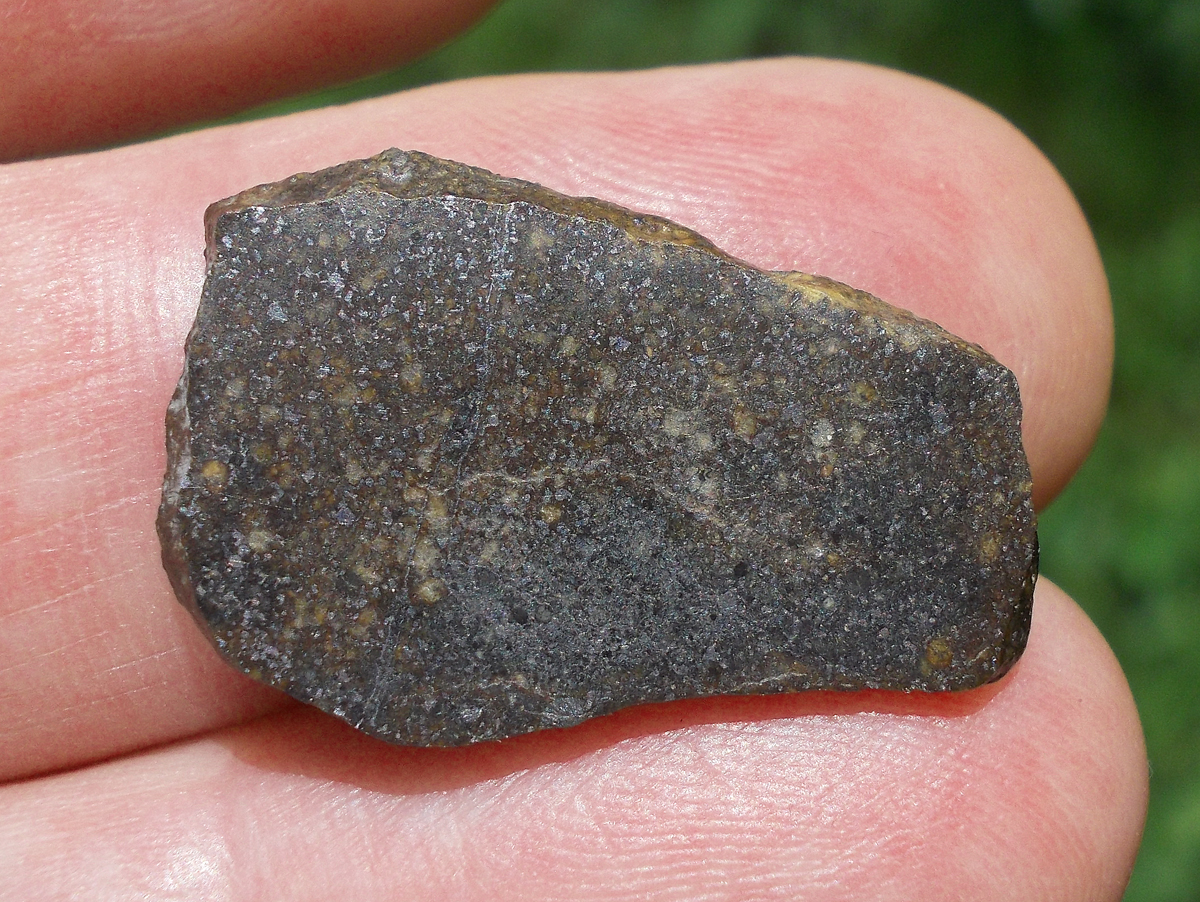
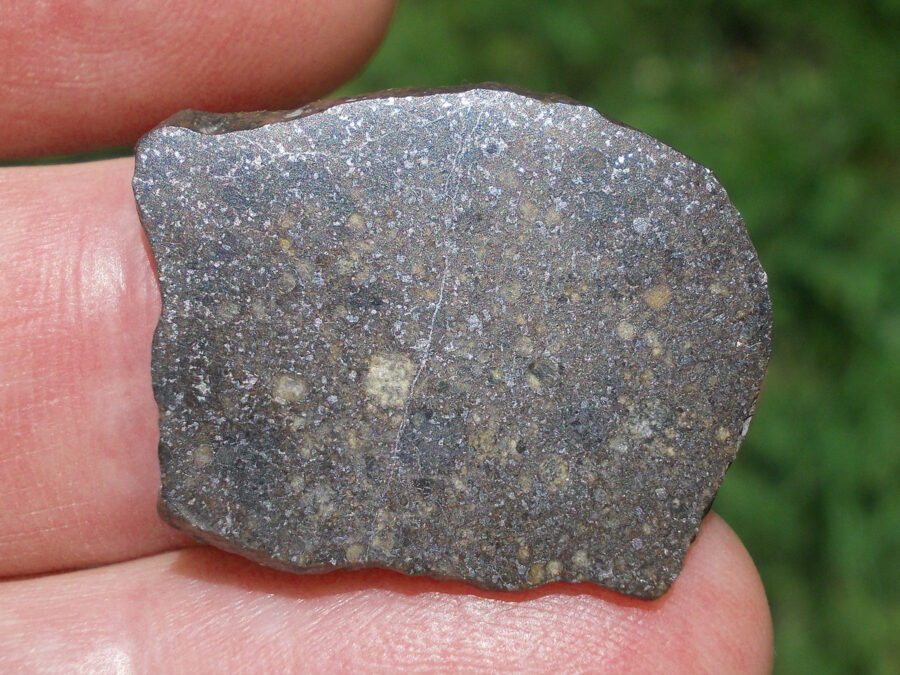
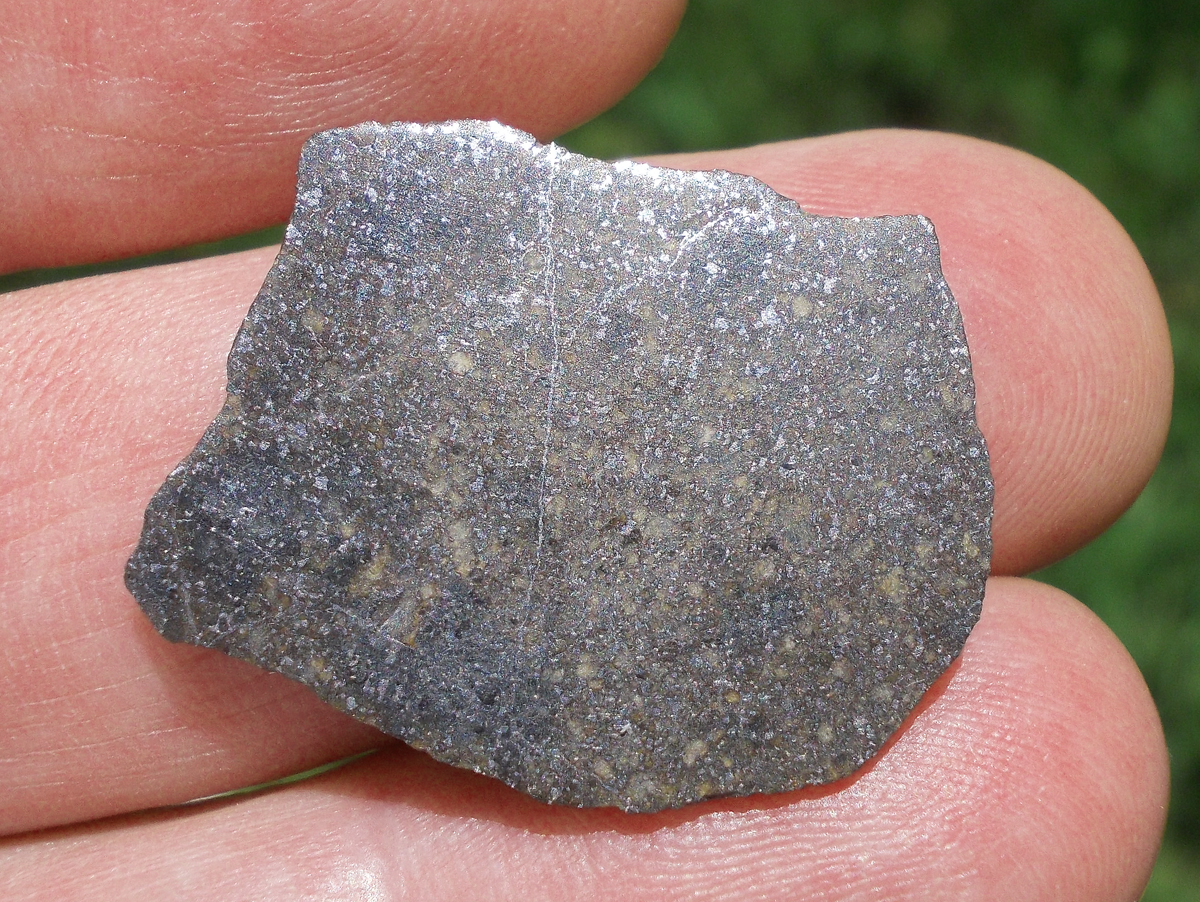
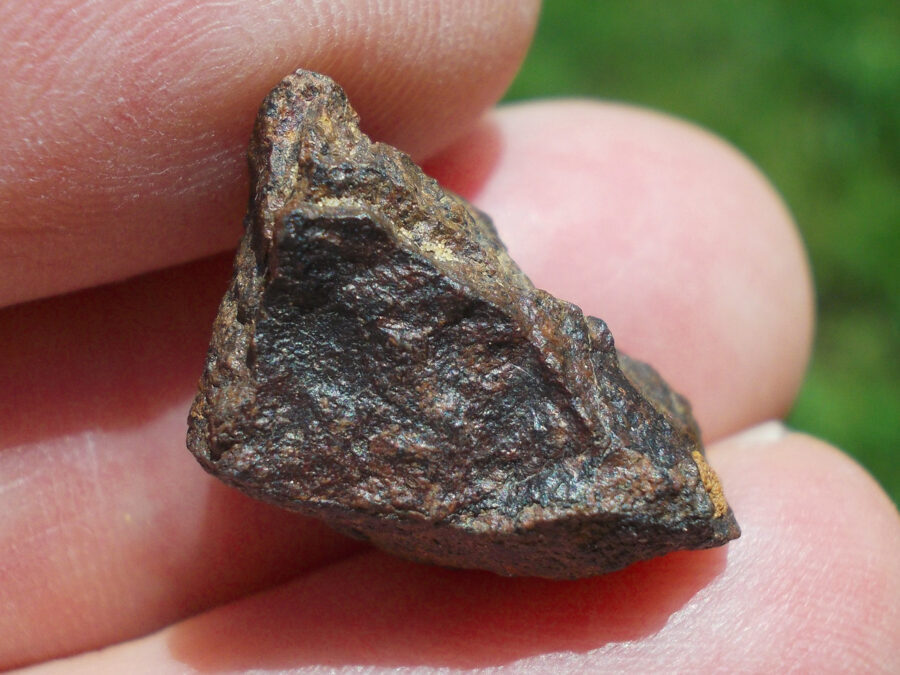
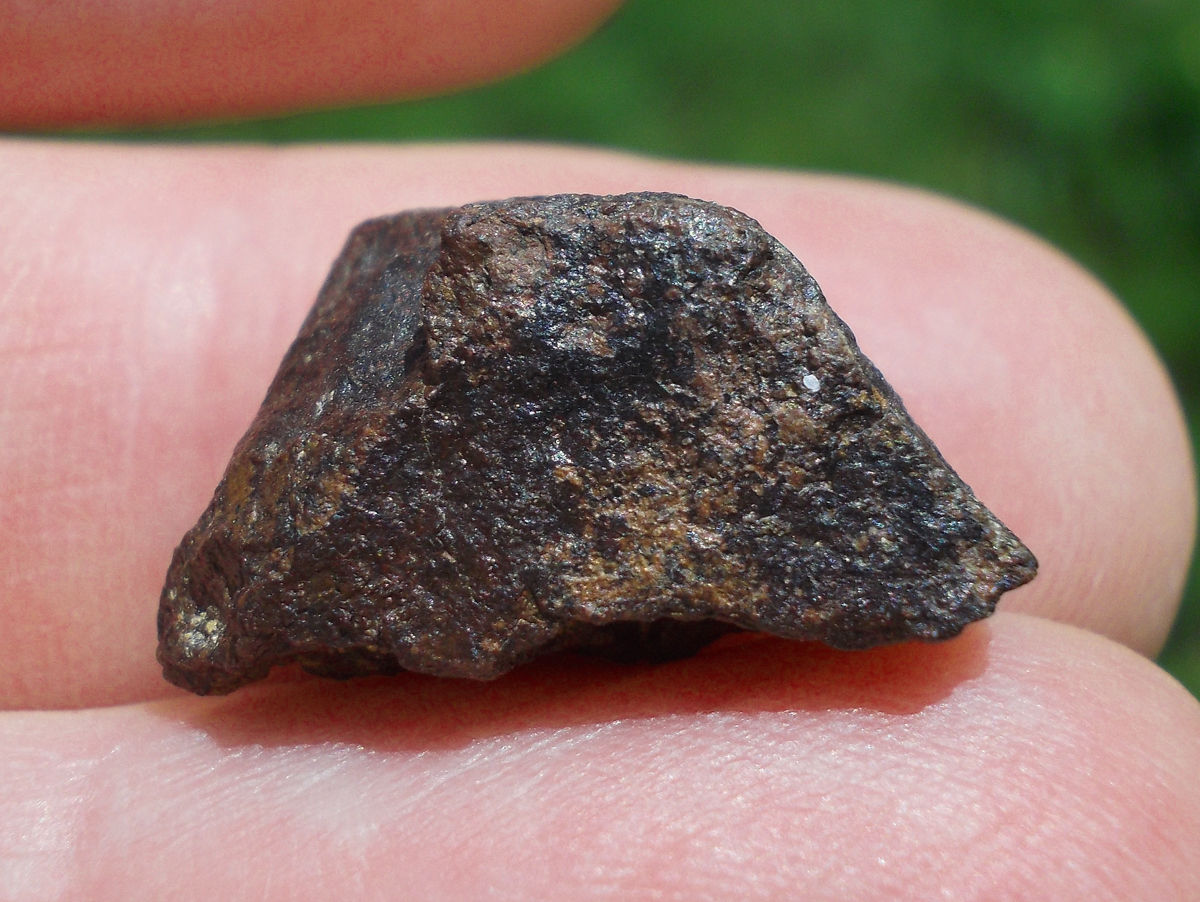
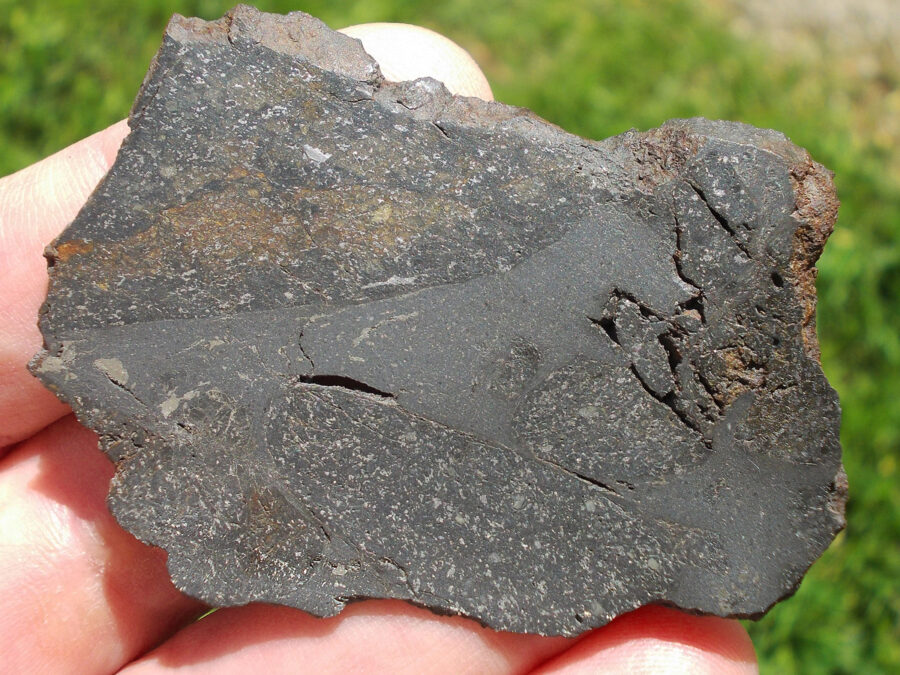
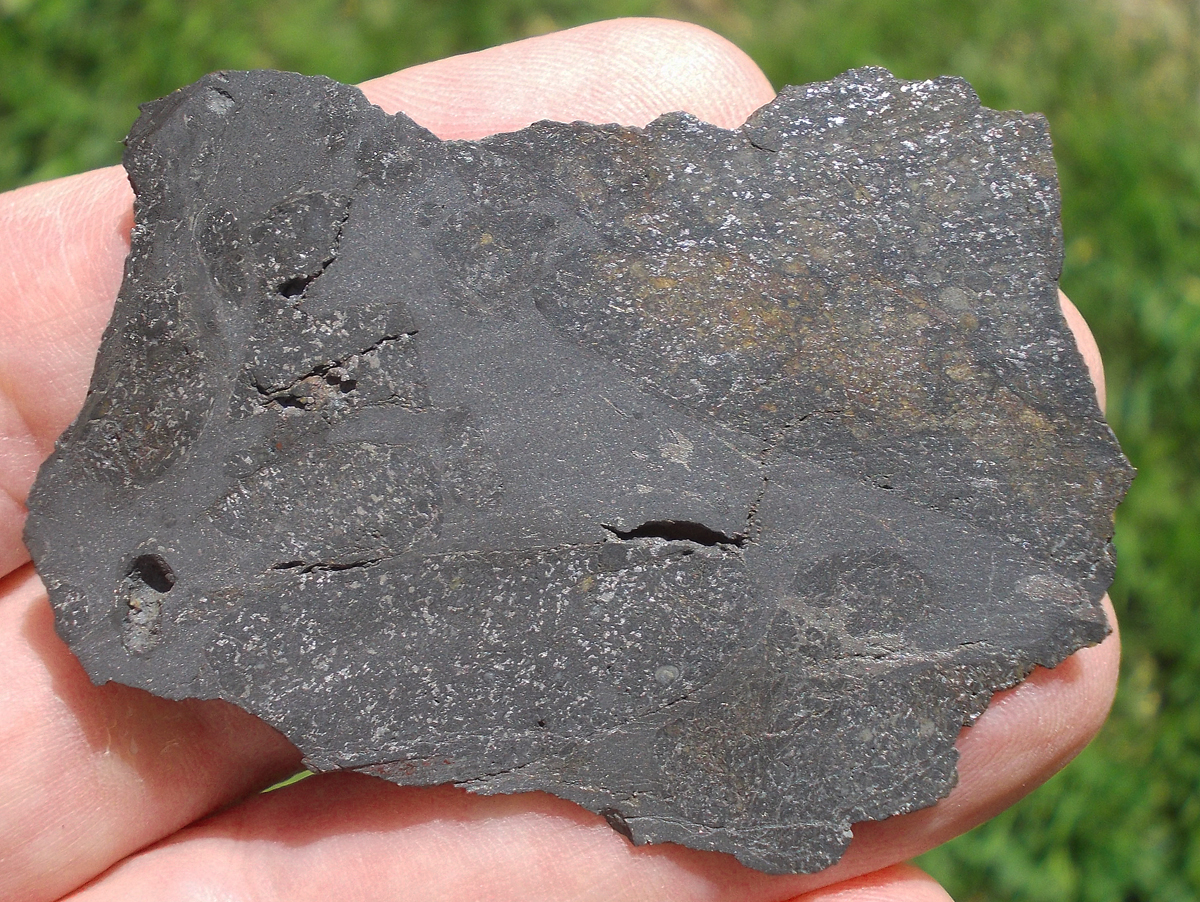
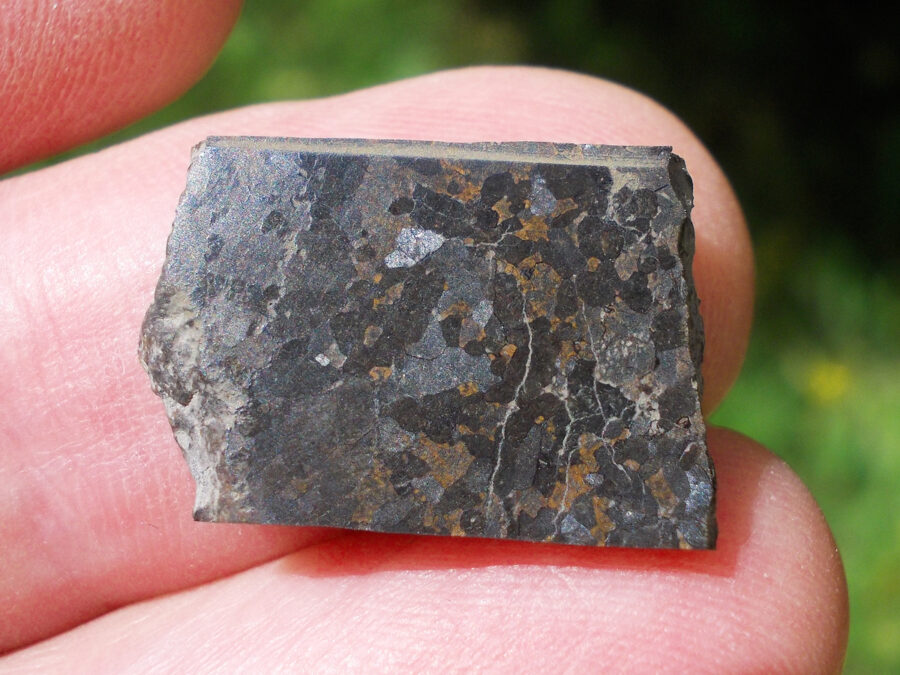
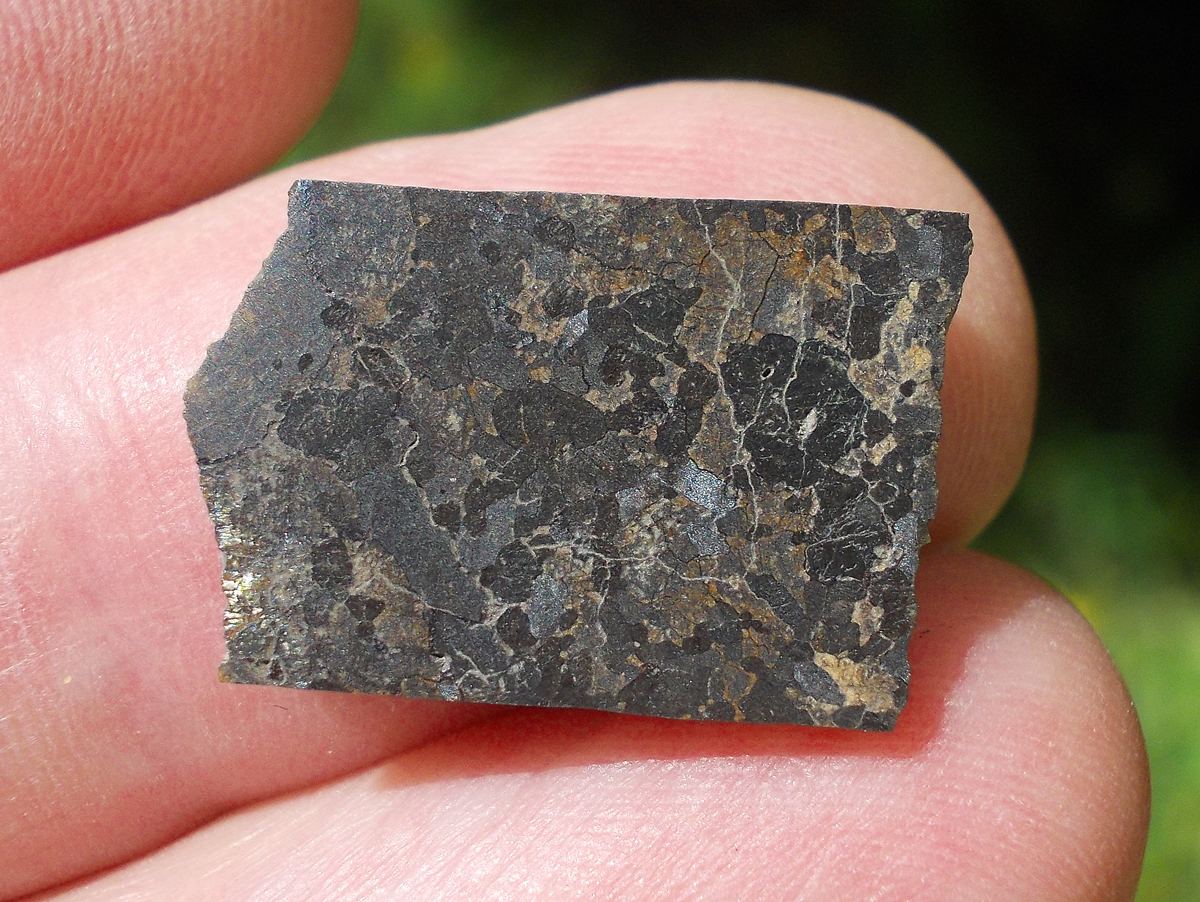
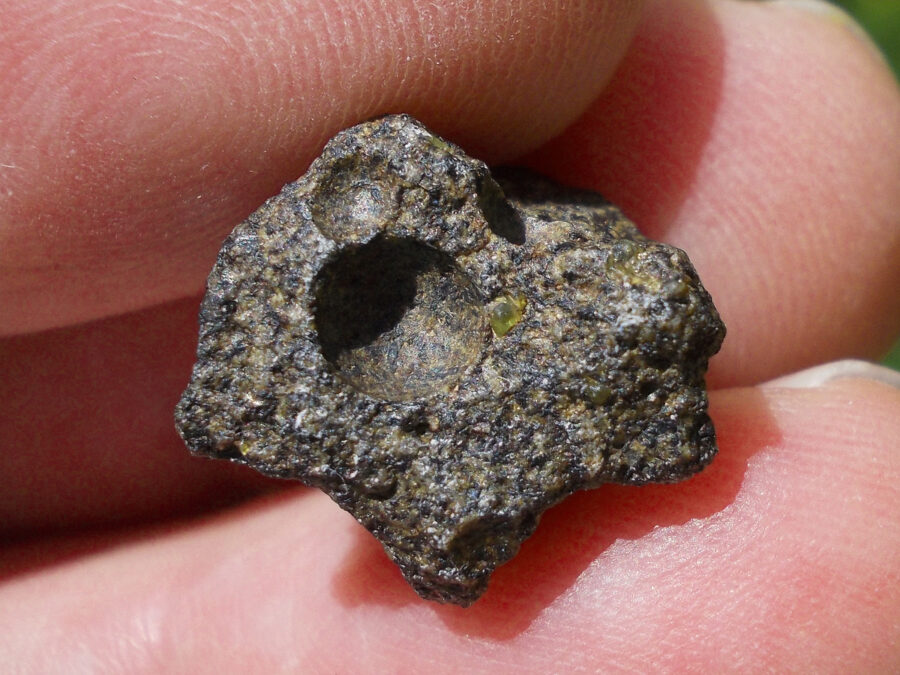
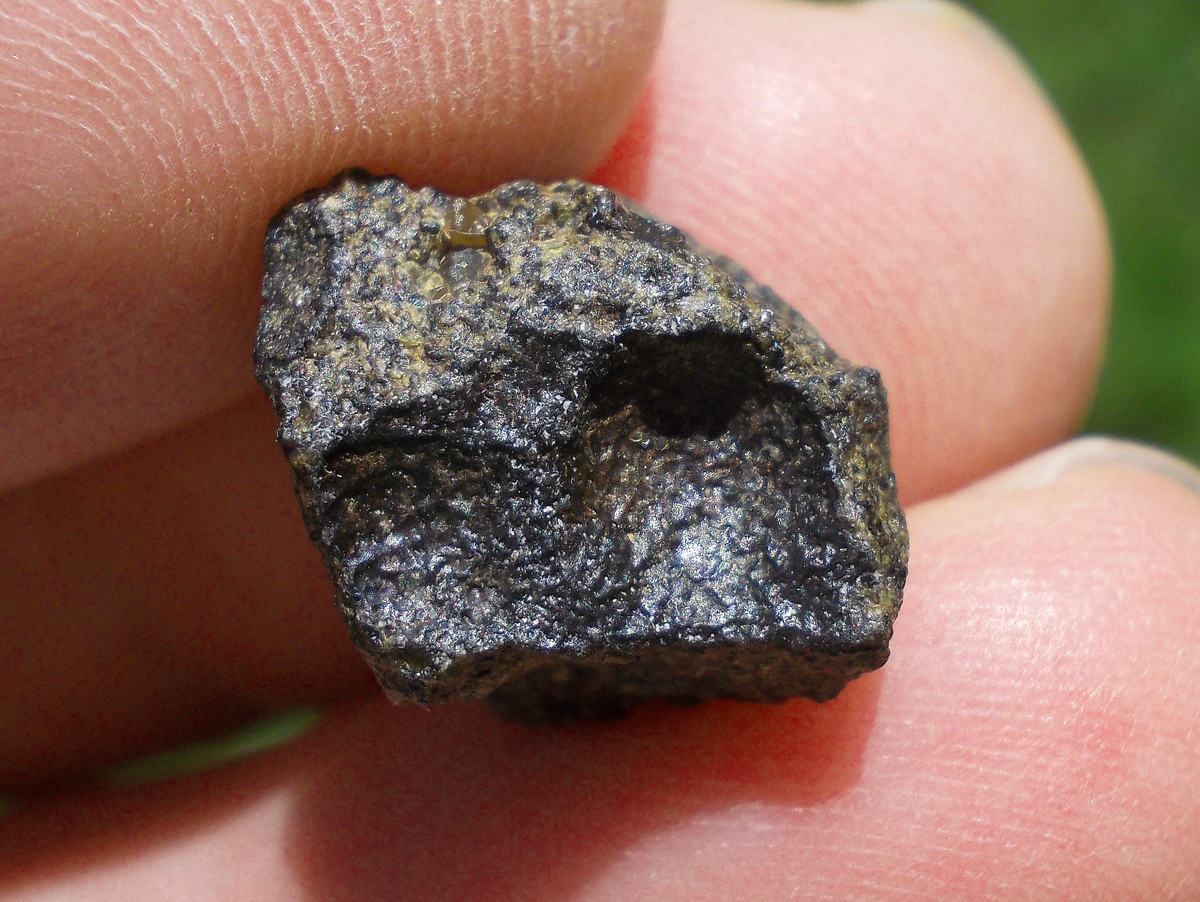
A new type of chondrite meteorite has just been discovered; it is not an H, L or LL type chondrite.
This new type has been named OC4 (ordinary chondrite of petrological type 4).
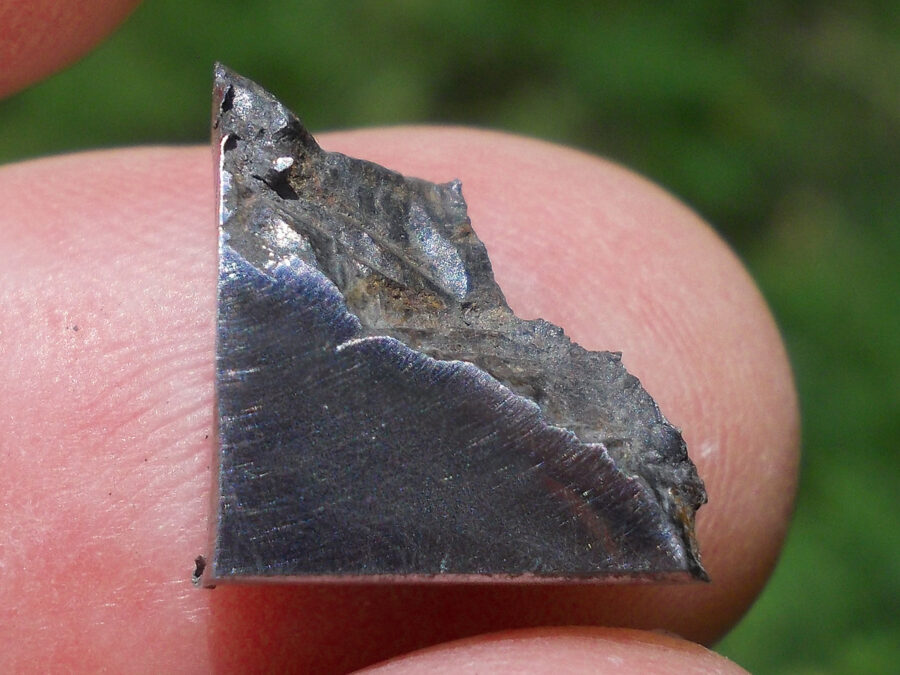
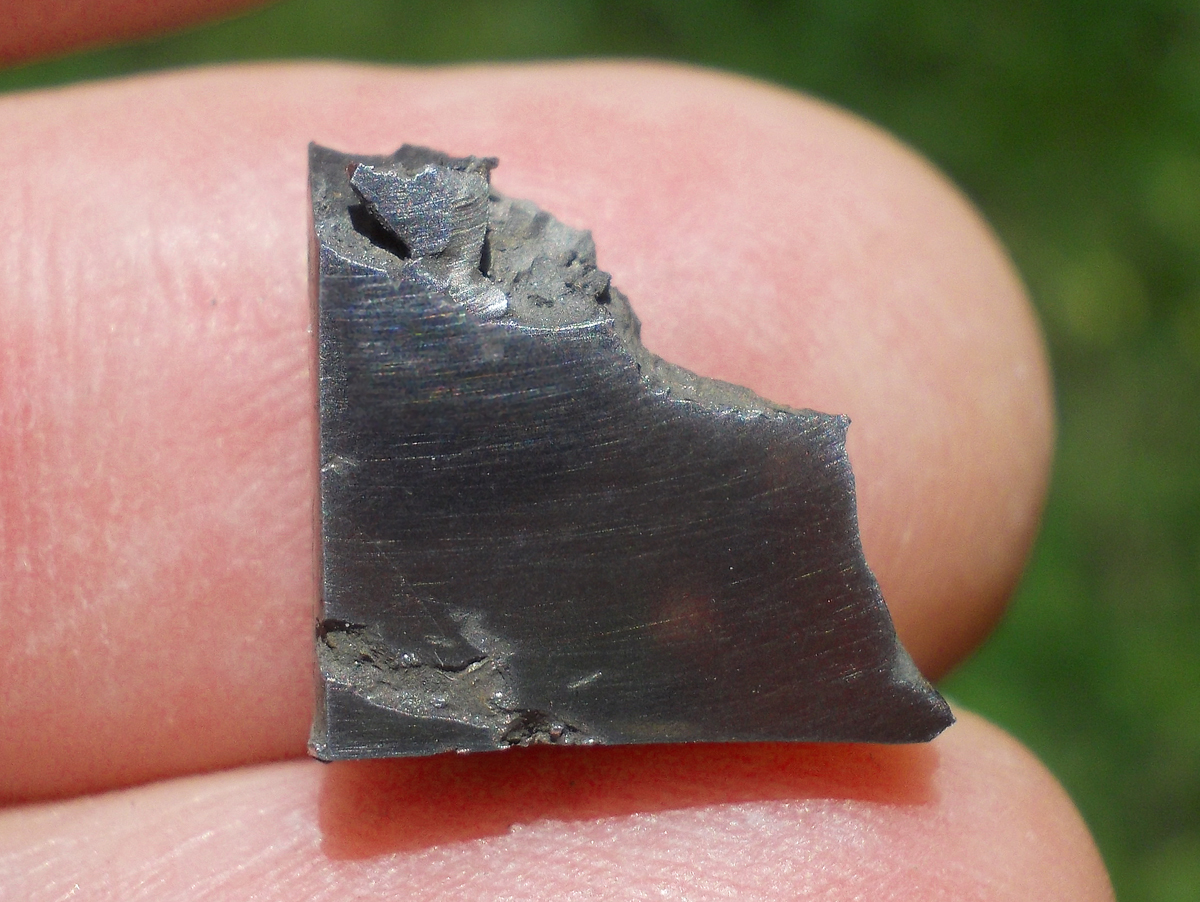
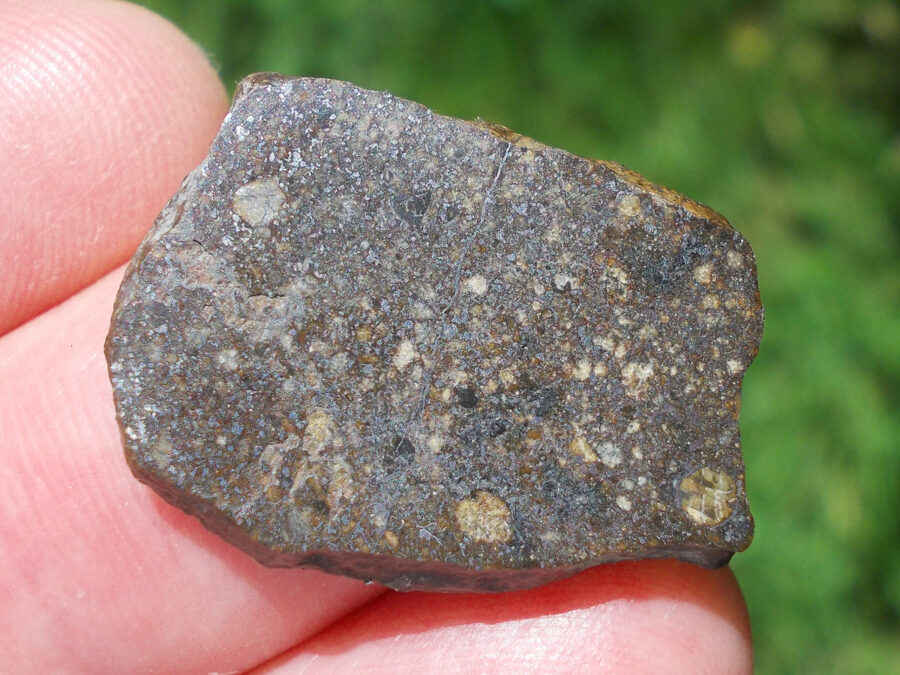
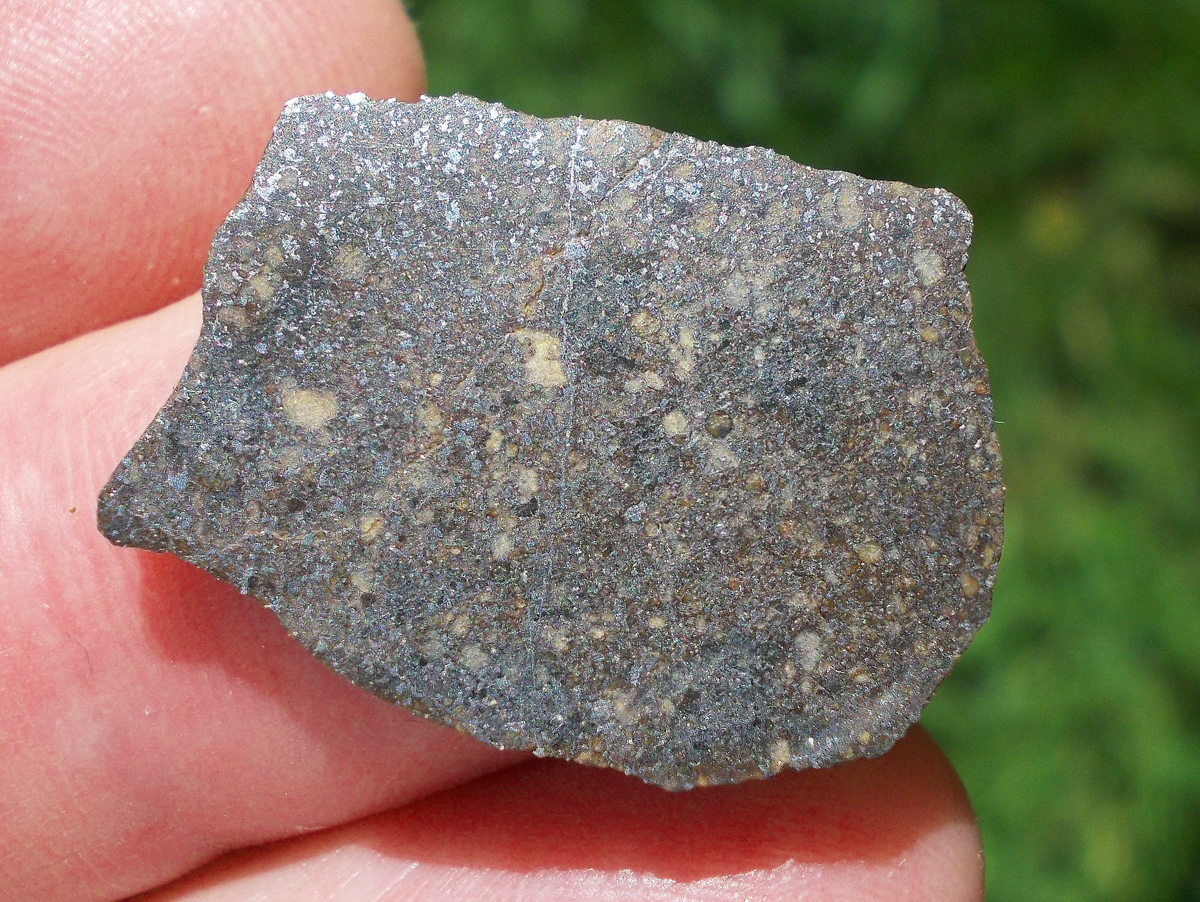
This meteorite contains a high proportion of metal and its cross-sections are very attractive.
A new type of chondrite meteorite has just been discovered; it is not an H, L or LL type chondrite.
This new type has been named OC4 (ordinary chondrite of petrological type 4).
This meteorite contains a high proportion of metal and its cross-sections are very attractive.
A new type of chondrite meteorite has just been discovered; it is not an H, L or LL type chondrite.
This new type has been named OC4 (ordinary chondrite of petrological type 4).
This meteorite contains a high proportion of metal and its cross-sections are very attractive.
A new type of chondrite meteorite has just been discovered; it is not an H, L or LL type chondrite.
This new type has been named OC4 (ordinary chondrite of petrological type 4).
This meteorite contains a high proportion of metal and its cross-sections are very attractive.
A new type of chondrite meteorite has just been discovered; it is not an H, L or LL type chondrite.
This new type has been named OC4 (ordinary chondrite of petrological type 4).
This meteorite contains a high proportion of metal and its cross-sections are very attractive.
A new type of chondrite meteorite has just been discovered; it is not an H, L or LL type chondrite.
This new type has been named OC4 (ordinary chondrite of petrological type 4).
This meteorite contains a high proportion of metal and its cross-sections are very attractive.
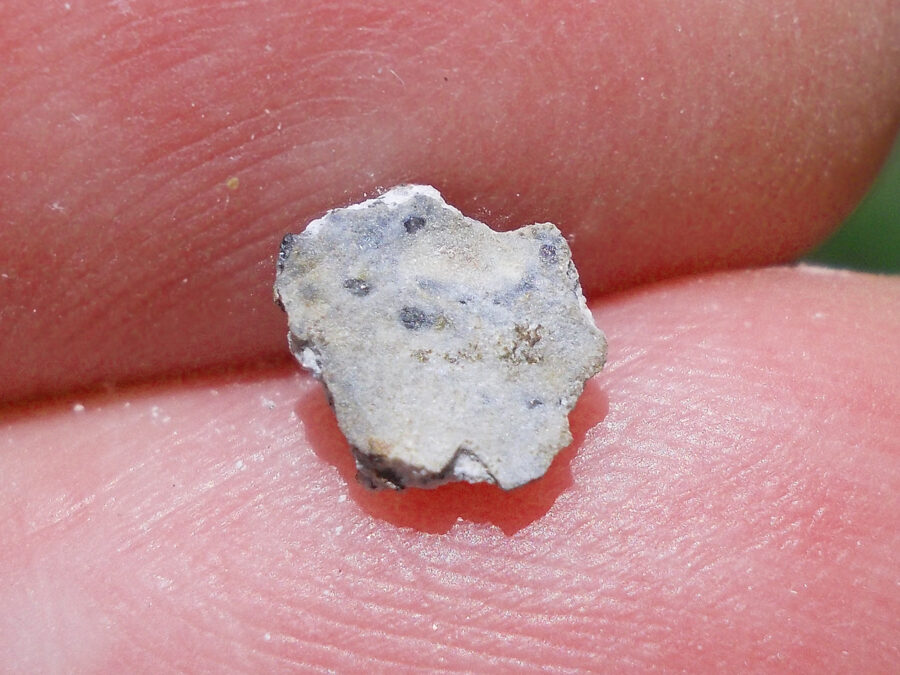
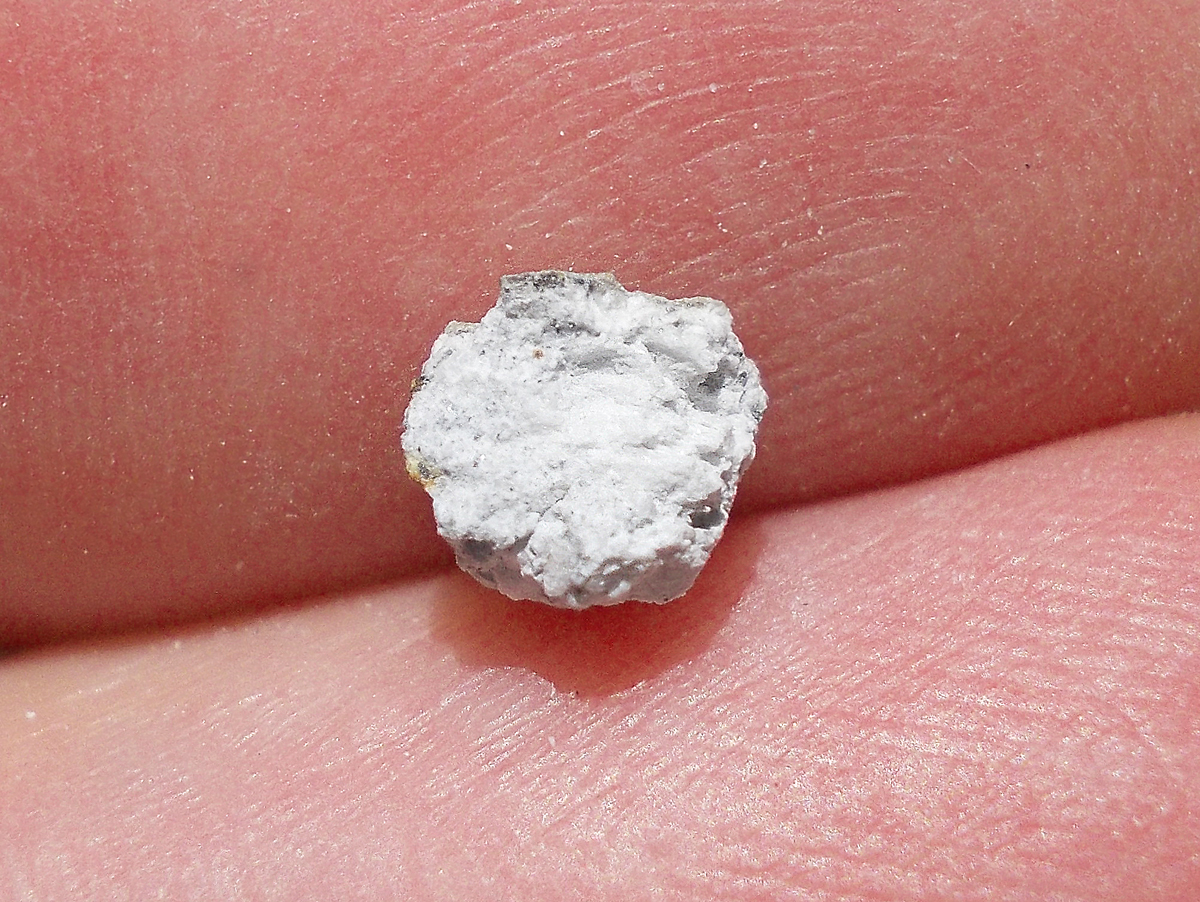
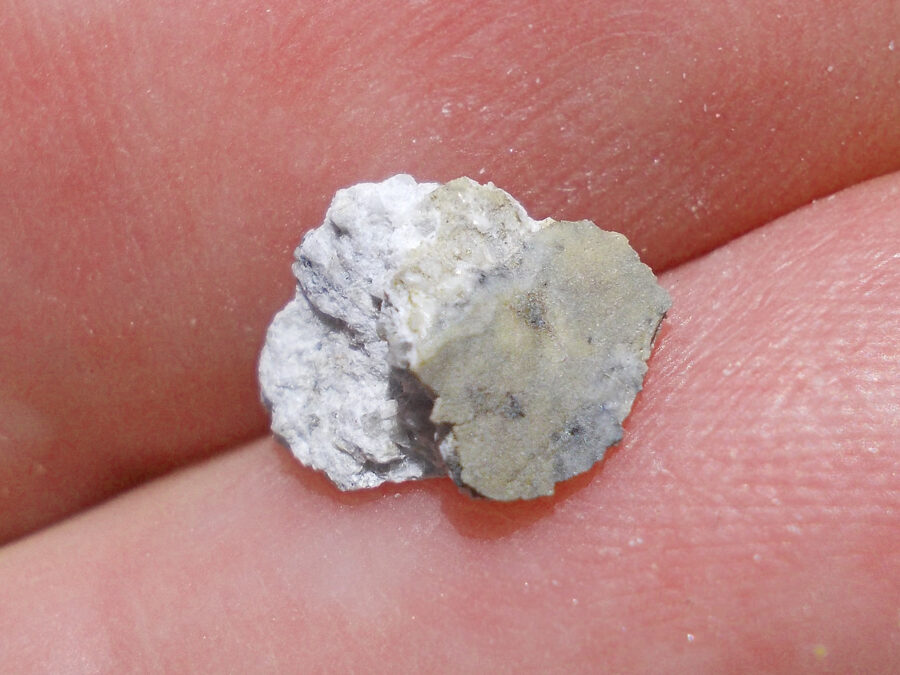
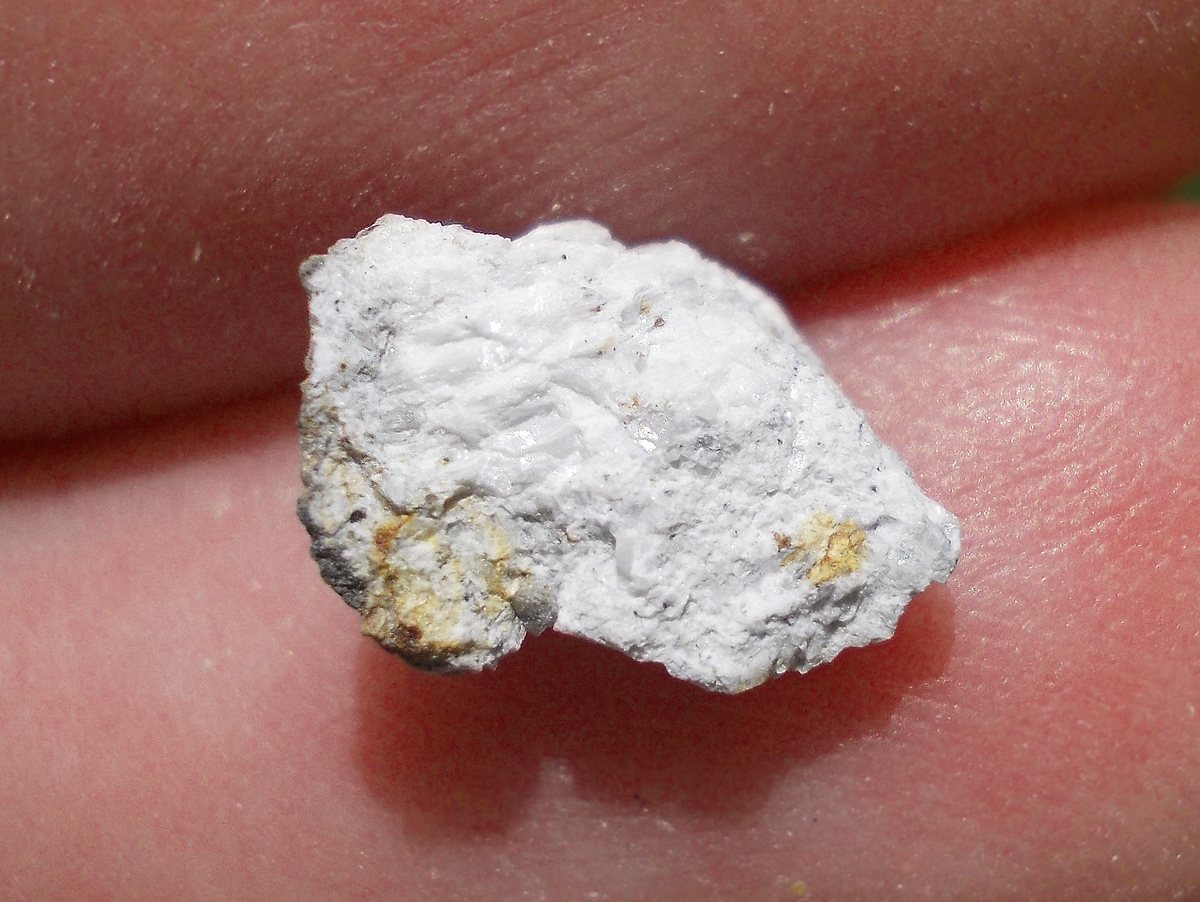
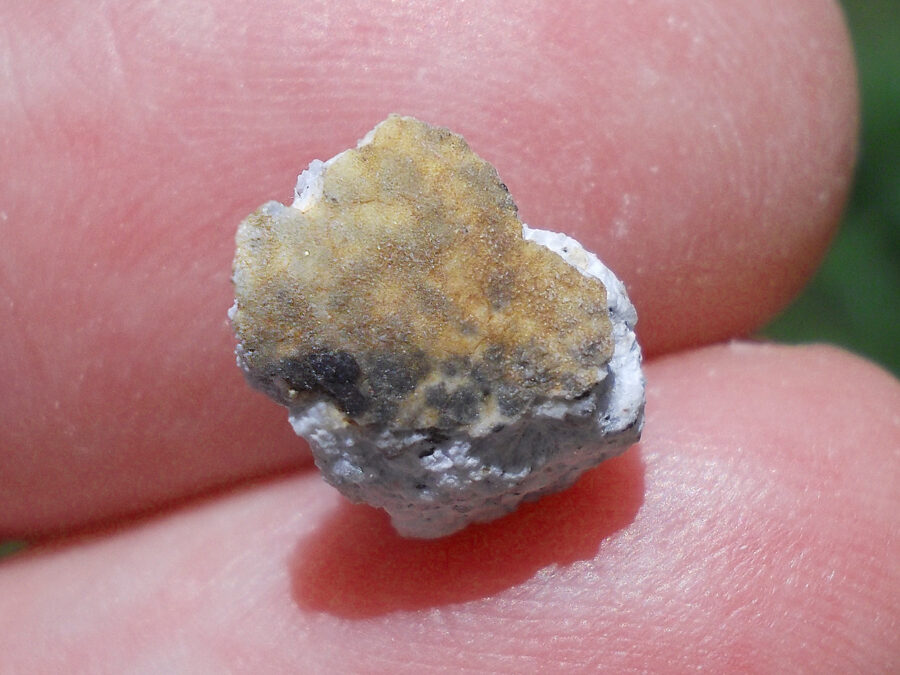
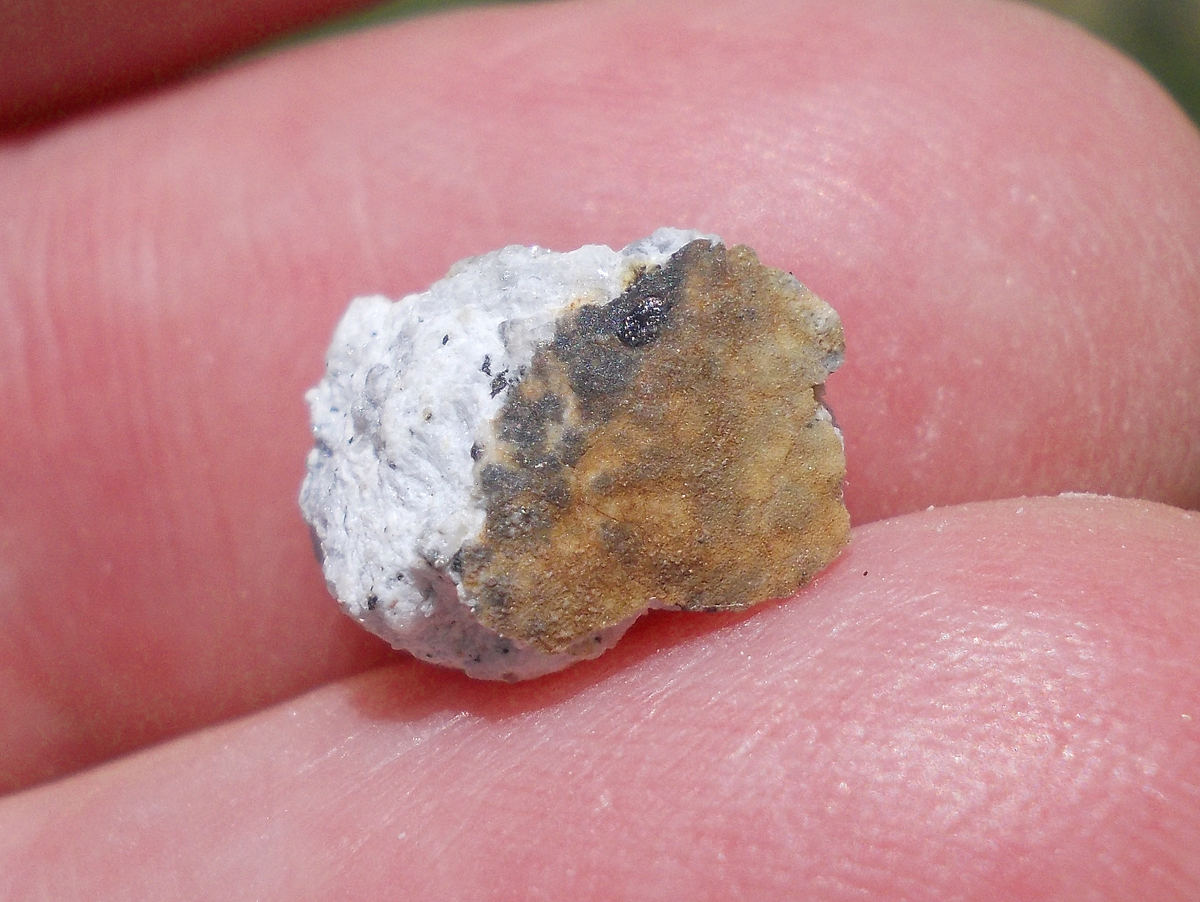
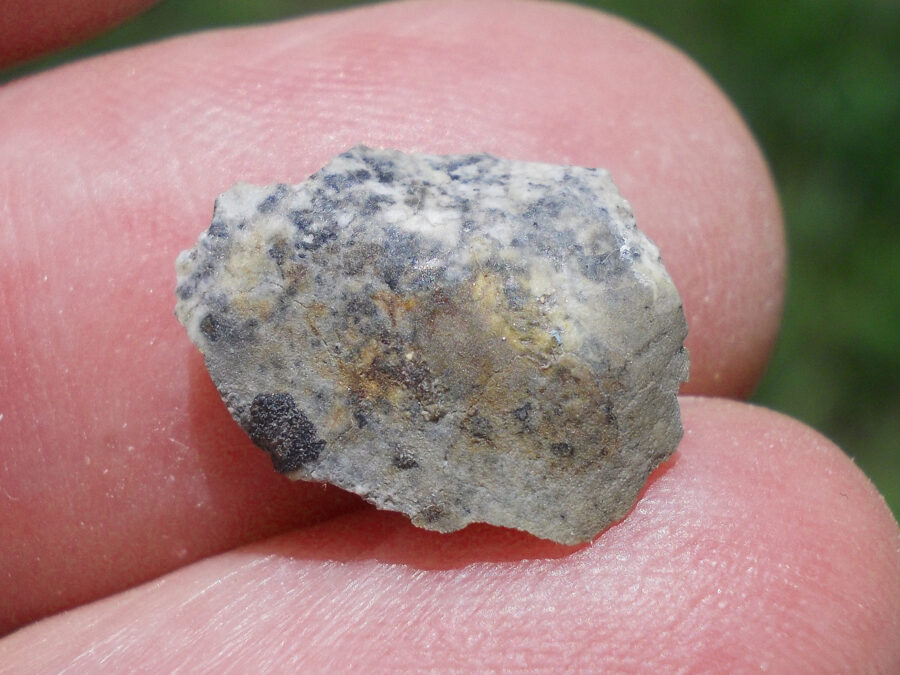
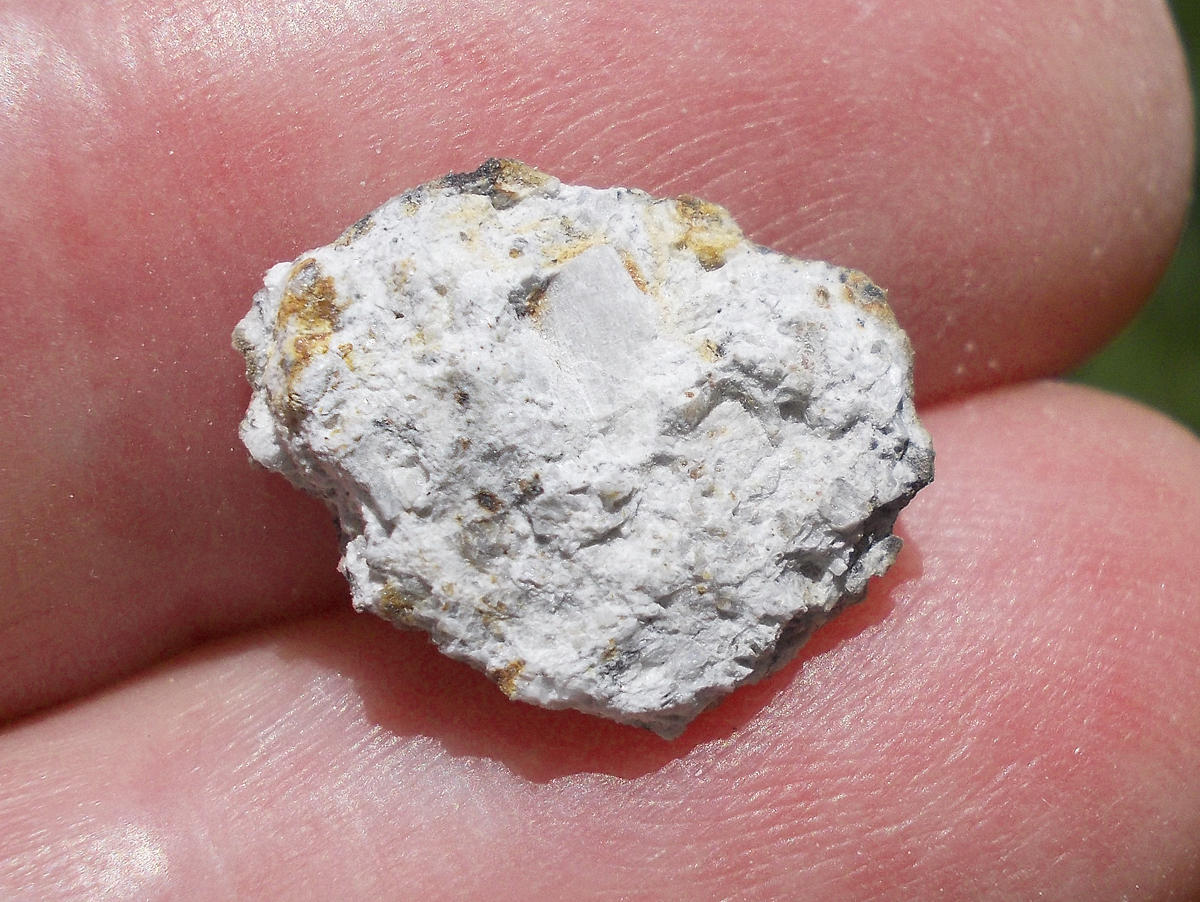
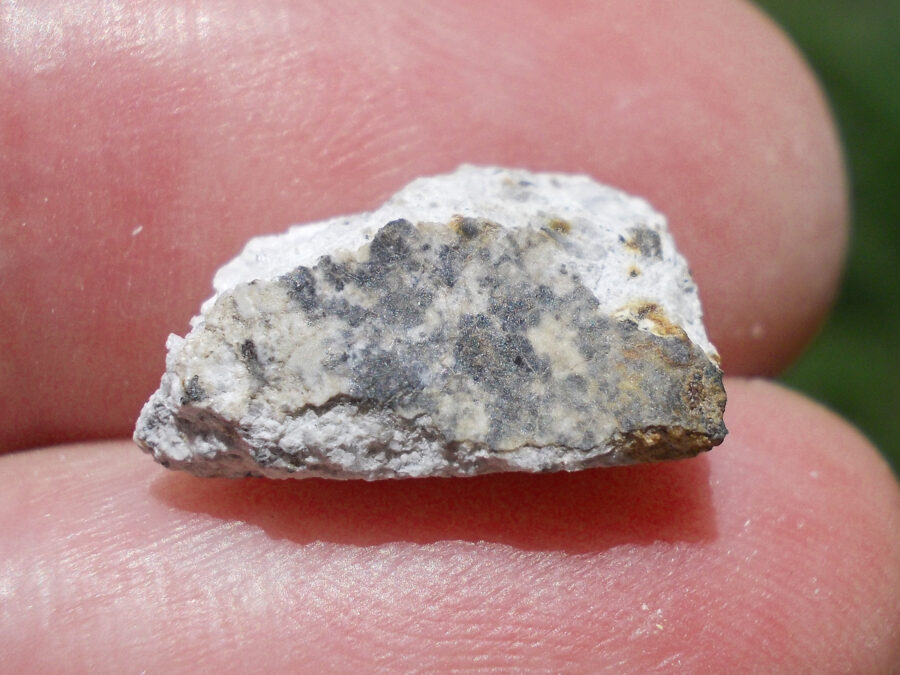
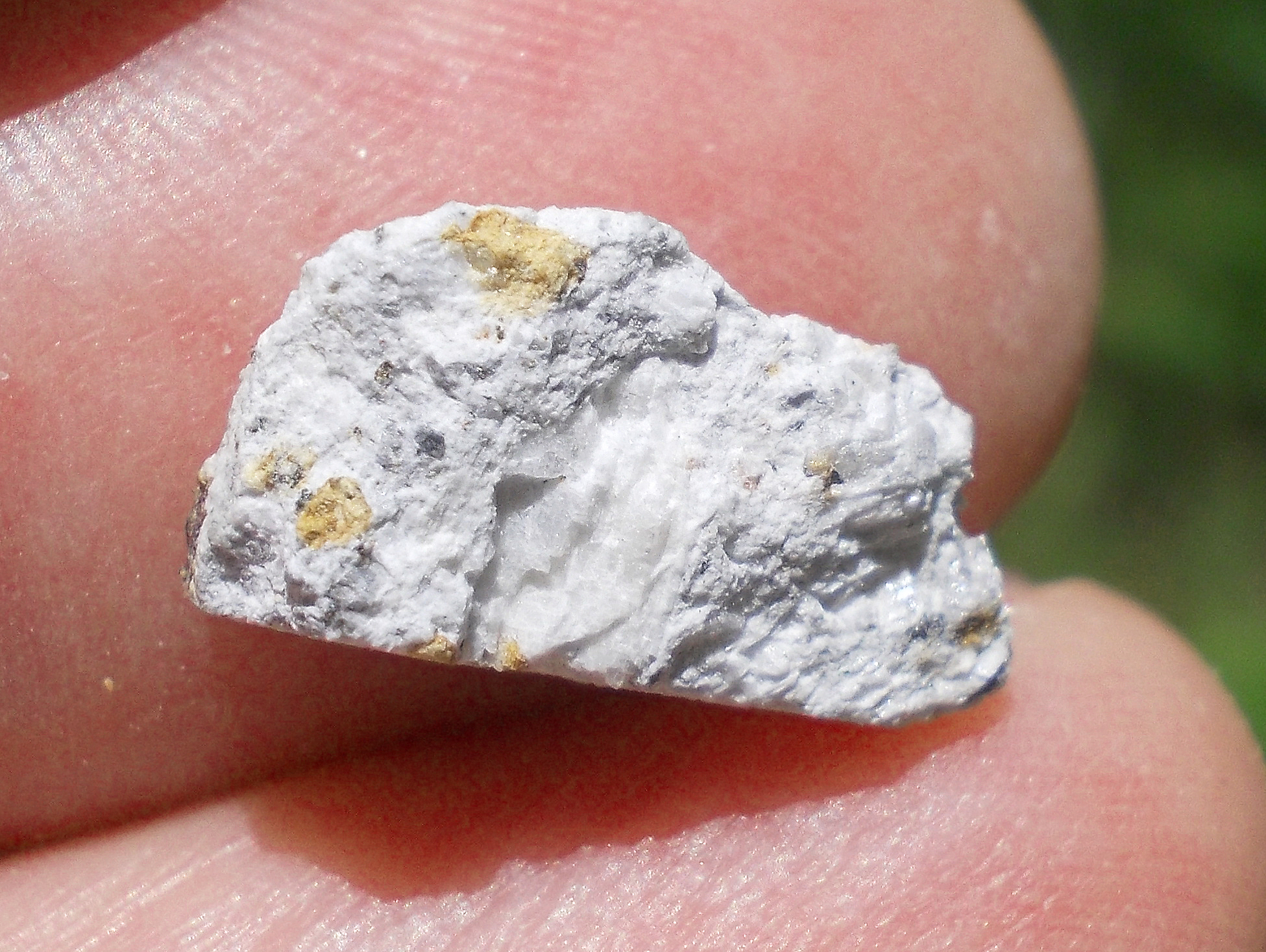
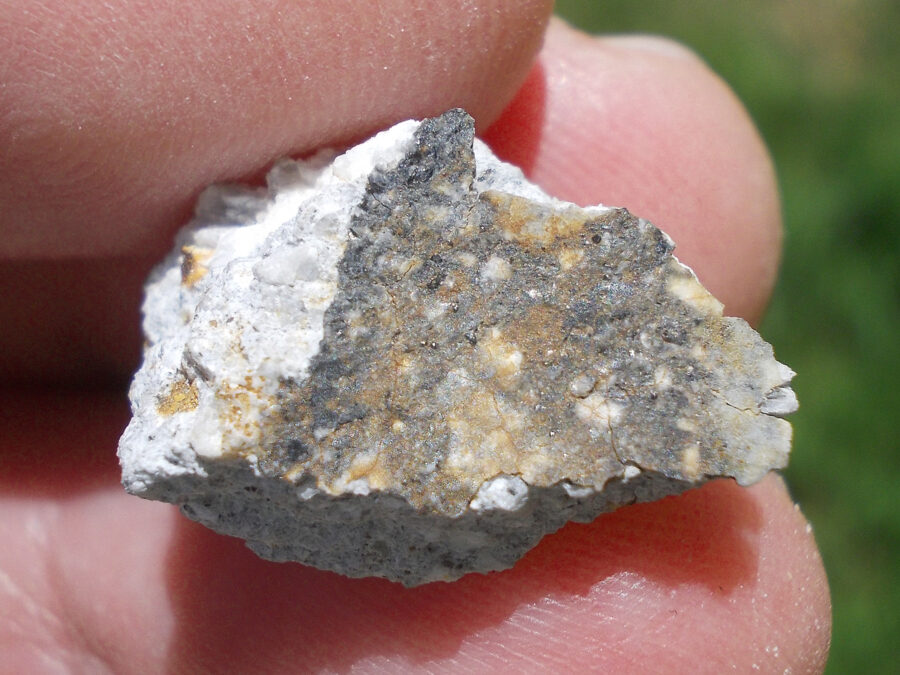
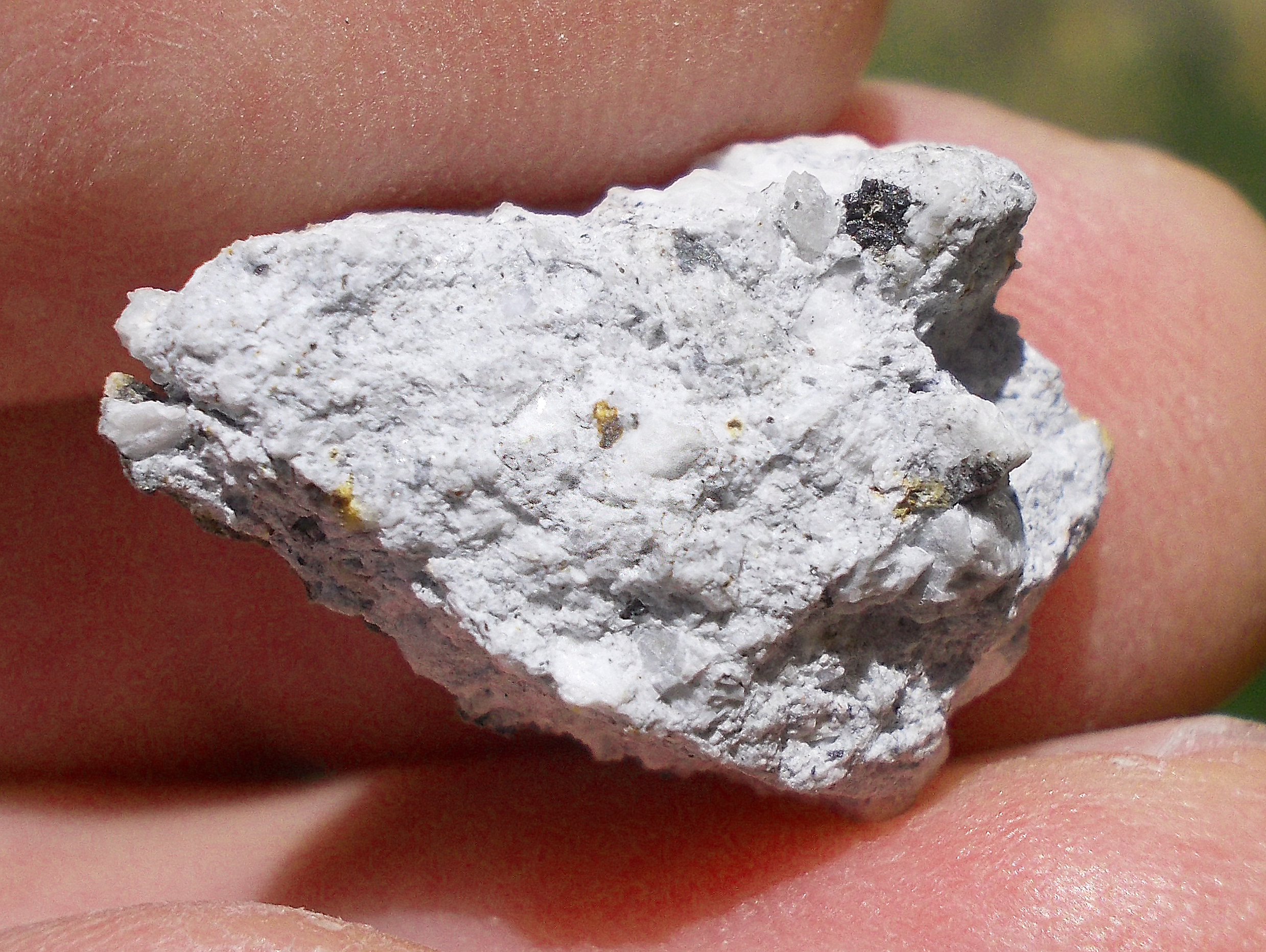
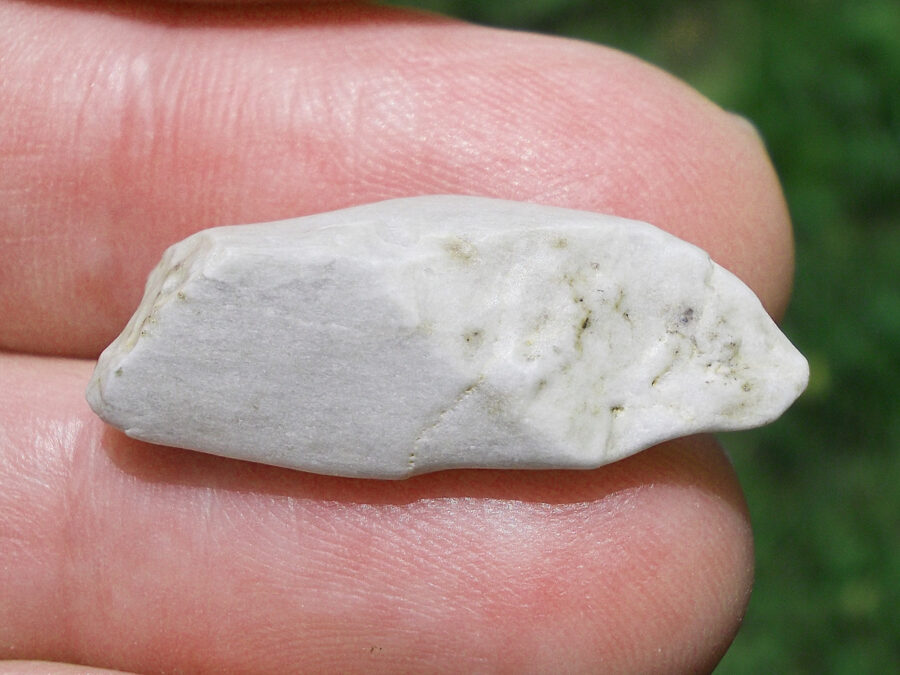
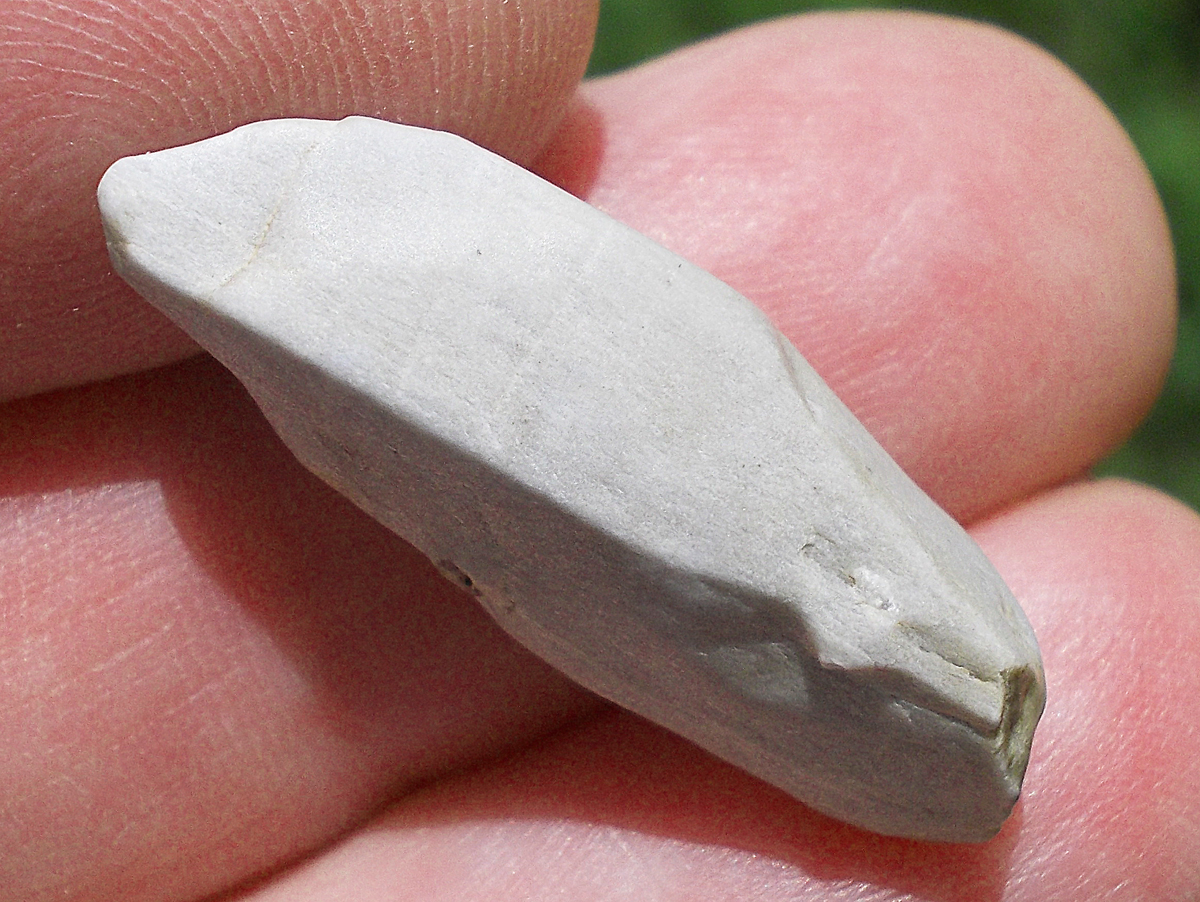
The Khemis Sidi Yahya is an aubrite meteorite; it fell in Morocco on February 7, 2026, in fields near the town of Tiflet, making the search for it very difficult.
This meteorite is currently being classified.
To date, only 90 meteorites of this type have been classified.
It is a rare type of meteorite difficult to find on the market.
The name Aubrites is linked to the fall of a meteorite in France at Aubres in 1836. They consist mainly of orthopyroxene and enstatite.
A new theory by a French scientific team raises the possibility of a link between Aubrites and the planet Mercury.
La météorite Foum Zguid est une météorite ferreuse qui a été trouvée au Maroc en 1998, c’est à dire au tout début de la chasse aux météorites au Maroc.
This iron-rich ordinary chondrite meteorite is notable for having been discovered within the fall ellipse of the famous Tataouine meteorite by meteorite hunter Fabien Kuntz in April 2021.
This meteorite was discovered approximately 15 km east of the large dry riverbed Wadi Al-Namous (also known as Oued Namous) and about 10 km north of the N6B highway in the province of El Bayadh, Algeria, in May 2021.
Scientists have suggested that the angrites may represent ejecta from Mercury, but subsequent research has cast significant doubt on these claims.


 Out of stock