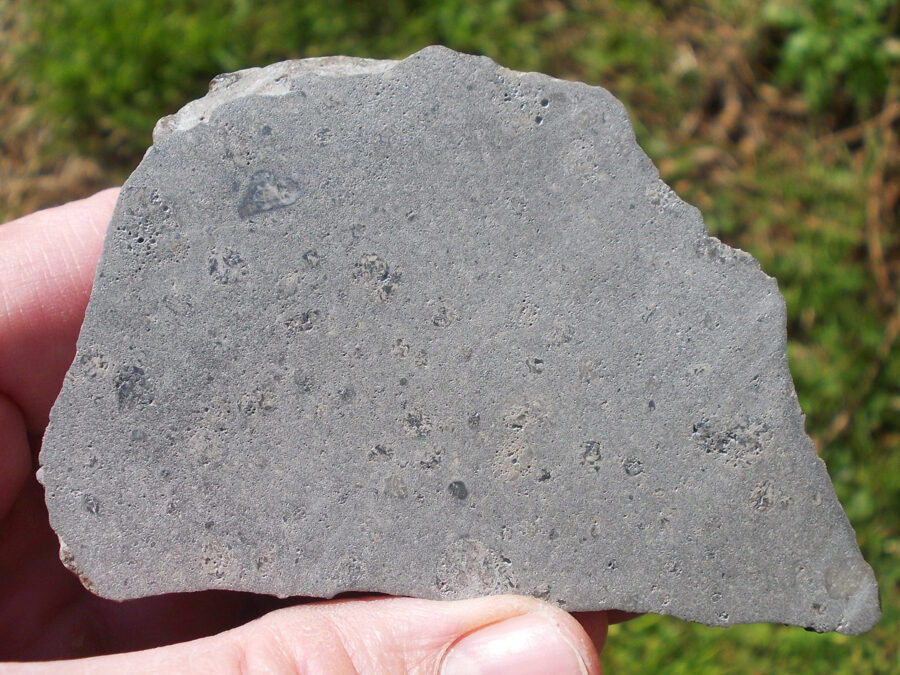
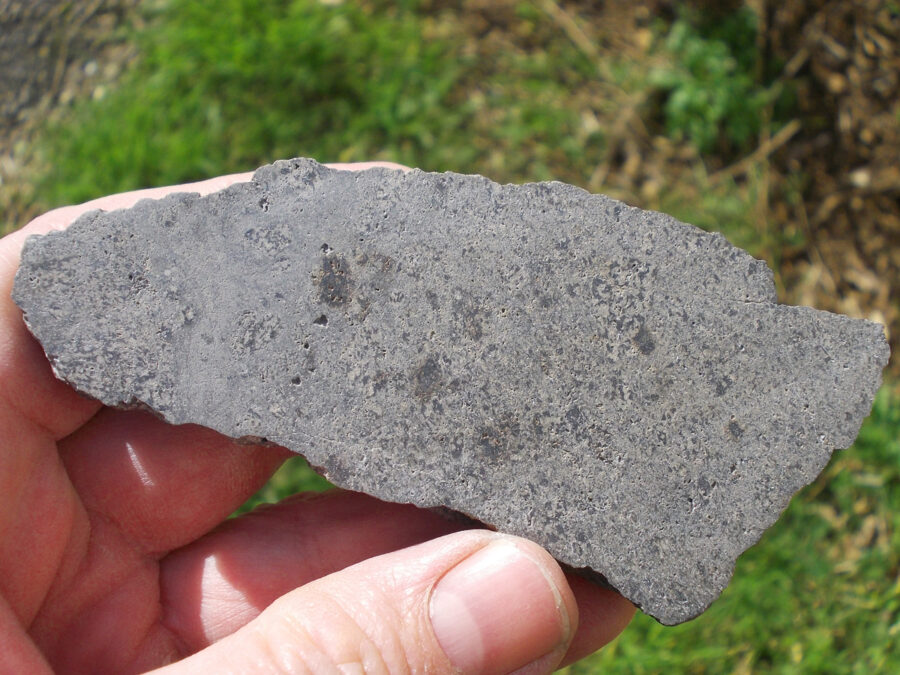
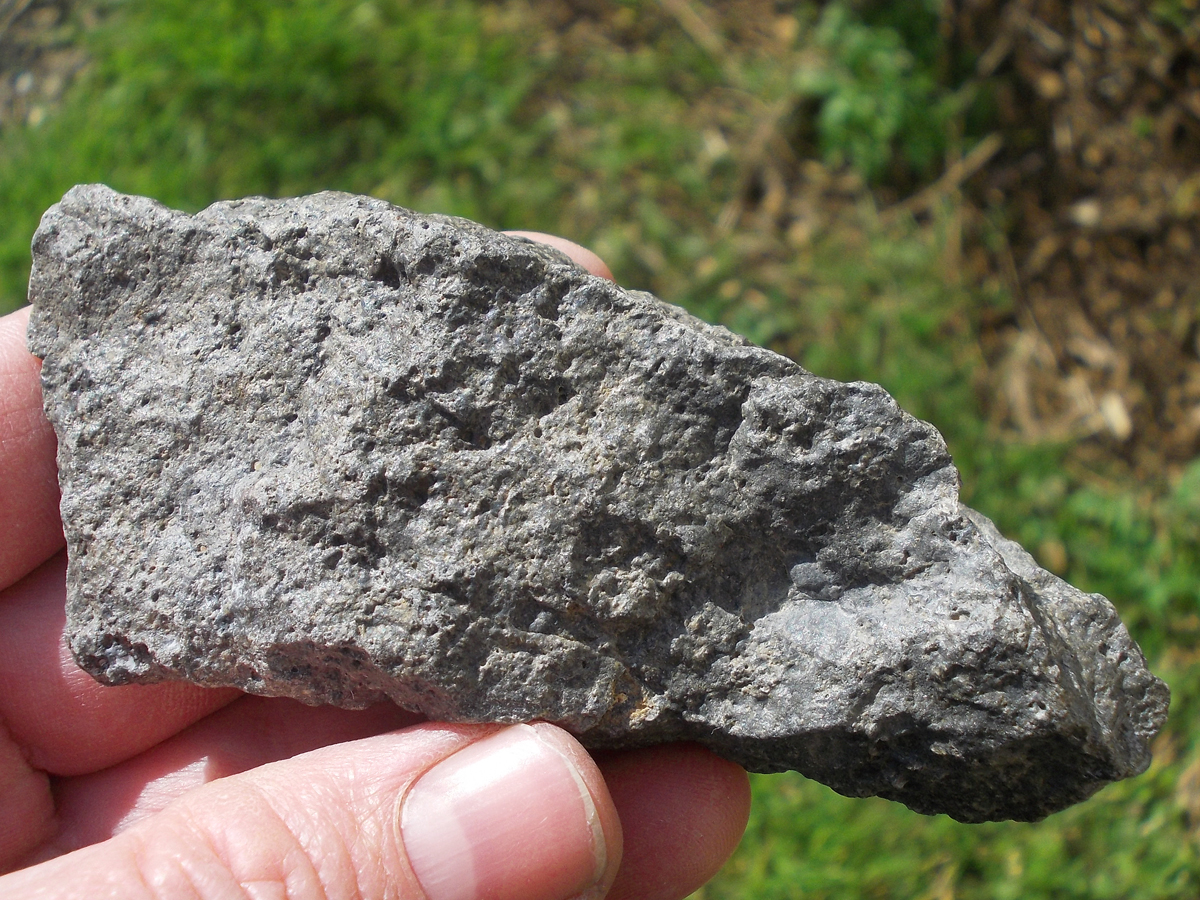
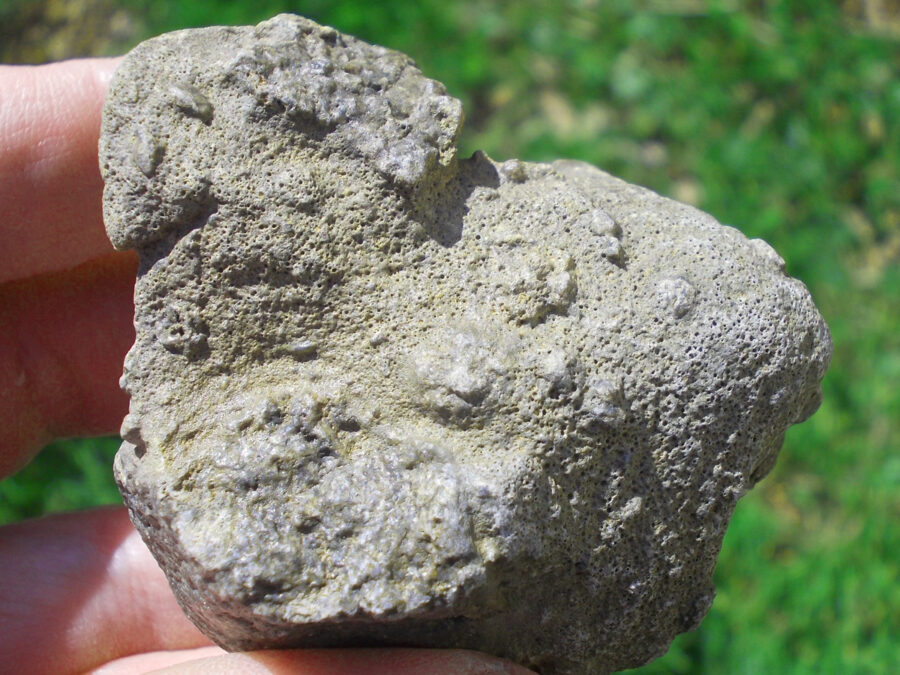
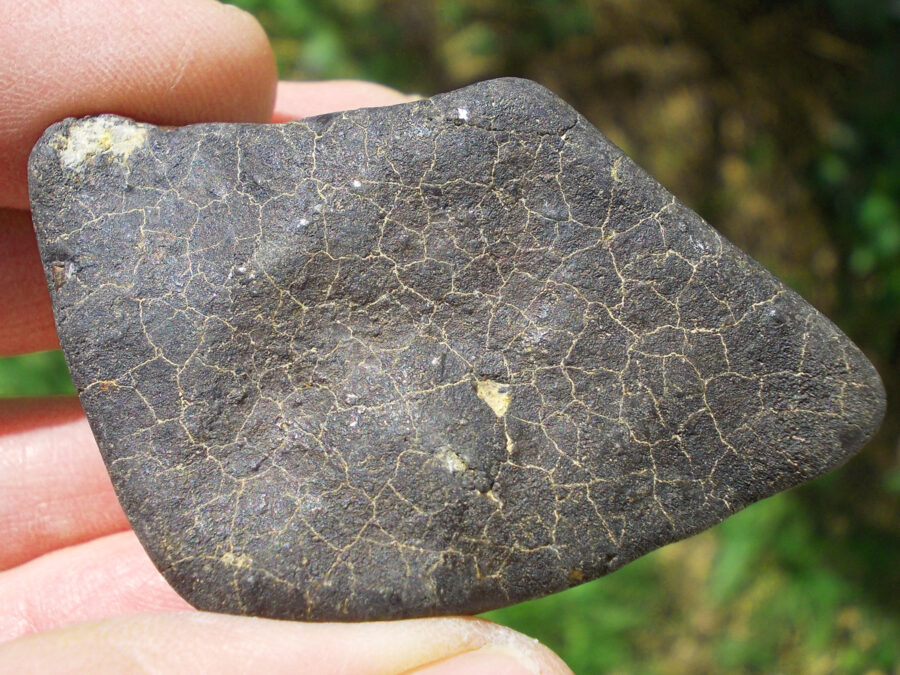
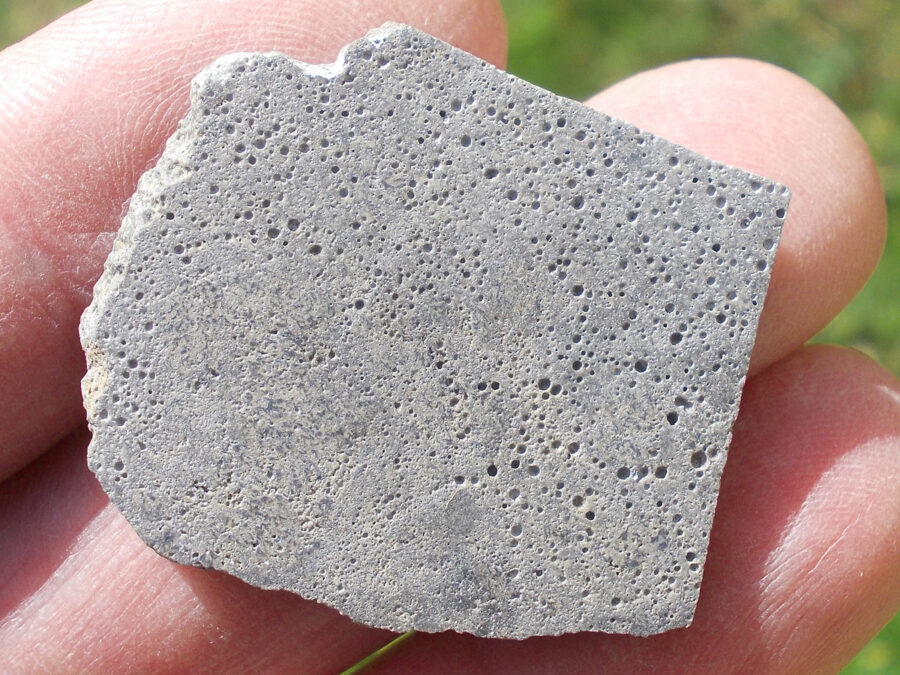
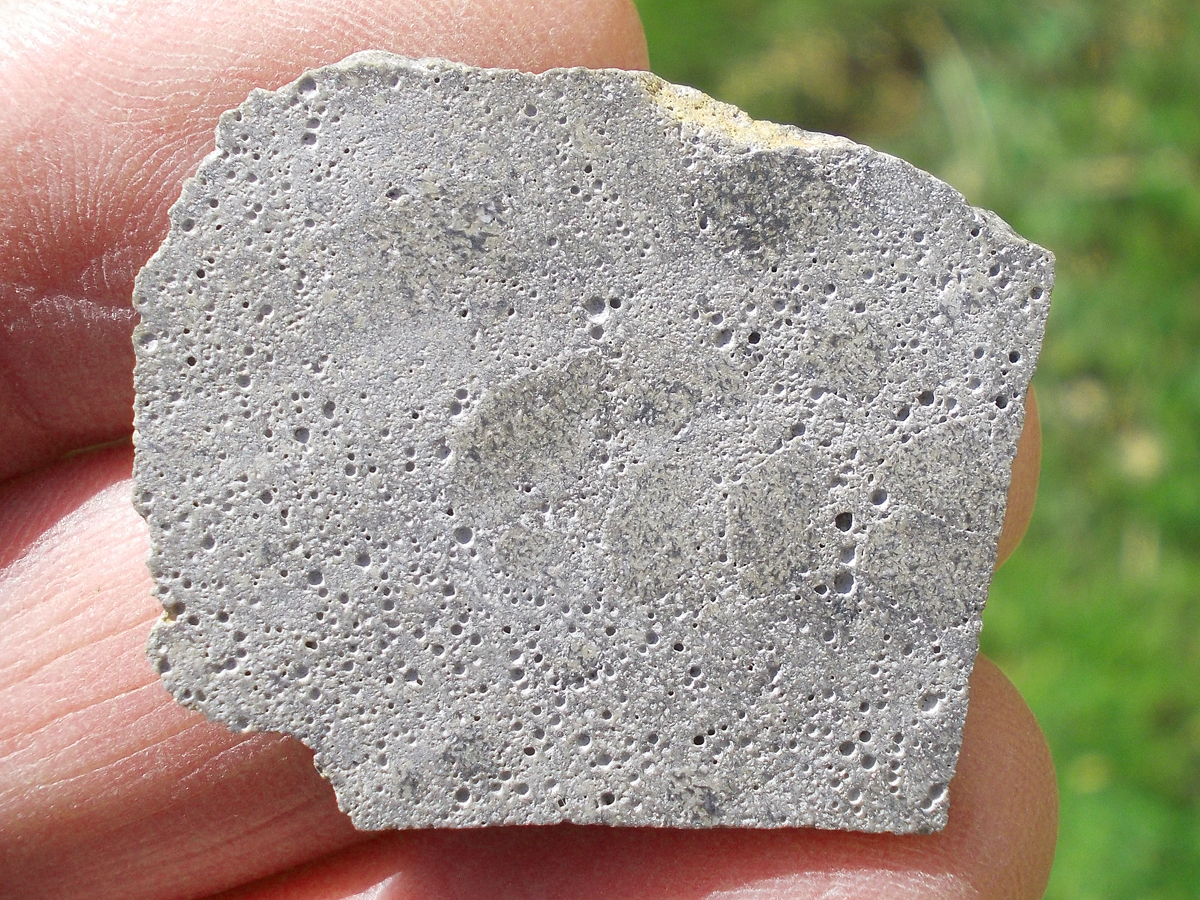
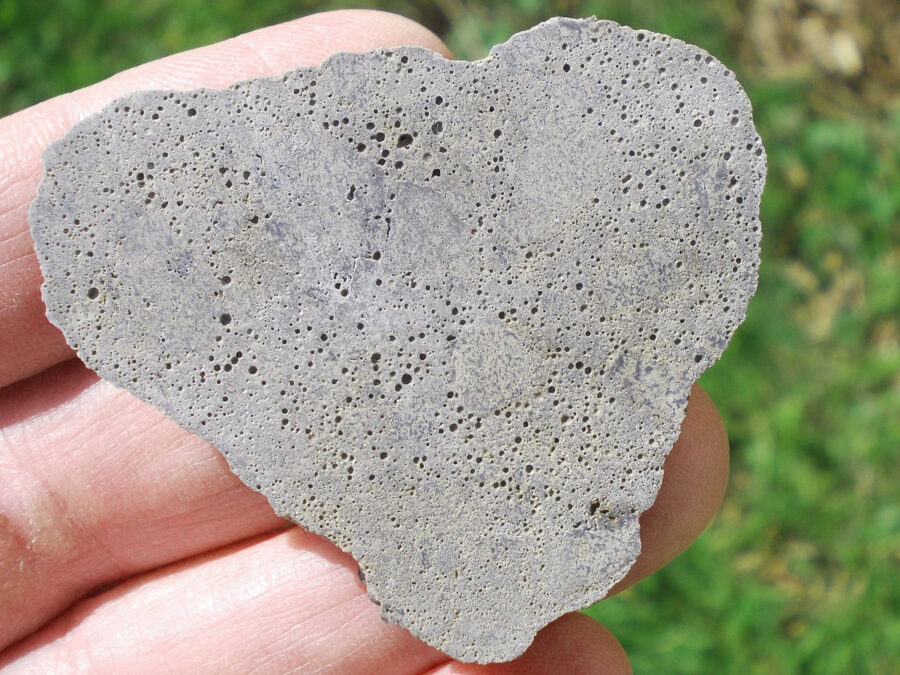
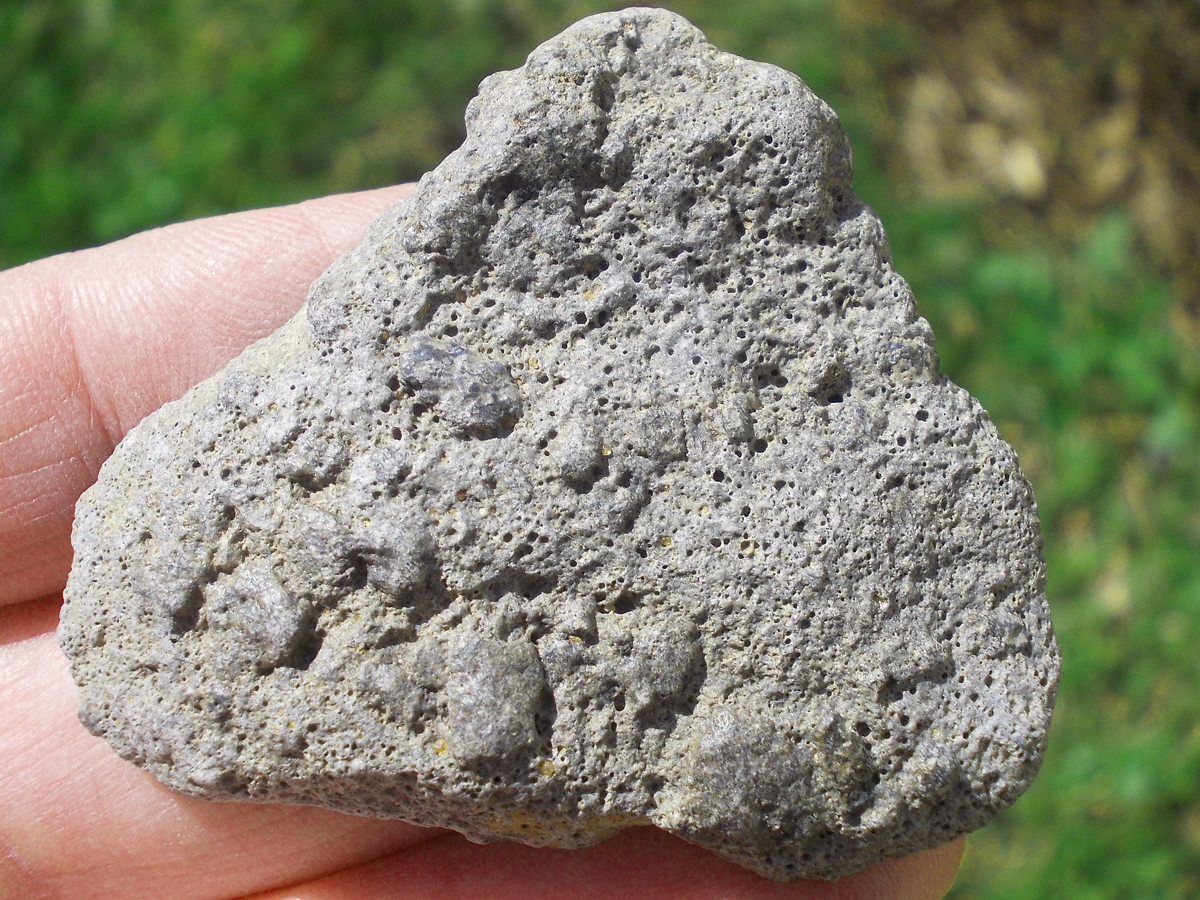
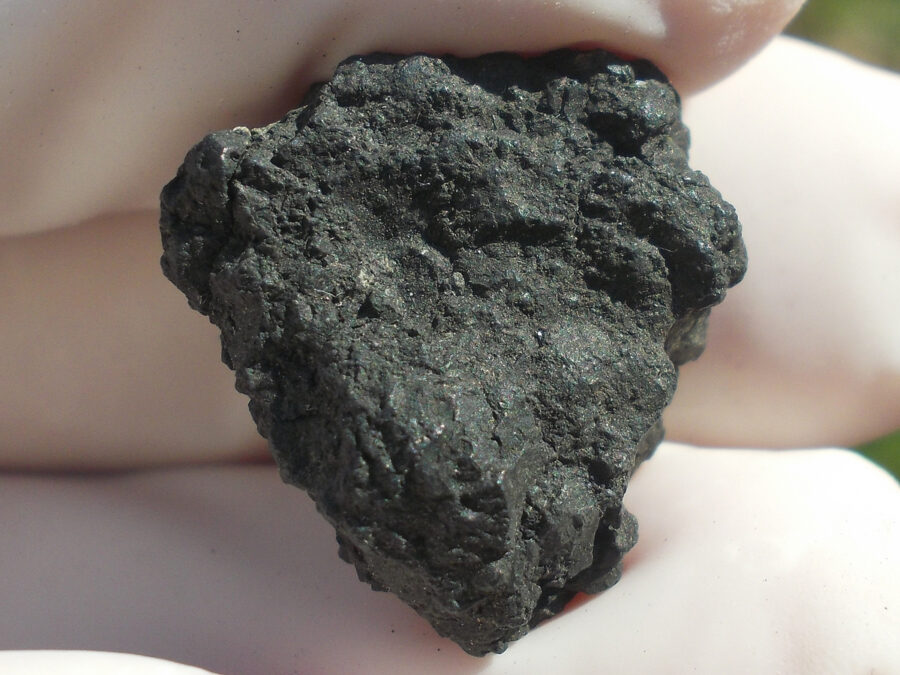
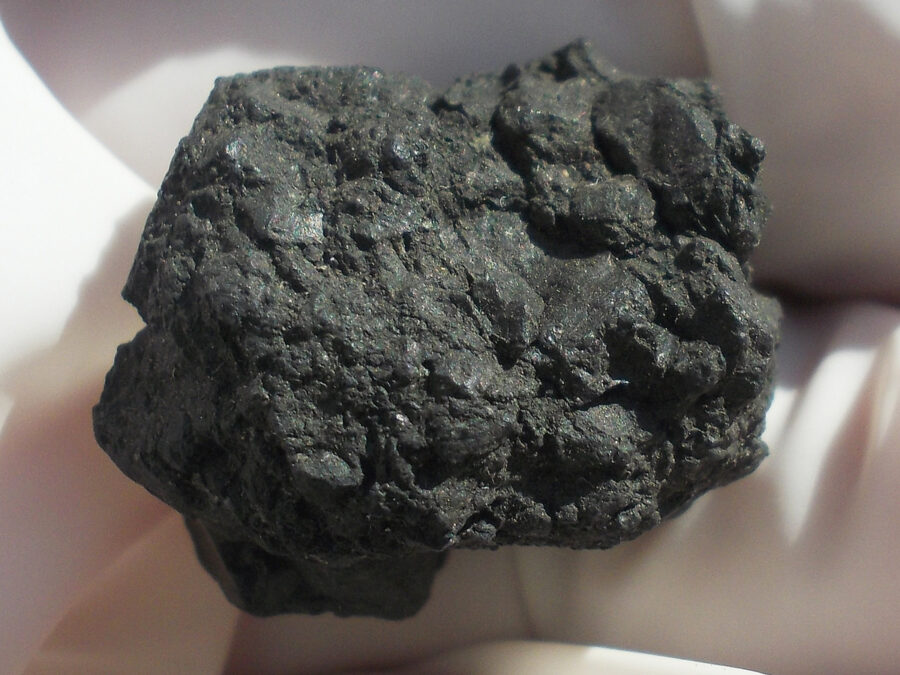
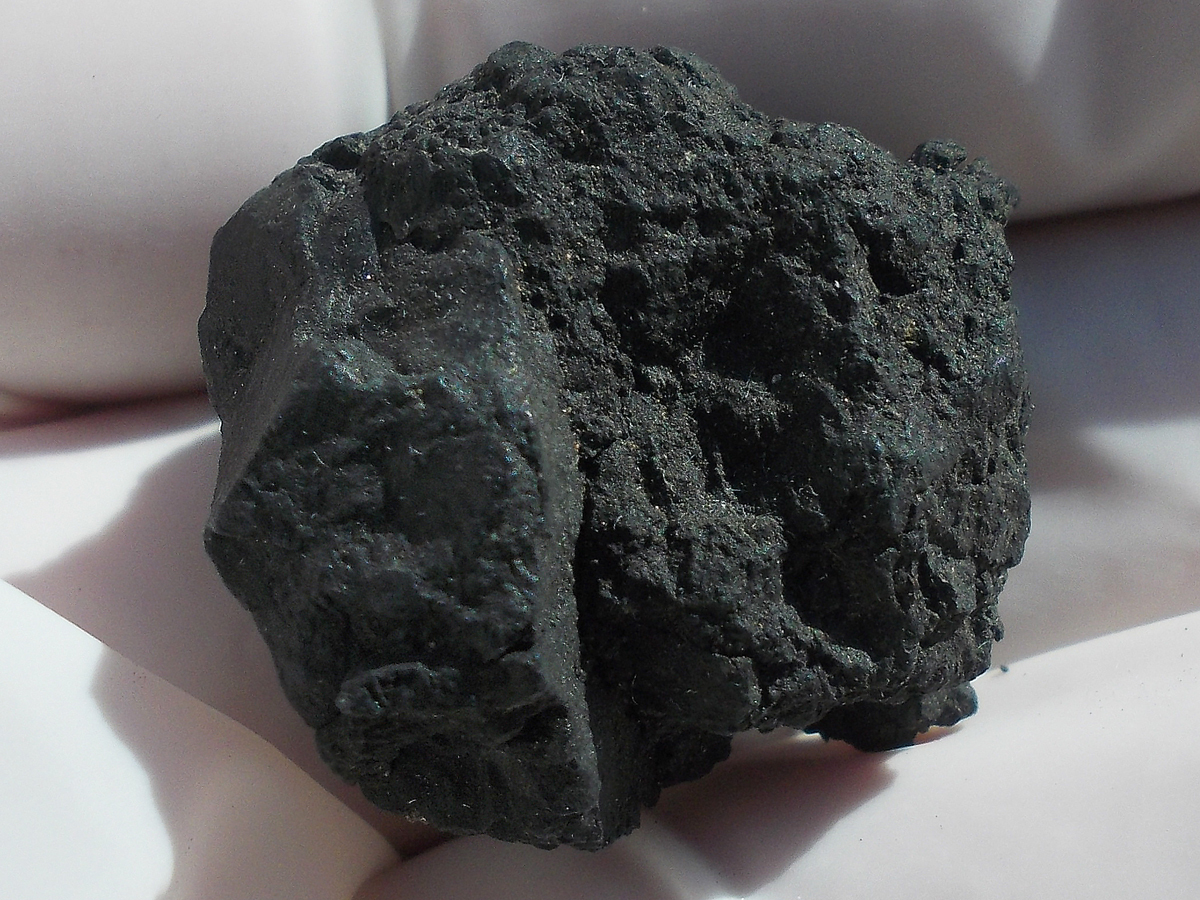
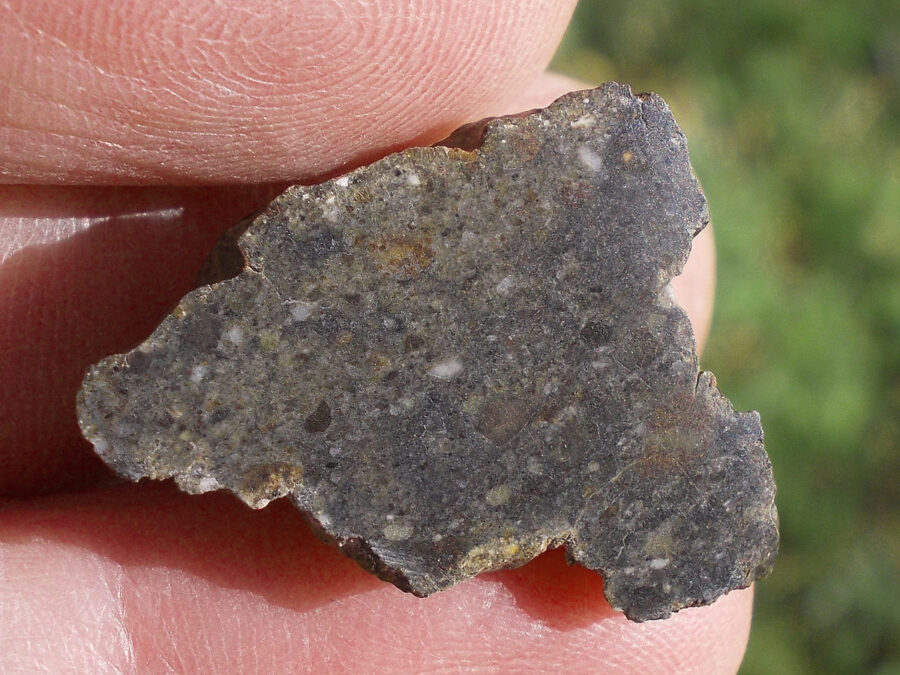
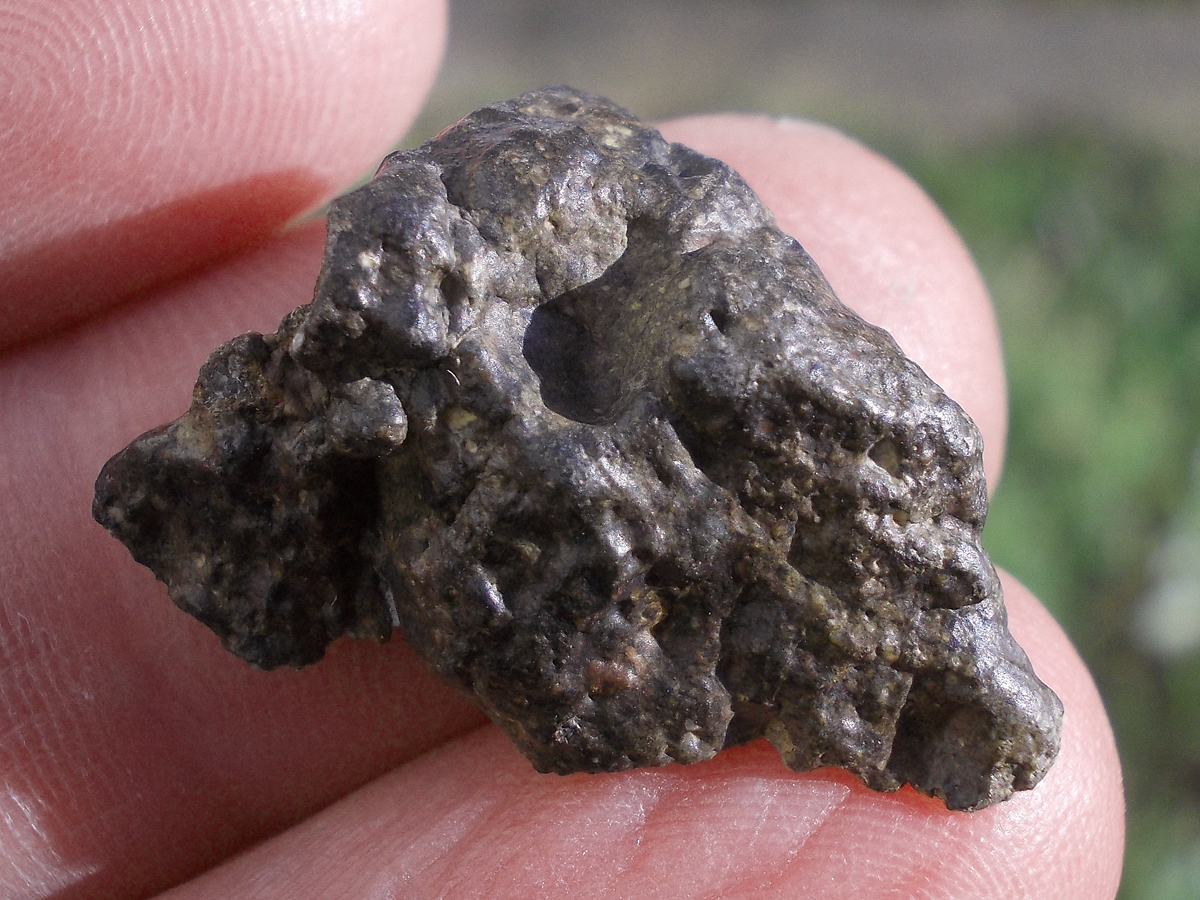
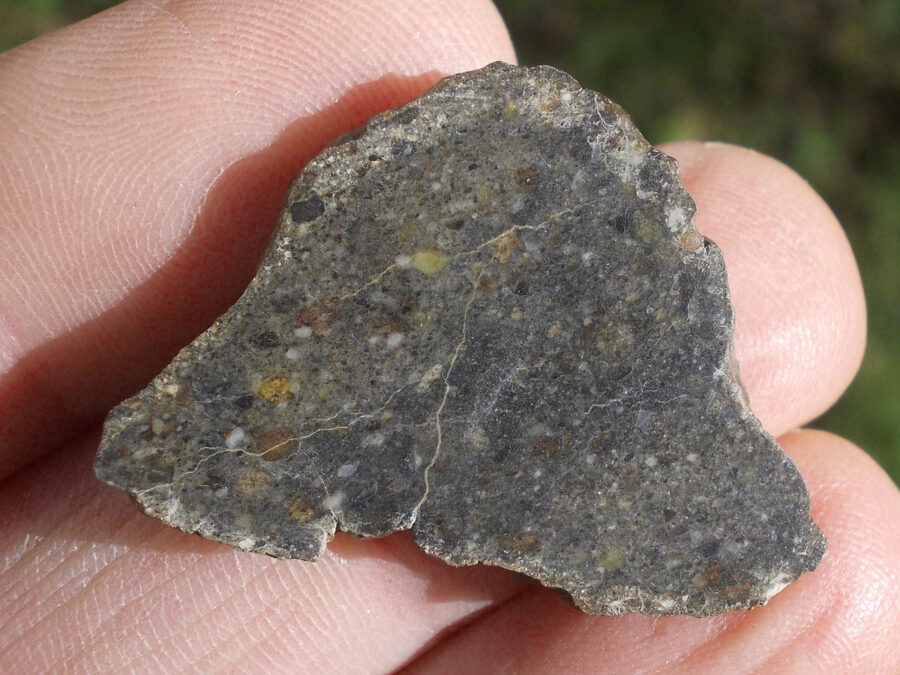
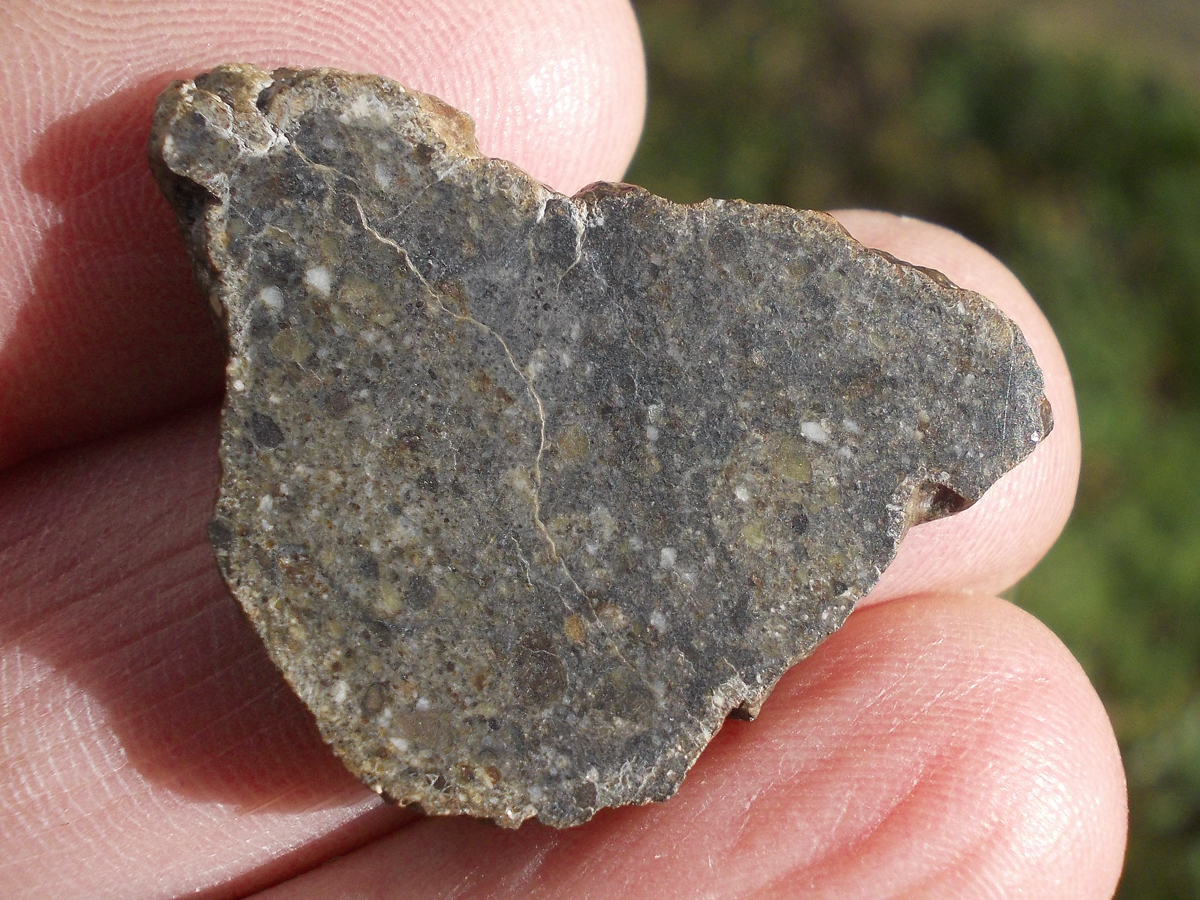
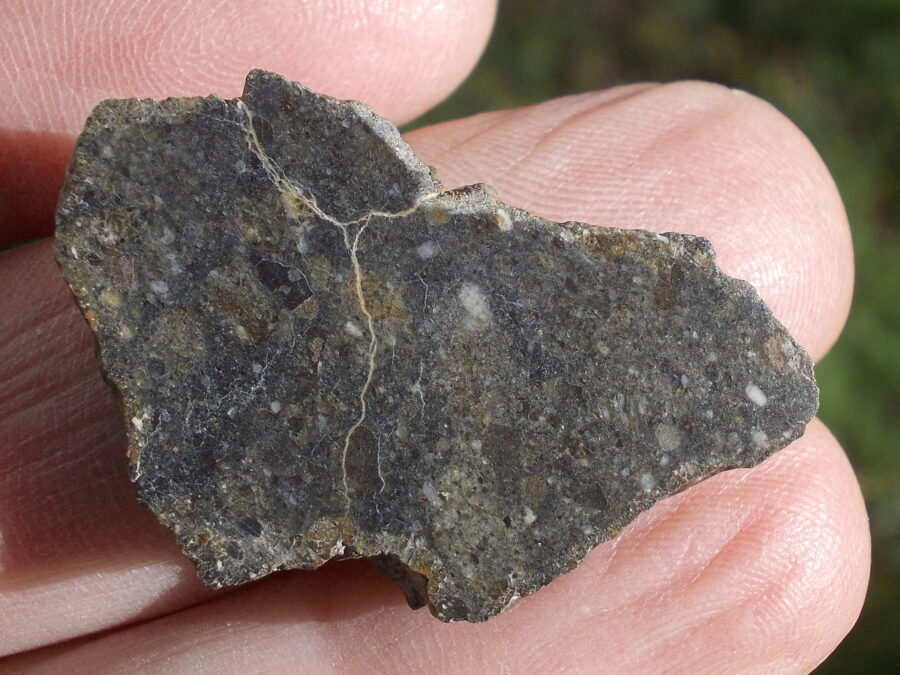
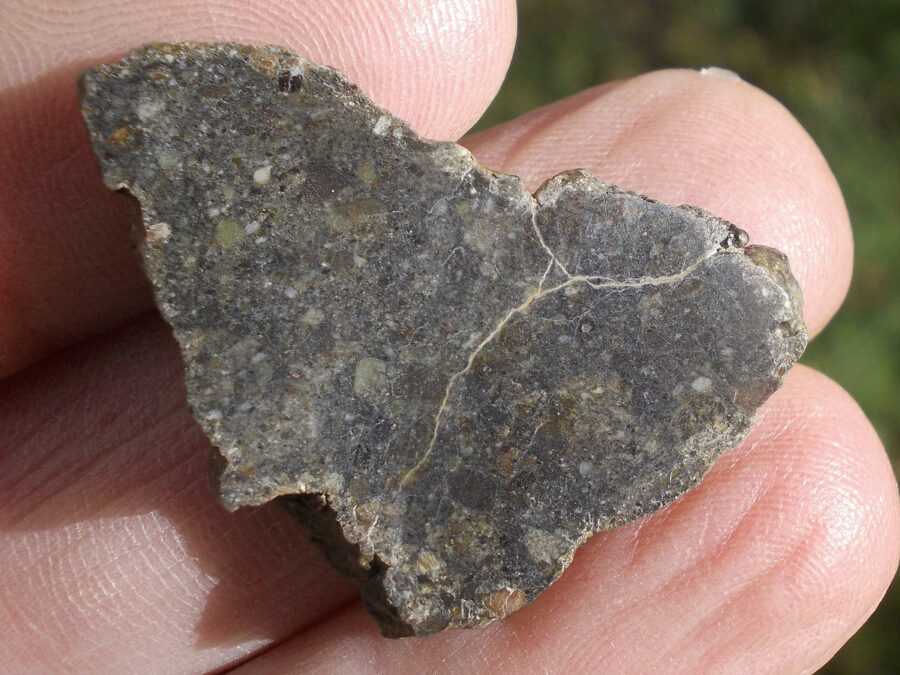
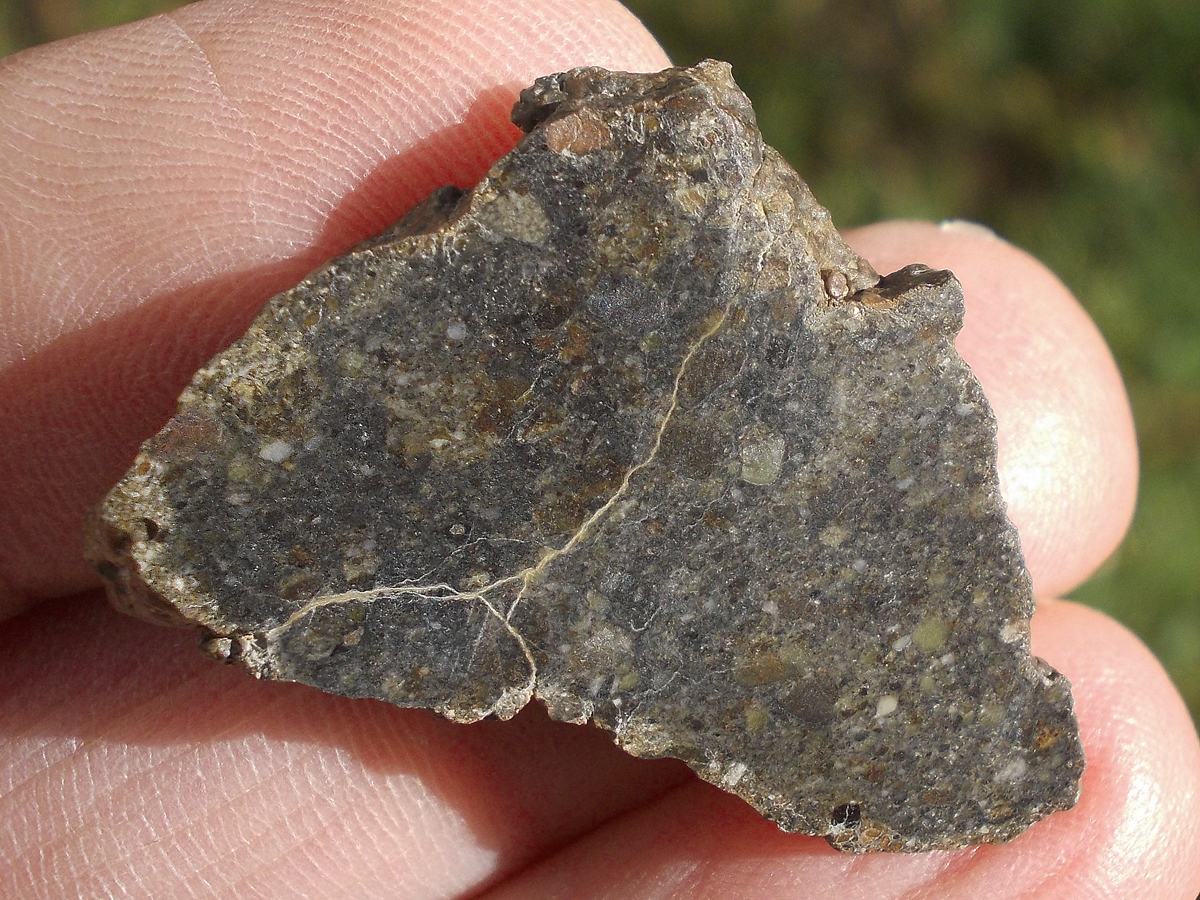
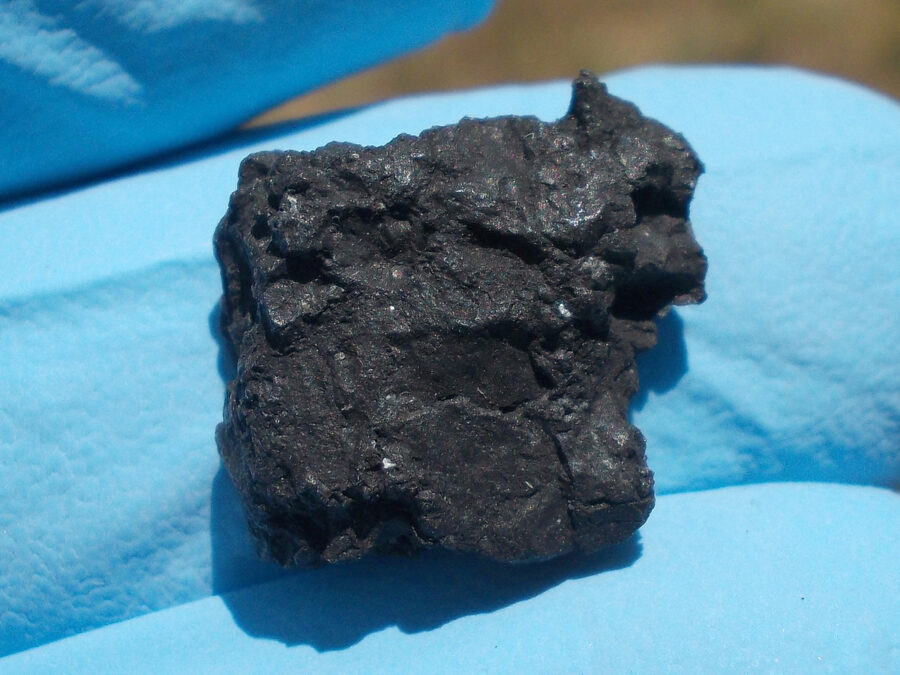
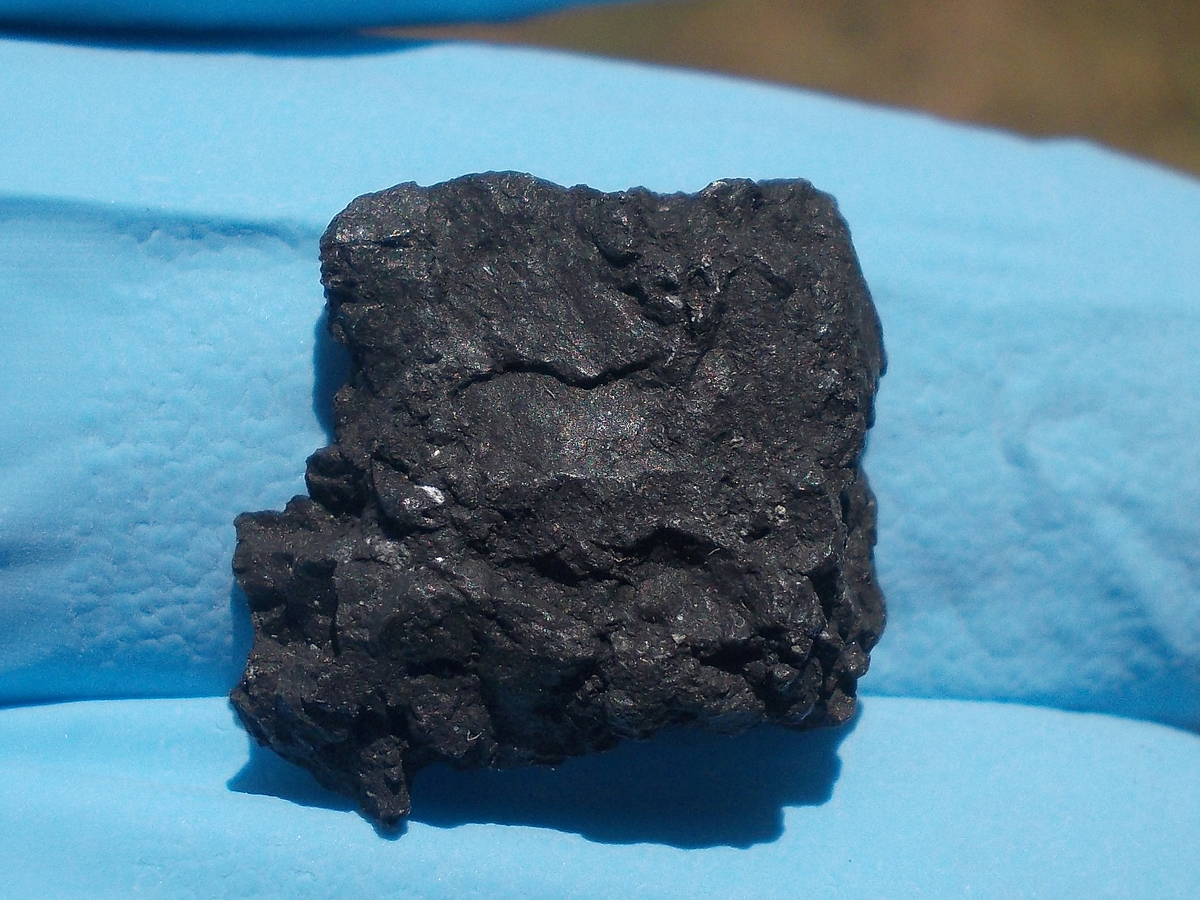
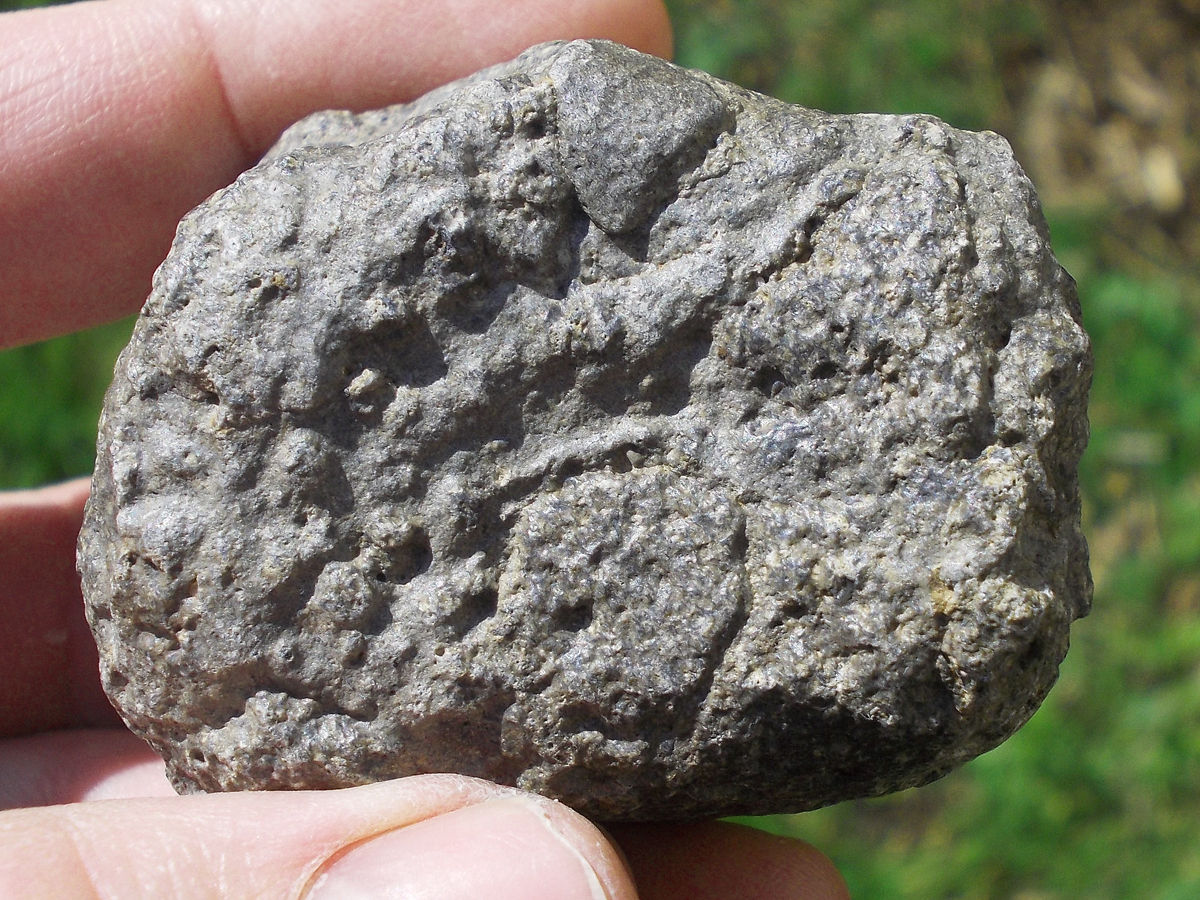
A new CI-type meteorite has just been discovered in Morocco.
It’s a very rare type, the last one to be found and marketed to collectors is called Ivuna, discovered in 1938 !
This type of meteorite degrades more rapidly than other meteorites, so it’s a godsend for scientists to have a very fresh material for their studies.
For scientists, this meteorite is truly the “Holy Grail”, as the material is the closest to the composition of the solar nebula.
Simply put, it’s the most primitive material ever discovered !
Scientists have recently found strong affinities with CI meteorites and the Ryugu and Bennu asteroids.
and even with comet Wild !
The scientific adventure is just beginning !
I guarantee the authenticity of this fragment, which has been individually analyzed by Jérôme Gattacceca of Cerege, notably for magnetic susceptibility.
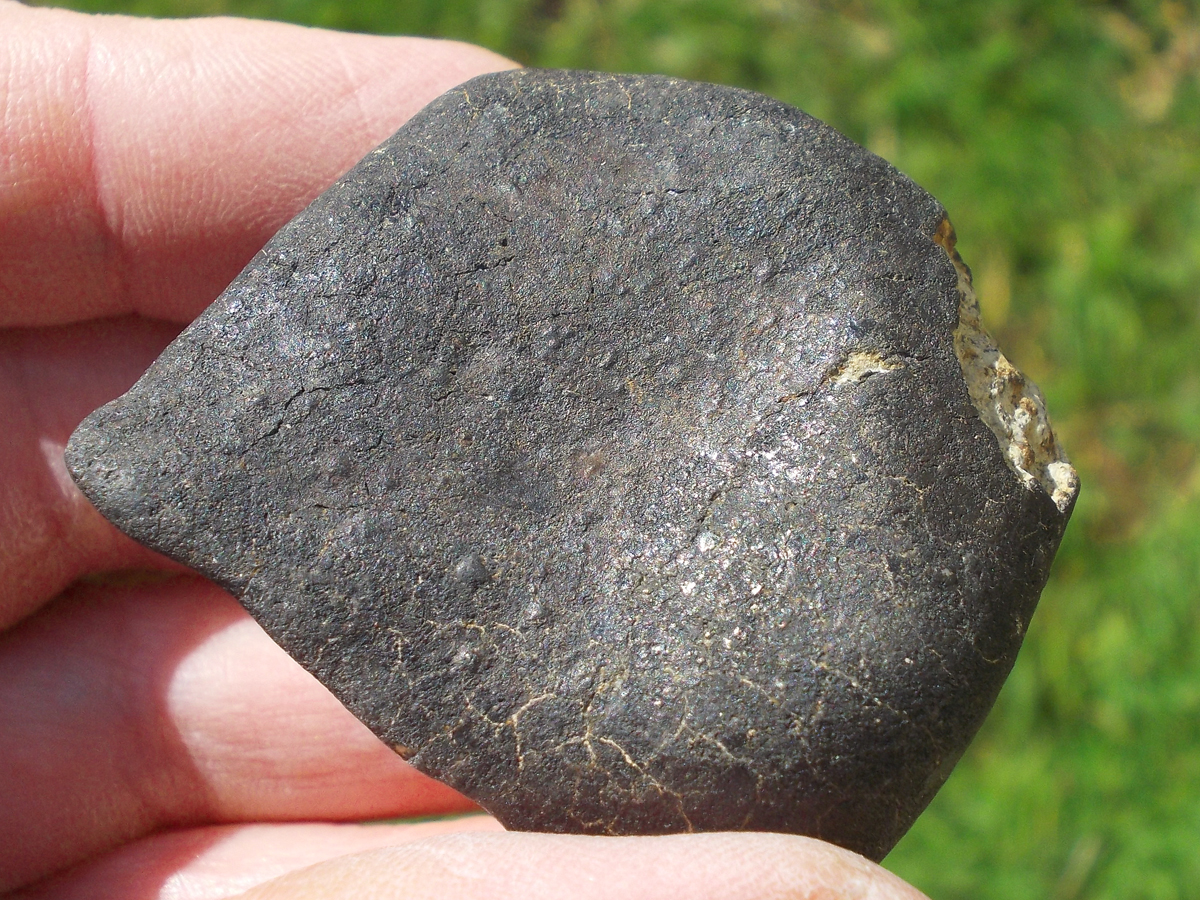
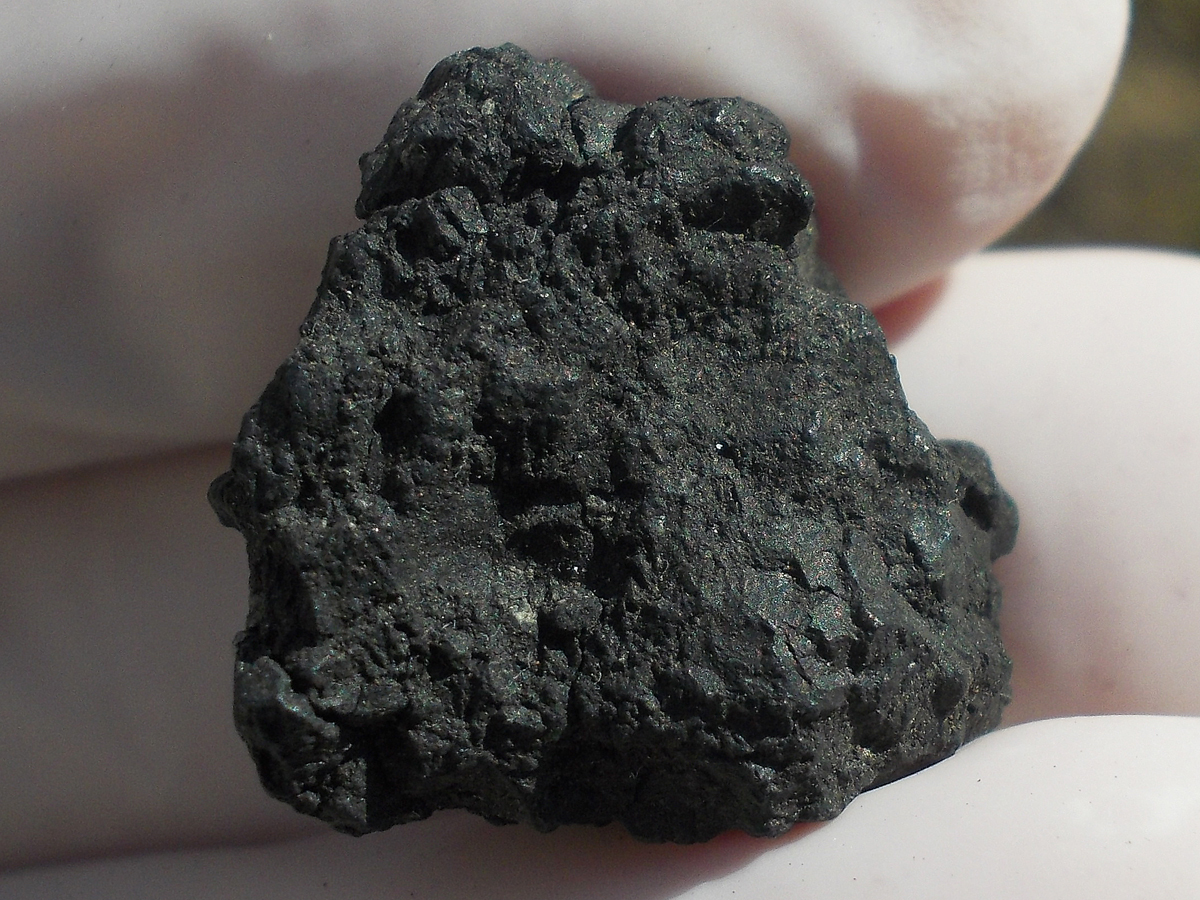
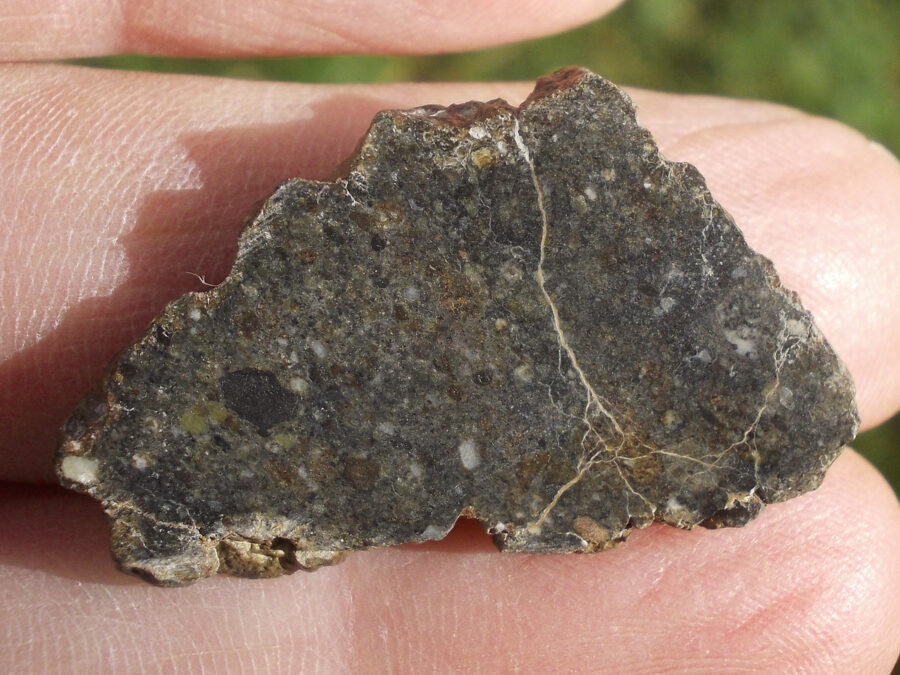
A new CI-type meteorite has just been discovered in Morocco.
It’s a very rare type, the last one to be found and marketed to collectors is called Ivuna, discovered in 1938 !
This type of meteorite degrades more rapidly than other meteorites, so it’s a godsend for scientists to have a very fresh material for their studies.
For scientists, this meteorite is truly the “Holy Grail”, as the material is the closest to the composition of the solar nebula.
Simply put, it’s the most primitive material ever discovered !
Scientists have recently found strong affinities with CI meteorites and the Ryugu and Bennu asteroids.
and even with comet Wild !
The scientific adventure is just beginning !
I guarantee the authenticity of this fragment, which has been individually analyzed by Jérôme Gattacceca of Cerege, notably for magnetic susceptibility.
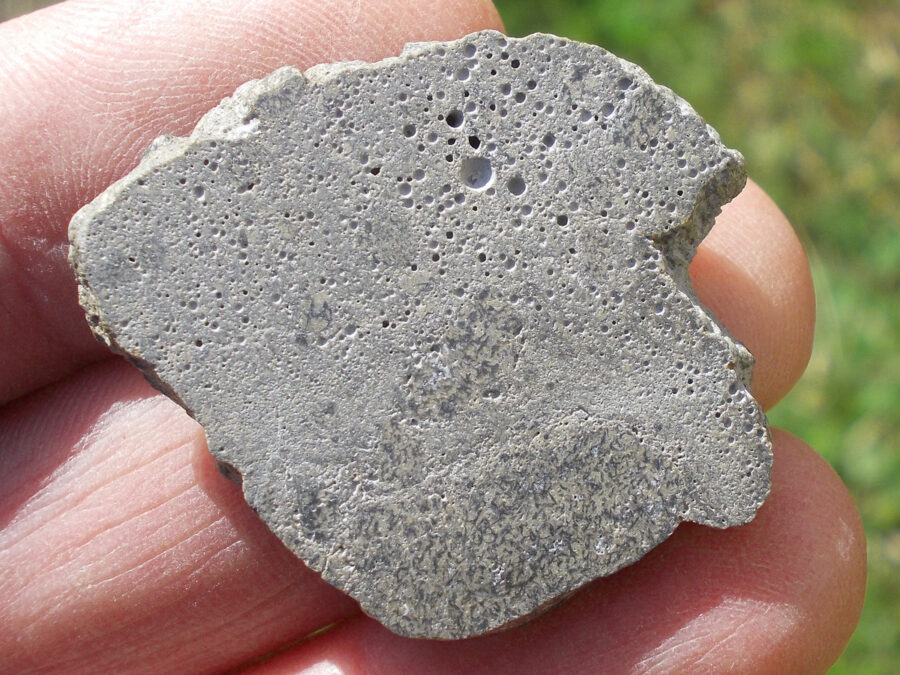
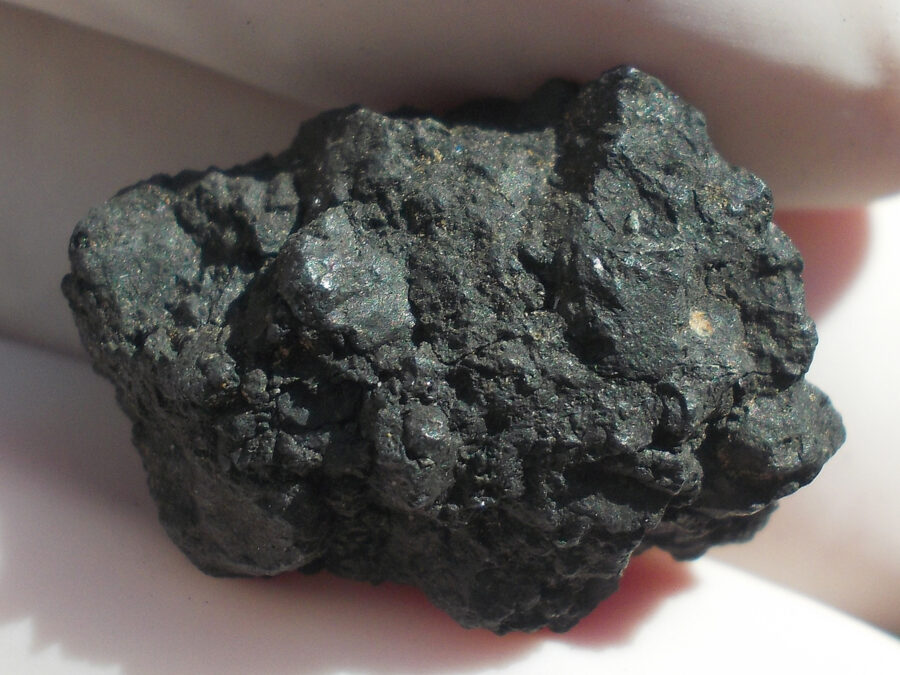
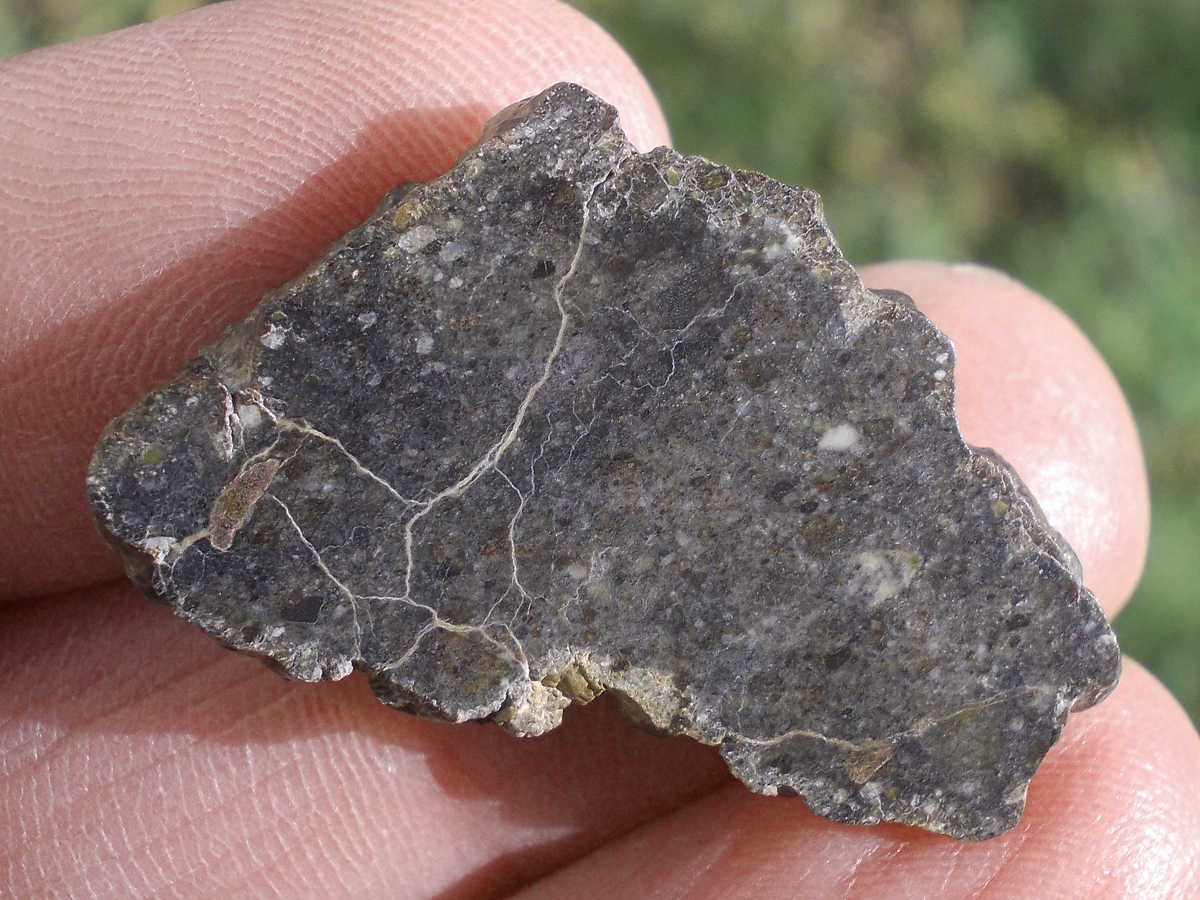
A new CI-type meteorite has just been discovered in Morocco.
It’s a very rare type, the last one to be found and marketed to collectors is called Ivuna, discovered in 1938 !
This type of meteorite degrades more rapidly than other meteorites, so it’s a godsend for scientists to have a very fresh material for their studies.
For scientists, this meteorite is truly the “Holy Grail”, as the material is the closest to the composition of the solar nebula.
Simply put, it’s the most primitive material ever discovered !
Scientists have recently found strong affinities with CI meteorites and the Ryugu and Bennu asteroids.
and even with comet Wild !
The scientific adventure is just beginning !
I guarantee the authenticity of this fragment, which has been individually analyzed by Jérôme Gattacceca of Cerege, notably for magnetic susceptibility.
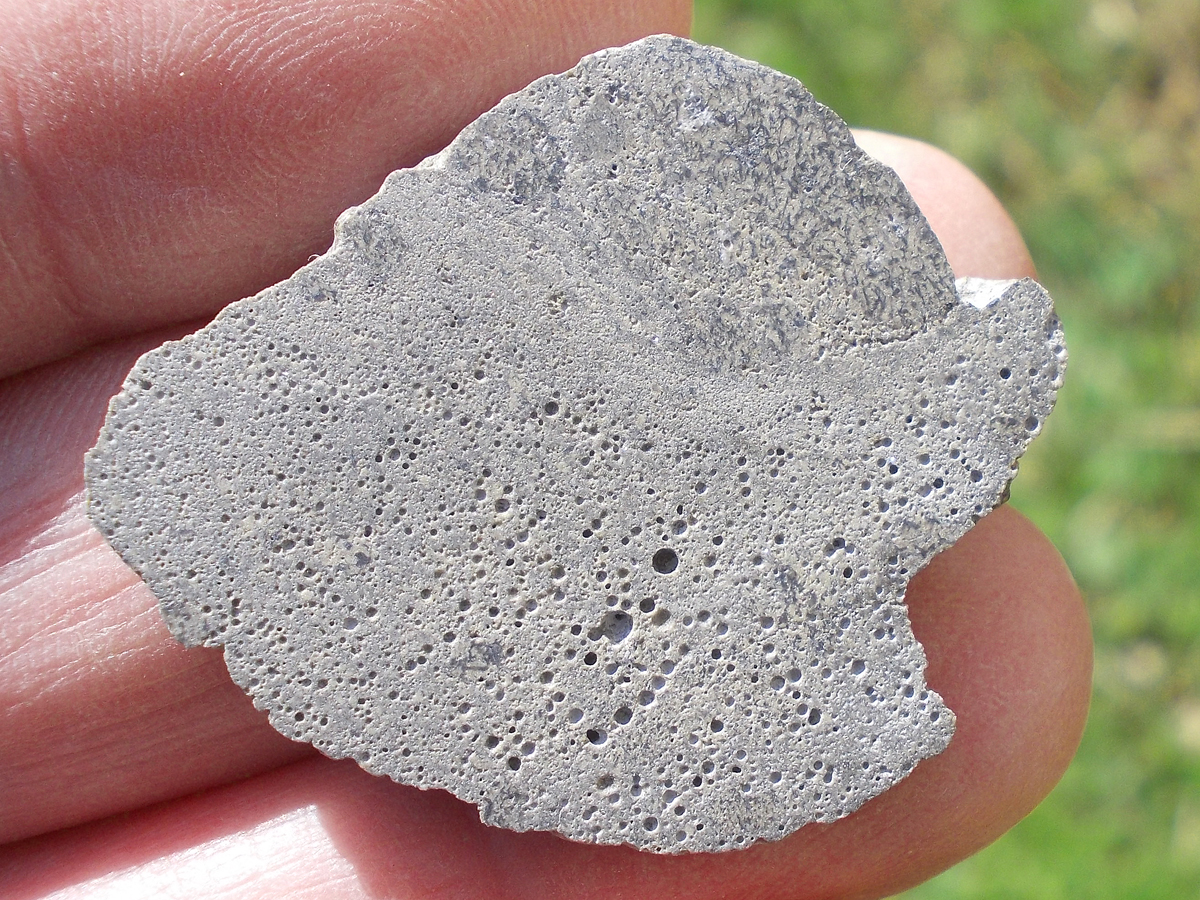
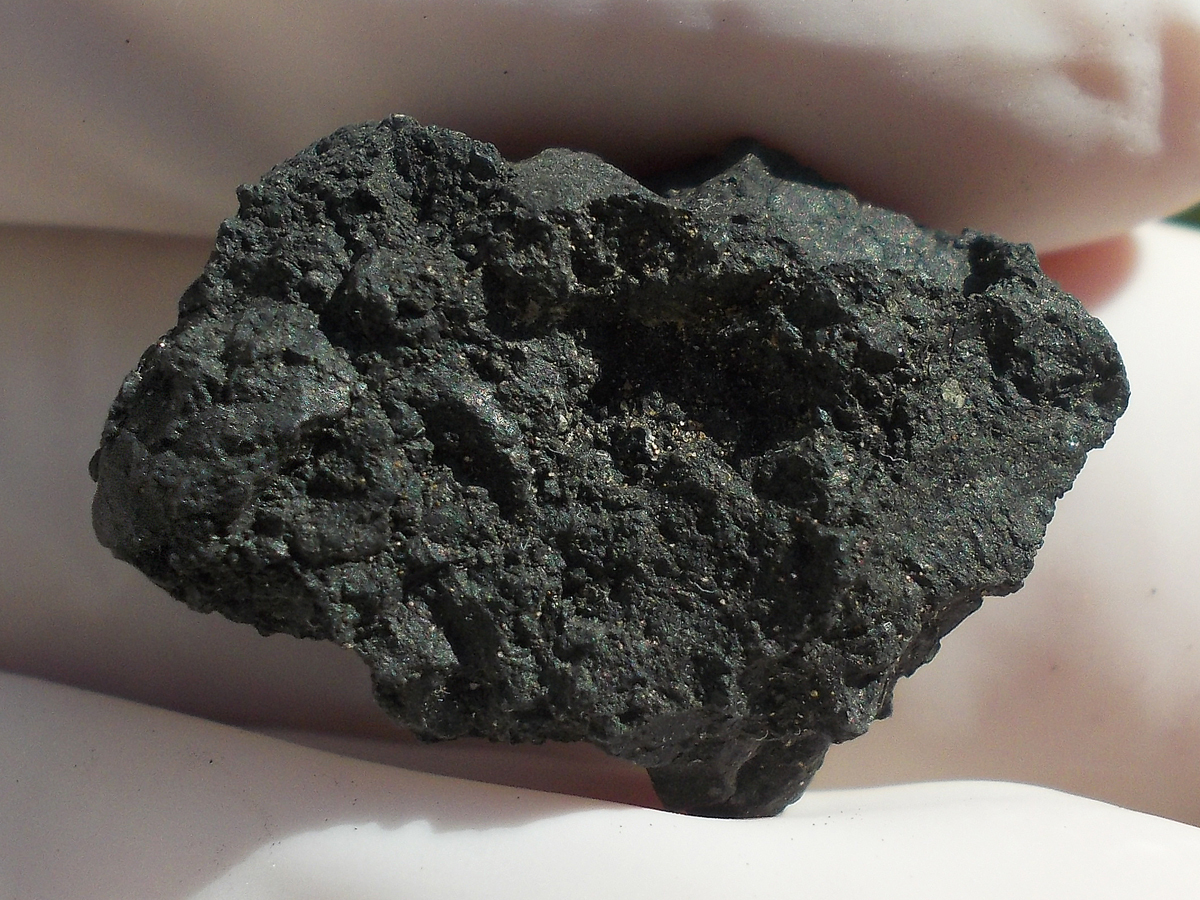
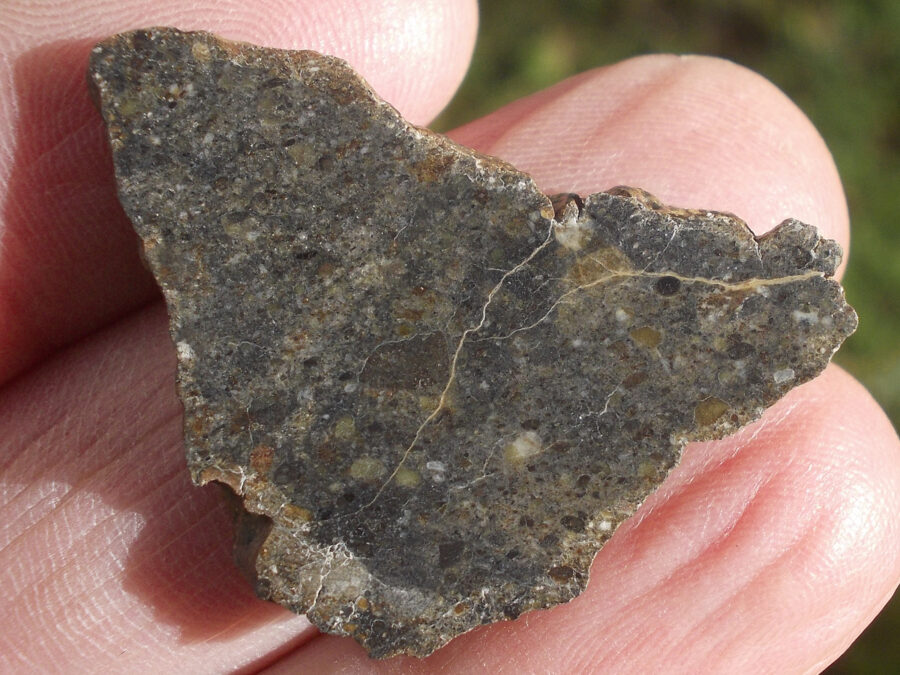
A new CI-type meteorite has just been discovered in Morocco.
It’s a very rare type, the last one to be found and marketed to collectors is called Ivuna, discovered in 1938 !
This type of meteorite degrades more rapidly than other meteorites, so it’s a godsend for scientists to have a very fresh material for their studies.
For scientists, this meteorite is truly the “Holy Grail”, as the material is the closest to the composition of the solar nebula.
Simply put, it’s the most primitive material ever discovered !
Scientists have recently found strong affinities with CI meteorites and the Ryugu and Bennu asteroids.
and even with comet Wild !
The scientific adventure is just beginning !
I guarantee the authenticity of this fragment, which has been individually analyzed by Jérôme Gattacceca of Cerege, notably for magnetic susceptibility.


 Out of stock