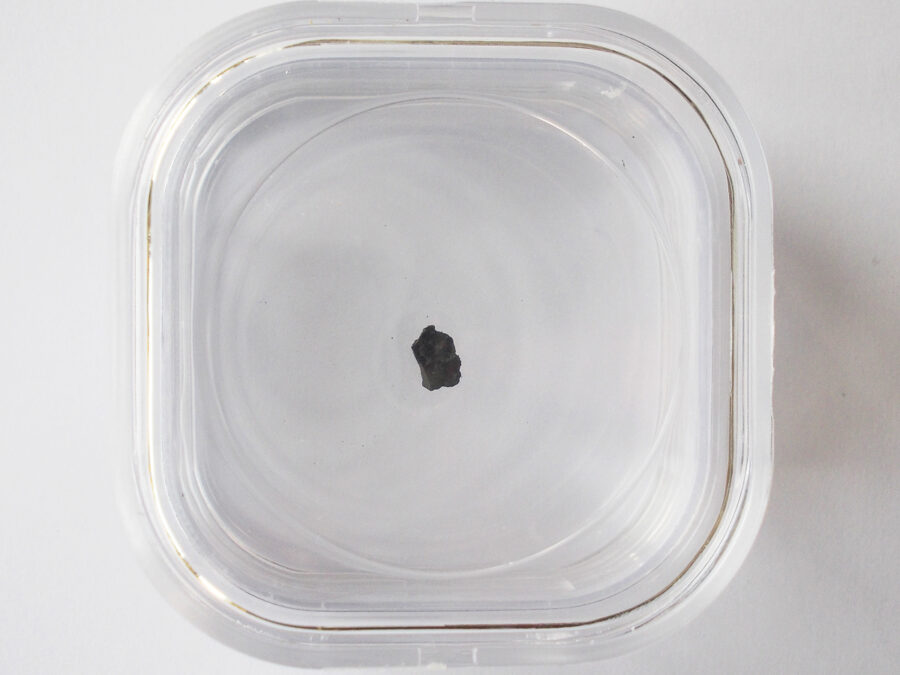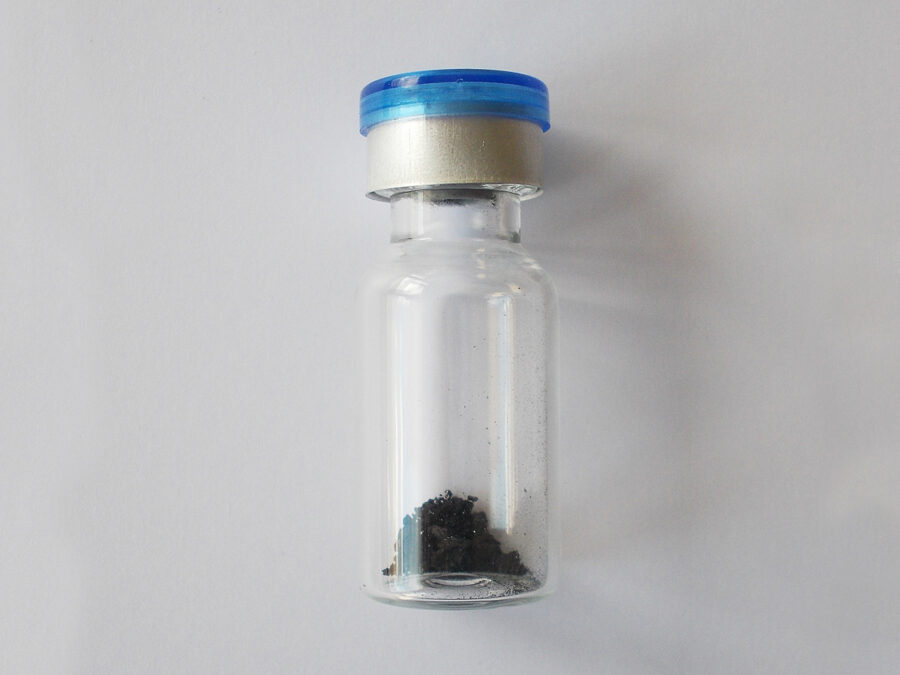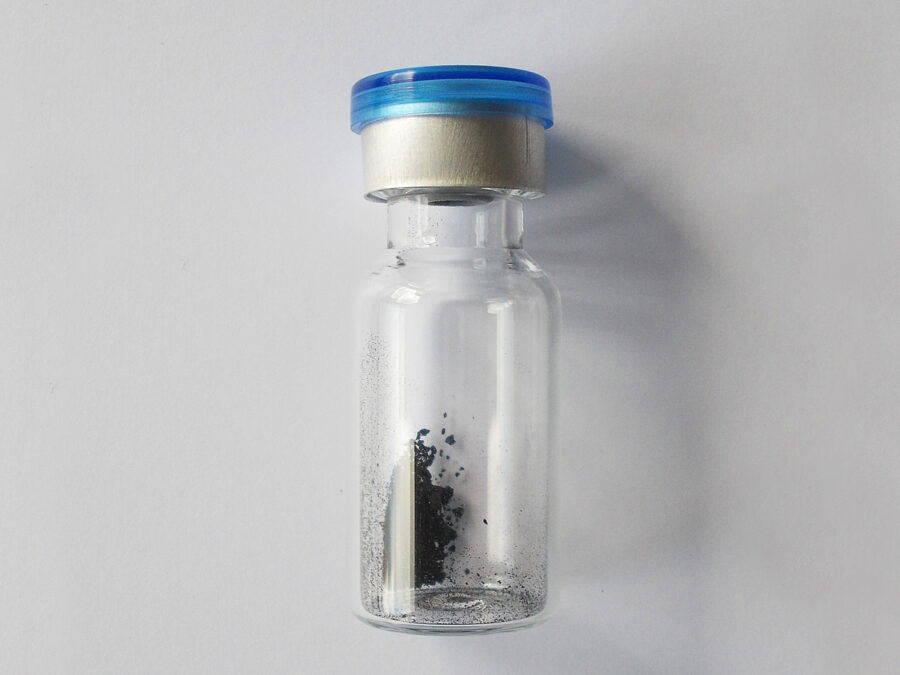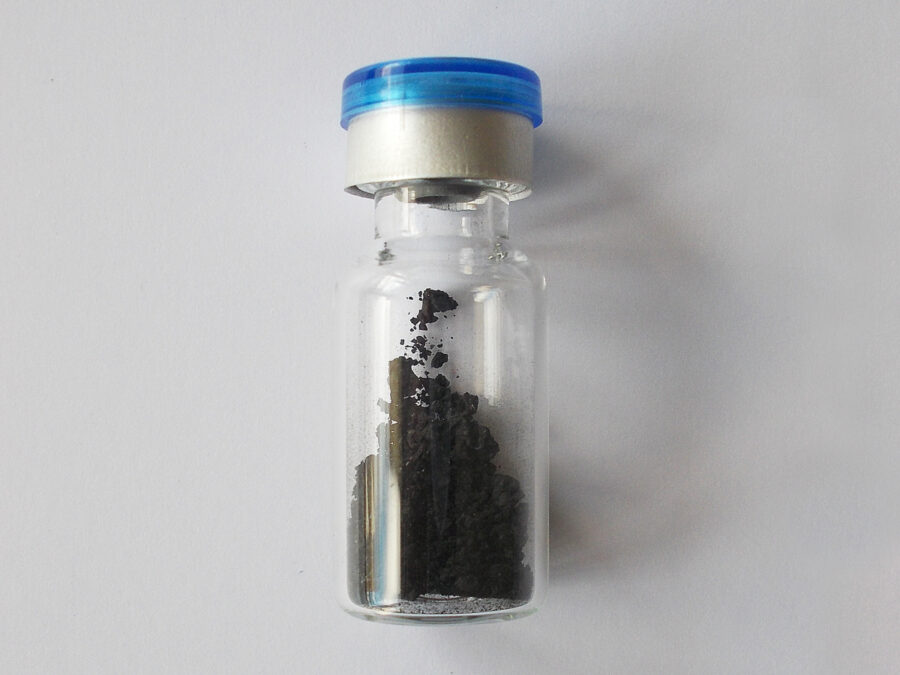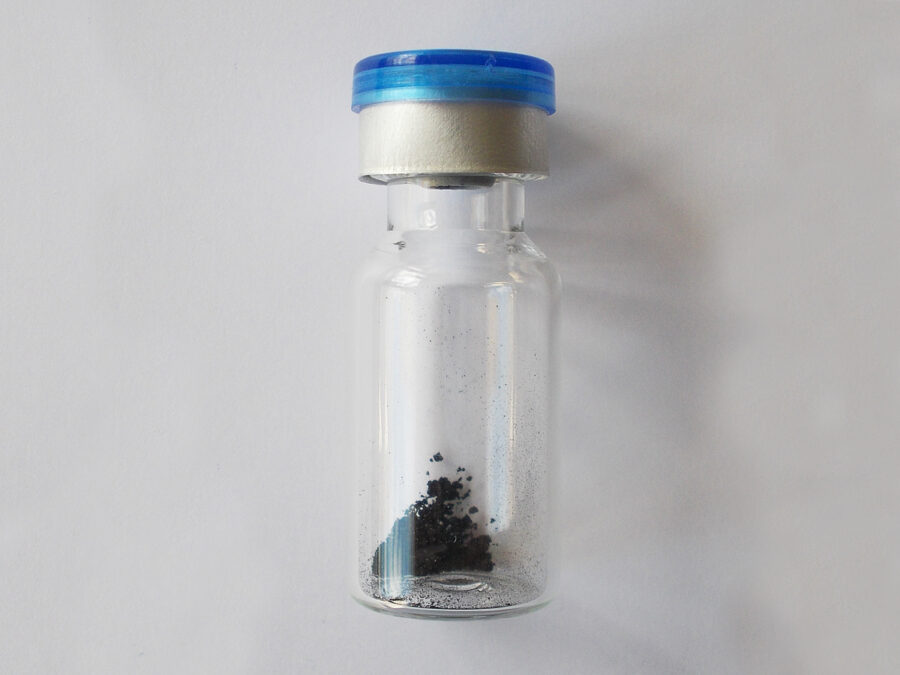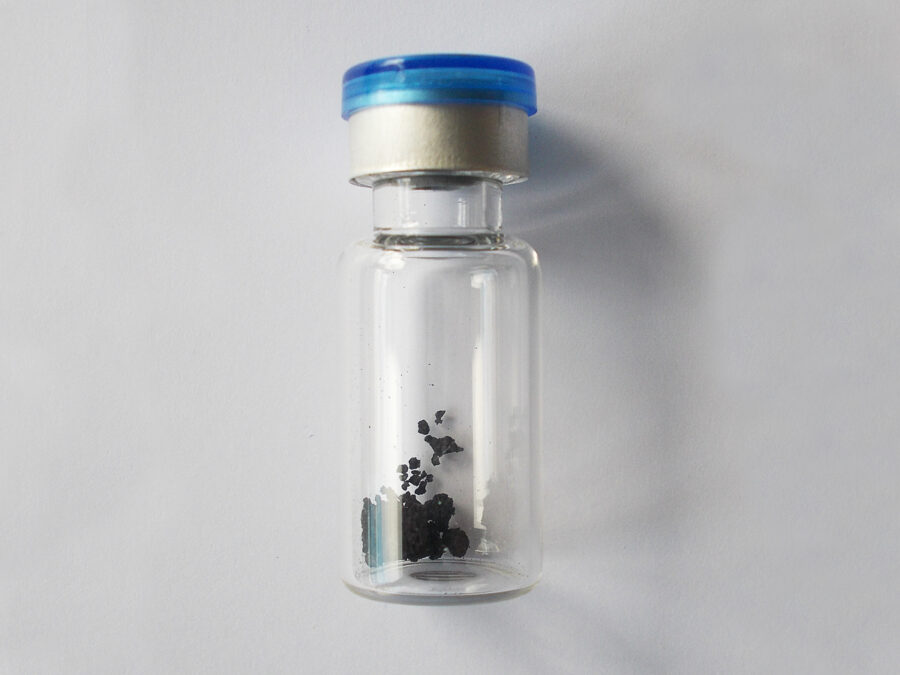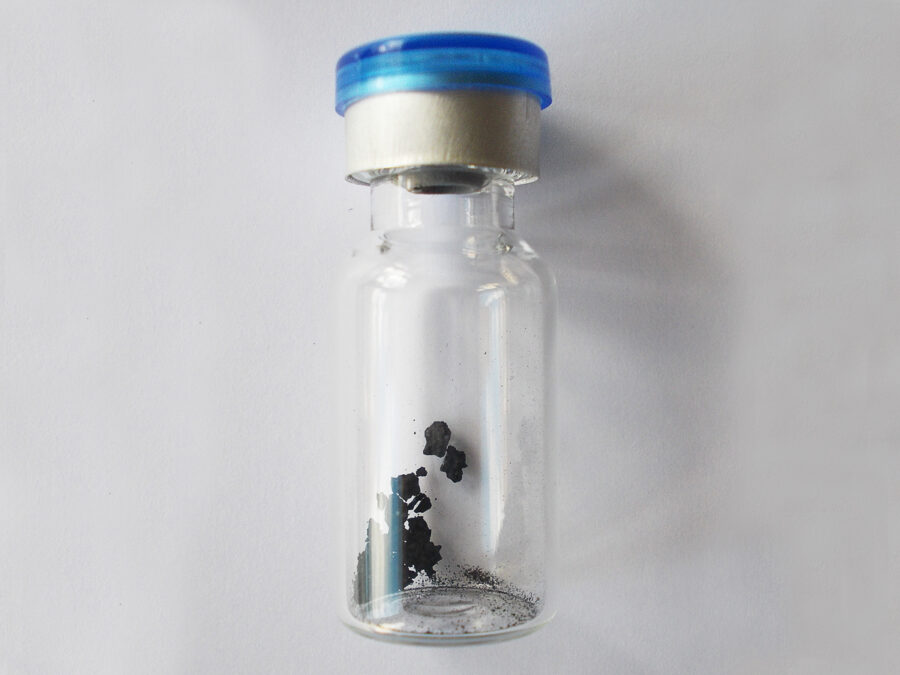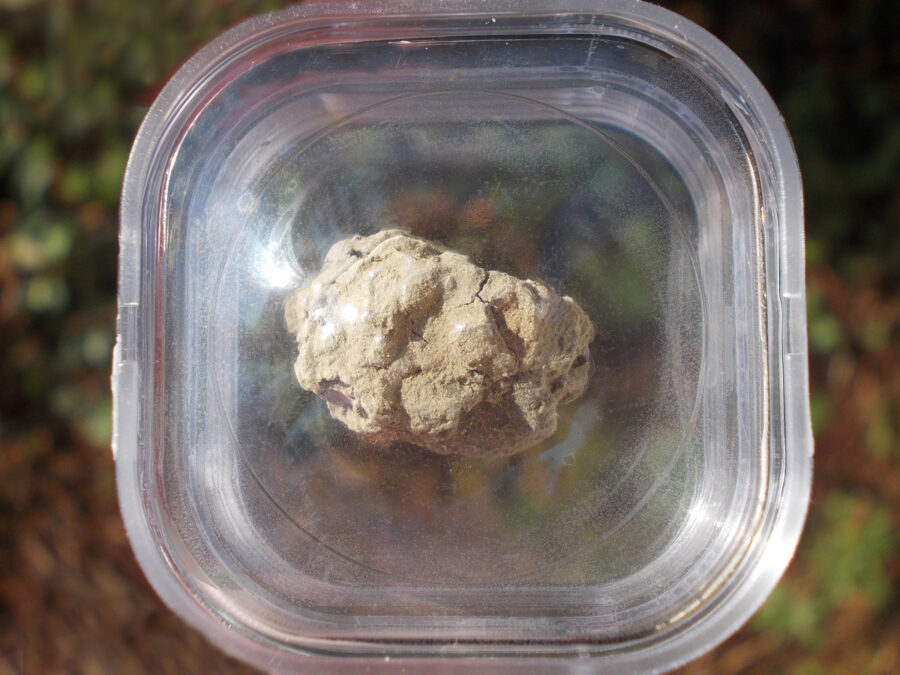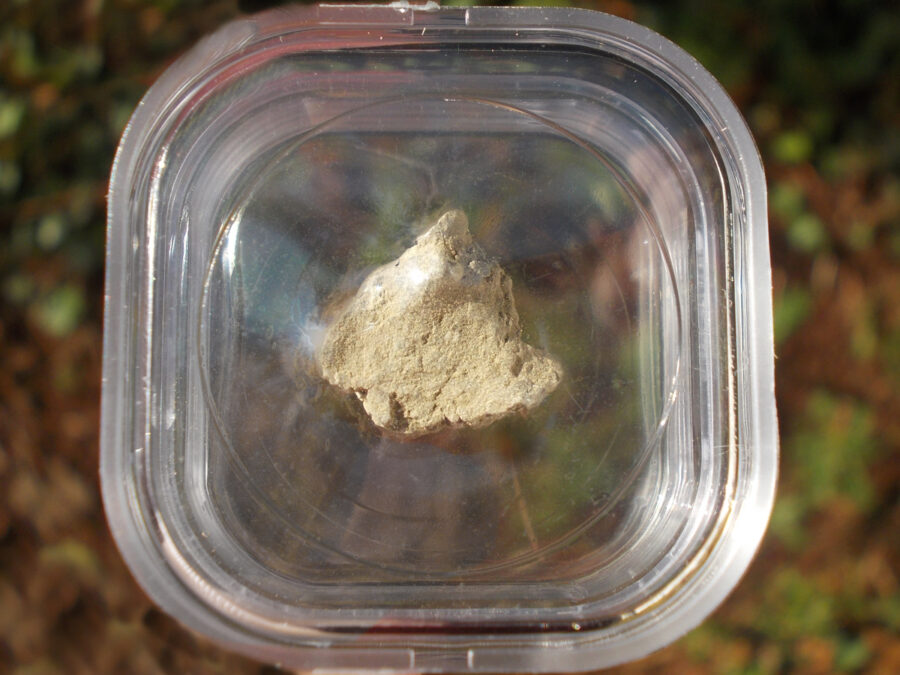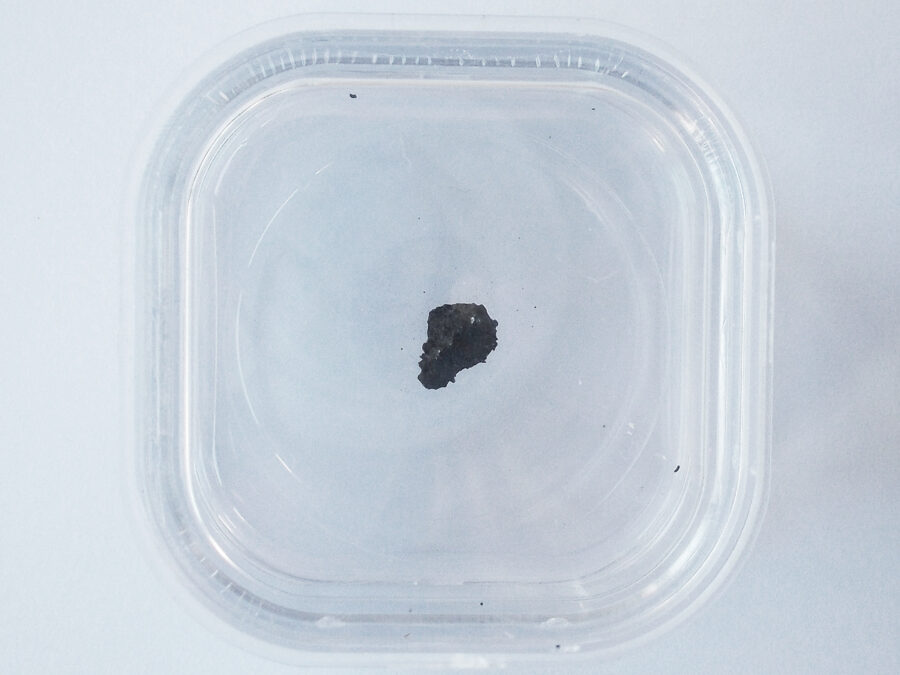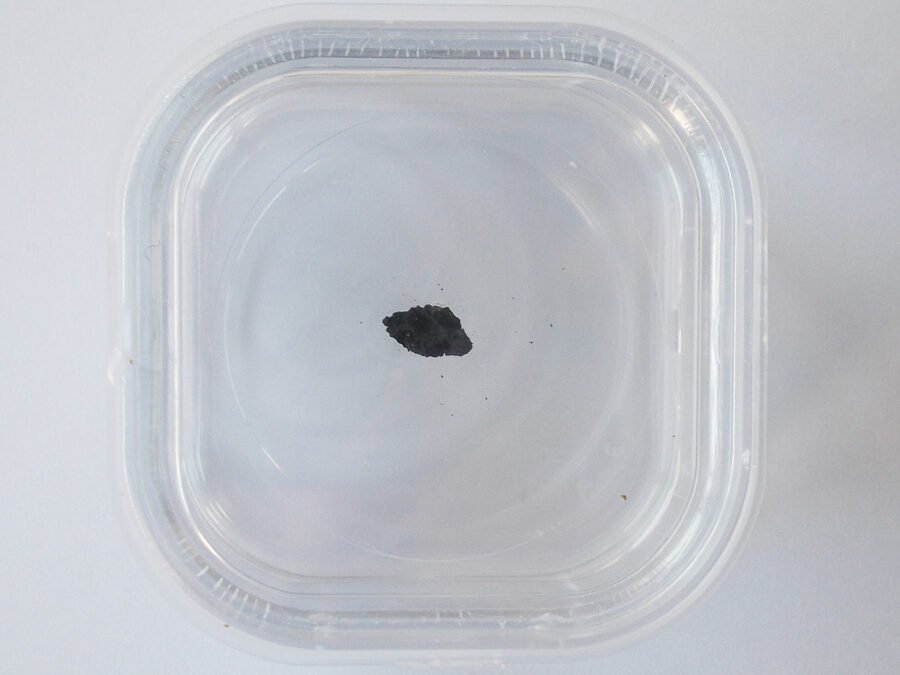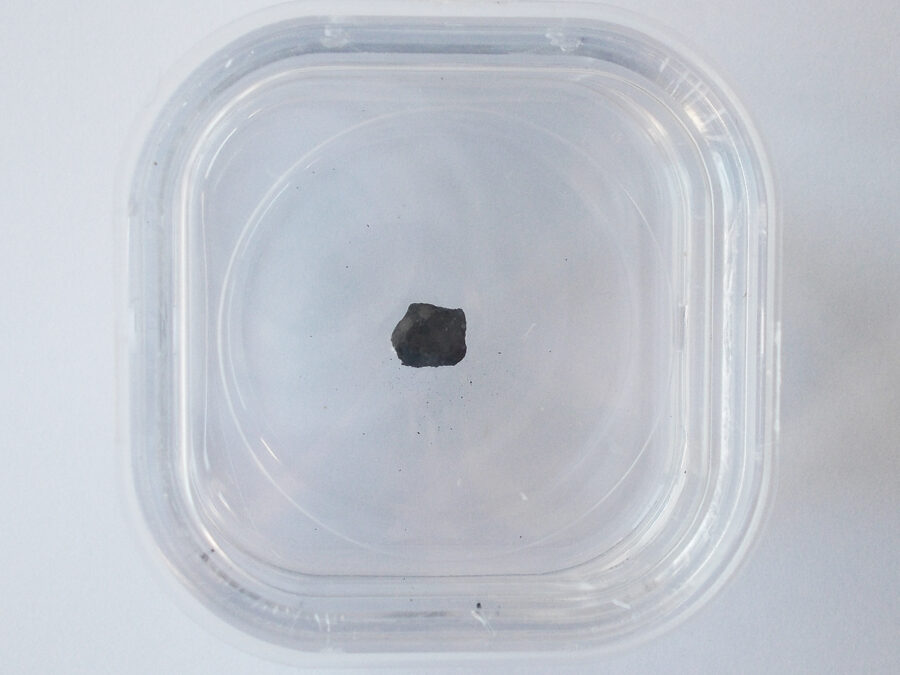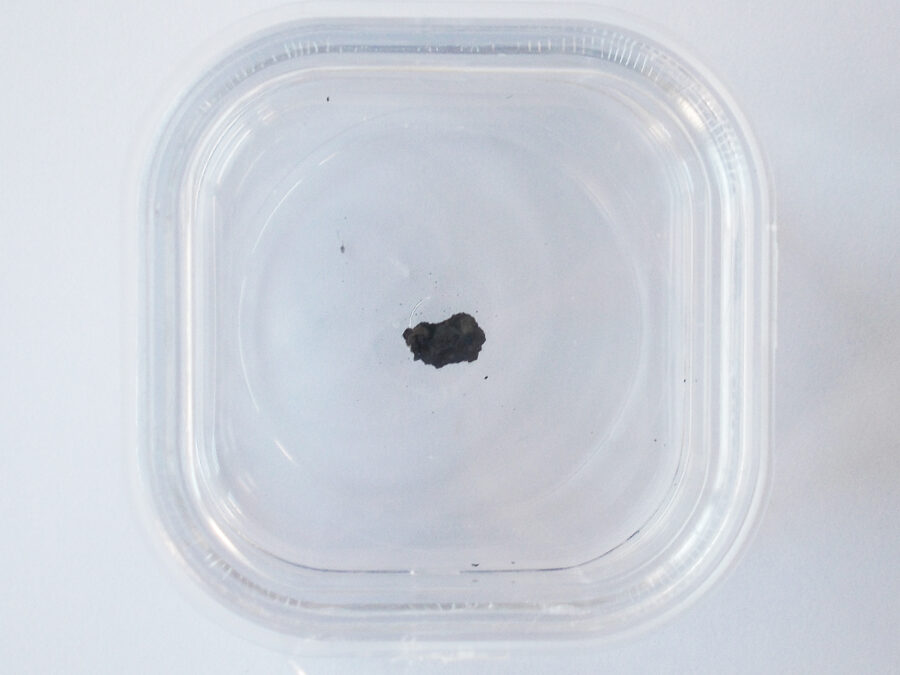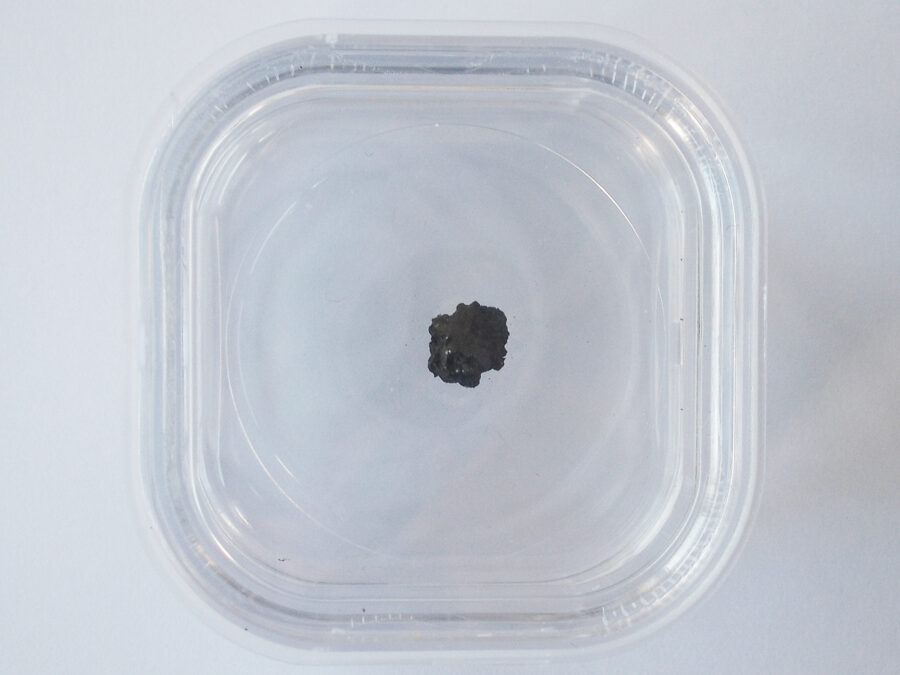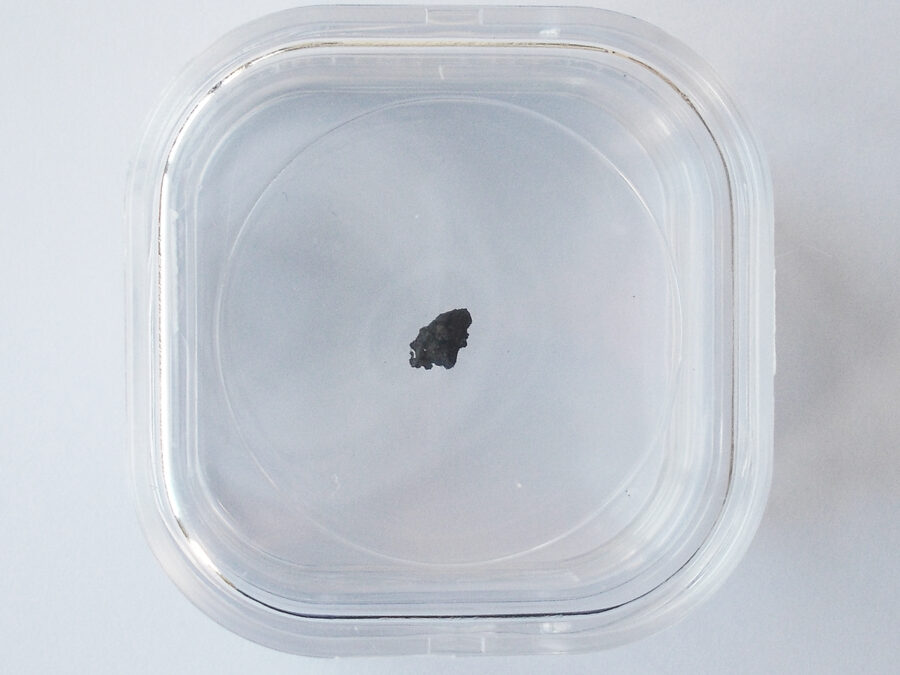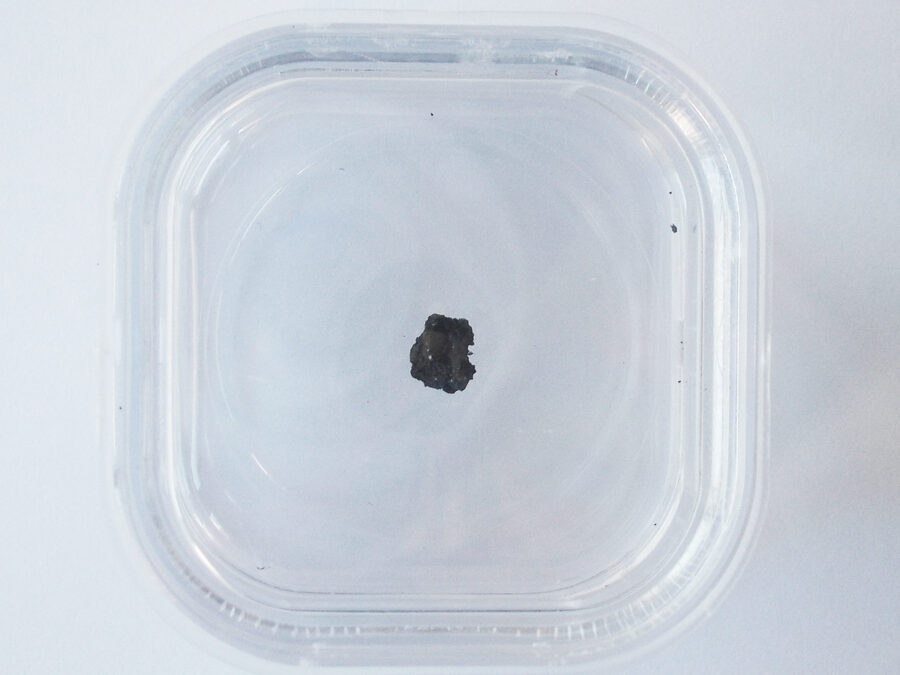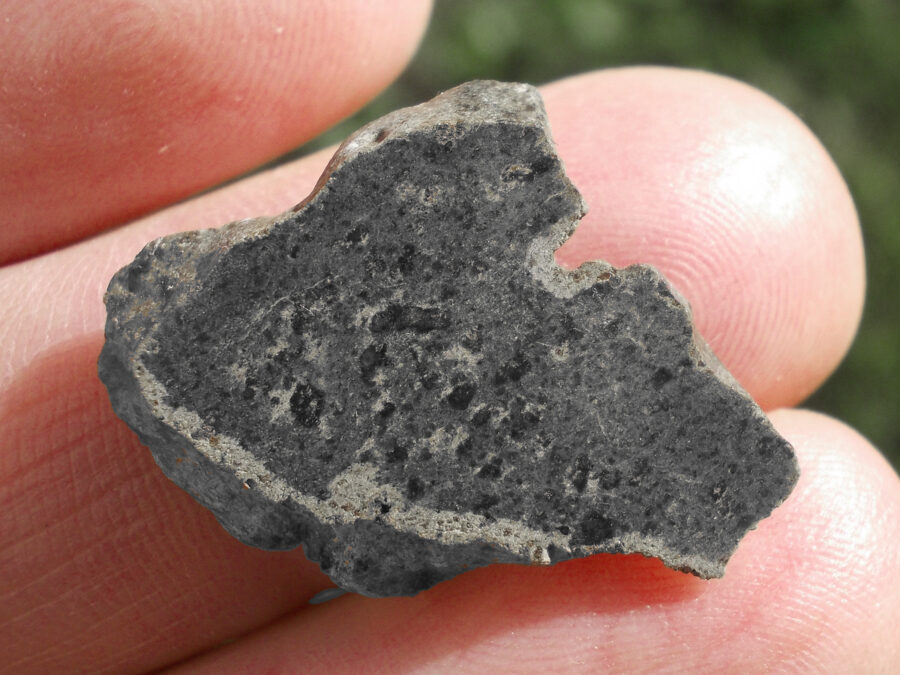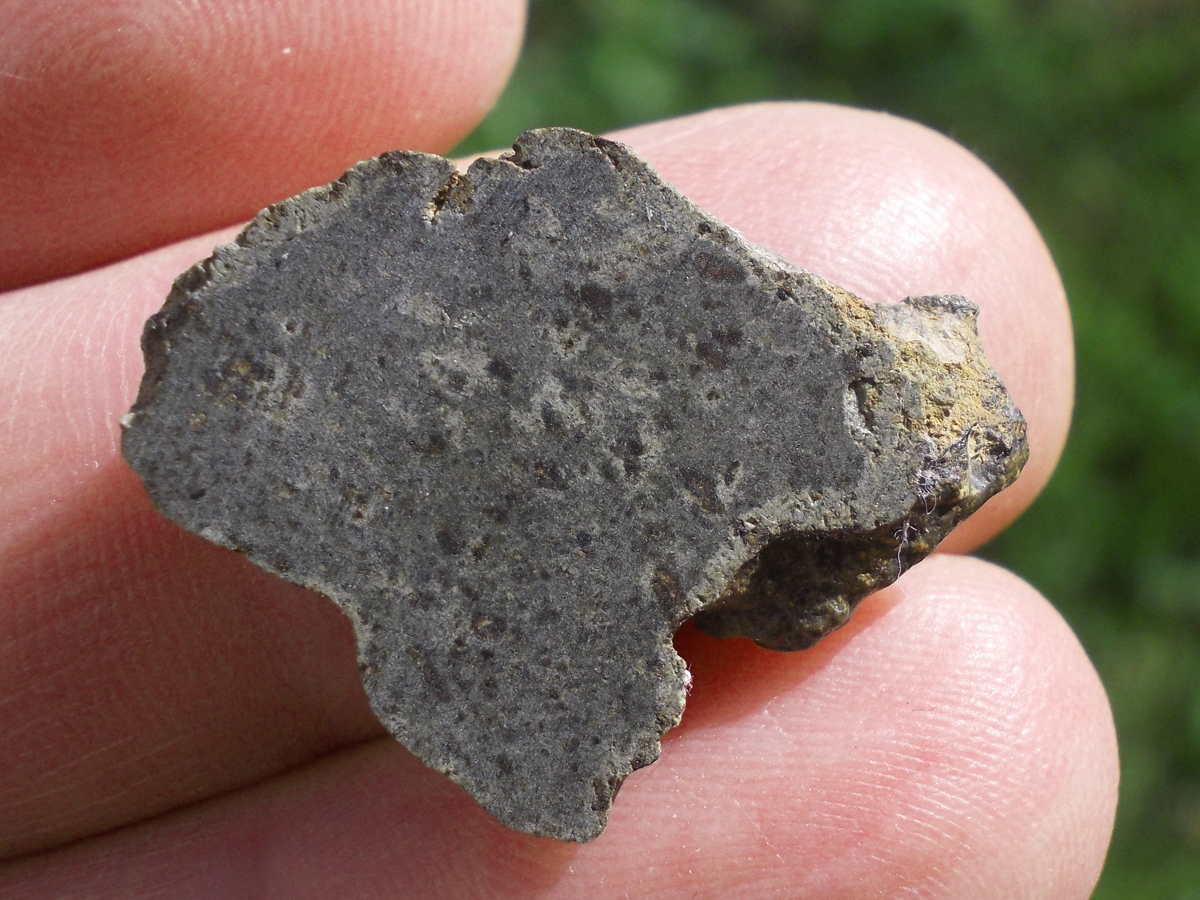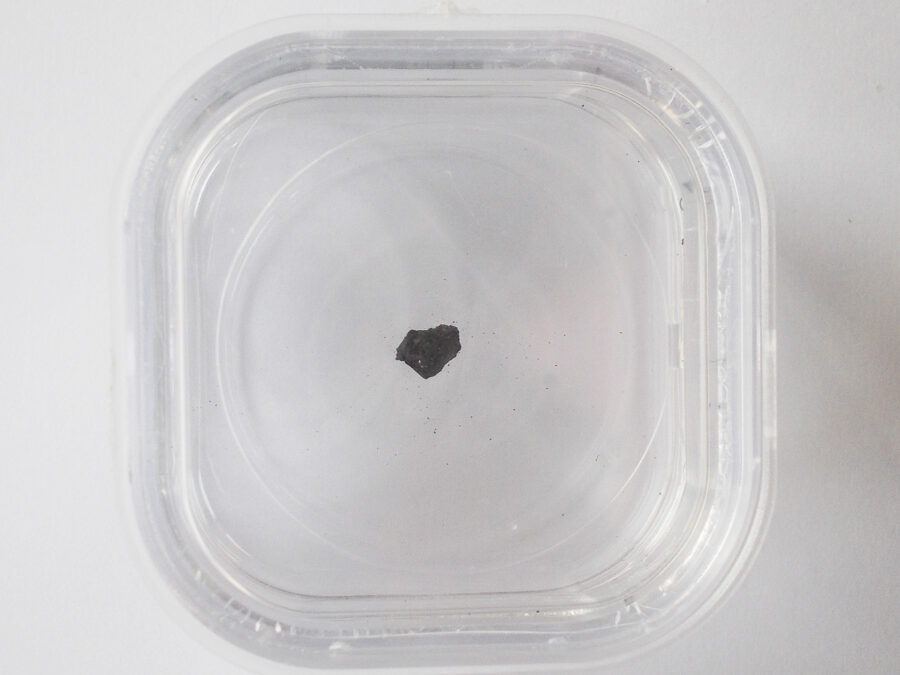
Gao H5 #6 – 7,5 g
23,87 $
Tisserlitine 001 is classified as a feldspathic regolith breccia lunar meteorite.
Tisserlitine 001 was found in Mali in 2019 in the Kidal region. The total weight recovered was 57.41 kilograms.
Mineral alteration and replacement are observed in Tisserlitine 001 and appear to be the result of hydrothermal processes.
In a clear sky, a fireball, followed by a trail of smoke was seen over Havana, Cuba, and then fell to the ground in a shower of fragments in the Vinales Valley, 180 km from the capital, in the west of the country… Falling around 1:30 pm local time, on February 1, without causing any casualties, the fall of the meteorite was accompanied by a lightning bolt and a strong explosion. This meteorite was classified as an ordinary chondrite type L6, about 50 kg of this meteorite were found.
Erg Chech 002 is an achondrite type meteorite found in Algeria in 2020.
The particularity of this meteorite is that it does not resemble any meteorite known to date and that we know nothing of the parent body from which it came.
This meteorite is dated 4.565 billion years (older than our Earth), it was formed at the beginning of the solar system.
It is the oldest magmatic rock in the solar system known to date !
This meteorite also has the particularity to have large green crystals of pyroxene.
Amgala is a rare meteorite from Mars, classified as Shergottite (olivine-phyric).
It was discovered in the Western Sahara in 2022
A meteorite offering exceptional value for money !
Amgala 001 26.014°N, 11.020°W
Saguia el Hamra, Western Sahara
Purchased: 2022 Dec
Classification: Martian meteorite (Shergottite)
History: Multiple stones were found together in December 2022 near Meharrize. Said Muftah Bachir and Ziyao Wang bought 12 kg together from the finders, including the largest 5200 g individual; Mark Lyon acquired 19165 g from two different dealers; Aziz Habibi obtained 3500 g from another dealer.
Physical characteristics: Weathered exterior surfaces of the stones are brown with a distinctive knobby appearance. Fresh interiors are greenish-gray with darker olivine phenocrysts visible.
Petrography: (A. Irving, UWS, and P. Carpenter, WUSL) Zoned olivine phenocrysts (up to 2 mm in length) are set in a groundmass with variable grainsize composed predominantly of prismatic, zoned clinopyroxene and lath-like maskelynite, together with accessory alkali feldspar, pyrrhotite, ulvöspinel, chromite (with variable Ti content), ilmenite, baddeleyite and chlorapatite. Thin opaque shock veins crosscut the specimen as well as secondary calcite veinlets. Olivine phenocrysts contain small patches of alteration products (red-brown in thin section).
Geochemistry: Olivine (Fa31.7-56.6, FeO/MnO = 52-55, N = 5), pigeonite (Fs27.7-48.4Wo10.4-9.8, FeO/MnO = 29-35, N = 3), subcalcic augite (Fs20.7-30.4Wo32.5-34.6, FeO/MnO = 28-32, N = 2), maskelynite (An47.4-50.5Or2.2-1.7, N = 2), alkali feldspar (Ab49.4Or34.0An16.7).
Classification: Shergottite (olivine-phyric).
Specimens: 68.3 g including one polished thin section at UWB; remainder with Mr. S. Bachir/WangZ (12 kg), Mr. M. Lyon (19165 g) and Mr. A. Habibi (3500 g).
Amgala is a rare meteorite from Mars, classified as Shergottite (olivine-phyric).
It was discovered in the Western Sahara in 2022
A meteorite offering exceptional value for money !
Amgala 001 26.014°N, 11.020°W
Saguia el Hamra, Western Sahara
Purchased: 2022 Dec
Classification: Martian meteorite (Shergottite)
History: Multiple stones were found together in December 2022 near Meharrize. Said Muftah Bachir and Ziyao Wang bought 12 kg together from the finders, including the largest 5200 g individual; Mark Lyon acquired 19165 g from two different dealers; Aziz Habibi obtained 3500 g from another dealer.
Physical characteristics: Weathered exterior surfaces of the stones are brown with a distinctive knobby appearance. Fresh interiors are greenish-gray with darker olivine phenocrysts visible.
Petrography: (A. Irving, UWS, and P. Carpenter, WUSL) Zoned olivine phenocrysts (up to 2 mm in length) are set in a groundmass with variable grainsize composed predominantly of prismatic, zoned clinopyroxene and lath-like maskelynite, together with accessory alkali feldspar, pyrrhotite, ulvöspinel, chromite (with variable Ti content), ilmenite, baddeleyite and chlorapatite. Thin opaque shock veins crosscut the specimen as well as secondary calcite veinlets. Olivine phenocrysts contain small patches of alteration products (red-brown in thin section).
Geochemistry: Olivine (Fa31.7-56.6, FeO/MnO = 52-55, N = 5), pigeonite (Fs27.7-48.4Wo10.4-9.8, FeO/MnO = 29-35, N = 3), subcalcic augite (Fs20.7-30.4Wo32.5-34.6, FeO/MnO = 28-32, N = 2), maskelynite (An47.4-50.5Or2.2-1.7, N = 2), alkali feldspar (Ab49.4Or34.0An16.7).
Classification: Shergottite (olivine-phyric).
Specimens: 68.3 g including one polished thin section at UWB; remainder with Mr. S. Bachir/WangZ (12 kg), Mr. M. Lyon (19165 g) and Mr. A. Habibi (3500 g).
Amgala is a rare meteorite from Mars, classified as Shergottite (olivine-phyric).
It was discovered in the Western Sahara in 2022
A meteorite offering exceptional value for money !
Amgala 001 26.014°N, 11.020°W
Saguia el Hamra, Western Sahara
Purchased: 2022 Dec
Classification: Martian meteorite (Shergottite)
History: Multiple stones were found together in December 2022 near Meharrize. Said Muftah Bachir and Ziyao Wang bought 12 kg together from the finders, including the largest 5200 g individual; Mark Lyon acquired 19165 g from two different dealers; Aziz Habibi obtained 3500 g from another dealer.
Physical characteristics: Weathered exterior surfaces of the stones are brown with a distinctive knobby appearance. Fresh interiors are greenish-gray with darker olivine phenocrysts visible.
Petrography: (A. Irving, UWS, and P. Carpenter, WUSL) Zoned olivine phenocrysts (up to 2 mm in length) are set in a groundmass with variable grainsize composed predominantly of prismatic, zoned clinopyroxene and lath-like maskelynite, together with accessory alkali feldspar, pyrrhotite, ulvöspinel, chromite (with variable Ti content), ilmenite, baddeleyite and chlorapatite. Thin opaque shock veins crosscut the specimen as well as secondary calcite veinlets. Olivine phenocrysts contain small patches of alteration products (red-brown in thin section).
Geochemistry: Olivine (Fa31.7-56.6, FeO/MnO = 52-55, N = 5), pigeonite (Fs27.7-48.4Wo10.4-9.8, FeO/MnO = 29-35, N = 3), subcalcic augite (Fs20.7-30.4Wo32.5-34.6, FeO/MnO = 28-32, N = 2), maskelynite (An47.4-50.5Or2.2-1.7, N = 2), alkali feldspar (Ab49.4Or34.0An16.7).
Classification: Shergottite (olivine-phyric).
Specimens: 68.3 g including one polished thin section at UWB; remainder with Mr. S. Bachir/WangZ (12 kg), Mr. M. Lyon (19165 g) and Mr. A. Habibi (3500 g).
Amgala is a rare meteorite from Mars, classified as Shergottite (olivine-phyric).
It was discovered in the Western Sahara in 2022
A meteorite offering exceptional value for money !
Amgala 001 26.014°N, 11.020°W
Saguia el Hamra, Western Sahara
Purchased: 2022 Dec
Classification: Martian meteorite (Shergottite)
History: Multiple stones were found together in December 2022 near Meharrize. Said Muftah Bachir and Ziyao Wang bought 12 kg together from the finders, including the largest 5200 g individual; Mark Lyon acquired 19165 g from two different dealers; Aziz Habibi obtained 3500 g from another dealer.
Physical characteristics: Weathered exterior surfaces of the stones are brown with a distinctive knobby appearance. Fresh interiors are greenish-gray with darker olivine phenocrysts visible.
Petrography: (A. Irving, UWS, and P. Carpenter, WUSL) Zoned olivine phenocrysts (up to 2 mm in length) are set in a groundmass with variable grainsize composed predominantly of prismatic, zoned clinopyroxene and lath-like maskelynite, together with accessory alkali feldspar, pyrrhotite, ulvöspinel, chromite (with variable Ti content), ilmenite, baddeleyite and chlorapatite. Thin opaque shock veins crosscut the specimen as well as secondary calcite veinlets. Olivine phenocrysts contain small patches of alteration products (red-brown in thin section).
Geochemistry: Olivine (Fa31.7-56.6, FeO/MnO = 52-55, N = 5), pigeonite (Fs27.7-48.4Wo10.4-9.8, FeO/MnO = 29-35, N = 3), subcalcic augite (Fs20.7-30.4Wo32.5-34.6, FeO/MnO = 28-32, N = 2), maskelynite (An47.4-50.5Or2.2-1.7, N = 2), alkali feldspar (Ab49.4Or34.0An16.7).
Classification: Shergottite (olivine-phyric).
Specimens: 68.3 g including one polished thin section at UWB; remainder with Mr. S. Bachir/WangZ (12 kg), Mr. M. Lyon (19165 g) and Mr. A. Habibi (3500 g).
Amgala is a rare meteorite from Mars, classified as Shergottite (olivine-phyric).
It was discovered in the Western Sahara in 2022
A meteorite offering exceptional value for money !
Amgala 001 26.014°N, 11.020°W
Saguia el Hamra, Western Sahara
Purchased: 2022 Dec
Classification: Martian meteorite (Shergottite)
History: Multiple stones were found together in December 2022 near Meharrize. Said Muftah Bachir and Ziyao Wang bought 12 kg together from the finders, including the largest 5200 g individual; Mark Lyon acquired 19165 g from two different dealers; Aziz Habibi obtained 3500 g from another dealer.
Physical characteristics: Weathered exterior surfaces of the stones are brown with a distinctive knobby appearance. Fresh interiors are greenish-gray with darker olivine phenocrysts visible.
Petrography: (A. Irving, UWS, and P. Carpenter, WUSL) Zoned olivine phenocrysts (up to 2 mm in length) are set in a groundmass with variable grainsize composed predominantly of prismatic, zoned clinopyroxene and lath-like maskelynite, together with accessory alkali feldspar, pyrrhotite, ulvöspinel, chromite (with variable Ti content), ilmenite, baddeleyite and chlorapatite. Thin opaque shock veins crosscut the specimen as well as secondary calcite veinlets. Olivine phenocrysts contain small patches of alteration products (red-brown in thin section).
Geochemistry: Olivine (Fa31.7-56.6, FeO/MnO = 52-55, N = 5), pigeonite (Fs27.7-48.4Wo10.4-9.8, FeO/MnO = 29-35, N = 3), subcalcic augite (Fs20.7-30.4Wo32.5-34.6, FeO/MnO = 28-32, N = 2), maskelynite (An47.4-50.5Or2.2-1.7, N = 2), alkali feldspar (Ab49.4Or34.0An16.7).
Classification: Shergottite (olivine-phyric).
Specimens: 68.3 g including one polished thin section at UWB; remainder with Mr. S. Bachir/WangZ (12 kg), Mr. M. Lyon (19165 g) and Mr. A. Habibi (3500 g).
Vaca Muerta, in Spanish “Dead Cow” is a meteorite of mesosiderite type which was discovered in Chile in 1861.
This meteorite would have arrived on Earth about 2000 years ago.
The parent body of mesosiderites could be the asteroid Psyche, it is over 200 km in diameter.
It is a classic in any good collection.
Vaca Muerta, in Spanish “Dead Cow” is a meteorite of mesosiderite type which was discovered in Chile in 1861.
This meteorite would have arrived on Earth about 2000 years ago.
The parent body of mesosiderites could be the asteroid Psyche, it is over 200 km in diameter.
It is a classic in any good collection.
Vaca Muerta, in Spanish “Dead Cow” is a meteorite of mesosiderite type which was discovered in Chile in 1861.
This meteorite would have arrived on Earth about 2000 years ago.
The parent body of mesosiderites could be the asteroid Psyche, it is over 200 km in diameter.
It is a classic in any good collection.