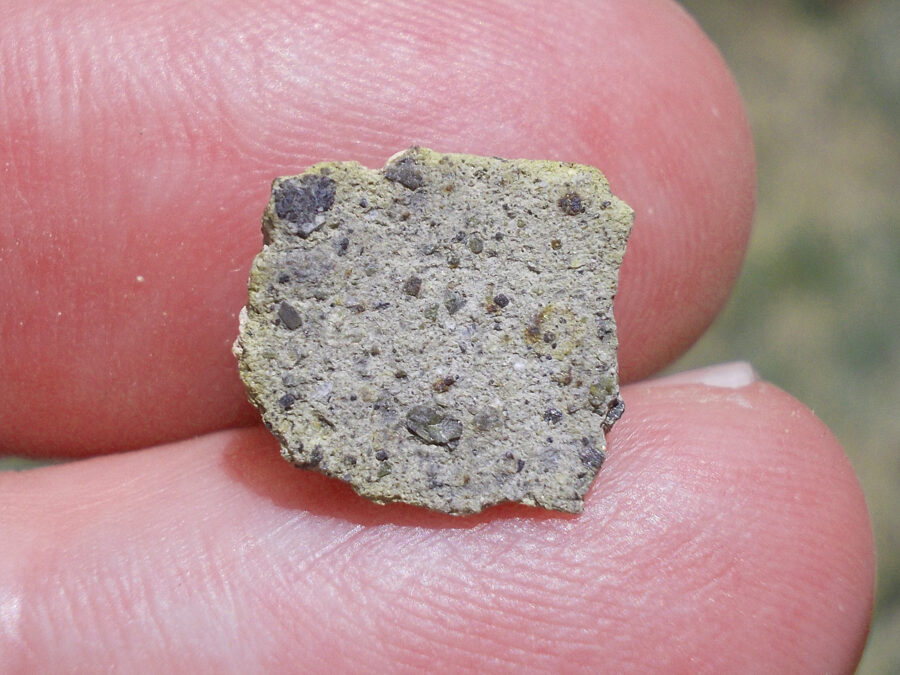
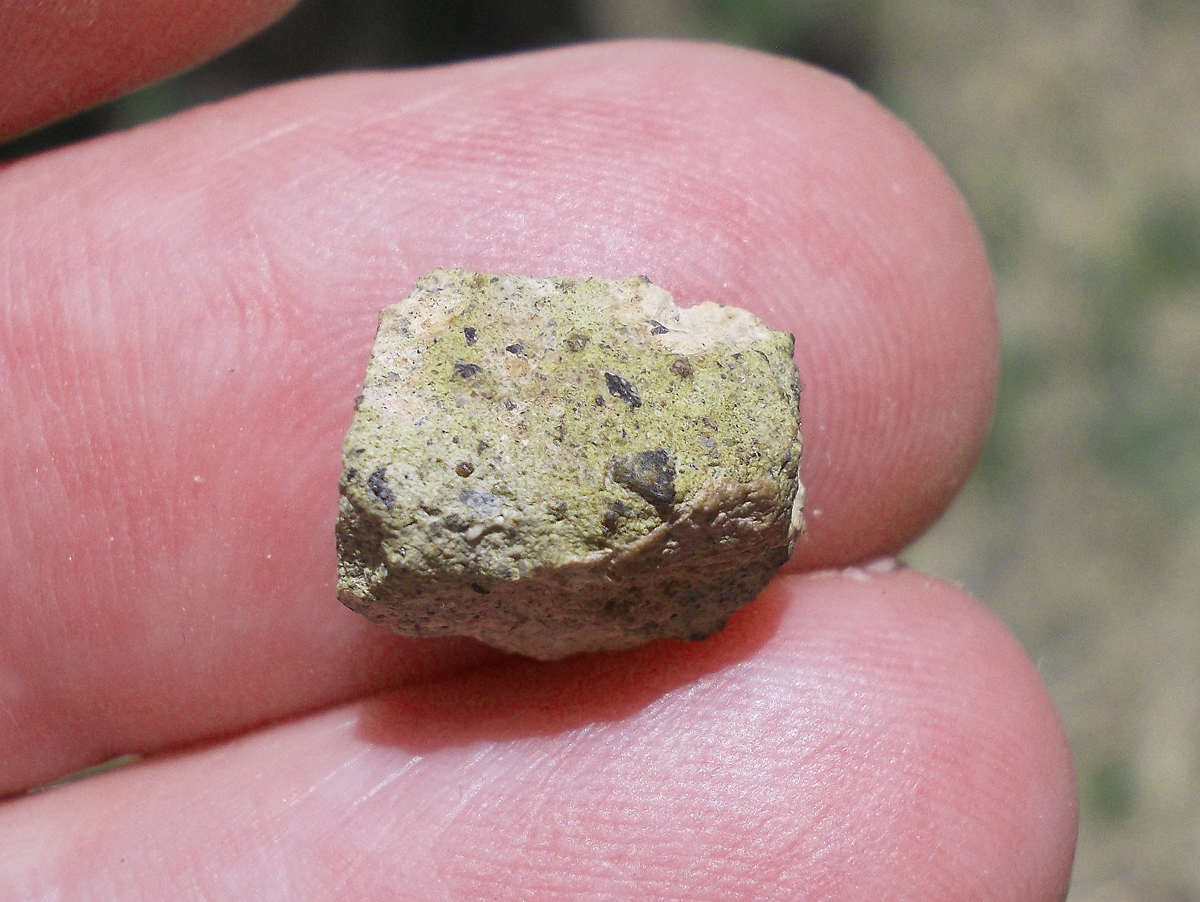
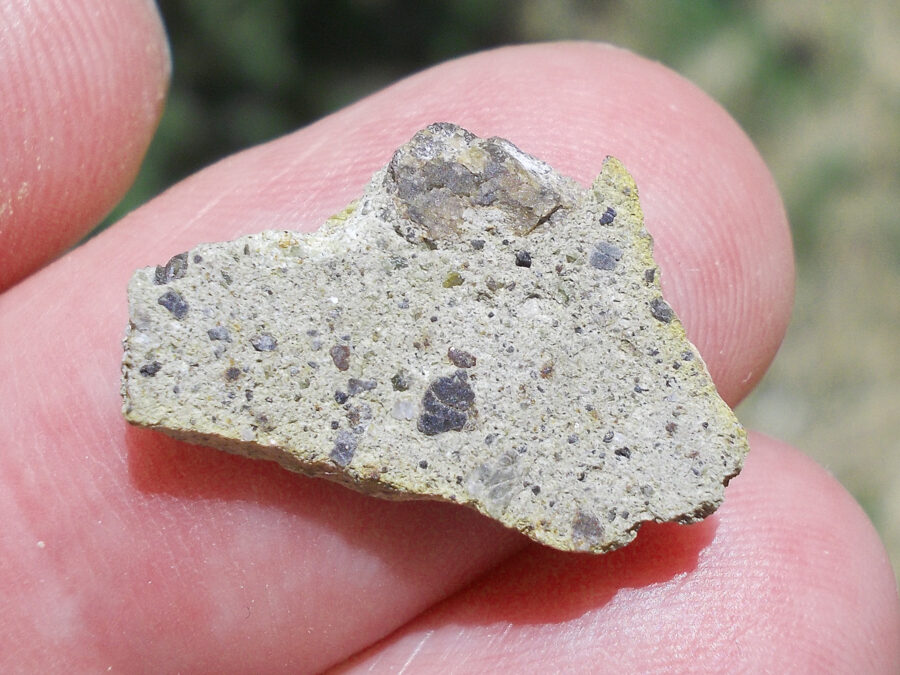
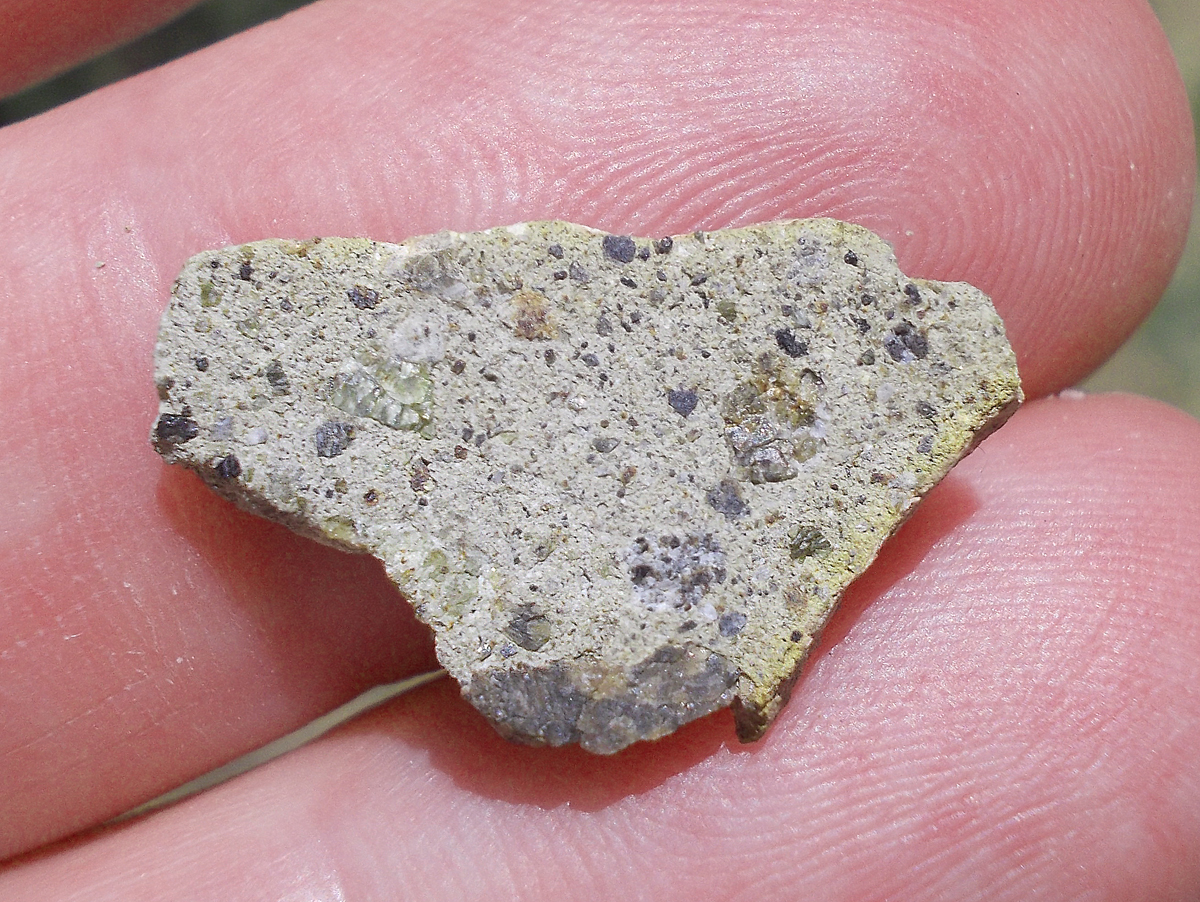
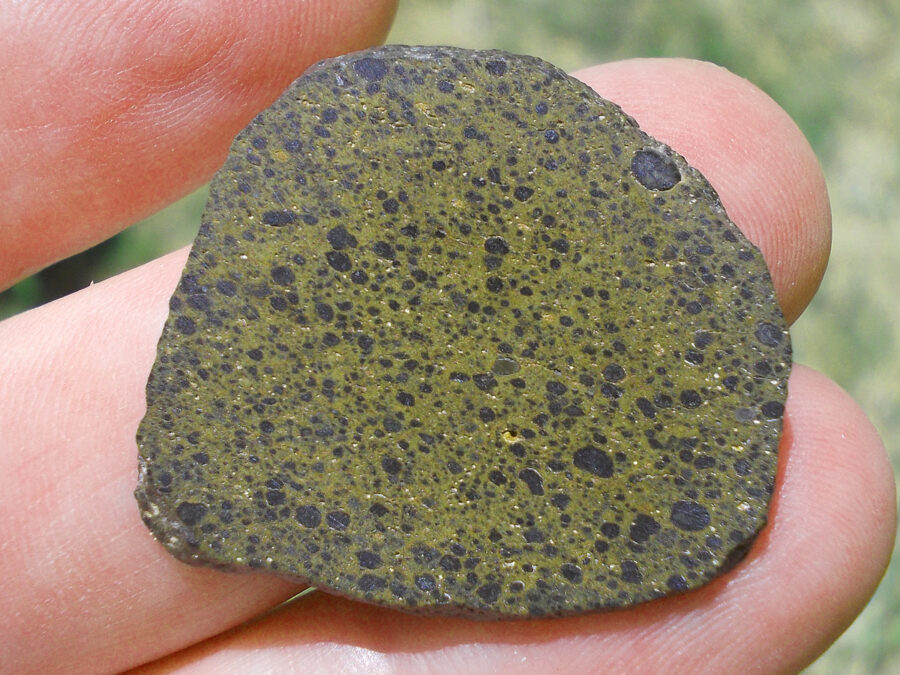
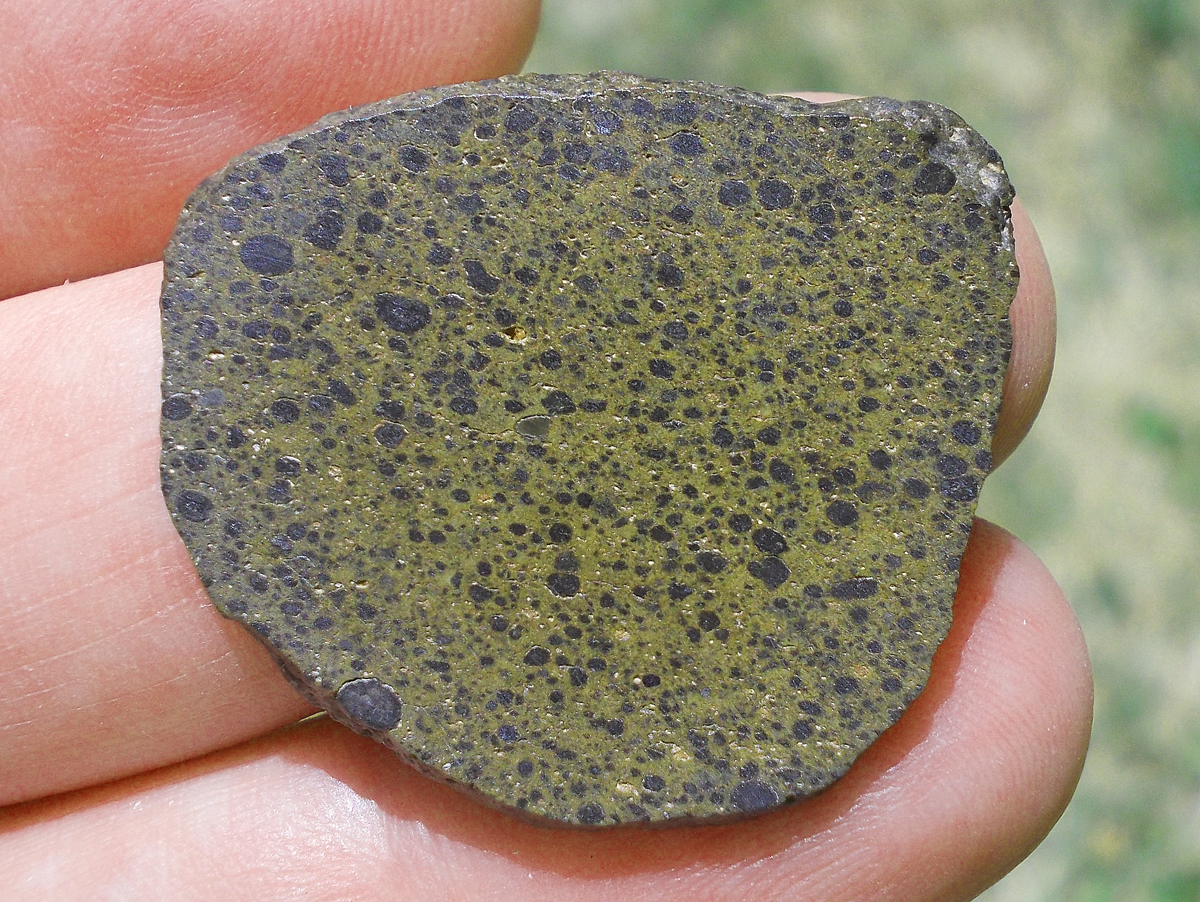
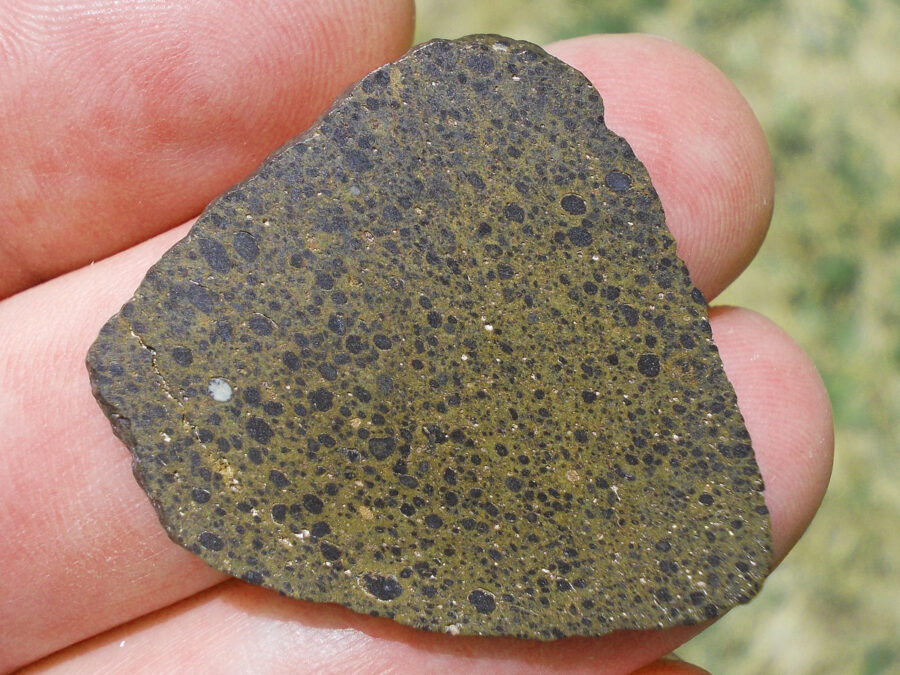
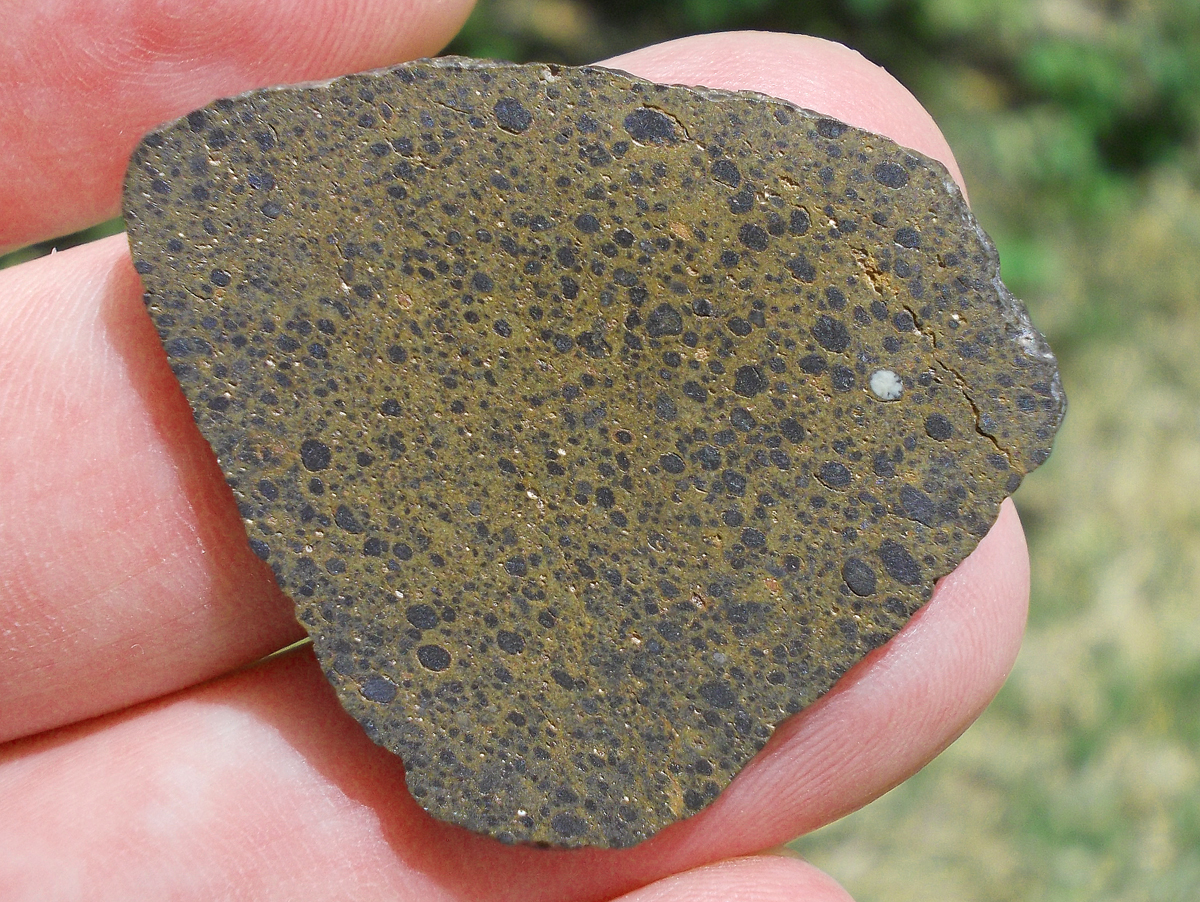
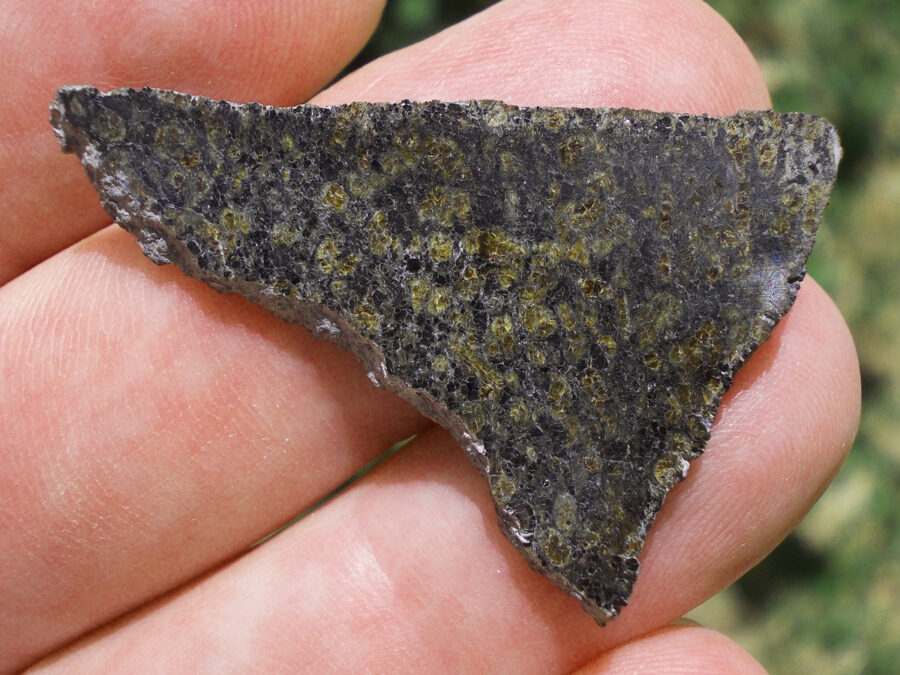
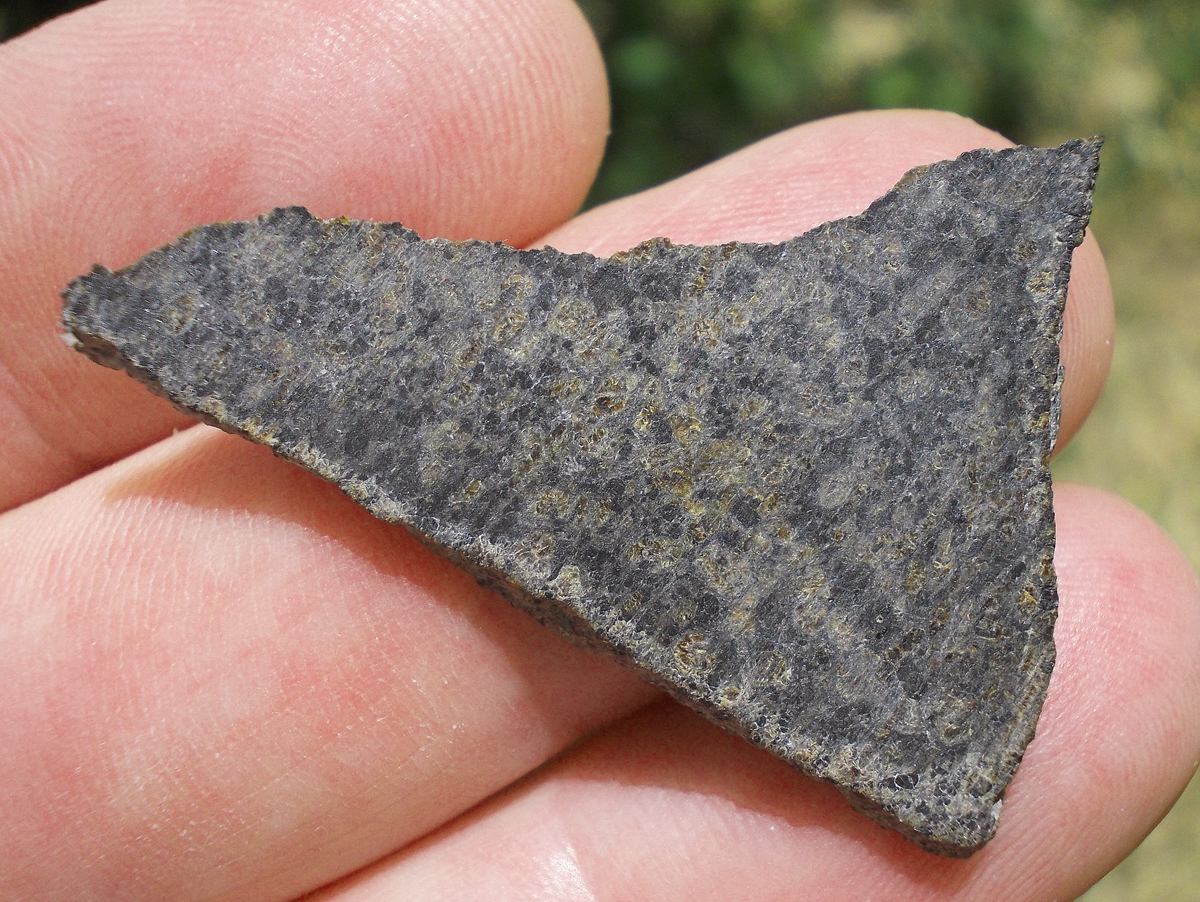
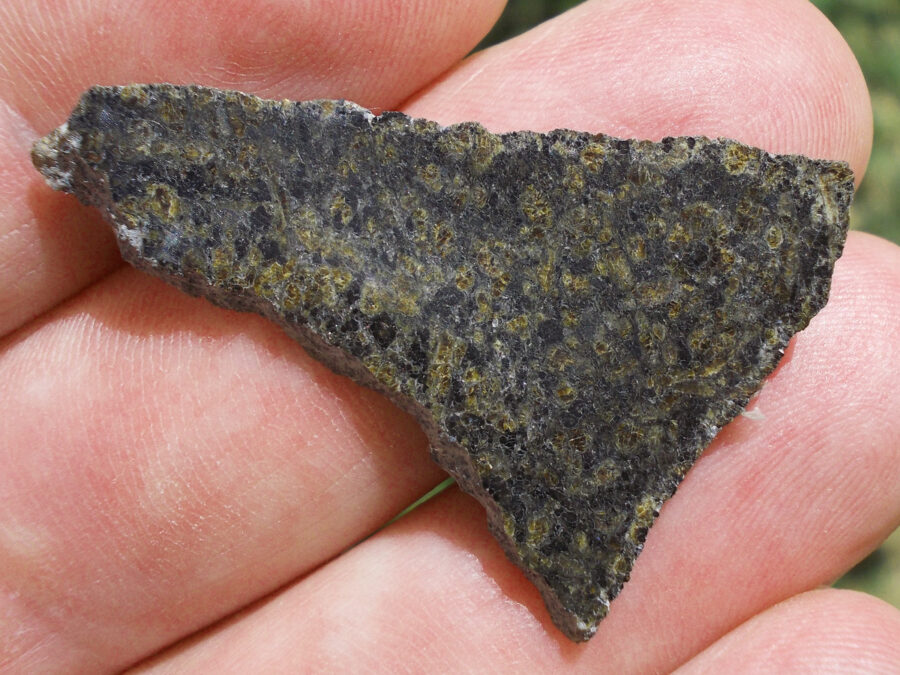
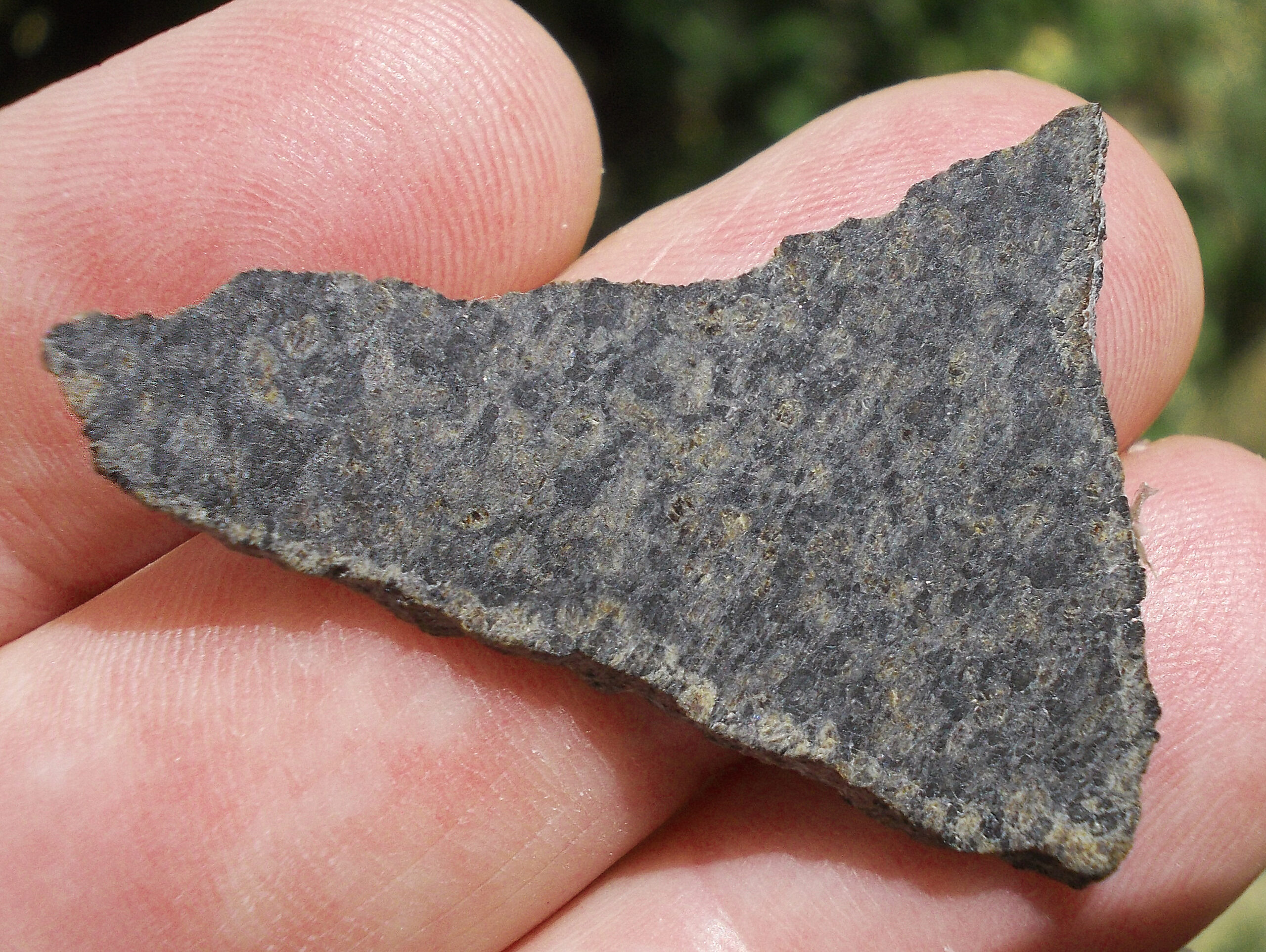
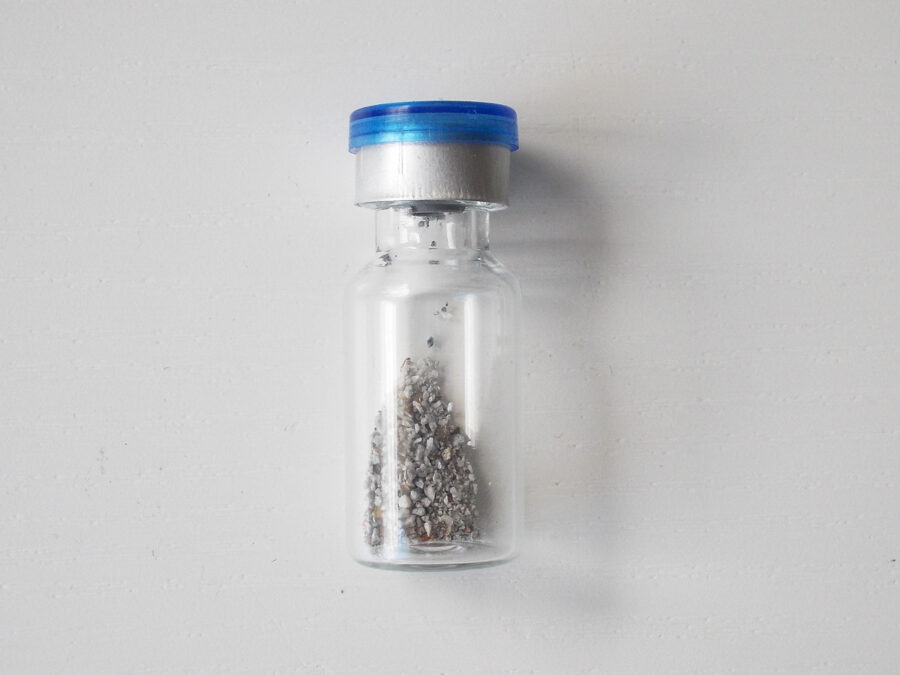
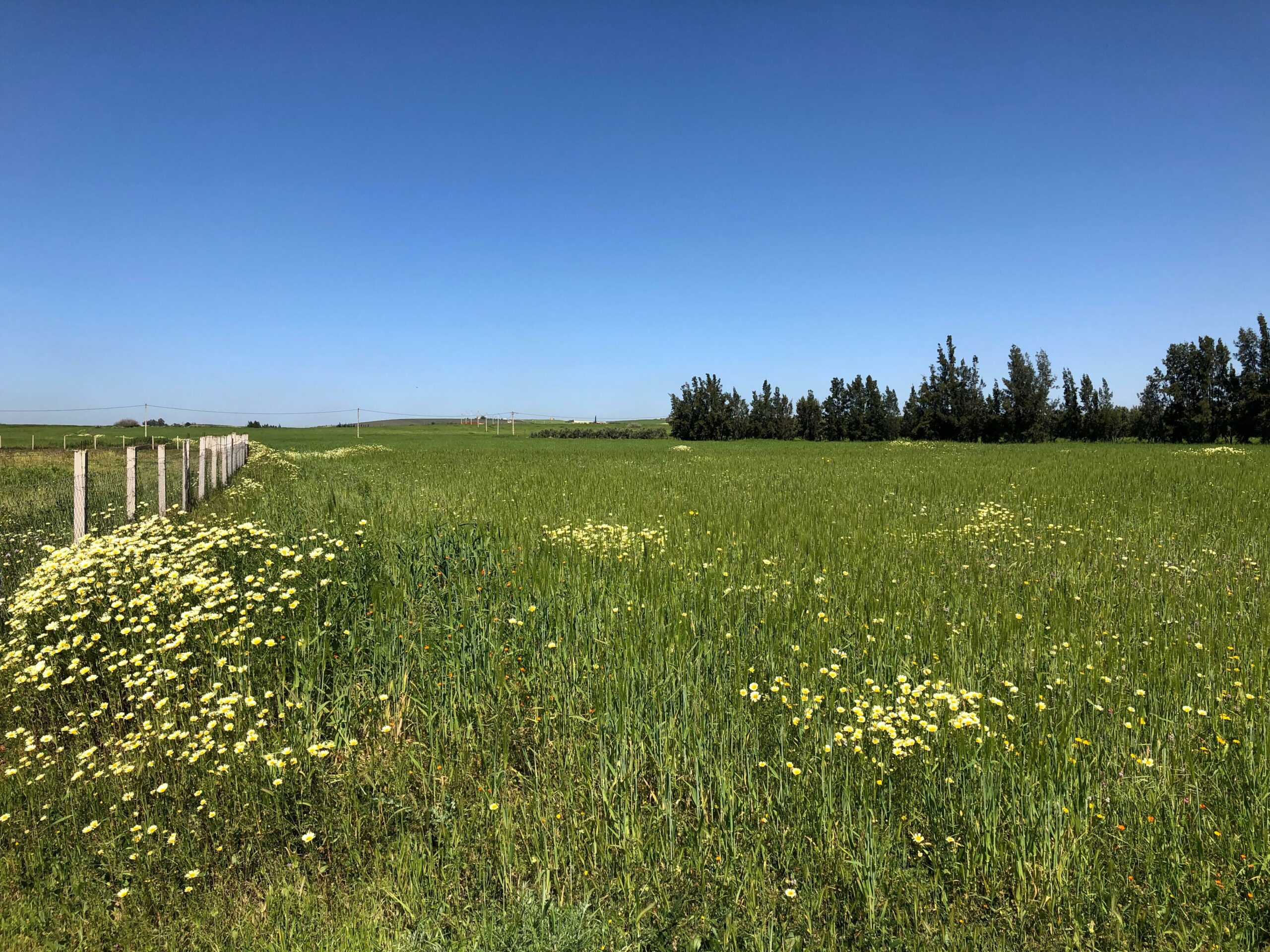
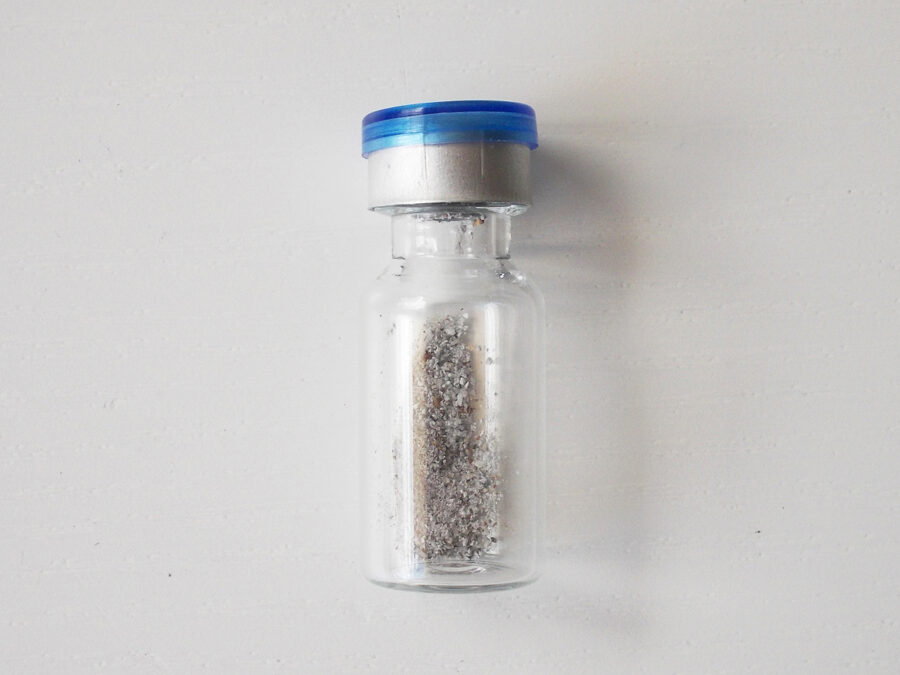
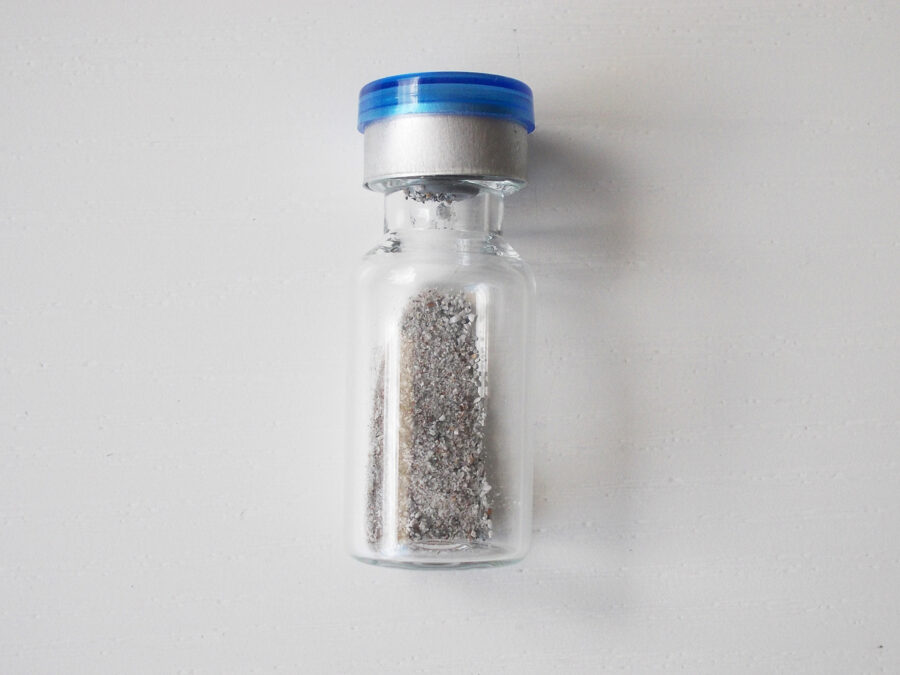
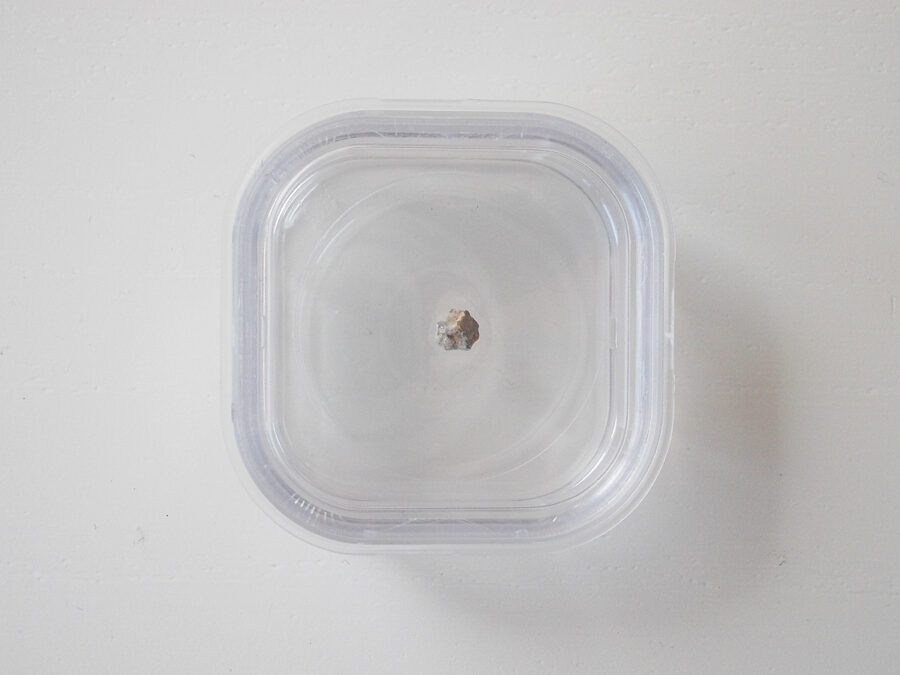
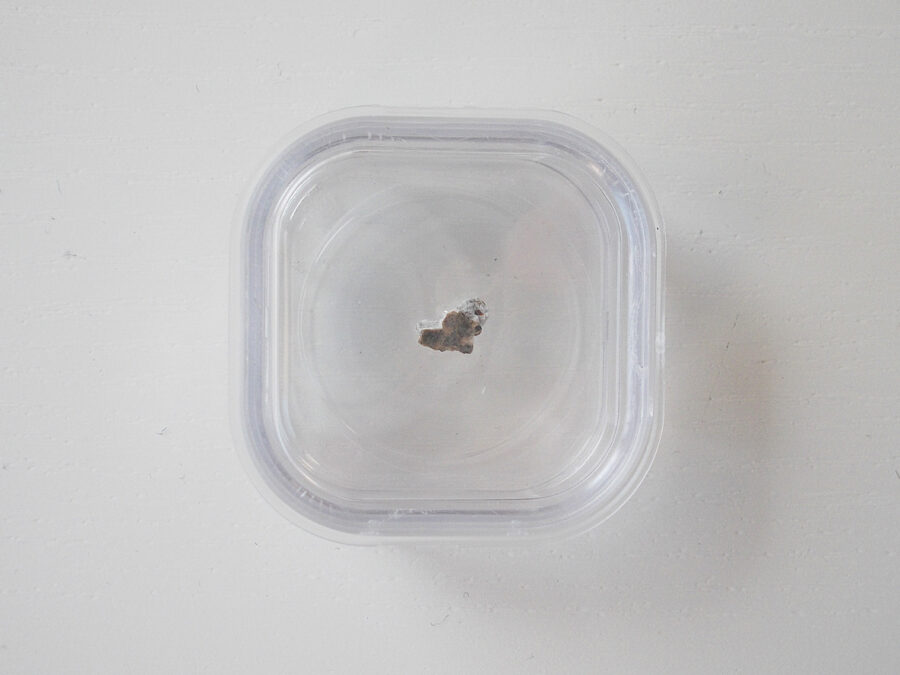
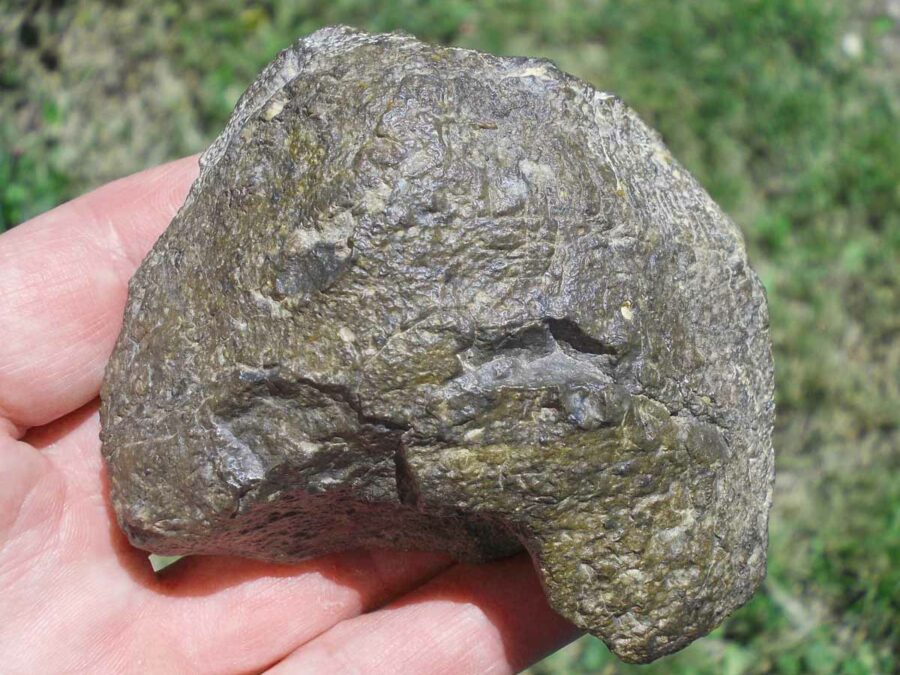
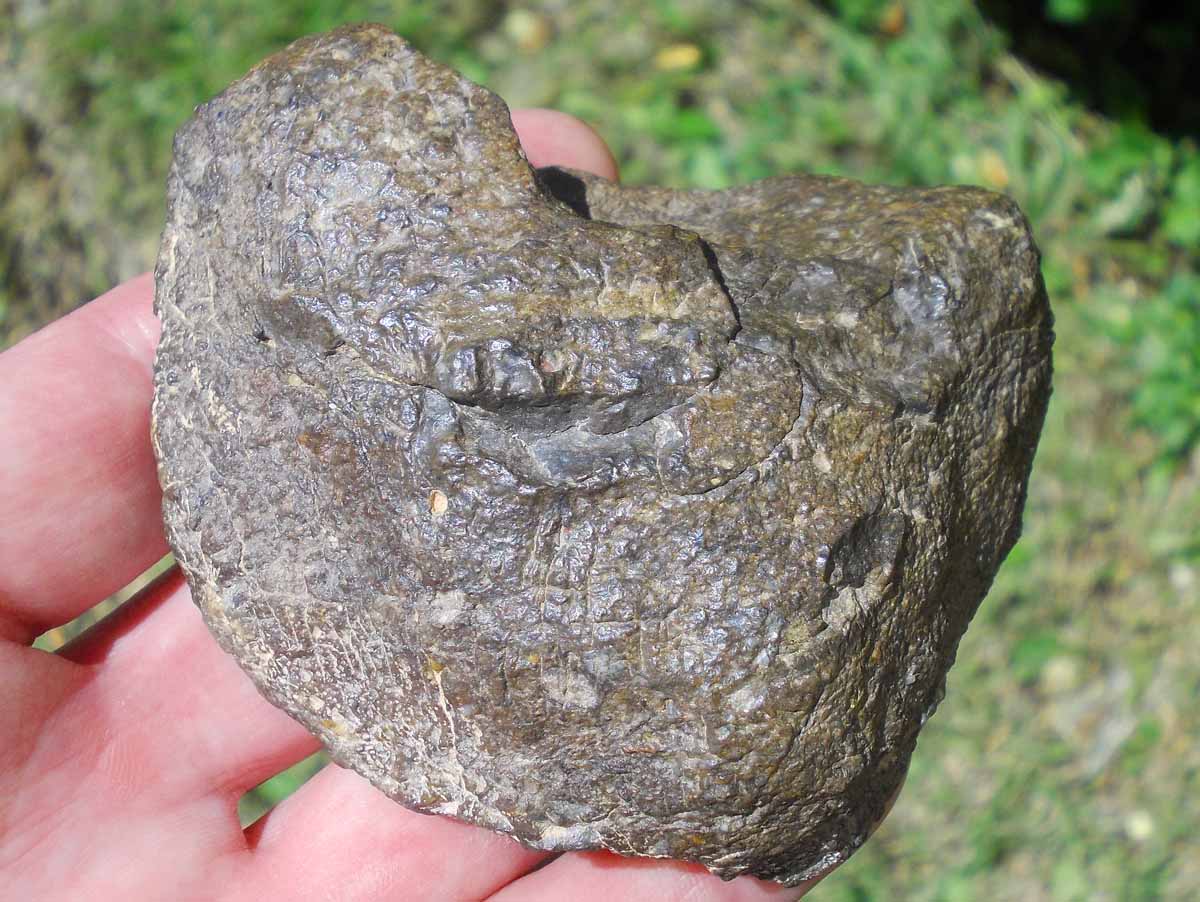
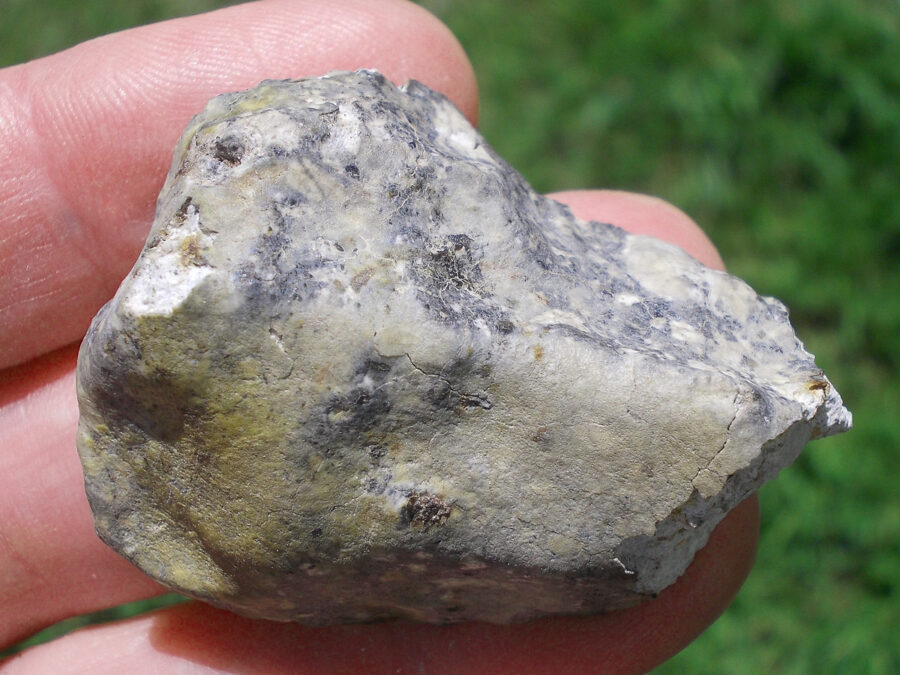
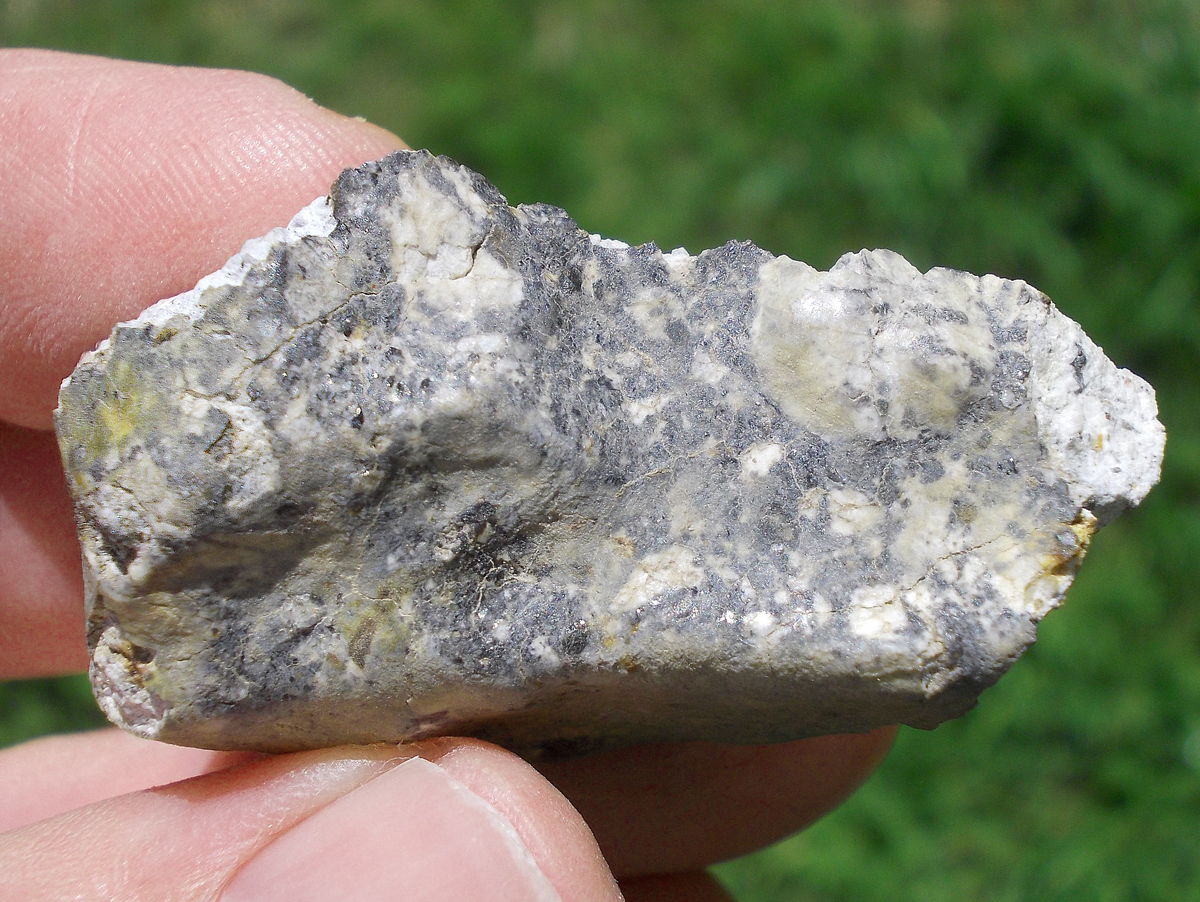
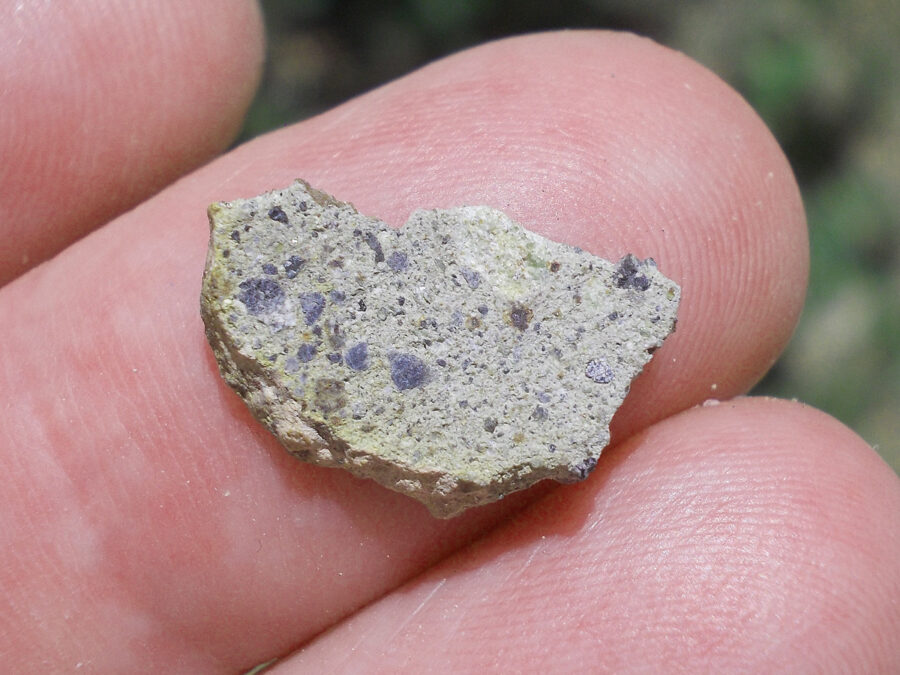
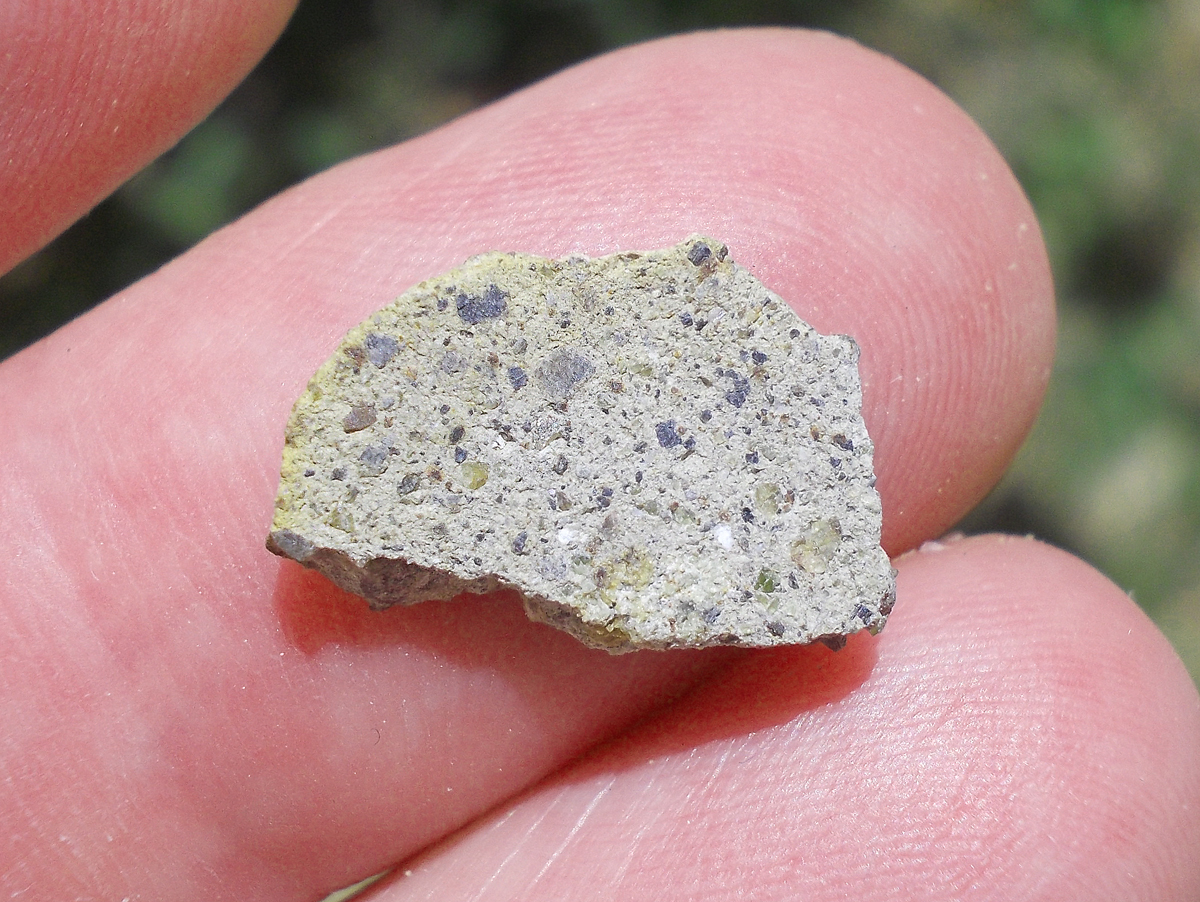
The Khemis Sidi Yahya is an aubrite meteorite; it fell in Morocco on February 7, 2026, in fields near the town of Tiflet, making the search for it very difficult.
This meteorite is currently being classified.
To date, only 90 meteorites of this type have been classified.
It is a rare type of meteorite difficult to find on the market.
The name Aubrites is linked to the fall of a meteorite in France at Aubres in 1836. They consist mainly of orthopyroxene and enstatite.
A new theory by a French scientific team raises the possibility of a link between Aubrites and the planet Mercury.
The Khemis Sidi Yahya is an aubrite meteorite; it fell in Morocco on February 7, 2026, in fields near the town of Tiflet, making the search for it very difficult.
This meteorite is currently being classified.
To date, only 90 meteorites of this type have been classified.
It is a rare type of meteorite difficult to find on the market.
The name Aubrites is linked to the fall of a meteorite in France at Aubres in 1836. They consist mainly of orthopyroxene and enstatite.
A new theory by a French scientific team raises the possibility of a link between Aubrites and the planet Mercury.
The Khemis Sidi Yahya is an aubrite meteorite; it fell in Morocco on February 7, 2026, in fields near the town of Tiflet, making the search for it very difficult.
This meteorite is currently being classified.
To date, only 90 meteorites of this type have been classified.
It is a rare type of meteorite difficult to find on the market.
The name Aubrites is linked to the fall of a meteorite in France at Aubres in 1836. They consist mainly of orthopyroxene and enstatite.
A new theory by a French scientific team raises the possibility of a link between Aubrites and the planet Mercury.
The Khemis Sidi Yahya is an aubrite meteorite; it fell in Morocco on February 7, 2026, in fields near the town of Tiflet, making the search for it very difficult.
This meteorite is currently being classified.
To date, only 90 meteorites of this type have been classified.
It is a rare type of meteorite difficult to find on the market.
The name Aubrites is linked to the fall of a meteorite in France at Aubres in 1836. They consist mainly of orthopyroxene and enstatite.
A new theory by a French scientific team raises the possibility of a link between Aubrites and the planet Mercury.
The Khemis Sidi Yahya is an aubrite meteorite; it fell in Morocco on February 7, 2026, in fields near the town of Tiflet, making the search for it very difficult.
This meteorite is currently being classified.
To date, only 90 meteorites of this type have been classified.
It is a rare type of meteorite difficult to find on the market.
The name Aubrites is linked to the fall of a meteorite in France at Aubres in 1836. They consist mainly of orthopyroxene and enstatite.
A new theory by a French scientific team raises the possibility of a link between Aubrites and the planet Mercury.
The Khemis Sidi Yahya is an aubrite meteorite; it fell in Morocco on February 7, 2026, in fields near the town of Tiflet, making the search for it very difficult.
This meteorite is currently being classified.
To date, only 90 meteorites of this type have been classified.
It is a rare type of meteorite difficult to find on the market.
The name Aubrites is linked to the fall of a meteorite in France at Aubres in 1836. They consist mainly of orthopyroxene and enstatite.
A new theory by a French scientific team raises the possibility of a link between Aubrites and the planet Mercury.
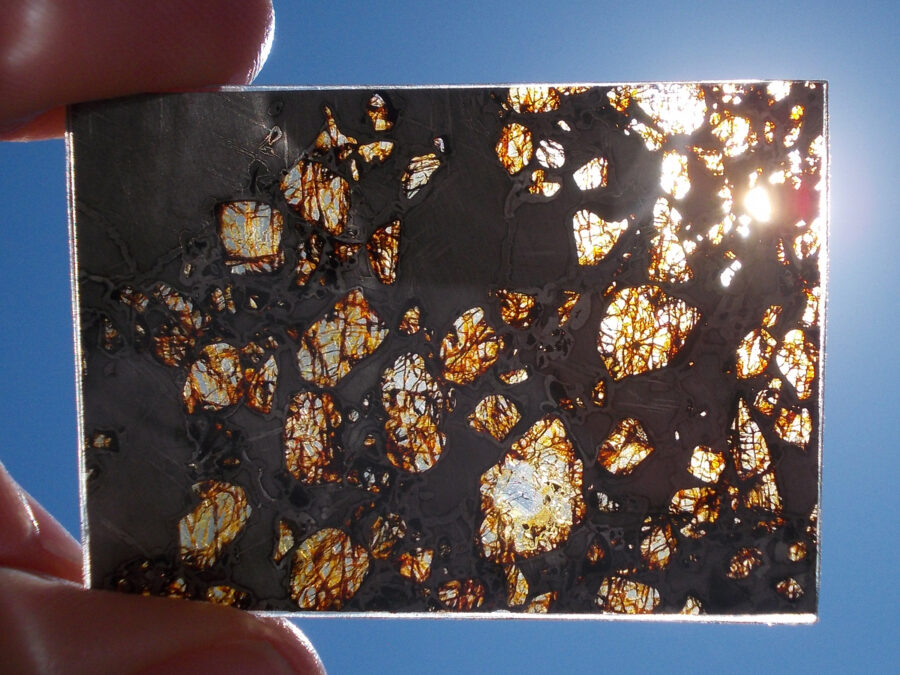
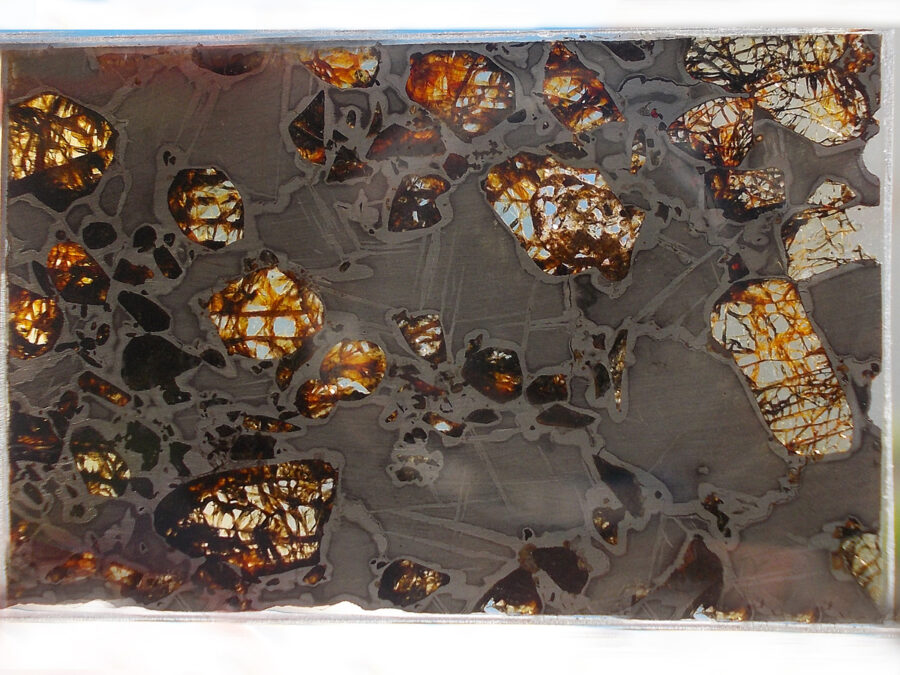
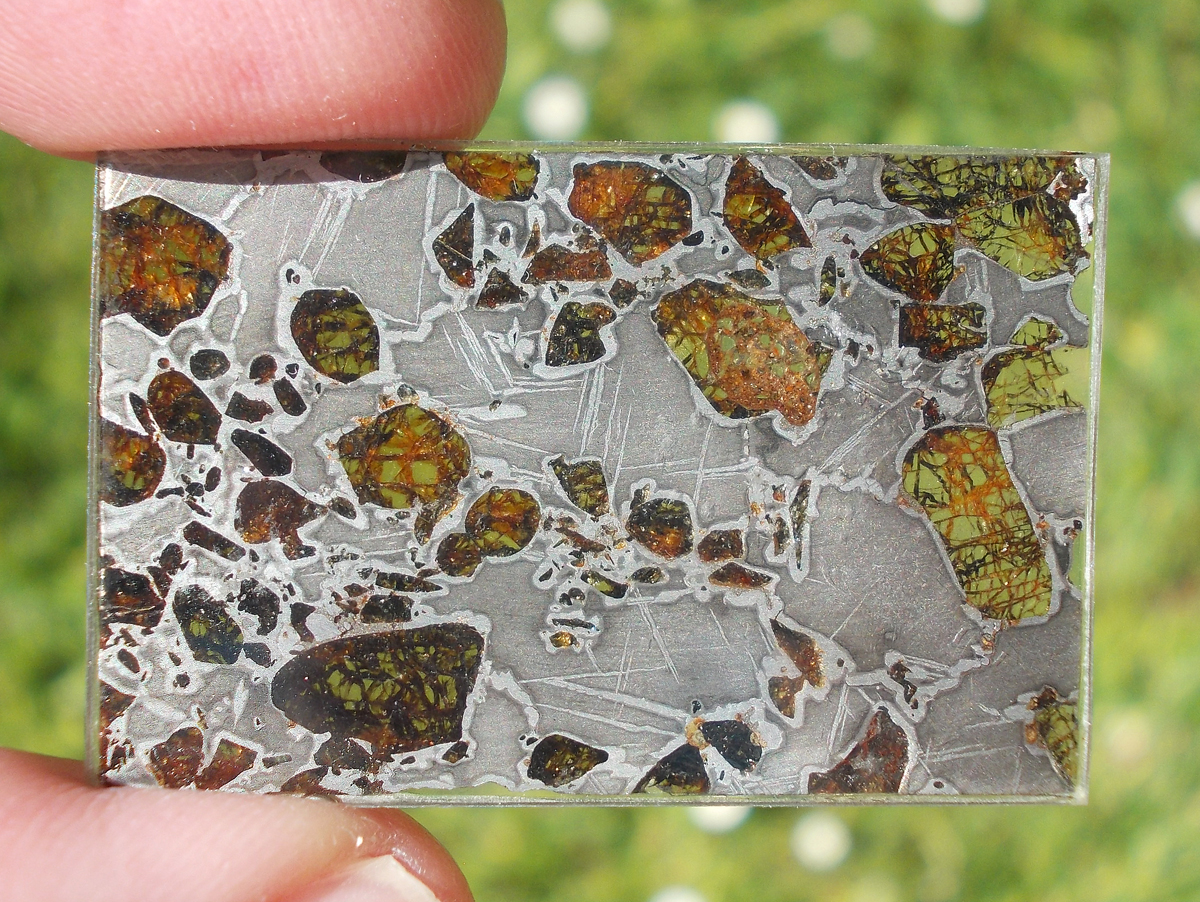
Gyarub Zangbo is a pallasite meteorite discovered in Tibet in 2020, weighing just 18 kg. Its mineral composition, the oxygen and chromium isotopes in the olivine, and the metallic phase classify this pallasite as an anomalous carbonaceous pallasite.
Gyarub Zangbo appears to be a unique pallasite collected from an asteroid not yet represented in the pallasite collection.
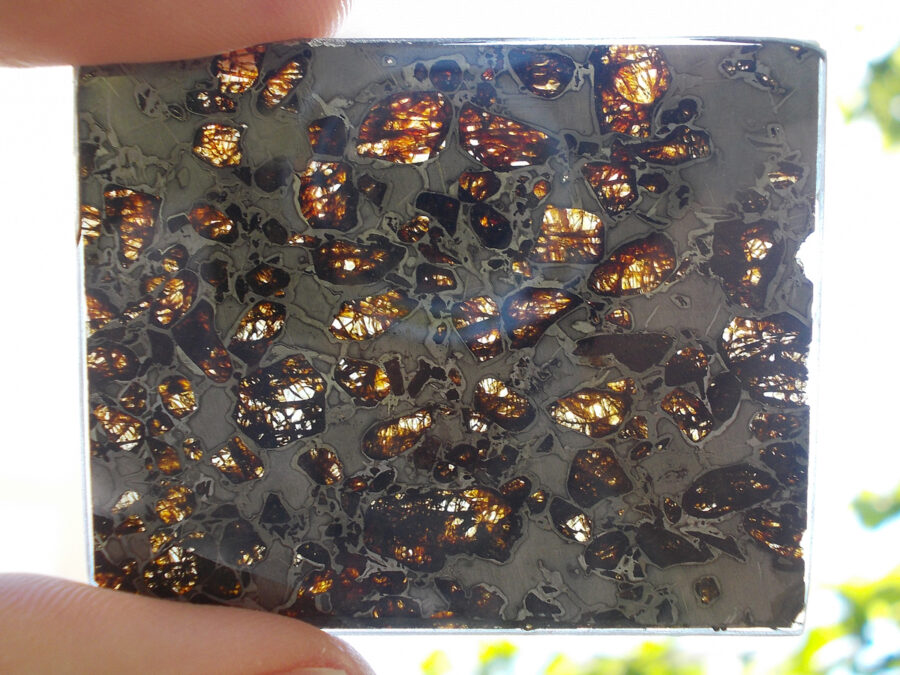
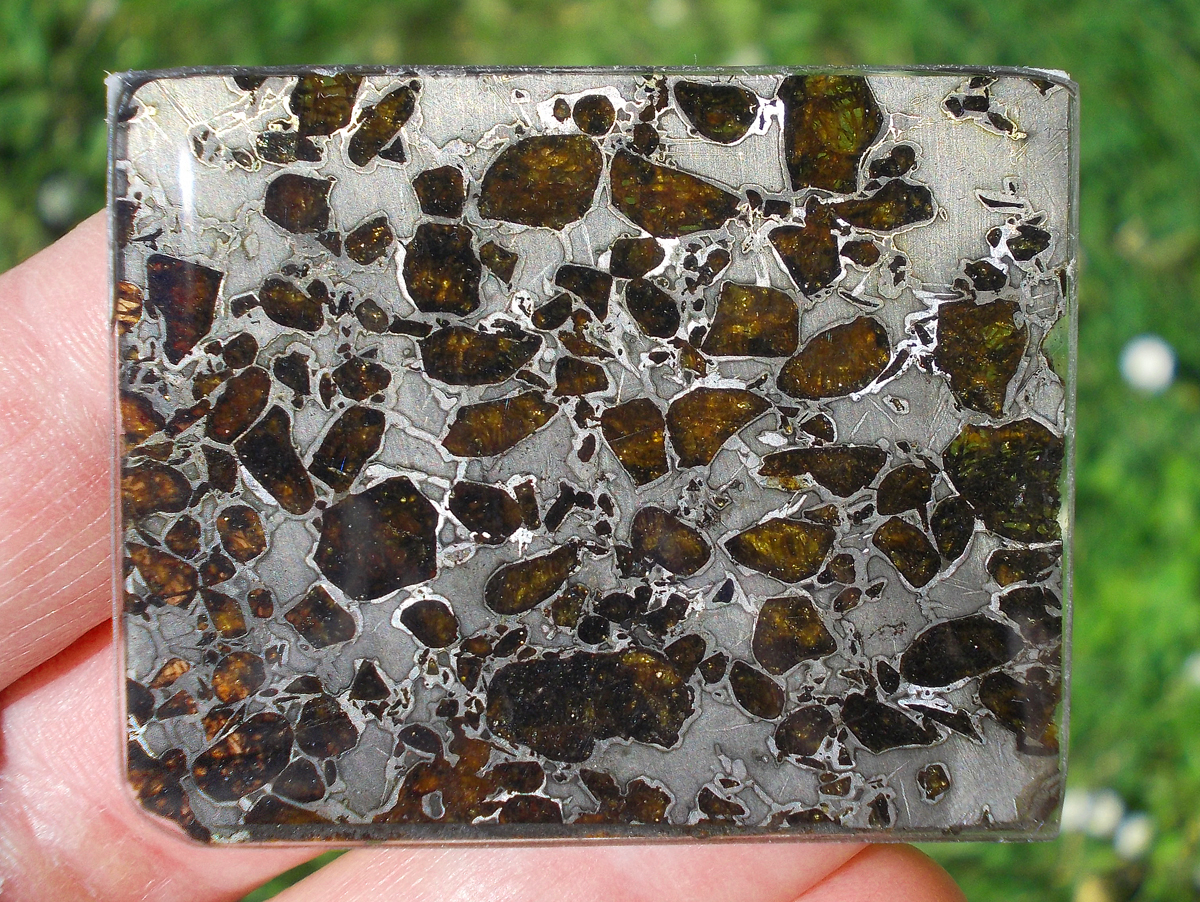
Pallasites are unique stony-iron meteorites composed primarily of olivine and iron-rich metal. They are believed to have formed in the boundary region between the core and the mantle of asteroids, within the asteroids themselves.
Pallasites are meteorites composed of olivine crystals embedded in an iron-nickel matrix. Pallasites are among the most aesthetically pleasing meteorites.
Exceptional quality !
A thin, translucent slice protected by a very thin layer of resin.
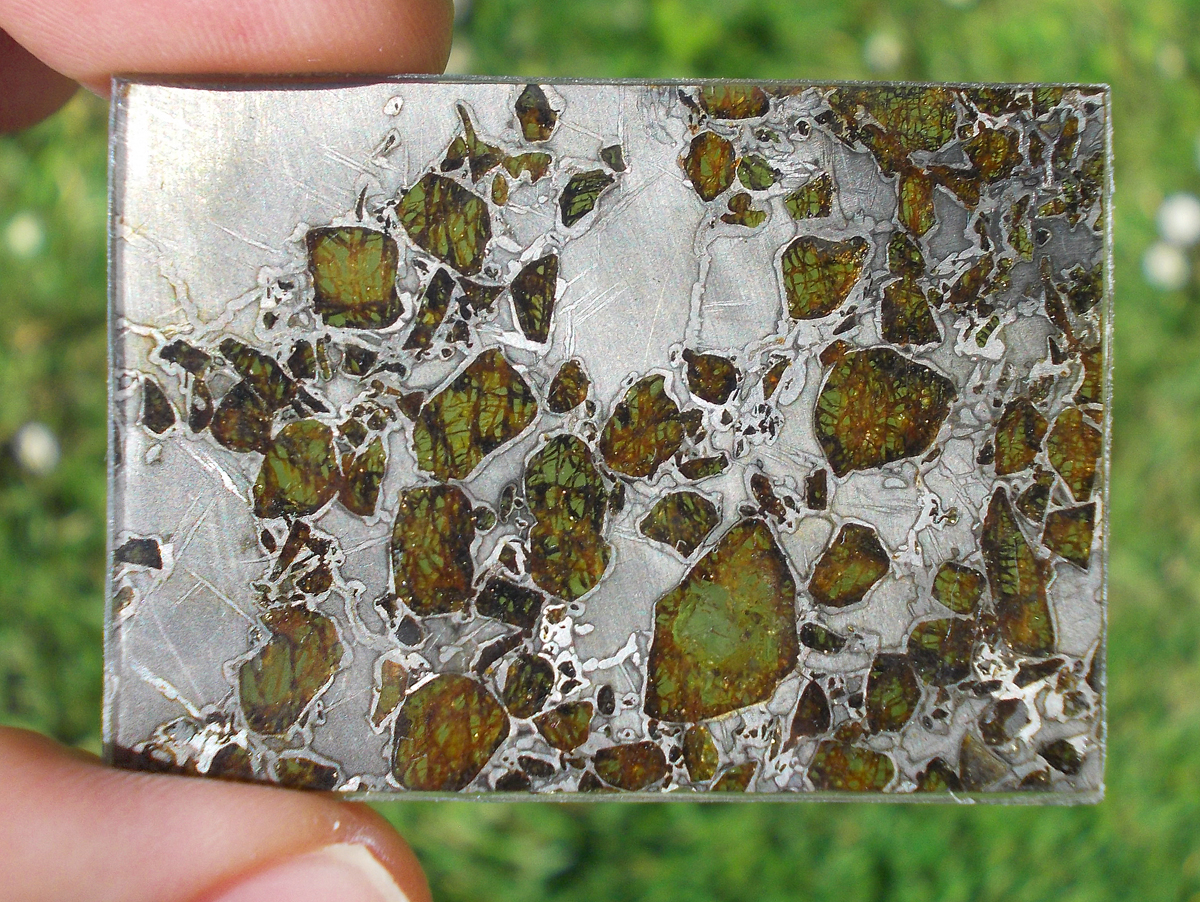
Gyarub Zangbo is a pallasite meteorite discovered in Tibet in 2020, weighing just 18 kg. Its mineral composition, the oxygen and chromium isotopes in the olivine, and the metallic phase classify this pallasite as an anomalous carbonaceous pallasite.
Gyarub Zangbo appears to be a unique pallasite collected from an asteroid not yet represented in the pallasite collection.
Pallasites are unique stony-iron meteorites composed primarily of olivine and iron-rich metal. They are believed to have formed in the boundary region between the core and the mantle of asteroids, within the asteroids themselves.
Pallasites are meteorites composed of olivine crystals embedded in an iron-nickel matrix. Pallasites are among the most aesthetically pleasing meteorites.
Exceptional quality !
A thin, translucent slice protected by a very thin layer of resin.
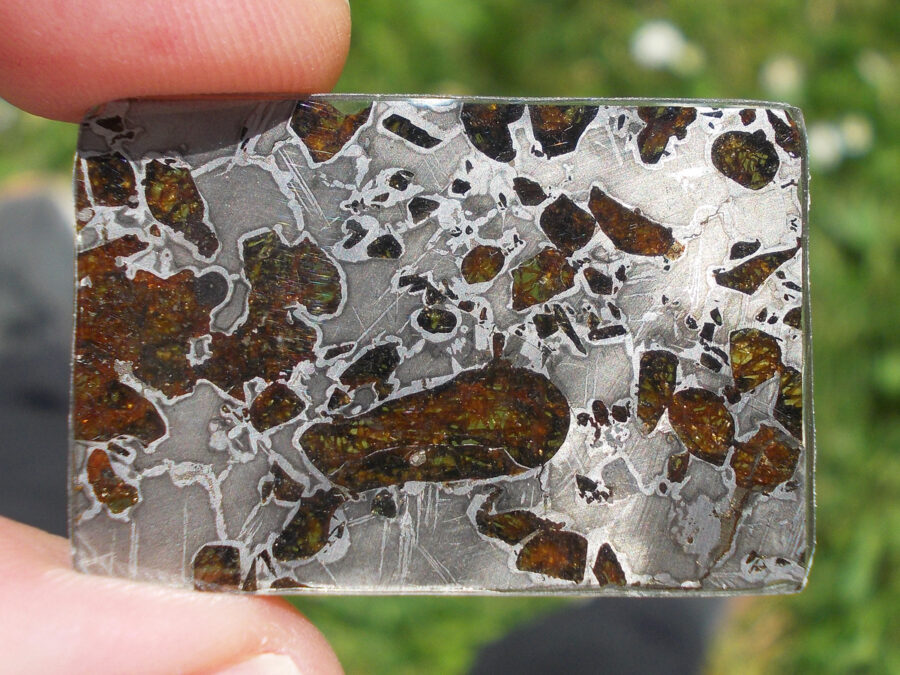
Gyarub Zangbo is a pallasite meteorite discovered in Tibet in 2020, weighing just 18 kg. Its mineral composition, the oxygen and chromium isotopes in the olivine, and the metallic phase classify this pallasite as an anomalous carbonaceous pallasite.
Gyarub Zangbo appears to be a unique pallasite collected from an asteroid not yet represented in the pallasite collection.
Pallasites are unique stony-iron meteorites composed primarily of olivine and iron-rich metal. They are believed to have formed in the boundary region between the core and the mantle of asteroids, within the asteroids themselves.
Pallasites are meteorites composed of olivine crystals embedded in an iron-nickel matrix. Pallasites are among the most aesthetically pleasing meteorites.
Exceptional quality !
A thin, translucent slice protected by a very thin layer of resin.
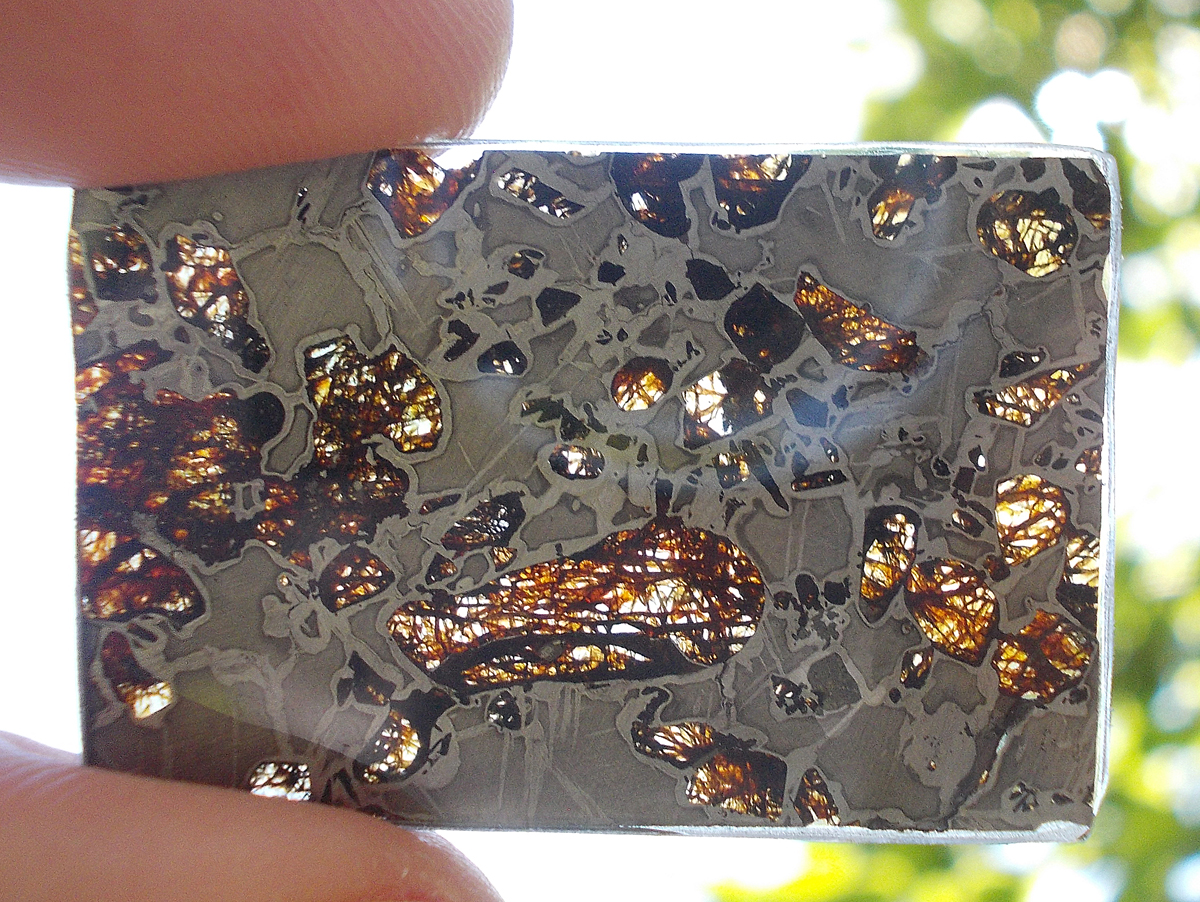
Gyarub Zangbo is a pallasite meteorite discovered in Tibet in 2020, weighing just 18 kg. Its mineral composition, the oxygen and chromium isotopes in the olivine, and the metallic phase classify this pallasite as an anomalous carbonaceous pallasite.
Gyarub Zangbo appears to be a unique pallasite collected from an asteroid not yet represented in the pallasite collection.
Pallasites are unique stony-iron meteorites composed primarily of olivine and iron-rich metal. They are believed to have formed in the boundary region between the core and the mantle of asteroids, within the asteroids themselves.
Pallasites are meteorites composed of olivine crystals embedded in an iron-nickel matrix. Pallasites are among the most aesthetically pleasing meteorites.
Exceptional quality !
A thin, translucent slice protected by a very thin layer of resin.


 Out of stock